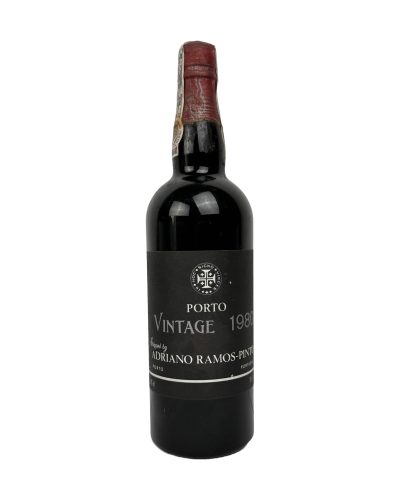
0.75 L
1980
Adriano Ramos-Pinto
Wines, producers, regions...
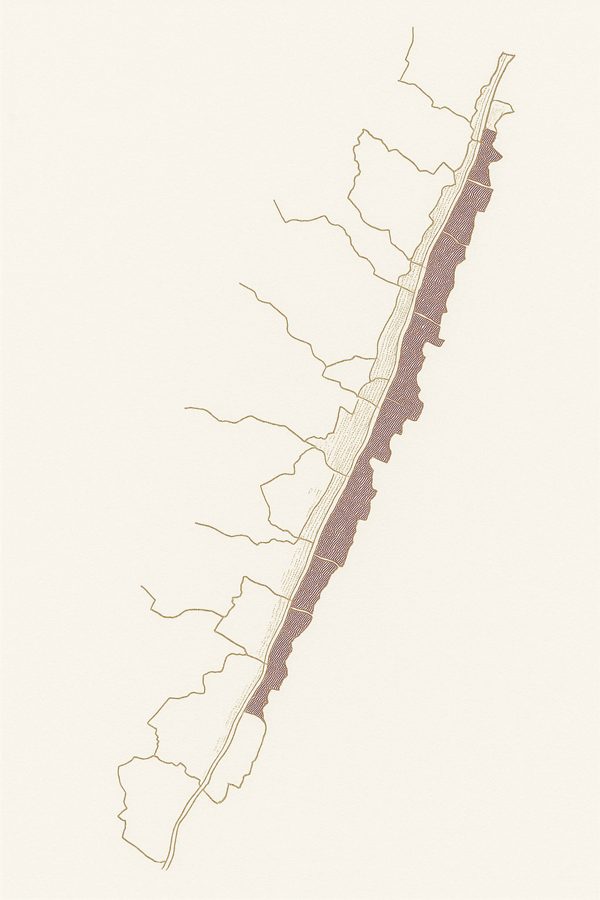 Côte de Nuits
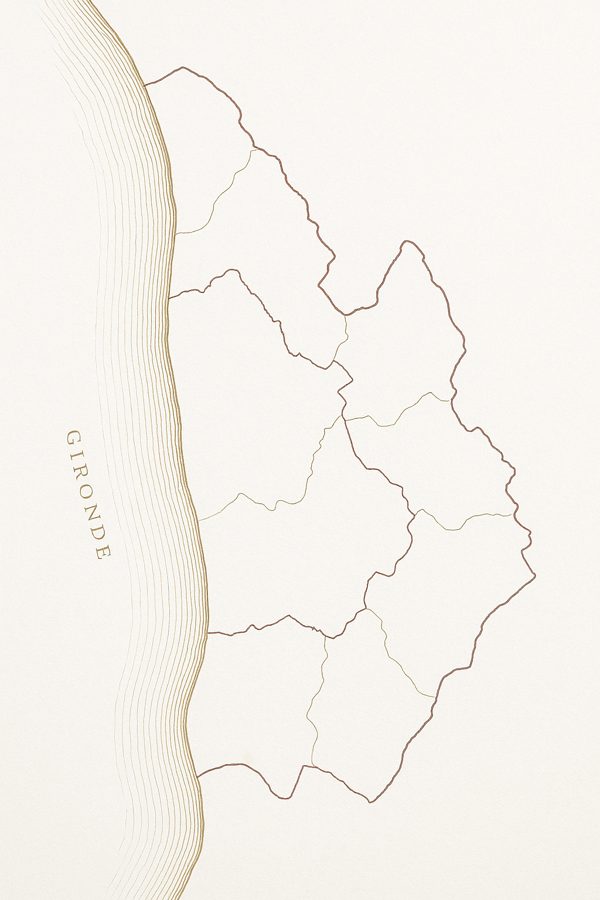 Pauillac
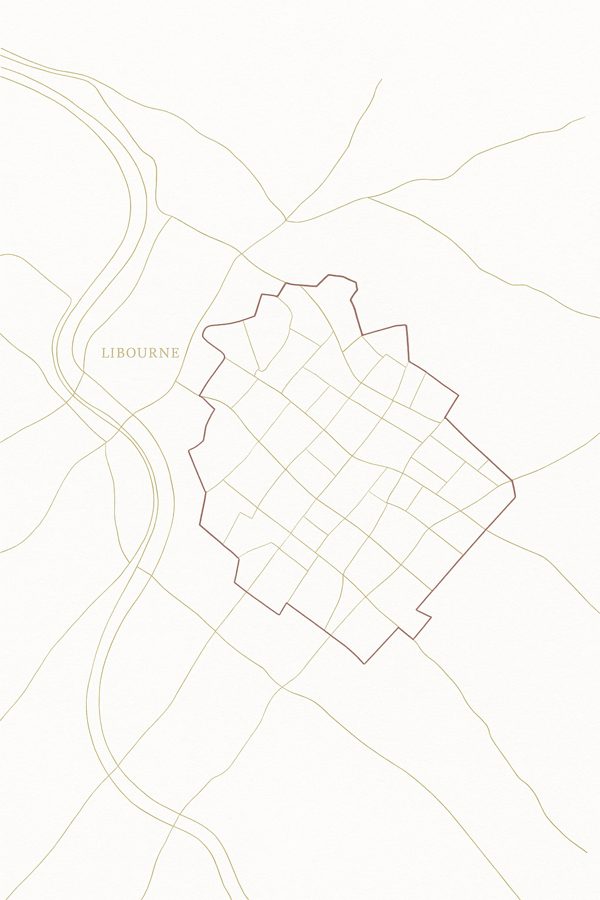 Pomerol
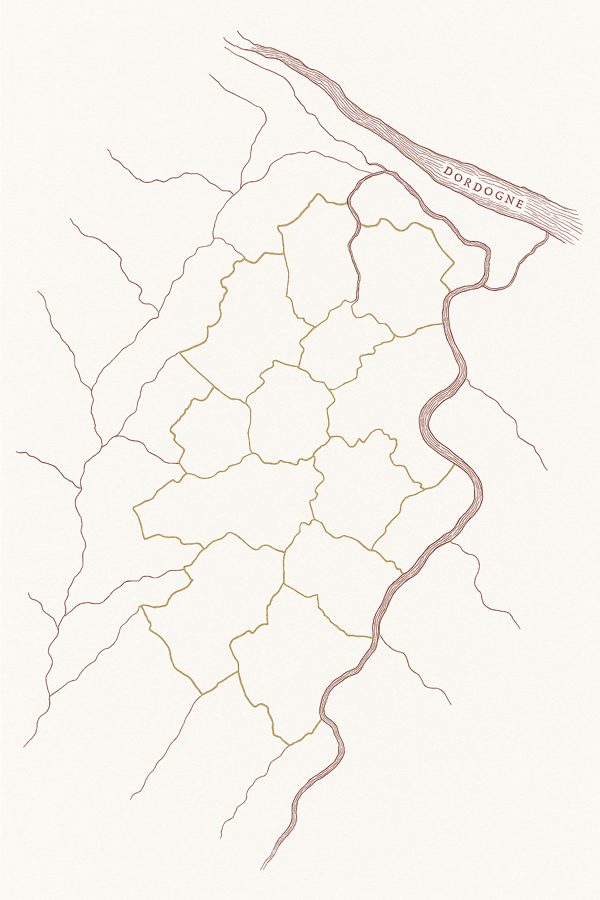 Saint-Émilion
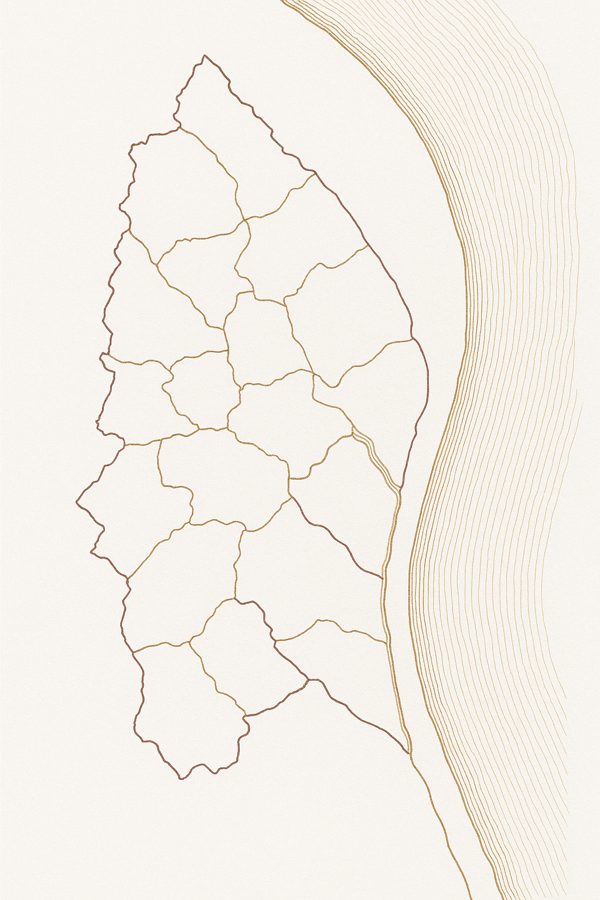 Margaux
 Montalcino
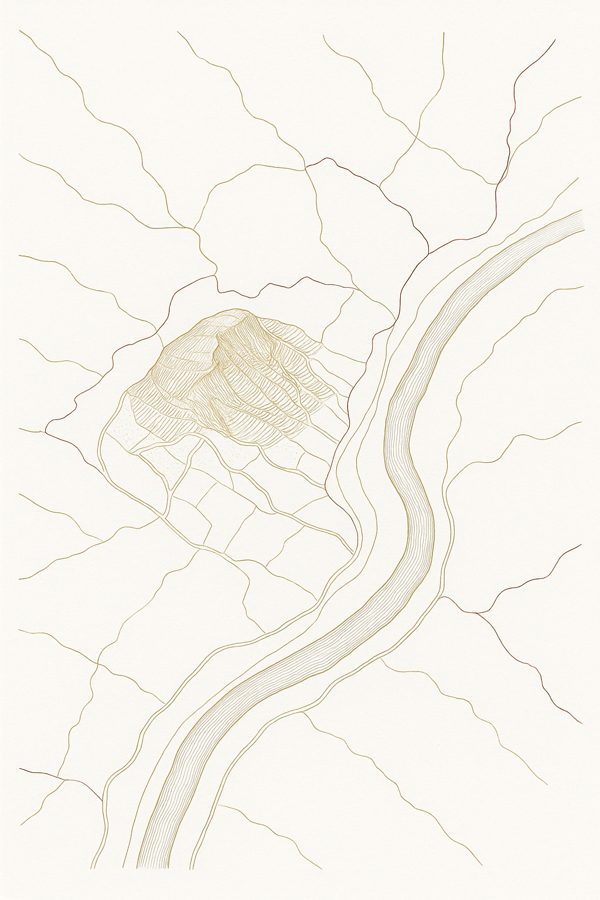 Hermitage
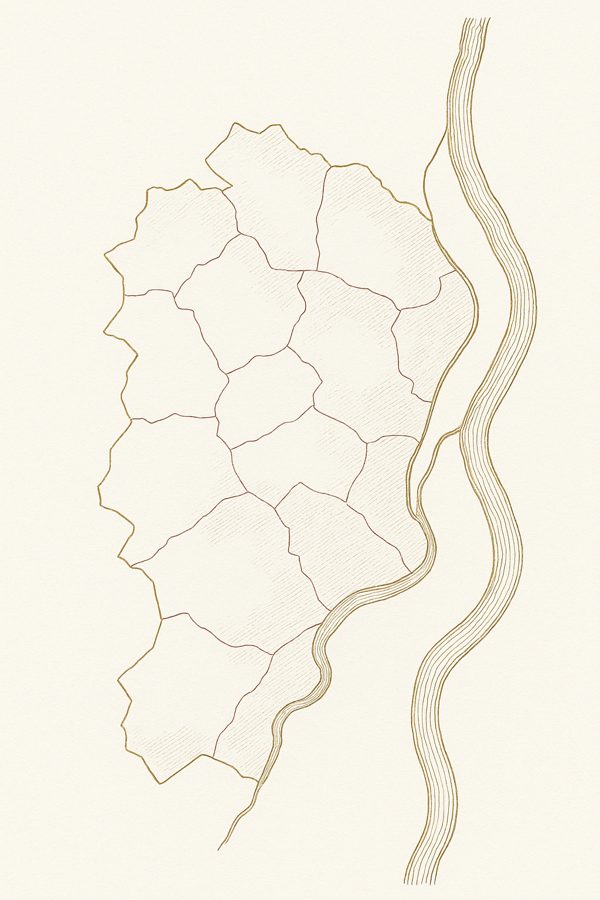 Sauternes
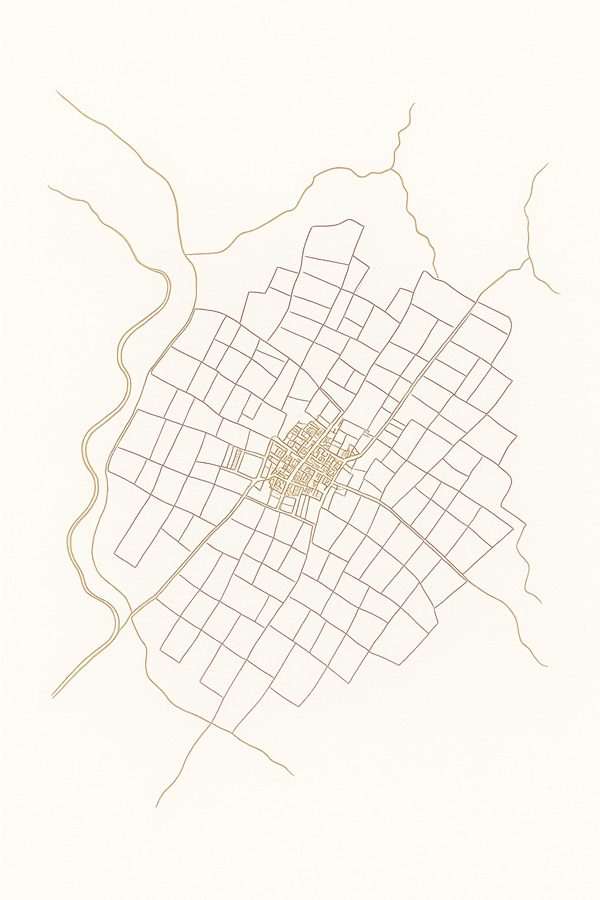 Meursault
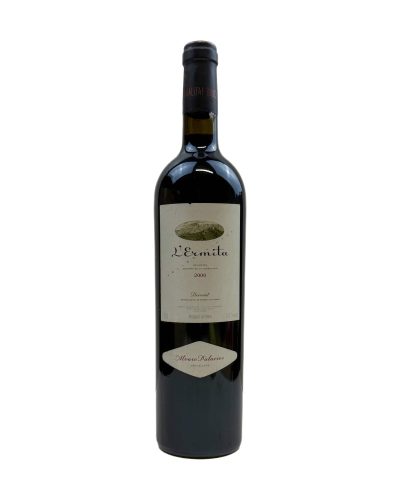
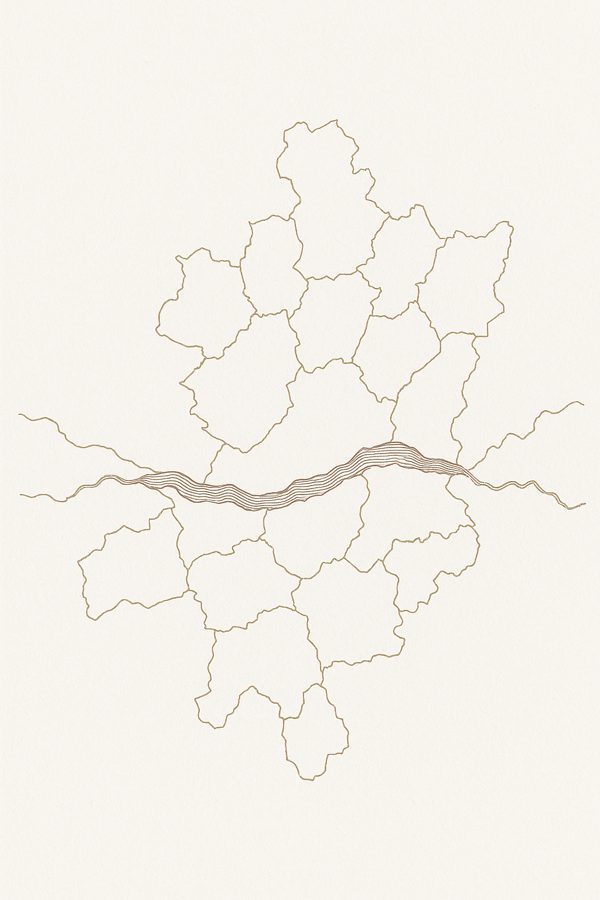 Ribera del Duero
 Châteauneuf-du-Pape
 Douro
Douro
 Mendoza
Sauternes
Douro
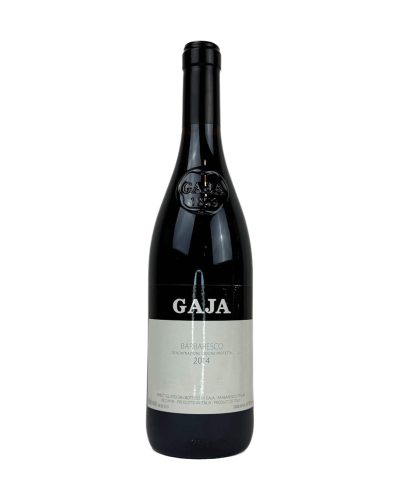
 Barolo
Châteauneuf-du-Pape
Ribera del Duero
Douro
Sauternes
 Northern Rhône
 Friuli
 Alsace
 Monferrato
 Alentejo
 Cariñena
 Alicante
 Languedoc
 Beaujolais
 Graves
 Priorat
 Campania
 Canelli
 Taurasi
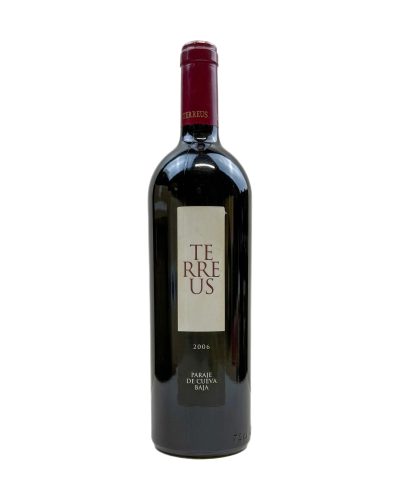
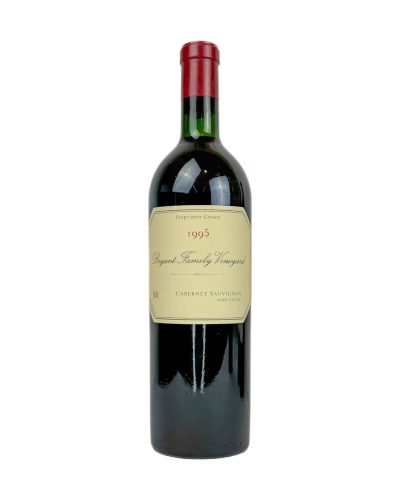
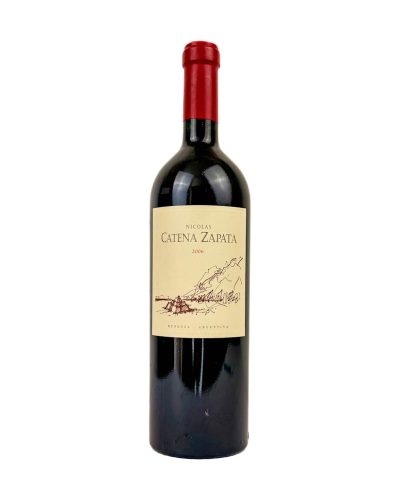
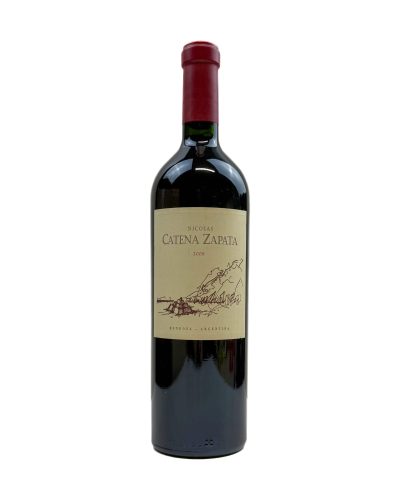
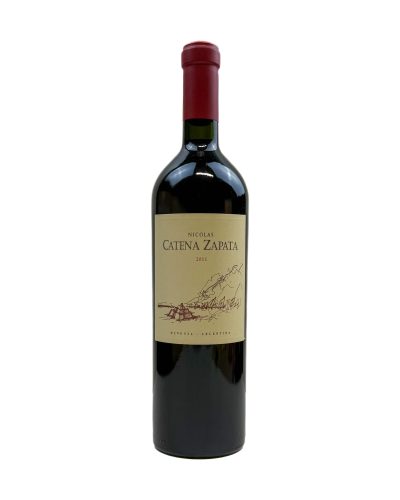
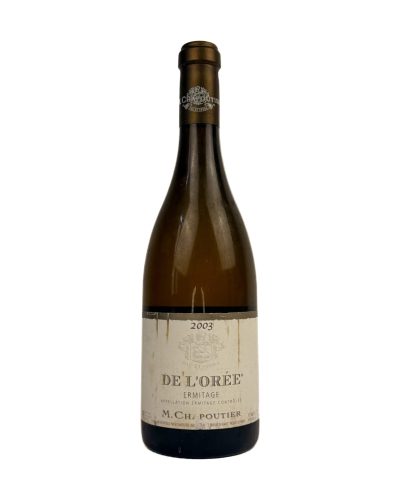
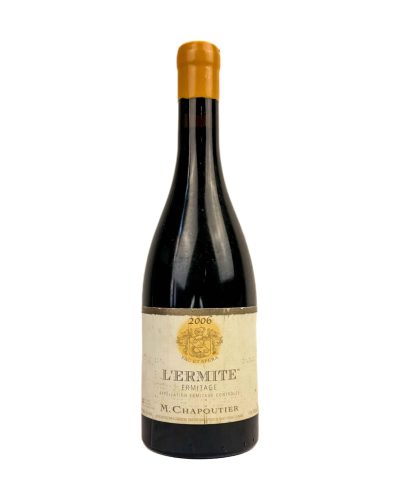
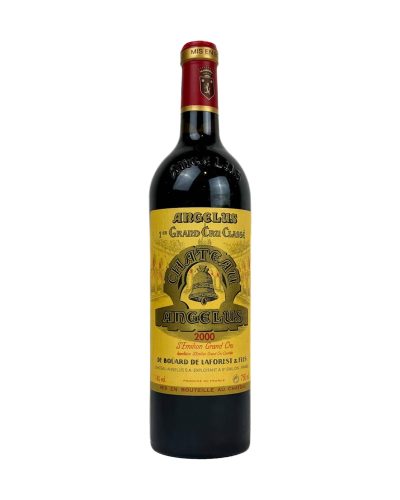
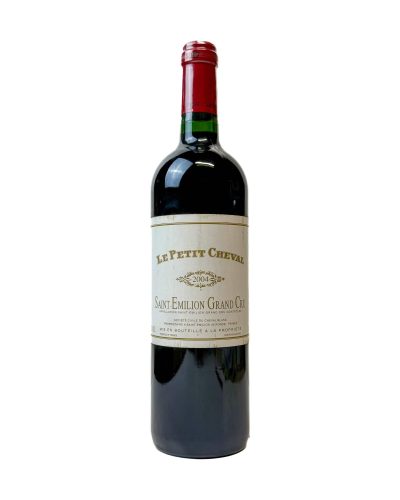
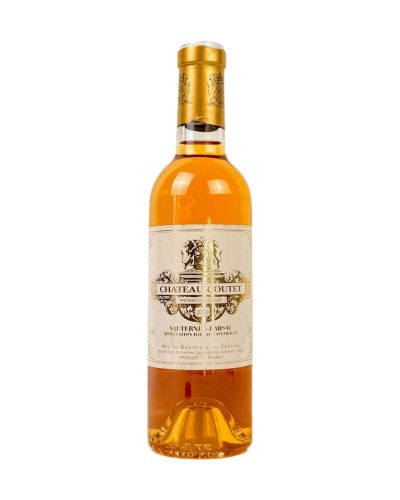
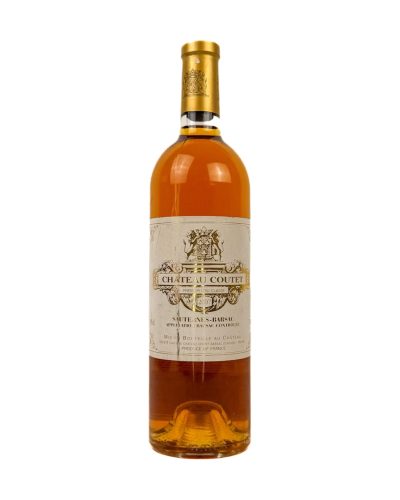
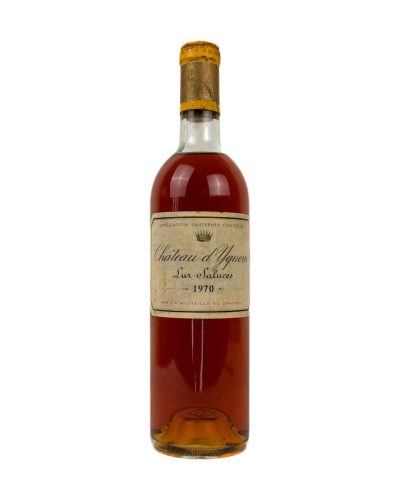
Grape varieties are the most direct way to understand what is in the glass. Two bottles from different countries can taste alike because they share a vine, and two bottles from the same village can differ because the vine is not the same. This page is for anyone who prefers to choose by grape: the buyer who knows they love Pinot Noir and wants to see every region that grows it, the collector building a cellar around a single variety, and the curious drinker ready to try something new.
A variety sets the frame of a wine: its colour, its acidity, its tannin, the fruit it leans towards. Pinot Noir is pale, perfumed and fine-grained. Cabernet Sauvignon is dark, firm and built for ageing. Chardonnay can be lean and mineral or rounder and shaped by oak, depending on where it grows and how it is raised. Place and winemaker then add their own signature, which is why the same grape can taste so different from one slope to the next.
Many classic European wines are named after their place rather than their grape, so the variety is often not on the label. Red Burgundy is Pinot Noir, Barolo is Nebbiolo, Chianti is built on Sangiovese, and Sauternes relies mostly on Sémillon. Browsing by grape removes that guesswork and lets you compare bottles that would otherwise sit under very different names.
Red grapes make up the largest part of this range. Pinot Noir is the grape of red Burgundy, and it also plays a leading role in Champagne. Producers such as Domaine de la Romanée-Conti, Domaine Armand Rousseau, Domaine Leroy, Domaine Meo-Camuzet and Domaine du Clos de Tart are found on the Côte d’Or, in Vosne-Romanée and in the Côte de Nuits.
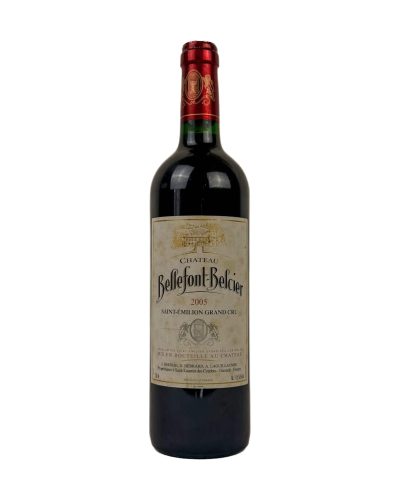
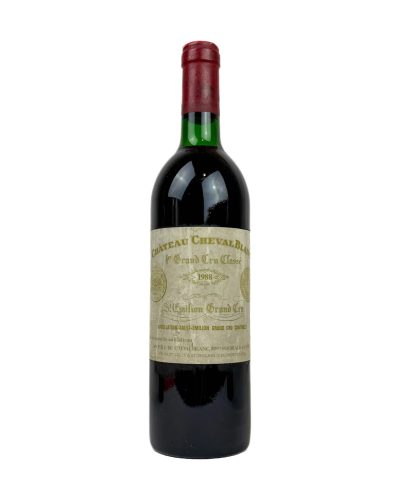
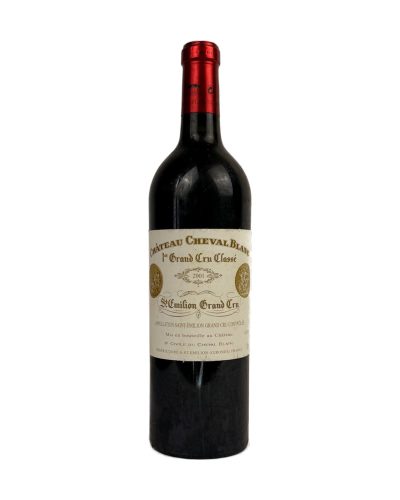
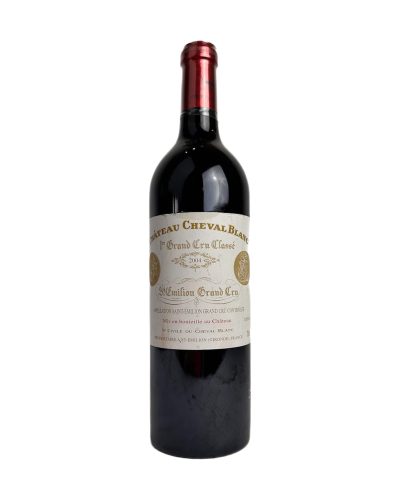
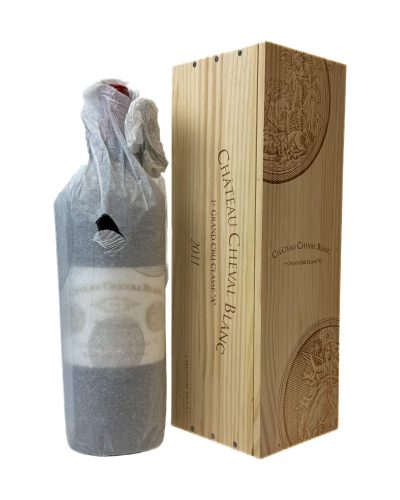
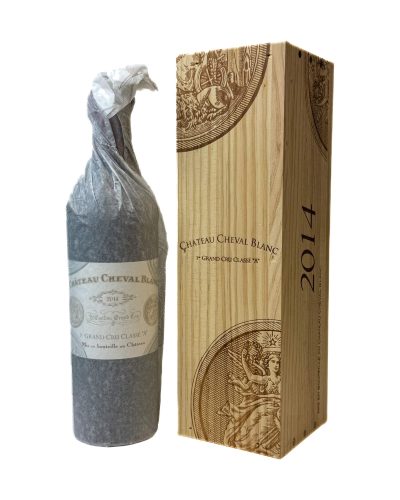
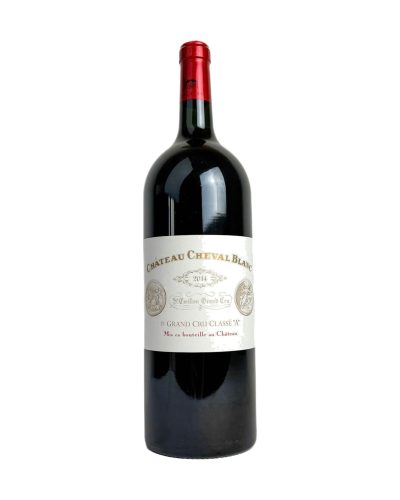
The Bordeaux varieties form a family of their own. Cabernet Sauvignon, Merlot and Cabernet Franc are blended in the Médoc and in Saint-Émilion, with Petit Verdot as a minor partner. Pauillac, Saint-Julien, Saint-Émilion and Pessac-Léognan are the appellations to know, and houses such as Château Mouton Rothschild, Château Haut-Brion, Château Pavie and Château Cheval Blanc show how each grape finds its place in the blend. As a rule, Cabernet Sauvignon brings structure, Merlot brings roundness, and Cabernet Franc adds freshness and a savoury edge.
Sangiovese is the backbone of Tuscany and central Italy: bright cherry fruit, lively acidity and a dry, grippy finish that calls for food. Tenuta dell’Ornellaia is one of the Tuscan names in the range. Syrah is the red grape of the northern Rhône, dark and peppery, and it travels well to other warm regions. Nebbiolo from Piedmont, Tempranillo and Tinto Fino from Spain, Grenache, Malbec and Mourvèdre each have their own page, and Vega Sicilia is the Spanish reference in the data. The Douro varieties, Touriga Nacional, Touriga Franca, Tinta Roriz and Tinta Barroca, are the base of Portuguese port and dry Douro reds.
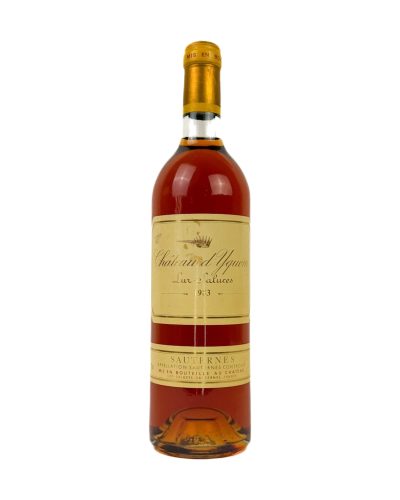
Chardonnay is the white grape of Burgundy and one of the main grapes of Champagne, so you will find it on the Côte de Beaune and around Reims and the Vallée de la Marne. Sauvignon blanc is the crisp, aromatic option. Sémillon and Muscadelle complete the Sauternes blend, and Château d’Yquem is the name that most people associate with that style. Sweet wines of this kind pair well with blue cheese, foie gras and fruit desserts.
For a gift, pick a grape the recipient already knows. A Pinot Noir suits someone who likes elegance, a Cabernet-based Bordeaux suits a lover of structure, and a Chardonnay is a safe white for almost every table. A producer name from the list above adds weight to the present, and a mature bottle with a known reputation makes a thoughtful choice for an anniversary.
For the cellar, think about ageing. Cabernet Sauvignon, Nebbiolo, Syrah and the Douro varieties reward patience, while Merlot, Pinot Noir and Sangiovese often become approachable earlier, though top examples keep for decades. For wines to enjoy now, look for bottles with some bottle age already, or lighter styles of Pinot Noir, Grenache and Sauvignon blanc.
If you do not know where to start, follow the country. The France page lists wines by origin, and the wine section gathers every style in one place. Grape pages and country pages complement each other: pick the variety, then narrow by region.
Serve light reds such as Pinot Noir slightly cool, around 15 to 16 °C, and fuller reds at 16 to 18 °C. Whites and Champagne are best chilled, between 8 and 12 °C depending on weight, while sweet wines should be well chilled but not icy. Young, tannic reds gain from an hour in a decanter, and old bottles should be stood upright for a day beforehand and decanted gently to leave the sediment behind.
Store bottles lying down, away from light and vibration, in a cool place with a steady temperature. Constant temperature matters more than a precise number. A cellar or a dedicated wine cabinet keeps the cork moist and lets the wine develop slowly.
This site is restricted to adults. By entering, you confirm that you are of legal drinking age in your country of residence.