
84
0,75
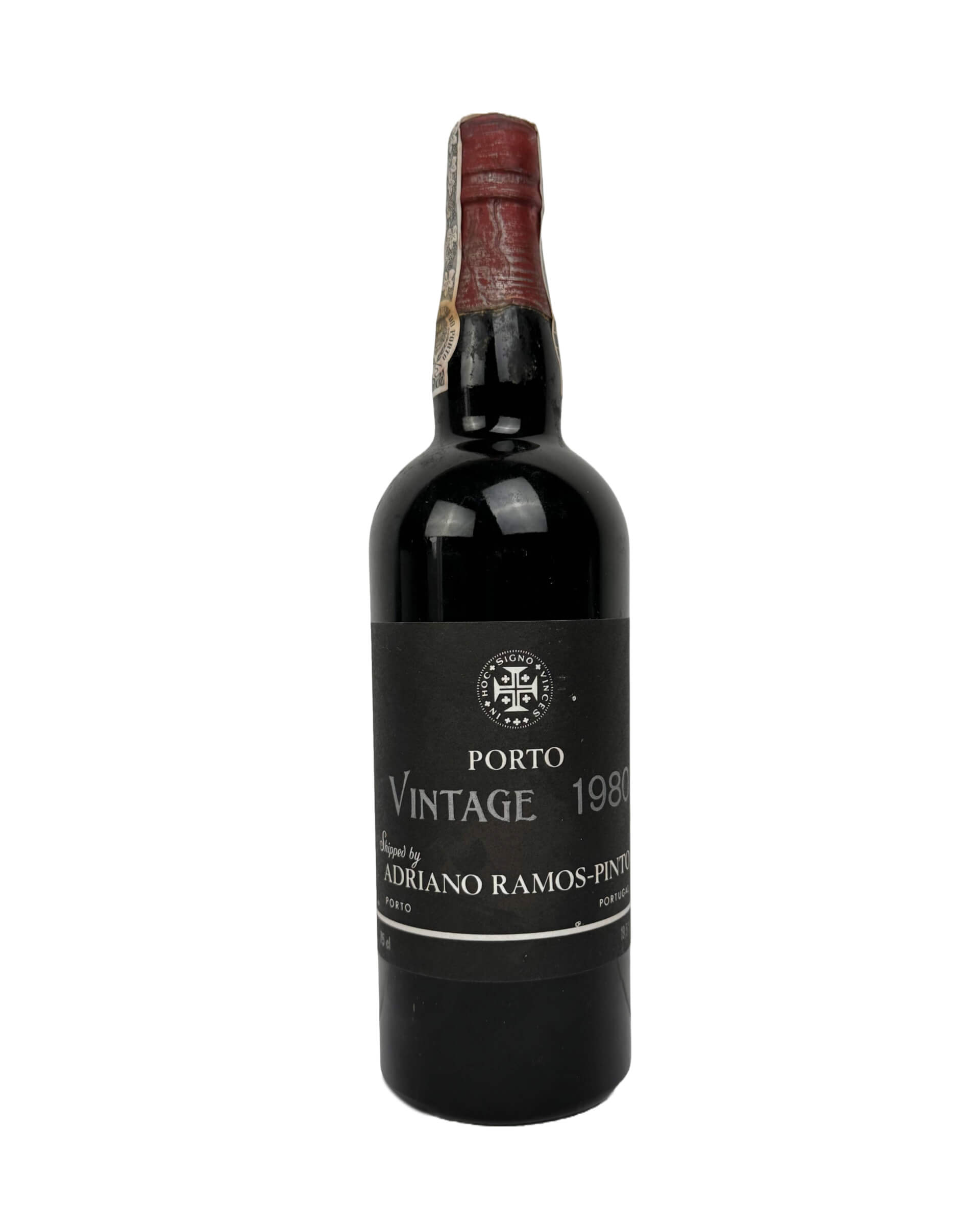
1980
Adriano Ramos-Pinto
Wines, producers, regions...
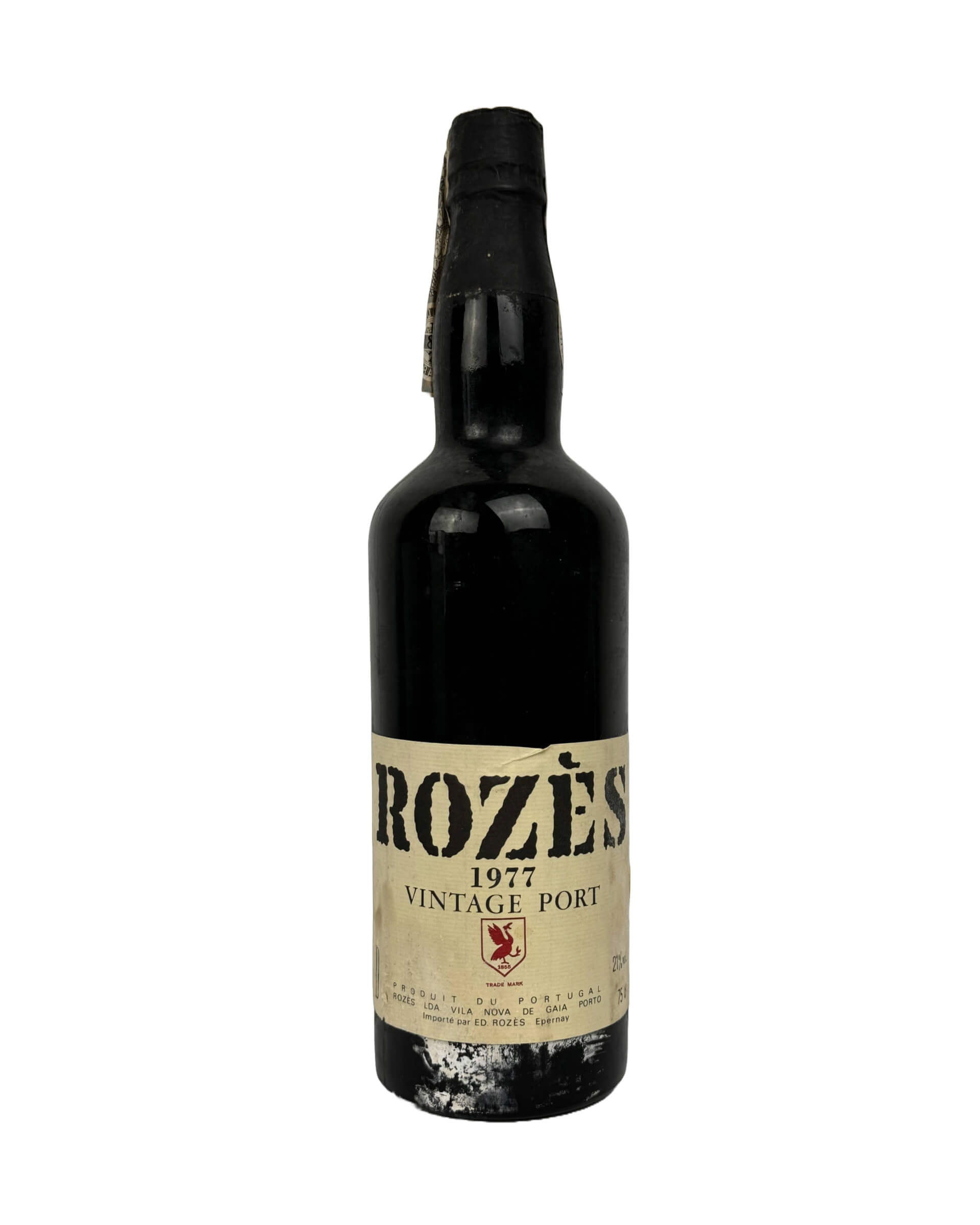
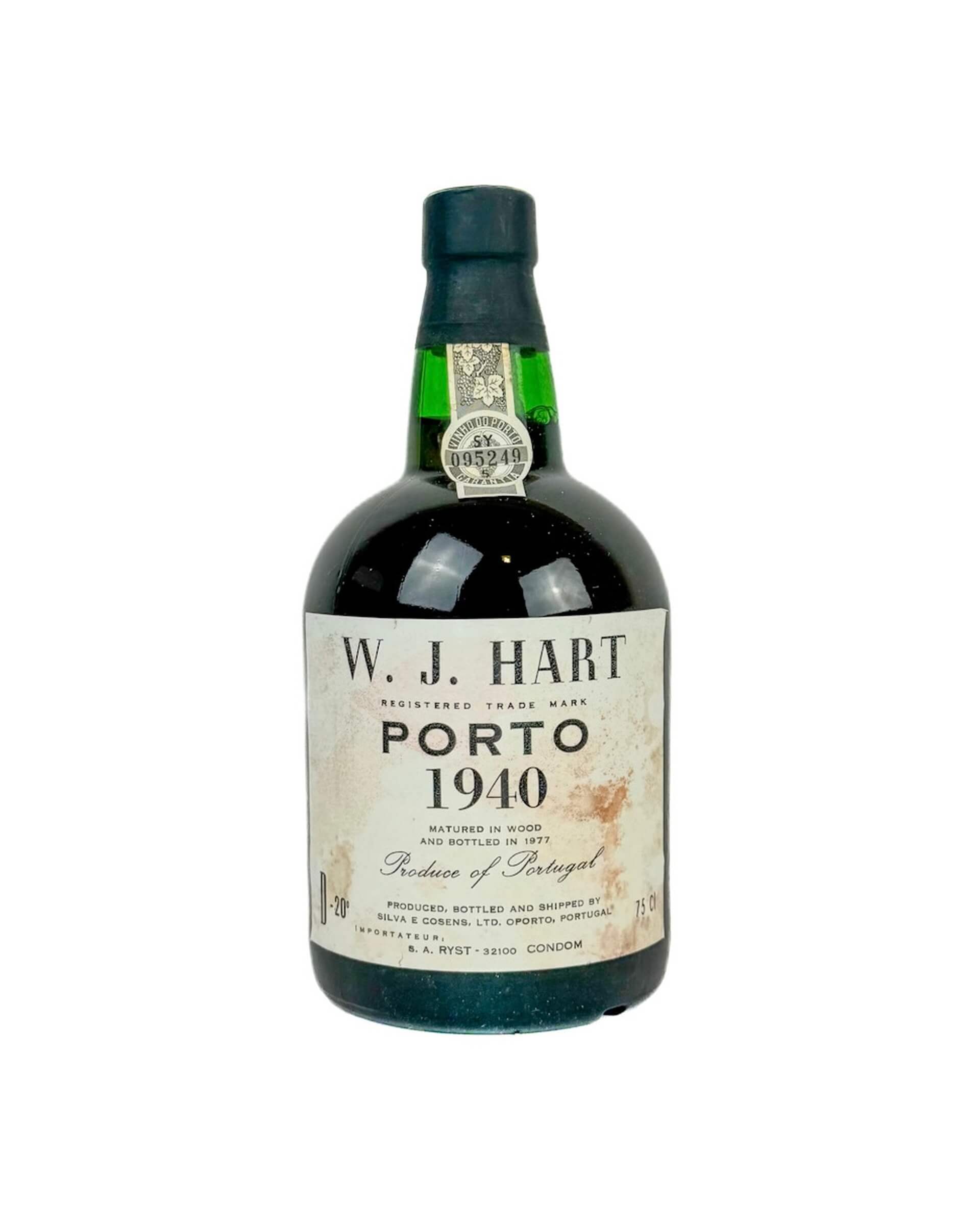
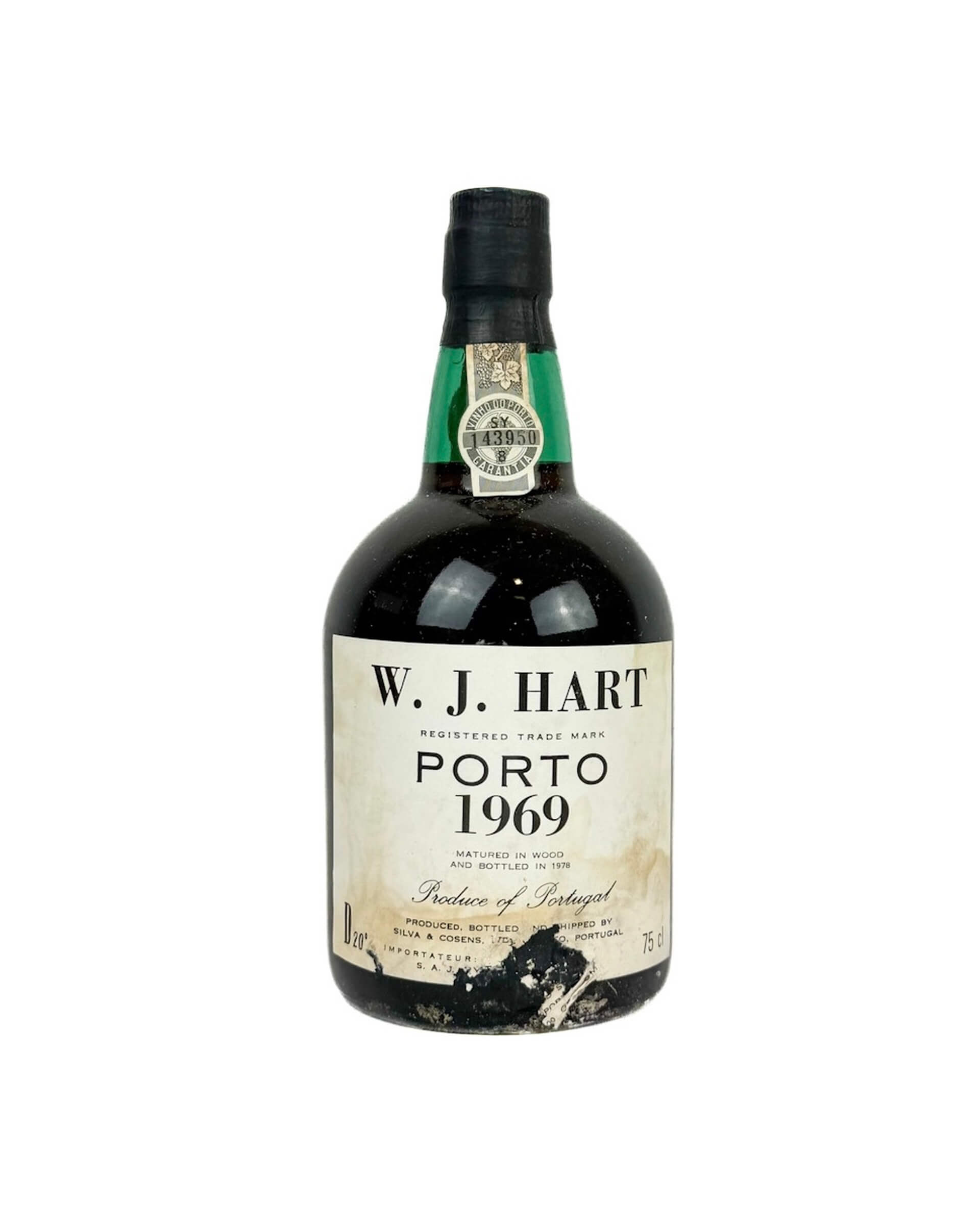
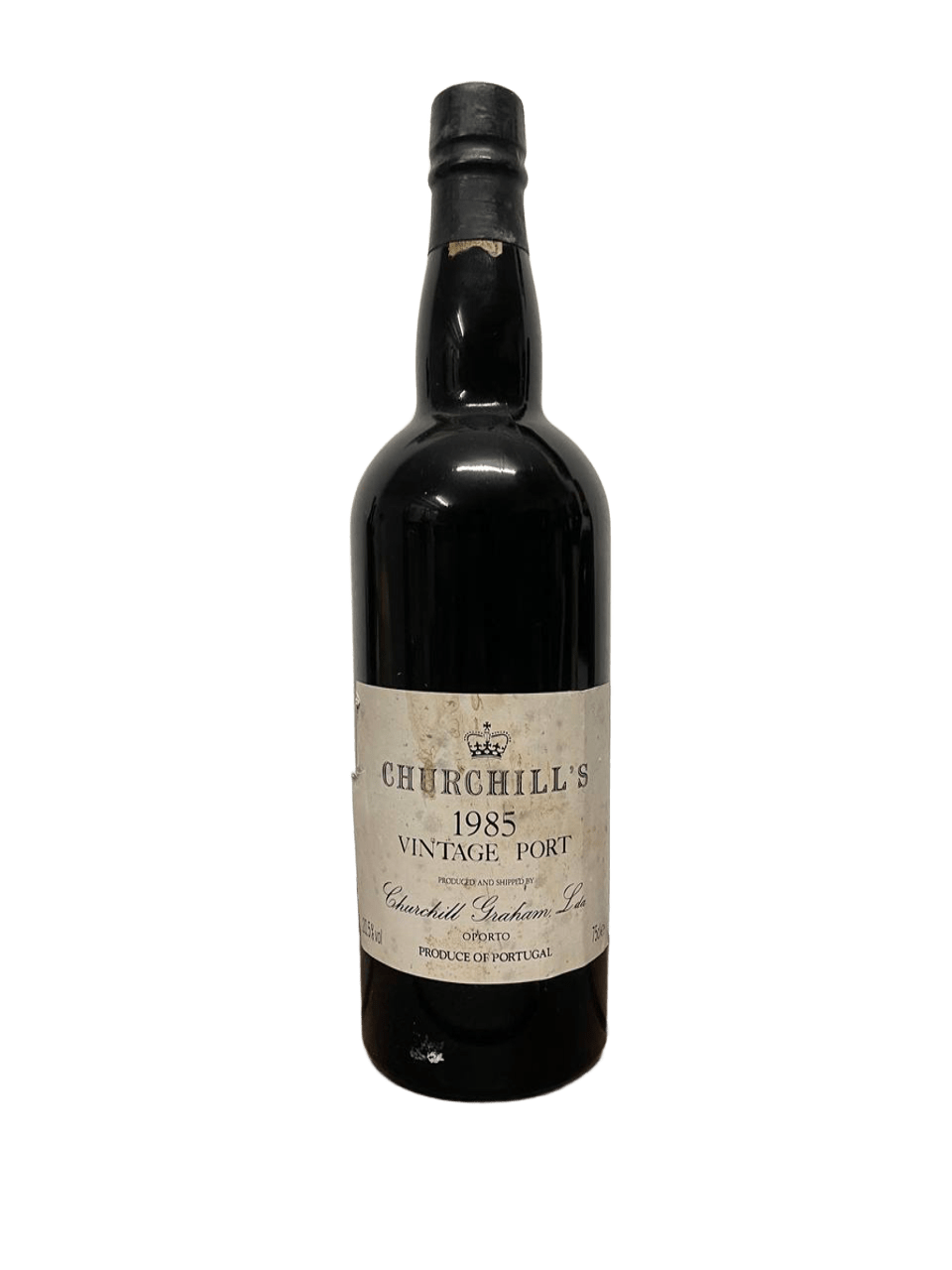
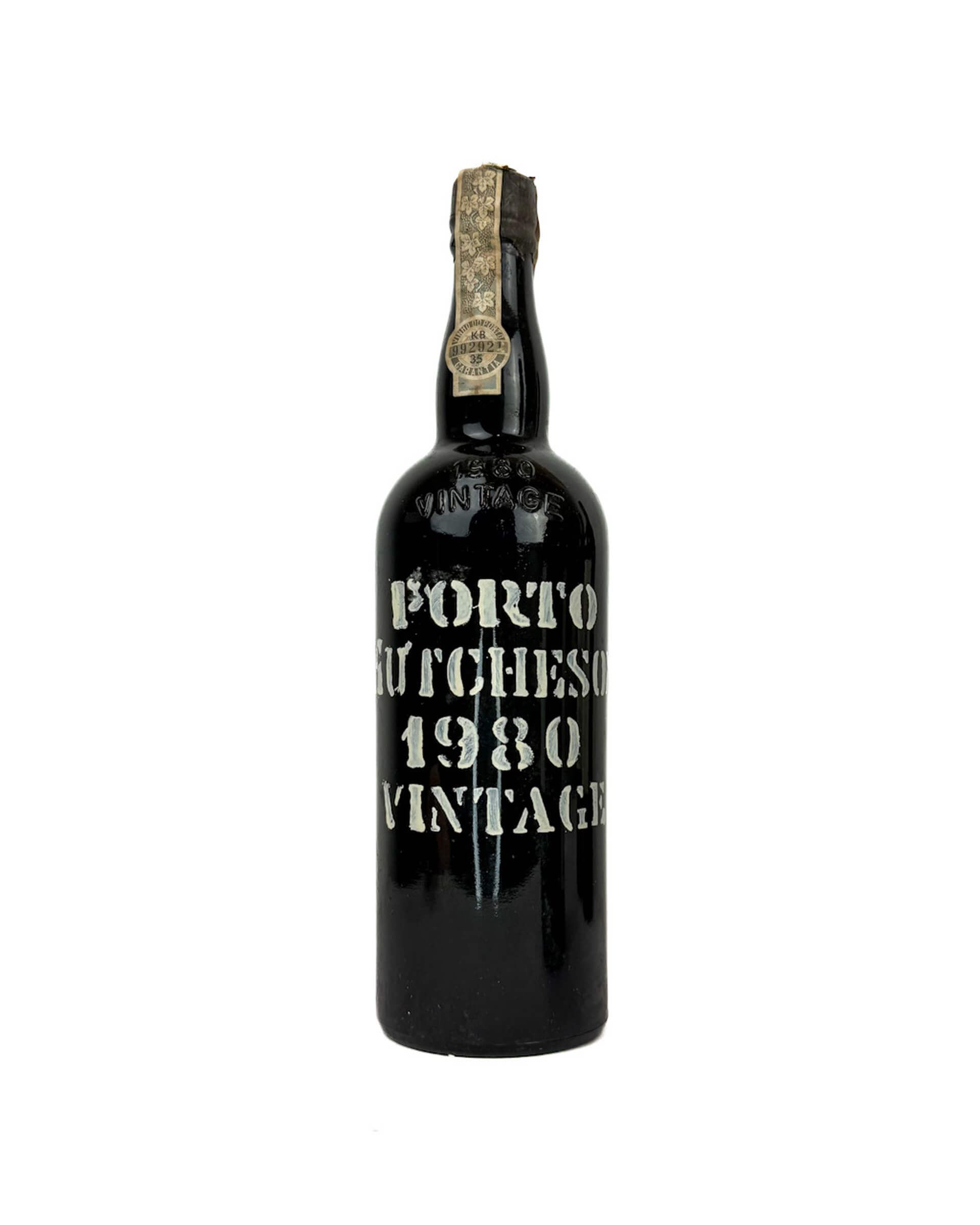
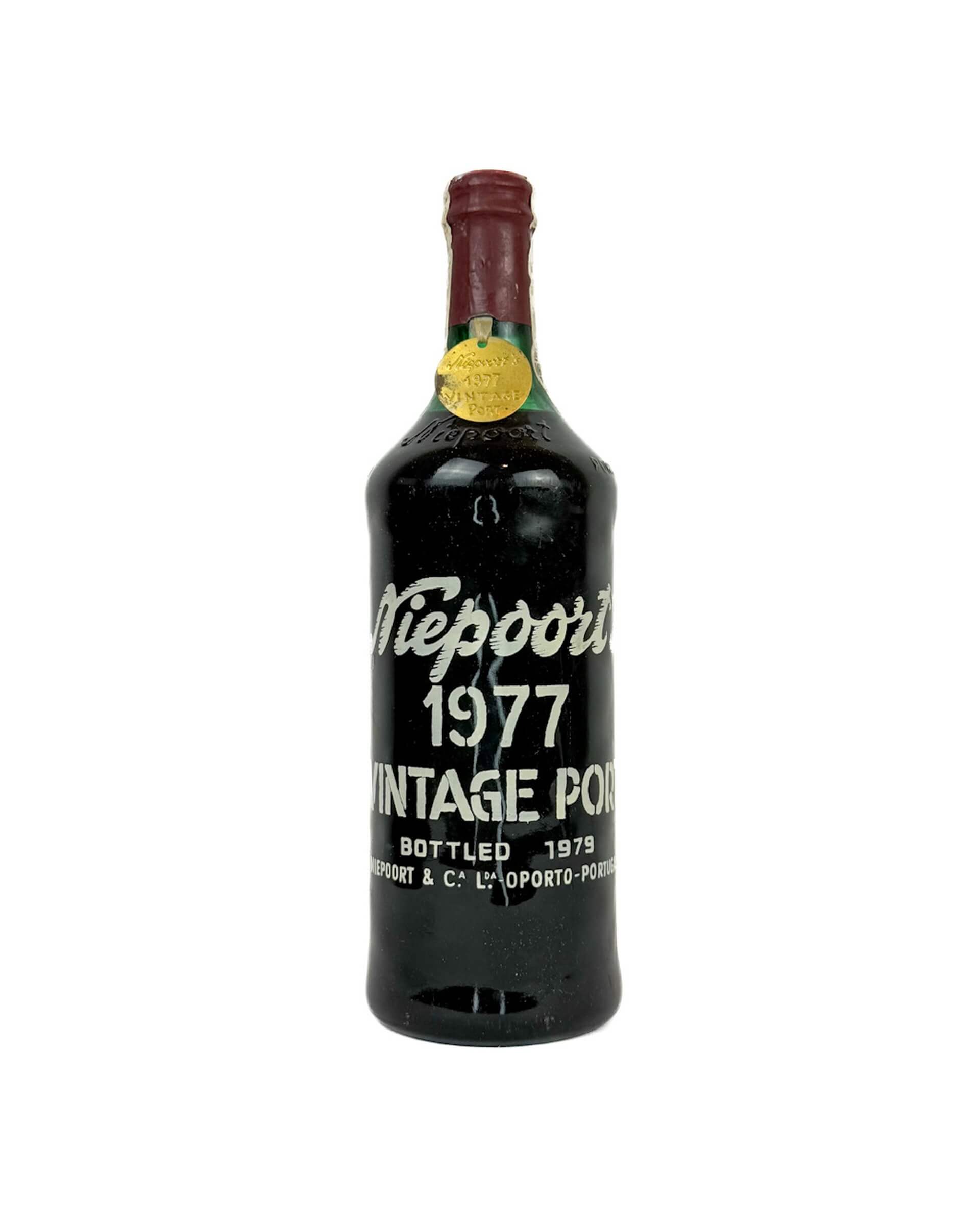
The wines of Portugal rank among the oldest and most original in Europe, yet the country’s finest dry red wine from Portugal still trades at a fraction of the price commanded by Bordeaux or Burgundy of comparable structure and ageing potential — a top old-vine Douro reaches its ceiling near €400 in our range, where a classed-growth or grand-cru equivalent runs to several times that. Portugal cultivates more than 250 indigenous grape varieties grown nowhere else on earth, on a viticultural tradition that predates the Roman empire. A quality revolution begun in the 1980s pushed the best dry reds of the Douro valley into the same conversation as the great continental crus — built on native grapes, schist terroir and a generation of obsessive growers.
In most markets Portugal is still filed under Port — the sweet fortified wine — and Vinho Verde, the light, faintly spritzy white. Yet its high-end dry reds, above all those of the Douro, rival the grandest European bottles for complexity, ageing potential and sheer originality of terroir. This page maps the country properly: a tour of the major regions, the indigenous grapes that define their character, a practical buying guide with real prices, food pairings and a clear answer to the questions every newcomer asks. Every bottle in our current Portuguese collection comes from the Douro, so the regional story begins there.
Portugal packs an extraordinary range of climates and soils into a small Atlantic-facing country, from the sun-baked plains of the south to cool, granite-strewn highlands and the rain-soaked north-west. Each major zone speaks a different dialect of the same indigenous grammar of grapes, which is what makes the wines of Portugal so rewarding to explore region by region. The four areas below frame where the country’s reds and whites come from — and where the Tour de Wine selection sits within that map.
The Douro is the reference region for exceptional dry red wine in Portugal: a steep valley of schist, terraced and tamed for the vine over centuries, with concentrated native grapes — Touriga Nacional, Touriga Franca and Tinta Roriz at its core. Its Portugal red wine ranges from powerful, fleshy and dark-fruited to old-vine cuvées of a finesse that invites comparison with fine Bordeaux or Burgundy. The Douro is the only sub-region in our current catalogue: the entire Tour de Wine Portugal collection is sourced here.
The valley splits into three sub-zones, and knowing which one a bottle comes from tells you a great deal about its style. Baixo Corgo, the cooler, wetter western end nearest the Atlantic influence, gives fresher, more aromatic reds with lower alcohol — the lifted, perfumed profile in several of our entry bottlings. Cima Corgo, the warm heart of the valley around Pinhão, is the classic source of the great structured reds: it supplies the backbone of most of our €175 Reserva tier, with the depth and balance that reward a decade in the cellar. Douro Superior, the remote, arid east toward the Spanish border, produces the most powerful and concentrated wines of all, and is where our old-vine grand cuvées are grown. As a rule, the further east the fruit, the bigger and longer-lived the wine.
Beyond the Douro, Portugal offers context rather than catalogue. The warm Alentejo south of Lisbon makes round, approachable reds from Aragonez (Tempranillo) and Alicante Bouschet; Dão, in the granite uplands, builds high-acid, perfumed reds around Touriga Nacional; coastal Bairrada is the firm-tannined home of the Baga grape and of leitão da Bairrada, roast suckling pig; and the rainy Minho produces Vinho Verde, the light, often spritzy whites built on Alvarinho (Albariño). None feature in our current range — every Tour de Wine Portuguese bottle is Douro — but they map the wider country around the wines we actually sell.
Portugal is one of the very few wine countries to have resisted the globalisation of grape varieties. Where Spain and Italy folded Cabernet Sauvignon or Merlot into many of their appellations, Portugal remains planted almost entirely with native varieties found nowhere else. That stubborn independence is exactly what gives Portuguese wine its irreplaceable identity — and why a bottle from the Douro tastes like nothing from France or California.
In the Douro, blends typically combine Touriga Nacional, Touriga Franca and Tinta Roriz — and it is the proportion of Touriga Nacional that serves as the quality compass on a label.
The dry reds of the Douro are built for the table, and the right match shifts with the weight of the cuvée. Use the tiers below — drawn from real price points in our selection — as a starting map for pairing red wine from Portugal with food.
Service: serve all cuvées at 16–17 °C. Decant the €100–€175 bottles for 30–45 minutes; the €390–€400 grand cuvées reward one to two hours in the carafe. Vintages of 15 years and older can be poured straight from the bottle to preserve their tertiary aromas.
Buying well here comes down to reading the label, knowing the benchmark vintages and matching the bottle to the occasion. The Tour de Wine selection sits firmly in the premium tier, so it pays to understand exactly what your money buys.
Look first at the appellation: Douro DOC marks the dry wines of the valley, while Port denotes the fortified style — the two can look alike on a shelf, and the distinction is fundamental. The name of the estate or quinta (Niepoort, Quinta do Crasto, Quinta do Vale Meão, Ramos Pinto) is the most reliable first marker of quality. A high proportion of Touriga Nacional in the blend signals ambition for ageing and complexity. The vintage is decisive: across our own tastings, 2011, 2017, 2019 and 2020 stand out as the benchmark years for dry Douro reds, each combining ripe fruit with the acidity needed for long cellaring.
The Tour de Wine Portugal selection — 11 references, all from the Douro — covers an exclusively premium segment. The wines of Portugal in our range begin from around €100, with most bottles offered near the median of €175. The rarest cuvées and exceptional vintages reach up to €400, with the upper band of the collection clustering near €390.
Benchmark vintages for dry Douro: 2017 was spectacular for power and concentration and will hold another 8–12 years; 2019 and 2020 are fresher and more balanced, best opened within 5–10 years; 2011 is a legendary vintage now entering its mature window, drinking beautifully today with another 10–15 years of cellaring still ahead for well-stored bottles.
Port and Douro DOC are made in the same northern Portuguese valley, often from the same indigenous grapes. The difference lies in the winemaking: Port is fortified — neutral grape spirit is added during fermentation to halt the conversion of sugar, producing a sweet wine at 19–22% alcohol. Douro DOC is a dry wine fermented to full dryness at 13–15% alcohol. Same terroir, two radically different expressions.
For decades Portuguese production was dominated by Port, the emblematic export, and by accessible table wines. The revolution in exceptional dry reds — led by pioneers such as Niepoort and Quinta do Crasto from the 1980s and 1990s — stayed confined to enthusiast circles. Today the best Douro reds rival Europe’s great bottles yet remain under-represented in many cellars, which makes them genuine discoveries with real power to surprise.
Touriga Nacional is Portugal’s prestige grape, prized because its naturally tiny yields concentrate everything into the glass. The way it shows depends heavily on the bottle. In a young Douro red it leads with bright florals and blueberry over a wall of firm tannin; give the same wine ten years and that fruit folds back, the tannins resolve, and savoury notes of dried rose, leather, graphite and cocoa take over. The grape also expresses very differently by vine age: in a young-vine blend it brings perfume and colour but can taste angular, whereas old-vine, low-yielding plantings deliver the dense, layered structure that carries the finest cuvées for 25 years or more. A dominant proportion of Touriga Nacional on a label remains the most reliable signal of an ambitious wine and exacting viticulture.
In this range — around the catalogue median of €175 — you will find Douro Reserva or old-vine selections from well-regarded quintas: Cima Corgo fruit, blends led by Touriga Nacional and Touriga Franca, with 8 to 15 years of cellaring potential. These are bottles with real emotional impact for drinkers used to fine Bordeaux or Burgundy who are discovering a style just as complex but more original and far less familiar. On the label, look for three signals together: the words Reserva or Vinha Velha (old vine), a vintage of 2017 or 2019, and a blend with Touriga Nacional above 50%. Those three markers reliably pick out the most age-worthy bottles in our €175 range — and prefer a named single quinta over a generic regional bottling at the same price.
Ready to explore further? Browse our full Douro selection, see every bottle across our wines, or follow the Mediterranean thread to the premium reds of Italy and France.
I made my first buying trip to the Douro in 2014, driving the switchbacks above Pinhão to taste with growers who farm vines older than any cellar record. The decision to build a Portuguese range came at Quinta do Crasto, tasting a field-blend from ungrafted pre-phylloxera terraces beside the winemaker who picks them by hand: the wine had the structure of a classed-growth Bordeaux at a fraction of the price, and nothing remotely like it elsewhere in Europe. That afternoon set the brief for the eleven Douro references we carry today — every one chosen on the table, not from a price list.
Written by the Tour de Wine buying team. Last reviewed: June 2026.
This site is restricted to adults. By entering, you confirm that you are of legal drinking age in your country of residence.