
94
0,75
2002
Clarendon Hills
Wines, producers, regions...
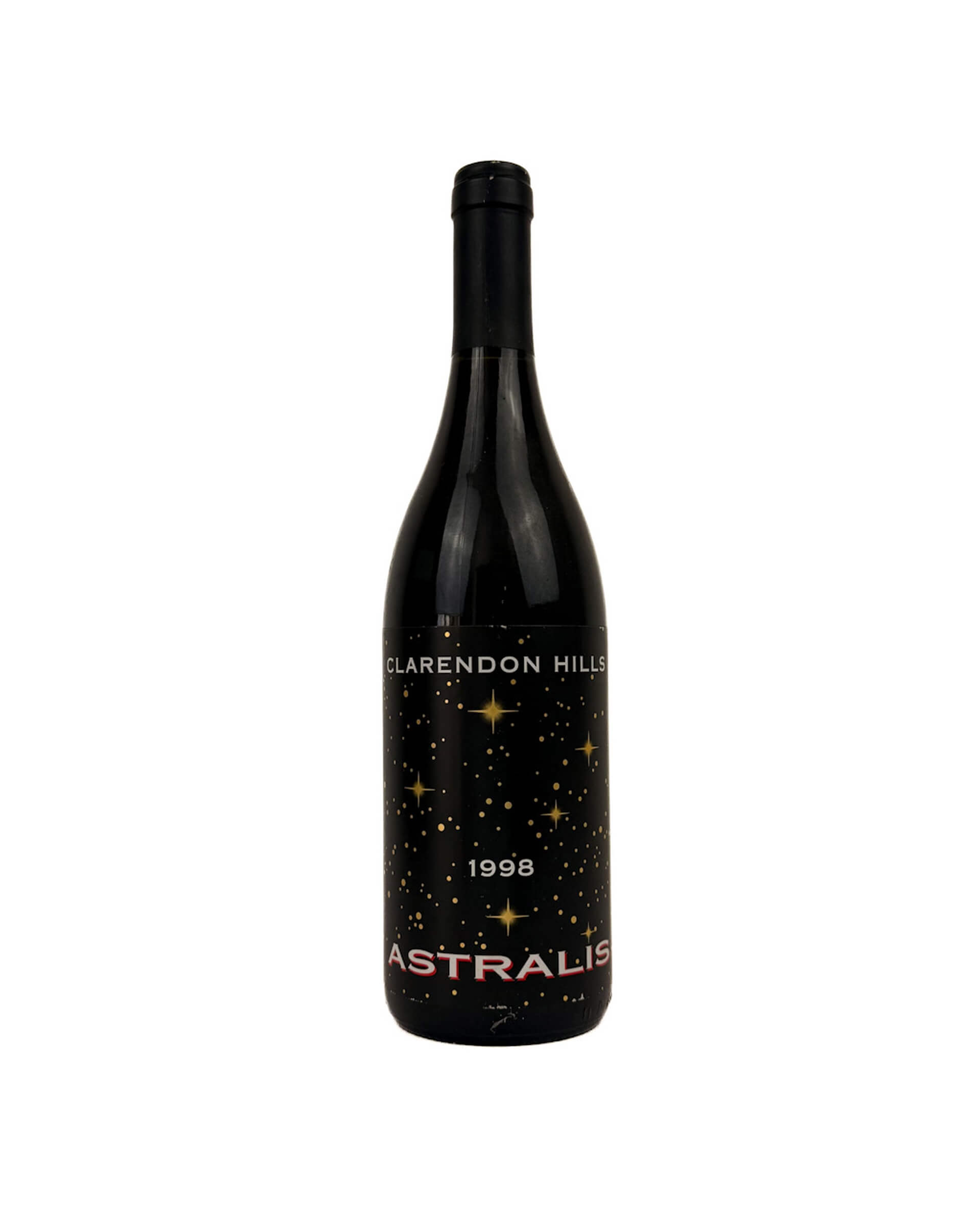
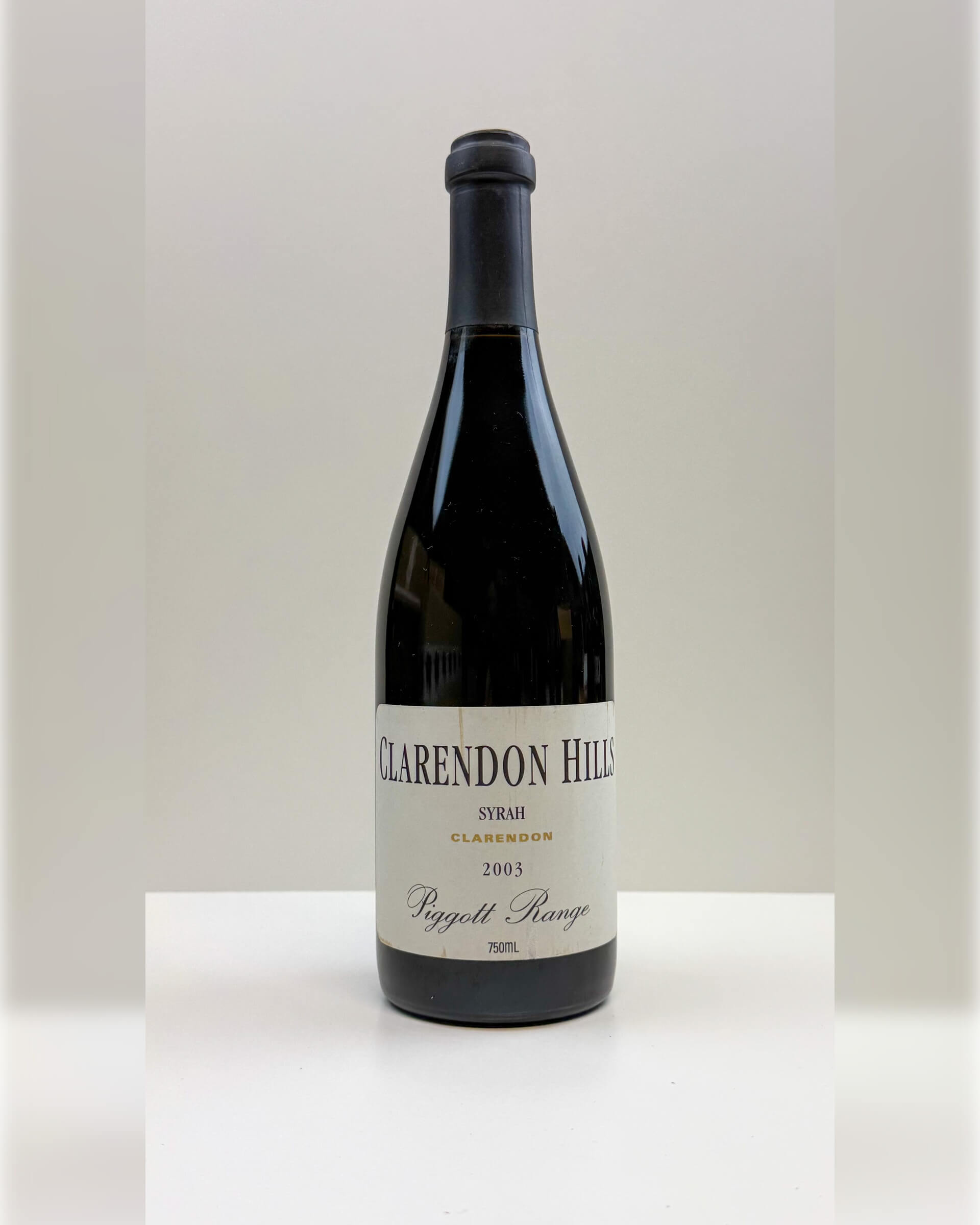
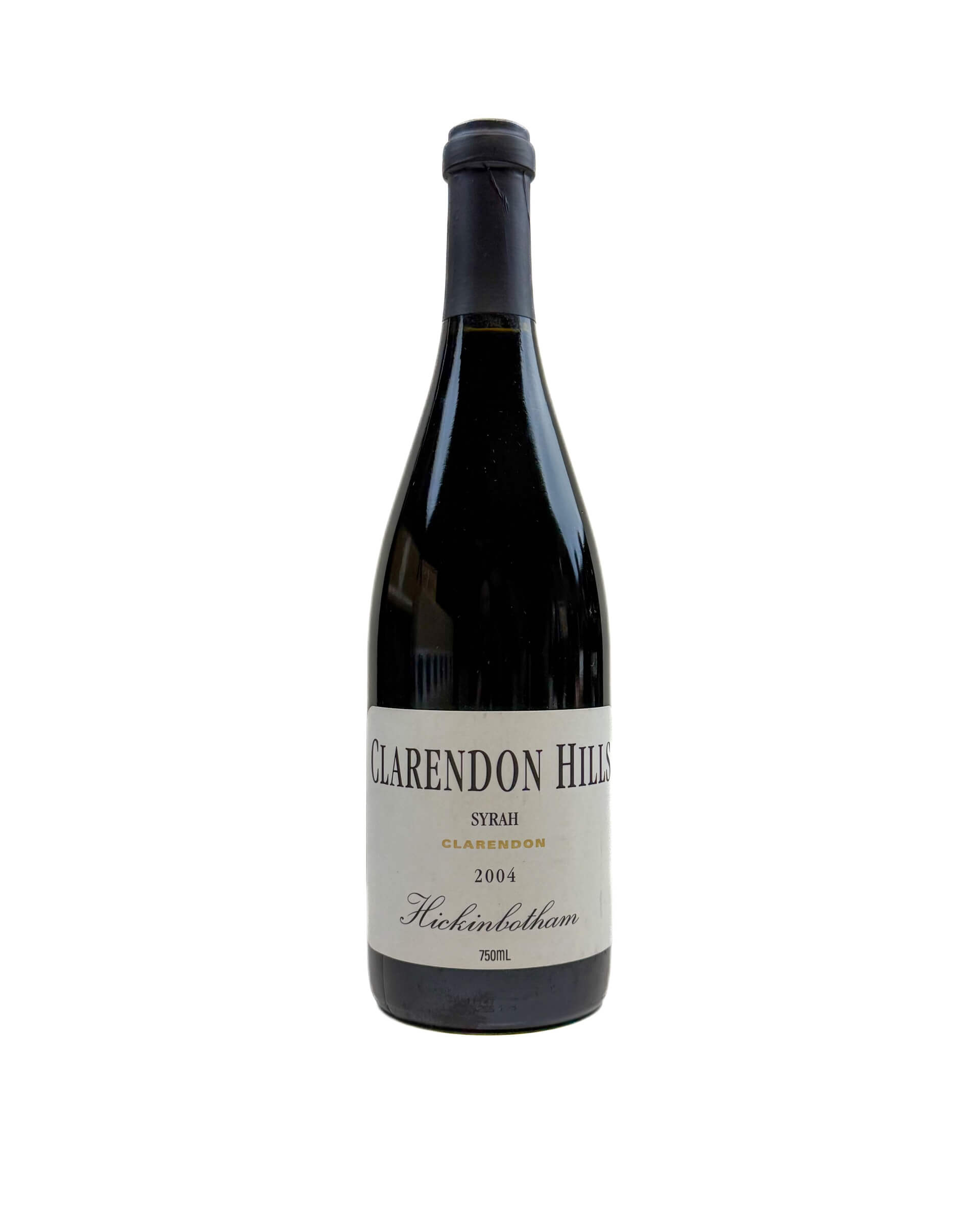
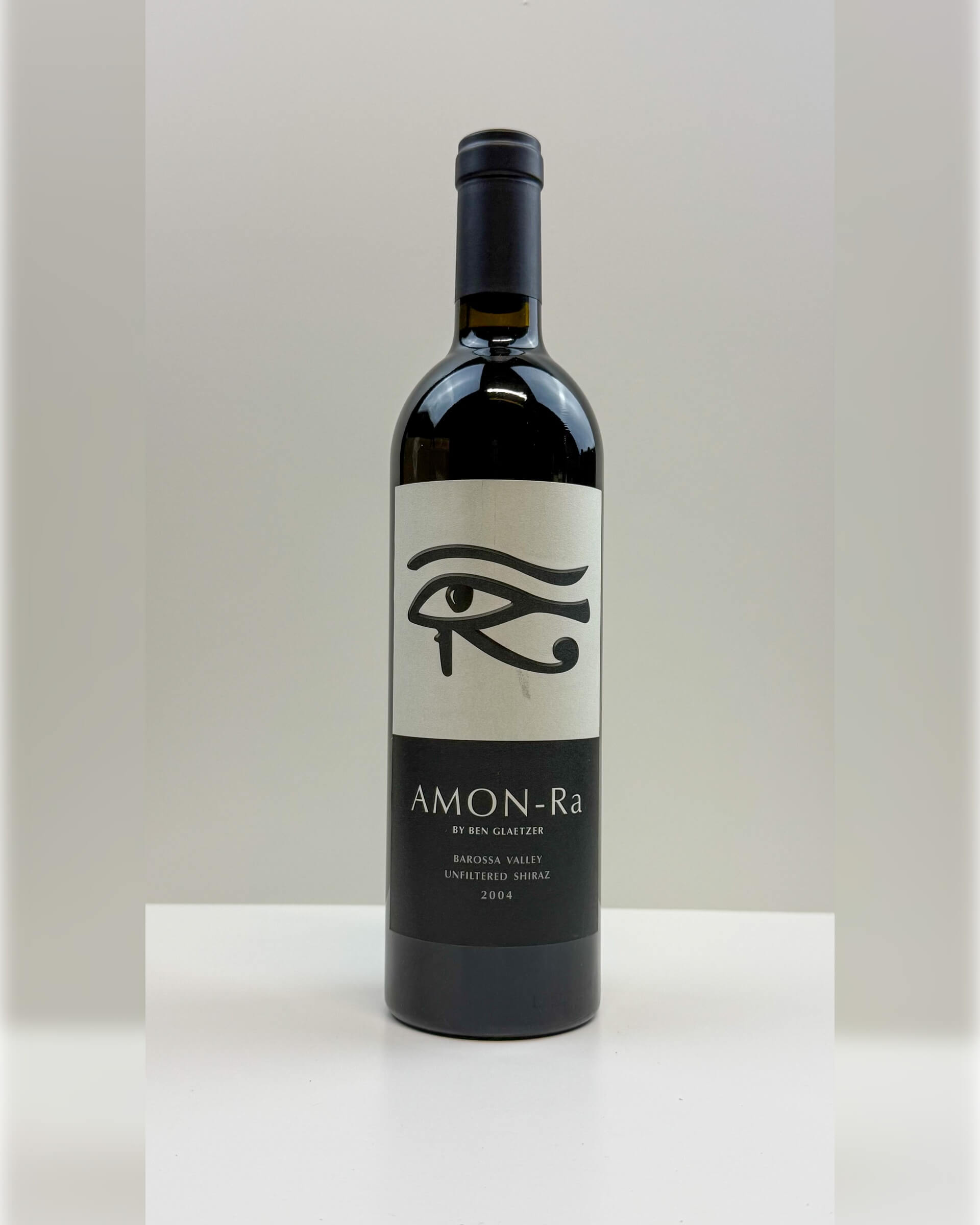
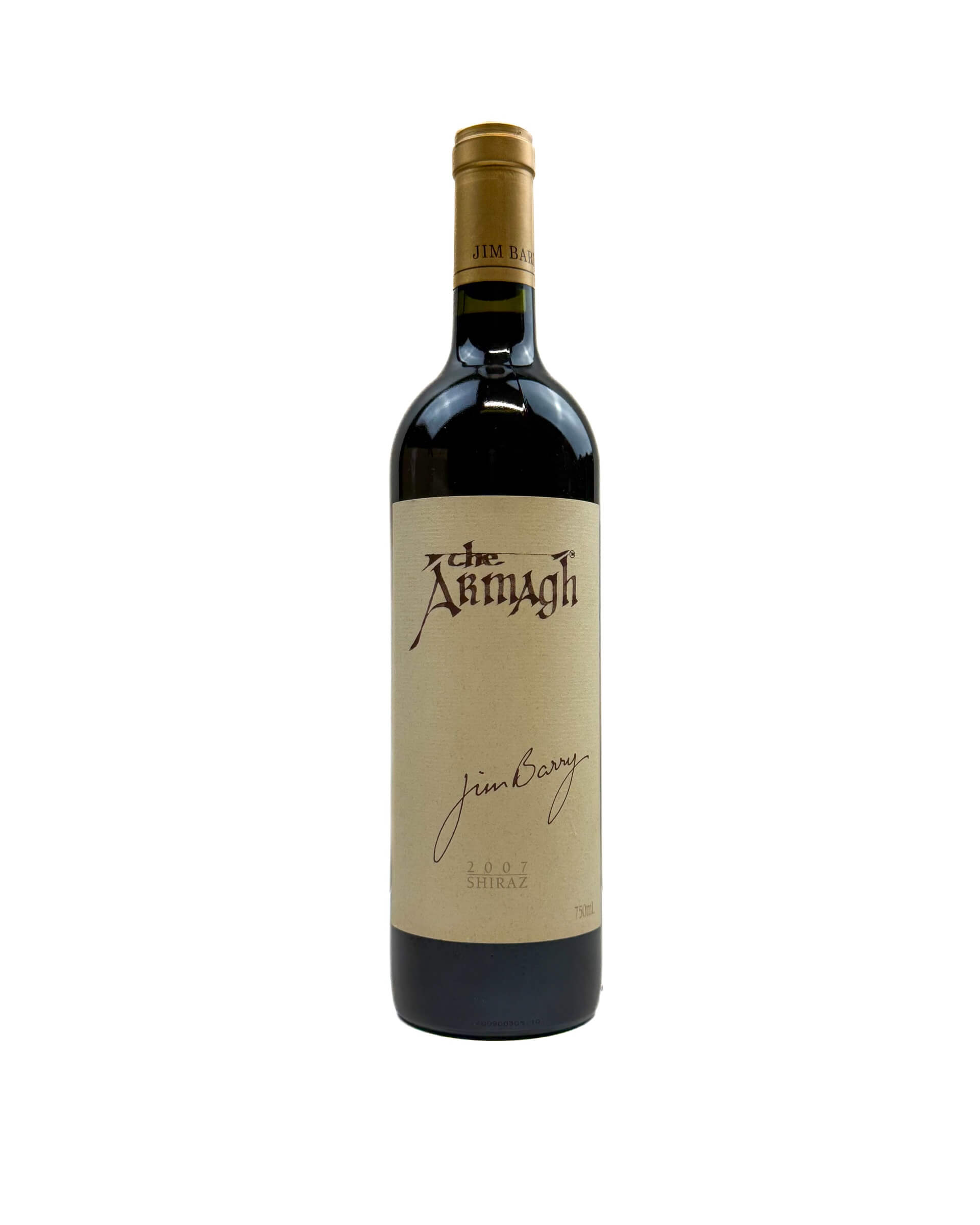
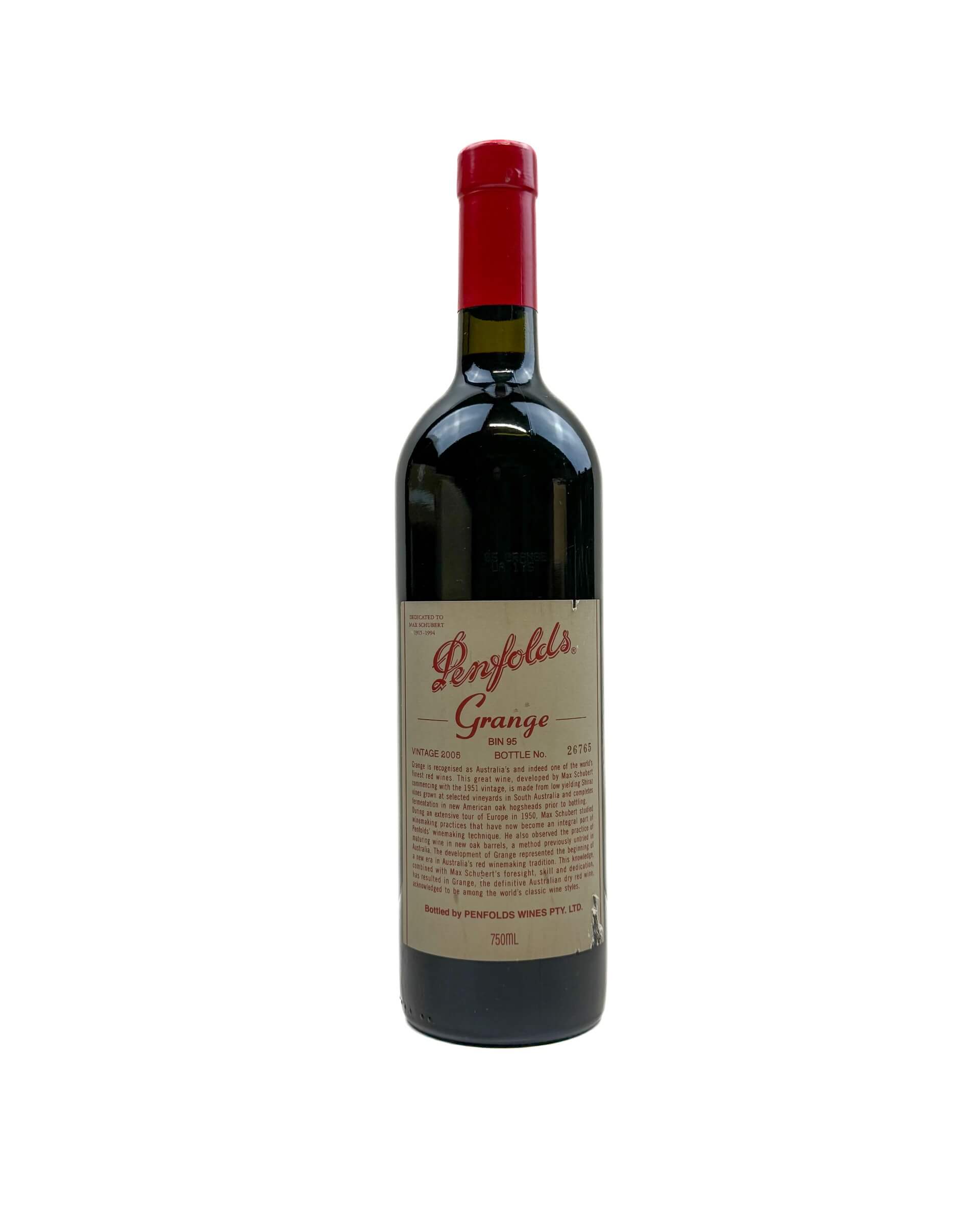
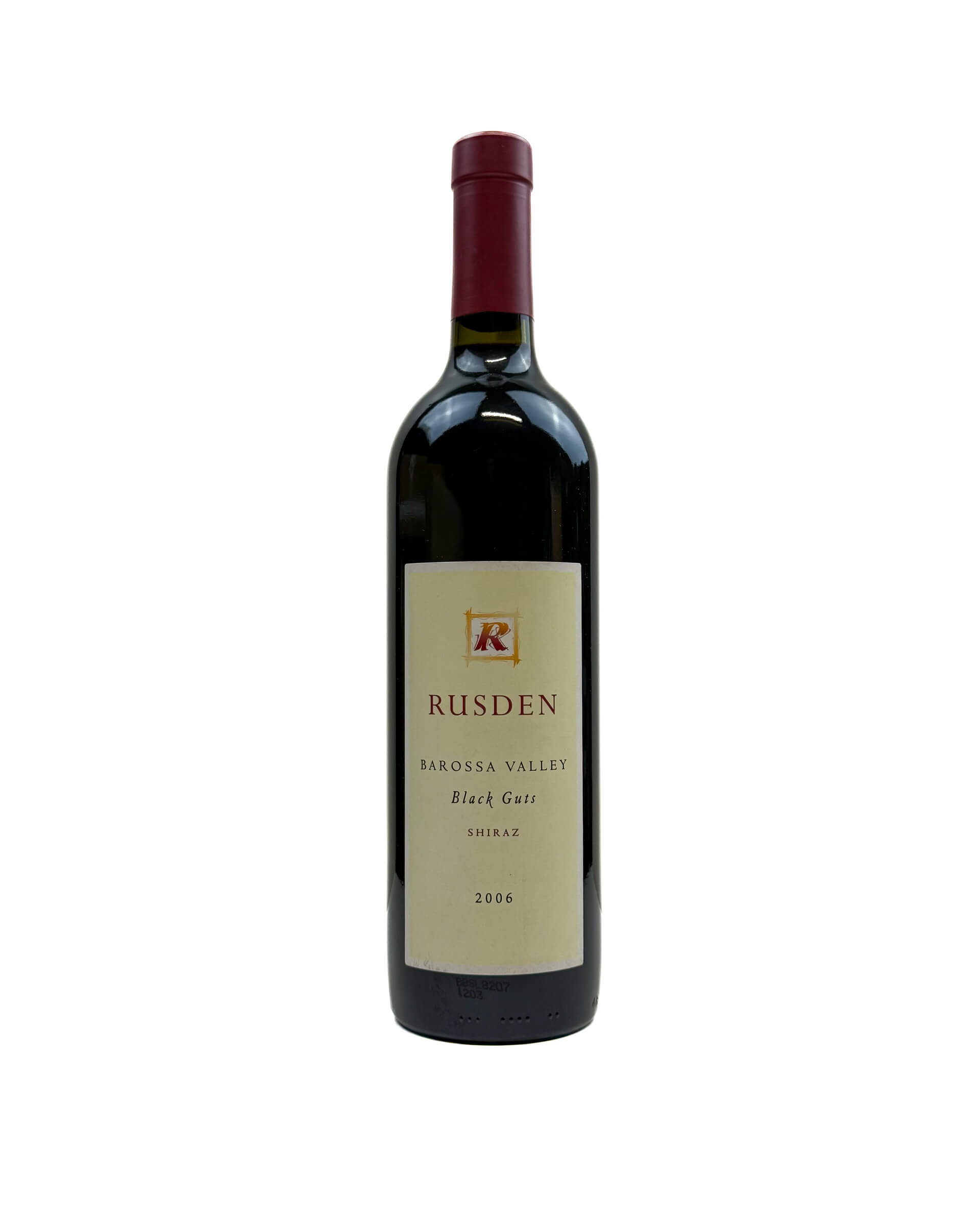
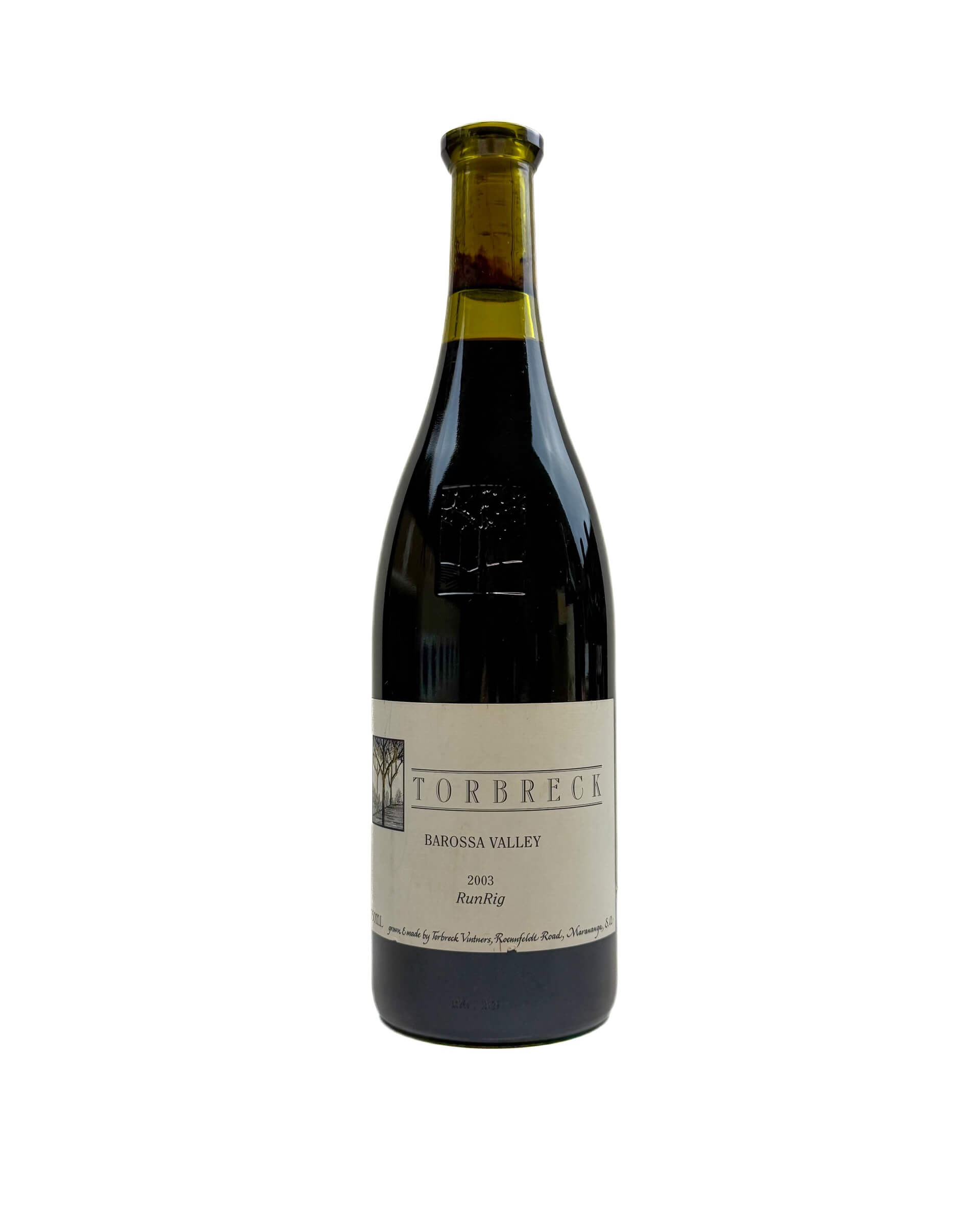
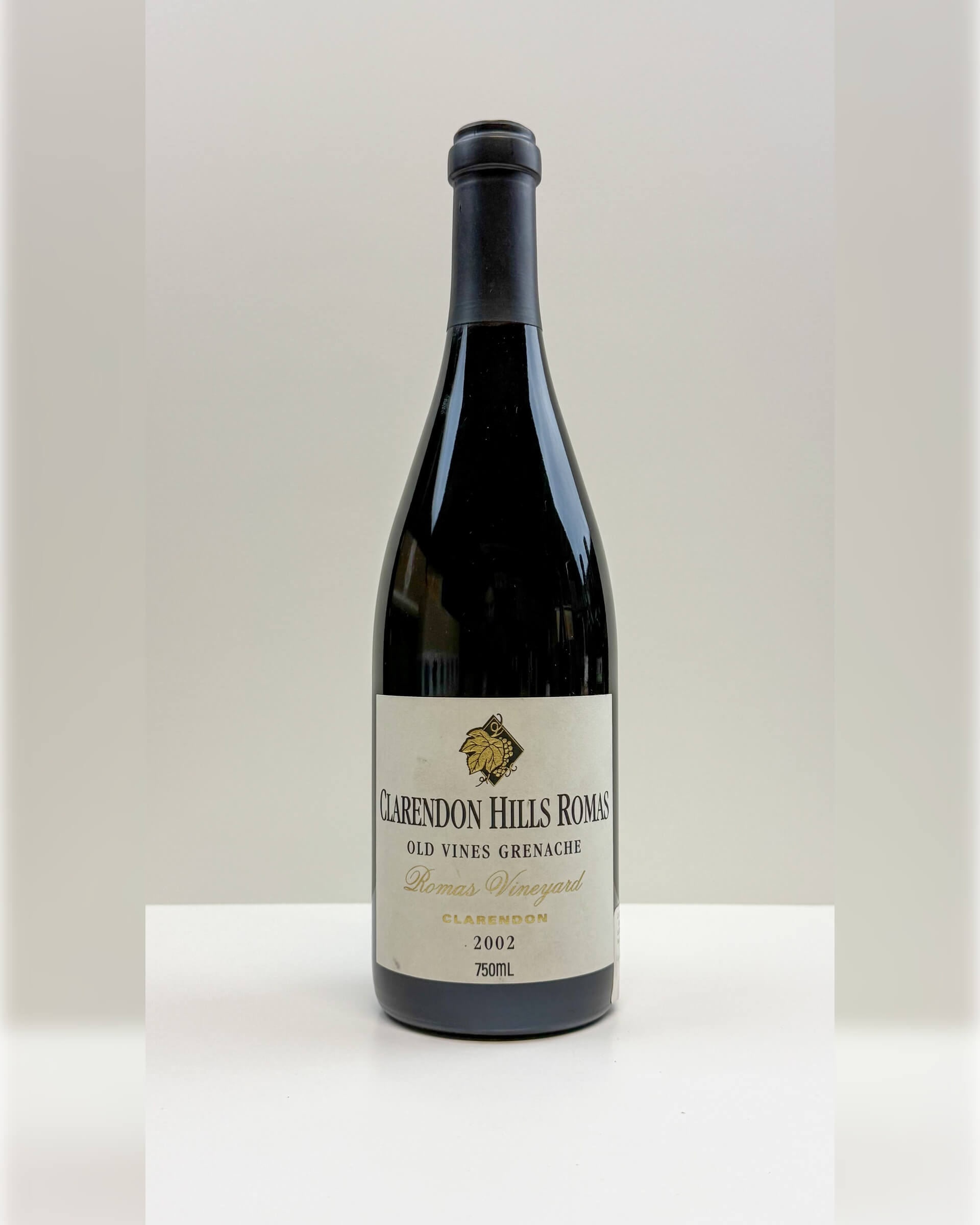
Australia wine at Tour de Wine is a deliberately narrow, collector-grade selection drawn almost entirely from a single source: South Australia, the heartland of Australian fine wine. Where supermarket shelves have shaped a global impression of Australian wine as cheerful and inexpensive, the bottles gathered here tell the other story — Barossa Valley Shiraz from vines that survived the phylloxera louse that destroyed much of Europe’s pre-1880s plantings, steely Clare Valley Riesling, and savoury McLaren Vale Grenache. Estates such as Henschke, Penfolds, and Jim Barry sit at the centre of this story, and several of their wines carry Langton’s Classification of Australian Wine status. This is the part of the country that European collectors have quietly cellared for decades.
Our Australian selection runs to nine bottles, all from South Australia, with prices that start from around €100 and rise to €350 for the rarest old-vine and allocated cuvées. Most of the range sits at or near the €200 mark — the catalogue median — reflecting a focus on benchmark single-vineyard productions rather than volume releases. As a French merchant, Tour de Wine brings a European collector’s frame of reference to these wines, curating Shiraz and Riesling with the same standards we apply to Burgundy and Bordeaux across our full wine selection.
Australian wine is shaped by an unusually wide climatic spectrum, and nowhere more revealingly than in South Australia. The Southern Ocean and the gulfs that cut into the state moderate what would otherwise be a baking continental interior, while altitude does the rest: the Eden Valley sits high enough to cool its nights dramatically, and McLaren Vale catches sea breezes off Gulf St Vincent. Add the ancient, weathered soils of the Barossa floor and the famous terra rossa over limestone at Coonawarra, and you have a single state capable of producing powerful Shiraz, delicate aromatic whites, and structured Cabernet Sauvignon within a few hours’ drive.
Two things set Australian fine wine apart from almost anywhere else. The first is density and yield: many of the state’s oldest vineyards are dry-grown and crop at well under two tonnes per hectare, a fraction of commercial norms, which concentrates flavour in a way irrigated young vines cannot match. The second is ageing capacity — Clare Valley and Eden Valley Riesling rival Alsace and the Mosel for sheer longevity. The best Australian winemakers now apply an almost Old World restraint to this exceptional fruit, tempering New World ripeness with freshness, structure, and a sense of place. For the European drinker exploring beyond French wine, the reference points are immediate.
Five South Australian regions account for the overwhelming majority of the country’s most collected wines. Each has a distinct climate, signature grape, and style — and understanding the differences is the most useful buying logic there is. You can explore our South Australia selection to see how these regions translate into the bottles on offer.
The Barossa Valley holds some of the oldest commercially farmed Shiraz vines on earth, with plantings dating to the 1840s and 1860s still producing minuscule, hugely concentrated yields. Producers such as Henschke, Torbreck, and Penfolds draw on these century-old vines — Henschke’s Hill of Grace, sourced from vines planted in the 1860s, is a Langton’s Exceptional-tier wine and one of the most collected reds outside Europe. The valley floor’s deep soils and continental climate — hot days, cool nights — give a powerful, opulent style: dark plum and blackberry layered with licorice, dark chocolate, and roasted-meat savouriness. These are reds built for a decade or more in the cellar, and they anchor much of our Australian range. To see the heart of this style, browse the South Australia category.
Eden Valley sits immediately alongside Barossa but climbs to 400–500 metres, and that altitude changes everything. Riesling, the region’s signature, shows steely citrus, lime cordial, and slate-like minerality, with the capacity to age gracefully for ten to twenty years. Eden Valley Shiraz is leaner and more pepper-and-spice driven than its Barossa neighbour — closer in spirit to a Northern Rhône Syrah than to the valley floor’s opulence.
Located around 130 kilometres north of Adelaide, Clare Valley is regarded worldwide as one of Australia’s finest Riesling regions. Hot days and cold nights, over varied soils of shale, slate, and limestone, yield Rieslings of extraordinary freshness. Producers such as Jim Barry and Grosset set the benchmark for screwcap-aged Riesling here — Grosset’s Polish Hill is a fixture near the top of James Halliday’s Riesling listings. Fermented bone dry, unoaked, and sealed under screwcap, the best examples develop remarkable toast, lime-zest, and kerosene complexity across ten to twenty years, with a dry, mineral structure that European drinkers will recognise from the Mosel and the Nahe.
McLaren Vale lies south of Adelaide between the Mount Lofty Ranges and Gulf St Vincent, drawing both warm summers and cooling sea breezes. The result is a more elegant, savoury Shiraz than Barossa — and, crucially, some of Australia’s finest old-vine Grenache. The region’s GSM blends (Grenache–Shiraz–Mourvèdre) are the Australian answer to Châteauneuf-du-Pape: spiced, structured, and complex. Southern Rhône collectors will find their bearings here almost instantly.
In the far south-east of the state, near the Victorian border, Coonawarra is Australia’s most celebrated home for Cabernet Sauvignon. Its defining feature is a narrow strip of terra rossa — red loam over limestone — that drains perfectly and concentrates the vine. Coonawarra Cabernet Sauvignon shows blackcurrant, eucalyptus, and firm, fine-grained tannins with a precision that speaks directly to Bordeaux collectors.
A handful of grapes carry South Australia’s reputation, and each has a clear regional home. The Shiraz Australia is best known for — together with Riesling, Cabernet Sauvignon, and Grenache — maps the country’s fine-wine identity more cleanly than almost any other producing nation.
Australian wine food pairing rewards a little planning around weight and temperature. Each regional style has a natural table partner, and the right serving temperature does as much for these wines as decanting.
Choosing well at this level is less about the price tag and more about matching style to intent. Clare and Eden Valley Riesling drinks beautifully young and rewards patience equally — open a bottle on release for its lime-zest snap, or hold it five to ten years for toast and complexity. Barossa and McLaren Vale Shiraz, by contrast, is built to be cellared: most benchmark single-vineyard bottlings need three to five years before they fully open. As a reference point, the South Australian tier here sits broadly alongside a Burgundy village-level wine in the Tour de Wine range — serious, age-worthy, but a step below the rarest allocations. Vintage matters more for the reds than the whites, so when a wine’s drinking window is your priority, favour a strong year (see the FAQ below).
The majority of our Australian catalogue sits near €200, reflecting a focus on benchmark single-vineyard and old-vine productions rather than commercial volume. Newcomers do well to begin around €100 before progressing to old-vine Barossa Shiraz or Clare Valley Riesling above €200. Those drawn to structure and ageability should also explore our wider red wine selection alongside these regional benchmarks.
Barossa Valley in South Australia is Australia’s most celebrated red-wine region, producing some of the world’s most powerful and long-lived Shiraz from vines over 150 years old. McLaren Vale offers a more elegant, maritime-influenced style with exceptional Grenache and GSM blends, while Coonawarra’s terra rossa soils give Australia’s most structured, age-worthy Cabernet Sauvignon.
South Australia is the heartland of Australian fine wine, hosting Barossa Valley, Clare Valley, Eden Valley, McLaren Vale, and Coonawarra — five of the country’s most internationally recognised regions. The combination of ancient soils, a climate spectrum from semi-arid to cool-maritime, and old-vine heritage dating to the 1840s gives its wines a depth that sets them apart from other Australian states.
Australian wines at Tour de Wine start from around €100 for an entry-level estate bottle, with most of the selection priced near €200 — the catalogue median, representing benchmark single-vineyard or old-vine productions from South Australia. Exceptional and allocated expressions from celebrated producers reach up to €350.
Well-made Barossa Valley Shiraz from a top producer and a good vintage can develop gracefully for fifteen to twenty years in proper cellar conditions. Vintages rated outstanding for South Australian Shiraz in James Halliday’s Wine Companion include 2012, 2016, 2018, and 2021; of these, our buying team currently finds 2016 and 2021 the best represented in the selection. The wines are usually approachable on release but reward five to ten years of cellaring with greater complexity and secondary dried-fruit and spice notes.
Written by the Tour de Wine buying team. Last reviewed: June 2026.
This site is restricted to adults. By entering, you confirm that you are of legal drinking age in your country of residence.