
94
0,75
2002
Clarendon Hills
Wines, producers, regions...
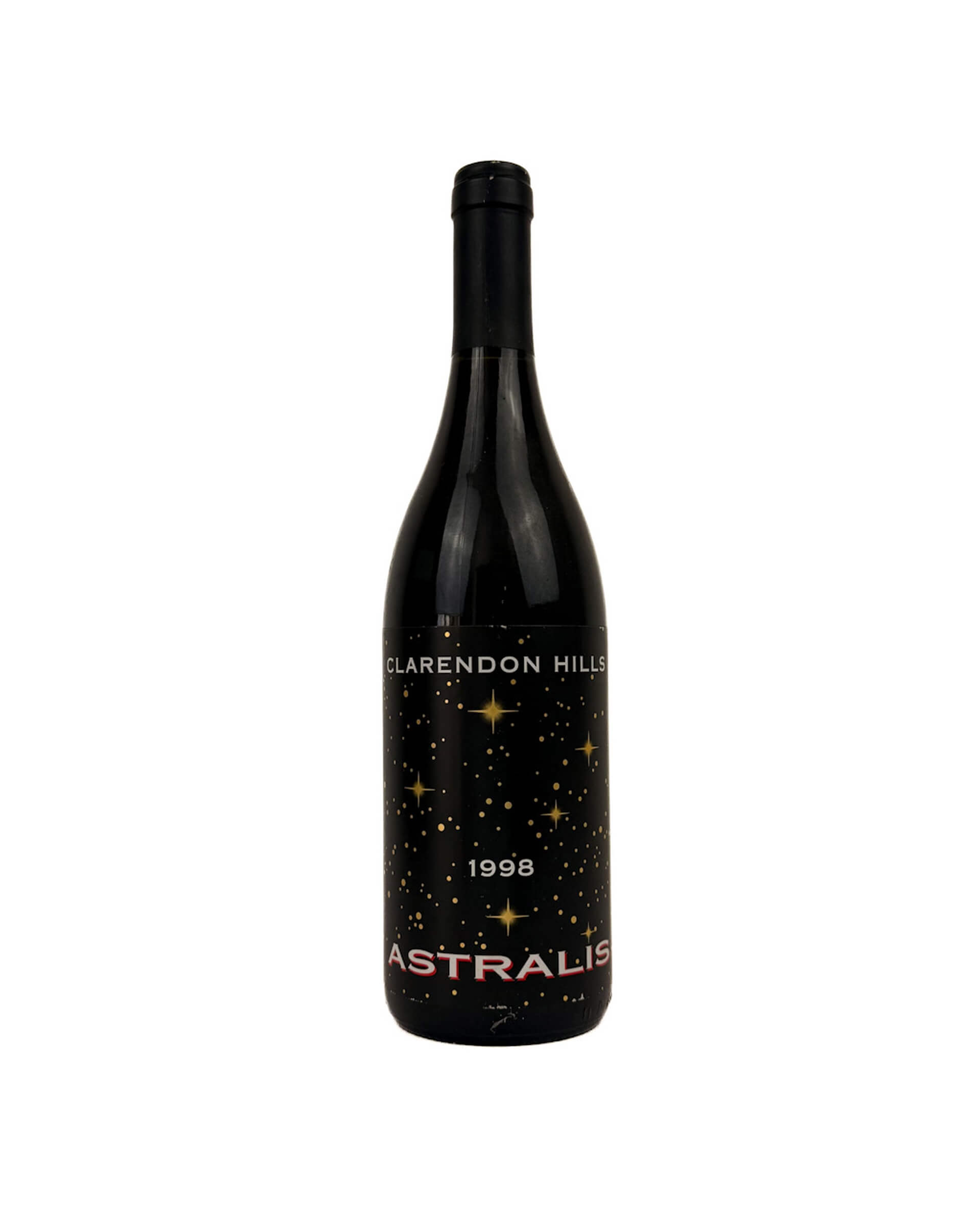
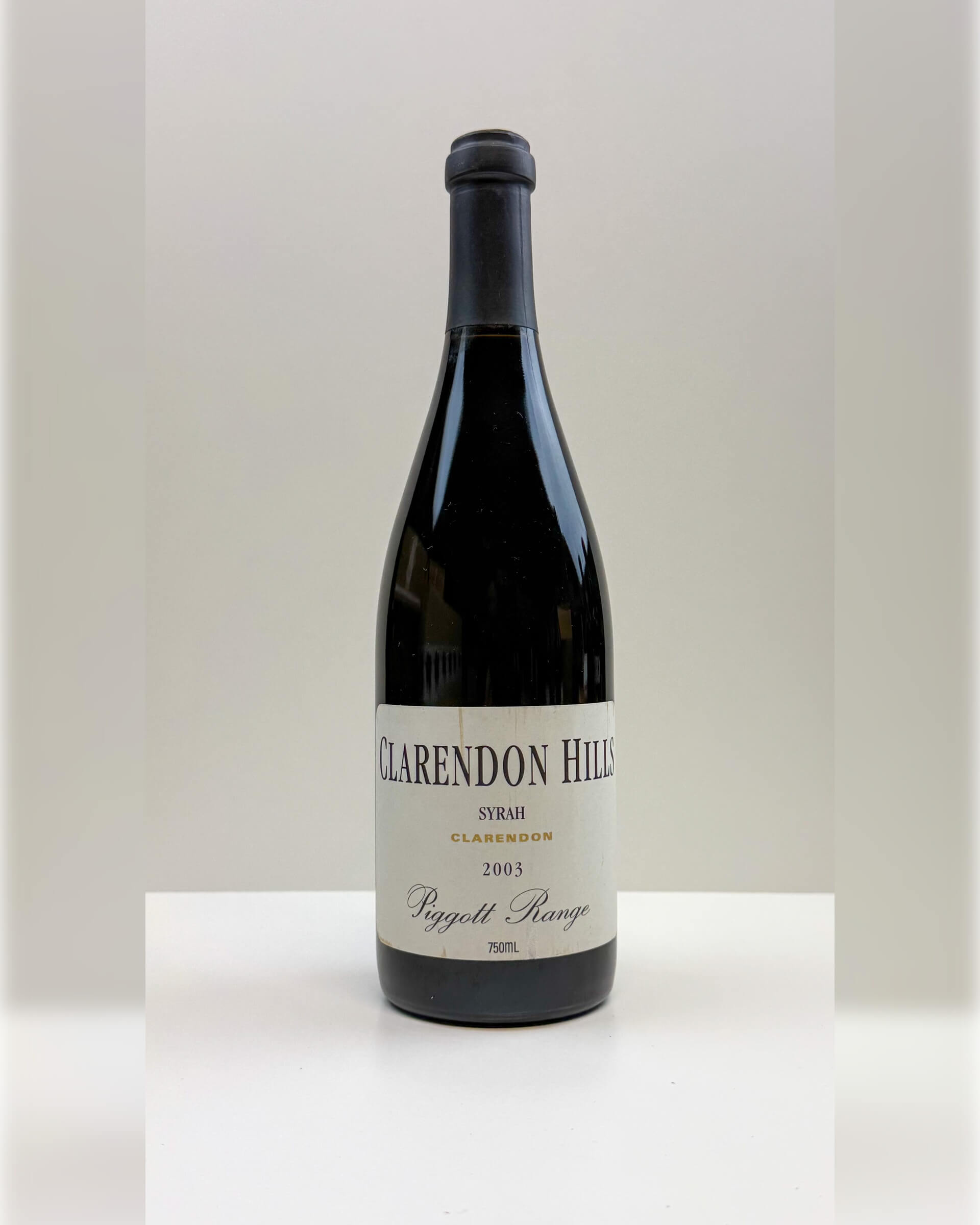
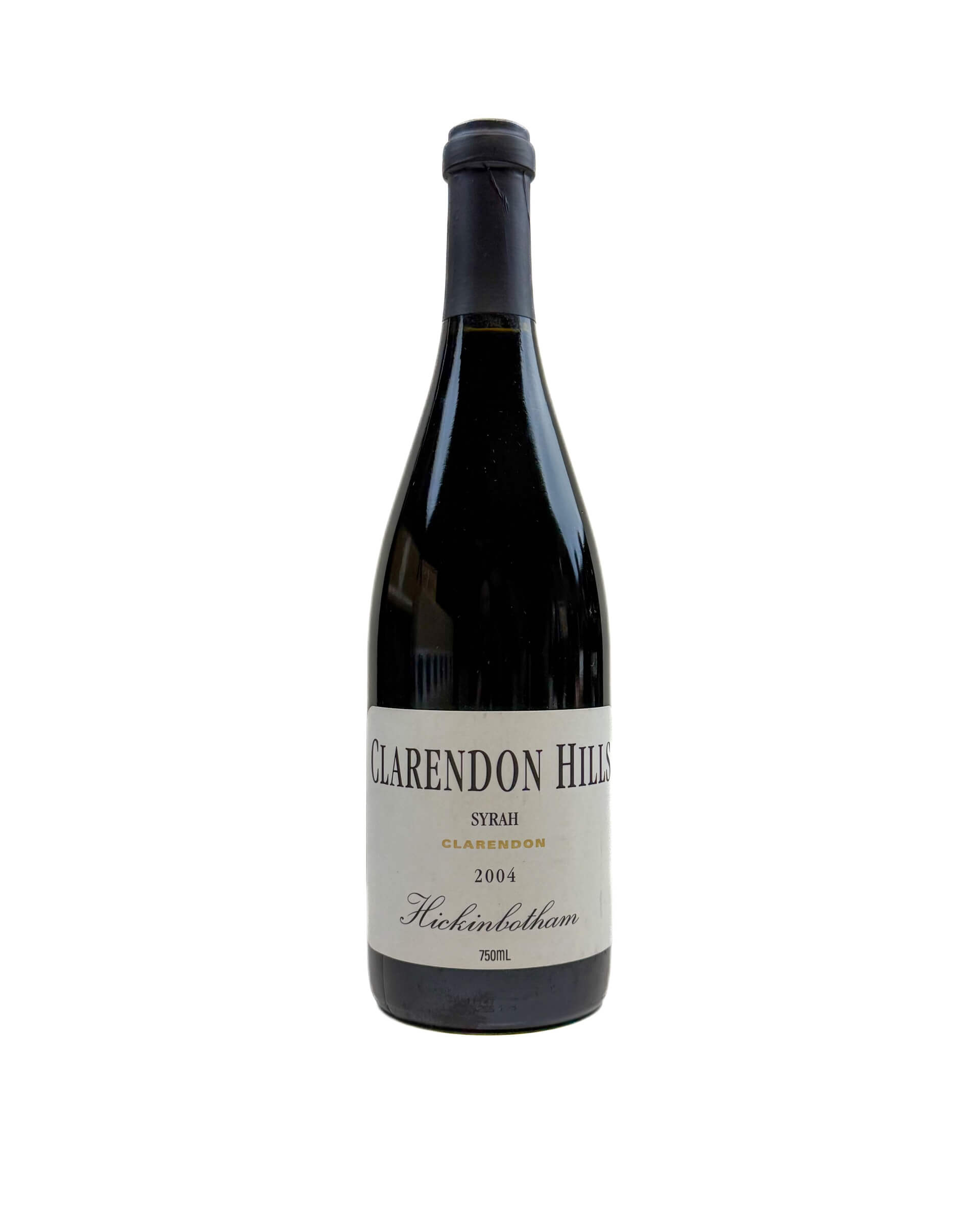
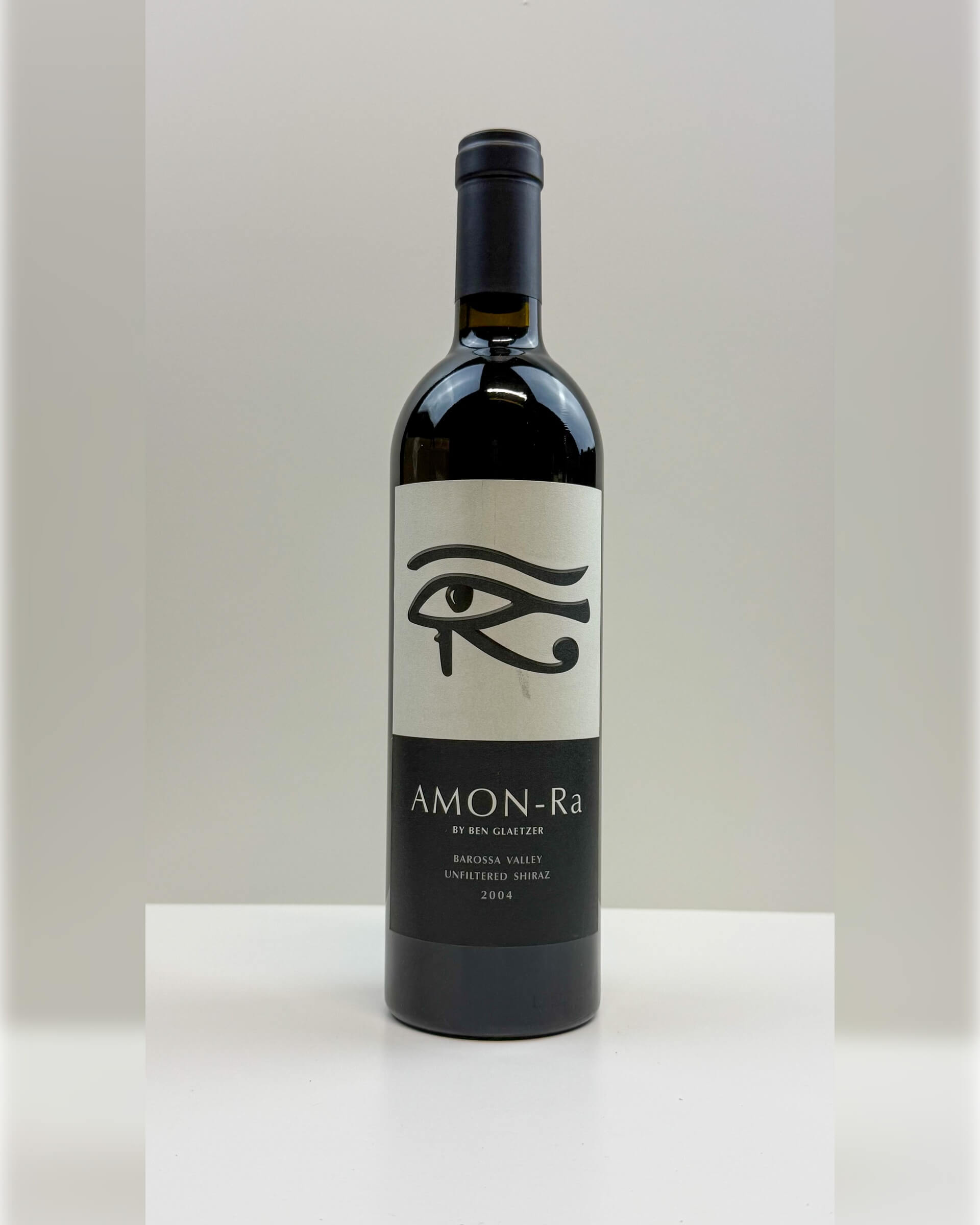
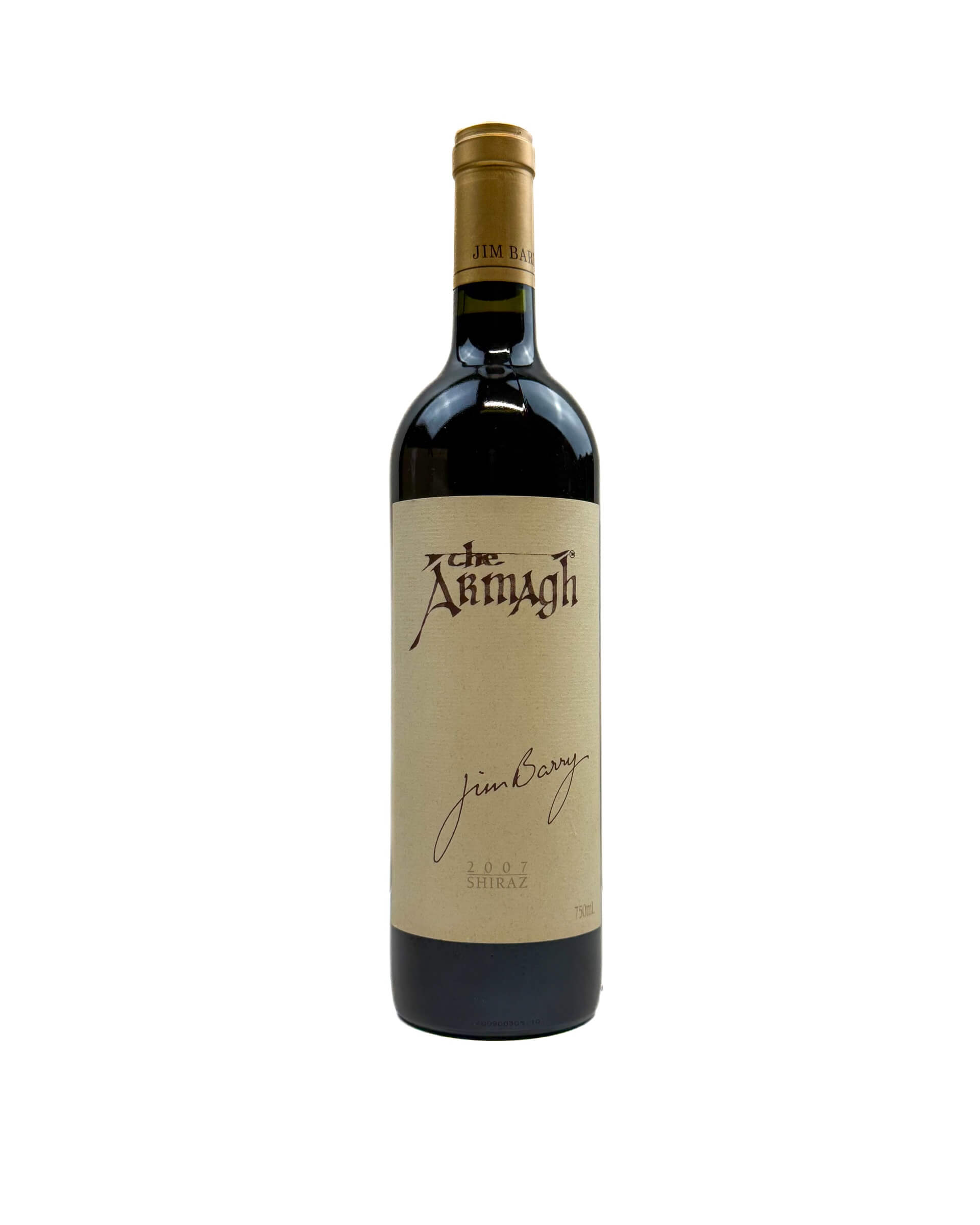
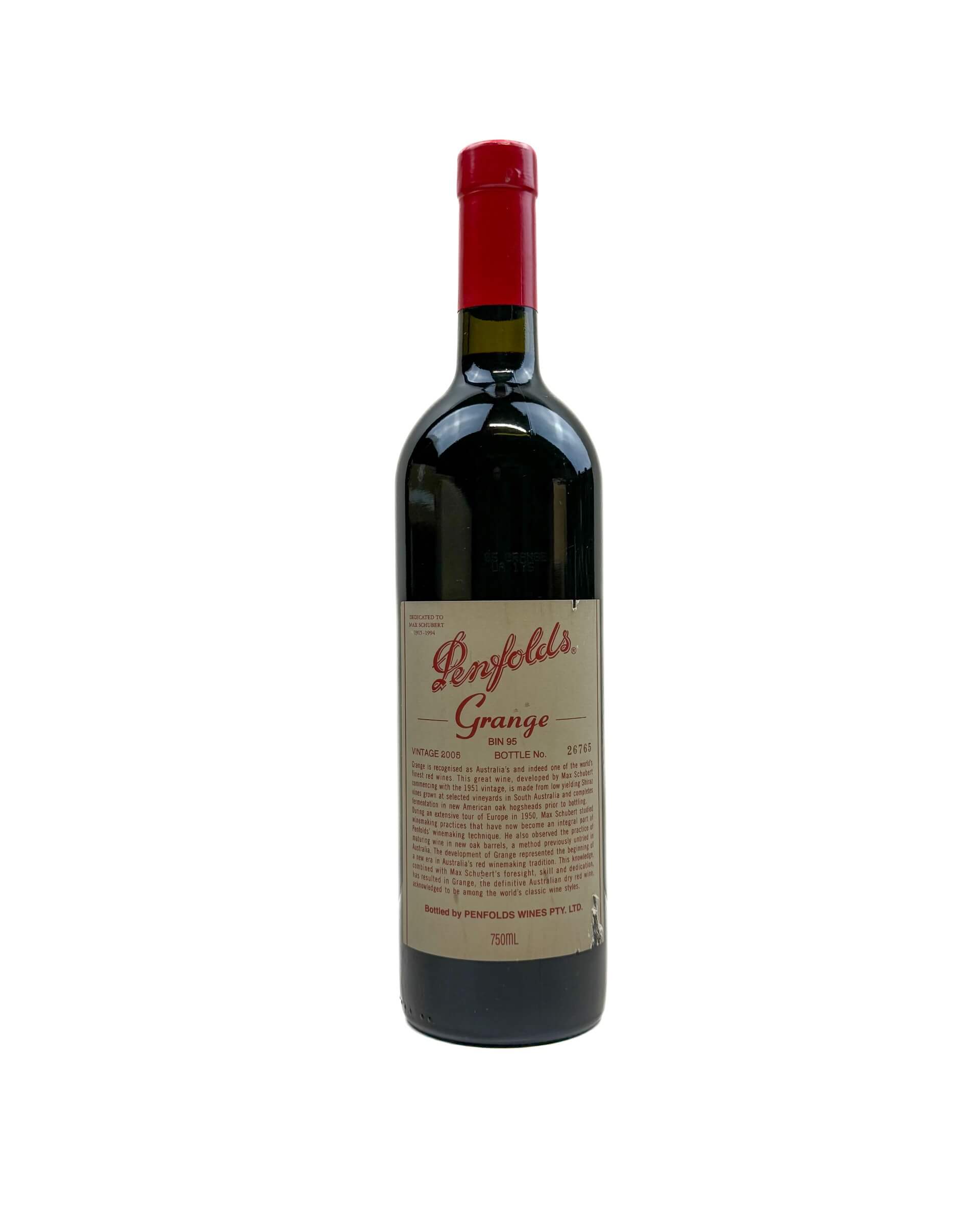
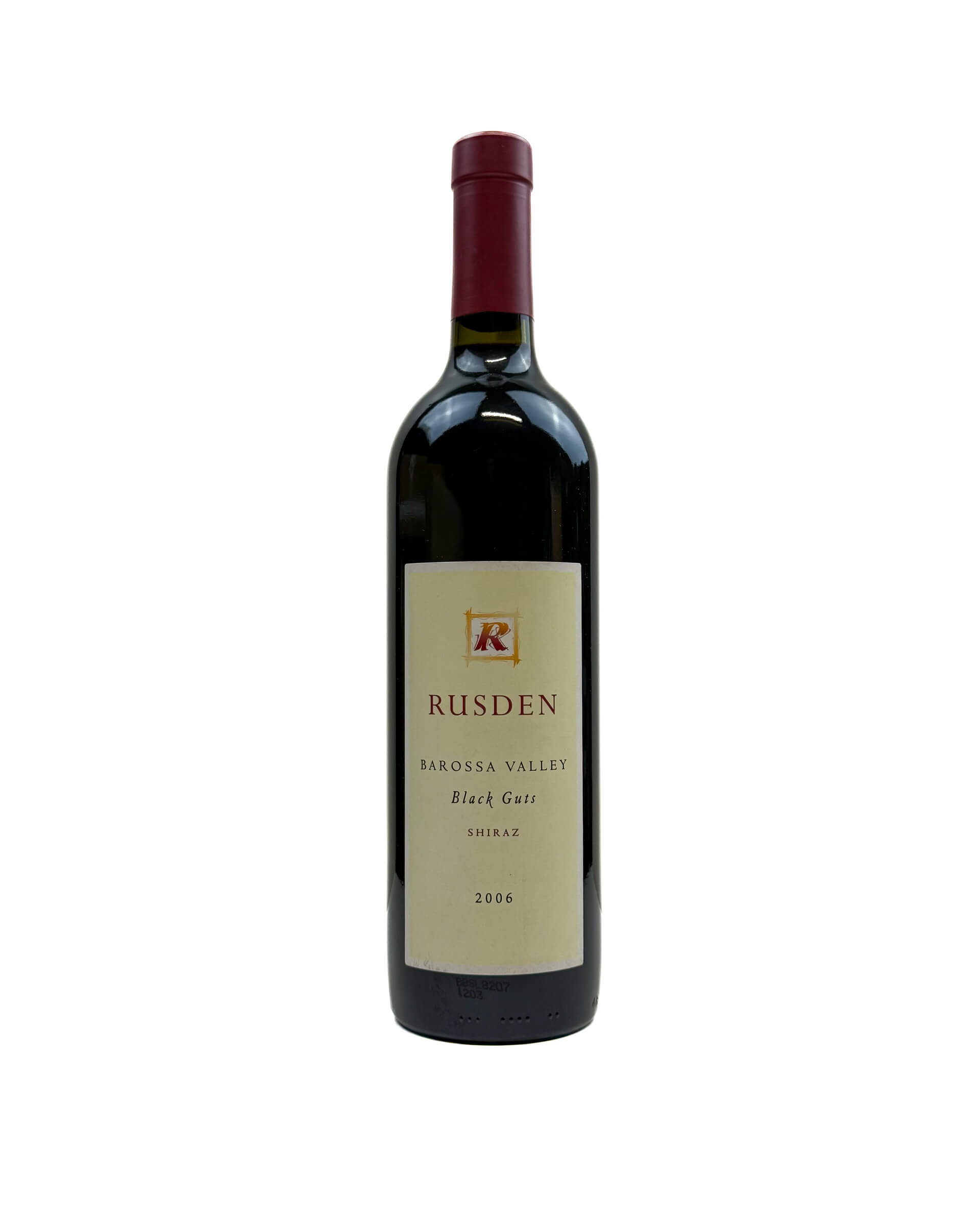
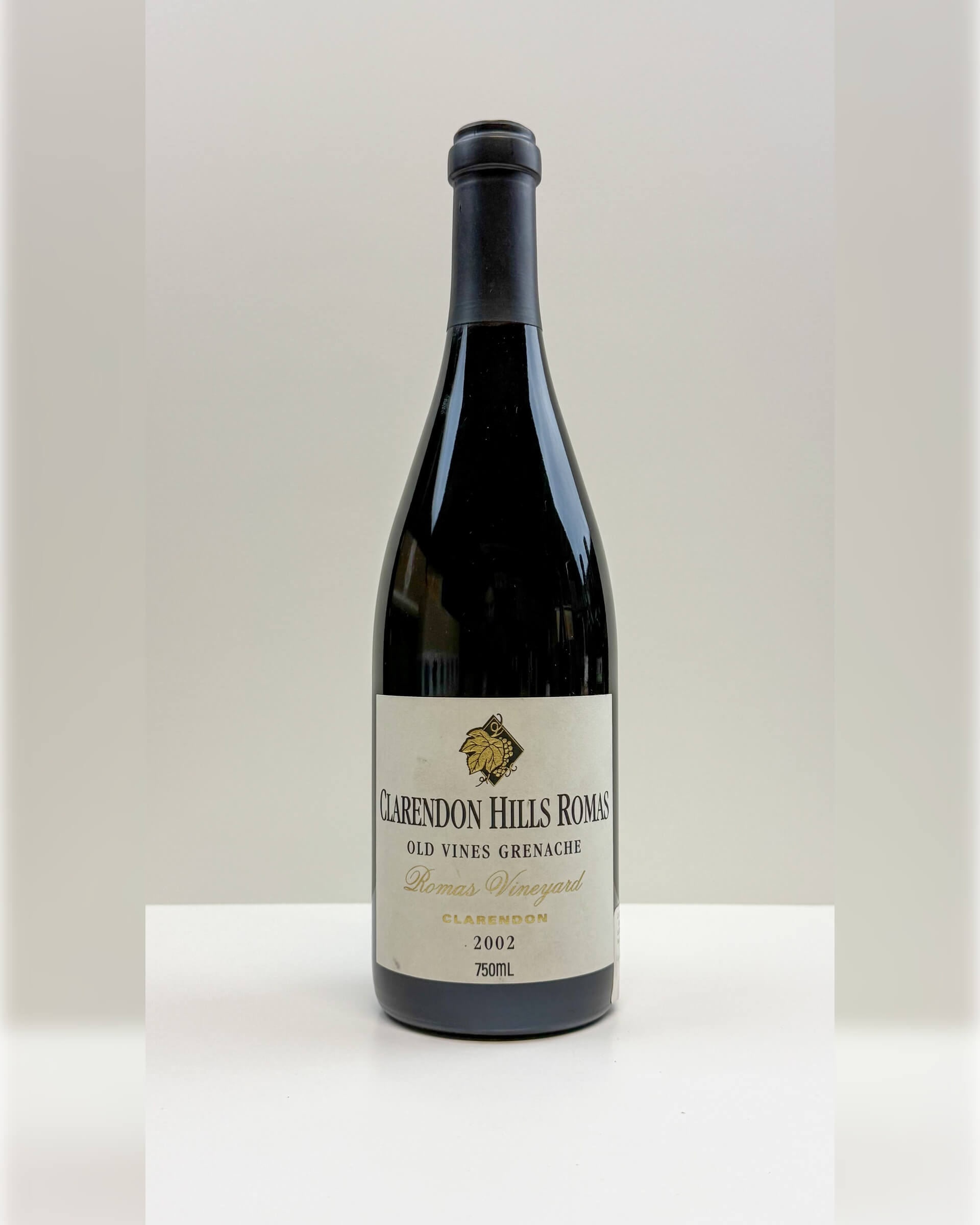
South Australia wine is, by any serious measure, the heartland of Australian fine wine — the source of the country’s most celebrated Shiraz from the Barossa Valley, its finest Riesling from Clare Valley, and its benchmark Grenache-Shiraz blends from McLaren Vale. More than half of Australia’s premium production comes from this one state, and it is here that the comparison with the great wine regions of Europe stops feeling like flattery and starts feeling like fact.
Tour de Wine’s South Australia selection is a curated nine-bottle range drawn from three of the state’s most distinctive sub-regions, chosen from a specialist French fine-wine perspective. Prices start from around €100, with the majority of bottles sitting between €100 and €220 — a quality-conscious range for collectors who already know that the best of South Australia belongs alongside the cellar’s European classics.
What sets South Australia apart within the broader Australia wines landscape is a rare combination of vine age, climatic diversity, and unbroken continuity. The state accounts for over half of Australia’s premium wine output, and — crucially — it escaped the phylloxera epidemic that levelled Europe’s vineyards in the nineteenth century. As a result, South Australia is home to some of the world’s oldest continuously producing vineyards: Langmeil’s Freedom block in the Barossa, planted in 1843, and the Old Garden Mourvèdre at Hewitson, planted in 1853, are among the oldest documented vines of their varieties anywhere on earth — pre-phylloxera plantings well over a century and a half old, still rooted on their original stock. These historic blocks are the regional benchmarks against which our selection is curated.
The climatic range across the state is extraordinary. The warm, semi-arid Barossa and Eden Valleys to the north ripen Shiraz to deep concentration; the maritime-cooled McLaren Vale, south of Adelaide, produces fresher, more elegant reds; and the cool, continental Clare Valley, further north and higher up, sees diurnal temperature swings of 20°C and more — hot days followed by cold nights that lock vivid acidity into its world-class Riesling.
South Australia organises its sub-regions under the Geographical Indication (GI) system, the Australian framework that defines and protects regional boundaries. Its three leading zones — Barossa, McLaren Vale, and Clare Valley — sit within relatively short driving distance of one another, yet produce wines of entirely different character. Understanding those differences is the key to buying well.
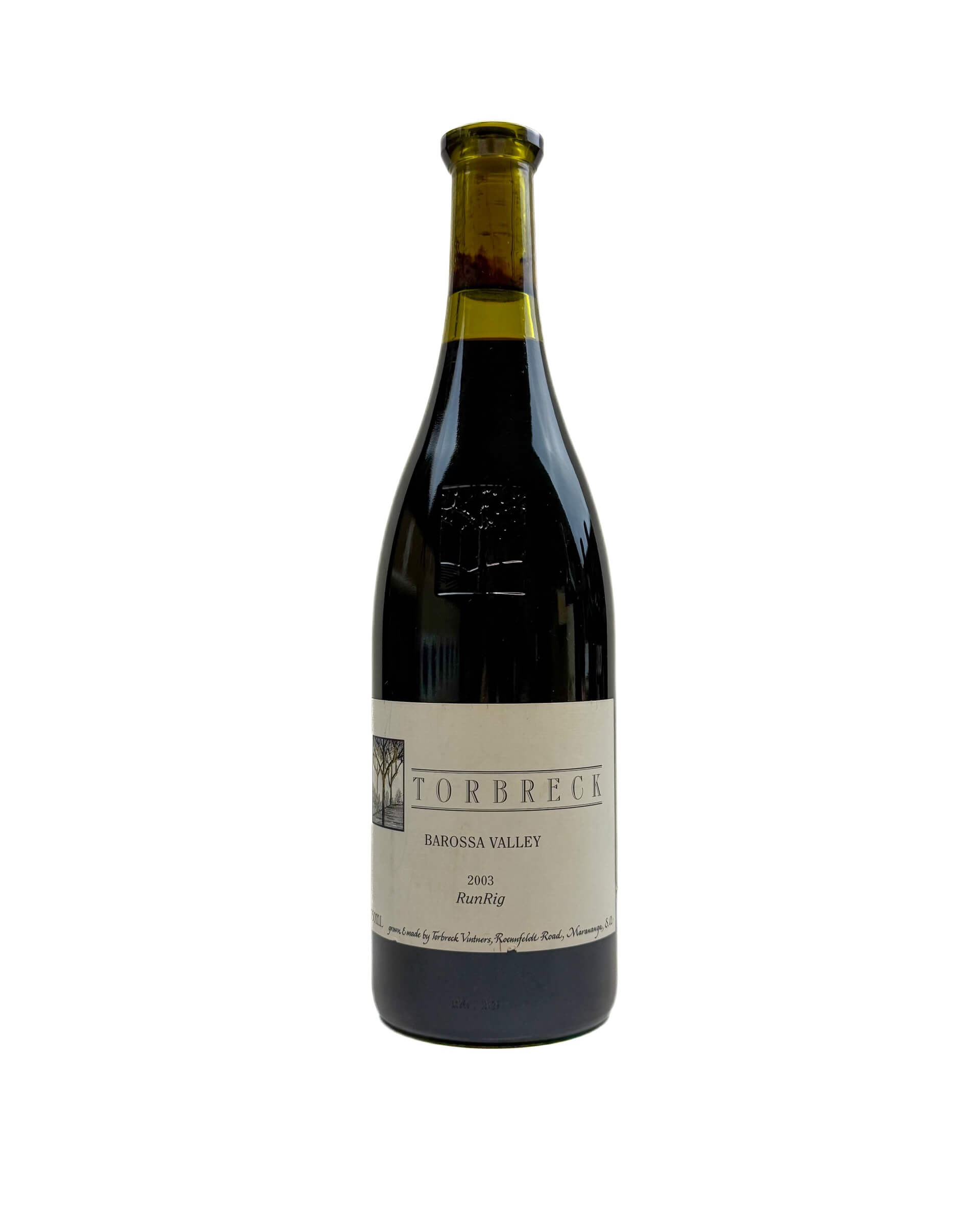
The Barossa Valley, roughly 60 km northeast of Adelaide, is the spiritual home of Australian Shiraz. Its warm, low-rainfall climate and ancient soils — red-brown loams, clay, and old sand — nurture old-vine Shiraz, some of it pre-dating the 1870s phylloxera era, that yields wines of extraordinary depth and longevity: dark plum and blackberry, dried spice, dark chocolate, and velvety tannins that can develop for two decades or more in the cellar. The cooler, higher Eden Valley sub-zone within the Barossa GI adds a more spiced, aromatic Shiraz expression, while old-vine Grenache and Mourvèdre give the region GSM blends that genuinely rival their Rhône archetypes. The Barossa benchmark is set by names such as Penfolds, Henschke, Torbreck, and Rockford, against which we measure every bottle we list. Our Barossa Valley wines represent this signature, structured style.
McLaren Vale lies about 40 km south of Adelaide on the Fleurieu Peninsula, where cooling breezes off the Gulf St Vincent and the Southern Ocean temper the ripening season. This maritime influence produces Shiraz and Grenache of noticeably greater elegance and freshness than the Barossa — red and dark fruits, graphite, herb, and the much-discussed “McLaren Vale chocolate” note on the finish. The region is increasingly recognised as Australia’s finest source of Grenache, frequently blended in Rhône-style GSM (Grenache-Shiraz-Mourvèdre) combinations, while its ironstone-rich soils lend the wines a distinctive mineral edge. The region’s reputation has been built by estates such as d’Arenberg, Wirra Wirra, and Yangarra, whose old-vine Grenache and Shiraz define the McLaren Vale style. Our McLaren Vale wines showcase this cooler, southern expression of South Australian red.
Clare Valley, some 130 km north of Adelaide at elevations of 400 to 500 metres, is Australia’s most celebrated Riesling region and one of the world’s great Riesling terroirs. Its extreme diurnal temperature variation — hot days, cold nights — preserves vivid natural acidity while allowing full phenolic ripeness, producing wines of unusual precision: lime juice, lemon blossom, slate, and a steely mineral backbone. Producers such as Grosset, Jim Barry, and Pikes have made the region’s dry Riesling a global reference point. Unlike most aromatic whites, Clare Valley Riesling gains rather than loses with age, reaching its peak at 10 to 15 years as honeysuckle, toast, and the classic petrol-like character emerge. The Clare Valley wines in our range make a compelling case for Australian white beyond Chardonnay.
Shiraz is the defining red grape of South Australia and of Australian fine wine as a whole. From the Barossa’s dense, powerful, old-vine expressions to McLaren Vale’s more medium-bodied, herb-edged style, South Australian Shiraz covers the full spectrum of the variety. The best examples stand comparison with a top Hermitage or Côte-Rôtie, and at our price point they rank among the most compelling red wines of the Syrah family at any tier.
Grenache and Grenache-Shiraz-Mourvèdre (GSM) blends, built from old-vine McLaren Vale and Barossa material, reward the buyer who knows the variety: Grenache of equivalent vine age and concentration from Châteauneuf-du-Pape regularly commands a considerable premium over its South Australian counterpart. Old-vine Grenache — from vines often 80 to 100 years and older — produces wines of silky texture, bright red-fruit purity, and earthy spice that echo the best of the southern Rhône. GSM blends add weight from Shiraz and structure from Mourvèdre, giving wines of broad food-pairing versatility. In some Barossa portfolios Cabernet Sauvignon also appears alongside Shiraz, lending firmer structure and cassis depth to the blend.
Clare Valley Riesling stands apart from every other Australian white in its capacity to age and in the clarity of its terroir expression. Grown under screwcap — now standard in Australia and ideal for preserving freshness over decades, allowing these wines to be cellared without oxidation risk — it is the true counterpoint to Chardonnay: no oak, no malolactic fermentation, just pristine fruit, high acidity, and mineral length. This is a wine for the cellar-minded white-wine collector.
At this level these are wines for occasions, and the governing principle is simple: match the weight of the wine to the weight of the dish. Barossa Shiraz demands red meat or game, not delicate fish; Clare Valley Riesling wants brightness and acidity on the plate to mirror its own.
Barossa Valley Shiraz is built for prime cuts of red meat — rib-eye, lamb shoulder, venison — along with game birds, hard aged cheeses, and even dark chocolate. Serve it at 17–18°C in a large-bowl glass; younger vintages benefit from one to two hours of decanting, while mature bottles need only around 30 minutes. McLaren Vale Grenache and GSM blends suit braised lamb, duck, charcuterie, merguez, and mushroom-rich dishes, as well as softer cheeses; serve a little cooler, at 15–16°C, in a Burgundy-style glass. Clare Valley Riesling shines with fresh oysters and shellfish, Thai and Vietnamese cuisine, smoked salmon, goat’s cheese, and ripe melon; serve it well chilled at 8–10°C, and pour older vintages of 10 years and beyond alongside richer fish dishes or spiced pork.
South Australia produces some of Australia’s most acclaimed — and at the top end, most allocated — fine wines, and our selection reflects a curatorial eye trained on quality and terroir expression rather than commercial volume. The nine-bottle range falls naturally into three tiers, all in euros.
Entry and mid-range (from around €100): the most accessible expressions in the selection — still from respected South Australian producers, offering genuine terroir character from the Barossa, McLaren Vale, or Clare Valley at an approachable price.
Core selection (around €200, the catalogue median): the heart of the curation. At this level a bottle represents a producer’s benchmark expression of its sub-region — the dense, old-vine concentration of a Barossa Shiraz, the elegant power of a McLaren Vale Grenache, or the mineral precision of a Clare Valley Riesling. Most of the range sits between €100 and €220, making this the natural starting point for a significant dinner or a small cellar.
Collector tier (up to €350): the upper end — limited-production bottles from South Australia’s most celebrated estates, expressing an exceptional vintage, very old vine material, or single-vineyard precision. These are wines for long-term cellaring over 10 to 20 years, and they reward patience considerably.
A note on vintages: the Barossa and Clare Valley enjoyed several recent benchmark seasons, with 2018, 2020 and 2021 widely regarded as outstanding for Shiraz and for Riesling alike — cooler-edged growing conditions that delivered both ripeness and structure. Vintage detail is listed on each product page, and we are glad to advise on the most cellar-worthy years for any specific bottle. Whichever vintage you choose, store these wines on their side at a steady 12–14°C; their long-term ageing potential depends as much on cellar conditions as on the bottle itself.
For a collector weighing a bottle from the Barossa or Clare Valley against a French or Italian alternative, the case for South Australia rests on three things. First, value: an old-vine Barossa Shiraz or McLaren Vale Grenache delivers fruit concentration and structure that would cost considerably more from Châteauneuf-du-Pape or the northern Rhône. Second, provenance: because the state escaped phylloxera, it holds vines that predate almost any working European vineyard — blocks planted in the 1840s and 1850s that have never been grafted or replanted, a continuity France’s great regions lost in the nineteenth century. Third, ageing security: bottled almost entirely under screwcap, these wines are far less vulnerable to cork failure than their European peers across a decade or two in the cellar. South Australia is best known for Shiraz, Clare Valley Riesling, and McLaren Vale Grenache — but for the buyer, the deciding factor is that it offers benchmark quality with genuinely lower price and storage risk.
Our South Australia selection starts from around €100. Most of the nine-bottle range is priced between €100 and €220, reflecting a focus on benchmark expressions from the Barossa Valley, McLaren Vale, and Clare Valley, with the catalogue median sitting near €200. Exceptional collector-tier bottles from limited-production estates reach up to €350 — still strong value relative to comparable European fine wines of equivalent ambition and ageing potential.
Yes, significantly so. Barossa Valley Shiraz from top producers and great vintages can develop gracefully for 15 to 25 years; the tannins integrate, secondary notes of spice, leather, and dark earth emerge, and the wine’s structure comes into full focus after a decade. Clare Valley Riesling ages differently but just as impressively: under screwcap it transforms over 10 to 15 years into a honeyed, petrol-tinged, mineral wine of real complexity. Both styles reward patience from a cellar-minded buyer.
Barossa Valley Shiraz is generally warmer-climate and more powerful — denser fruit concentration, fuller body, firmer tannins, and greater longevity. McLaren Vale, cooled by maritime influence from the Gulf St Vincent, produces Shiraz and Grenache of greater elegance: medium-to-full body, brighter red-fruit character, a distinctive earthy-herb note, and earlier accessibility. Both are exceptional; the Barossa suits collectors seeking maximum cellaring potential, while McLaren Vale appeals to buyers who prefer an approachable but genuinely complex red.
Written by the Tour de Wine buying team. Last reviewed: June 2026.
This site is restricted to adults. By entering, you confirm that you are of legal drinking age in your country of residence.