
87
0,375
2000
Chateau Coutet
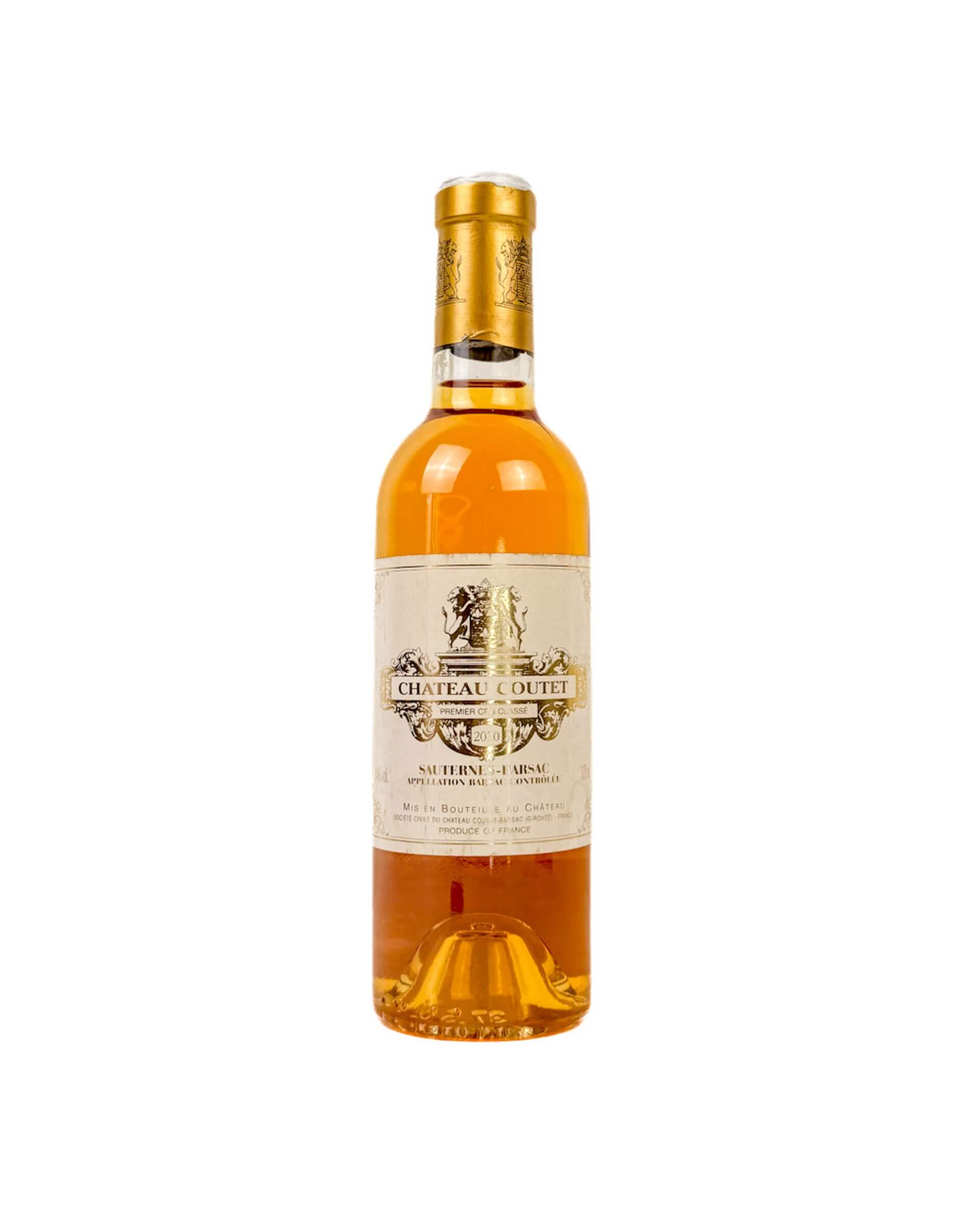
Chateau Coutet 2000 0,375L
€ 30,00
Wines, producers, regions...
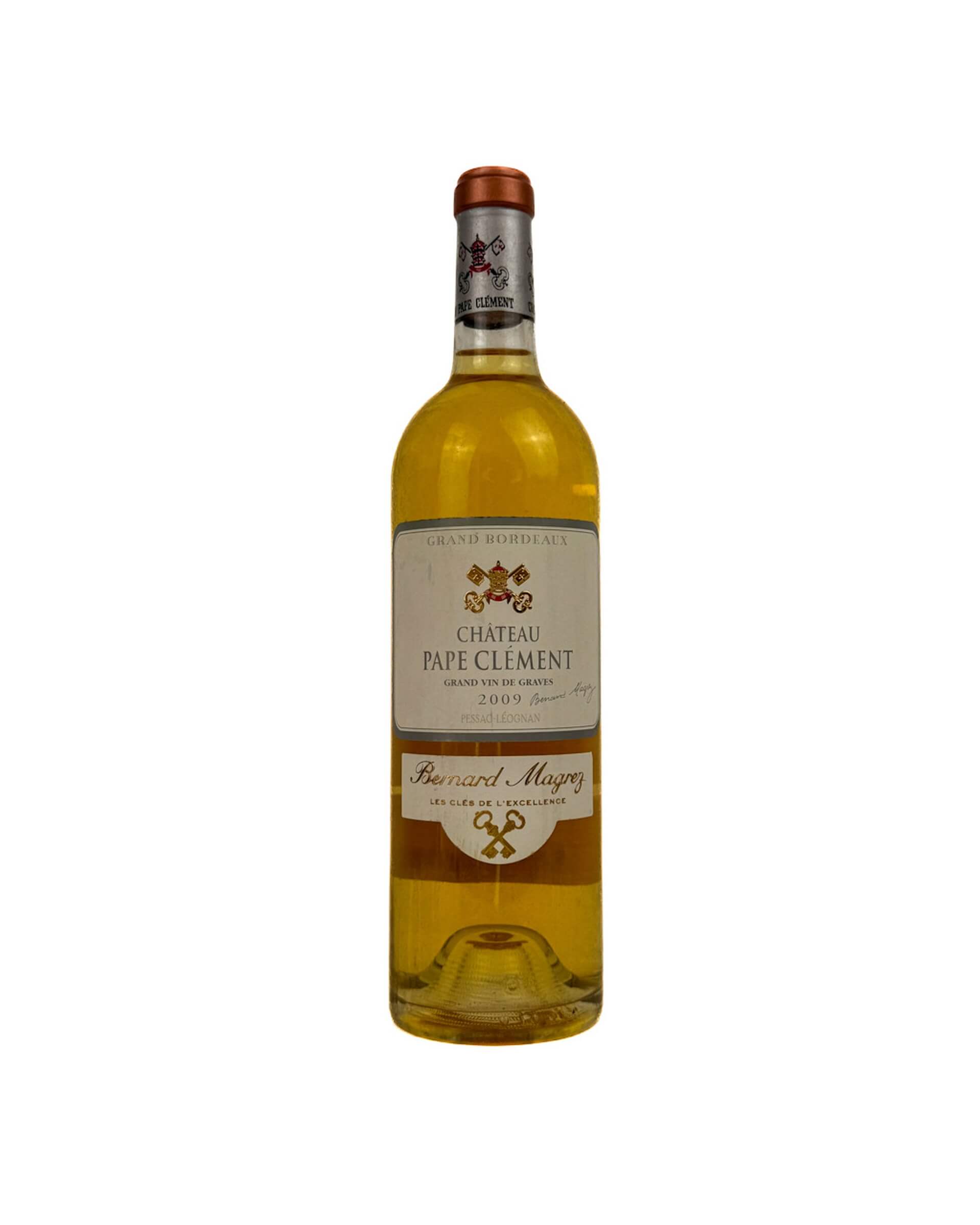
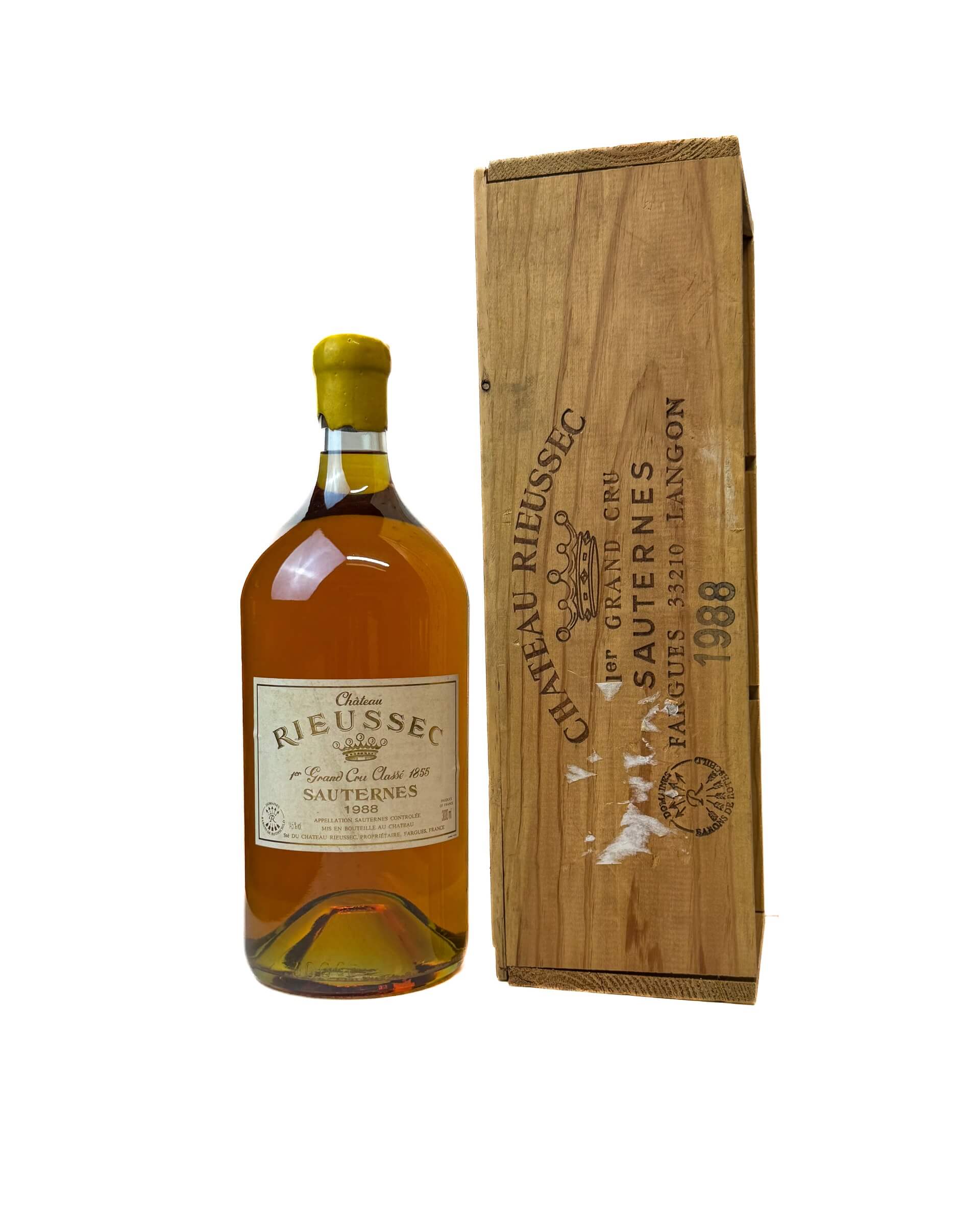

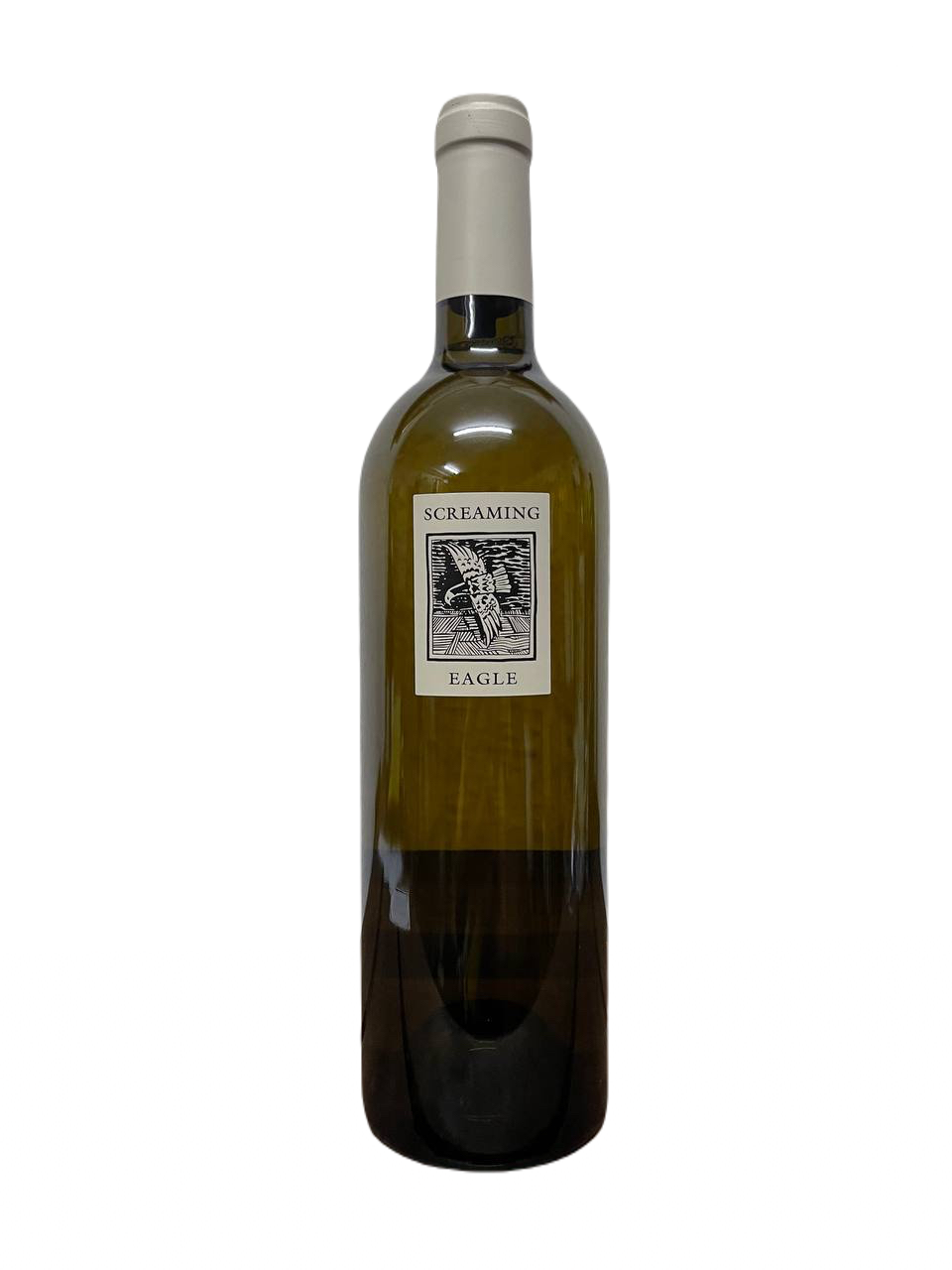
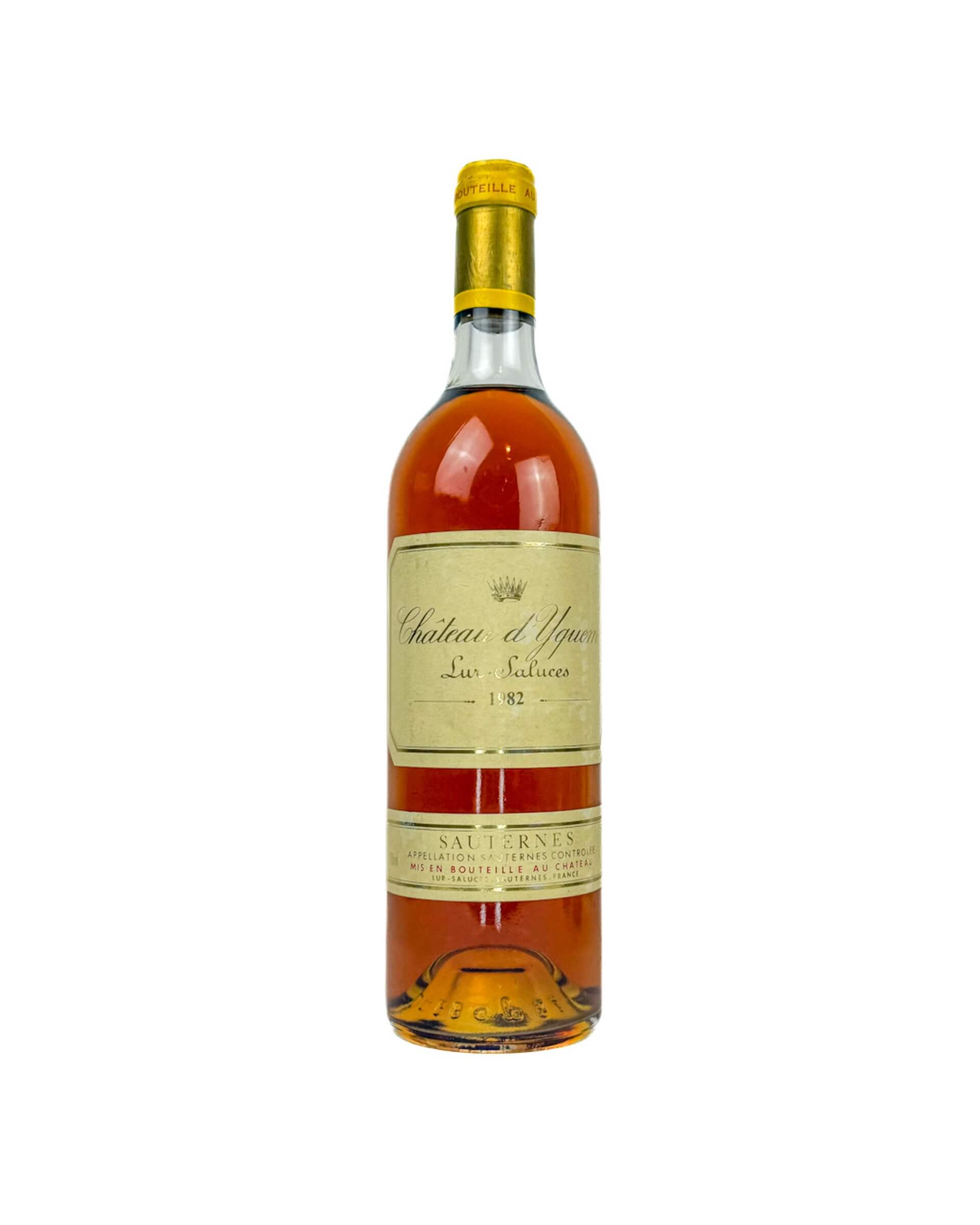
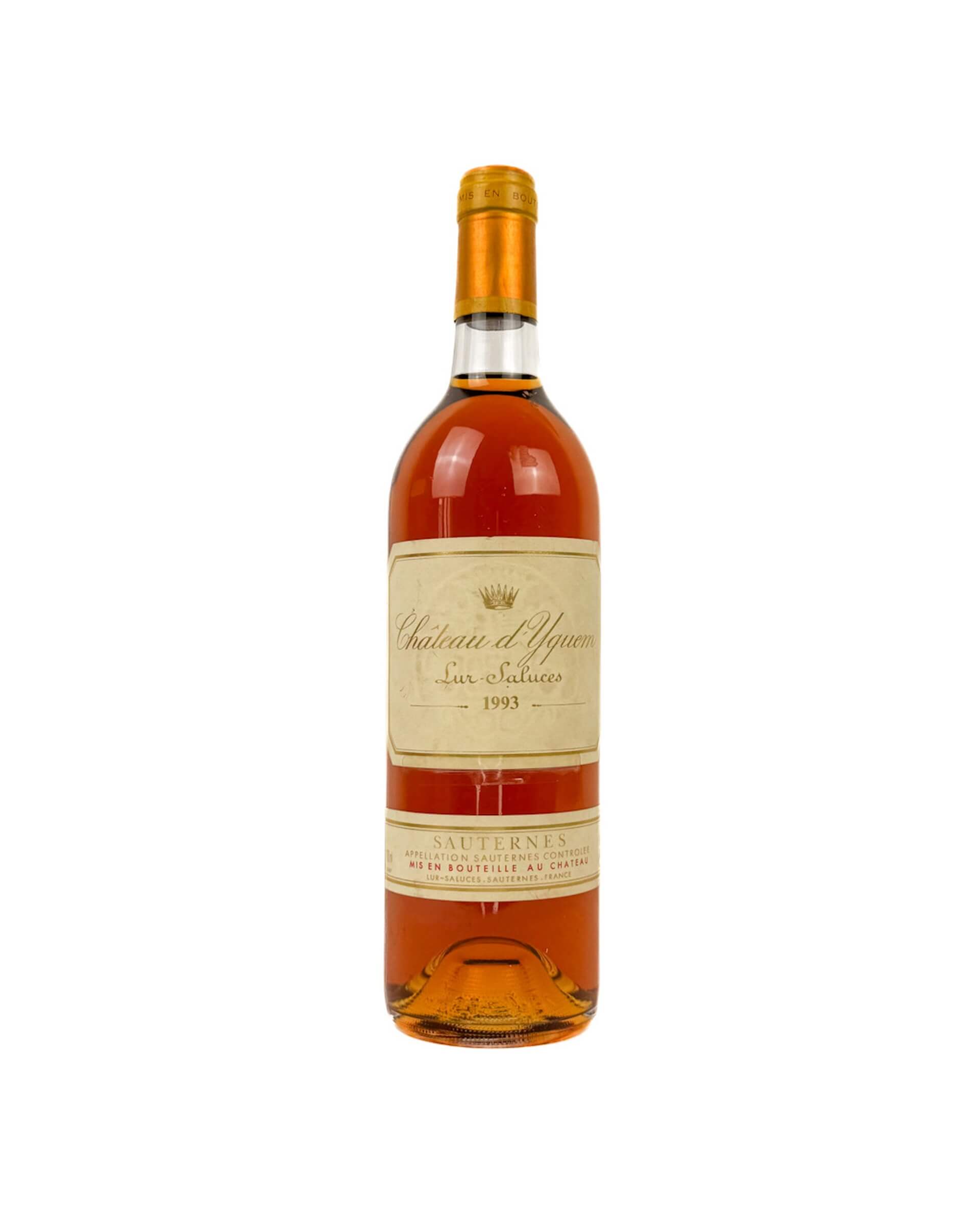
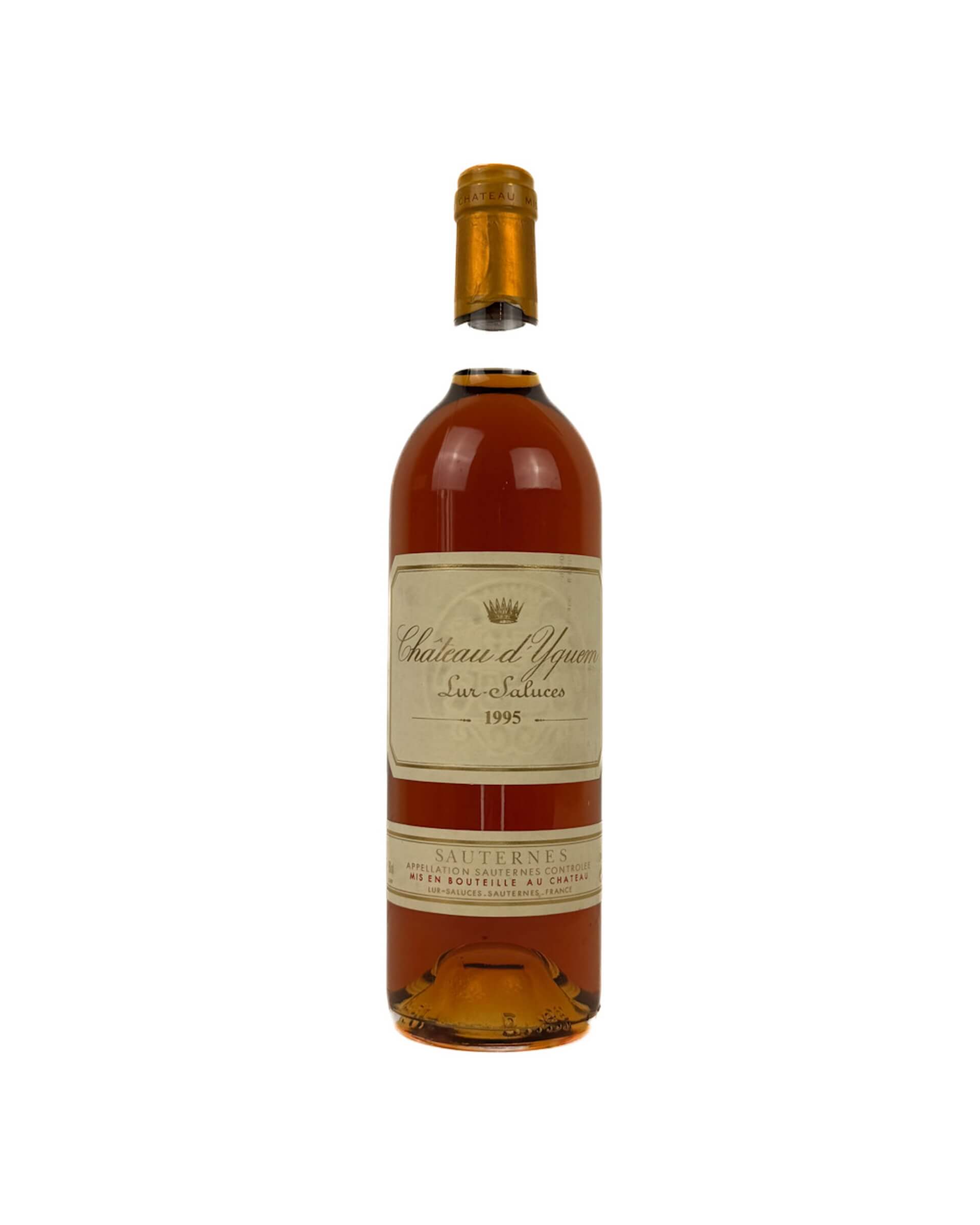
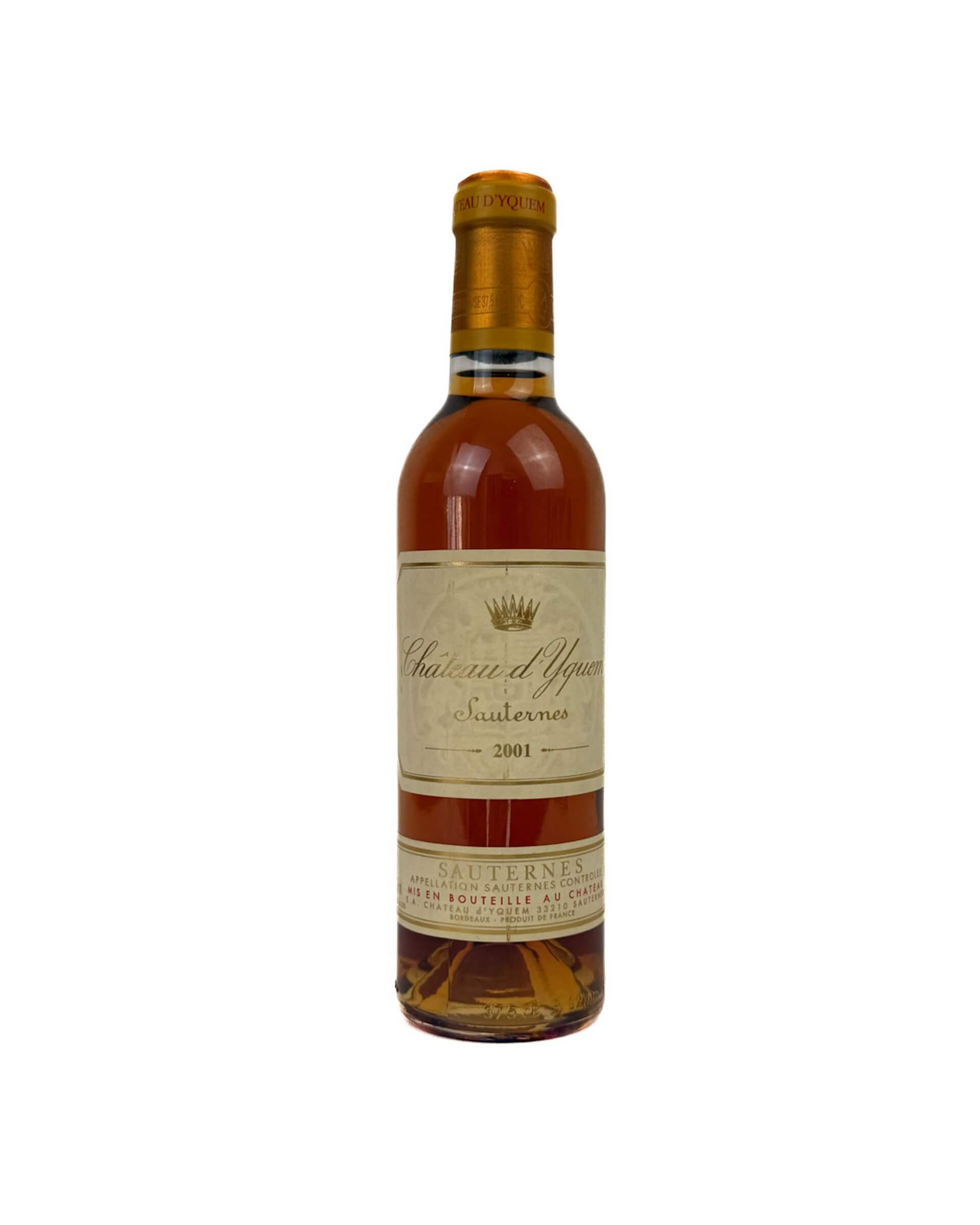
In its cool-climate Loire form, sauvignon blanc is among the most immediately identifiable white wines in the world: the citrus-and-flint profile is traceable to variety and site in a way few other grapes allow. A green-skinned, early-ripening variety of French origin, it has been planted so widely that New Zealand’s Marlborough region alone expanded from barely 1,000 hectares in the early 1990s to well over 25,000 hectares today, almost all of it this single grape. At its source in the Loire Valley the wine is all citrus zest, fresh-cut grass, elderflower and that unmistakable struck-flint minerality; in Bordeaux it takes on weight, texture and the capacity to age for decades. This is a grape with two homelands, and both of them are French.
Tour de Wine approaches the grape from where it matters most. The Loire Valley and white Bordeaux are the canonical heartlands of the variety at its most nuanced, and our selection is built around them — benchmark Sancerre and Pouilly-Fumé from the Central Vineyards, the underrated freshness of Menetou-Salon and Quincy, and the barrel-fermented, age-worthy whites of Pessac-Léognan. Whether you are reaching for a crisp aperitif or a cellar-worthy white Bordeaux, the bottles in the grid below reflect a French specialist’s view of what this variety can truly become.
Understanding the sauvignon blanc taste begins with its core character: bone-dry, high in natural acidity, low in tannin, and driven by aromatics that shift dramatically with climate. In its cool Loire form it leans green and mineral; in warmer regions it turns tropical; in Bordeaux, blended with Sémillon and touched by oak, it gains breadth and longevity. These are the defining sauvignon blanc characteristics to keep in mind as you choose a bottle:
There is also a fascinating genetic footnote — the variety crossed naturally with cabernet franc to give rise to cabernet sauvignon, which explains the herbaceous, blackcurrant-leaf thread that runs through both families.
No grape changes its accent more completely with geography. The same variety that gives steely, mineral precision on the flinty ridges of the Upper Loire produces something rounder and more opulent in Bordeaux, and something tropical entirely in the New World. For the buyer, the sauvignon blanc regions are not interchangeable — each represents a distinct purchase decision, and the difference is worth understanding before you spend.
The Upper Loire, or Central Vineyards sub-region, is the grape’s purest expression. Sancerre and Pouilly-Fumé sit on the same Kimmeridgian limestone and flint that runs north to Chablis, producing wines of cut-glass precision and mineral tension that no warm-climate site can imitate. This is the reference point against which all other loire valley white wine is measured.
The Loire’s sauvignon appellations sit within a broader France wines selection that runs from Muscadet on the Atlantic coast to Vouvray’s chenin blanc upriver, alongside Bordeaux, Burgundy and the rest of the country’s great appellations.
In Bordeaux, the grape rarely plays a solo role. It is blended with Sémillon, which brings richness, texture and the capacity to age in a way that the pure variety almost never achieves on its own. The dry whites of Pessac-Léognan, in the Graves, are often barrel-fermented and rank among the world’s most complex and long-lived white wines.
For collectors drawn to Bordeaux’s age-worthy whites, our Bordeaux selection gathers the region’s most serious expressions, while the top barrel-fermented cuvées sit naturally alongside our Grand Cru and 1er Cru classification tiers.
A Marlborough bottle at the price of a village Sancerre will give you more upfront fruit — passionfruit, guava, exuberant aromatics — but not the same thing. The New World style is built on warm-climate ripeness and is largely interchangeable from one producer to the next; the Loire’s value lies precisely in what cannot be replicated, the cool-climate tension and soil-driven gunflint of a specific flint or limestone parcel. A buyer who wants terroir, ageing potential and a wine tied to a named appellation should not substitute a fruit-forward commodity bottle at the same price, which is why Tour de Wine’s catalogue centres firmly on French appellations.
The sauvignon blanc vs chardonnay comparison is one of the most common crossroads for white-wine buyers, and the honest answer is that the two grapes are not rivals — they suit different moods and different tables. In short:
For the chardonnay side of the cellar, our Burgundy selection is the natural place to look. The everyday decision — which white do you actually open tonight — is one the FAQ below tackles head-on.
Few white grapes are as flexible at the table. Its high acidity and aromatic lift cut through richness, refresh the palate and flatter a wide range of dishes — provided you match the weight of the wine to the weight of the plate. Good sauvignon blanc food pairing rewards a little thought about style.
Knowing how to buy sauvignon blanc online with confidence comes down to matching your intentions to the right appellation and the right budget. Our eighteen-bottle selection is curated around benchmark Loire and Bordeaux expressions, and the prices below — all in euros, reflecting the European market at source — map cleanly onto three kinds of buyer.
The entry-level explorer. Our most accessible Loire expressions and everyday white Bordeaux sit at the foot of the range, with the lowest bottles starting under €50. This is where you find clean, aromatic appellation wines with genuine regional identity — the soil-driven gunflint character of Sancerre’s silex plots, a quality that depends on low yields and old vines that commodity producers do not pursue. Menetou-Salon and Quincy belong here, offering Loire purity without the Sancerre premium.
The enthusiast seeking depth. The heart of the selection is the mid-range, where the serious wines live: site-specific Sancerre, weighty Pouilly-Fumé and barrel-fermented Pessac-Léognan with real ageing potential. These are the bottles that reward attention at the table and reveal why the best sauvignon blanc commands a premium over everyday whites — wines made to be cellared and considered, not simply poured.
The collector. At the top of the range, above €200, sit the icon cuvées with ten to twenty years of development ahead of them, rising to the rarest and most sought-after bottles in the collection. This is the territory of named benchmarks: at the Loire summit, Didier Dagueneau’s flint-driven Pouilly-Fumé cuvées Silex and Pur Sang, and the legendary Sancerre of Domaine Vacheron and François Cotat; in Bordeaux, the barrel-fermented whites of Château Haut-Brion Blanc and Château Smith Haut Lafitte. These are made in limited quantities and built to evolve over a decade or more. Across every tier, the focus stays the same: benchmark French appellations, honestly priced, chosen by people who taste them.
It is a bone-dry, high-acidity white wine with an immediately recognisable aromatic profile. In the Loire Valley — its classical heartland — expect citrus zest of grapefruit and lemon, white stone fruit, elderflower, fresh herb and a distinctive gunflint or mineral note in the finest bottles. In Bordeaux Blanc, where it is often blended with Sémillon and aged in oak, the profile shifts toward white peach, beeswax, toasted hazelnut and a rounder texture with age. The grape has almost no tannin and rarely sees oak in its Loire form, making it one of the crispest, most direct white wines in the world.
For most weeknight fish — grilled sea bass, oysters, a goat’s-cheese salad — reach for a Loire bottle: its bright acidity and citrus-herb lift refresh the palate between bites and never fight the dish. Save chardonnay for richer plates with butter or cream, such as turbot in beurre blanc or a roast chicken, where its fuller body and gentler acidity sit more comfortably. The one bottle that bridges both worlds is a barrel-fermented Pessac-Léognan: with its Sémillon weight and oak texture it handles cream sauces a lean Loire white would clash with, while keeping the variety’s aromatic signature. If in doubt, match the wine’s weight to the richness of the plate, not to the colour of the fish.
If you are new to the variety, a Menetou-Salon or a Sancerre village wine offers the purest expression of the Loire style — citrus, flint and fresh herb — at an accessible price. From there, Pouilly-Fumé adds weight and a smokier mineral dimension. For those who want the most complex, age-worthy expression, a barrel-fermented white Pessac-Léognan — with its Sémillon component and oak structure — represents the grape at its most serious and its furthest from the crisp, aromatic Loire template.
Bottles built for the cellar — top Sancerre and Pouilly-Fumé — need the same conditions as a serious red: a steady 11–13 °C, around 70% humidity, darkness and freedom from vibration, with bottles laid on their side to keep the cork moist. Avoid a kitchen fridge for anything you intend to keep, since the low temperature and constant cycling dry the cork and flatten the wine over time. Among recent Loire vintages, the structured, slow-maturing 2018 and the ripe-yet-balanced 2019 are the strongest candidates to put away today; both have the concentration to reward eight to twelve years and to develop the honeyed, waxy notes that distinguish a mature bottle from a young one. Open lighter, earlier-drinking appellations such as Quincy first, and give the cellar slots to the wines that genuinely improve.
The appellation boundaries, permitted grape varieties and yield rules referenced above are defined in French law; readers can consult the official Sancerre AOP specification published by the INAO, France’s national appellation authority, and the white-Bordeaux technical guidance of the CIVB for the institutional detail behind these claims.
Written by the Tour de Wine buying team. Last reviewed: June 2026.
This site is restricted to adults. By entering, you confirm that you are of legal drinking age in your country of residence.