
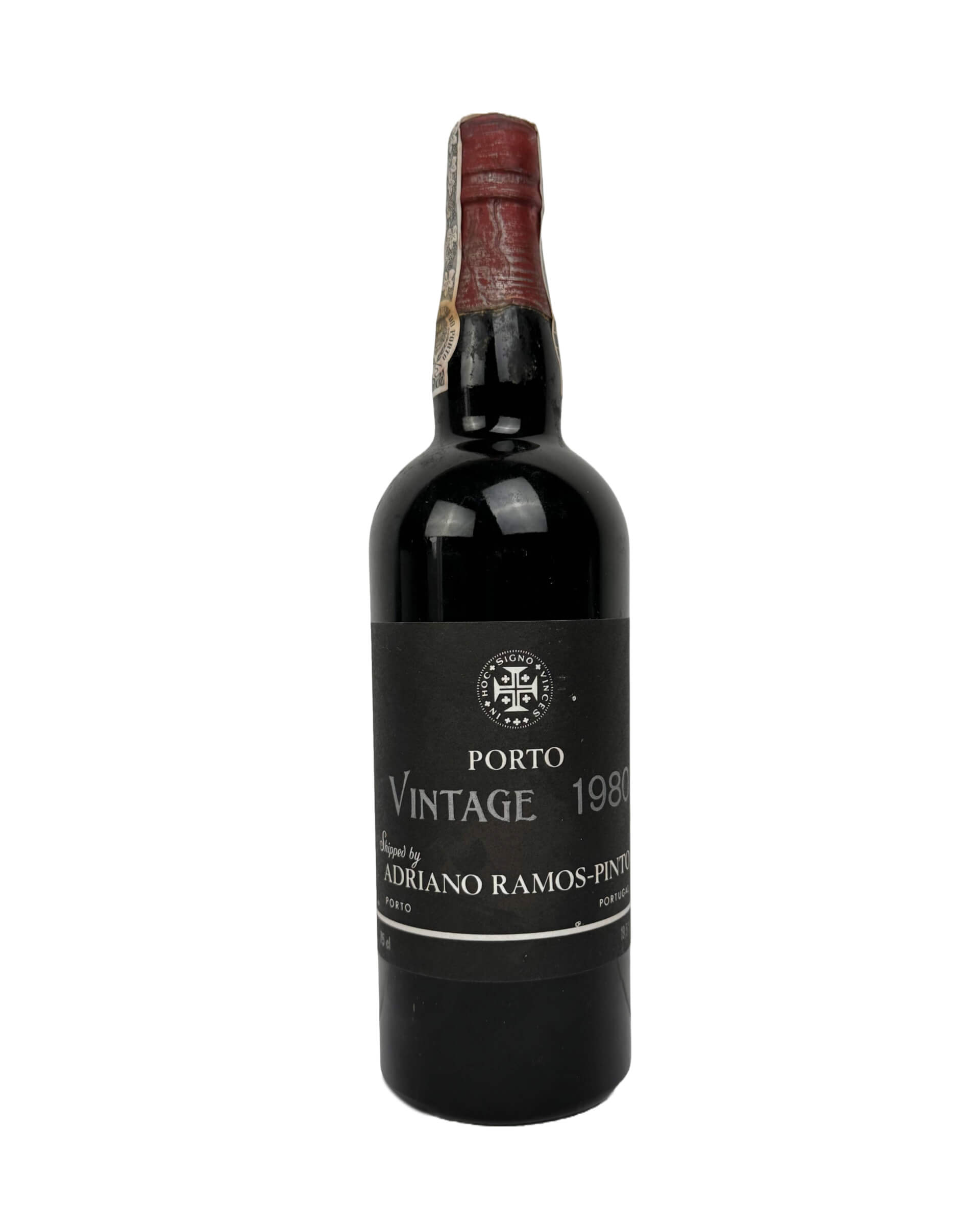
84
0,75
1980
Adriano Ramos-Pinto
Wines, producers, regions...
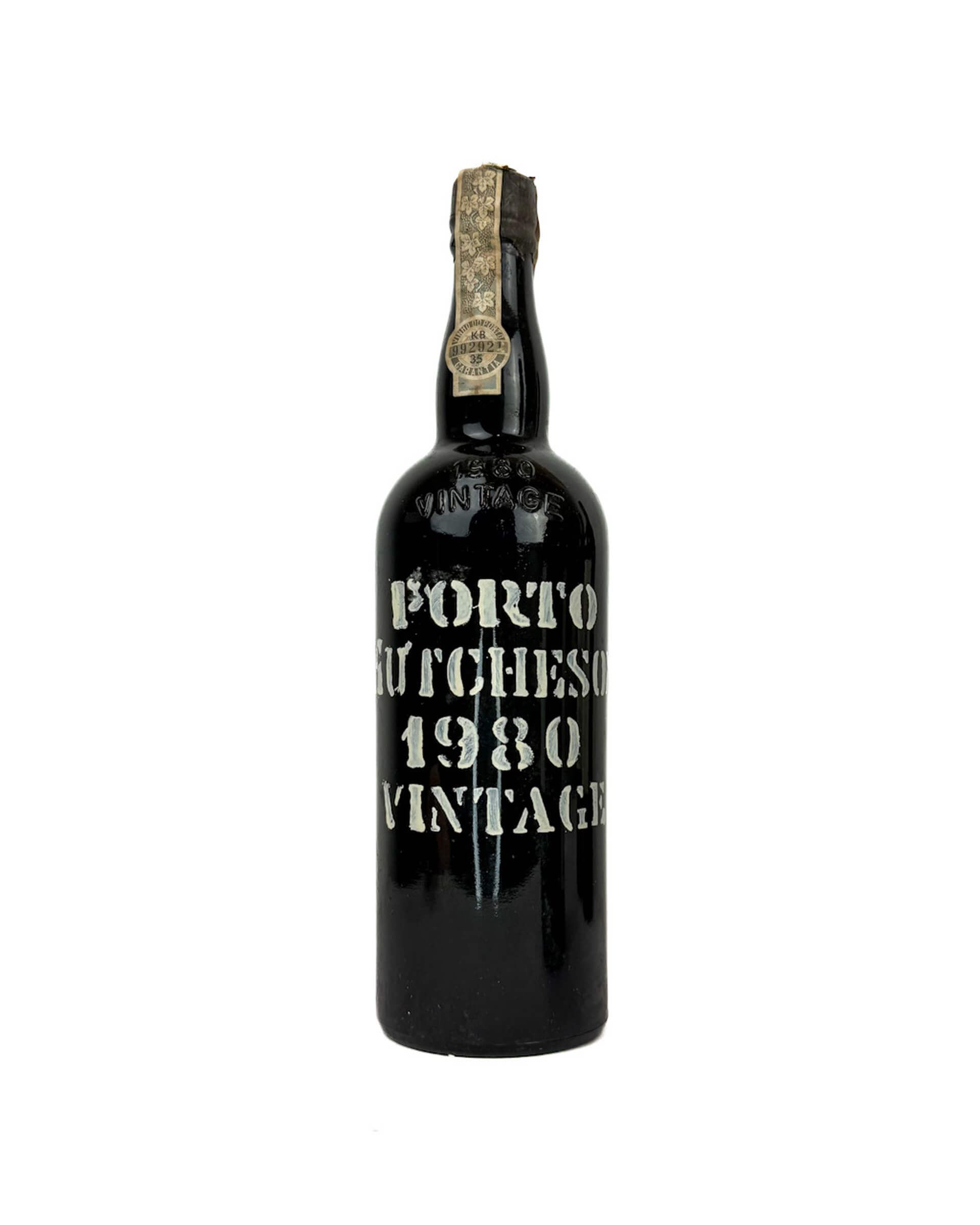
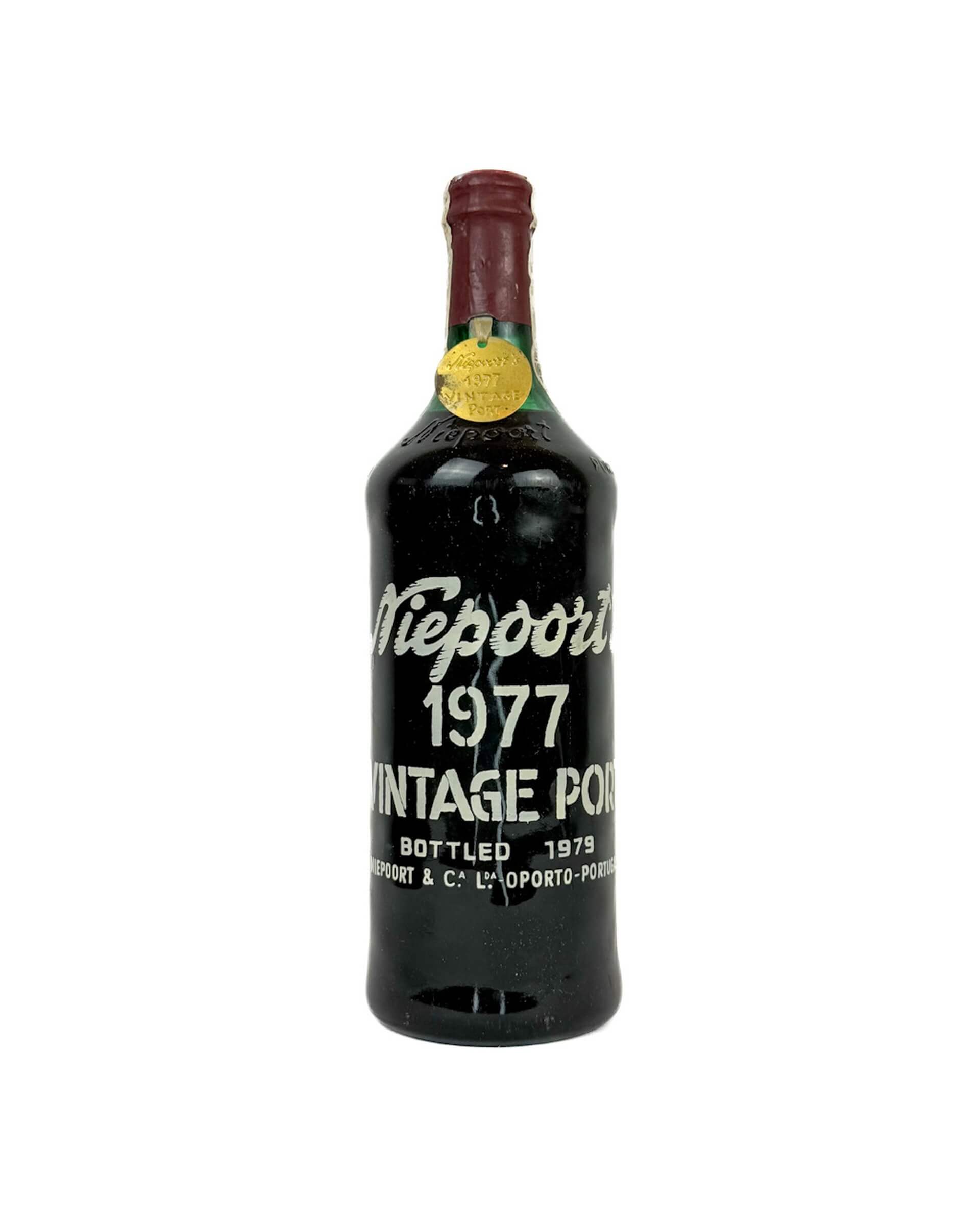
Touriga National is the most celebrated grape variety in Portugal, and one with a remarkable double life: it is the structural soul of vintage Port, the world’s most revered fortified wine, and at the same time the lead variety in Portugal’s finest dry unfortified reds. The variety is written “Touriga Nacional” in Portuguese — the form you will see on labels — and “Touriga National” in English-language wine writing; both spellings name the same grape. This category at Tour de Wine focuses exclusively on premium dry red wines, not Port.
Our selection gathers 11 carefully chosen bottles, priced from around €100 to €400, drawn from the Douro, the Dão and beyond. Whether you have arrived here from a Douro recommendation, a restaurant list, or coverage of the great Portuguese reds, this is the place to understand the variety and choose with confidence. For wider context, browse the full grape varieties hub or all of our wine.
Touriga Nacional is a thick-skinned, small-berried, naturally low-yielding variety native to Portugal’s Dão and Douro regions. Its signature is unmistakable: intense violet and rose-petal aromatics floating over dense, concentrated dark fruit — blackberry, blackcurrant, black olive — underpinned by high natural tannin and a deep, almost opaque colour. Few red grapes anywhere deliver this combination of perfume and power — alongside Nebbiolo and Syrah it belongs to a small group of structured, aromatic reds — which is why the best examples can age gracefully for fifteen to thirty years, gaining complexity rather than simply softening.
The key to understanding the variety is its yield. The bunches are naturally small and the vine struggles to produce volume, so serious plots are farmed for quality rather than quantity. That scarcity is precisely why bottles from top estates command premium prices — there is simply not much of the finest fruit to go around. The same traits that make a great Touriga Nacional wine — concentration, structure and aromatic intensity — are exactly why the grape was historically the most prized variety for Port production.
One practical note on naming, because it causes real confusion at the point of purchase. “Touriga Nacional” is the correct Portuguese spelling used on wine labels; “Touriga National” is the anglicised form widely used in English reviews and retail listings. They are the same Portuguese red wine grape, and you will meet both spellings interchangeably as you shop and read.
The variety expresses itself very differently across Portugal’s principal regions. Understanding where a bottle comes from tells you a great deal about how it will taste and how long it will keep.
The Douro is the natural home of Touriga Nacional and the region responsible for the variety’s international reputation. Its extreme continental climate — scorching summers, cold winters, little Atlantic influence in the upper valley — combined with thin, heat-retaining schist (slate-derived) soils forces the vine to low yields and produces intensely concentrated, powerful wines. Douro Touriga Nacional bottlings are typically the most structured and tannic expressions of the variety, built for long cellaring. The valley divides into three sub-zones, and the warmer, drier Cima Corgo and Douro Superior in the east give the most concentrated, structural fruit, while the cooler Baixo Corgo nearer the coast yields fresher, lighter wines. The same valley also produces vintage Port from this grape: a useful reference point, since the dry red and the fortified wine share the same raw material yet are entirely different wines.
The Dão, in north-central Portugal, is ringed by granite mountain ranges and pine forest, and it produces the most elegant and perfumed expressions of Touriga Nacional. The granitic soils, higher altitude and Atlantic-moderated climate temper the extreme concentration of the Douro, yielding wines with more finesse, more pronounced floral perfume and a more restrained tannic frame. There is something here of the perfumed elegance a Burgundy lover recognises in fine Pinot Noir, though in a fuller, more structured body. Dão Touriga Nacional is less internationally famous than its Douro counterpart, but the region’s pedigree is long: the Dão was established as a demarcated wine region in 1908, among Portugal’s earliest, and specialists prize it for aromatic complexity and earlier drinkability over raw power.
Portugal’s large, sun-drenched southern plains give the broadest, most immediately accessible and fruitiest face of the variety. The warmer, drier climate softens Touriga Nacional’s characteristic edge and produces riper, more approachable wines, often found in blends with Aragonez (the local name for Tempranillo) and Trincadeira. The heat pushes ripeness, so Alentejo examples typically carry a fuller 14–15% alcohol, lean on American as well as French oak, and are often drinkable within two to three years of the vintage rather than demanding a decade in the cellar. That makes them the easiest entry point to the grape and a useful reference for what a warm-climate, early-drinking Touriga Nacional tastes like — even though Tour de Wine’s own curated selection concentrates on the more age-worthy Douro and Dão expressions.
The variety plays two roles, and knowing which you are buying matters. As a single-varietal bottling — 100% of one grape — Touriga Nacional expresses its character in the purest form: maximum perfume, maximum structure, maximum ageing potential. These wines are rare, because the low yield makes them costly to produce, and they demand patience. A 100% Touriga Nacional from a top Douro quinta around the median of our range is often at its peak ten to twenty years from the vintage.
As a dominant blending component, Touriga Nacional supplies the aromatic and structural backbone while co-varieties add complementary dimensions: Touriga Franca brings breadth, softer perfume and generosity; Tinta Roriz (Tempranillo) adds spice, body and approachability; Tinta Barroca contributes roundness and early-ripening richness; and Tinta Cão lends complexity and longevity in small quantities. Most of Tour de Wine’s Touriga Nacional selections are Touriga Nacional-dominant blends — not a compromise, but the traditional and most refined expression of the variety in the Douro. If you choose a single-varietal bottling, expect greater intensity and a longer cellaring requirement; choose a blend at a comparable price and you will often find earlier accessibility with no sacrifice in complexity.
On the nose, Touriga Nacional opens with intense violet and rose-petal aromatics — singular among red varieties — layered over concentrated blackberry, blackcurrant and dark plum, with graphite, dark chocolate and black olive emerging through the mid-palate. On the palate it is dense and full-bodied, with firm, grippy tannins in youth that soften and integrate into silk with age, carried by high natural acidity that lends freshness and longevity. The finish is long and mineral, often showing cedar and dried herbs in mature examples.
The profile evolves dramatically with time. Young wine, under eight years, is vibrant, floral and powerful but tannic. Between eight and fifteen years the aromatics turn toward dried rose, tobacco and forest floor, the tannins round out, and the wine gains extraordinary complexity. Beyond fifteen years, the finest examples develop truffle, graphite and leather that rival classified Bordeaux and aged Barolo for complexity. This is a deeply structured tannic red variety — a natural companion on the cellar shelf to aromatic, age-worthy grapes such as Cabernet Franc.
Tour de Wine’s Touriga National selection runs from around €100 at entry, with most bottles near €175, and up to €400 for rare single-parcel cuvées. Here is how the range breaks down.
Our selection begins from around €100. At this tier, expect Touriga Nacional-dominant blends from reputable Douro or Dão estates, aged in French oak, structured enough for five to ten years of cellaring yet accessible from around three years on with decanting. These are not entry-level wines in the supermarket sense — they are premium bottlings from estates with serious viticulture — but they represent the most approachable tier in our curated offer.
The median price across the selection is around €175. Here you find single-quinta or single-varietal Reserva bottlings from benchmark Cima Corgo and Douro Superior estates — the calibre of Quinta do Crasto and Quinta do Vallado — with higher Touriga Nacional concentration, extended maceration, and fourteen to eighteen months in French oak barrique. These wines have the structure to develop for fifteen to twenty years and are well suited to gifting, to cellaring alongside classified Bordeaux, or to a special occasion with at least ninety minutes of decanting.
The upper end of the catalogue reaches €400 for the most limited, old-vine or single-parcel selections from the Douro Superior’s finest estates — the tier occupied by icons such as Quinta do Vale Meão — with the top tenth of the range sitting around €390. At this level the wine is as age-worthy as a grand cru Burgundy or a great Barolo, and deserves the same patience: cellar for a decade at minimum, or decant for two hours if you open it young.
Serving guidance: all Touriga Nacional reds show best at 16–18°C. Young examples (under eight years) benefit from sixty to one hundred and twenty minutes of decanting. Mature vintages (fifteen years and older) should be decanted carefully to separate sediment, or poured gently and allowed to open in the glass over thirty to forty-five minutes. One practical buying tip: always check the stated vintage on the online listing before you order, because it determines whether a bottle is ready to drink now or needs further cellaring — a difference of several years and, often, of price tier.
The dense fruit, firm tannin and high natural acidity of Touriga National make it a remarkably food-versatile red. A few classic matches:
Yes. “Touriga Nacional” is the correct Portuguese spelling and the name you will see on wine labels; “Touriga National” is the anglicised version widely used in English-language wine writing, reviews and retail listings. Both spellings refer to exactly the same grape variety, and you will encounter them interchangeably when searching for bottles or reading tasting notes.
Both Port and dry Touriga Nacional table wine can be made from the same grape in the same Douro vineyards, but the styles are produced by entirely different methods. Port is fortified: grape spirit (aguardente) is added mid-fermentation to halt the process, preserving natural sweetness and raising alcohol above 19%. Dry Touriga Nacional red is fermented to complete dryness, with no added spirit, producing a full-bodied, structured table wine at roughly 13–15% alcohol. They are as different in the glass as red Burgundy is from a sweet fortified wine. This category covers dry table wines; Port and fortified styles sit in a separate category.
Both are native to Portugal and are the two dominant grapes of the Douro Valley, but they are genetically distinct and make very different wines. Touriga Nacional is more aromatic (intense violet and rose petal), more tannic, lower-yielding, and built for exceptional ageing — it is regarded as Portugal’s prestige variety. Touriga Franca is broader, more softly perfumed, higher-yielding, and produces more immediately generous wines. The two are natural blending partners: Touriga Nacional provides structure and perfume, Touriga Franca adds flesh and generosity. In the finest Douro blends, Touriga Nacional leads and Touriga Franca supports.
Ageing potential ranges from a few years for entry blends to twenty-five or thirty years for the finest old-vine bottlings, but storage conditions matter as much as the wine itself. A bottle held at a steady 12–14°C will reach the windows described above; warmer, fluctuating storage can shorten that timeline by a third or more, ageing the wine prematurely. It also helps to distinguish two windows: the peak drinking window, when fruit, tannin and savoury maturity are in balance and the wine is at its most expressive, and the last-chance window a few years later, when the fruit has begun to fade and the wine, while still sound, is past its best. For a structured Douro example the peak typically opens once the youthful tannins have softened and runs for several years before that last-chance phase. If in doubt, drink on the earlier side and decant generously rather than risk waiting too long.
Written by the Tour de Wine buying team. Last reviewed: June 2026.
This site is restricted to adults. By entering, you confirm that you are of legal drinking age in your country of residence.