
99
0,75
2000
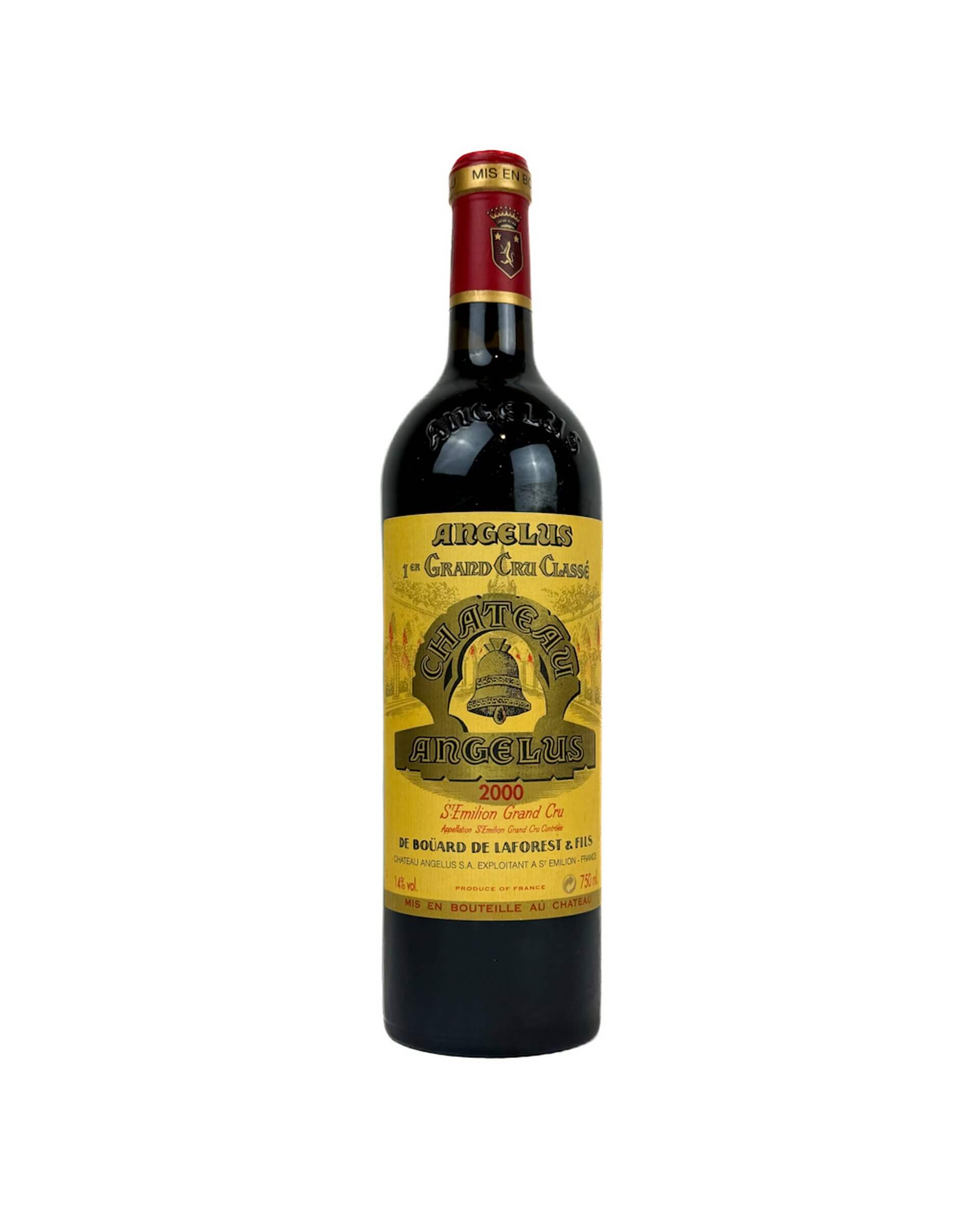
Chateau Angelus
Wines, producers, regions...
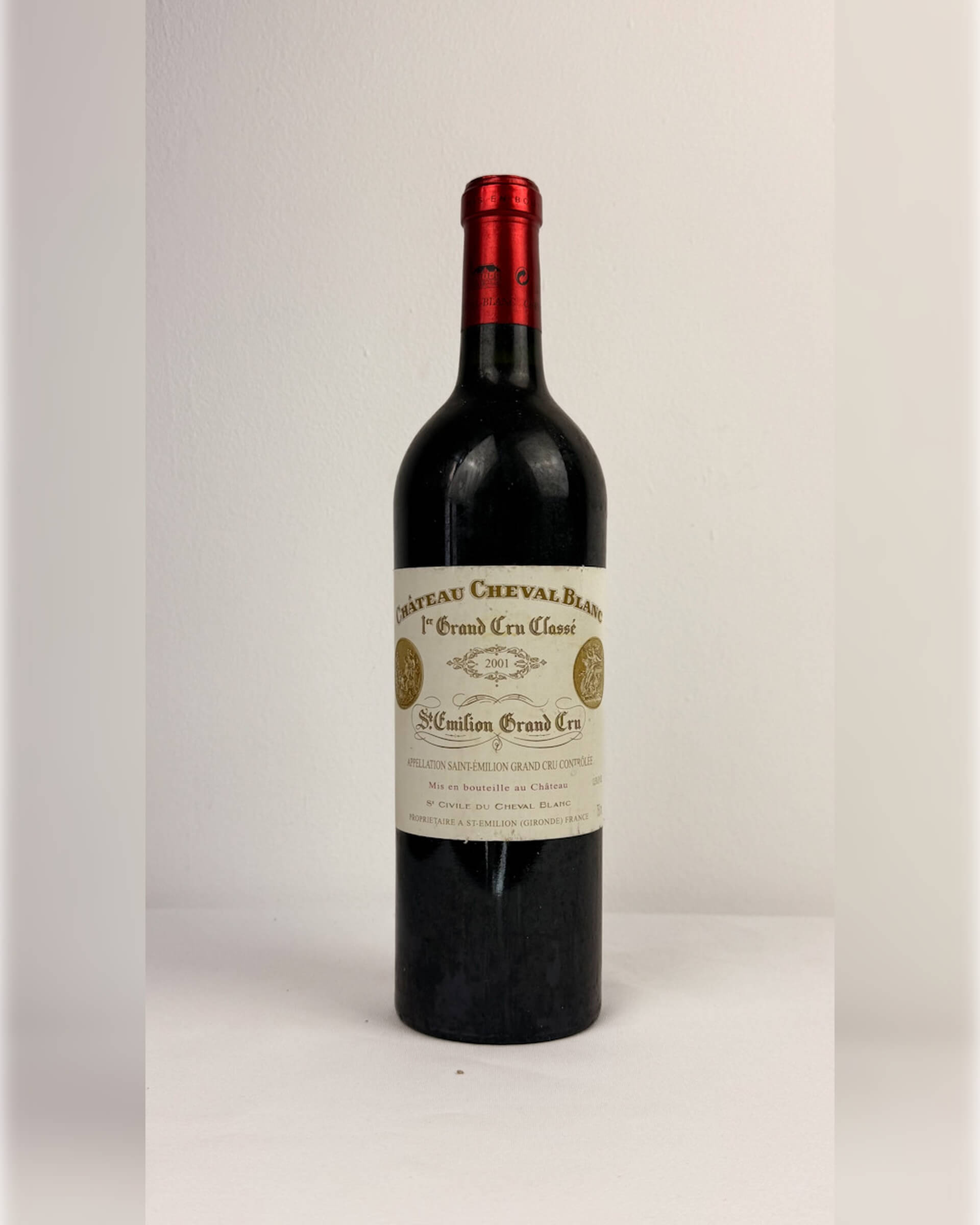
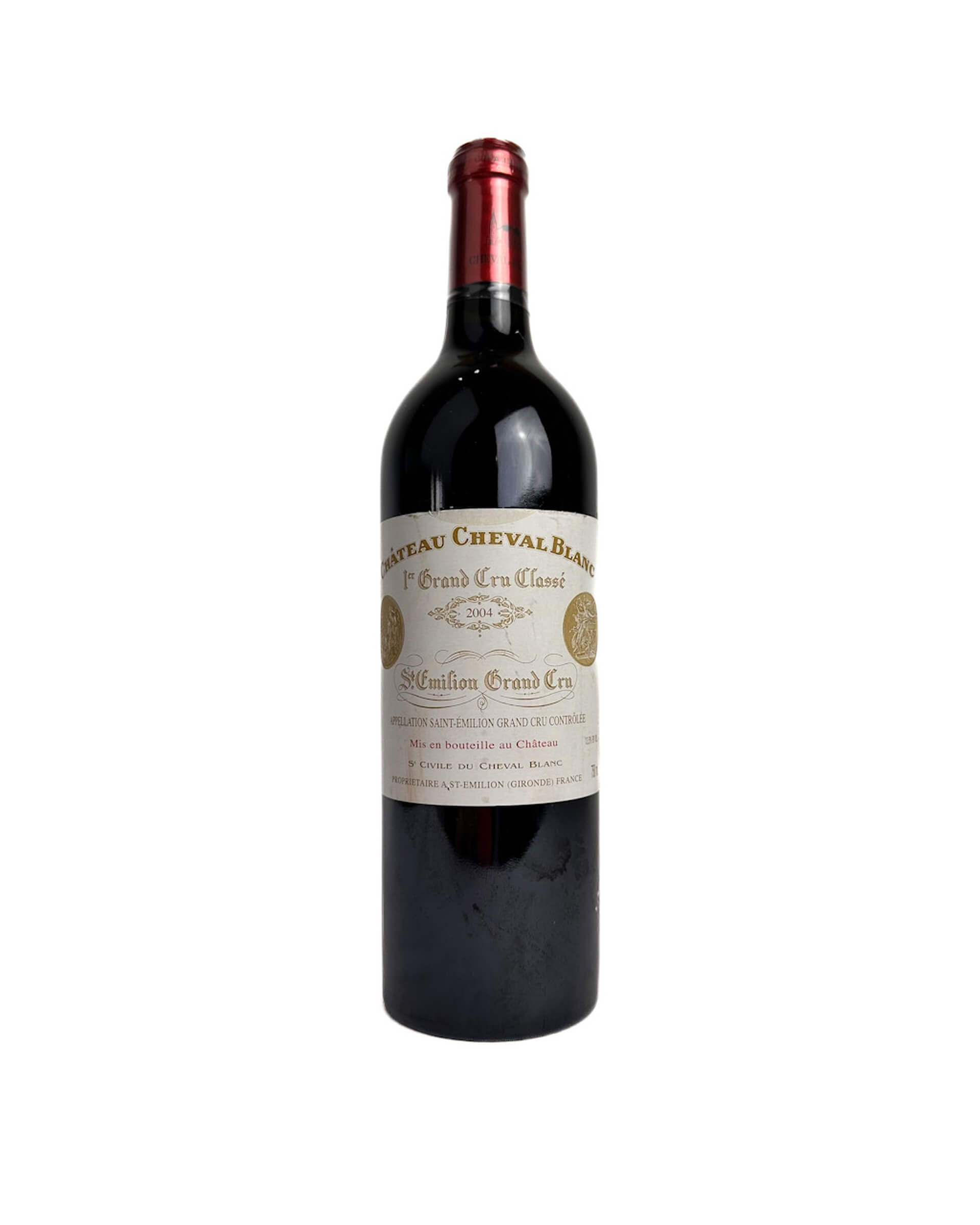
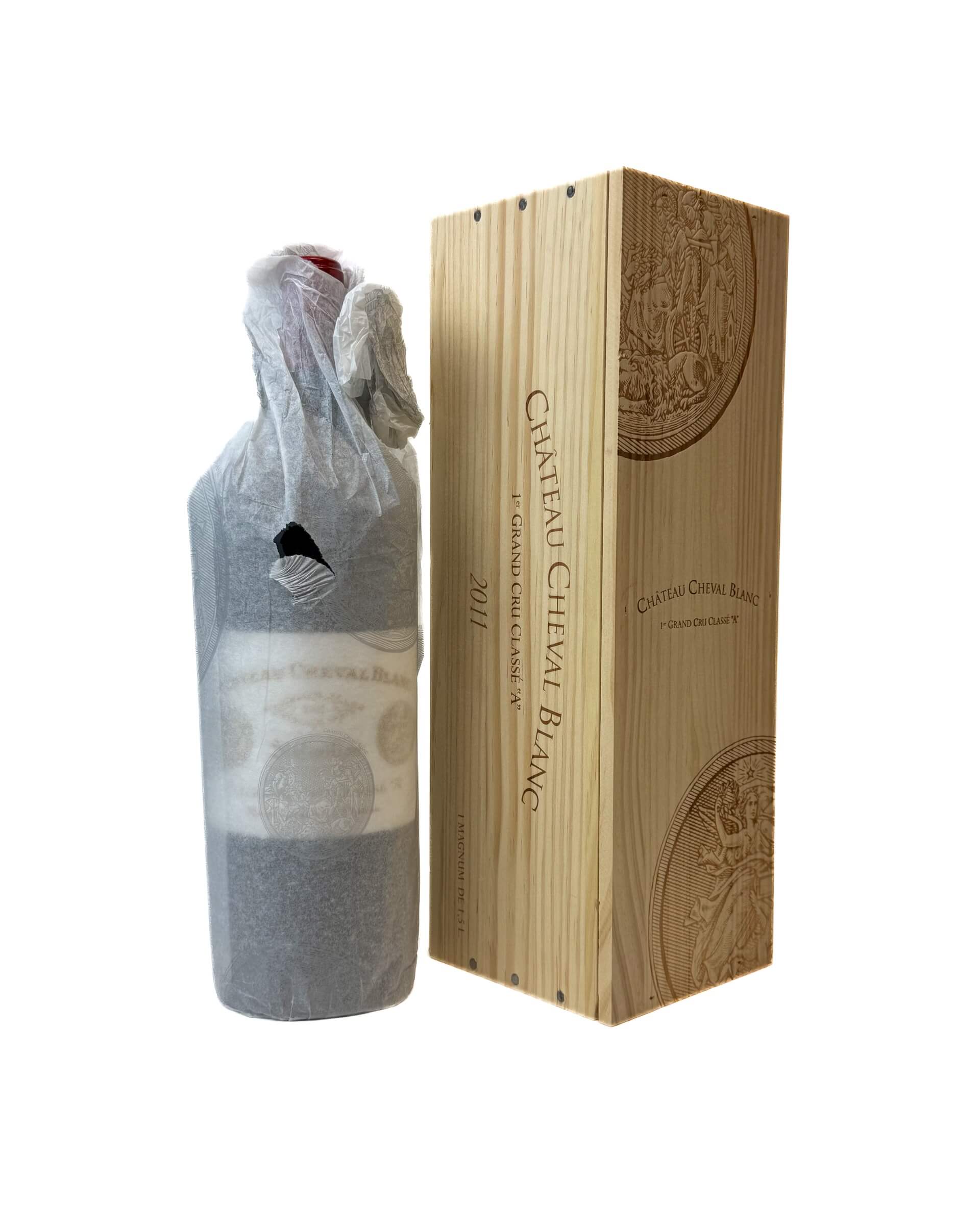
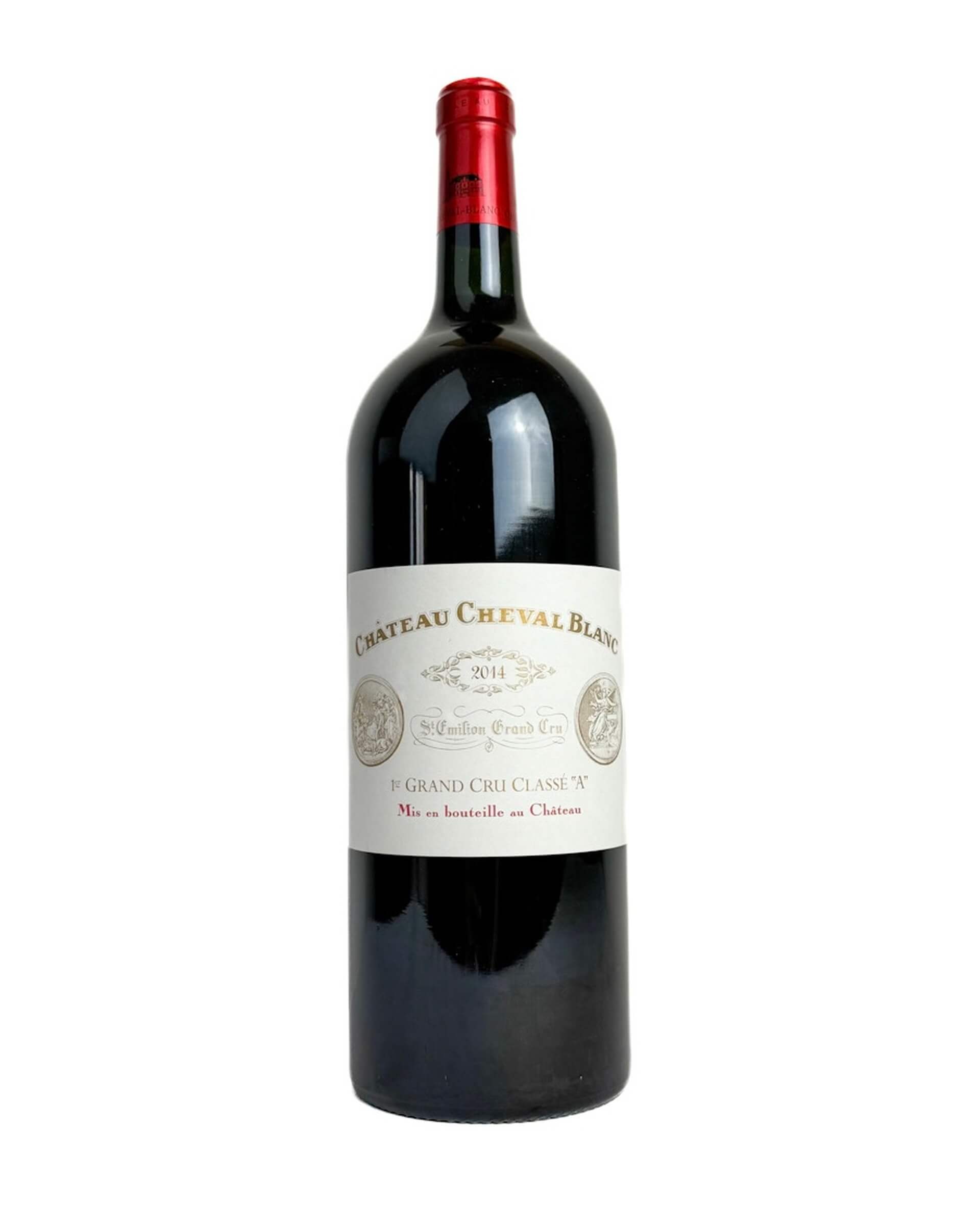

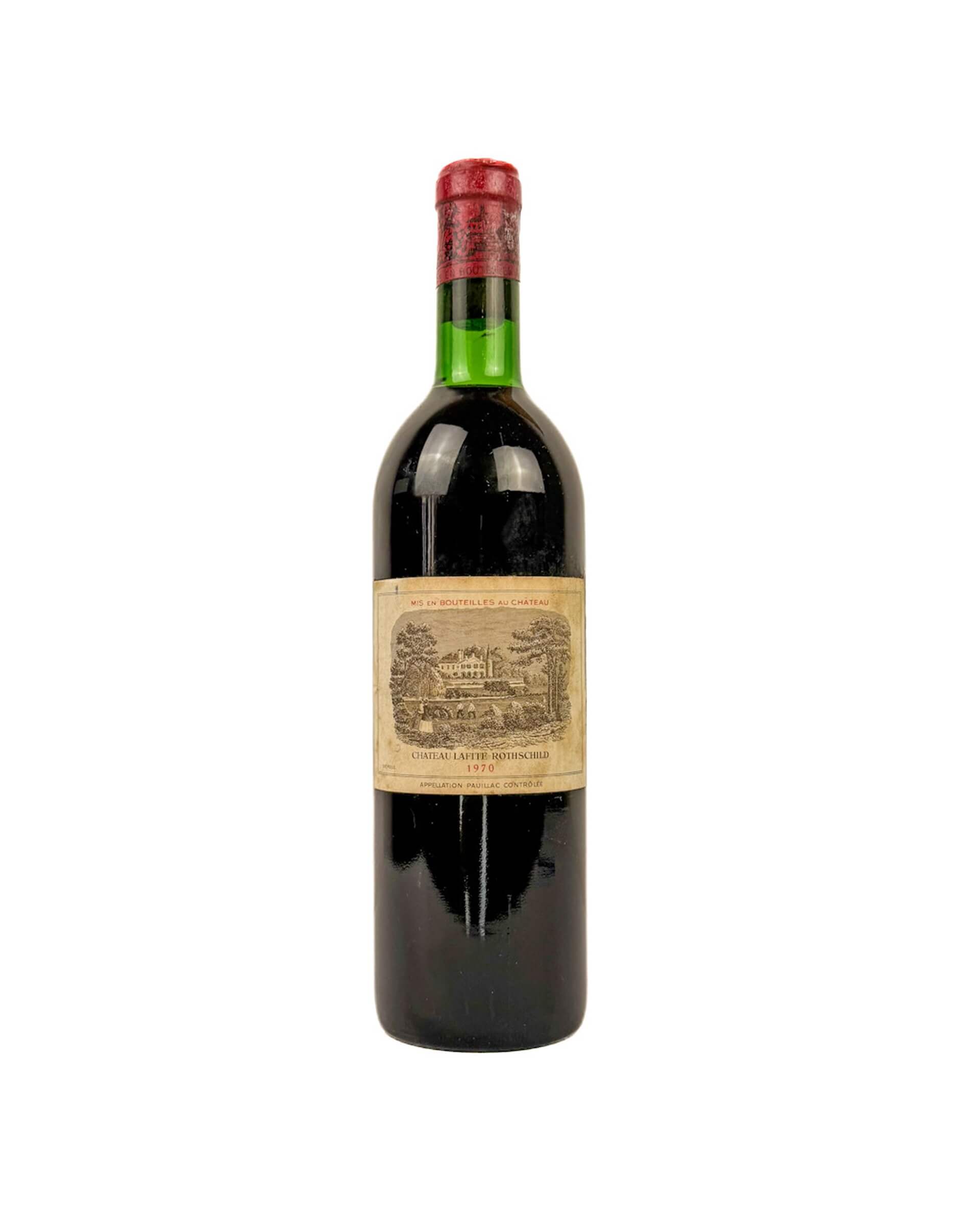
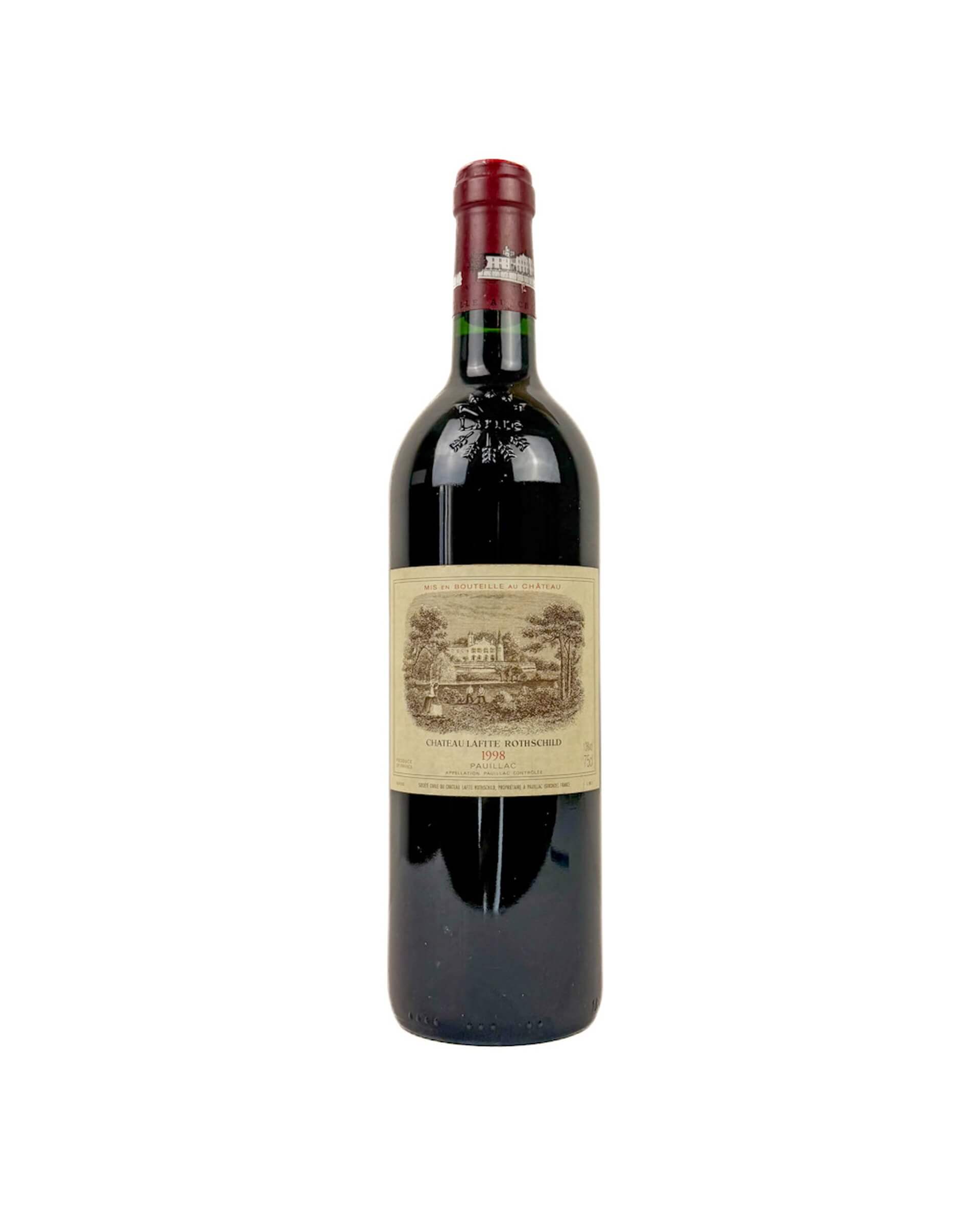
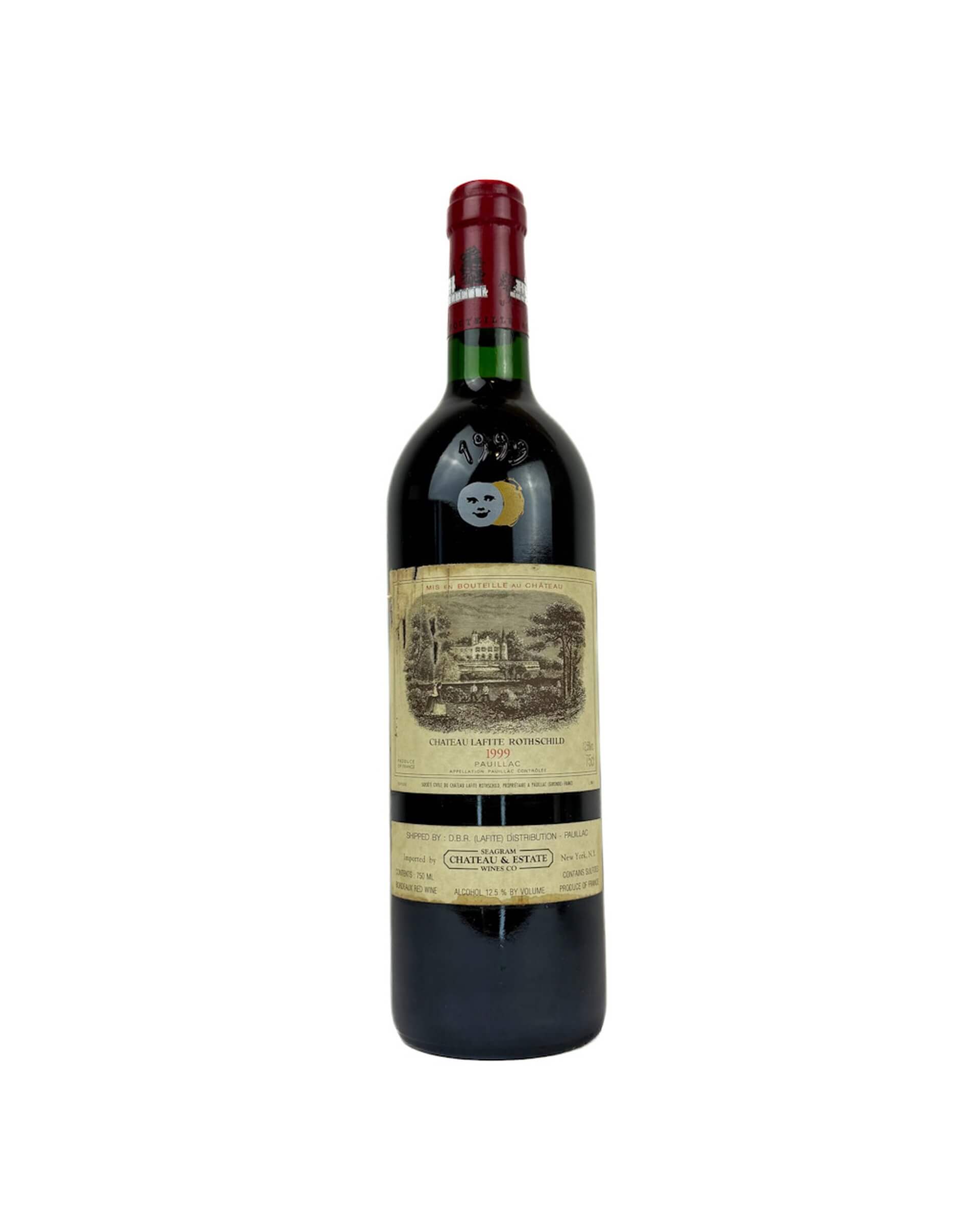
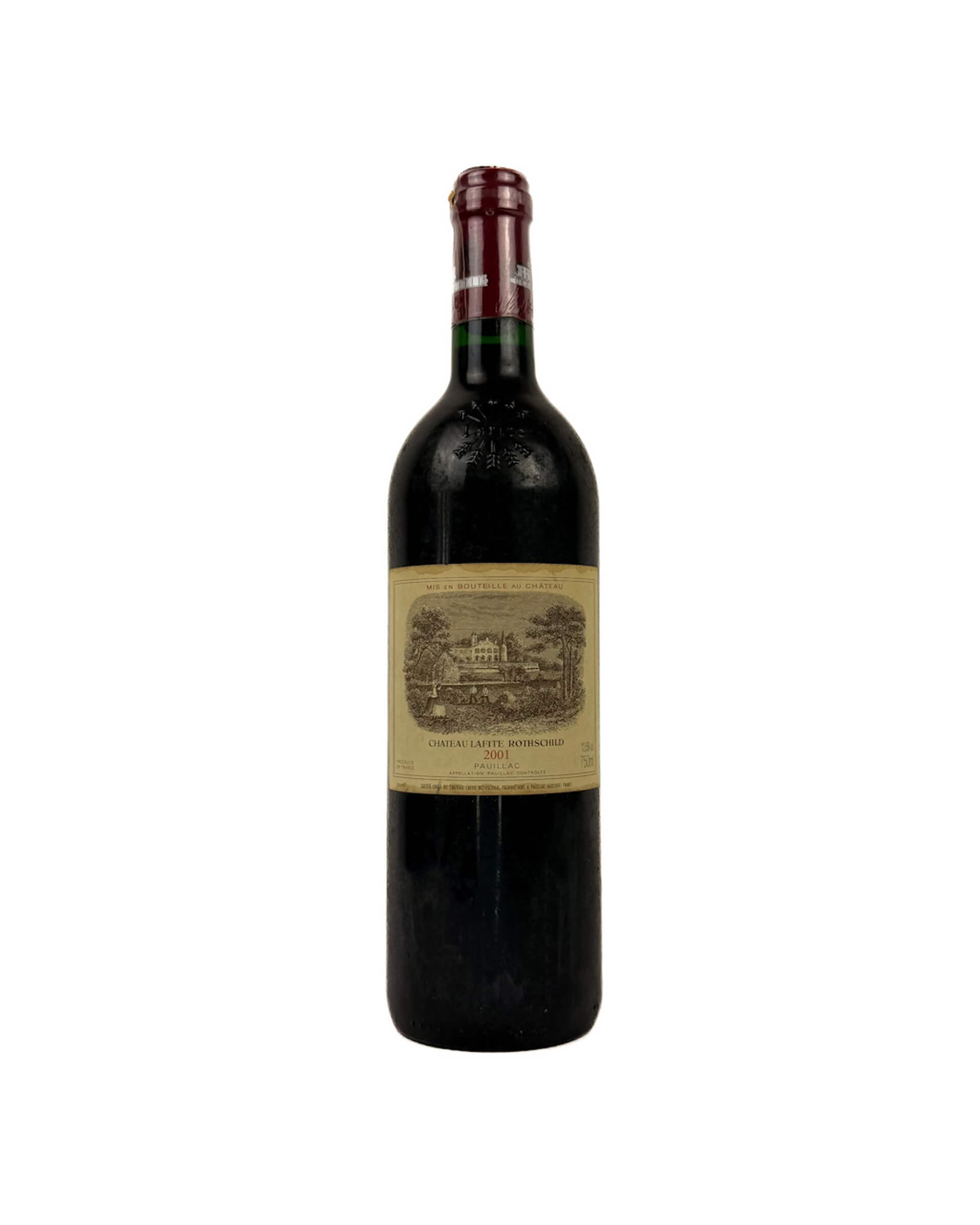
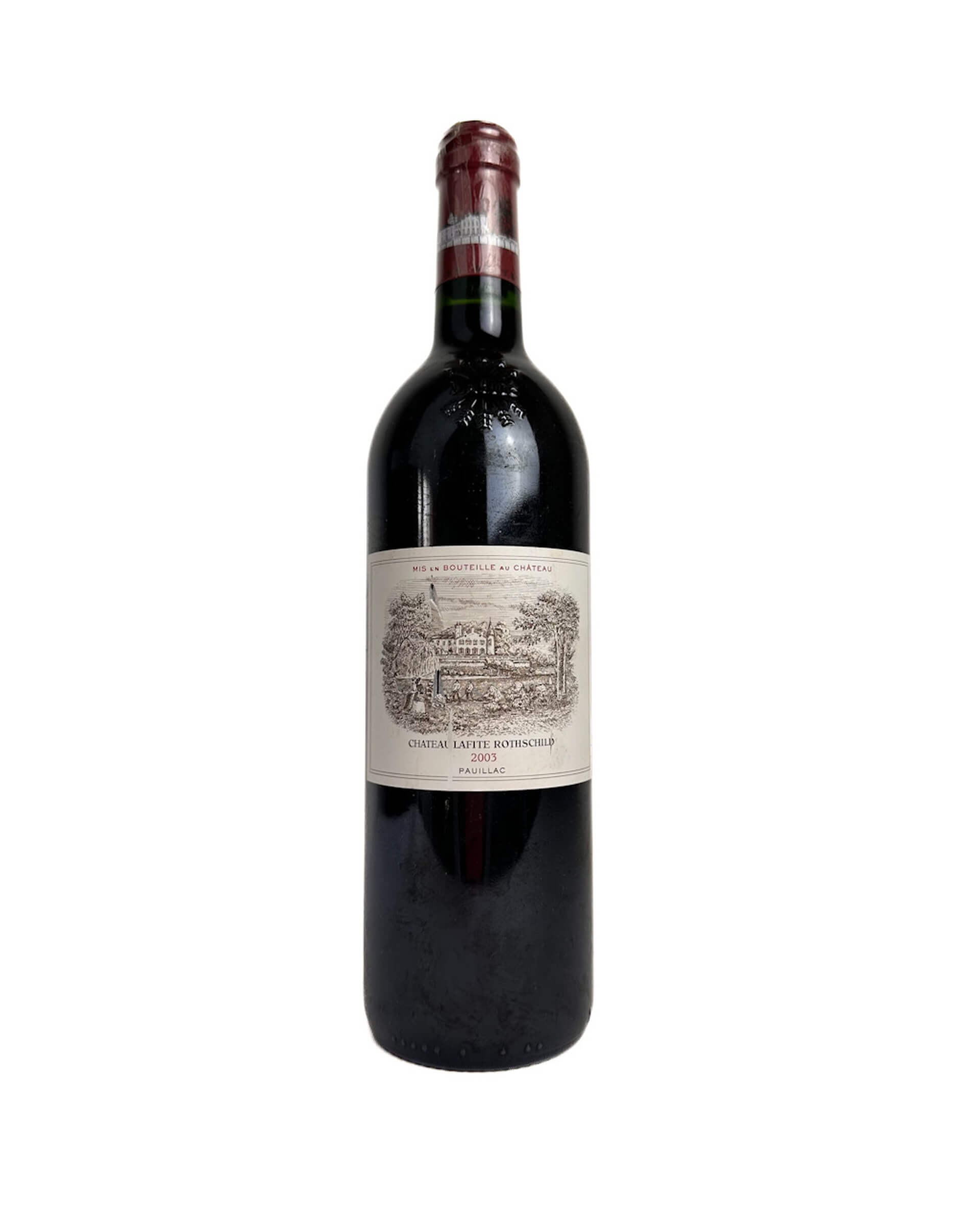
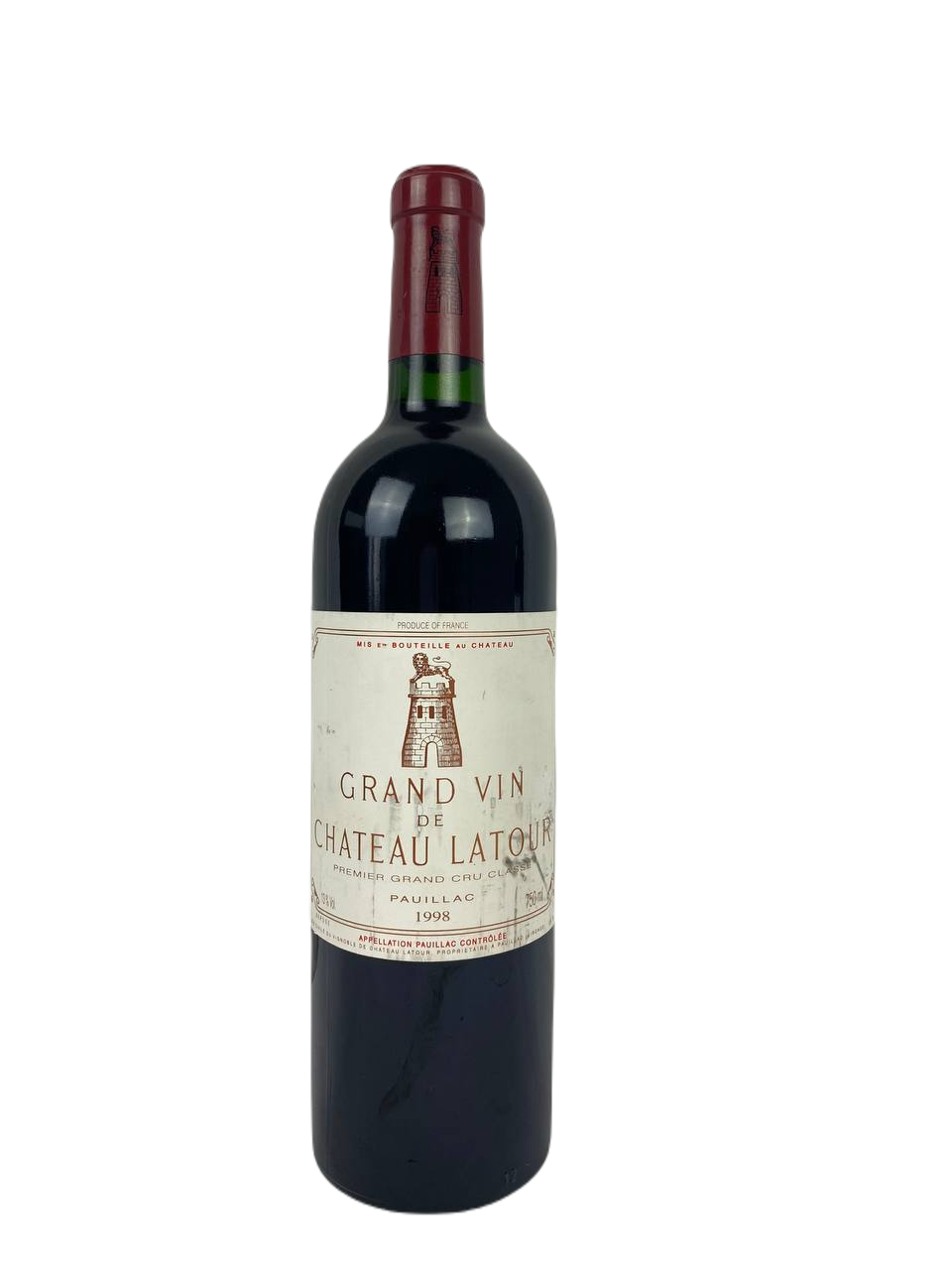
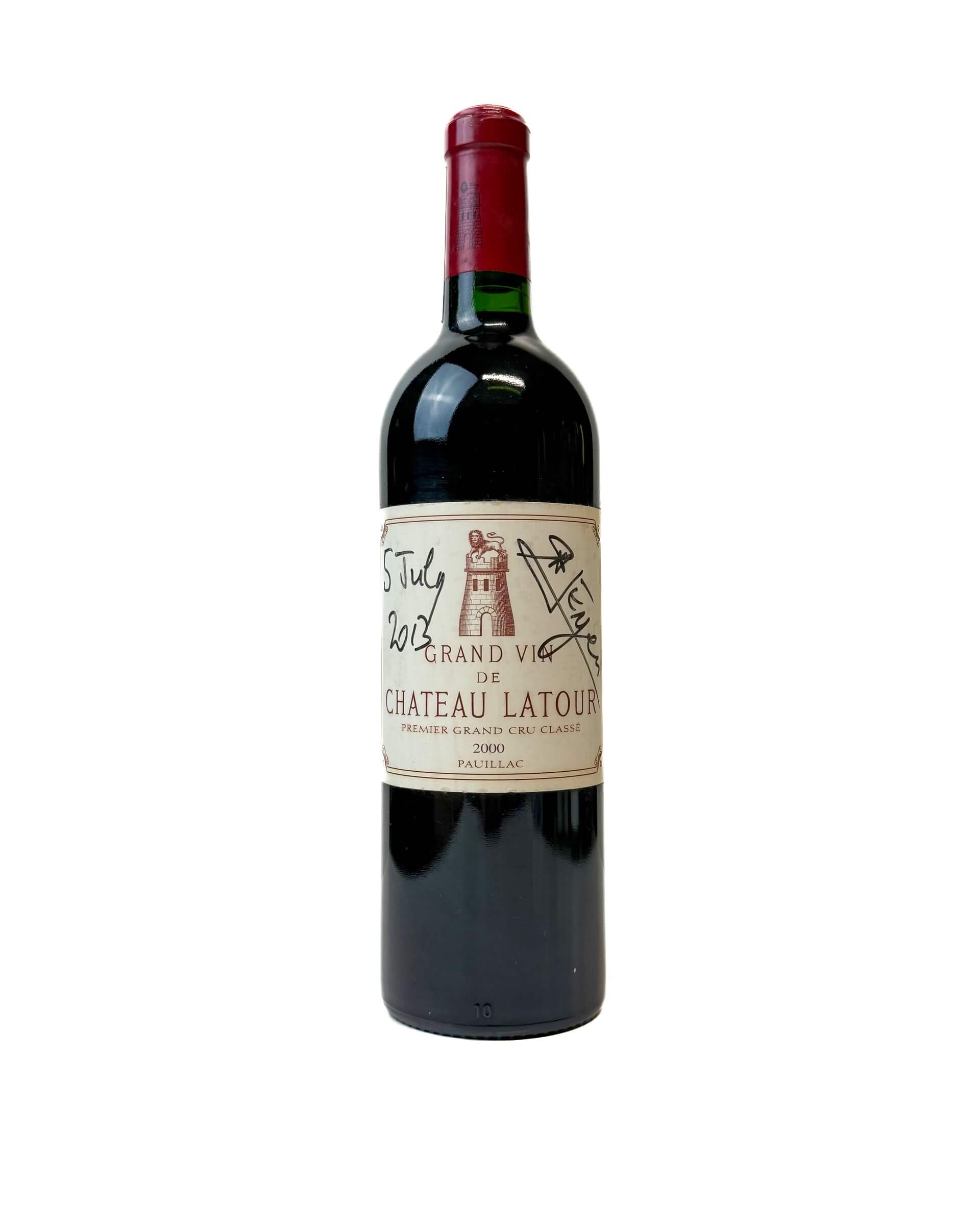
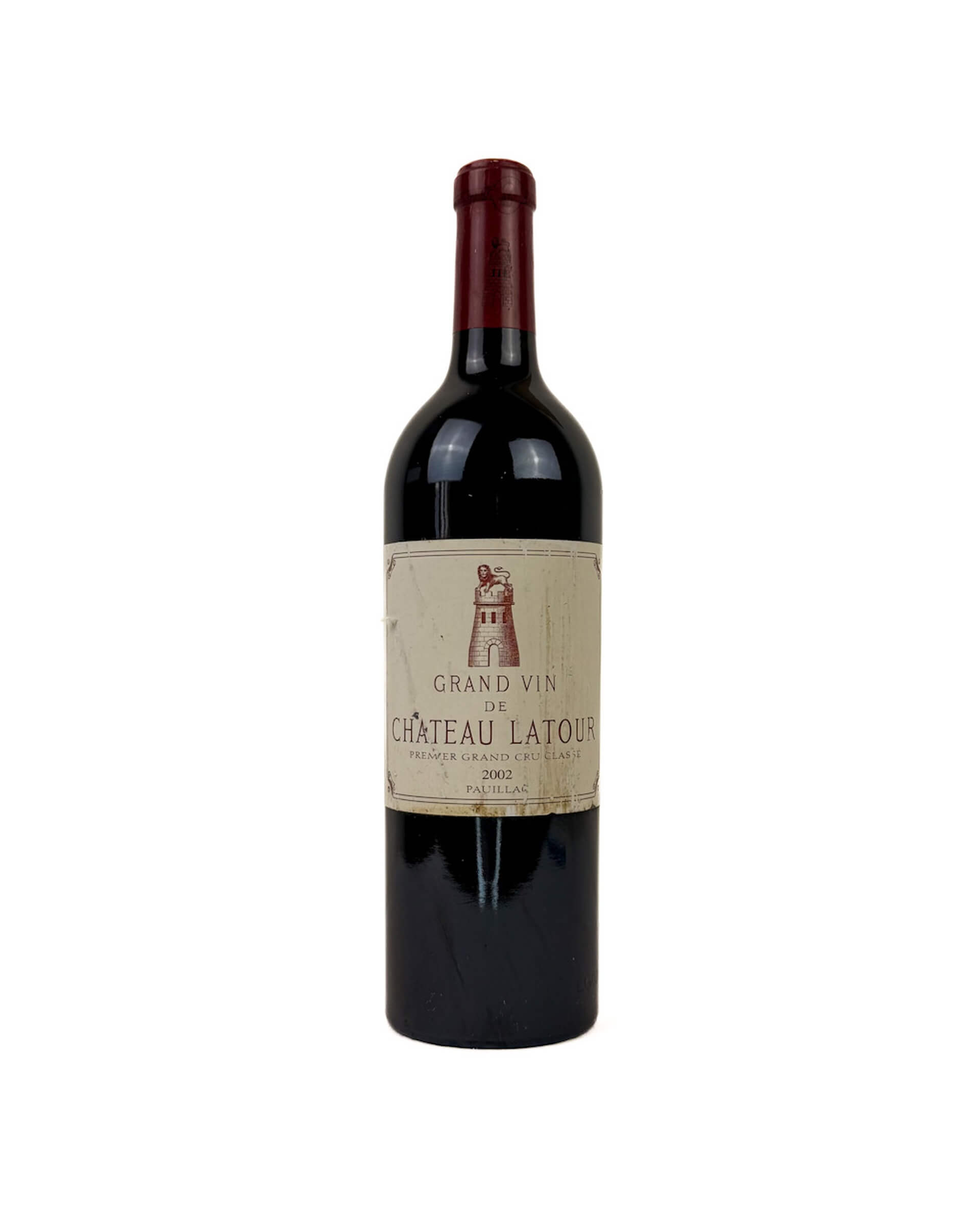
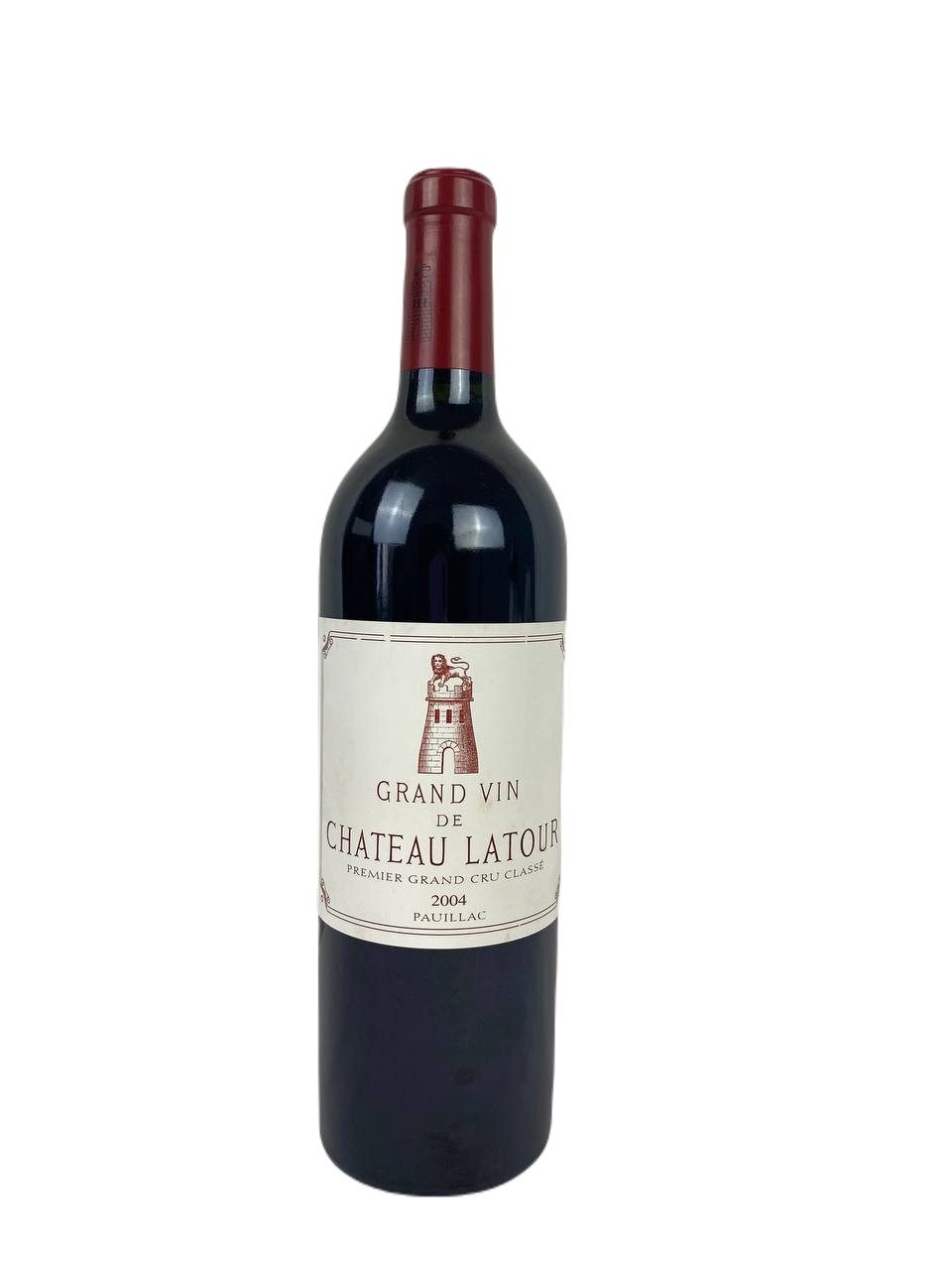
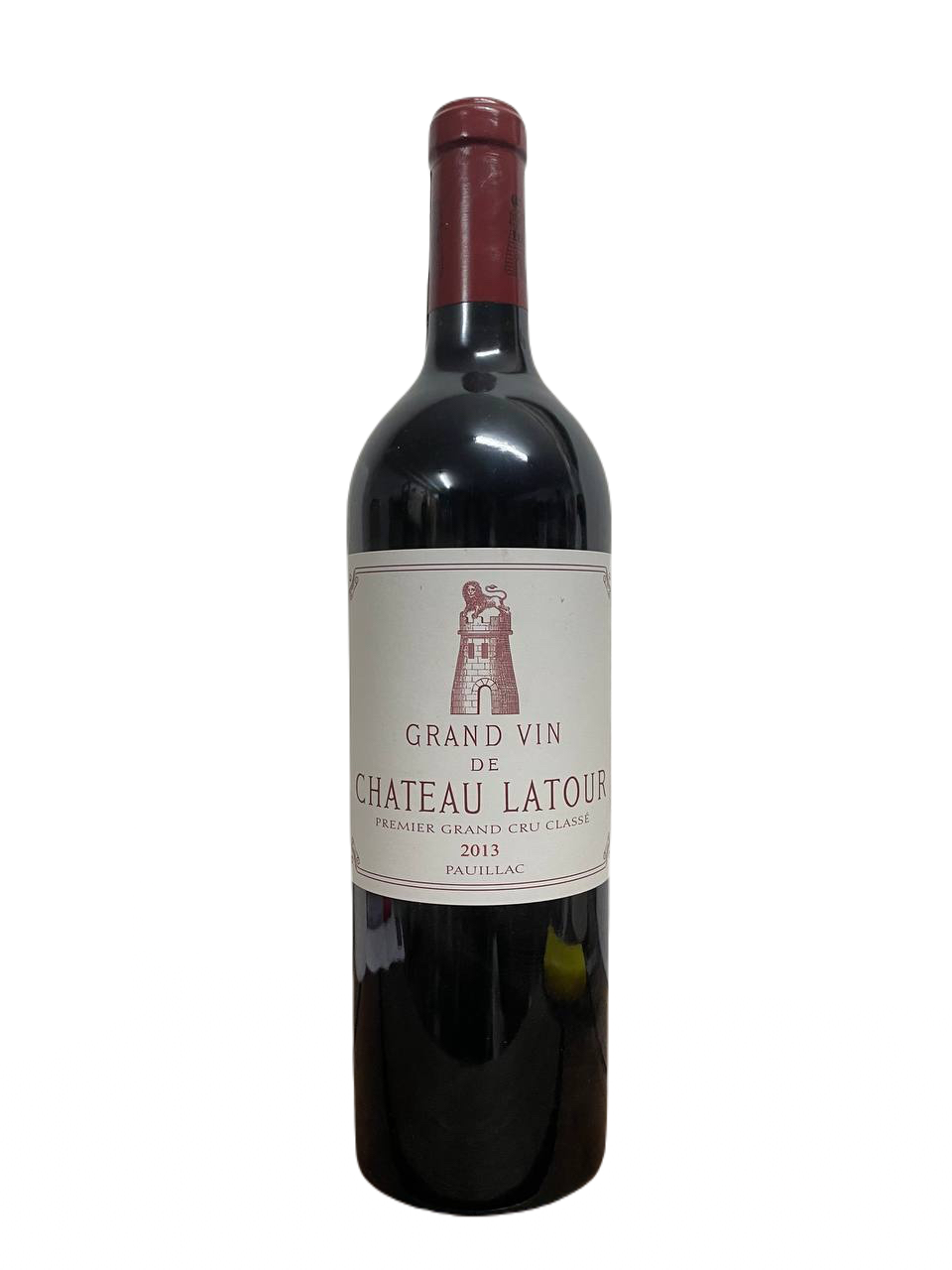
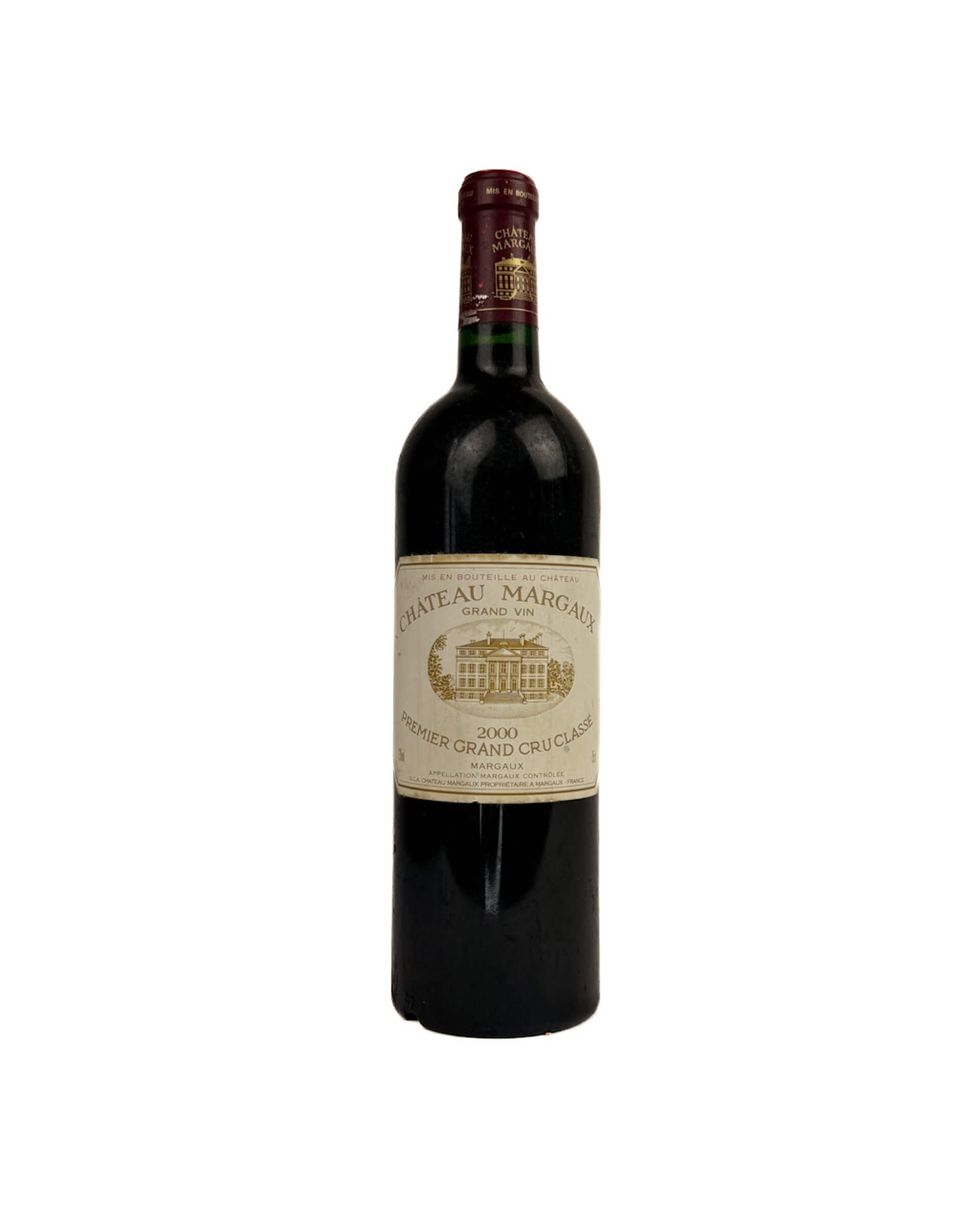
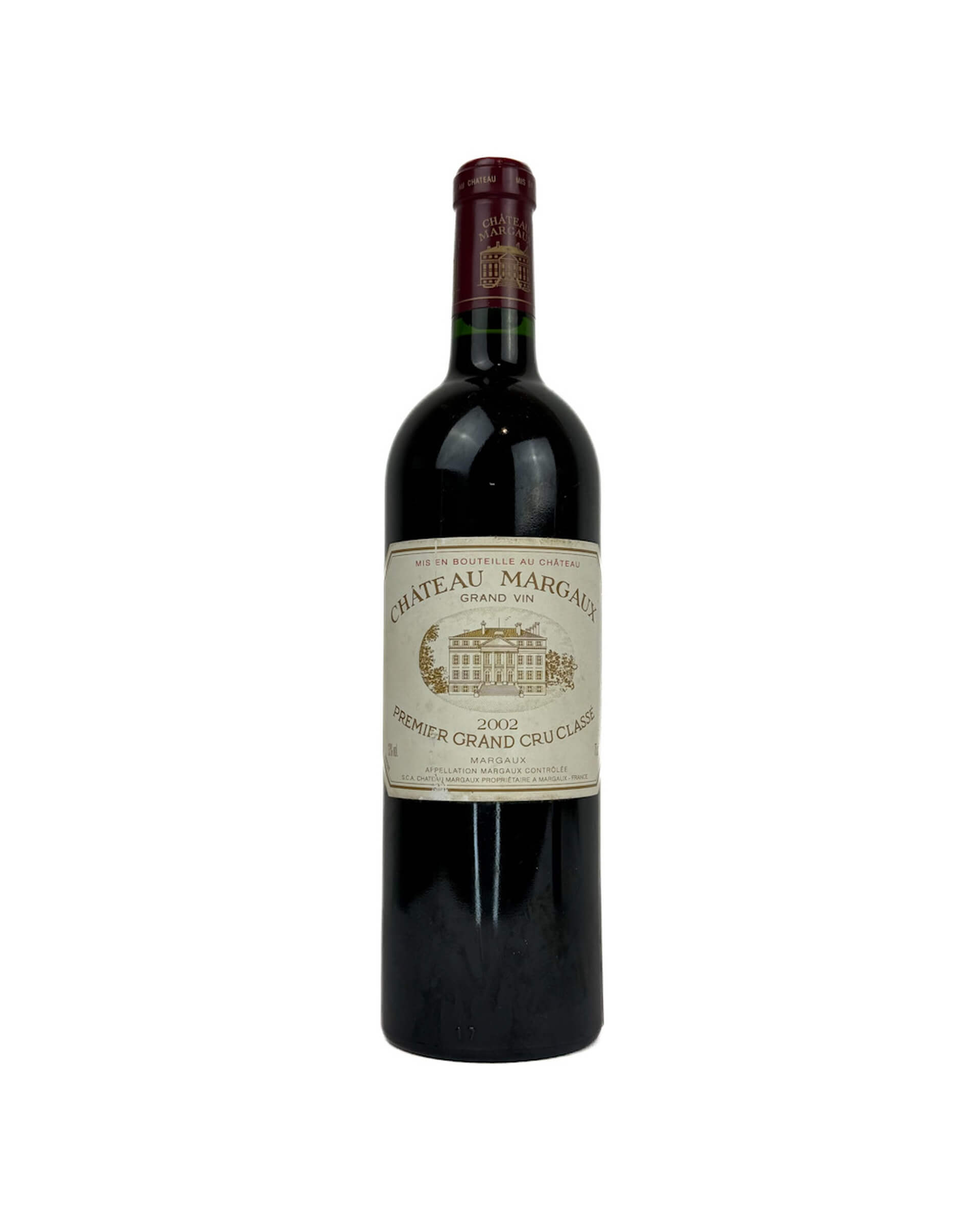
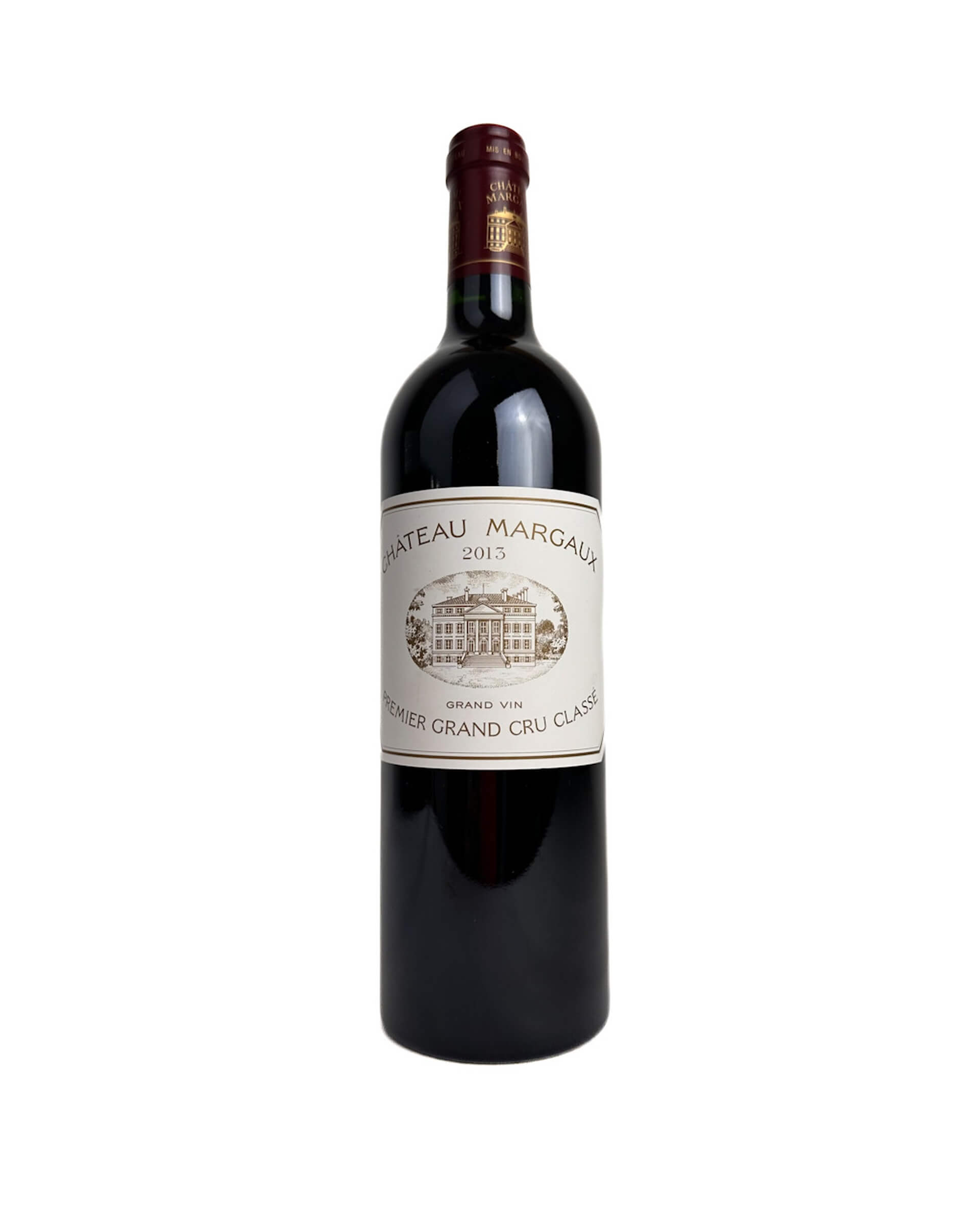
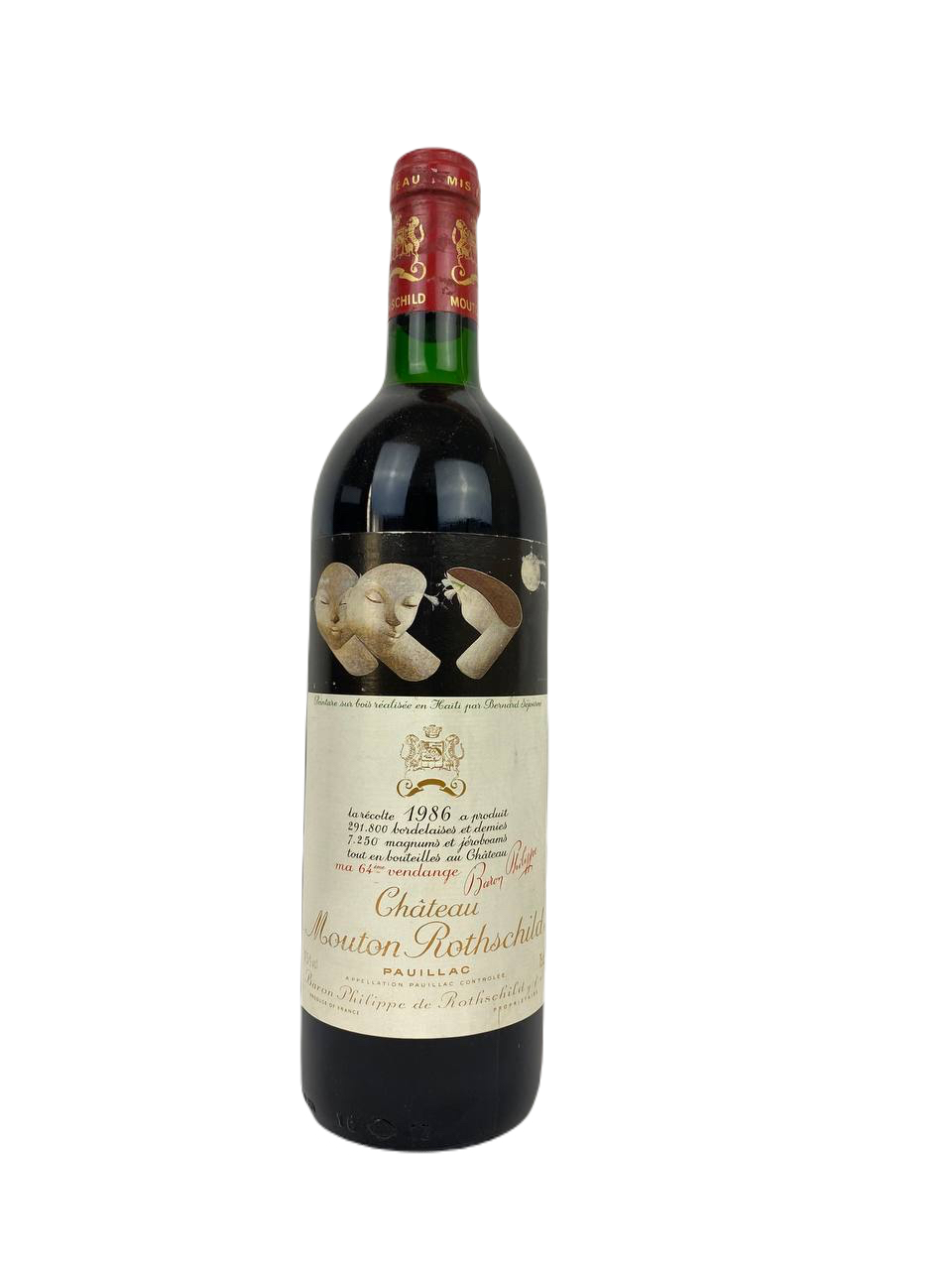
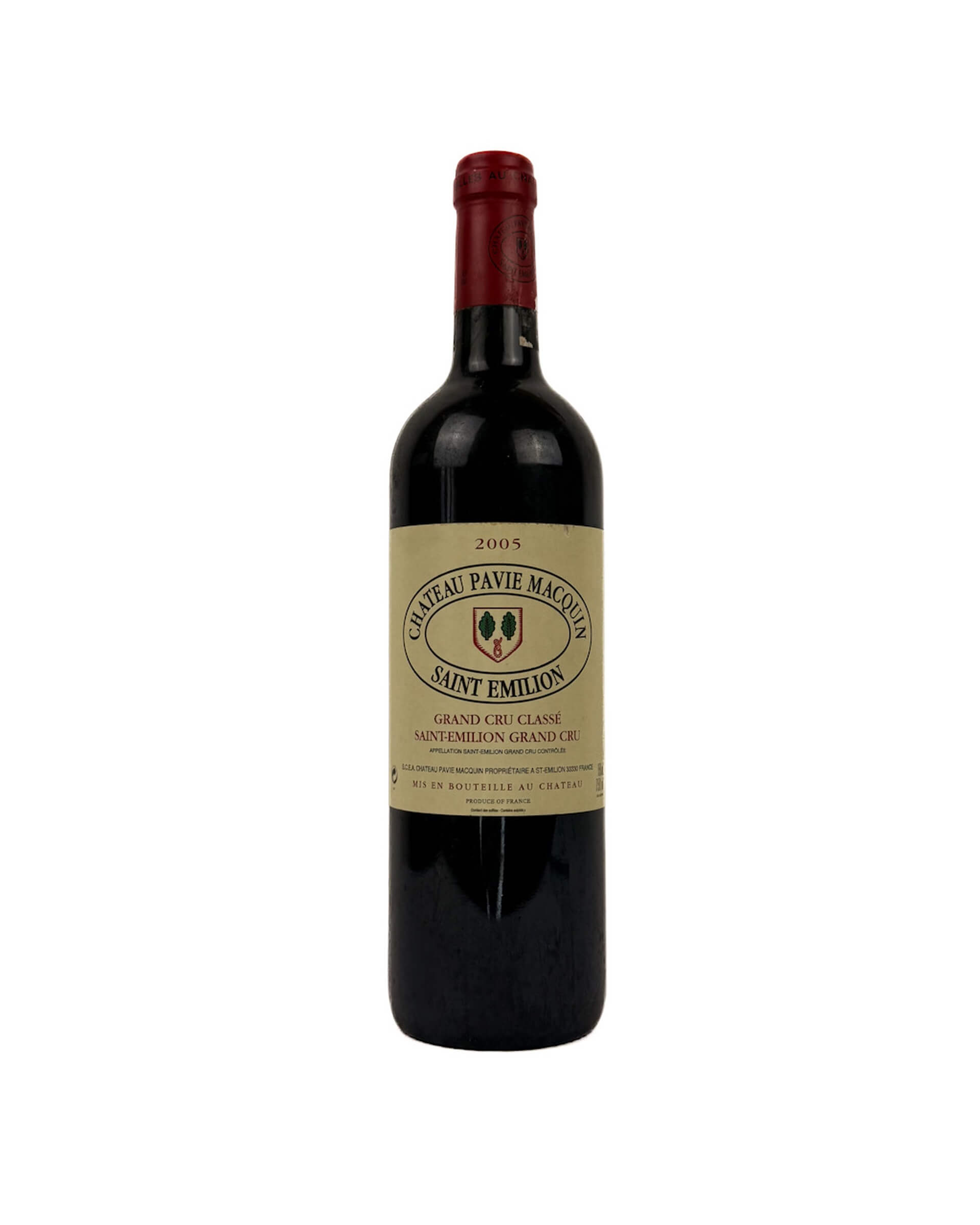
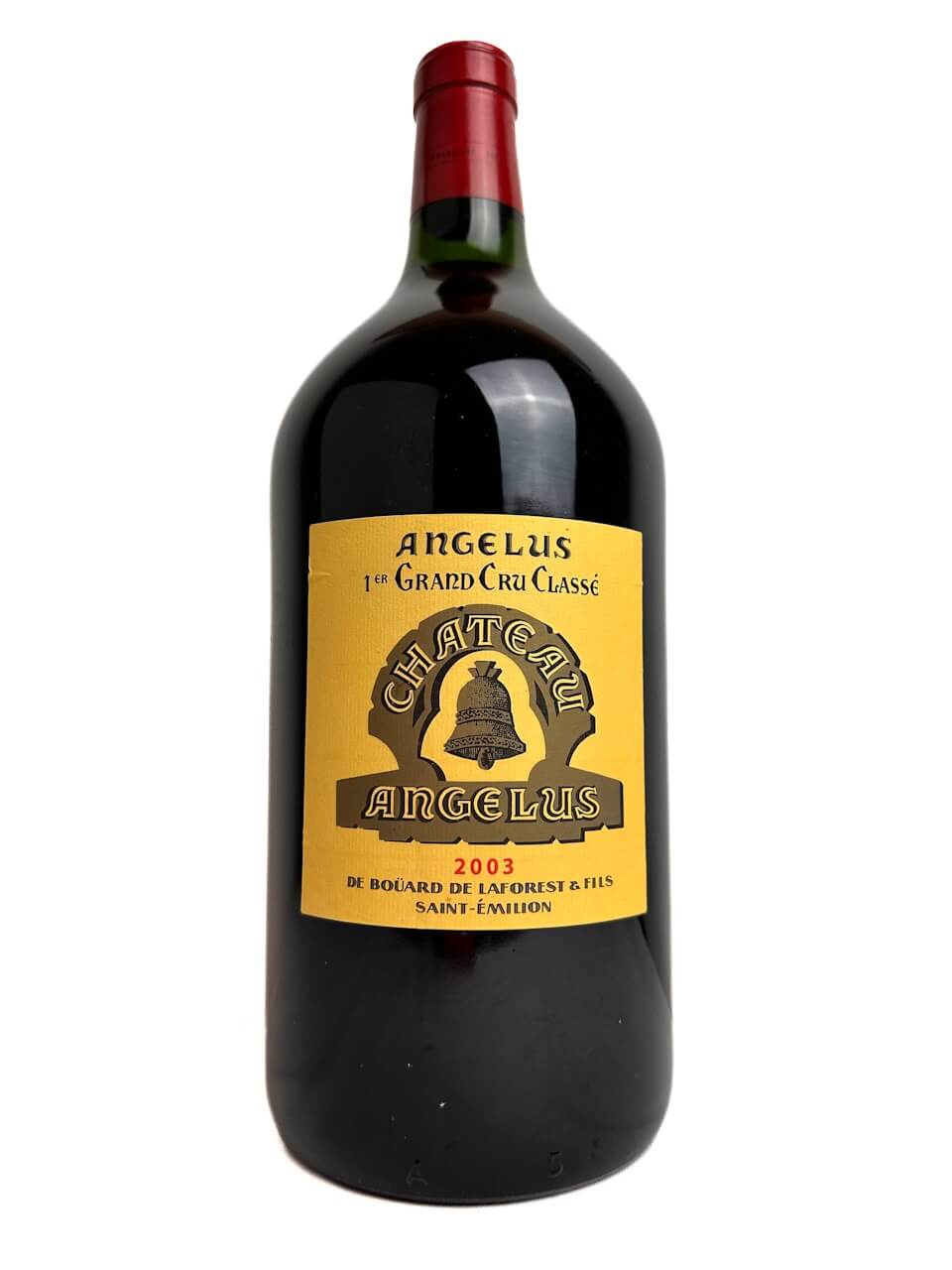
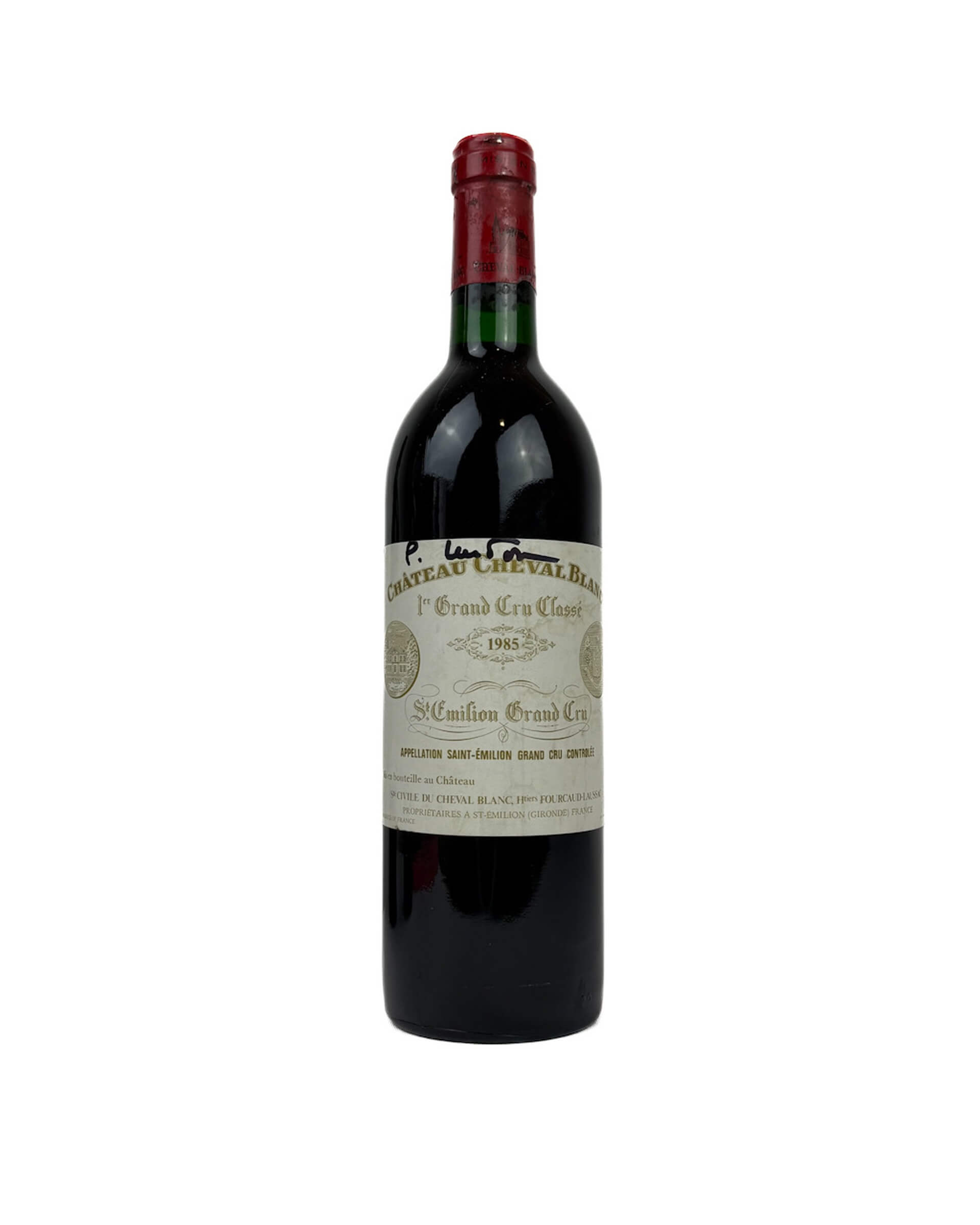
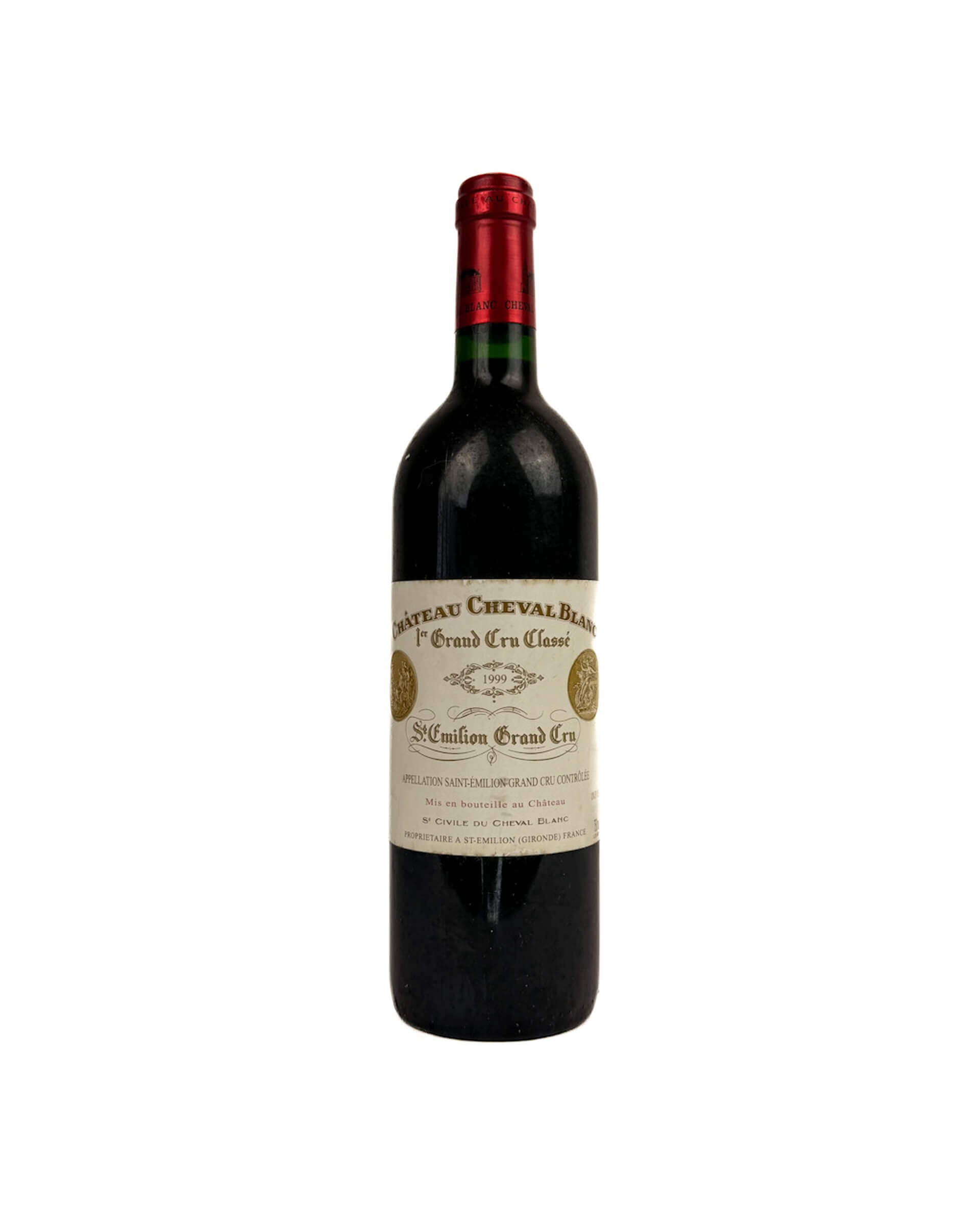

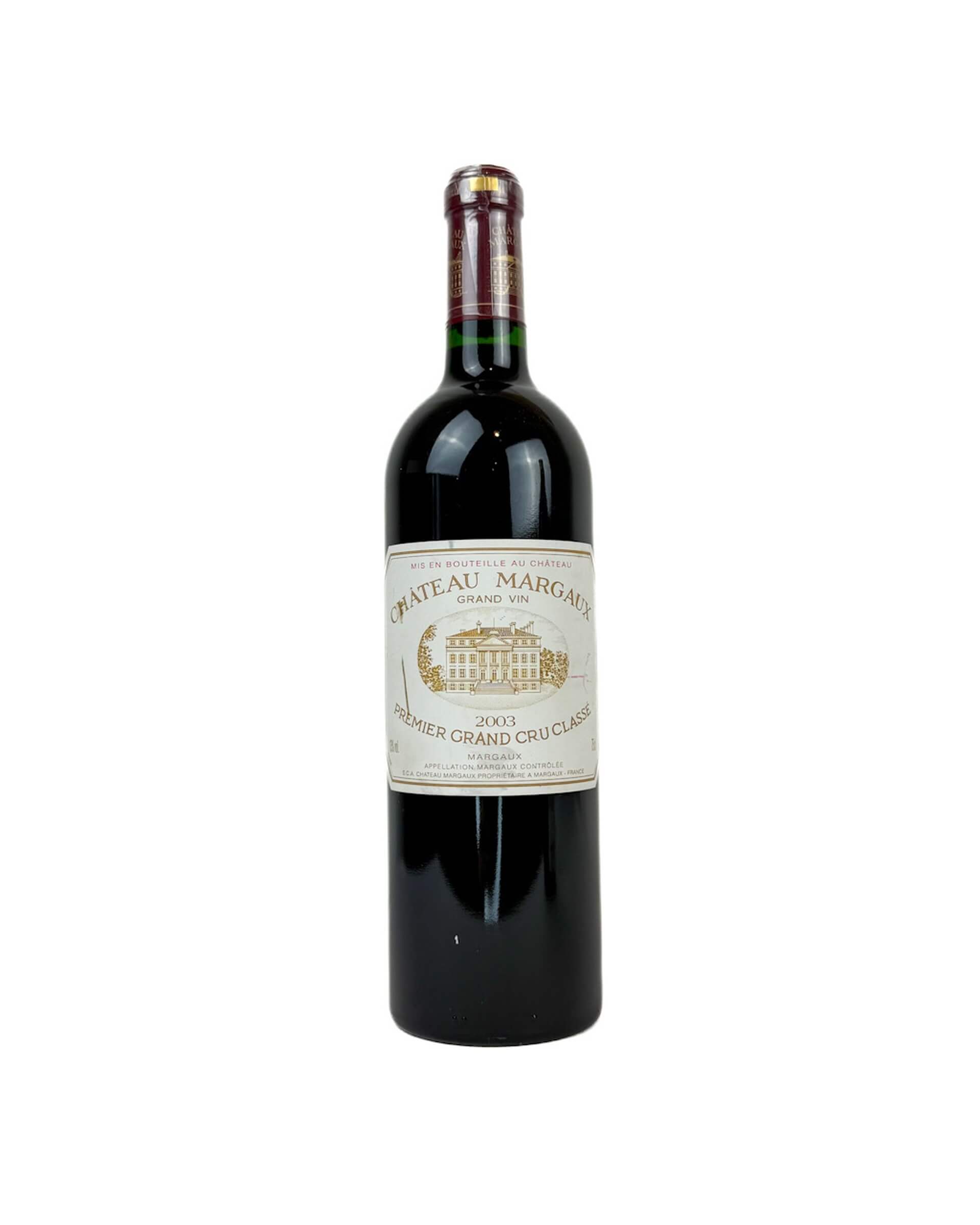
A 1er grand cru classe sits at the very summit of Bordeaux, a title reserved for the handful of estates judged to stand above all others. The term — written in full as premier grand cru classé — covers fewer than 20 estates across Bordeaux’s two major classification systems, a shortlist unchanged in the Médoc since 1855, yet those two systems are distinct enough that even seasoned buyers confuse them. At Tour de Wine we curate a selection of 31 bottles drawn from both the storied 1855 Médoc First Growths and the limestone heights of Saint-Émilion. This page explains what the classification really means, names the real châteaux behind it, anchors honest euro prices, and helps you choose with confidence before you reach for the grid below.
The phrase “1er Grand Cru Classé” is shared by two separate Bordeaux rankings that were created more than a century apart and operate on entirely different principles. The first is the famous 1855 classification of the Médoc and Pessac-Léognan, drawn up for the Paris Universal Exhibition and almost frozen in time since. It names just five First Growths: Château Lafite Rothschild, Château Latour, Château Margaux, Château Mouton Rothschild and Château Haut-Brion. The second is the Saint-Émilion classification, a living ranking on the Right Bank that is reviewed by the authorities roughly once a decade and split into two sub-tiers, A and B. Understanding which system a wine belongs to is the key to reading any 1er grand cru classe bordeaux label correctly. Pomerol — Saint-Émilion’s celebrated neighbour and home to Pétrus — has no official classification at all, which makes the Saint-Émilion ranking unique among this classified growth Bordeaux landscape.
The five First Growths are the most recognised wines in Bordeaux, and four of them come from the Left Bank Médoc:
Haut-Brion is the lone outsider here, the only First Growth located outside the Médoc, in the gravel of the Graves. The 1855 hierarchy has remained almost untouched for well over a century; the single substantive change was the promotion of Mouton Rothschild from Second to First Growth in 1973 — the only revision the classification has ever seen.
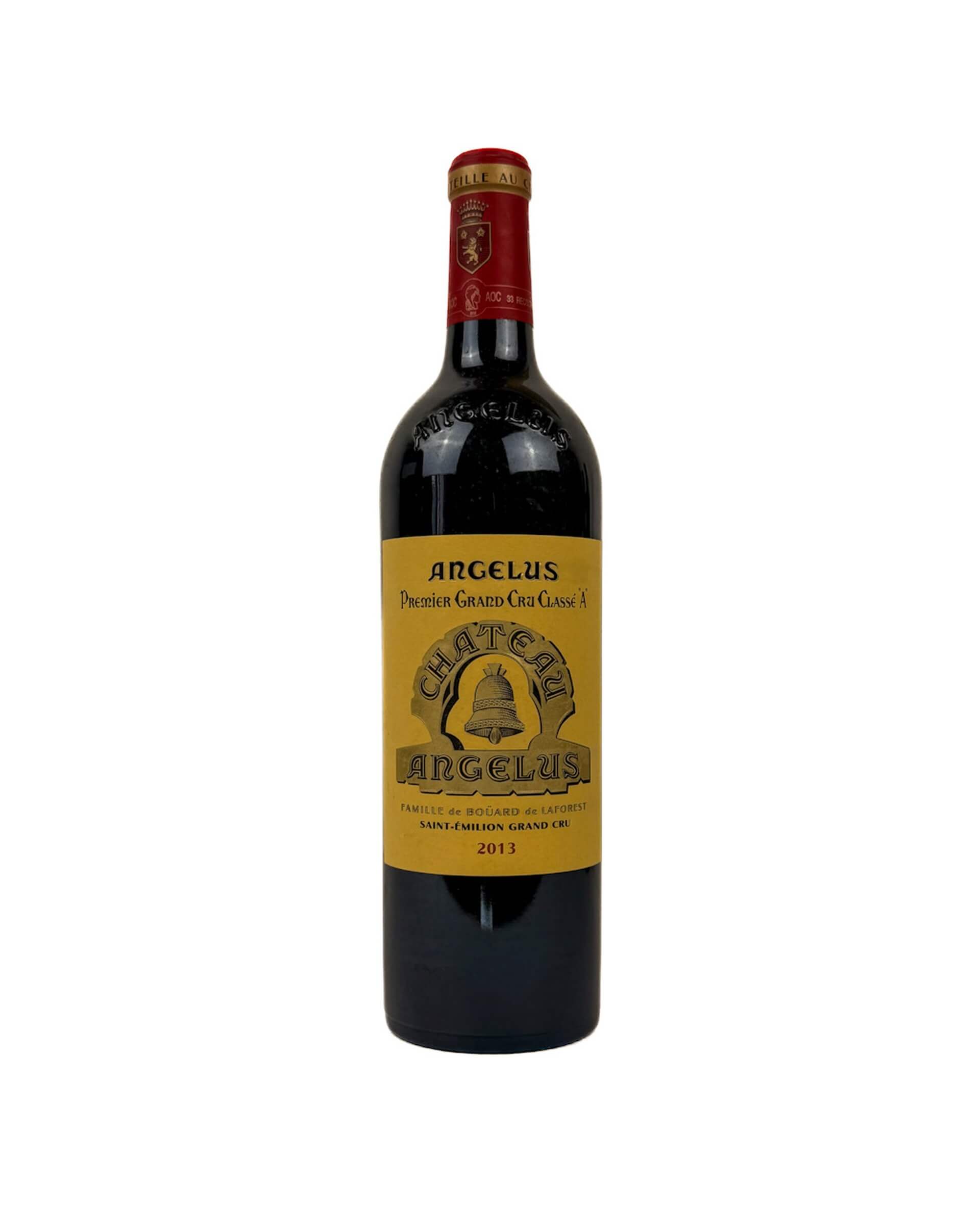
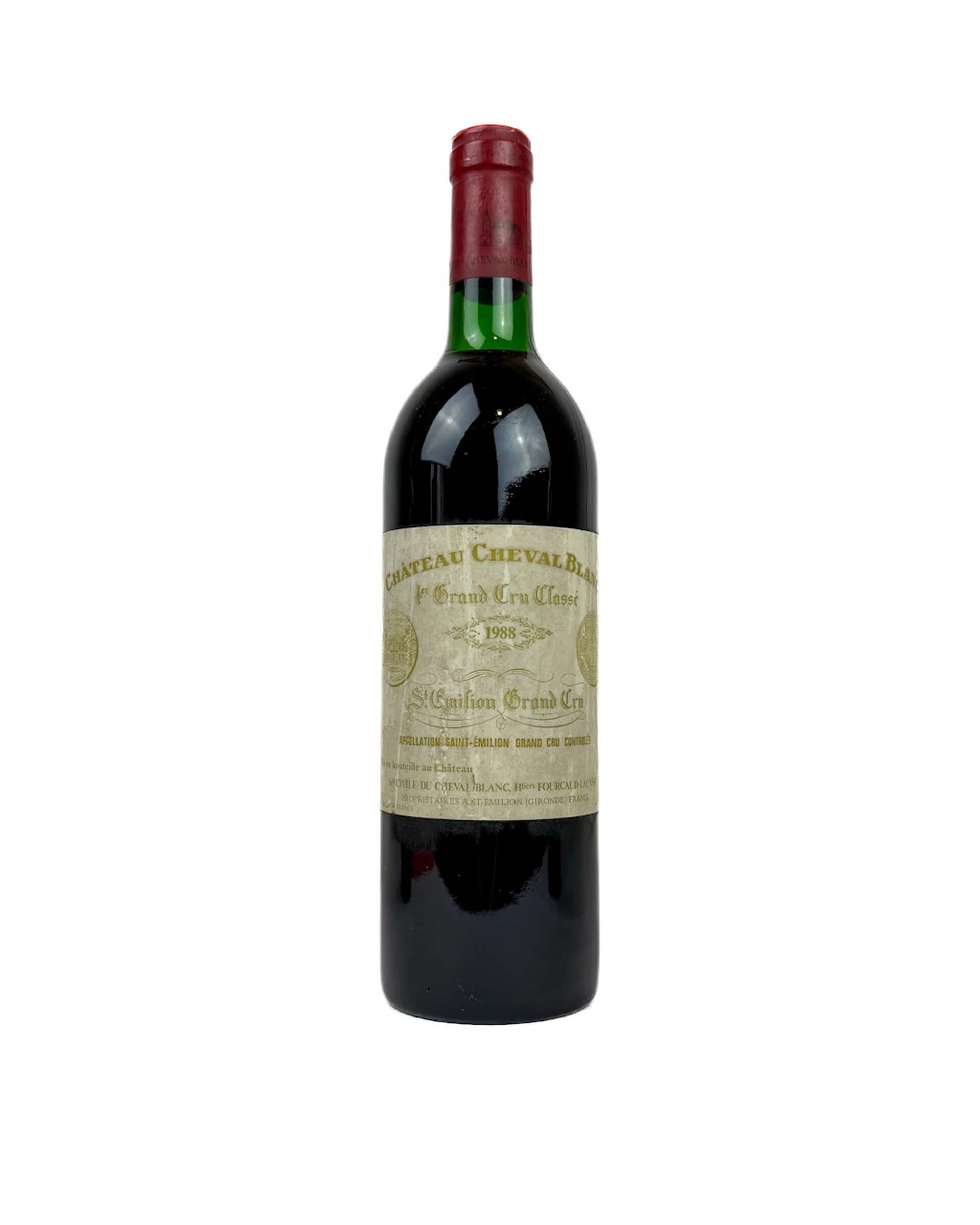
The saint-emilion premier grand cru classe ranking is a different animal entirely. It is split into a top “A” tier and a “B” tier, and is reviewed periodically by France’s INAO rather than fixed in perpetuity. In the 2022 revision the A tier was reduced to just two estates — Château Pavie and a newly promoted Château Figeac — after Château Ausone, Château Cheval Blanc and Château Angélus all chose to withdraw from the process, a move that made the 2022 classification one of the most debated in its history. The B tier gathers heavyweights such as Château Canon, Château La Gaffelière and Château Larcis Ducasse. This habit of revision is exactly what sets Saint-Émilion apart from the static 1855 list.
What you taste in a premier grand cru wine depends heavily on which bank it comes from. The Médoc First Growths are built around Cabernet Sauvignon, typically making up 65–85% of the blend, which gives these wines their famous structure, firm tannins and a cellar life that can stretch 20 to 40 years and beyond. Saint-Émilion’s grand cru classe wine leans instead on Merlot-dominant blends rounded out with generous Cabernet Franc, producing a plusher, more aromatic style that is often approachable earlier yet still ages superbly in great vintages. Haut-Brion, on the gravelly terroir of Pessac-Léognan, marries Cabernet Sauvignon, Merlot and Cabernet Franc in its own distinctive, smoky register. The classification even reaches into sweet wine: the 1855 Sauternes and Barsac ranking places Château d’Yquem alone at the summit as Premier Cru Supérieur, a reminder that not every classified great is red.
Every premier cru is ultimately an expression of place. The Médoc First Growths sit on the Left Bank, where deep gravel ridges in Pauillac and Margaux drain freely and store the day’s warmth, favouring late-ripening Cabernet Sauvignon. Across the river, the Saint-Émilion 1er Grand Cru Classé estates occupy the Right Bank’s limestone plateau and the sloping côtes that ring the medieval town, a cooler, water-retentive soil that suits Merlot beautifully. The Gironde estuary threads between the two, moderating temperature and reducing frost risk for the most prized vineyards on either side. Within Saint-Émilion itself the soil shifts from the free-draining gravel near the Pomerol border to the cooler, water-retentive limestone of the plateau and côtes; this transition shapes how quickly vines establish, how deeply they root and how well they cope with dry summers, which is one reason neighbouring estates can taste so different. To explore the wider region, browse our full range of Bordeaux wines.
Vintage matters enormously at this level. For the Médoc First Growths, the following years are widely regarded as benchmark references:
On the Saint-Émilion side, the years to seek out fall into two groups. The recent trio of 2022, 2019 and 2018 delivered concentrated, structured wines that reward patient cellaring and are best bought now for a long hold. The more mature 2015 and 2010 vintages, by contrast, are already drinking well and suit buyers who want classified Right Bank quality with less waiting. Older library bottles from across both groups tend to appear only through merchant allocations as stocks become available.
A premier grand cru classé deserves a little care at the table. Decant young vintages under ten years old for at least one to two hours; mature bottles often need only around thirty minutes. Serve at 16–18 °C to let the aromatics unfold. These wines shine alongside:
Several factors drive the price of any premier grand cru classe: the tier (A versus B within Saint-Émilion, or a 1855 First Growth against the broader field), the reputation of the vintage, and the format — a magnum will always command a premium over a standard 75 cl bottle. In our selection, prices start from around €430, with most bottles falling between €430 and €1 100 depending on château and vintage; the typical bottle sits at a median of €540. The rarest cuvées and older library vintages can reach €3 120. A small number of bottles enter the collection at €115 — typically younger or lesser vintages that allow a first encounter with the classification without the full premium. As a guide: if your budget sits in the €430–€540 range, the Saint-Émilion B tier offers outstanding value and immediate pleasure; above the roughly €1 100 mark you reach the A tier and the Médoc icons. Many buyers purchase young for a 10–20 year hold. For context across the wider hierarchy, compare our Grand Cru wines and 1er Cru selections.
The A tier is the highest rank in the Saint-Émilion classification, held in the 2022 revision by just two estates, Château Pavie and Château Figeac. The B tier is the level just below, gathering names such as Château Canon, Château La Gaffelière and Château Larcis Ducasse. Both are reviewed periodically by INAO.
The 1855 classification covers the Médoc Left Bank and is essentially fixed, while the Saint-Émilion classification is a separate, revisable ranking for the Right Bank. Both use the premier grand cru classé term, but they are legally distinct systems.
Great vintages from leading châteaux can age 20 to 40 years or more, while most bottles drink beautifully between 5 and 20 years from the vintage. To realise that potential, store bottles on their side at a steady 12–14 °C, away from light and vibration, with humidity around 70% to keep corks supple. A position low in the cellar, where temperature swings are smallest, suits long-term keeping best.
Yes, in the world of sweet wine. The 1855 Sauternes and Barsac classification ranks white wines, with Château d’Yquem holding the unique Premier Cru Supérieur status. The Saint-Émilion and 1855 Médoc rankings, by contrast, cover red wines only.
In Saint-Émilion the two are distinct rungs of the same official ladder. Grand Cru Classé is the broader classified tier, currently covering several dozen estates. Premier Grand Cru Classé sits above it and is the elite group, itself split into the top A tier and the B tier below. So every Premier Grand Cru Classé is a step up from a standard Grand Cru Classé, and a long way above the basic Saint-Émilion Grand Cru appellation, which is not part of the classification at all and simply denotes a stricter set of vineyard rules.
For wines you intend to cellar, age or serve on special occasions, the premium usually reflects real differences in terroir, vine age and winemaking, and these bottles hold their reputation on the secondary market better than most. If you simply want an excellent everyday Bordeaux, a well-chosen Grand Cru Classé or a strong Cru Bourgeois can deliver more pleasure per euro. The case for a First Growth or Premier Grand Cru Classé is strongest when provenance, longevity and resale matter to you.
En primeur, or buying futures, means reserving a wine while it is still maturing in barrel, typically the spring after the harvest, with delivery two years or so later once it is bottled. It can secure scarce allocations and sometimes a lower entry price, though it ties up money and carries market risk. The bottles in our current selection are physical stock ready to ship rather than futures; if you would like guidance on a specific vintage or an upcoming release, our buying team is happy to advise.
Written by the Tour de Wine buying team. Last reviewed: June 2026.
This site is restricted to adults. By entering, you confirm that you are of legal drinking age in your country of residence.