
N/A
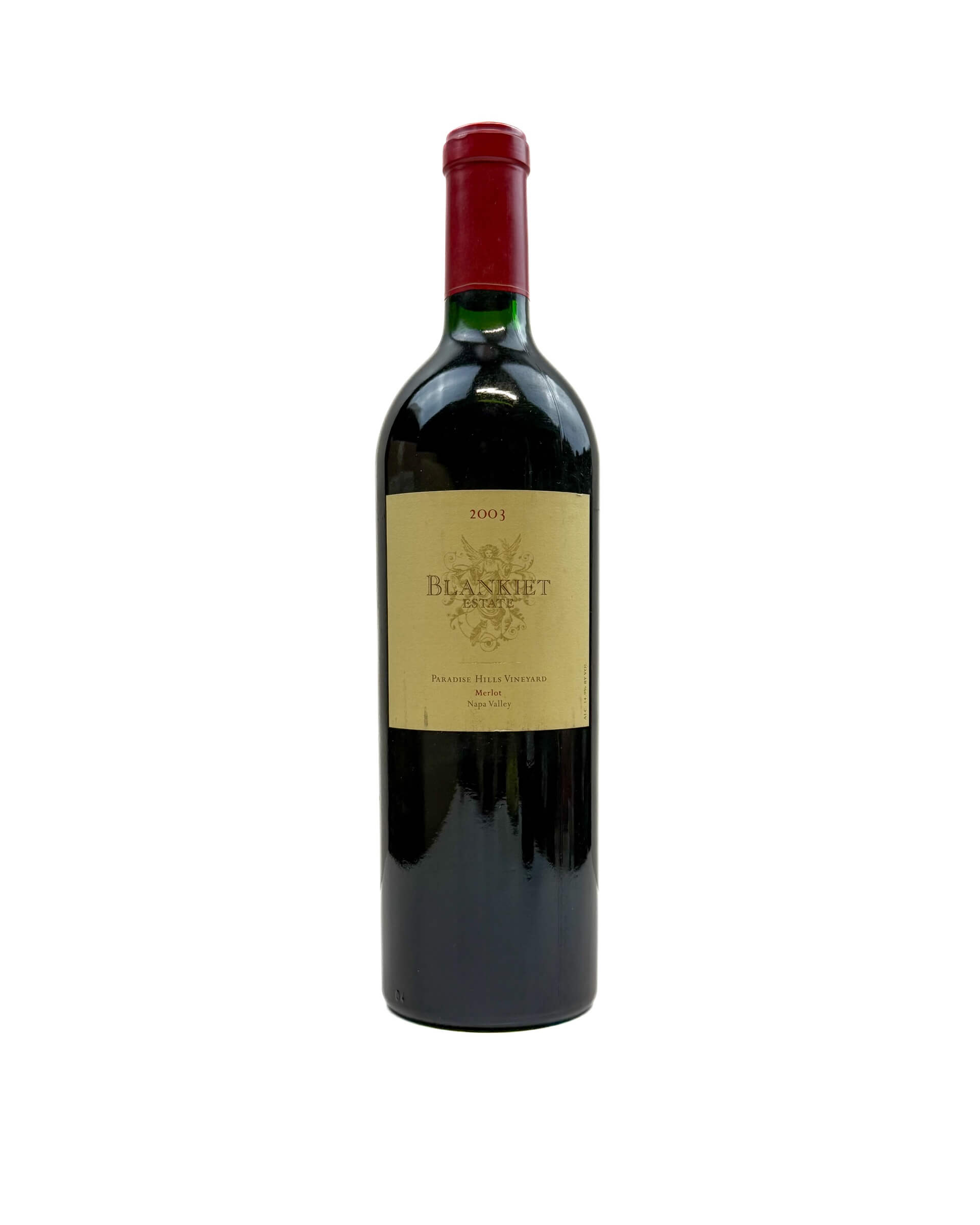
0,75
2003
Blankiet Estate
Wines, producers, regions...
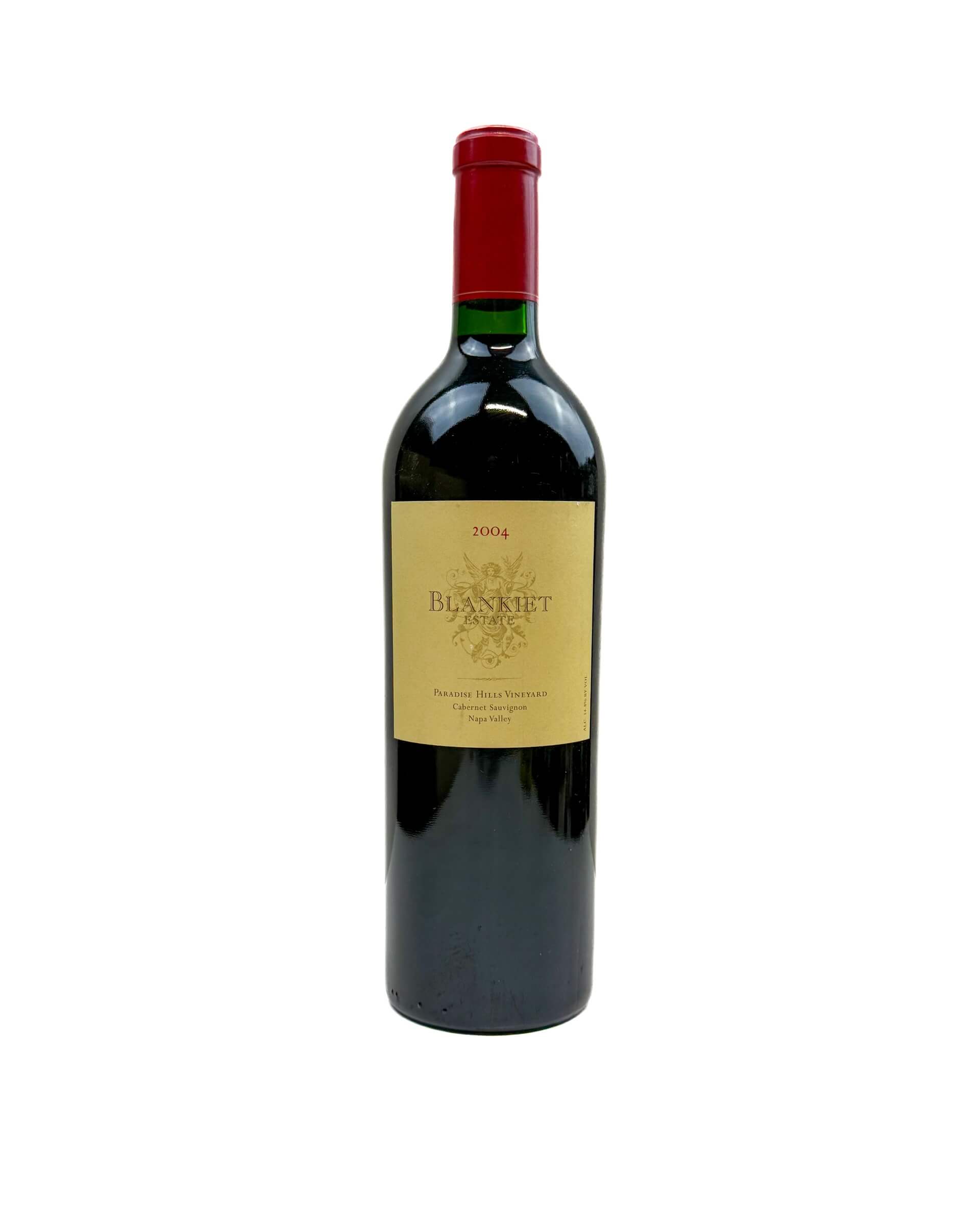
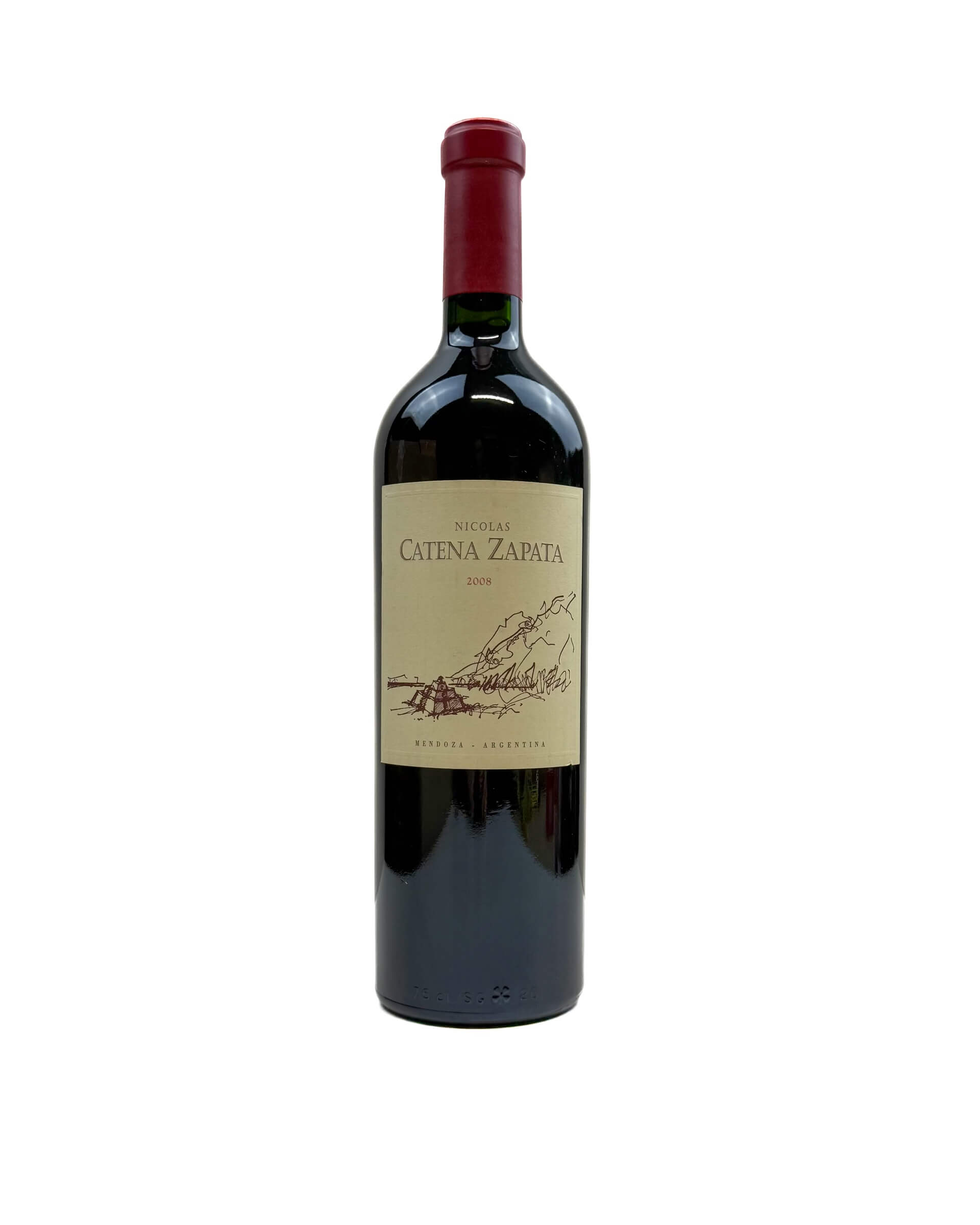
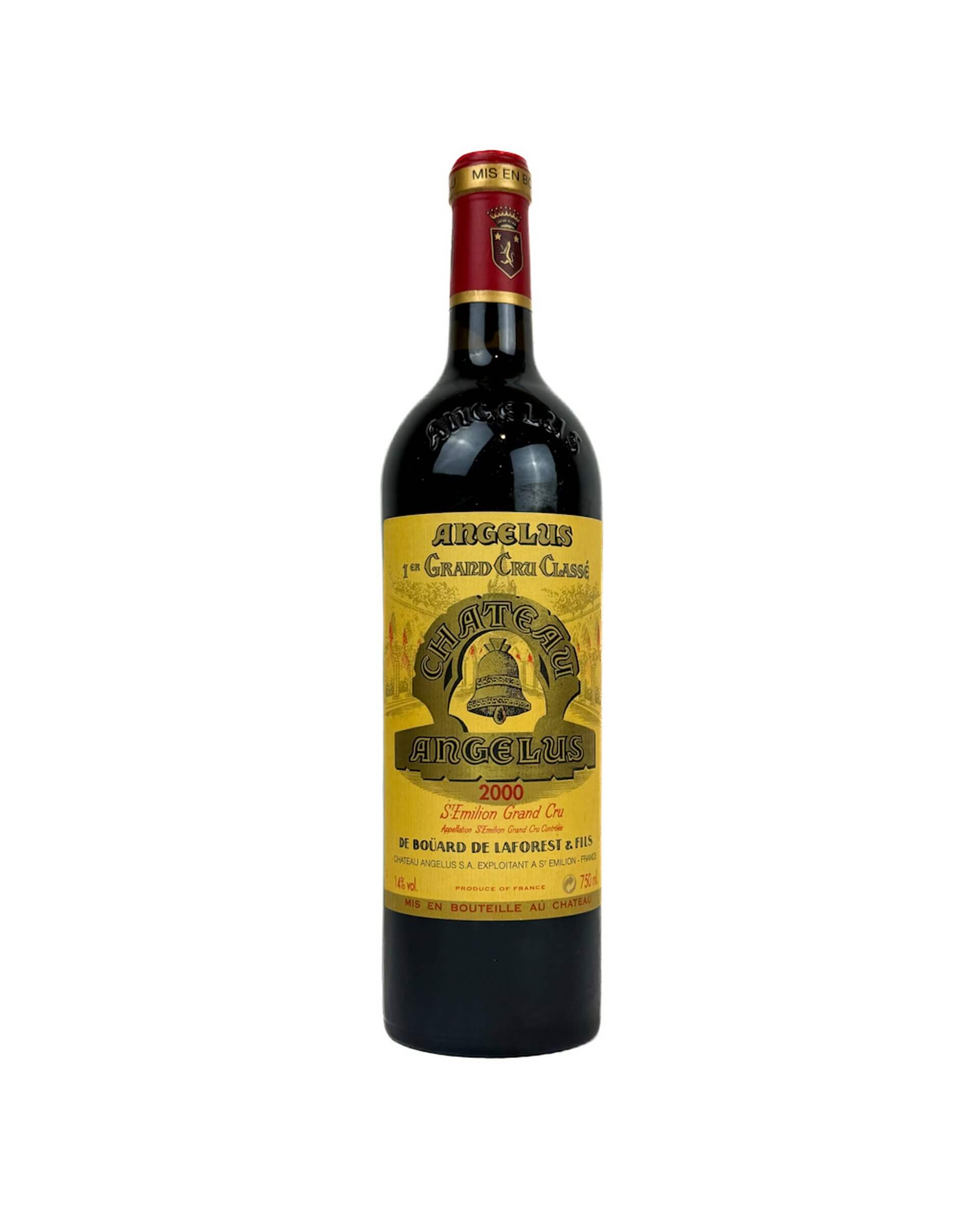
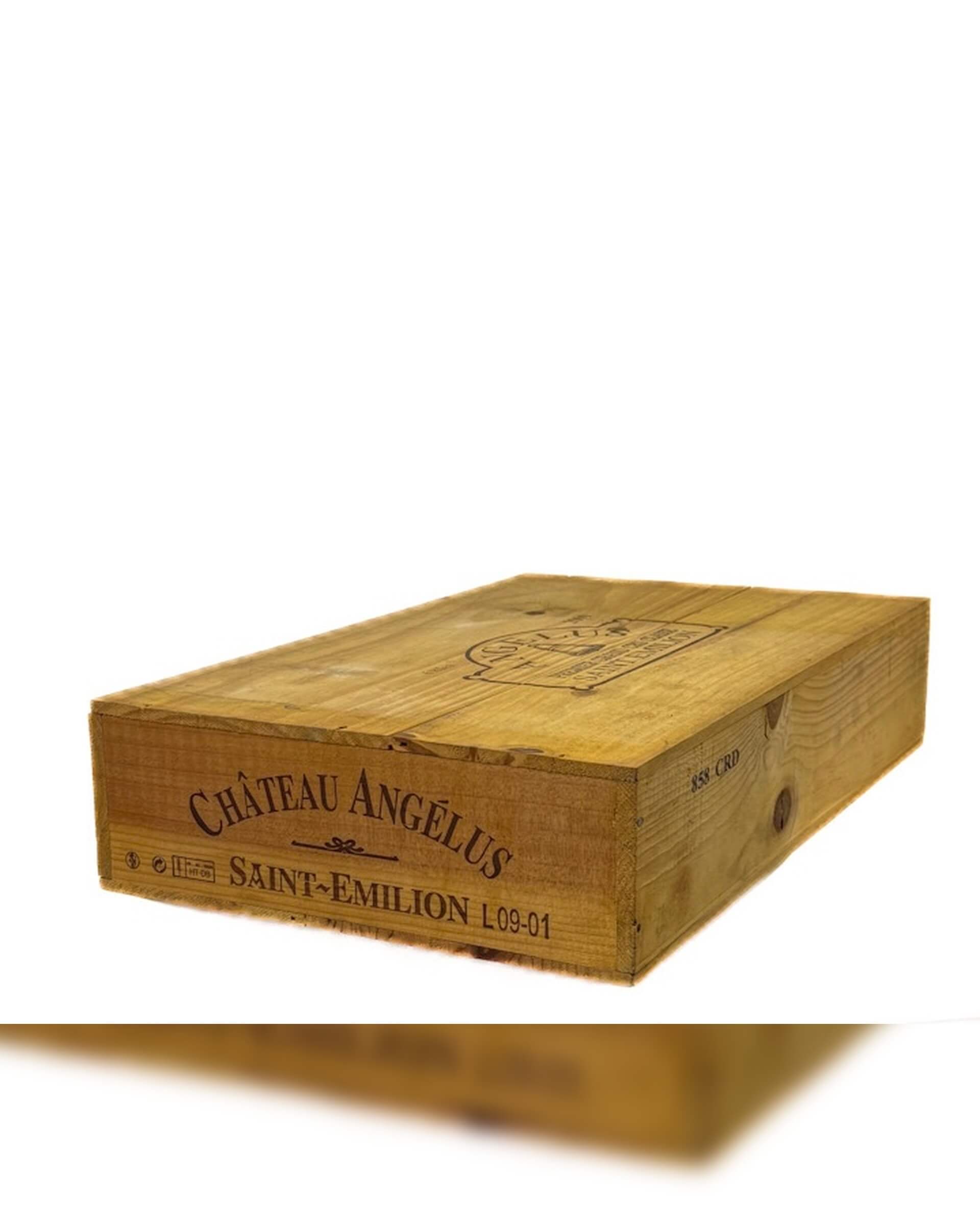
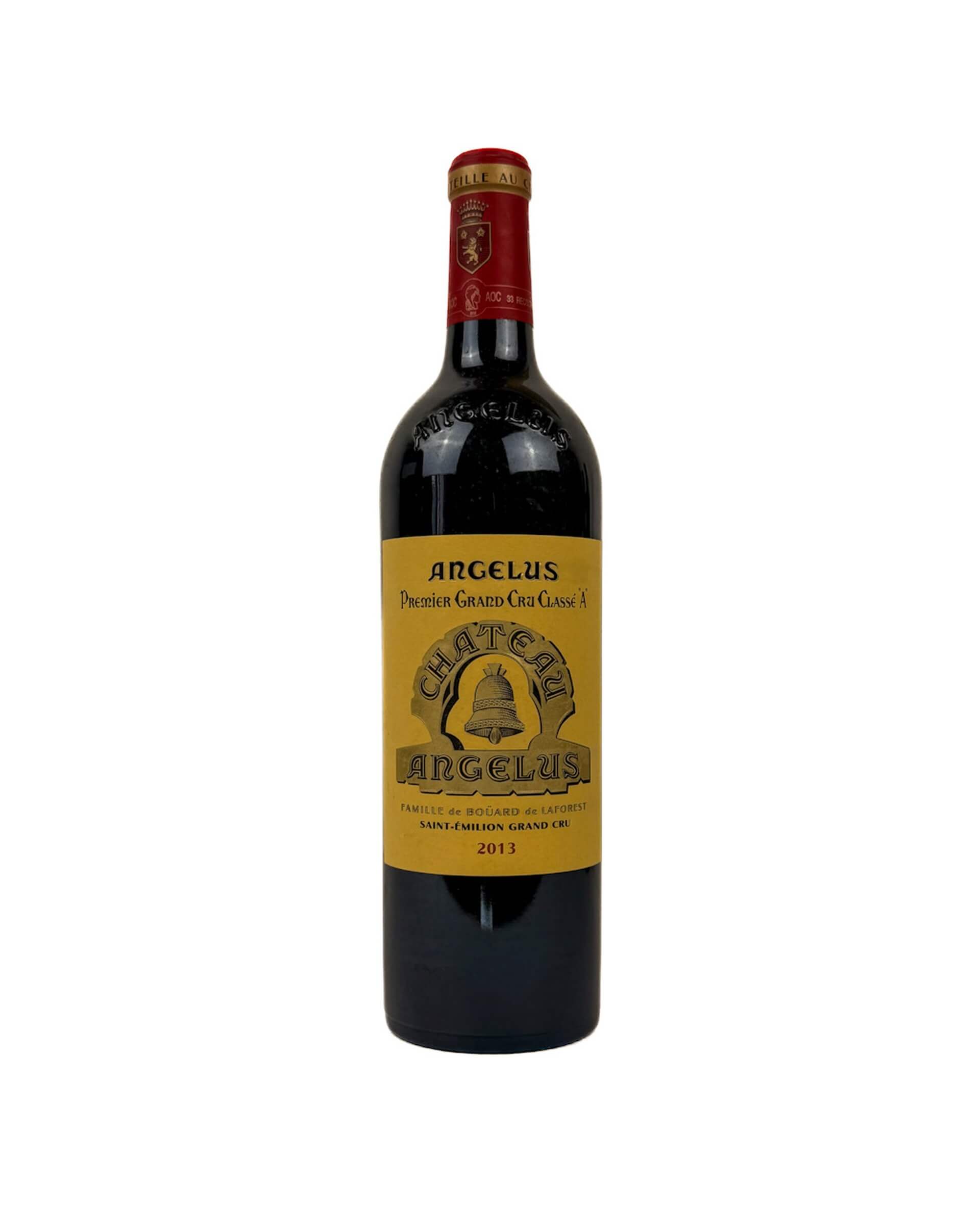
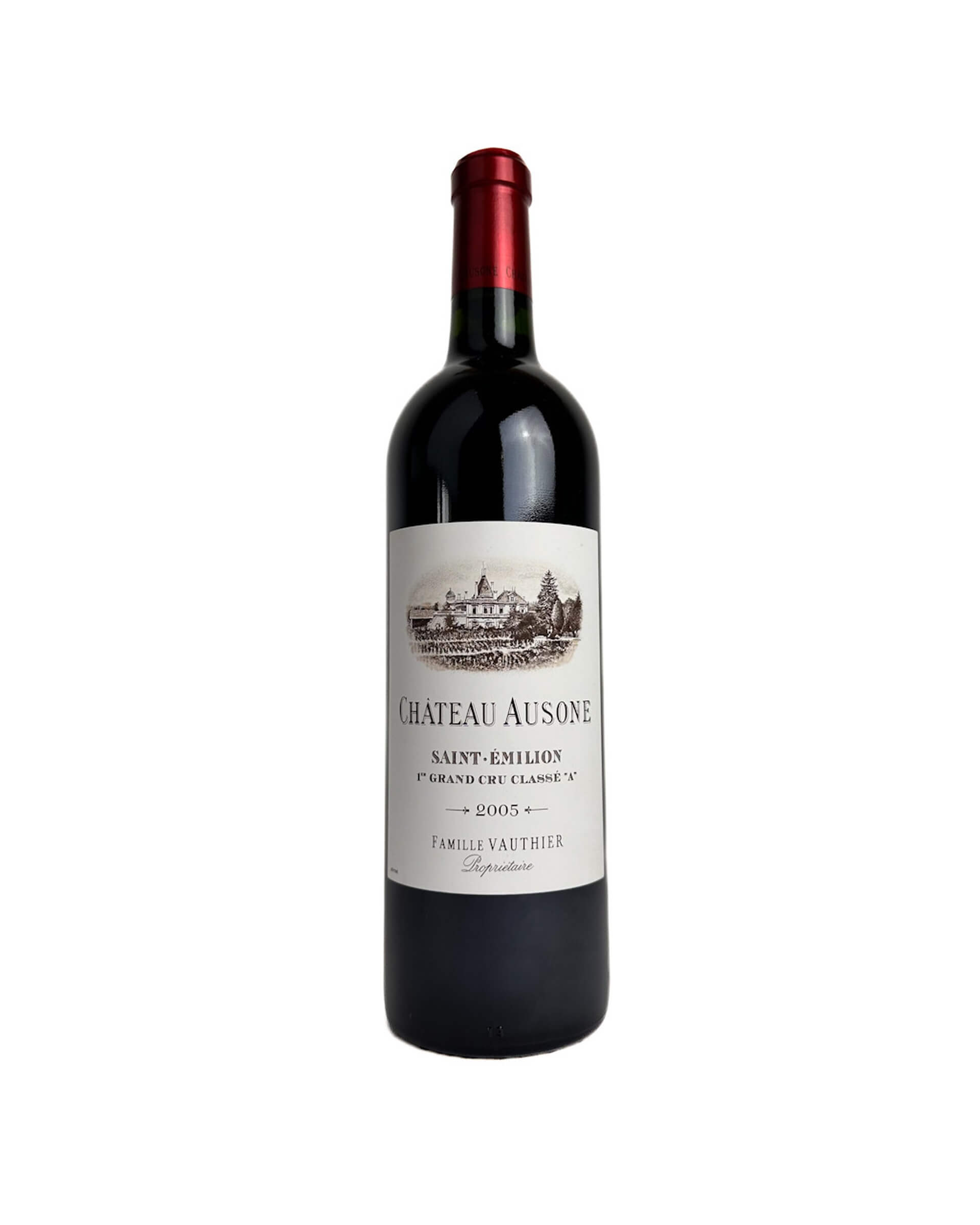
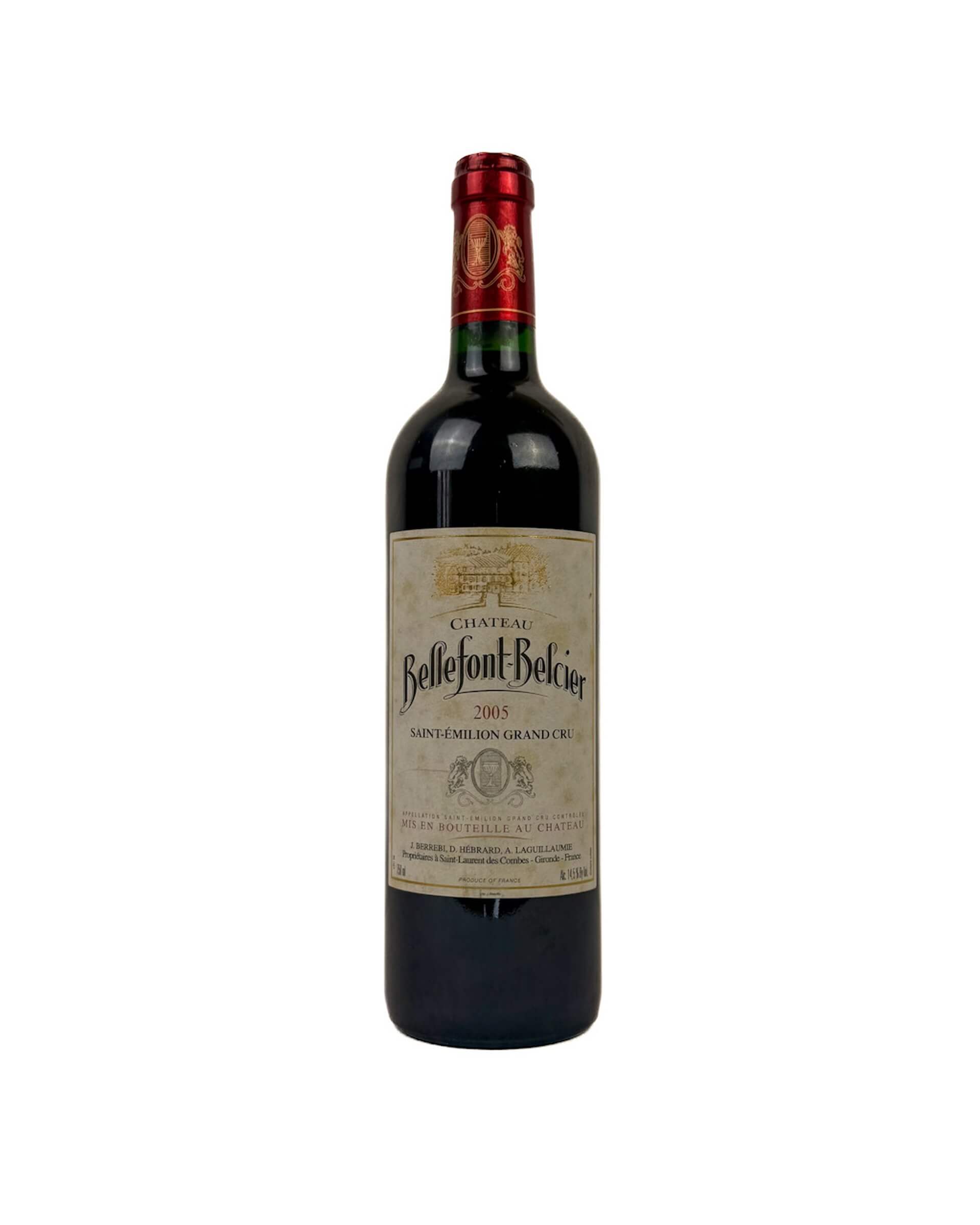
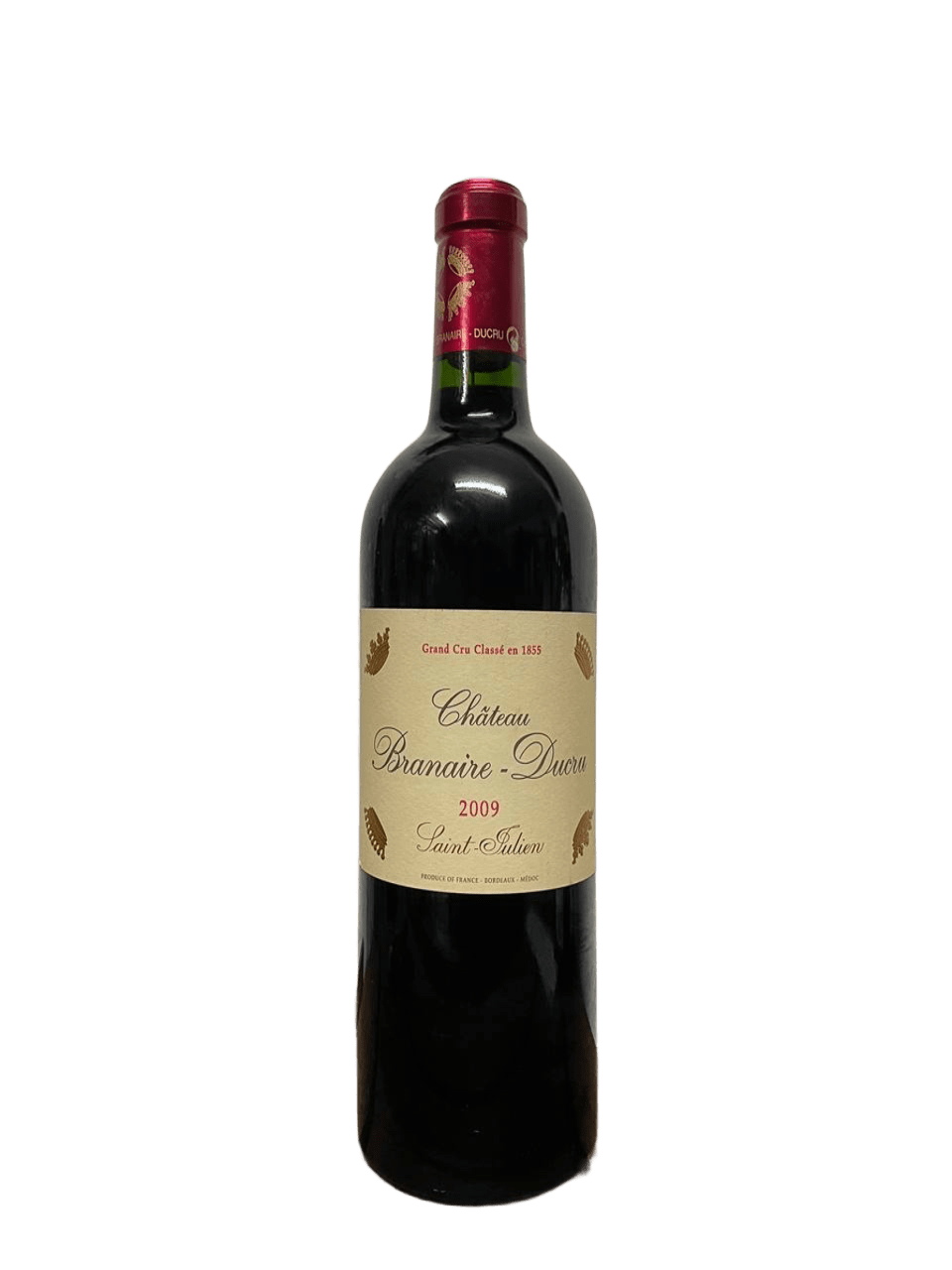
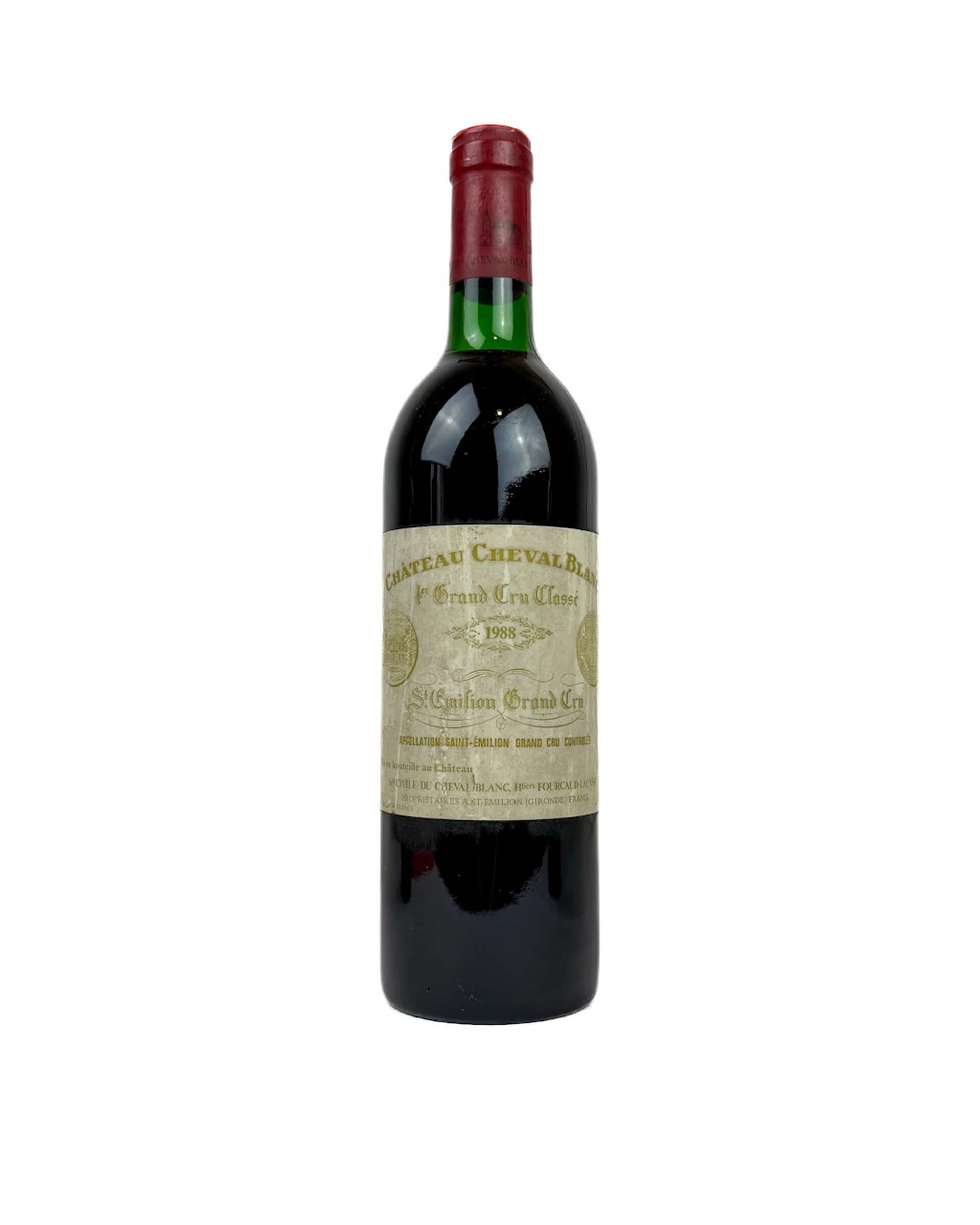
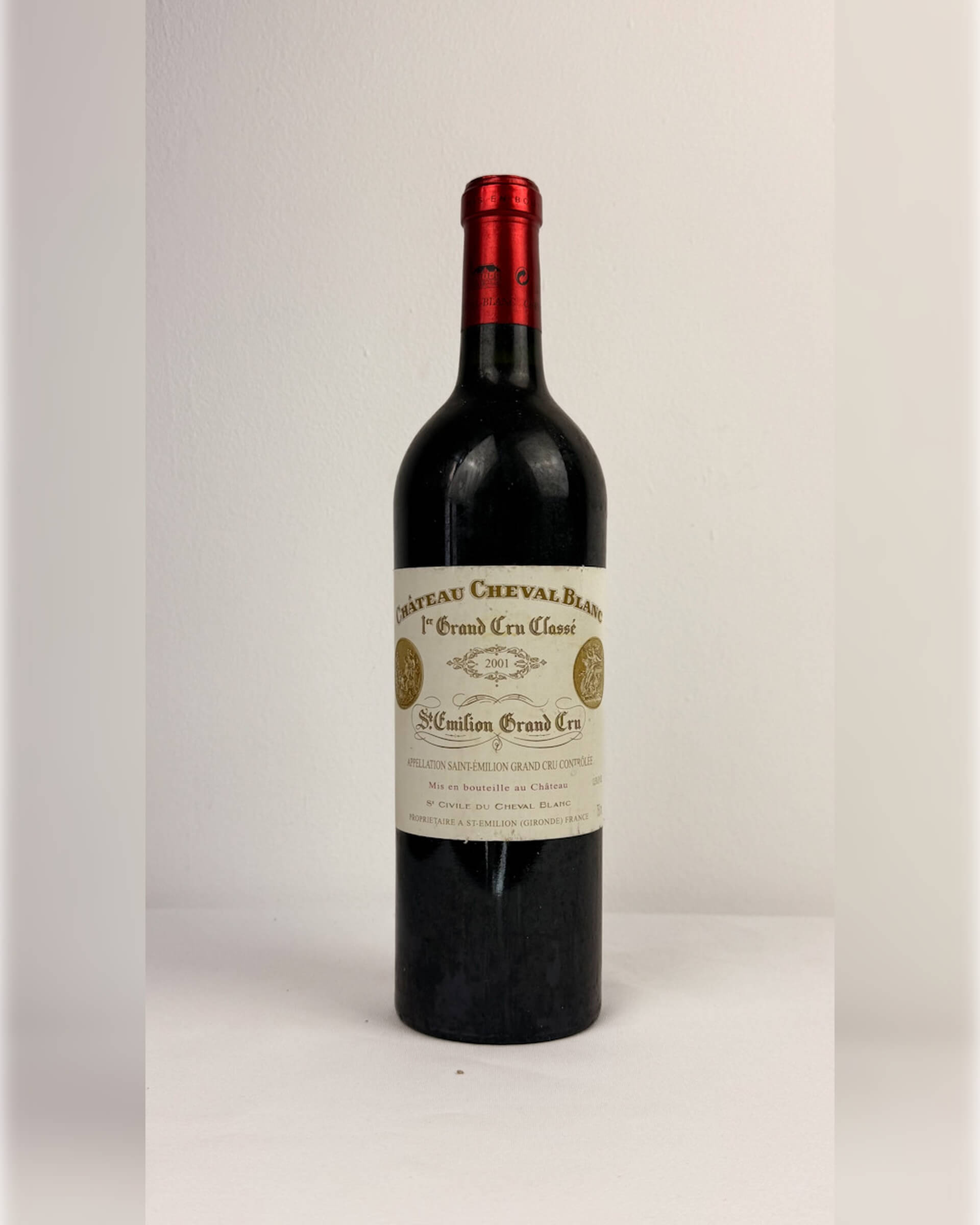
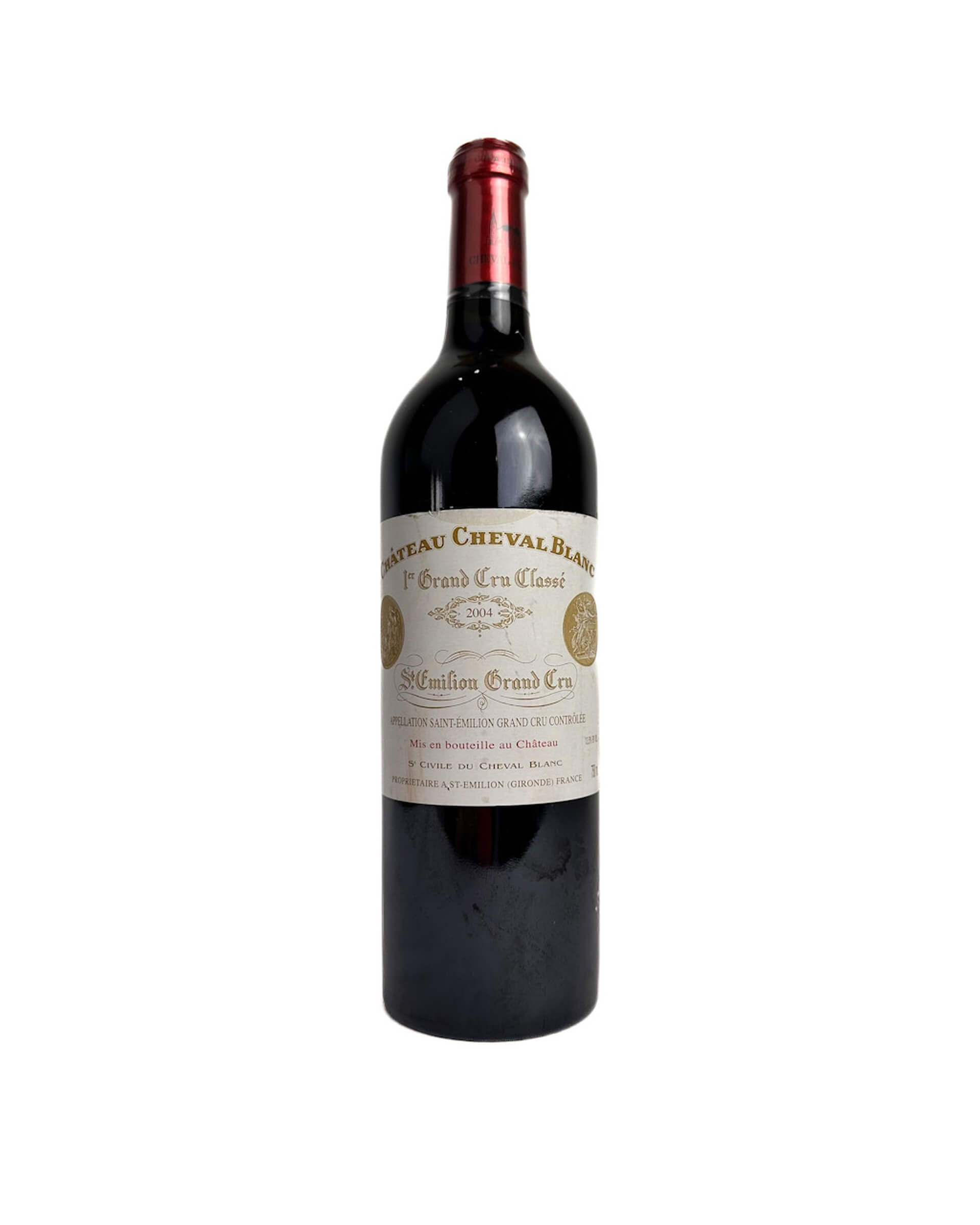
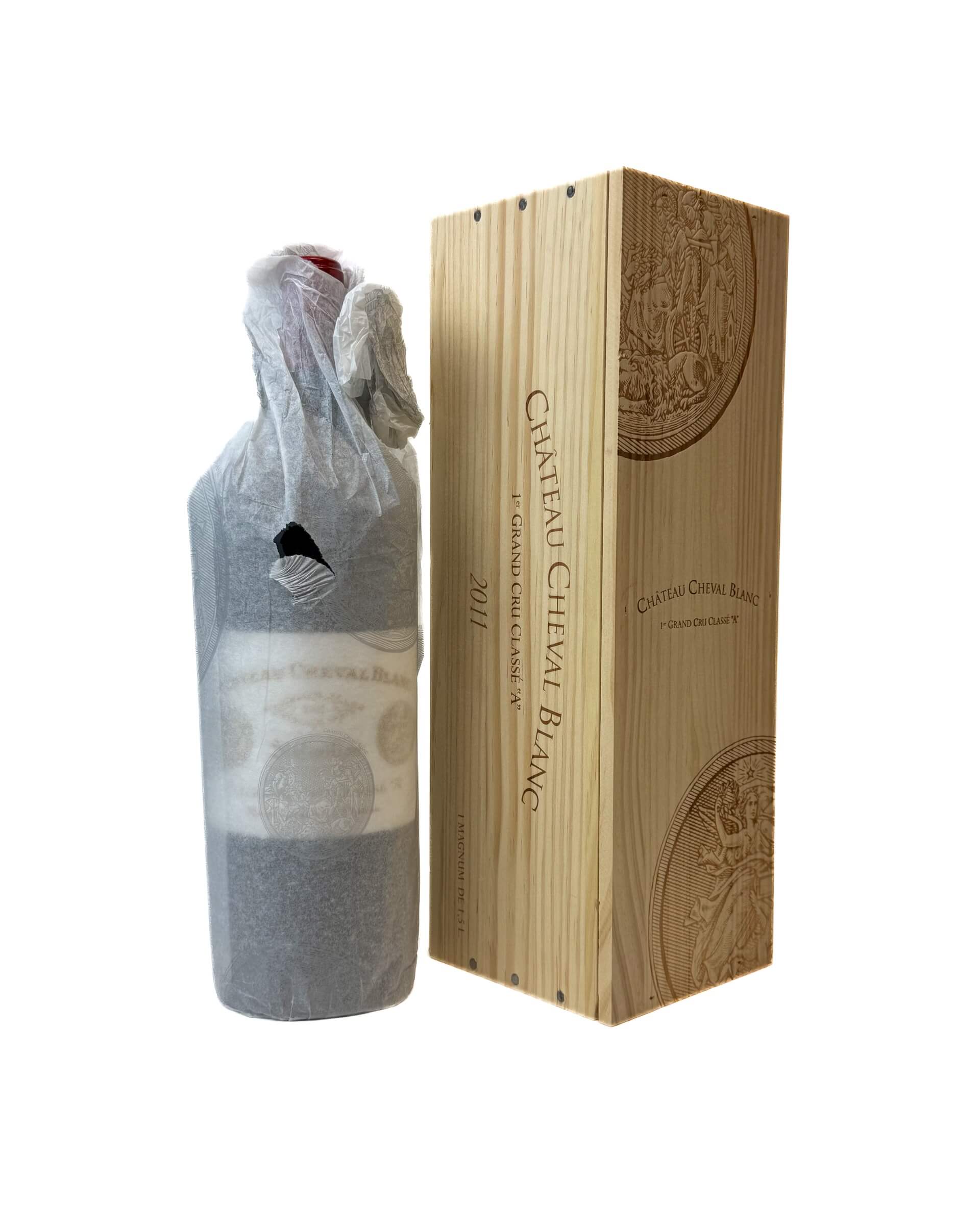
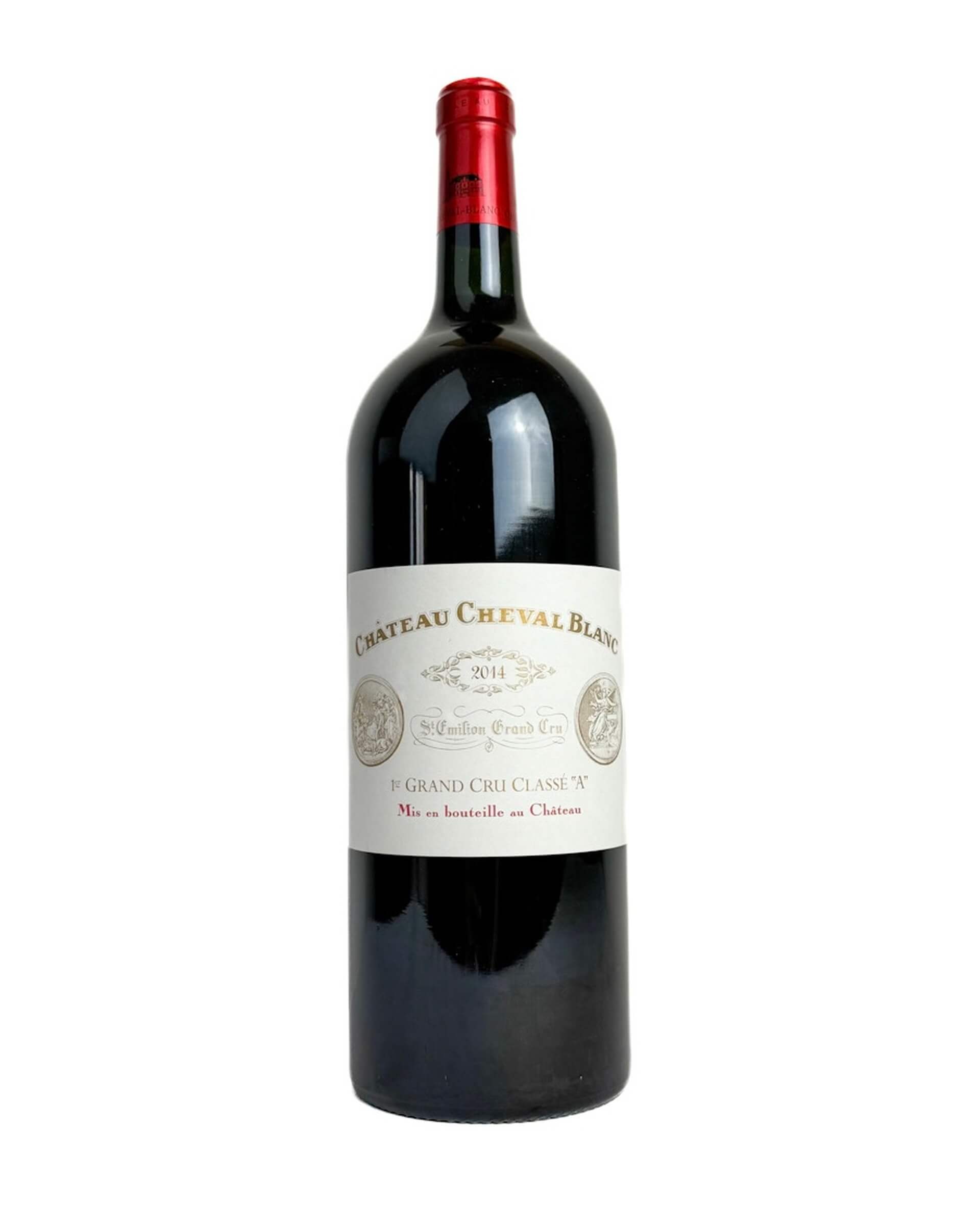

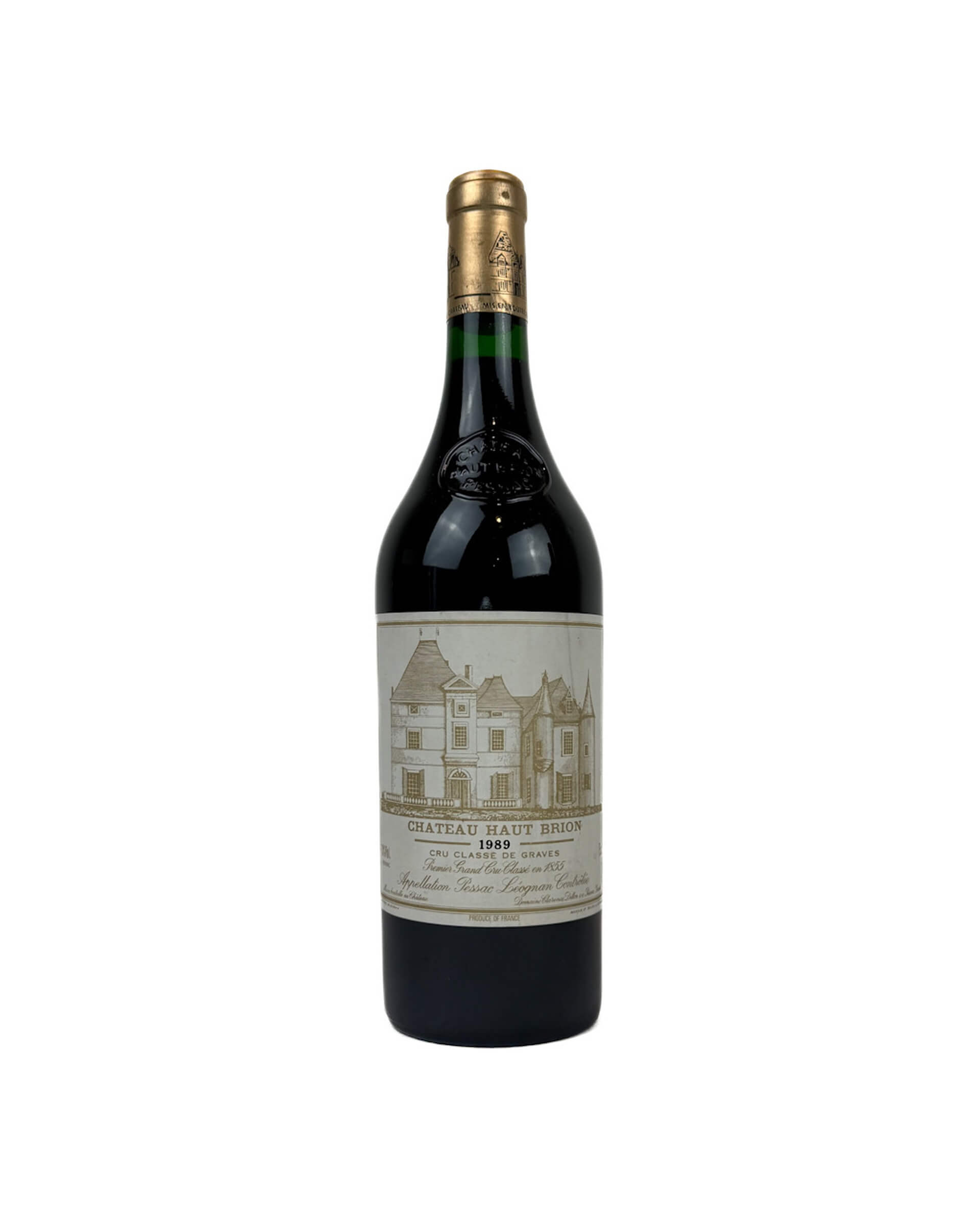
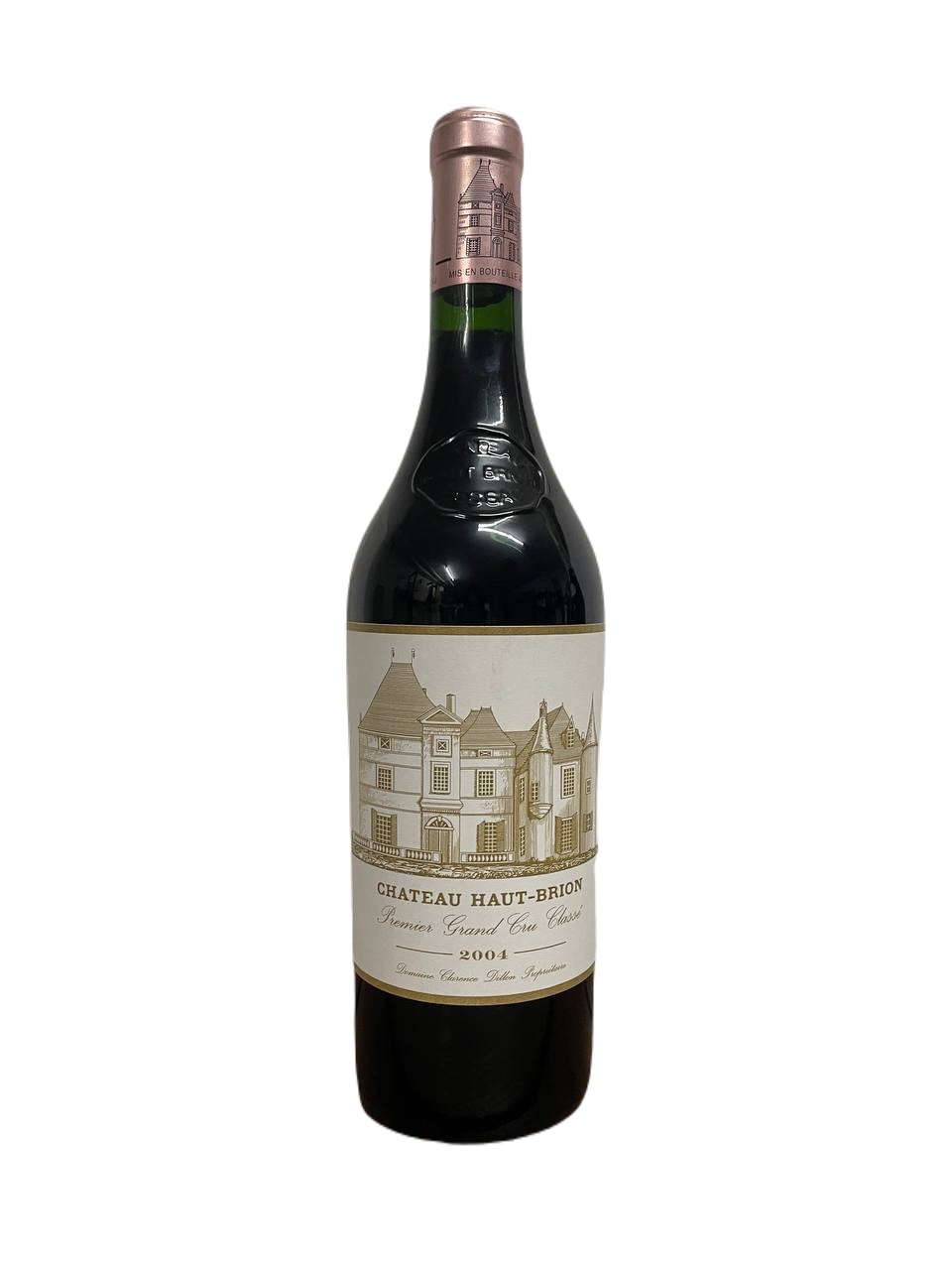
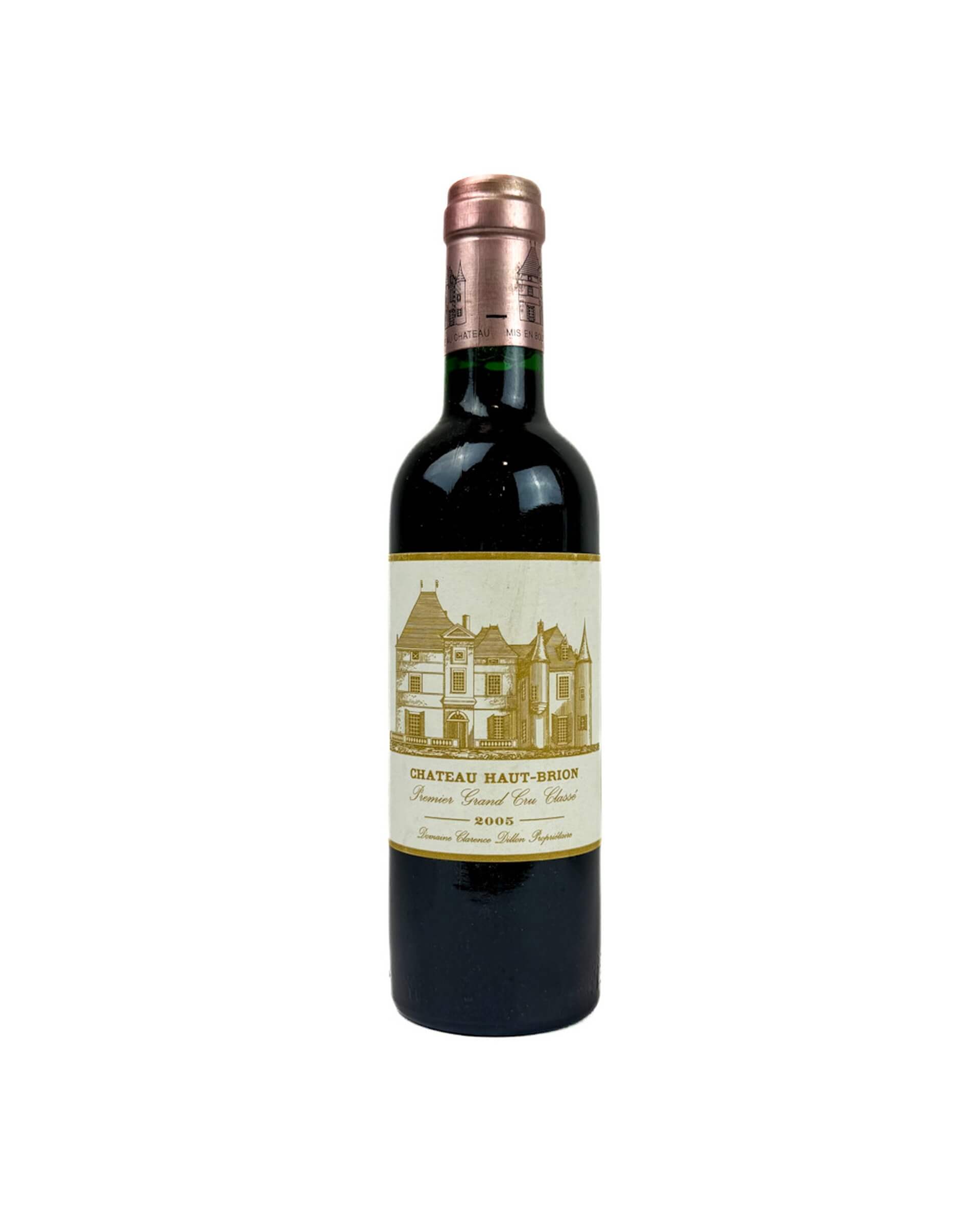
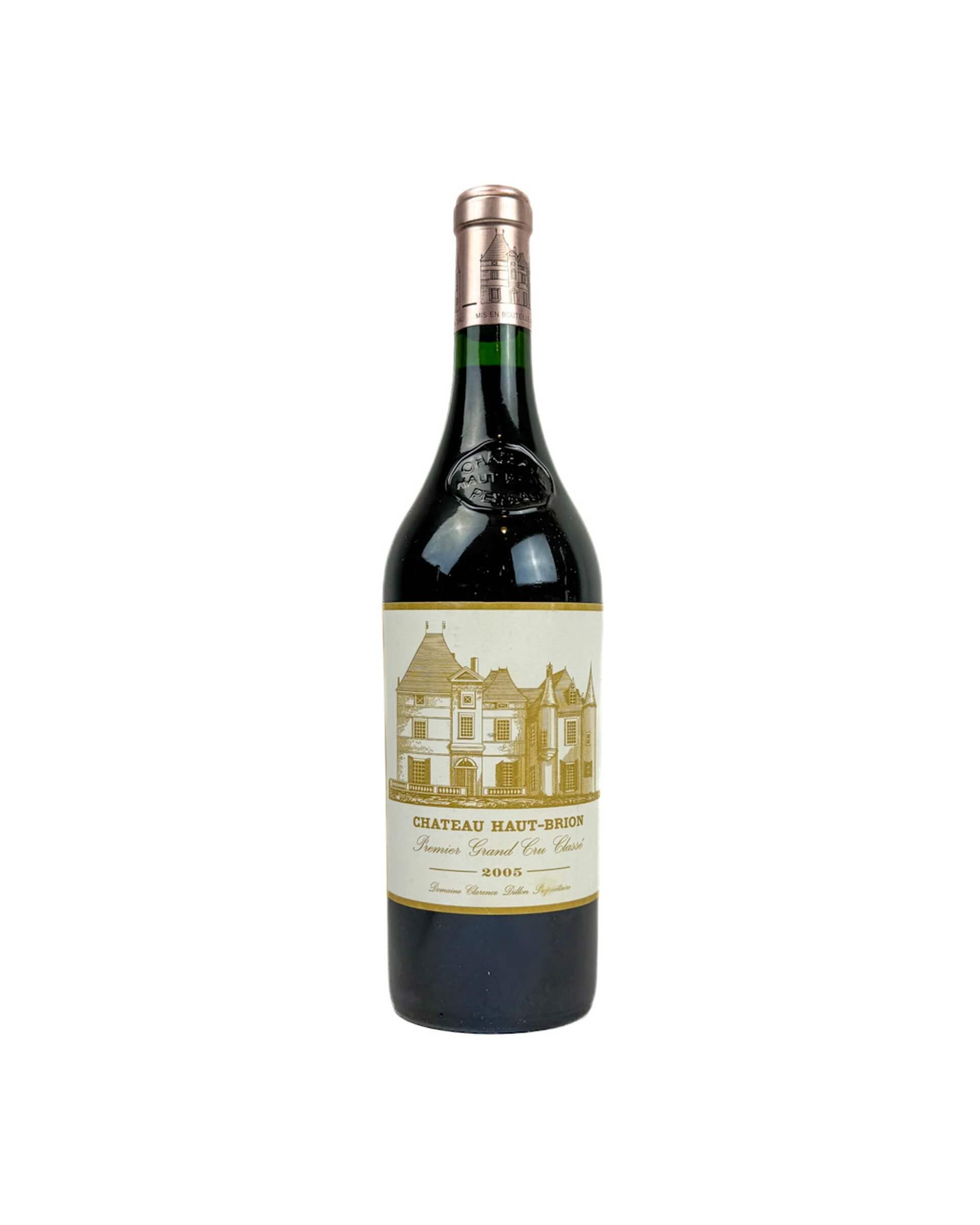
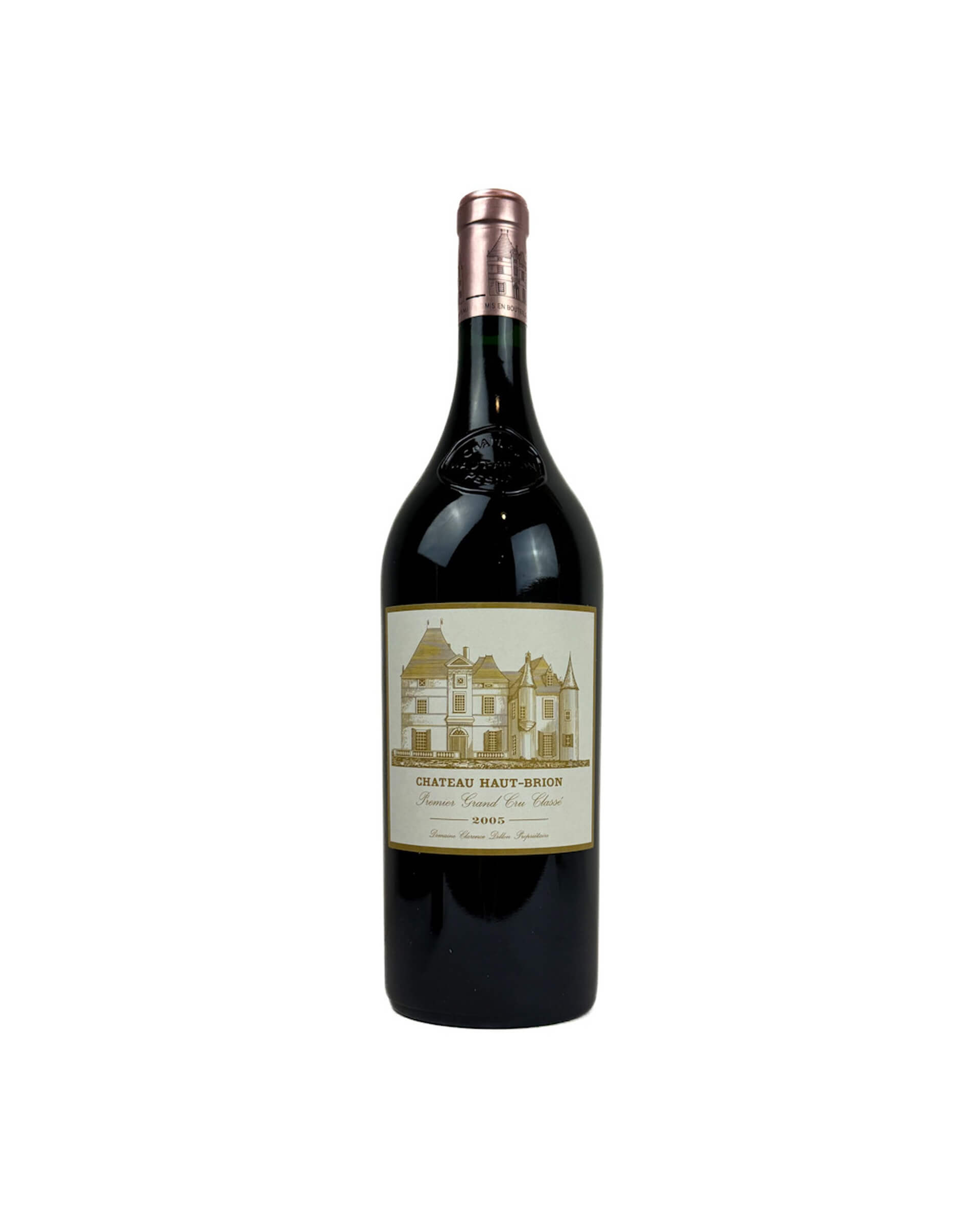
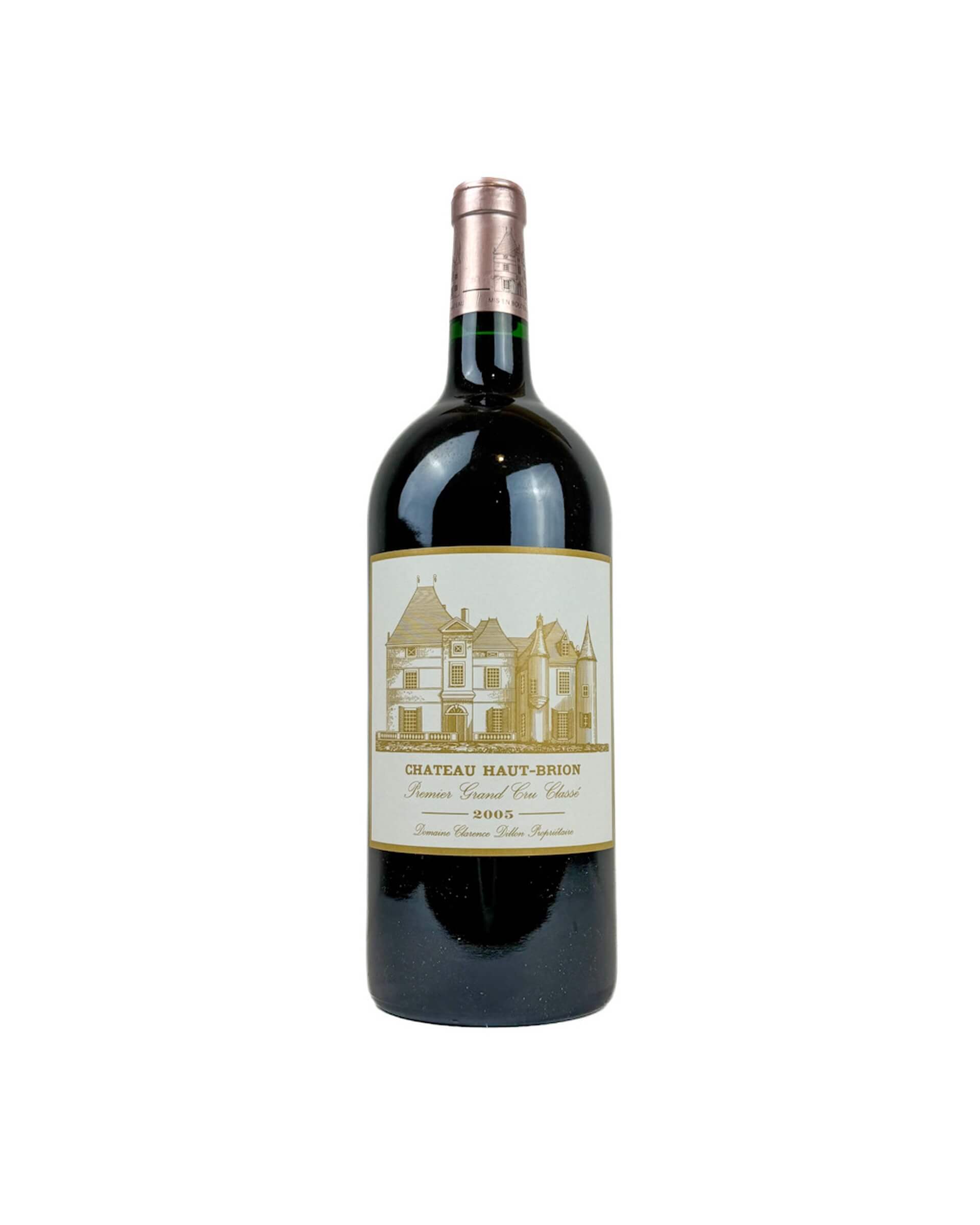
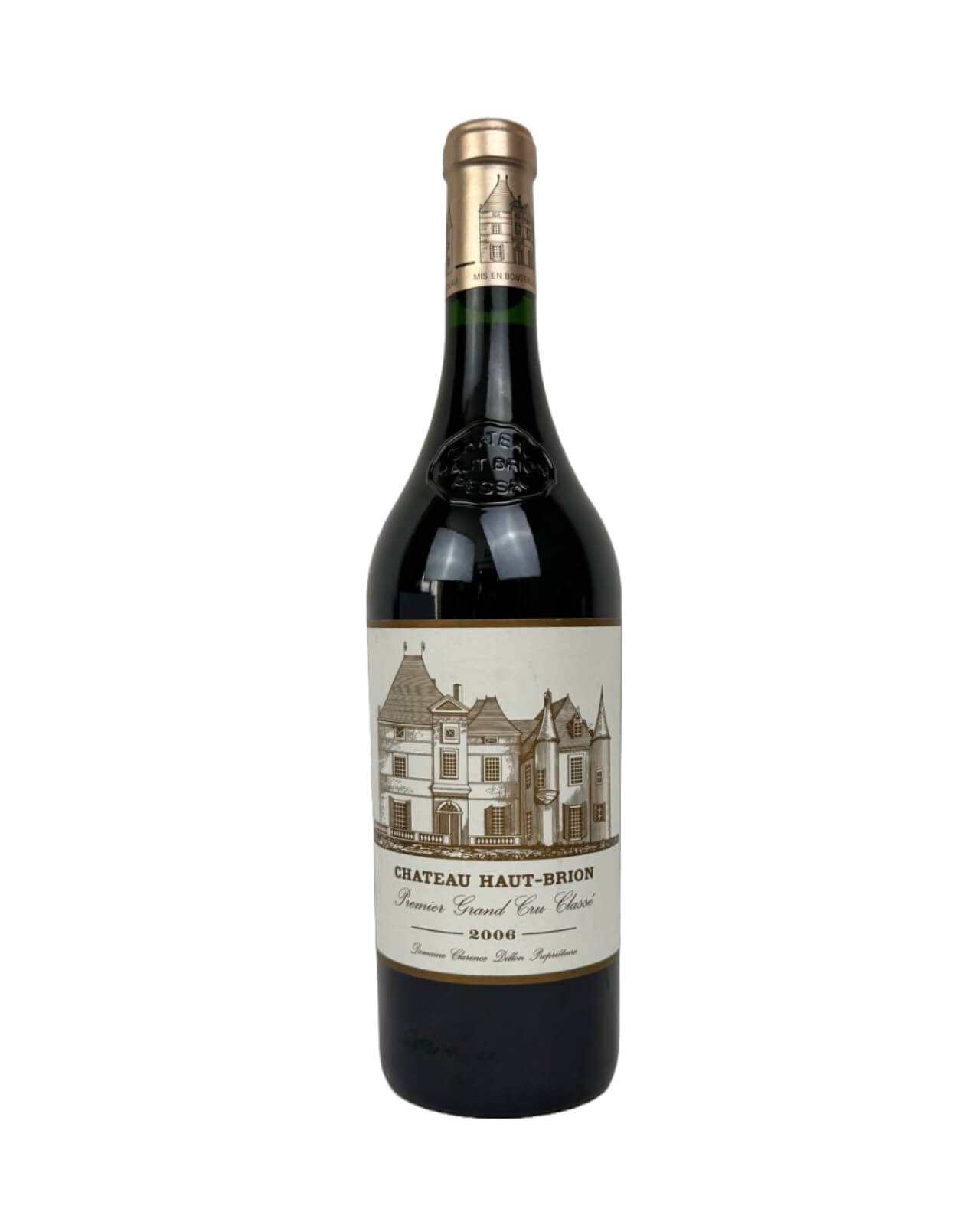
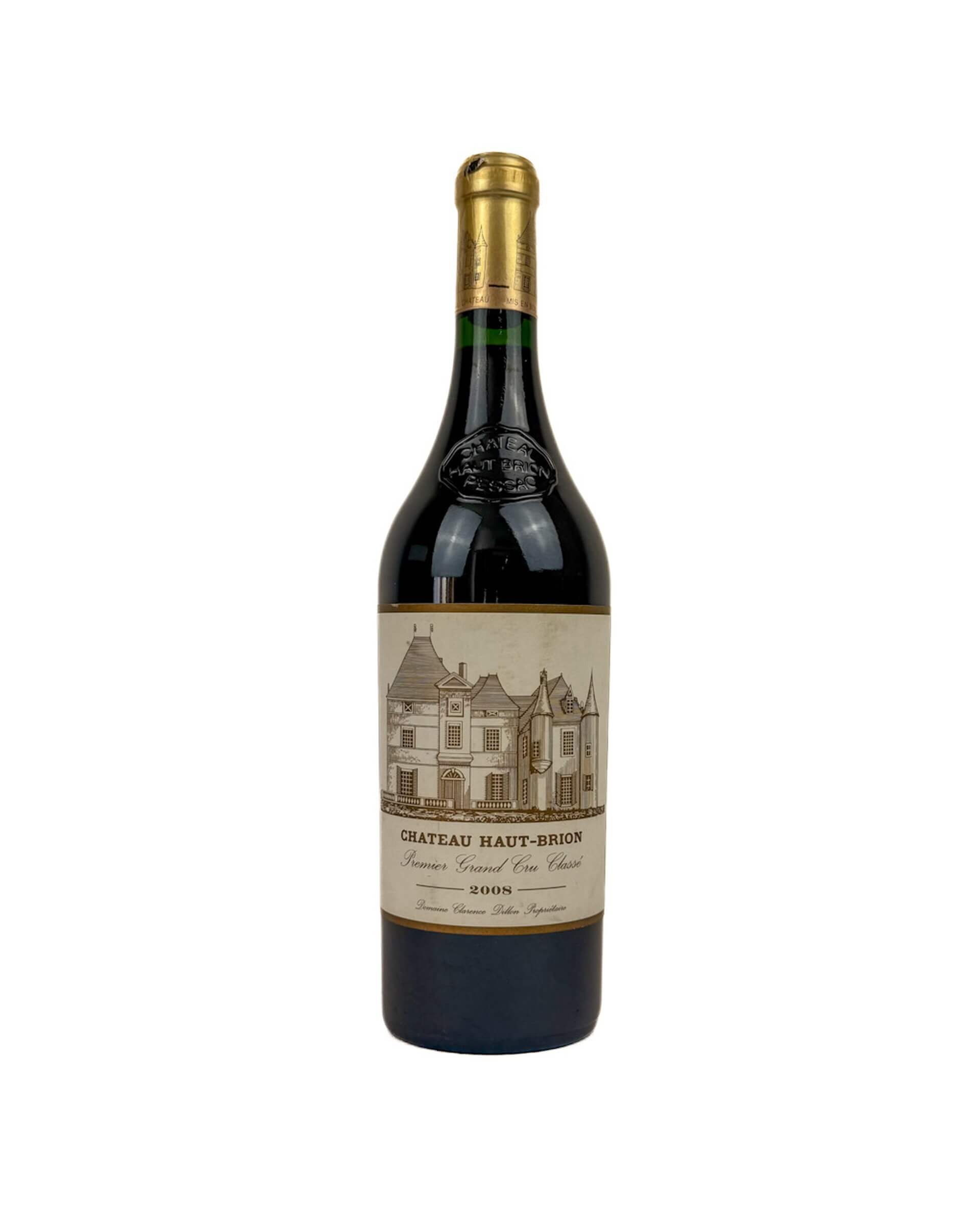
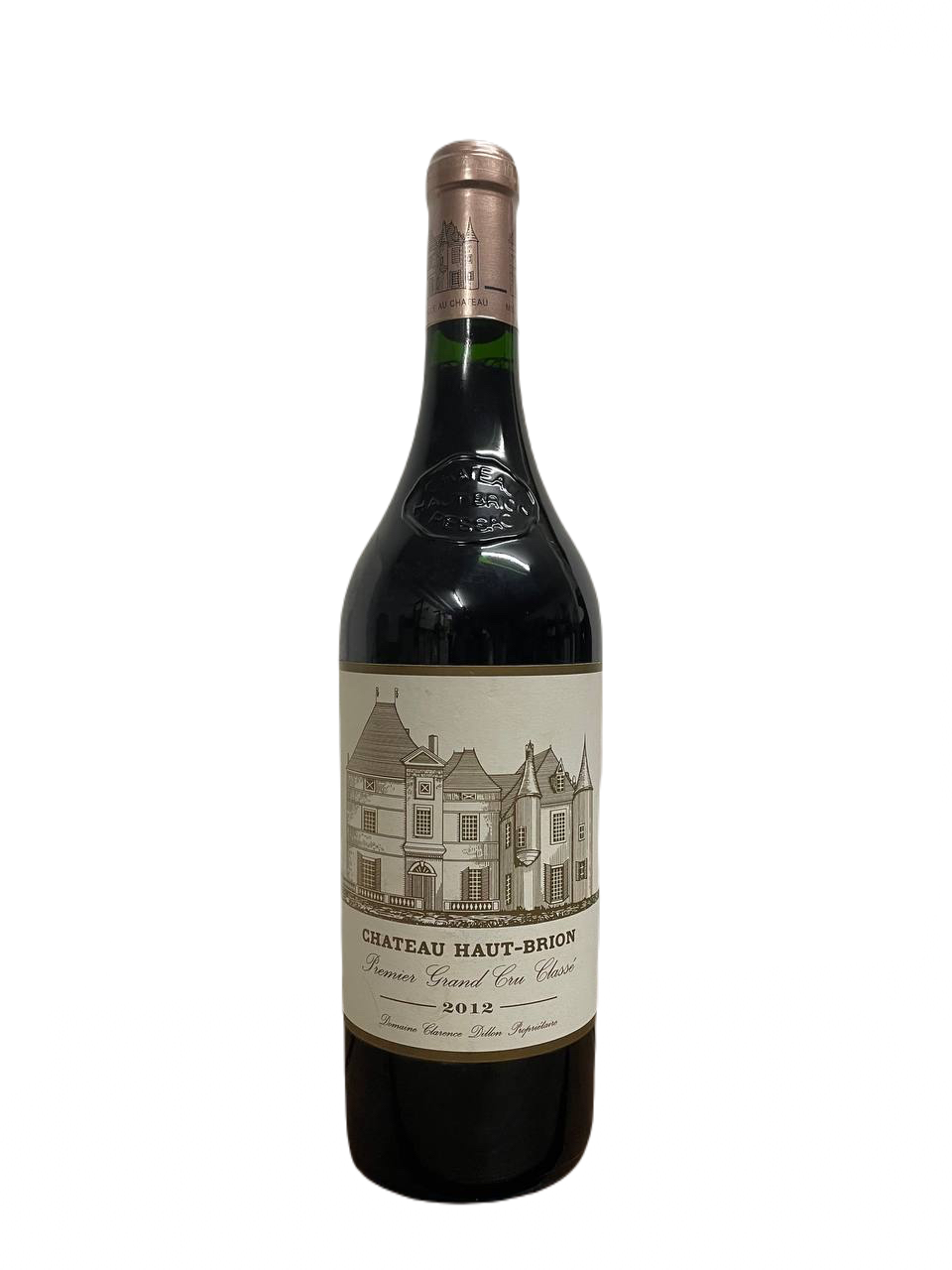
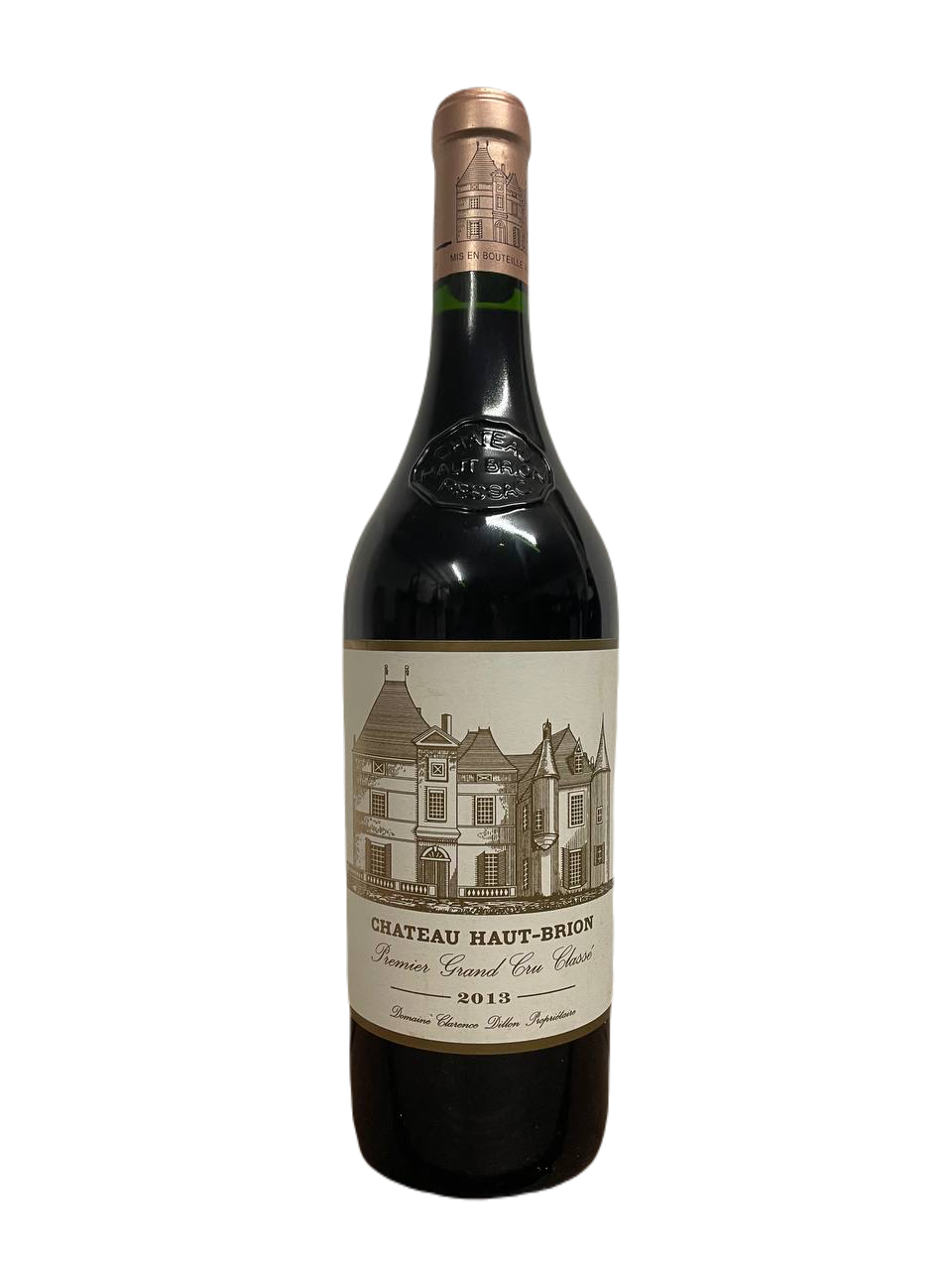
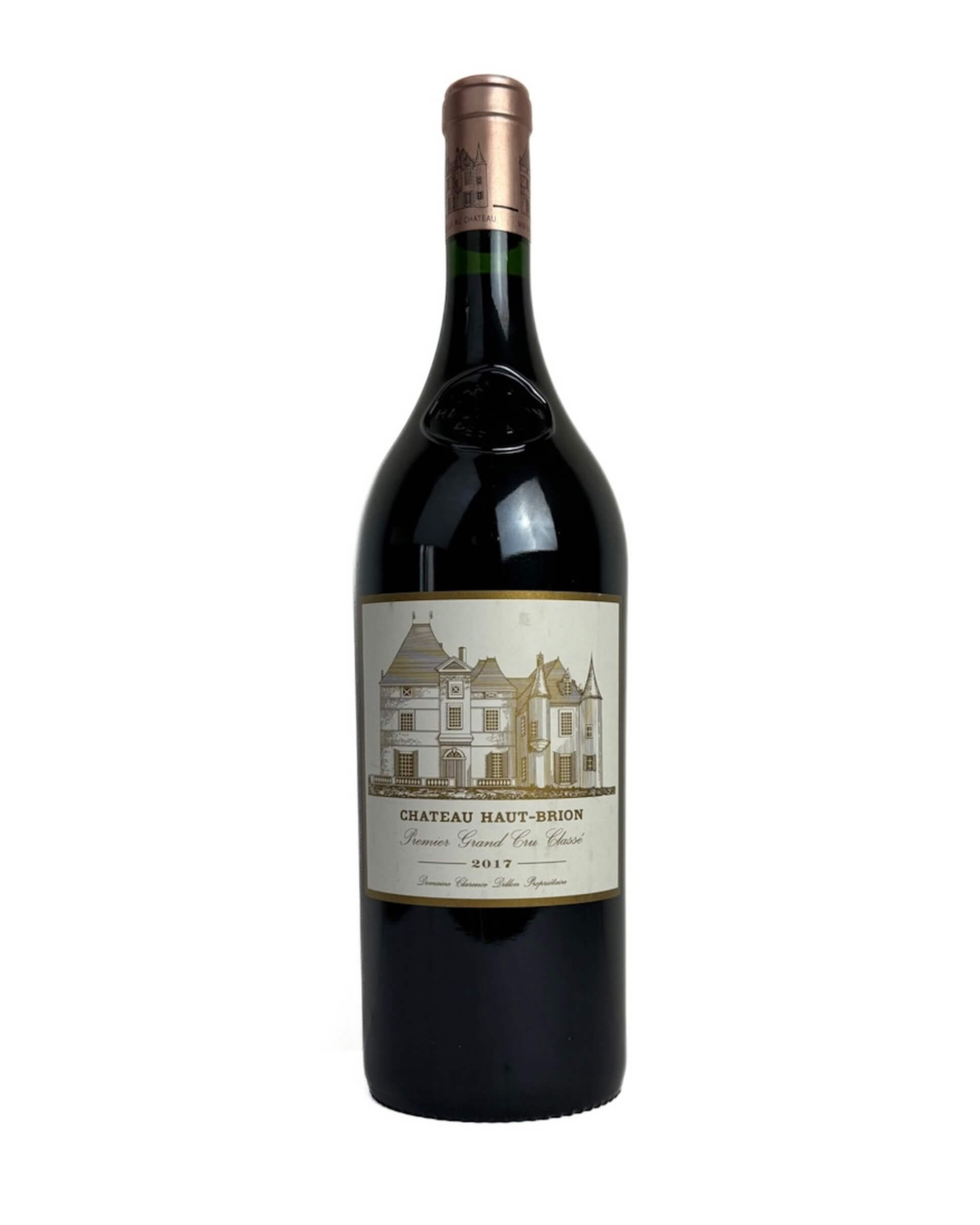
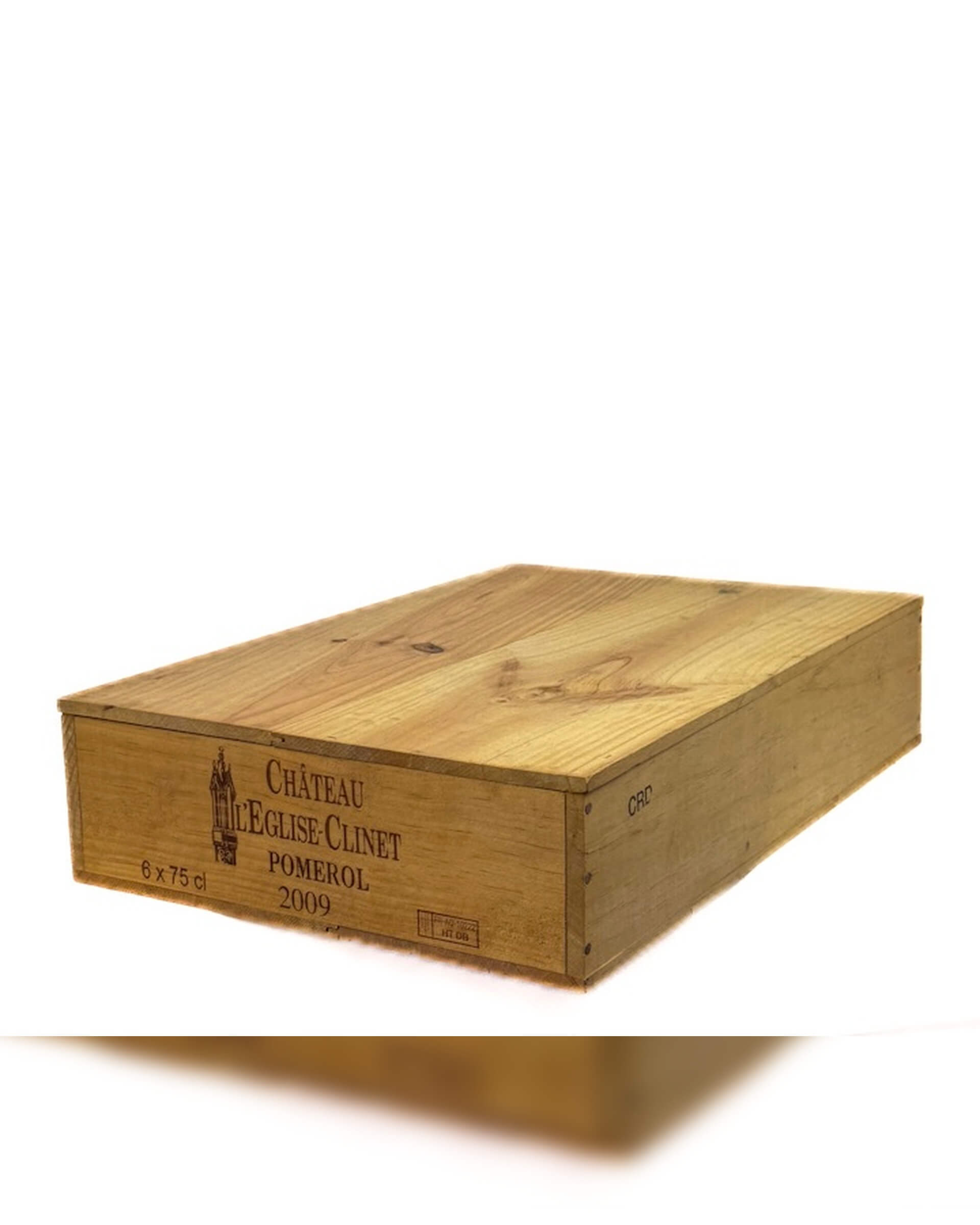
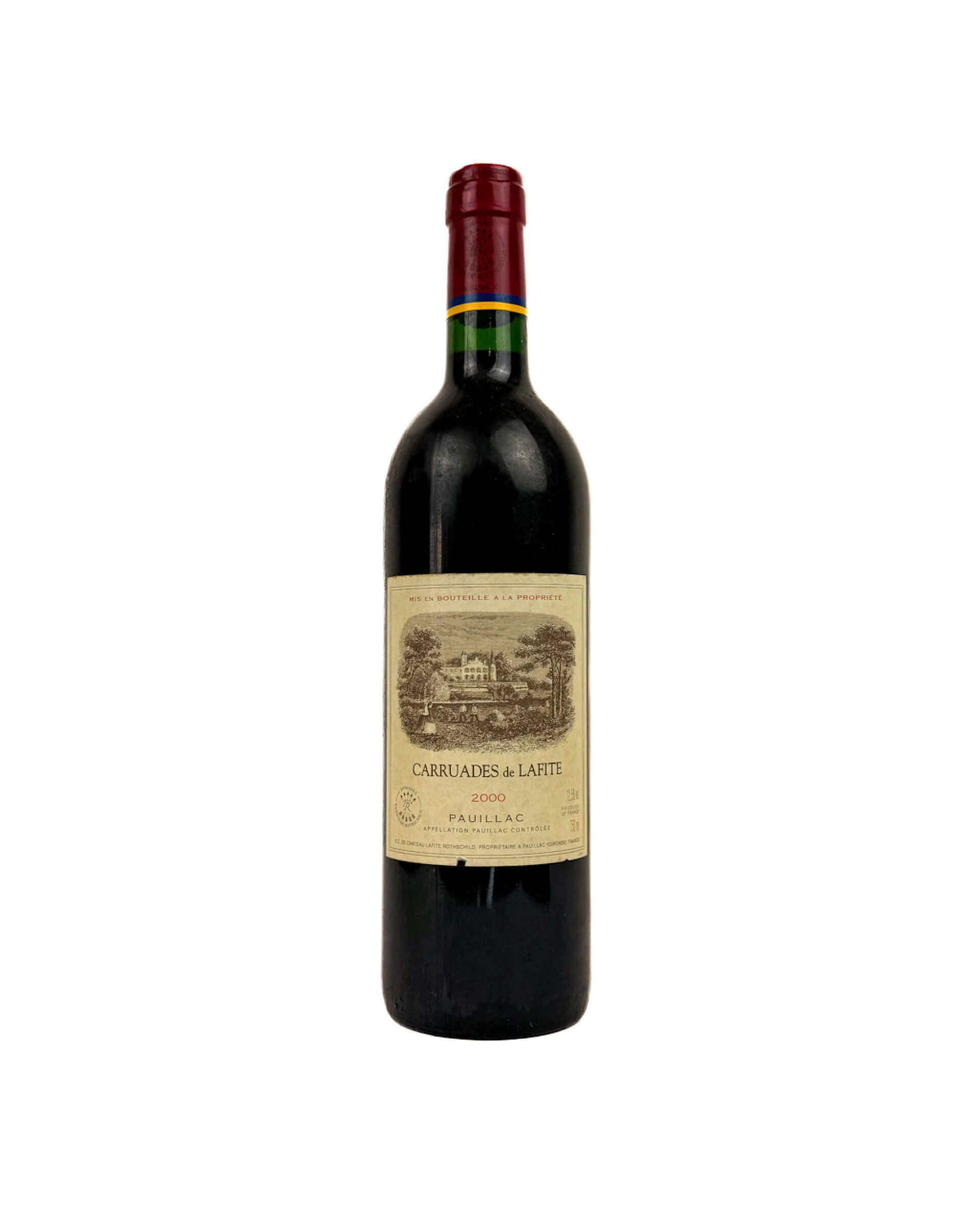
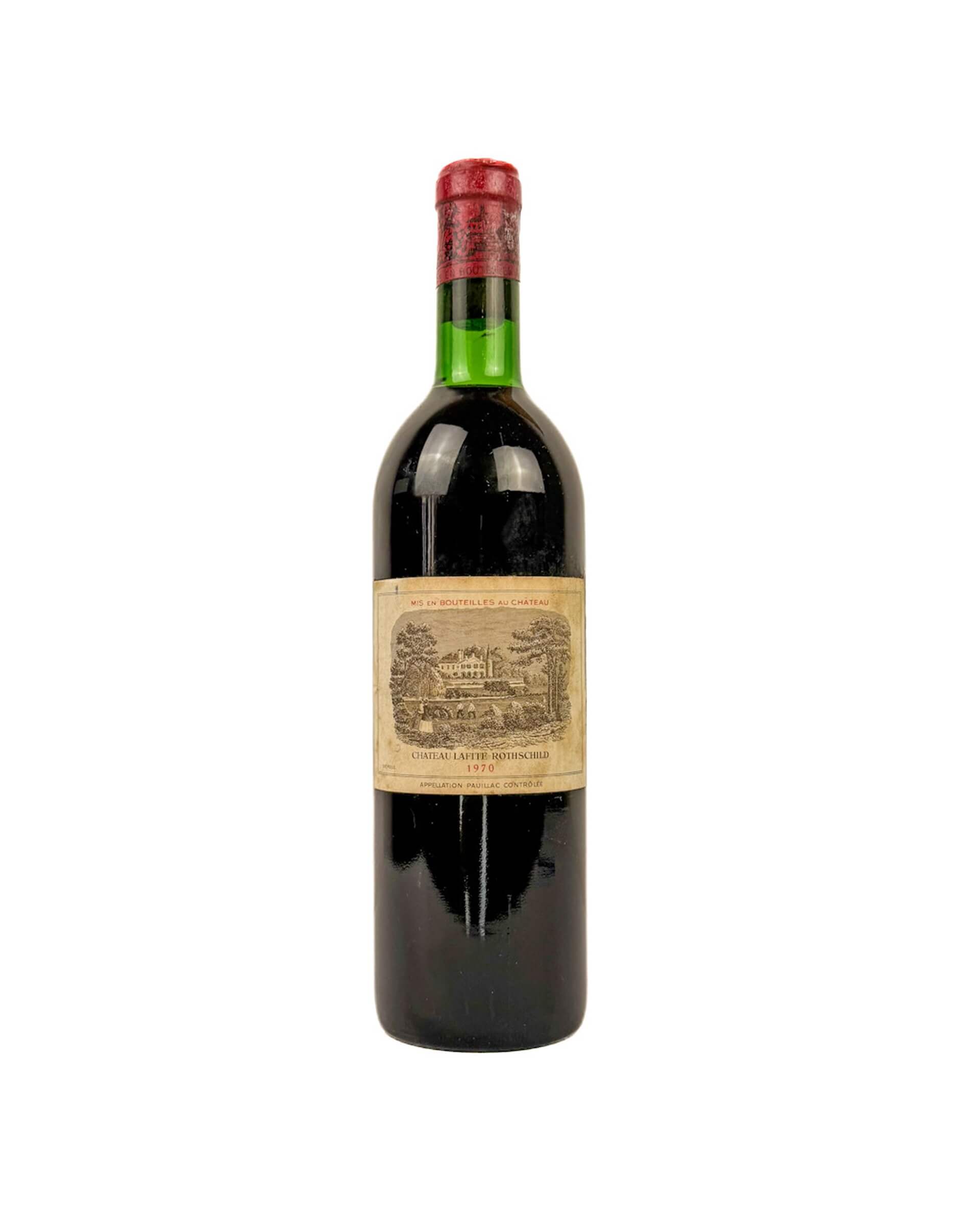
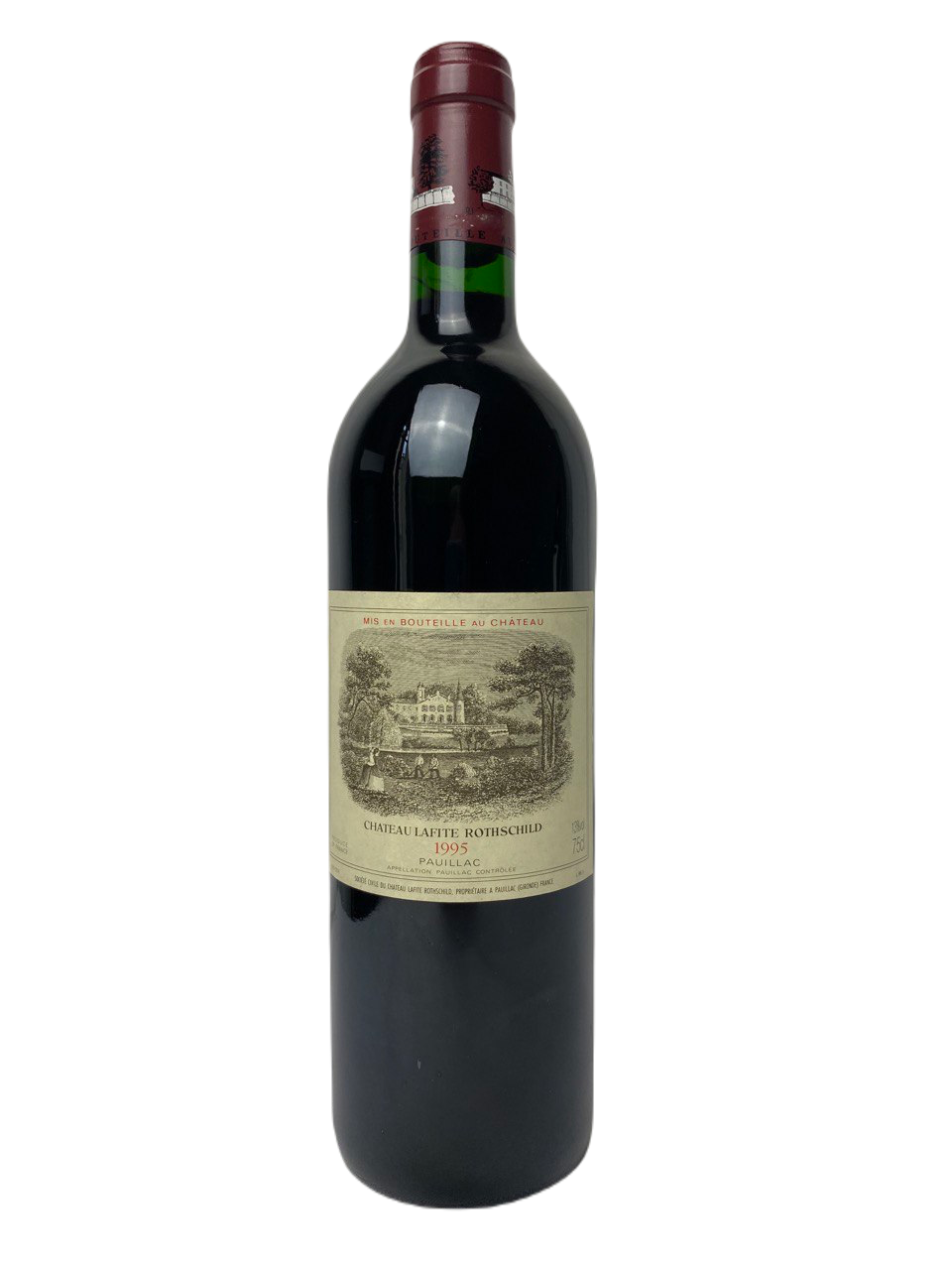
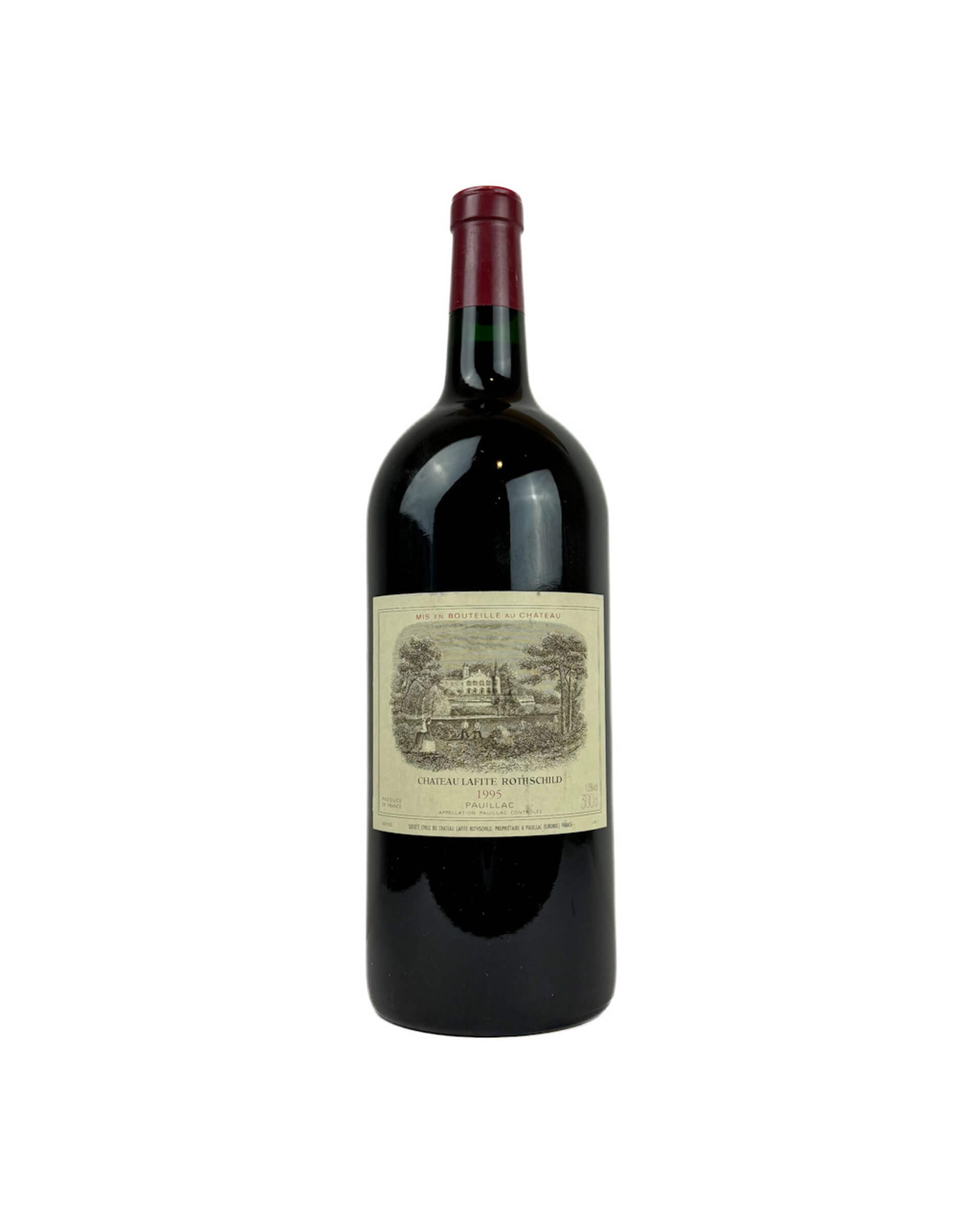
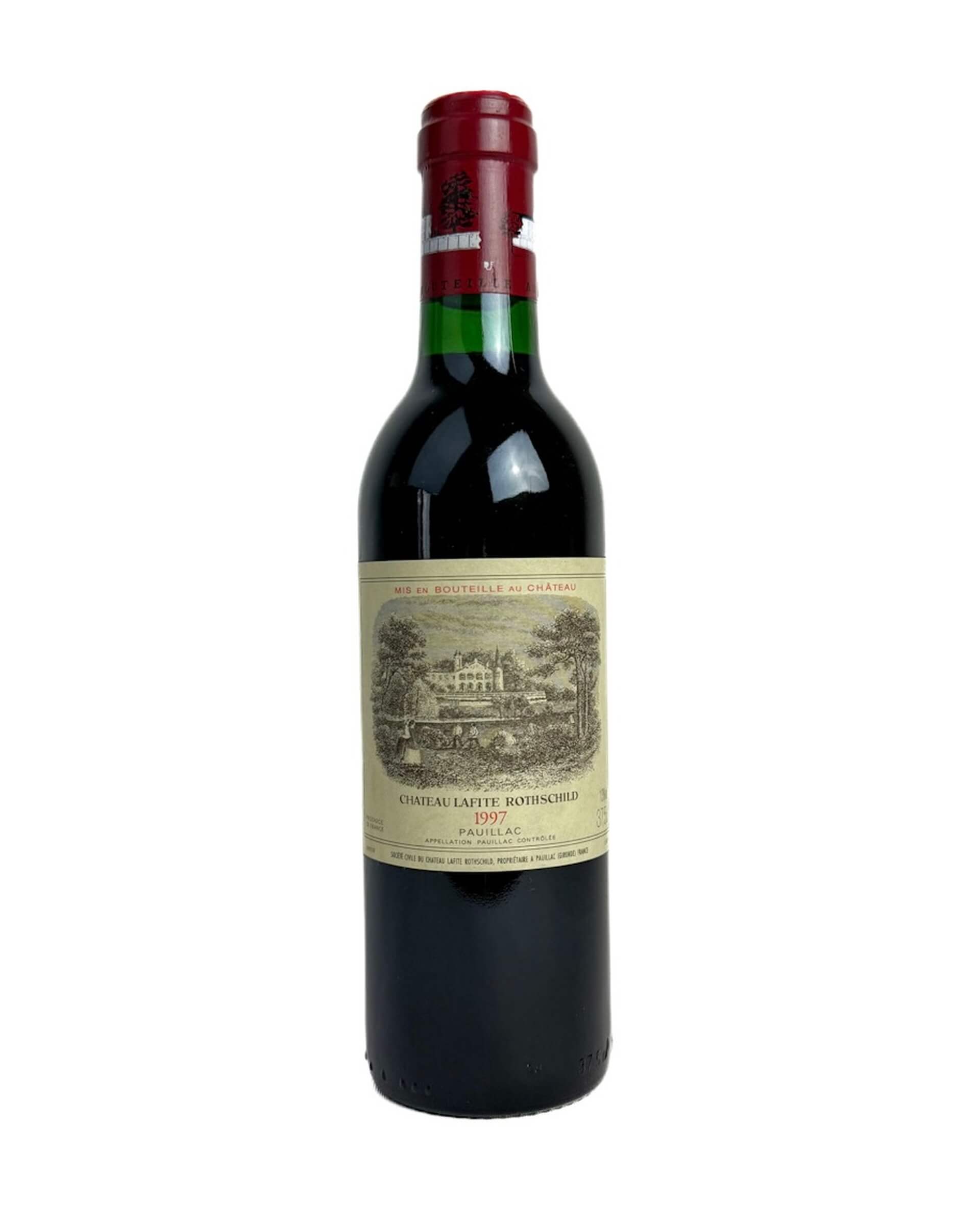
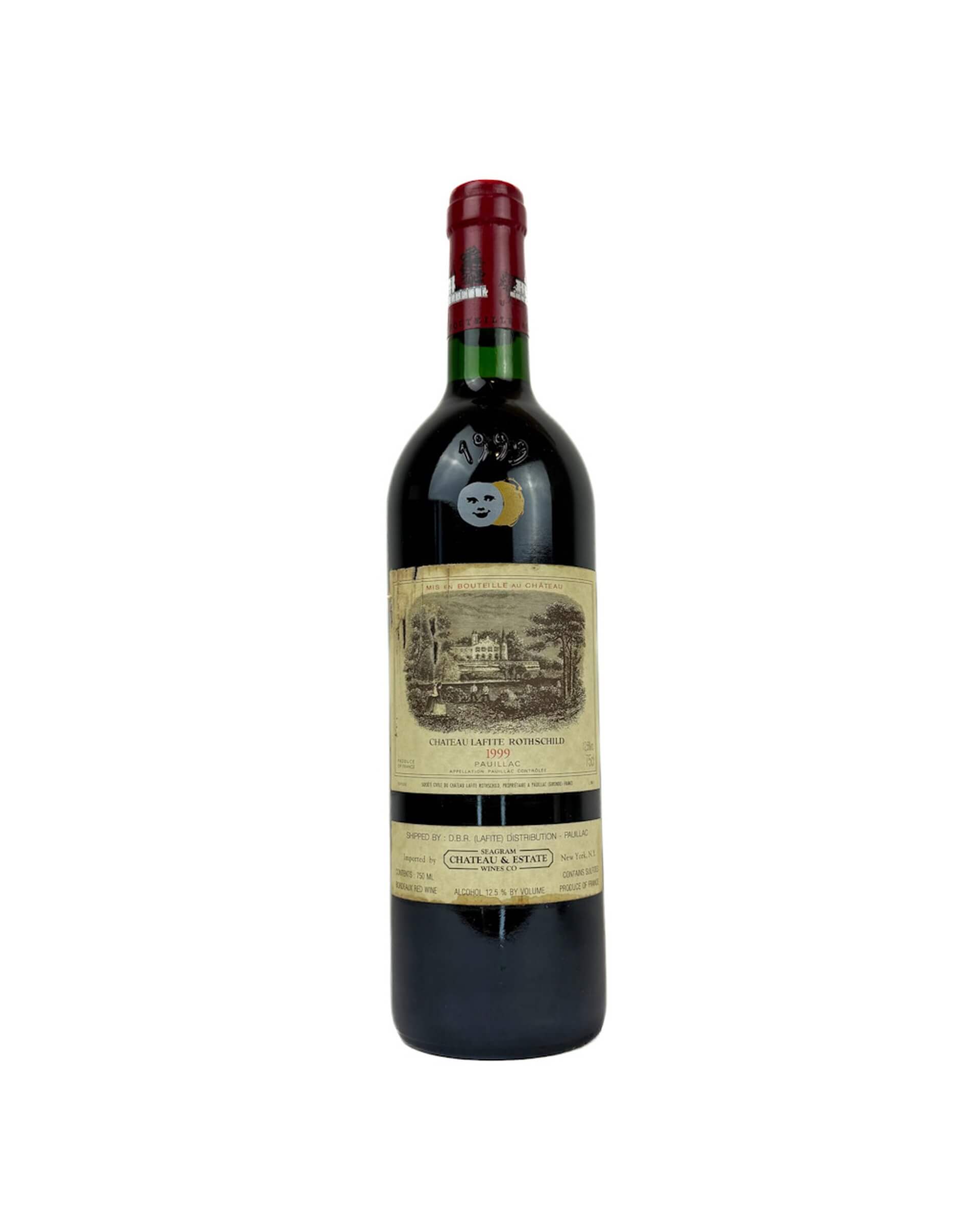
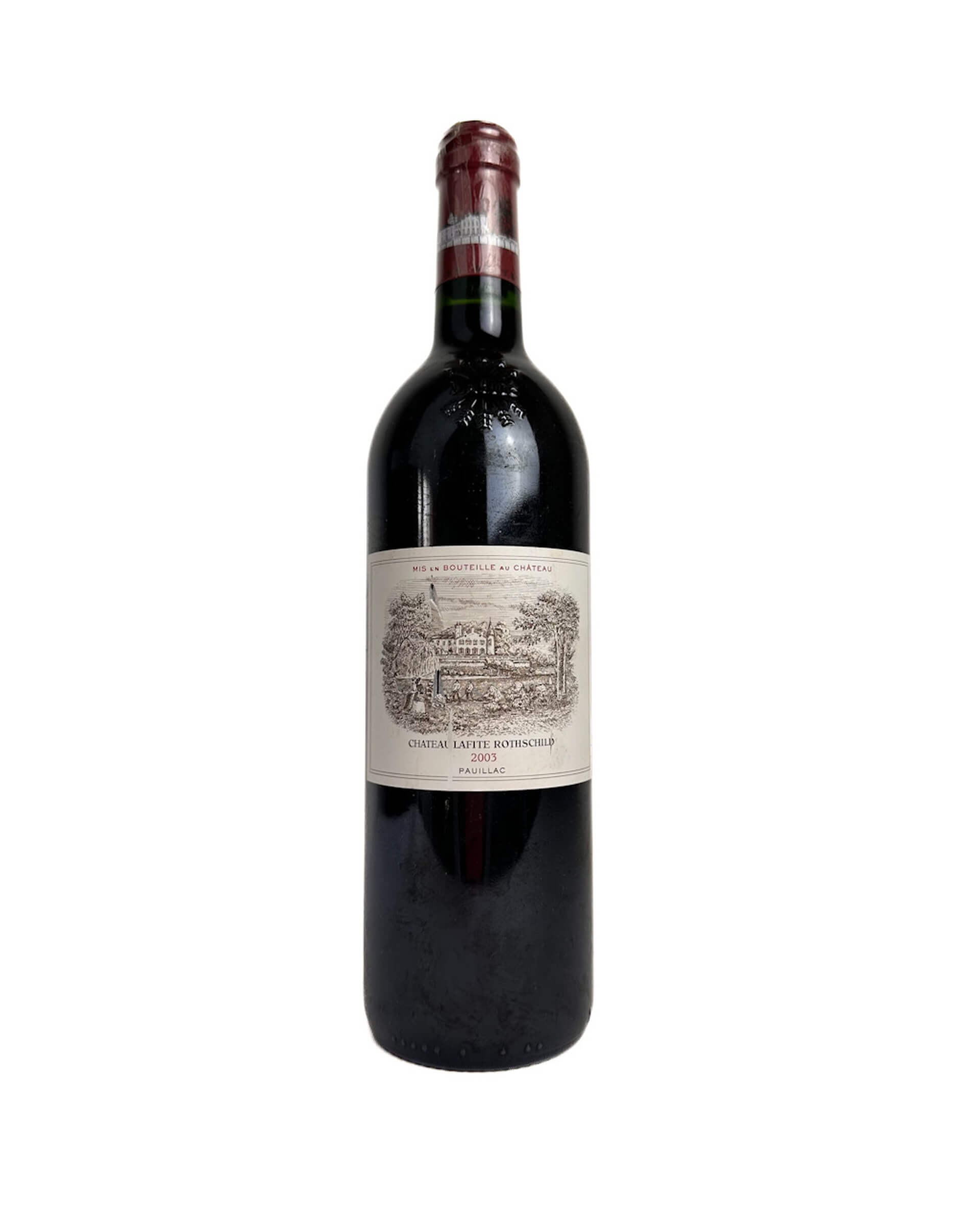
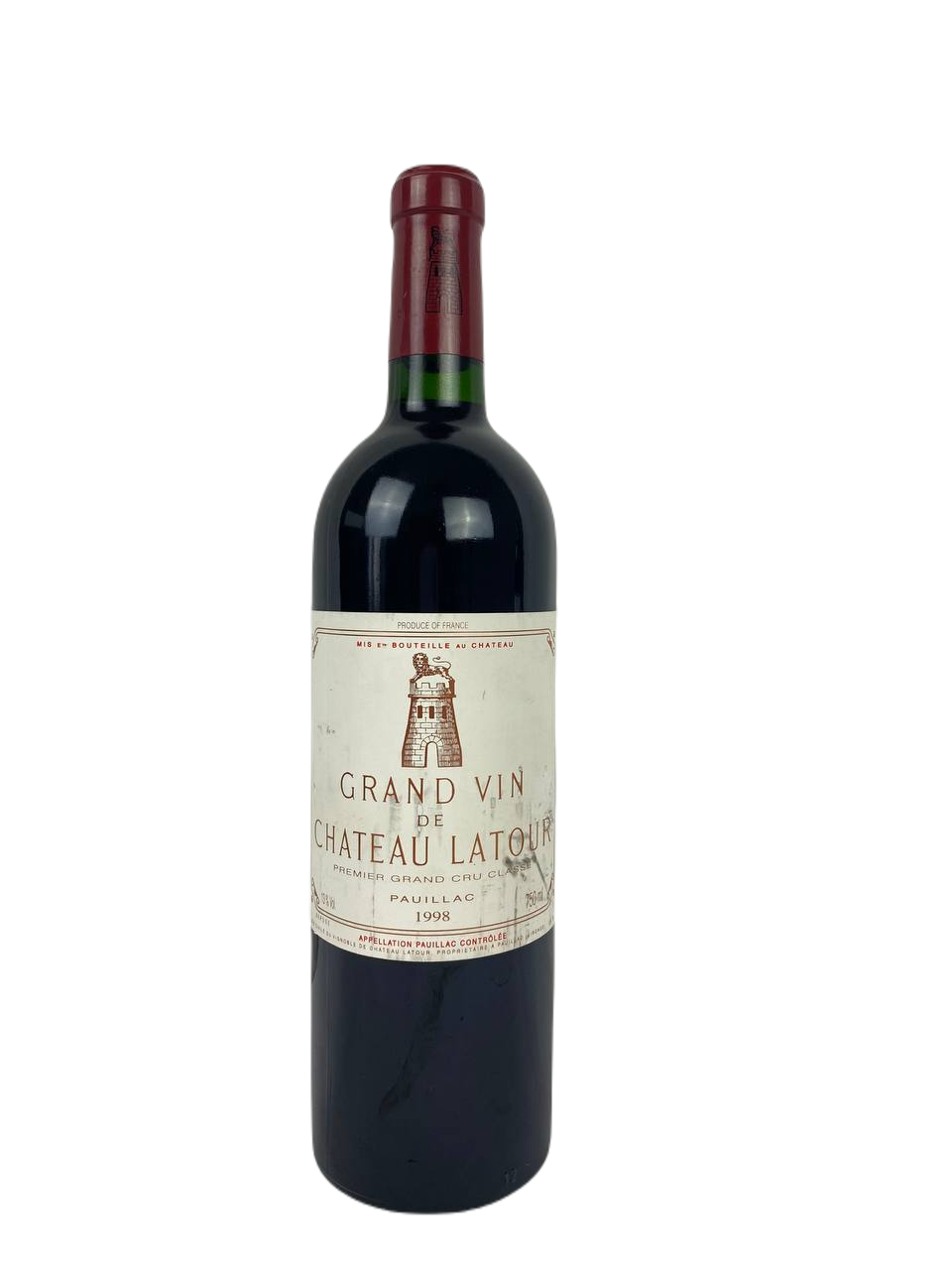
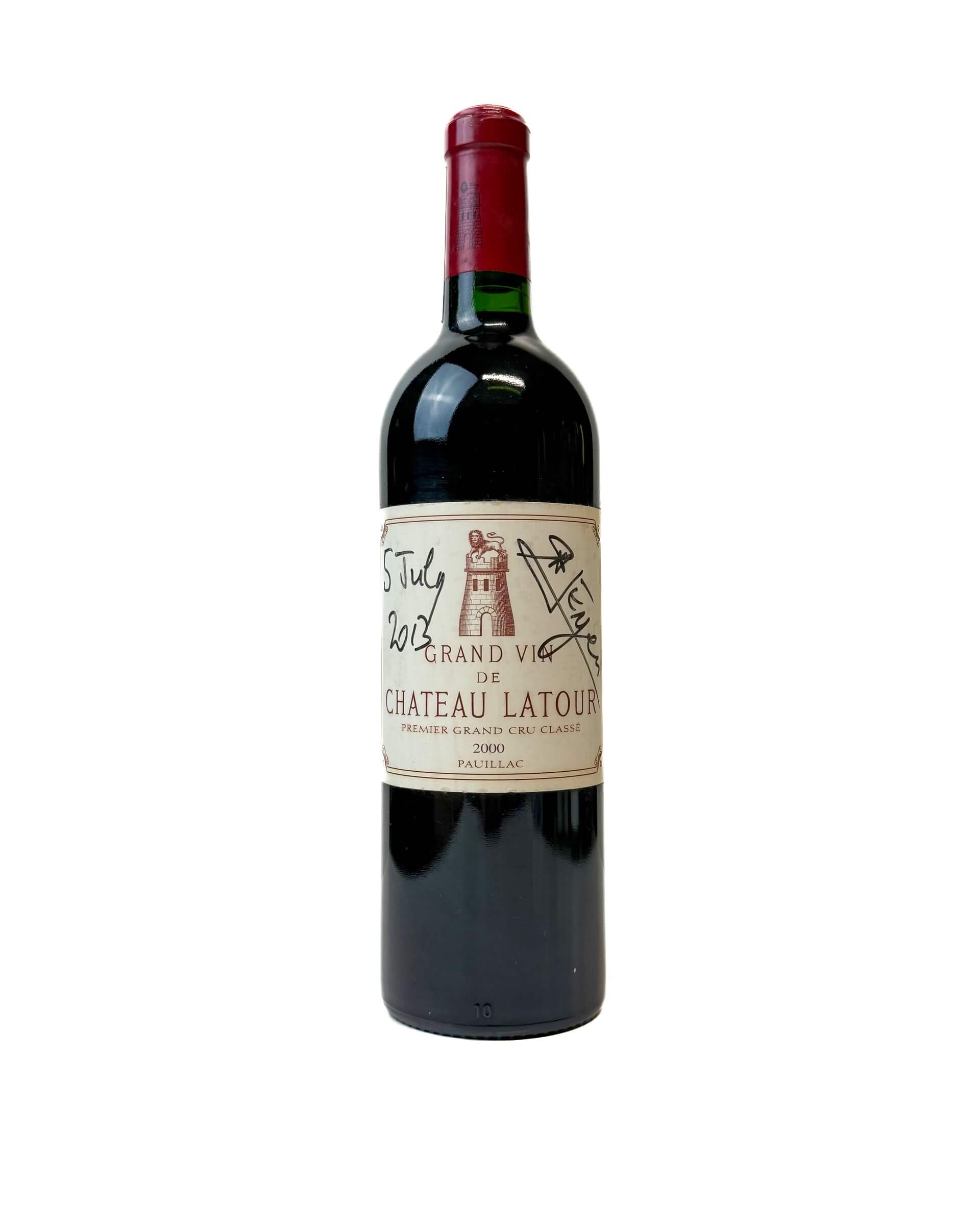
Cabernet Franc covers roughly 6,000 hectares of the Loire Valley, the one major French region where it is bottled as a varietal rather than folded into a blend — and that single fact explains much of its character. A glass of well-made cabernet franc wine opens on violet and red cherry, slips into raspberry and crushed herbs, and finishes with that unmistakable mineral lift — sometimes a whisper of red pepper in cooler years — that has made it the signature red of the Loire.
At Tour de Wine we are, first and foremost, French specialists, and this grape sits close to the heart of what we do. Its two true homelands — the Loire Valley, where it ripens into expressive standalone wines, and Bordeaux, where it lends aromatic lift to the great blends of the Right Bank — are exactly the terroirs our buyers know best. The selection below reflects that focus: 165 bottles spanning everyday Loire reds and collector-tier cuvées, all priced in euros.
Below you will find the full collection ready to browse, followed by an in-depth guide to the grape’s character, its regions, how it differs from Cabernet Sauvignon, what to pour it with, and how to choose the right bottle for your cellar or table.
In a sentence: this is a dry, medium-bodied red with lively acidity, supple tannins and an aromatic profile that leans floral and herbal rather than dark and brooding. It ripens earlier than Cabernet Sauvignon and carries thinner skins, which is why it succeeds in cooler, more marginal sites where its bolder relative would struggle. Those same traits also drive the comparison so many drinkers ask about — the two are closely related, yet they behave very differently in the glass.
The core characteristics worth knowing:
One genetic footnote elevates the grape’s standing: it is one of the natural parents of Cabernet Sauvignon, the result of a spontaneous crossing with Sauvignon Blanc identified by DNA analysis in 1997 (Bowers & Meredith, UC Davis). In other words, the Loire’s understated red is the ancestor of Bordeaux’s most celebrated black grape — a lineage that makes its aromatic, earlier-ripening personality easier to place.
The grape travels well, but it expresses itself most honestly in cooler, well-drained terroirs. The regions that matter most for buyers cluster in France — the Loire Valley for varietal wines, Bordeaux for blends — with serious supporting roles in northeast Italy and, for context, the New World.
The Loire is where this variety reaches its finest standalone expressions. Across the Touraine and Anjou-Saumur sub-regions, Atlantic influence and soils of tufa limestone, gravel and schist give it the freshness and definition it craves. Four appellations define the conversation, and each rewards a different kind of drinker:
For the full breadth of our French range, including the Loire and its neighbours, browse our France wines collection, or compare with the Pinot Noir reds of Burgundy for another cool-climate, perfume-driven style.
In Bordeaux the story is one of partnership rather than solo performance. On the Right Bank — Pomerol and Saint-Émilion — the grape is a primary or significant blending variety alongside Merlot, contributing aromatic lift, freshness and backbone on clay-rich soils where Cabernet Sauvignon would struggle to ripen fully.
To explore the appellation where it plays its most prestigious blending role, see our Bordeaux selection, the partnering Petit Verdot that rounds out Left Bank blends, and for the wider category of structured reds, our red wines hub.
Friuli-Venezia Giulia and the Veneto produce some of Italy’s most intriguing examples — leaner and more herb-tinged than the Loire’s, with cool-site precision rather than richness. Further south in Tuscany, Bolgheri builds the grape into its celebrated Super Tuscan blends, often alongside Cabernet Sauvignon and Merlot. Discover these styles in our Italy collection.
Washington State and California’s Napa Valley produce riper, fuller-bodied versions, with deeper colour and far less herbaceous character than the Old World norm. Our catalogue centres on European producers, but these regions offer useful comparative framing for drinkers used to New World weight and generosity.
By style and price, the regions sort roughly as follows:
This is a vintage-sensitive grape, so the year on the label matters. A few recent reference points for Loire reds:
This is the comparison most drinkers want settled, and the answer is more interesting than a simple ranking. The Franc is the lighter, more aromatic, earlier-maturing of the two and far more versatile at the table; Cabernet Sauvignon is fuller-bodied, more tannic and built for extended cellaring in the classic Bordeaux mould. Remember, too, that the relationship is literally parental — the Franc came first.
For food flexibility and earlier drinking, the Franc wins; for a long-term cellar investment in classic Bordeaux style, reach for the other grape. You can compare the two side by side in our Cabernet Sauvignon range — and explore Merlot, its constant companion in Right Bank blends.
Few red grapes are as accommodating at the table. The right approach to pairing follows the style of the wine, from supple Loire reds to structured Bordeaux blends.
Finding the right bottle for you is less about chasing a single label and more about matching style and budget to occasion. Tour de Wine’s collection runs from approachable Loire reds to rare collector cuvées, and because we are a French merchant, every price is in euros. Here is how the selection breaks down for three kinds of buyer.
The curious beginner. Prices start at around €40 for the most everyday styles, with the heart of the accessible range between €130 and €380 — where you find genuine Loire expressions such as Saumur-Champigny, young Saint-Nicolas-de-Bourgueil and approachable Chinon village wines that show the grape’s aromatic personality without paying a complexity premium.
The enthusiast. Most bottles in the selection sit near the €380 median, and this is where the grape becomes truly serious: established-producer Chinon and Bourgueil with real site character, alongside Right Bank Bordeaux where it plays a starring role. At this tier you can expect genuine ageing potential and a clear sense of place.
The collector. At the ninetieth percentile, around €2,310, you reach icon-producer Loire and Bordeaux Right Bank bottles with 15 to 25 years of cellaring ahead of them. The rarest cuvées — top-domaine parcellaire wines and collector-tier Italian expressions — climb to as much as €13,900, reserved for long-term cellaring and serious occasions. Collectors building this tier should also browse our Grand Cru and 1er Cru classifications.
With 165 bottles to choose from, the range is deep enough to support both a confident first purchase and a considered addition to an established cellar.
Yes — it is one of the friendliest reds to start with. Its supple tannins and bright acidity make it easy to drink without the grip that puts newcomers off bigger reds, and the aromatic, red-fruited Loire styles such as Saumur-Champigny (from around €40 at entry level) are approachable young and pair with everyday food. Start there before moving up to structured Chinon or Right Bank Bordeaux.
A short decant helps. For a young Chinon or Bourgueil in its first few years, 20–30 minutes in a decanter lifts the violet and red-fruit aromatics and softens the slight grip; serve at 14–16 °C. Older bottles (8–15 years) benefit from a longer 45–60 minute decant at 15–17 °C, with care to leave any sediment behind.
It depends on what you want from the bottle. Buy Loire (Chinon, Bourgueil, Saumur-Champigny) for pure varietal character, food versatility and earlier drinking, often at lower prices; these are wines to enjoy across a wide range of meals. Buy Right Bank Bordeaux (Pomerol, Saint-Émilion) when you want blended power, prestige names and the longest cellaring, with prices that rise accordingly toward the collector tier.
Longer than most buyers expect. Saumur-Champigny and lighter Loire styles are at their best in the first three to six years. Top Chinon and Bourgueil from serious producers can develop beautifully over 10 to 20 years, gaining complexity while keeping their fresh acidity. Right Bank Bordeaux blends, such as certain Saint-Émilion cuvées, can age for 20 to 30 years or longer — which is why the rarest bottles in our range justify their place in a long-term cellar.
Written by the Tour de Wine buying team. Last reviewed: June 2026.
This site is restricted to adults. By entering, you confirm that you are of legal drinking age in your country of residence.