Type at least 3 characters...

Wines, producers, regions...
Single Malt Whisky

Filters

Countries

What Is Single Malt?

Single malt is the most expressive form of whisky in the world: a spirit made from 100% malted barley, distilled entirely at one distillery, and matured in oak until it carries the unmistakable signature of its origin. Unlike a blend, it is never married with grain spirit or whisky from other producers, which is precisely why it speaks so clearly of its region, its water, its stills and its casks. Whether double-distilled in the Highlands or triple-distilled in the Lowlands, each bottle is a portrait of a single place and a single house.

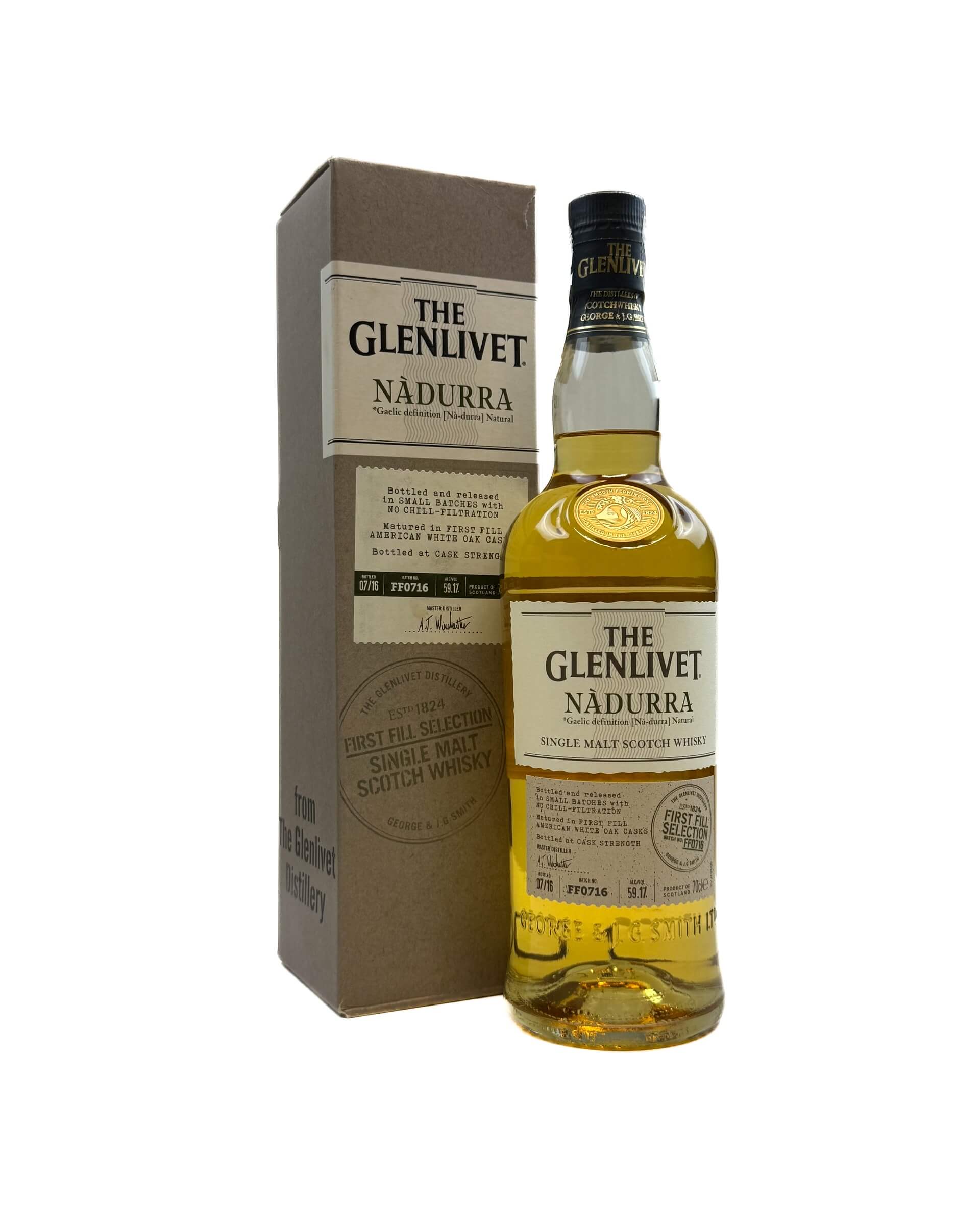
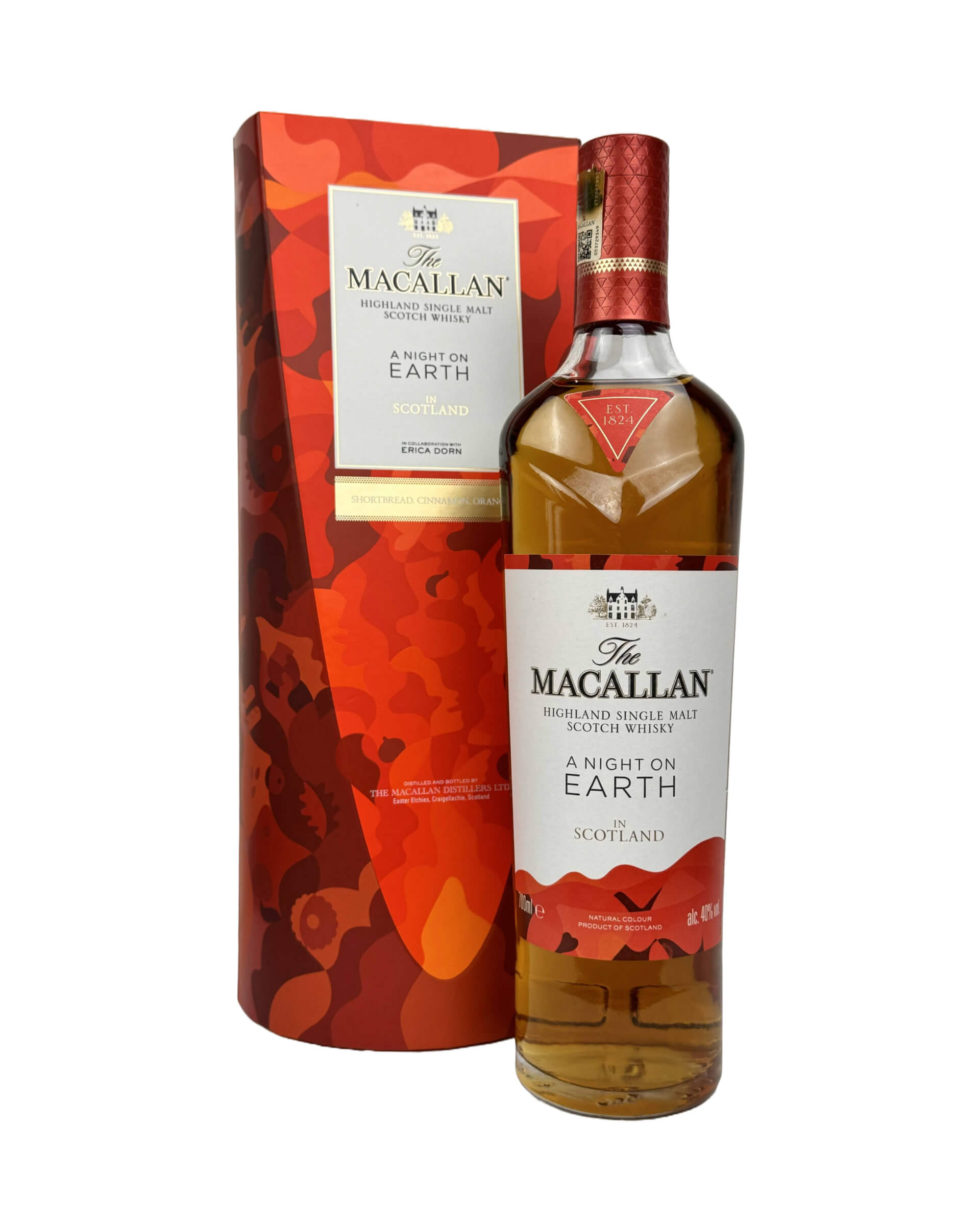
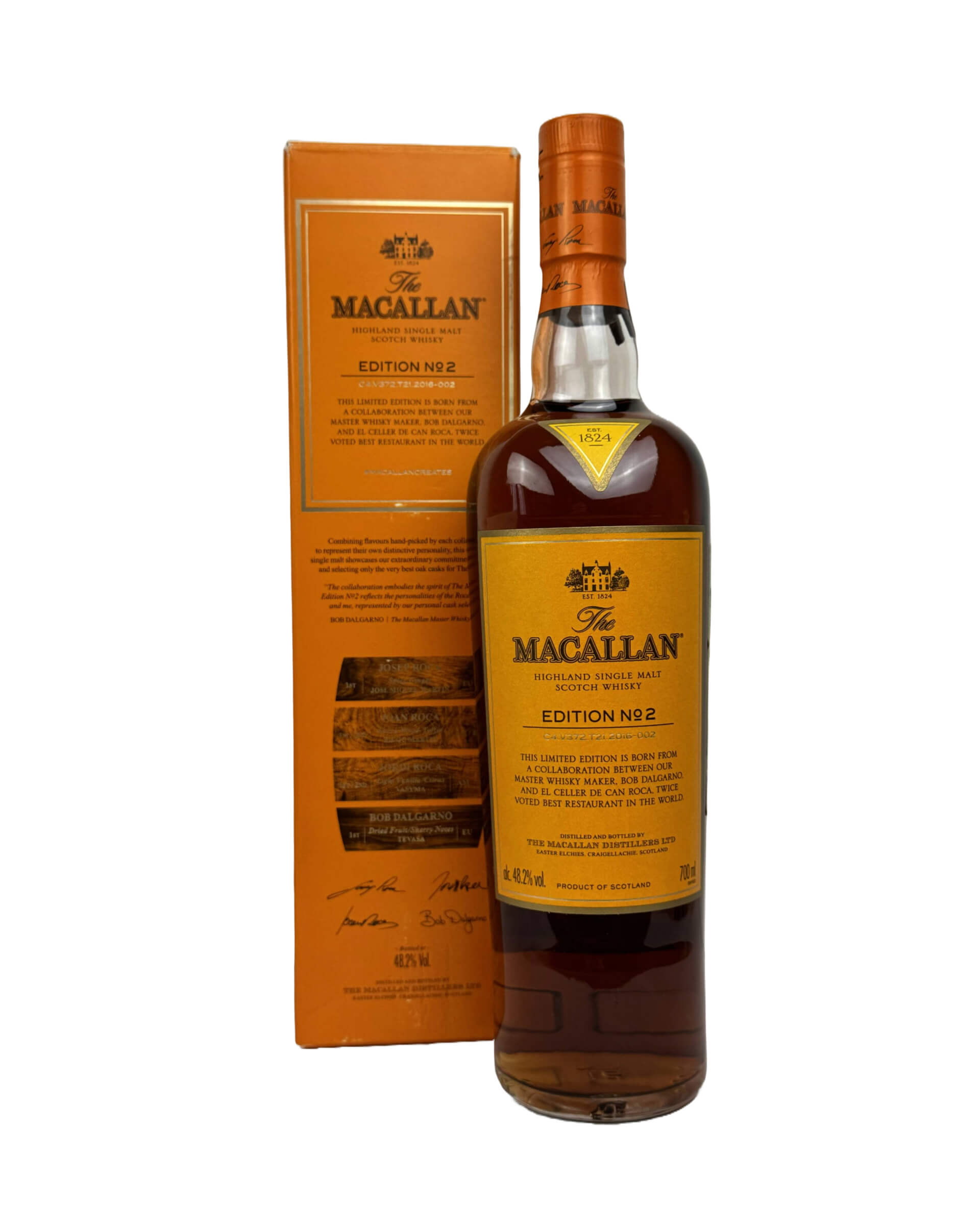
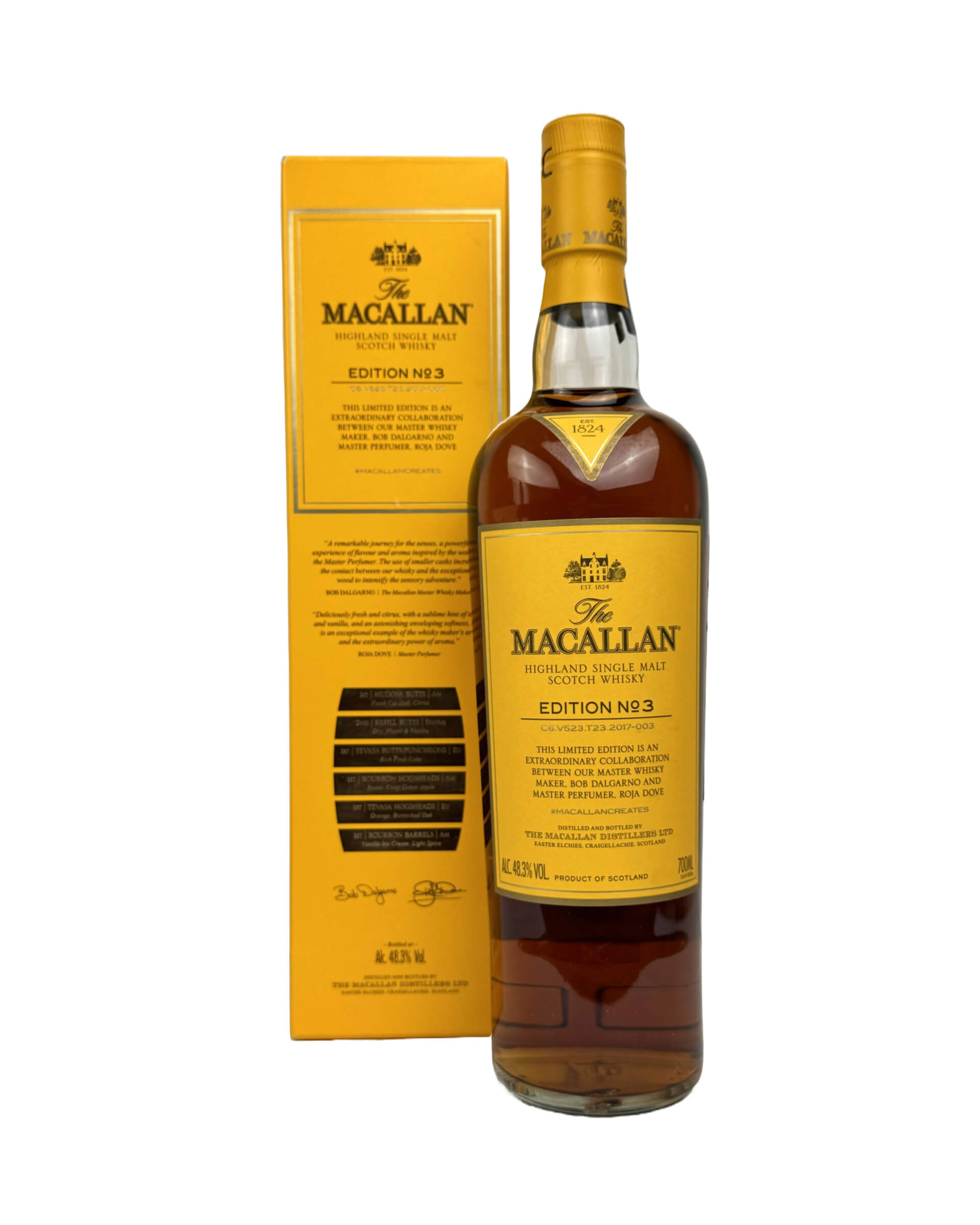
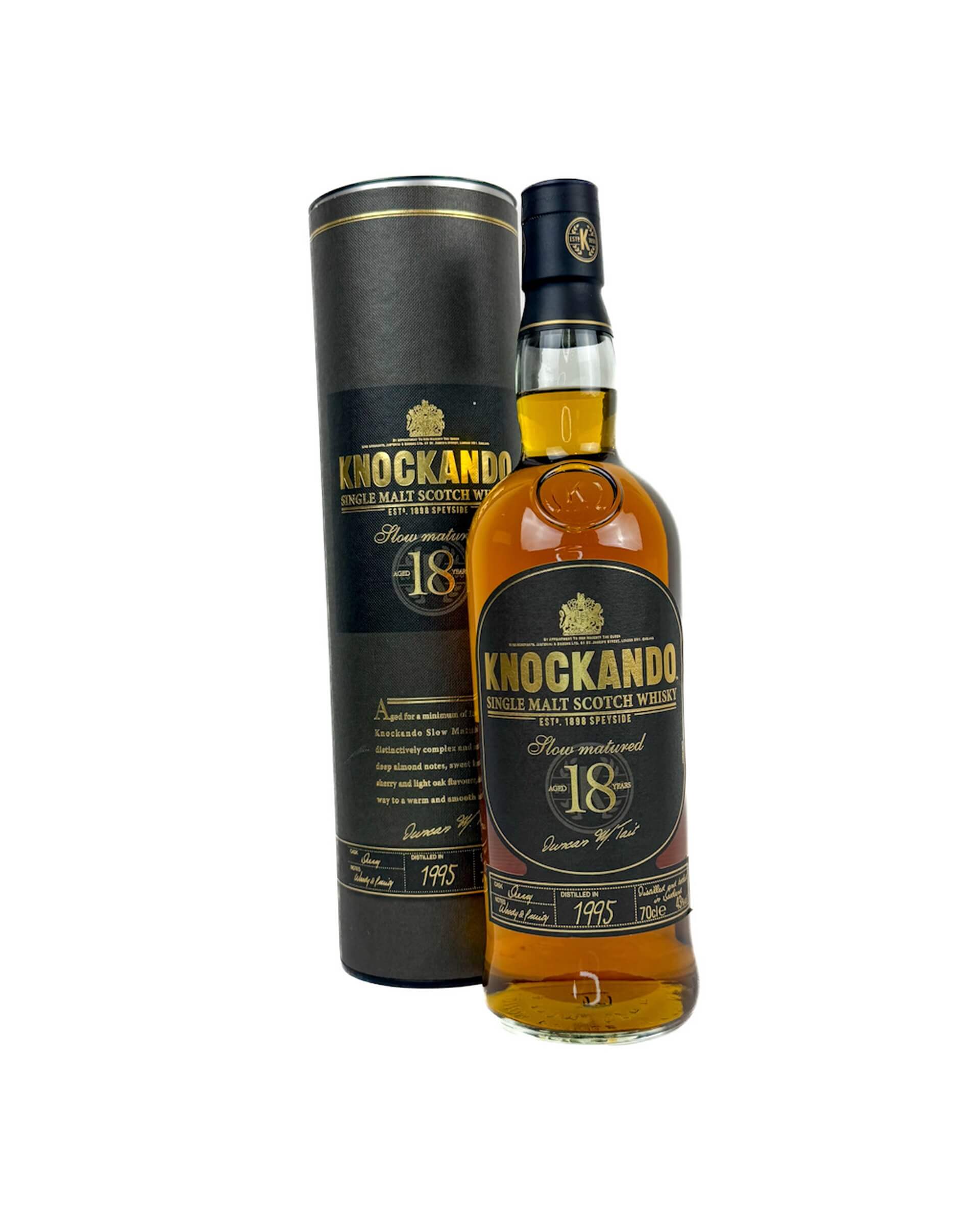
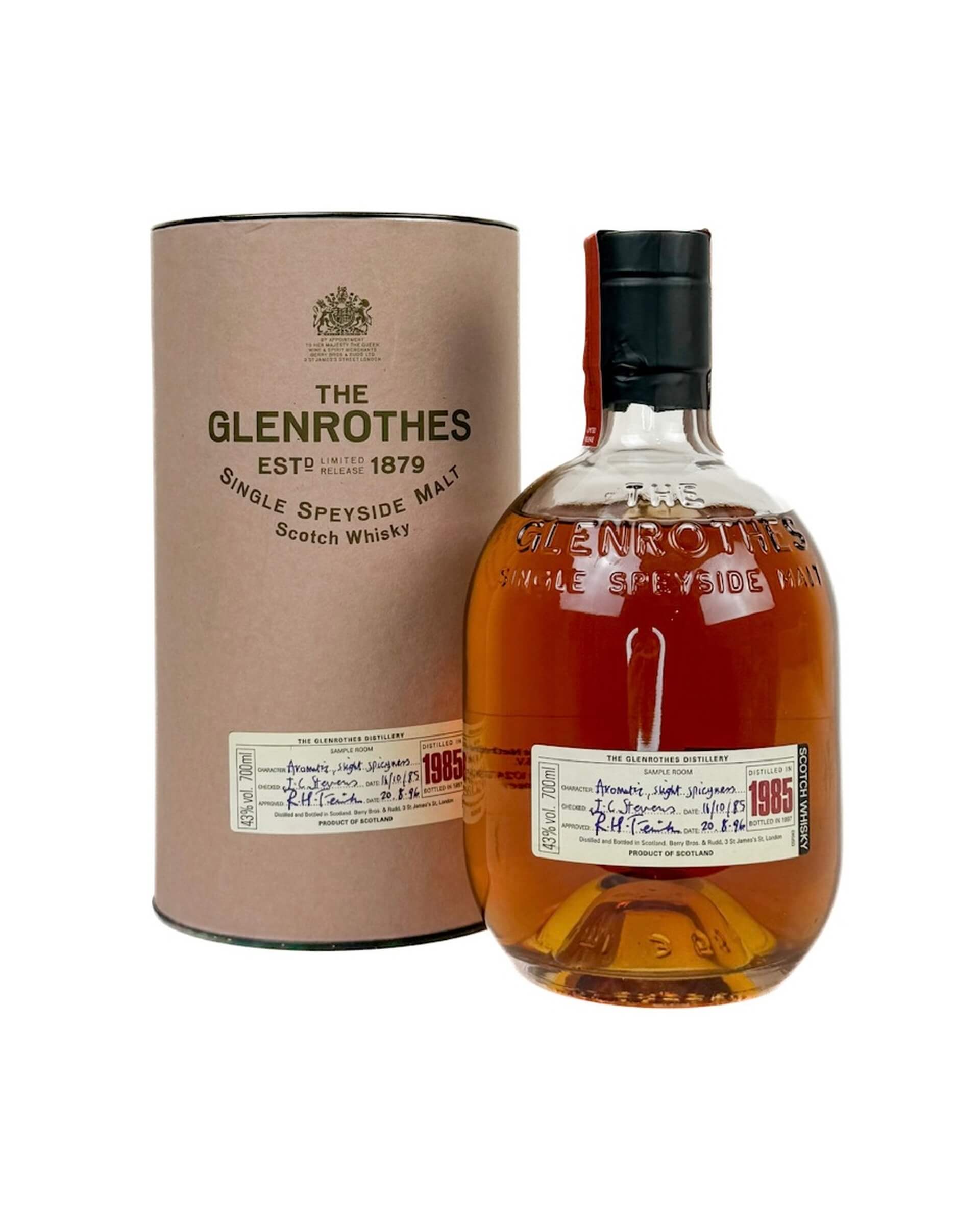
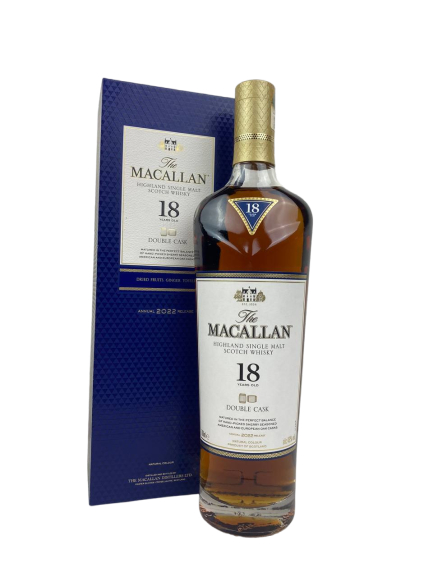
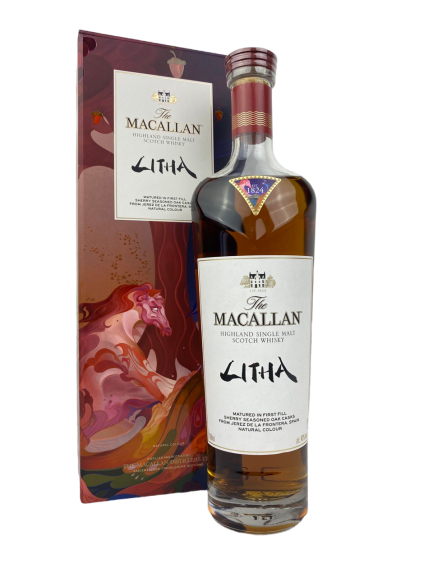
At Tour de Wine we approach the category the way we approach fine wine — with an eye for provenance, balance and ageworthiness. Our curated selection runs to 35 expressions, from approachable entry-level drams to rare collector bottlings, drawn principally from the great Scottish whisky regions. Explore the range below, or browse our full whisky selection and the wider range of whisky styles and types to find the dram that suits your palate.

The Regions: Where Single Malt Comes From

More than anything else, region shapes the character of a single malt. The same raw material — malted barley — yields radically different whiskies depending on where it is distilled, how the local water runs, whether peat is used to dry the malt, and which casks are filled. Understanding the regions is the single most useful skill a buyer can develop. Below we walk through Scotland’s five recognised whisky regions, then close with a note on Japan, whose distilleries have earned a permanent place alongside the Scots.

The Highlands

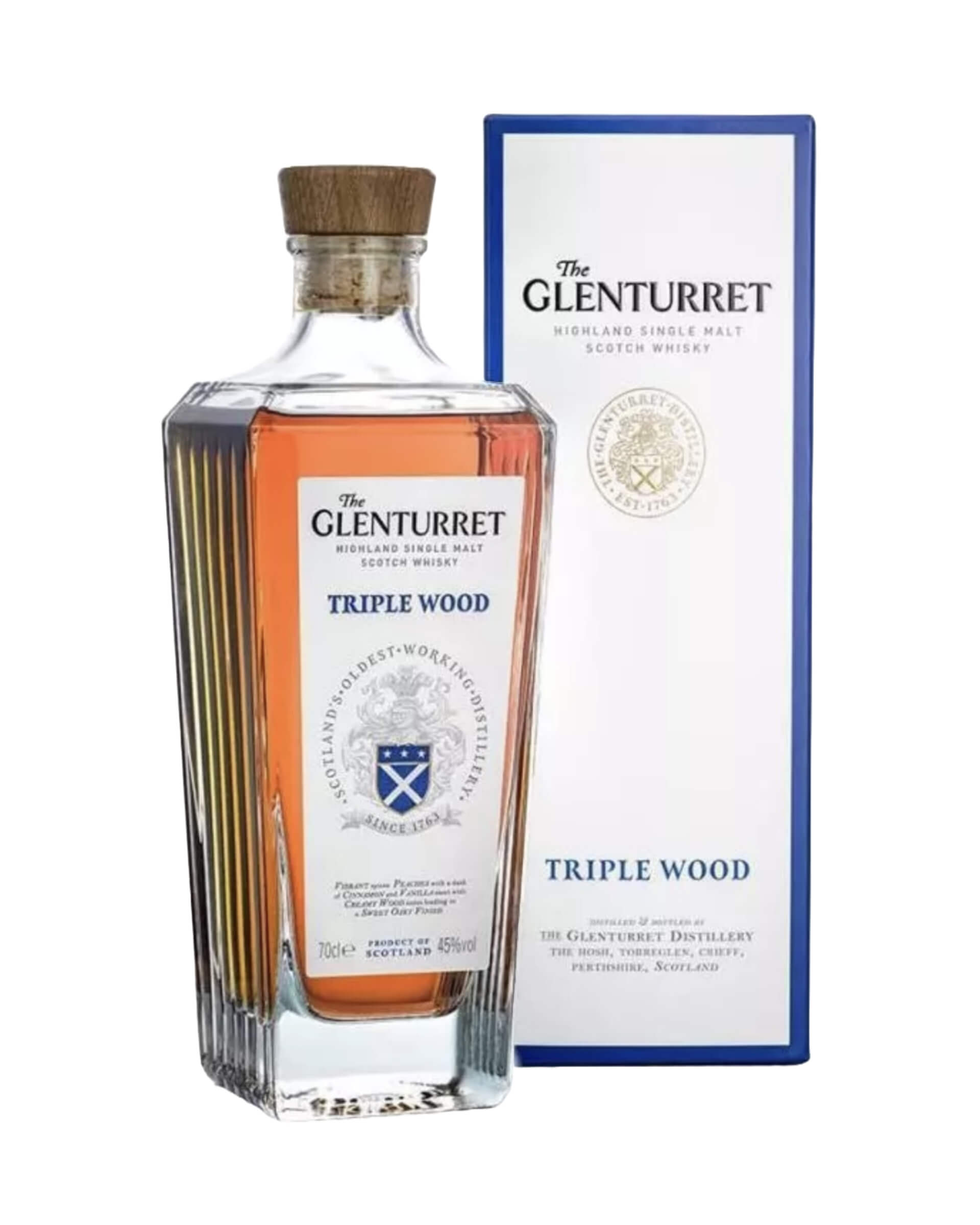
Scotland’s largest region by area and distillery count, the Highlands produce the broadest spread of styles, from coastal and lightly smoky to rich and mountainous. Houses such as Dalmore, GlenDronach and Oban define the classic profile: dried fruit, heather, gentle spice and a whisper of smoke. A versatile Highland malt is an ideal step up for drinkers ready to explore depth.

Speyside

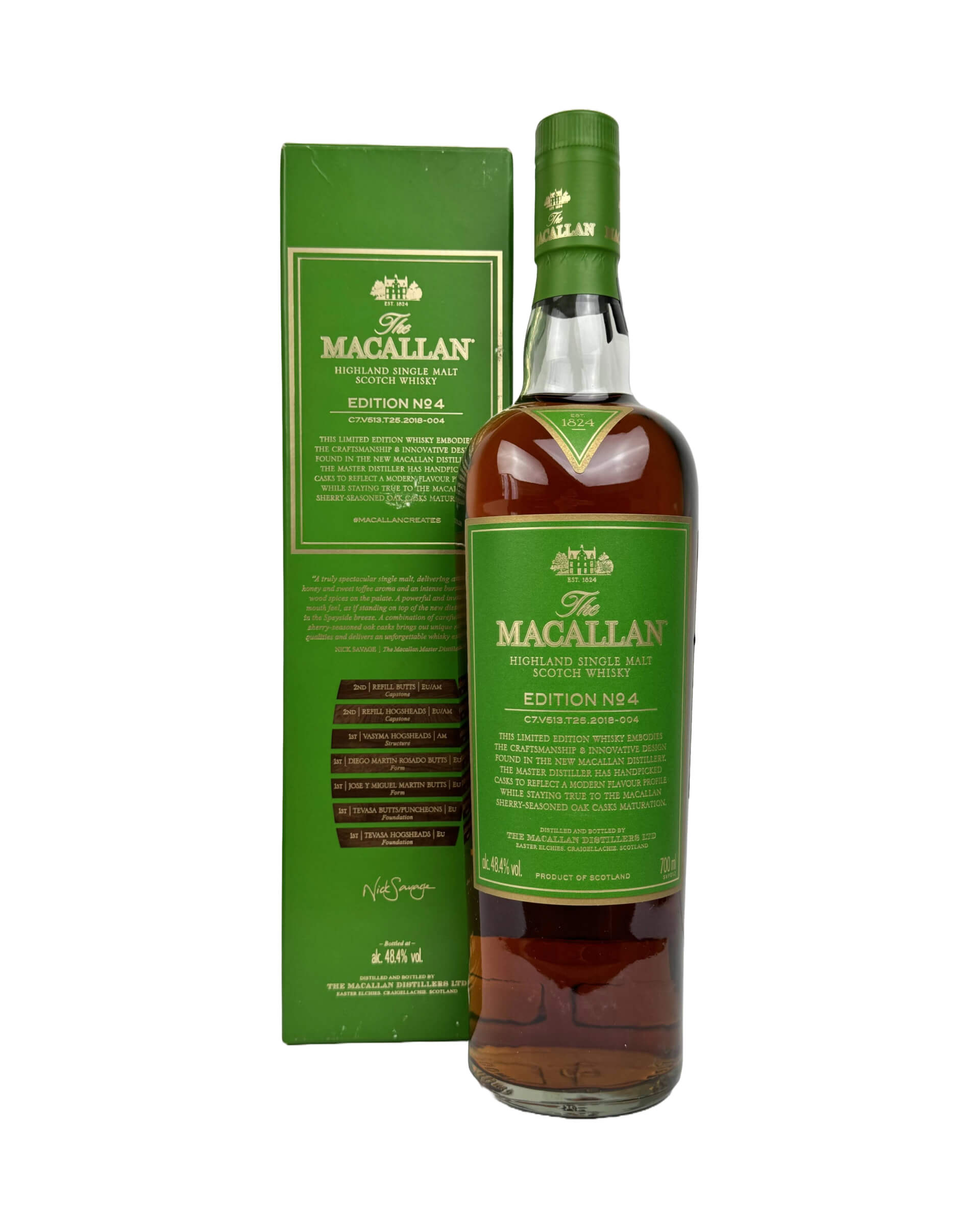
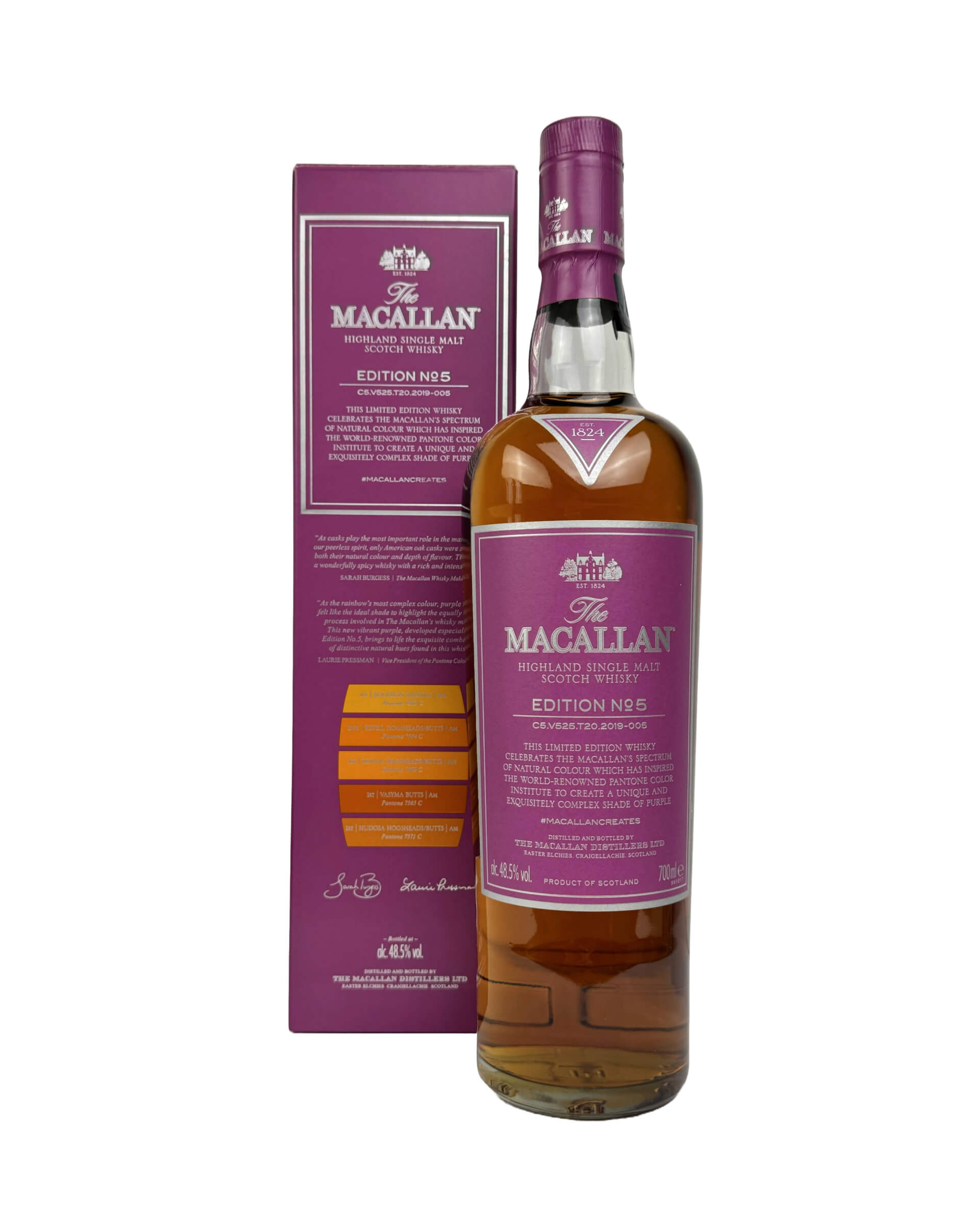
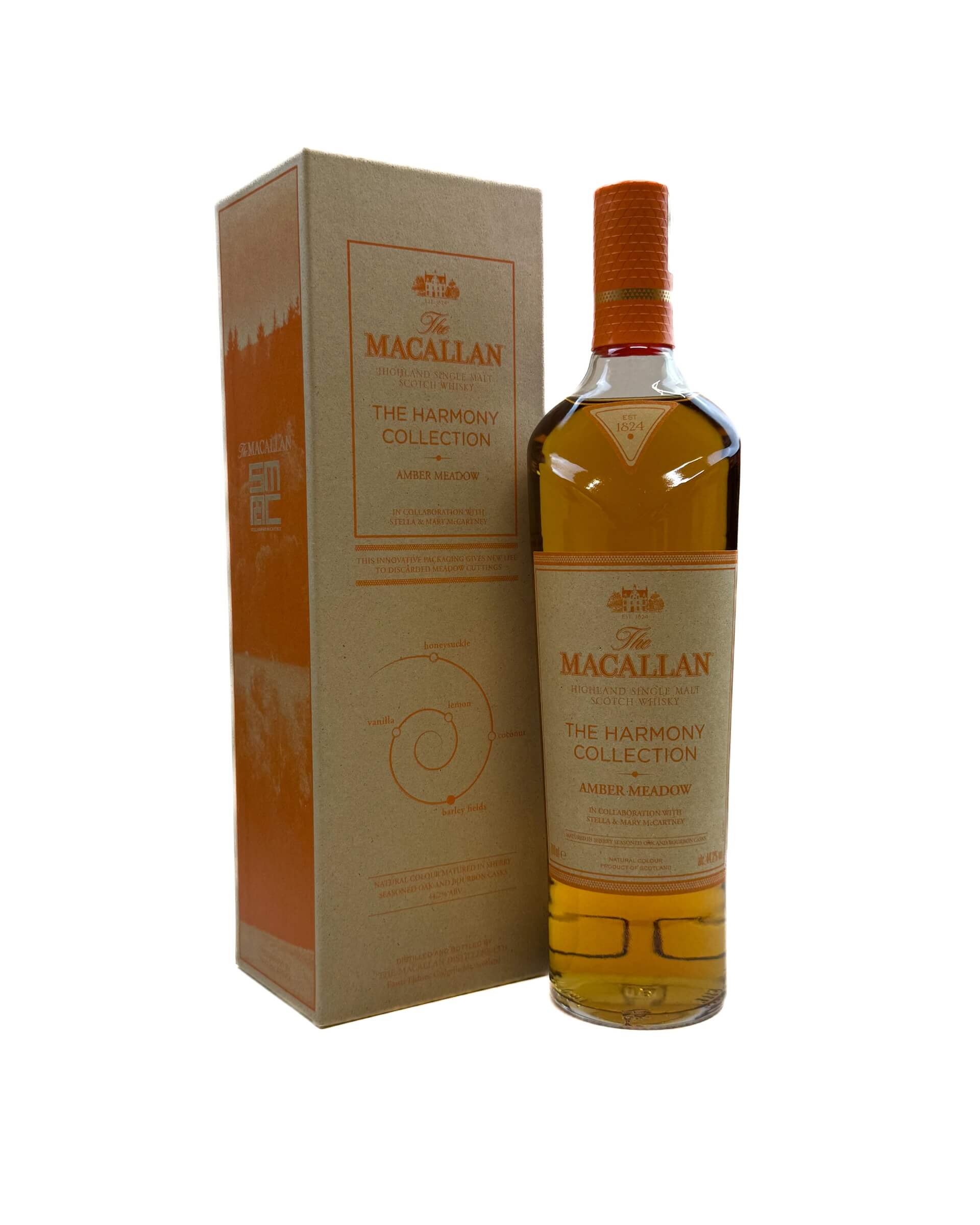
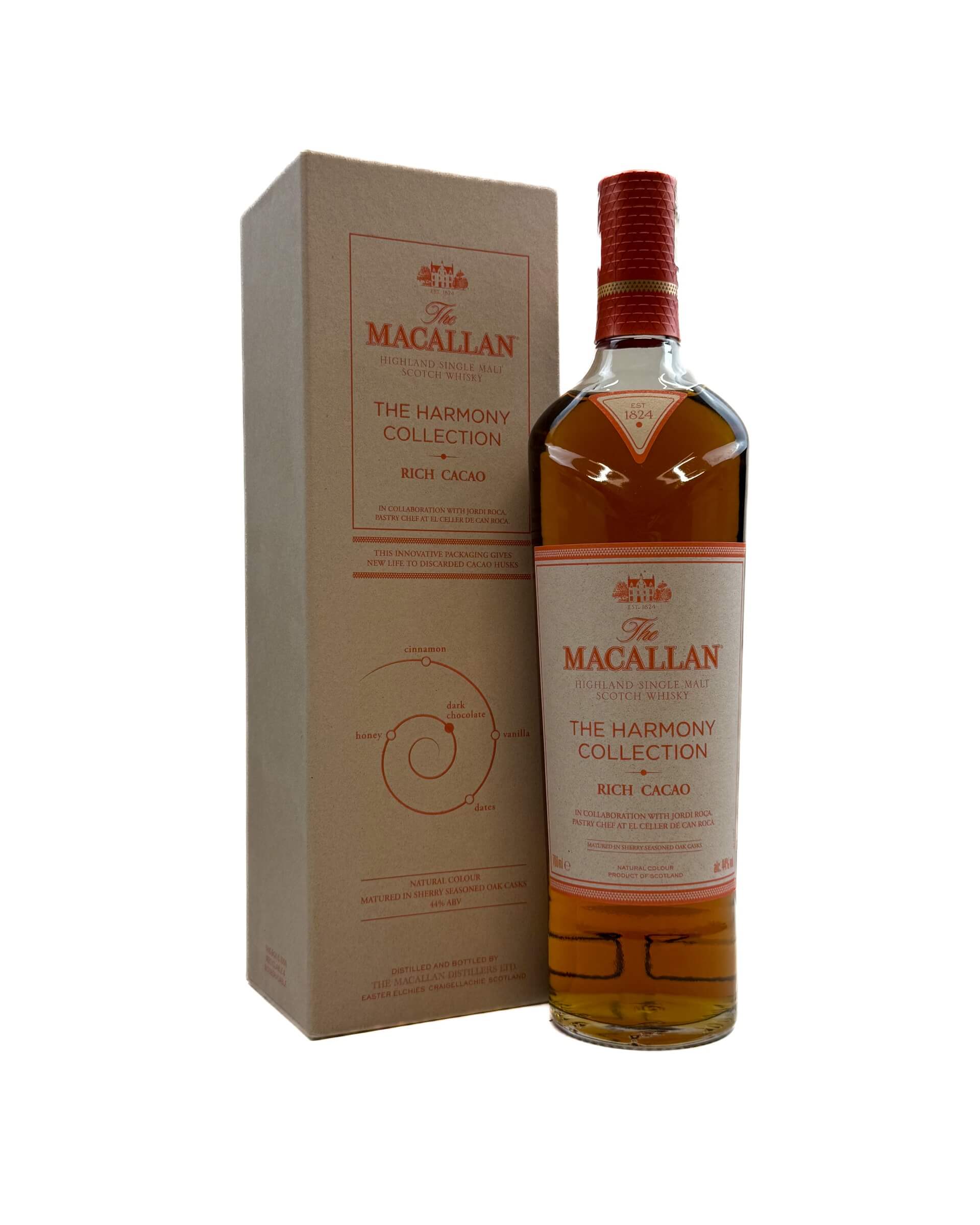
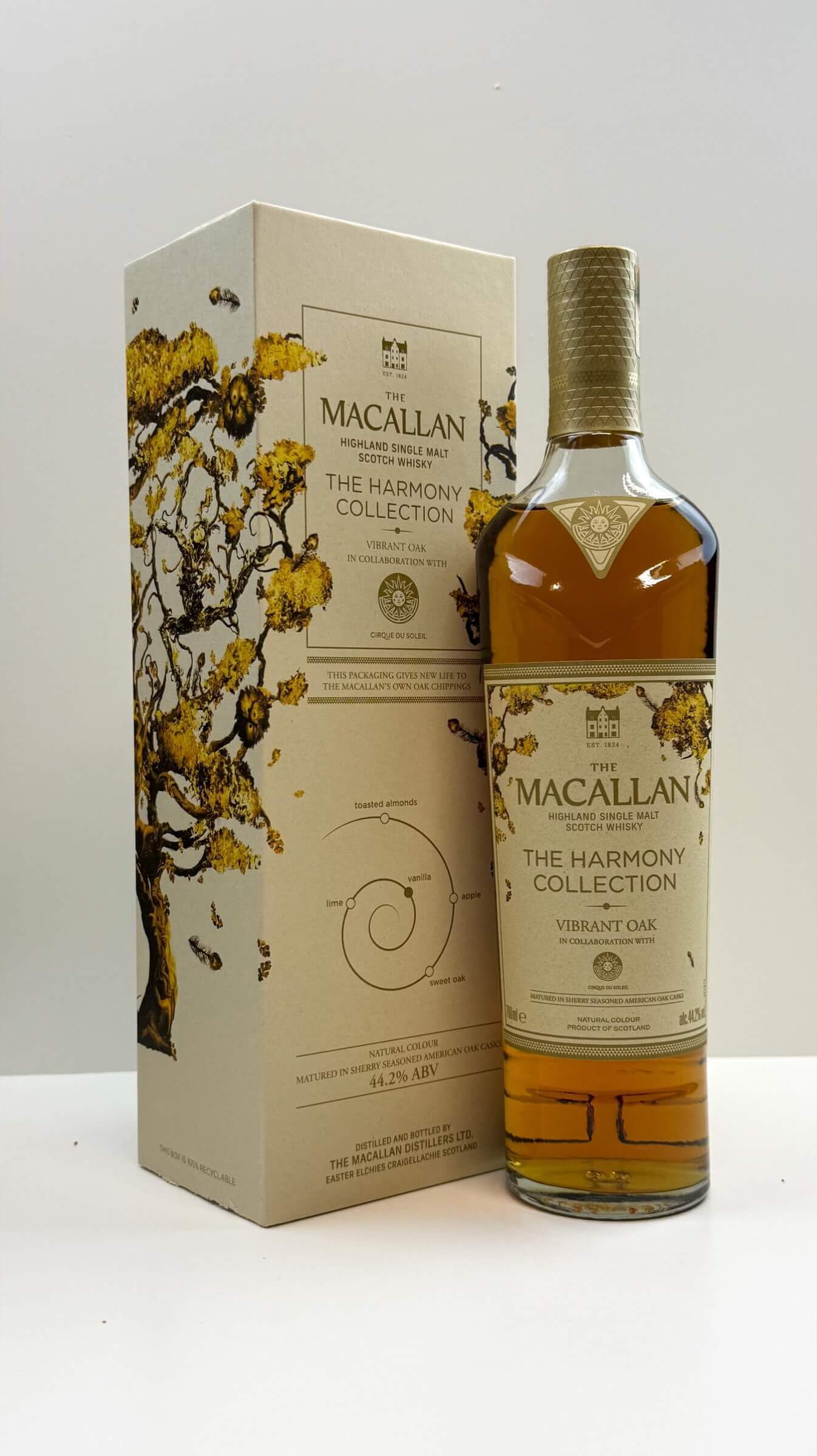
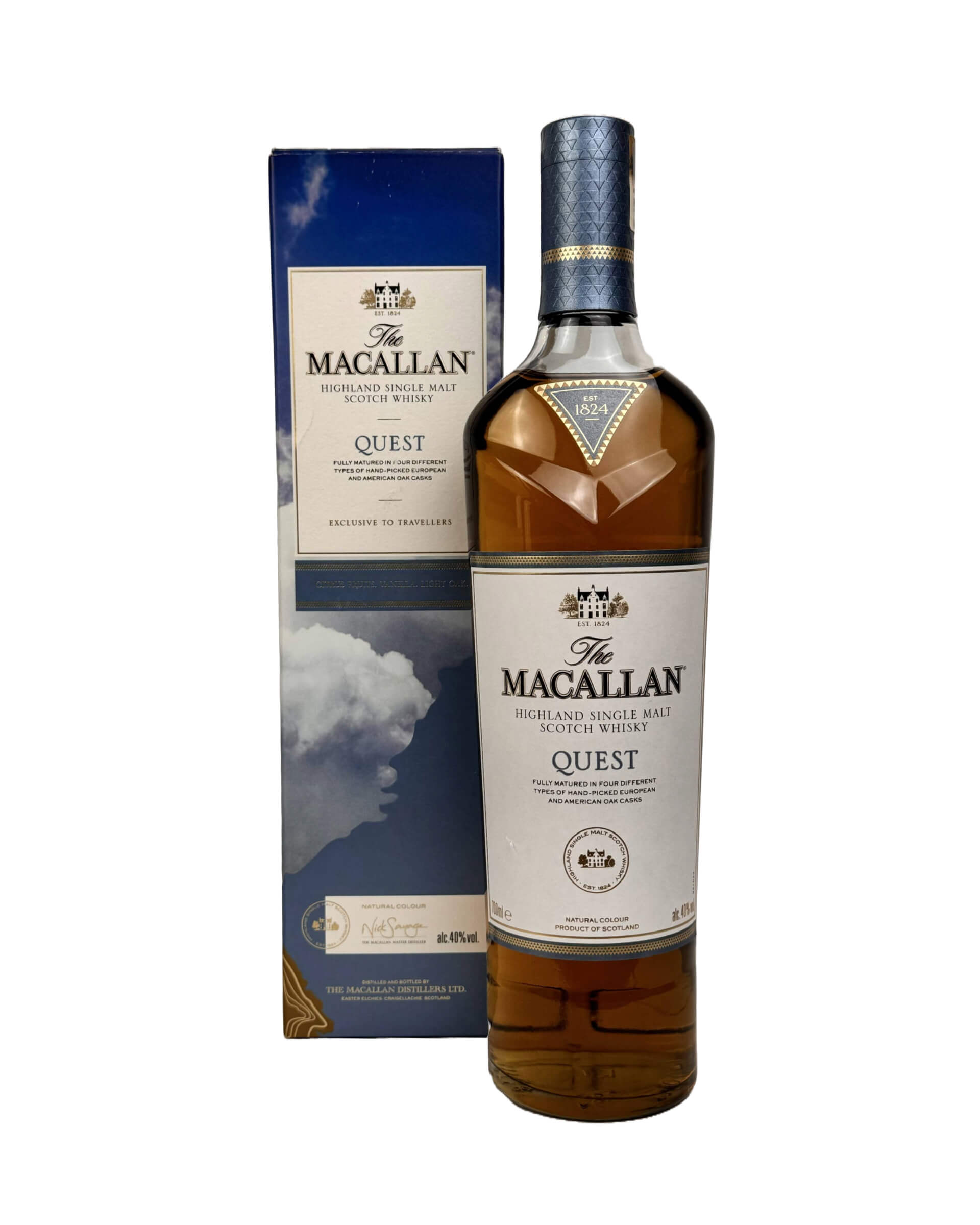
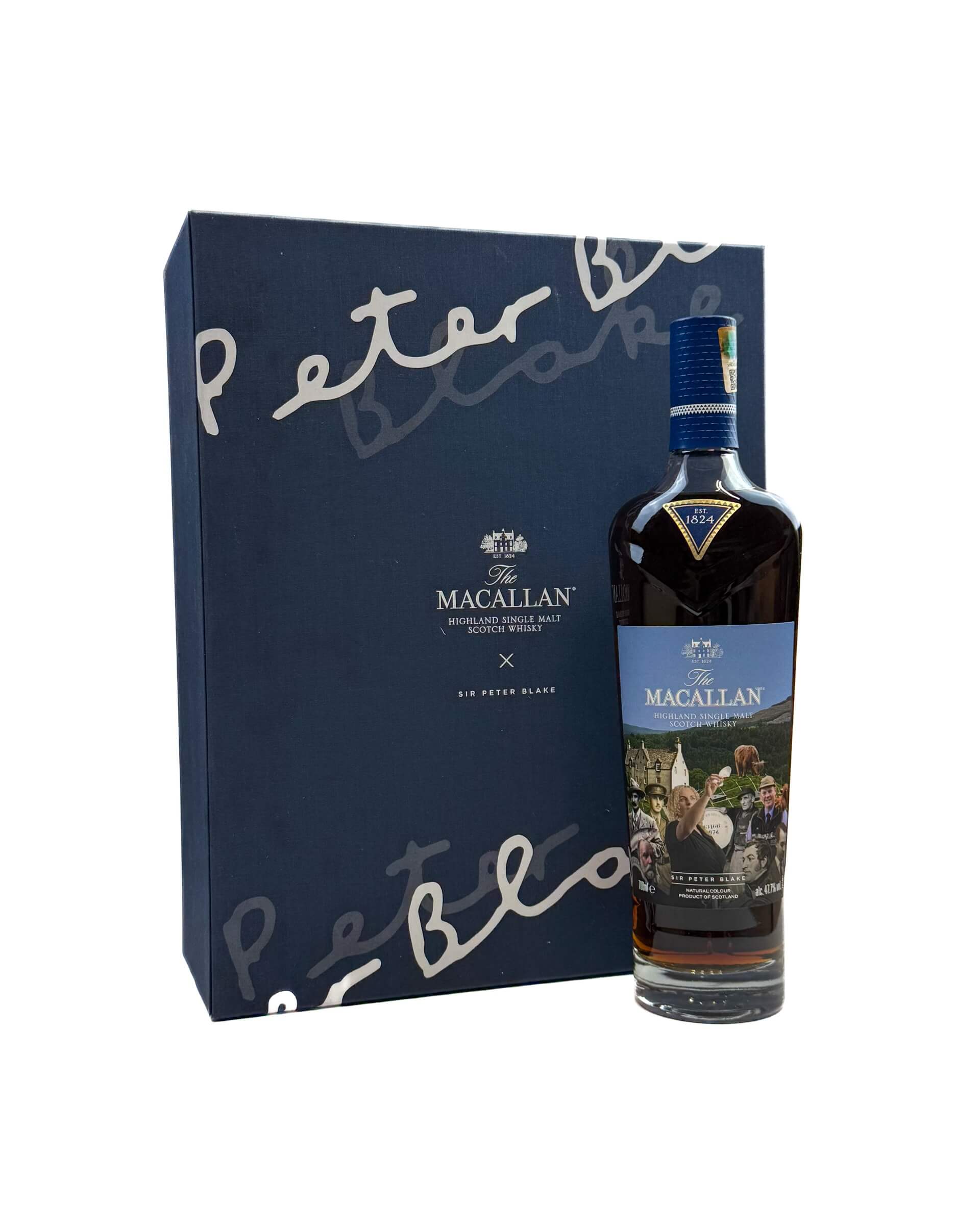
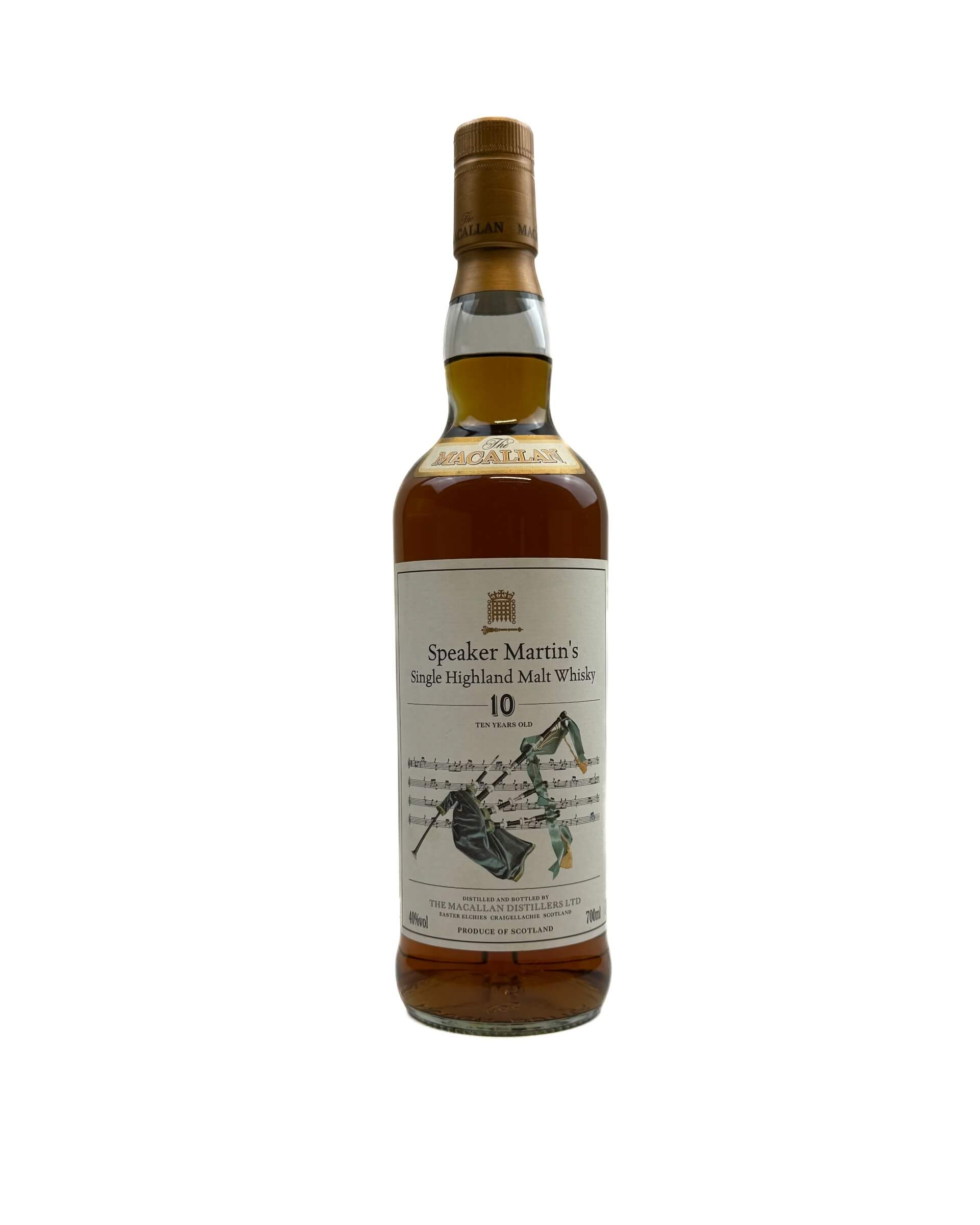
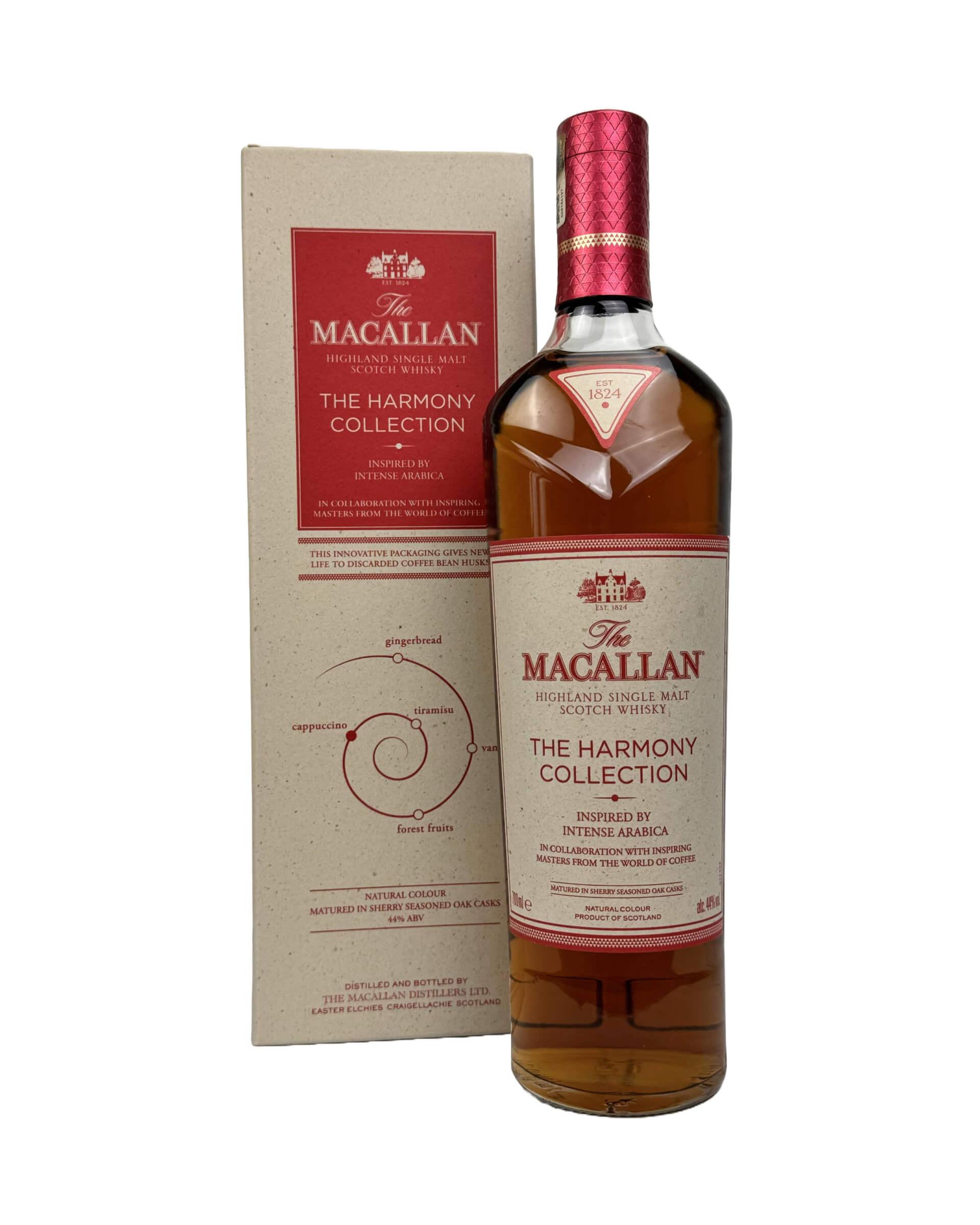
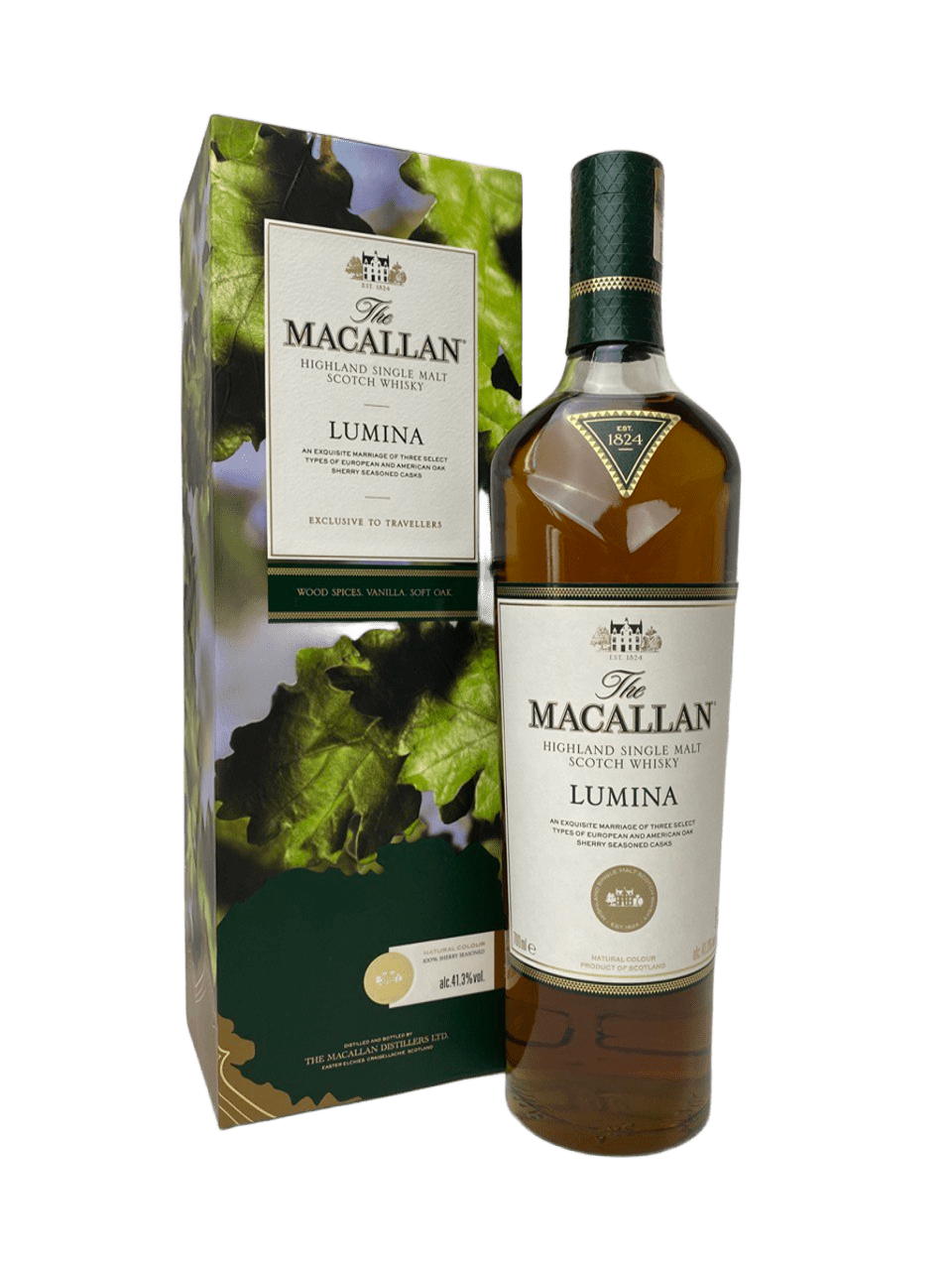
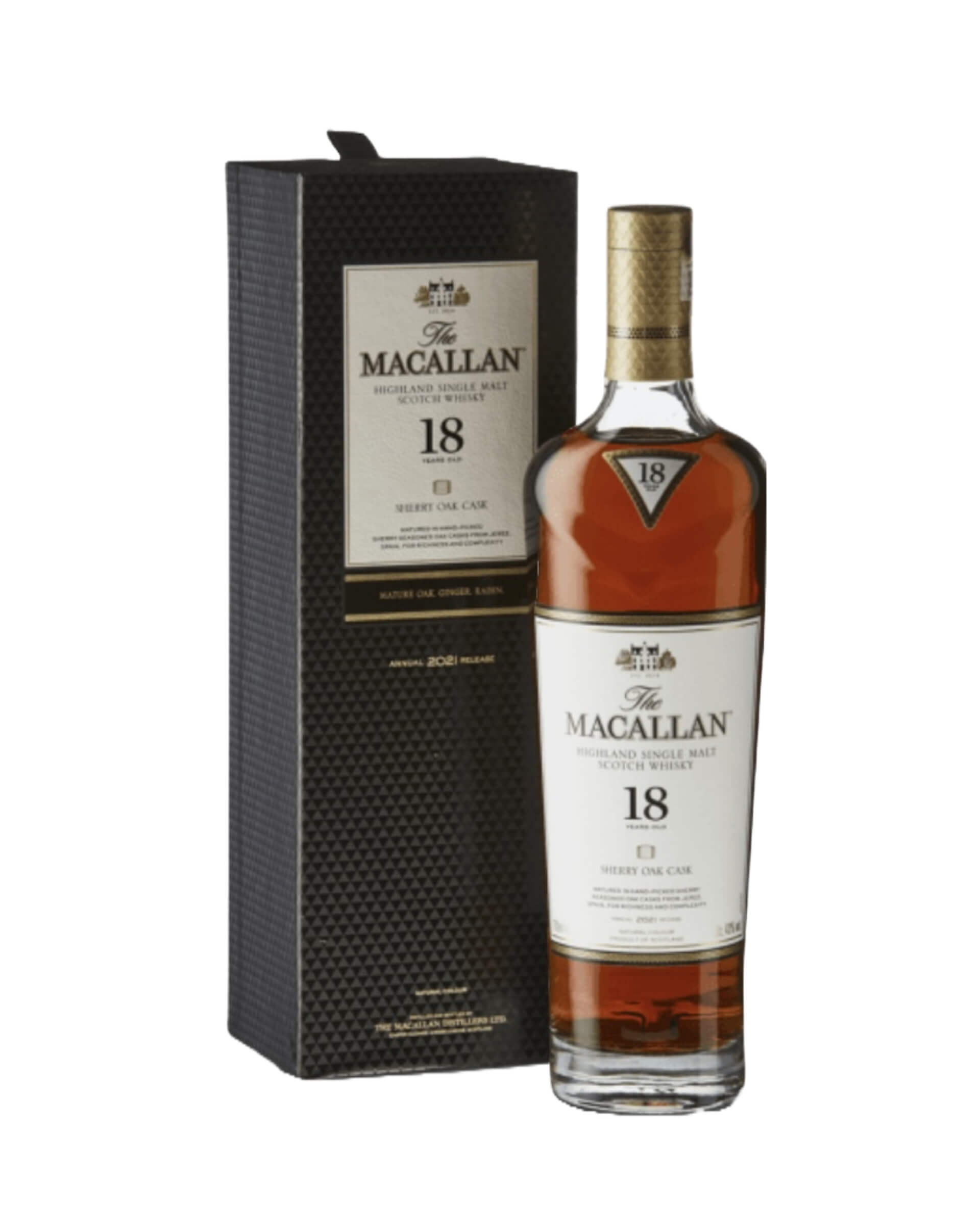
Tucked along the River Spey, this small area holds the densest concentration of distilleries in Scotland — home to Glenfiddich, Macallan and Glenfarclas. The hallmark of a Speyside dram is elegance: orchard apple, vanilla, honeyed malt and soft oak, often rounded out by sherry-cask maturation. It is the region most newcomers fall for first.

Islay

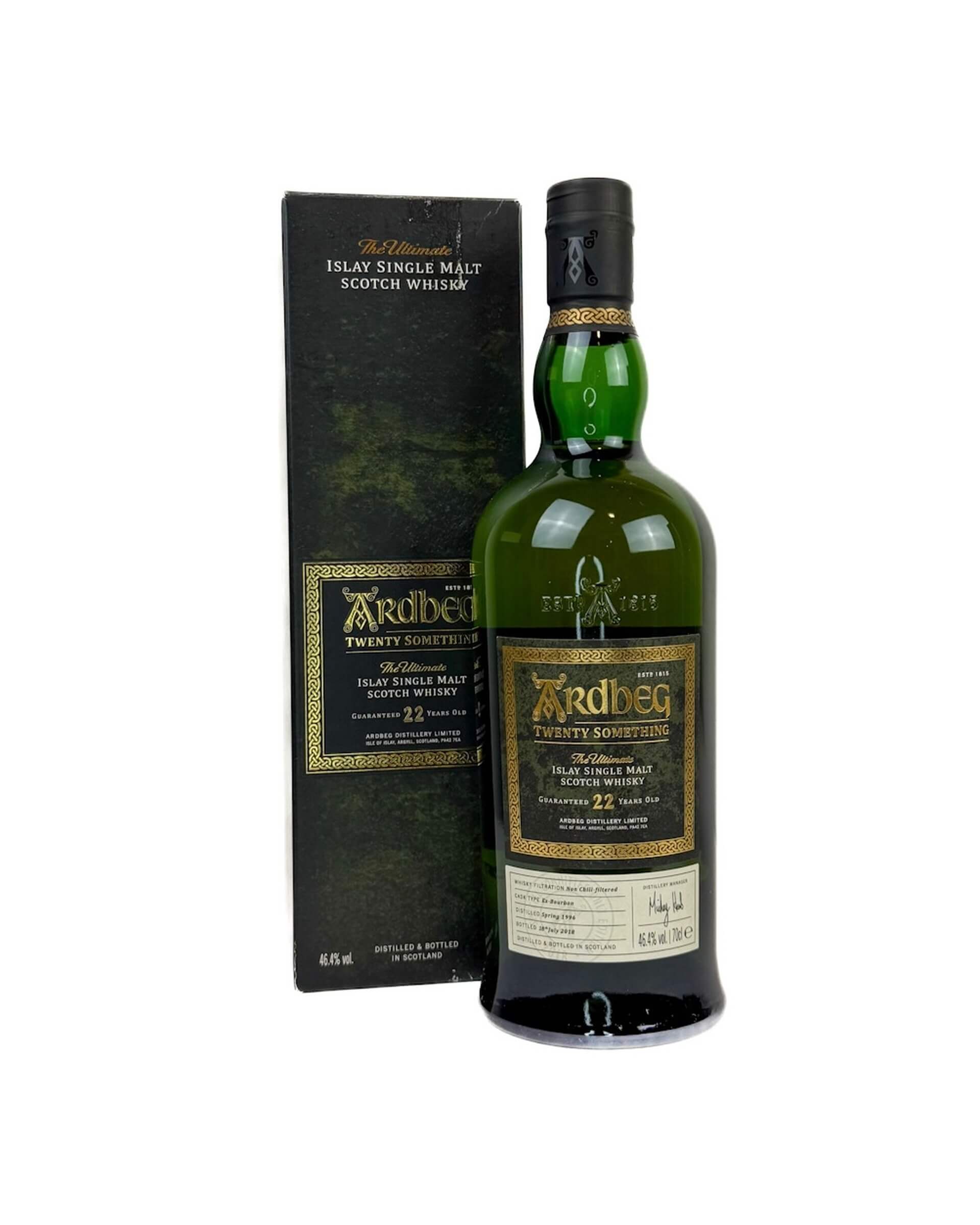
Scotland’s peated heartland sits on a wind-battered island off the west coast. An Islay dram from Ardbeg, Laphroaig or Bowmore is unmistakable: bonfire peat smoke, iodine, sea salt and dark chocolate, with a maritime intensity that divides and delights in equal measure. In our experience, Ardbeg Ten (around 55 ppm phenols) and Laphroaig Quarter Cask are the two expressions that most reliably convert newcomers to peated whisky — start with one of those before reaching for the heavier, older Islay statements.

The Lowlands

South of the Highland line, Lowland distilleries such as Auchentoshan and Glenkinchie traditionally triple-distil for a lighter, gentler spirit. Expect fresh-cut grass, cream, lemon citrus and a delicate finish. With little or no peat and a soft, approachable texture, the Lowlands make a natural entry point for anyone new to the category.

Campbeltown

Once the whisky capital of the world, this tiny peninsula now holds just a handful of working distilleries, led by Springbank and Glen Scotia. Campbeltown malts are prized by collectors for their complexity: a briny coastal edge wrapped around ripe fruit, oily texture and a faint trace of smoke. Springbank in particular regularly ranks among the most collectable Scotch bottlings, yet stays underpriced relative to Speyside equivalents at the same age — which is exactly why it rewards the patient buyer.

Japan

Modelled on Scottish methods but expressing a distinct sensibility, Japanese malt has become one of the most sought-after categories in spirits. Producers such as Suntory, with its Yamazaki and Hakushu distilleries, and Nikka, behind Yoichi and Miyagikyo, are celebrated for precision, floral aromatics, subtle peat and a seasonal, almost meditative complexity. Often lighter and more refined than their Scottish cousins, these whiskies reward patient sipping. Japanese stock at Tour de Wine is limited and rotates with availability, so the bulk of our standing selection remains Scottish — check the live category page for what is currently in.

What Makes a Single Malt Scotch Whisky?

The term is tightly defined. Under the Scotch Whisky Regulations 2009, a single malt scotch whisky must be made entirely from malted barley, distilled in pot stills at a single distillery in Scotland, and matured in oak casks of no more than 700 litres for a minimum of three years on Scottish soil. The word “single” refers to that one distillery — not to a single cask or a single barrel.

This is the key distinction from a blended malt, which combines single malts from several distilleries, and from blended Scotch, which adds grain whisky to the mix. A true single malt scotch stands alone, which is why it expresses region and house so vividly.

  • Barley: 100% malted barley, with no other grain permitted.
  • Single distillery: all distillation takes place at one named distillery.
  • Maturation: at least three years in oak (Scotch); cask choice profoundly shapes the final flavour.

The American category — usually spelled single malt whiskey — follows a parallel logic and is a fast-growing emerging style, having only gained a formal US standard of identity from the TTB in 2024–2025, though our own catalogue remains focused on Scotch with occasional Japanese expressions.

Cask Finishing and Flavour: How Maturation Shapes Your Bottle

If the still gives a malt its skeleton, the cask gives it flesh and colour. The Scotch Whisky Association notes that a significant proportion of a mature Scotch’s flavour is derived from the cask, with much of the industry placing the wood’s contribution at roughly 60–70% of the finished character. The type of cask a distiller chooses, and any second cask used to “finish” the spirit, can transform an identical new-make into wildly different bottles. This is exactly the kind of detail that wine drinkers, already attuned to oak and terroir, tend to appreciate most.

  • Ex-bourbon barrel — vanilla, coconut, honey and soft spice; the backbone of many Highland and Speyside malts (e.g. Glenfiddich, Auchentoshan).
  • Sherry butt — dried fruit, Christmas spice, dark chocolate and depth (e.g. Macallan, GlenDronach).
  • Port pipe — red berries, gentle tannin and a rosy hue from fortified-wine wood (e.g. Glenmorangie finishes).
  • Wine cask — floral lift, fresh fruit and brightness, increasingly drawn from Bordeaux wines and other fine-wine barrels.

How to Choose a Single Malt — and What to Expect to Pay

Choosing well begins with honesty about budget, because the category spans an enormous price range. In our curated catalogue, the most accessible bottles start from around €55, with the typical entry point sitting near €90 — ideal for exploring a new region without a large commitment. From there, the heart of a serious collection sits higher.

Most bottles in our selection are priced around €235, the median of the catalogue and the sweet spot where you find genuinely expressive whiskies: 12- to 18-year statements from recognised distilleries, classic sherry- and bourbon-matured Speysides, and confident Islay peat. For many drinkers this is where the best value lives — old enough to show real character, but still meant to be opened and enjoyed rather than locked away.

For rare and limited releases — extended age statements, exceptional cask finishes or acclaimed distillery exclusives — expect prices toward €1,000 and beyond, rising to €2,000 for the most sought-after bottlings. These are the collector pieces: investment-grade single malt whisky for cellars, gifts and special occasions.

  • Start with region, not brand — decide whether you want sweet (Speyside), smoky (Islay) or balanced (Highland) before you compare labels.
  • Read the cask, not just the age — a younger sherry-matured malt can taste richer than an older ex-bourbon one.
  • Match the occasion to the tier — a €90 bottle is perfect for everyday discovery; reserve the four-figure releases for milestones.
  • Buy what you will drink — even a rare bottling is made to be tasted, not merely admired.

Serving and Food Pairing

A great single malt deserves the right glass and a little patience. Served thoughtfully, it pairs as gracefully with food as fine wine does — a natural extension for anyone who already enjoys our French wines or the elegance of Burgundy wines at the table.

Serve Temperature and Glassware

Use a tulip or Glencairn glass to concentrate the aromatics, and serve at room temperature. A few drops of still water can open up the texture of cask-strength and peated expressions, releasing aromas the alcohol otherwise masks. Avoid ice with aged bottles — chilling mutes the very nuances you have paid for.

Pairing by Style

Match the weight of the whisky to the weight of the dish, and let smoke meet richness or salt.

  • Speyside & Highland — dark chocolate, hard aged cheese, poached pear, smoked salmon.
  • Islay — fresh oysters, smoked mackerel, blue cheese, dark fruit cake.
  • Japanese — sushi-grade fish, yuzu desserts, green tea, light charcuterie.

For pairings beyond the glass, our red wines make a fine companion to the same cheeses and charcuterie that flatter a rich Highland dram.

Frequently Asked Questions

What is the difference between single malt and blended Scotch?

Single malt comes from 100% malted barley distilled at one single distillery. Blended Scotch combines grain whisky with malts drawn from multiple distilleries. Because nothing is added or married in from elsewhere, single malts showcase the character of their specific region and distillery far more distinctly than a blend.

Which region should a beginner start with?

Speyside or the Highlands are the most approachable entry points — sweeter, fruit-forward and with little or no peat. They reward a new palate without overwhelming it. An Islay dram, with its bold smoke and maritime intensity, is best saved until you have developed a taste for peated whisky.

Which bottle in your catalogue best represents Islay for a first-time buyer?

For a first encounter with Islay we steer newcomers toward Ardbeg Ten or Laphroaig Quarter Cask, both of which sit comfortably within our mid-range tier around the €90–€235 mark. They deliver classic Islay peat — smoke, brine and iodine — without the price or intensity of older cask-strength releases, which is why they are the bottles our buyers most often recommend to drinkers trying peated whisky for the first time.

Do you stock independent bottler releases?

Our standing selection of 35 expressions is built mainly around official distillery bottlings from the Scottish regions, with availability of independent and limited releases rotating through the year. Because these single-cask and limited runs come and go quickly, the live category page always reflects current stock — if you are hunting a specific independent release, that is the page to watch.

How should I store an open bottle?

Keep the bottle upright, away from direct light and heat, with the cork sealed tightly. An opened bottle is best enjoyed within one to two years; as air fills the headspace, gentle oxidation gradually softens the most delicate aromatics. Standing it upright also protects the cork from prolonged contact with the high-strength spirit.

Is Japanese whisky made the same way as Scotch?

Japanese distillers adopted Scotch production methods — malted barley, pot-still distillation and cask maturation — but draw on local water sources and sometimes domestic peat. The result is a distinctly lighter, more floral and precisely composed style than most Scottish expressions, even though the underlying craft is the same.

Written by the Tour de Wine buying team. Last reviewed: June 2026.

Ask the sommelier...
Sommelier