

0.7 L
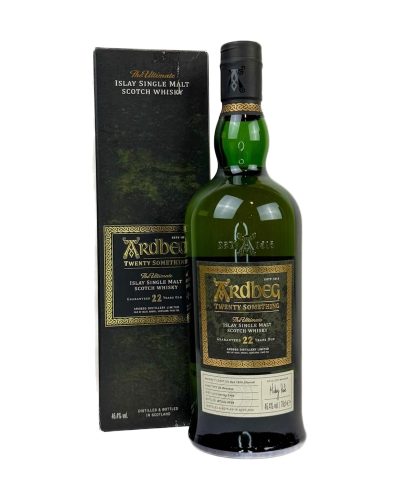
Ardbeg
Wines, producers, regions...
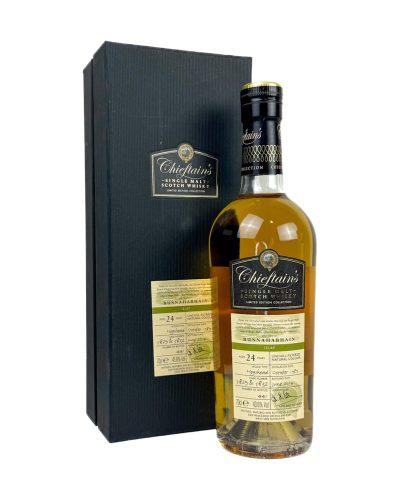
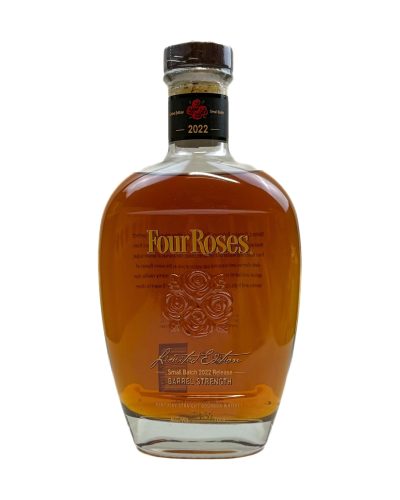
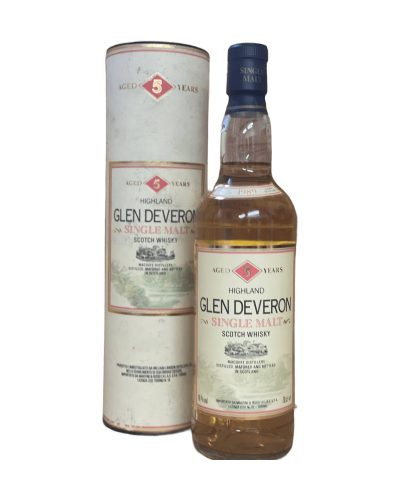
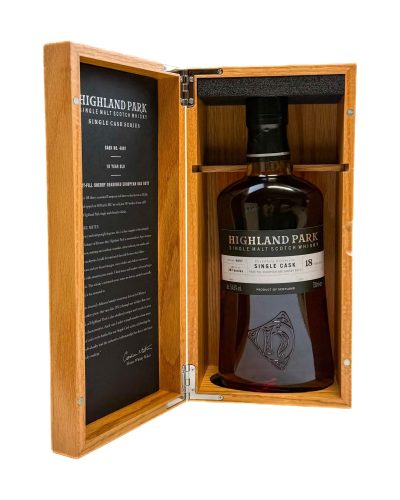
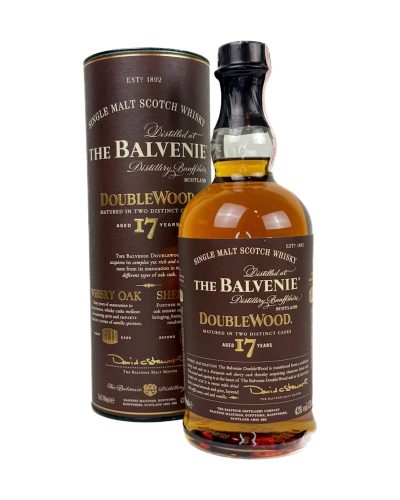
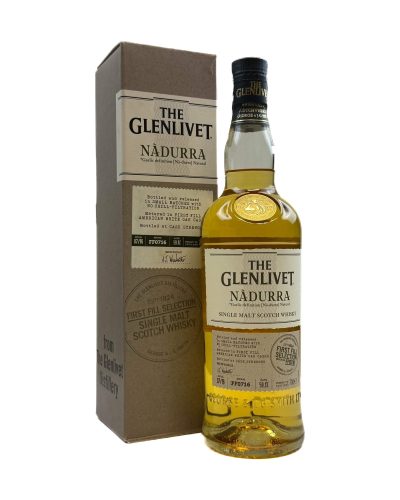
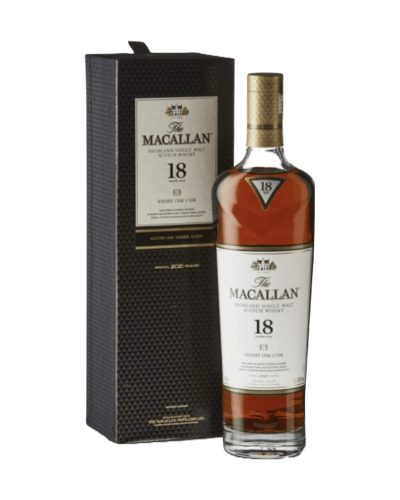
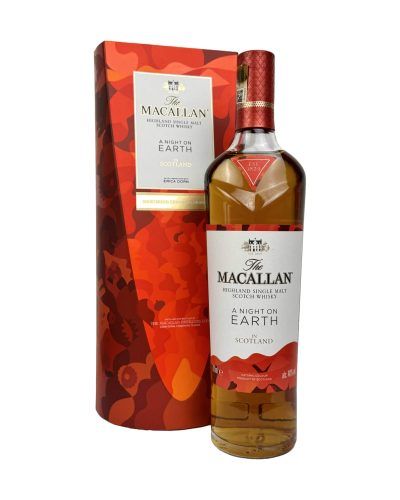
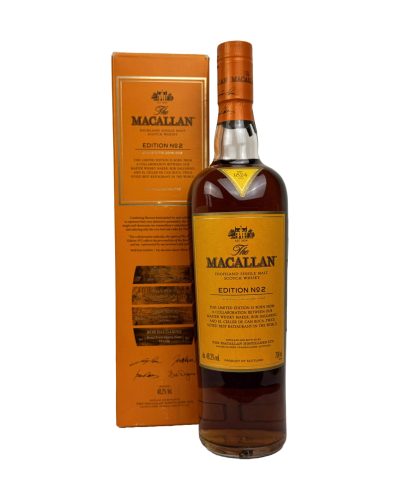
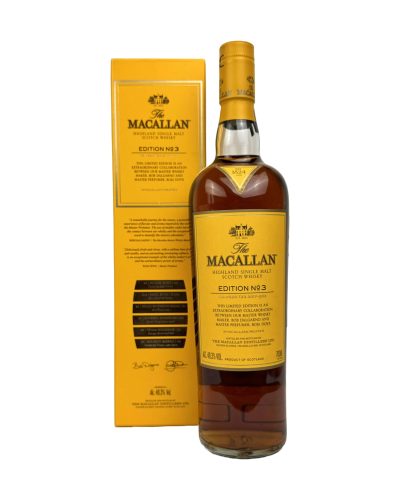
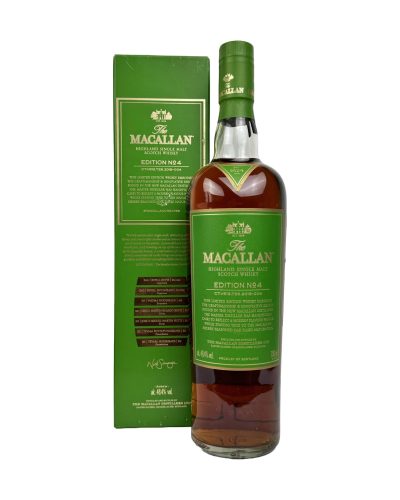
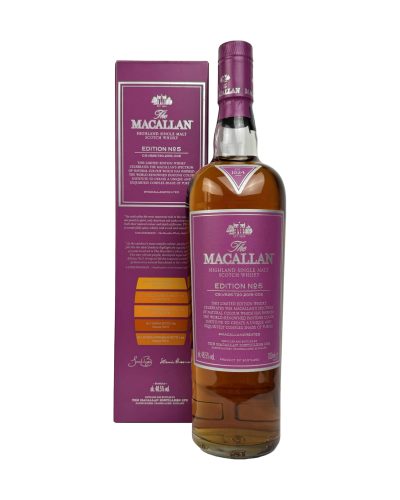
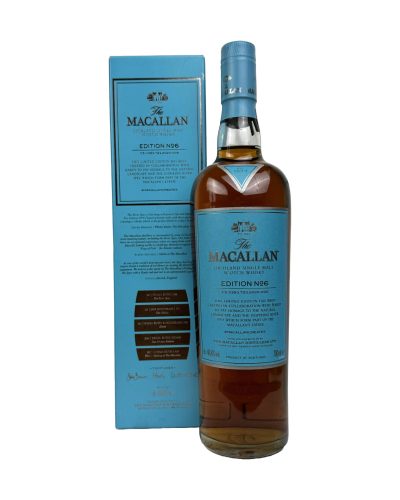
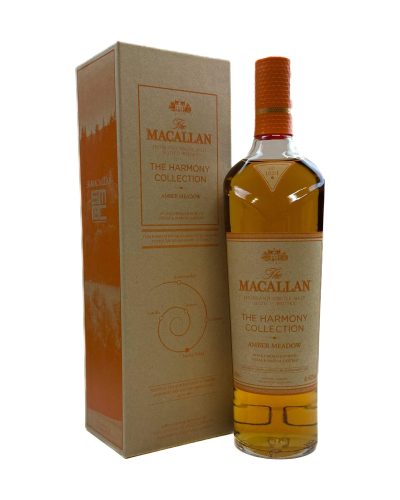
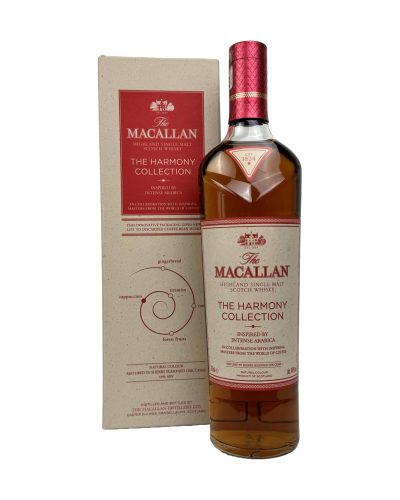
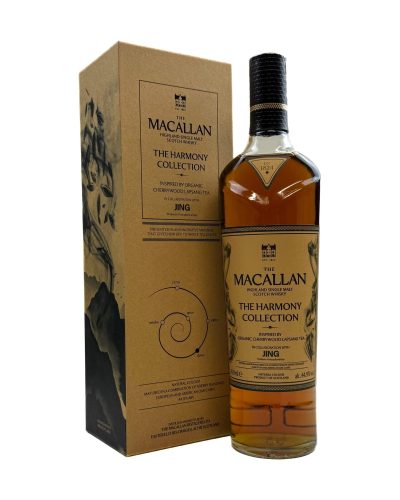
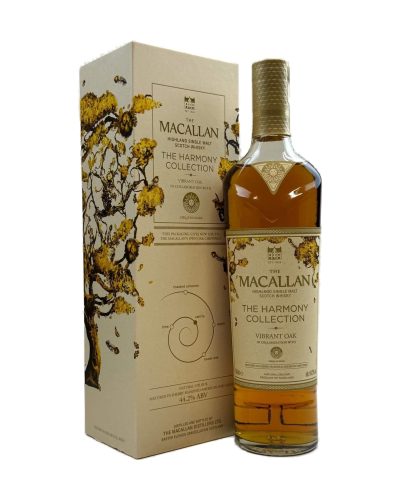
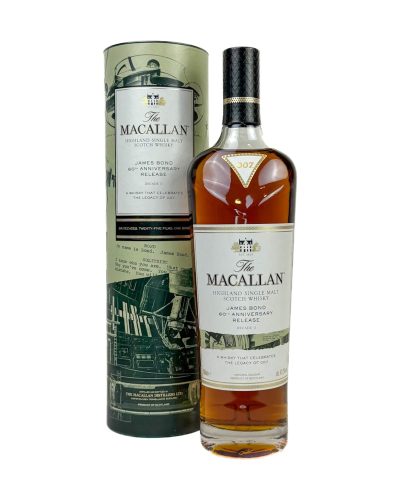
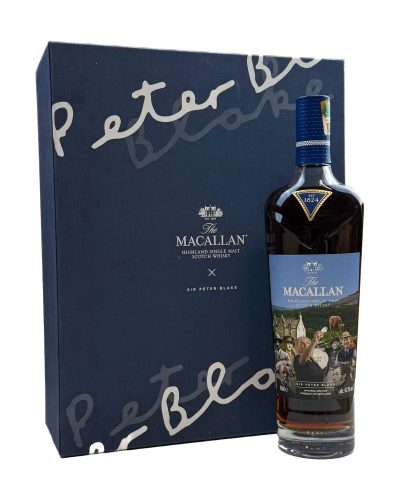
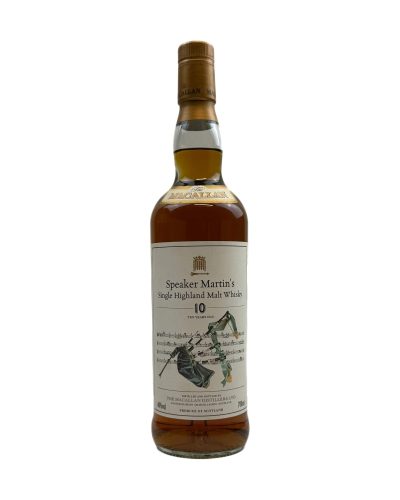
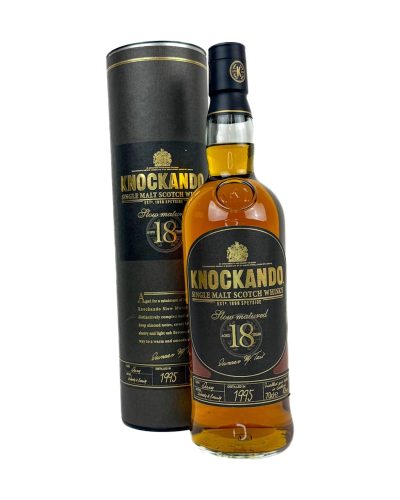
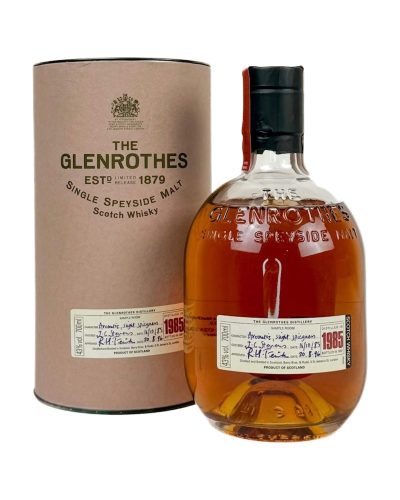
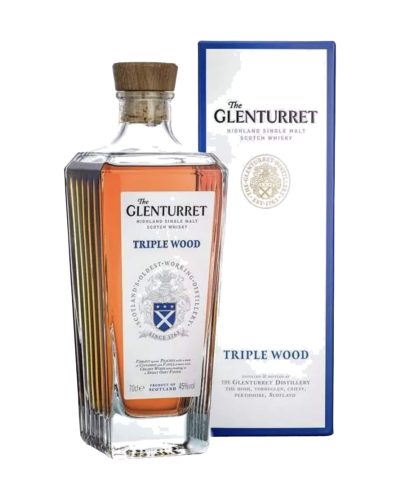
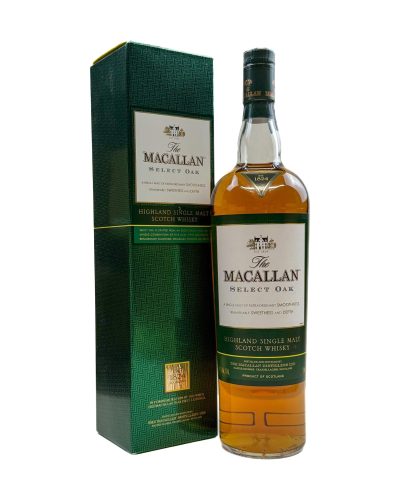
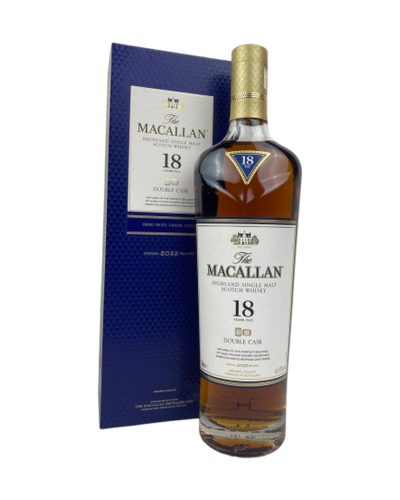
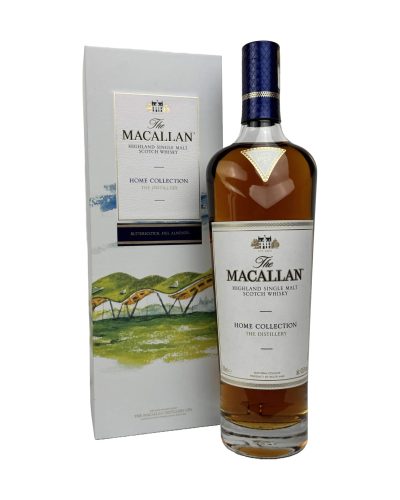
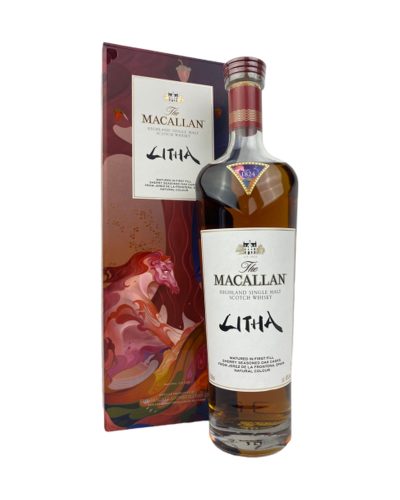
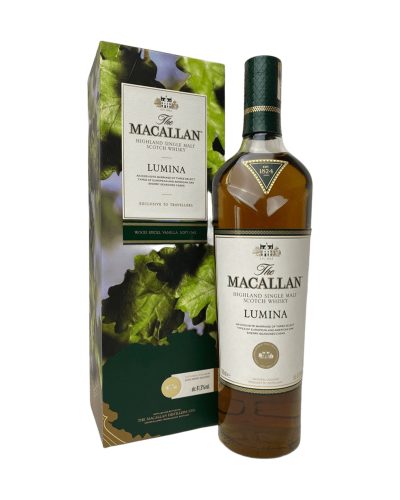
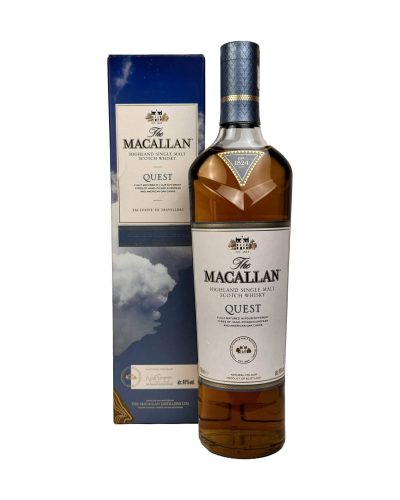
Whisky types are the first thing to understand before you buy a bottle, and single malt whisky is the type most buyers want to explore. This category groups whisky by style rather than by country: single malt, blended, grain, bourbon and so on. It is meant for anyone who knows what they want to pour, or who wants to learn what separates one style from another before choosing. For the full range, go back to the Whisky section.
The type is written on the label and says how the spirit was made. Two bottles from the same country can taste very different because one is a single malt and the other a blend. Knowing the type lets you predict the texture, the intensity and the price logic of a bottle before you open it.
A single malt is made from malted barley, water and yeast at one single distillery, and distilled in pot stills. For Scotch whisky, the law requires at least three years of maturation in oak casks, and the bottle must be at least 40% alcohol. Most single malts are kept far longer than that, and an age statement on the label gives the age of the youngest whisky in the bottle.
The page Single Malt is the heart of this category. Because each bottle comes from one distillery, it shows that house’s character clearly: the shape of the stills, the type of casks, the water, the climate of the warehouse. That is why single malts invite comparison, and why collectors follow a distillery over many releases.
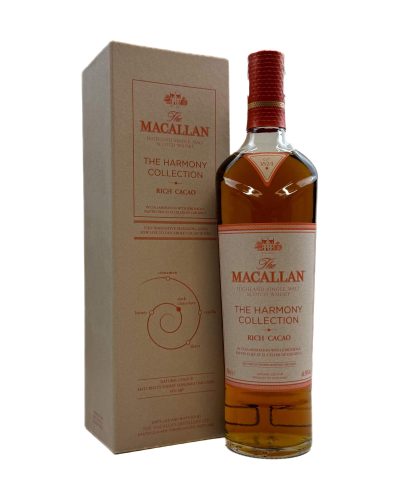
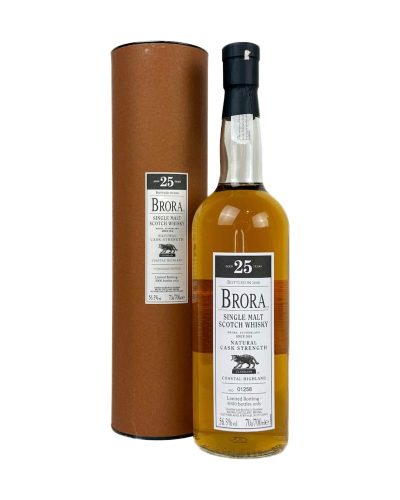
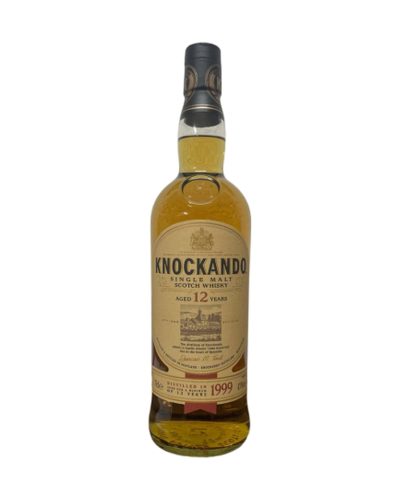
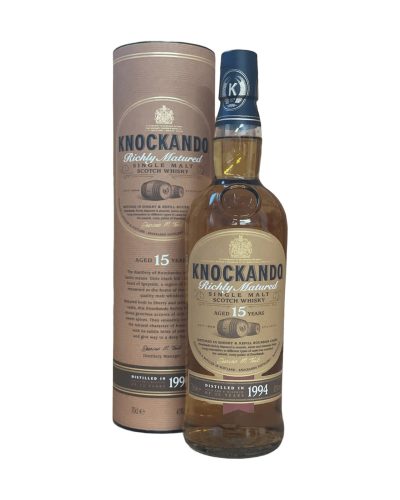
The producers found in this category include The Macallan, The Glenlivet, The Glenrothes, Knockando, Highland Park, The Balvenie, Ardbeg, Bunnahabhain, Brora and Glen Deveron. The origins listed run from the Highlands and the Eastern Highlands to the Upper Spey Valley and the Orkney Islands, with Kentucky for Four Roses, an American distillery that works in a different tradition.
If you want to browse by place first, the Scotland page gathers Scottish whisky by origin, and this category then helps you narrow things down by style. Used together, the two routes cover most ways people look for a bottle.
Start from the occasion and the drinker, then from the style.
Casks matter as much as age. Sherry casks tend to add dried fruit, spice and a darker colour, while bourbon casks give vanilla, honey and a lighter tone. A label that names the cask type is a useful clue.
Serve single malt neat at room temperature in a tulip-shaped glass, which concentrates the aromas. Add a few drops of still water to open a stronger whisky, since it often releases more fruit and floral notes. Ice numbs the nose, so keep it for lighter styles or a long summer drink.
Store bottles upright, away from light and heat, with the cork or stopper dry. Unlike wine, whisky does not improve in the bottle once it is filled, so an unopened bottle keeps its character for years. After opening, finish it within a reasonable time if the level drops low, because air slowly dulls the aromas.
If you are new to the subject, begin with the Single Malt page and compare two distilleries side by side: one from the Highlands and one from the islands. That simple exercise teaches more than any description. When you are ready to widen your tasting, return to Whisky and explore other styles and origins, then keep notes on what you liked.
This site is restricted to adults. By entering, you confirm that you are of legal drinking age in your country of residence.