
N/A
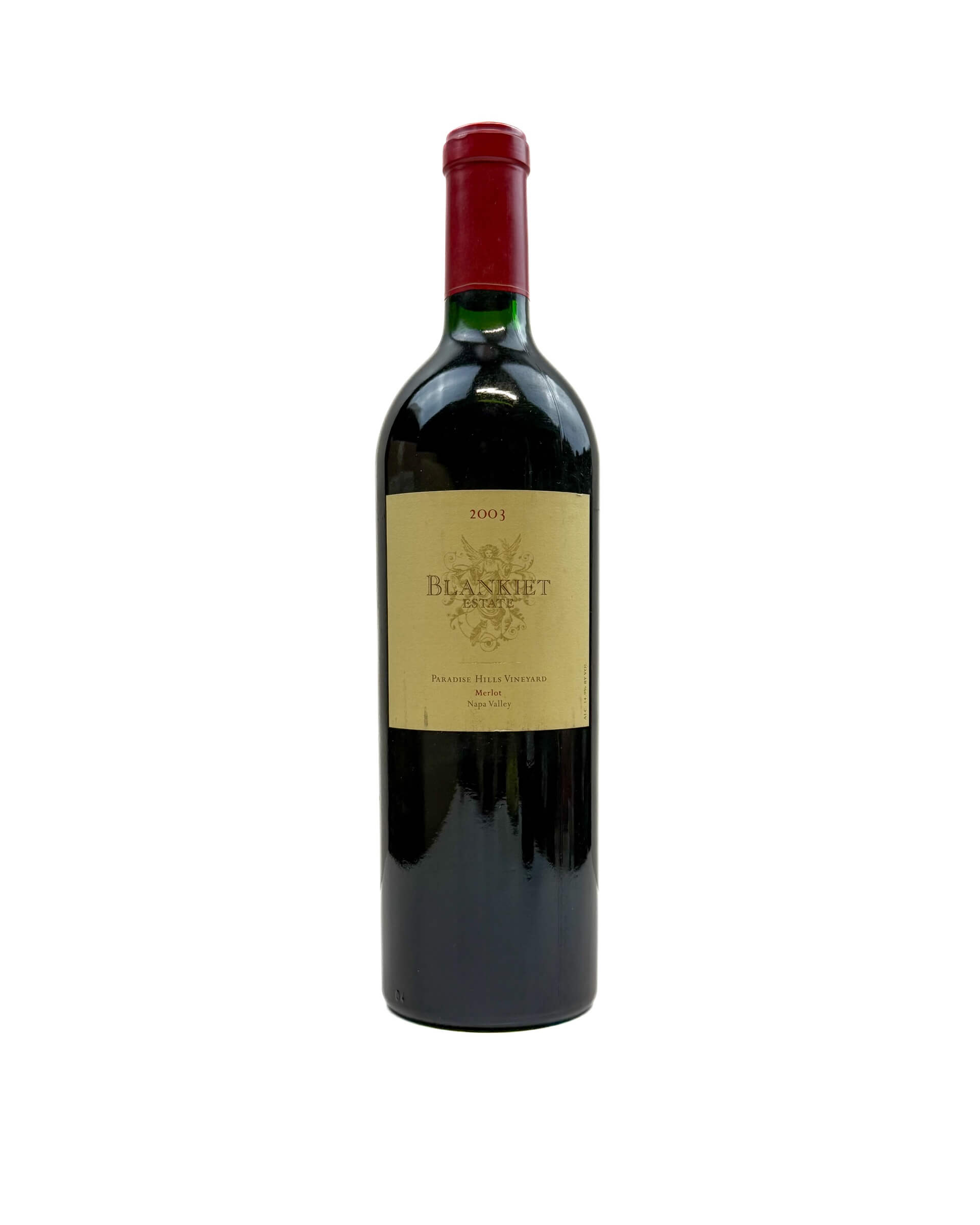
0,75
2003
Blankiet Estate
Wines, producers, regions...
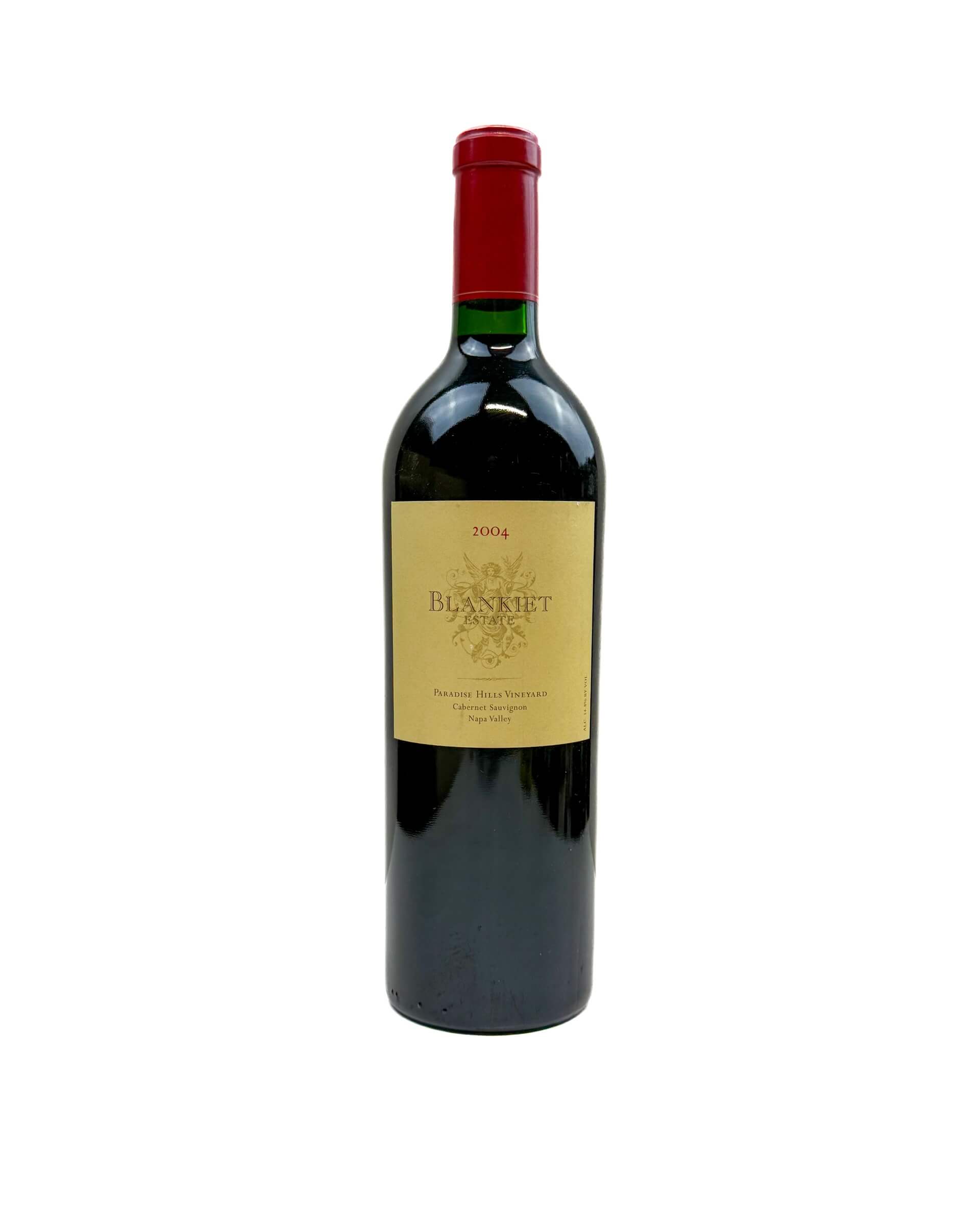
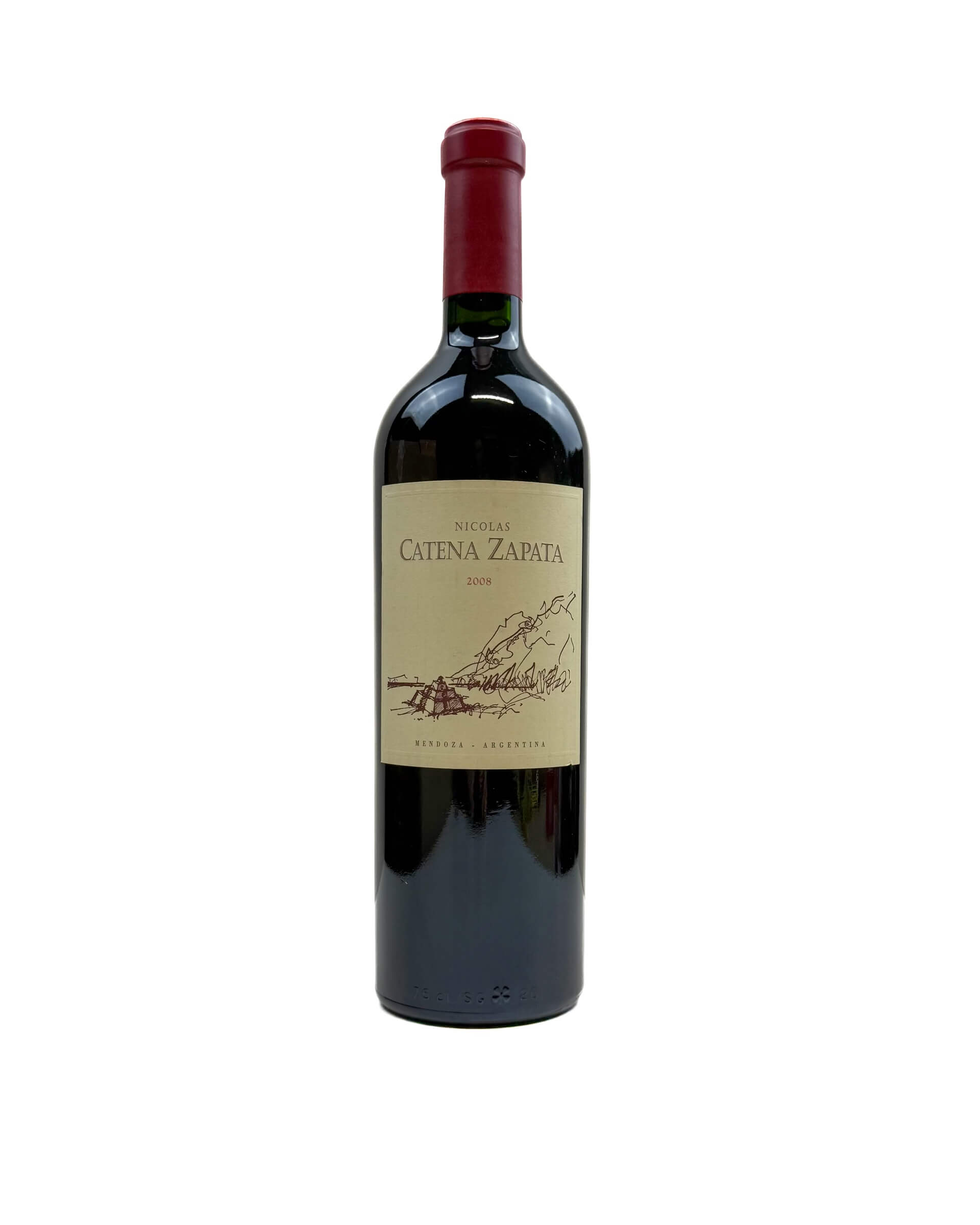
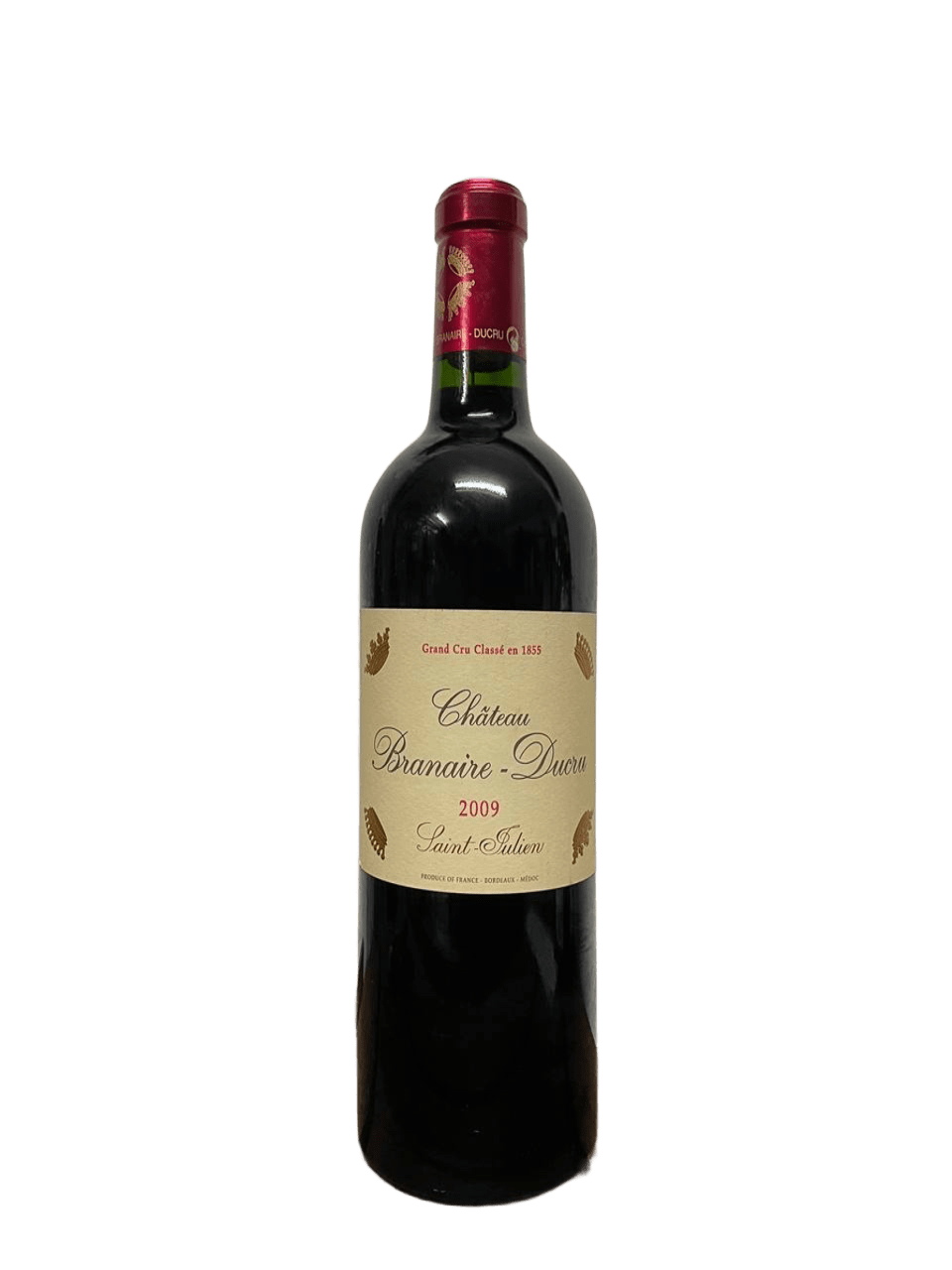
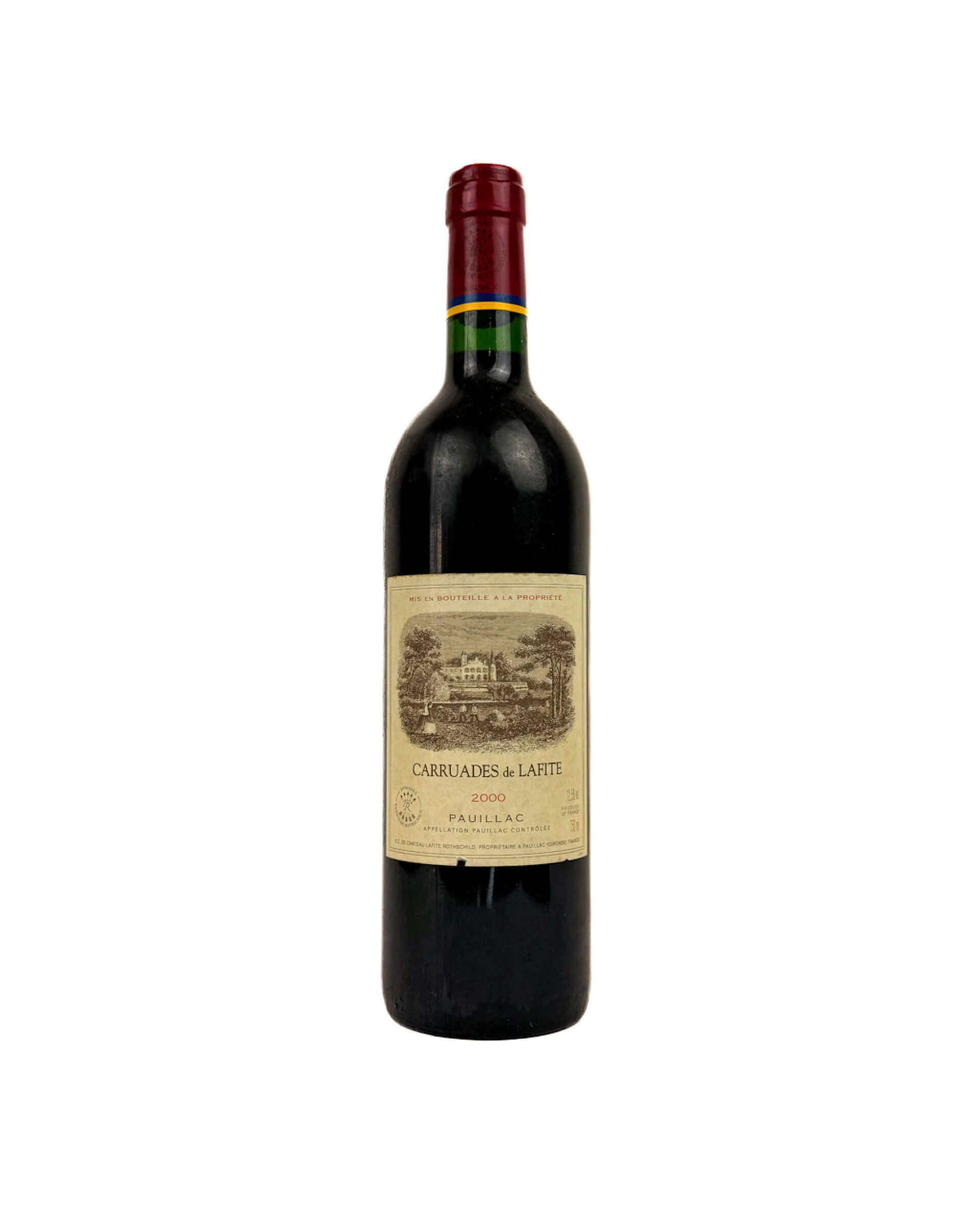
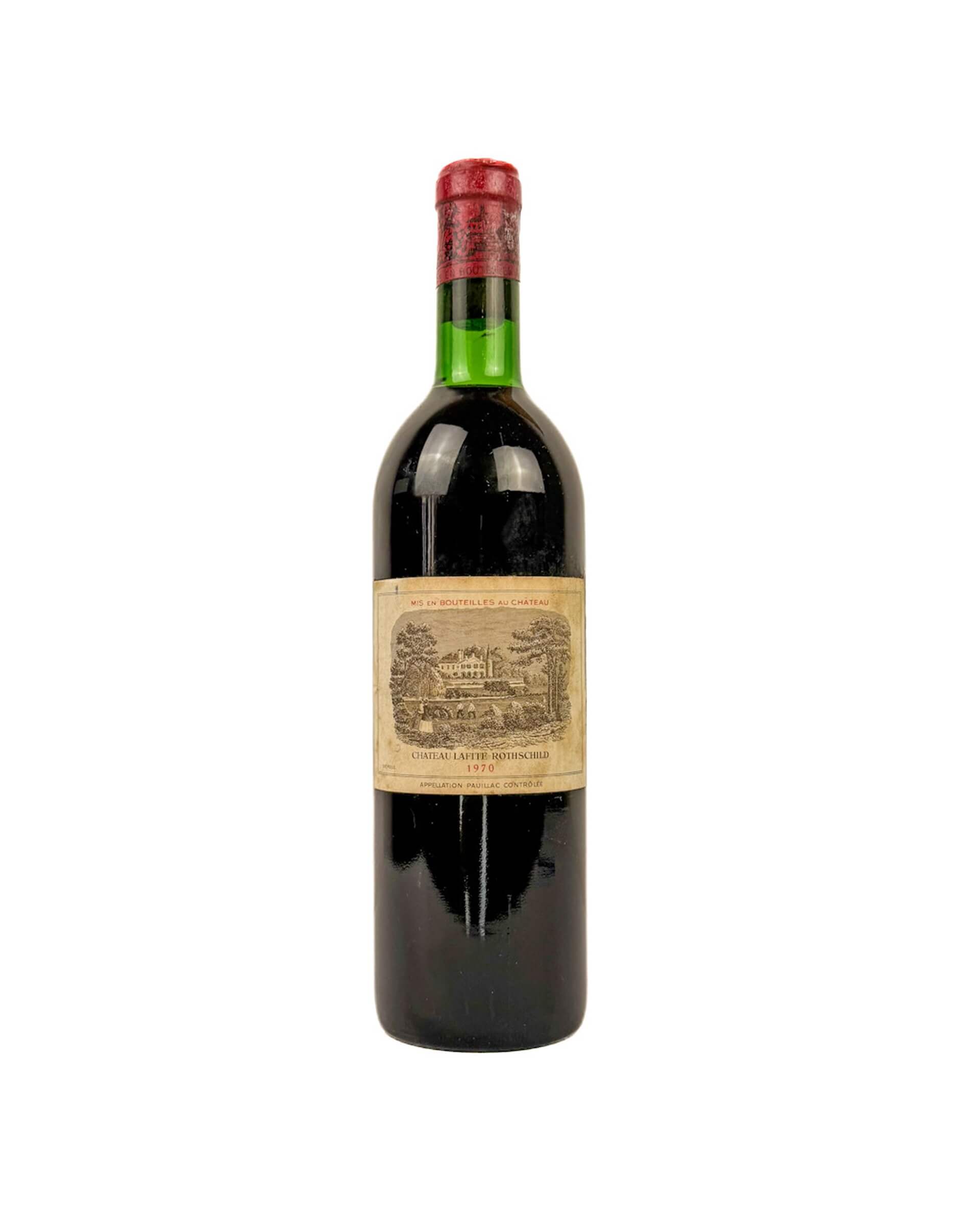
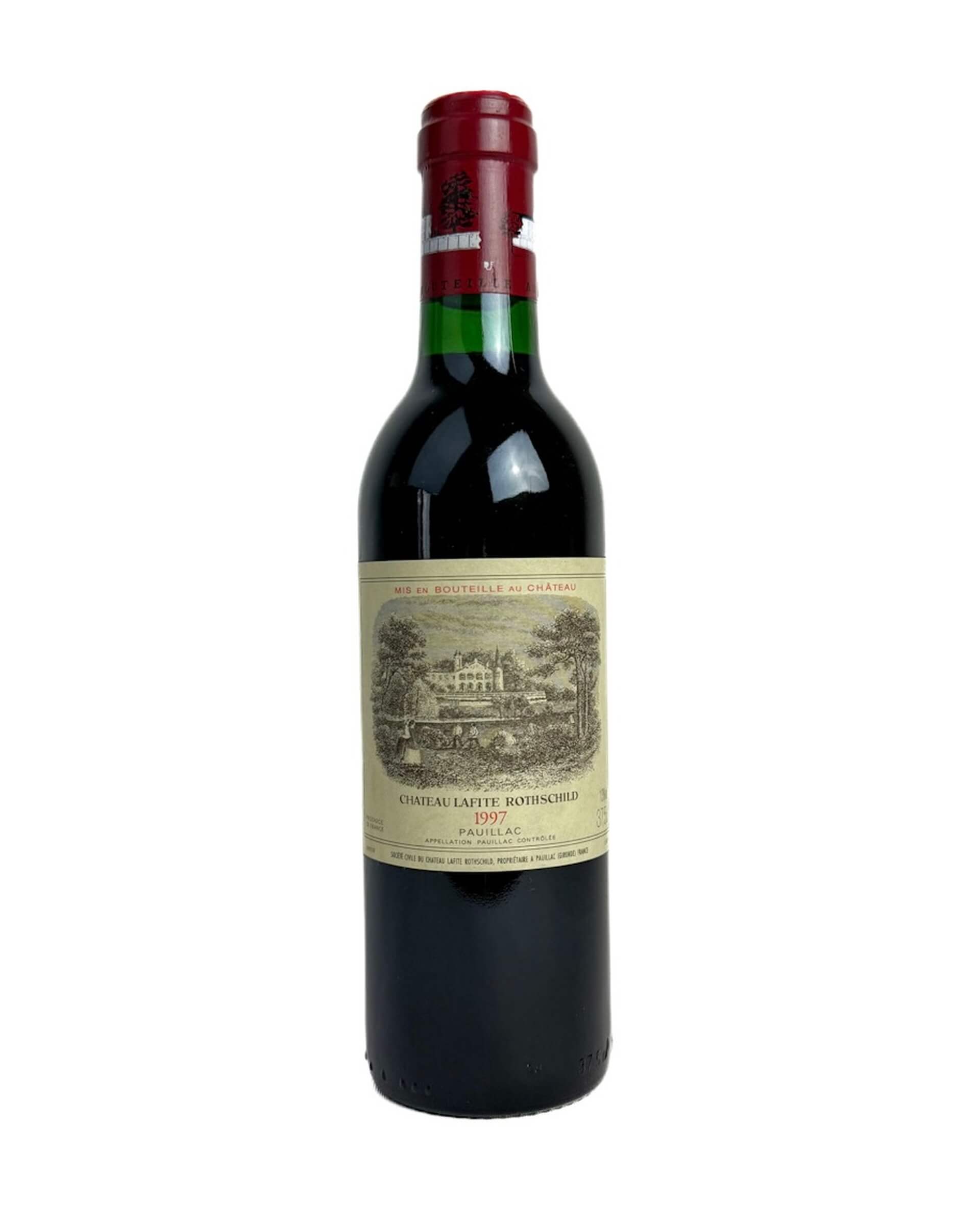
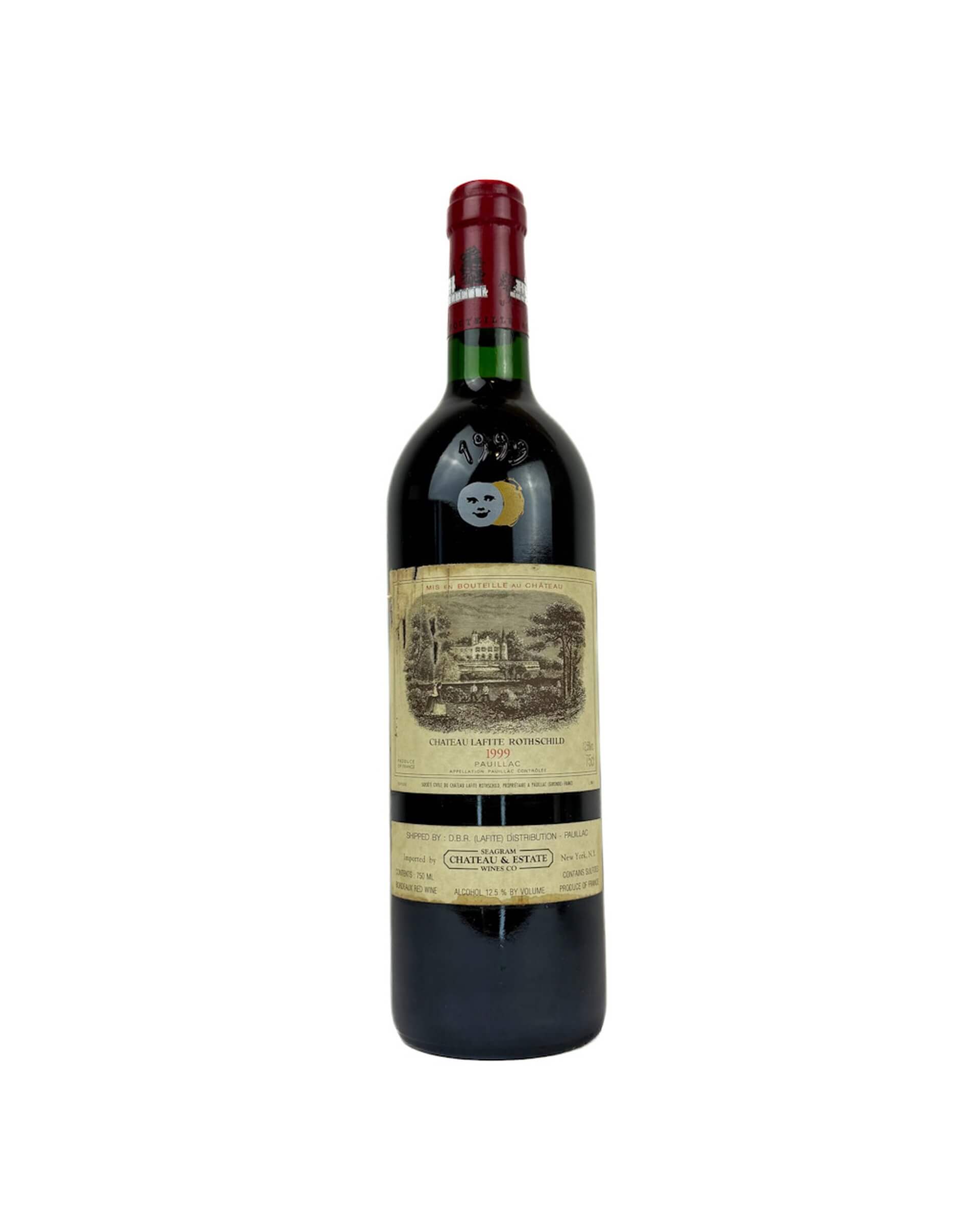
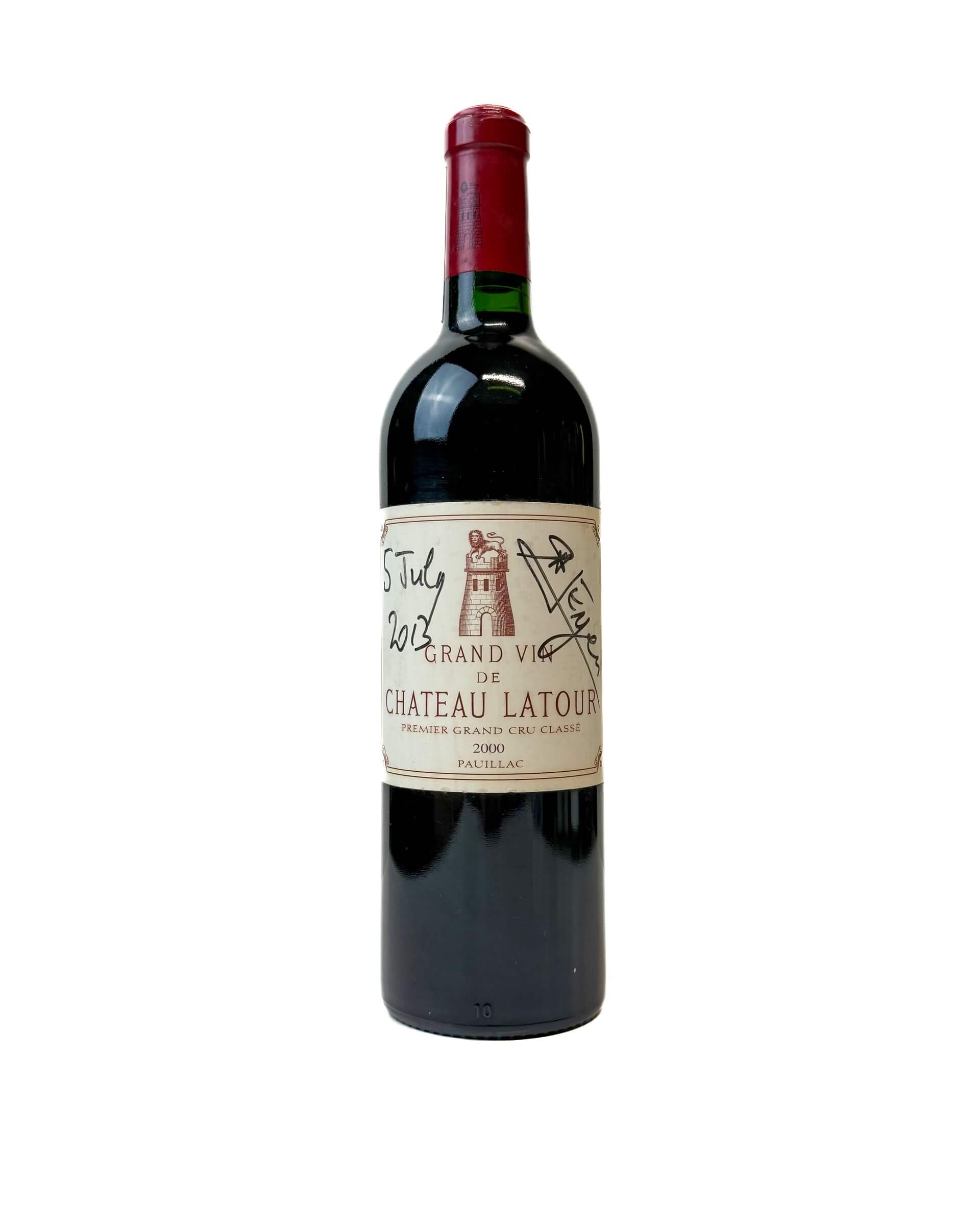
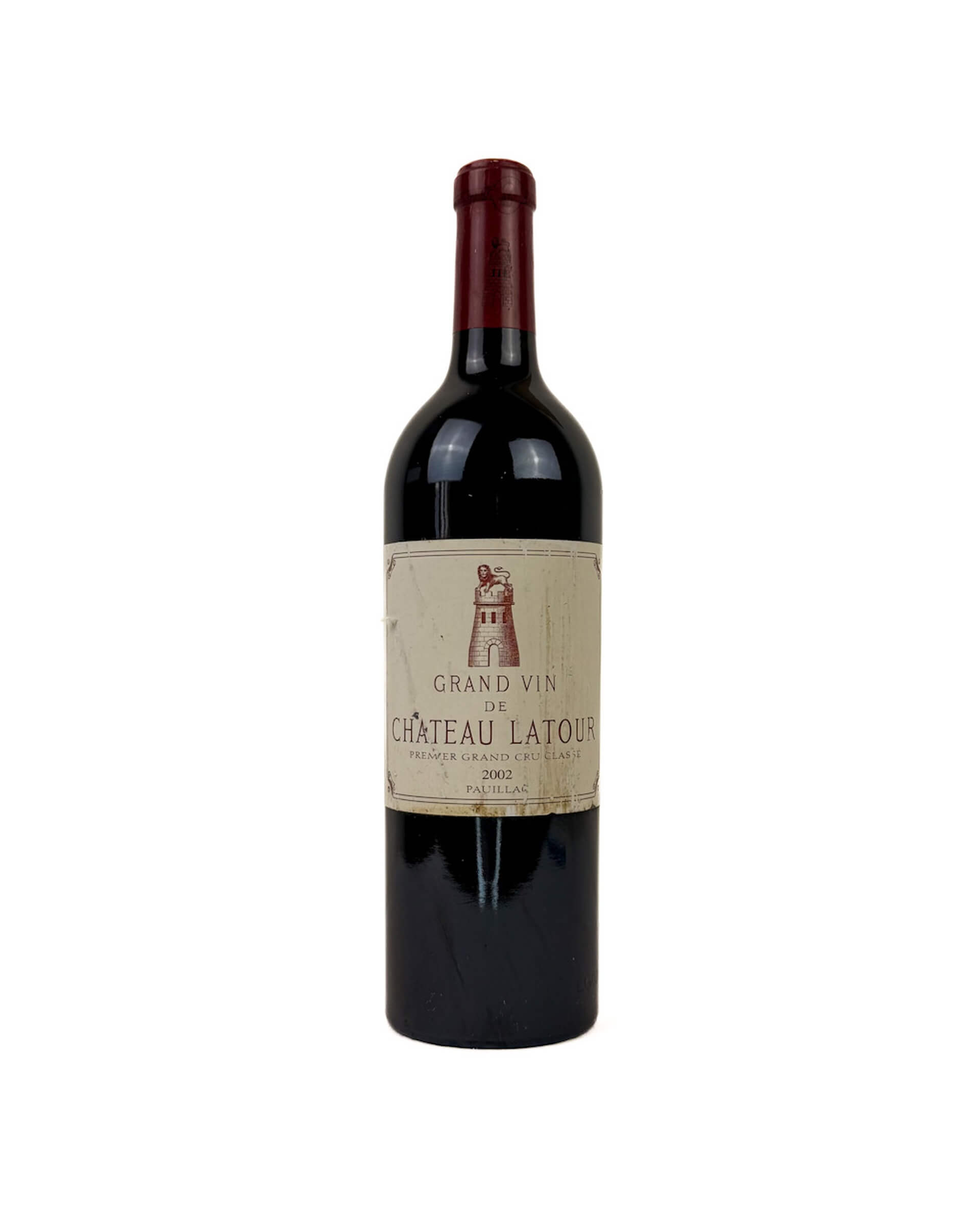
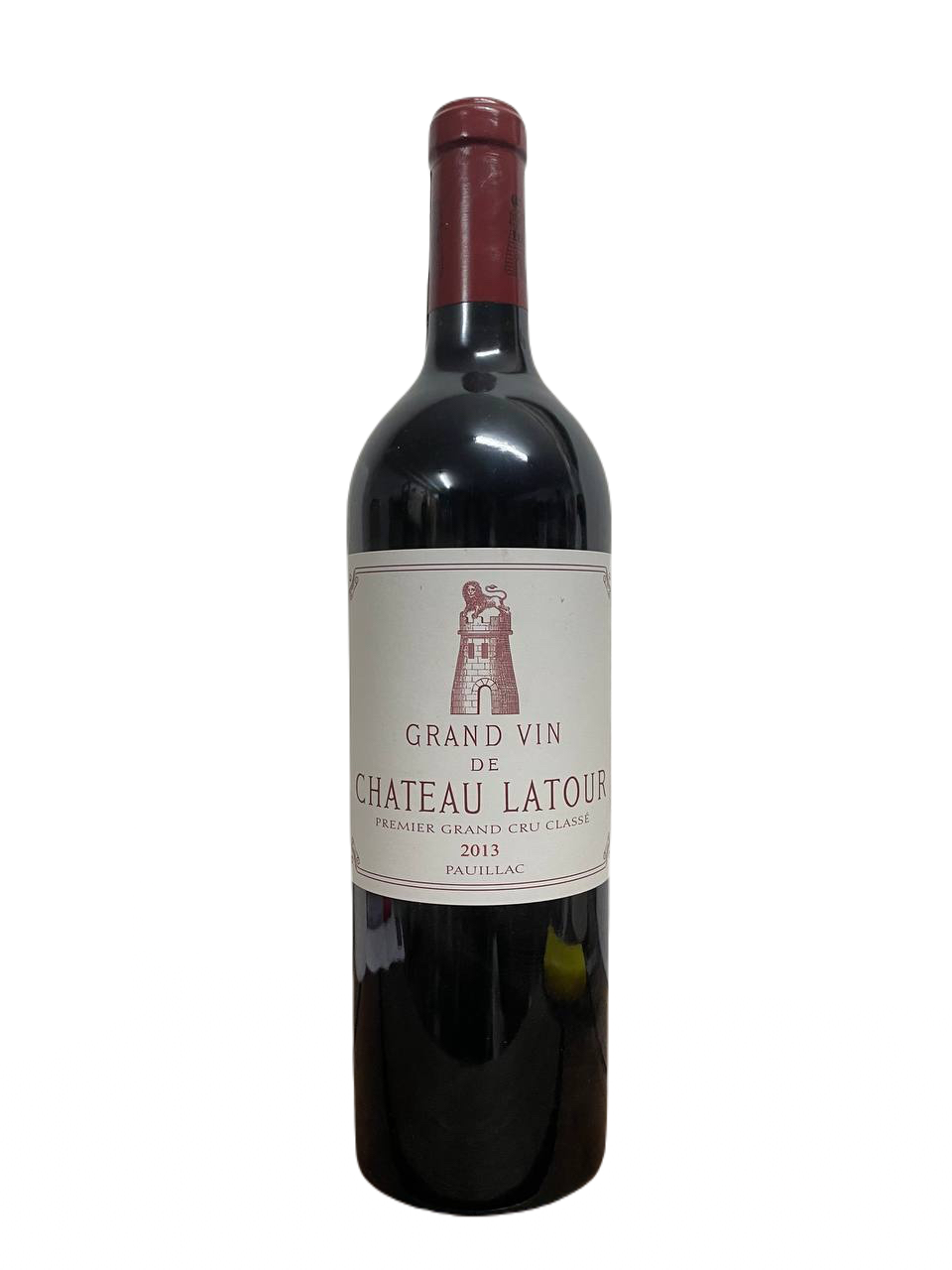
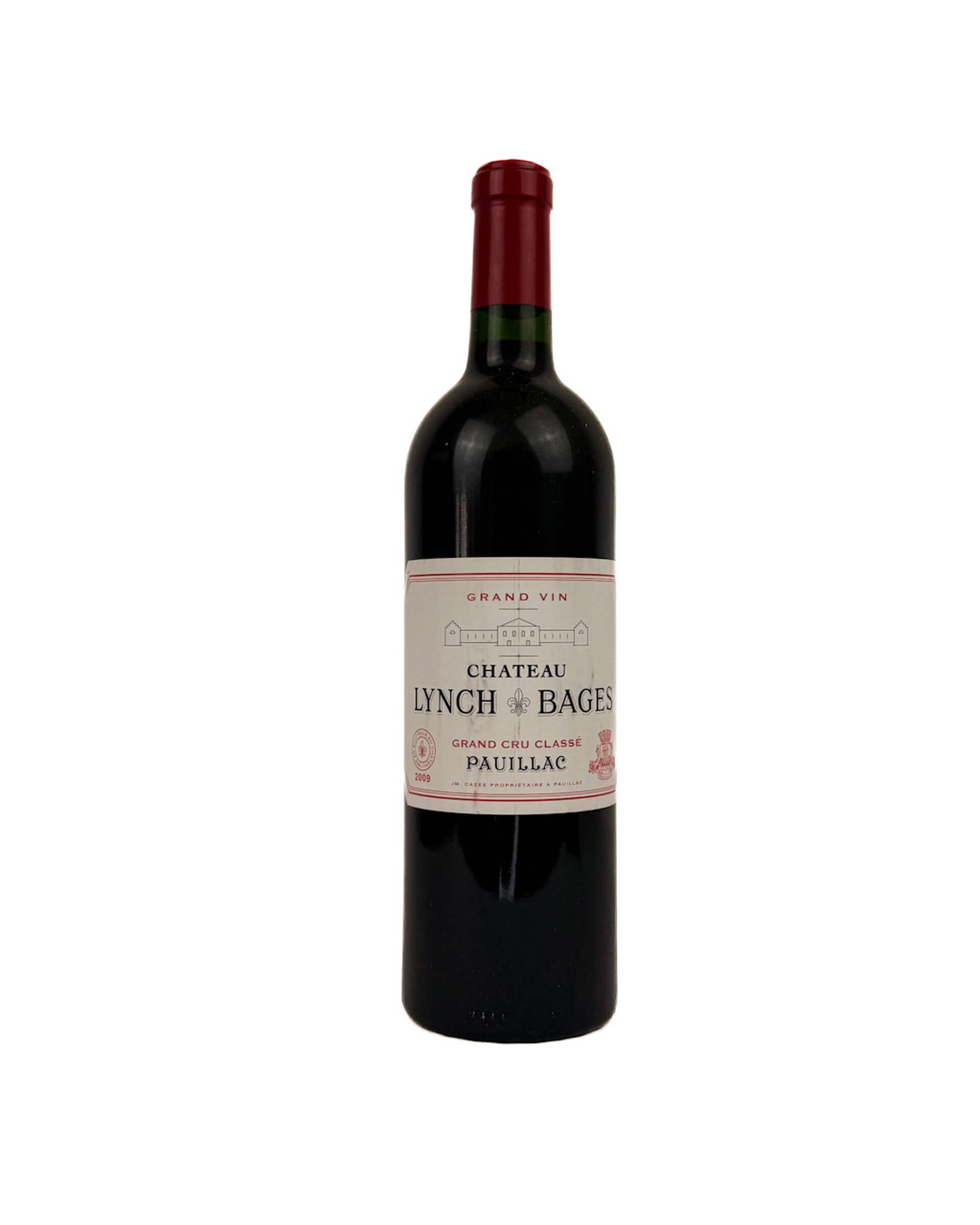
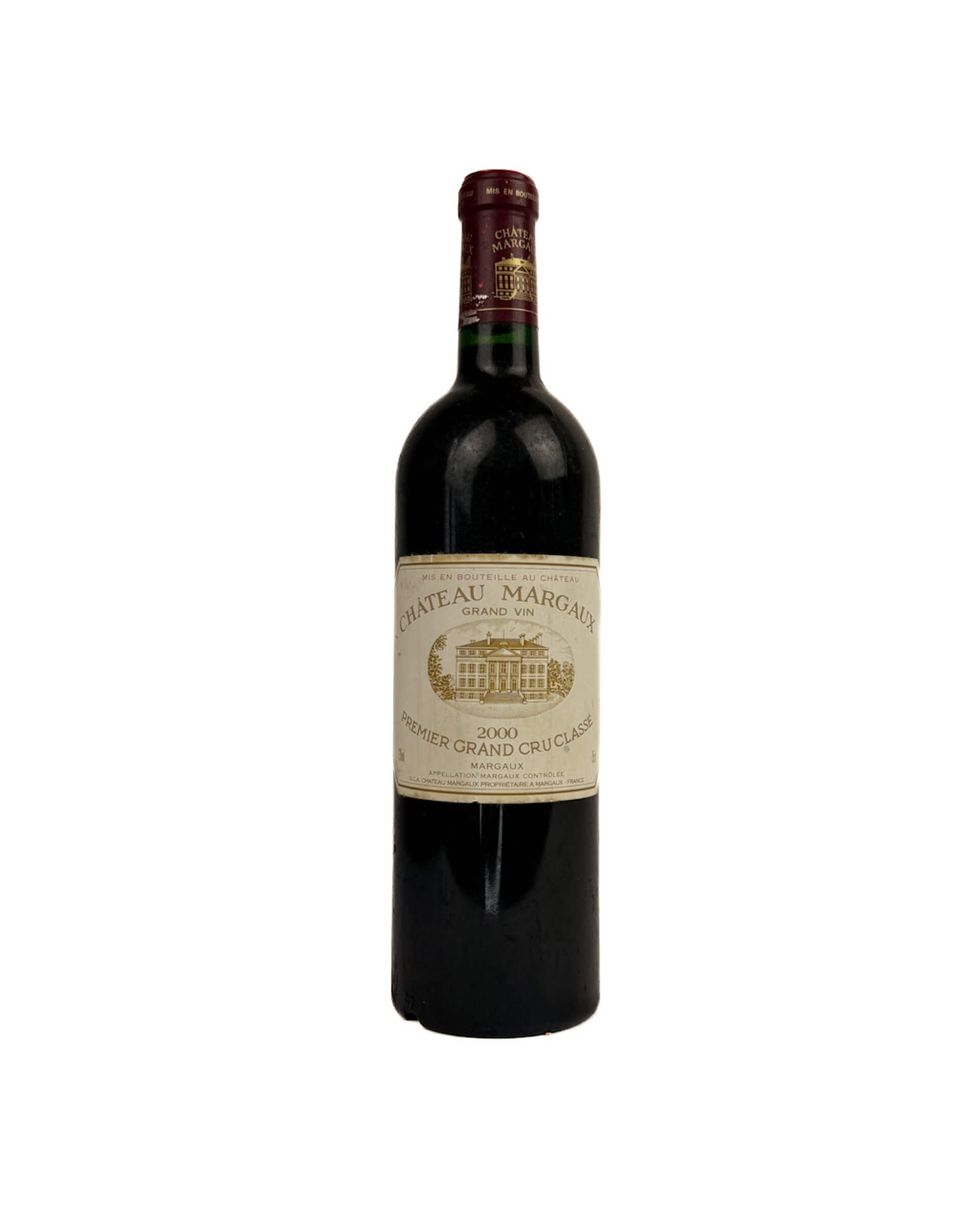
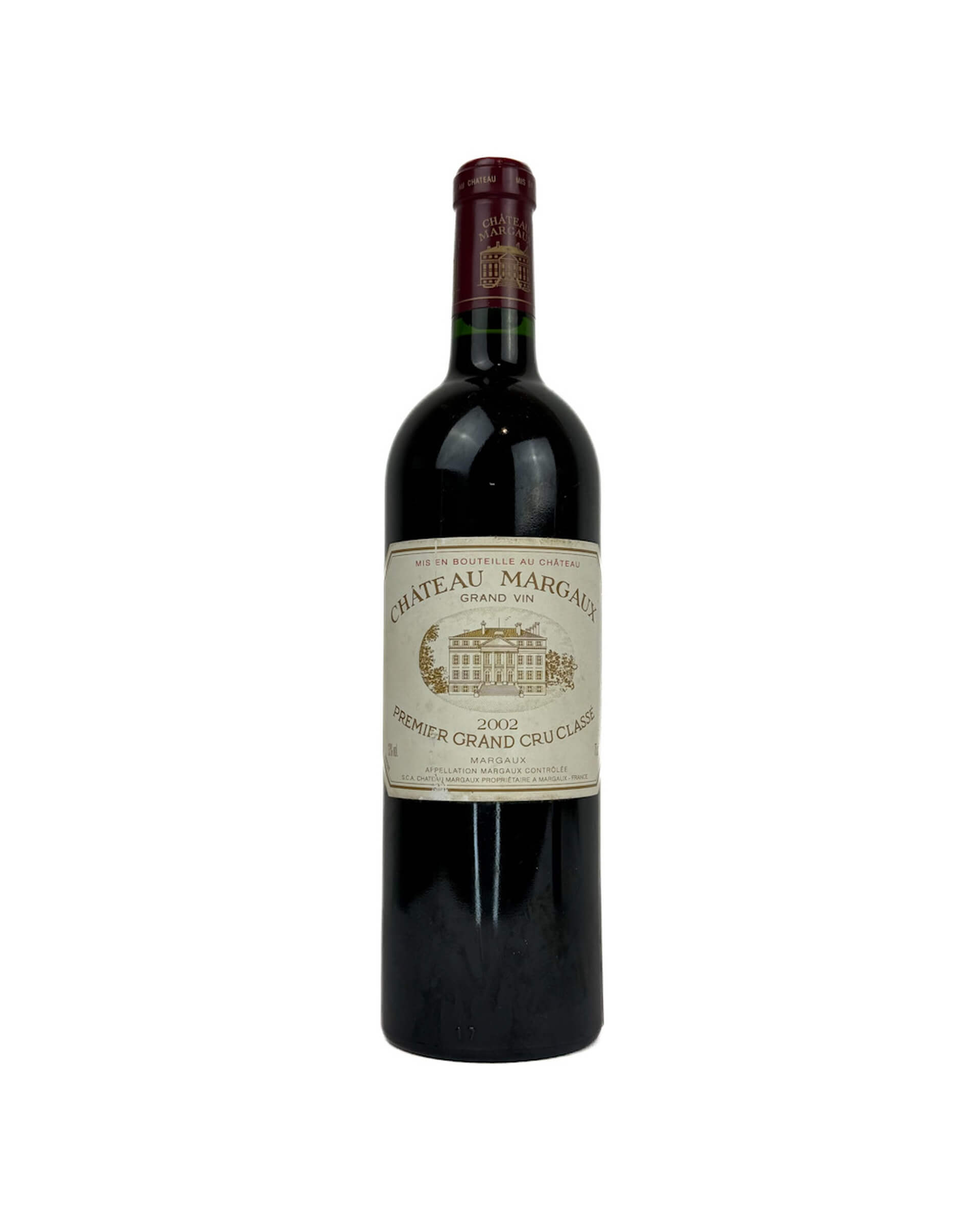
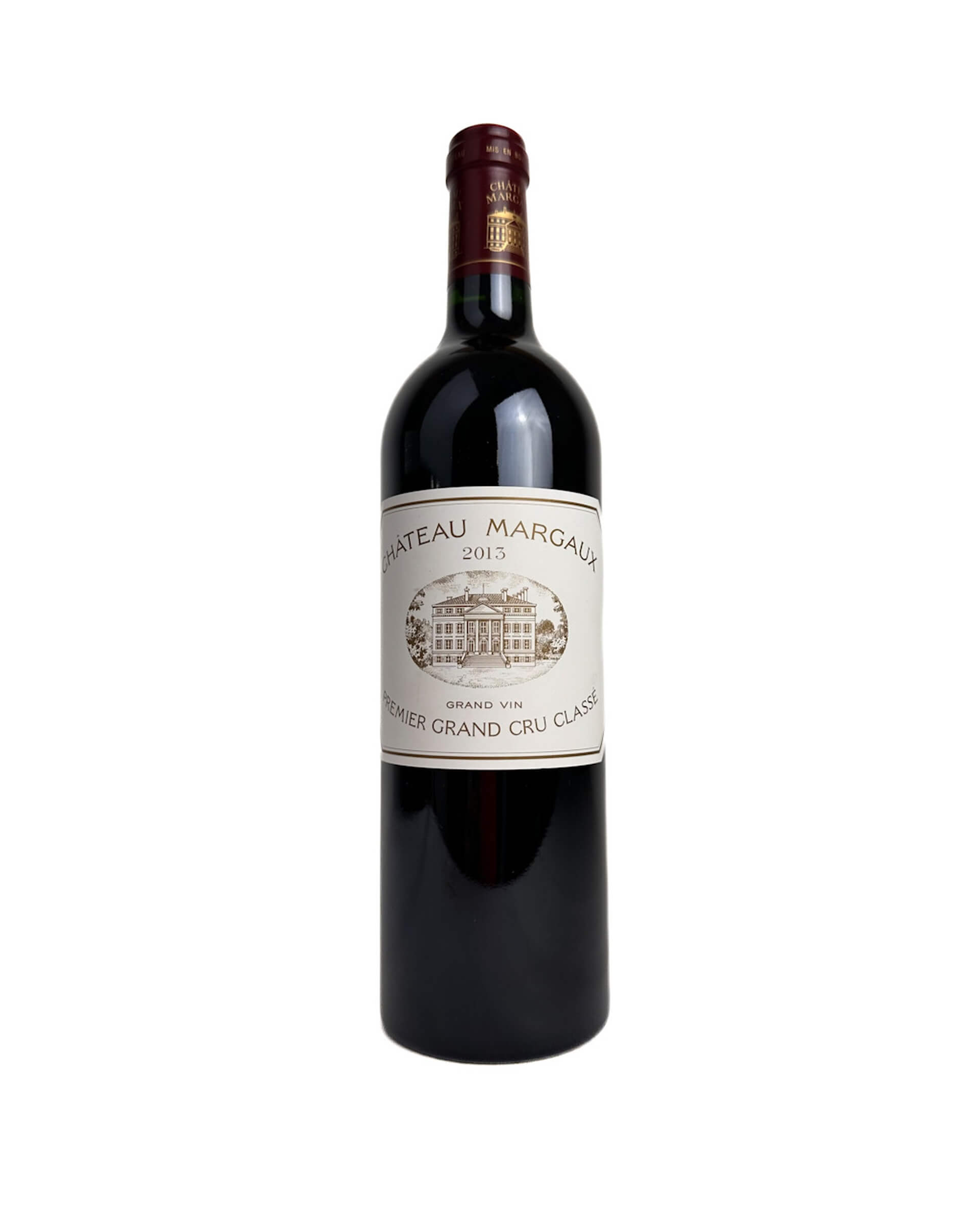
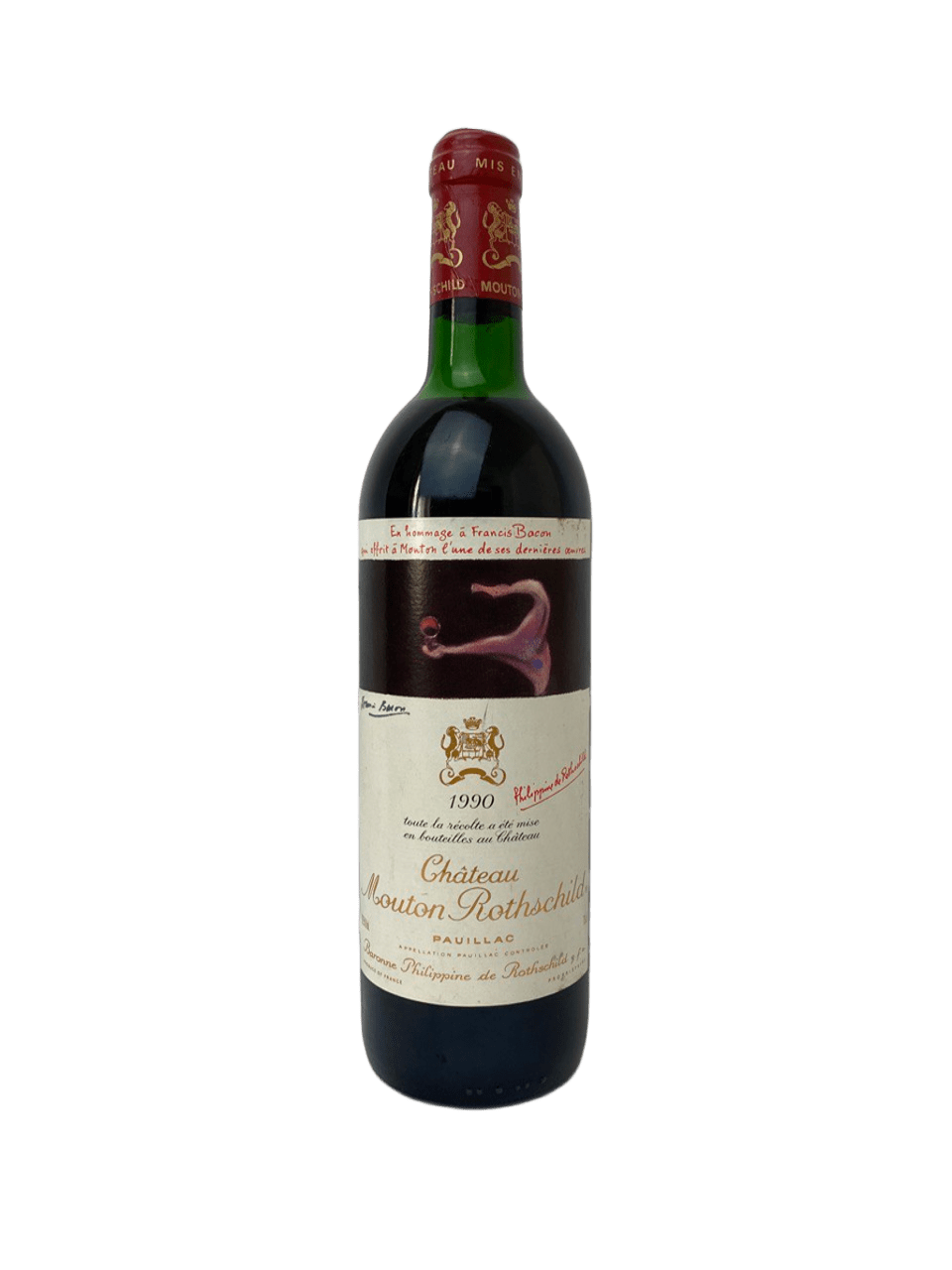
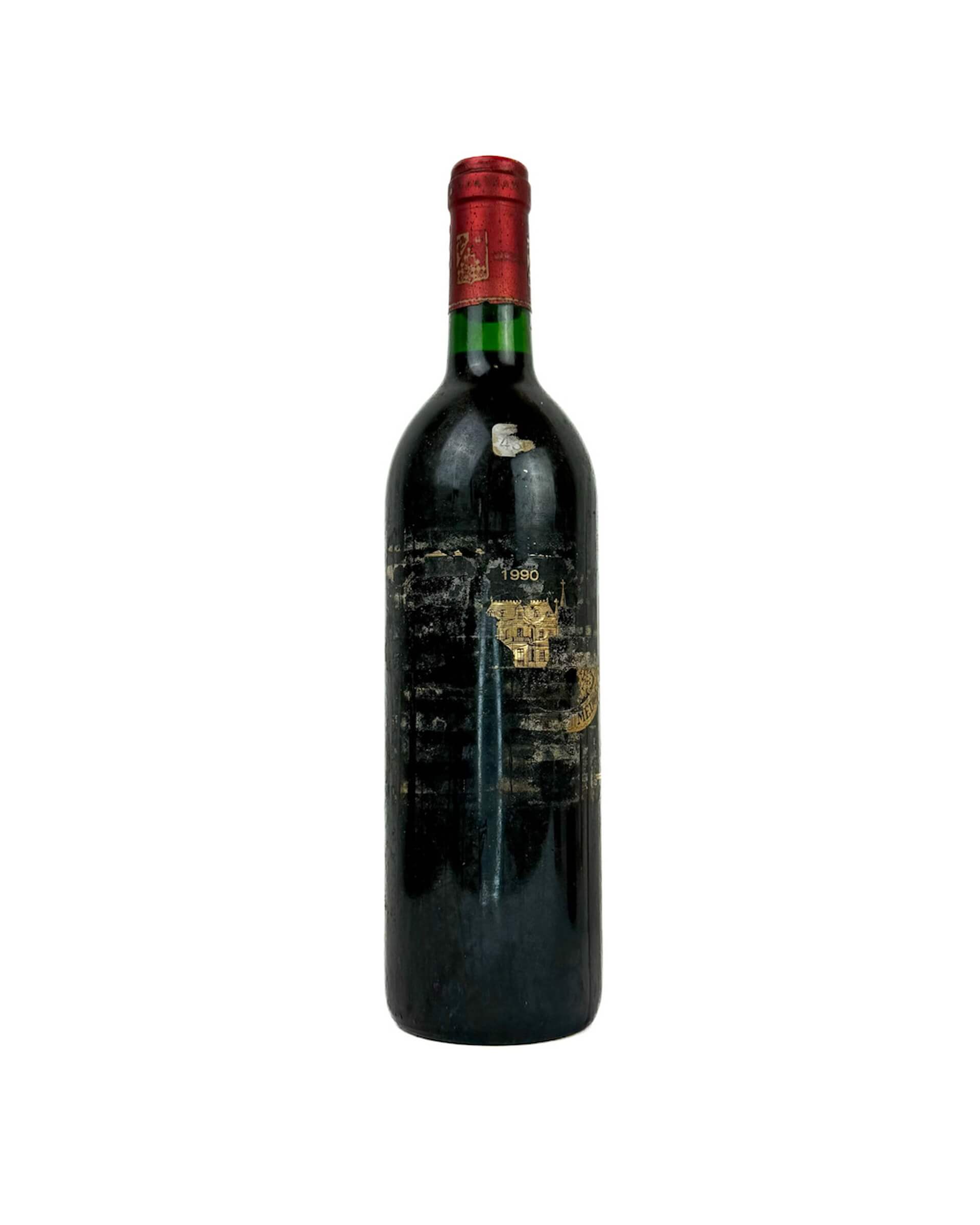
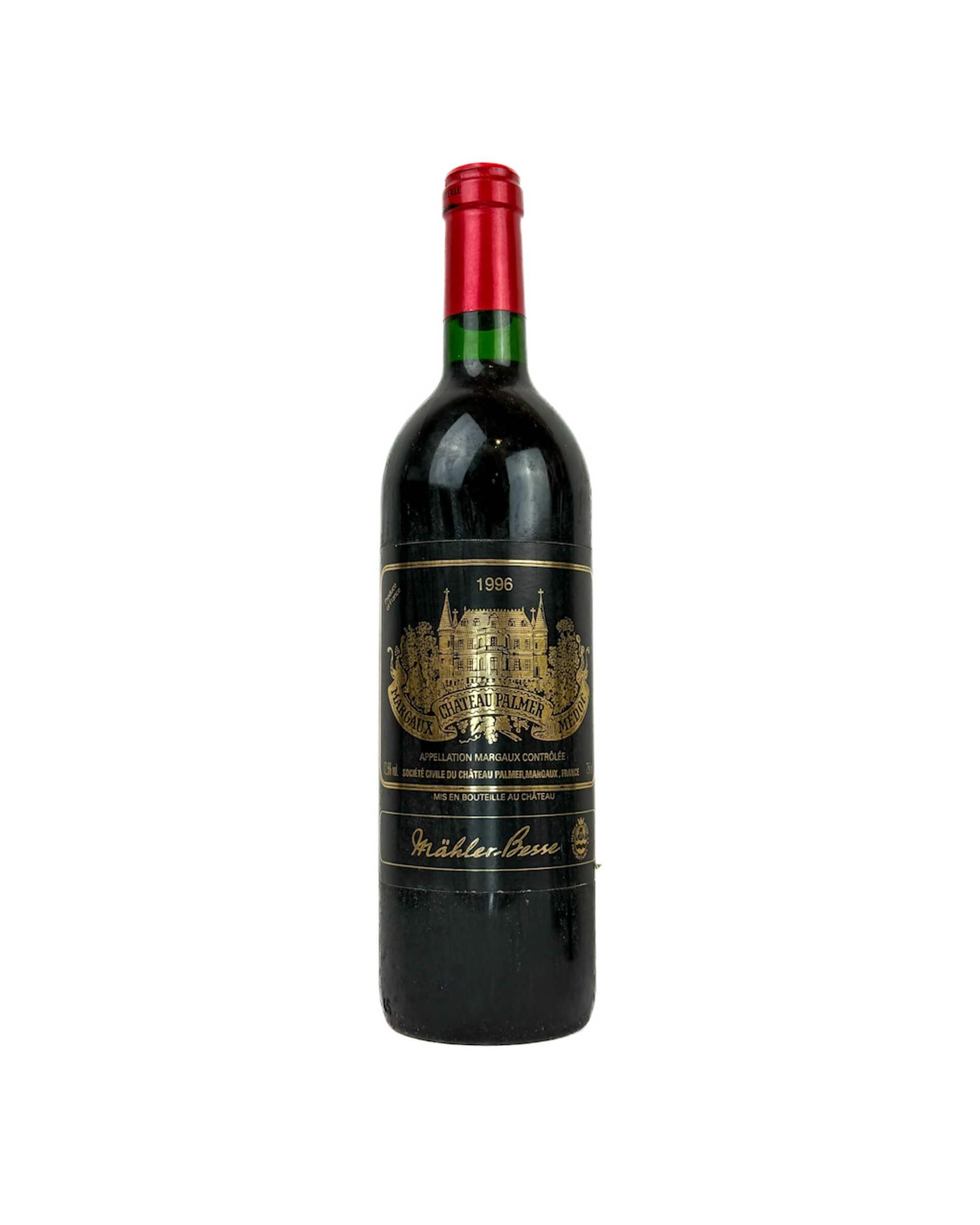
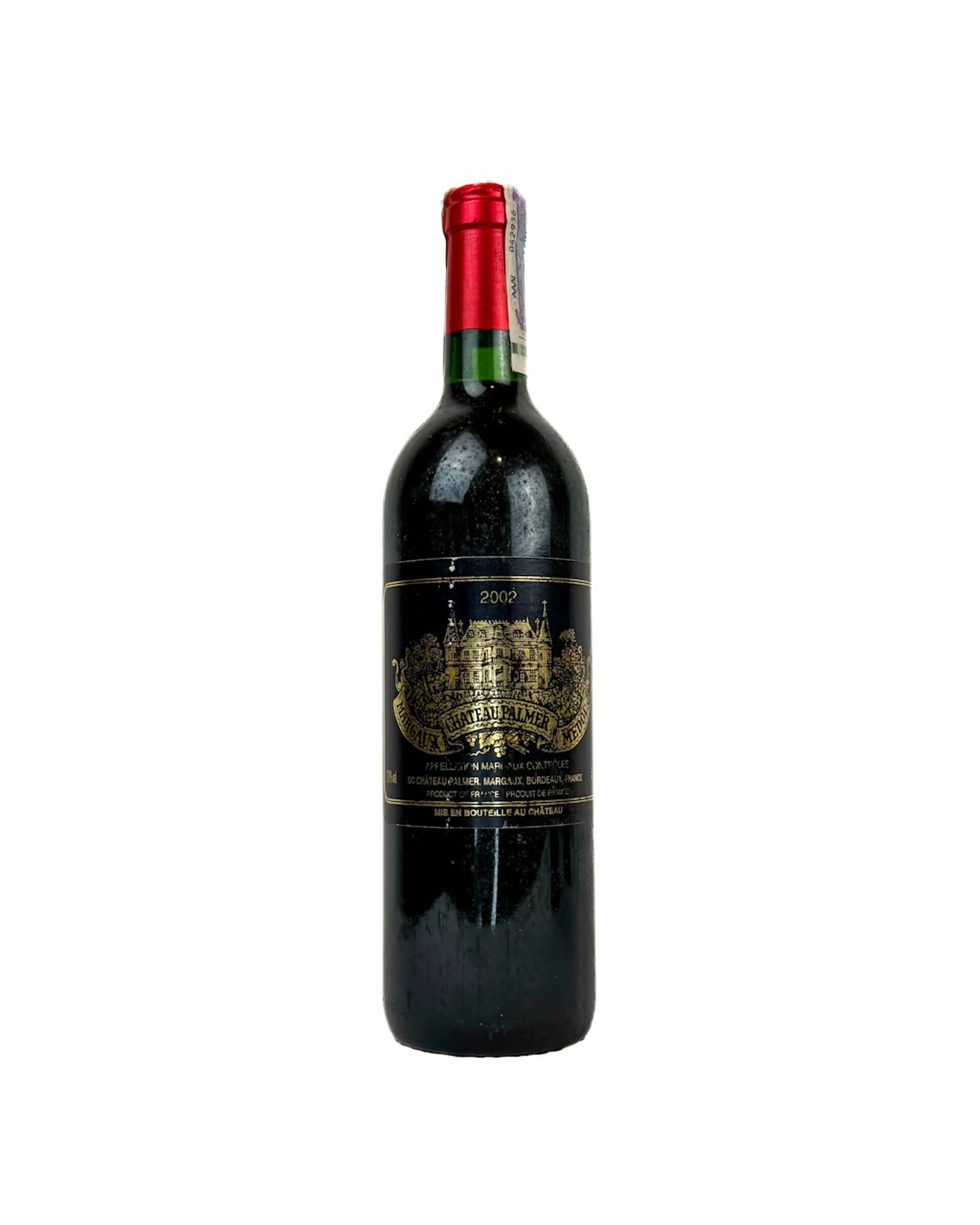
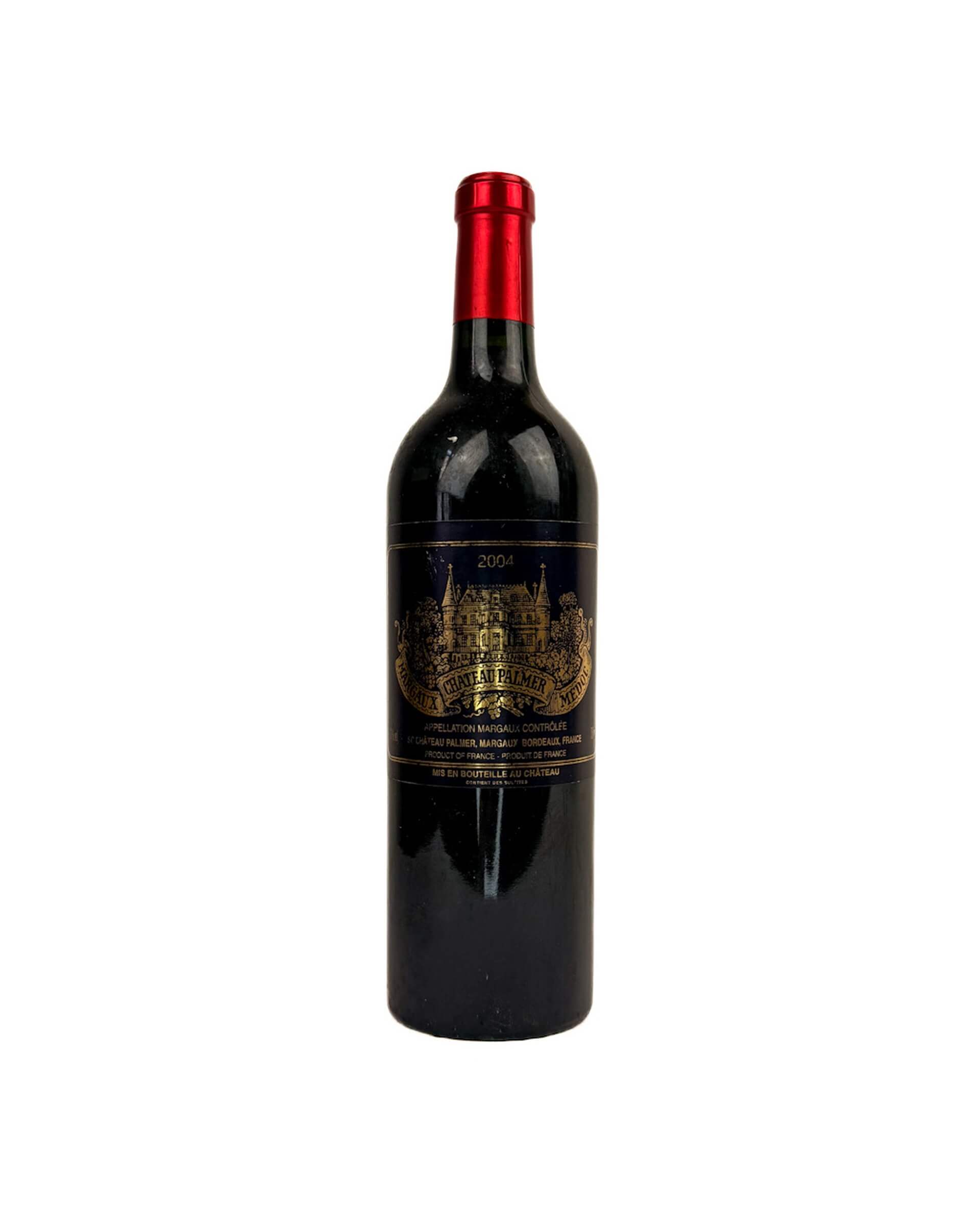
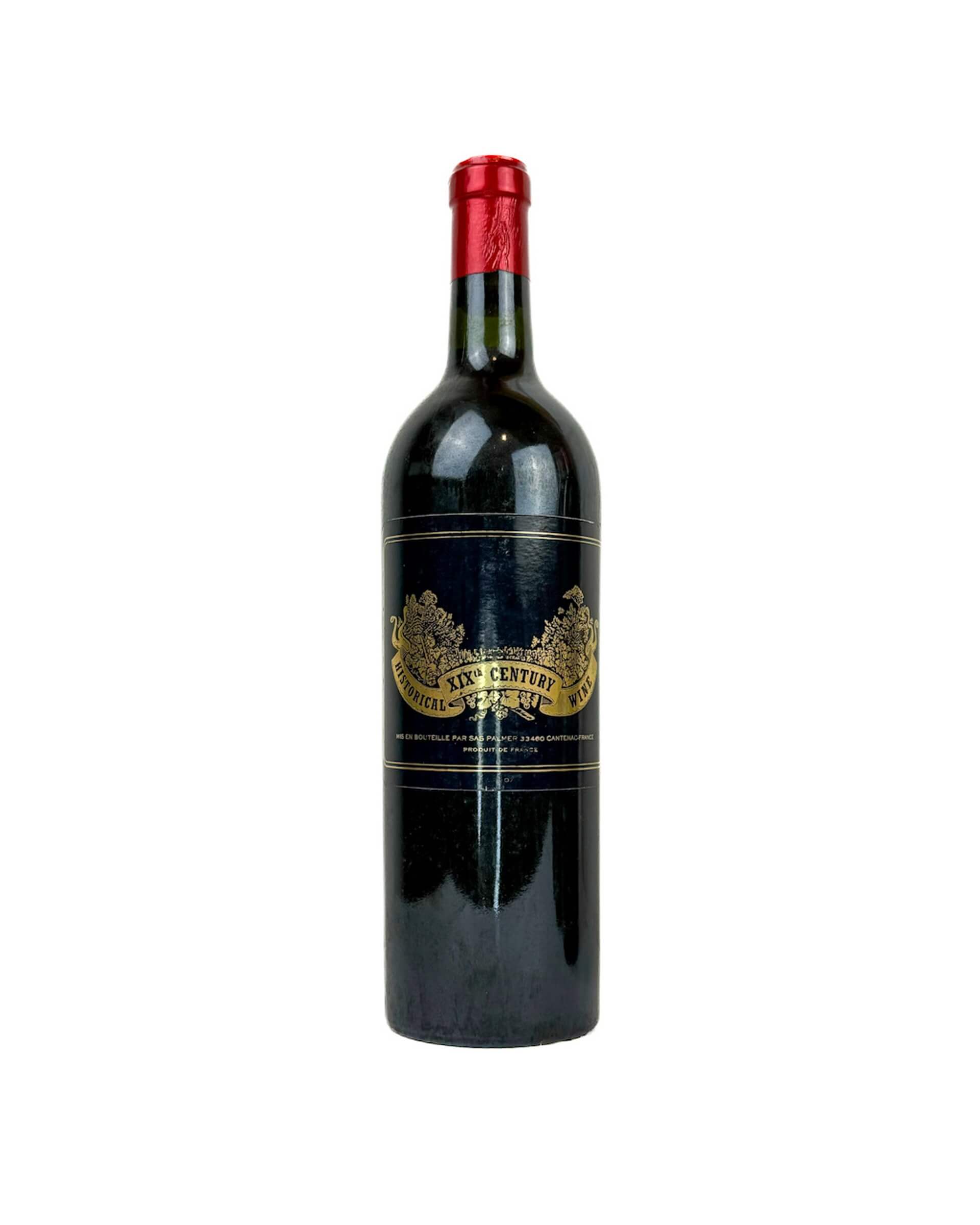
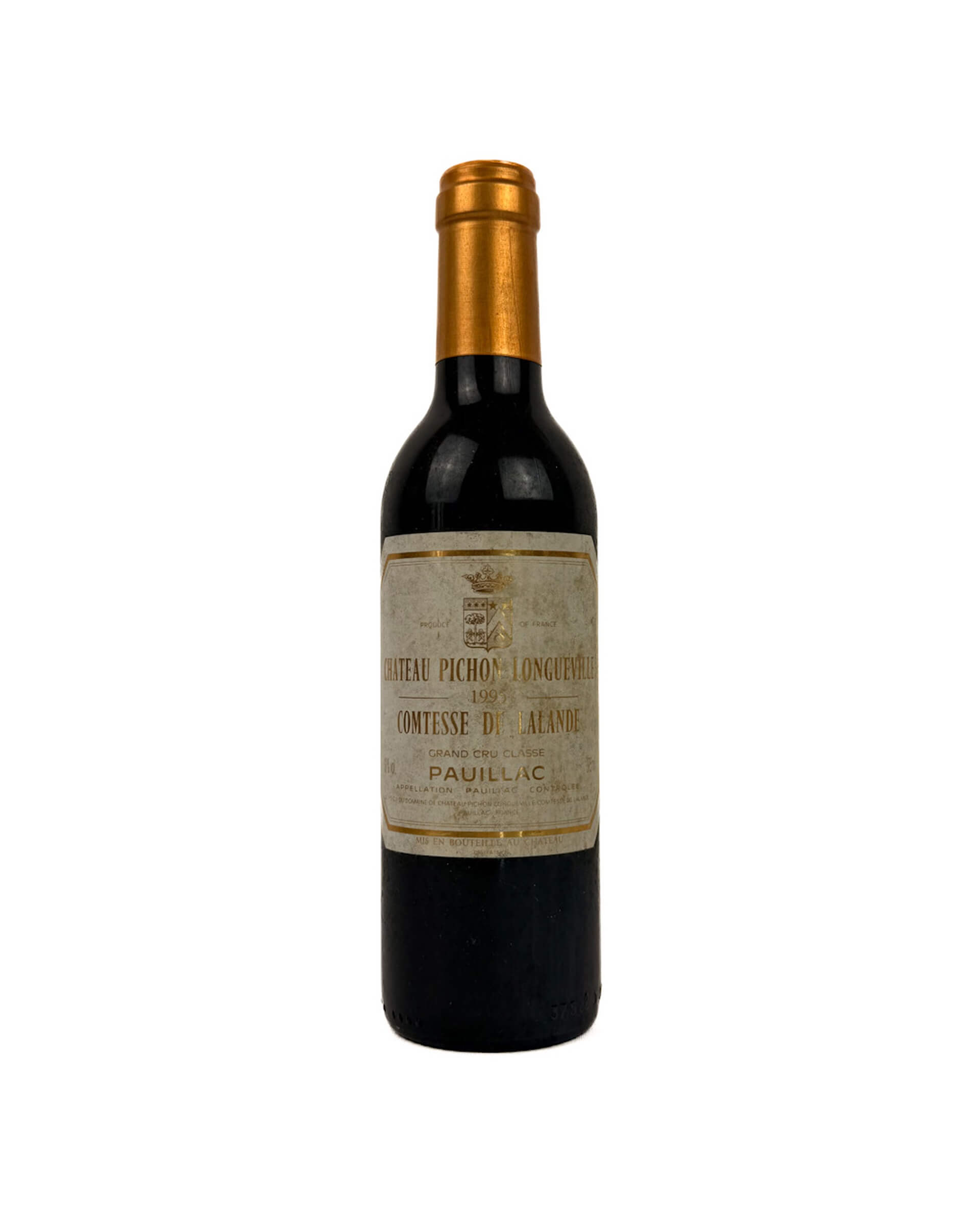
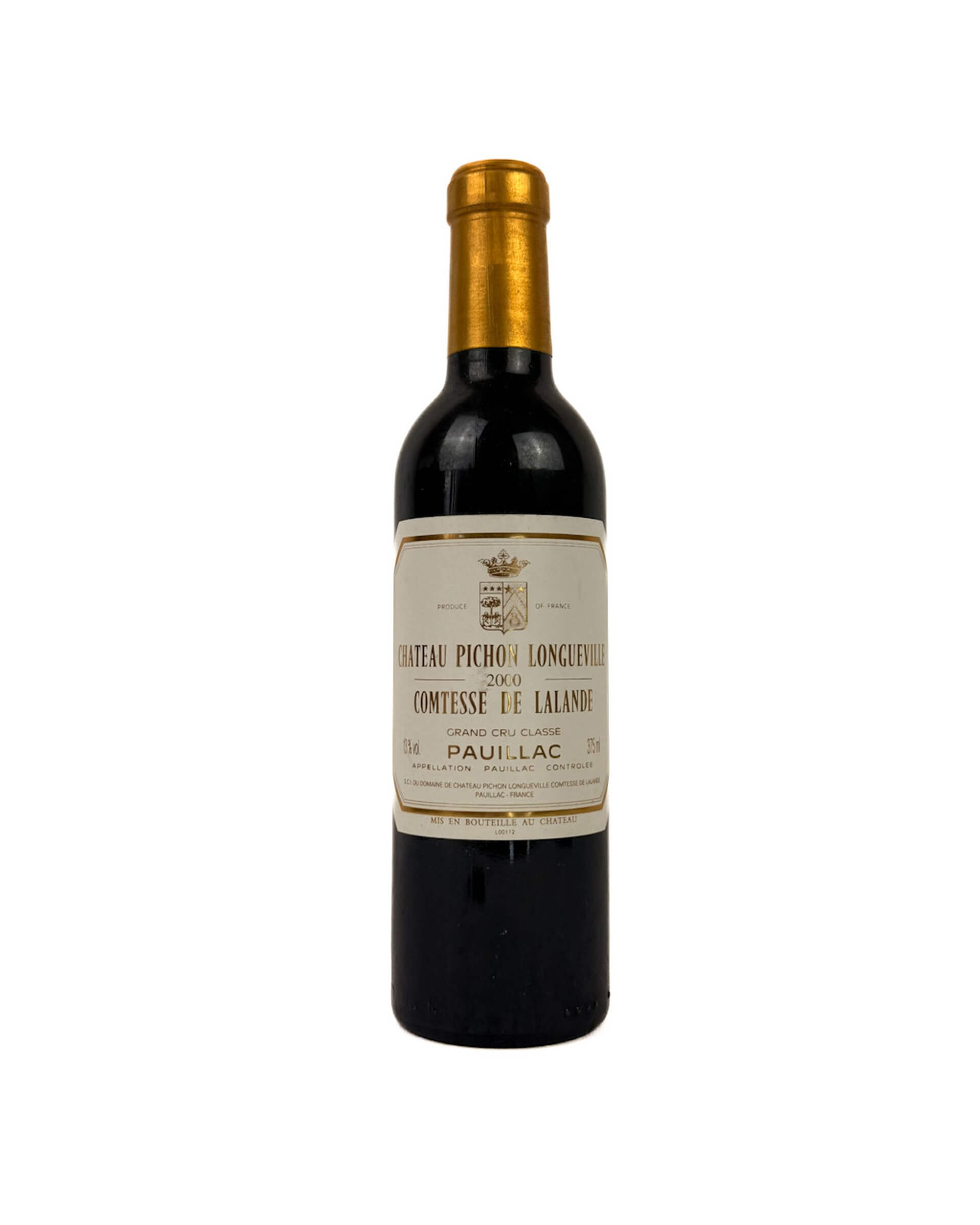
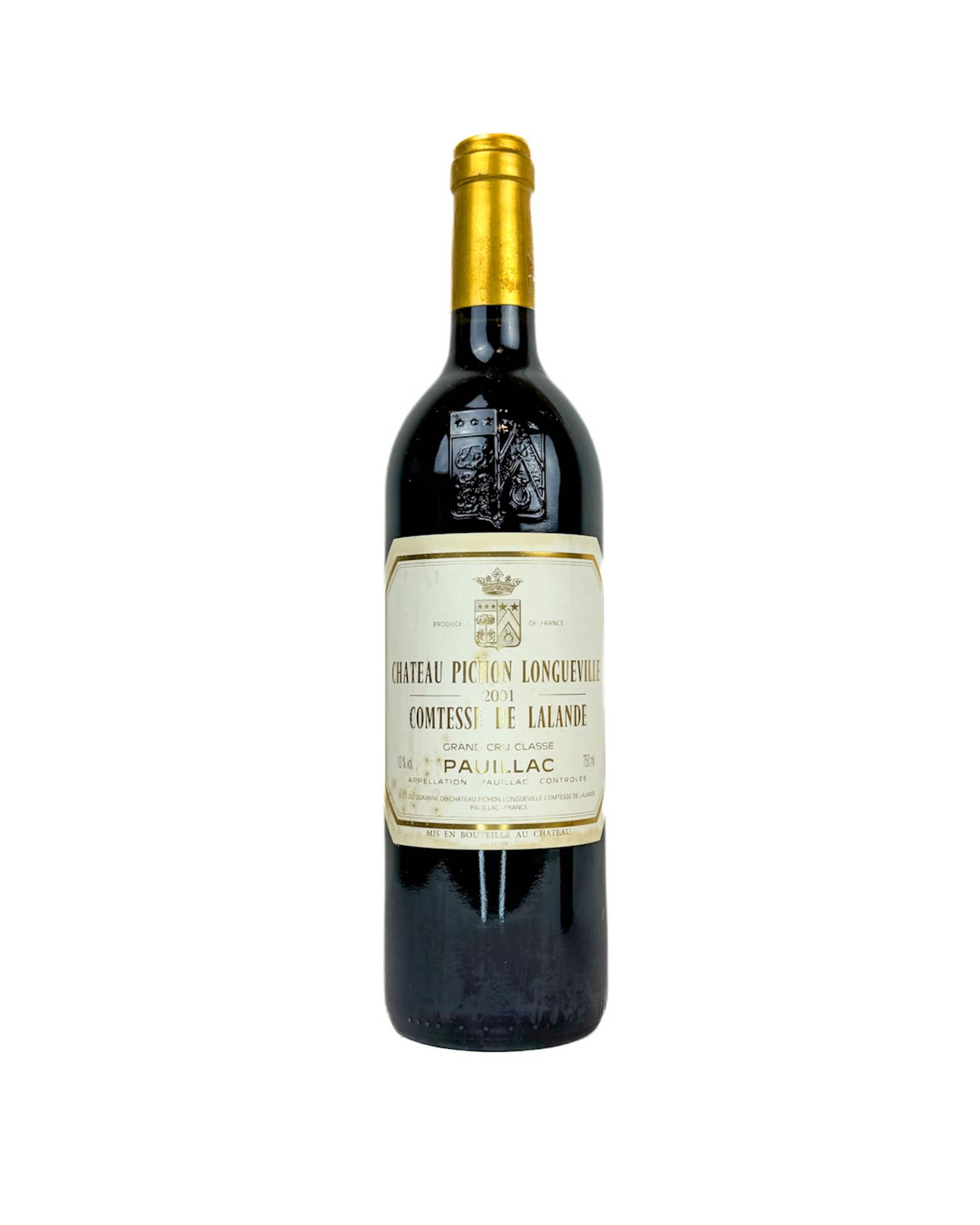
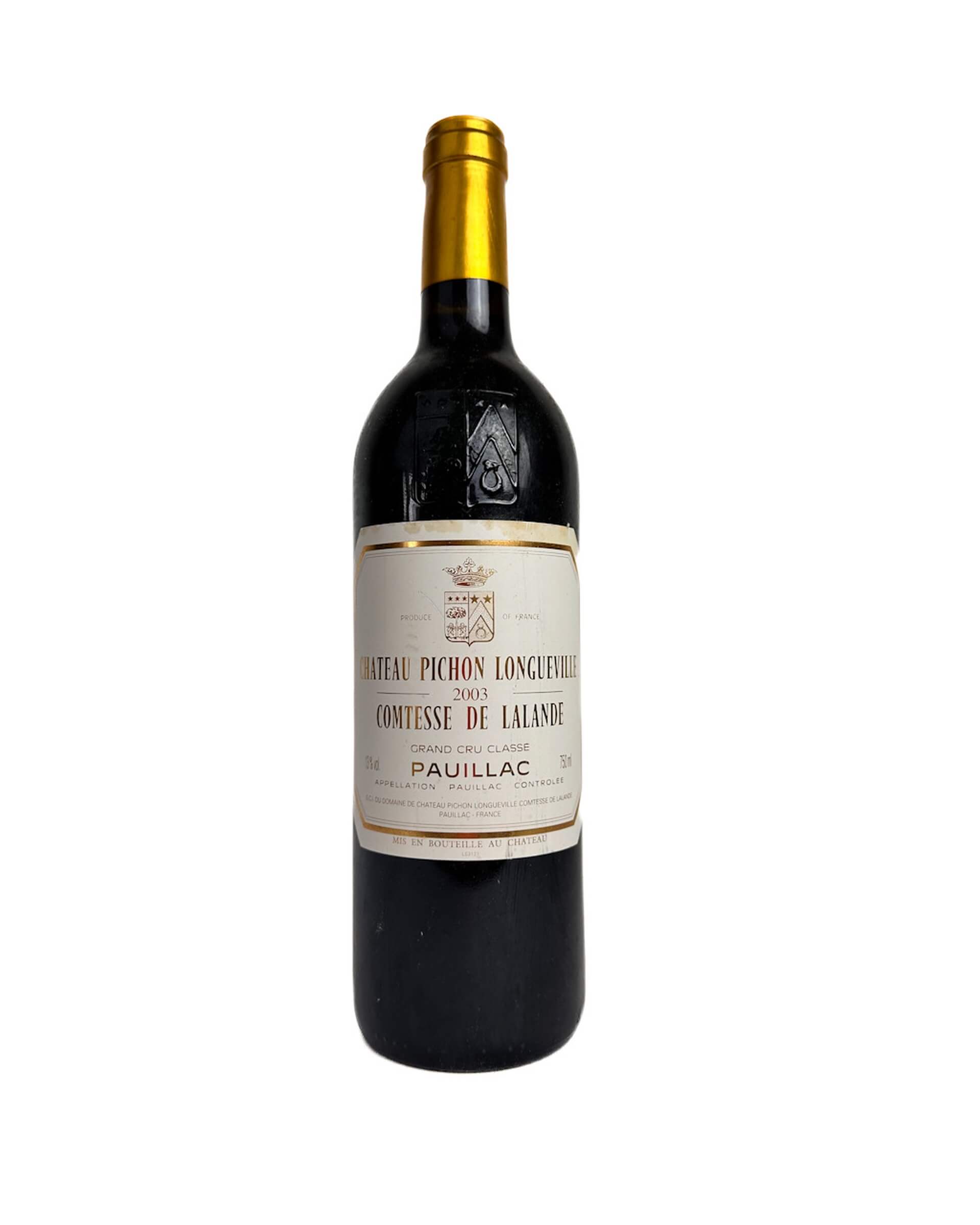

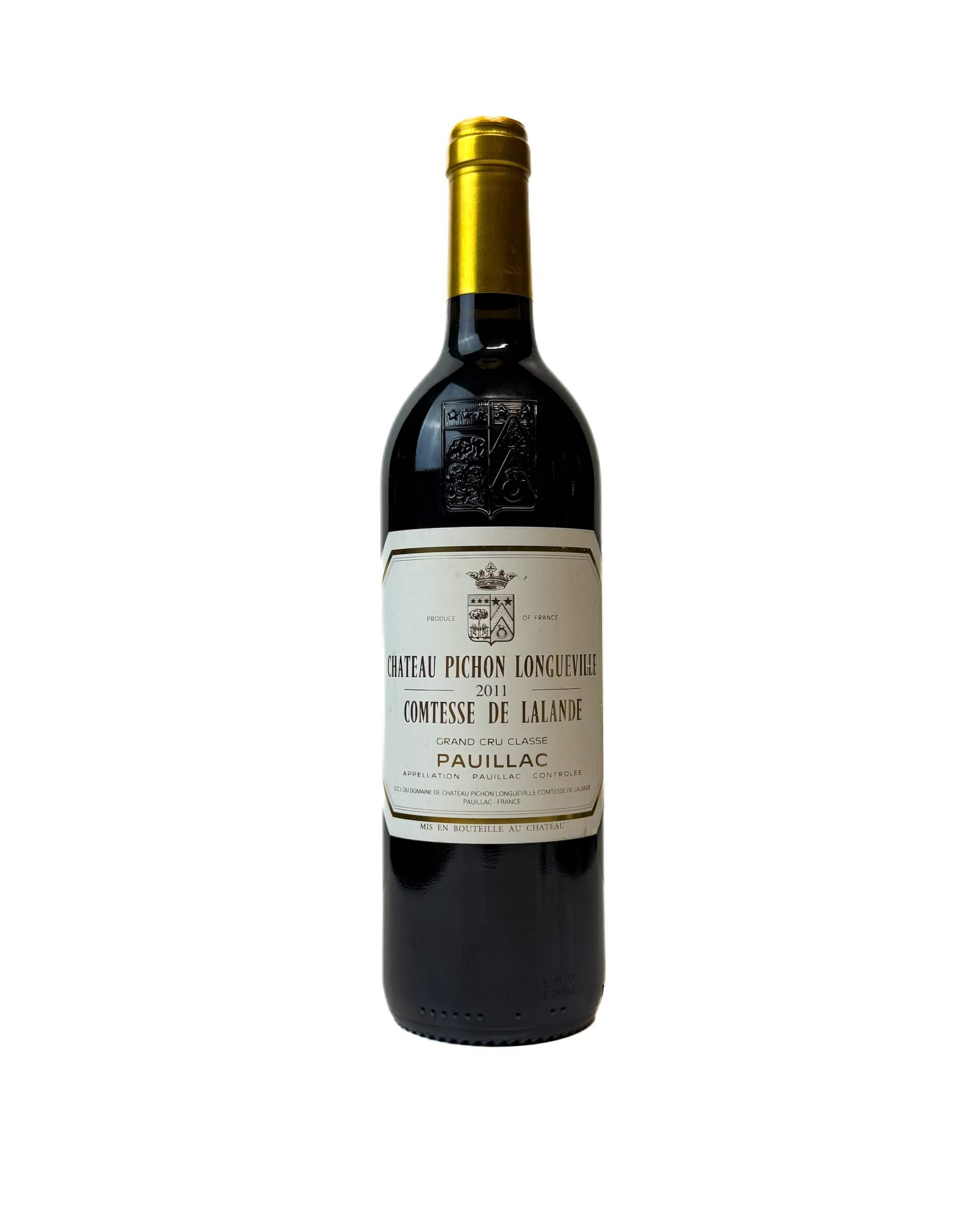
Petit Verdot (pronounced “pe-tee vair-DOH”, with a silent final T) is one of Bordeaux’s six classic red grapes, where it has traditionally made up just 2 to 5 percent of a classed-growth blend. For most of the region’s history the variety was a temperamental supporting actor: late to ripen, difficult in cool vintages, and rarely more than a whisper on the label. Yet that same late ripening is exactly what gives it such concentration, colour, and perfume when conditions are right. Since the 1990s, plantings have grown sharply in warmer regions — from Spain’s Jumilla to McLaren Vale and Virginia — where the grape ripens fully and is increasingly bottled on its own. This page gathers 66 bottles from Bordeaux châteaux and other leading regions, priced from around €130 to €3,500, alongside the practical knowledge to choose well.
If you already enjoy structured Bordeaux reds, Petit Verdot is the natural next discovery — and a rewarding one to explore across our grape varieties collection.
Petit Verdot has one of the deepest colours of any red wine grape. Pour a glass of the varietal and the first impression is visual: a near-opaque purple-black so dense that light barely passes through the rim. The nose follows with dark fruit and a distinctive floral-savoury edge that sets it apart from its Bordeaux siblings. Typical aromatics include:
On the palate, the grape is built for structure. Dense, fine-grained tannins frame firm, refreshing acidity, and the finish is long and gripping. Ripeness shapes everything: in marginal Bordeaux vintages the wine leans towards herbal, peppery, high-acid austerity, while warm-climate fruit from Spain, Australia, or California delivers plusher, riper, more generous flavours. As a point of reference, it is typically more structured and darker than Merlot, and even deeper in colour than Cabernet Sauvignon — which is precisely why winemakers prize it.
Although it is forever linked with Bordeaux, the variety now travels widely, and where it grows shapes how it tastes. Cool, marginal climates produce taut, structured wines; hot, dry regions coax out riper, fruit-driven expressions.
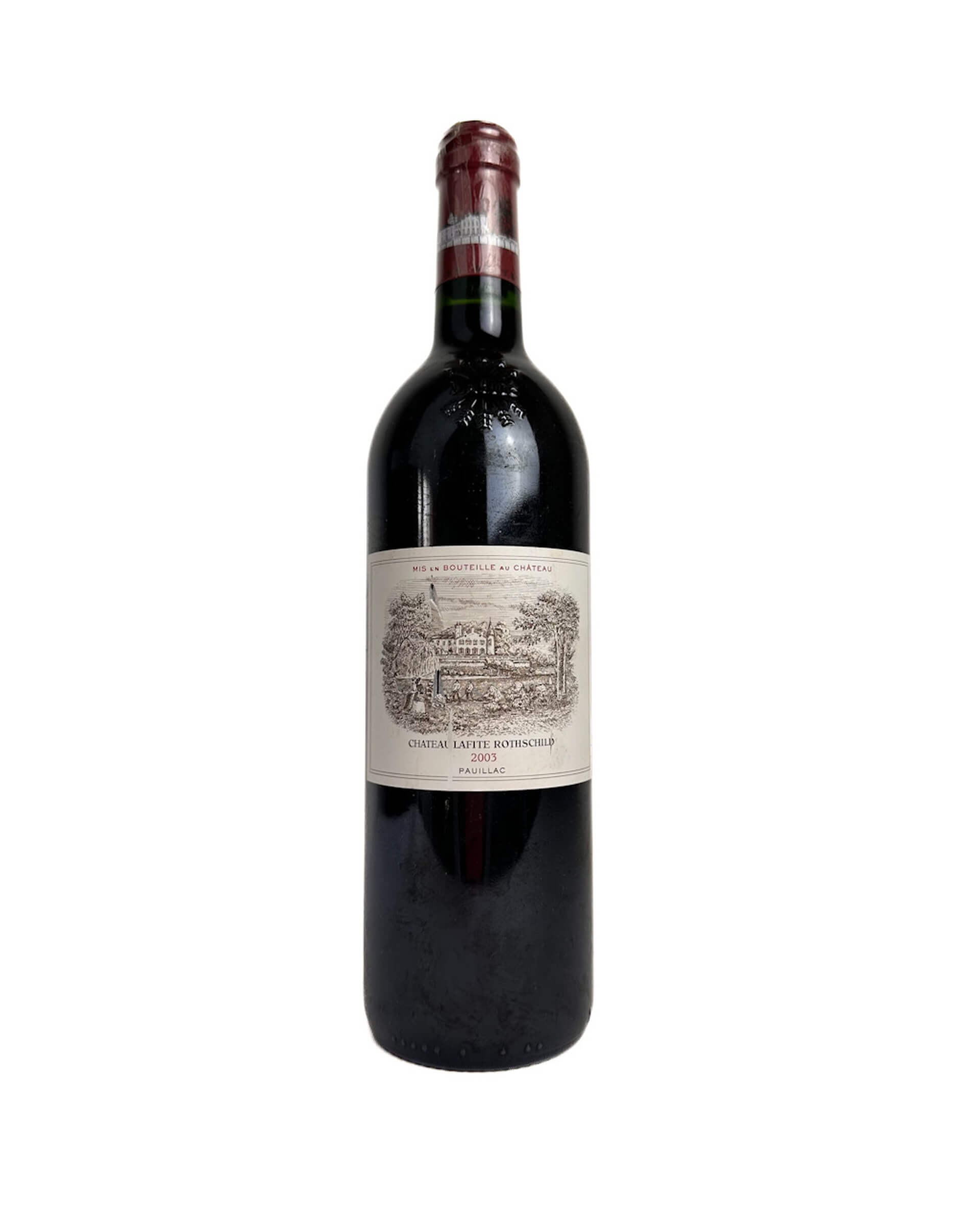
The grape’s roots lie in the Médoc and Graves of Bordeaux, where it has been grown for centuries. Traditionally it appears as a minor blending component — usually 2 to 5 percent — added for colour, tannic backbone, and aromatic spice. Its late ripening is the reason it rarely exceeds that small share in classified blends: in cooler vintages it simply fails to mature, so growers limit their exposure. In our Bordeaux range the variety shows up as a defining touch in estates such as Château Sociando-Mallet in the Haut-Médoc and Château La Lagune, while Domaine de Chevalier carries it through into the Pessac-Léognan blend. To understand its supporting role in context, it is worth browsing the wider world of Bordeaux wines.
Spain has become the grape’s most enthusiastic adoptive home. In the hot, dry conditions of Murcia — particularly the Jumilla and Yecla DOP zones — and across Castilla-La Mancha, it ripens fully and reliably. Producers such as Juan Gil and Bodegas El Nido in Jumilla build it into their dense, modern reds, and it is frequently bottled as a pure varietal too, giving rich, fruit-forward wines with rounder, softer tannins than their Bordeaux counterparts. For many drinkers, a warm-climate Spanish example is the most accessible entry point into the style.
In the New World, generous sunshine suits the grape perfectly. McLaren Vale and Clare Valley in Australia deliver full ripeness and plush dark fruit; Mendoza in Argentina yields structured yet approachable reds; and in California, Paso Robles and Napa produce warm-climate expressions that are sometimes bottled as 100 percent varietals. These wines tend to foreground fruit and texture over the herbal edge of cool-vintage Bordeaux.
Beyond these strongholds, the variety turns up in Languedoc-Roussillon in southern France, in Tuscany among Italy’s international-variety estates, and in Virginia, where it is now one of the state’s signature red grapes — widely planted across the Monticello AVA and championed as a wine that ripens reliably in the humid Mid-Atlantic climate. Each remains a niche or emerging source, but together they confirm how far this once-marginal Bordeaux grape has spread.
Most Petit Verdot in the world is never seen on a label. As a blending grape it earns its place through three contributions: intense colour, a firm tannic backbone, and that unmistakable violet-and-spice perfume. A few percent in a Cabernet-dominated blend can deepen the hue, lengthen the structure, and add aromatic lift — which is why classed-growth Bordeaux châteaux keep a small plot even when it ripens unreliably. You will usually find it listed quietly on a back label, blended with Cabernet Sauvignon, Merlot, and Cabernet Franc.
A varietal bottling is a different proposition. Increasingly common in Spain, the New World, and among adventurous Bordeaux estates, a single-variety wine is far more expressive: deeper, more aromatic, and notably more age-worthy. When the grape appears as the primary variety on the front label rather than buried in a blend, expect a bigger, bolder, more structured wine — one that rewards patience in the cellar. Both styles have their place within our French wine selection and across the wider catalogue.
A wine this structured needs a little care in the glass to show its best. Three simple rules will help any bottle perform:
The qualities that make Petit Verdot demanding to grow make it superb at the table. Its high tannin, firm acidity, and dark fruit call for rich, savoury cooking that can stand up to the wine and tame its structure. Good food pairing here is really about matching weight with weight.
What to avoid is just as useful to know: delicate white fish, cream-based sauces, and light pasta dishes will simply be overpowered by the tannin. In terms of occasion, Petit Verdot is a natural choice for a formal dinner or a serious autumn or winter meal — a wine for cooler evenings and considered cooking rather than casual sipping.
Because the grape spans everything from inexpensive Spanish varietals to rare Bordeaux collectibles, knowing where your budget sits makes choosing far easier. Across our selection of 66 bottles, prices run from around €130 to €3,500, and the spread tells a clear story about style and provenance.
Entry level (from around €130). The most affordable bottles are typically New World or Spanish varietals — a Jumilla red from a producer such as Juan Gil sits here, showing the grape’s core character of deep colour, ripe dark fruit, and approachable tannins without demanding years of cellaring or a serious outlay.
Mid-range (around €330, the catalogue median). Most bottles in our selection sit near €330. At this level you find serious Bordeaux blends with a meaningful proportion of the variety — Château Sociando-Mallet from the Haut-Médoc is a good benchmark — alongside quality Spanish and Australian wines with a little bottle age. This is the sweet spot for structure and complexity without moving into prestige pricing.
Prestige (from €1,150). Prestige cuvées begin around €1,150 and bring estate Bordeaux from top Médoc and Pessac-Léognan châteaux — Domaine de Chevalier is representative — plus benchmark New World producers. Expect concentrated, age-worthy wines with 10 to 20 years of cellaring potential ahead of them.
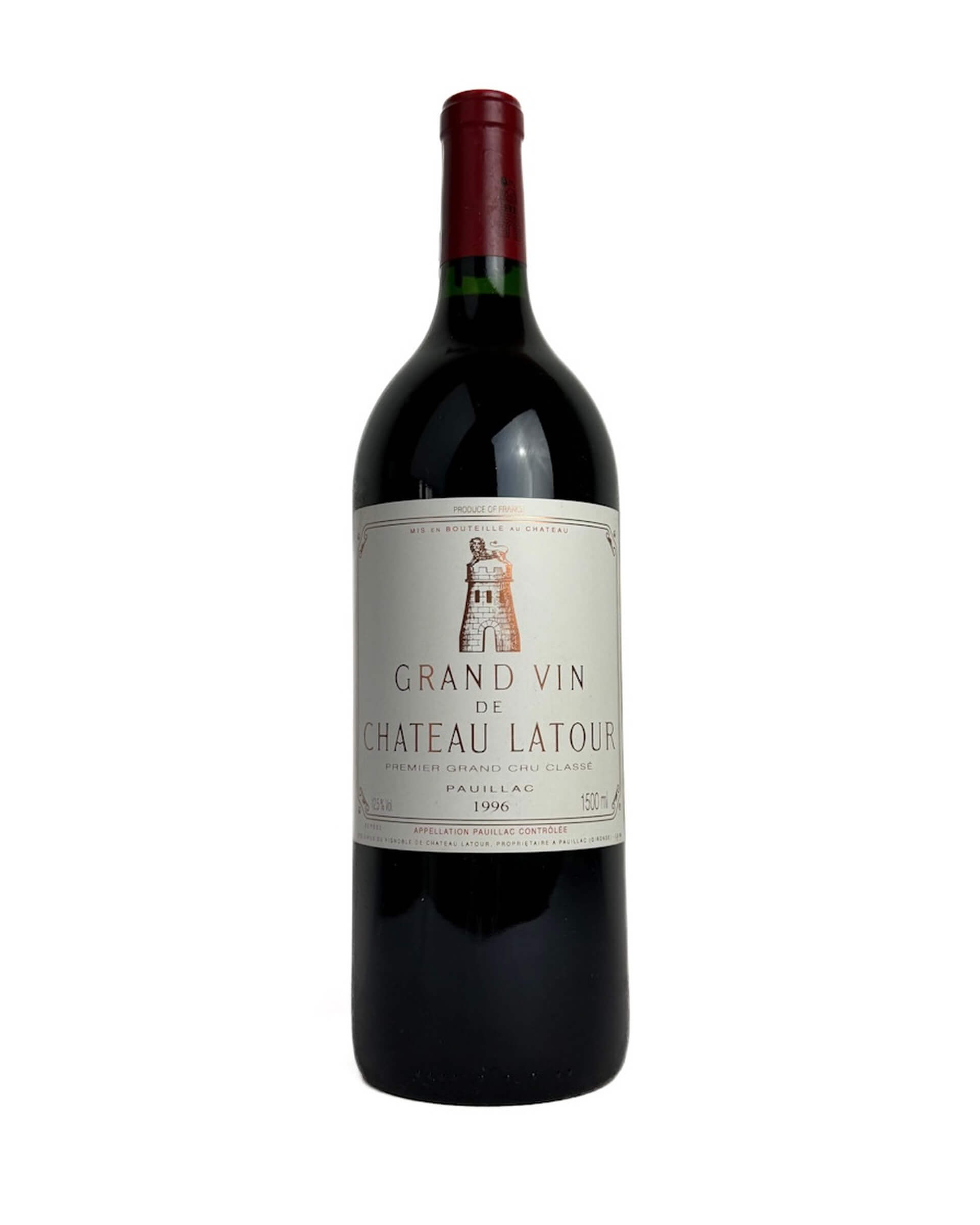
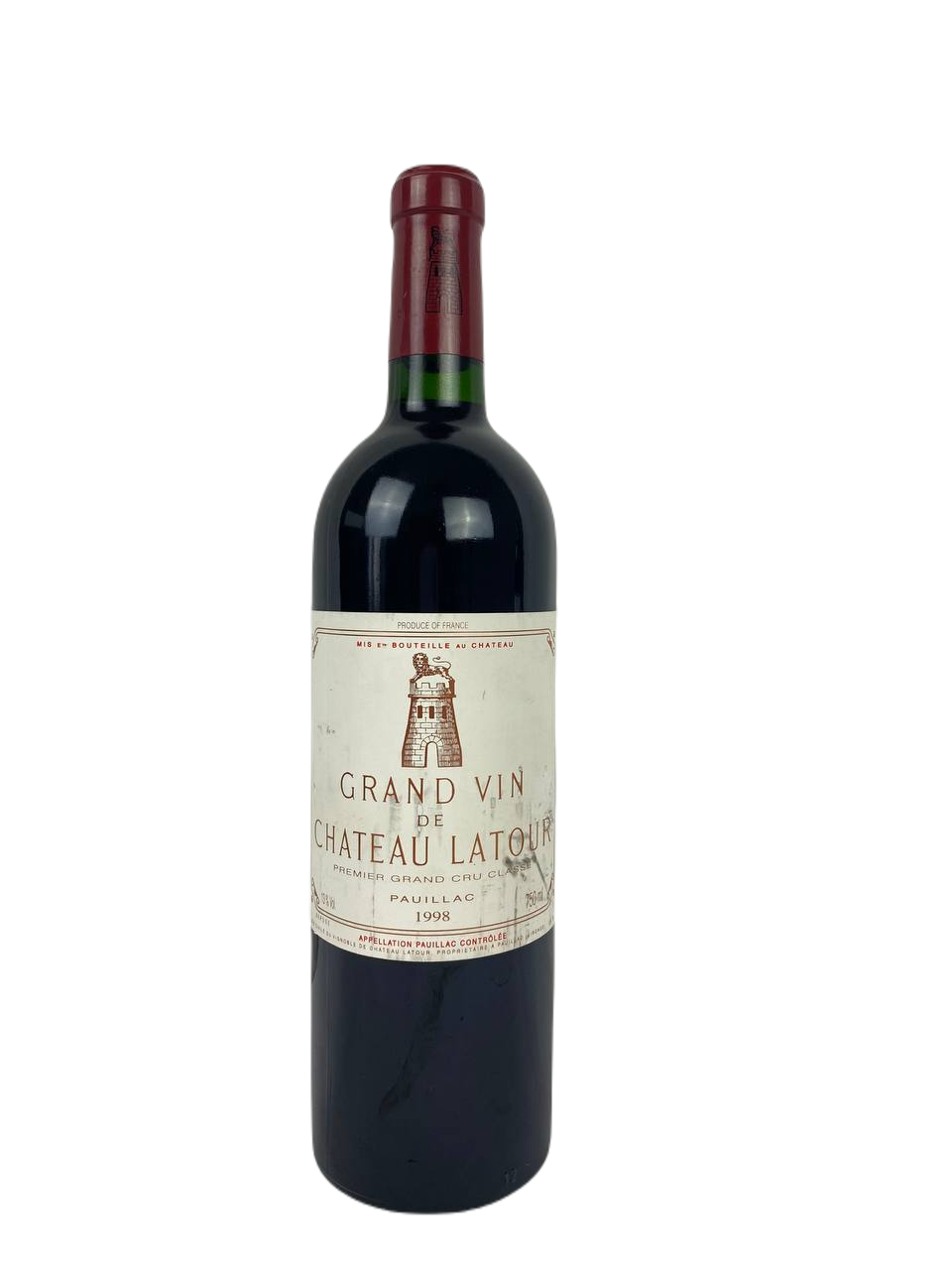
Collector tier (up to €3,500). At the summit, the rarest examples reach €3,500 — high-proportion Bordeaux expressions from exceptional vintages, the kind of bottles collectors seek out. Whatever your level, check four things on the label: producer, vintage year, appellation, and whether the variety is listed as the primary grape or as a blend component. When you are ready, you can explore our full wine catalogue to compare bottles side by side.
It is pronounced “pe-tee vair-DOH”, with the final T silent in French. The name derives from the French vert (green), a nod to the grape’s late ripening: in cooler vintages the berries can struggle to colour and mature fully, presenting green and underripe — a quality that historically made it difficult to manage in Bordeaux’s marginal climate. Once you have said it aloud a couple of times, it rolls off the tongue naturally.
Both are Bordeaux varieties with dense tannins and dark fruit, but Petit Verdot is distinctly darker in colour — often opaque violet-purple — more aromatic with violet and spice notes, and it ripens considerably later. In classic Bordeaux blends, Cabernet Sauvignon forms the structural backbone while Petit Verdot adds the finishing colour and aromatic lift.
No — they are entirely unrelated grapes. Petite Sirah (also known as Durif) is a separate variety that originated in France’s Rhône Valley and is now widely grown in California. Both are dark, tannic reds, which causes occasional confusion, but their flavour profiles and origins differ significantly.
Yes, particularly in varietal or high-proportion form. Its firm tannins and high acidity give serious bottles — especially from Bordeaux and quality New World sources — a cellaring window of roughly 10 to 20 years. The entry-level Jumilla wines in our range, by contrast, are drinking well now through about 2028, so there is no need to lay them down.
Written by the Tour de Wine buying team. Last reviewed: June 2026.
This site is restricted to adults. By entering, you confirm that you are of legal drinking age in your country of residence.