90
0,75
NV
Armand De Brignac
Wines, producers, regions...
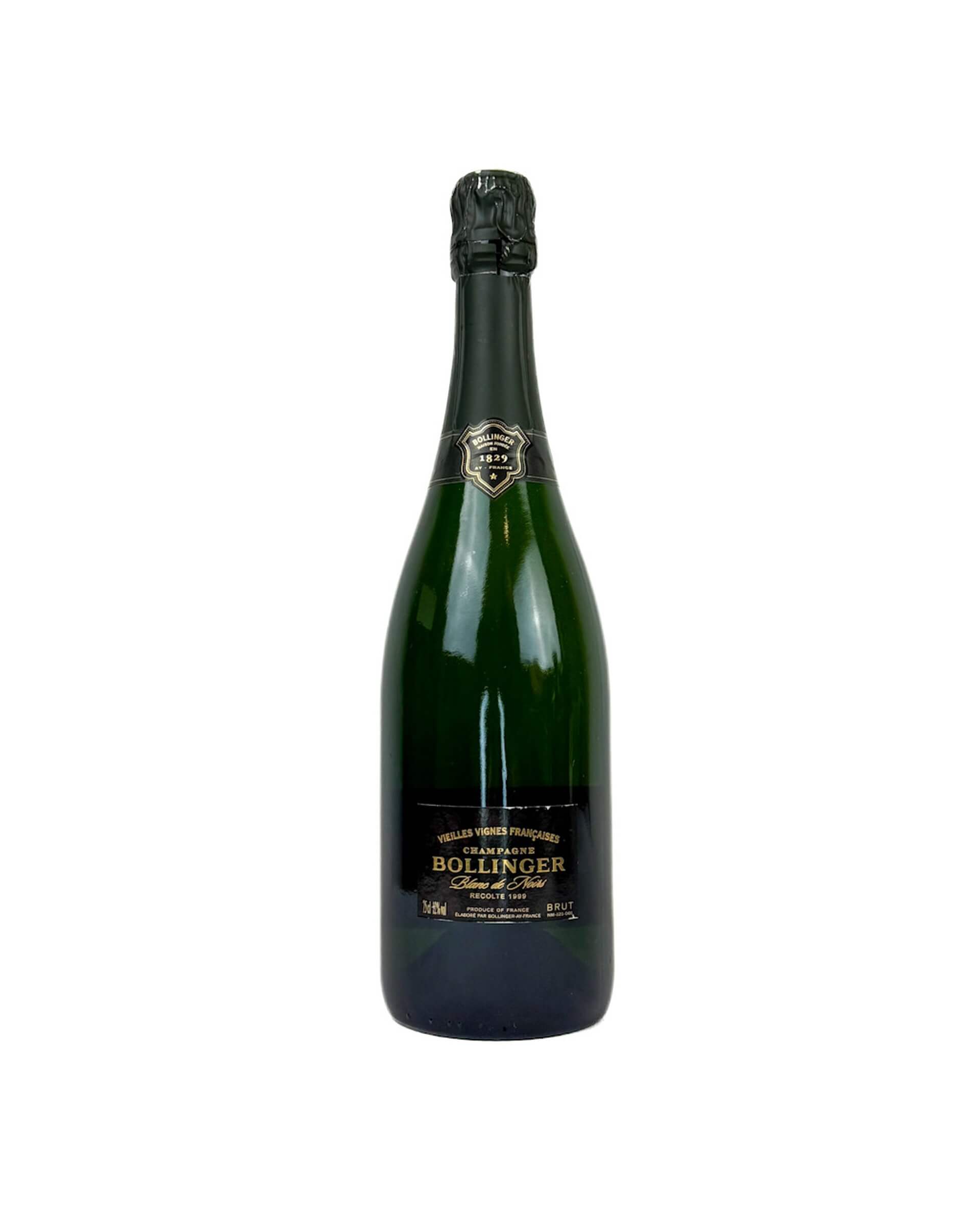
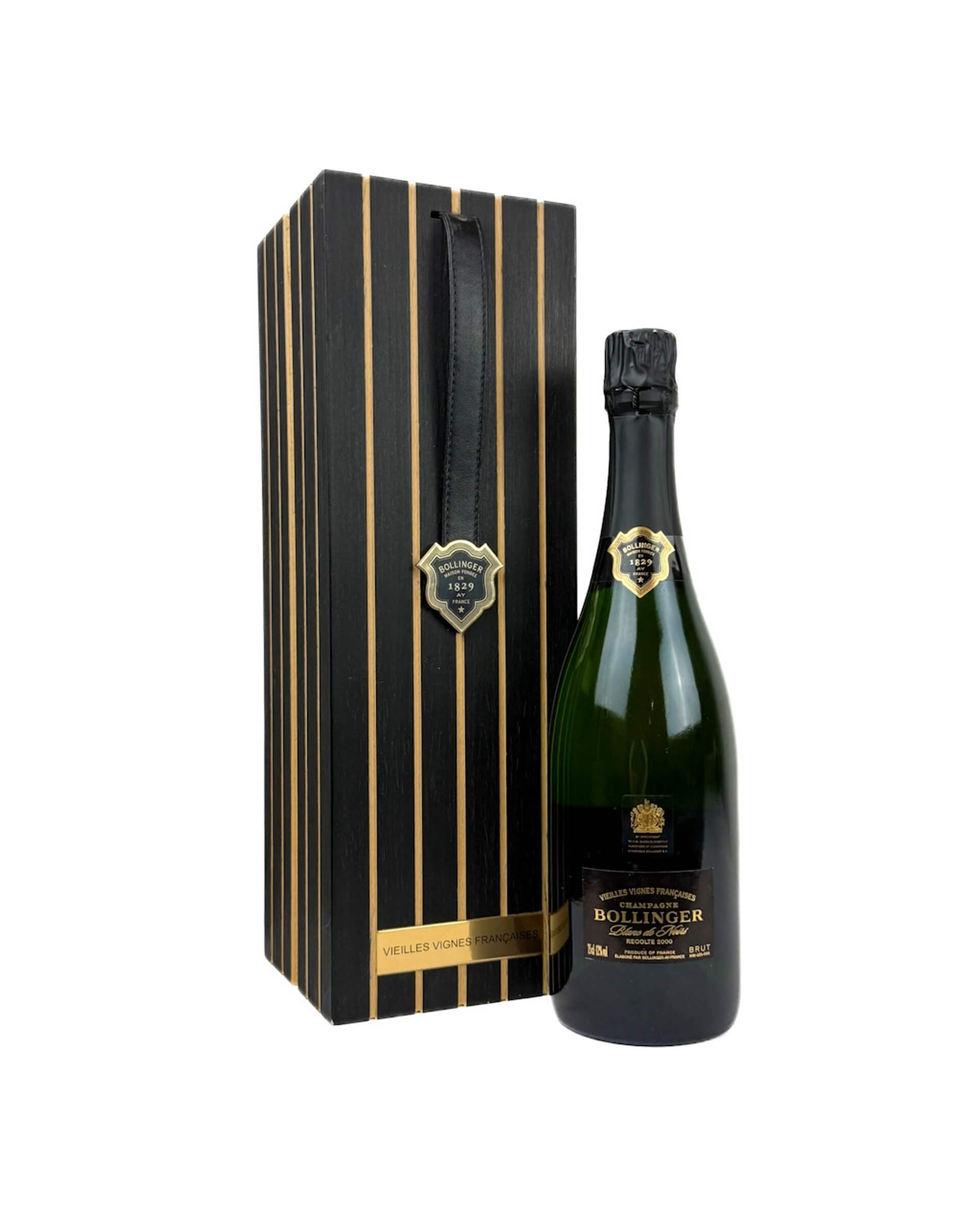
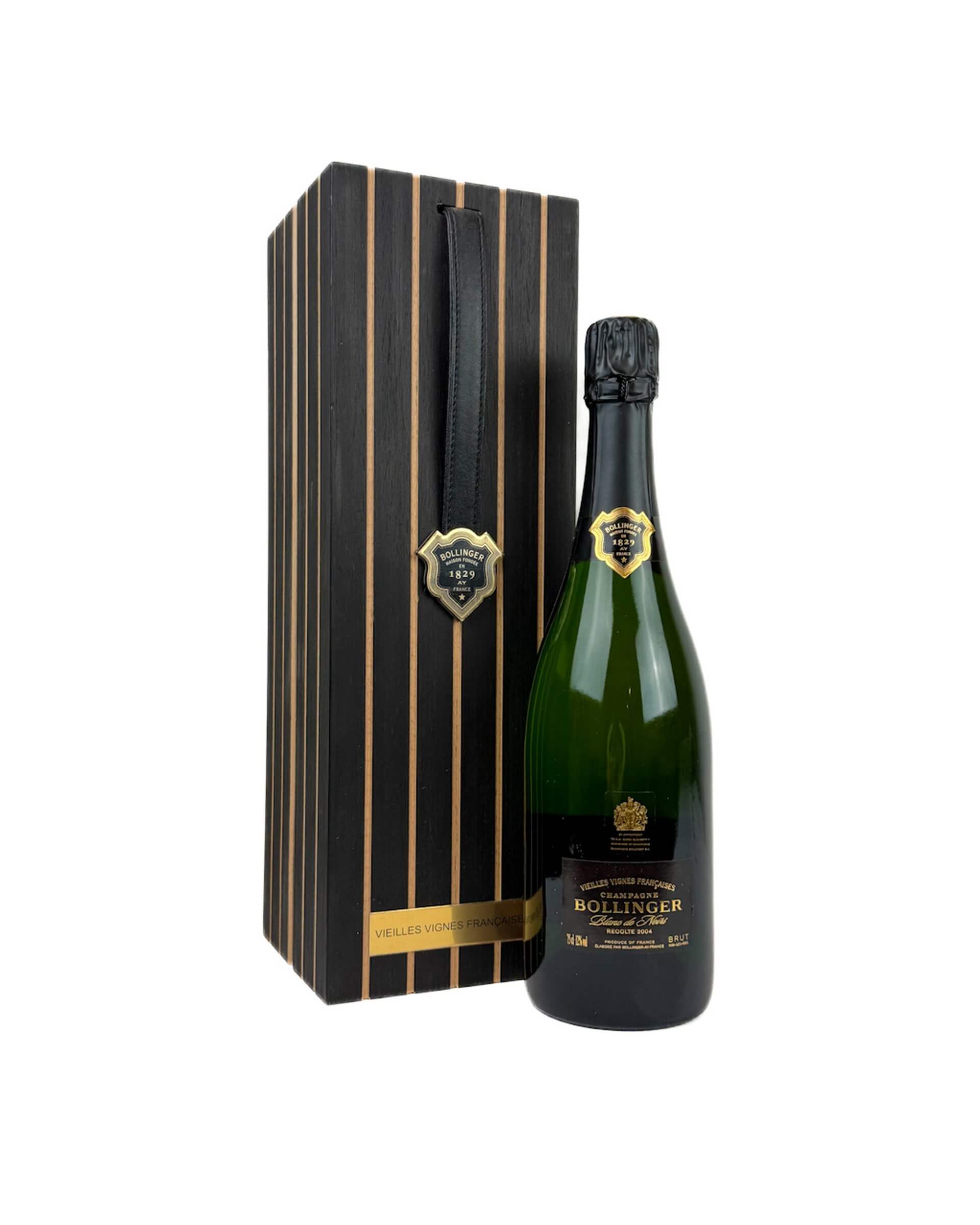
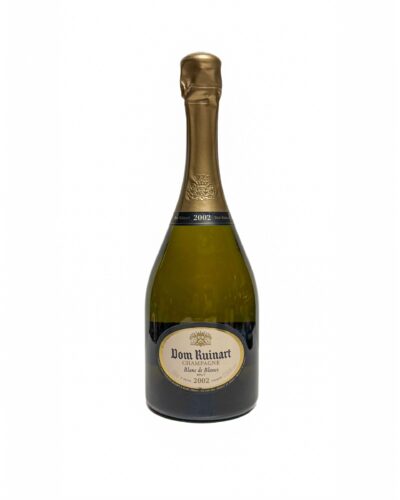
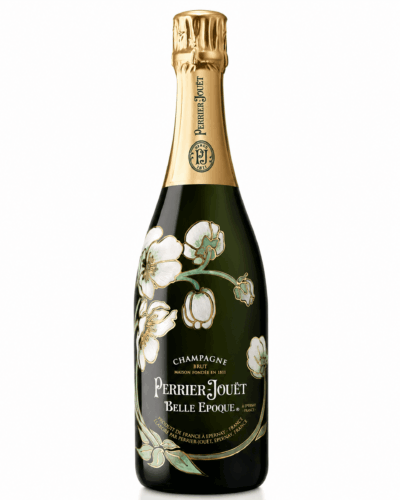
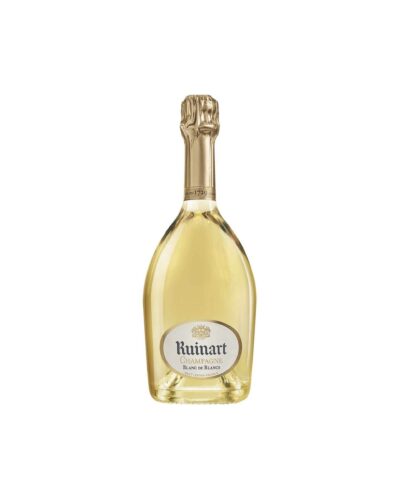
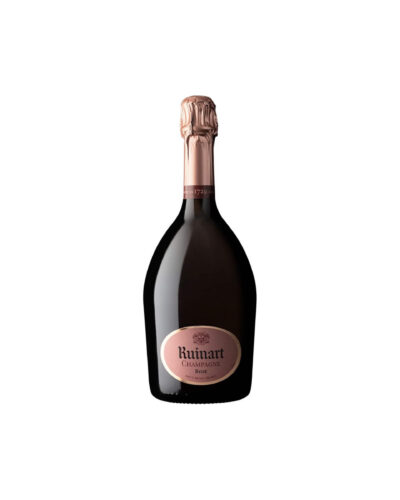
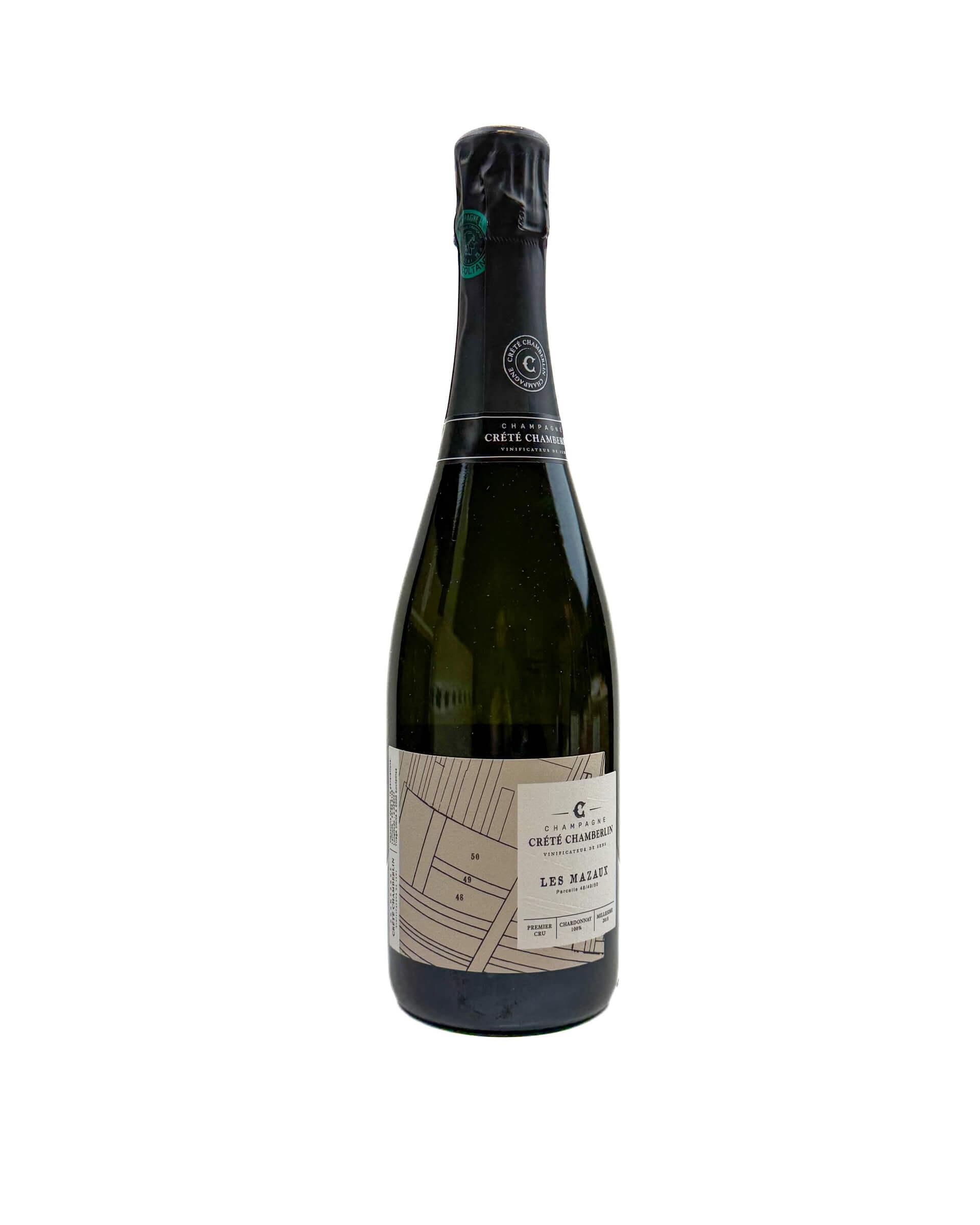
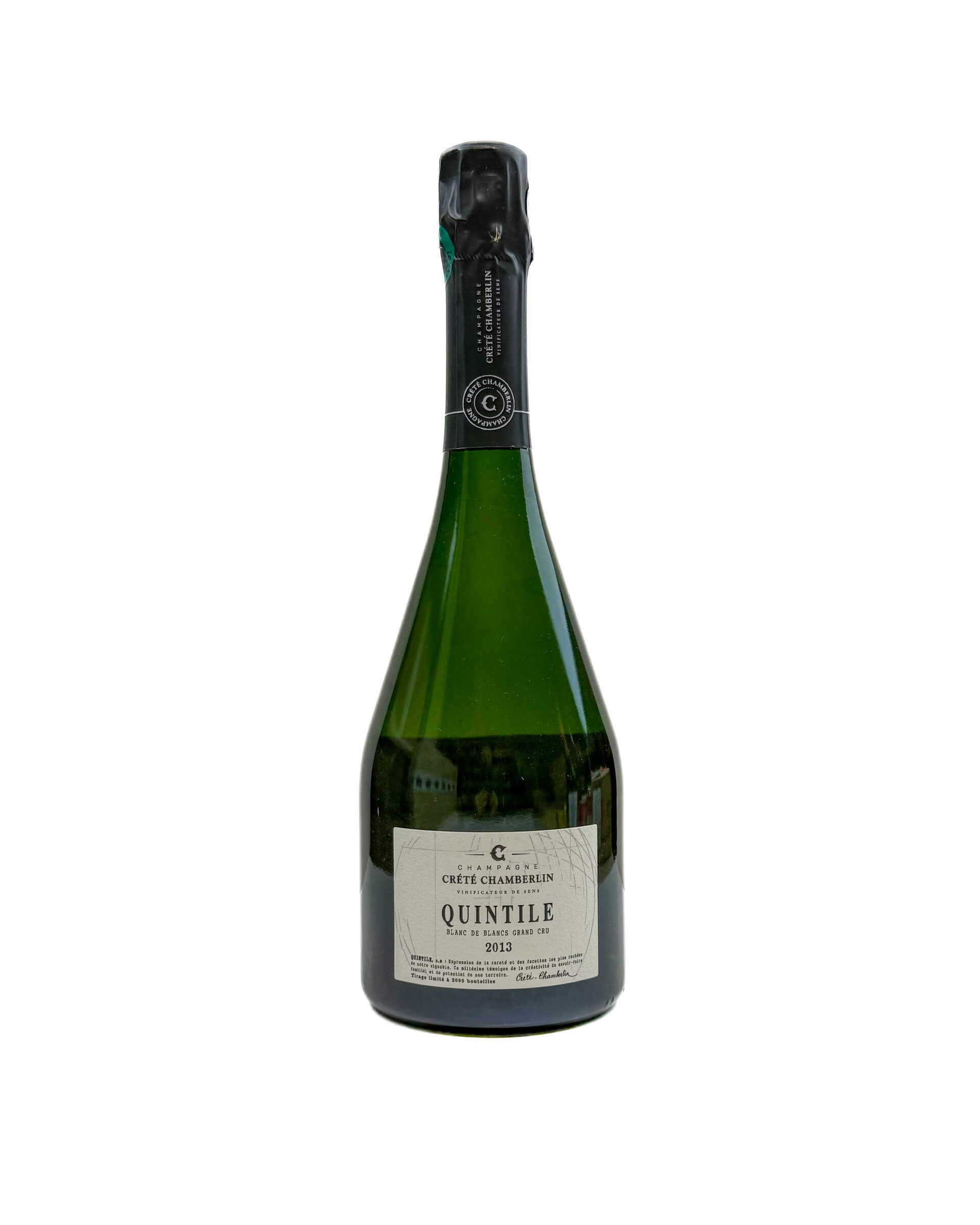
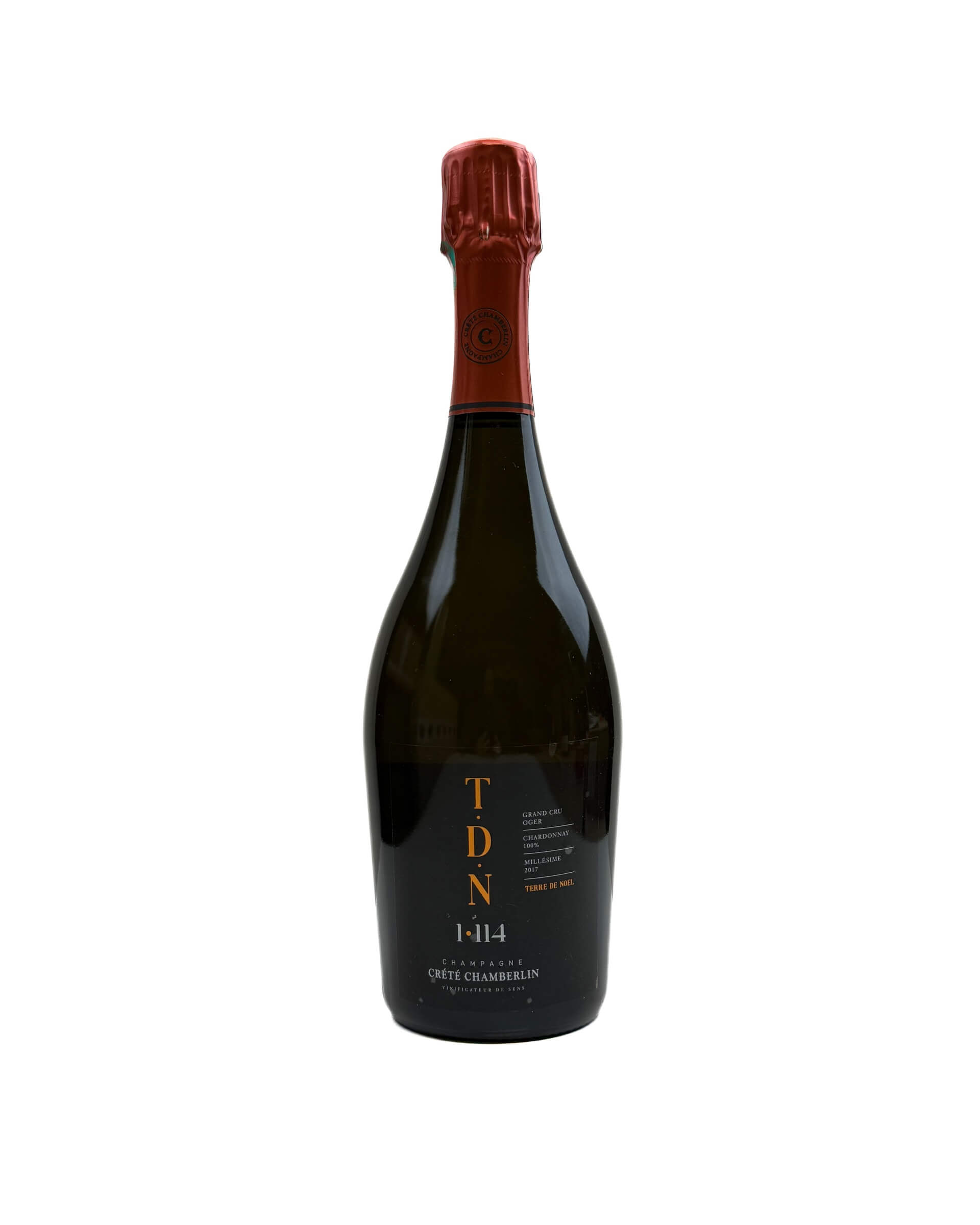
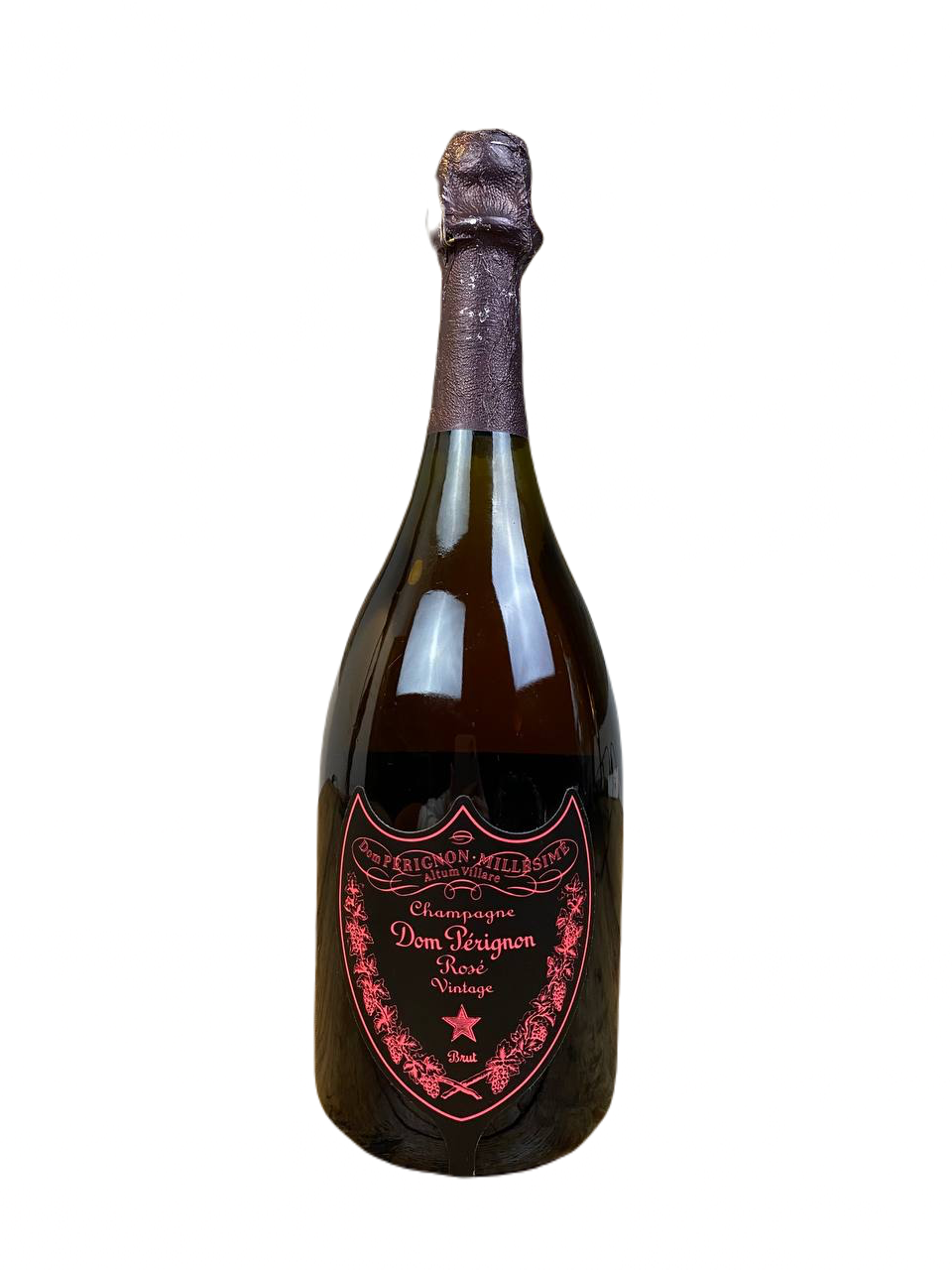
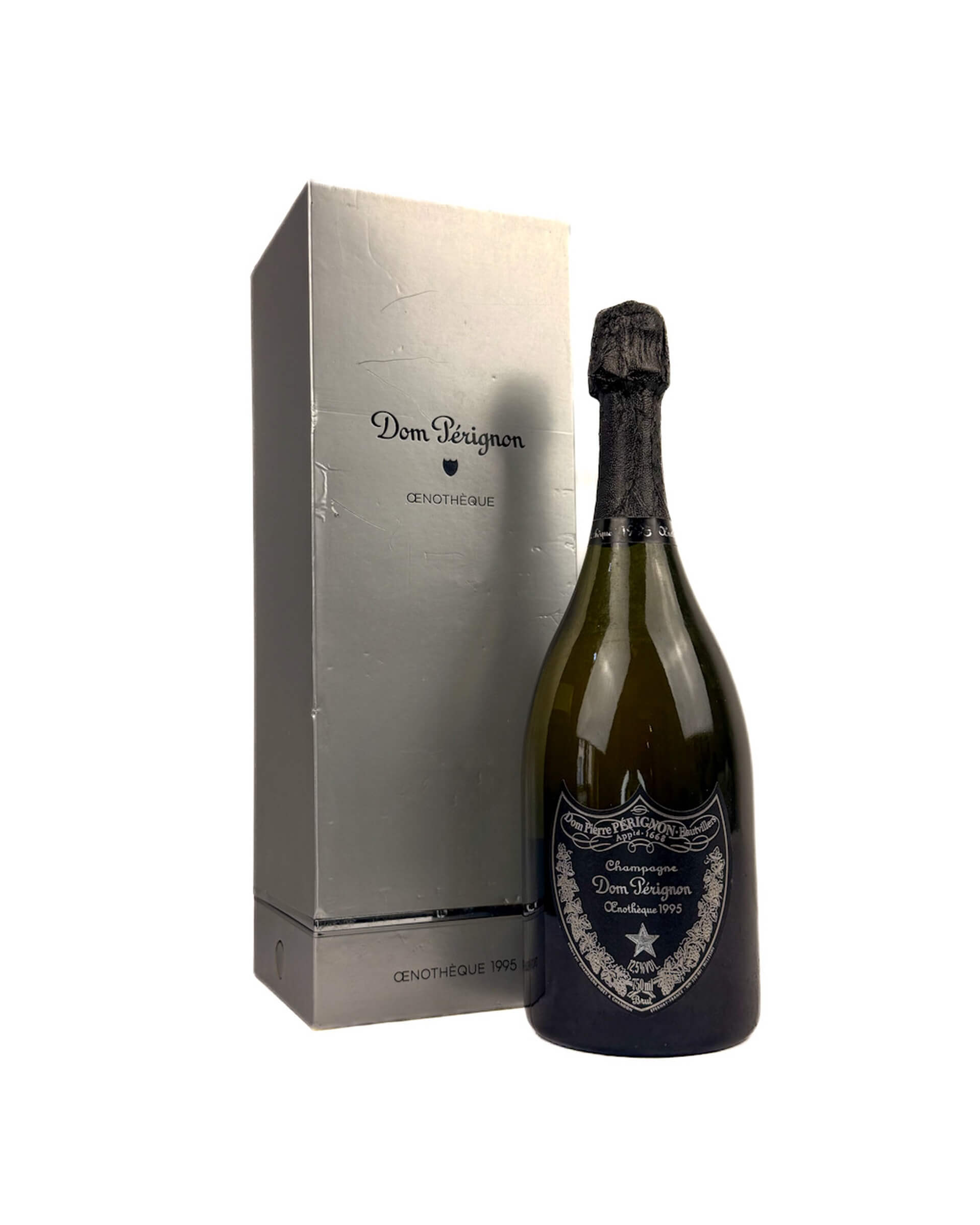
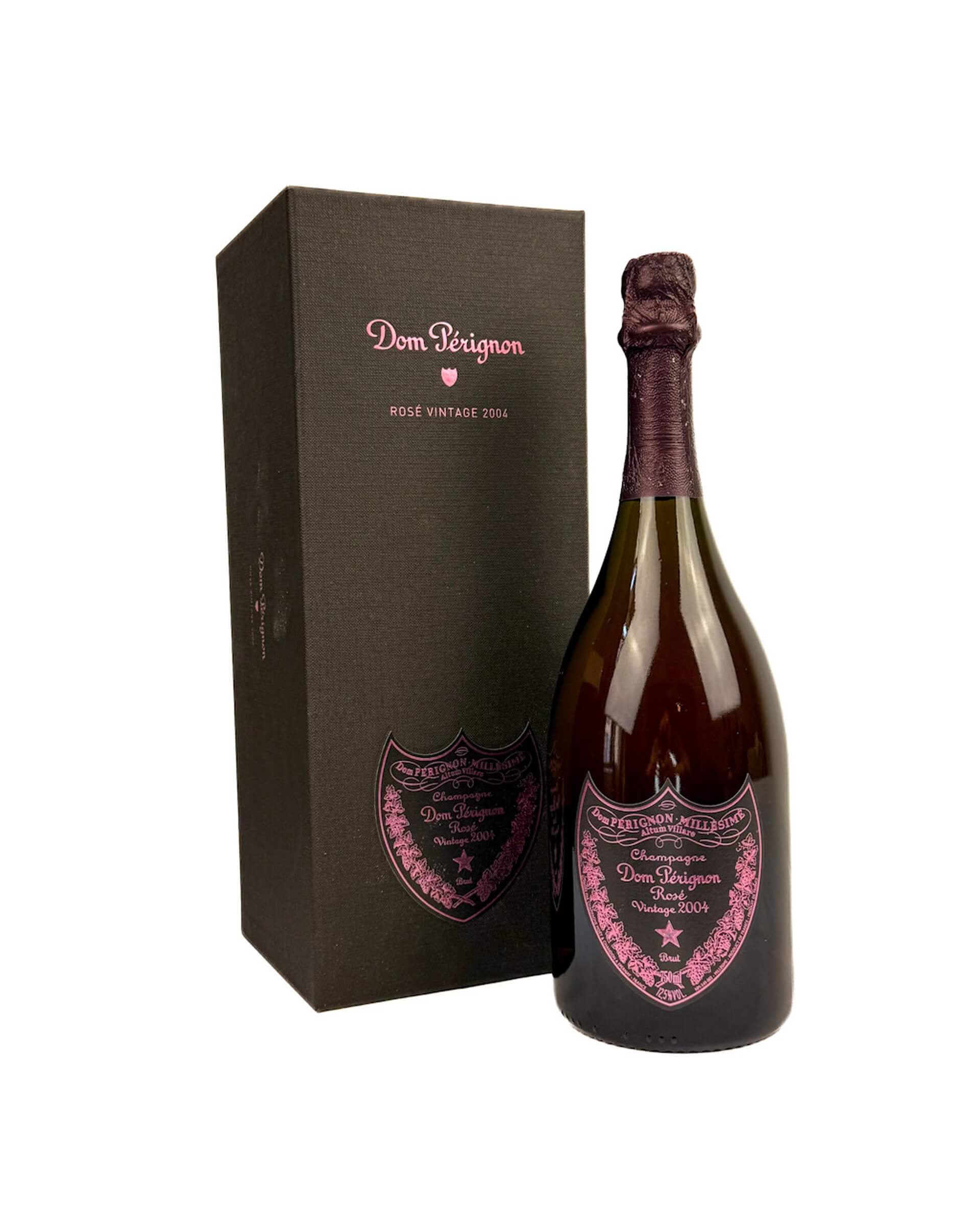
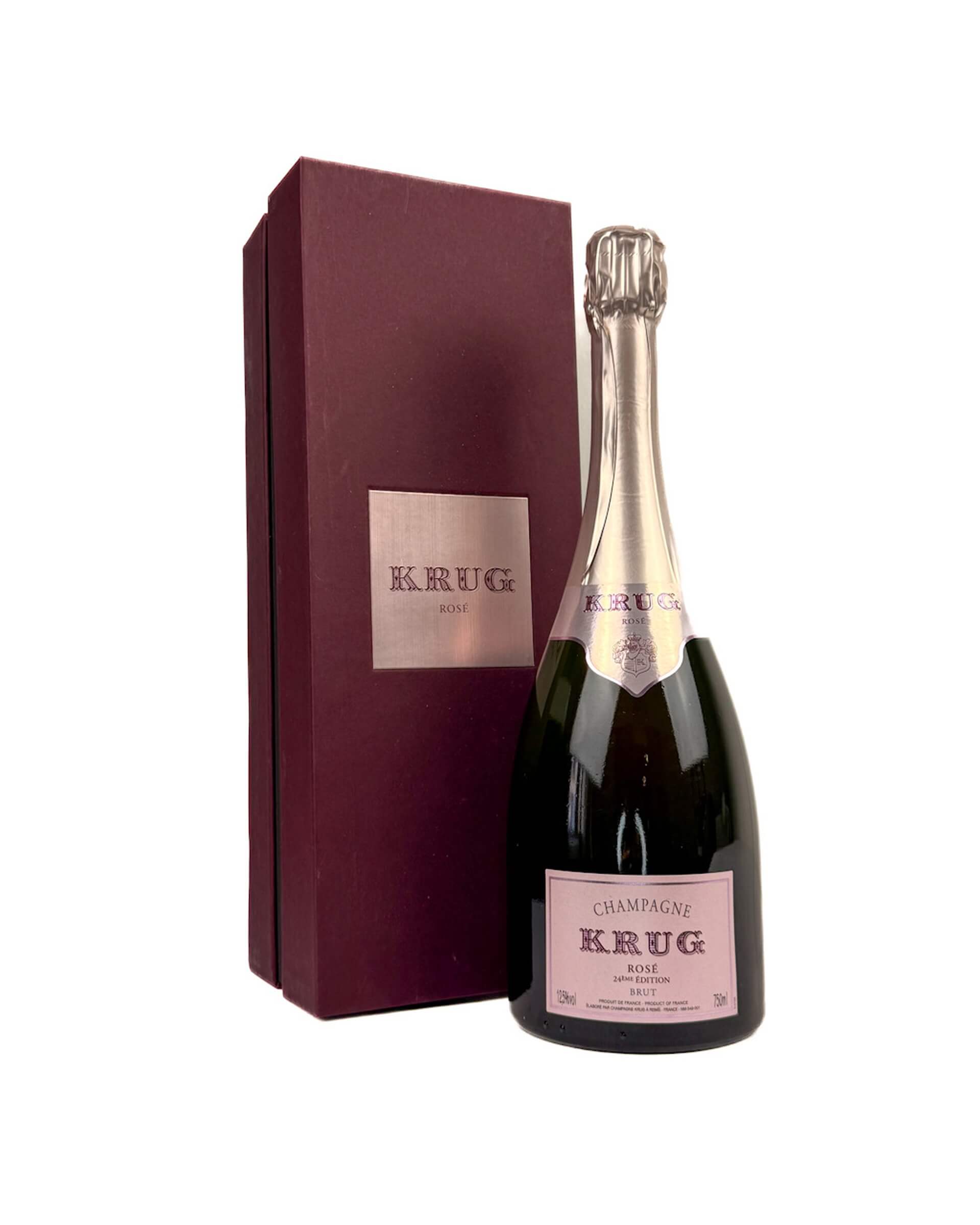
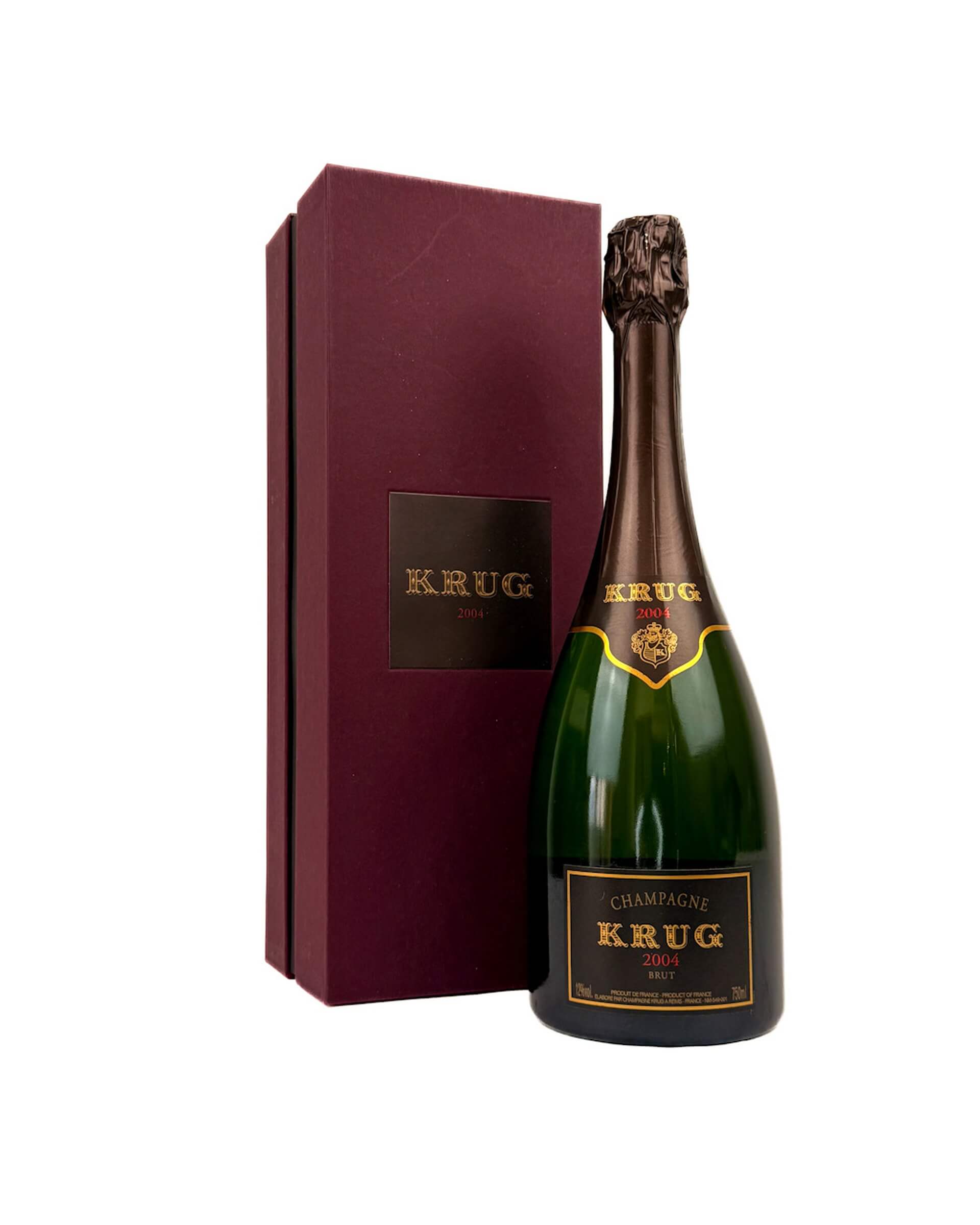
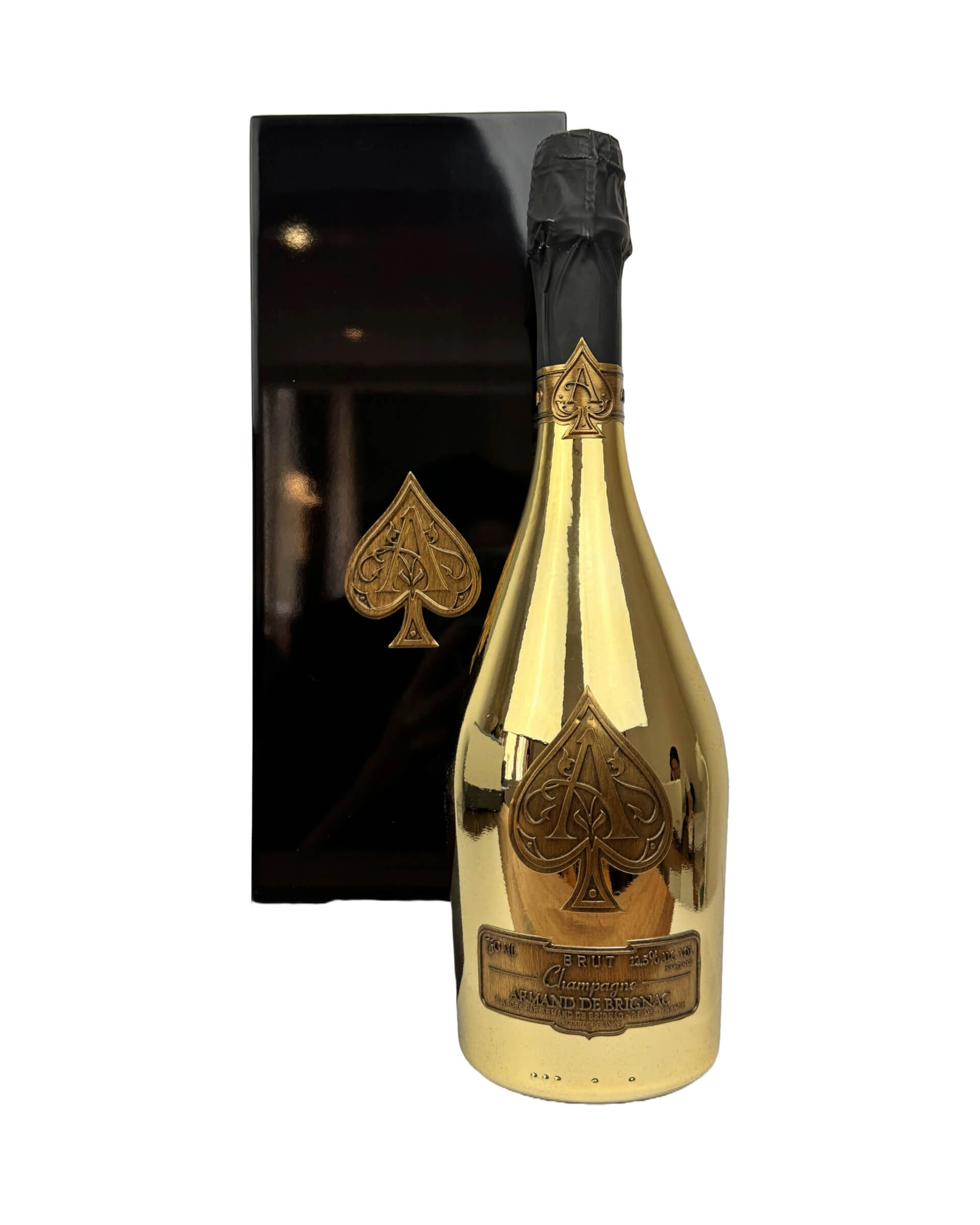
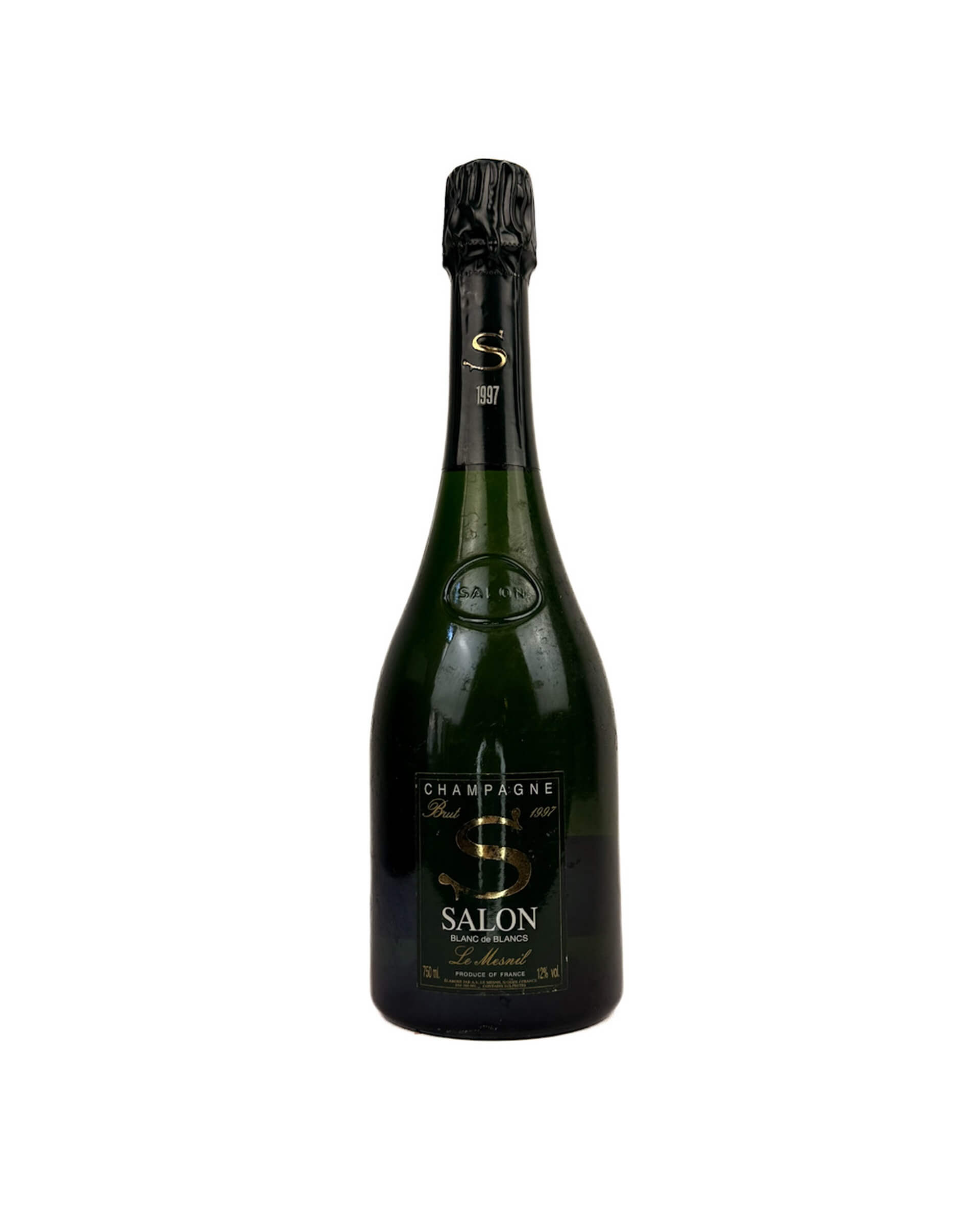
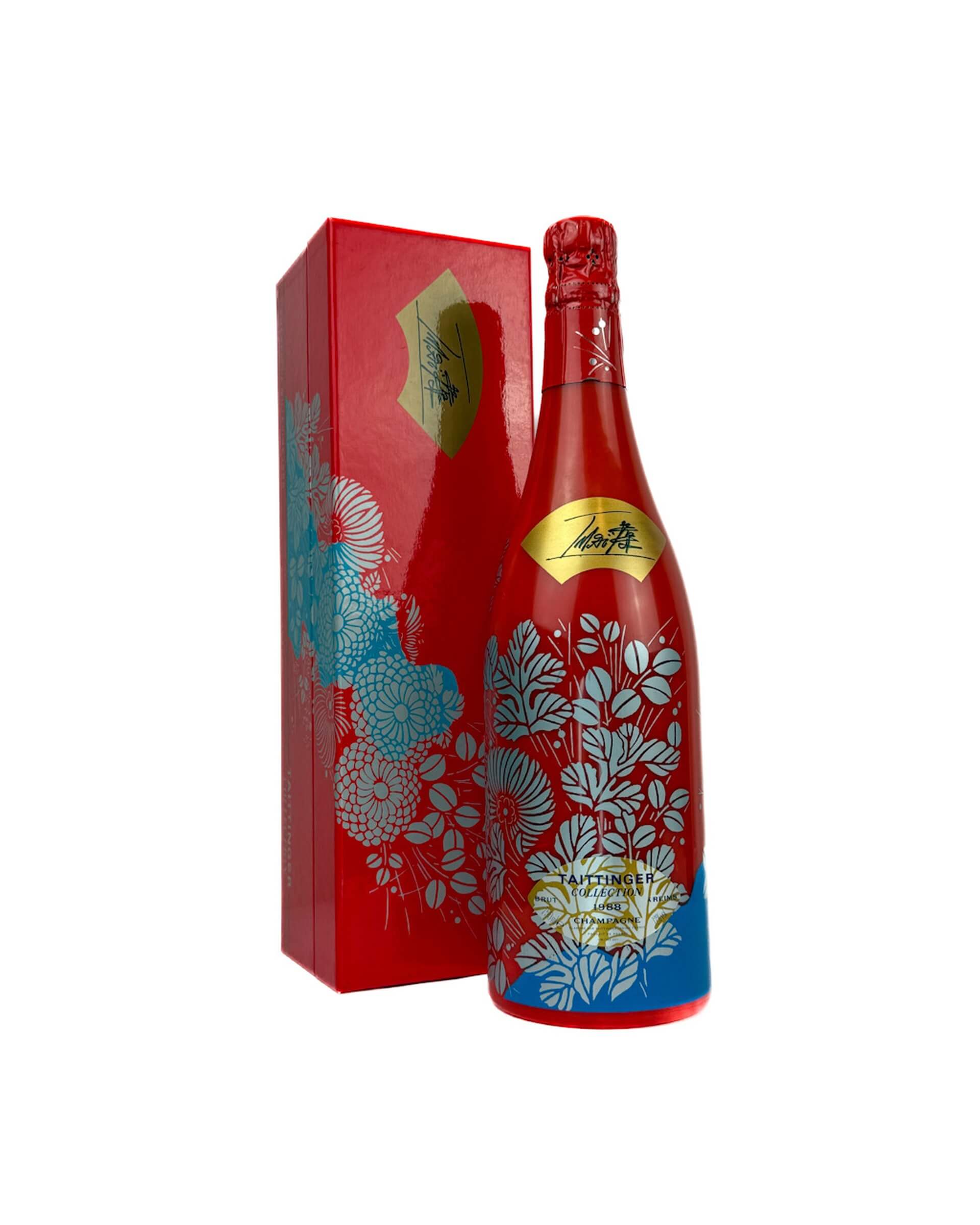
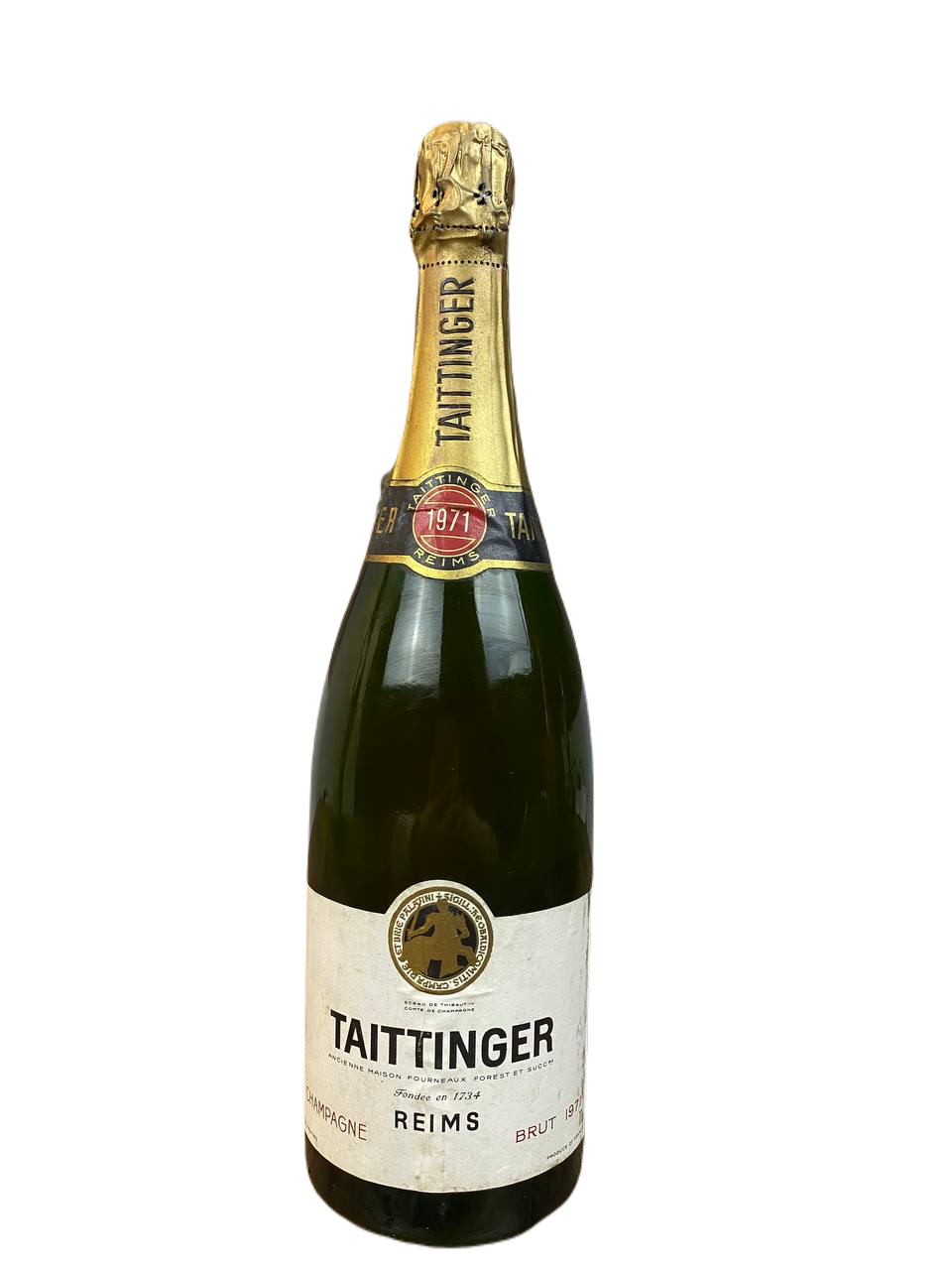
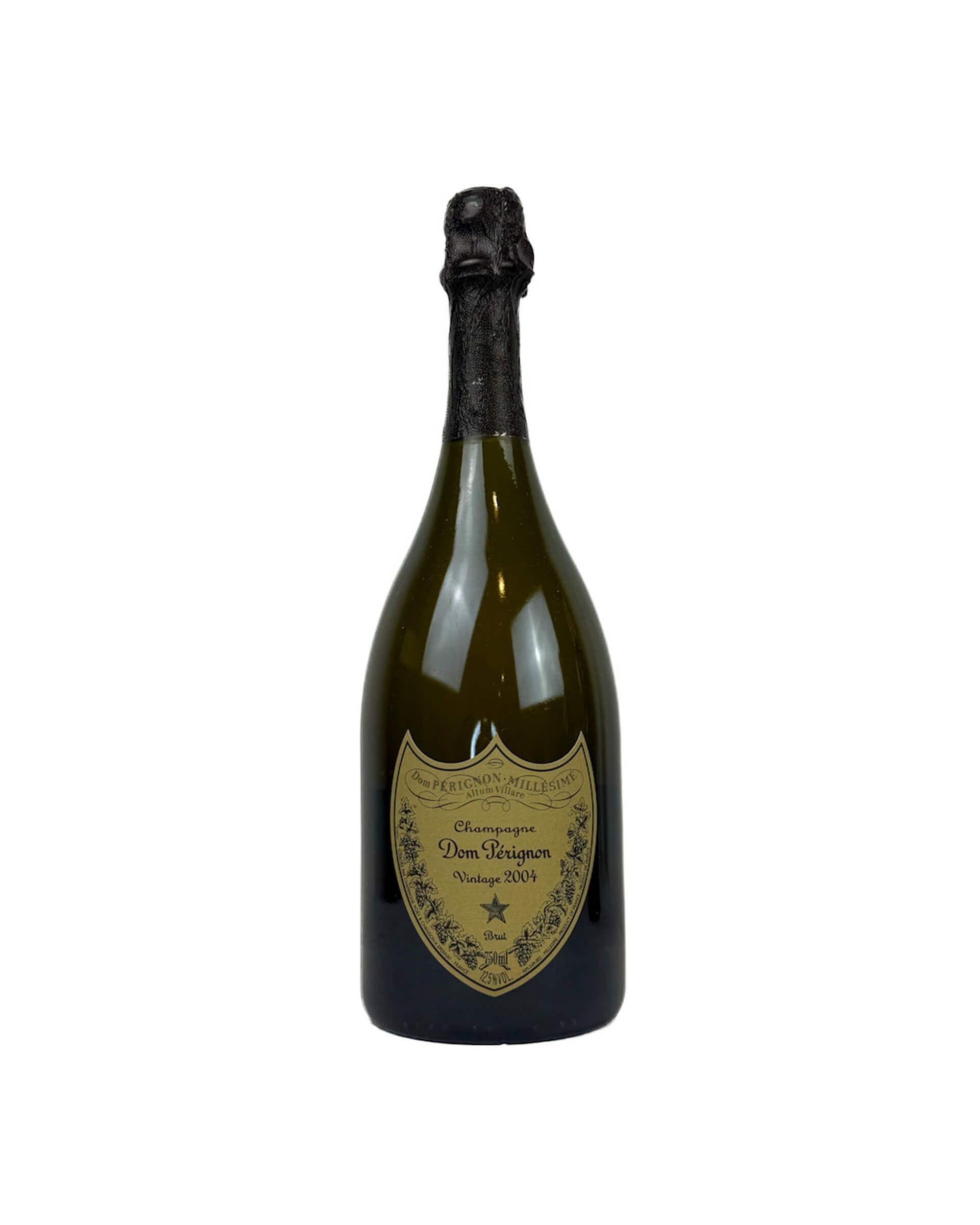
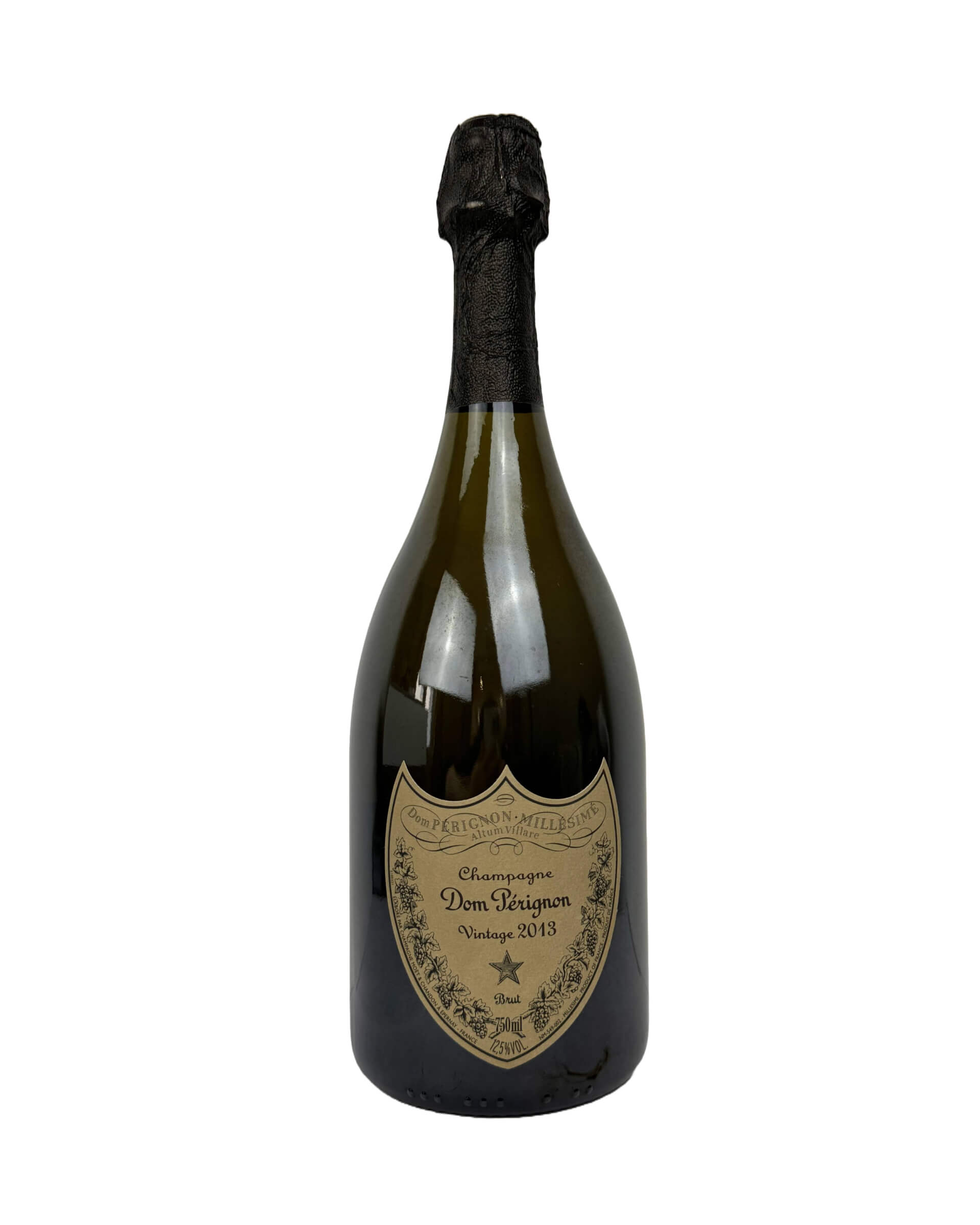
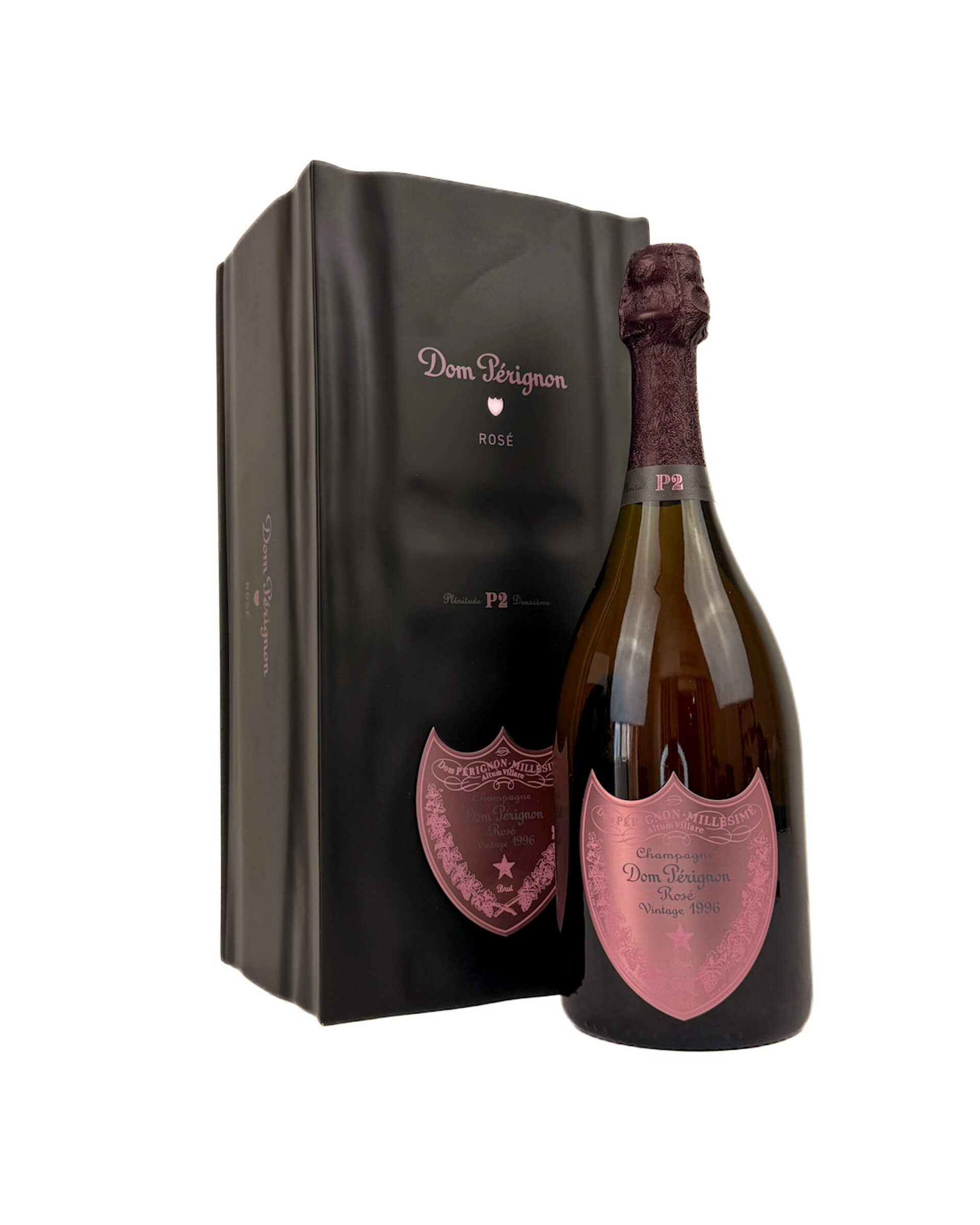
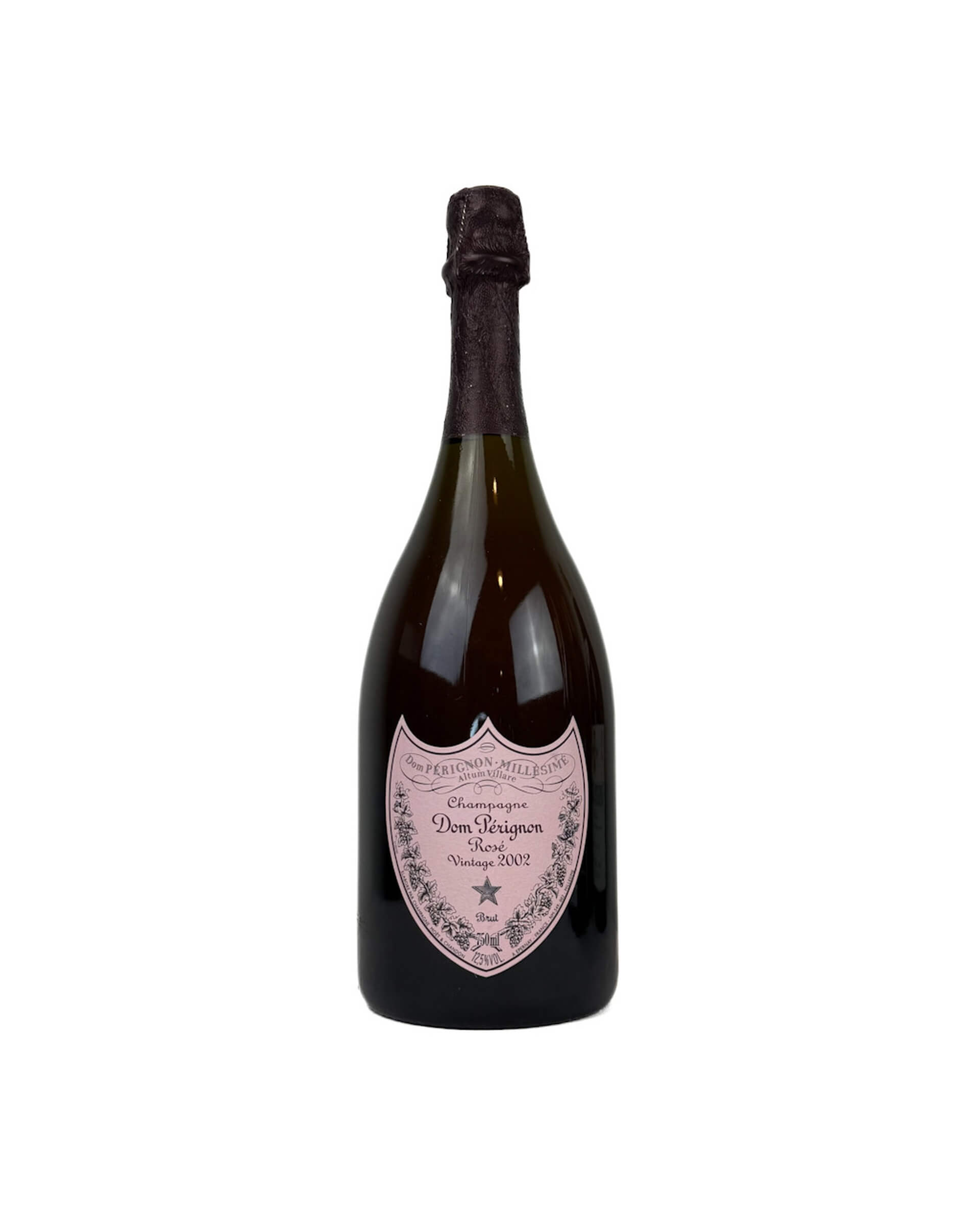
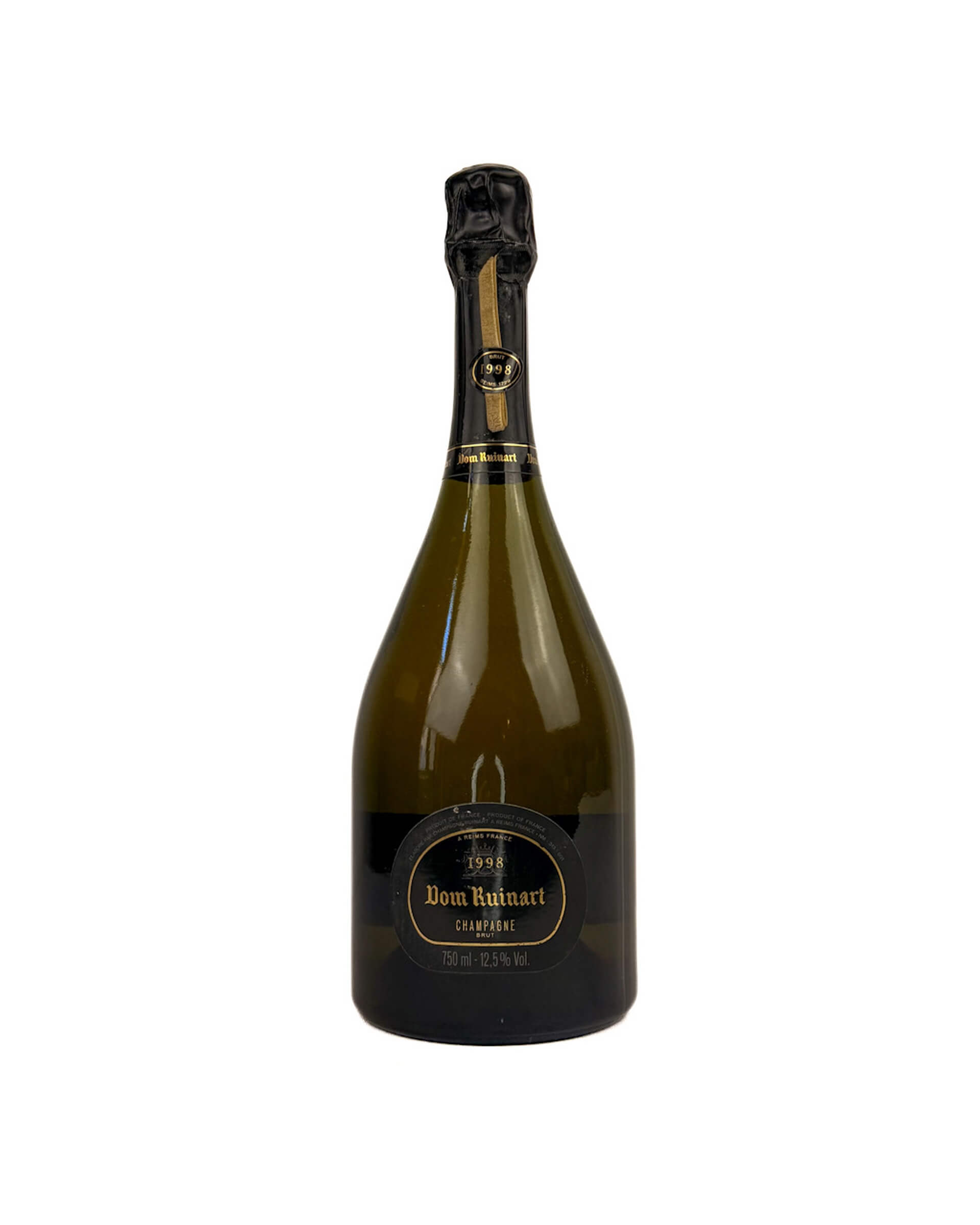

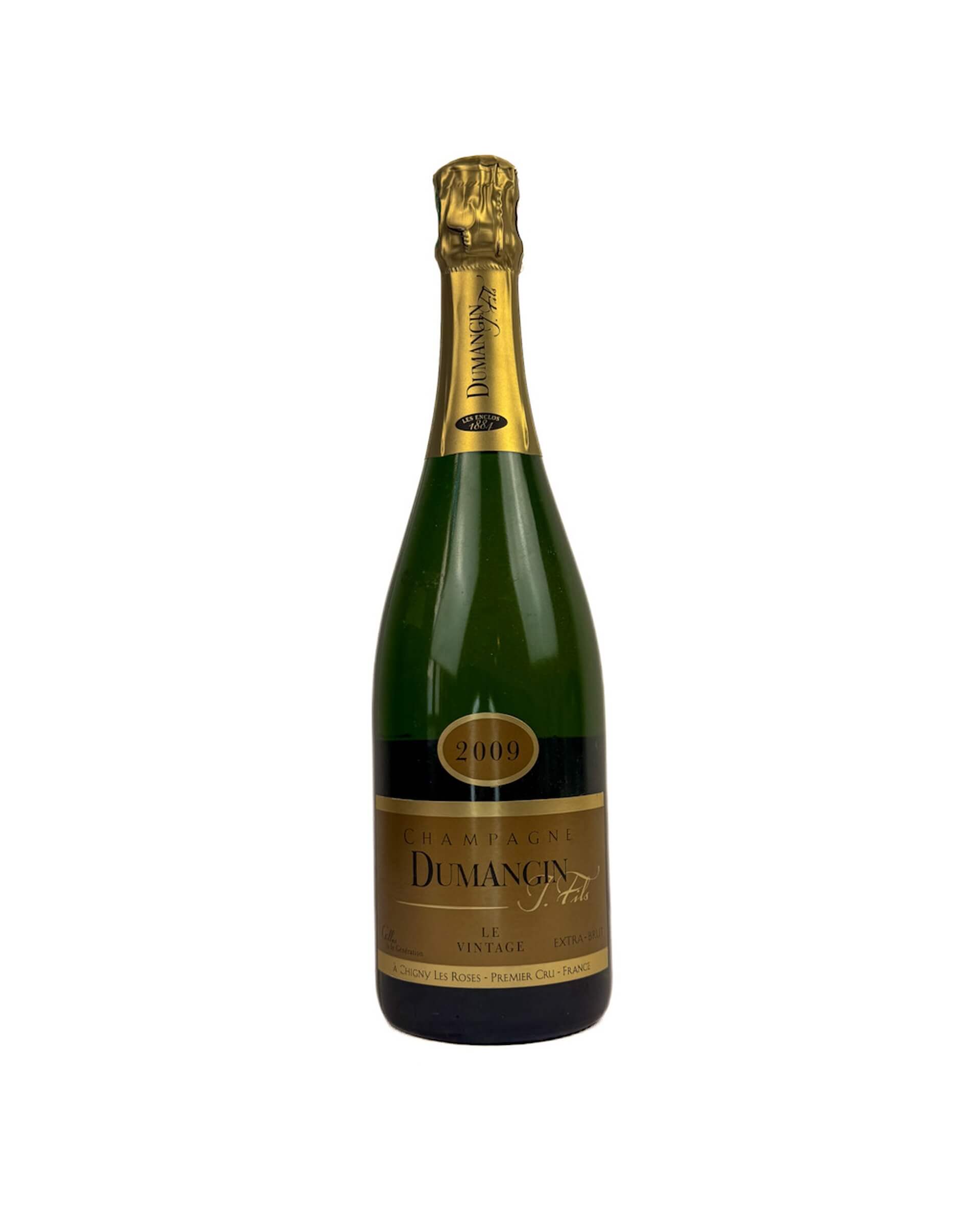
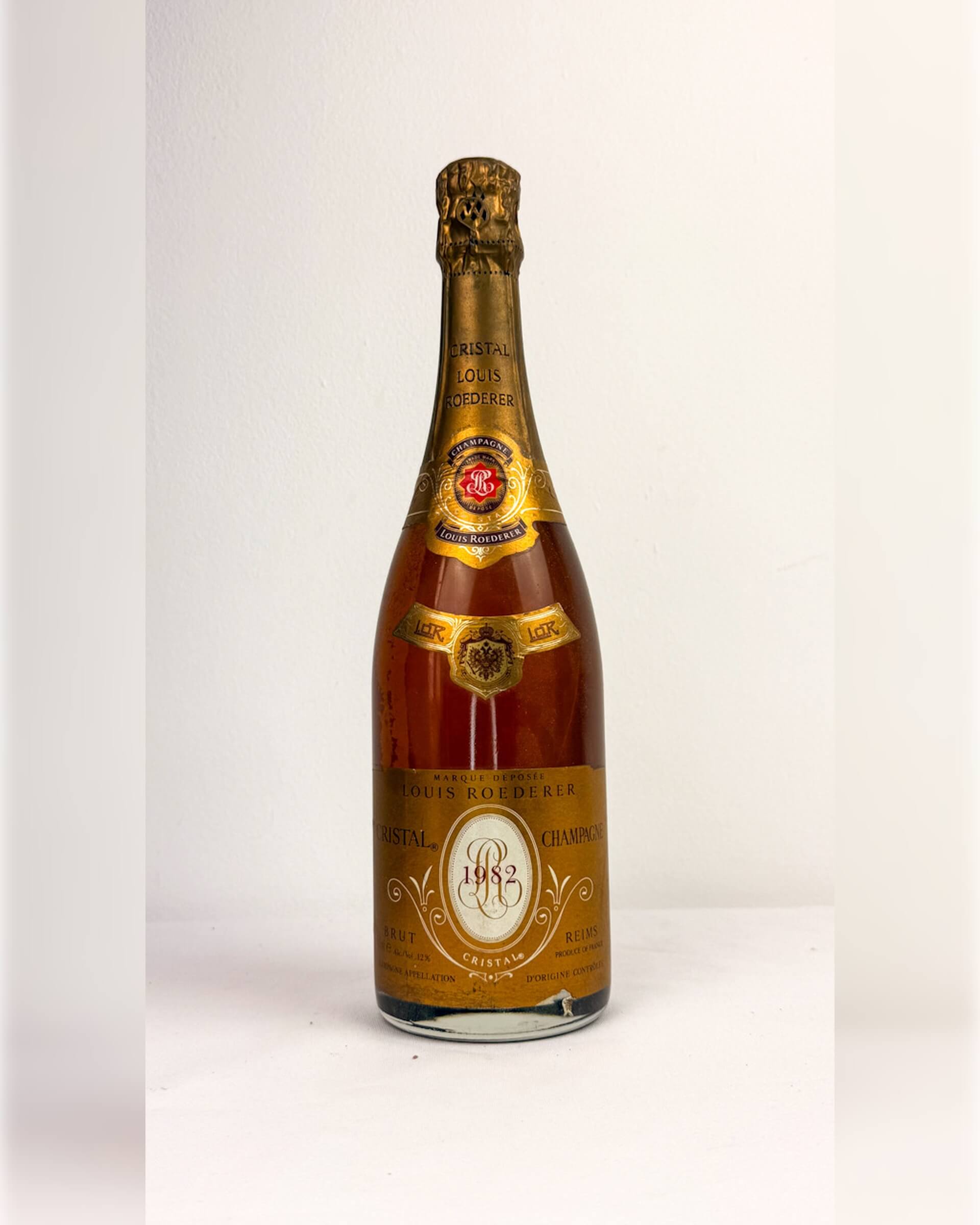
True champagne grows on belemnite chalk — fossilised marine subsoil that drains fast, reflects light and gives these wines their unmistakable mineral tension. Our catalogue holds 35 bottles drawn from that one corner of north-eastern France, split deliberately between independent grower estates and the classic blending houses, with prices ranging from around €100 for confident non-vintage brut up to €1,500 for the rarest prestige cuvées. The difference between a crisp, chalk-driven Côte des Blancs and a broad, red-fruited blend from the Montagne de Reims comes down to terroir, grape and craft — not marketing — and this guide shows you how to read it on the label.
This guide is built to help you buy champagne with confidence. We explain the sub-regions, the styles, the classifications and the labels, then point you to focused collections so you can shop by exactly what matters to you. Whether you want a celebratory magnum tonight or a vintage champagne to lay down, the navigation below leads to the right bottle.
Champagne wine is a sparkling wine made only within the legally delimited Champagne region of north-eastern France, around the cities of Reims and Épernay. Its character begins underground: a deep belemnite chalk subsoil that drains well, reflects light and lends the wines their signature mineral tension. Production is governed by the AOC Champagne classifications, which set out permitted grapes, yields and ageing — a minimum of 15 months’ ageing for non-vintage (at least 12 of them on the lees) and 36 months for vintage cuvées. Because the name is protected, no sparkling wine made elsewhere may legally be called champagne, however it is produced.
Champagne is not one flavour but a patchwork of terroirs, and knowing where a bottle is grown tells you more than any brand name. Four zones do most of the work, each leaning on a different grape and contributing a distinct voice to a blend or a single-village cuvée. Use the collections below to shop by the terroir you prefer.
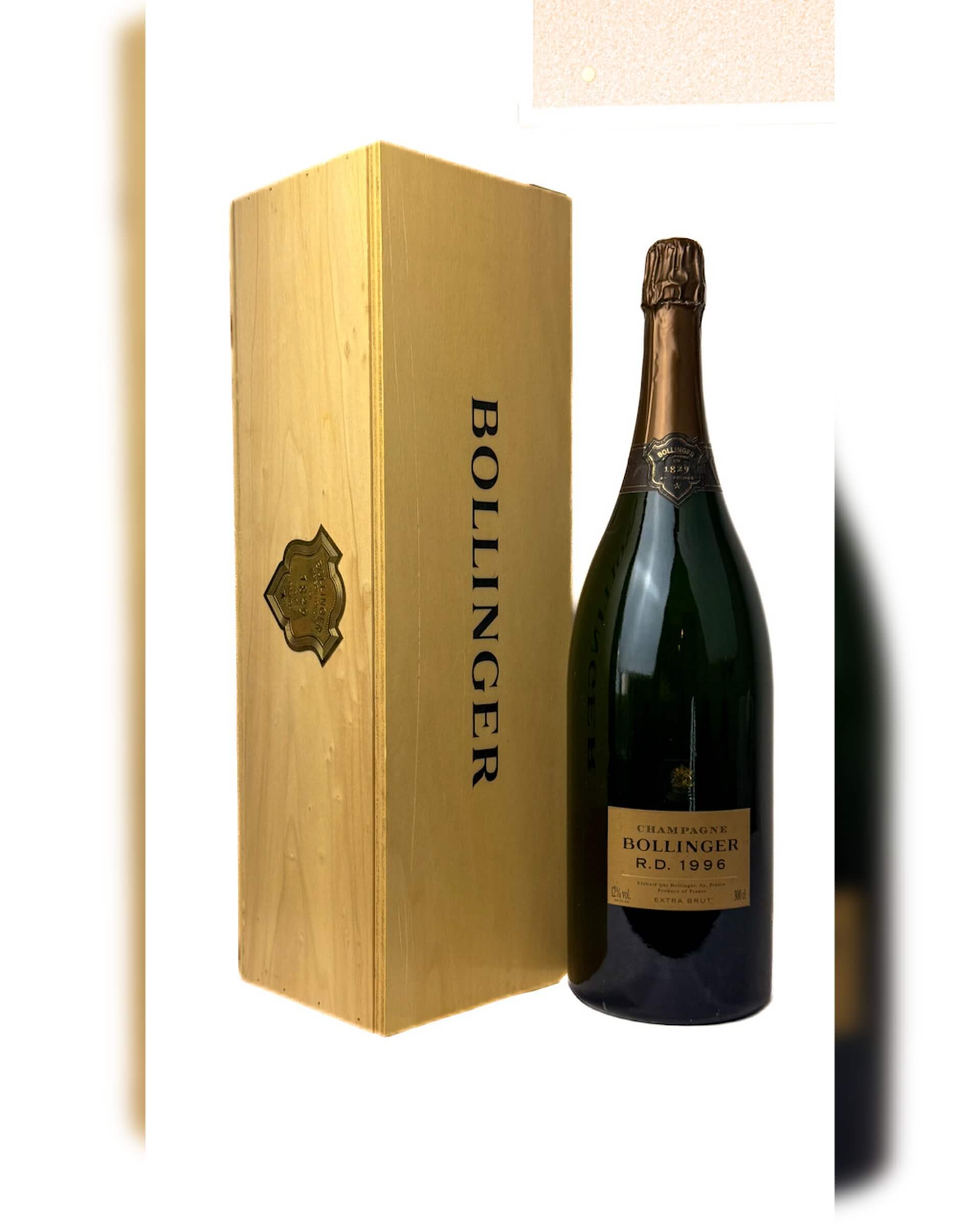
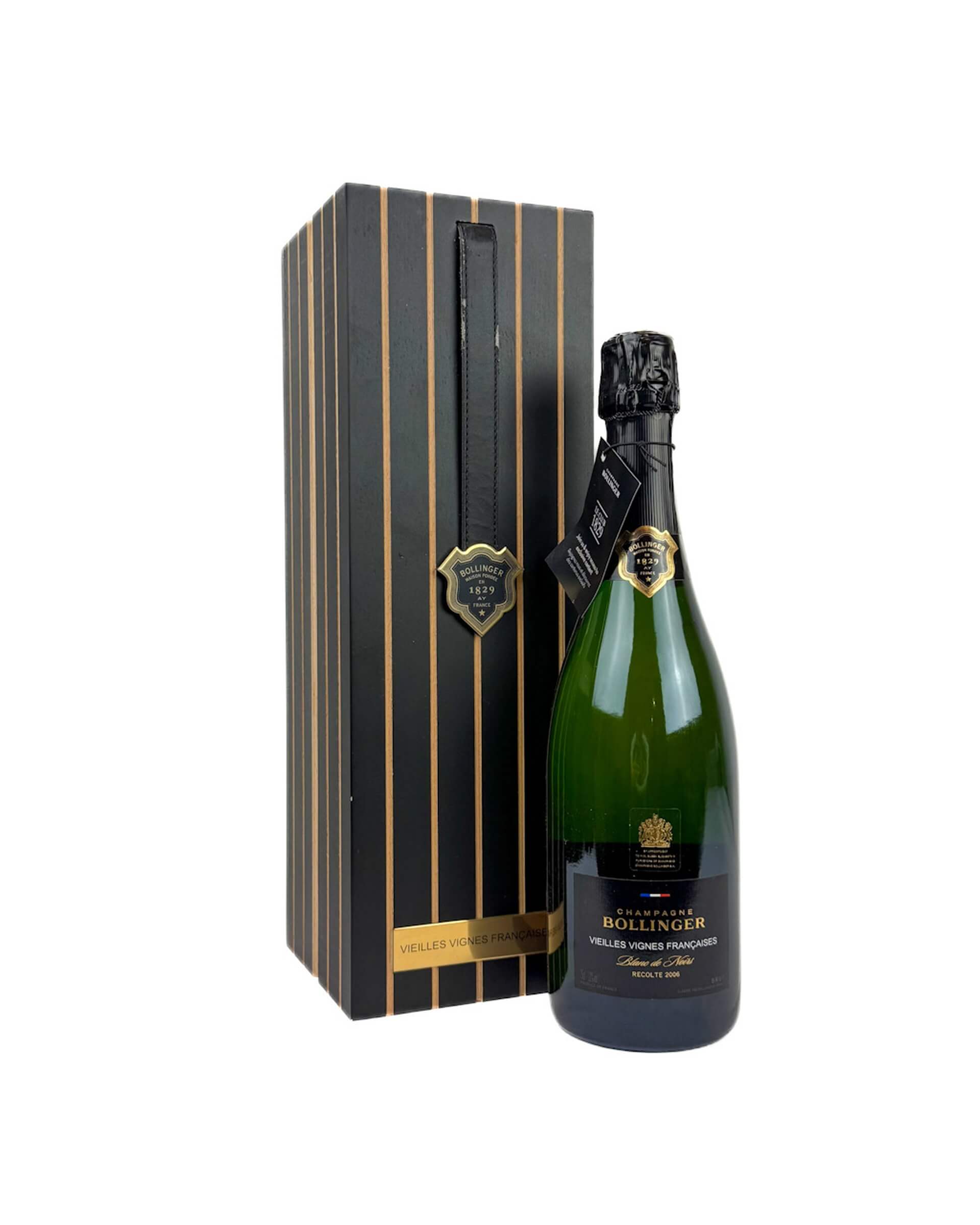
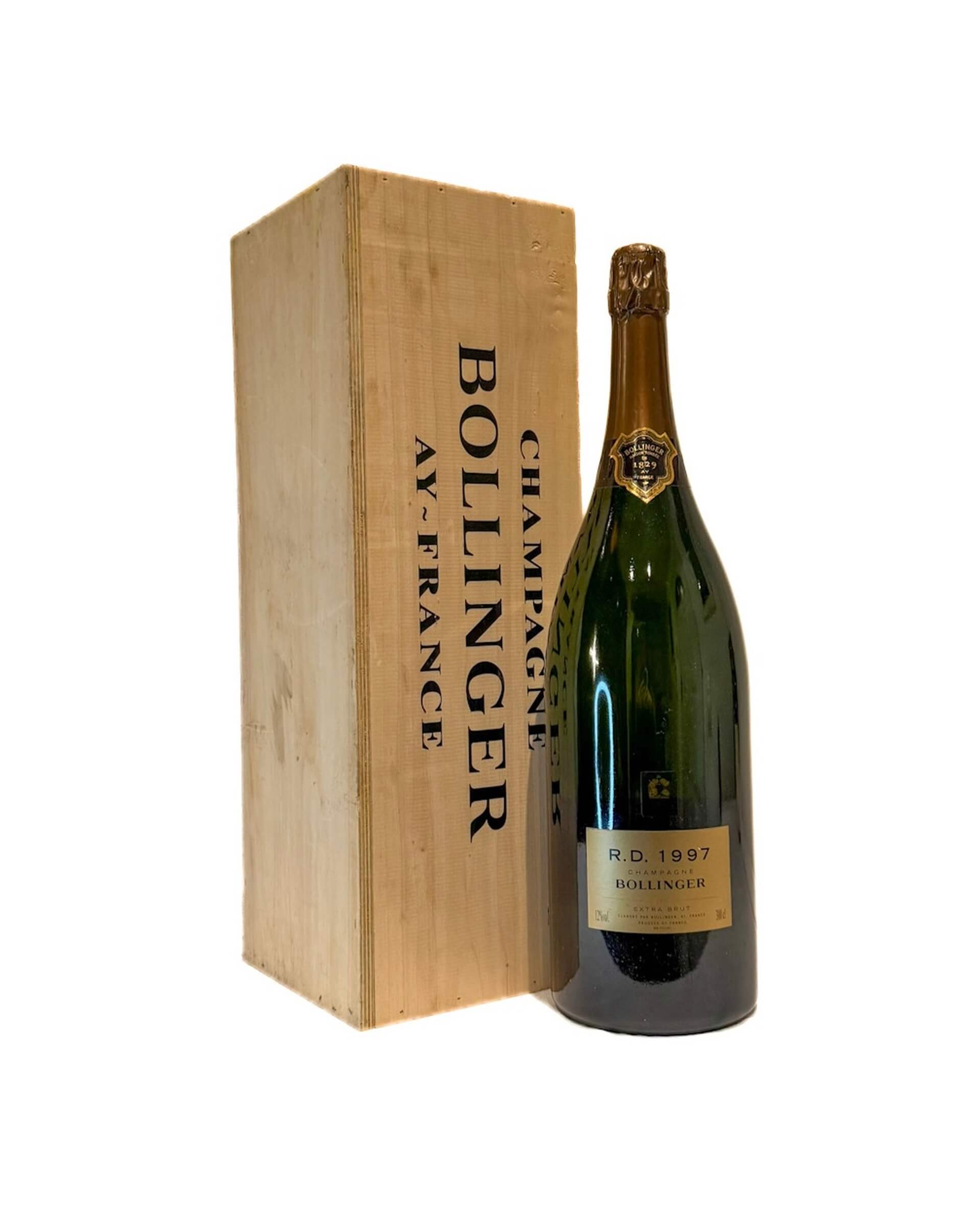
This is Pinot Noir country — a forested plateau whose south- and east-facing slopes ripen black grapes that give structure, power and red-fruit depth. Bollinger, based in Aÿ, builds its famously oak-influenced, long-aged house style on this fruit, while Krug, the prestige reference for richly textured multi-vintage blends, draws on the same Grand Cru villages for its deep, layered cuvées. The independent grower Egly-Ouriet, working out of Ambonnay, shows the other side of the sub-region: powerful, low-dosage Pinot Noir champagnes that taste unmistakably of one place. Explore our Montagne de Reims selection for body and backbone.
The spiritual home of blanc de blancs, planted almost entirely to Chardonnay on dazzling pure chalk. Benchmark villages such as Le Mesnil-sur-Oger and Cramant produce the most precise, mineral and long-ageing champagnes in the region. This is the home of the celebrated Salon, made only from Le Mesnil Chardonnay in declared vintages, and of grower Pierre Péters, whose Cuvée de Réserve is a reliable, taut introduction to the village style. The Taittinger house also leans on Côte des Blancs fruit for the bright, floral lift of its Chardonnay-led prestige bottlings. Browse our Côte des Blancs bottles for elegance and citrus drive.
Following the river west of Épernay, this is the stronghold of Pinot Meunier. Its cold-hardiness and late budding suit the frost-prone valley floor and clay-rich, limestone soils here, producing a rounder, fruit-forward wine that drinks early and softens a blend. Understanding the Vallée de la Marne is the key to understanding why most non-vintage champagne tastes generous and approachable.
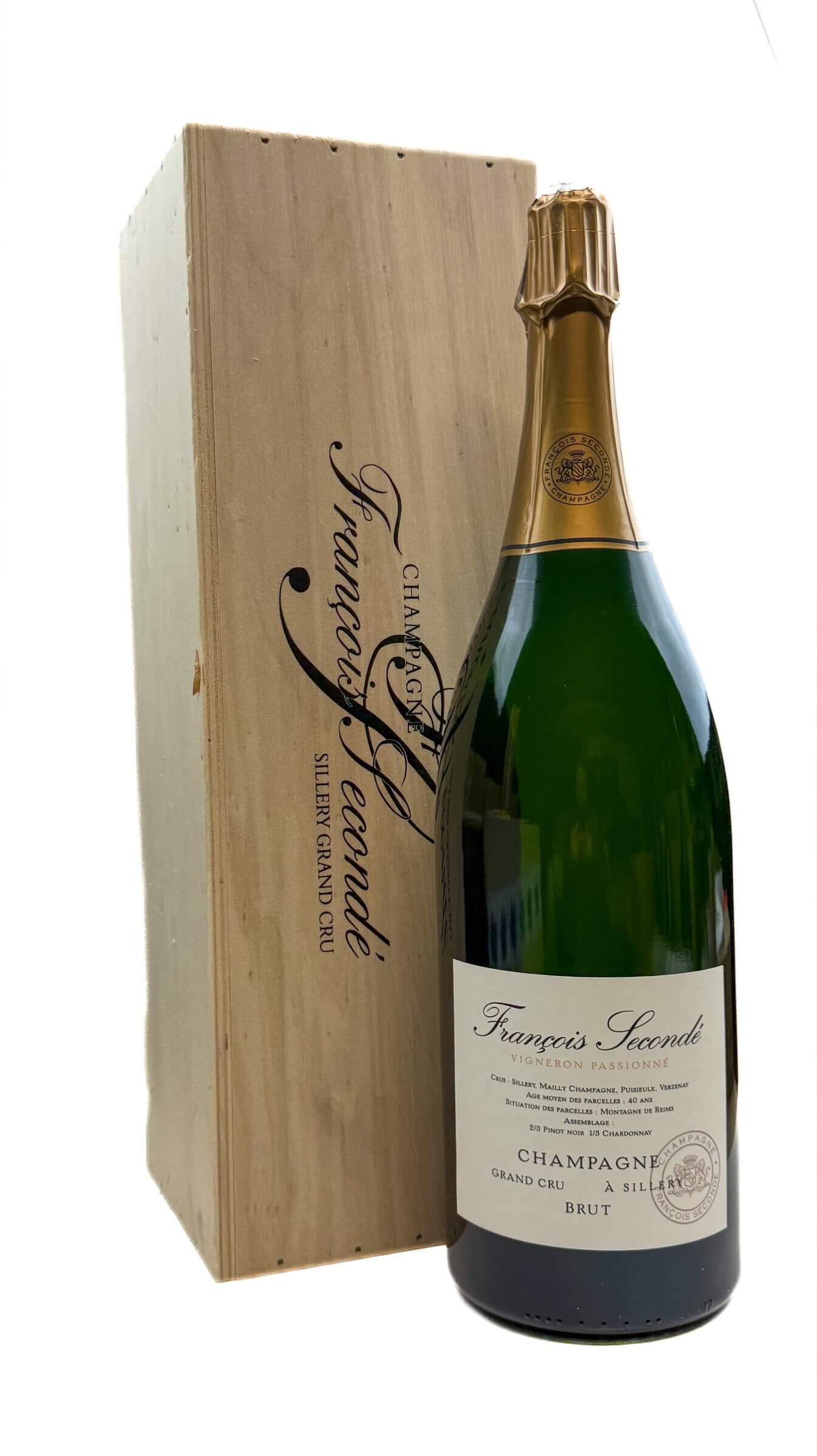
The city of Reims sits just north of the Montagne de Reims and gives the sub-region its name, but the city itself is not a cru. The Grand Cru vineyards lie in the villages on the slopes nearby — among them Mailly, Verzenay and Bouzy, which are classified Montagne de Reims Grand Crus rather than part of Reims proper. Pinot Noir grown on these cool, north-facing slopes ripens slowly, which builds firm structure, taut acidity and dark-fruit complexity — a markedly different profile from the softer, riper, more immediately fruity Meunier-led expression of the Vallée de la Marne. That backbone is exactly why prestige blends lean on this fruit for ageing potential. If status matters to you, our champagne classifications collection gathers the wines sourced from those benchmark Grand Cru sites.
Champagne style is defined largely by dosage — the small amount of sugar added after disgorgement. The drier the wine, the more the terroir and autolytic character show through; sweeter styles suit dessert and pudding wine moments. Brut champagne is by far the most popular, while rose champagne adds colour, red-berry fruit and a touch of grip.
The most useful distinction on a champagne label is the small code near the bottom. Grower champagne carries the letters RM (Récoltant-Manipulant): a farmer-winemaker who grows the grapes and makes the wine from their own vines, usually in a single village or terroir. The letters NM (Négociant-Manipulant) mark a house that buys grapes or base wine and blends across many sites at scale — the model behind almost every famous brand.
Neither is inherently better, but they offer different things. Grower champagne tends to express one place and one vision, often delivering more terroir character and stronger value per pound of quality. Houses offer consistency, prestige and a house style you can rely on year after year. Tour de Wine’s catalogue deliberately spans both camps so you can compare.
Almost all champagne is non-vintage (NV): blended across several harvests so the house style stays consistent every year. Vintage champagne is the opposite — declared only in exceptional years, made entirely from that single harvest and aged for a legal minimum of 36 months, usually far longer. The extra time on the lees builds complexity, toast and depth, which is why vintage bottles cost more and reward cellaring. A vintage is declared only when a producer judges the harvest exceptional, so the year on the label is itself a mark of quality.
Choosing between them is really a question of occasion, budget and taste. Use this quick guide.
Champagne ranks its villages on the historic échelle des crus, a percentage scale once used to set grape prices. Only 17 villages hold full Grand Cru status (rated 100%), while 42 villages are classified Premier Cru (90–99%). Grand Cru fruit is scarcer and more expensive, so it tends to appear on premium and prestige cuvées.
That said, classification is a guide, not a guarantee. The échelle has not been formally revised since 1985, so Grand Cru status today reflects historic grape pricing rather than a live audit of vineyard quality — a limitation the CIVC and most critics openly acknowledge. Many of the finest grower champagnes come from Premier Cru or unclassified villages whose vineyards consistently punch well above their rating. Still, for buyers new to the region, a Grand Cru label remains a useful starting signal — browse it within our champagne classifications.
Champagne’s combination of high acidity, fine carbonation and low-to-moderate alcohol makes it one of the most food-adaptable wines at the table — but matching the style to the dish unlocks the pairing entirely. The bubbles and acidity cut through fat and salt while refreshing the palate, so reach for the right cuvée rather than the same bottle every time.
When you are ready to buy champagne, work through these five steps and you will land on the right bottle for the moment — and rarely overpay.
Champagne is made by the traditional method, with its second fermentation in the bottle, inside a legally protected French region using specific grapes — giving it autolytic complexity and a fine, persistent bead. Prosecco is fermented in tank in north-eastern Italy from the Glera grape, and is typically lighter, fruitier and less complex. In practice the choice is about occasion and budget: Prosecco is ideal for casual, fruit-forward aperitif drinking at lower price points and is best enjoyed young. Reach for champagne when ageing potential, autolytic (yeasty, brioche-like) depth or the gravity of a milestone occasion is what you are paying for.
Non-vintage champagne is best enjoyed within about 3–4 years of disgorgement when stored well — cool, dark, horizontal and at a stable temperature. Vintage champagne can develop beautifully for 10–20 years. Avoid storing bottles upright or anywhere the temperature swings.
Serve champagne between 8°C and 10°C (46–50°F). Too cold and the aromas are muted; too warm and the bubbles turn coarse. Chill the bottle in the fridge for three to four hours rather than rushing it in the freezer.
No. Only sparkling wine produced within the Champagne appellation under AOC rules may legally use the name. Other excellent French sparklers — Crémant d’Alsace, Crémant de Bourgogne and Vouvray Pétillant among them — are made by the same traditional method but cannot be labelled as champagne.
Disgorgement is the moment the yeast sediment is removed and the dosage added, so it marks the start of the bottle’s “drinking life” far more accurately than any vintage on the label. A growing number of producers print it on the back label or cork, sometimes as a full date (for example “Dégorgé 03/2022”) and sometimes as a coded batch reference. It matters because a non-vintage bottle disgorged recently will taste fresher and more vibrant, while one disgorged several years ago will show more mellow, toasty, honeyed development. If you want bright, zesty bubbles, choose a recent disgorgement; if you prefer richness and bottle age, an older one rewards you. This is the single most useful freshness signal on a label, which is why step 5 of our buying guide tells you to look for it.
Beyond the common RM (grower) and NM (house) codes explained above, two others are worth knowing. CM (Coopérative de Manipulation) marks a wine made by a cooperative cellar from the pooled grapes of its member growers and sold under the co-op’s own label — often strong value, since the same fruit may also feed well-known brands. RC (Récoltant-Coopérateur) marks a grower who sends grapes to a cooperative to be vinified but then sells the finished wine under their own name, so the label looks like a grower bottle even though the winemaking happened elsewhere. Spotting CM or RC tells you who controlled the winemaking, which is exactly what the code is there to reveal.
Written by the Tour de Wine buying team. Last reviewed: June 2026.
This site is restricted to adults. By entering, you confirm that you are of legal drinking age in your country of residence.