N/A
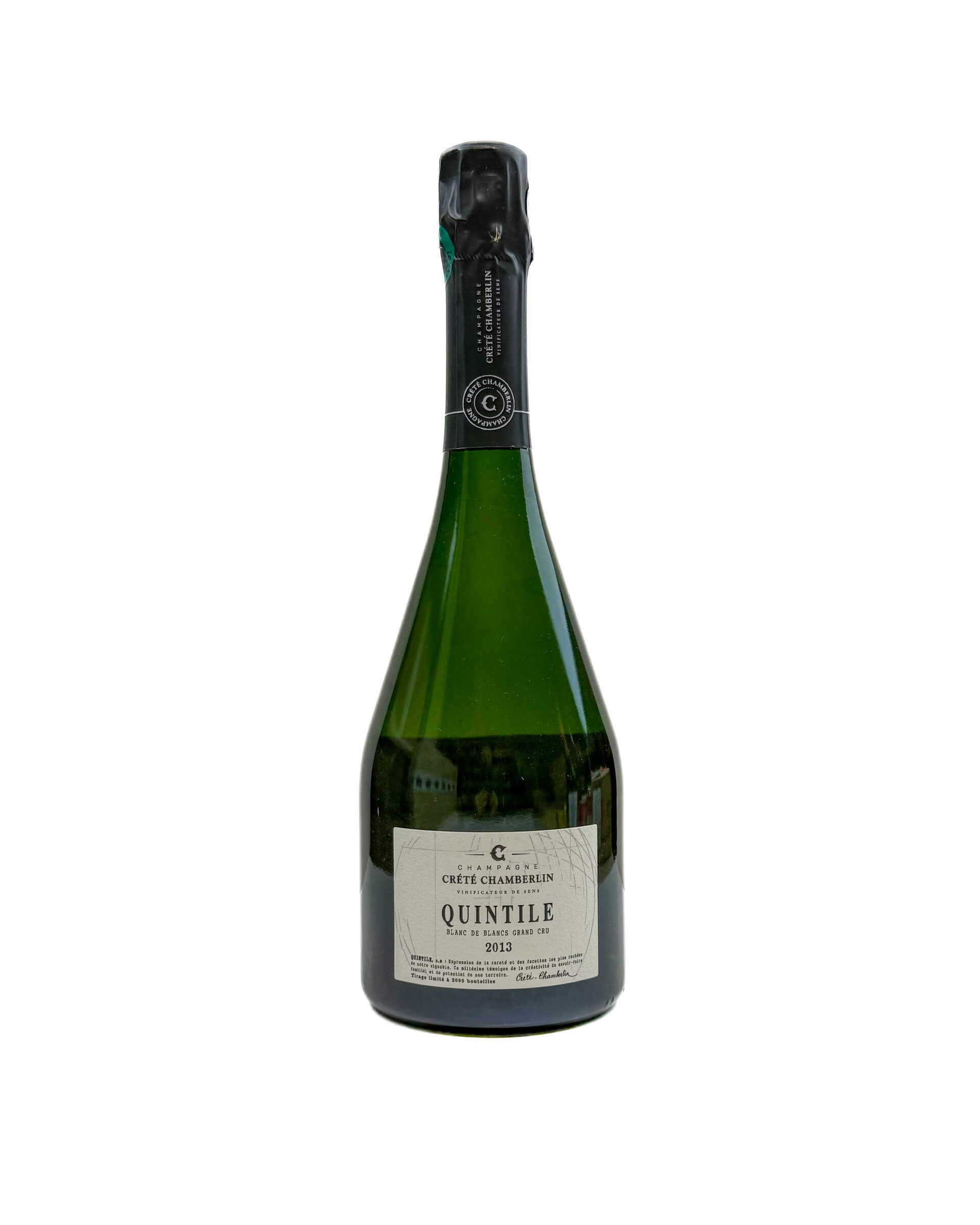
0,75
2013
Crete Chamberlin
Wines, producers, regions...
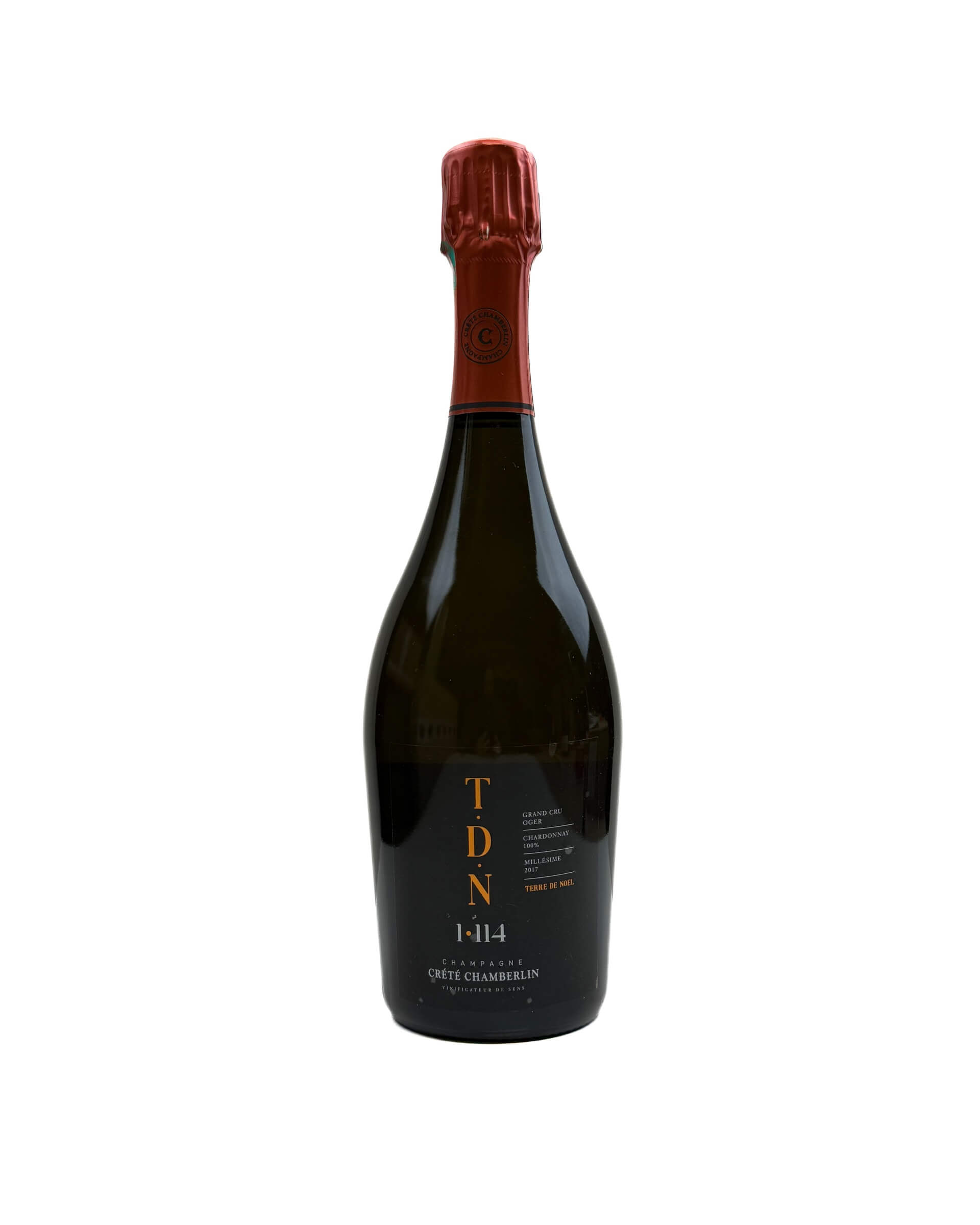
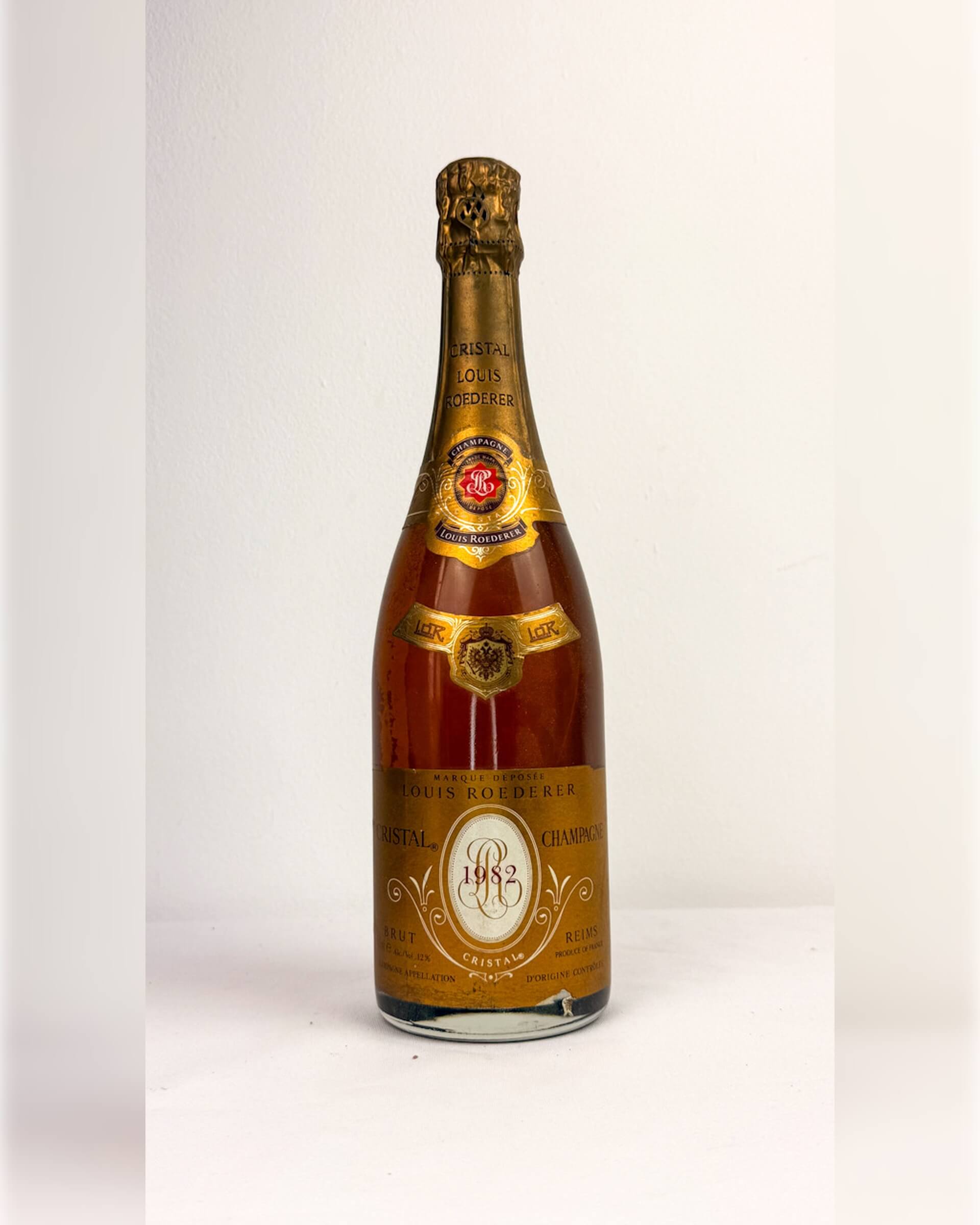
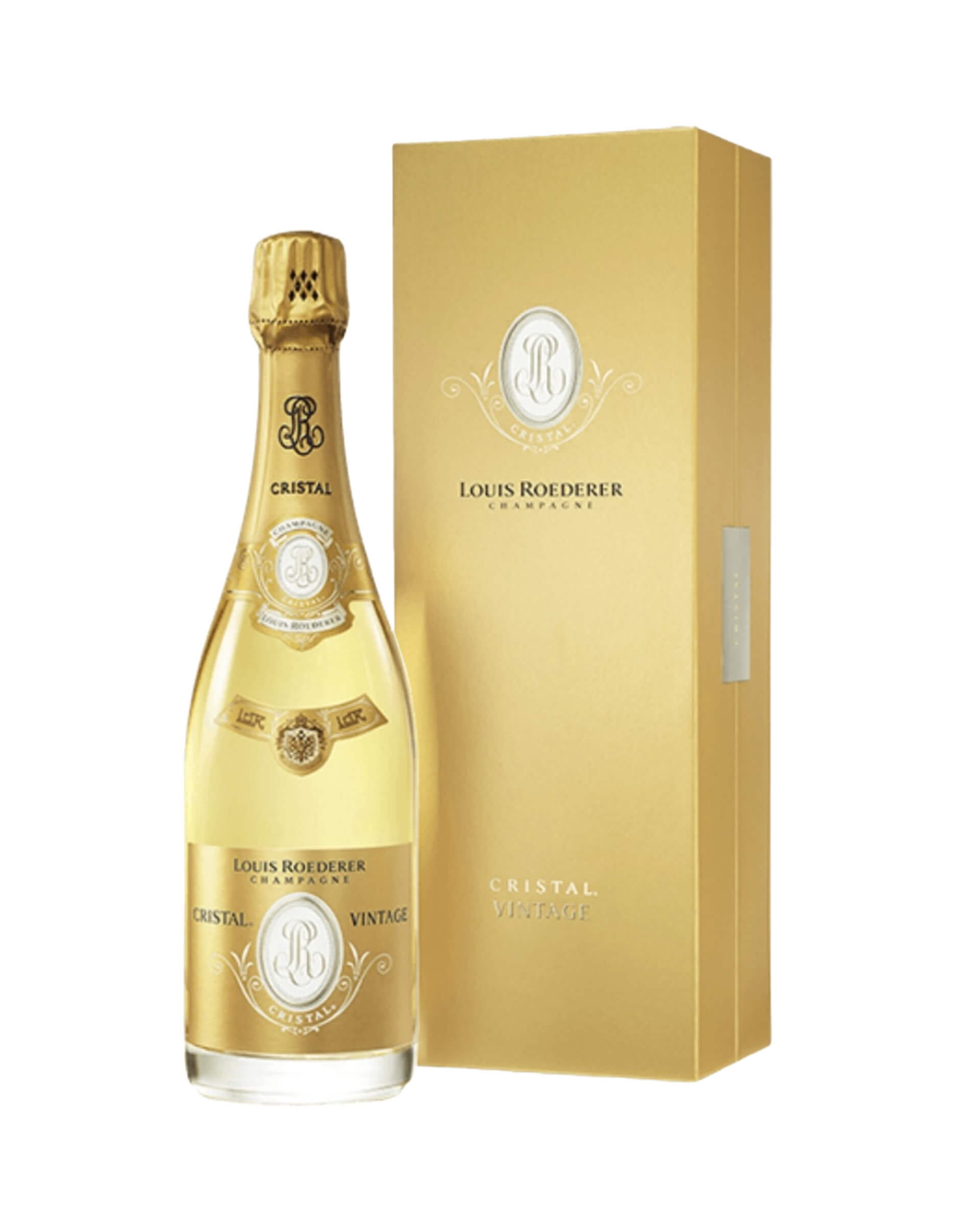
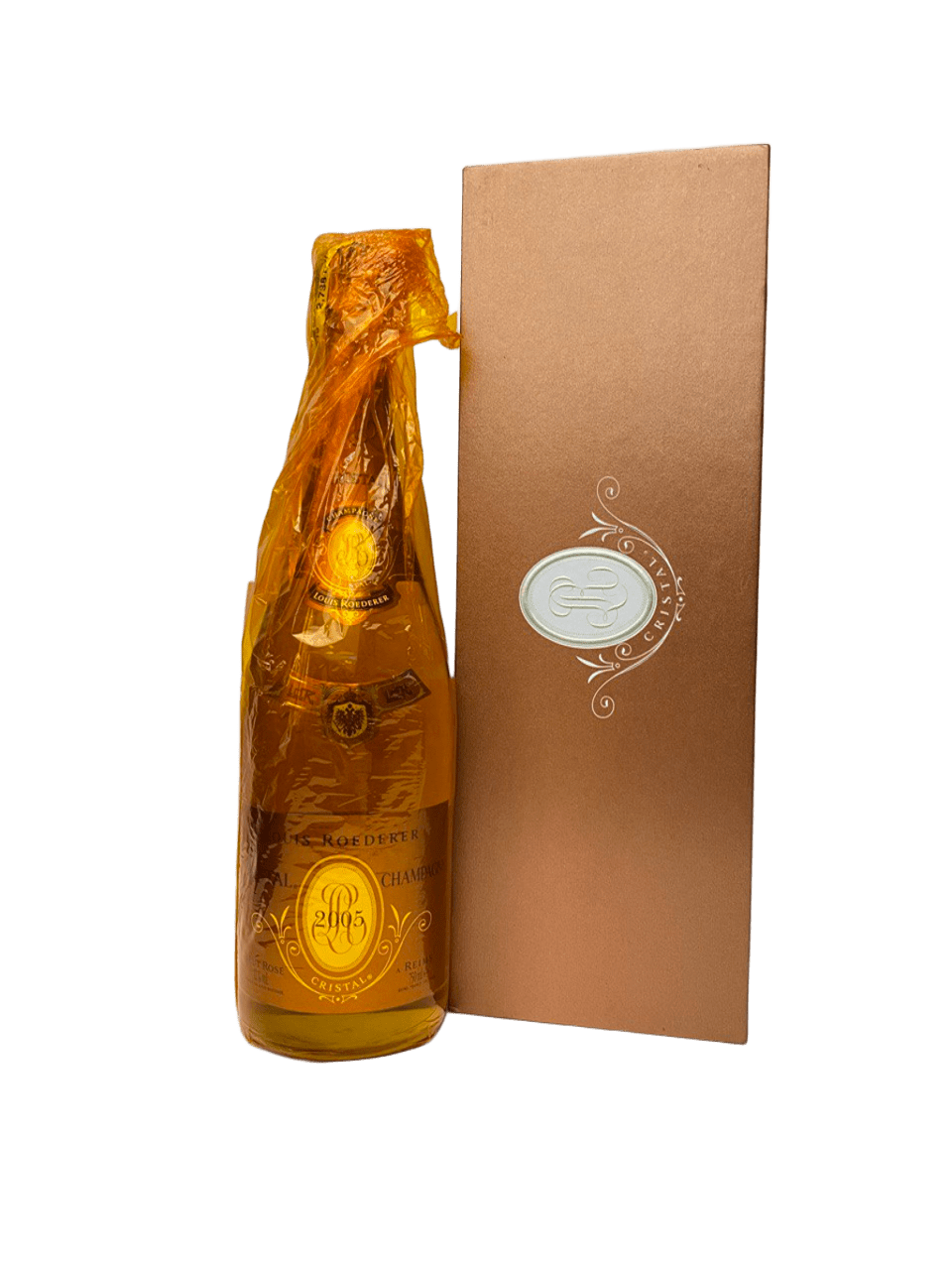
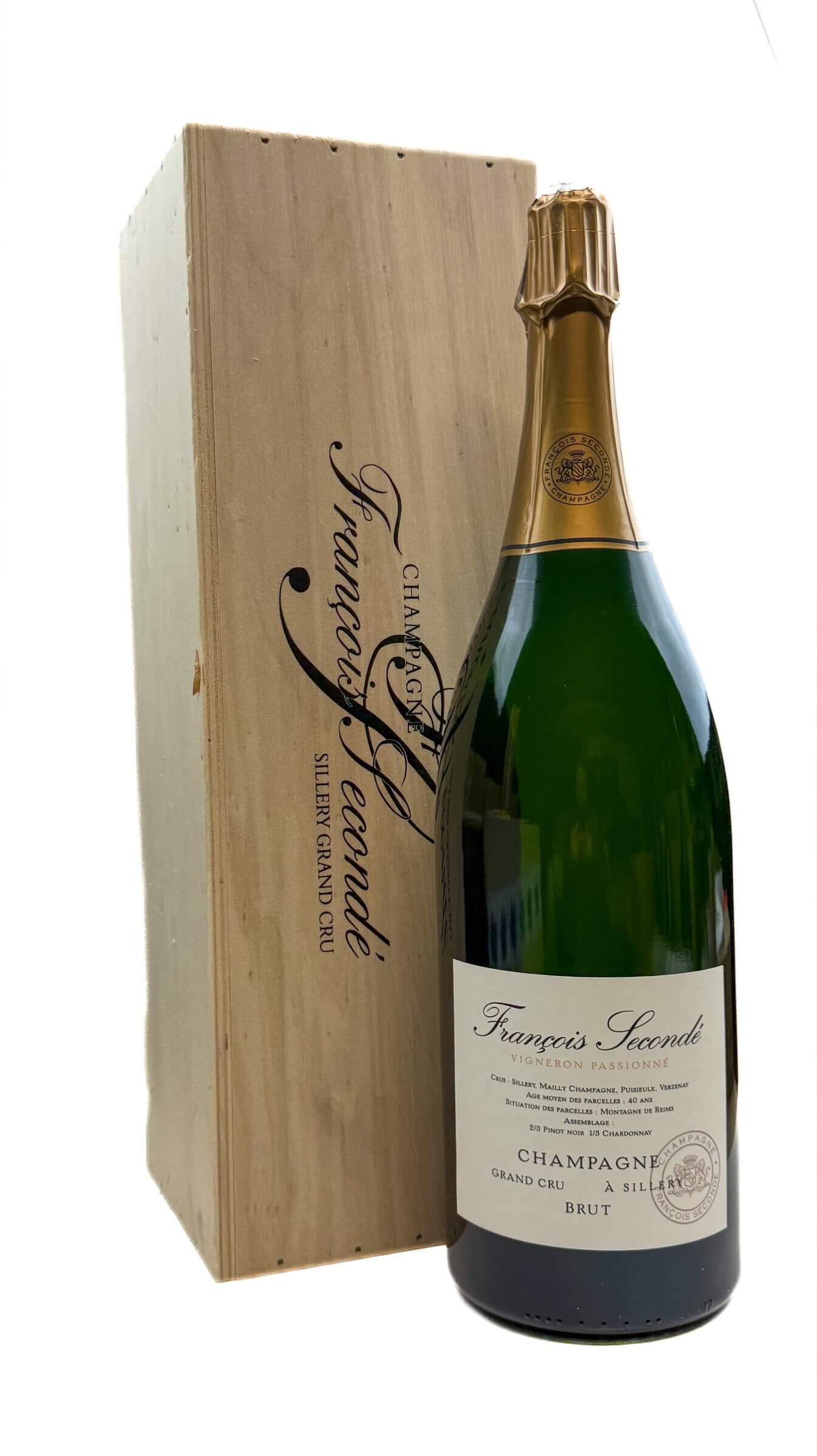
Grand cru champagne is the highest tier in Champagne’s village classification system — a legally defined origin, not a marketing flourish. The label can only appear on bottles whose grapes were grown in one of seventeen communes that earned the maximum rating on the historic échelle des crus. These villages, spread across the chalk slopes of the Montagne de Reims, the Côte des Blancs and the Vallée de la Marne, represent the most prized terroir in the entire appellation.
At Tour de Wine we keep a curated selection of nine Grand Cru bottles, chosen to span the styles and price points buyers actually look for, from approachable non-vintage blends to rare prestige cuvées. Below we break down the Grand Cru classification village by village, explain how style follows grape and slope, and show you how to choose the right bottle for the table, the cellar or the gift box. For broader context, you can also explore our full Champagne collection.
Unlike Burgundy, where grand cru status is attached to individual vineyard plots, grand cru champagne is awarded at the level of the whole village. The system rests on the échelle des crus (“ladder of growths”), a 100-point rating scale introduced in 1911 and later formalised in French wine law. Each commune in Champagne was rated according to the historic quality and price of its grapes. Only the villages scoring the full 100% earned the Grand Cru designation; those rated between 90% and 99% became Premier Cru. Just seventeen villages reached the top rung — and crucially, they are not spread evenly across the region. Nine sit in the Montagne de Reims, six in the Côte des Blancs, and two in the Vallée de la Marne. You will find the same logic of classified origin echoed across France, from Burgundy to the wider world of Grand Cru wines, but in Champagne it is the commune, not the parcel, that carries the title. Explore the wider tier structure in our Champagne classifications section.
In short: Grand Cru is a statement about where the fruit grew, certified by a century-old rating scale — it tells you the grapes came from Champagne’s elite addresses, though the producer’s hand still decides what ends up in the glass.
Understanding the villages is the single most useful thing a buyer can do, because each sub-region grows different grapes and therefore makes a different style of wine. The seventeen communes fall into three zones, and knowing which one a bottle comes from tells you more about how it will taste than any tasting note on the back label.
The Montagne de Reims holds the largest share of Grand Cru communes: Ambonnay, Beaumont-sur-Vesle, Bouzy, Louvois, Mailly-Champagne, Puisieulx, Sillery, Verzenay and Verzy. Pinot Noir dominates these forested slopes, producing structured, red-fruit-driven champagnes with exceptional ageing potential. Ambonnay and Bouzy are two of the most prestigious addresses in the whole appellation — Krug’s Clos d’Ambonnay and the grower Egly-Ouriet both draw fruit from here.
The Côte des Blancs is Chardonnay country. Its six classified villages — Avize, Chouilly, Cramant, Le Mesnil-sur-Oger, Oger and Oiry — sit on some of the purest chalk in the region, producing the most mineral, long-ageing wines in the appellation and the source of virtually all prestige blanc de blancs cuvées. Le Mesnil-sur-Oger is the spiritual home of blanc de blancs: Salon’s celebrated single-village cuvée comes exclusively from here, and Krug’s Clos du Mesnil shares the same hallowed soil.
The Vallée de la Marne accounts for two classified villages: Aÿ and Tours-sur-Marne, the latter recognised chiefly for its red grapes. Aÿ is historically the most famous Pinot Noir village in Champagne and the heart of Bollinger’s identity. Pinot Noir grown here tends to produce rounder, fuller-bodied wines than the more austere, taut style of the higher Montagne de Reims slopes — power and generosity balanced by river-valley freshness.
Because style follows village, these wines arrive in three broad guises, and a blanc de blancs grand cru tastes nothing like a Pinot-driven blanc de noirs from the same classification. Matching the style to the moment is the secret to buying well at this level — the best bottle for a celebration dinner is rarely the same one you would lay down for a decade.
Treat these bottles as gastronomic wines, not just aperitifs, and matching the style to the dish rewards the money you have spent. The fine bead, racy acidity and depth at this level let a top cuvée sit at the centre of a meal rather than only at its start.
Start with style. To buy at this level with confidence, decide that first. Do you want the precision and minerality of a blanc de blancs from the Côte des Blancs, or the body and richness of a Pinot-dominant or blended cuvée from the Montagne de Reims? Non-vintage Grand Cru delivers a house’s consistent signature year after year; vintage Grand Cru, declared only in outstanding harvests, rewards patience with greater complexity and a longer life.
Budget is the second axis. Our Grand Cru selection opens from €65 on a small number of bottles and an accessible entry point near €100, with the heart of the range — the mid-tier vintage and blanc de blancs cuvées most buyers choose — sitting around €442. That premium reflects fruit sourced from the classified seventeen villages and, often, longer lees ageing. Rare prestige and library bottlings climb to €585 and, for the most exceptional allocations, up to €1,500.
From the buying team: if you want one bottle that explains the category, start with a single-village blanc de blancs from Le Mesnil-sur-Oger. We keep it in the selection because it shows what 100% Grand Cru chalk does to Chardonnay better than any blend — taut citrus and chalk on release, deepening into hazelnut and brioche with a few years in bottle. It is the reference point we hand to customers stepping up from non-vintage for the first time.
Occasion is the third axis. Use it to settle style and spend together:
Once you have chosen your bottle, serving it well is what unlocks the value in the glass. The single most important change to make at this tier is the vessel: swap the narrow flute for a wide tulip or even a white-wine glass, which opens the aromatics that you are paying for in the first place.
The seventeen Grand Cru villages are Ambonnay, Avize, Aÿ, Beaumont-sur-Vesle, Bouzy, Chouilly, Cramant, Le Mesnil-sur-Oger, Louvois, Mailly-Champagne, Oger, Oiry, Puisieulx, Sillery, Tours-sur-Marne, Verzenay and Verzy. They are concentrated in the Montagne de Reims (nine villages), the Côte des Blancs (six villages) and the Vallée de la Marne (two villages), the three zones that hold the top 100% échelle rating.
Not necessarily. Classification confirms the fruit came from the top seventeen villages, but it alone does not guarantee quality — the producer’s skill, the vintage conditions and ageing time matter just as much. Some Premier Cru grower champagnes from outstanding makers comfortably outperform mass-market Grand Cru blends. Think of the classification as a reliable quality floor rather than a ceiling.
The two terms answer different questions. Grand Cru describes the village origin of the grapes, while a “prestige cuvée” — Dom Pérignon, Cristal or Krug Grande Cuvée (a multi-vintage blend, unlike the vintage-declared Dom Pérignon and Cristal), for example — is a house’s flagship commercial bottling. These prestige wines are usually made from Grand Cru or Premier Cru fruit: one term is about origin, the other about a producer’s top commercial tier.
It depends on the style. Non-vintage Grand Cru Brut is best within 3–5 years of purchase. Vintage Grand Cru typically drinks well between 8 and 20 years from disgorgement, depending on the producer. The finest blanc de blancs from Le Mesnil-sur-Oger, such as Salon, can evolve gracefully well beyond 30 years.
Written by the Tour de Wine buying team. Last reviewed: June 2026.
This site is restricted to adults. By entering, you confirm that you are of legal drinking age in your country of residence.