0,7
Ardbeg
Wines, producers, regions...
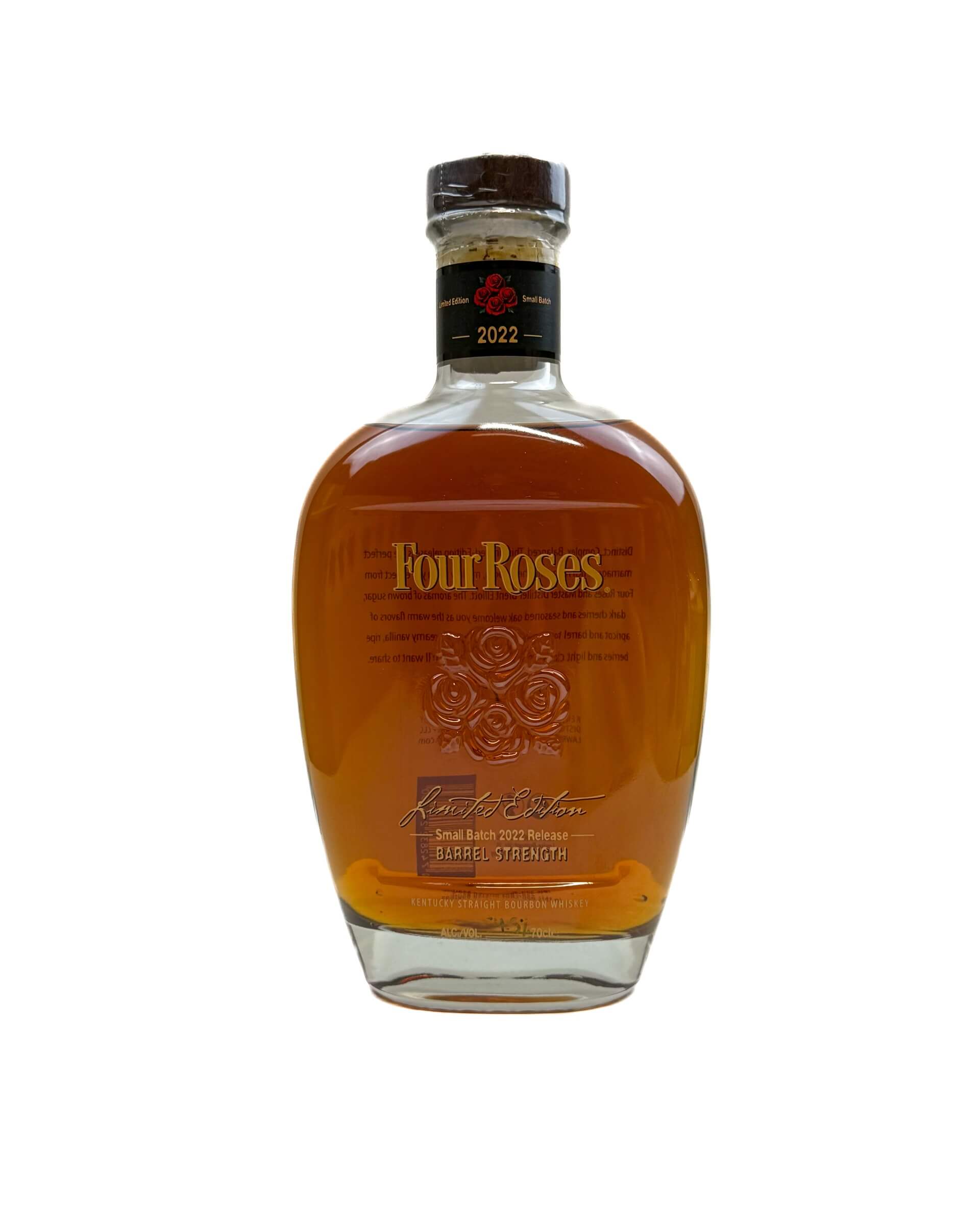
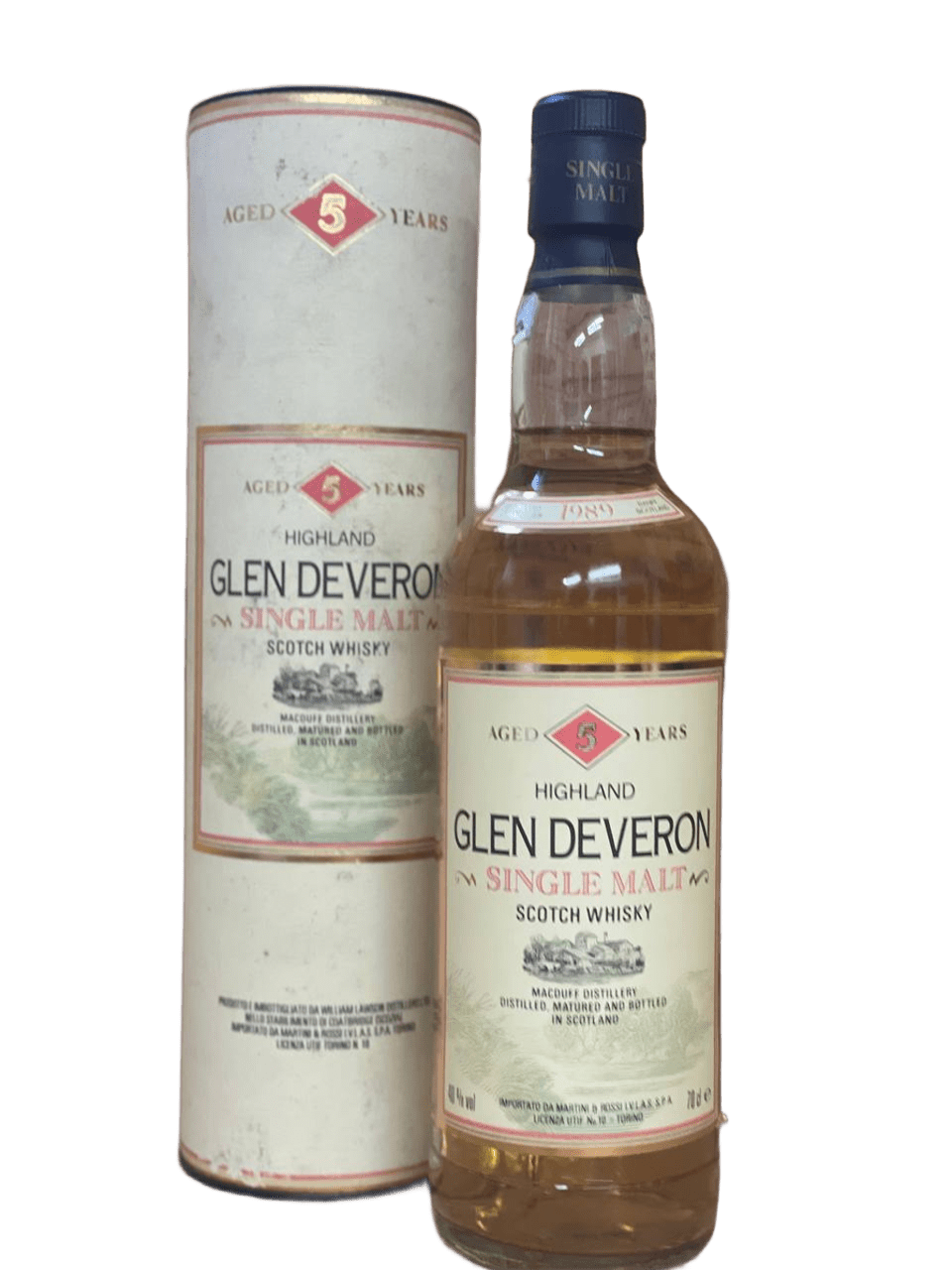
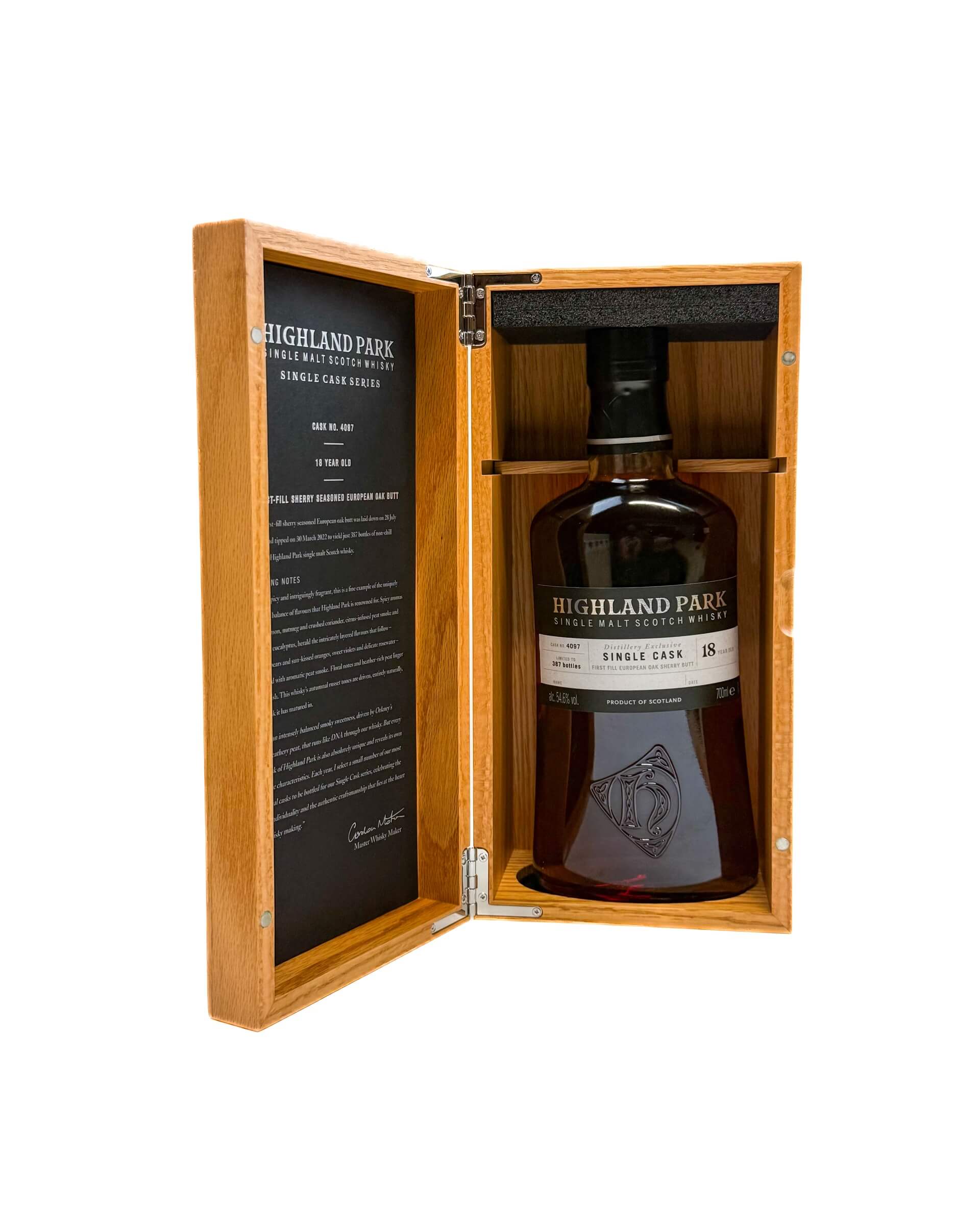
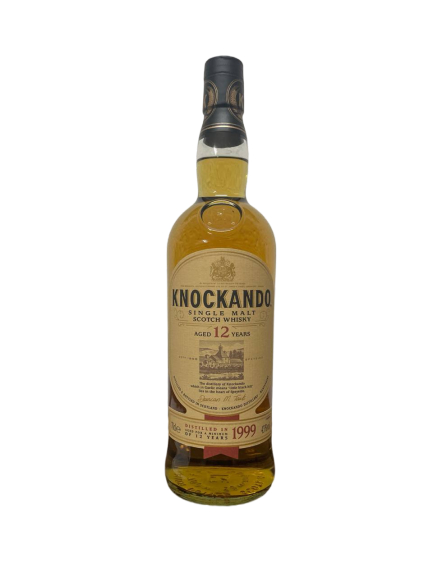
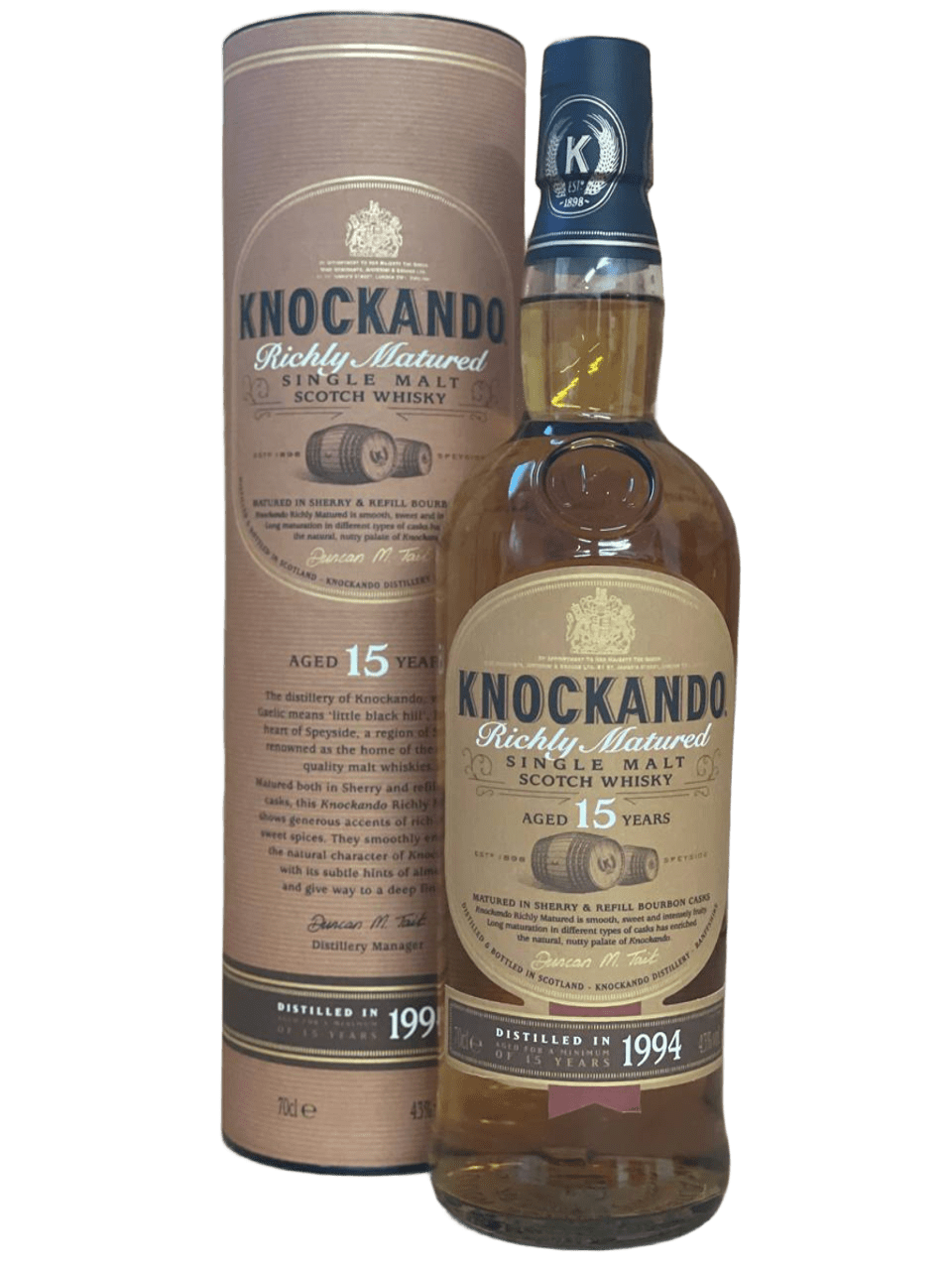
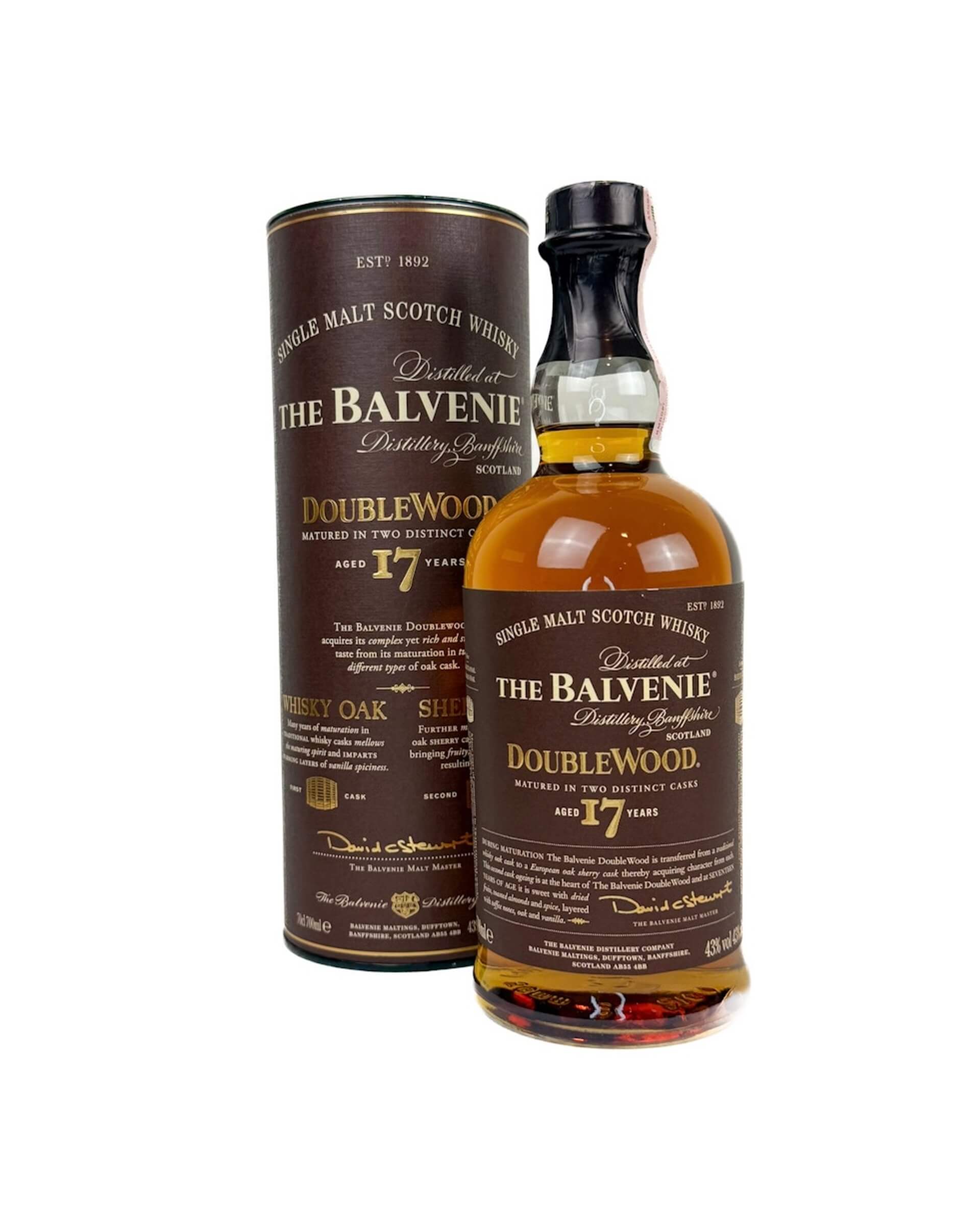
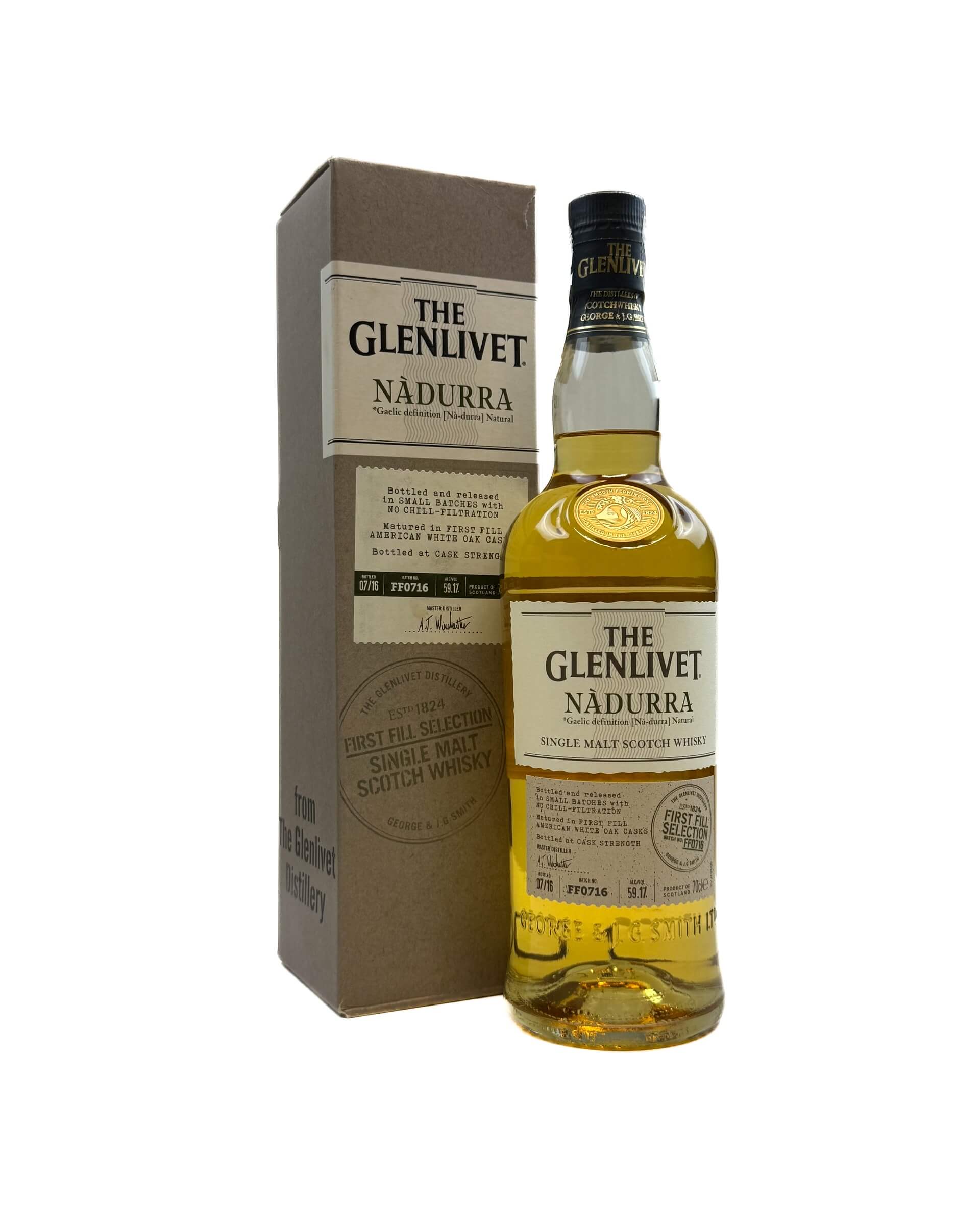
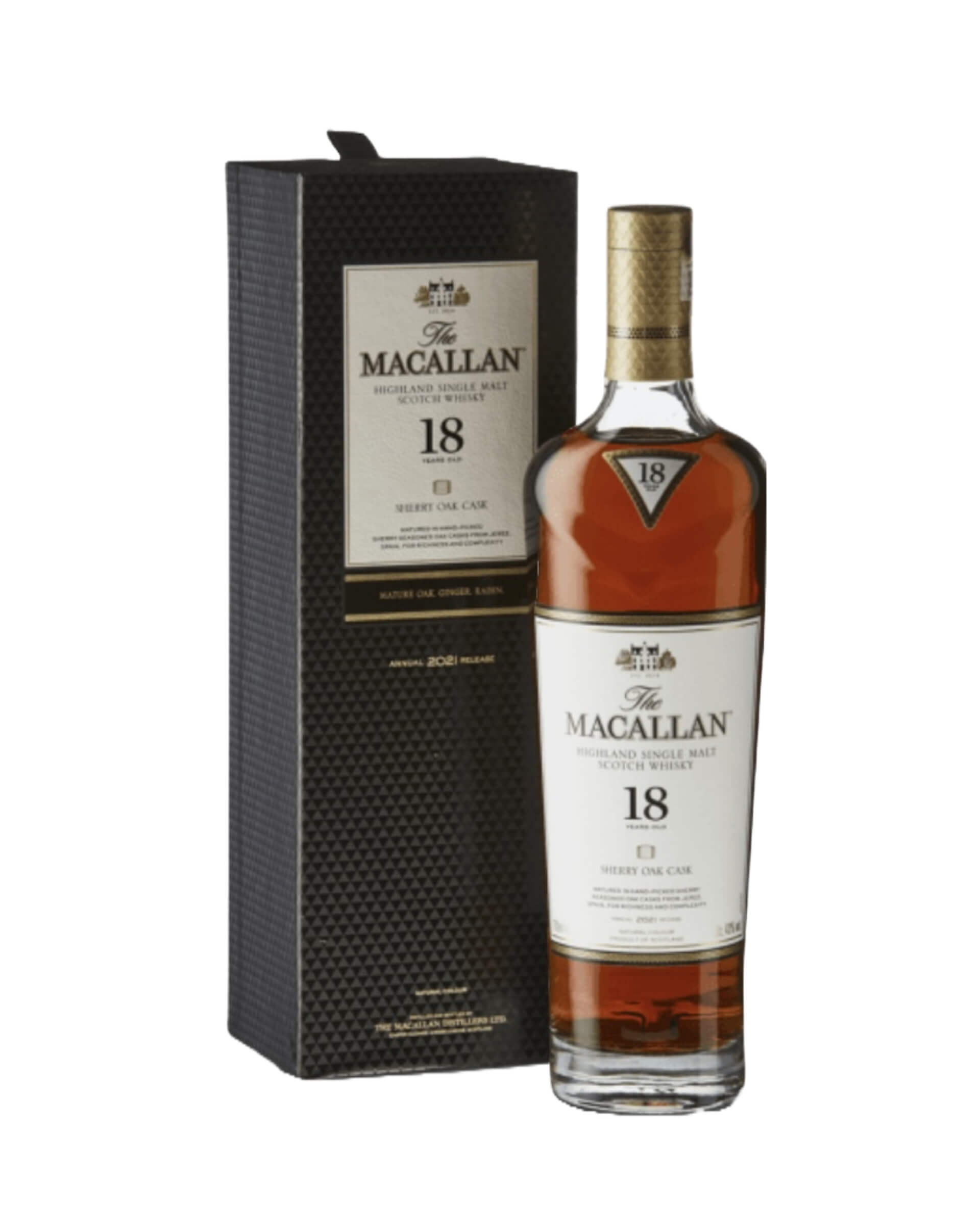
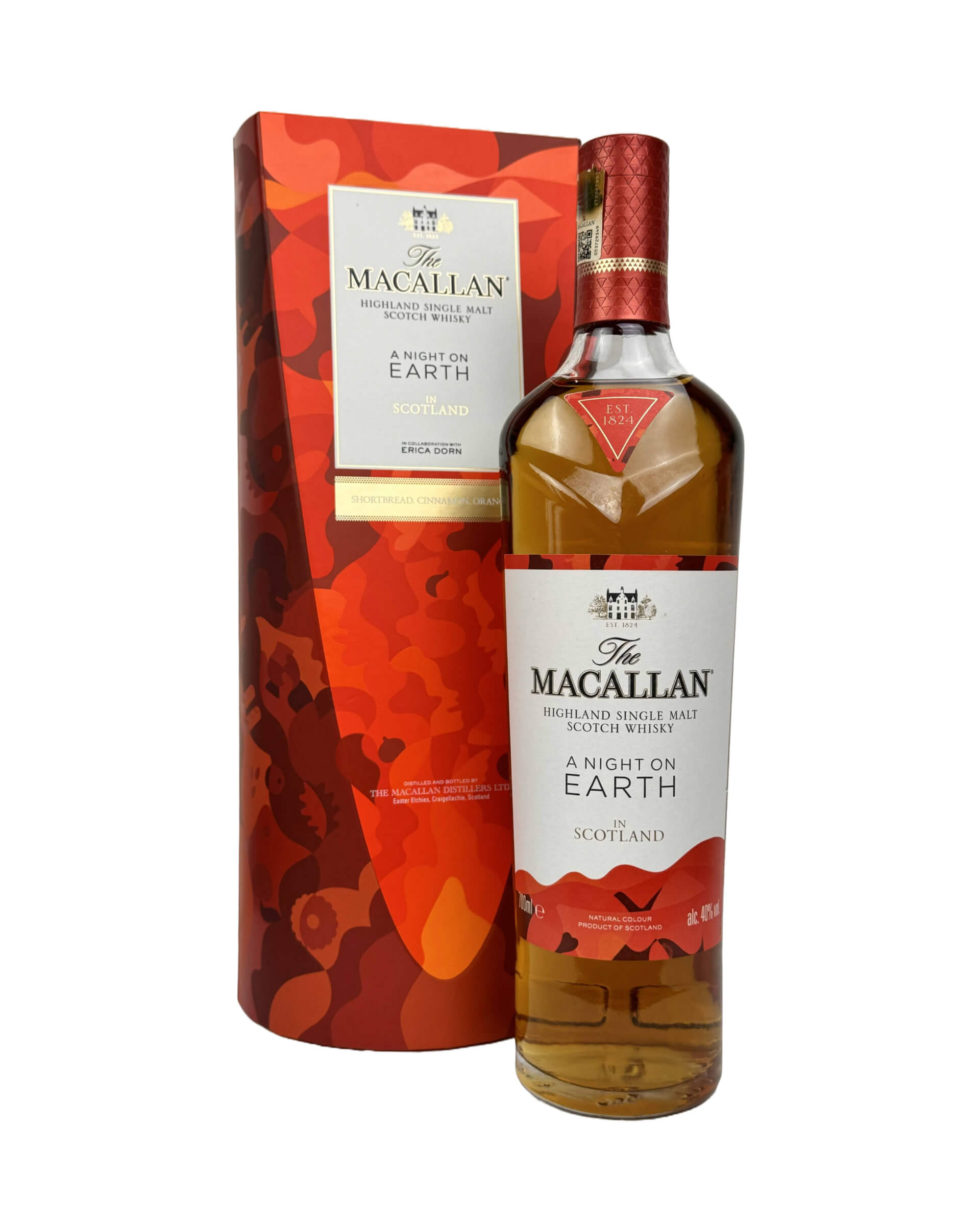
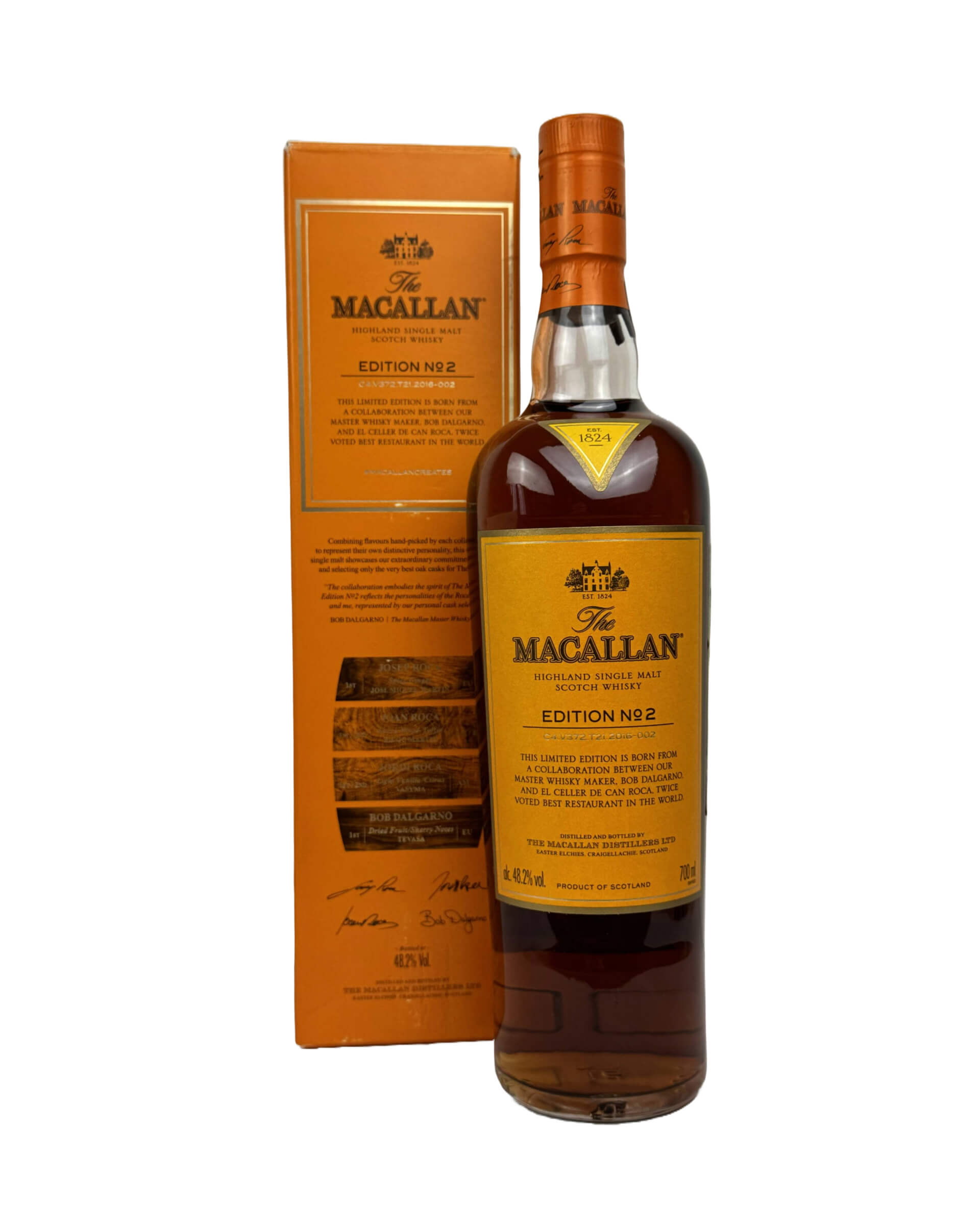
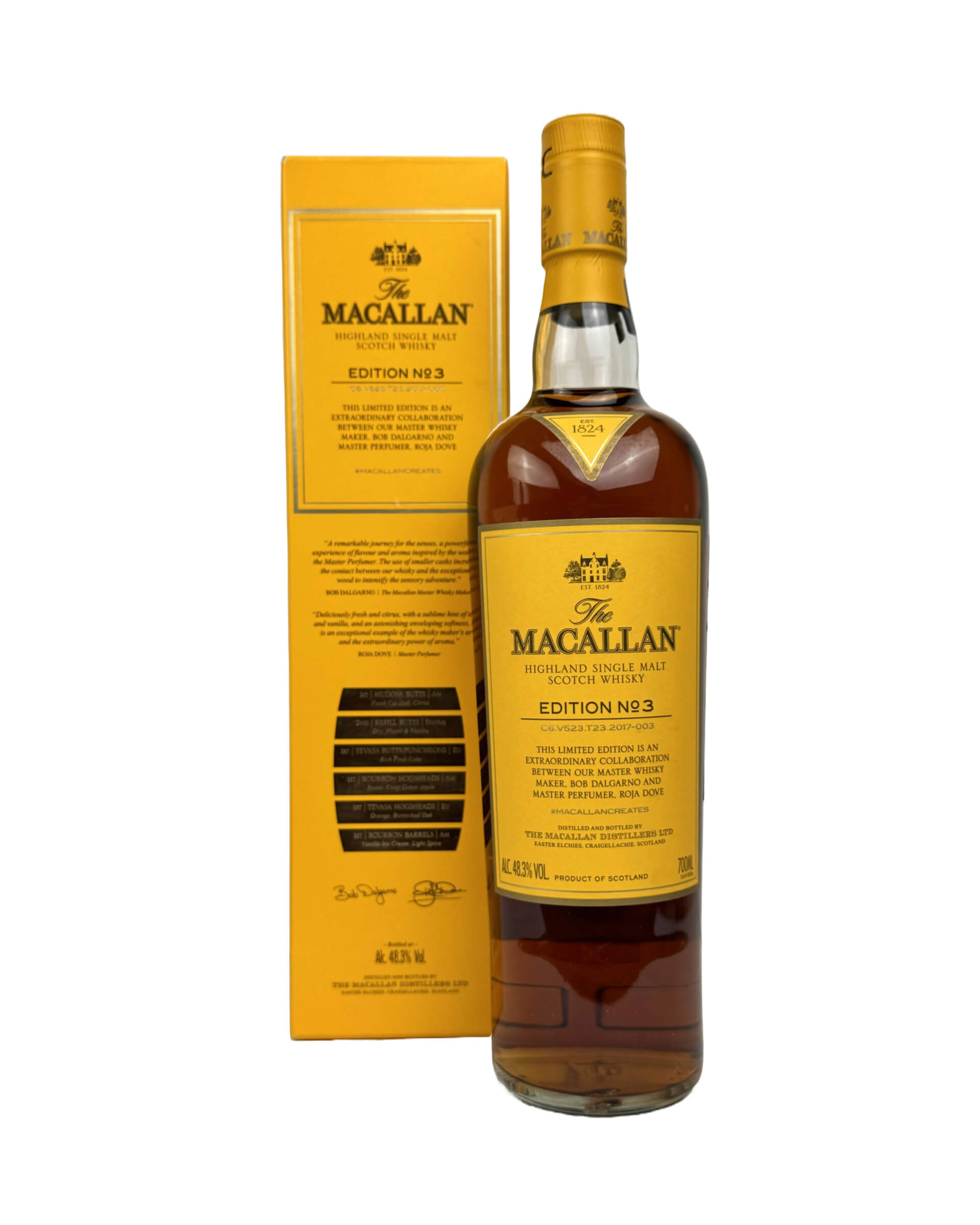
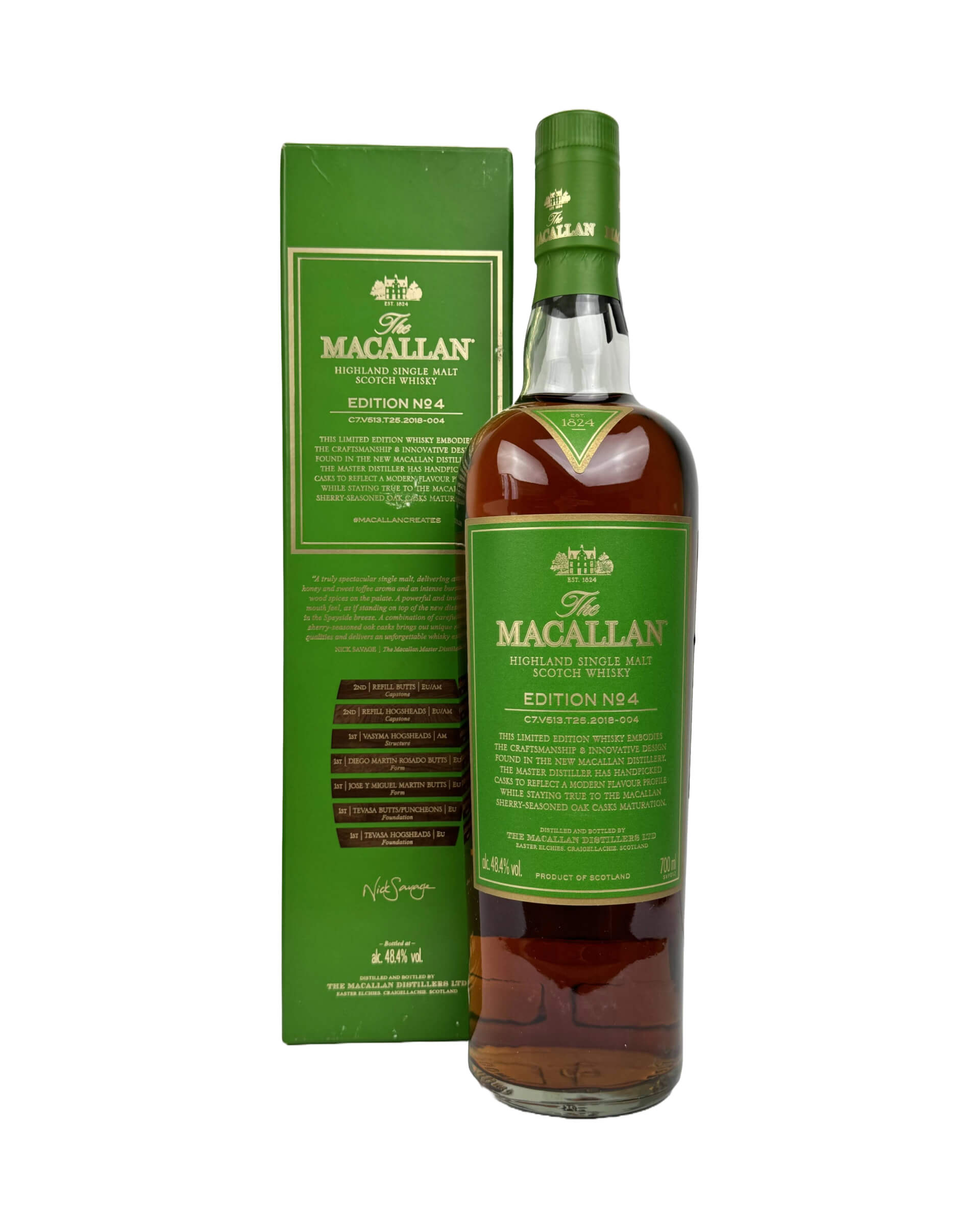
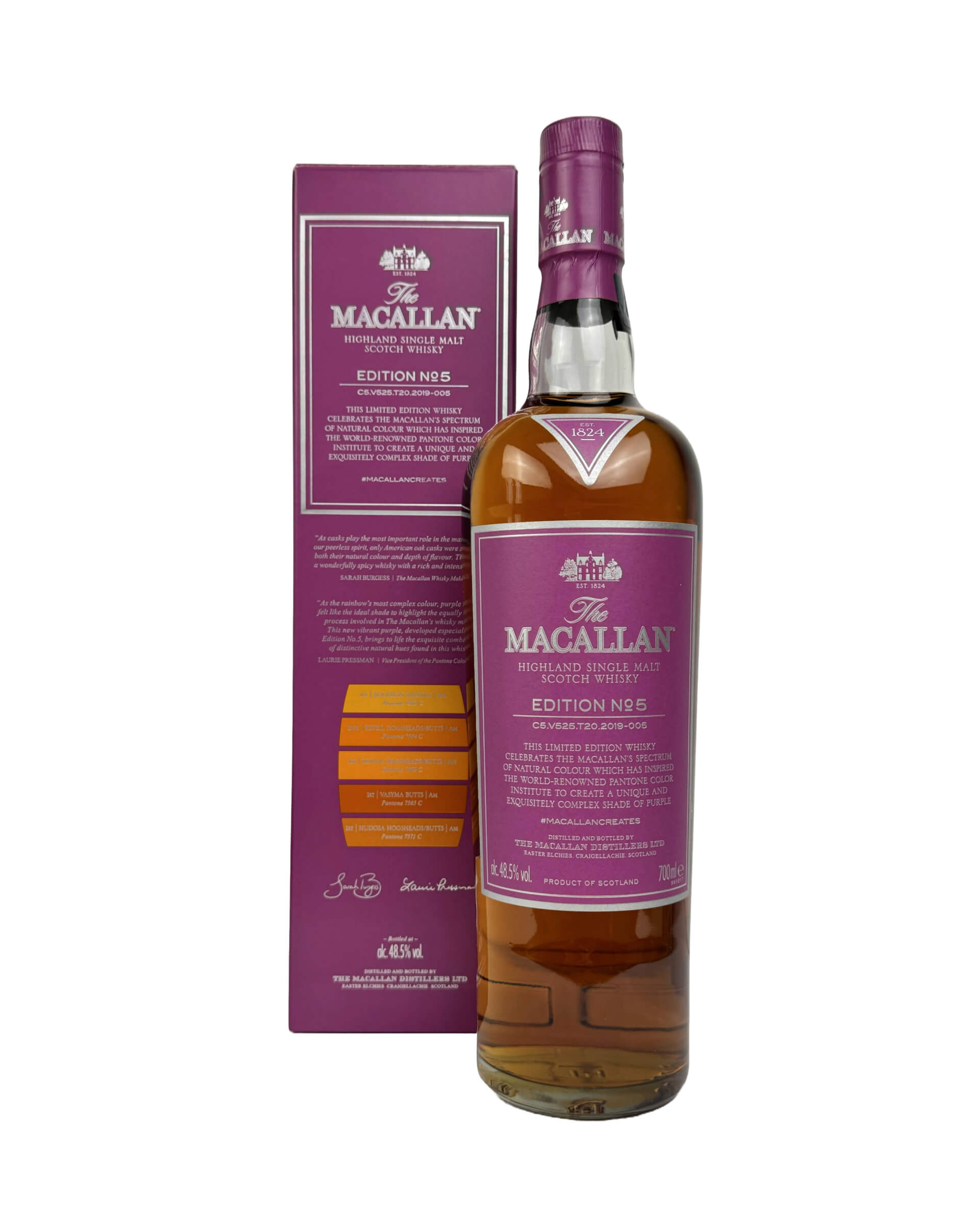

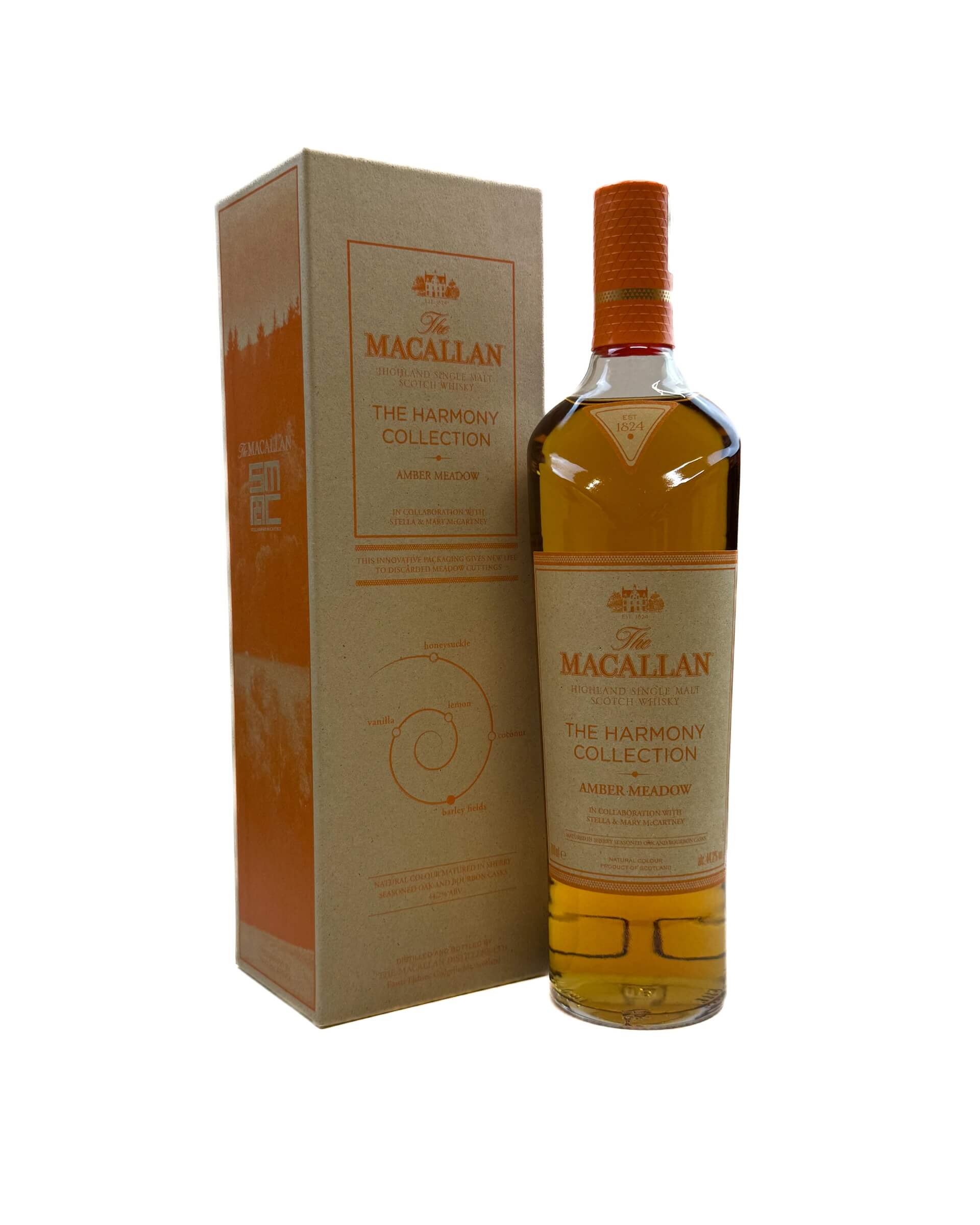
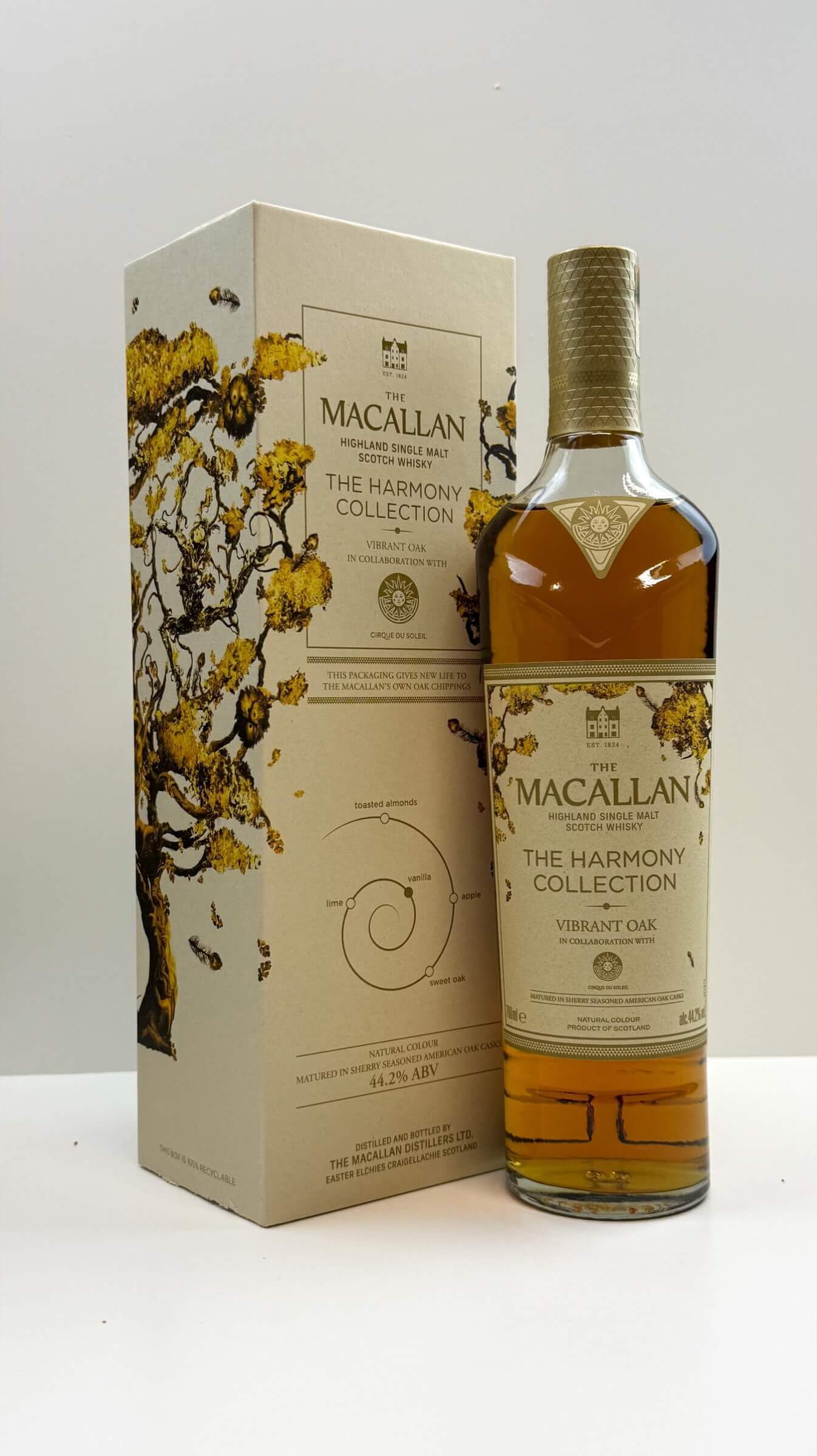
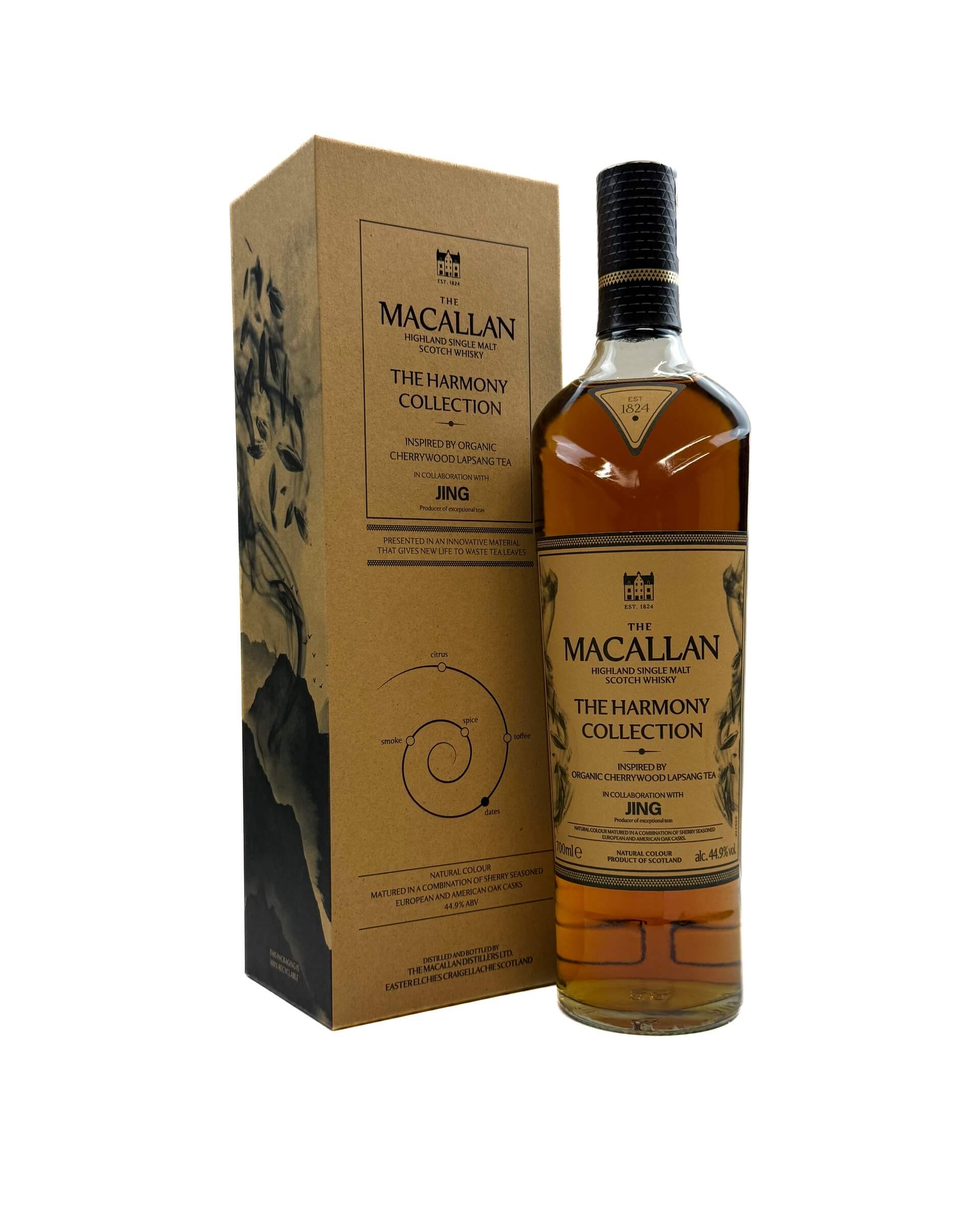
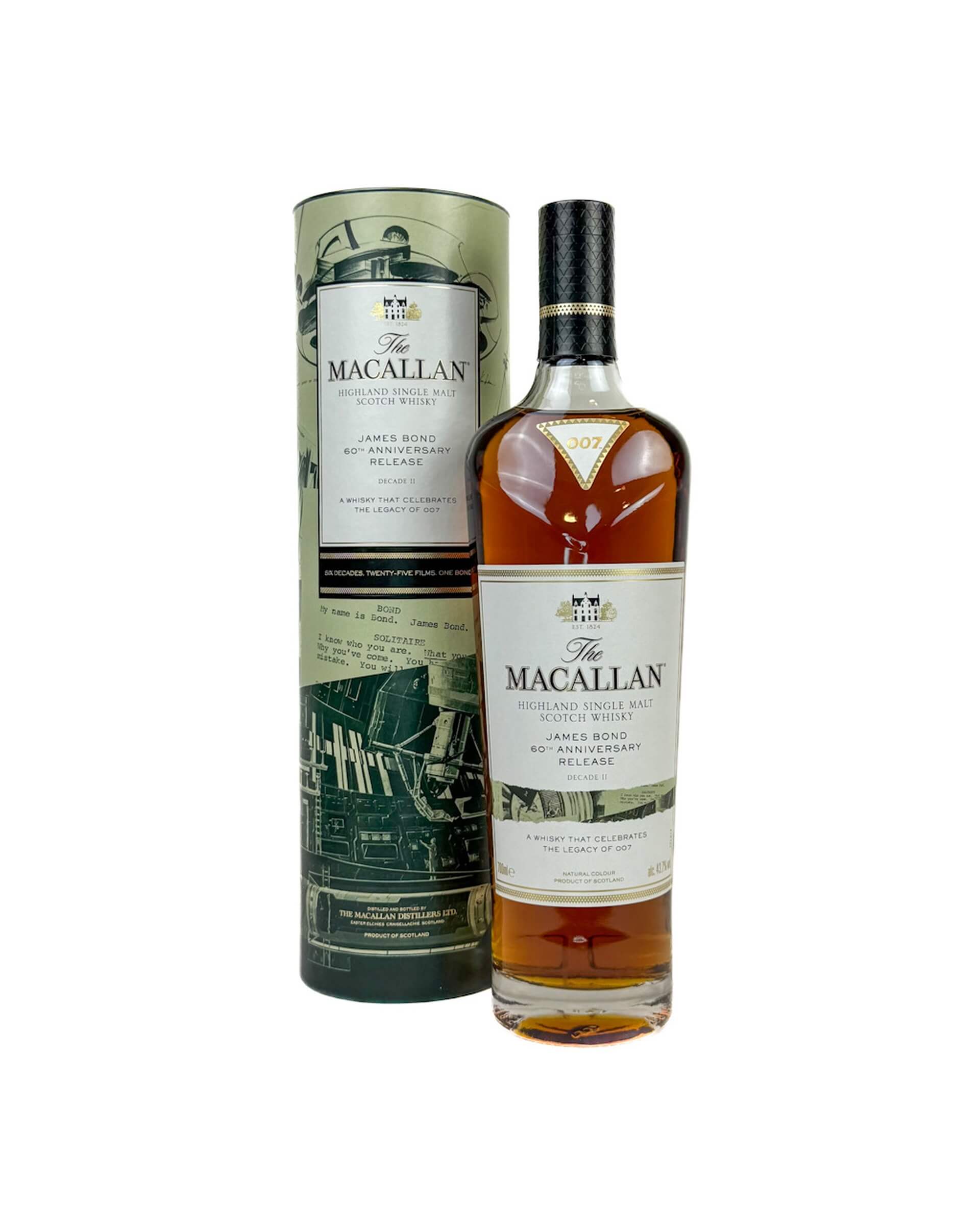
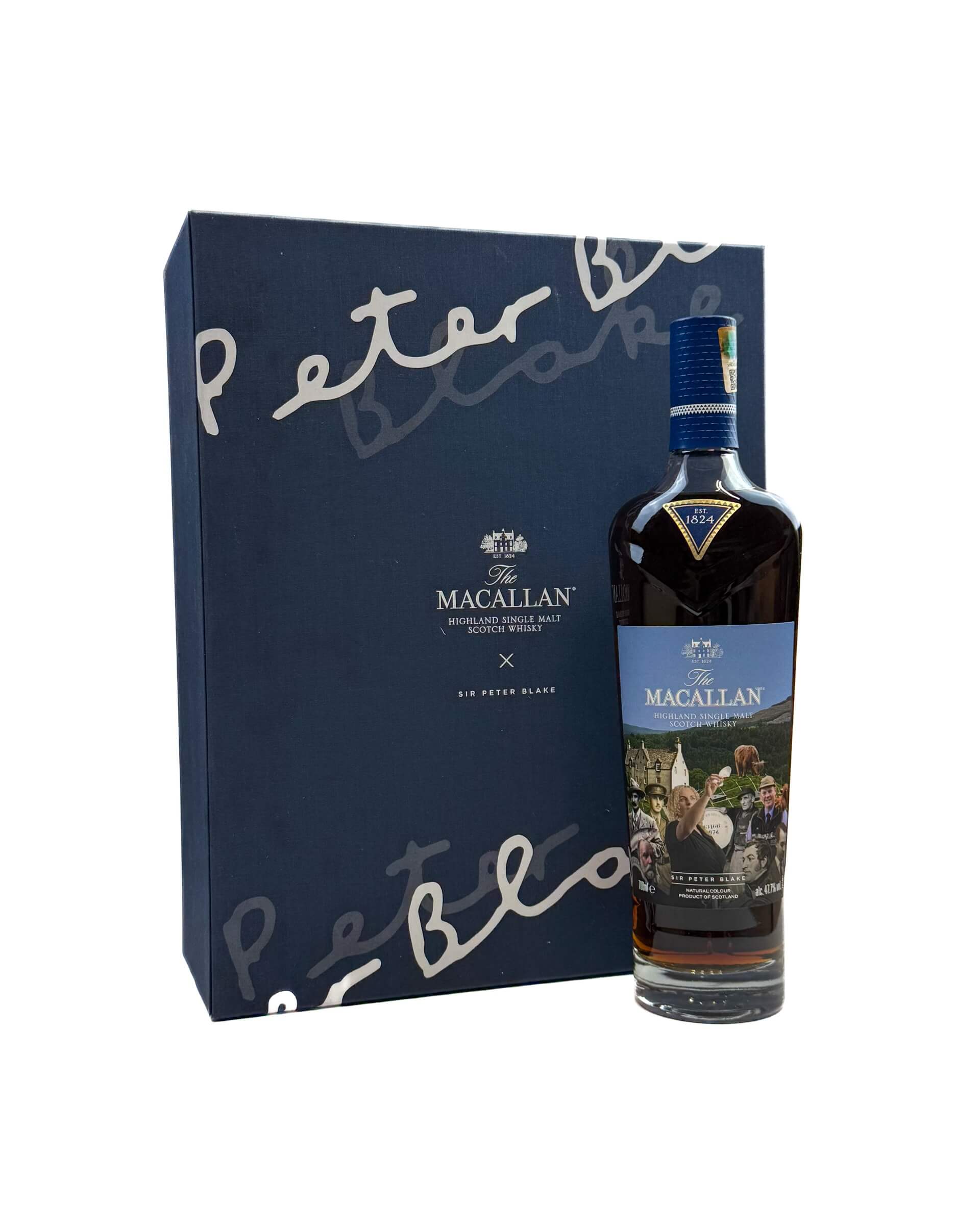
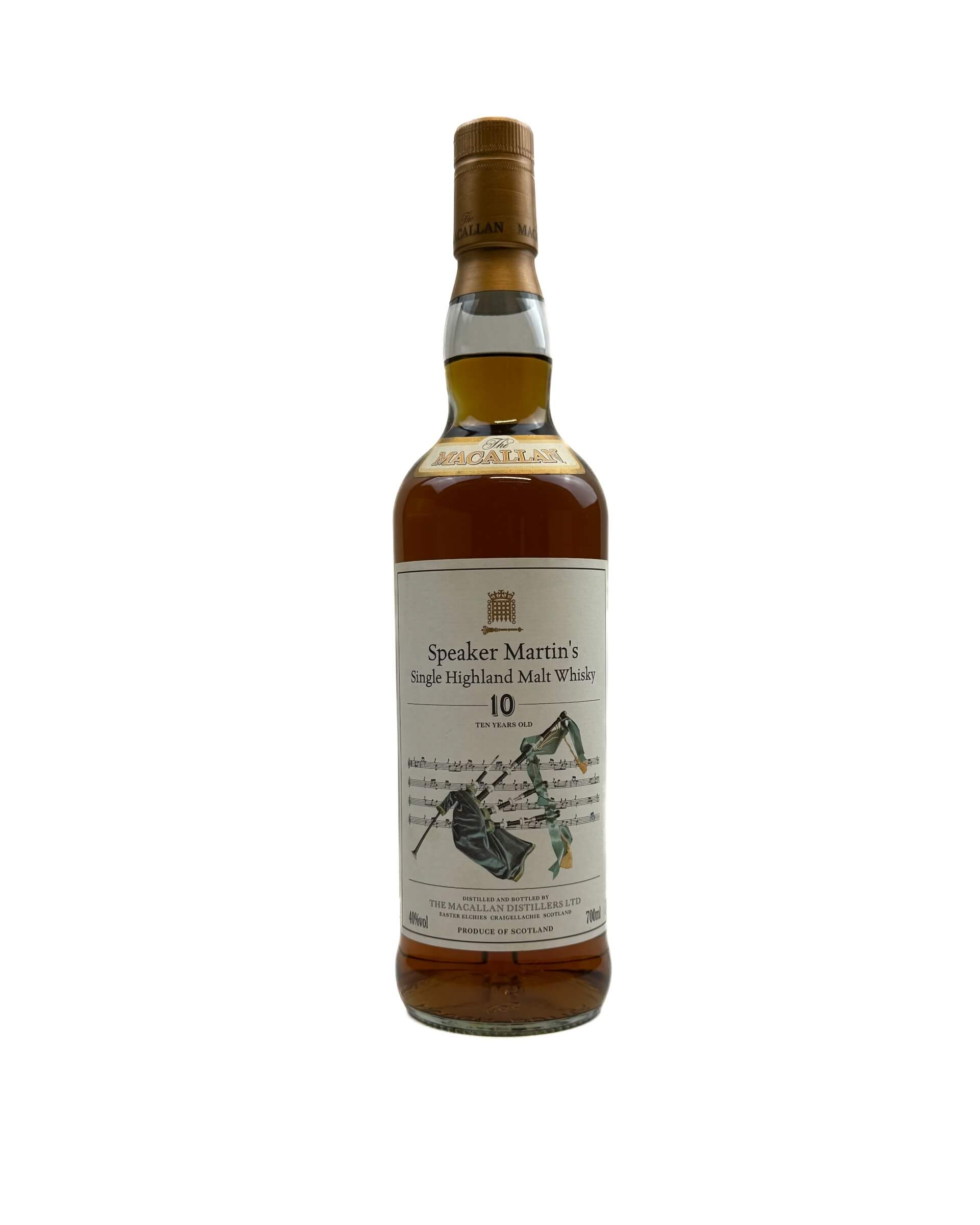
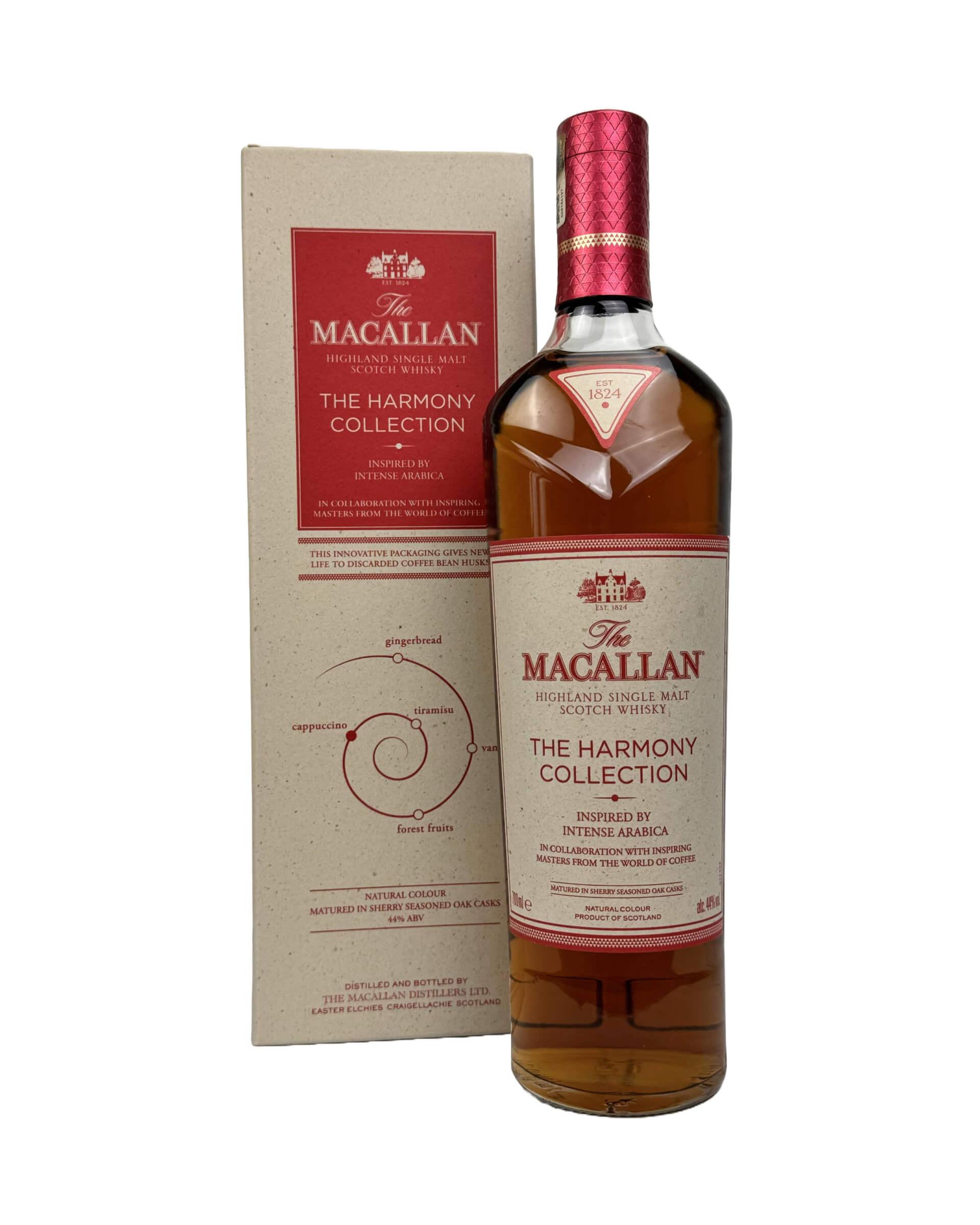
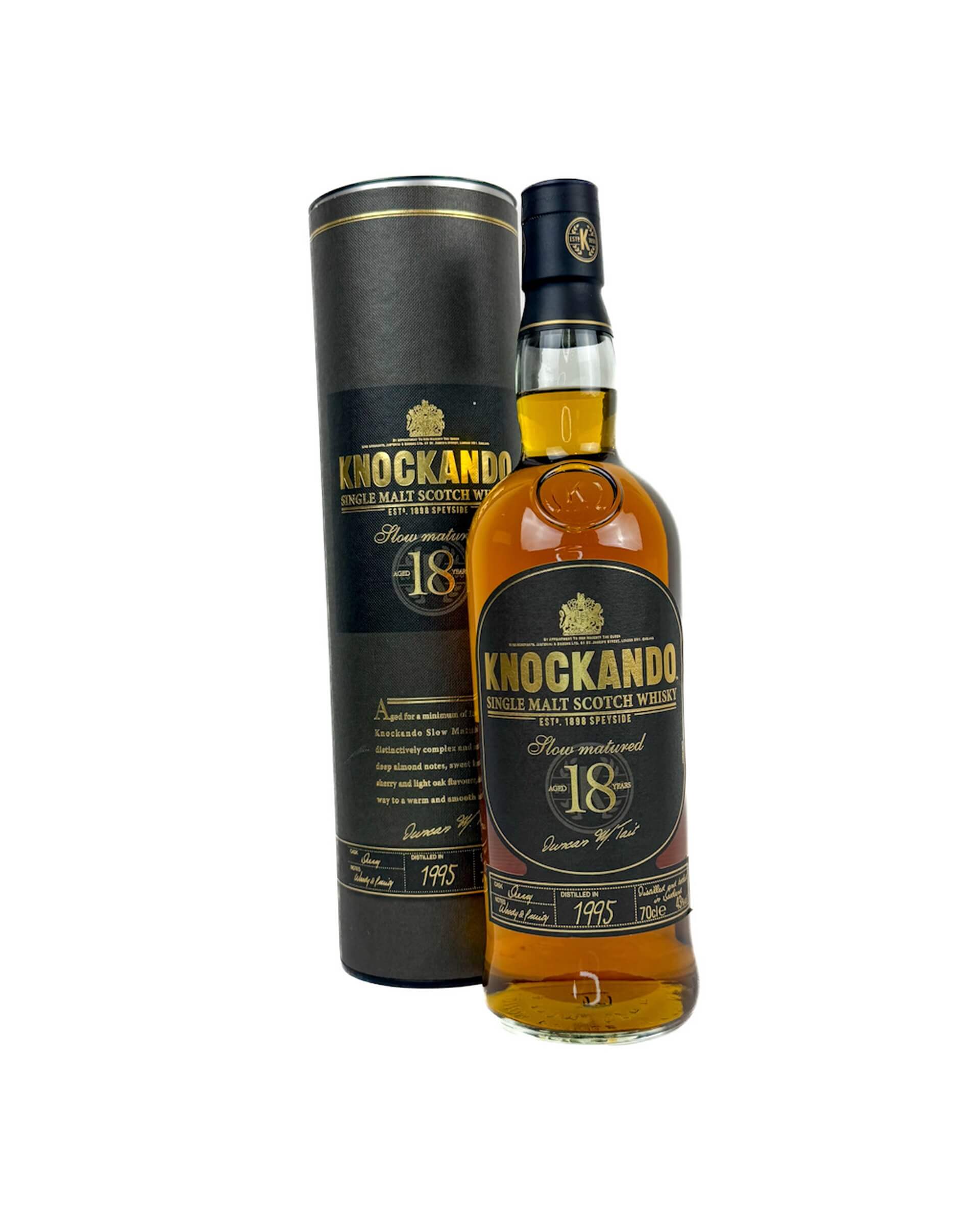
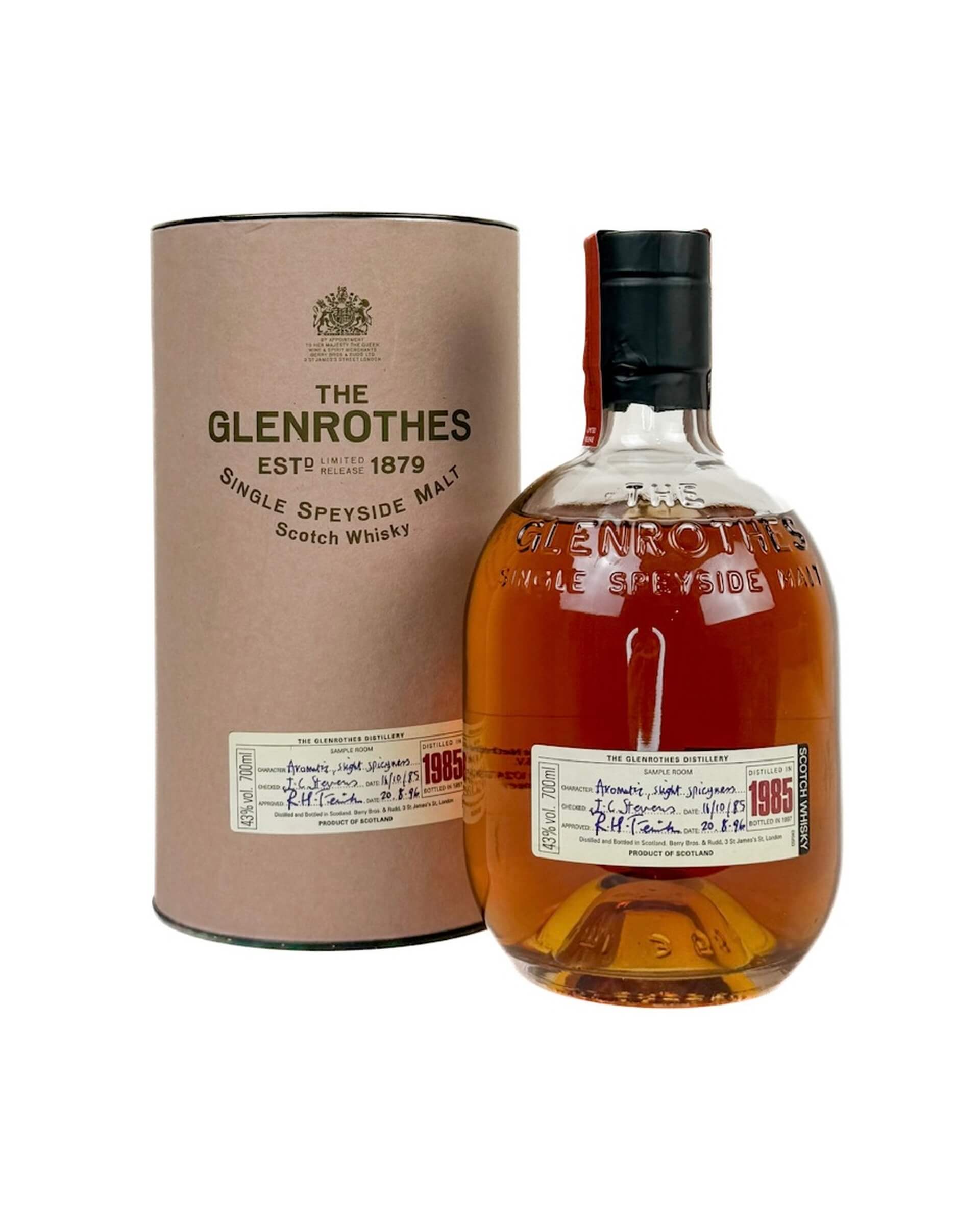

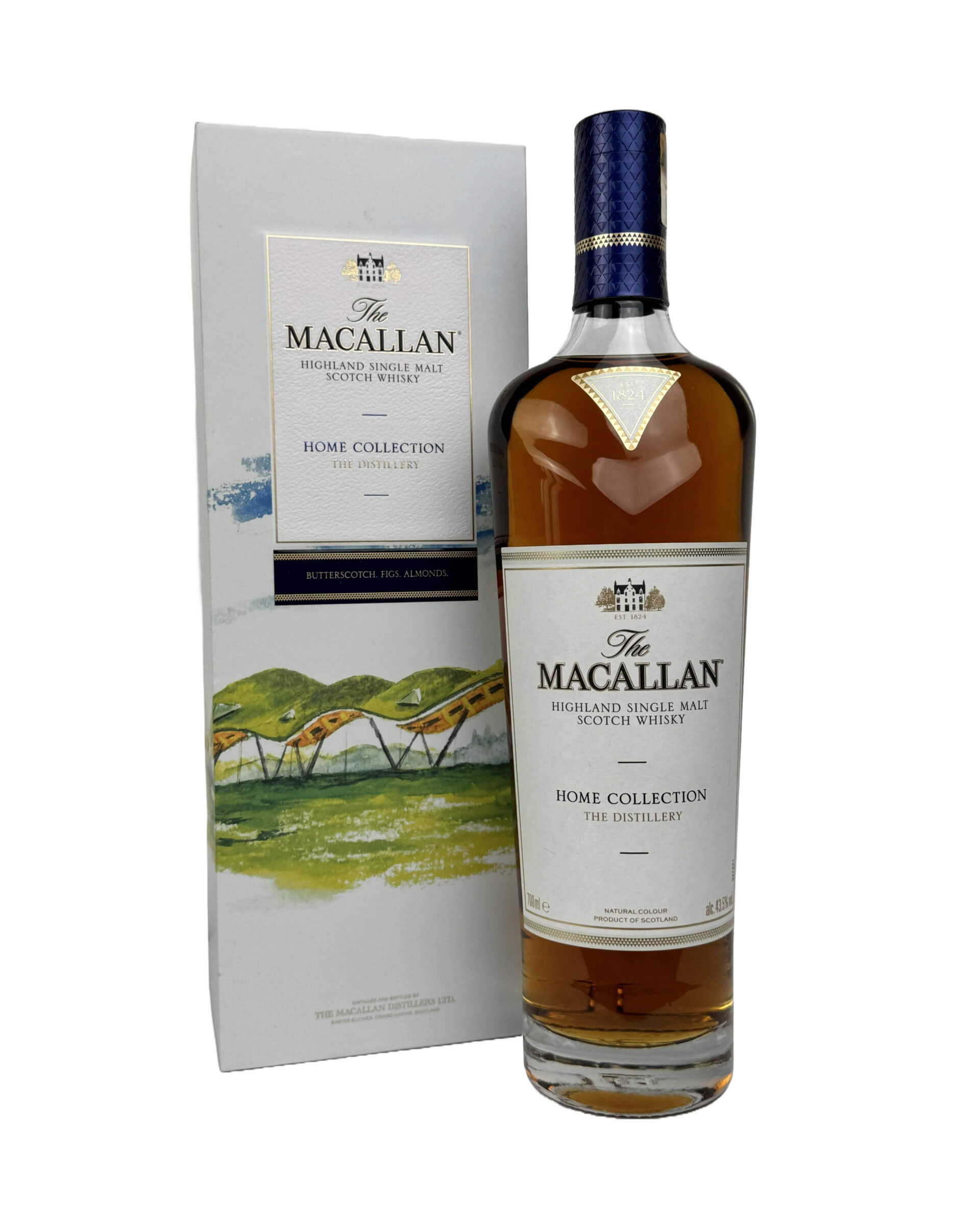
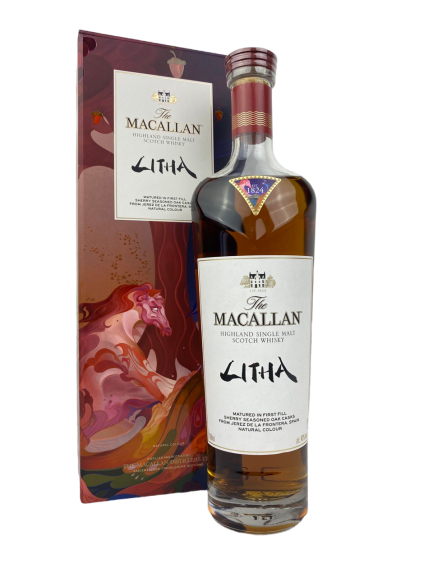
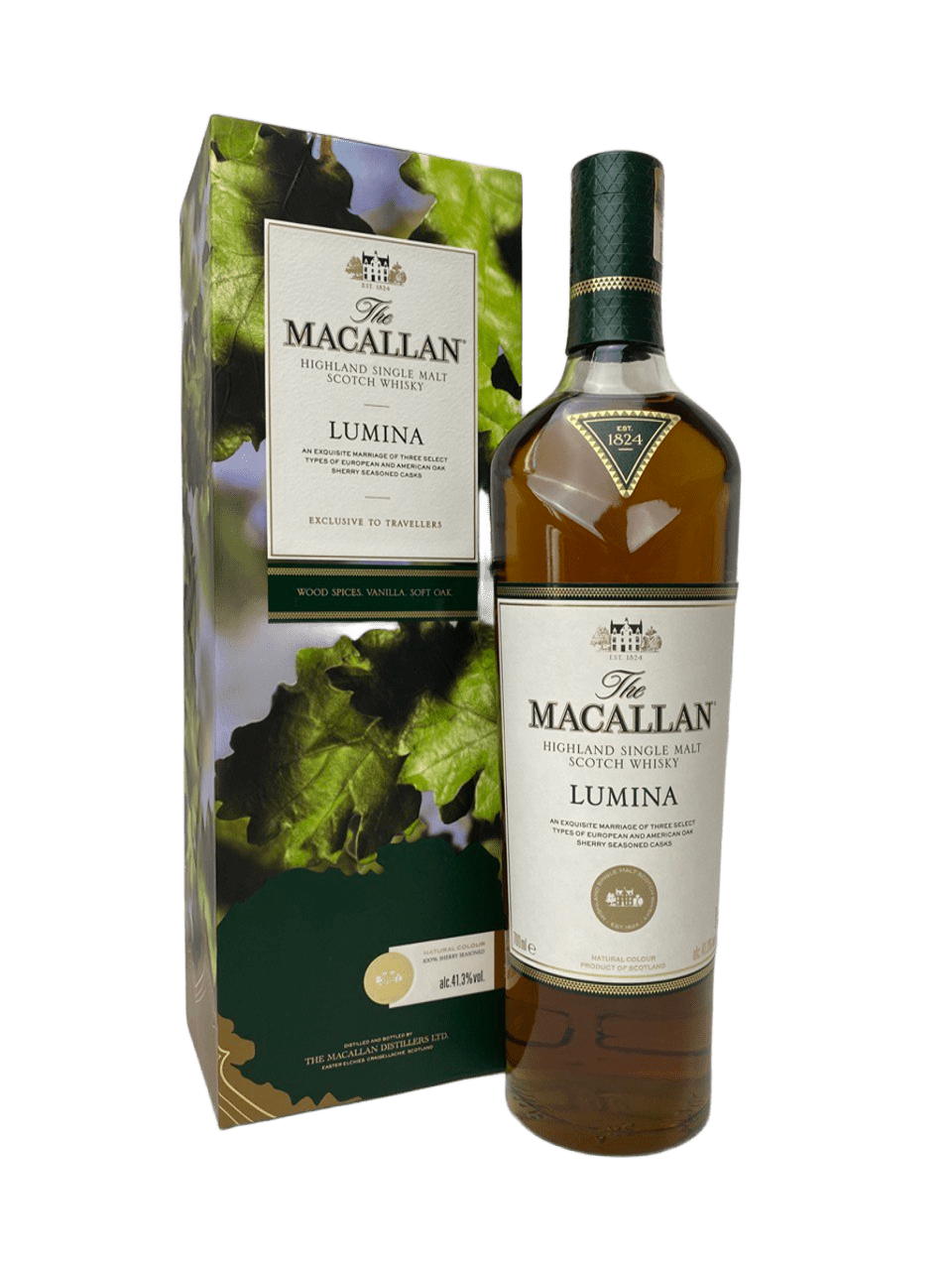
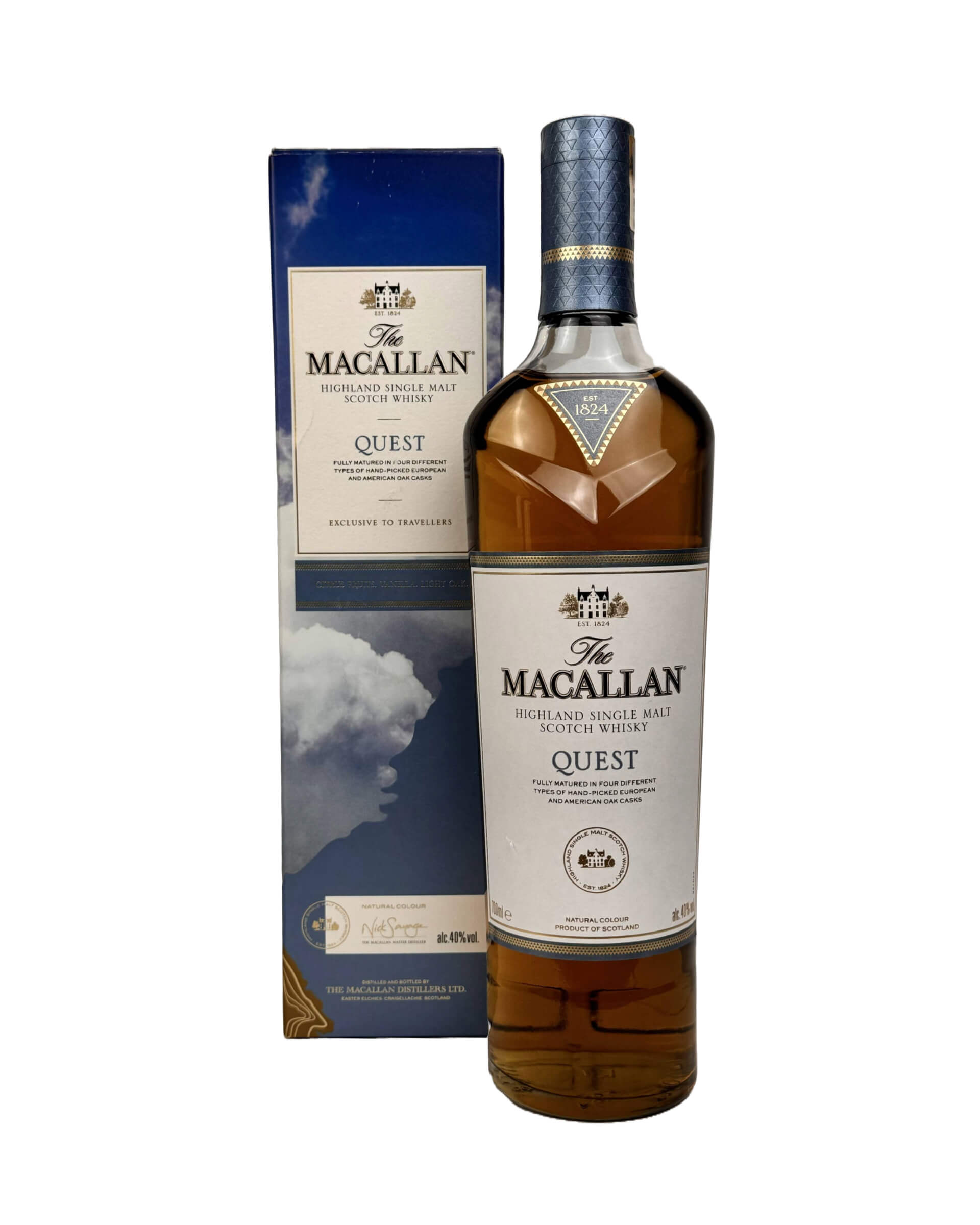
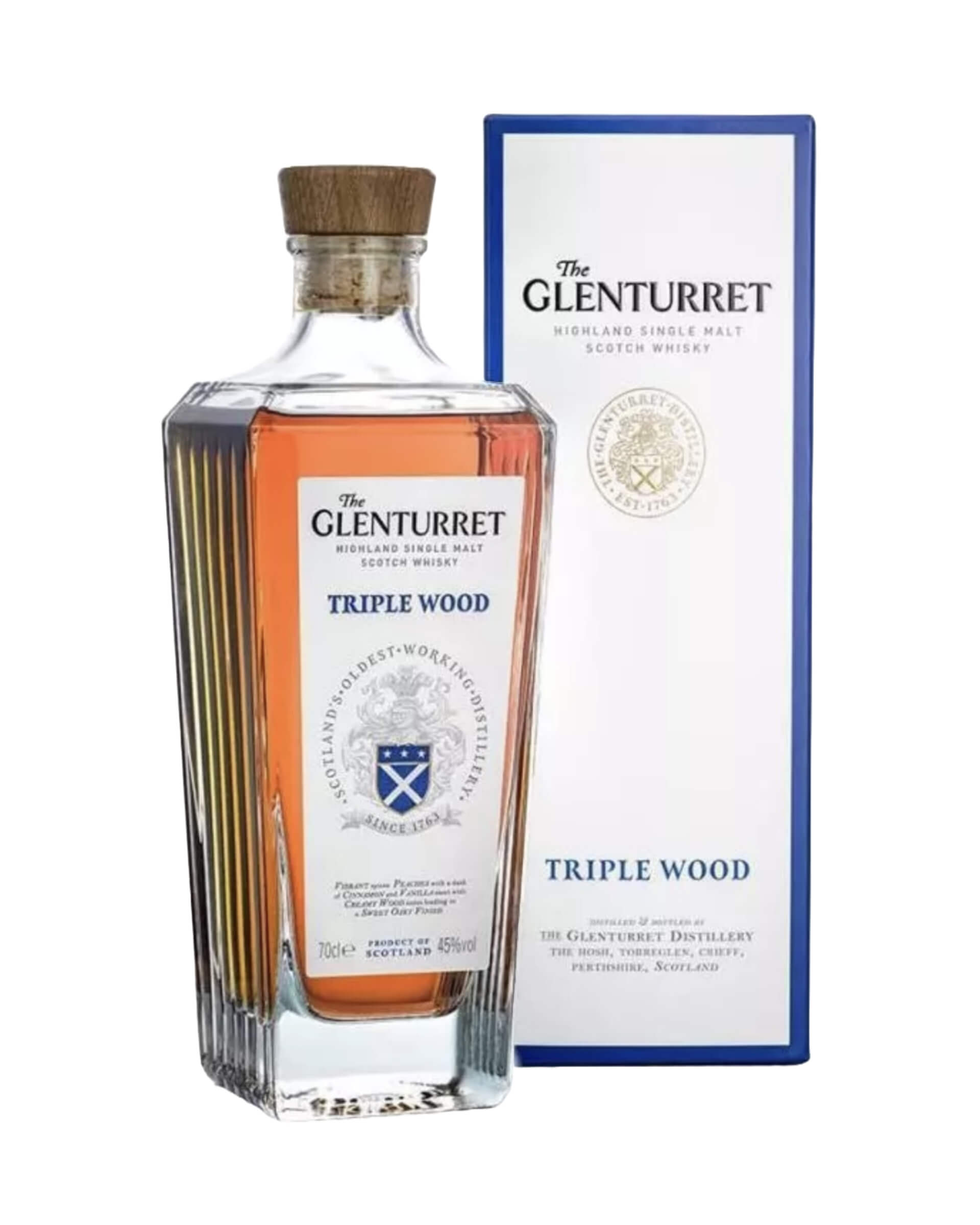
Welcome to the Tour de Wine whisky collection — a hand-selected cellar of single malts and fine spirits chosen with the same care we bring to our finest French wines. Our range draws on Scotland’s five classic regions, from the orchard-fruit elegance of Speyside to the bonfire smoke of Islay, alongside a carefully chosen American craft expression for contrast. This is a European merchant’s curated view of scotch whisky, not a warehouse list: every bottle earns its place on the shelf through a tasting panel before we list it.
Whether you are buying your first single malt, hunting a memorable gift, or adding a rare cask release to a collection, the listings below are filterable by region, style, and price. Take a moment to read our regional and buying guidance, then browse the curated selection to find the bottle that suits your taste and occasion.
At its heart, whisky is a spirit distilled from a fermented mash of grain — most often barley, but also corn, rye, or wheat — then matured in oak casks until it gains colour, depth, and character. The grain is mashed and fermented into a beer-like wash, distilled in copper pot stills or continuous column stills, and laid down in wood, where years of slow interaction with the cask transform raw spirit into something complex and refined.
The spelling is a useful clue to origin. Scotland, Japan, and Canada traditionally write whisky without an “e”; Ireland and the United States typically use “whiskey.” Because our cellar is overwhelmingly Scotch-led, we use the “whisky” spelling throughout. To be labelled scotch whisky, a spirit must be distilled and matured in Scotland in oak casks for a minimum of three years — a legal standard that underpins the category’s reputation for quality and consistency, and one reason a true single malt whisky commands the prices it does.
Scotland is divided into five recognised whisky regions, each with a broad house character shaped by geography, water, and tradition. Understanding them is the fastest way to choose a bottle you will love: think of it as matching flavour to mood rather than memorising distilleries.
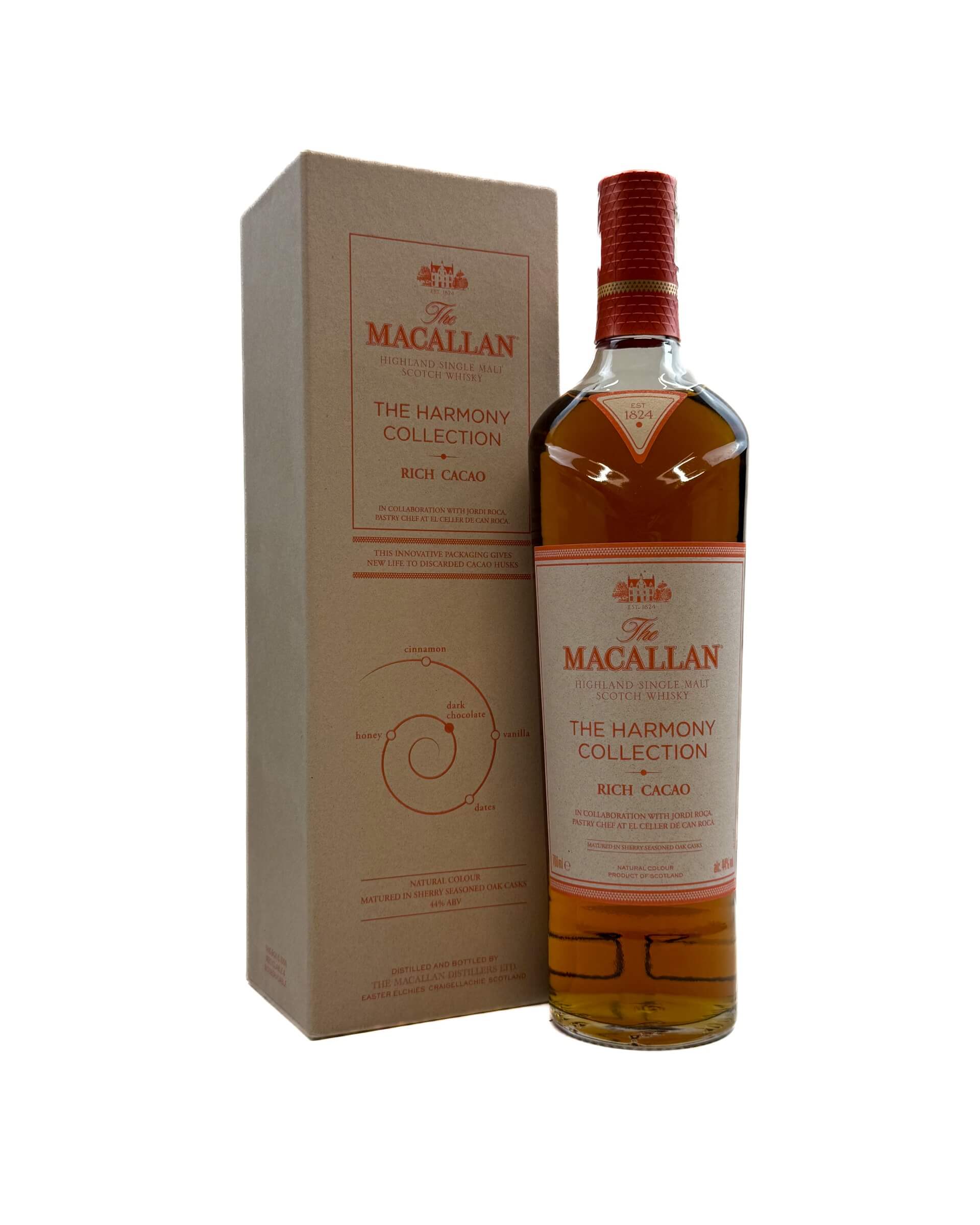
Centred on the River Spey in northeast Scotland, Speyside holds the highest concentration of distilleries anywhere in the world. The house style leans toward orchard fruit, honey, vanilla, and gentle malt, usually unpeated to lightly peated. Celebrated names such as Glenfarclas, The Glenlivet, and Macallan have made Speyside the natural home of elegant, accessible single malts — an ideal starting point if you favour sweetness and refinement over smoke.
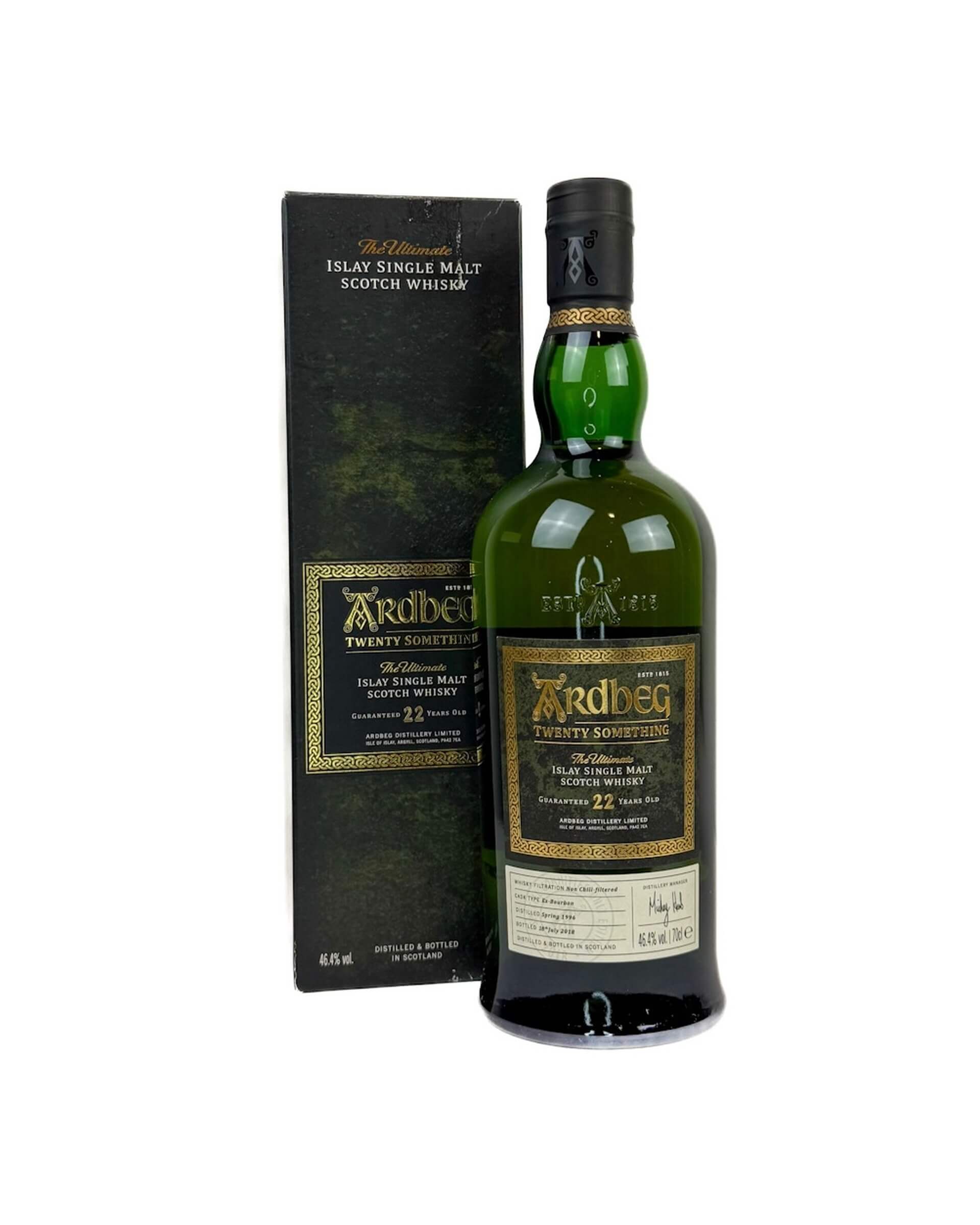
The small island of Islay off Scotland’s west coast produces the world’s most distinctive peated whisky. Expect bonfire smoke, medicinal iodine, and sea-salt brine, with dried fruit and sweetness underneath the intensity. Distilleries like Ardbeg, Laphroaig, and Bruichladdich have devoted followings, and Islay is the natural entry point for anyone drawn to smoky, maritime styles. If you have never tried islay whisky, start with a lightly peated expression before moving to the boldest bottlings.
The Highlands form Scotland’s largest whisky-producing region, sweeping from Perthshire to the northern coast. With such breadth comes huge variety: light and floral in the north, rich and fruity in the east, full-bodied and robust toward the centre. Dalmore, Glenmorangie, and Oban illustrate the range. Because of this versatility, highland whisky is among the most food-friendly of all Scotch styles and a dependable choice when you are unsure of a recipient’s palate.
Once home to more than thirty distilleries, the Kintyre peninsula town of Campbeltown today retains only a handful. What survives is prized: oily, briny, faintly peated whisky with orchard fruit and a long, drying finish that lingers on the palate in full-bodied expressions like Springbank 15. Springbank is the most celebrated name, and Campbeltown bottlings are sought after by enthusiasts who value character and scarcity in equal measure.
Scotland’s southern belt is known for soft, unpeated, often triple-distilled whiskies that are clean and gently grassy. Auchentoshan and Glenkinchie are the classic references. A Lowland malt makes an excellent aperitif and an unintimidating first whisky for newcomers easing into scotch whisky. To see how these regions are represented in our cellar, browse our Scotland whisky collection, which accounts for the great majority of our range.
Beyond region, the label tells you how a whisky was built. A single malt whisky is made at one distillery, from malted barley alone, using pot stills — note that “single” refers to the single distillery, not a single cask, so a bottle may marry many casks from the same producer. A blended malt combines malt whiskies from several distilleries, while a blended scotch whisky brings together malt and lighter grain whiskies for balance and consistency. Each style has its place: single malts for individuality and depth, blends for harmony and value.
Our cellar skews heavily toward single malts, where provenance and character are most pronounced. You will also notice age statements — 10, 12, 18, or 25 years — printed on many bottles. The number reflects the youngest whisky in the blend, and longer maturation generally adds complexity, smoother wood integration, and a higher price. To explore the catalogue by category, browse by whisky style and filter to the profile you prefer.
How you pour a whisky shapes how it tastes. There is no single correct method, but a few principles help you get the most from a good bottle.
For single malts aged twelve years and above, serve neat at room temperature in a tulip-shaped glass such as a Glencairn. The narrow rim concentrates aromas and lets you appreciate the spirit exactly as the distiller intended, without dilution masking subtle notes.
Adding a little still water is not a compromise — it opens up aromatic compounds and softens the alcohol burn. This is especially effective with cask-strength expressions, which are typically bottled at 55–65% ABV. Add water slowly, a few drops at a time, and taste as you go.
Ice suits blended Scotch and highball-style serves with soda water, but avoid chilling rare or expensive single malts, as cold suppresses their aromatics. For pairings, try an Islay malt with smoked salmon or aged cheese, a Speyside dram with dark chocolate or dried fruit, and a Highland whisky alongside game or venison.
Choosing the right bottle is largely a question of budget and occasion. To make that easier, here is an honest look at what whisky costs in our cellar, drawn from real catalogue figures rather than vague tiers. Prices are shown in euros and include French import duties.
Entry to mid-range (from around €90). Approachable single malts and selected blended Scotch sit here, perfect for weeknight enjoyment or a first exploration of the category. Most bottles in this tier carry 10–12 year age statements and offer genuine quality without a steep outlay. The most accessible bottle in the whole range starts at €55 — typically an approachable Lowland or Speyside malt — making it easy to begin without commitment.
Mid-range and special occasion (around €235, our catalogue median). This is where most of our selection sits and the sweet spot for a whisky gift. Expect well-aged single malts from Speyside and Highland, often 15–18 year expressions with real complexity — impressive bottles that do not require expert knowledge to enjoy. If you are buying for someone whose taste you do not know precisely, this band rarely disappoints.
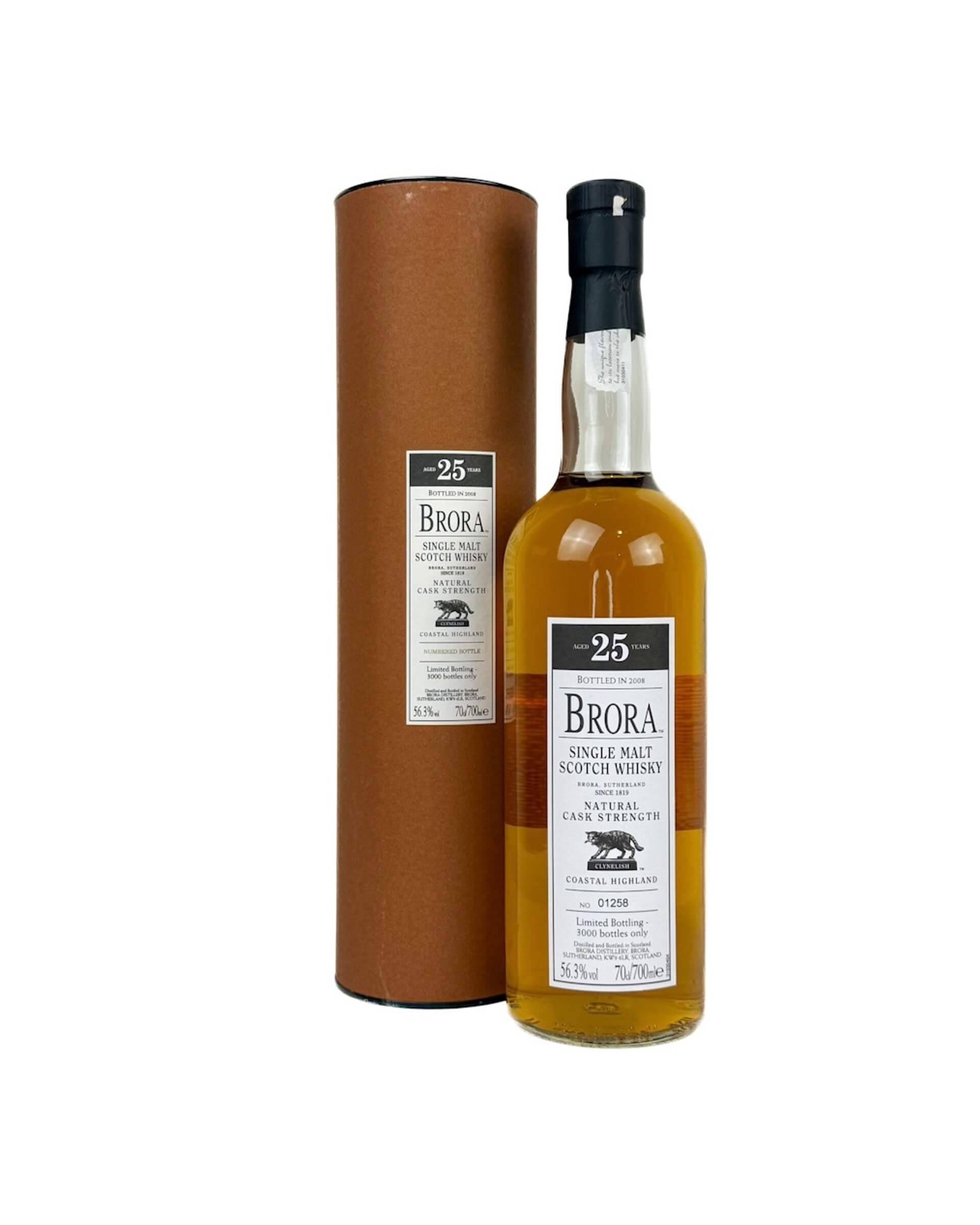
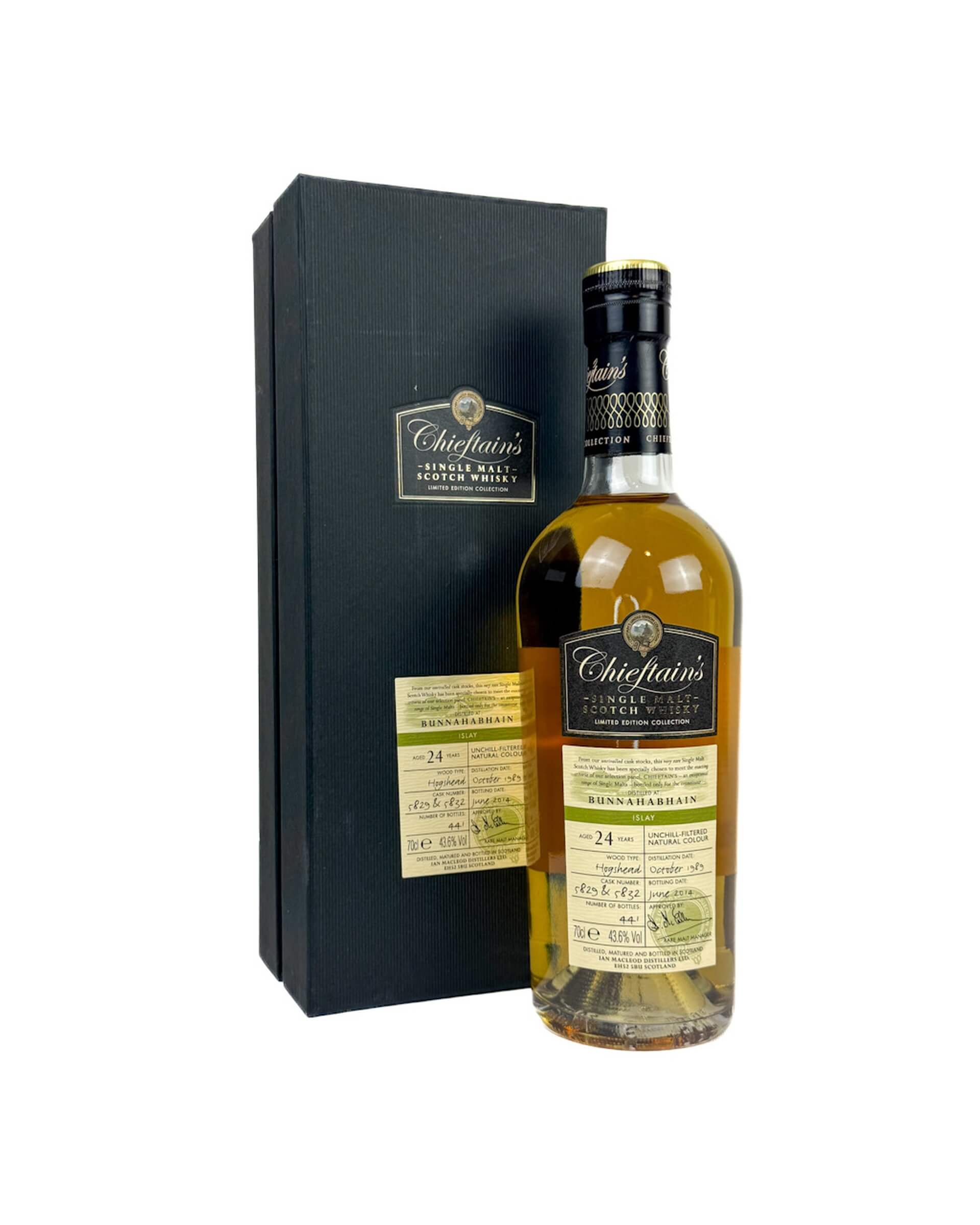
Collector and rare (€1,000 to €2,000). At the top of the cellar you will find vintage cask releases, independent bottlings, and expressions from rare or closed distilleries. These are investment-grade bottles for serious collectors and landmark occasions; our rarest cuvées reach €2,000. For the heart of our offer, explore our Scotland whisky collection.
Our whisky cellar runs to thirty-six bottles, thirty-five of them Scottish, with a single American craft expression included for those who like to compare styles side by side. As a whisky shop rooted in the French fine-wine tradition, we curate rather than stockpile. The result is a tightly edited list you can trust, whether you are buying scotch whisky online for the first time or returning for something rare.
A few bottles in the current range illustrate how we choose. Our Glenfarclas 15 from our Scotland whisky collection opens with dried apricot and warm Christmas spice and finishes on a long, sherried note; we tasted it against several other Speyside expressions before it made the list. From Islay, the Laphroaig we stock leads with woodsmoke and seaweed brine over a surprising vanilla sweetness — a benchmark for anyone exploring peated whisky for the first time. And for those who prefer structure over smoke, the Glenmorangie in the Highland selection shows ripe peach, honey, and a clean malt backbone that pairs beautifully with game.
If you would like to broaden the comparison, our American whisky selection sits alongside the Scottish range. And because many of our whisky customers are also fine-wine collectors, you may enjoy our Burgundy collection and broader wine collection, where the same provenance-first philosophy applies.
It is purely a regional spelling convention, explained in our grain-and-distillation section above: both terms describe the same family of grain spirits matured in oak. Because the Tour de Wine range is Scotch-dominant, we use the “whisky” spelling throughout the site.
A single malt Scotch whisky is produced at a single distillery using only malted barley and pot stills. Importantly, “single” refers to the one distillery, not a single batch or cask — a bottle can blend many casks from that same distillery. The term therefore guarantees origin and grain type, not a limited quantity.
By law, Scotch whisky must mature in oak casks in Scotland for a minimum of three years. Most quality single malts carry age statements of 10, 12, 15, or 18 years, and longer maturation generally brings greater complexity and a higher price. In our cellar, 10–12 year expressions begin at around €90, while the most accessible bottle of all is €55.
No. Peat smoke intensity, measured in phenol parts per million (PPM), varies widely. Lightly peated whiskies (under 15 PPM) show a gentle smoke note alongside fruit and malt, while heavily peated Islay expressions (around 50–55 PPM) lead with bold smoke and iodine. If you are new to peated whisky, ask our team and we will guide you to a style that matches your palate.
Keep an opened bottle upright, away from direct sunlight, and at a stable room temperature; unlike wine, whisky does not need a cool cellar. Once a bottle is open, the spirit slowly oxidises, so we recommend finishing it within one to two years for the best flavour. If a bottle is more than half empty, decanting it into a smaller vessel reduces the air contact and helps preserve the aromatics. If you would like advice on a specific bottle from our range, our team is happy to help.
Written by the Tour de Wine buying team. Last reviewed: June 2026.
This site is restricted to adults. By entering, you confirm that you are of legal drinking age in your country of residence.