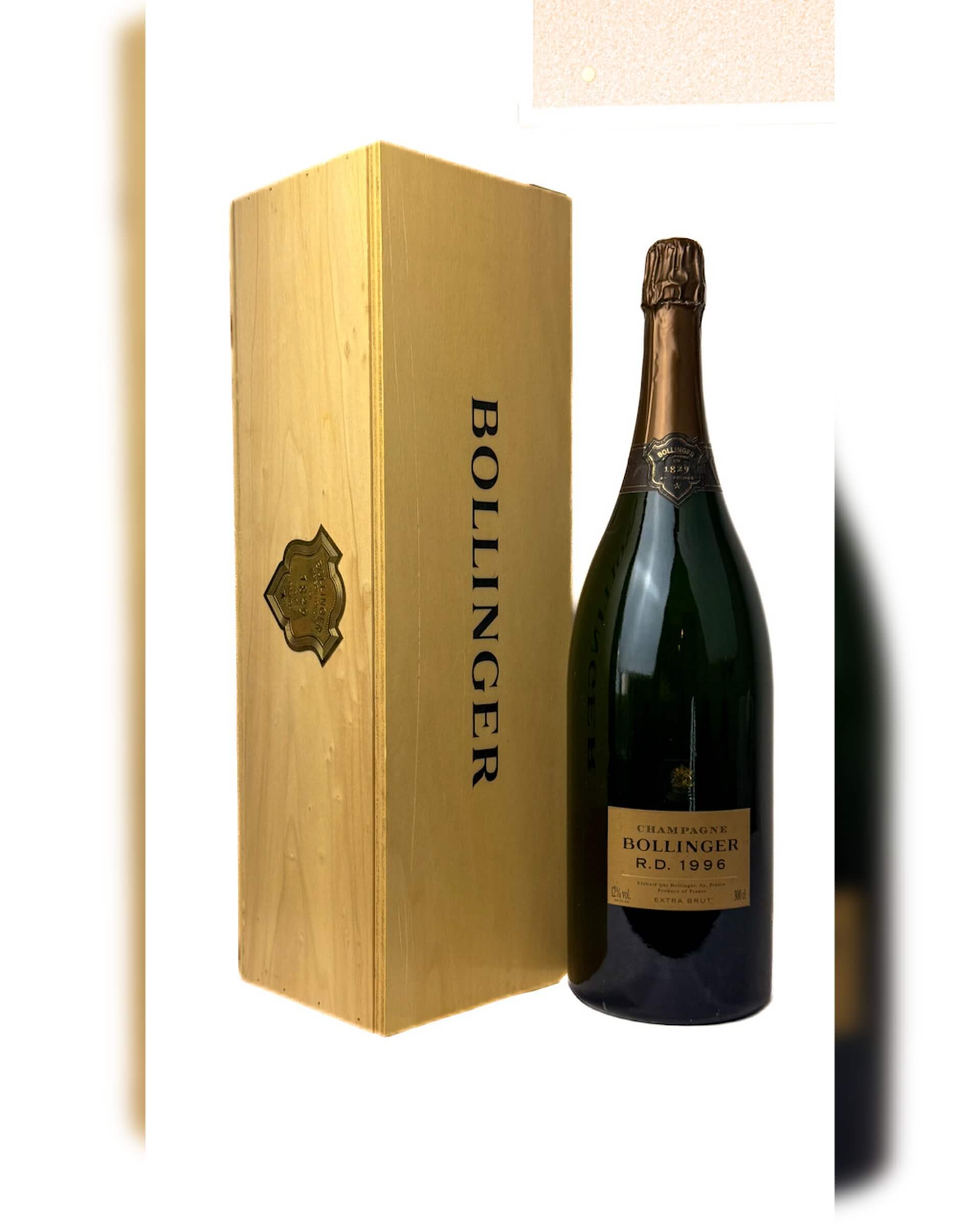
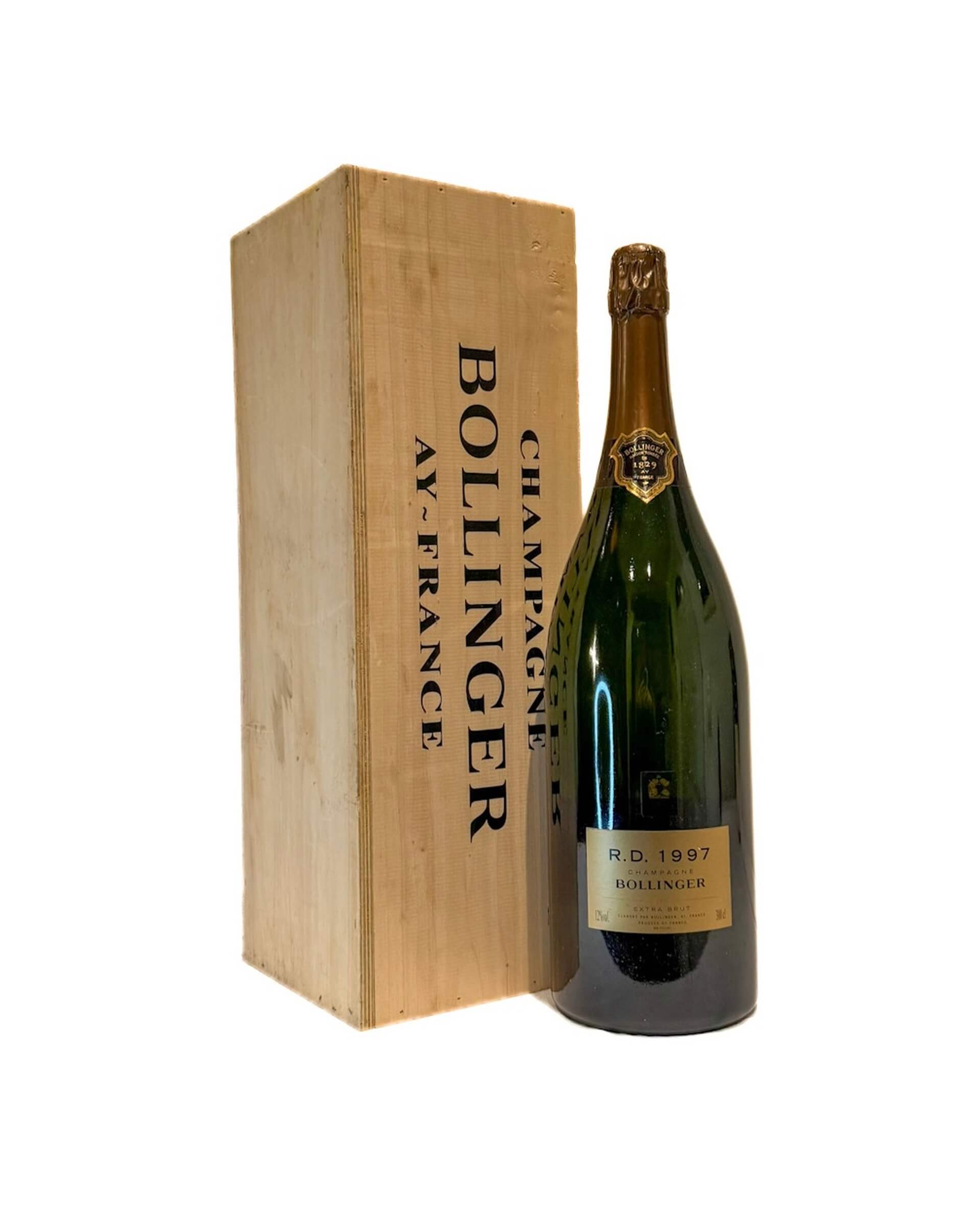
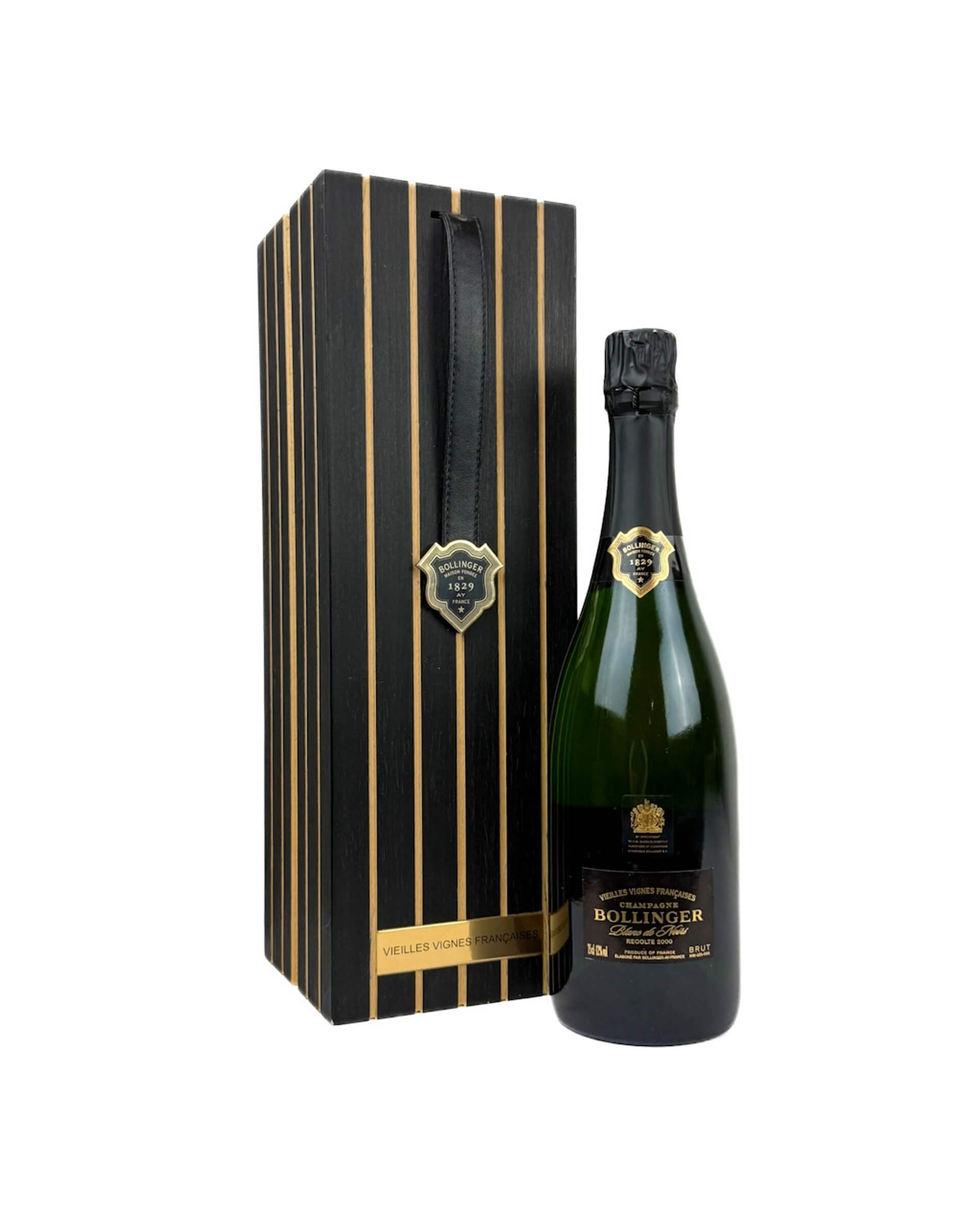
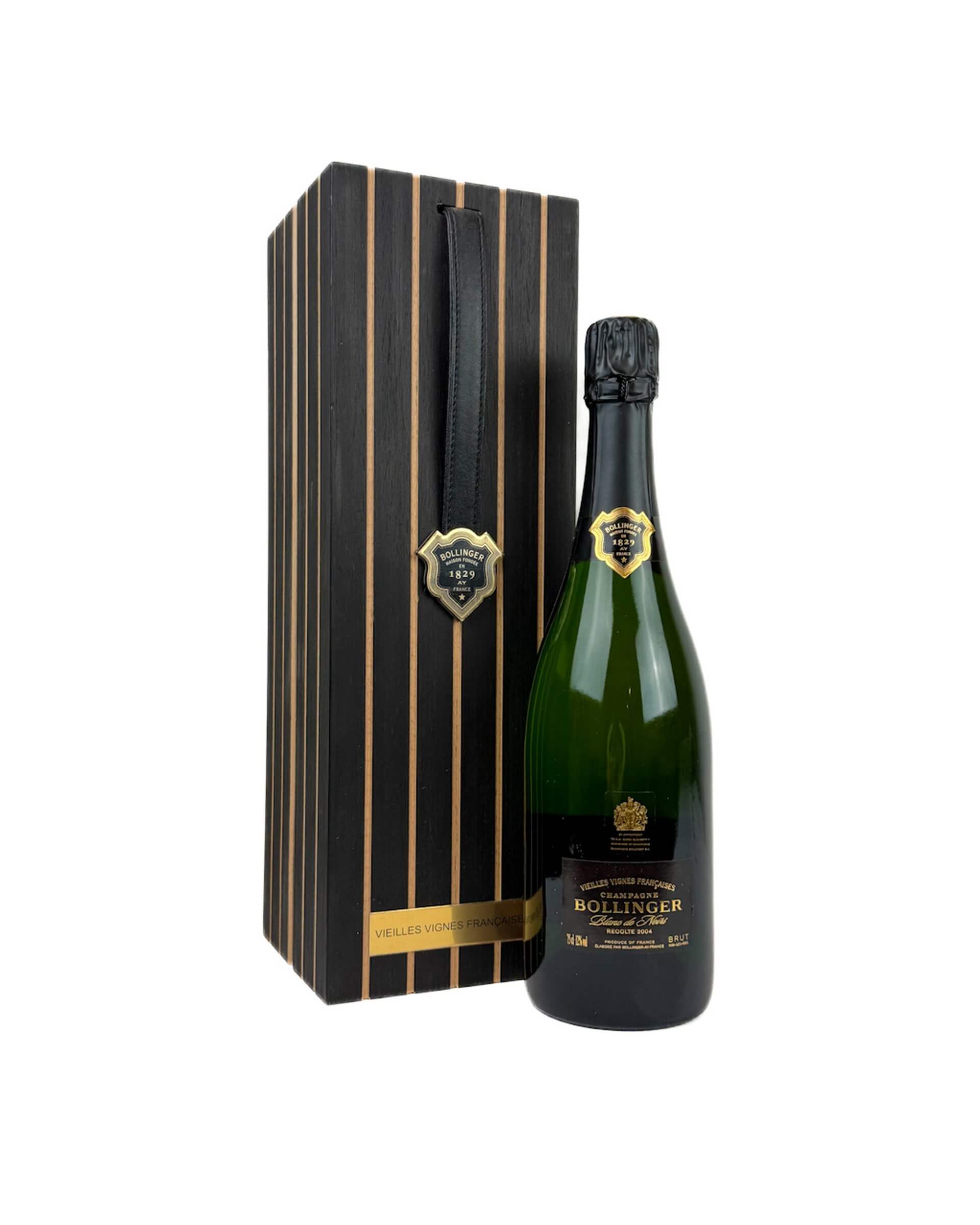
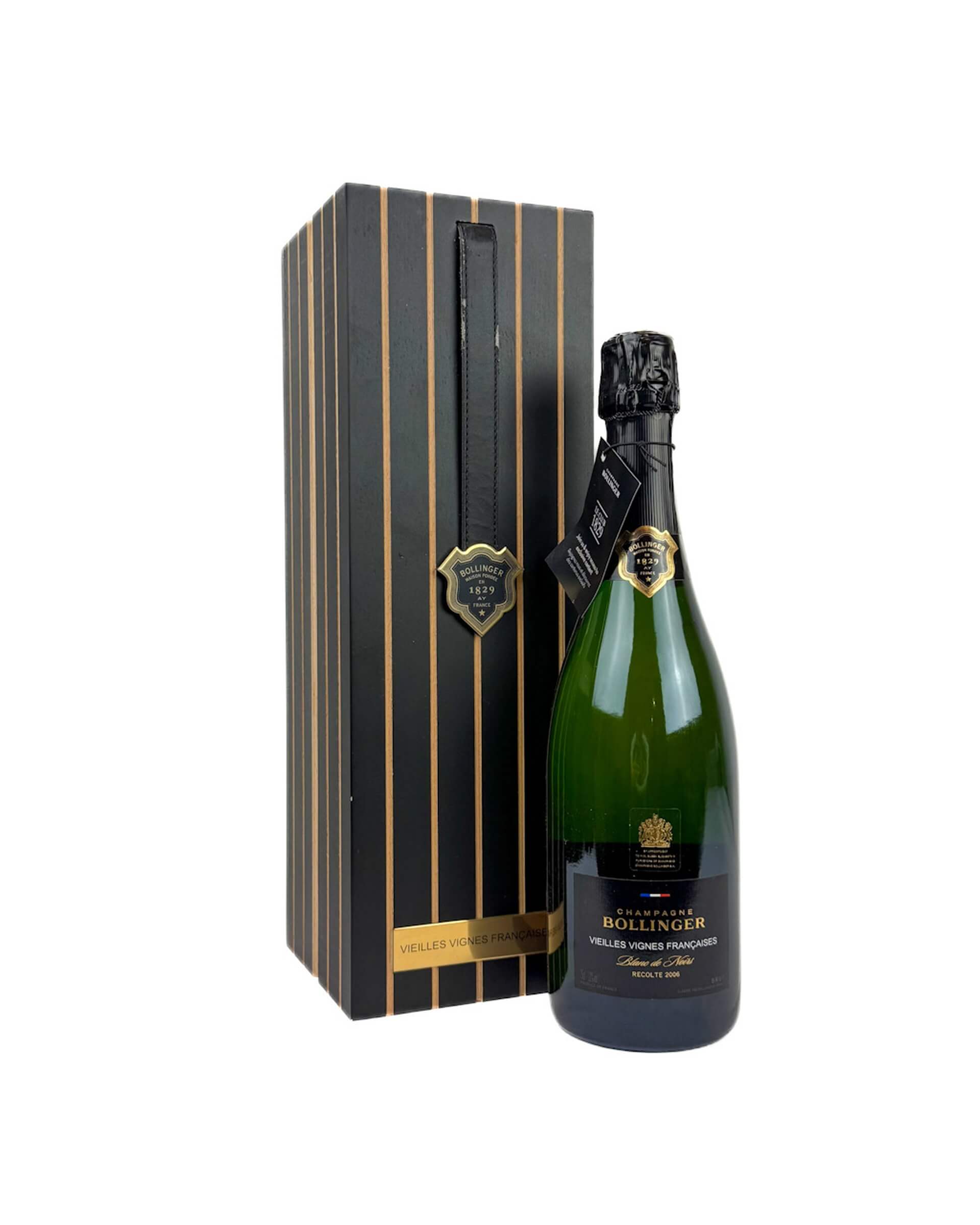
The Montagne de Reims is the broad-shouldered heartland of Champagne, a forested plateau curving between the cathedral city of Reims and the vineyards of Épernay. This is Pinot Noir country: the grape that gives the region its backbone reaches its fullest, most authoritative expression here, lending body, depth and a savoury intensity that sets the appellation apart from the lighter, chalk-driven wines of the Côte des Blancs. Tour de Wine’s selection from this terroir is sourced exclusively from grand cru villages and established grower-producers, with bottles starting from around €1,100 and rising to €1,470 for the most sought-after cuvées. This guide covers the nine grand cru villages, the grape varieties, the house styles and how to choose from Tour de Wine’s prestige selection.
What is the Montagne de Reims?
The Montagne de Reims is one of the four principal sub-regions of Champagne, occupying a wide arc of vineyard that wraps around a wooded plateau south of Reims. Despite the name, it is less a mountain than an elevated cretaceous massif, its forested crown acting as a thermal buffer that moderates temperatures and helps protect the vines on the slopes below from spring frost. The vineyards face in almost every direction as they ring the plateau, which is precisely what makes the region so fascinating: a single appellation contains radically different exposures, ripening patterns and styles.
Beneath the topsoil of clay and loam lies the deep Belemnite chalk that defines great Champagne, providing drainage, mineral tension and the slow, even ripening that Pinot Noir demands. The appellation falls entirely within the Champagne AOC, and it is here that a remarkable concentration of grand cru and premier cru villages sits side by side. A few defining facts to keep in mind:
- Pinot Noir is the dominant grape across the sub-region, accounting for roughly 60% of its planted area.
- The Montagne de Reims is home to nine of Champagne’s seventeen grand cru villages.
- Its protective forest and varied exposures produce both austere, mineral wines and rich, fleshy ones within a few kilometres.
- It is the spiritual home of Blanc de Noirs, white champagne made entirely from black grapes.
The sectors and grand cru villages
The region is best understood as a sequence of distinct sectors, each with its own personality. On the northern flank, the celebrated village of Verzenay faces north and east, yet ripens powerful, structured Pinot Noir thanks to its deep chalk and cool, slow maturation; neighbouring Verzy sits on lighter soils and tends toward finesse and aromatic lift. Mailly-Champagne is renowned for its long-established grower cooperative producing exclusively grand cru wines, while historic Sillery completes the northern arc.
Swing around to the southern flank, the so-called Côte de Bouzy, and the wines change character entirely. Bouzy is legendary for the ripeness and plenitude of its Pinot Noir, so much so that it is one of the few villages permitted to make still red wine, the rare Coteaux Champenois rouge. Adjacent Ambonnay balances opulent Pinot Noir with a thread of Chardonnay and supplies fruit to some of the most prestigious prestige cuvées of the great houses. Around the lower slopes, premier cru villages such as Ludes and Chigny-les-Roses add Meunier-driven roundness and approachability. To explore champagnes built around this noble grape across other regions, browse our Pinot Noir wines.
The grape varieties of the appellation
Three grapes share the slopes, but their roles are far from equal. Understanding the hierarchy is the key to reading any Montagne de Reims champagne.
Pinot Noir, the dominant grape
Pinot Noir is the heart and soul of the region, accounting for the largest share of plantings. Grown on the best-exposed grand cru slopes, it delivers ripe red-fruit aromatics, gentle tannic structure, body and remarkable persistence on the palate. It is the variety that gives the great prestige cuvées their gravity and ageing potential, and the reason this sub-region is so prized by blenders seeking power and length. Drinkers who love this grape in still form often compare it to the Pinot Noir of Burgundy, where the same variety builds the world’s most coveted reds.
Meunier and Chardonnay
Meunier finds a home on the cooler, less favoured exposures and in the valleys, contributing supple roundness, immediate fruit and an approachable charm that softens a blend in its youth. Chardonnay plays a minority role here, used in assemblage to add tension, freshness and lift; it is more prominent in villages such as Ambonnay, where it counterpoints the richness of the local Pinot Noir with welcome cut and verticality.
Blanc de Noirs, the regional speciality
If one style belongs to the region above all others, it is Blanc de Noirs: a white champagne pressed entirely from black grapes, almost always Pinot Noir. The trick lies in the press house, where whole black bunches are pressed quickly and gently so that the clear juice runs off before it can pick up colour from the skins. Because the region grows the ripest, most characterful Pinot Noir in all of Champagne, it is widely regarded as the world’s reference point for the style. Expect a deeper golden hue, a fuller and rounder body than a Blanc de Blancs, and a sappy core of black-fruit flavour underpinned by chalky minerality. To retain: a Blanc de Noirs from the plateau is the champagne of choice when you want vinous weight rather than ethereal delicacy.
The style of Montagne de Reims champagne
Pour a glass of fine Montagne de Reims champagne and the regional signature announces itself quickly. The colour leans toward a deep, burnished gold; the mousse is fine and persistent; and the nose unfolds in waves of ripe red fruit (cherry, raspberry, redcurrant), warm spice such as white pepper, and a grounding note of chalky, almost earthy minerality. On the palate the wines are full-bodied and expansive, with a length and amplitude that betray their Pinot Noir heart.
Within the appellation, terroir tells. Wines from the northern flank around Verzenay and Verzy tend to be more mineral, taut and even austere in youth, rewarding patience. Those from the southern Côte de Bouzy, around Bouzy and Ambonnay, are fleshier, riper and more immediately seductive. The finest prestige cuvées reward cellaring, typically drinking beautifully across an eight-to-fifteen-year window as the fruit deepens into notes of toast, dried fig and forest floor.
Food pairings
The Pinot Noir backbone gives these champagnes enough body to carry roasted and sauced dishes that would overwhelm a Blanc de Blancs, so their range at the table extends well beyond the apéritif. A few pairings that consistently shine:
- Roast poultry (Bresse chicken, guinea fowl): a classic match where the structure of Pinot Noir meets crisp skin and rich meat.
- Noble mushrooms (black truffle in season, cèpes): their earthiness echoes the savoury undertow of wines from Verzenay and Verzy.
- White meats in creamy sauces: the weight of a Blanc de Noirs stands up to richness without being overwhelmed.
- Soft-rind cheeses (Chaource, Brillat-Savarin): a regional Champenois pairing that rarely fails.
- One to avoid: very iodine-rich shellfish, where the power of Pinot Noir can flatten delicate marine flavours.
How to choose and buy from this prestige selection
Buying well from this region is a matter of matching occasion, style and budget. The Tour de Wine selection sits firmly in the prestige tier: expect bottles from around €1,100, with most references near €1,350, rising to €1,470 for the most sought-after cuvées. These are not entry-level champagnes but exceptional wines drawn from grand cru fruit and benchmark grower-producers, so it is worth knowing what to look for. Representative names in the catalogue include the Ambonnay grower Egly-Ouriet, whose Blanc de Noirs is a regional benchmark; Paul Bara of Bouzy, a long-established house known for its ripe, structured Pinot Noir; and the Mailly Grand Cru cooperative, which bottles exclusively from its own grand cru holdings.
What the label reveals. Check the village classification (grand cru or premier cru), the dosage (brut nature, extra brut or brut, which signals how dry the wine is), the vintage or the non-vintage status, and the name of the grower or house. A grand cru designation tells you every grape comes from one of Champagne’s top-rated villages. To compare across the classification, browse our grand cru champagnes, or step down a tier with our premier cru selection.
Matching the occasion. A cuvée nearer €1,100 makes a memorable discovery bottle for a serious tasting, while the €1,350 to €1,470 wines are built for milestone gifts and gastronomic dinners. Most bottles in the range are ready to drink on release but reward a further three to five years in a cool cellar at around 12°C. For the full picture across the appellation and beyond, explore all of our champagnes or the wider world of French wine.
Frequently Asked Questions
What is the difference between the Montagne de Reims and the Côte des Blancs?
The Montagne de Reims is dominated by Pinot Noir and produces champagnes of body, depth and savoury power. The Côte des Blancs, by contrast, is planted almost exclusively to Chardonnay and yields wines that are airy, vivid and floral. The two sub-regions are complementary, and the great houses draw on both when assembling their blends: Pinot Noir for structure, Chardonnay for finesse and freshness.
What is a grand cru champagne from the Montagne de Reims?
Of Champagne’s seventeen grand cru villages, nine lie within the Montagne de Reims: Ambonnay, Bouzy, Louvois, Mailly-Champagne, Puisieulx, Sillery, Tours-sur-Marne, Verzenay and Verzy. A grand cru champagne is made exclusively from grapes grown in these top-rated communes, guaranteeing an exceptional quality of terroir and full traceability from vine to bottle.
At what temperature should you serve a Montagne de Reims champagne?
Serve young, non-vintage cuvées between 8°C and 10°C. For a great vintage wine from Bouzy or Ambonnay, allow it to reach 10°C to 12°C, which lets the ripe Pinot Noir fruit and complexity express themselves fully. As a rule, take the bottle out of the refrigerator about fifteen minutes before serving.
Can you cellar a Montagne de Reims champagne?
Yes. The prestige cuvées from the region’s grand cru villages are made to age. Storage guidance differs by cuvée type:
- Vintage cuvées: expect a further five to ten years of positive development after purchase when stored at 10°C to 12°C, away from light and vibration.
- Non-vintage cuvées: best enjoyed within three to five years of disgorgement, while still tasting fresh and lively.
Written by the Tour de Wine buying team. Last reviewed: June 2026.