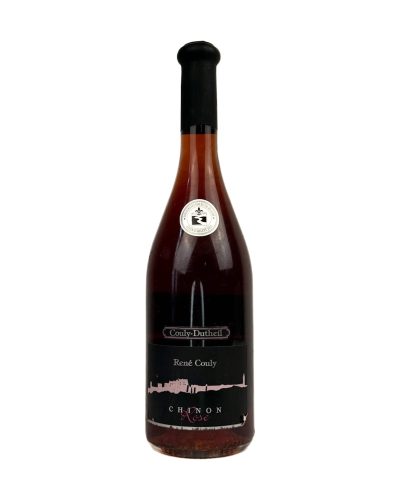
0.75 L
2010
Couly-Dutheil
Wines, producers, regions...
Rosé wine is a dry, fresh style made from red grapes and vinified with little or no time on the skins. It is for anyone who wants something lighter than red and rounder than white: a bottle for the terrace, a picnic, a summer lunch or an aperitif that does not need a long explanation. This page explains how rosé is made, how to read the styles, and how to choose and serve a bottle.
The colour of a wine comes from the grape skins, not the juice, which is almost always clear. Rosé gets its pink to salmon shade from a short contact between red grape skins and the juice. There are three common routes. In direct pressing, the grapes are pressed straight away and the juice takes only a hint of colour. In short maceration, crushed grapes stand for a few hours before pressing. In the saignée method, some juice is drawn off a red wine tank early on, which gives a deeper, more structured rosé.
Rosé is made in nearly every wine region and from many grape varieties, so the label matters more than the colour. Appellation, grape and producer tell you whether to expect a pale, crisp wine or something with more body and red-fruit depth.
Most rosé is dry and still, with aromas of strawberry, raspberry, redcurrant and citrus peel, and an acidity that keeps it lively. Colour is a guide, not a rule: paler wines tend to be lighter and more floral, deeper ones fuller and closer to a light red.
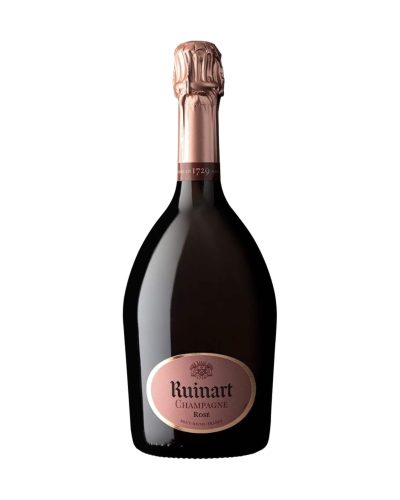
Sparkling rosé is a category of its own. In Champagne, rosé can be made by adding a little still red wine to the blend, which is allowed there and is rare elsewhere. It brings fine bubbles, red-berry fruit and a more gastronomic character than many white sparkling wines.
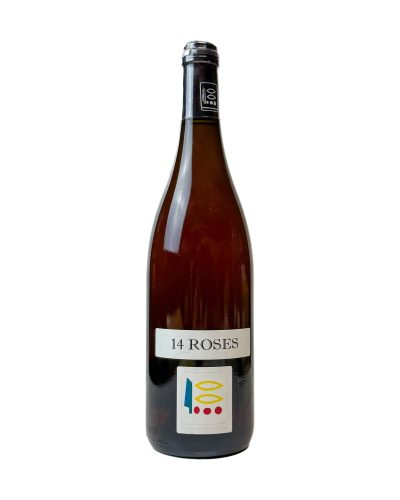
The rosés in this category come from three distinct places, which shows how different the style can be. Ruinart, a Champagne house linked to Reims, represents the sparkling side. Domaine Prieuré Roch works in the Côte de Nuits in Burgundy, where pinot noir is the red grape. Couly-Dutheil is a Loire producer with Chinon in its name, an appellation known for cabernet franc, which gives rosé a fresh, herbal red-fruit profile.
If you are comparing, start with the question of bubbles. A Champagne rosé suits celebrations and aperitifs. A still rosé from Burgundy or the Loire is easier to pair with a full meal.
Serve still rosé well chilled, around 8 to 10 °C, and sparkling rosé slightly colder, around 6 to 8 °C. Too cold and the aromas close up; too warm and the freshness fades. A few minutes in an ice bucket before serving is usually enough. Store bottles lying down in a cool place away from light and heat, and once opened, keep the bottle in the fridge and finish it within a couple of days.
Rosé is one of the colours in our wine range. If you are putting together a mixed order, browse red wine for dinners and the cellar, or white wine for fish, shellfish and aperitifs. You can also return to all wine types to compare the three colours side by side. Each bottle page gives the grape, appellation and producer, so you can compare before you decide.
This site is restricted to adults. By entering, you confirm that you are of legal drinking age in your country of residence.