
95+
0,375
2000
Chateau Leoville Barton
Wines, producers, regions...
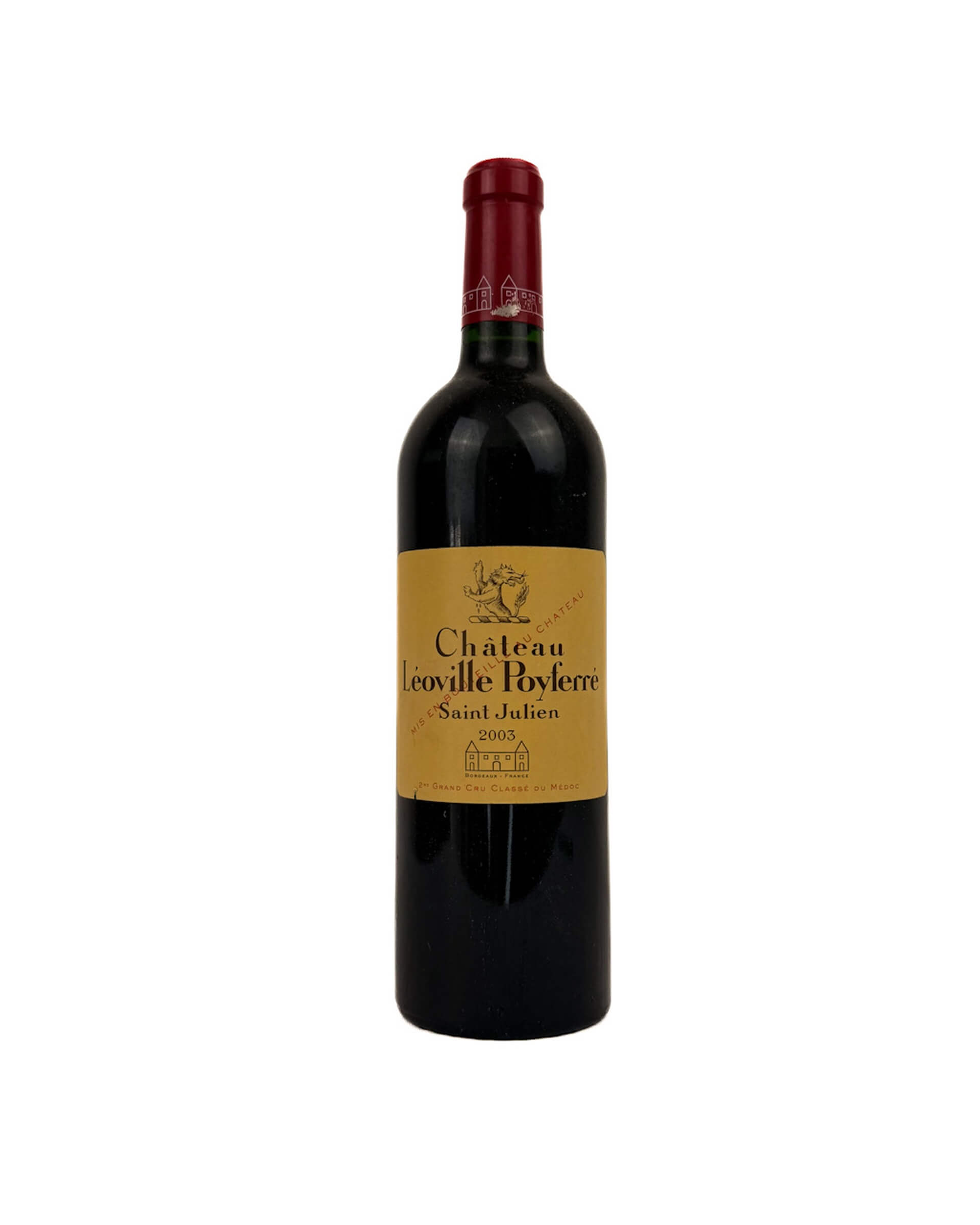
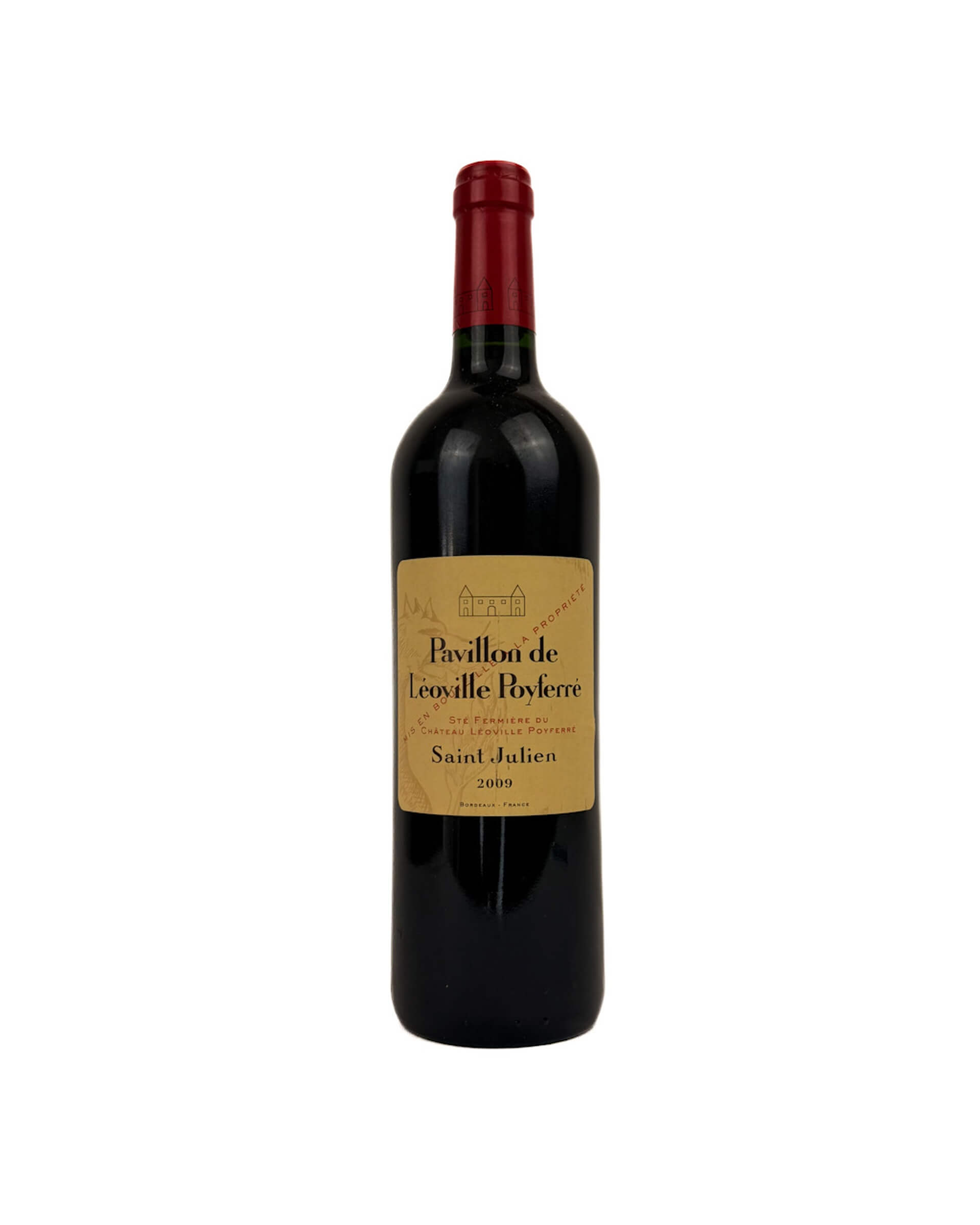
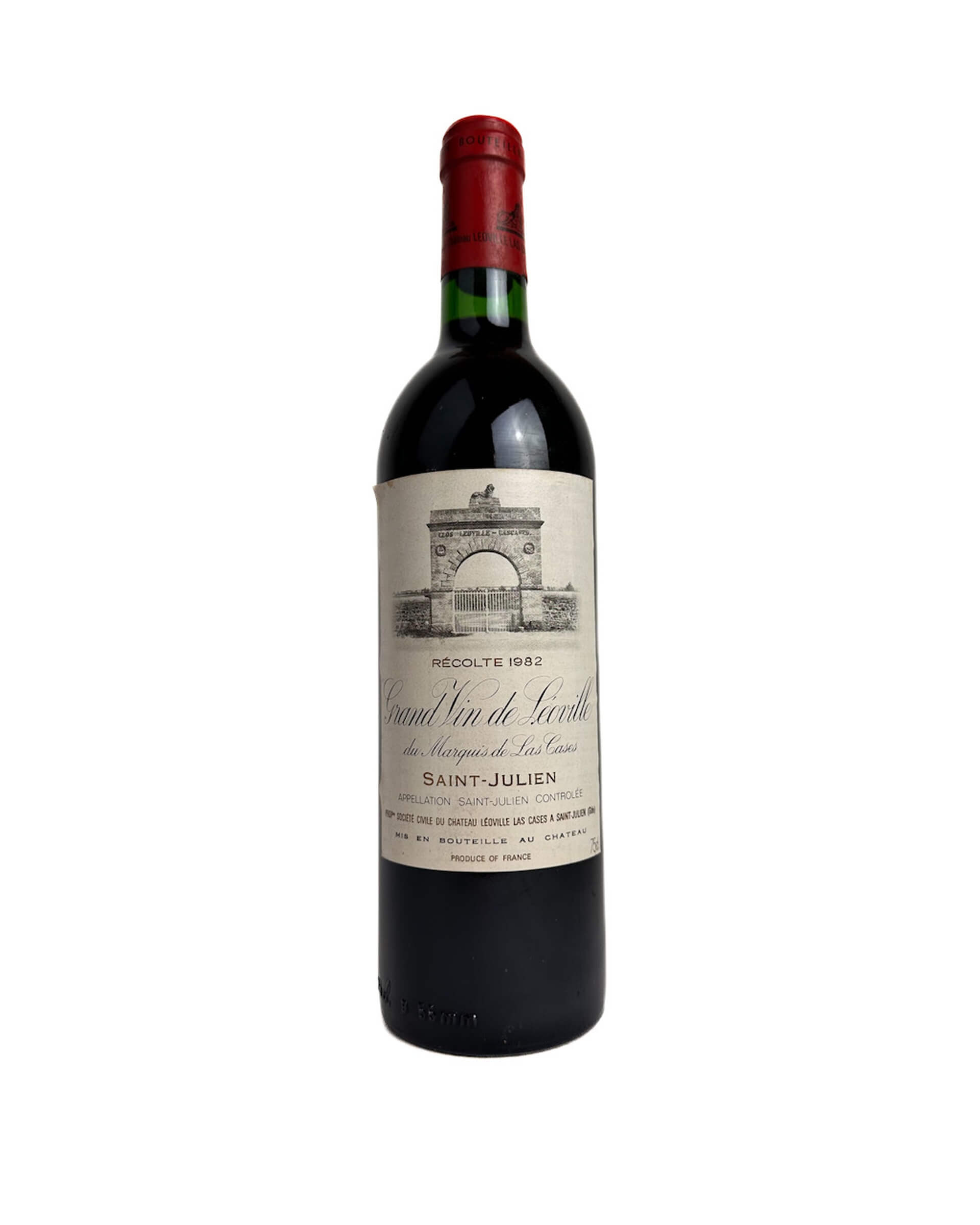
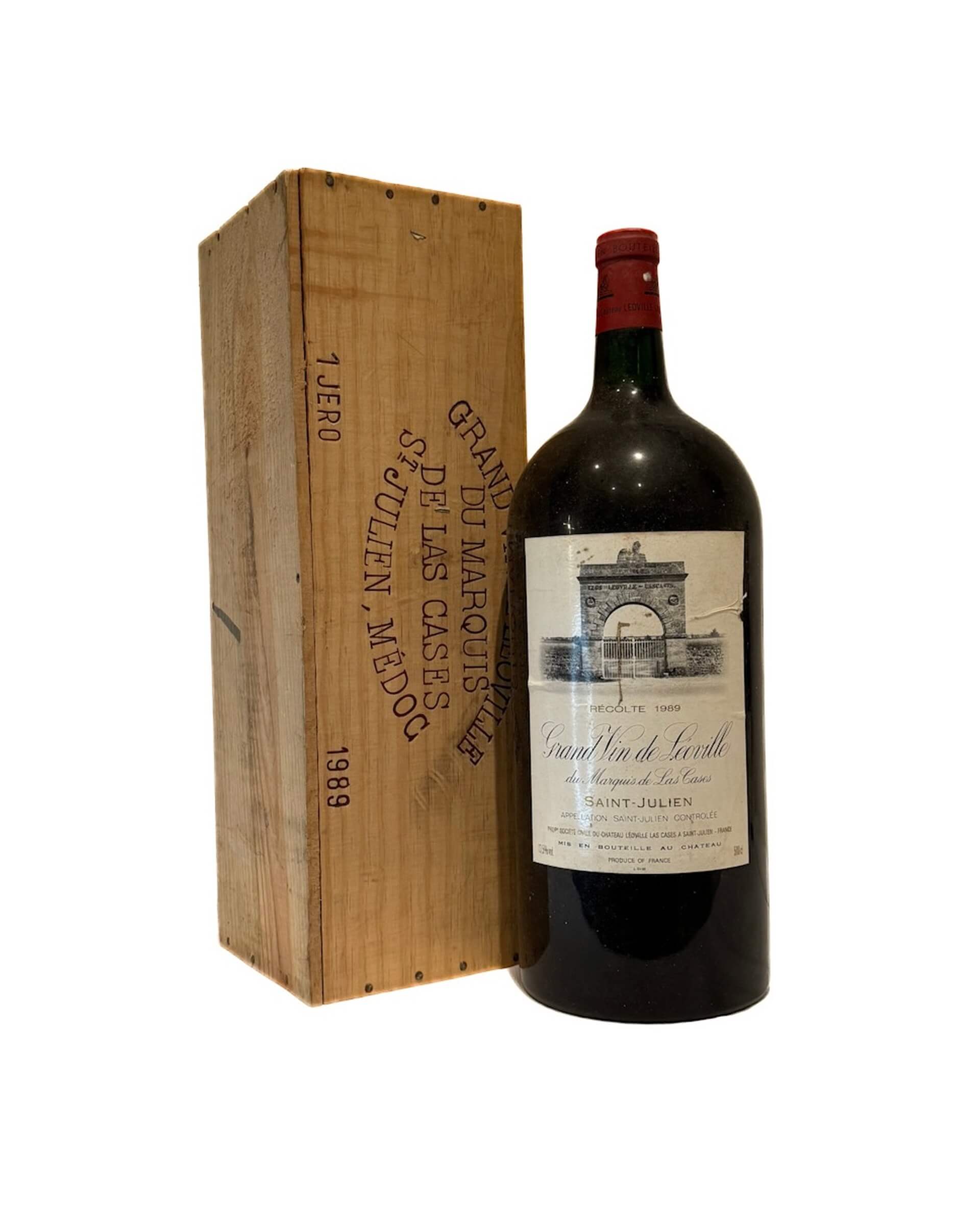
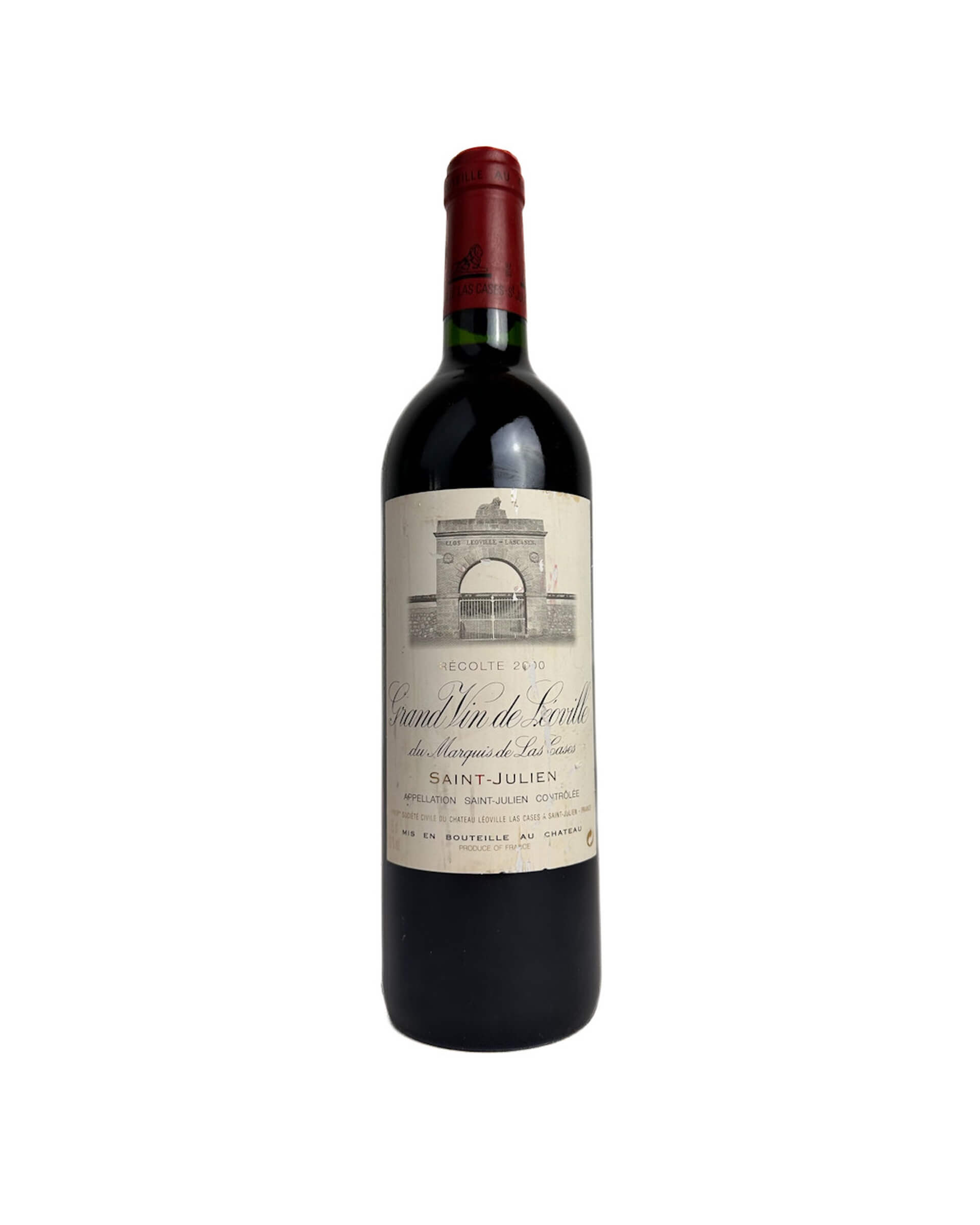
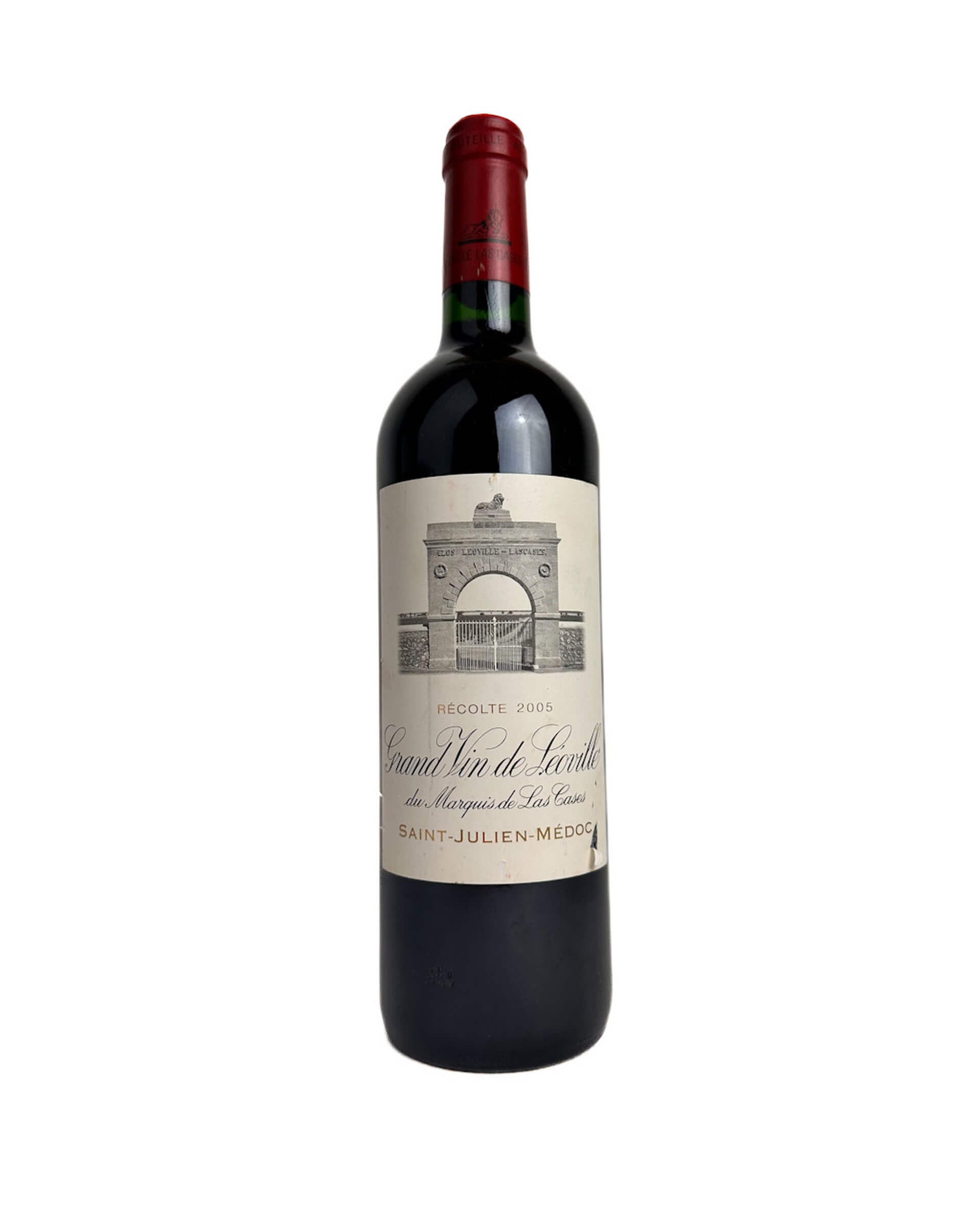
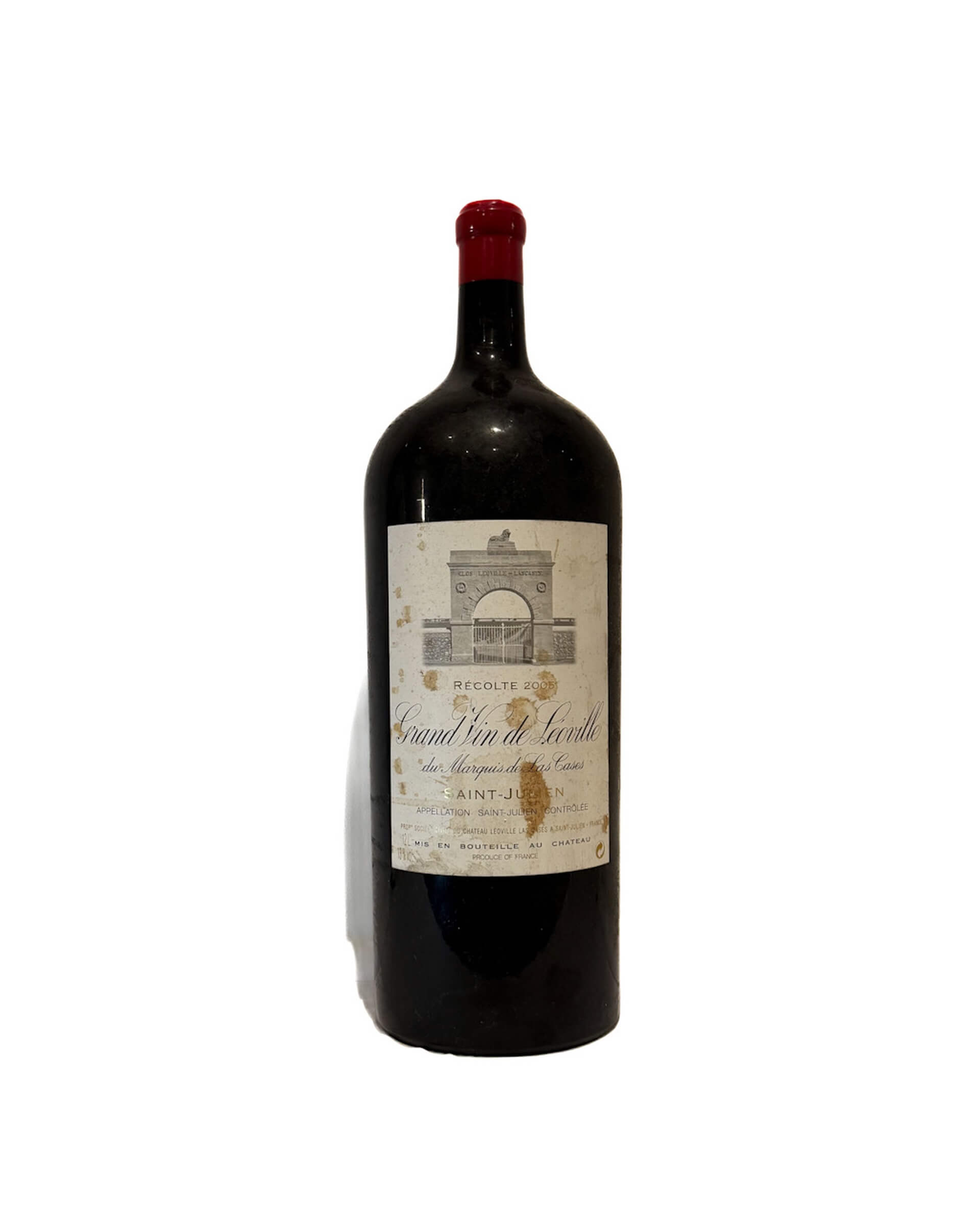
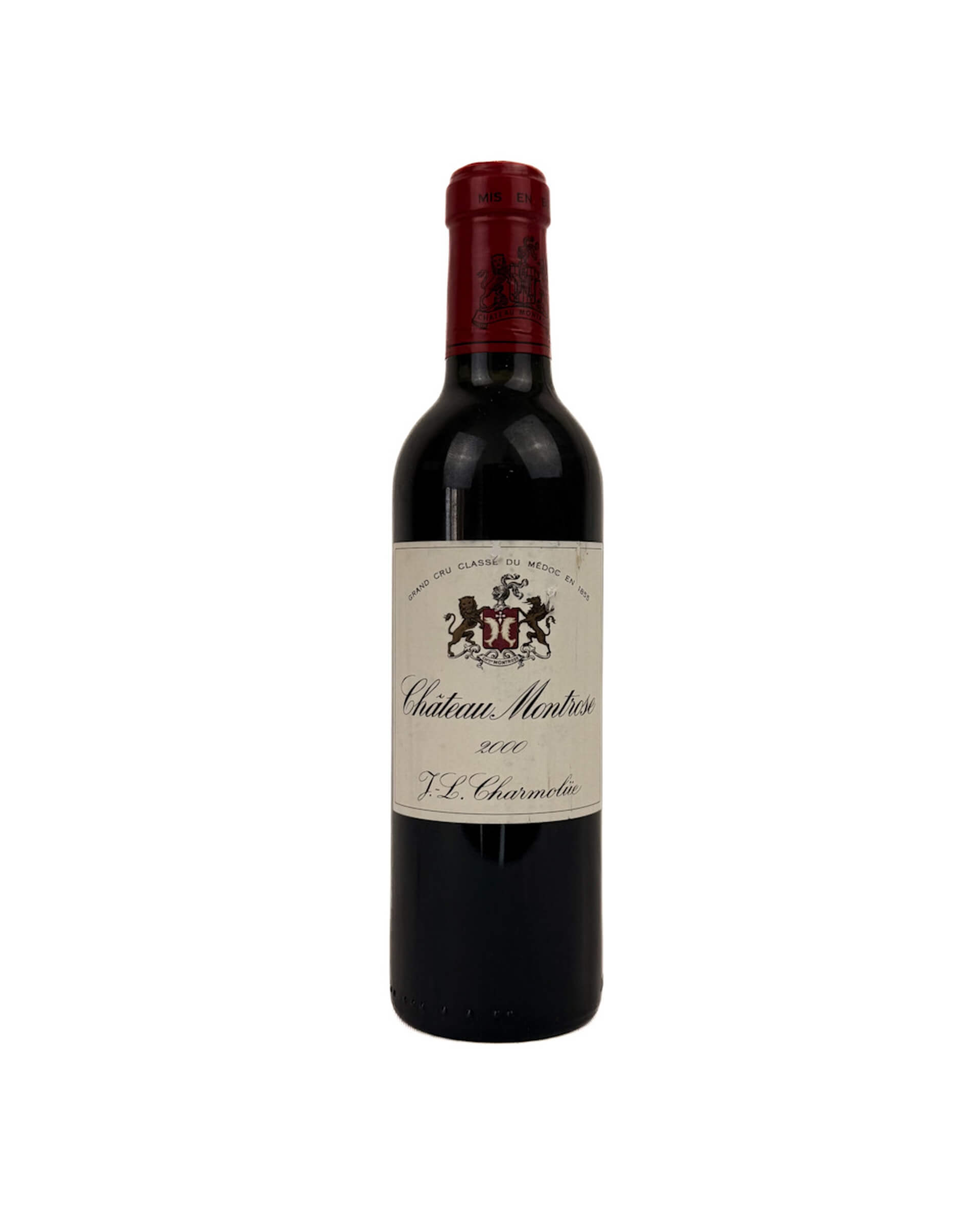
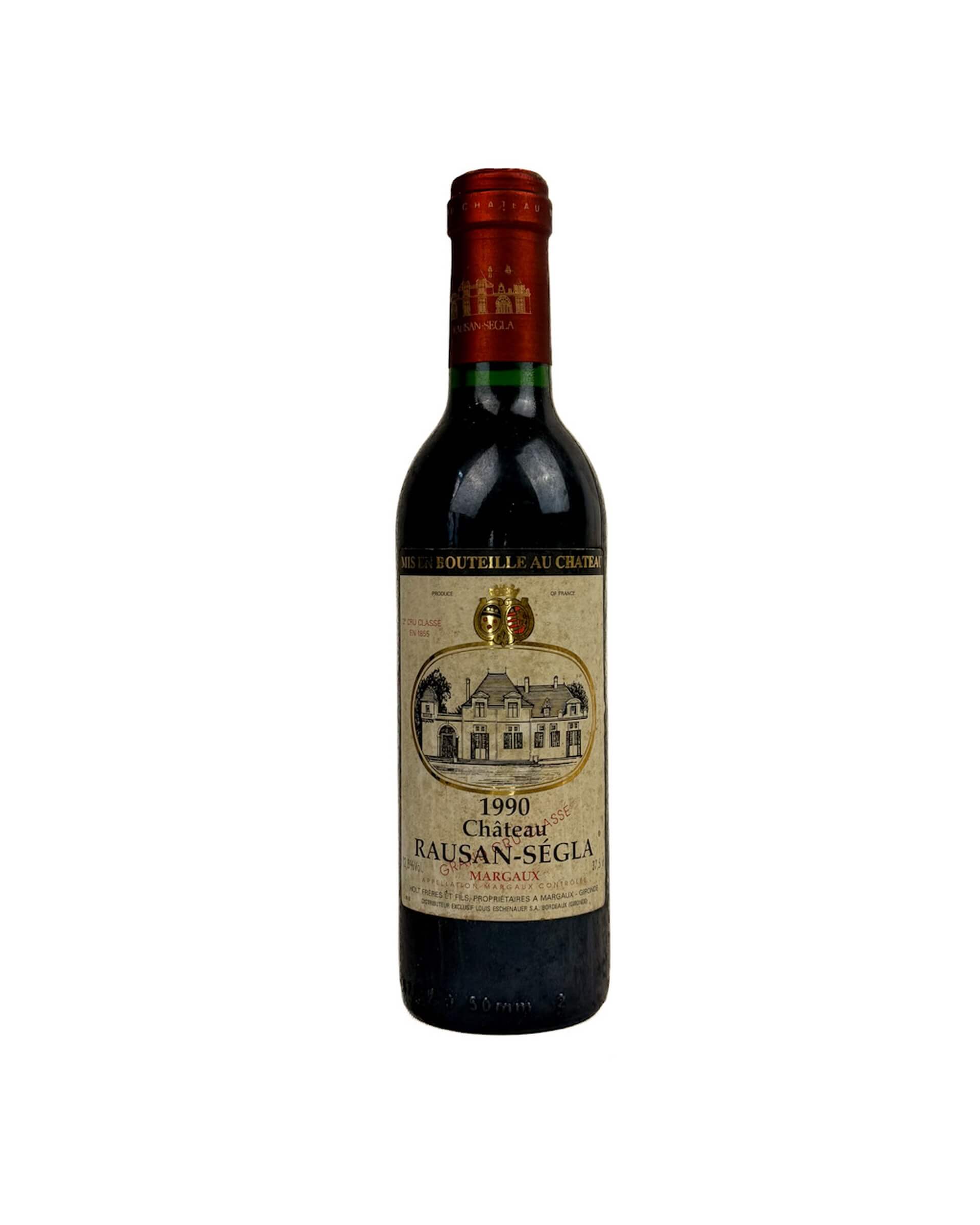
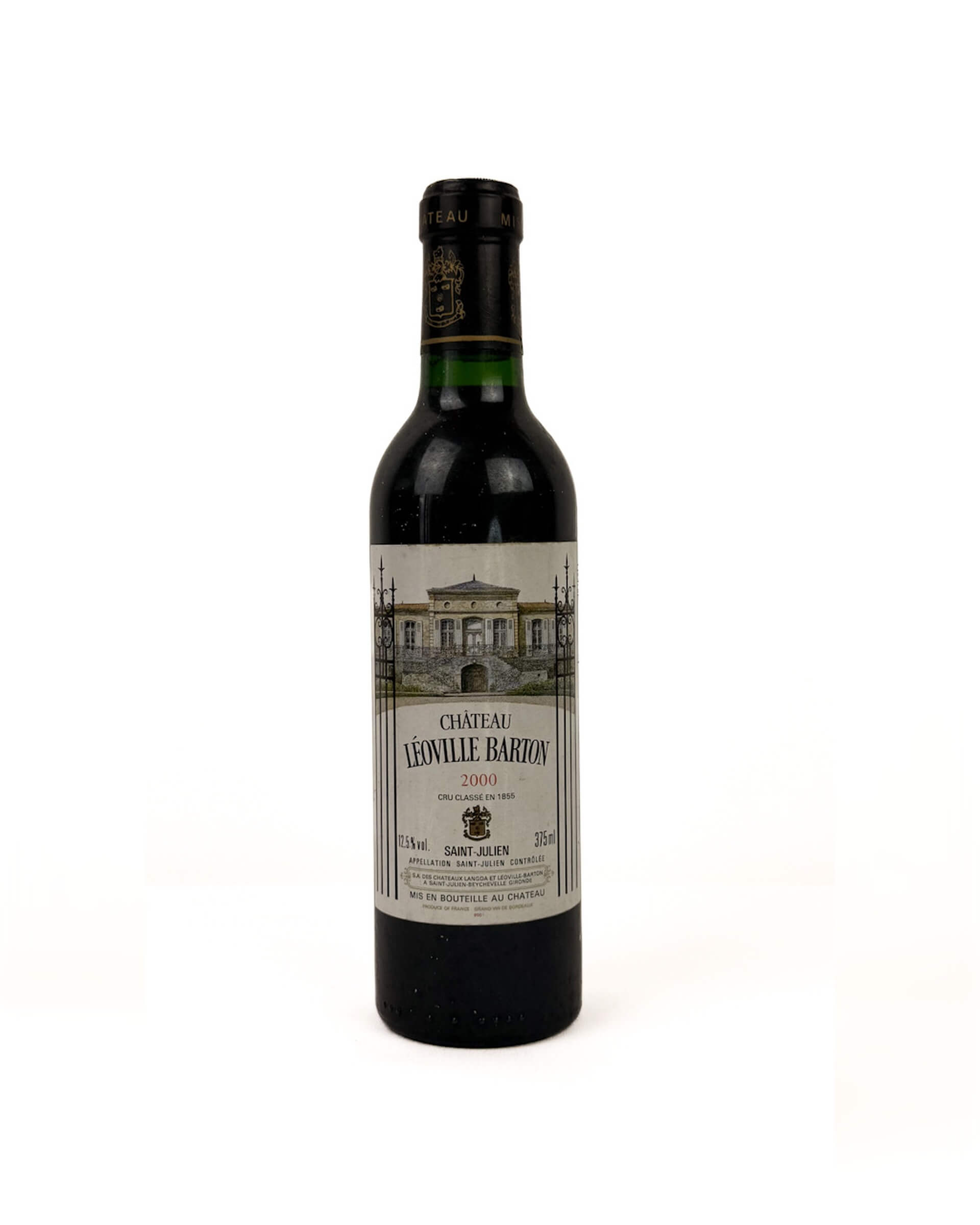
A 2eme grand cru classe is a Second Growth of the Médoc — the second tier of Bordeaux’s legendary 1855 classification, and the part of that hierarchy where classified-growth quality stays within reach of a normal cellar budget. Known in English as second growth Bordeaux, these fourteen châteaux sit immediately below the five First Growths, yet in great vintages the best of them approach First Growth quality at a fraction of the price — roughly half to two-thirds of what their loftier neighbours command. Tour de Wine’s curated 2eme grand cru classe selection brings together eleven bottles from across the Médoc — Pauillac, Saint-Julien, Margaux and Saint-Estèphe — chosen for provenance, condition and drinking pleasure, with prices from €65 to €8,800. Whether you are buying your first classified growth or filling a gap in a maturing cellar, with a median bottle at €160 in our selection, this is where classified-growth quality becomes a realistic everyday purchase.
The 1855 Médoc Classification was commissioned by Napoleon III for the Paris Universal Exhibition. Bordeaux brokers were asked to rank the region’s most sought-after estates, and they did so on a single, brutally honest basis: the prices the wines had fetched over decades of trade. Sixty-one châteaux were sorted into five tiers — Premiers Crus through Cinquièmes Crus Classés — and the result has proved astonishingly durable. The fourteen Deuxièmes Crus Classés form the second rung, the bordeaux 1855 classification second growth tier. In nearly seventeen decades the entire system has changed only once, when Mouton Rothschild was elevated from Second to First Growth in 1973. For a buyer, that near-total stability is the point: a deuxieme grand cru classe has held its rank against every market and every fashion since the wine trade was a fraction of its modern size. To see how the classified growths fit together, explore our wider range of Grand Cru wines.
The fourteen Second Growths are not scattered at random. They cluster in four of the Médoc’s greatest communes, and knowing the geography is the single most useful thing a buyer can learn about the tier. Each commune leaves an unmistakable signature in the glass, so choosing between estates often comes down to choosing between appellations of Bordeaux wines. Grouped by commune, the Deuxièmes Crus Classés are:
Five of these estates are widely regarded as “super seconds” — the tier’s First Growth-rivalling elite, covered in detail below.
Pauillac’s two Second Growths are the rival Pichons, facing one another across the D2 road and sharing the same gravelly plateau as Latour and Lafite. They are structured, Cabernet Sauvignon-dominant wines built for the long haul. Saint-Julien contributes five — the three Léovilles, Gruaud-Larose and Ducru-Beaucaillou — and these form the backbone of an appellation prized for balance and polish. Less austere than Pauillac, Saint-Julien Second Growths are elegantly tannic and often approachable within eight to twelve years, which makes them a natural first step into the tier.
Margaux’s five Second Growths — Rauzan-Ségla, Rauzan-Gassies, Brane-Cantenac, Durfort-Vivens and Lascombes — deliver the appellation’s signature aromatic finesse, with silkier tannins and, in some estates, a higher Merlot share that brings earlier accessibility. Saint-Estèphe’s pair are the muscle of the tier: Cos d’Estournel, whose Orientalist, pagoda-topped chai was built in the 1830s by founder Louis Gaspard d’Estournel — who traded extensively with the East and crowned the building with carved wooden doors reputedly brought from the palace of the Sultan of Zanzibar, making it the most architecturally distinctive winery in the Médoc — and Montrose. Both are powerful and firmly tannic, frequently needing ten to twenty years to unwind fully. Cos d’Estournel is unusual in the tier for also producing a rare white Bordeaux bottling alongside its grand vin.
Across the fourteen châteaux, Cabernet Sauvignon is the dominant grape, typically making up 55–80% of the blend, with Merlot as the principal partner at roughly 15–35%. Smaller measures of Cabernet Franc, Petit Verdot and, occasionally, Malbec round out the assemblage. The proportions track the terroir: Pauillac and Saint-Estèphe lean heavily on Cabernet Sauvignon for structure and longevity, while Margaux blends often carry more aromatic Cabernet Franc, and a handful of estates — Lascombes in recent vintages among them — have moved toward higher Merlot for early charm. Expect a core of dark fruit — blackcurrant, plum, dark cherry — framed by cedar, tobacco and graphite, evolving with age toward leather, cigar box and truffle. Top Second Growths from great vintages will cellar gracefully for fifteen to thirty years.
Within the tier sits a recognised elite the trade calls the “super seconds.” It is not an official sub-classification — there is no document, no committee, no decree. It is a market verdict, reinforced by critics and by the prices these estates command at auction, that their wines in top vintages are essentially indistinguishable from First Growths while selling at a meaningful discount. Cos d’Estournel, Léoville Las Cases, Ducru-Beaucaillou, Pichon Comtesse de Lalande and Montrose are the names most often cited among the bordeaux classified growths, and each can point to a measurable benchmark. Léoville Las Cases earned a perfect 100 points from Robert Parker’s Wine Advocate for its 2016, and the same estate’s 2009 was likewise awarded 100. Cos d’Estournel’s 2009 took 100 points from Wine Advocate, while its 2016 was rated 100 by James Suckling. Montrose holds back-to-back Wine Advocate 100-point scores for the 2009 and 2010 vintages. Pichon Comtesse de Lalande was awarded 100 points by Wine Advocate for its 2016, and Ducru-Beaucaillou’s 2016 was scored 100 by James Suckling. These are the perfect marks usually reserved for First Growths — yet the bottles remain well below First Growth prices, as our own €65 to €8,800 spread makes plain. For a buyer, the logic is compelling: a super second from a benchmark year such as 2016, 2019 or 2022 closes most of the qualitative distance to a First Growth at something like half to two-thirds of the price. Across the tier, our own selection reflects that spread — super seconds and prestige formats sit at the upper end of the €65–€8,800 range, while the median bottle remains a far more accessible €160.
Vintage matters as much as château in the Médoc. These reference years are widely regarded as strong for Second Growth Bordeaux, spanning bottles to lay down and bottles drinking beautifully now:
Younger vintages are still resting in the cellar, while many older years are available through allocation — ask if you are seeking a specific bottle.
A Second Growth Médoc is built for the table. Serve it at 16–18 °C, taking care not to let the bottle drift too warm in a heated room. Young wines under ten years old open up beautifully with 1.5–2 hours in a wide-bottomed decanter; bottles aged 10–15 years — the most common scenario around the €160 median — typically want 45–60 minutes, tasting after the first pour to judge how much further opening they need; mature bottles of fifteen years and more often need only 30–45 minutes, or none at all if the fruit is fragile. For pairing, lean into the classics of the Médoc:
One question dominates for newcomers: what does a Second Growth actually cost? In Tour de Wine’s selection, prices start from around €75 at the tenth percentile, with the lowest-priced bottles beginning at €65 — typically younger vintages or smaller formats that make an accessible first encounter with a genuinely classified growth. The median bottle sits near €160, a realistic and serious starting point for a cellar addition. From there the range opens steadily, reaching €2,400 at the ninetieth percentile and up to €8,800 for the rarest cuvées and prestige formats. The value logic is straightforward: a Second Growth from a respected commune and vintage at around the €160 median offers a categorically different experience from an everyday Bordeaux rouge, and a substantial saving against First Growth equivalents — bottles in our 1er Cru selection begin considerably higher. For the full picture of how the tiers relate, browse our wine classifications hub, where each level of the 1855 hierarchy is set out side by side. If even the median feels like a stretch, almost every Second Growth also makes a second wine — La Dame de Montrose, Réserve de la Comtesse, La Croix de Beaucaillou, Sarget de Gruaud-Larose — that shares the grand vin’s terroir and winemaking team at roughly 30–50% of the price; ask our team about availability. Ready to buy? Browse the curated bottles below, or contact our team for allocation of older vintages and rare formats held off the main list.
The First Growths sit above the Second Growths in the 1855 Médoc classification. There are only five First Growths — Lafite Rothschild, Latour, Margaux, Mouton Rothschild and Haut-Brion — versus fourteen Second Growths. First Growths command higher prices, but the best Second Growths rival them in quality in great vintages. For most collectors, a Second Growth from a benchmark vintage is the more practical cellar proposition: the qualitative gap to a First Growth narrows sharply in great years, and the saving lets you buy three or four bottles where a single First Growth might otherwise take the whole budget.
There are fourteen châteaux in the Second Growth tier of the 1855 Médoc classification. They are spread across four communes: Pauillac, Saint-Julien, Margaux and Saint-Estèphe, each lending its own style to the wines.
“Super seconds” is an informal term used by buyers and critics for Second Growth châteaux — notably Cos d’Estournel, Léoville Las Cases, Ducru-Beaucaillou, Pichon Comtesse de Lalande and Montrose — whose wines routinely reach First Growth quality in top vintages while selling for less.
To judge whether a specific bottle is ready, start with the rim: a young Second Growth shows a vivid purple edge, while a brick or garnet tinge at the meniscus signals maturity. Check the cork for seepage and confirm the fill level sits in the neck or top shoulder. The surest test is a decanting trial — pour a small glass, taste, then taste again after 30 and 60 minutes; if the tannins soften and the fruit opens rather than fades, the wine is ready and the rest of the bottle will reward decanting. For the most common purchase scenario — a 2016 bought today in 2026 — most Second Growths are still tightly wound at ten years old: decant for 2–3 hours, or, better, hold the bottle until roughly 2030–2040 for the fruit and tannins to integrate fully. The Tour de Wine selection spans young bottles suited to laying down and older vintages ready to enjoy now.
Written by the Tour de Wine buying team. Last reviewed: June 2026.
This site is restricted to adults. By entering, you confirm that you are of legal drinking age in your country of residence.