
96
0,75
2006
Emilio Moro
Wines, producers, regions...
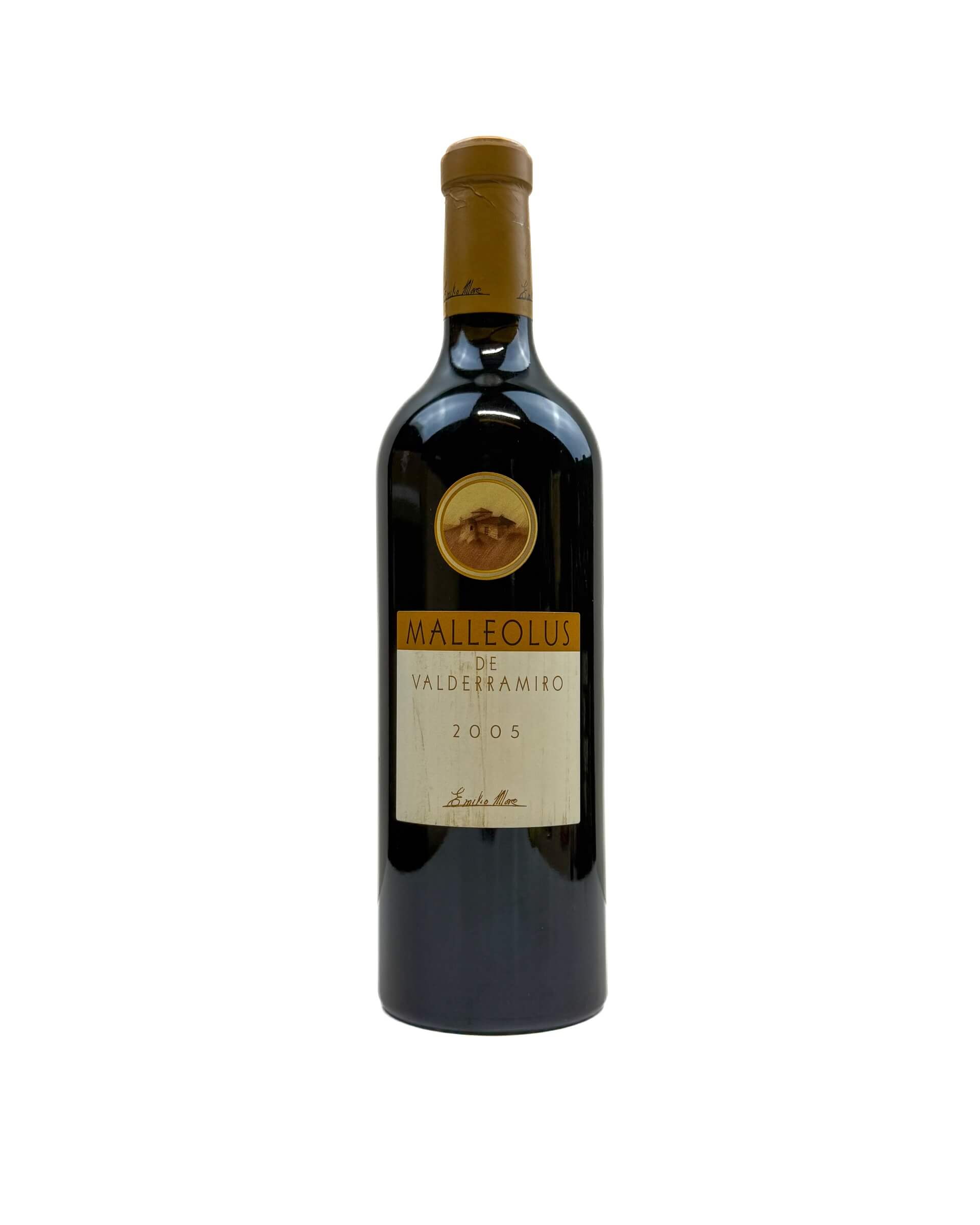
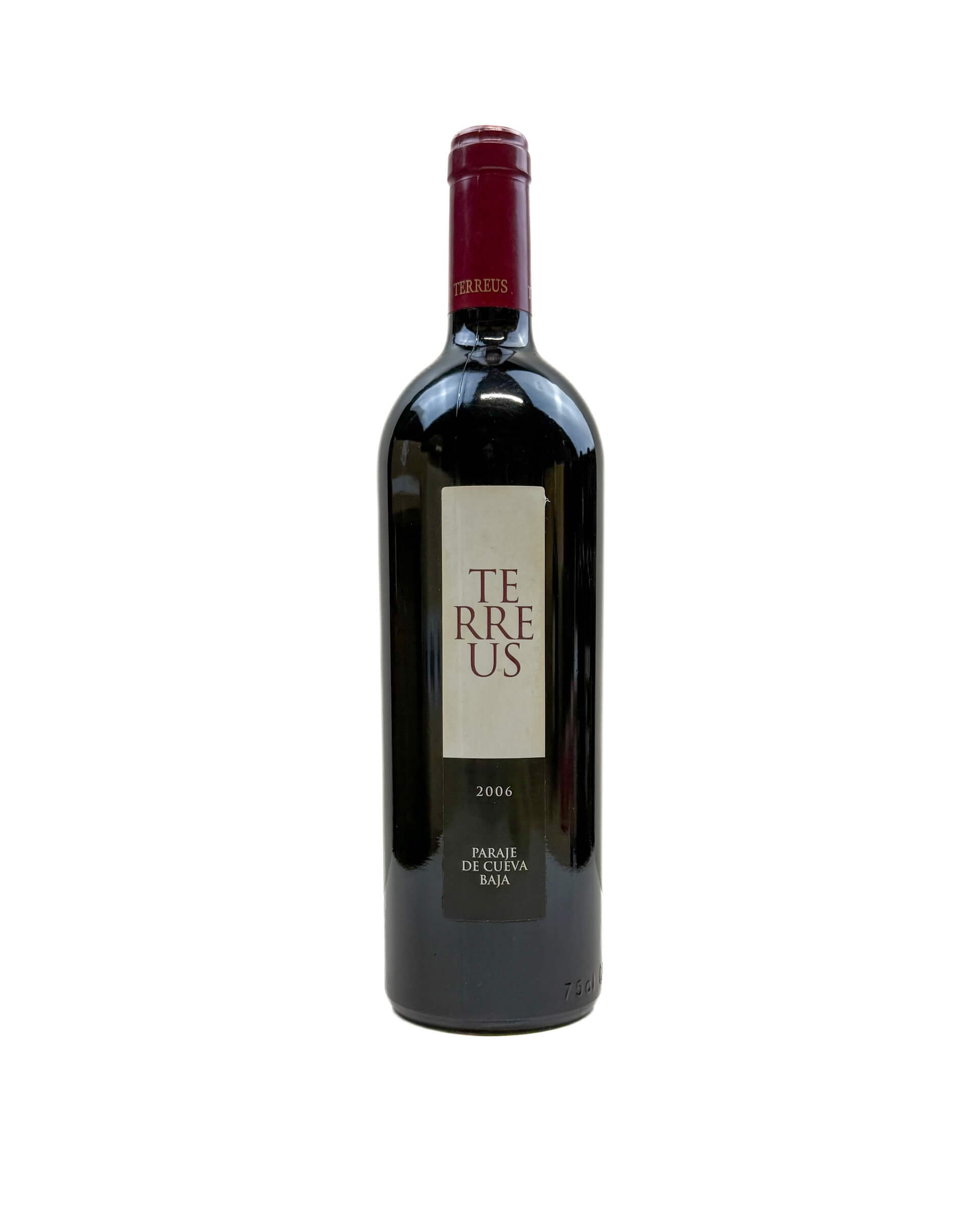
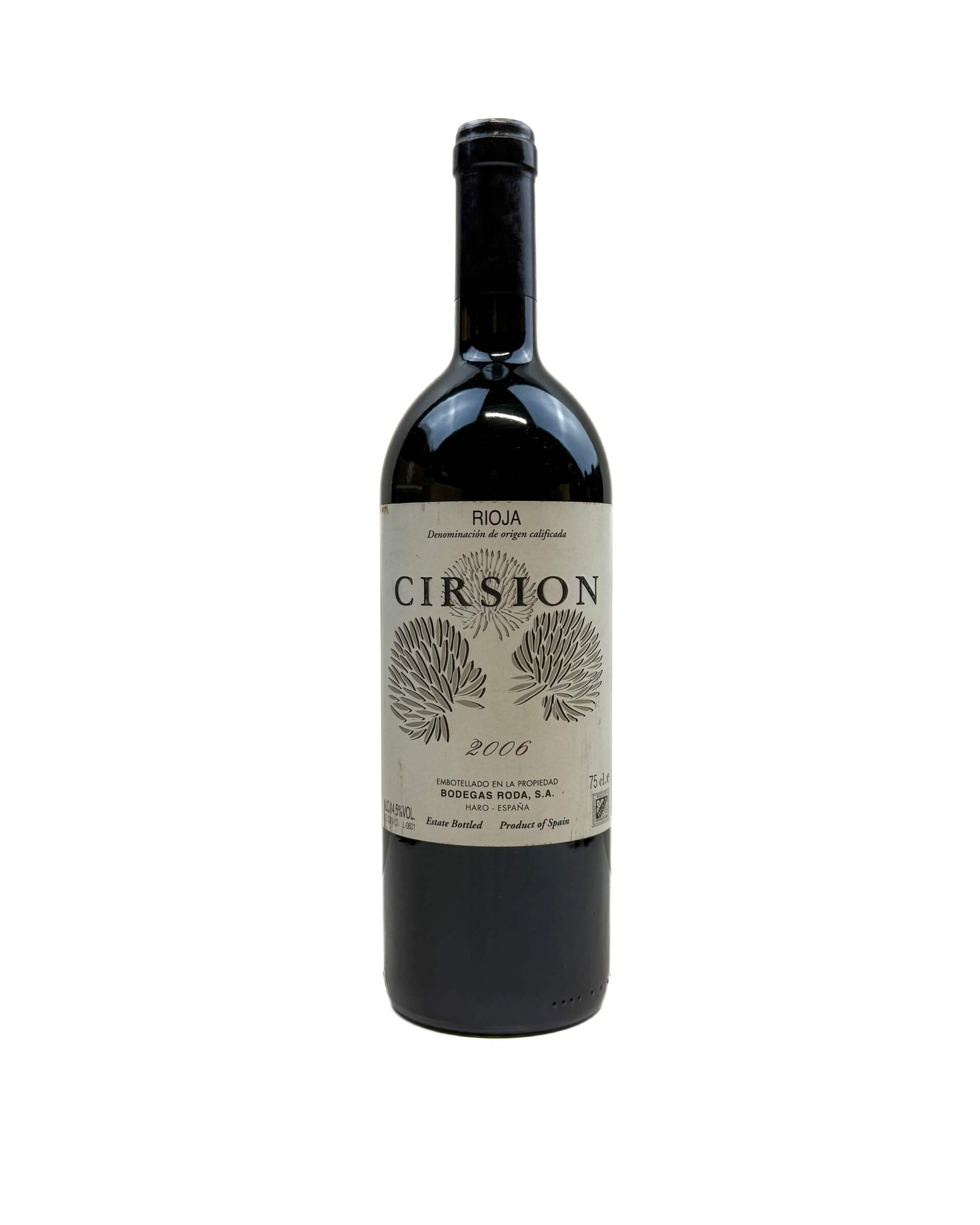
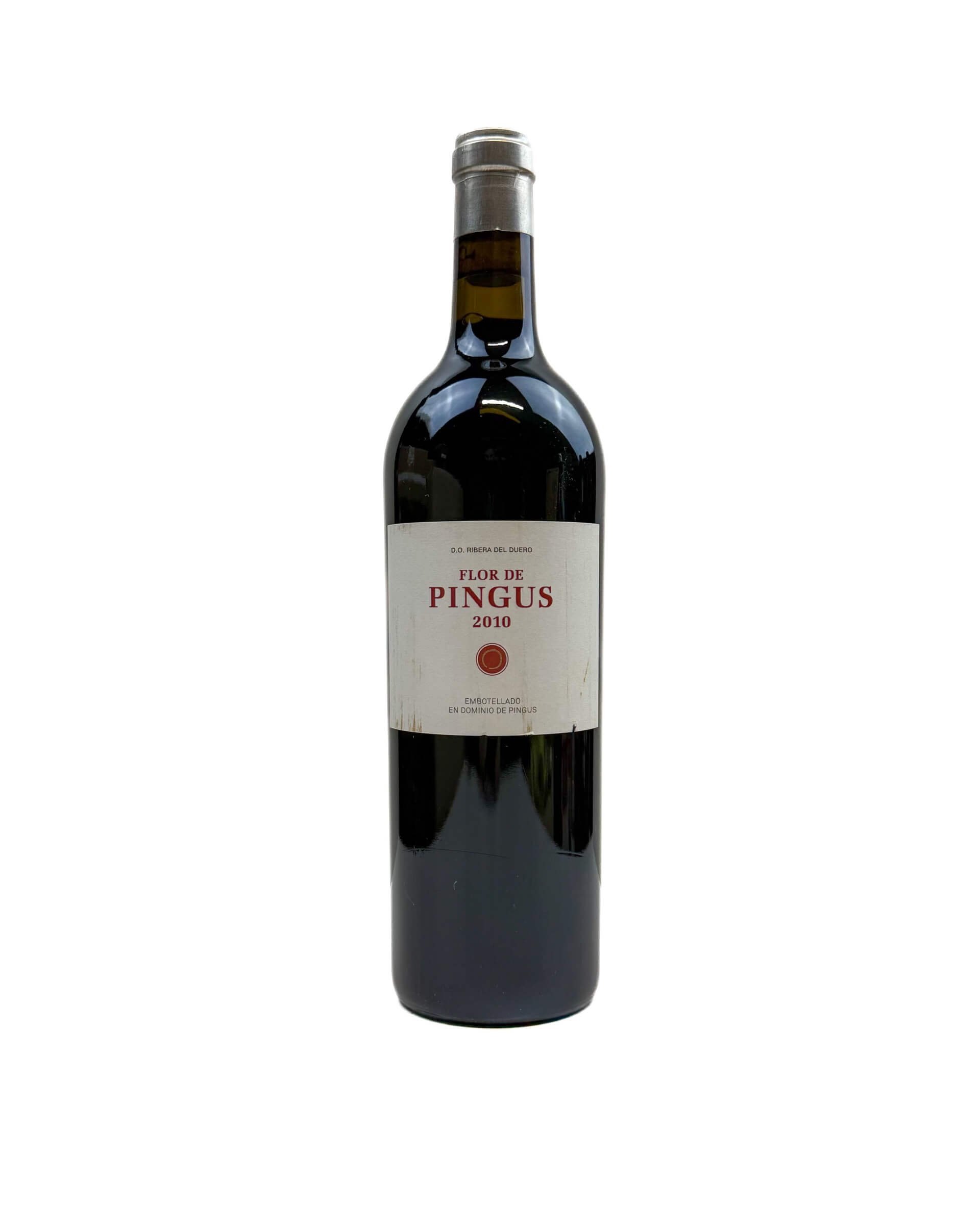
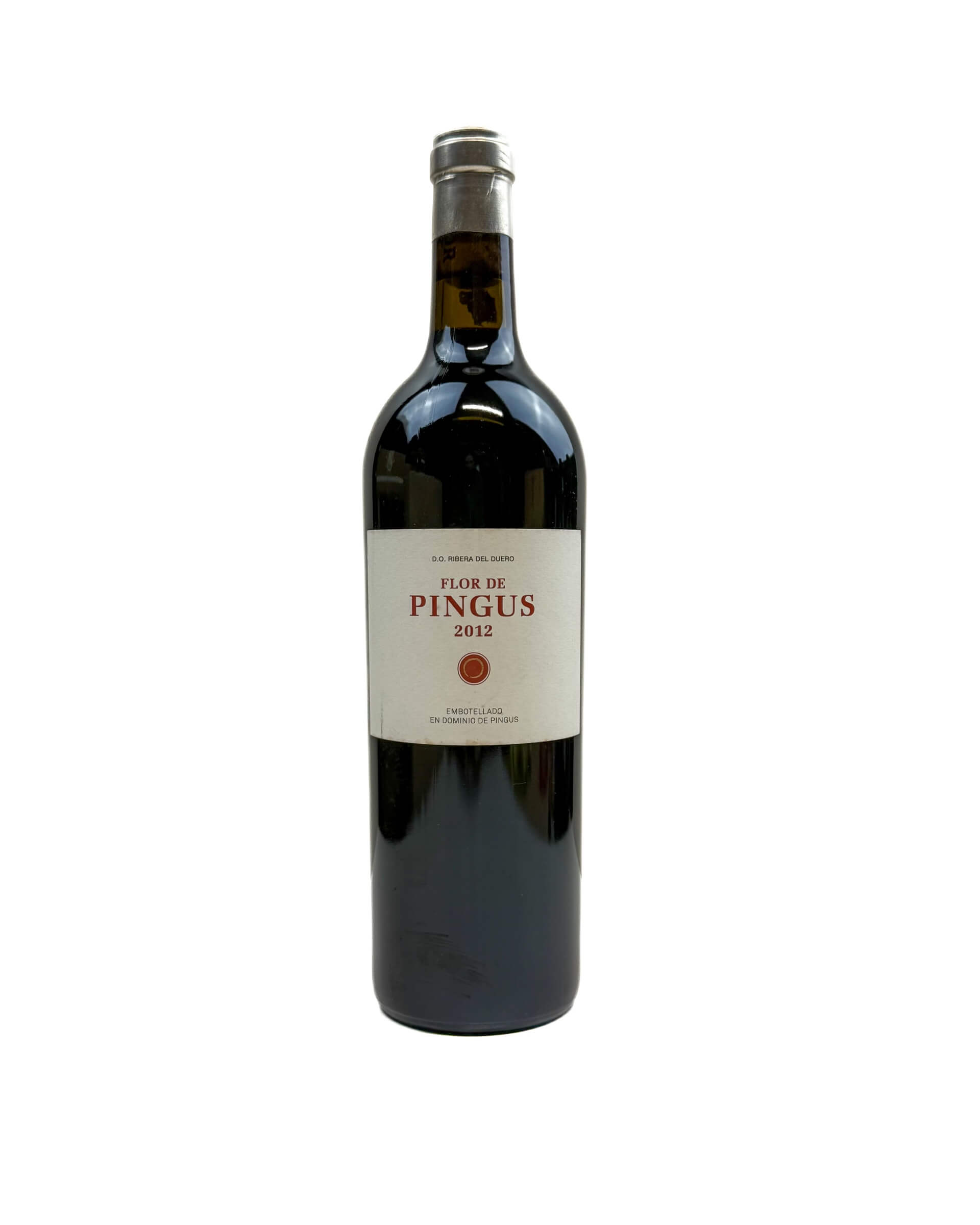
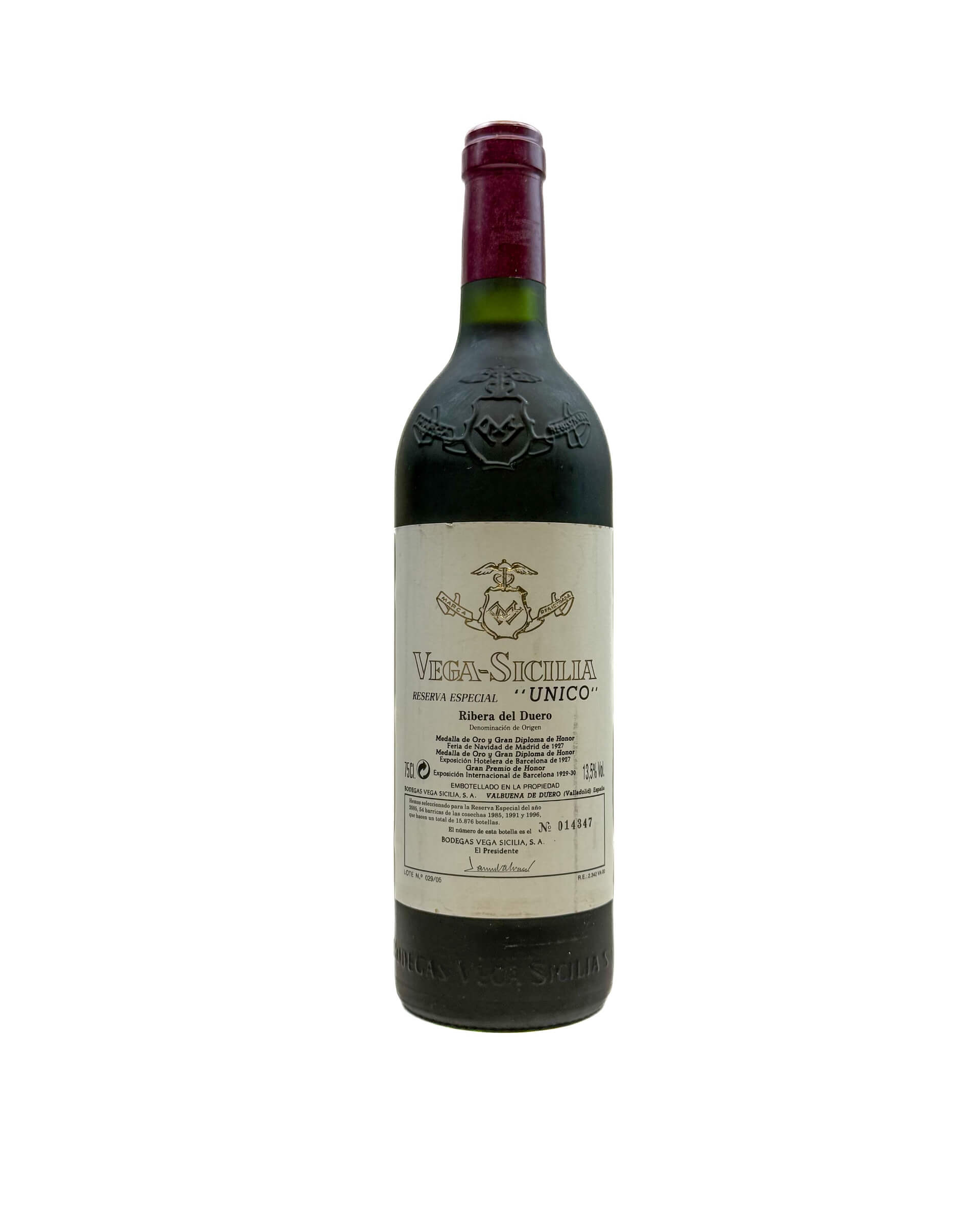
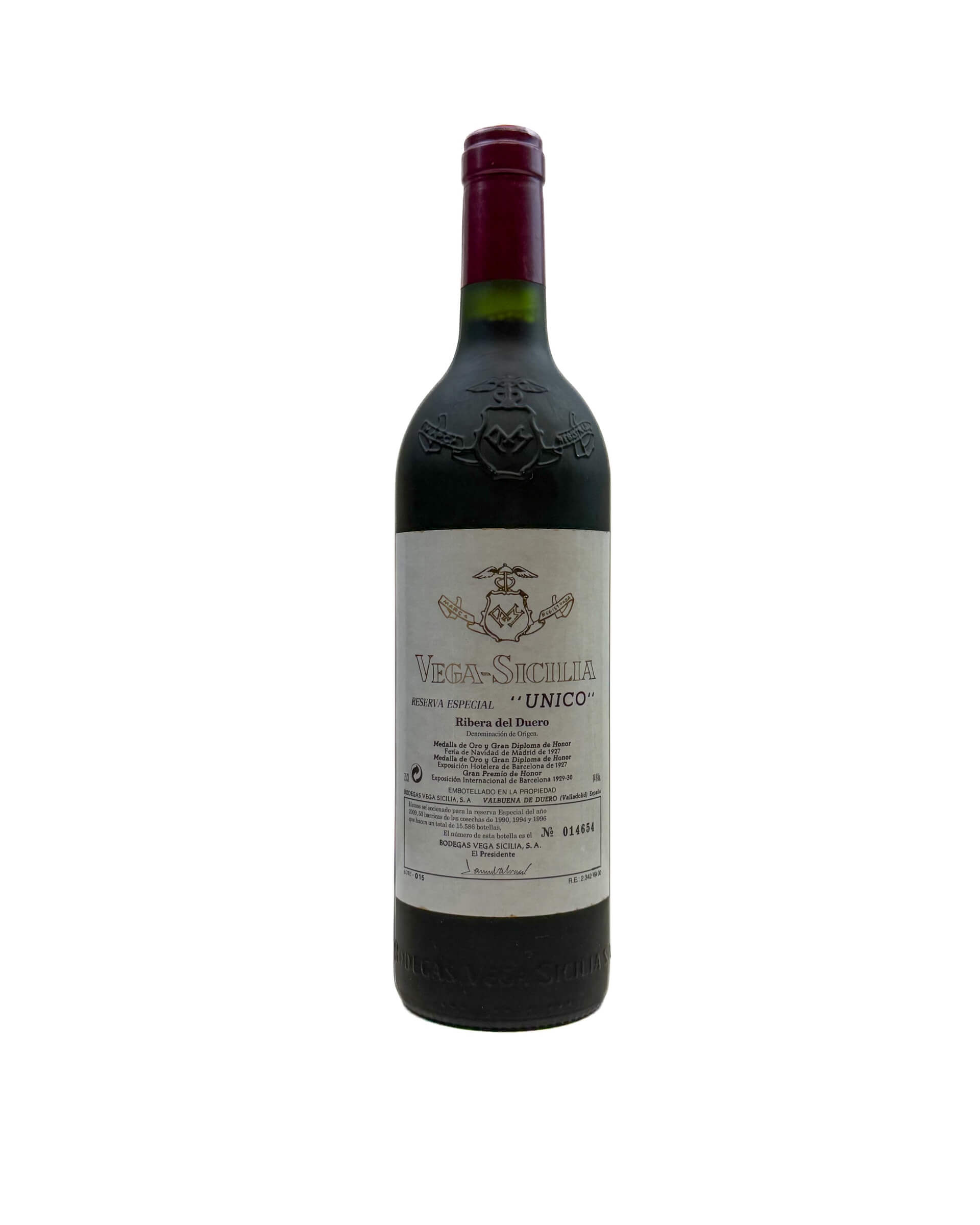
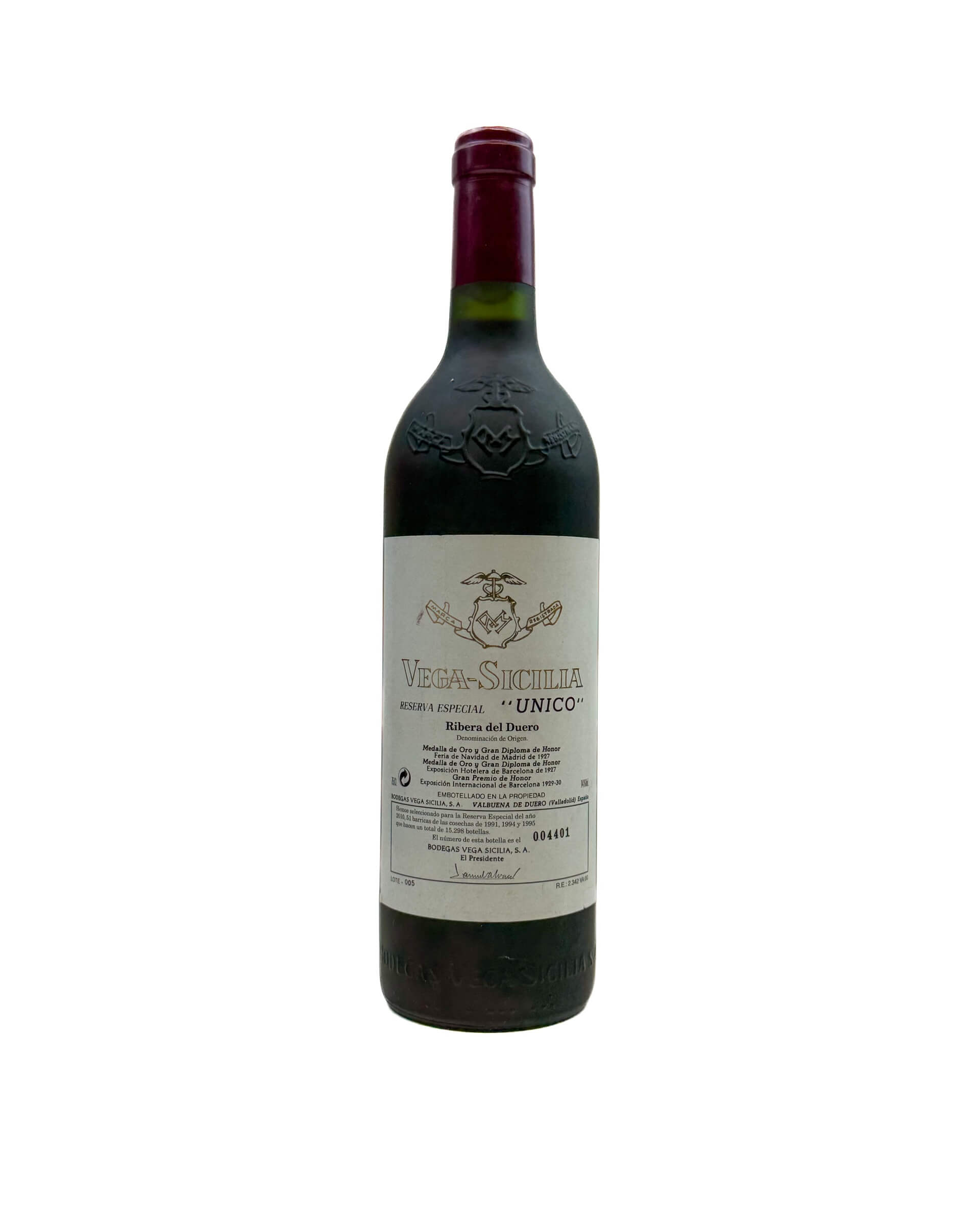
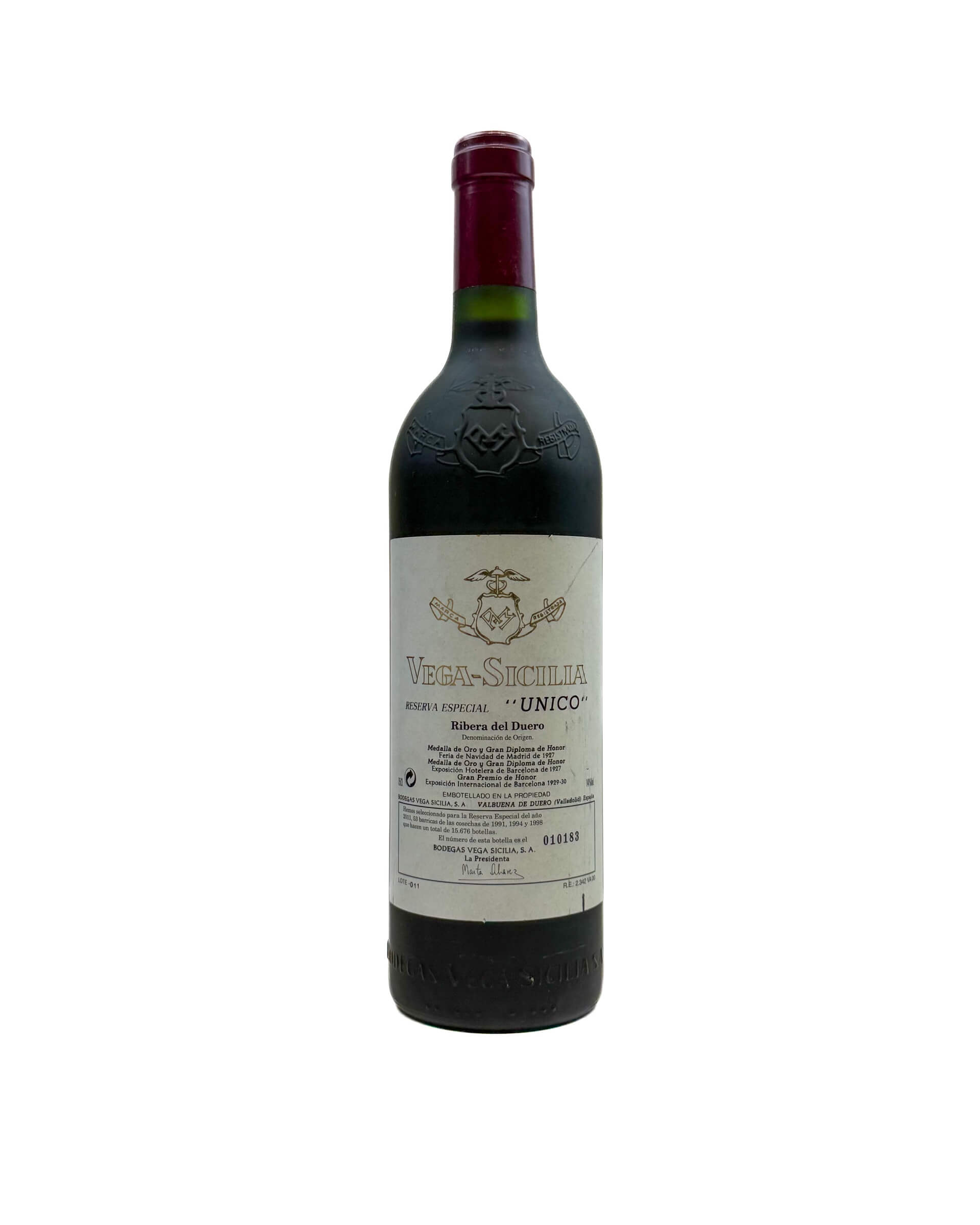

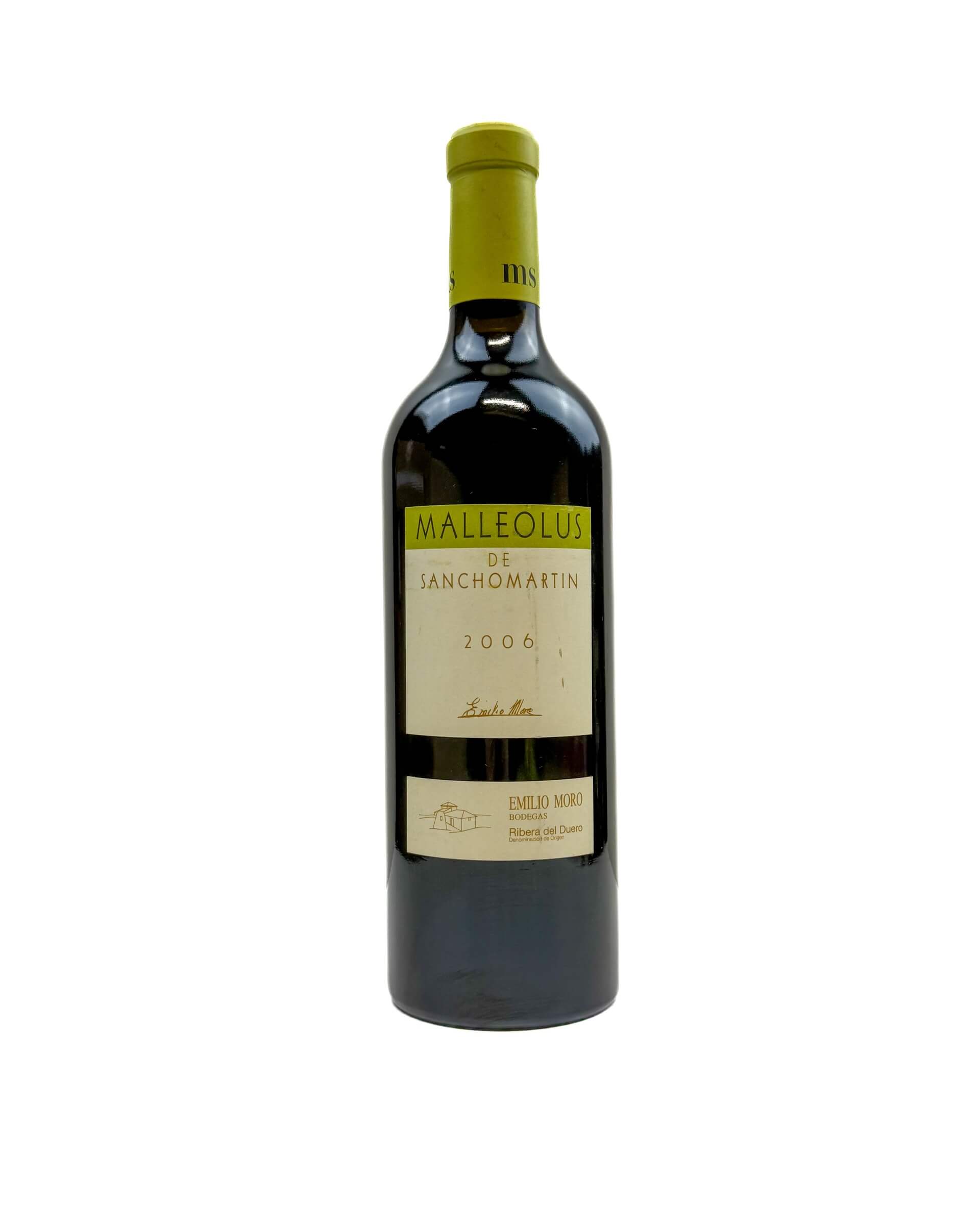
Tempranillo is the grape that gives Spain its most recognisable red wines, ranging from an approachable everyday Crianza to a complex, cellar-worthy Gran Reserva built to age for decades. It is the principal variety behind Rioja, the powerhouse of Ribera del Duero, and several of Spain’s most collectible appellations, which is why understanding Tempranillo is really an education in Spanish fine wine itself. As tempranillo wine, it sits at the heart of the country’s red tradition while remaining one of the more food-friendly and versatile reds you can put on a table.
This is a curated edit rather than a commodity shelf: thirteen bottles chosen for genuine appellation character, with prices that start from around €130 and reach far higher for rare allocated cuvées. If you are new to the grape and want a sense of the wider context, you can explore our full wine collection alongside this Tempranillo selection, which is built to show the grape across its full range of styles and price points.
Tempranillo is Spain’s most important native red grape, typically medium-to-full in body with moderate, supple tannins and relatively low natural acidity for a red — a combination that makes it unusually approachable for a red of its depth, and generous at the table. Its flavour spectrum runs from sour cherry and dried plum through tobacco leaf, leather, and earthy cedar, with vanilla and sweet spice arriving when the wine is aged in oak. Compared with a young Cabernet Sauvignon, which leans on firmer, grippier tannins, Tempranillo is rounder and more immediately welcoming in the glass, even when it is built to age. The name itself comes from temprano, Spanish for “early”: Tempranillo ripens several weeks before most other Spanish varieties, allowing it to build sufficient sugar and develop fully even at high altitude.
That adaptability is central to its identity. In cooler, higher-altitude Ribera del Duero — vineyards sit between roughly 800 and 900 metres — the grape produces darker, denser, more structured wines, while the lower-altitude vineyards of Rioja Alta and Rioja Alavesa deliver a more aromatic, oak-forward profile. Tempranillo also travels under several names across the Iberian Peninsula: it is Tinto Fino (or Tinto del País) in Ribera del Duero, Tinta de Toro in Toro, and in Portugal it becomes Tinta Roriz in the Douro and Aragonez in the Alentejo. These are all the same grape wearing different regional clothes — the single most misunderstood fact about Tempranillo, and a useful one to carry as you read a label.
DOCa Rioja is Spain’s benchmark Tempranillo appellation, traditionally divided into three sub-zones: Rioja Alta, the coolest and the source of the finest structure; Rioja Alavesa, whose limestone soils give an elegant, lifted style; and Rioja Oriental (formerly Rioja Baja), warmer and generally earlier drinking. Most Rioja is Tempranillo-dominant — commonly 60% to over 90% — rounded out with small proportions of Garnacha, Mazuelo (Carignan), and Graciano. The appellation’s great gift to buyers is its ageing classification, which doubles as a buying guide: Joven (no minimum oak, fresh and fruit-forward), Crianza (at least two years’ ageing with one in oak, the entry-to-serious tier), Reserva (at least three years with one in oak, the collector’s weeknight wine), and Gran Reserva (at least five years with two in oak, released only in outstanding vintages and capable of a decade or more of cellaring). American oak, with its vanilla, coconut, and tobacco signature, has historically defined the Rioja style, though more producers now use European oak for darker fruit, more spice, and greater grip. Houses such as Bodegas Muga and Marqués de Murrieta in Rioja Alta are reliable reference points for the classic, oak-framed style. Rioja makes a natural starting point within the broader world of red wines in our collection.
DO Ribera del Duero sits on the Castilian meseta at 800 to 900 metres — one of Europe’s highest major wine-producing plateaus — where extreme diurnal swings of up to 20 °C between day and night during the growing season build thick skins, deep colour, firm tannins, and a pronounced dark-fruit character of blackberry, plum, and black cherry, in clear contrast to Rioja’s red-cherry-and-vanilla register. Here the grape is called Tinto Fino, and the high-altitude clone behaves distinctly: denser, more tannic, and demanding longer bottle time before it shows its best. The DO permits small proportions of Cabernet Sauvignon, Merlot, and Garnacha — and if you want to understand where that firmer tannic edge comes from, our Cabernet Sauvignon selection offers a useful point of comparison — though the finest Ribera expressions are Tinto Fino-dominant or monovarietal. The DO’s reputation was built by estates such as Vega Sicilia and the cult Dominio de Pingus, both benchmarks for what high-altitude Tinto Fino can achieve. Outstanding recent vintages include 2010, 2016, and 2019, with 2022 emerging strongly; as a rule, Ribera Reservas need two or three more years of cellaring than equivalent Rioja Reservas.
DO Toro, west of Valladolid in Castile and León, is arguably Spain’s most powerful Tempranillo expression. The local clone, Tinta de Toro, has adapted over centuries to a semi-arid continental climate of extremely hot summers and cold winters, producing naturally concentrated grapes with very thick skins. The wines run deep garnet to near-opaque, with tannic, rich structures built around black fruit, liquorice, earth, and graphite; alcohol of 14–15% is typical, and the finest examples ask for eight to fifteen years before they fully unwind. Estates such as Numanthia and Teso La Monja have done much to raise the appellation’s profile in recent decades. Within our Tempranillo edit, Toro is the cellar-building tier — grand-cru-level concentration at below-grand-cru prices. It is routinely overlooked by buyers who start and stop at Rioja, which is precisely why it rewards those who look a little further along the meseta.
DOQ Priorat in Catalonia holds the same top classification tier as DOCa Rioja — the only other region in Spain to do so — a genuine marker of the prestige its wines command. Here Tempranillo is blended with old-vine Garnacha and occasionally Cariñena over llicorella, a fractured dark slate and quartz subsoil that concentrates flavour dramatically and lends the wines a distinctive mineral tension. The result is full-bodied, mineral, and complex: dark fruit, graphite, olive tapenade, and a slate-driven salinity that sets Priorat apart from every other Spanish appellation. Pioneering estates such as Clos Mogador and Álvaro Palacios put the region back on the world map in the 1990s, and their bottlings remain among Spain’s most sought-after. Severe yield restrictions and steep terraced vineyards mean small quantities at premium prices — this is the collector tier, where the region’s small production and critical recognition have sustained strong secondary-market demand. Priorat sits comfortably among the most serious red wines Spain produces.
The Crianza, Reserva, and Gran Reserva hierarchy is the single most useful tool a Tempranillo buyer can learn, because it turns a label into a reliable signal of style, ageing, and value. The tiers below are best read as a decision you can take at a glance rather than a piece of label trivia.
One current-market note worth carrying: the old default of vanilla-rich American oak is no longer universal. A growing number of progressive Rioja and Ribera del Duero producers now favour European oak for darker fruit and firmer grip, so two bottles of the same tier can taste meaningfully different depending on the cellar’s oak philosophy — always worth checking the producer’s house style as well as the tier on the label.
Tempranillo is more vintage-sensitive than most buyers realise, and especially so in Rioja and Ribera del Duero: a single year can separate a readily available mid-priced Reserva from a rare, genuinely age-worthy benchmark. A handful of recent vintages are worth committing to memory.
When you are buying a Gran Reserva, checking the vintage year against these benchmarks is a more reliable guide to ageing potential than the label tier alone — the insight that turns a label into a genuine cellaring decision.
Younger Tempranillo at the Joven and Crianza level is one of the most food-flexible reds you can pour. Its moderate tannins and moderate acidity mean it neither dominates delicate dishes nor disappears beside strong flavours, which is why it slips so naturally alongside roast lamb (cordero asado), grilled chorizo, beef mince with tomato, tapas of cured meats such as jamón serrano, young to semi-aged Manchego, and a hearty lentil stew. This is everyday Spanish cooking’s natural partner, and an easy, forgiving wine for a casual table.
Reserva and Gran Reserva ask for richer, more substantial food to match their extended oak and bottle ageing: slow-roasted suckling pig (cochinillo), rack of lamb, aged Iberico pork, wild mushroom risotto, and game birds such as partridge or wood pigeon, with semi-aged to hard Manchego or aged Idiazabal at the cheeseboard. Leaner, sharper preparations will expose the tannin of a young Gran Reserva and make it taste severe, so it pays to match weight with weight. As for serving: pour Joven and Crianza at 15–16 °C, Reserva at 16–17 °C, and Gran Reserva and top Ribera del Duero at 17–18 °C — and never serve any tier cold, as Tempranillo’s aromatic complexity is suppressed below 14 °C.
Entry tier (from around €130). Serious Tempranillo at a price that still reflects genuine appellation character — expect Crianza or early Reserva expressions from Rioja or Ribera del Duero, made for the dinner table and best within three to eight years of harvest. A Rioja Crianza at this level already reads quite differently from a supermarket bottle: more site-specific character, more precise oak integration, and a more honest representation of the appellation than commodity labels manage.
Core tier (most bottles near €200). The heart of the selection, and the natural home of Rioja Reserva, Ribera del Duero Reserva, and Toro wines with real ageing potential. These are the bottles for a buyer who wants more than a recognisable label — eight to fifteen years of cellaring potential, clear sub-zone character, and the sensible price point for building a Spanish cellar bottle by bottle.
Prestige tier (up to €600 at the upper end of the range). Gran Reserva from outstanding vintages, serious single-estate Ribera del Duero, and Priorat DOQ blends with slate-driven mineral character. Buy these for fifteen to twenty-five years of development, or open them with generous decanting as a special-occasion wine. At this level the producer name, the sub-zone of origin, and the vintage year all matter — our selection notes address each per bottle.
Collector tier (up to €7,500 for the rarest allocated cuvées). Single-vineyard and iconic-producer expressions from landmark vintages — the rarest, most allocated bottles that represent the absolute ceiling of Spanish red wine. The thirteen bottles in this Tempranillo edit span the full spectrum from around €130 to €7,500, so use the site’s price filter to navigate by budget and occasion, or contact the team for cellar advice on the prestige and collector tiers. If your taste runs to other classic European reds, you can also browse our French wine selection for a point of comparison.
Rioja is a wine region in northern Spain; Tempranillo is the grape that dominates it. A bottle labelled “Rioja” will almost always contain at least 60% to 90% Tempranillo, often blended with small amounts of Garnacha, Mazuelo, or Graciano — but the label states Rioja (the place) rather than Tempranillo (the grape). The same grape grows across Spain under several local names: Tinto Fino in Ribera del Duero, Tinta de Toro in Toro, and in Portugal as Tinta Roriz in the Douro and Aragonez in the Alentejo. So all Rioja is Tempranillo-based, but not all Tempranillo is Rioja — and some of Spain’s finest Tempranillo comes from Ribera del Duero or Toro, not Rioja at all.
These are Rioja’s legally defined ageing tiers, each requiring a minimum period of total maturation and a minimum time in oak barrels. A Crianza must age at least 2 years with a minimum of 1 year in oak; a Reserva at least 3 years with 1 year in oak; and a Gran Reserva at least 5 years with 2 years in oak, released only in outstanding vintages. As the tier rises, secondary flavours develop — tobacco, leather, dried fruit, cedar — tannins integrate more fully, and cellaring potential extends markedly. A Joven carries no minimum ageing requirement and is the freshest, most fruit-forward style: easy to drink young, but offering the least complexity.
It depends on the ageing tier and the appellation. A Rioja Crianza is best within three to eight years of harvest, while a Reserva develops comfortably over eight to fifteen years. A top Rioja Gran Reserva from a landmark vintage such as 2010, 2016, or 2019 can evolve for twenty to thirty years and often only reaches peak complexity after fifteen. Ribera del Duero Reservas and serious Toro wines are frequently the longest-lived, sometimes needing ten to twelve years before they show their best. When buying a Gran Reserva, checking the vintage against known landmark years matters as much as reading the tier — and when in doubt, decant generously to experience a young Tempranillo before its ideal window.
Yes — particularly at the Crianza level. Younger Tempranillo from Rioja is medium-bodied with moderate tannins and delivers clear, approachable flavours of sour cherry, vanilla, and dried herbs, without the tannin grip of a young Cabernet Sauvignon or the demanding structure of a young Brunello di Montalcino. It pairs easily with food, is served at a comfortable temperature of 15–16 °C, and has a clear regional identity in Rioja that gives a beginner a reliable reference point. From Crianza the natural progression runs to Reserva and then Gran Reserva — three steps that amount to a thorough education in Spanish fine wine, each tier adding a layer of complexity and cellaring ambition.
Written by the Tour de Wine buying team. Last reviewed: June 2026.
This site is restricted to adults. By entering, you confirm that you are of legal drinking age in your country of residence.