
97
0,75
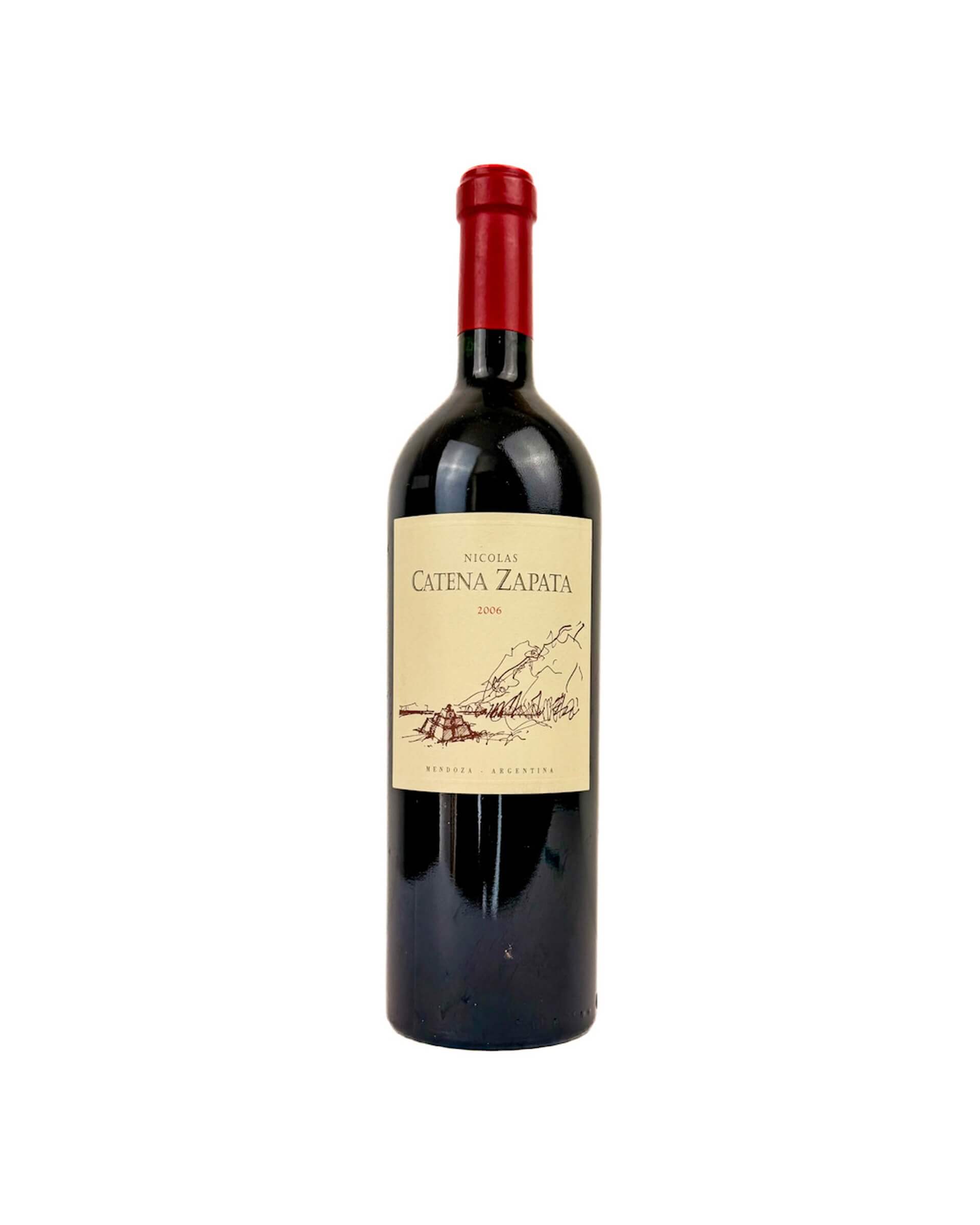
2006
Catena Zapata
Wines, producers, regions...
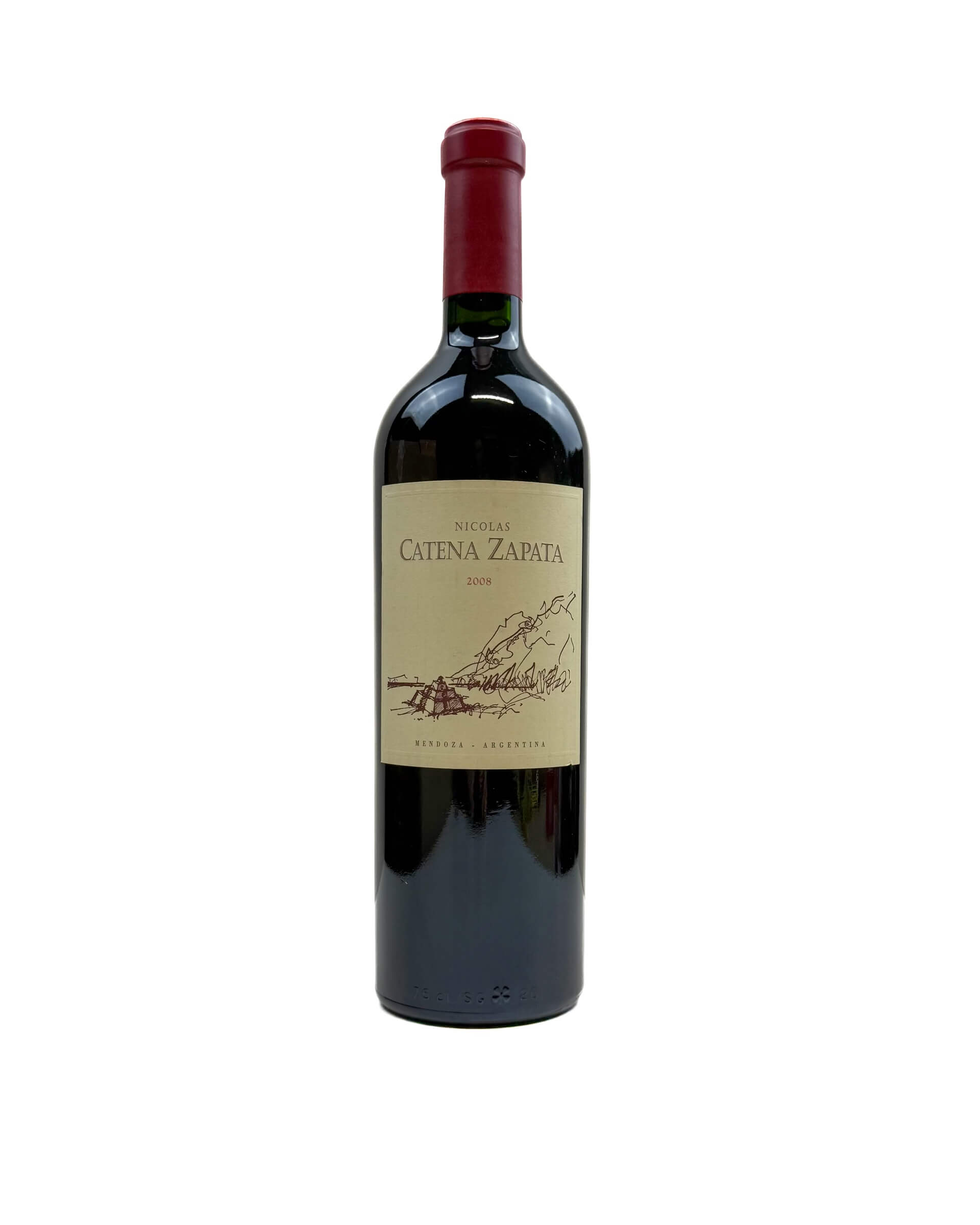
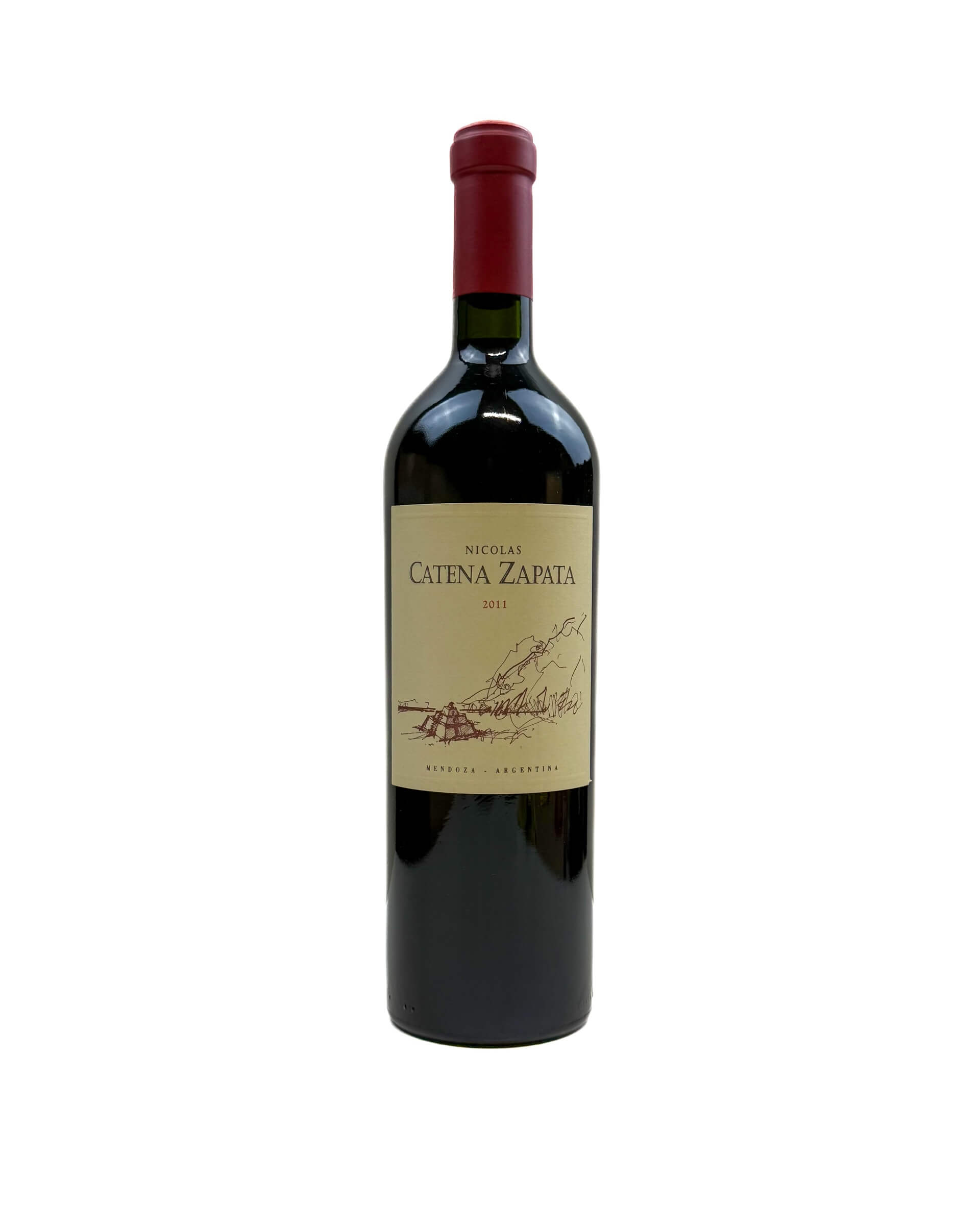
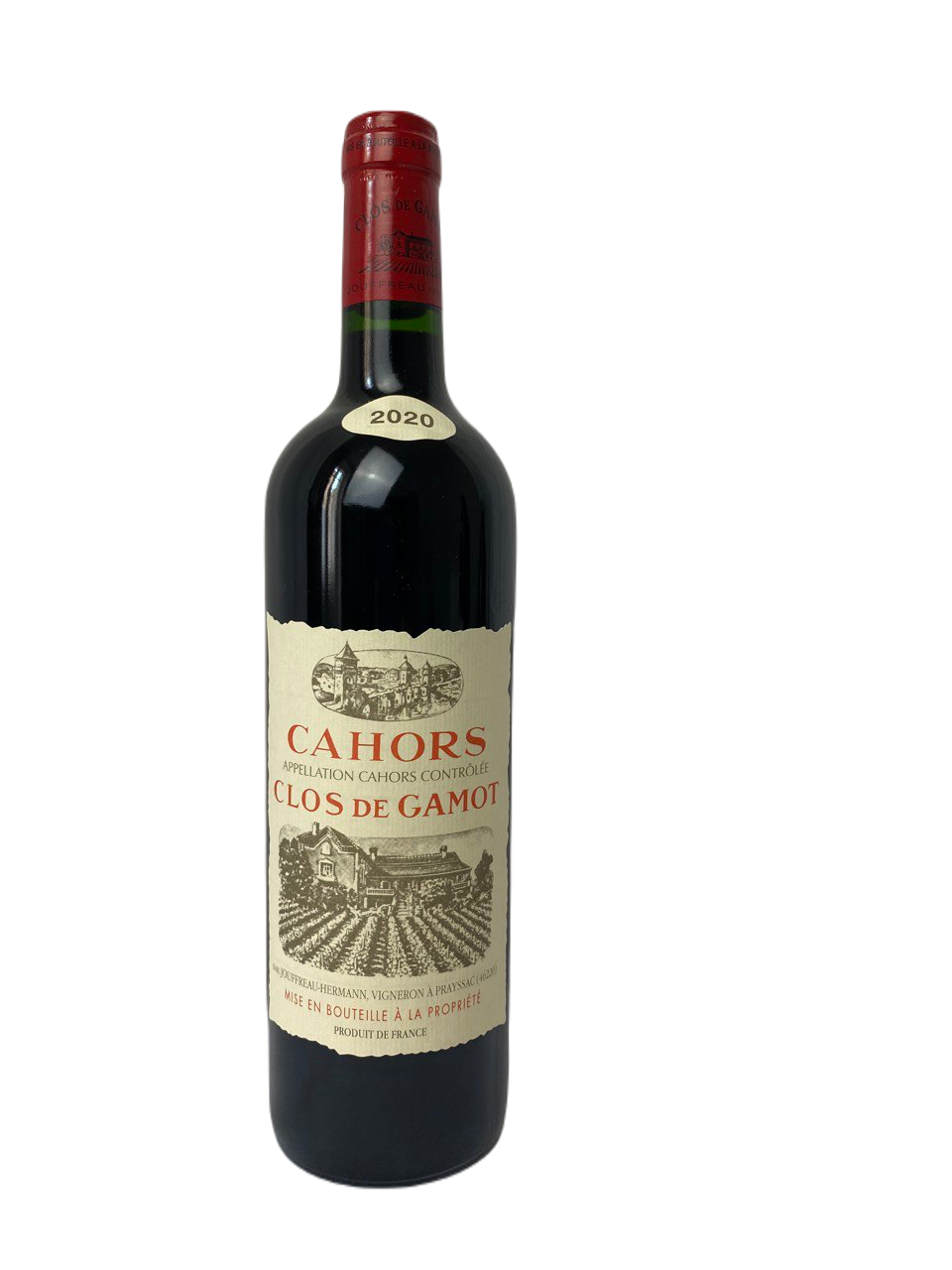
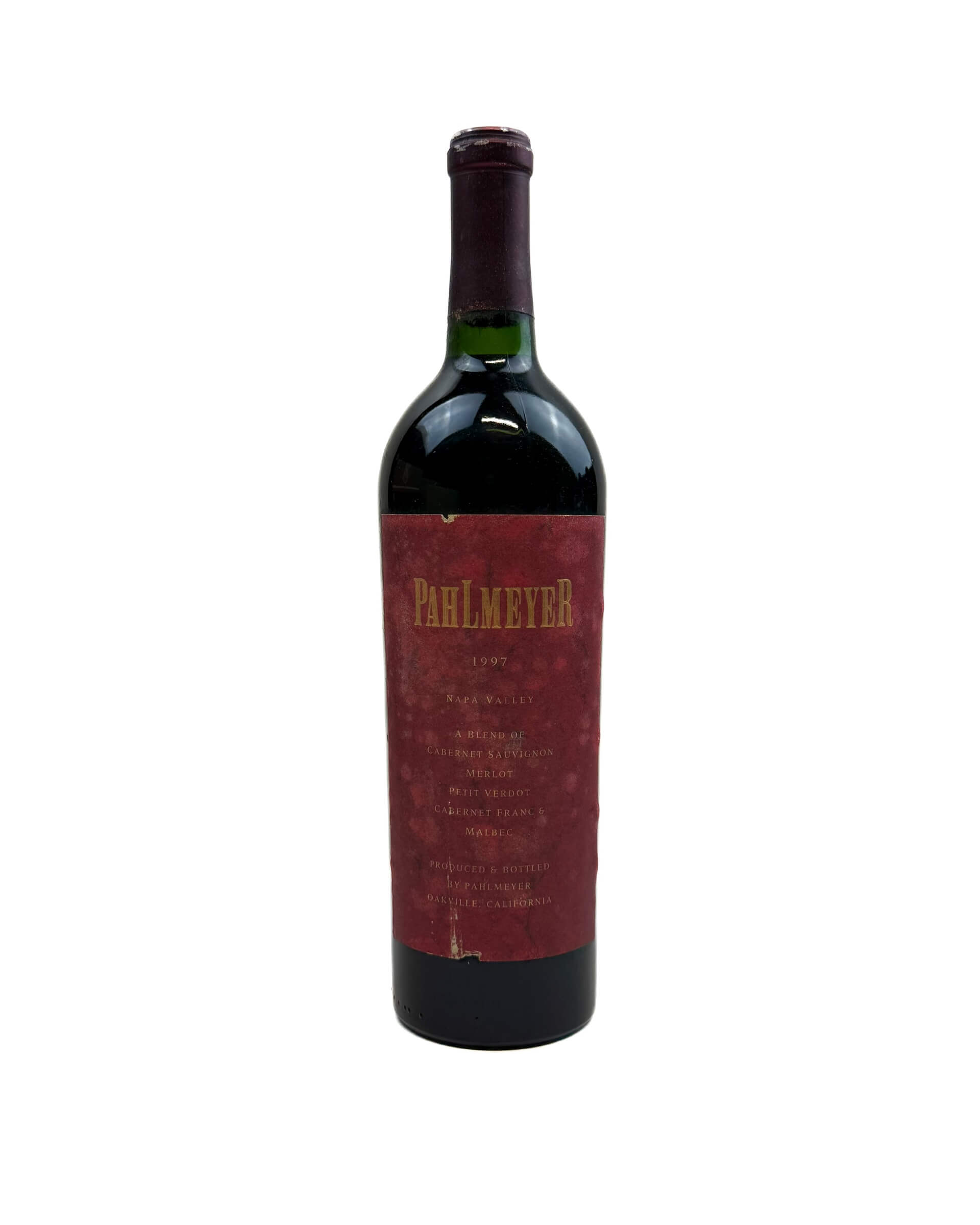
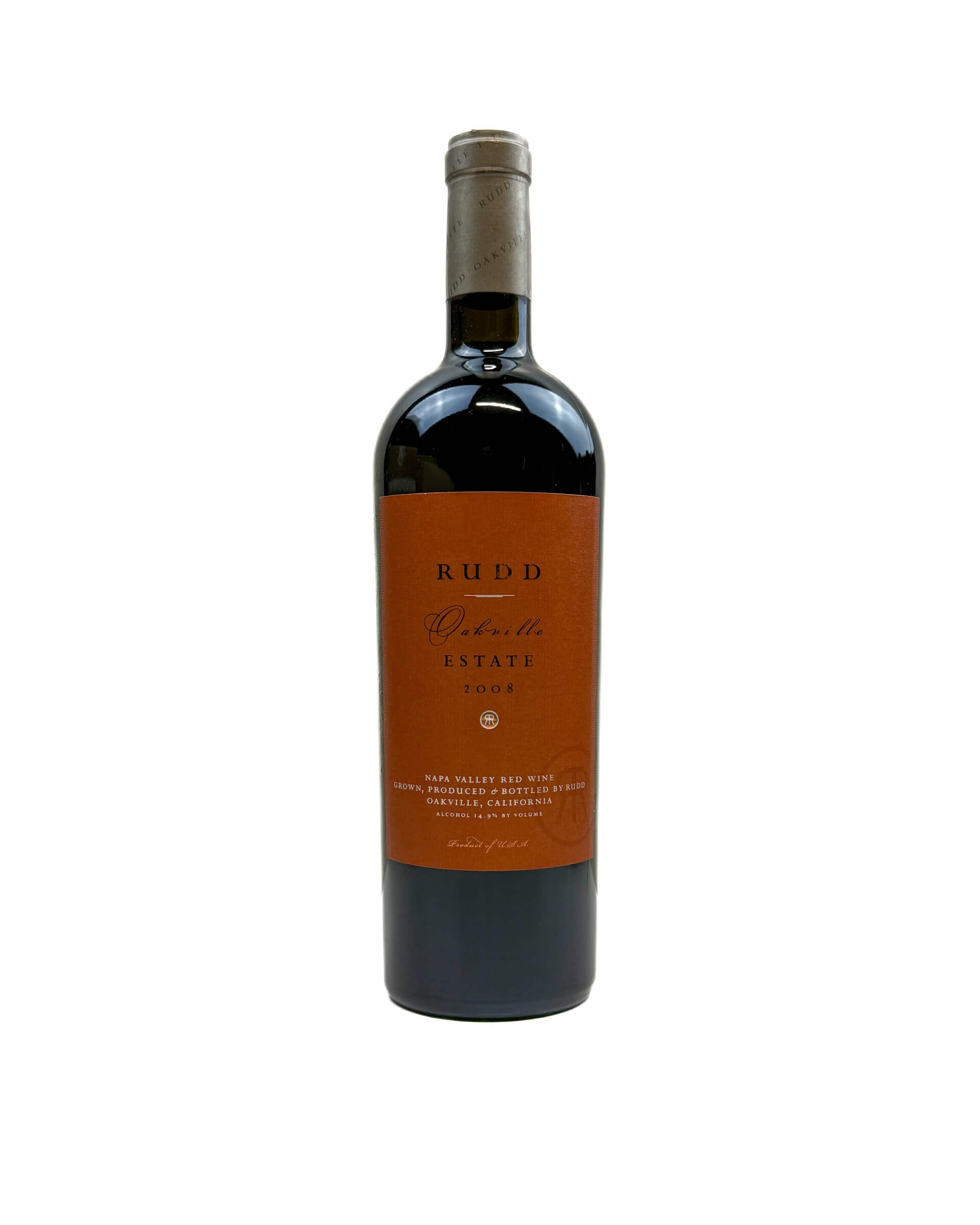

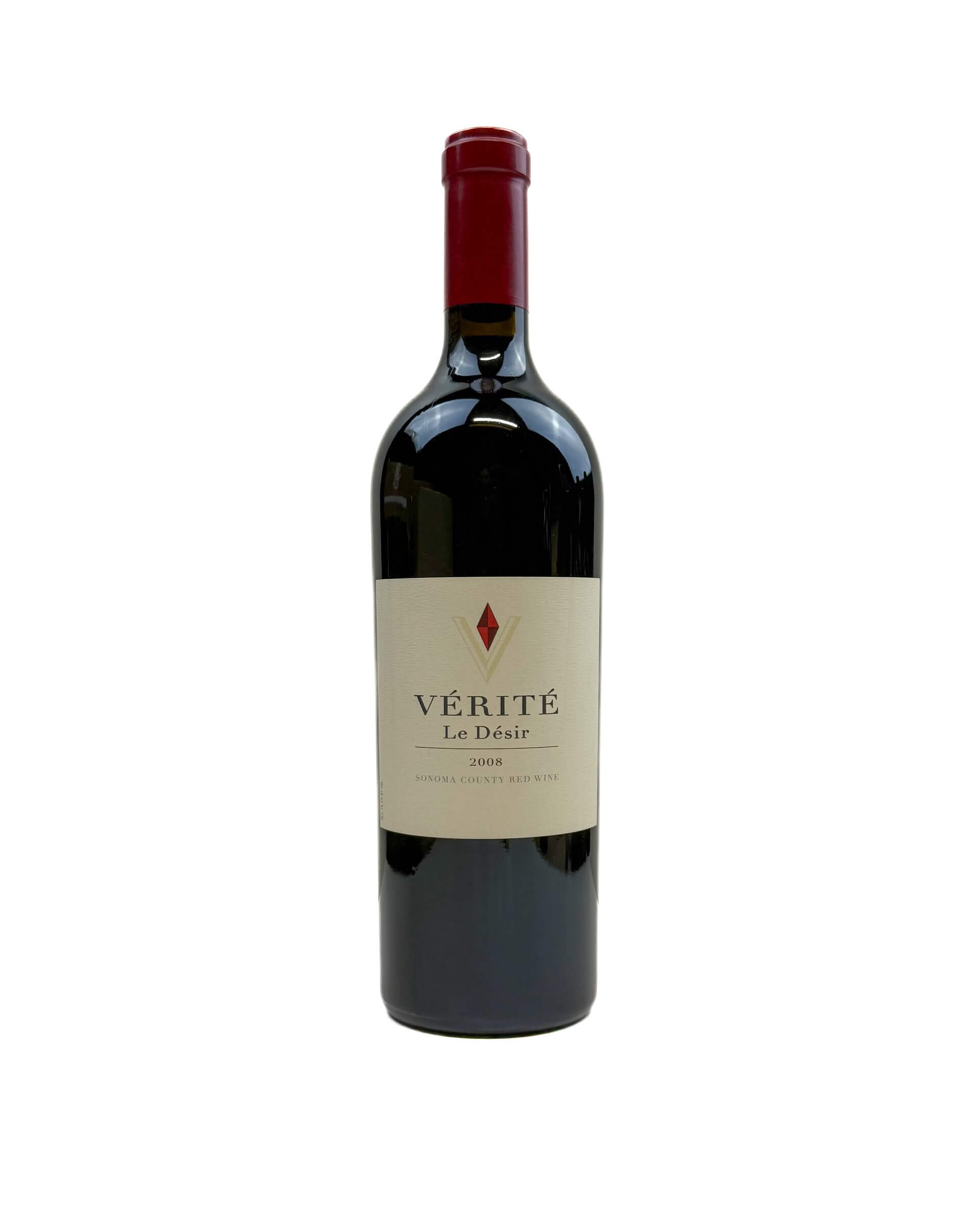
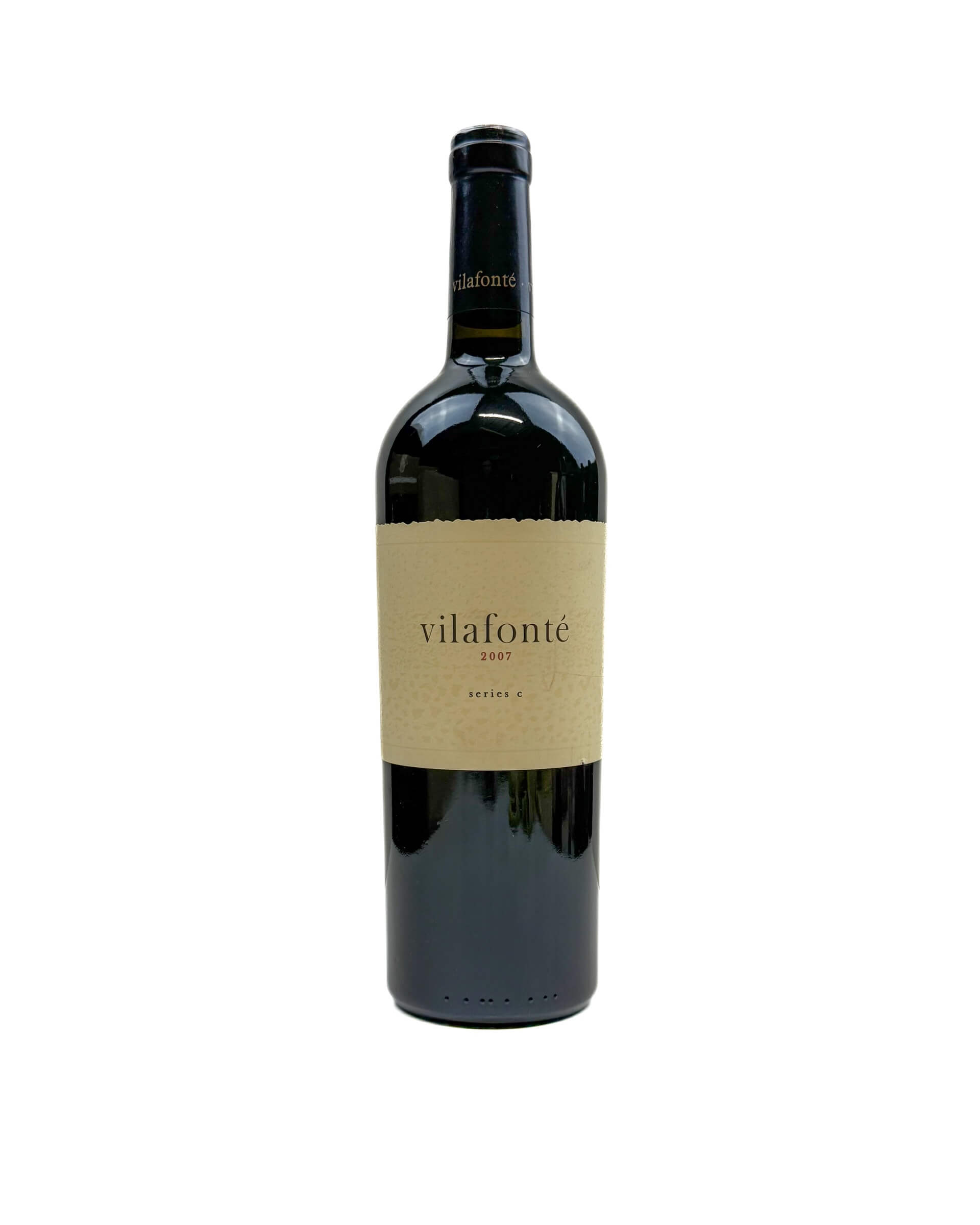
Malbec is one of the great paradoxes of the wine world: a grape with deep French roots that earned its global fame thousands of kilometres away. For most drinkers today, malbec wine means Argentina — inky, plush, generous reds built around dark plum and violet. Yet the variety began as a French grape, and at Tour de Wine we treat it as one, presenting Malbec across both hemispheres rather than as a single national style.
The grape is French by origin, known in France as Côt. It is one of the permitted blending varieties of Bordeaux and the dominant grape of Cahors in Southwest France, where it produces some of the darkest, most age-worthy reds in the country. In the mid-19th century it crossed the Atlantic, found the high-altitude vineyards of Mendoza, and over time made Argentina the variety’s largest grower and its most celebrated modern home — so completely that the grape’s French birthplace is now widely forgotten.
Our selection of ten bottles is a specialist edit rather than an exhaustive list: a tightly curated spread that runs from approachable Argentine expressions through serious Cahors to high-altitude, single-vineyard wines we consider among the most compelling in our red wines range. What follows is a buyer’s guide to the grape — its character, its homelands old and new, how to serve it, and how to choose within the collection.
Malbec is a thick-skinned, deeply pigmented variety — one of the darkest reds you will pour. In the glass it sits opaque at the core with a vivid magenta rim in youth, and on the palate it is medium to full-bodied, with a plush, rounded texture that drinkers often find immediately likeable. The defining feature of malbec wine taste is its fruit: black plum, blackberry and blueberry, lifted by a signature note of dried violet.
Style depends heavily on where the grape grows. In Cahors and in Bordeaux blends, Malbec is more austere, savoury and structured, with substantial tannin and the capacity to age for many years. In Argentina it is typically plusher and more immediately generous, its tannins ripe and supple. Aged examples develop dark chocolate, leather and tobacco; high-altitude examples often show mocha and graphite. Neither expression is superior — they are the same grape speaking with different accents.
The natural comparison is with Cabernet Sauvignon. Where Cabernet leads with structured graphite and blackcurrant and a firm, grippy frame, Malbec is rounder and more openly fruity, with softer tannins and lower acidity. The malbec vs cabernet sauvignon question really comes down to texture and approachability: Malbec tends to charm earlier, Cabernet to reward patience.
Long before Mendoza, Malbec was a French grape, and understanding its malbec wine regions begins in the southwest of France. Under the name Côt, it is one of the historically permitted red varieties of Bordeaux, and it remains the heart of Cahors AOP, the appellation that has championed the grape for centuries. To understand Malbec properly is to start in France and travel outward.
In Bordeaux, Malbec — Côt — is one of the permitted red grapes of the classic blend, alongside Cabernet Sauvignon, Merlot, Cabernet Franc, Petit Verdot and Carménère. Historically it was more widely planted, particularly on the Right Bank and around Fronsac, but its share has declined sharply as Merlot and Cabernet Franc came to dominate. Today it survives as a minor blending component, valued for the deep colour, dark fruit and tannic grip it lends to a blend. Explore the broader context in our Bordeaux wines collection, and note its frequent partner Cabernet Franc, which shares both the Bordeaux blend and the vineyards of Cahors.
Cahors, in the Lot valley of Southwest France, is the grape’s true French heartland. By regulation a wine labelled Cahors AOP must contain at least 70% Côt (Malbec), with the balance typically Merlot and Tannat. The result earned the historic nickname “the black wine of Cahors,” a reference to the extraordinary colour depth and tannic structure that set these wines apart.
Terroir shapes two broad styles. On the high limestone-clay plateau — the causses — the wines are firm, mineral and built for the long haul; on the lower alluvial terraces along the river they are softer, more fruit-forward and accessible younger. Serious Cahors rewards five to fifteen years in bottle and, at its best, offers complexity comparable to mid-tier Bordeaux. Beside Argentine Malbec it reads leaner, more structured and decidedly savoury — a fundamentally different drinking experience drawn from the same grape.
If France gave Malbec its origin, Argentina gave it fame. The story of malbec from argentina is the story of how a declining French grape became the signature variety of an entire wine nation — and produced, in its best modern bottlings, reds we rate among the most compelling in our New World range.
Argentina embraced Malbec in the mid-19th century, when the French agronomist Michel Pouget introduced cuttings to Mendoza around 1853. Mendoza now accounts for the vast majority of Argentine Malbec, and the key to its quality is altitude: even the region’s lower vineyards sit at roughly 600–900 metres, where cooler conditions moderate temperature and extend the growing season. Base Mendoza bottlings are the category’s welcoming entry point — generous, plum-forward and soft-tannined, built for early, easy drinking.
Luján de Cuyo, at around 900–1,050 metres, is Mendoza’s original premium zone and home to some of Argentina’s oldest Malbec vines, including pre-phylloxera plantings. The style is rounder, warmer and more concentrated, with the classic violet-and-plum profile and firm tannins that allow the best examples to age gracefully for eight to twelve years. This is the “traditional” Argentine Malbec that first established the variety on the international stage and remains many drinkers’ benchmark for what the grape can be.
The Uco Valley — with its sub-zones Tupungato, Tunuyán and San Carlos — is Argentina’s high-altitude frontier, with vineyards climbing from roughly 900 to 1,500 metres. Altitude is the defining quality variable here: cool nights preserve acidity and aromatics, while slow ripening builds complexity without jammy overripeness. The wines turn more mineral and more structured, their aromatics shifting from simple plum toward red fruit, violet, graphite and dark chocolate. The single-vineyard bottlings emerging from Valle de Uco define the global prestige tier of the variety — and represent some of the best malbec wine being made anywhere today.
Good malbec food pairing starts by recognising which style is in the glass. A tannic Cahors, a rounded Mendoza and a structured high-altitude Uco wine each ask for a slightly different plate.
Malbec shows best a touch below room temperature, and most examples benefit from air. The right malbec serving temperature and decanting time depend on age and style:
Because the collection is curated rather than comprehensive, choosing well is a matter of matching the right tier to your purpose. The good news for anyone looking to buy malbec wine with confidence is that the ten bottles span the grape’s full expressive range, from easy weeknight reds to cellar-worthy single vineyards, all priced in euros.
The curious newcomer. Entry into the selection begins from around €28, where you find honest, approachable expressions of the grape — generous black-fruit character, soft tannins and the variety’s natural warmth without premium complexity. This is the tier of the base Mendoza style — the kind of soft, plum-forward bottling associated with producers such as Catena or Achaval-Ferrer’s entry Malbec: wines for immediate drinking and ideal first encounters with the grape. (A catalogue minimum of €15 exists as an outlier, but €28 is the realistic practical starting point.)
The engaged enthusiast. This is a deliberately premium-heavy edit, so the catalogue median sits high — near €170 — rather than in the budget tier you might expect from a broader range. That midpoint is the sweet spot for serious Cahors or premium Argentine Malbec from respected sub-appellations: the territory of producers such as Château du Cèdre in the Lot valley, or old-vine Luján de Cuyo cuvées in the Achaval-Ferrer single-finca mould. At this level you encounter genuine terroir — the structured “black wine” intensity of Cahors, or a Mendoza from old vines with the depth and length to reward five to eight years in the cellar. For the grape’s French context, our France collection sets the scene.
The collector. Toward the top, around €350 and up to the selection’s ceiling of €370, you reach the finest curated expressions: high-altitude Valle de Uco single-vineyard Malbec in the Catena Adrianna or Zuccardi Aluvional idiom, or exceptional Cahors from a great vintage in the Château du Cèdre “Le Cèdre” mould — wines with the complexity and ageing potential to stand alongside serious European reds. Across all three tiers, this remains a small, deliberate edit from a French specialist merchant, not an attempt to stock everything.
Malbec is made as a dry red wine in every serious commercial expression. The impression of sweetness comes from the grape’s naturally generous dark fruit — black plum, blueberry and ripe blackberry — and from the plush, rounded tannins that make it feel lush on the palate. There is no residual sugar in dry Malbec. Argentine examples from warmer, lower-altitude zones can taste especially fruit-forward and soft, which novice tasters sometimes read as “sweet,” but the wine is technically dry. Cahors, by contrast, can taste decidedly austere and tannic in youth, leaving no ambiguity at all.
Malbec is a French grape variety, known in France as Côt. Its most historically significant appellation is Cahors in Southwest France, where it has been cultivated since at least the Middle Ages and where it must make up at least 70% of any wine labelled Cahors AOP; it also appears as a minor blending grape in Bordeaux. In the mid-19th century, the French agronomist Michel Pouget introduced Malbec cuttings to Argentina’s Mendoza region. The grape thrived at altitude, and Argentina became the variety’s largest grower and most celebrated modern home — so thoroughly that many drinkers now assume Malbec is Argentine. It is not: it is a French grape that achieved its greatest popular fame abroad.
The practical question is usually which to open and when. Reach for Malbec when you want a red that drinks well young and flatters grilled and barbecued food without needing a decade in the cellar — its softer tannins and lower acidity make it the easier midweek choice. Reach for Cabernet Sauvignon when you are buying to lay down: at the very top end Cabernet’s firmer structure and grippier tannin give it the longer cellaring trajectory, often holding and improving beyond where most Malbec has peaked. For a special occasion that calls for ageing potential, classic Cahors and high-altitude Valle de Uco bottlings narrow that gap and are the Malbecs most worth cellaring.
They are the same grape grown in very different conditions, producing wines that can taste like two distinct things. Cahors Malbec grows on limestone and clay in Southwest France at relatively low altitude; the wines are darker, more tannic, more savoury and need more cellaring — the classic “black wine” of Cahors. Argentine Malbec, especially from Mendoza’s lower zones, is usually more approachable, with fuller fruit and softer tannins. High-altitude Argentine Malbec from Valle de Uco and old-vine Luján de Cuyo bridges the gap, more structured and mineral than classic Mendoza — the tier where Old World and New World styles most nearly converge. Tour de Wine’s selection deliberately covers both hemispheres.
Written by the Tour de Wine buying team. Last reviewed: June 2026.
This site is restricted to adults. By entering, you confirm that you are of legal drinking age in your country of residence.