0,7
Ardbeg
Wines, producers, regions...
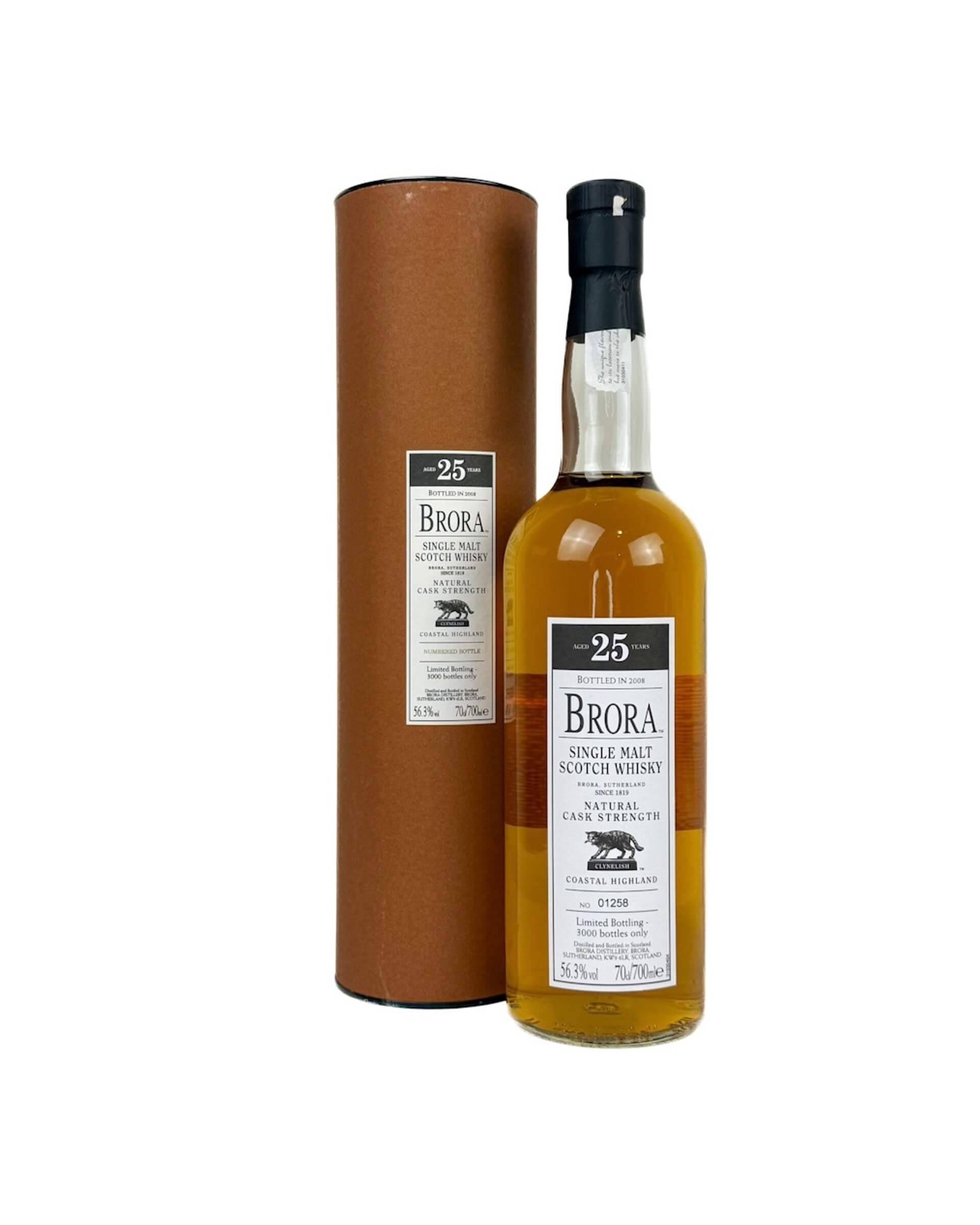
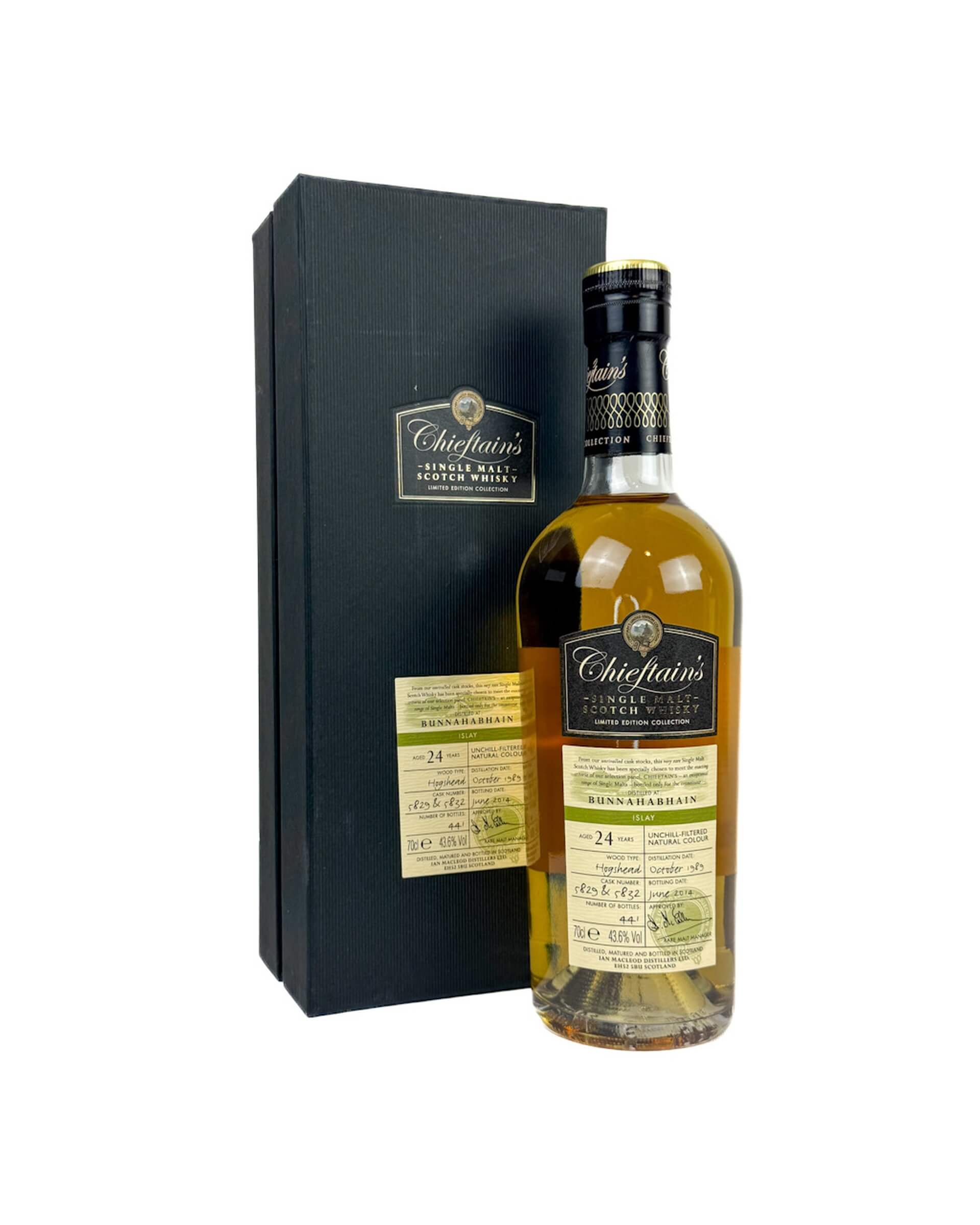
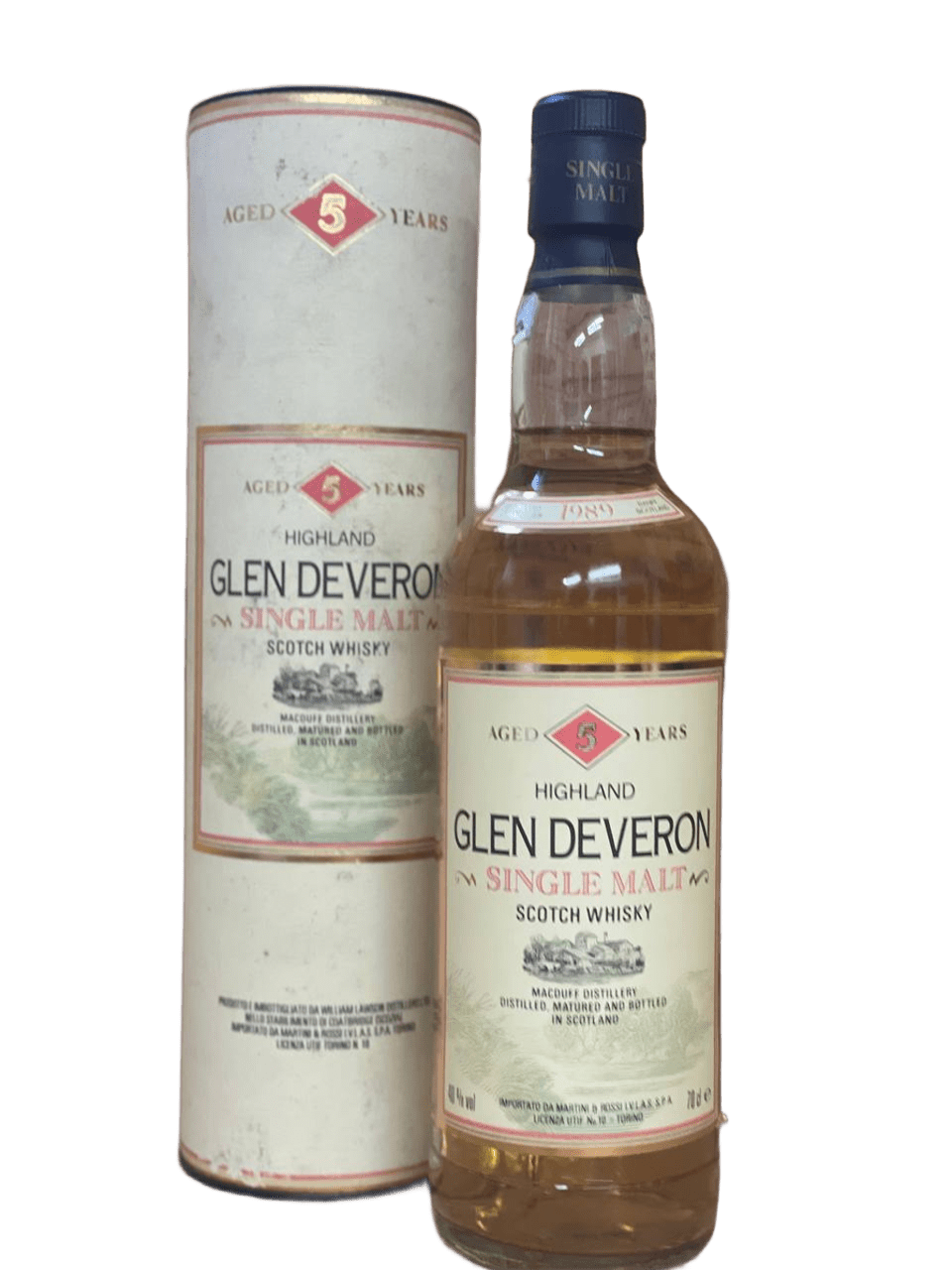
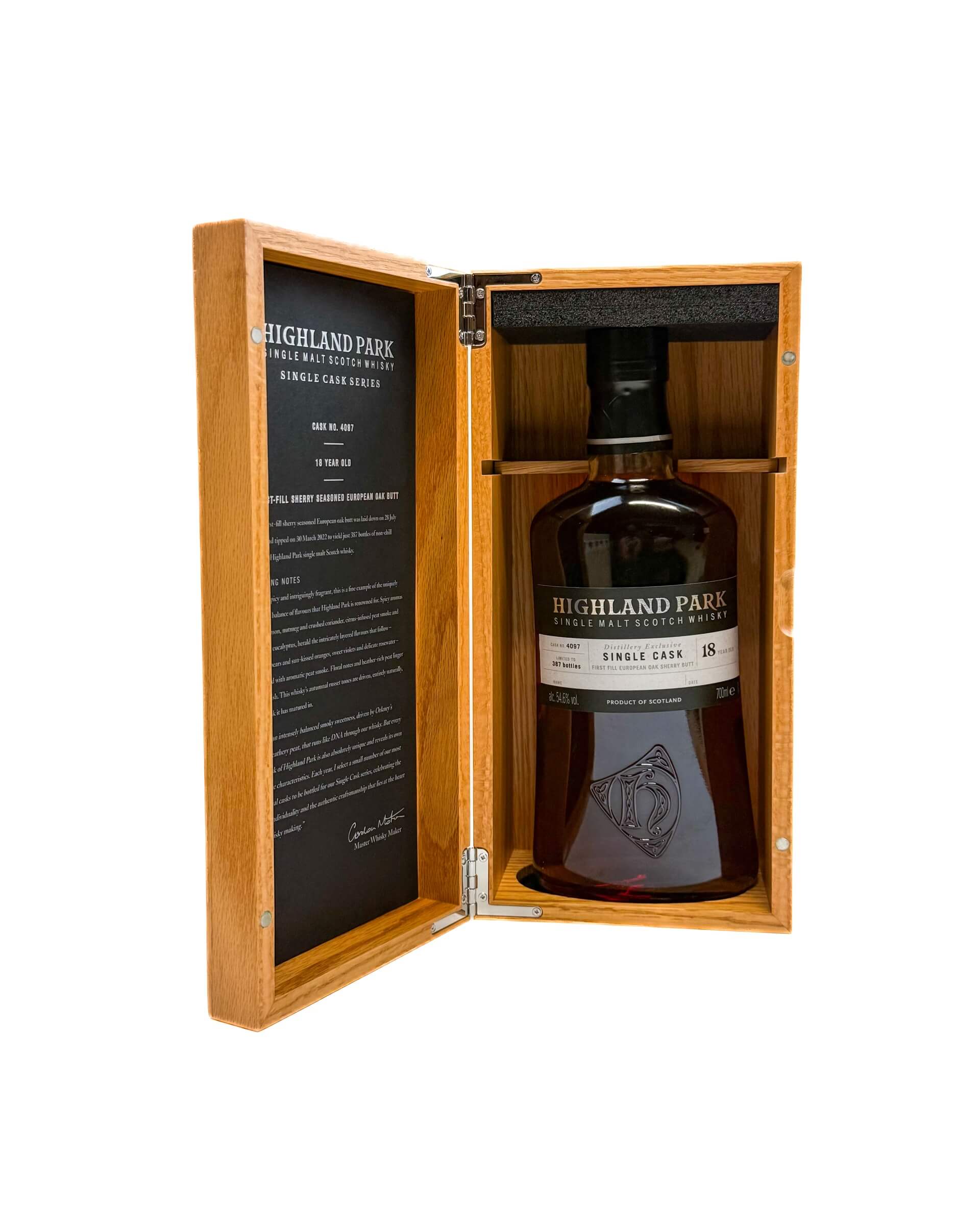
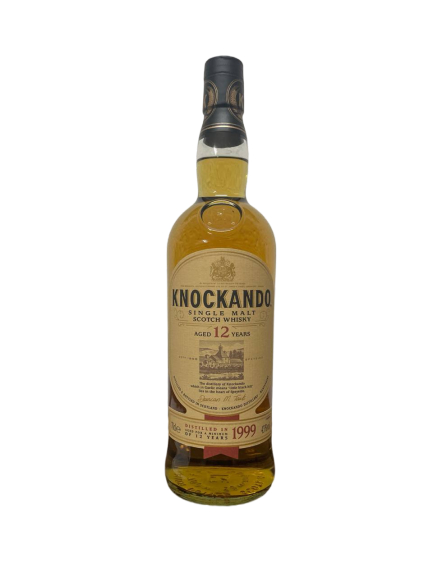
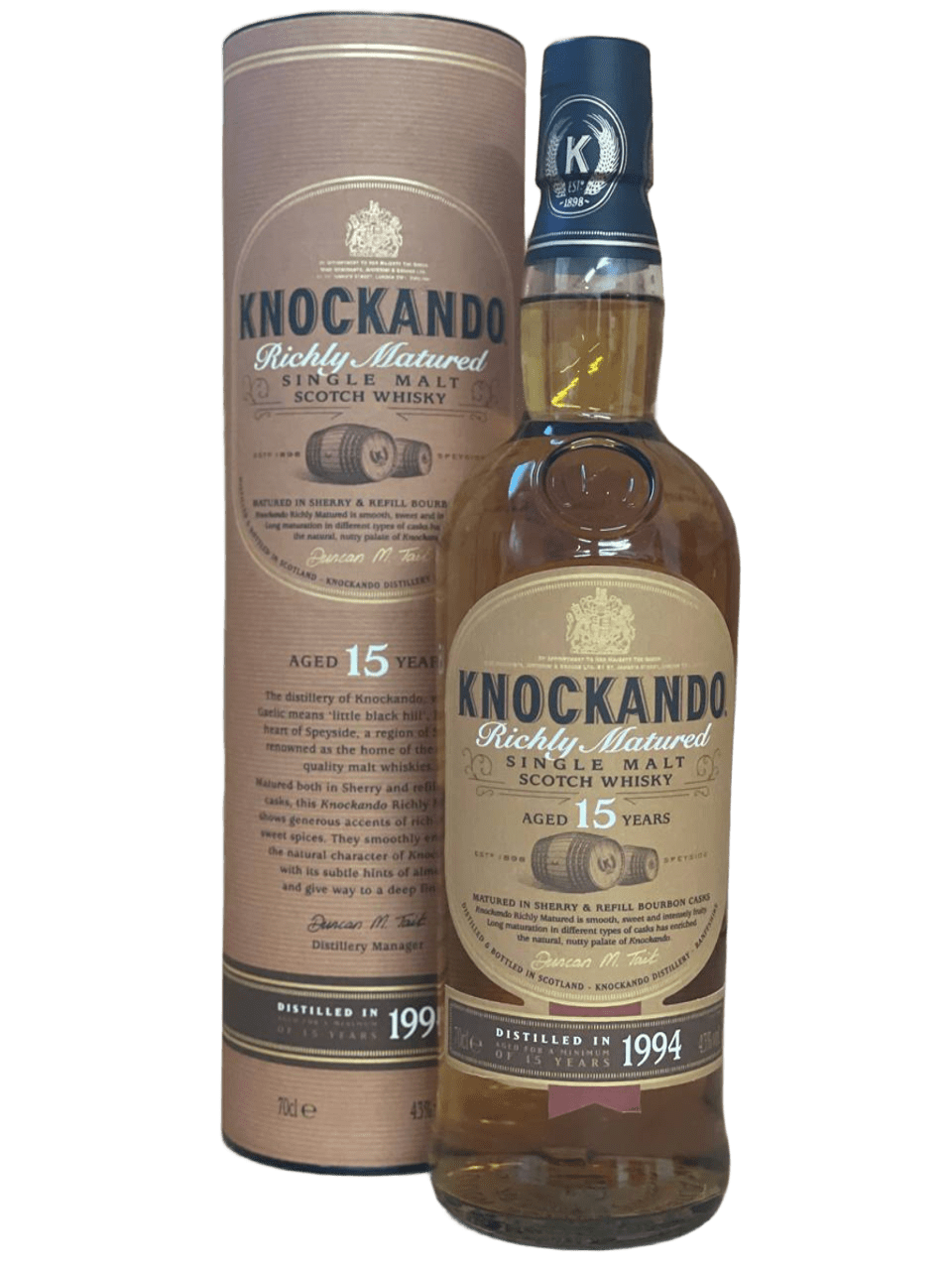
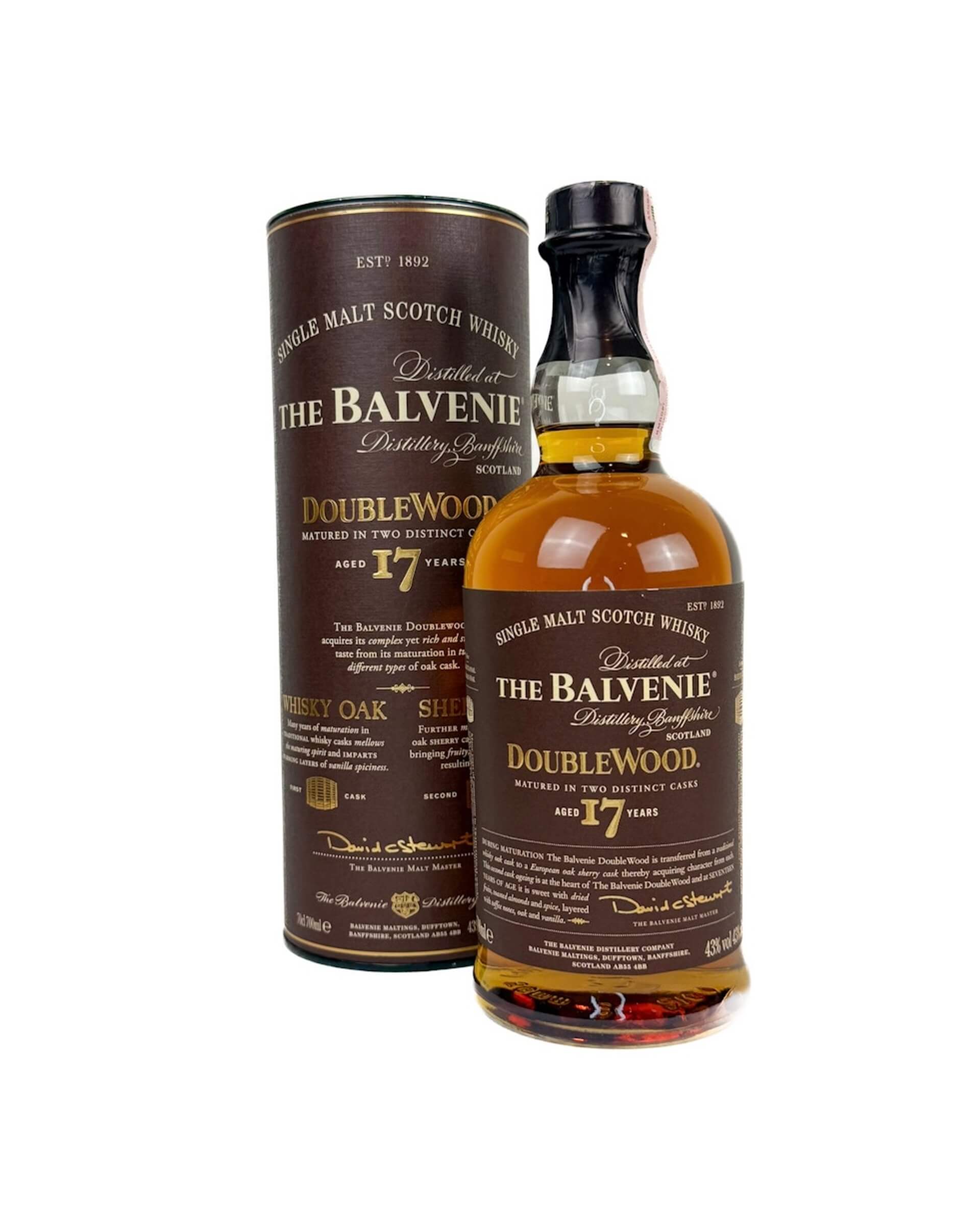
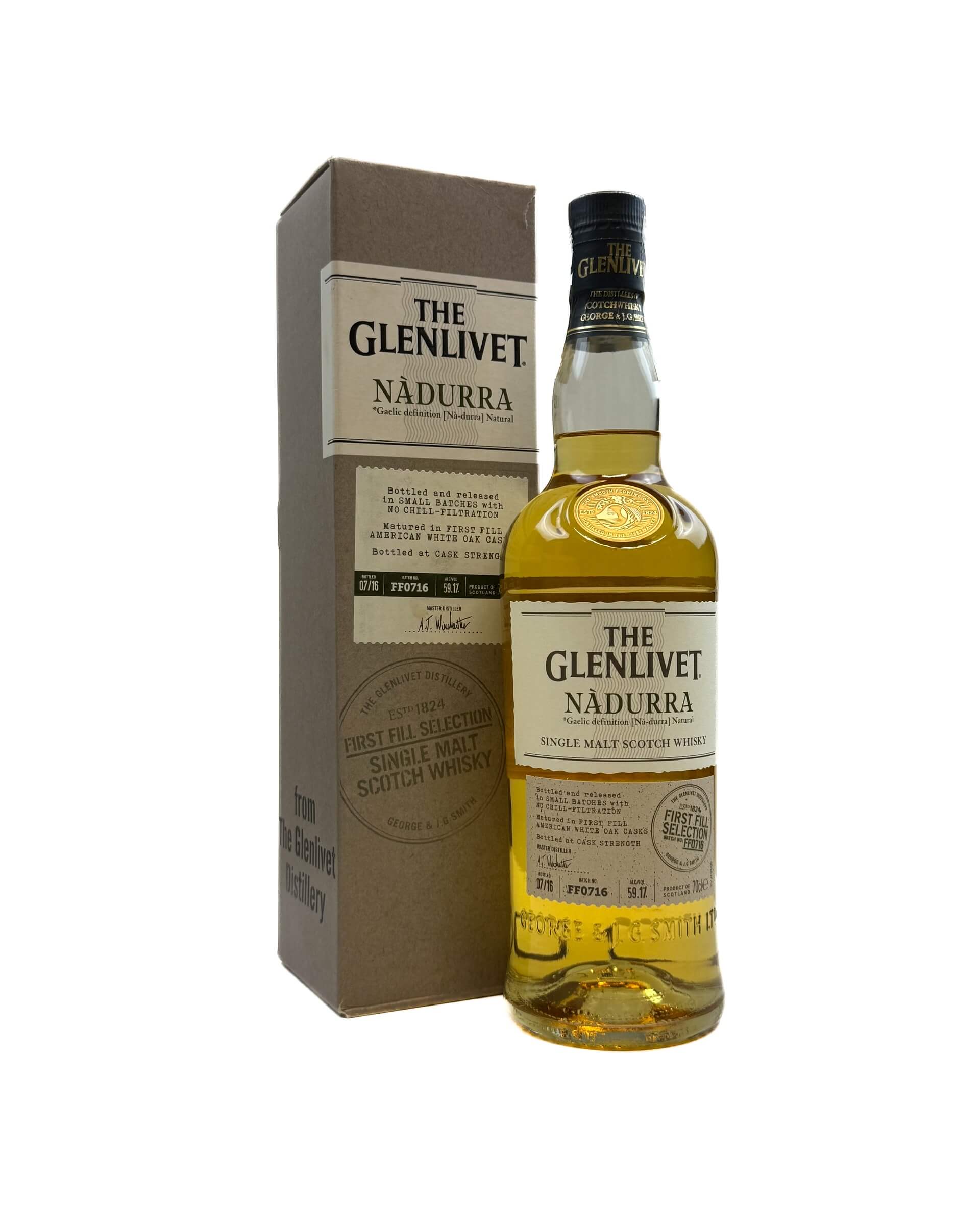
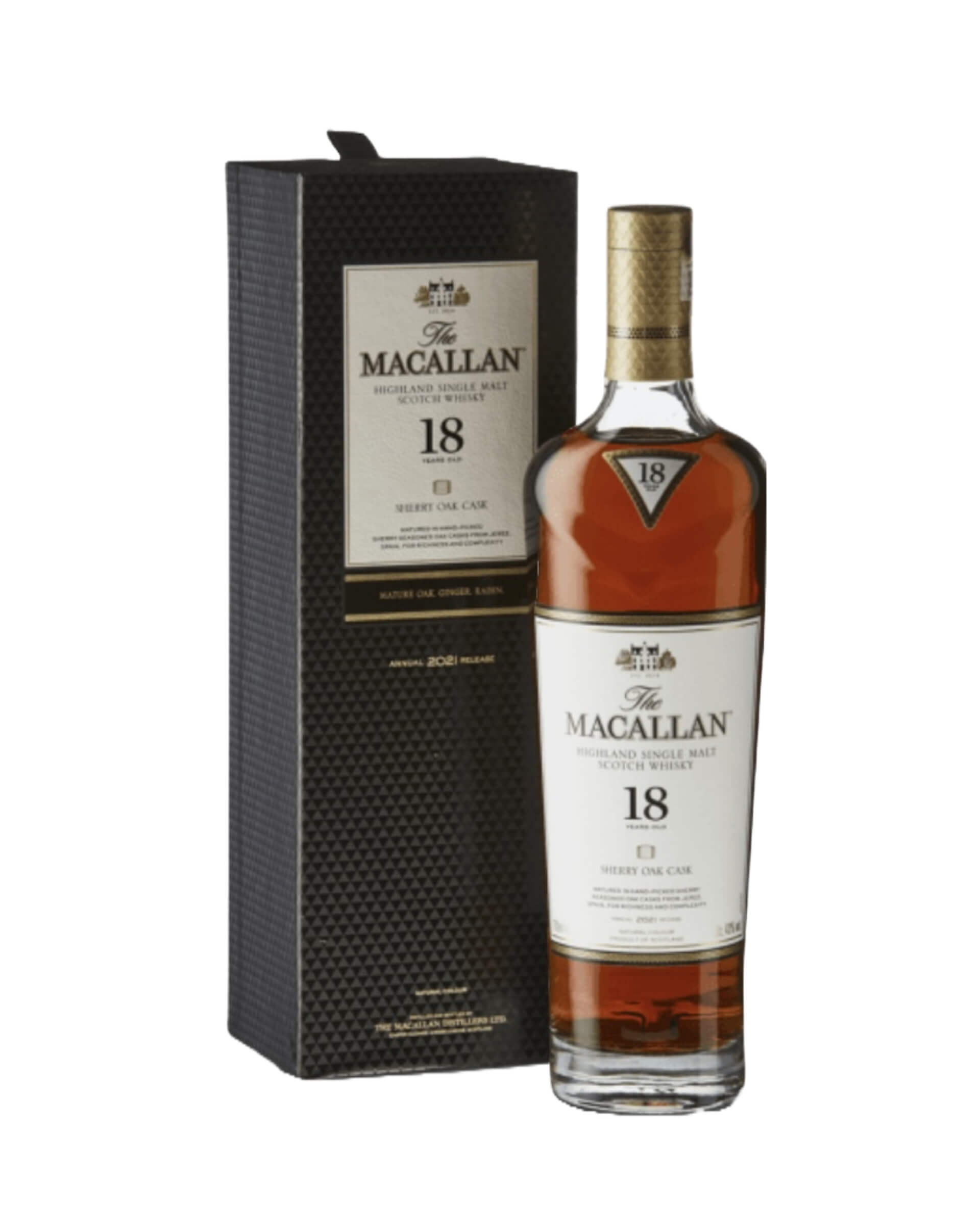
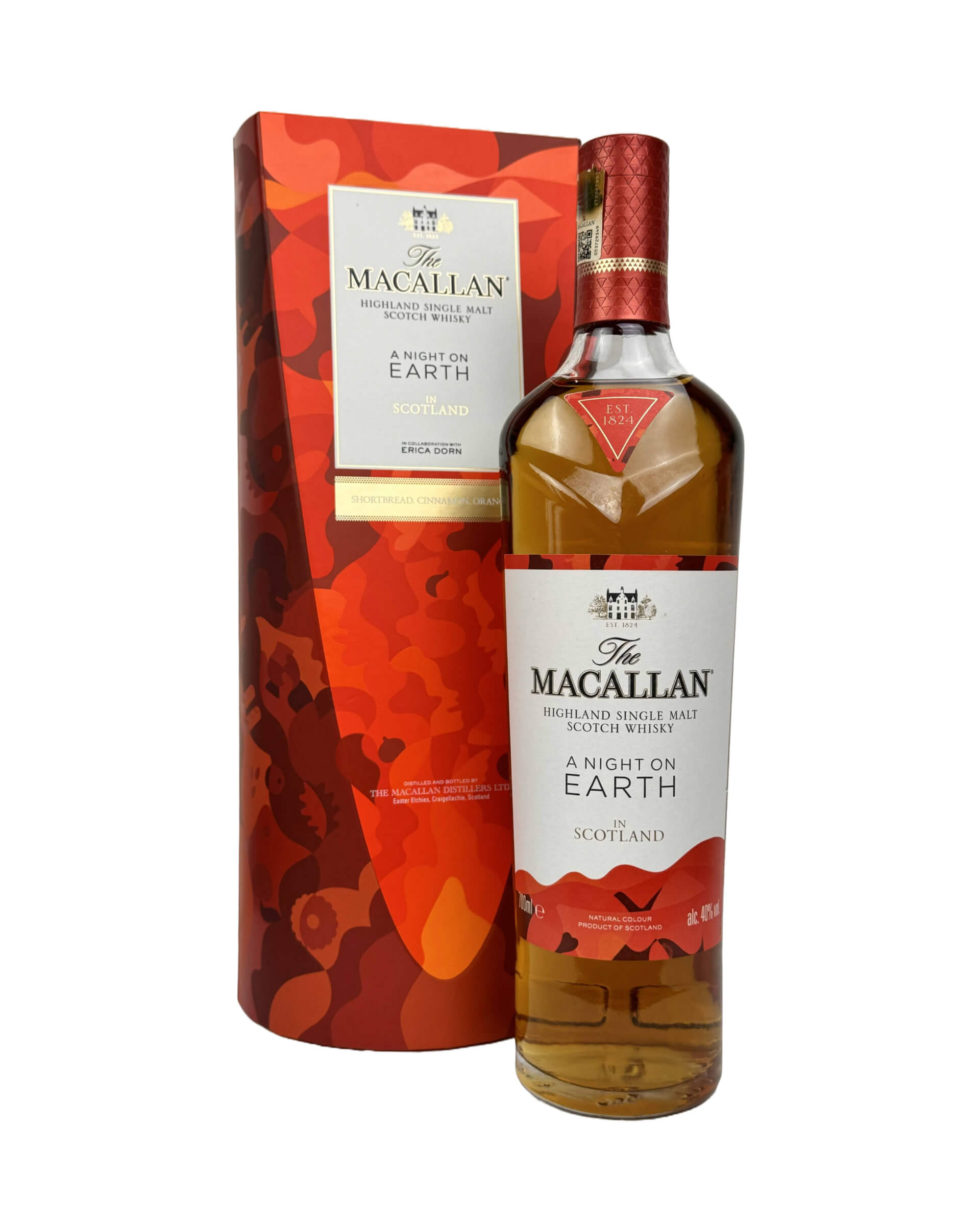
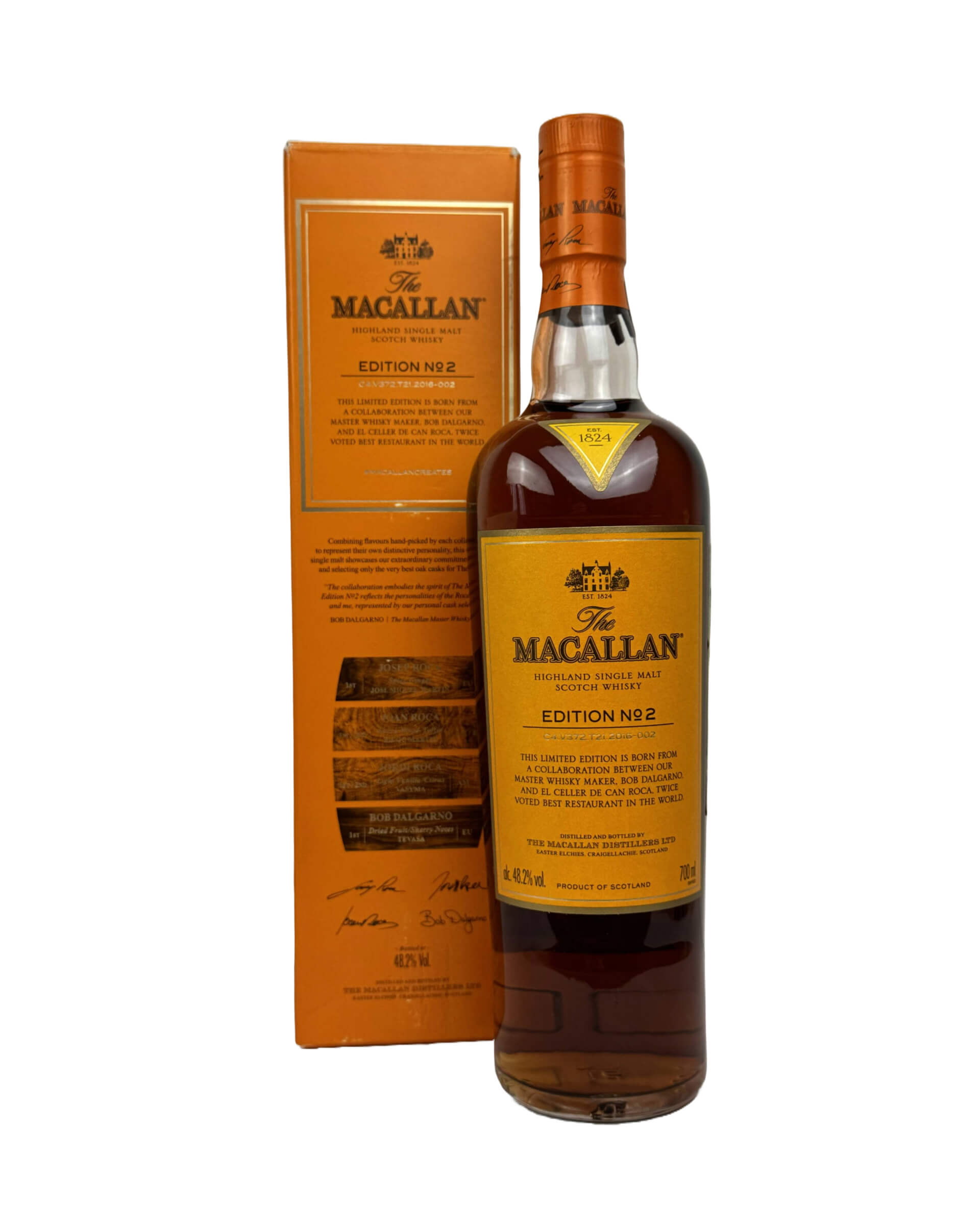
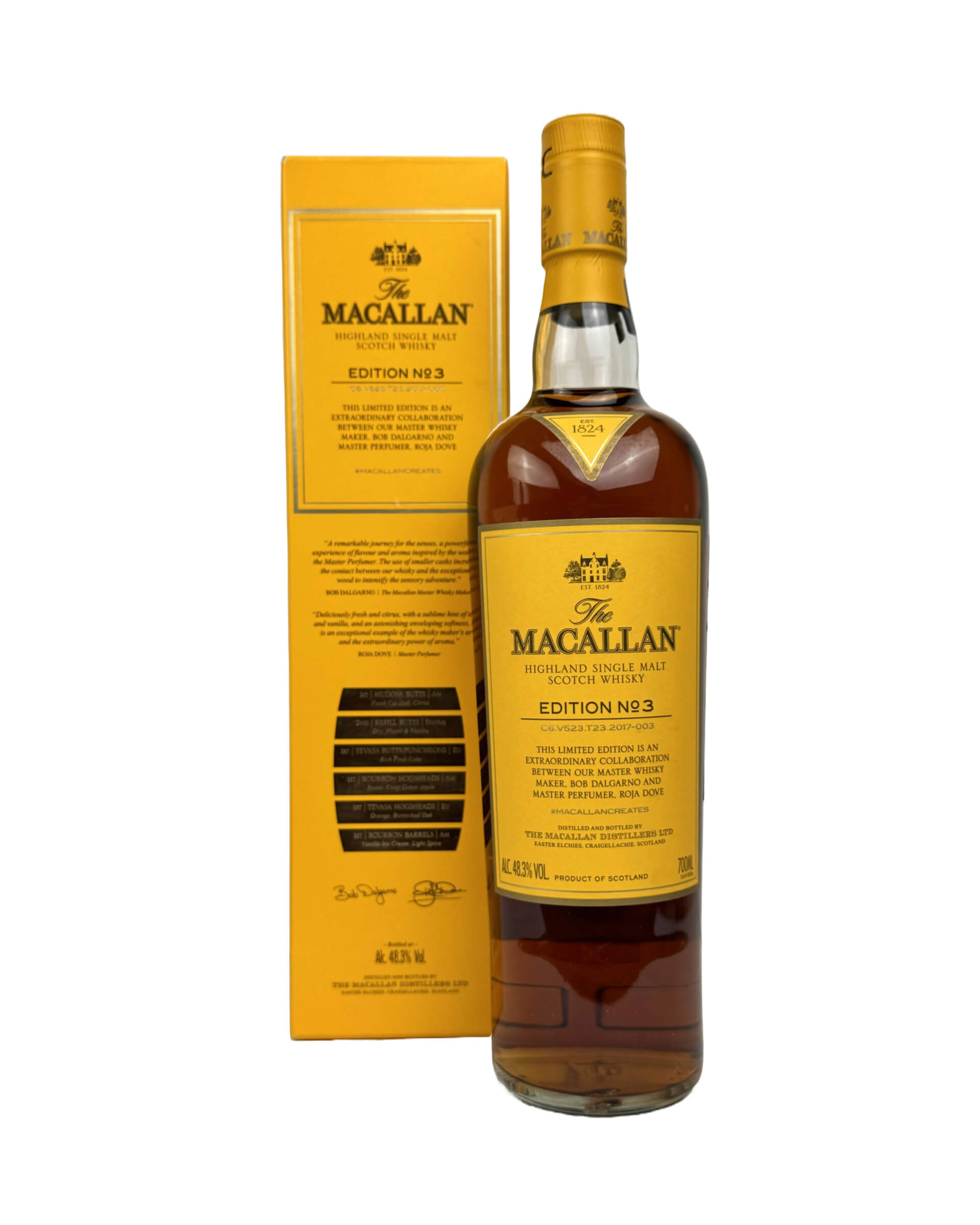
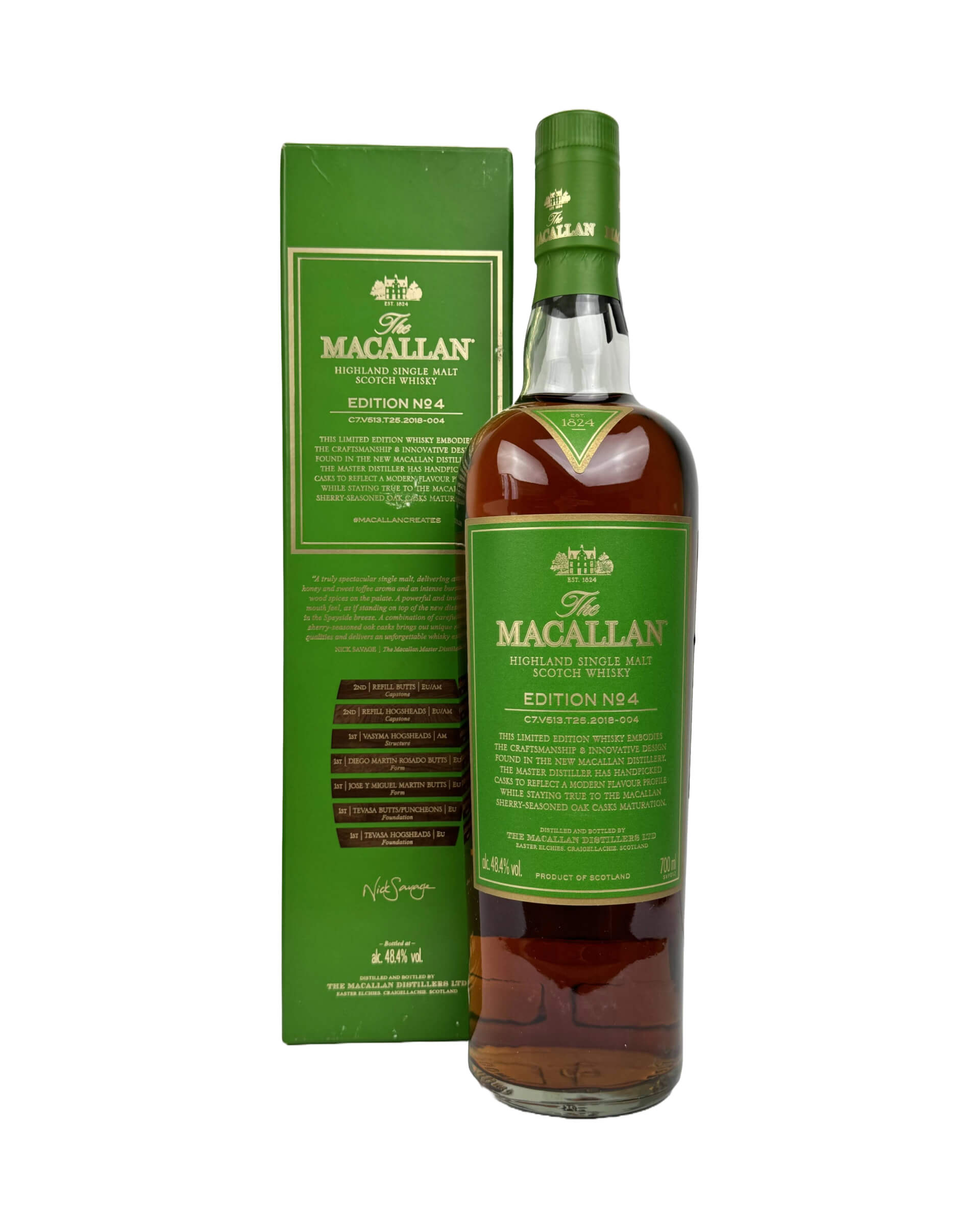
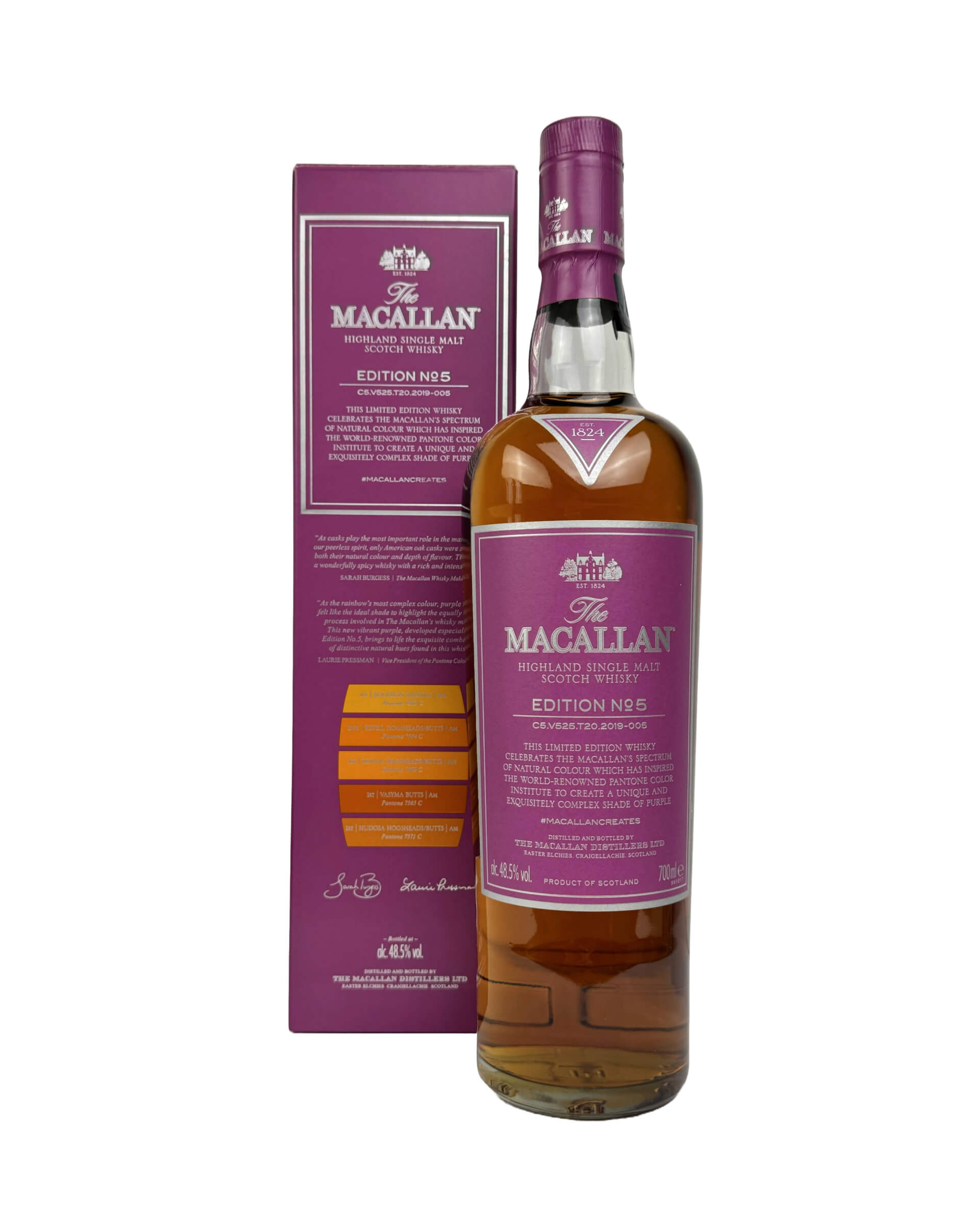

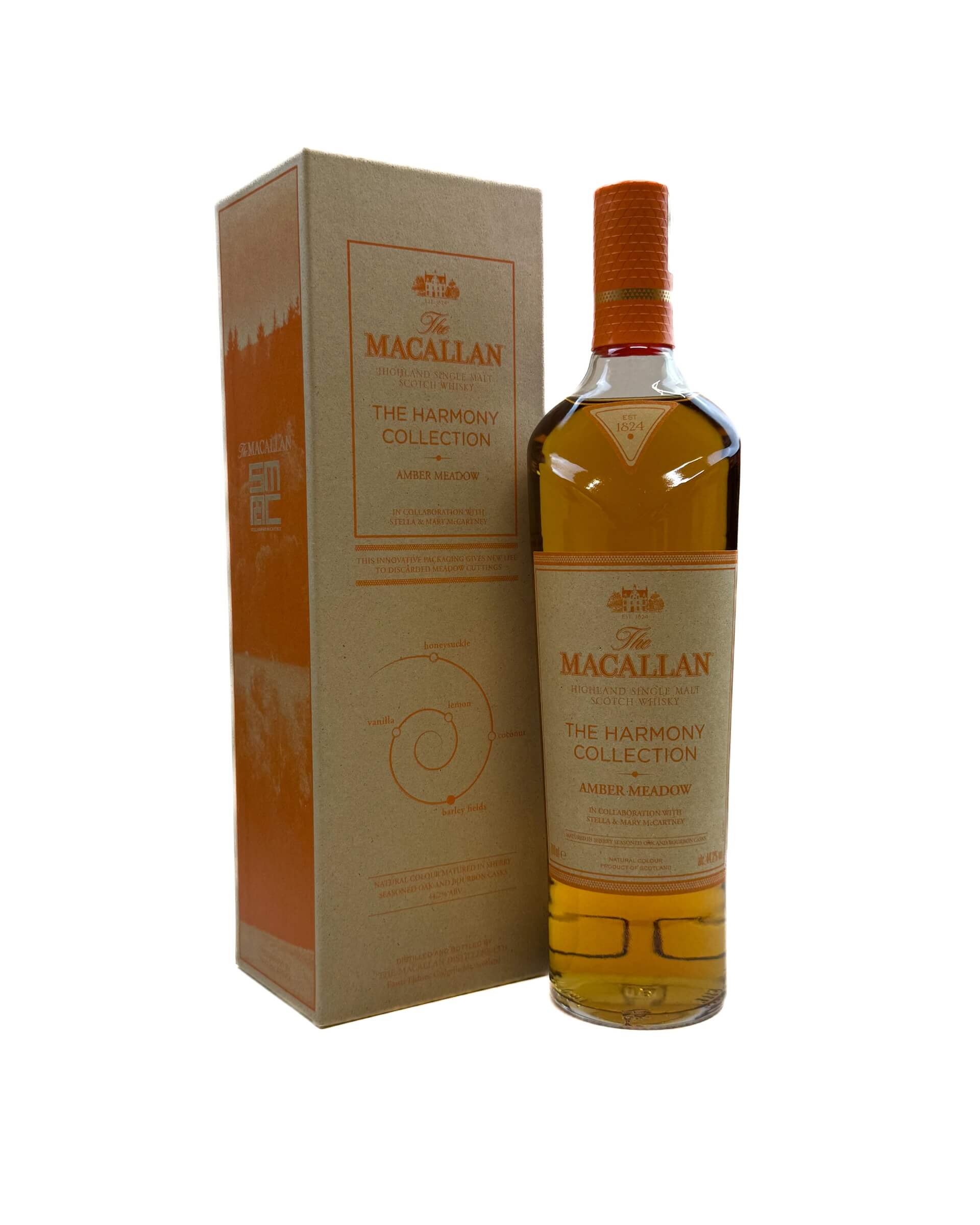
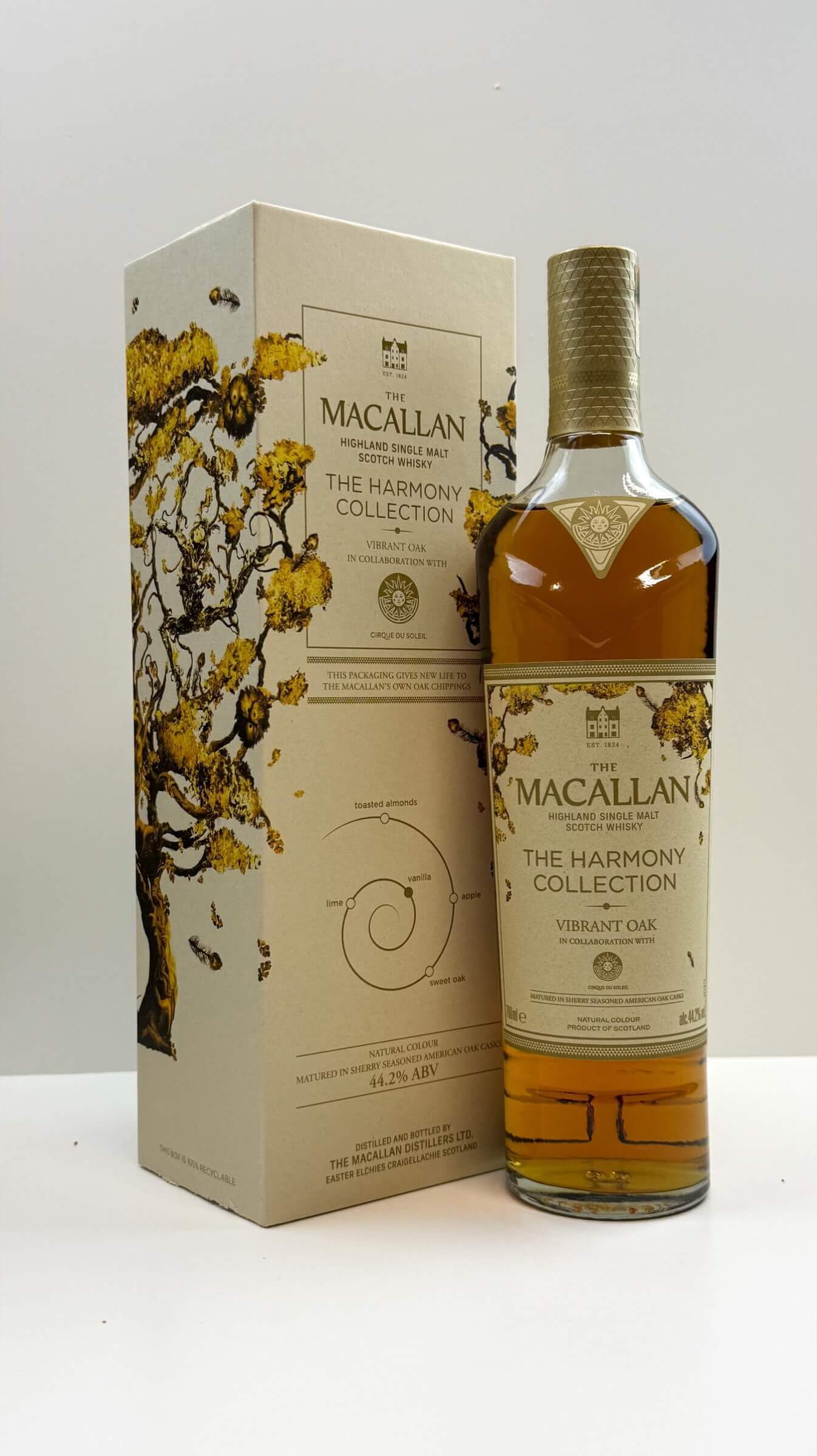
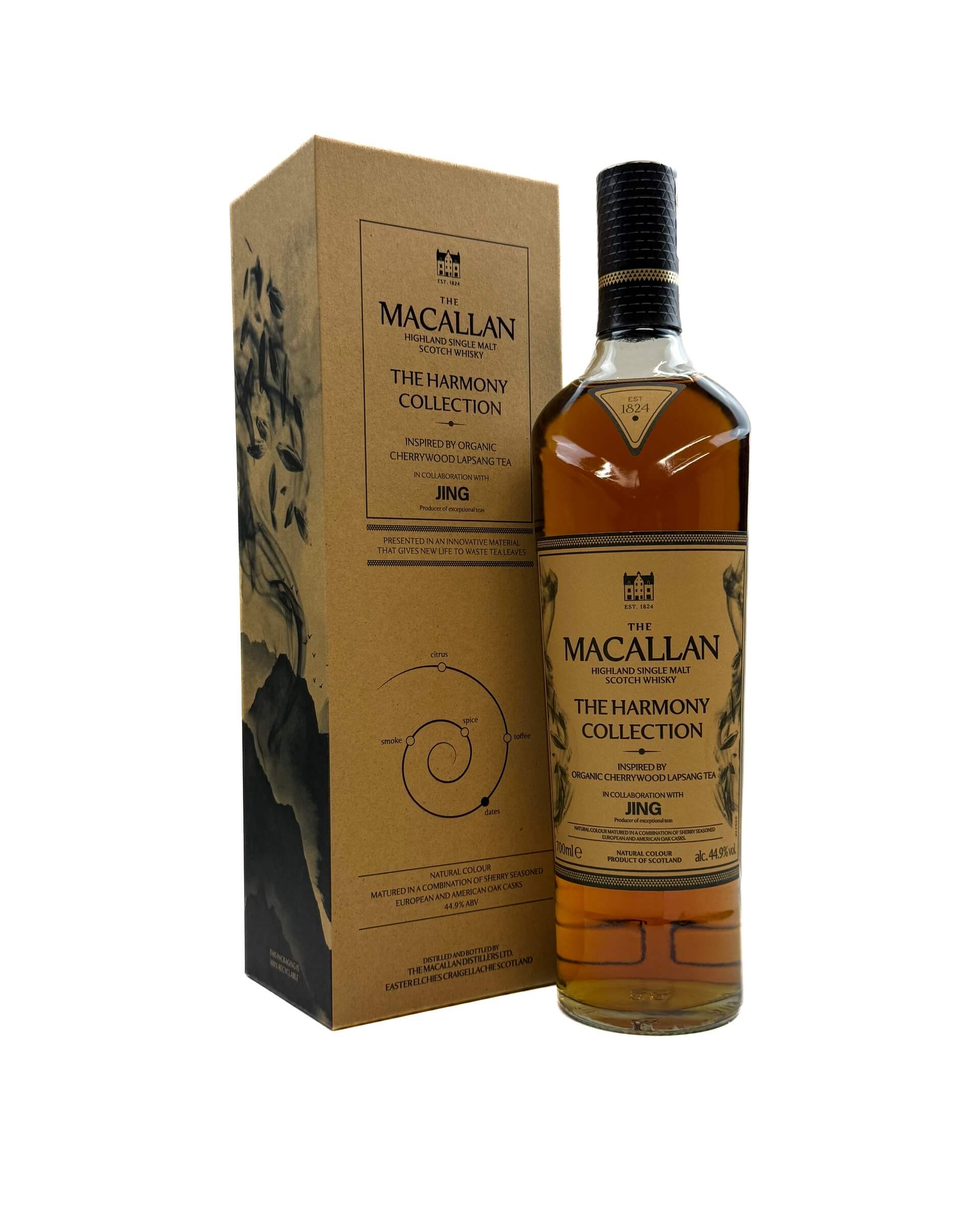
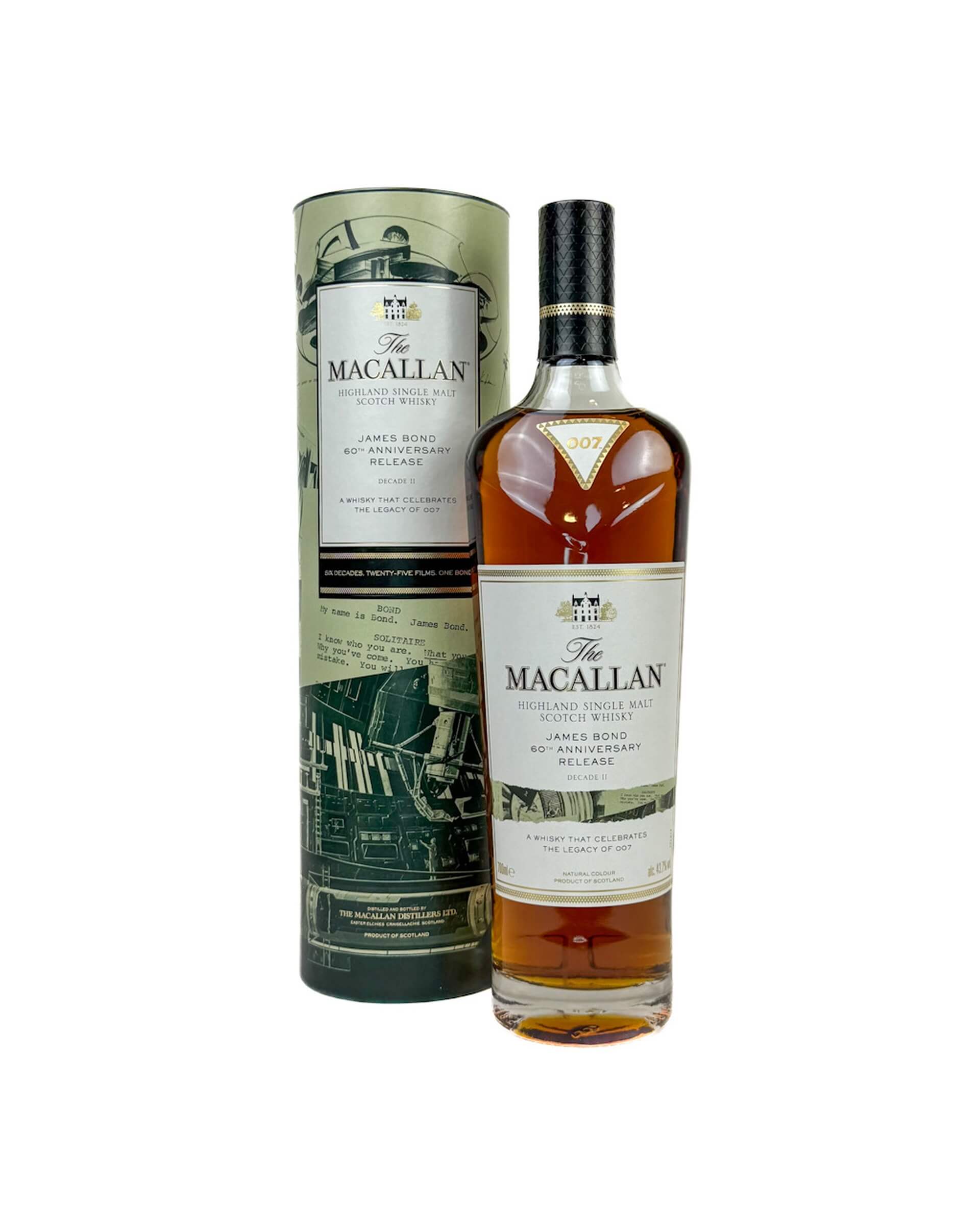
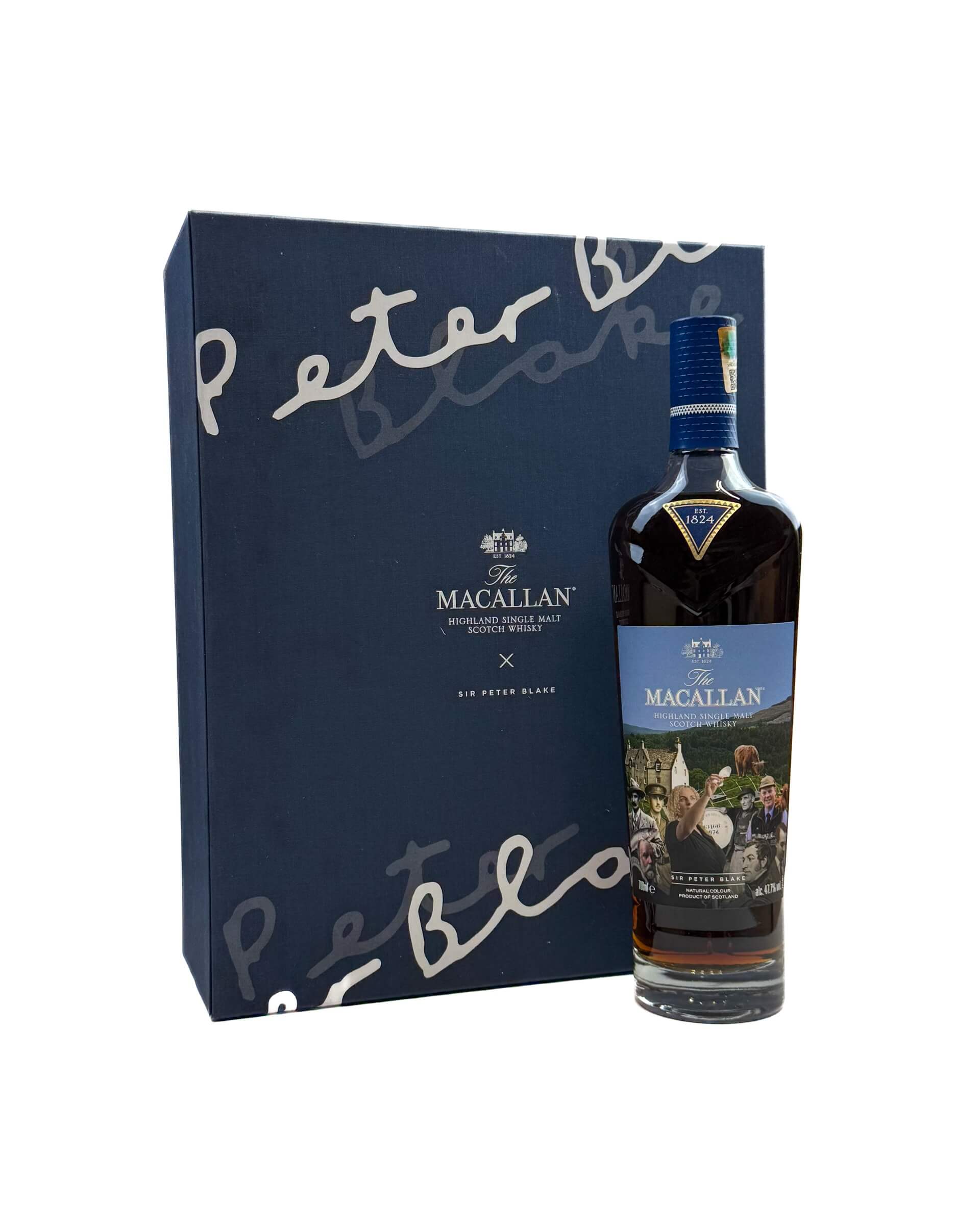
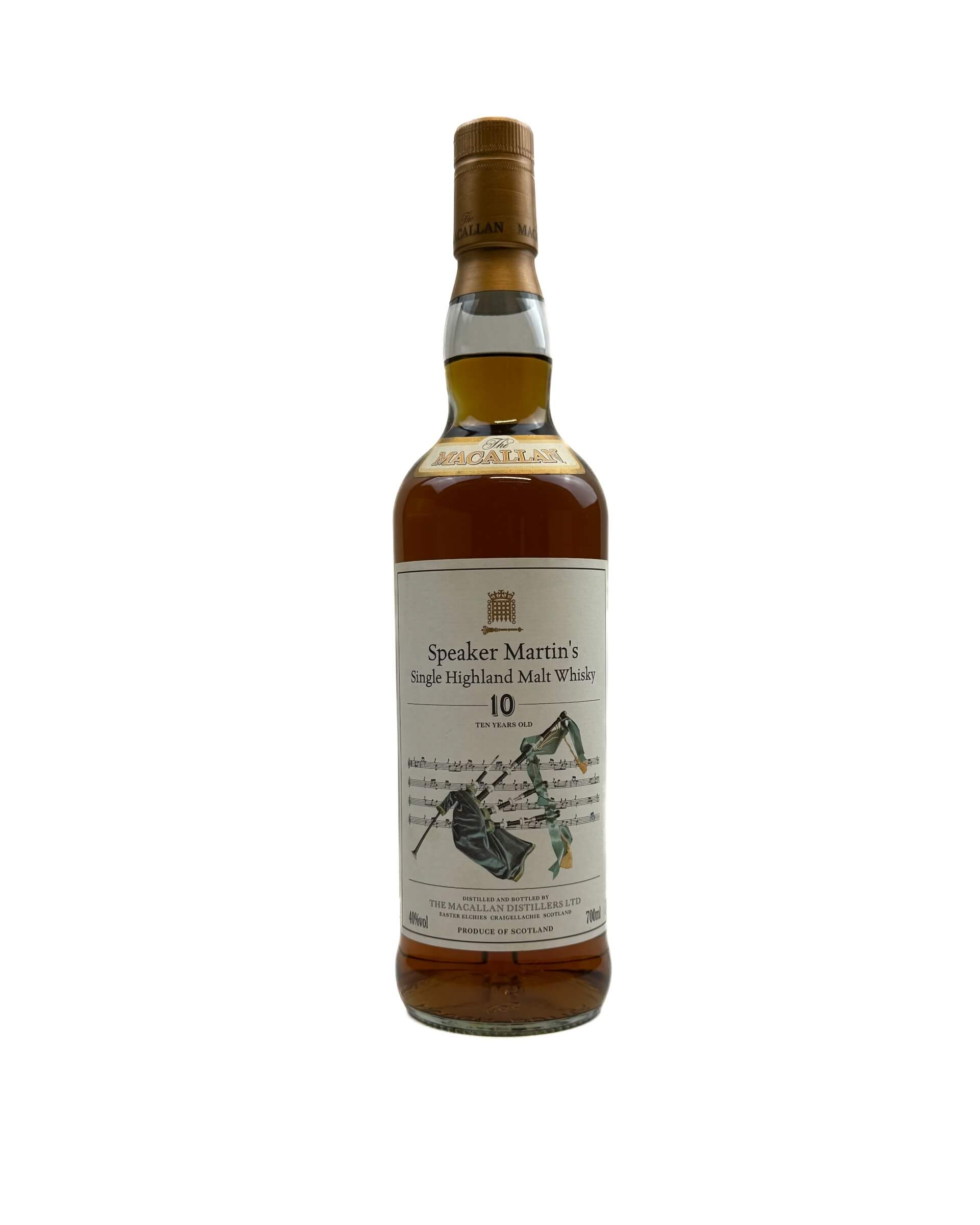
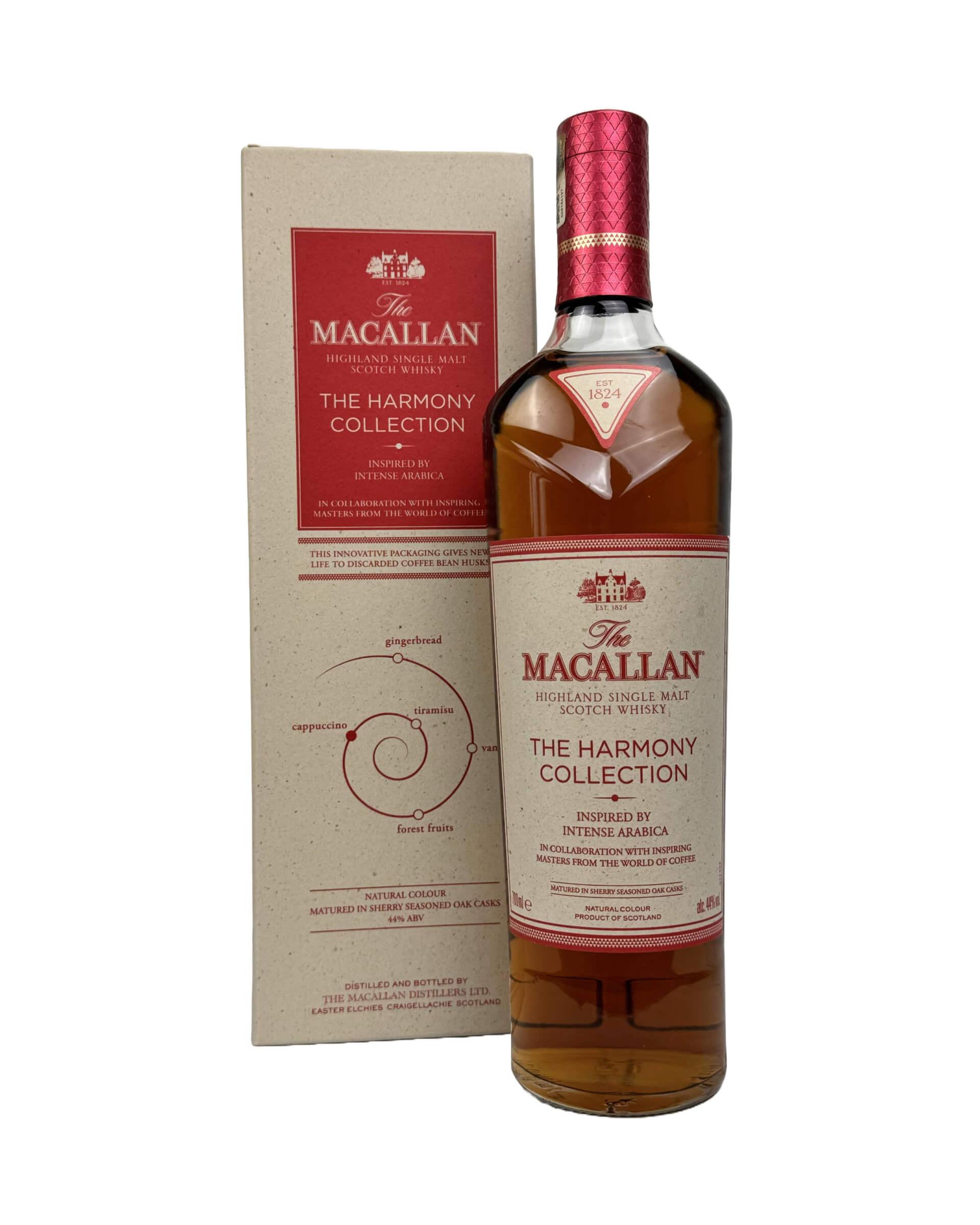
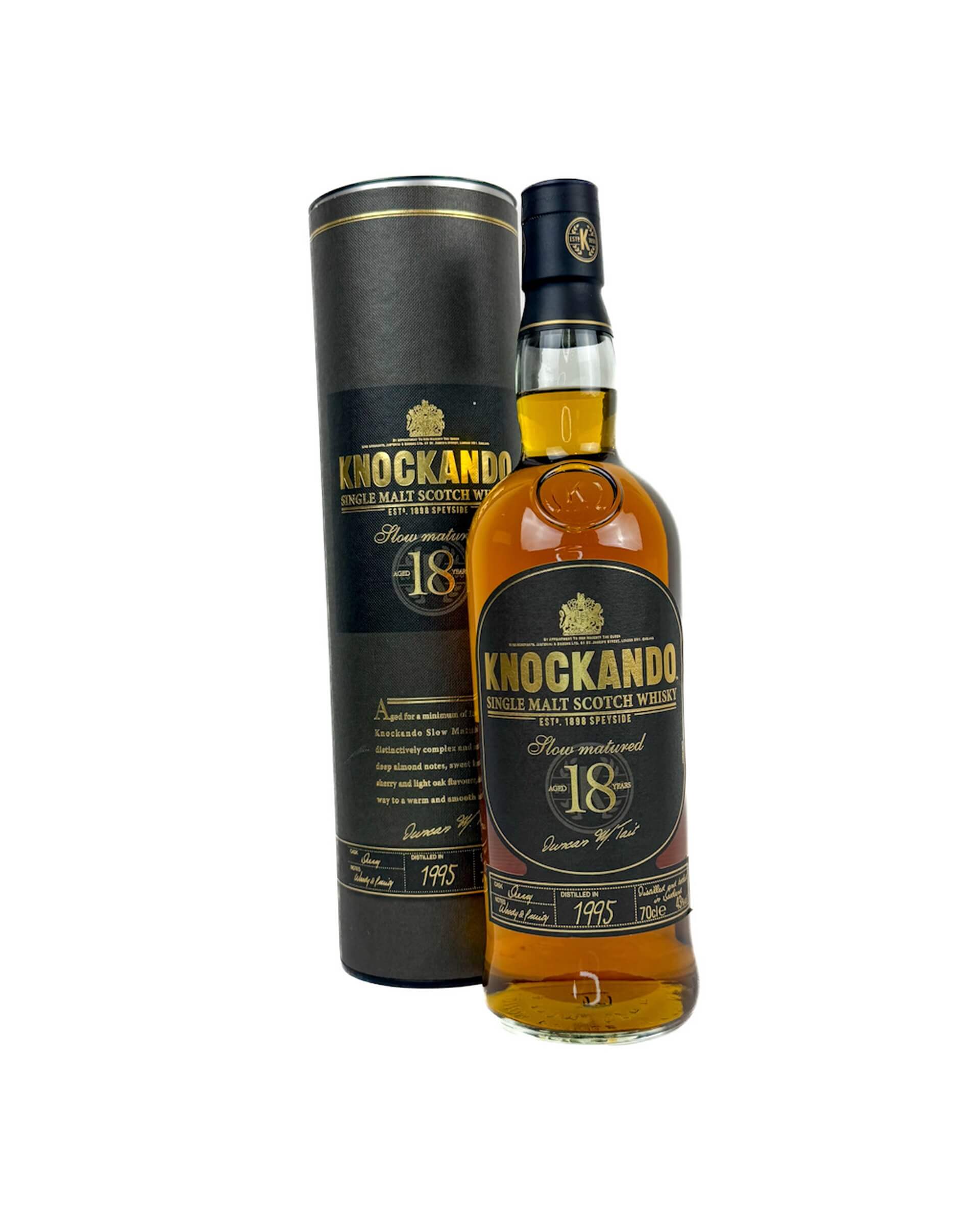
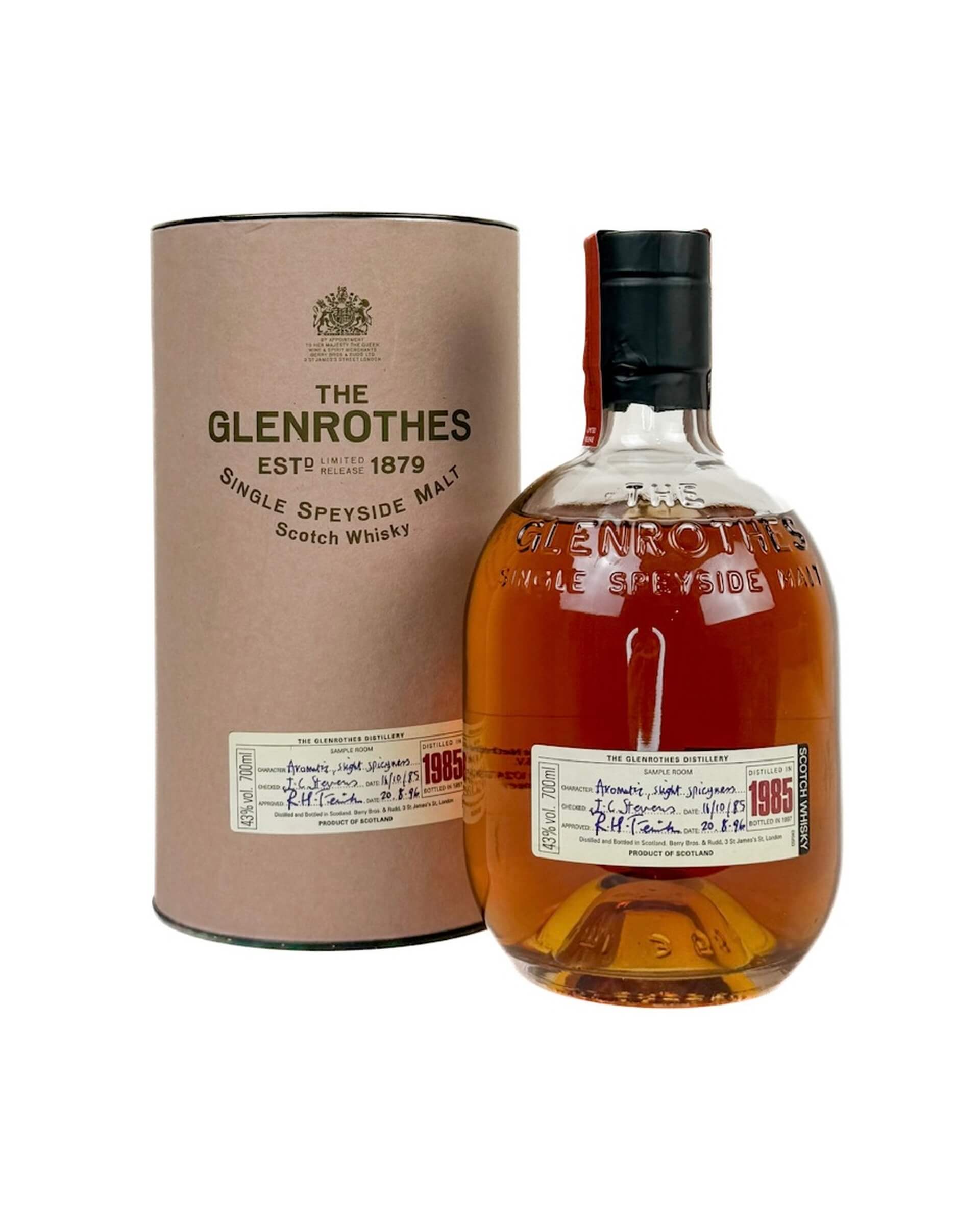

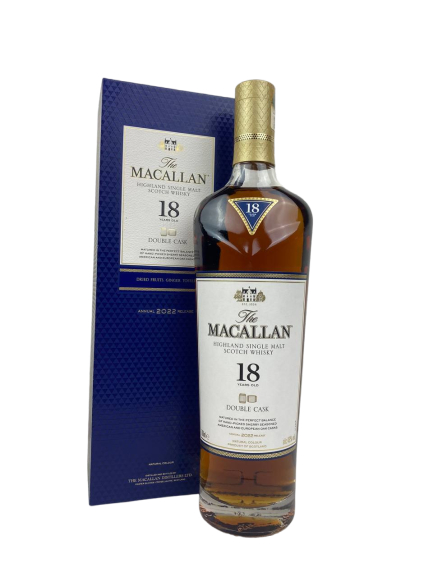
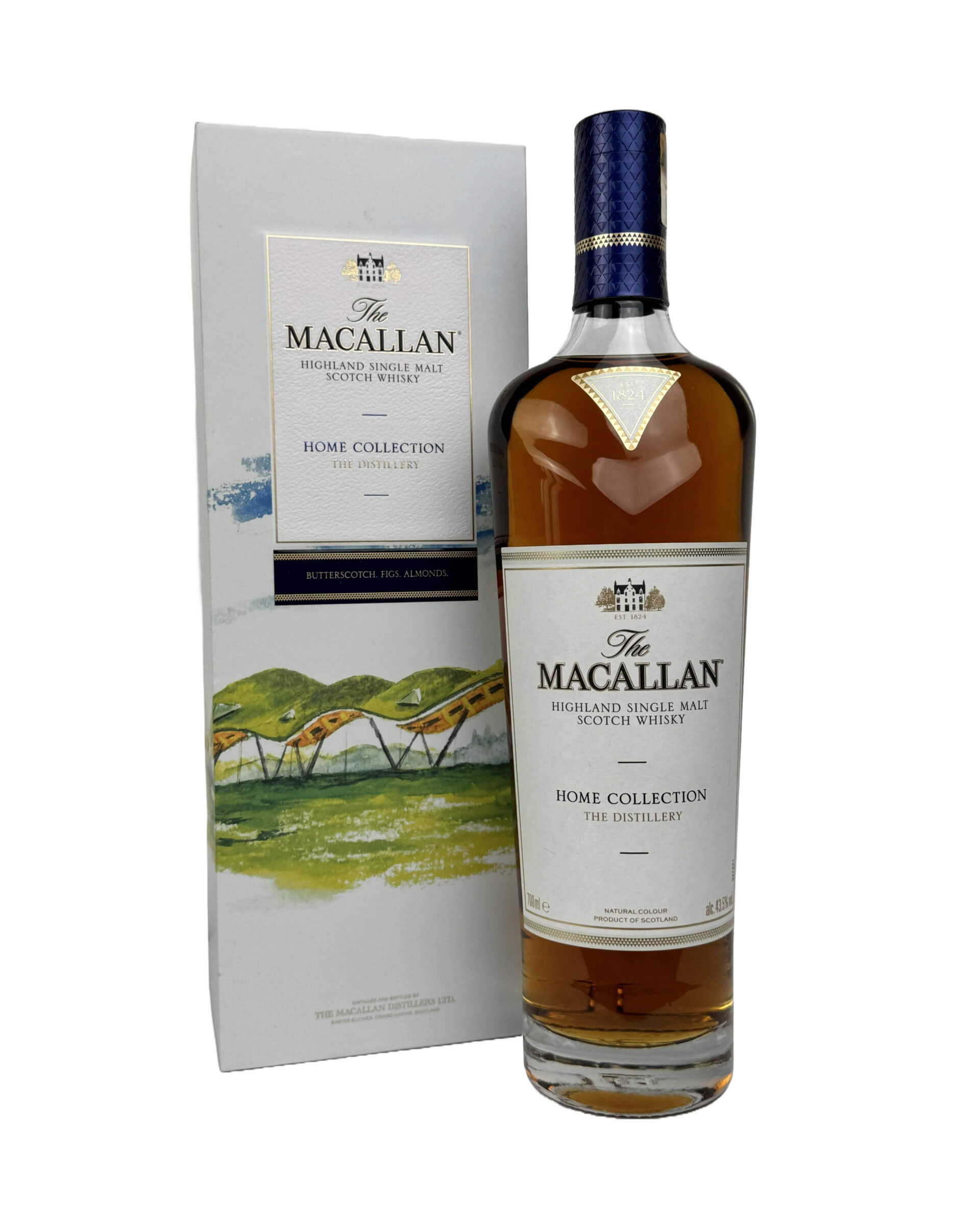
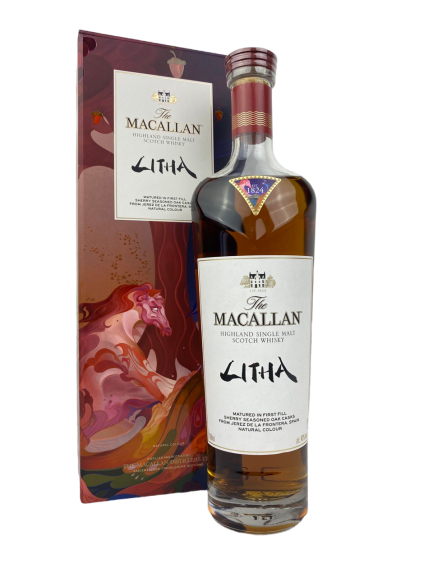
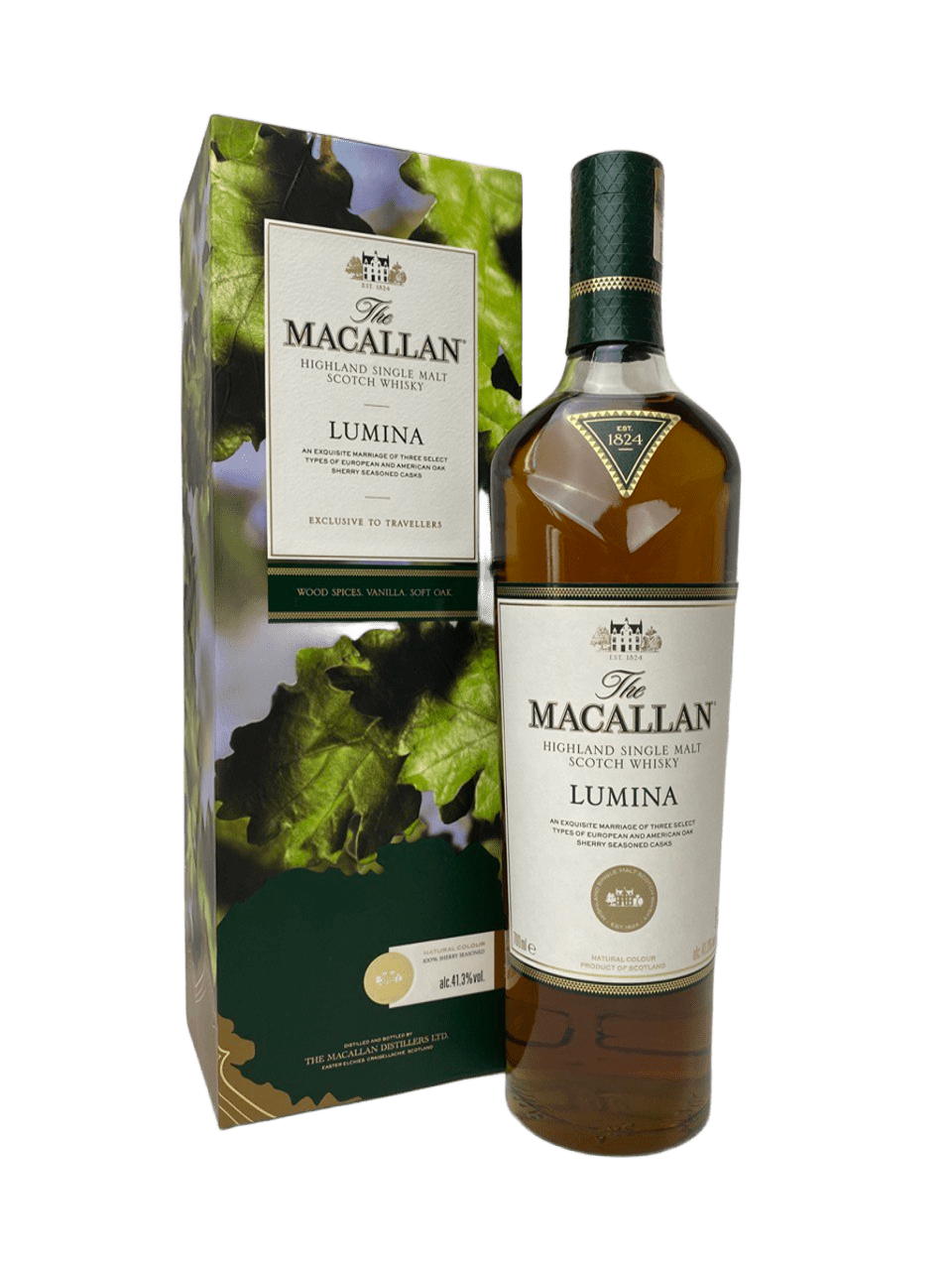
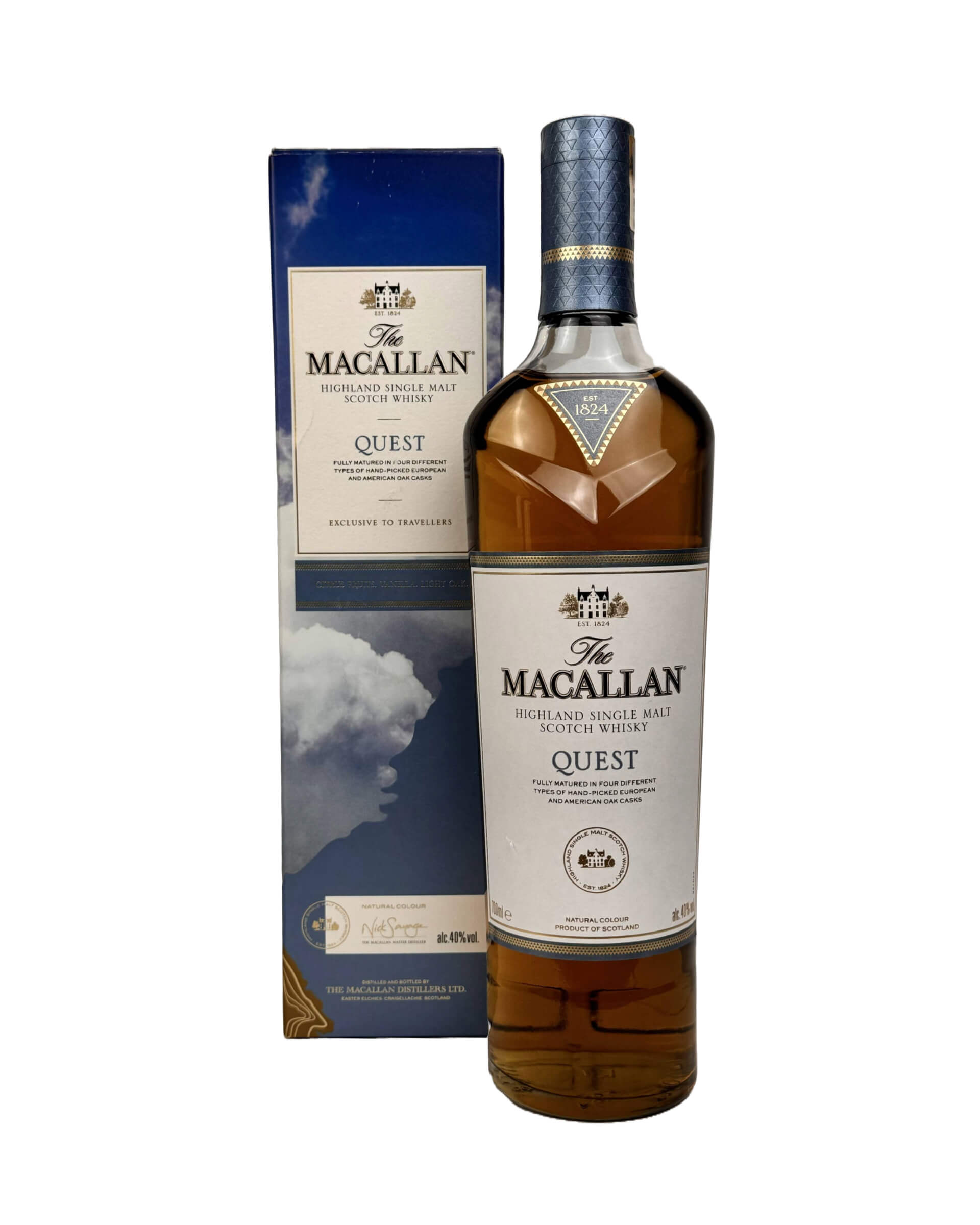
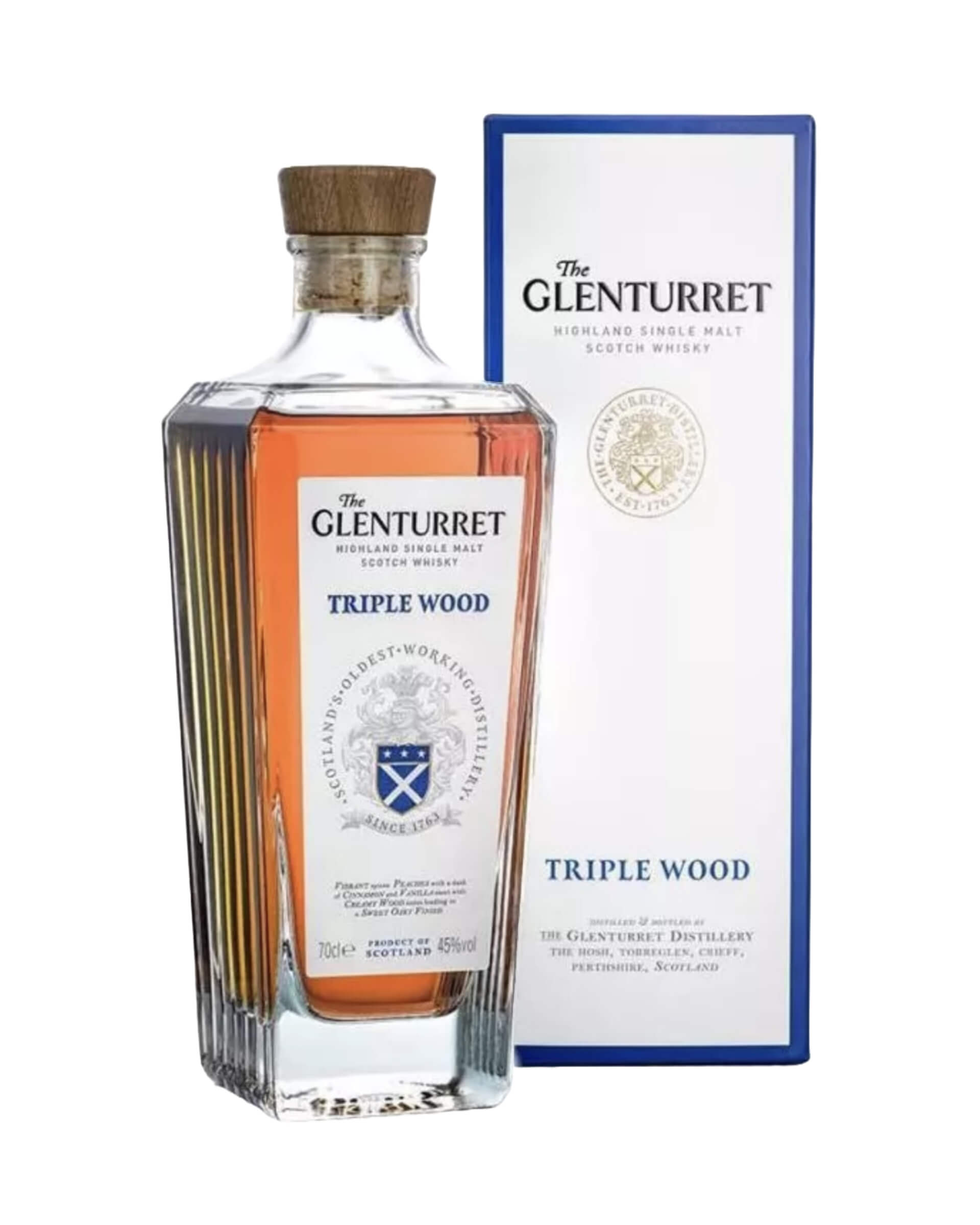
Scotch whisky from Scotland remains one of the world’s most exported spirits — Scotch alone accounts for roughly a quarter of all UK food and drink export value — and our Scotland selection is built to help you navigate it with confidence. Whether you are buying your first single malt or adding a rare cask to a serious cellar, this is where regional character, distillery craft and direct-import sourcing meet in one curated collection. We import directly from European producers and importers and ship from France, so every bottle is hand-selected rather than sourced through a long distribution chain. We stock 35 bottles drawn from the three Scottish regions that matter most to the way a whisky actually tastes — Speyside, the Highlands and Islay — chosen for distinctiveness rather than shelf-filling breadth.
Our Scotland selection spans from around €90 for an entry-level single malt scotch to €2,000 for rare and exceptional casks, with most bottles sitting near €235 — the typical price point for a well-aged, high-quality Speyside or Highland expression. This page is designed to do two things at once: educate the curious buyer who wants to understand why an Islay dram tastes of bonfire smoke while a Speyside one tastes of orchard fruit, and give the ready buyer a clear, fast path to the right bottle. If you want the wider context first, you can also browse our full whisky catalogue.
Scotland is divided into five recognised whisky regions, and region is the single most useful orientation a new buyer can learn, because it predicts flavour better than brand recognition does. The classic Scotch whisky regions are Speyside, the Highlands, Islay, the Lowlands and Campbeltown. Each carries its own broad signature — shaped by water source, local tradition, cask choice and, above all, how much peat smoke is used to dry the barley. We have deliberately concentrated our buying on the three regions that give the clearest, most rewarding spread of styles for a collection of this size.
The two regions we do not currently stock are the Lowlands, known for lighter, gentler, often triple-distilled malts, and Campbeltown, a tiny but historic peninsula producing briny, full-bodied whiskies. Their absence is a curation choice, not a gap: Speyside and Islay between them frame the full arc from delicate to intensely smoky, and the Highlands bridge everything in between.
Every single malt scotch must be distilled and matured in Scotland from 100% malted barley, aged in oak for at least three years. Within those rules, regional identity is everything — so here is how the three regions we stock express themselves, distillery character and all.
Clustered around the River Spey in the north-east, Speyside is the most densely distilled corner of Scotland and the backbone of our collection: 29 of our 35 bottles come from here, making it by far our deepest selection. The house style is fruity and refined — think fresh apple, ripe pear and orchard blossom, with vanilla and honey when the spirit is matured in a bourbon barrel, or dried fruit, fig and warm spice when it rests in a sherry cask. Almost always unpeated, Speyside single malt is the most approachable entry into Scotch yet complex enough to reward decades of tasting. It is the ideal starting point for a new drinker and the comfortable home base for a seasoned one. Explore our Speyside selection to see the range.
The Highlands is the largest whisky region by area, and that geographic breadth is the point: no single Highland whisky flavour fits all. Southern Highland malts can be soft and honeyed; western ones lean richer and rounder; northern coastal distilleries pick up a robust, heathery, faintly salt-edged character from their exposed maritime setting. Most are matured to emphasise depth over delicacy, with a fuller pot still body than their Speyside neighbours and only light to moderate peat, if any. We stock 4 Highland bottles, chosen to show that range rather than a single archetype. Browse Highland whiskies to find your style.
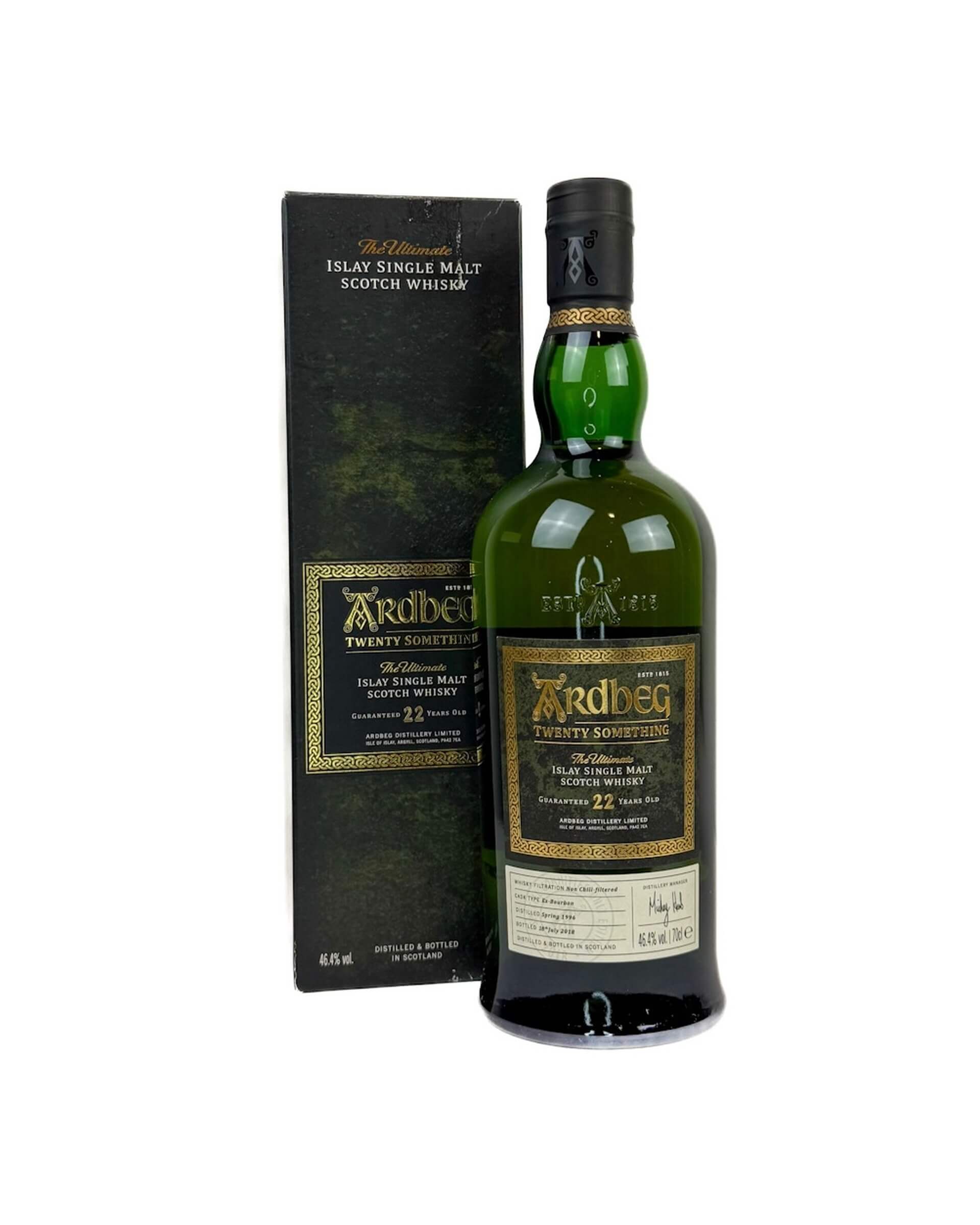
Islay (pronounced “eye-luh”) is a small, weather-beaten island off the west coast, and the spiritual home of heavily peated whisky. Its malts are unmistakable: phenolic and smoky, layered with sea salt, iodine, brine and medicinal notes, usually with bright citrus underneath. That smoke is measurable — Islay whiskies often reach 40 to 55+ PPM (phenol parts per million), where a typical Speyside reads effectively zero. The island’s legendary distilleries, including Ardbeg, Laphroaig and Bowmore, have made Islay a destination for smoke-seekers worldwide. We keep our Islay shelf tight at 2 bottles, reserved for genuinely characterful expressions. Shop Islay whiskies if you crave smoke.
For any single malt scotch, the cask is responsible for a remarkable share of the final flavour. Industry convention, in line with guidance from the Scotch Whisky Research Institute, credits the cask with up to 60–70% of a whisky’s final character. The most common vessel is the ex-bourbon barrel, made of American oak previously used to age bourbon in the United States. A bourbon barrel lends bright, sweet, approachable notes: vanilla, honey, coconut, light caramel and a clean golden colour. If you know you enjoy soft, sweet, easy-drinking whisky, a bourbon-matured Speyside is the most reliable match.
The other great influence is the sherry cask, seasoned with sherry in Spain before it ever holds whisky. Sherry-cask maturation pushes the spirit darker and richer, drawing out dried fruit, raisin, fig, Christmas-cake spice, dark chocolate and a deeper amber hue. Many of the most prized scotch whisky maturations are sherry-cask or “double-matured” expressions that marry both styles. Knowing whether you prefer the vanilla-and-honey camp or the dried-fruit-and-spice camp is the fastest way to choose a bottle before you ever click through.
The number on a label refers to the youngest whisky in the bottle, and it is a useful but imperfect signal. Here is what the common tiers tend to mean:
The key lesson for buyers: older is not automatically better. A thoughtfully made NAS or a well-casked 12-year can outperform a tired older bottle. Match the age tier to the occasion and the budget, not to a number alone.
The simplest way to enjoy any scotch whisky is neat in a tulip-shaped glass, with a few drops of still water to open the aromas — water lowers the alcohol just enough to release fruit, floral and smoke notes that can otherwise stay locked up. Food pairing turns a good bottle into an occasion, and each region has natural partners:
For mixing, lighter Speyside malts make an excellent scotch highball — whisky over ice topped with soda and a twist of lemon — without masking the distillery’s character. Heavily peated Islay expressions are best appreciated neat or with a drop of water; their smoke and intensity make them poor candidates for sweet scotch cocktails, where the nuance is simply lost.
The smartest way to buy scotch whisky is to match budget to occasion, then let region and cask narrow the choice. The best scotch whisky for you is rarely the most expensive — it is the one whose flavour and price suit how you intend to drink it. Our catalogue of 35 bottles across three regions is priced honestly, and here is how the tiers break down:
Most bottles in our catalogue sit near €235, our typical price point, which is the sweet spot for a well-aged Speyside or Highland with real depth. Prices in the collection start from around €90 and climb to €2,000 for exceptional casks, and because we source directly from European importers and producers and ship from France, every figure here is a real in-catalogue EUR price rather than an aggregated estimate. If you are exploring our full drinks range, see also our fine French wine from Burgundy.
Single malt Scotch whisky is produced at a single distillery using 100% malted barley and pot stills, then matured in oak casks for at least three years in Scotland. Blended Scotch combines single malts from multiple distilleries with grain whisky from column stills. Tour de Wine deliberately stocks only single malts on this page, because their distinct regional and distillery character is what rewards the curious buyer; blends prioritise consistency and easy approachability, which is a different goal from the curation we focus on here.
The smokiness comes from peat — partially decomposed vegetation that is burned to dry malted barley during production. Islay’s landscape is rich in deep peat beds, and its distilleries have long used peat-fired kilns extensively. The level of smoke is measured in phenol parts per million (PPM): most Islay single malts reach 40 to 55+ PPM, compared with effectively zero for a typical unpeated Speyside expression.
Highland Scotch is the broadest of the regional styles, because the Highlands cover the largest area of Scotland. Expect a fuller body than Speyside, ranging from soft and honeyed in the south to rich and rounded in the west and a robust, faintly salt-edged character in the far north — usually with only light to moderate peat, if any. If you already enjoy a fruity Speyside but want more weight and depth without committing to Islay smoke, a Highland malt is the logical next step. We stock 4 Highland bottles chosen to show that range; you can compare them on our Highland whiskies page.
Once opened, store your bottle upright — unlike wine, Scotch is too high in alcohol (typically 40–46% ABV) for cork-contact storage, and whisky does not benefit from continued oxidation. Keep it away from direct sunlight and heat. Stored correctly, an opened bottle stays in good condition for 6–12 months; a bottle that is less than a quarter full oxidises faster, so finish it within a few weeks at that stage.
Written by the Tour de Wine buying team. Last reviewed: June 2026.
This site is restricted to adults. By entering, you confirm that you are of legal drinking age in your country of residence.