
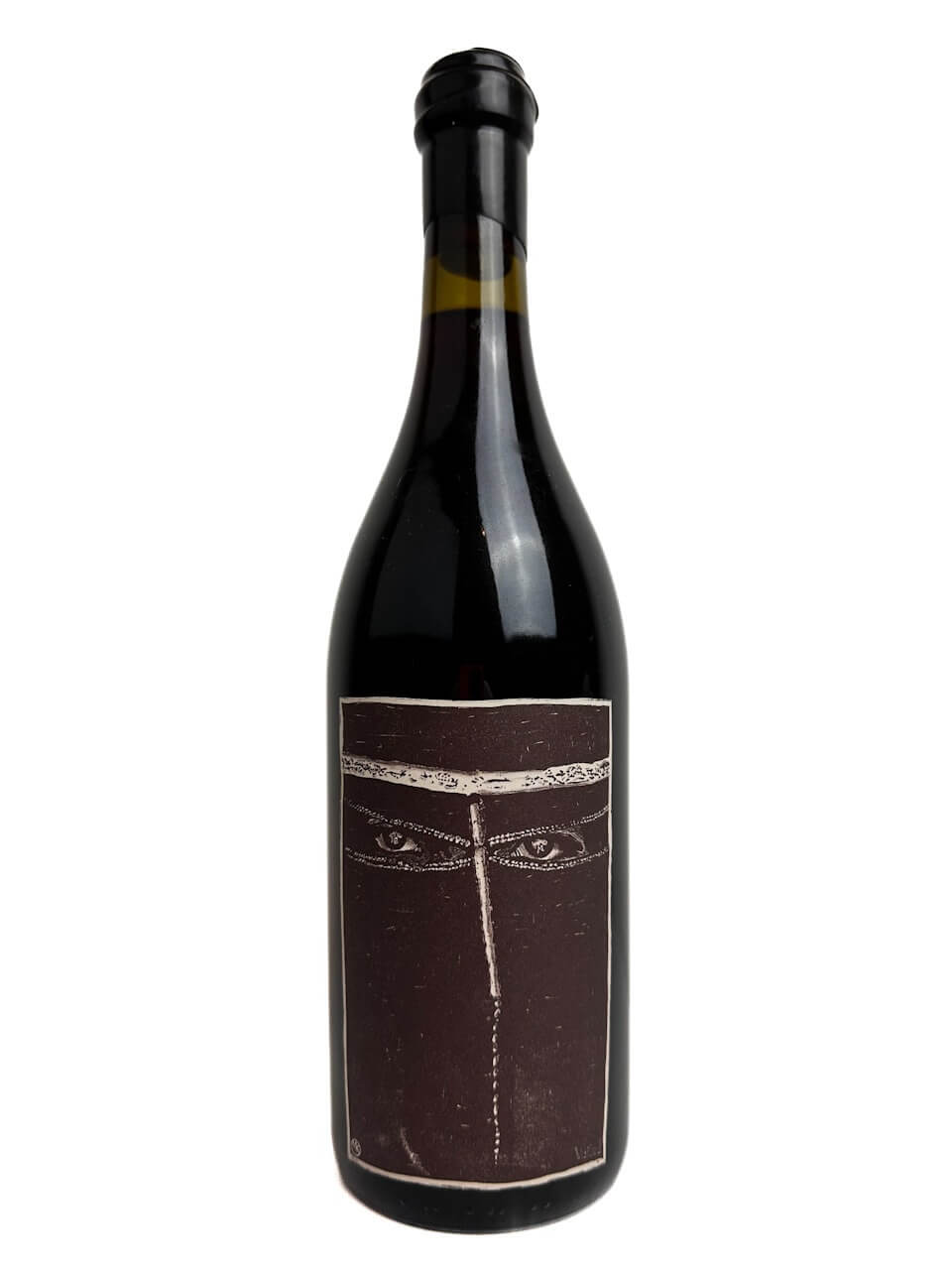
0.75 L
2006
Alban Vineyards
Wines, producers, regions...
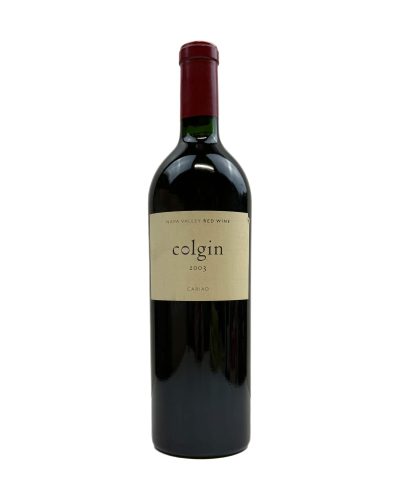
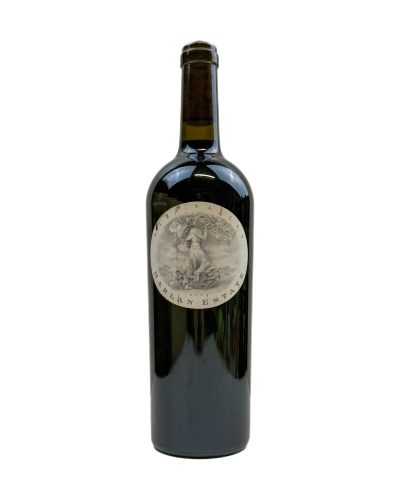
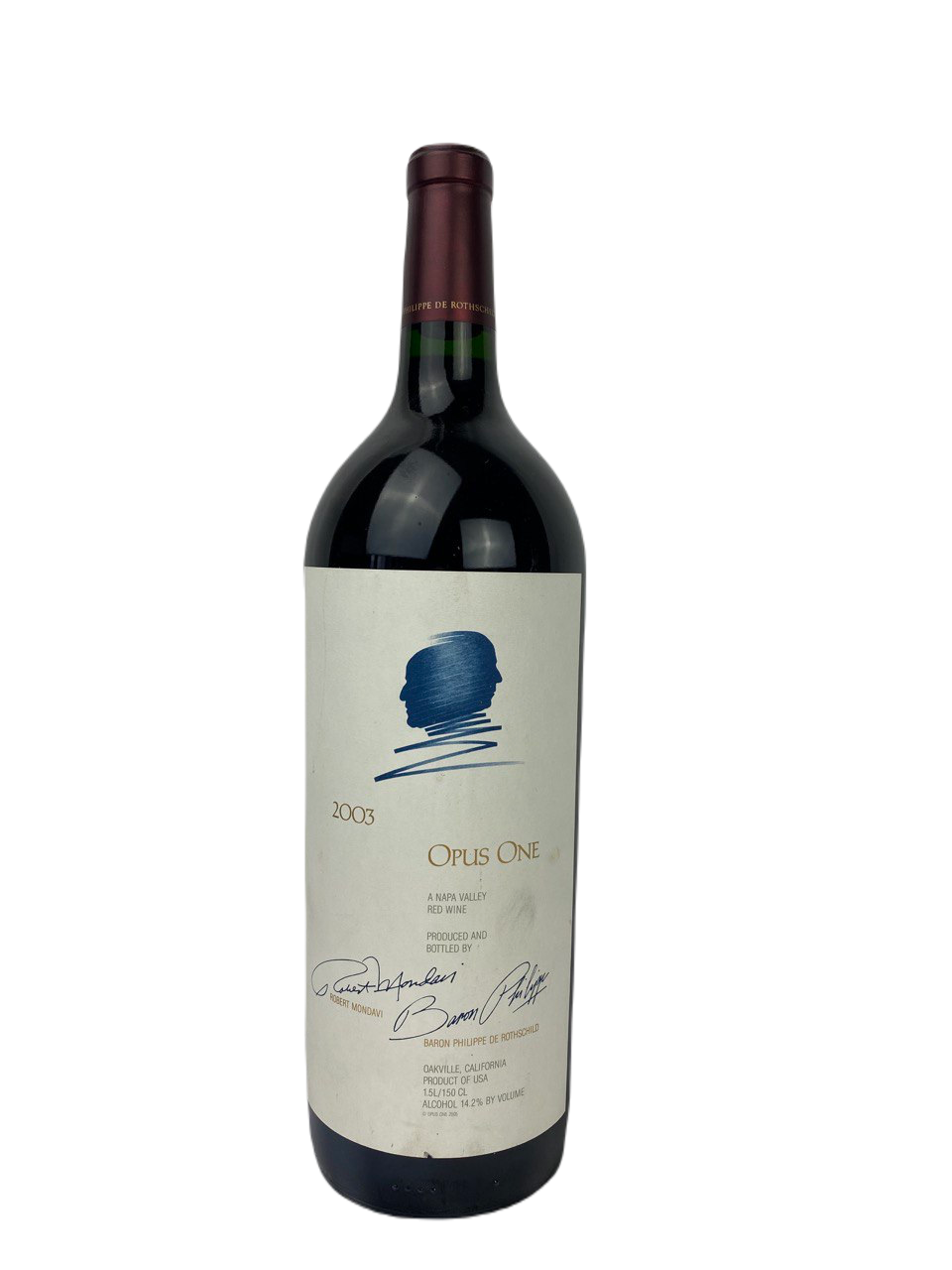
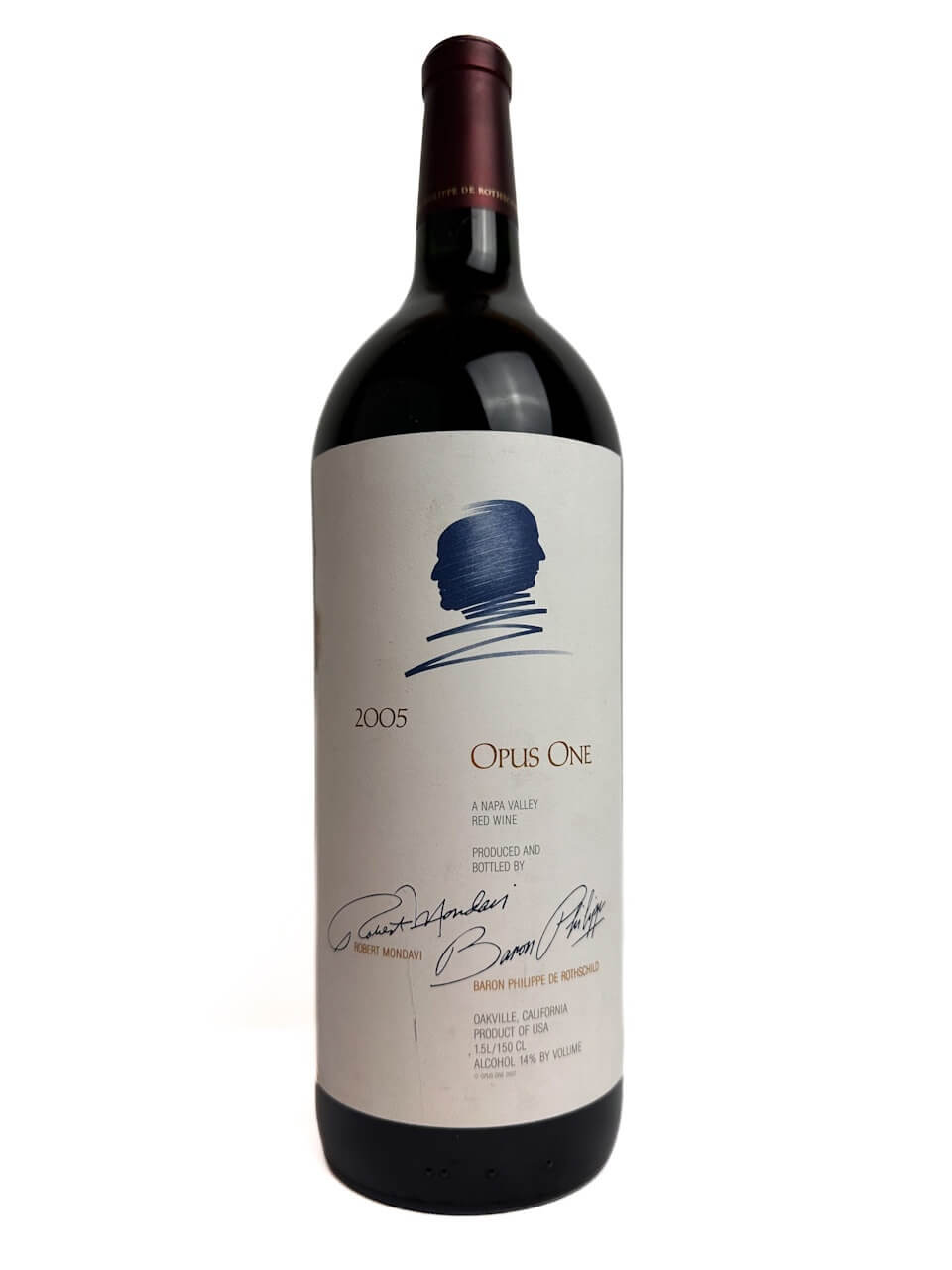
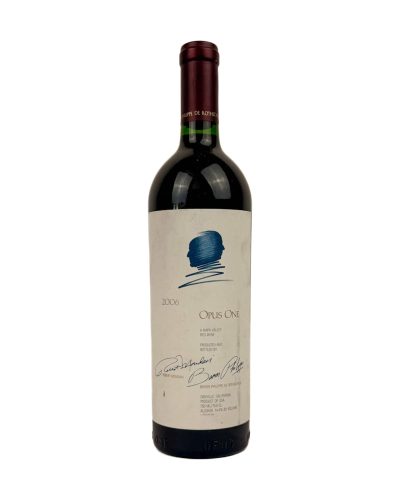
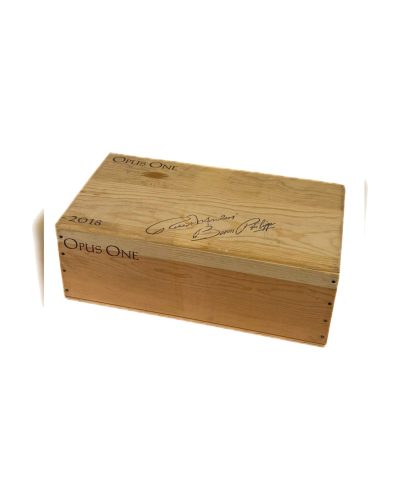
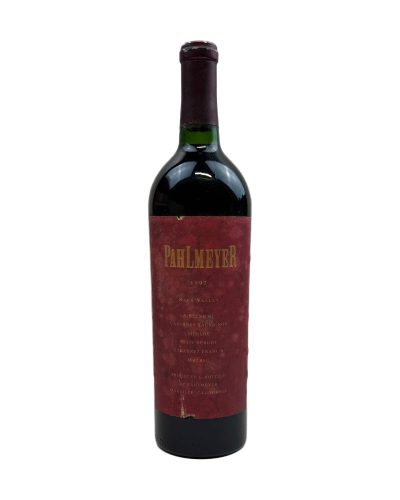
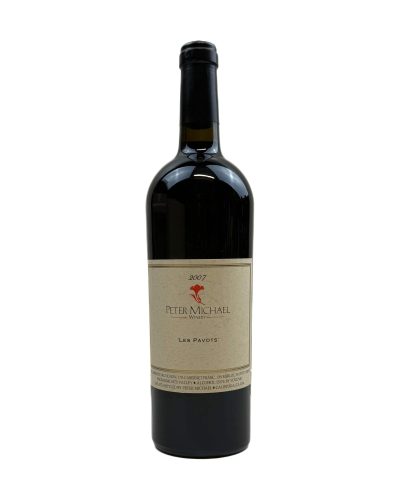
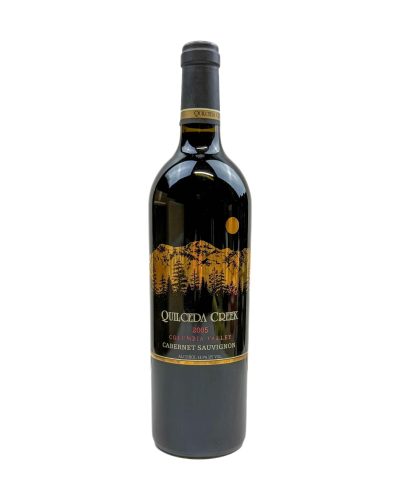
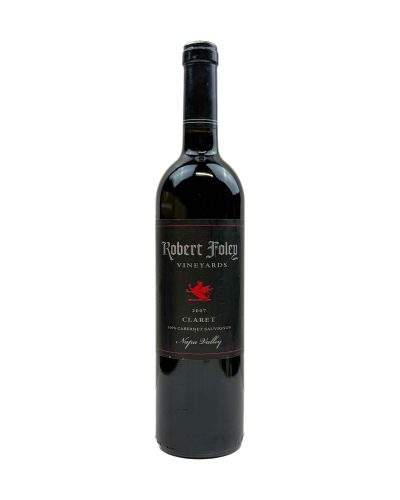
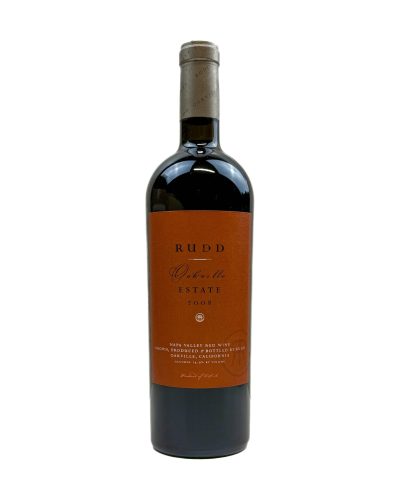
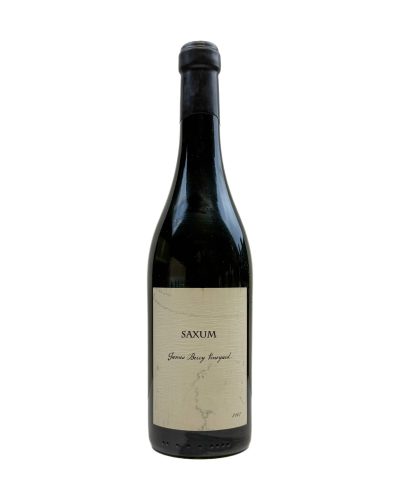
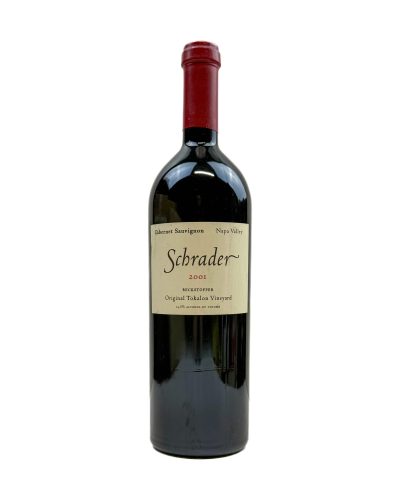
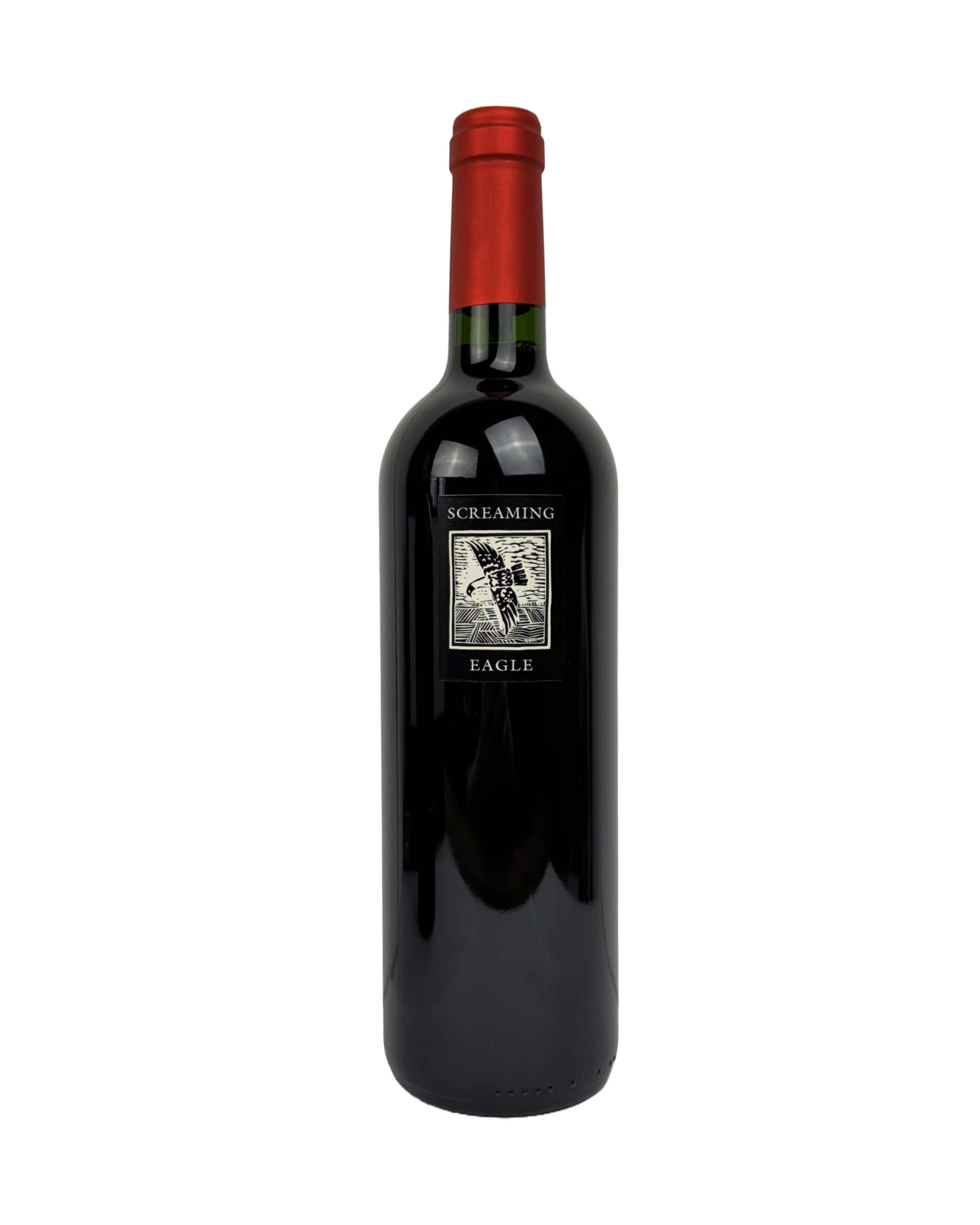
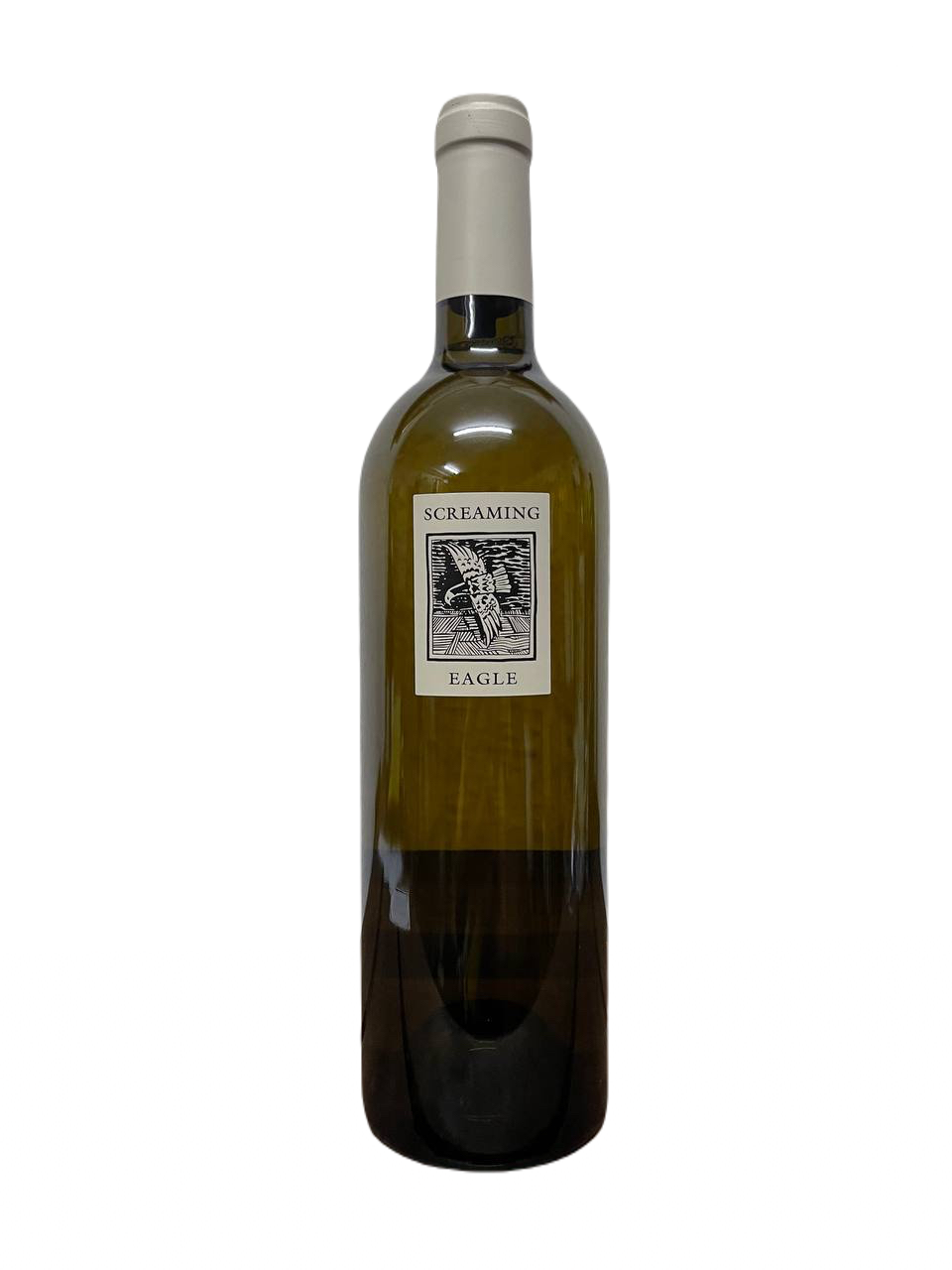
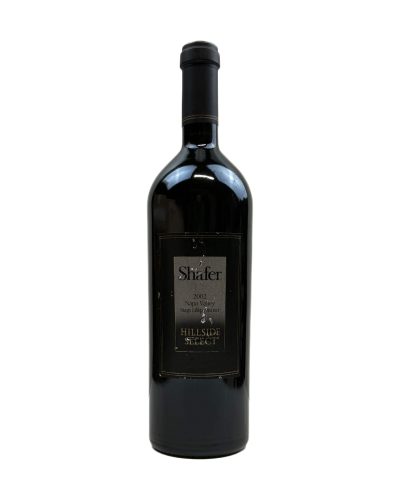
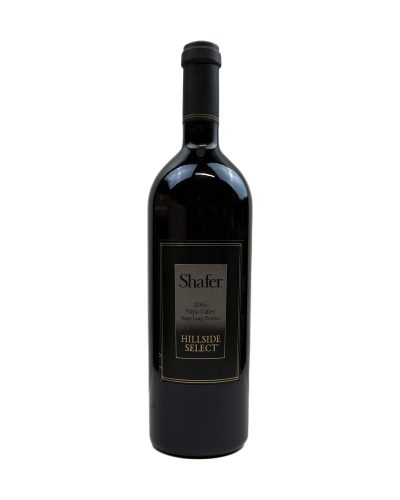
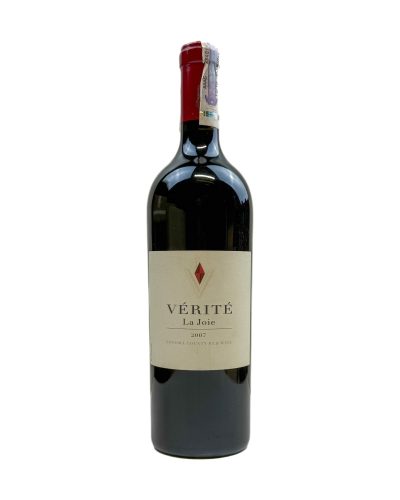
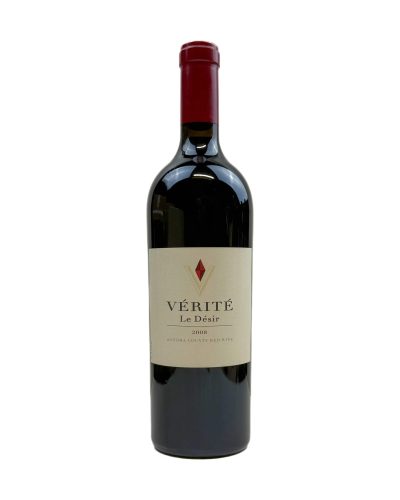
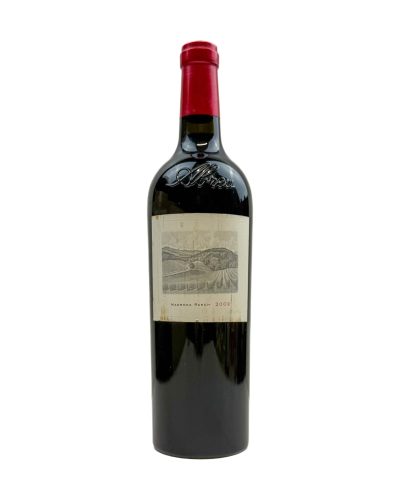
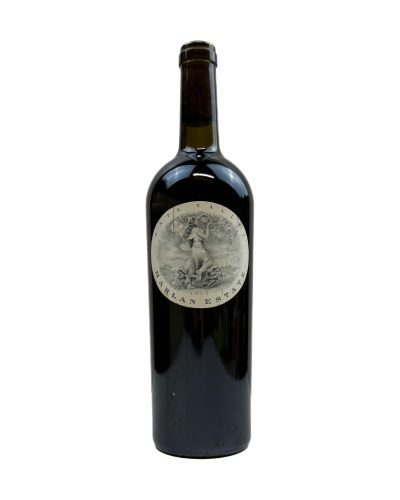
The wines of the USA have moved, in two generations, from curiosity to cellar staple, and at Tour de Wine they occupy a deliberately selective corner of the cellar. The United States is the world’s fourth-largest wine producer, and its reputation among serious collectors traces back to one afternoon in 1976. At the blind tasting now known as the Judgment of Paris, organised by the British merchant Steven Spurrier, a French jury ranked Warren Winiarski’s Stag’s Leap Wine Cellars 1973 Cabernet Sauvignon above first-growth Bordeaux in the red category, while Chateau Montelena’s 1973 Chardonnay topped grand cru Burgundy in the white, a result Spurrier later called the moment that broke France’s monopoly on greatness. Our American selection is drawn almost entirely from California and Washington State: collector-grade bottles that bridge the gap between the great Old World classics and the boldest names of the New World.
We choose American wines by one test above all: does the bottle reward a decade or more in the cellar the way a classed-growth Bordeaux or a premier cru Burgundy would? We favour estates with a documented track record across the great vintages, declined the trophy labels whose prices outrun their drinking pleasure, and kept only the producers whose wines we have tasted across multiple releases. A recent visit to Napa during the cool, late-ripening 2019 harvest confirmed how much site selection, valley floor versus hillside, fog line versus sun, now drives style; that single criterion shaped much of what follows.
American fine wine suits the experienced buyer: someone fluent in the appellations of Bordeaux and Burgundy who wants to extend their cellar with the most sought-after expressions of Napa Valley Cabernet Sauvignon or the cooler, more Burgundian Pinot Noir of the Pacific Northwest. The choice runs from Pinot Noir and Cabernet that are already open to drink, to Napa cuvées built to cellar for decades, so the same page serves a first purchase and a collector’s.
The first thing a European collector notices about American wine is its labelling logic. Where France organises its bottles by appellation, a place that implies a grape, a style and a set of rules, the United States labels primarily by grape variety. A bottle marked Cabernet Sauvignon must, under federal law, contain at least 75% of that grape. This varietal approach makes American wine immediately legible: you read the grape, you know the broad style. Yet it would be a mistake to think place matters less here. The American Viticultural Area, or AVA, functions as the practical equivalent of an AOC, drawing boundaries around terroirs whose soils, elevation and climate genuinely shape the wine in the glass.
What unites the finest American estates is a philosophy of precision and ripe-fruit clarity. The Californian sun delivers generous, fully ripe fruit; the cooling influence of the Pacific and the morning fog tempers that power and preserves freshness. Add a patchwork of volcanic and sedimentary soils and a culture of vineyard data, picking decisions made on sugar, acidity and phenolic ripeness measured block by block, and you have reds that combine generous fruit with the tannin structure to age. Many top estates now harvest at lower potential alcohols than a decade ago, picking earlier to hold acidity, which gives current releases a tighter, more savoury frame than the lush 14.5%-plus style that once defined Napa. It is this combination of New World fruit and tighter, food-friendly balance that has made the best American bottles rivals to the world’s great red wines.
American fine wine is concentrated along the West Coast, where three regions account for almost everything a serious cellar would want to own. Each tells a different story of climate and ambition.
California is the heart of American wine, responsible for the overwhelming majority of the country’s premium production. Napa Valley is its best-known address: the global benchmark for Cabernet Sauvignon, where structured, age-worthy reds emerge from sub-AVAs such as Rutherford, Oakville and Stags Leap District. The “Rutherford dust” signature, the silky tannins of Oakville and the elegance of Stags Leap each give Napa Cabernet a distinct accent. Just to the west, Sonoma offers far greater diversity: cool sites along the Sonoma Coast and Russian River Valley yield benchmark Pinot Noir and Chardonnay, while Dry Creek Valley remains the spiritual home of old-vine Zinfandel. Explore our full range of California wines, which forms the backbone of the American selection at Tour de Wine.
The California estates below were chosen for what each does better than its neighbours rather than for the size of its reputation. A few that earn their place in the cellar:
If California is the established master, Washington State is the confident challenger. Centred on the vast Columbia Valley, Washington enjoys long, sunny days and cold nights — a diurnal swing that builds colour and structure while preserving a brighter, more incisive acidity than much of California. Cabernet Sauvignon and Merlot are the stars here, producing reds of polish and precision that frequently outperform their price. Washington remains a connoisseur’s secret. The benchmark names here are Quilceda Creek and Leonetti Cellar, whose dense, graphite-edged Columbia Valley Cabernets routinely match Napa at a fraction of the noise. Discover our Washington State wines for a fresher, more linear expression of American Cabernet and Merlot. One note for the Burgundy lover: Oregon’s Willamette Valley produces the most Côte d’Or-like Pinot Noir in the New World, but our American range is built on California and Washington, and the American Pinot Noir here comes from California’s cool coastal sites.
Because American wine speaks the language of grape varieties, knowing the principal players is the fastest route to choosing well. Four grapes define the heart of the catalogue.
The undisputed king of Napa Valley. American Cabernet Sauvignon offers ripe blackcurrant and plum, notes of cedar and cocoa, and a firm tannic frame built for the long haul, the best examples age gracefully for fifteen to twenty-five years. Matured in French oak barrels, these are the bottles most often compared, glass for glass, with classified Bordeaux. Browse the grape across our cellar via our Cabernet Sauvignon collection.
The grape that proves America can do finesse as well as power. From the Sonoma Coast and Russian River Valley to the Santa Rita Hills, California’s cool-climate Pinot Noir delivers silky tannins, bright red fruit and an earthy, forest-floor depth: the kind of sappy, stem-inflected savoury edge a Côte de Nuits drinker will recognise. It is the natural first step for a Burgundy lover exploring the New World; our Pinot Noir selection lets you compare both worlds side by side.
American Chardonnay spans two distinct camps. The classic Napa style is rich, buttery and generously oaked; the cooler coastal sites of Sonoma and the Central Coast now produce leaner, mineral, tightly wound expressions that age with real grace. In recent years winemakers have moved decisively toward restraint, and the result is some of the most balanced Chardonnay made outside Burgundy.
Zinfandel is America’s adopted grape — genetically the same as southern Italy’s Primitivo, but utterly Californian in character, with its spicy, brambly, sweetly ripe fruit. The old vines of Dry Creek Valley and Lodi give it real depth. Alongside it, Merlot, Petite Sirah and the Rhône varieties of the Central Coast round out a catalogue that rewards exploration well beyond the obvious.
American wine and French cuisine make natural partners, and a few classic combinations show these bottles at their best. The richness of New World fruit loves the depth of traditional French cooking.
Premium American wine, and Napa Valley Cabernet Sauvignon above all, is among the most coveted and, in the case of cult estates, most tightly allocated wine in the world. Decide first what the bottle is for. To discover the style without overcommitting, start with a coastal Sonoma Pinot Noir or an entry Napa Cabernet: both are ready to drink and useful for calibrating your palate to the American style. For the cellar, move to single-vineyard Cabernet from Stags Leap District, Oakville or Rutherford, where benchmark producers deliver the truest expression of their terroir and the wines are built to age fifteen years or more.
The collector tier is made of allocated cuvées and library releases such as Stag’s Leap Wine Cellars CASK 23, Opus One, Ridge Monte Bello and Caymus Special Selection. These are wines built for long cellaring, where the limiting factor is allocation rather than money. When choosing, look to the great Californian vintages of 2013, 2016 and 2019, learn to read the AVA and grape on the label, and favour a mature vintage when you want to drink soon. To set these bottles in their wider context, browse the complete range of fine wines in our cellar.
Napa Valley is synonymous with powerful, structured Cabernet Sauvignon: silky tannins, ripe dark fruit and strong ageing potential. Sonoma offers a broader palette thanks to its cooler, ocean-influenced microclimates: fresh Pinot Noir, mineral Chardonnay and spicy old-vine Zinfandel. In short, Napa is the home of the great Cabernet, while Sonoma rewards those seeking California’s more Burgundian, diverse side.
It helps to think in tiers rather than a single number, because each tier brings a different kind of wine. At the entry level, a well-made varietal introduction such as a coastal Sonoma Pinot Noir or an entry Napa Cabernet is ready to drink and useful for calibrating your palate to the American style. In the middle, benchmark estates deliver their flagship terroir wines, the bottles built to age fifteen years or more; a single-vineyard Stags Leap District Cabernet sits here. At the top you move into allocated, name-on-the-label territory: Opus One, Ridge Monte Bello, Caymus Special Selection, wines whose price reflects scarcity as much as quality. Beyond them come library releases, where provenance and cellar history justify the figure. The live price is shown on each bottle’s page.
The finest Napa Valley Cabernet Sauvignon from strong vintages such as 2013, 2016 and 2019 can develop beautifully for fifteen to twenty-five years in proper cellar conditions. Californian Pinot Noir is generally at its best between five and fifteen years after the harvest, though many bottles are also approachable on release and reward a little patience with added complexity.
It depends on the recipient and the occasion, so here are three tiers. As a confident discovery, a Sonoma Coast Pinot Noir or an entry Rutherford Cabernet will charm a Burgundy or Bordeaux drinker without overcommitting. As a flagship gift, a single-vineyard Stags Leap District or Oakville Cabernet, in the house style of Caymus or Stag’s Leap Wine Cellars, delivers benchmark Napa with fifteen-plus years of cellaring ahead of it. For a prestige piece, an allocated bottling such as Opus One or Ridge Monte Bello carries the name recognition and longevity to mark a milestone. For a Burgundy devotee specifically, steer toward the Sonoma Pinot Noir; for a Bordeaux loyalist, toward the Cabernet.
Written by the Tour de Wine buying team. Last reviewed: June 2026.
This site is restricted to adults. By entering, you confirm that you are of legal drinking age in your country of residence.