
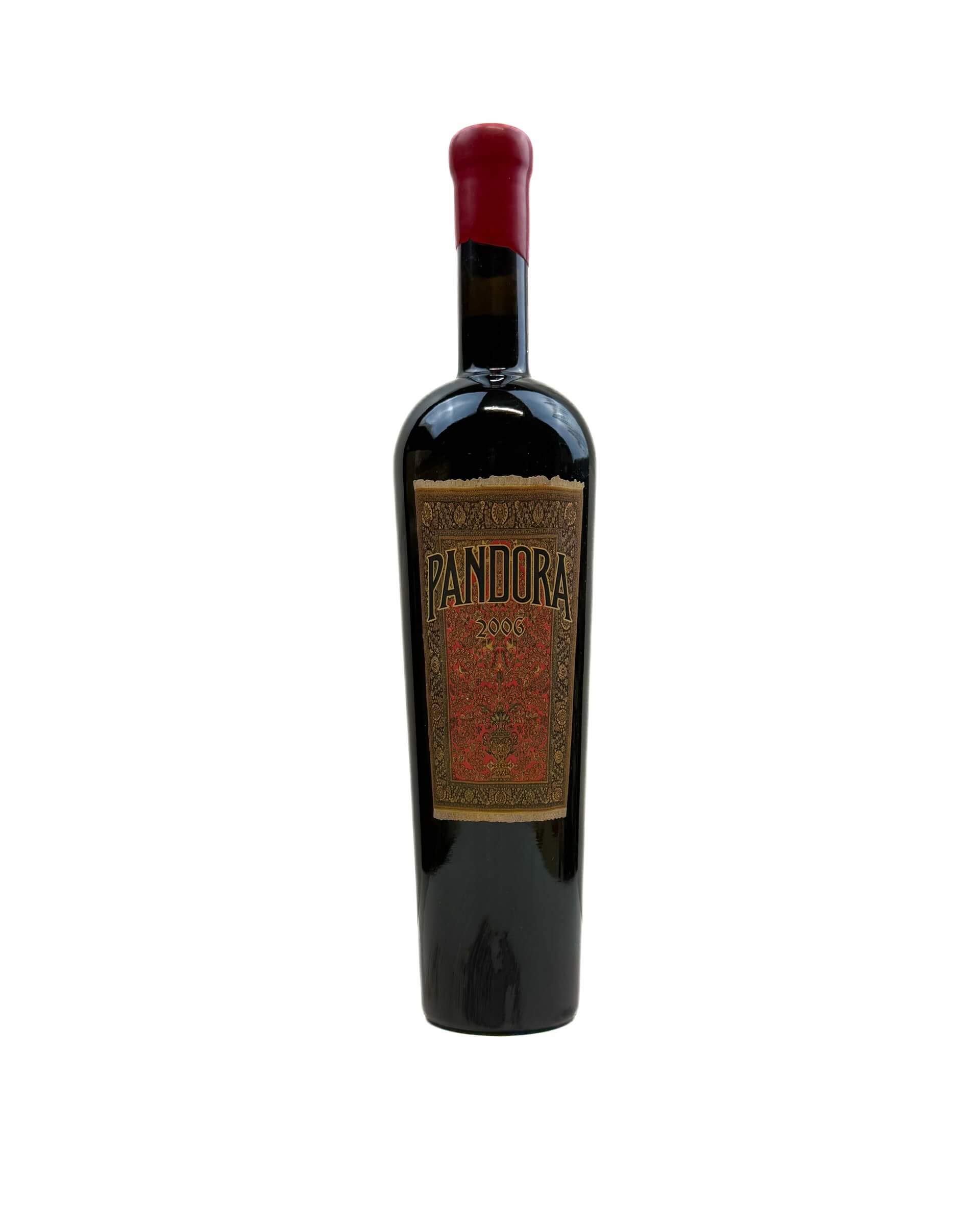
97
0,75
2006
Alban Vineyards
Wines, producers, regions...
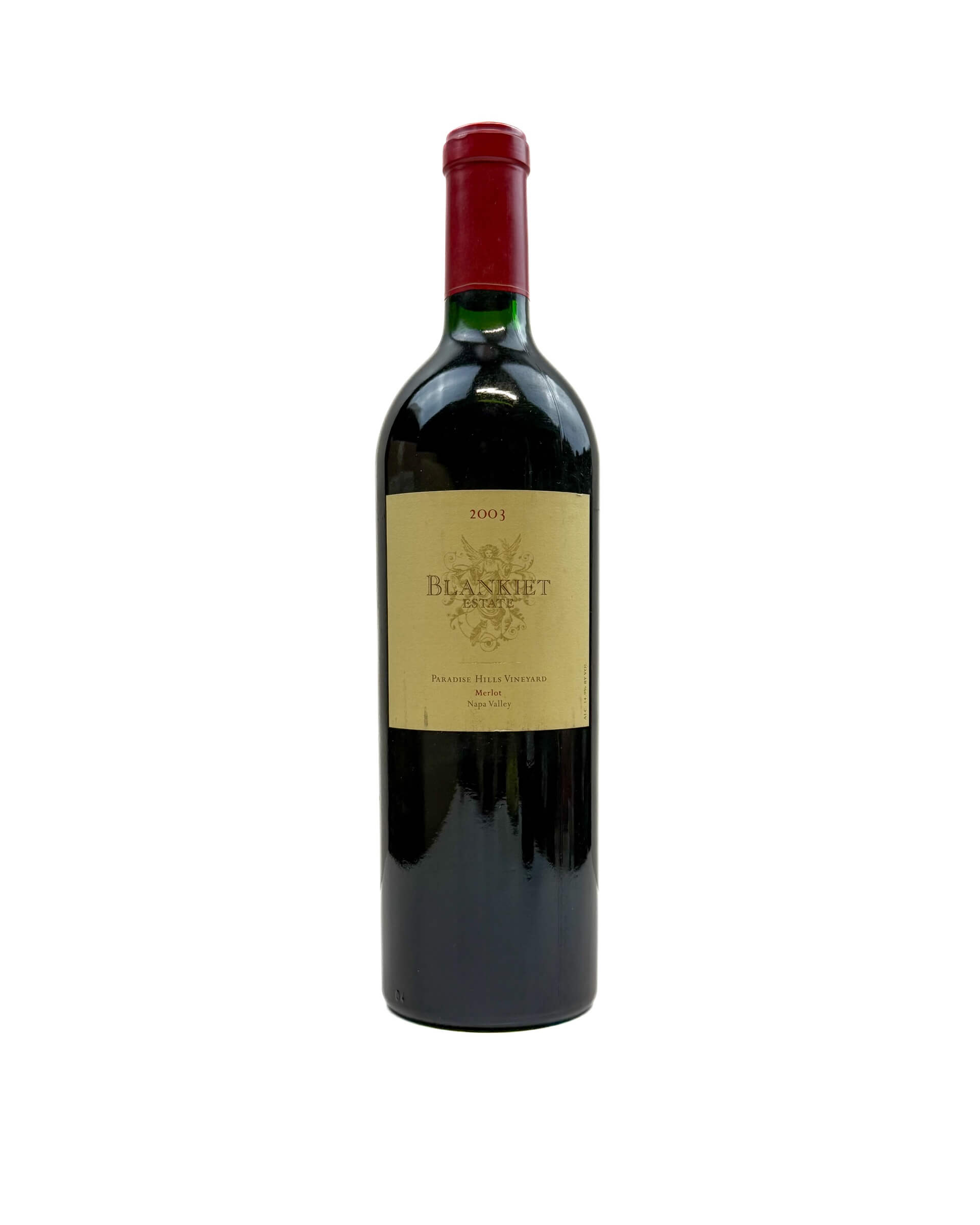
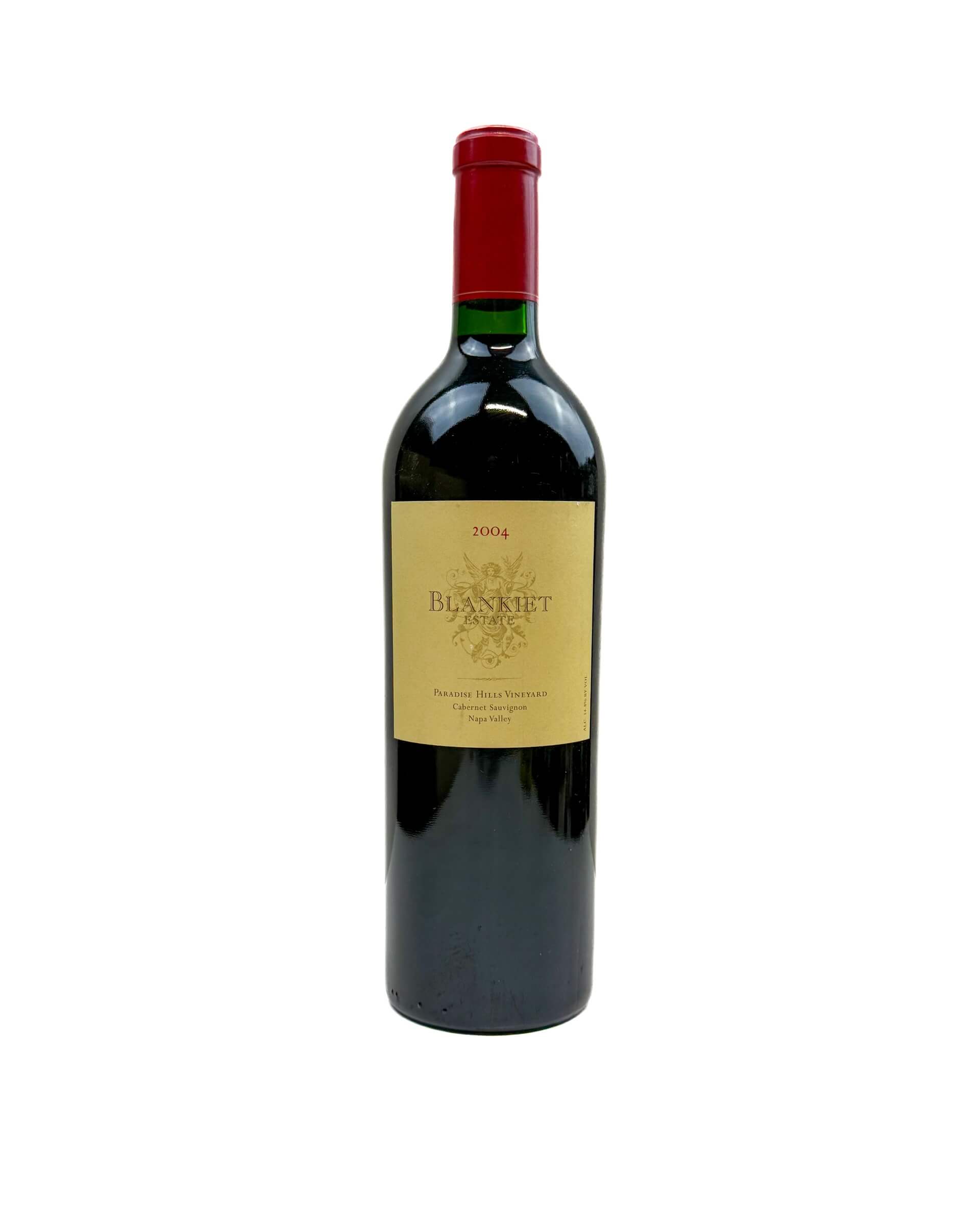
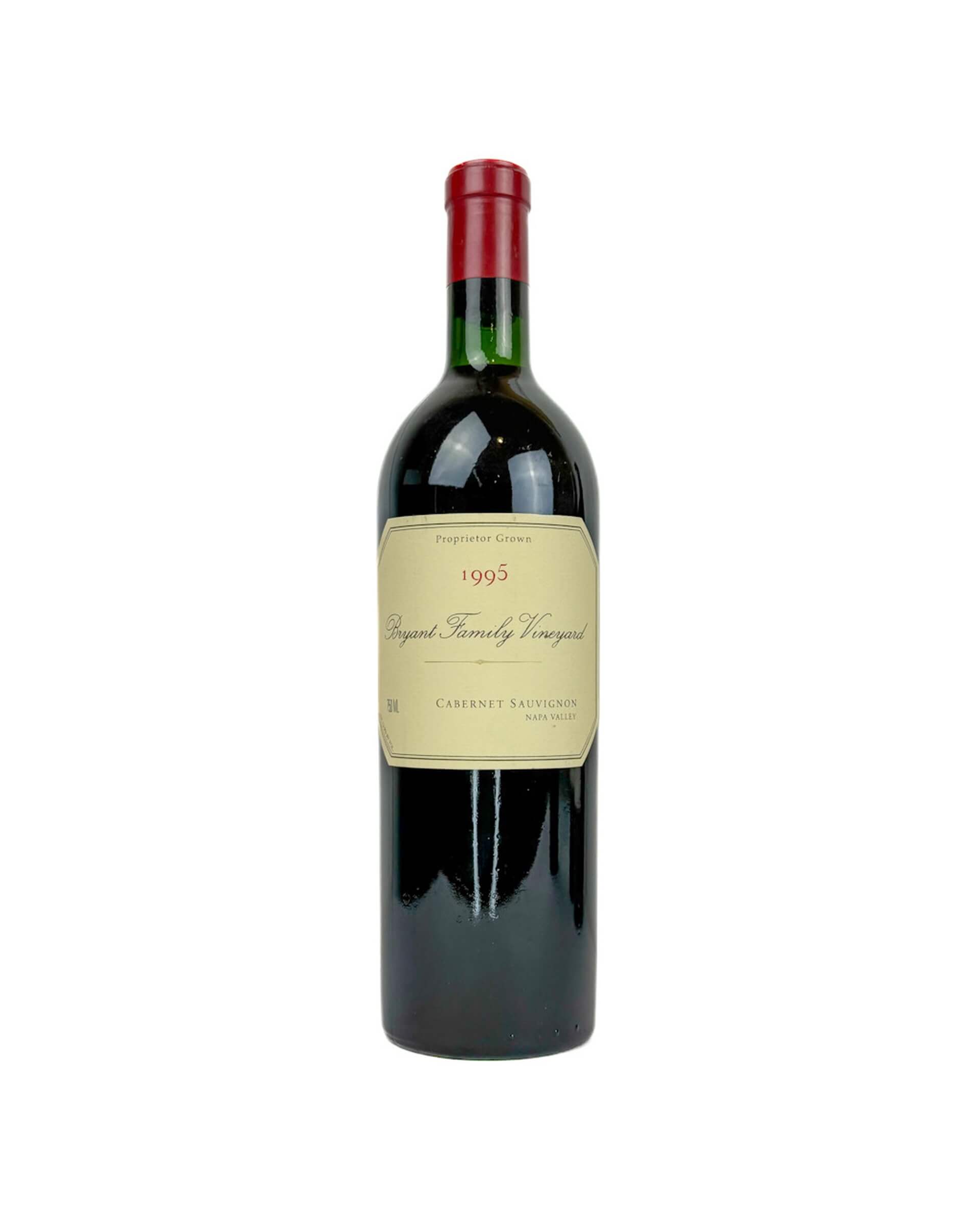
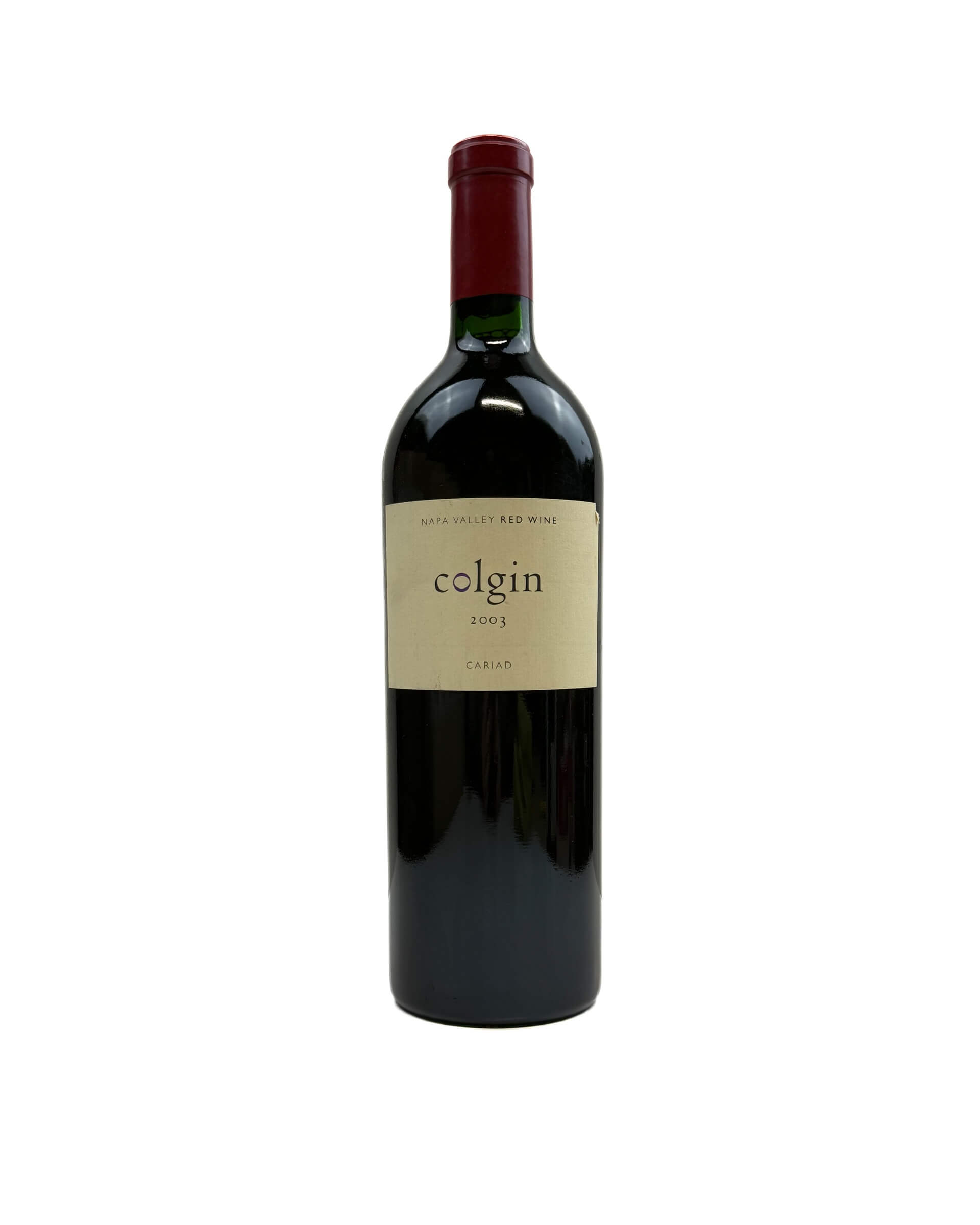
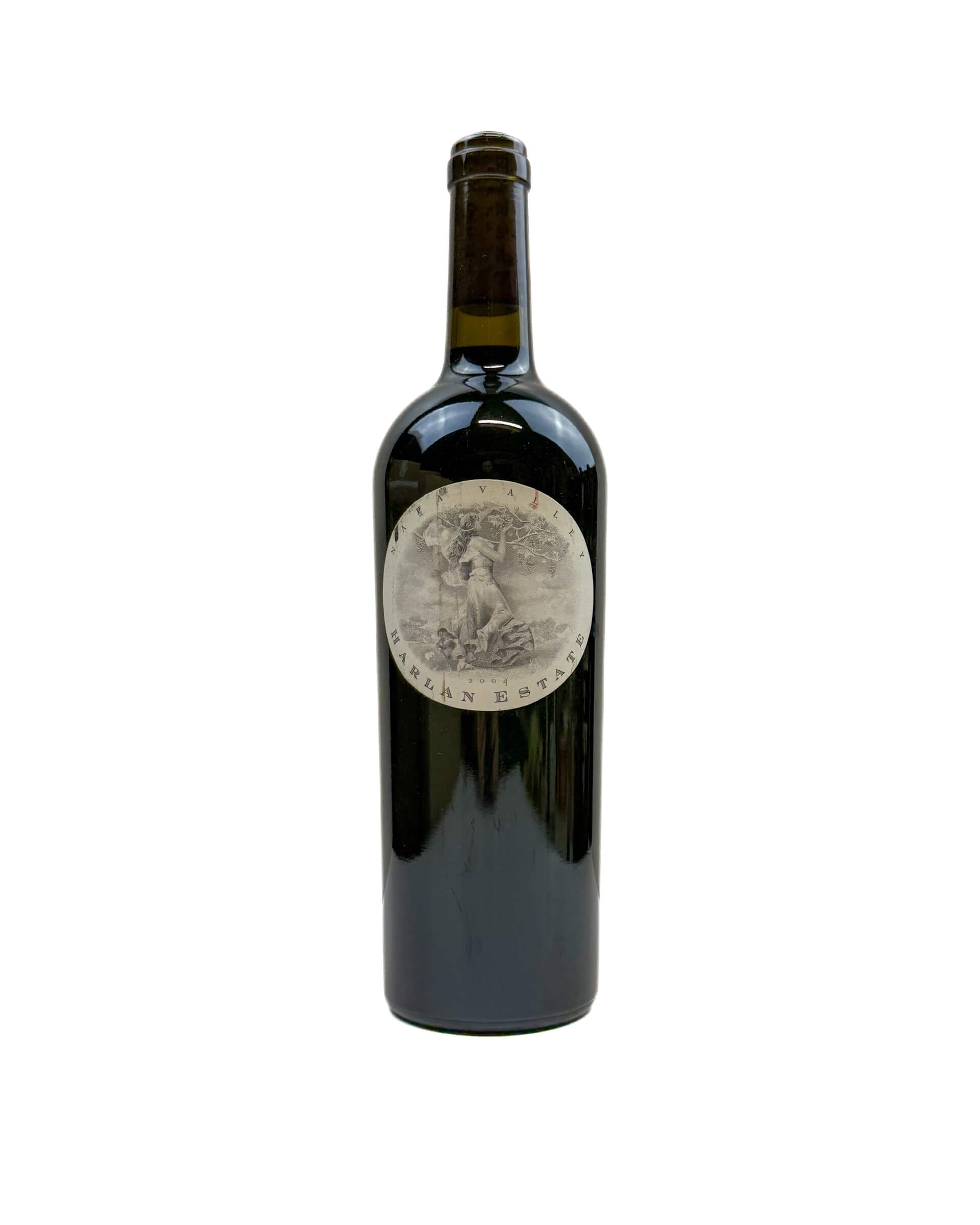
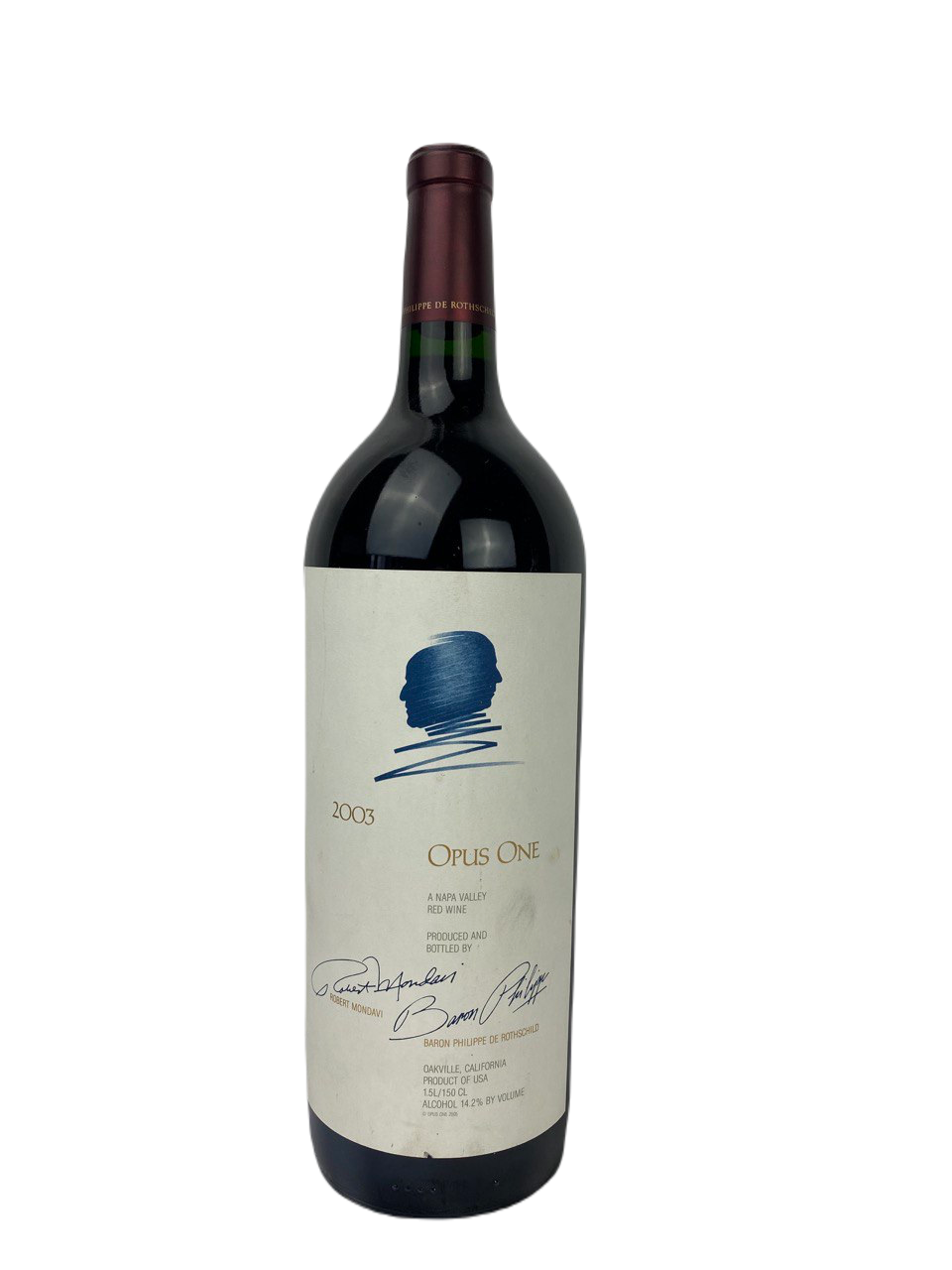
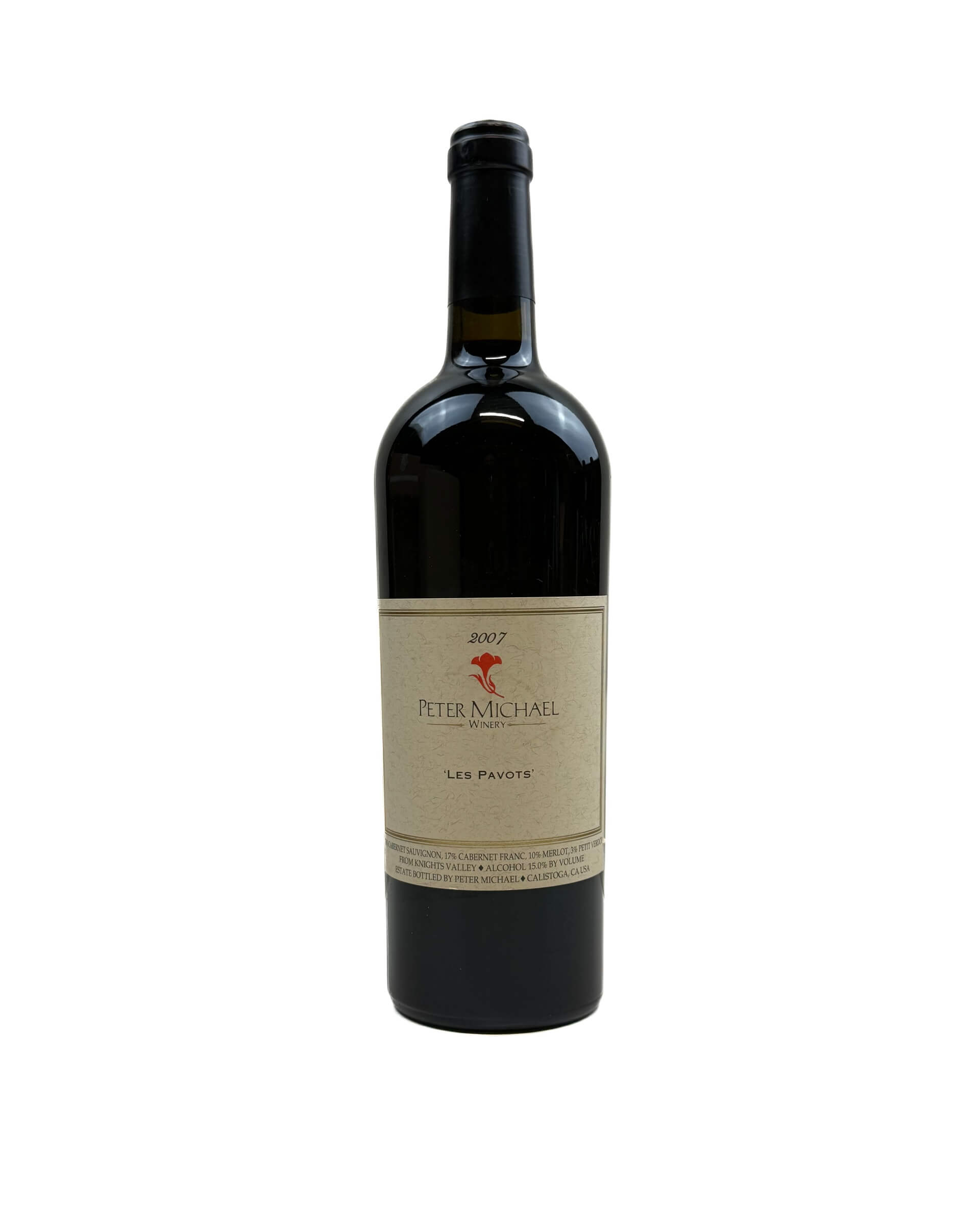
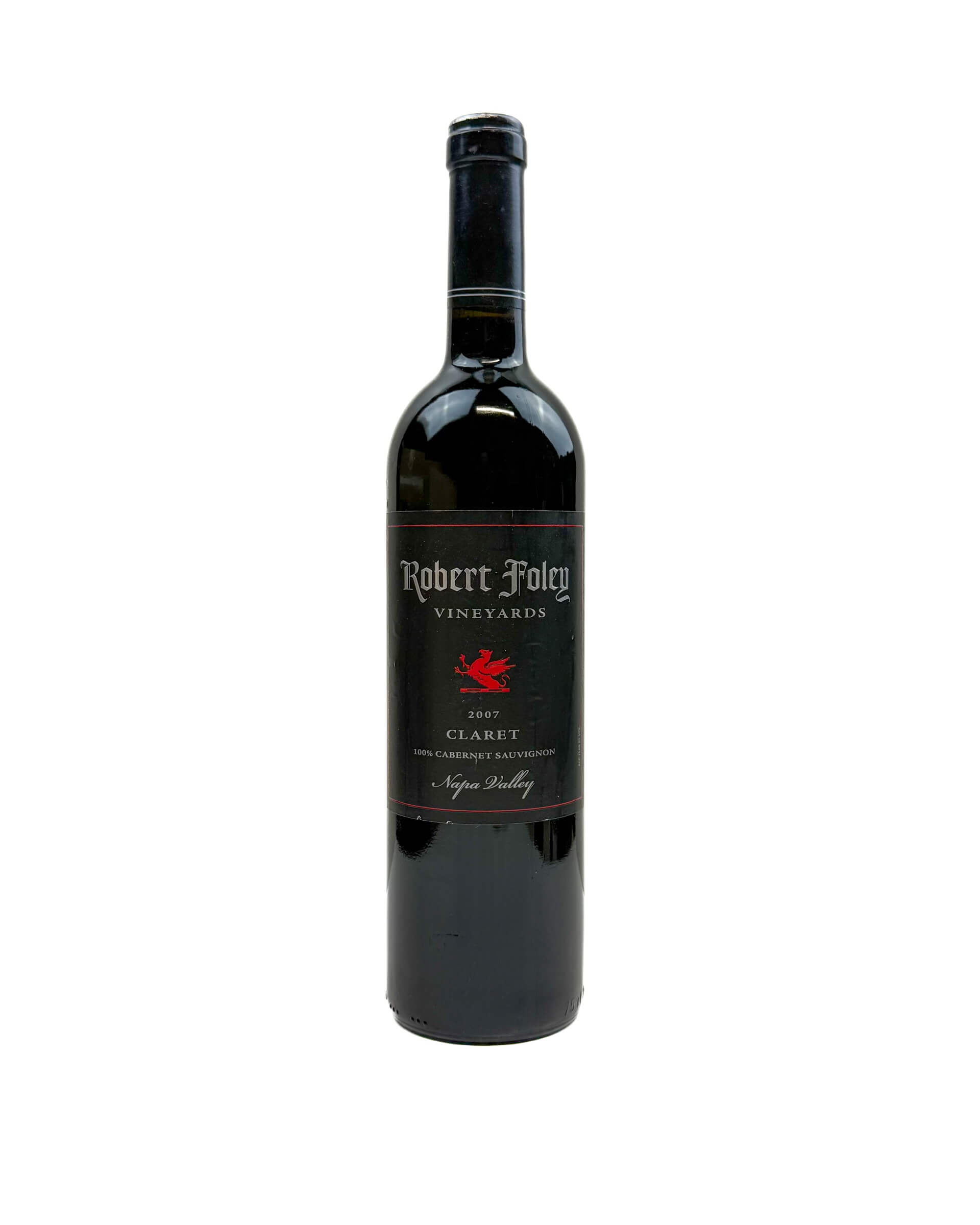
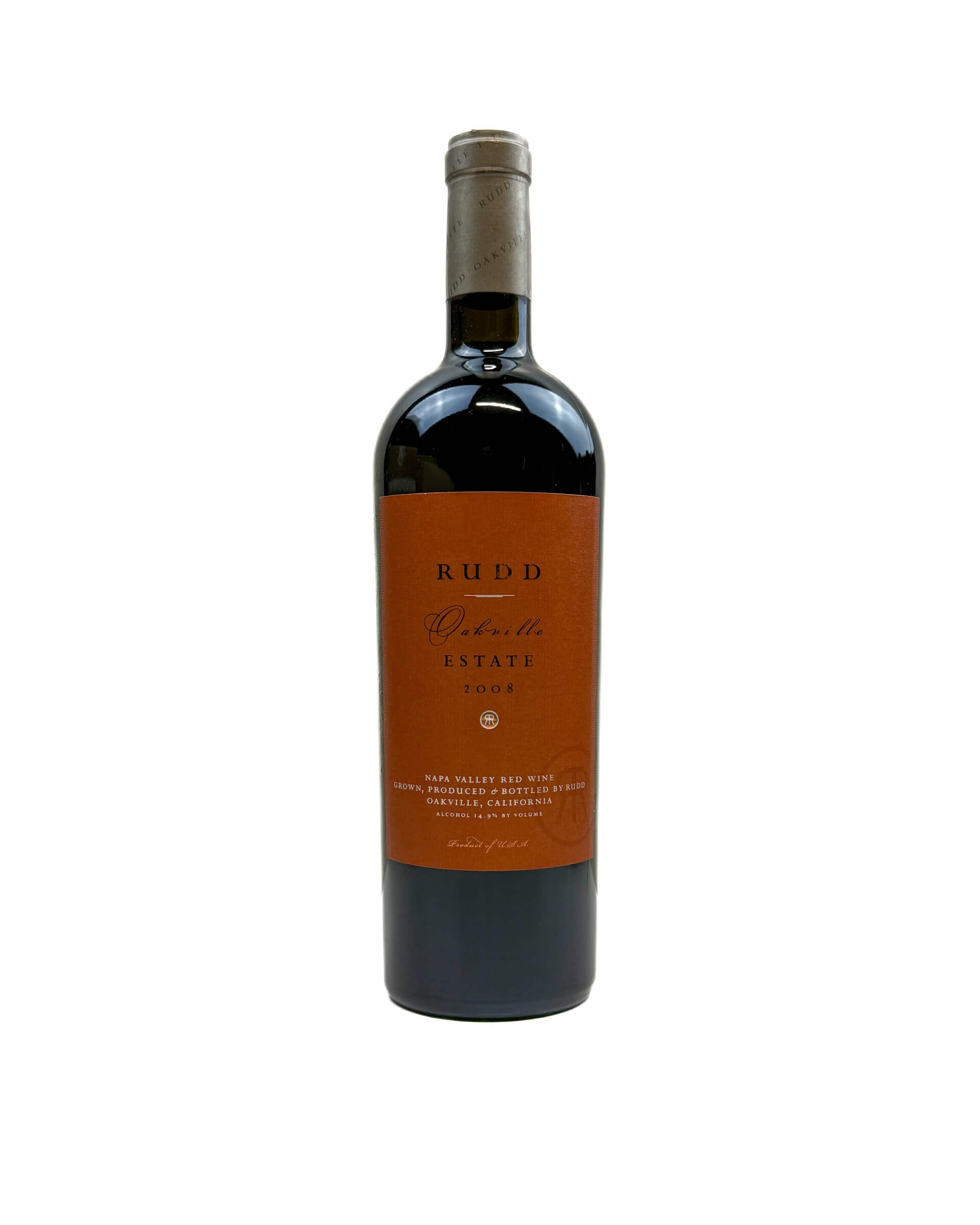
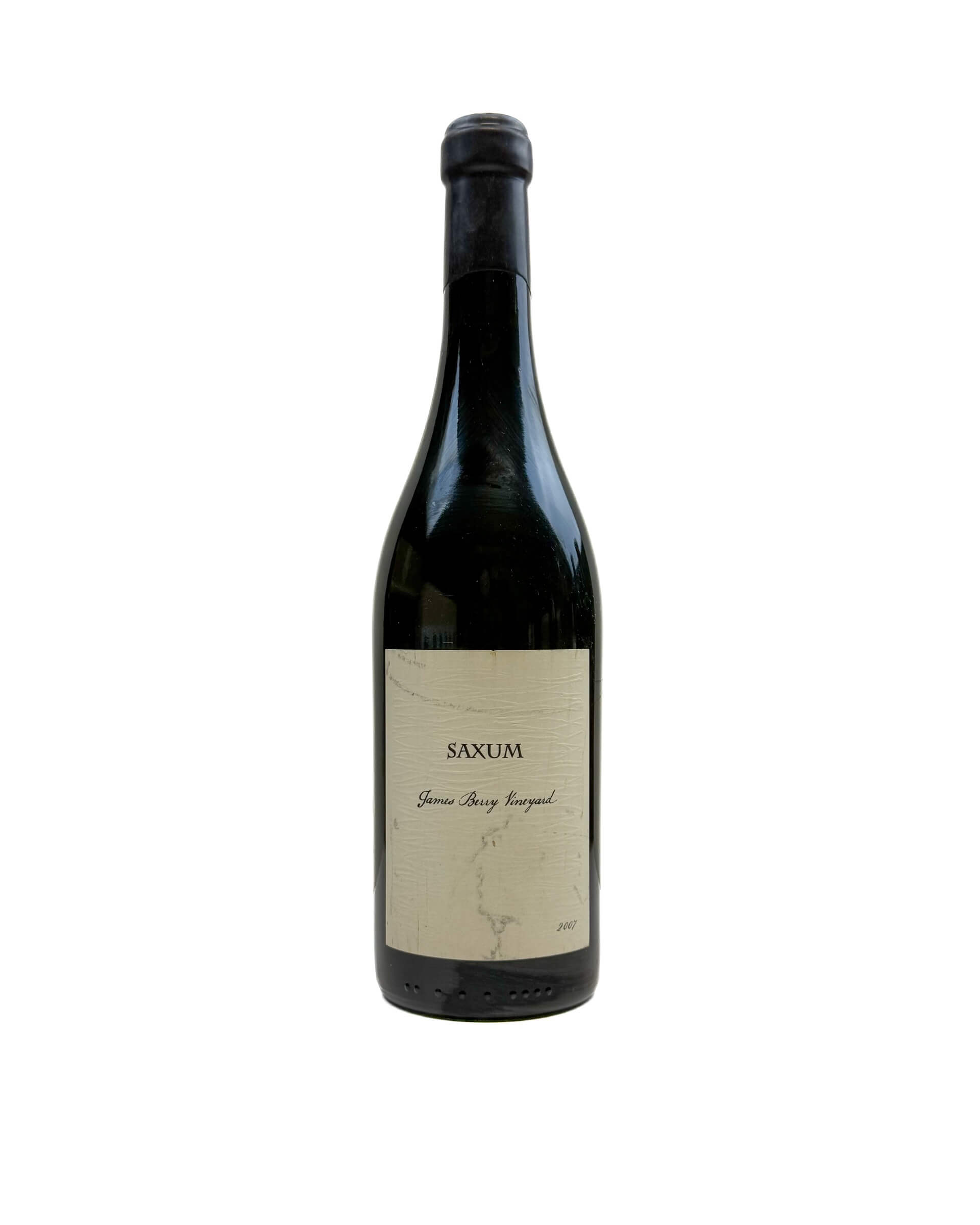
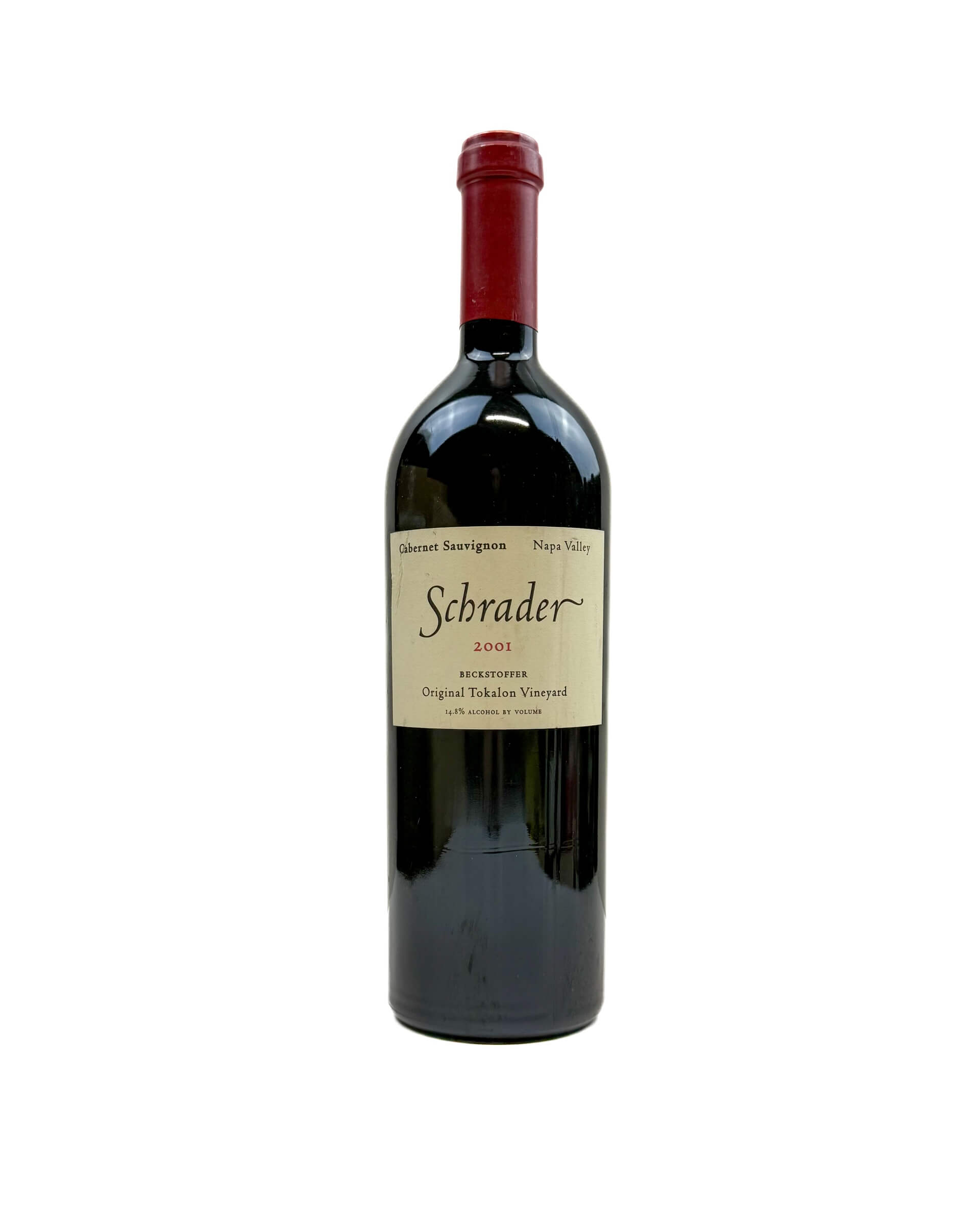
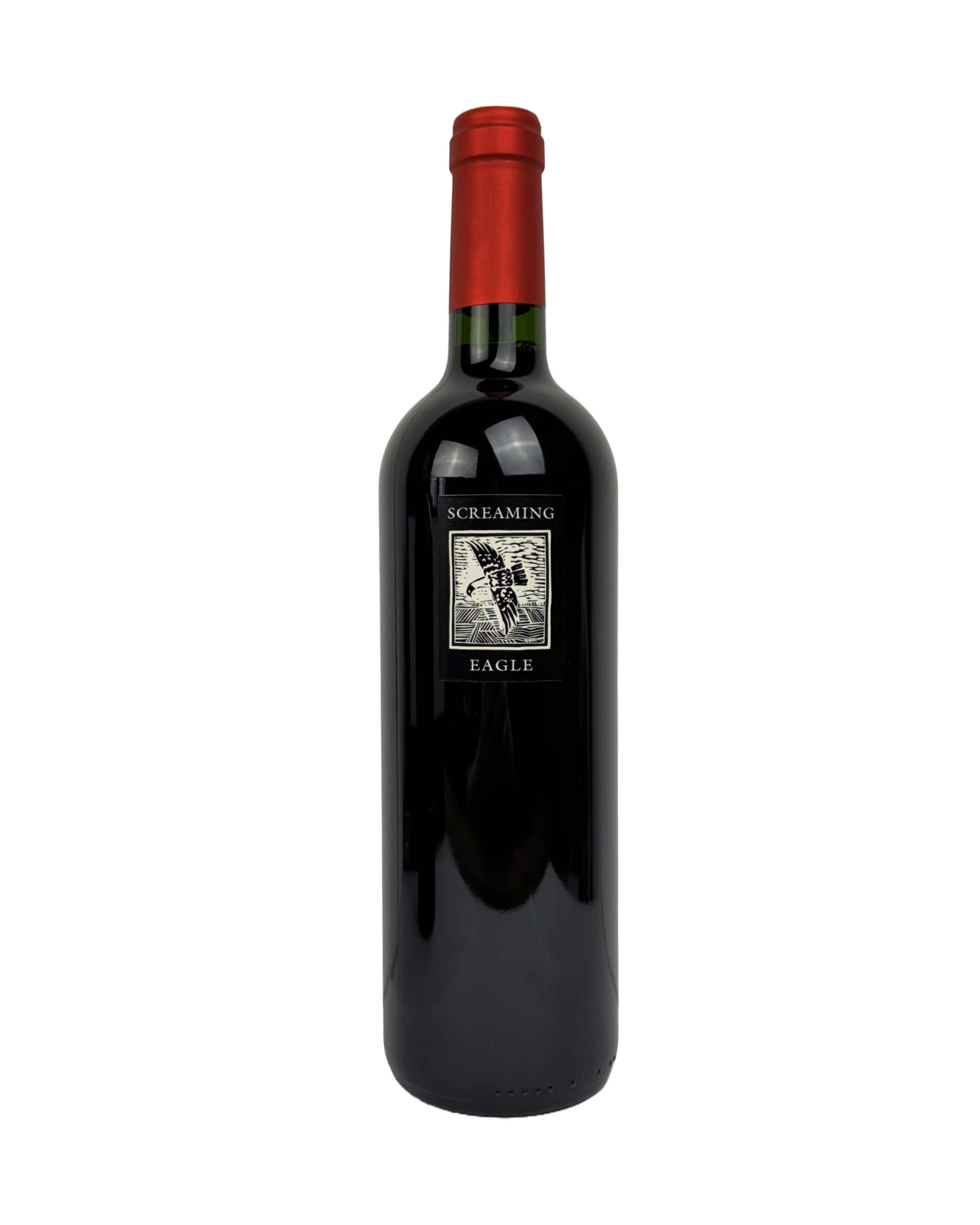
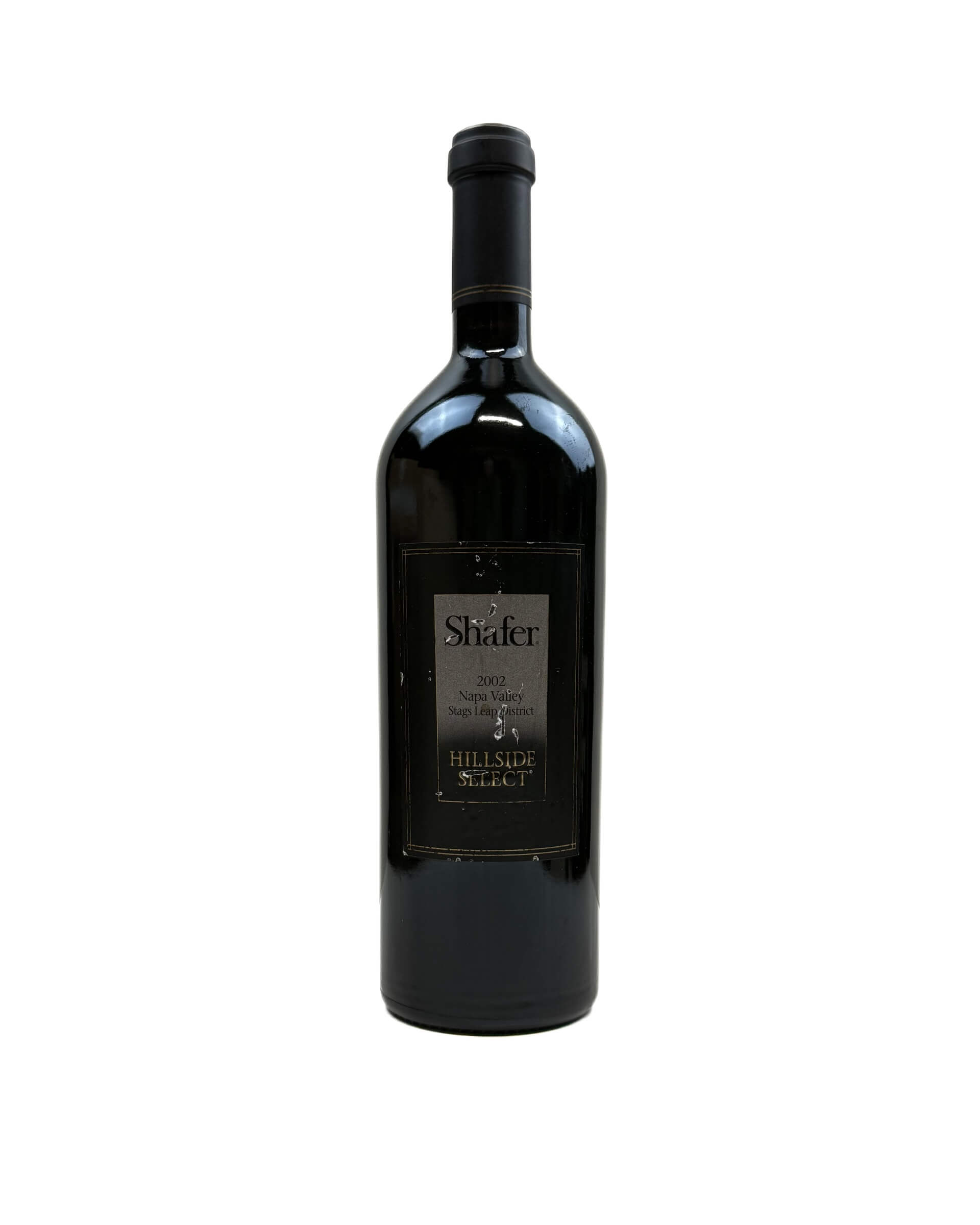
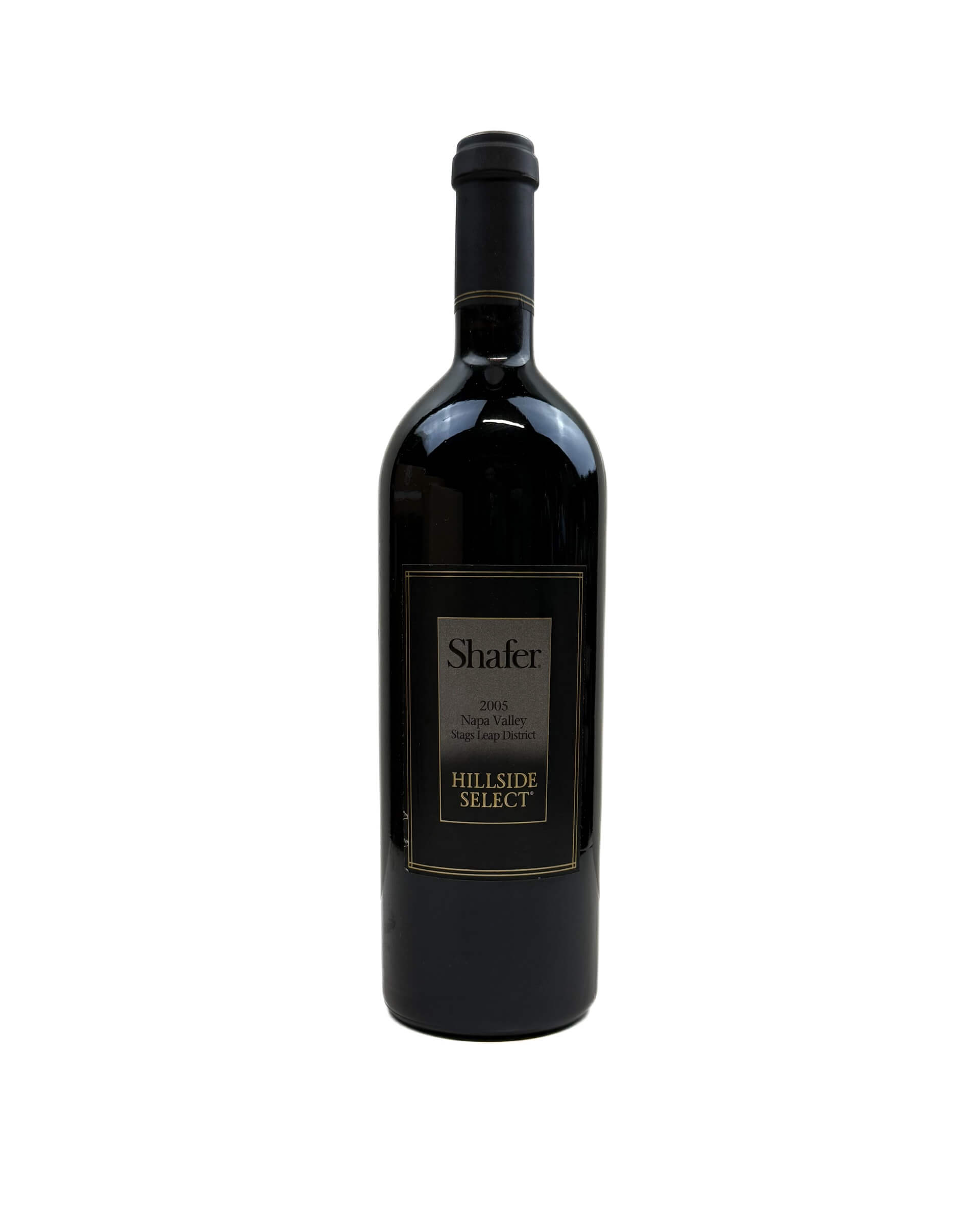

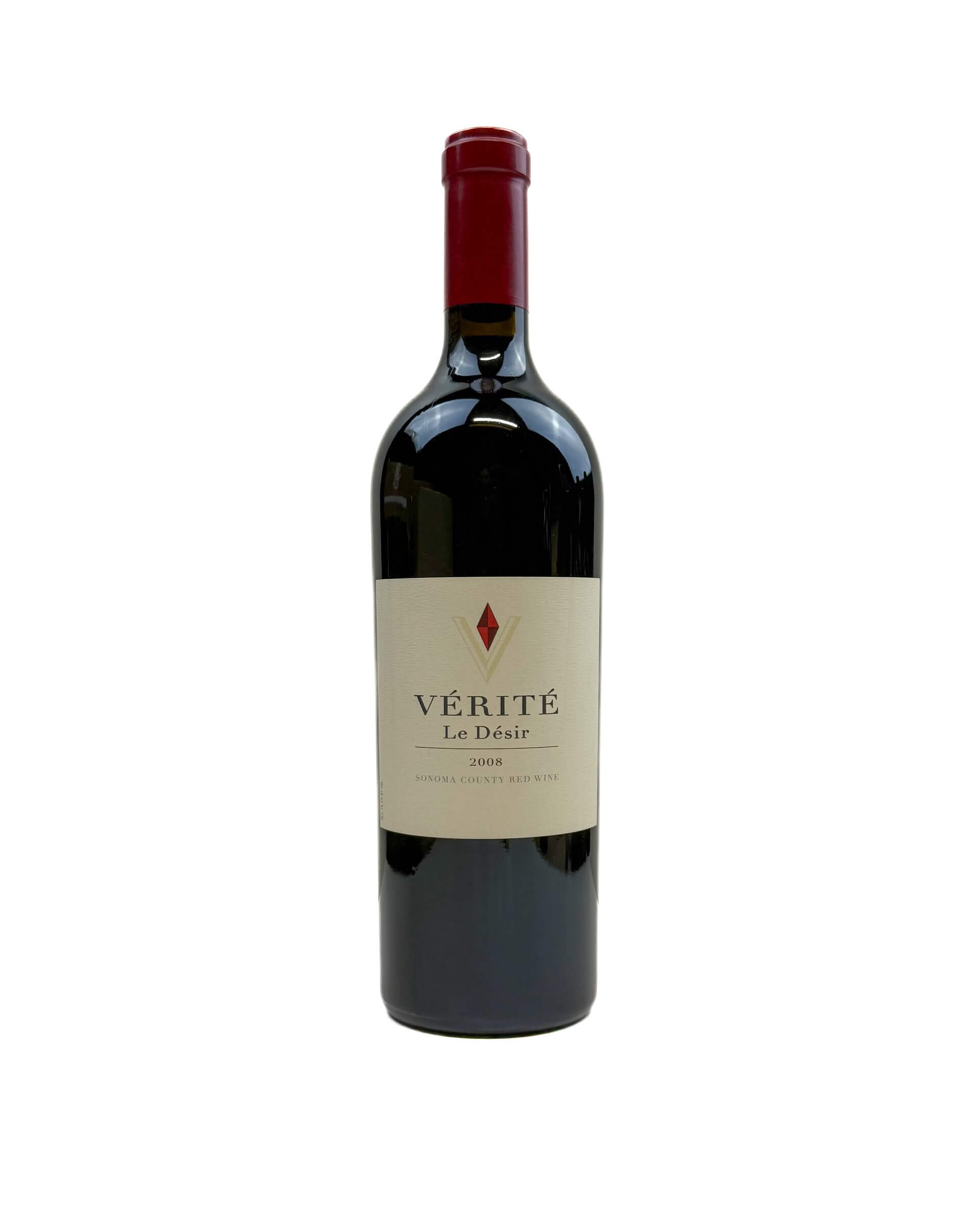
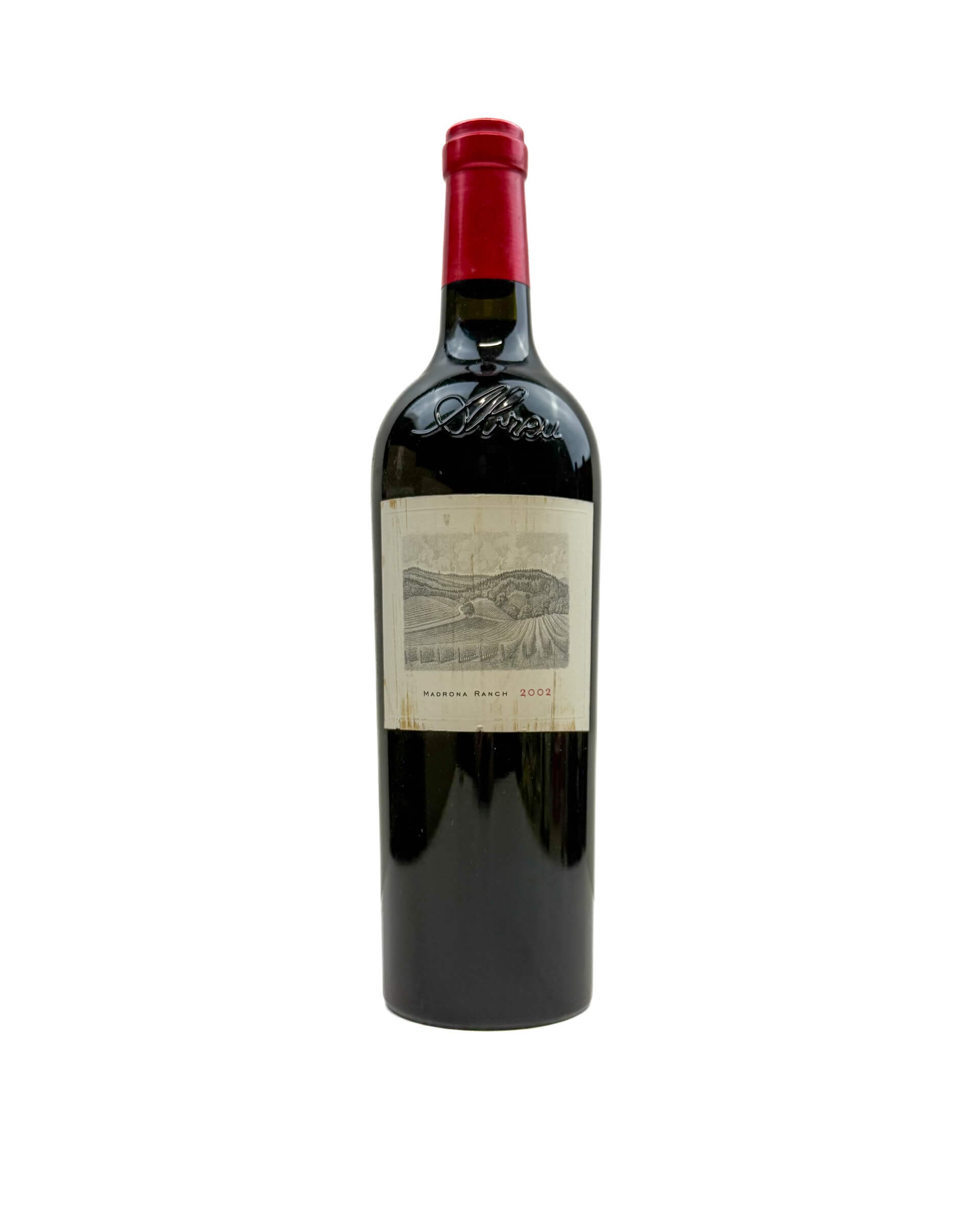
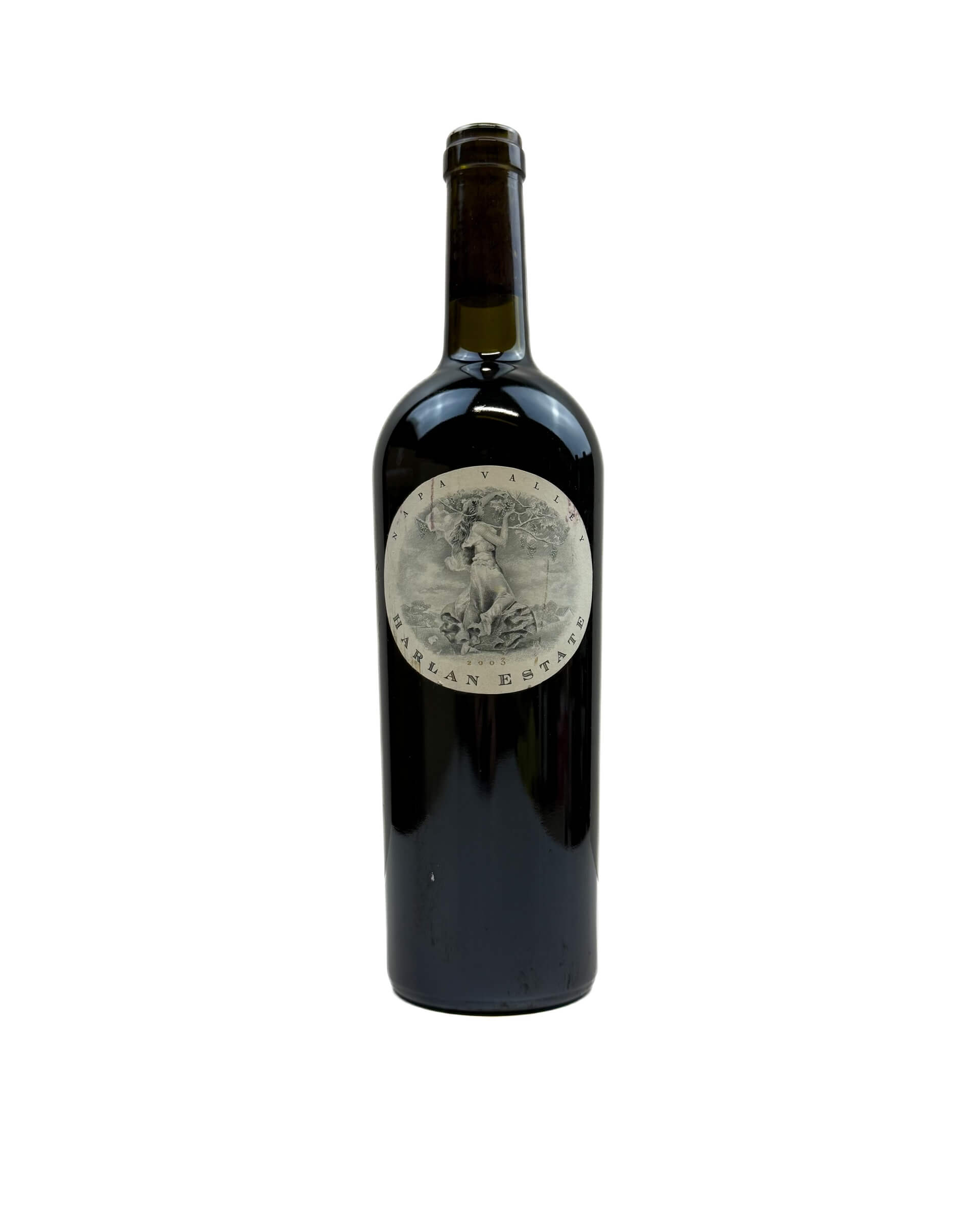
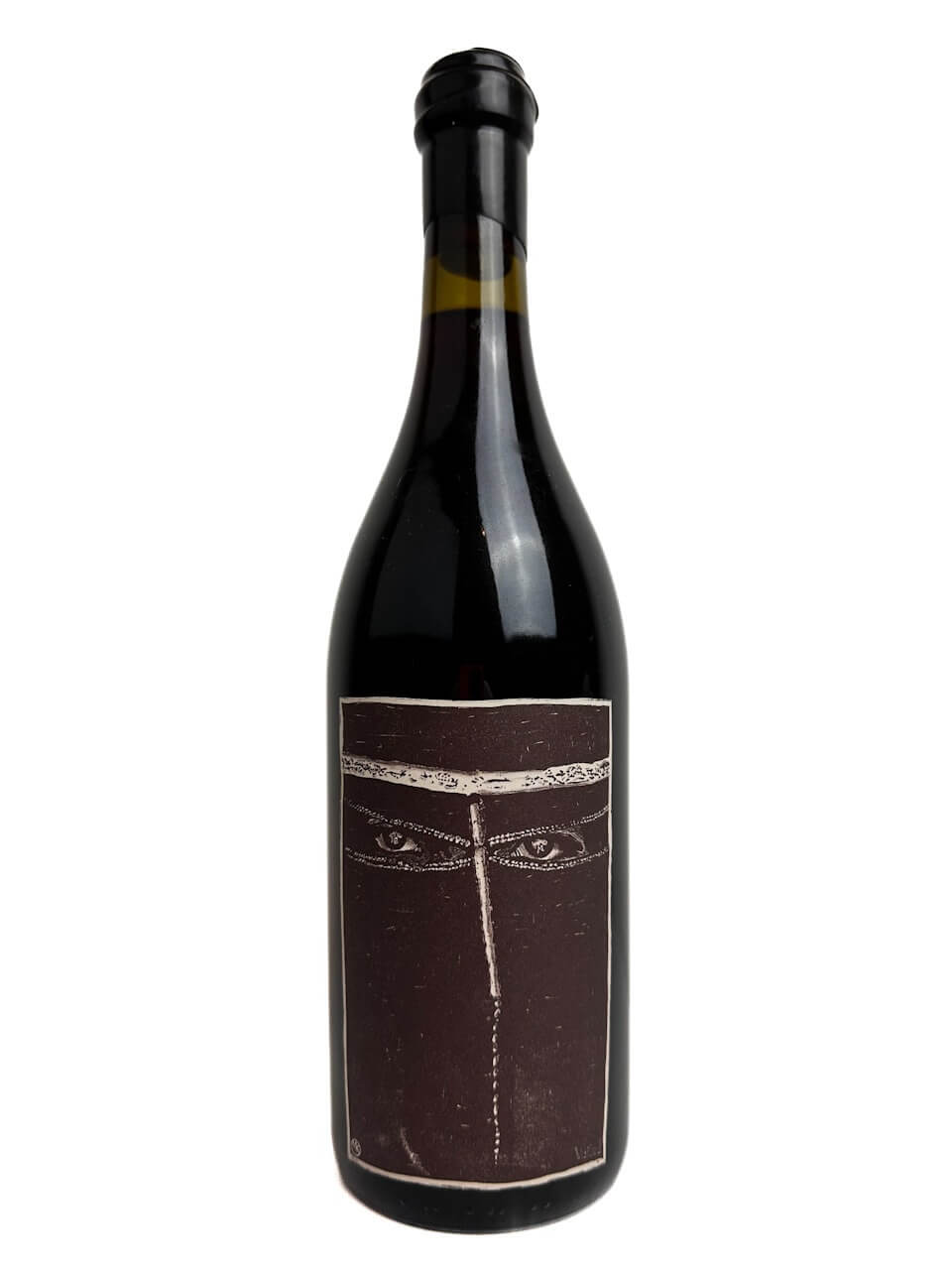
For the serious European collector, California produces red wine that routinely earns top scores from Wine Spectator and Robert Parker’s Wine Advocate, led by the towering Cabernet Sauvignon of Napa Valley and complemented by world-class Pinot Noir and Chardonnay grown along the cool Pacific edge. From a French fine-wine perspective, what sets these wines apart is the marriage of New World ripeness and ambition with an Old World sense of place — bottles that can sit comfortably beside classified-growth Bordeaux and Grand Cru Burgundy in any cellar. For transatlantic buyers, they also travel and cellar reliably when stored at a steady 12–14°C.
Tour de Wine’s California selection gathers 28 bottles, curated with the same eye for provenance and longevity we bring to our European estates. Prices begin around €165 and rise to rare library releases above €1,180 (and up to €4,400), signalling a range built for connoisseurs and collectors rather than casual table-wine buyers. Below, our buying team maps the appellations, grapes, and price tiers that matter most before you choose.
California is not a single style but a vast mosaic of more than 130 American Viticultural Areas (AVAs) — the New World equivalent of an appellation, demarcating zones with distinct geography and climate. The decisive force across nearly all of them is the Pacific Ocean and the cool air drawn in through San Francisco Bay. This maritime influence creates a spectrum that runs from the warm, sun-bathed floor of Napa Valley, where Cabernet Sauvignon ripens to full power, to the fog-shrouded reaches of Carneros and the Sonoma Coast, where Pinot Noir and Chardonnay retain their tension and freshness.
Morning fog, wide diurnal temperature swings that cool the vineyards at night, and a patchwork of volcanic and sedimentary soils all shape the finished wine. Stylistically, California champions varietal expression — wines named and built around a single grape, with generous ripe fruit and judicious oak — rather than the village-and-cru framework of France. For a European palate, this is the key mental shift: here, terroir is expressed through the grape rather than codified by centuries of appellation law, which makes exploring the state’s regions all the more rewarding.
Three regions account for almost the entire premium California map, and each maps directly to a curated section of our catalogue. Understanding how they differ is the fastest route to buying the right bottle.
Napa Valley supplies 21 of our 28 California bottles and remains the undisputed heartland of premium US red wine. Its sub-AVAs each leave a fingerprint: Rutherford and Oakville yield full-bodied, structured Cabernet Sauvignon carrying the famous mineral “Rutherford dust” signature; Stags Leap District trades power for perfume and earlier accessibility; and the hillside sites of Howell Mountain and Calistoga deliver concentration and firm, age-worthy tannin. At its summit, Napa Valley Cabernet Sauvignon rivals classified Bordeaux in both longevity and price. Browse the full range of Napa Valley wines to see the breadth of styles on offer.
Larger and climatically more varied than Napa, Sonoma County is where California turns most Burgundian. The cool Sonoma Coast and Russian River Valley produce benchmark Pinot Noir and Chardonnay of real finesse — producers such as Williams Selyem and Kosta Browne are the references here — while Dry Creek Valley is the spiritual home of old-vine Zinfandel. For the European collector accustomed to Burgundy, these are the bottlings that translate most directly to a Côte d’Or frame of reference. For collectors who prize elegance and restraint over sheer power, our Sonoma County wines offer a compelling counterpoint to the Napa heavyweights.
Stretching from Monterey down to Santa Barbara, the Central Coast is California’s most dynamic frontier. Paso Robles excels with bold Cabernet Sauvignon and Rhône varieties such as Syrah, Grenache, and Viognier — estates like Tablas Creek, Saxum, and Justin have built the region’s reputation — while the cooler SLO Coast AVA within San Luis Obispo County shapes Pinot Noir of notable elegance. Both deliver exceptional quality below Napa price points — explore our Central Coast wines and San Luis Obispo County wines to find the value.
While the state grows dozens of grapes, four varieties define its reputation and dominate any serious collector’s shortlist.
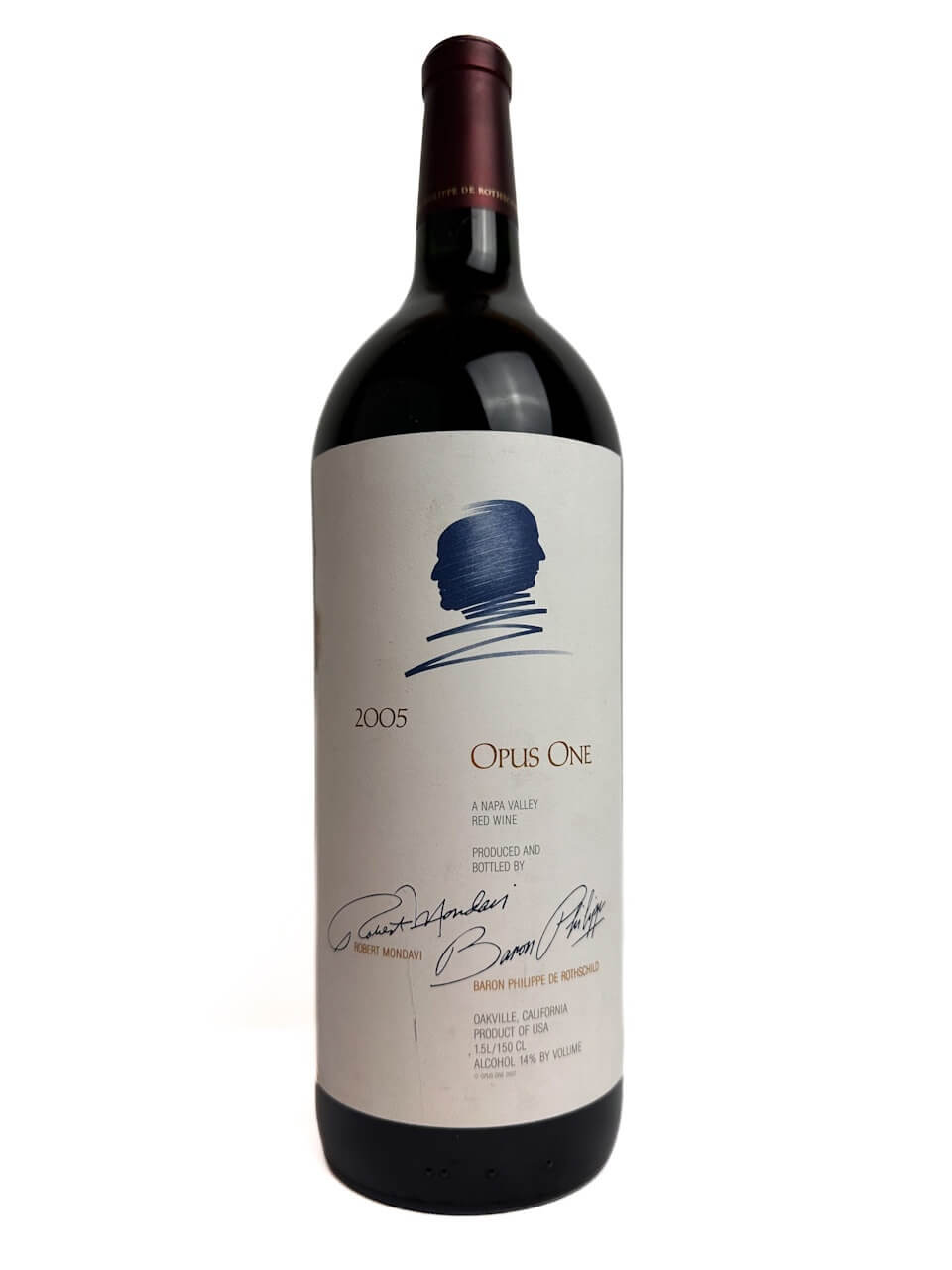
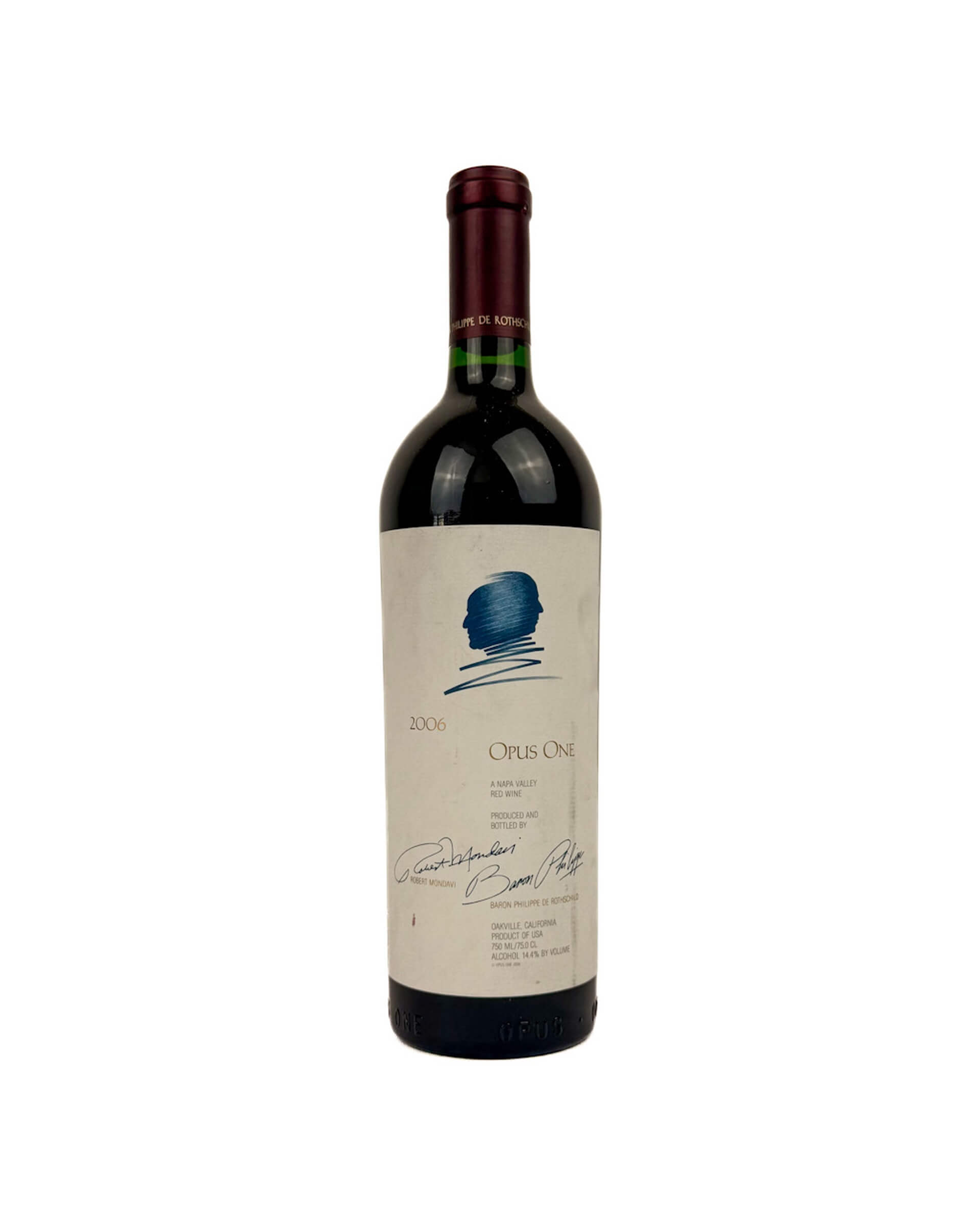
The state’s defining red grape and the engine of Napa’s fame. California Cabernet Sauvignon is built on ripe blackcurrant and plum, cedar and graphite, and firm tannins framed for 10 to 20 years or more of ageing. The most celebrated bottlings — names such as Opus One, Screaming Eagle, and Ridge Monte Bello — stand among the global benchmarks of winemaking.
Grown in the cool coastal AVAs — Sonoma Coast, Russian River Valley, Santa Rita Hills, and Carneros — California Pinot Noir can reach genuinely Burgundian heights: silky tannins, bright red fruit, and an earthy, savoury depth. For collectors who love the Côte d’Or, the top coastal bottlings now regularly draw mid-90-point scores from the same critics who rate Grand Cru Burgundy, yet often sit a tier below it in price.
California Chardonnay spans a wide arc, from the full-bodied, oak-framed Napa style to the lean, mineral-edged expressions of the Sonoma Coast and SLO Coast. Over the past two decades winemakers have moved steadily toward greater restraint, picking earlier and using oak with a lighter hand, producing whites that age with real grace.
Zinfandel — particularly old-vine plantings in Dry Creek Valley and Lodi — is California’s heritage grape, generous and brambly. Merlot, Central Coast Syrah, and Rhône-style blends round out the picture, and several feature in our California selection alongside the headline Cabernets and Pinots.
California’s generous fruit and ripe structure make these wines superb at the table, provided each is served in its ideal window. A few reliable guidelines from our buying team:
Premium California wine, and Napa Valley Cabernet Sauvignon above all, ranks among the most sought-after — and at the top end, the most tightly allocated — wine in the world. Our 28-bottle selection is organised so that every budget and intention is covered, with the catalogue median sitting at €450. We frame the range in three clear tiers.
One final note for buyers building a cellar: vintage matters in Napa. The 2013, 2016, 2018, and 2019 growing seasons are universally regarded as exceptional, and bottles from these years reward patience most generously. If you are weighing California against Europe, our Burgundy wines make an instructive comparison for the Pinot Noir lover.
Napa Valley is California’s most prestigious region and the global benchmark for Cabernet Sauvignon. Sonoma County is equally important for Pinot Noir and Chardonnay, while the Central Coast — especially Paso Robles and the SLO Coast — delivers excellent quality at more accessible price points. For a first California purchase, Tour de Wine recommends starting with a Rutherford or Oakville Cabernet Sauvignon: it is the clearest expression of what distinguishes the state from Europe, and the easiest reference point against which to judge every bottle you buy next.
At Tour de Wine, California bottles start from around €165. A typical buyer spends in the region of the €450 catalogue median, which secures a benchmark-quality, cellar-worthy wine. From there the range climbs to €1,180 and beyond for rare Napa Valley collector bottles and library releases, topping out at €4,400 for the most coveted cult wines. For a European collector weighing allocation against Bordeaux, the mid-range here often buys more critic-rated quality per euro than an equivalently scored classified growth.
A well-structured Napa Valley Cabernet Sauvignon from a great vintage — 2013, 2016, 2018, or 2019, for example — can develop gracefully for 15 to 25 years in proper cellar conditions. Most bottles are approachable on release but reward patience with additional complexity, secondary aromas, and softened tannins.
California Cabernet Sauvignon typically shows riper fruit (blackcurrant, plum, and chocolate notes), a warmer and fuller body, and often more immediate approachability than a classified Bordeaux. Bordeaux tends to offer more earth, graphite, and tightly structured tannins that require longer cellaring. Both styles appeal to serious collectors, and Tour de Wine carries both if you wish to compare them side by side.
Written by the Tour de Wine buying team. Last reviewed: June 2026.
This site is restricted to adults. By entering, you confirm that you are of legal drinking age in your country of residence.