
97
0,75
2006
Alban Vineyards
Wines, producers, regions...
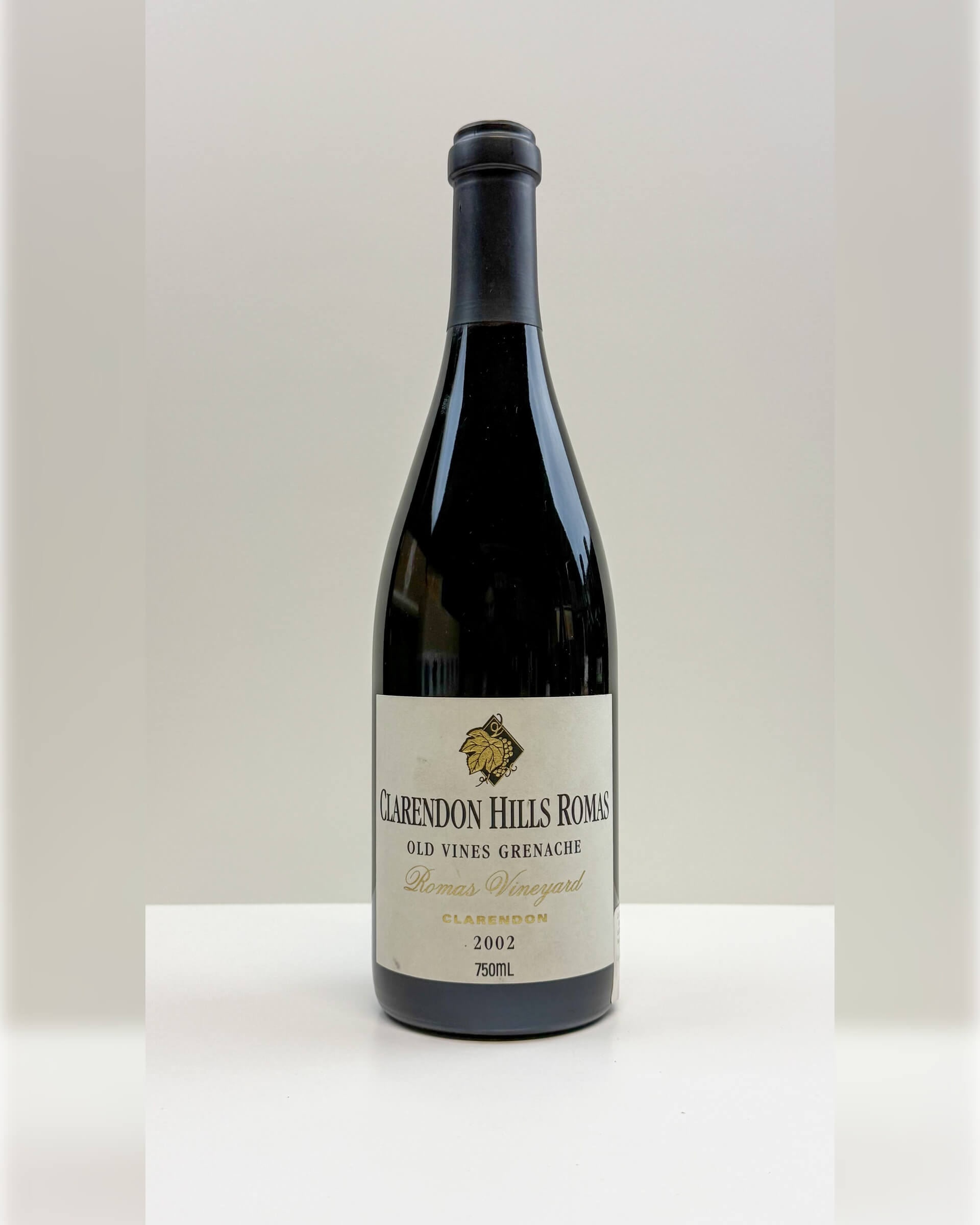
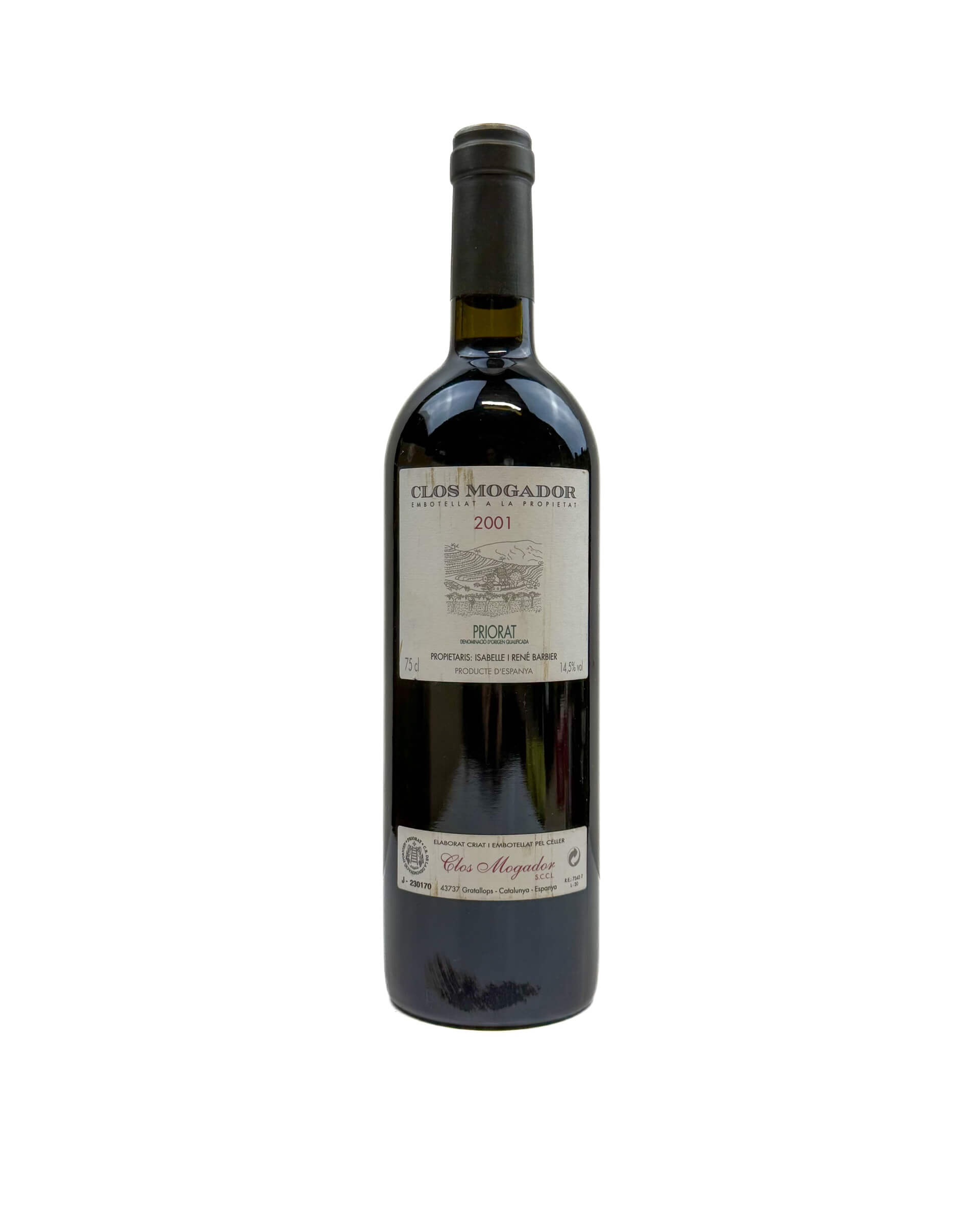
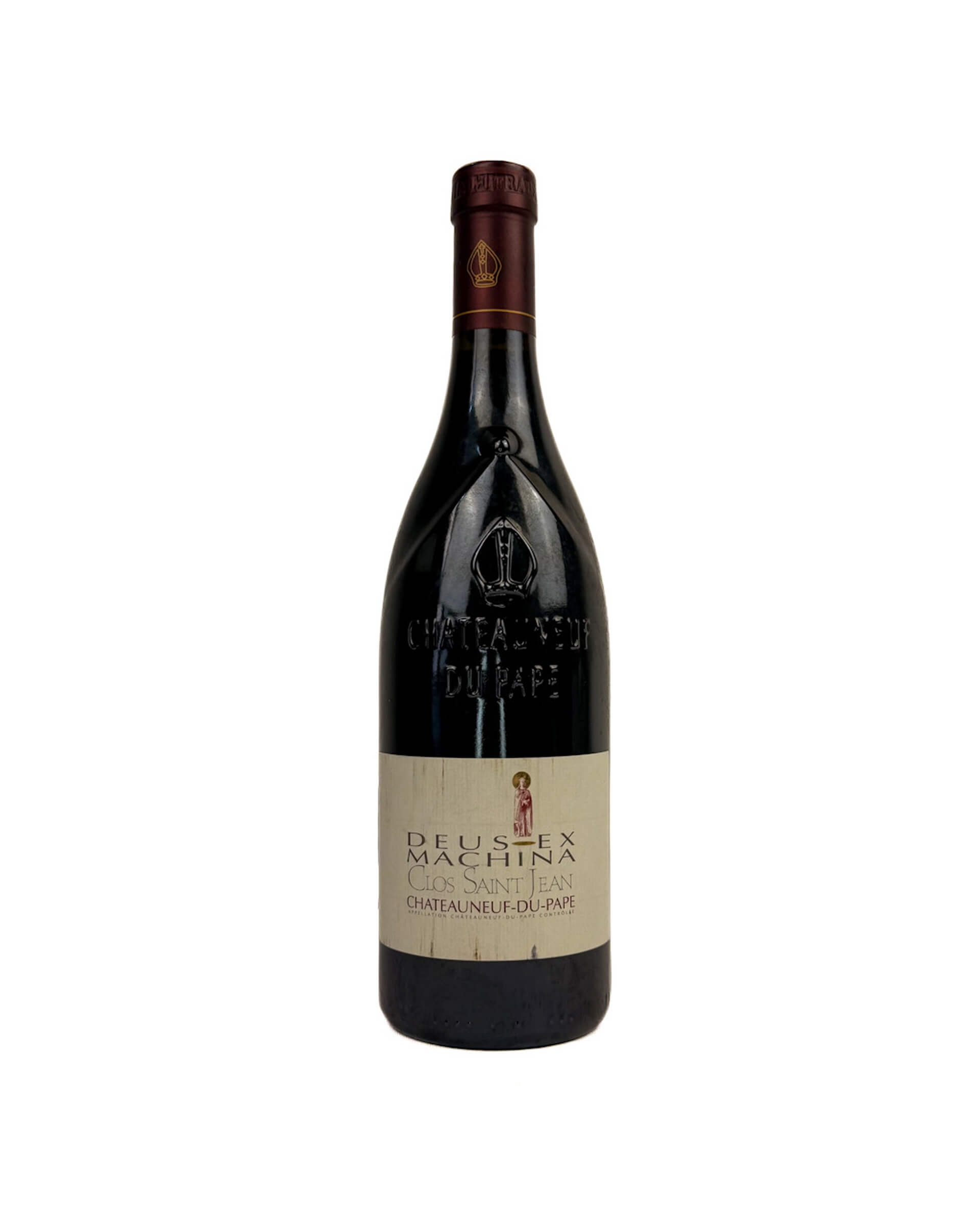
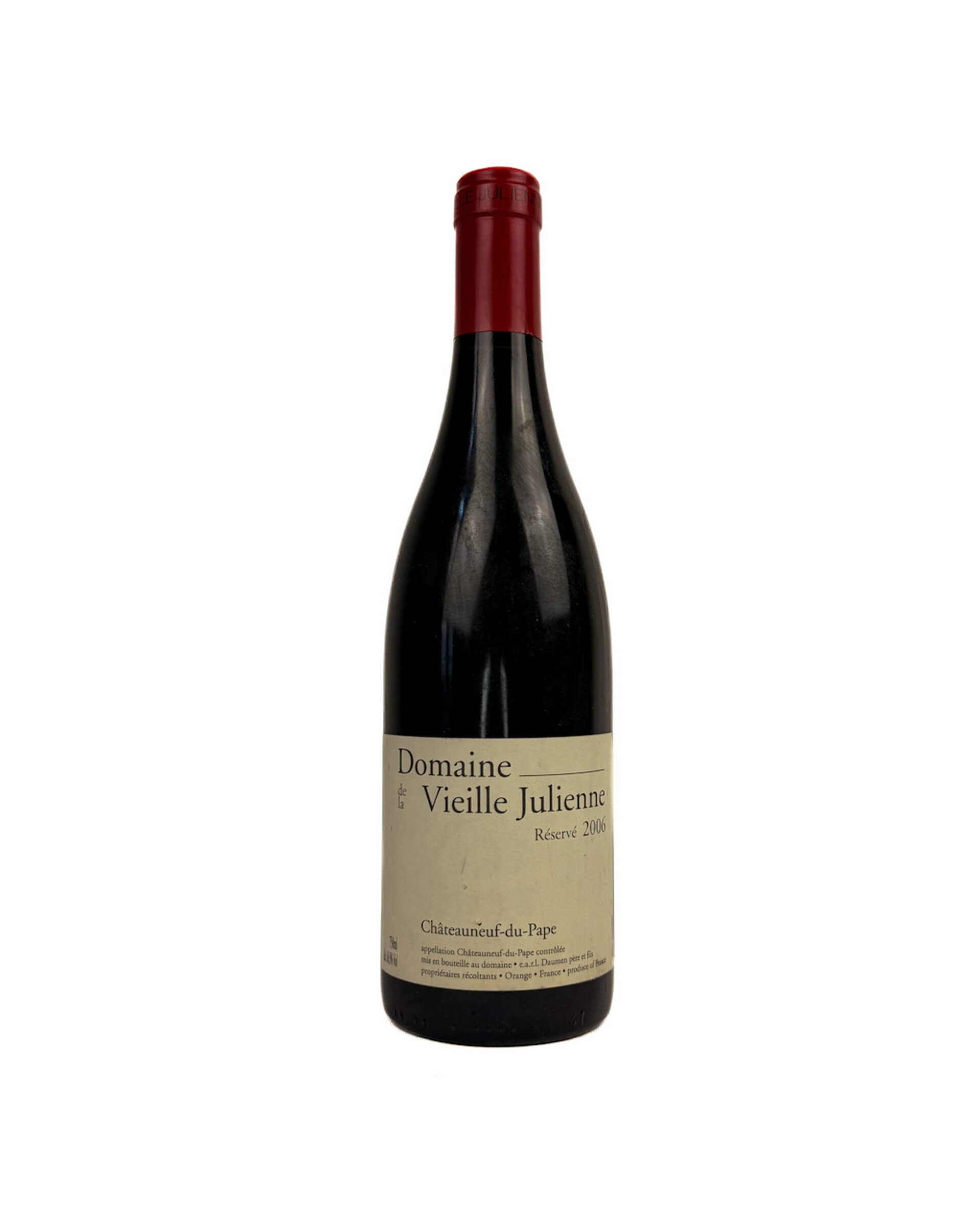
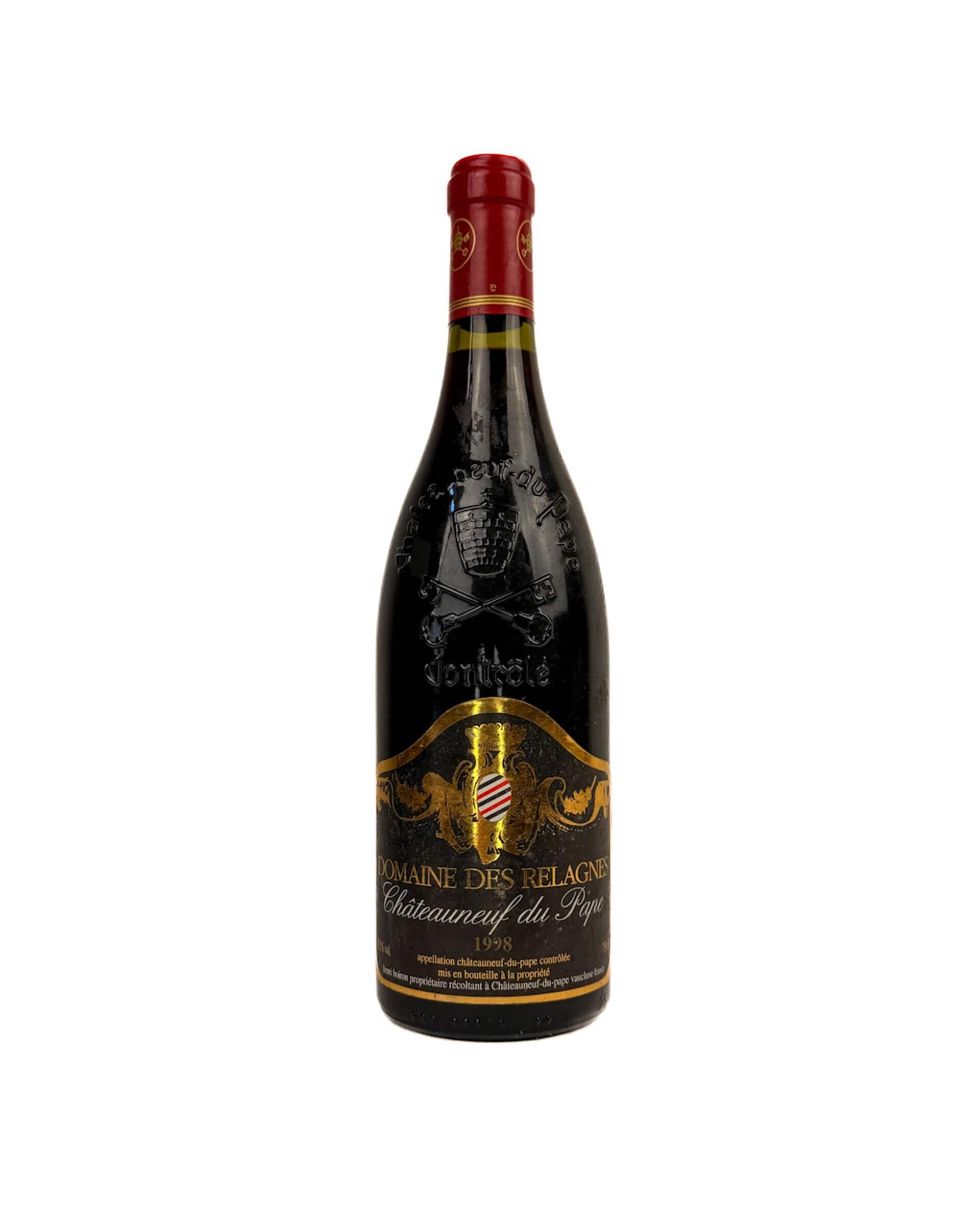
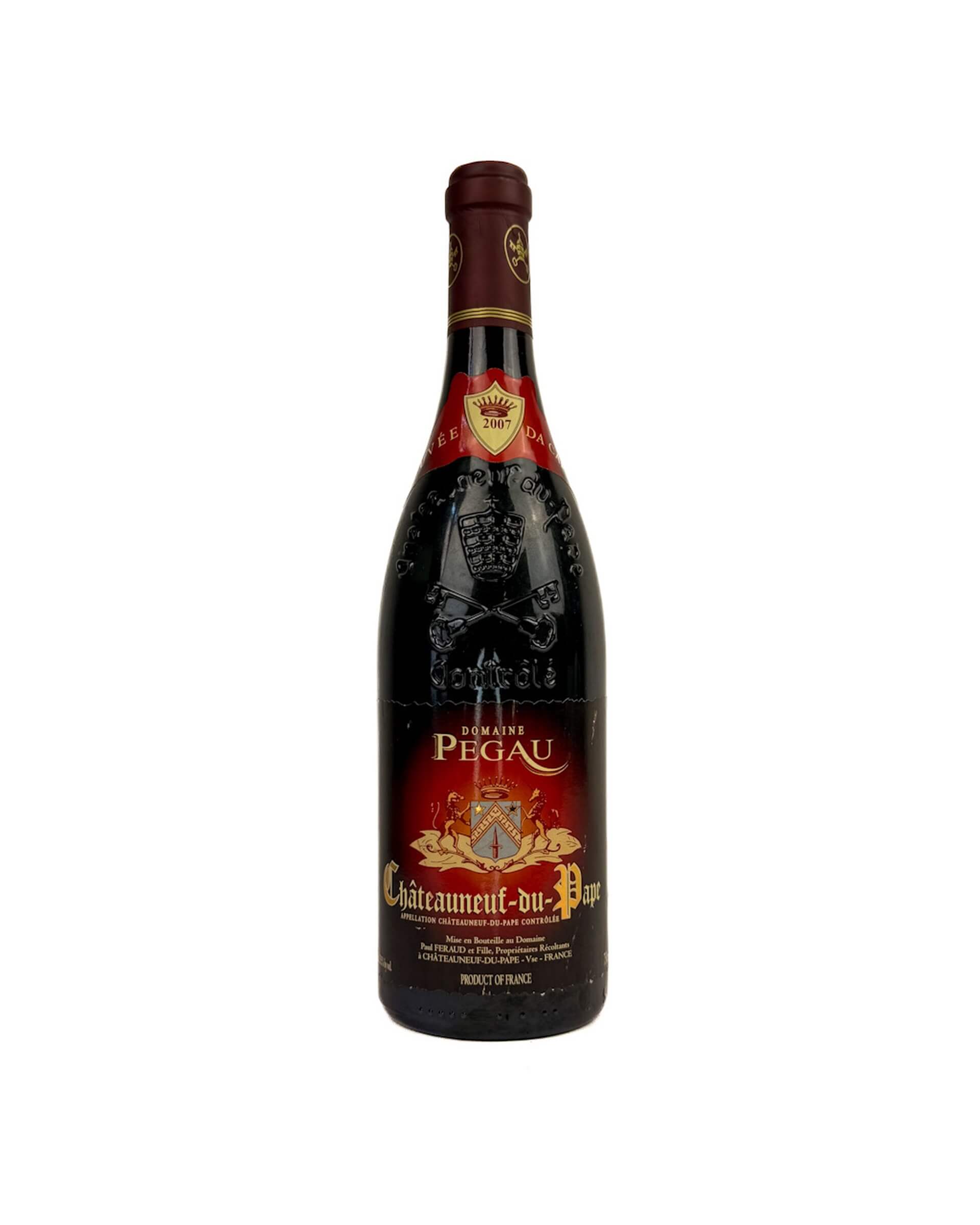
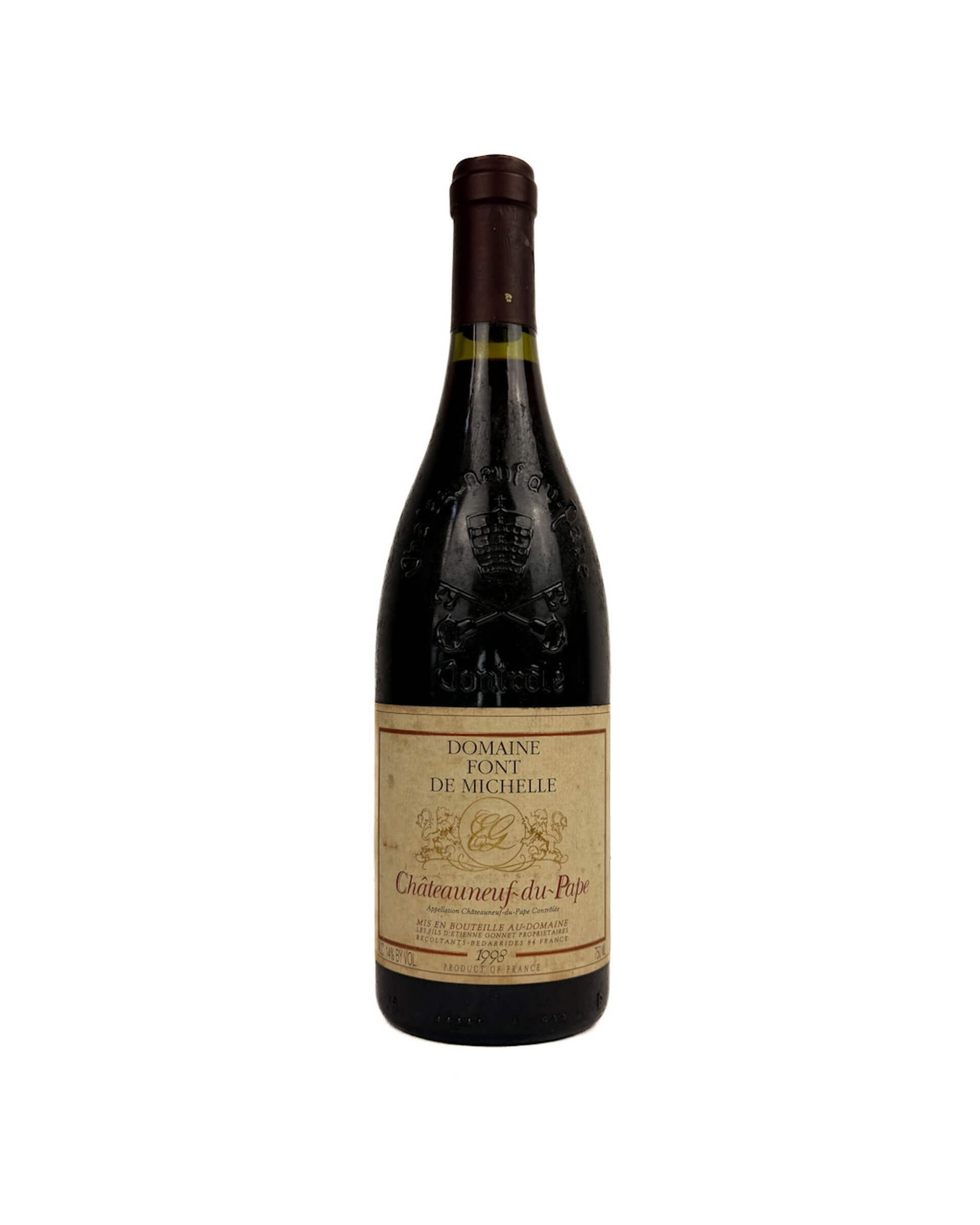
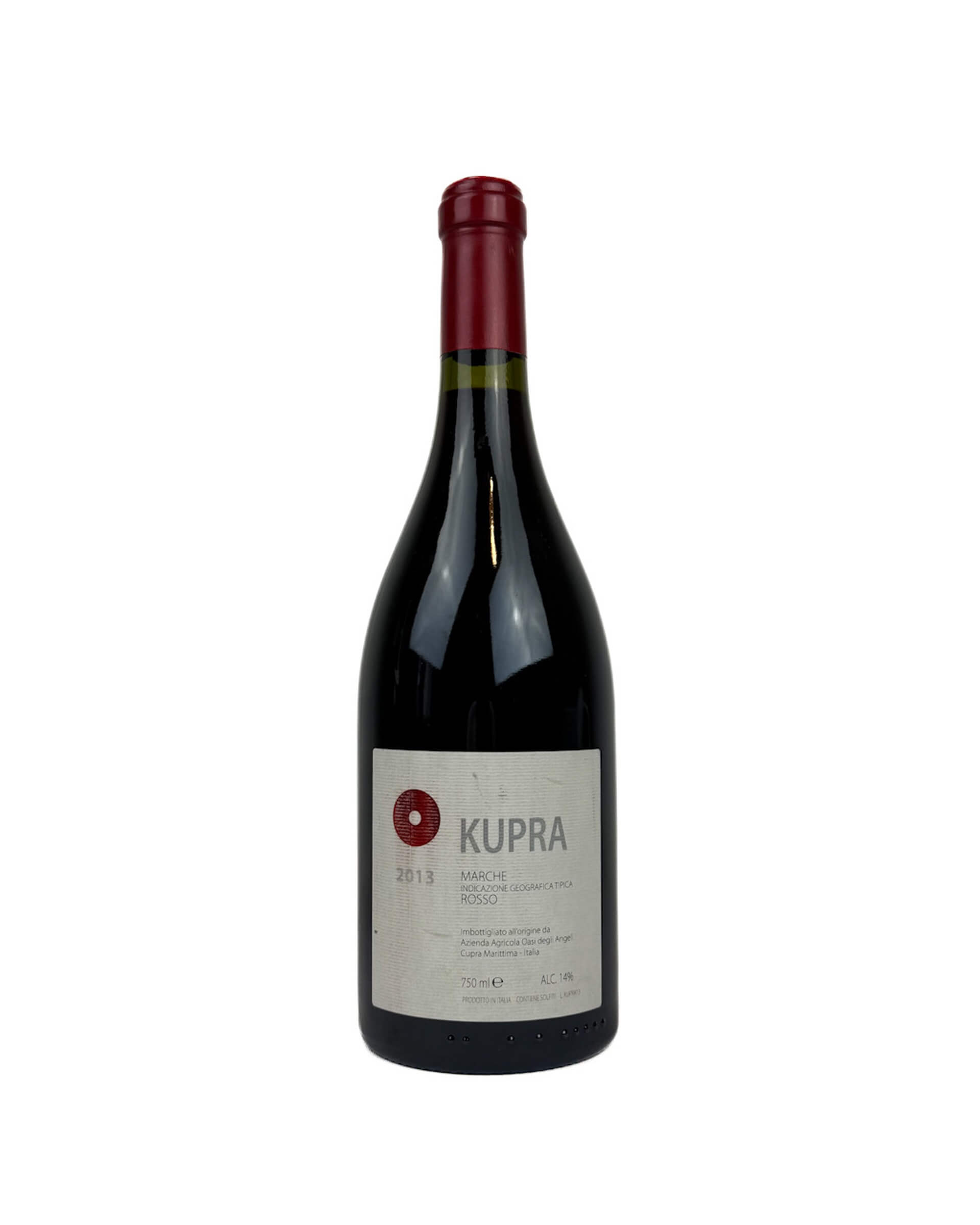
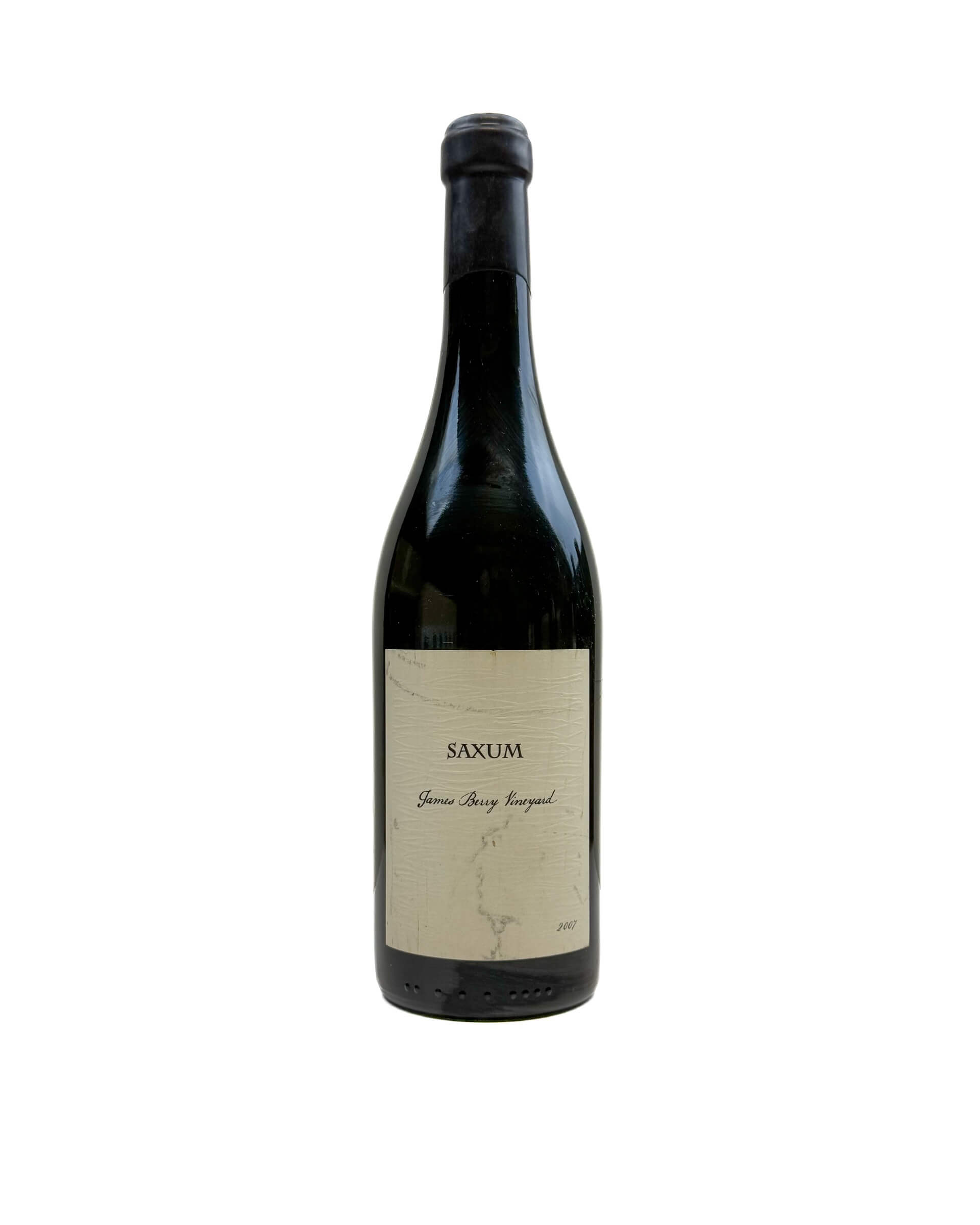
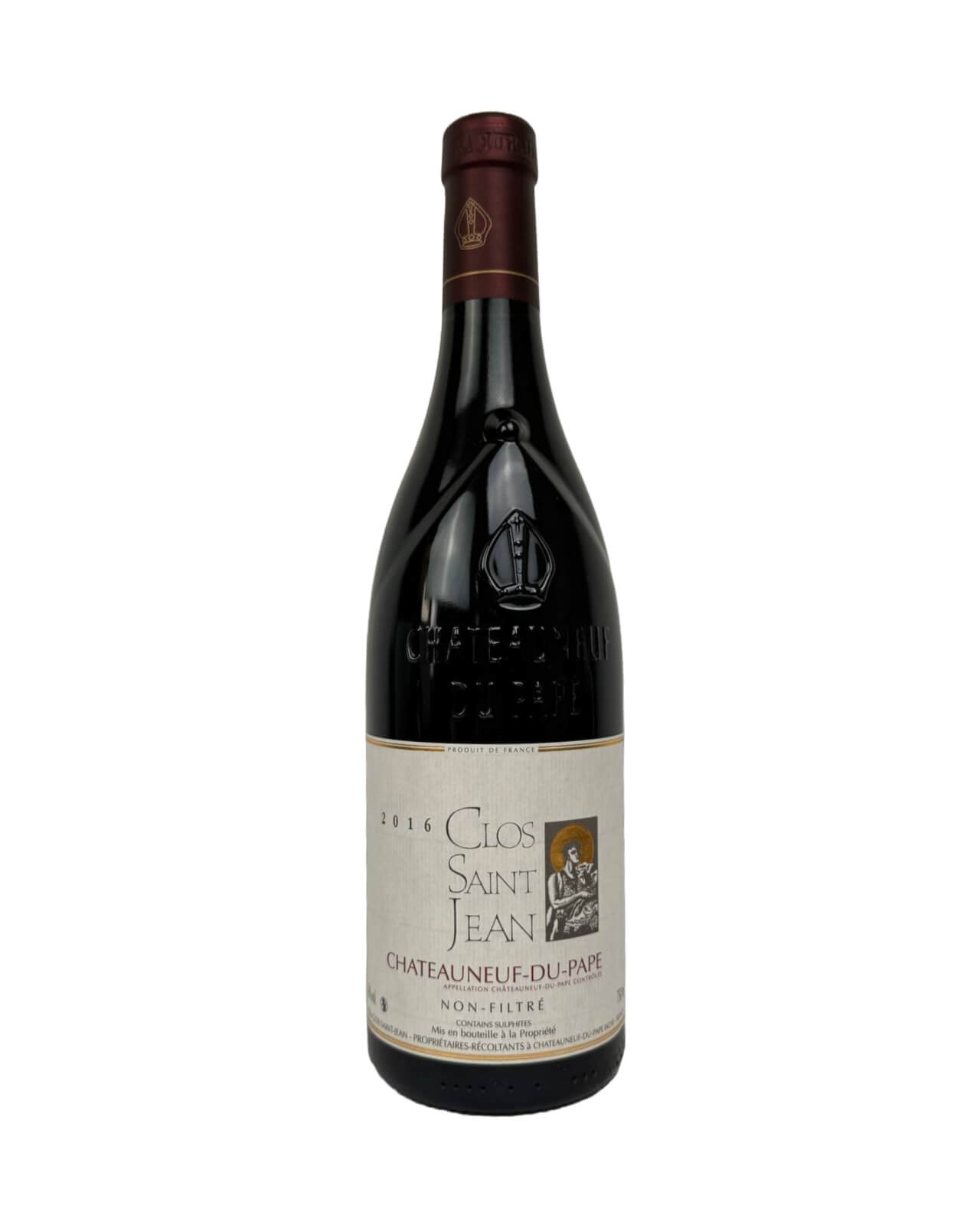
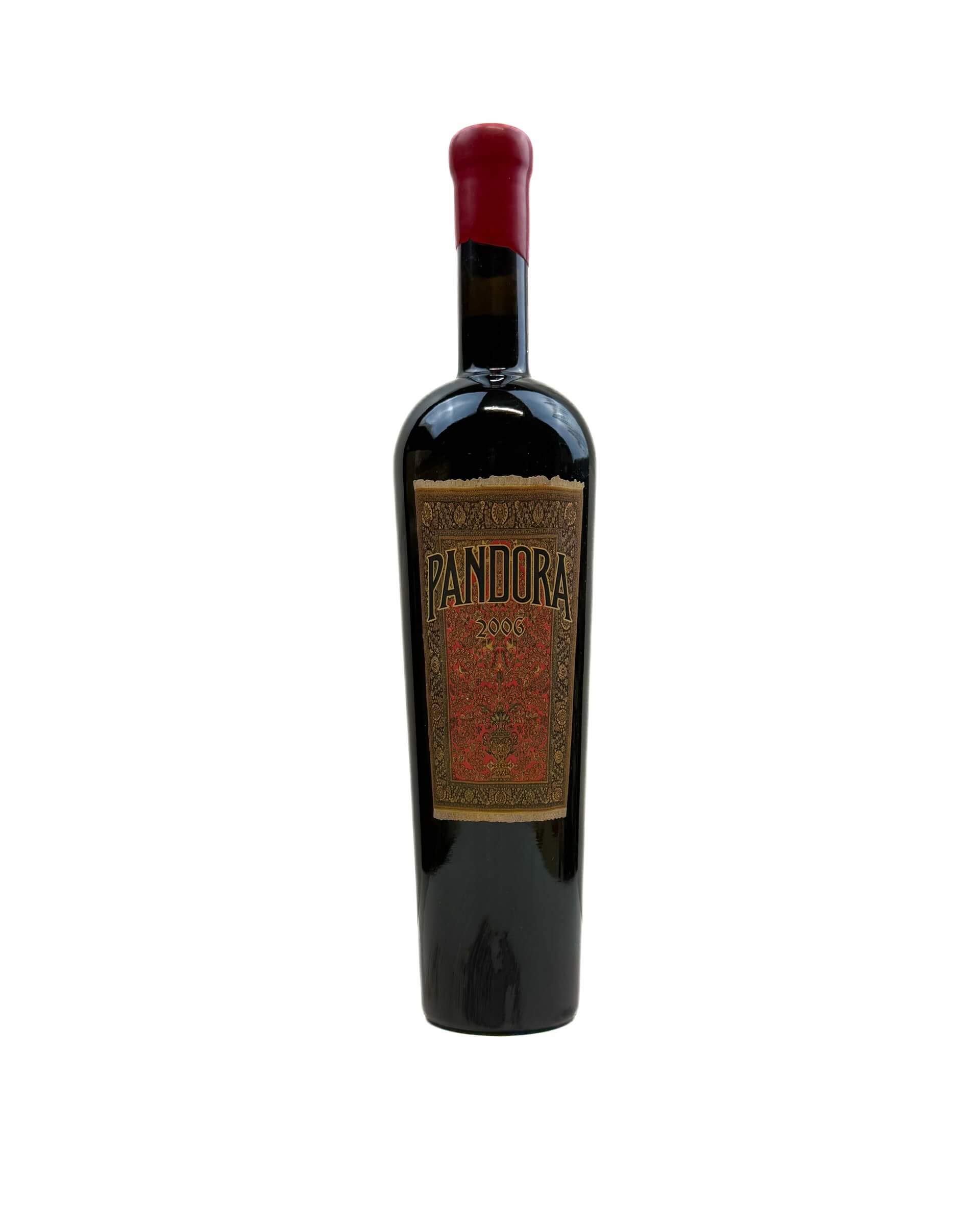
Grenache is the dominant grape in Châteauneuf-du-Pape, permitted at up to 100% of the blend, and the same variety — labelled Garnacha — covers more than 180,000 hectares across Spain. That dual identity makes it one of the most widely planted red grapes on earth. It gives generous, full-bodied grenache red wine in the Southern Rhône, deep gastronomic rosé in Tavel, and fortified sweet wines along the Mediterranean coast. Its three principal territories are the Southern Rhône (Châteauneuf-du-Pape, Gigondas, Rasteau), Languedoc-Roussillon (Maury, Tavel, Rivesaltes), and Spain (Priorat and Navarre). Tour de Wine’s selection gathers 11 references across these regions, spanning our grapes collection and the wider wine catalogue.
Thin-skinned and naturally low in colour pigment, the grenache grape ripens late and accumulates remarkable levels of sugar, which is why a typical grenache reaches 14–16% ABV without any chaptalization. Its structure is carried not by aggressive tannin but by alcohol warmth and sheer fruit concentration, which makes it approachable young yet capable of rewarding age. Understanding the grenache wine taste profile is the surest way to choose the right bottle for the table.
The grape is also the heart of the GSM blend (Grenache-Syrah-Mourvèdre), the classic Southern Rhône formula used across Châteauneuf-du-Pape, Gigondas and Vacqueyras: grenache provides the fruit and body, Syrah adds colour and spice, and Mourvèdre brings structure and earthiness.
No other red grape is expressed across so many distinct terroirs. From the rolled stones of the Southern Rhône to the black schist of Catalonia, each appellation reshapes the variety into something unmistakably its own. Here is the cartography that matters when you are buying serious grenache wine.
Grenache noir dominates here, often 70% or more of the blend alongside Syrah, Mourvèdre and Cinsault, grown on the famous rolled galets — large rounded river stones over red clay that store the day’s heat and release it overnight, driving the grapes to naturally high sugar. The wines show dark confited fruit, intense garrigue, tobacco, black olive and a liqueur-like cherry with age, at the elevated 14–16% alcohol the appellation is known for. Benchmark estates include Château Rayas, prized for its near-varietal, almost Burgundian elegance, Château de Beaucastel, Domaine du Vieux Télégraphe and Henri Bonneau. These rank among the finest expressions of French wine built on grenache.
At the foot of the jagged Dentelles de Montmirail in the Vaucluse, Gigondas requires a minimum of 50% grenache on clay-limestone and sandy-clay soils. The result is more tannic, more structured and deeper in colour than Châteauneuf, with 8–15 years of ageing potential. For value, Gigondas is a genuine back-door entry into the great Southern Rhône grenaches; look to Domaine Les Pallières, Château de Saint-Cosme and Domaine du Cayron.
Rasteau produces powerful, spice-driven reds from grenache noir on marl and clay, and is also home to the Rasteau Vin Doux Naturel — one of the rare appellations entitled to produce both dry reds and a fortified version of the grape within the same AOC, alongside the Vins Doux Naturels of Maury and Rivesaltes further south. Neighbouring Vacqueyras offers firm structure and pronounced tannins in excellent Grenache-Syrah-Mourvèdre blends, and remains consistently undervalued relative to Gigondas. Both appellations are all but absent from competing merchant pages — a real opportunity for the curious buyer.
In DOQ Priorat (Catalonia, Spain), old-vine Garnacha grown on llicorella — a black, light-reflecting schist — produces wines of extreme concentration, dark mineral depth and an imposing tannic architecture structurally unlike any Rhône grenache. The finest cuvées, often blended with Cariñena (Carignan), rank among the most collectible wines in the world; reference names include Álvaro Palacios (L’Ermita, Finca Dofí), Clos Mogador, Mas Doix and Terroir al Límit. This is the answer to anyone who has seen “Garnacha” and “Grenache” on two different bottles and wondered whether they are, in fact, the same grape: they are. If garnacha wine from Spain has been on your radar, Priorat is where it reaches its summit.
Tavel is France’s only appellation producing exclusively rosé, grenache-dominant, deep-coloured and gastronomic — a pink wine capable of 3–5 years’ ageing that pairs with grilled meats and charcuterie rather than poolside sipping. Further south, Maury and Rivesaltes give grenache-based Vin Doux Naturels: fortified sweet wines made from very ripe grenache, a bridge between dry and dessert wine found nowhere else in the red-grape world. Explore more of our red wines to see how grenache sits beside the other great reds.
Tour de Wine’s selection is deliberately Old World-focused, but no honest account of the variety can ignore Australia. McLaren Vale is one of the world’s largest grenache-producing regions and home to some of the oldest surviving vines of the variety on earth, including pre-phylloxera bush-vine blocks at estates such as d’Arenberg, Yangarra and Wirra Wirra. Stylistically, the Australian style tends to be more openly fruit-forward and jammy, often lifted by a note of eucalyptus, and is increasingly bottled as single-vineyard old-vine cuvées — a distinct bracket worth knowing even if our own range stays rooted in the Rhône and Spain.
Grenache is among the most flexible reds at the table, equally at home with rustic Provençal cooking and refined game dishes. Its warmth and herbal lift make for confident grenache food pairing, and the right serving temperature lets the grenache wine taste express its full aromatic range.
Red grenache is best served at 16–18 °C — slightly warmer than Pinot Noir — and the great Châteauneuf-du-Pape opens into its full tertiary register at the warmer end of that range — the kind of complexity that rewards a slow dinner rather than a quick pour. Reach for a large Bordeaux or Rhône bowl: the wine needs volume to express its herbal complexity. Decanting is recommended for structured cuvées under 10 years, essential for young Priorat, and unnecessary for mature bottles of 15 years or more, or for the Vin Doux Naturel styles.
Before you buy grenache wine, three questions narrow the field quickly: your budget, the occasion, and the vintage. Tour de Wine’s selection of 11 references is built around quality rather than supermarket entry, and the prices below are drawn directly from our live catalogue.
The selection starts from around €45 at the 10th percentile — a serious entry point covering Côtes du Rhône Villages and Vacqueyras of real character. Most bottles sit near the catalogue median of €175, which unlocks named Châteauneuf-du-Pape estates and recognised Priorat producers. For collectors, the top of the range runs from €375 at the 90th percentile up to €390 for the rarest, aged-release cuvées. In short: from around €45, with most bottles near €175, and the finest reaching up to €390.
For an everyday table wine or an accessible gift, a Gigondas or Côtes du Rhône Villages grenache from around €45 delivers genuine pleasure. For a gastronomic dinner or a cellar addition, a Châteauneuf-du-Pape or Priorat from a serious estate near the €175 median is the natural choice. For long-term cellaring, the top-tier cuvées from €375 carry 15–25 years of ageing potential, and represent strong relative value against comparable-tier Burgundy or Bordeaux at the same age. Compare them with our Burgundy selection or a benchmark Pinot Noir to see where the value sits.
For the Southern Rhône, the outstanding recent vintages are 2015, 2016, 2019 and 2022; these warm years produced generous, concentrated grenaches that reward 8–12 years in the cellar, while the cooler 2021 yields leaner, higher-acid bottles excellent for extended ageing. For Priorat, 2015, 2017 and 2019 are the benchmark years. Browse the full range of France wines and our broader red wine selection, or set these vintages against the structured reds of Bordeaux to compare ageing curves side by side.
Expect a warm, full-bodied red built on sweet red fruit and a savoury, sun-baked herbal edge, carried by soft tannins rather than grip. It reads lighter-fruited and rounder than a full GSM blend and more openly perfumed than Syrah on its own. The three colour forms diverge sharply: Grenache Noir is the high-alcohol red of the Rhône and Spain; Grenache Gris, grown in Roussillon, yields intense dry rosé and fortified Vin Doux Naturel; Grenache Blanc makes aromatic, low-acid whites. As a mature red ages, the palette shifts from bright fruit to savoury, dried-fruit complexity — the kind that suits a slow dinner rather than a quick pour.
GSM stands for Grenache-Syrah-Mourvèdre, the classic Southern Rhône blend used across Châteauneuf-du-Pape, Gigondas and Vacqueyras. Each variety plays a role: grenache supplies the fruit and body, Syrah contributes colour and spice, and Mourvèdre adds structure and earthy depth.
Yes — Garnacha and Grenache are the same variety. “Garnacha” is simply the Spanish name, used in Navarre, Aragon, Rioja blends and Priorat. The grape almost certainly originated in Aragon before spreading to Roussillon and across the Mediterranean basin. If you see “Garnacha” on a Spanish label, you are buying grenache.
It depends on the appellation. A Côtes du Rhône Villages drinks best within 4–6 years. A Gigondas or Vacqueyras from a quality producer holds well for 8–12 years. The top Châteauneuf-du-Pape estates peak between 10 and 20 years, and high-end Priorat such as Álvaro Palacios or Clos Mogador can evolve for 15–30 years depending on the vintage.
They are three colour mutations of the same variety. Grenache Noir — by far the most planted — gives rich, high-alcohol reds loaded with ripe fruit and garrigue. Grenache Gris, grown mainly in Roussillon, produces intense rosés and Vin Doux Naturel. Grenache Blanc makes aromatic white wines, often blended into Châteauneuf-du-Pape Blanc and Roussillon whites.
For most structured bottlings, yes. A Châteauneuf-du-Pape or Priorat under 10 years benefits from 45–60 minutes in a decanter as the garrigue, fruit and spice open up. Gigondas and young Rasteau improve with 30–45 minutes. Vin Doux Naturels such as Maury and Rasteau VDN, and older bottles of 15 years or more, generally do not need extended decanting.
Yes, and the variety is a focal point for the movement. The Southern Rhône and Priorat host a growing number of certified estates: Terroir al Límit in Priorat works biodynamically, and Domaine Gramenon in the Rhône is a long-standing reference for low-intervention, naturally made wines. Organic certification (such as EU Bio or Demeter for biodynamics) restricts synthetic herbicides, pesticides and fertilisers in the vineyard and limits additions in the cellar, which for this grape tends to mean fresher fruit, gentler extraction and lower added sulphur. Many top growers farm to these standards whether or not they print the logo on the label, so it is always worth asking.
Written by the Tour de Wine buying team. Last reviewed: June 2026.
This site is restricted to adults. By entering, you confirm that you are of legal drinking age in your country of residence.