90
0,75
NV
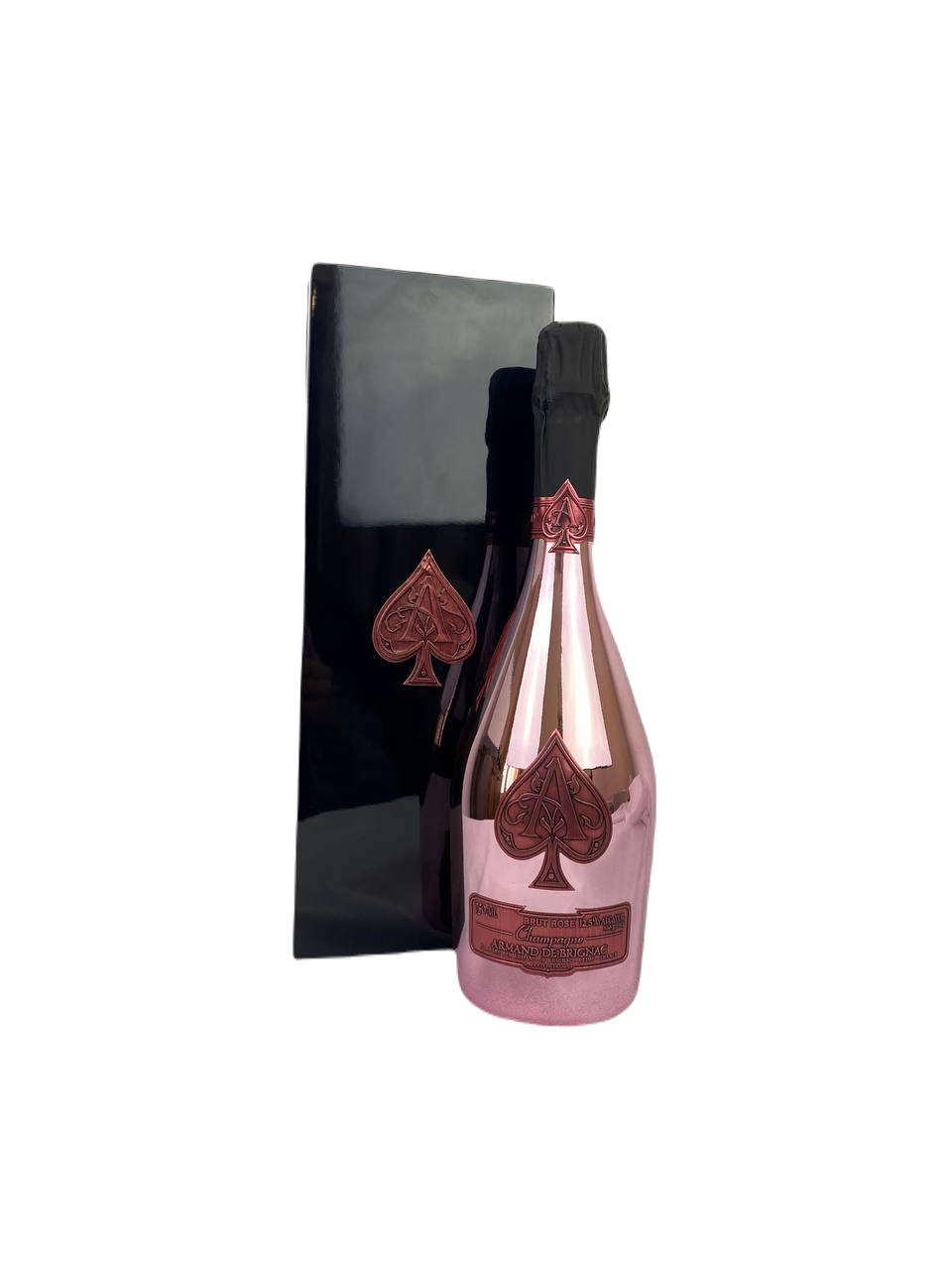
Armand De Brignac
Wines, producers, regions...
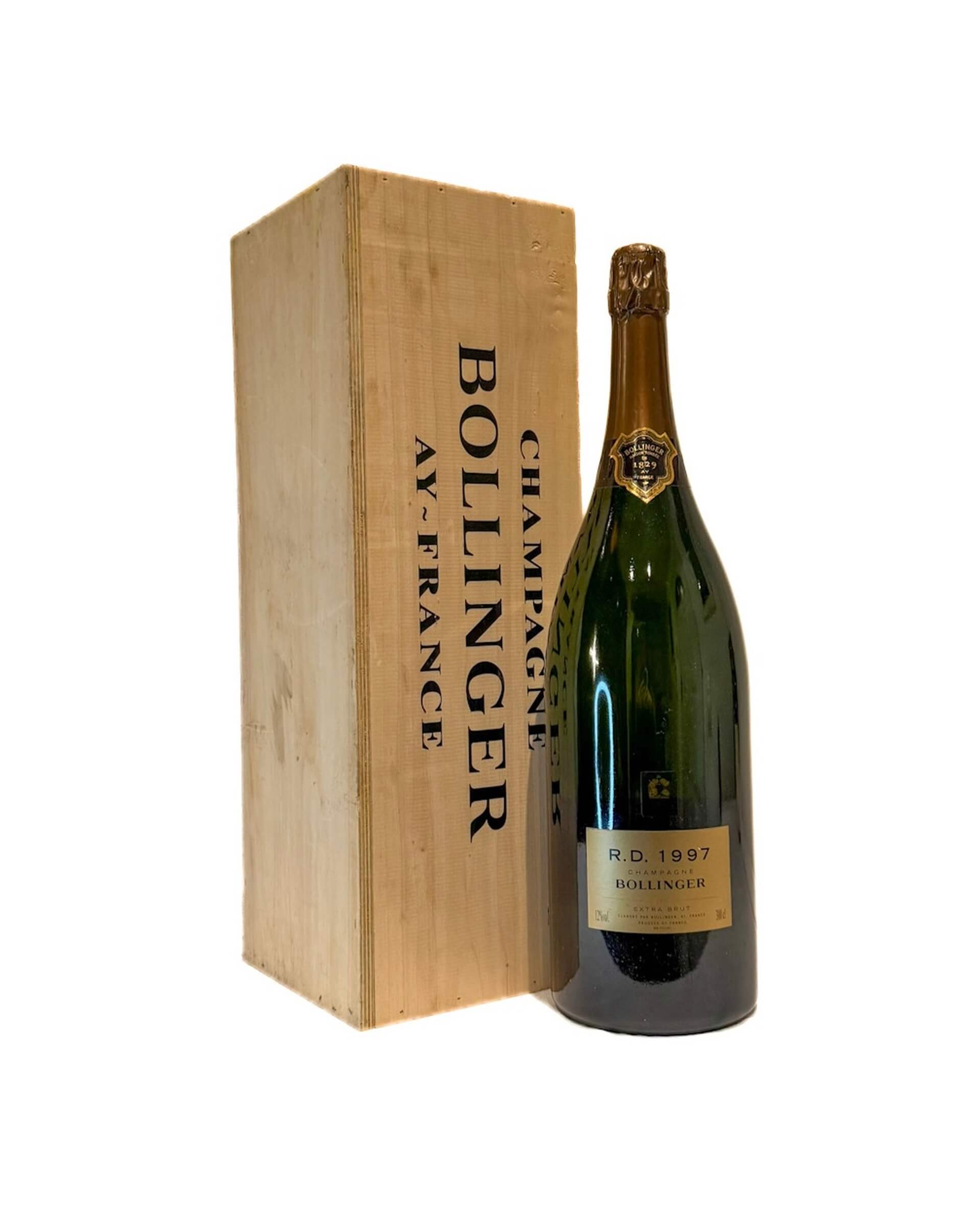
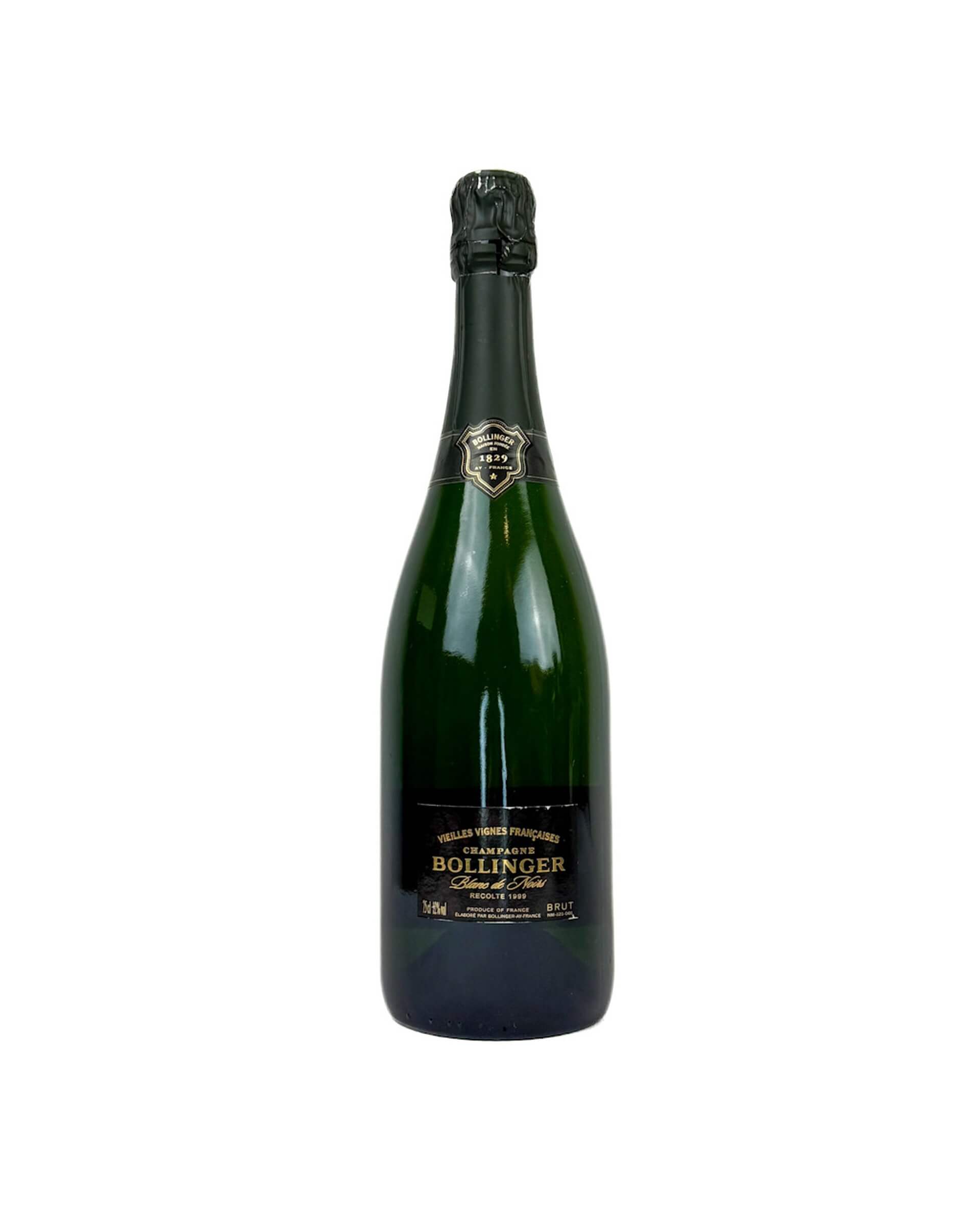
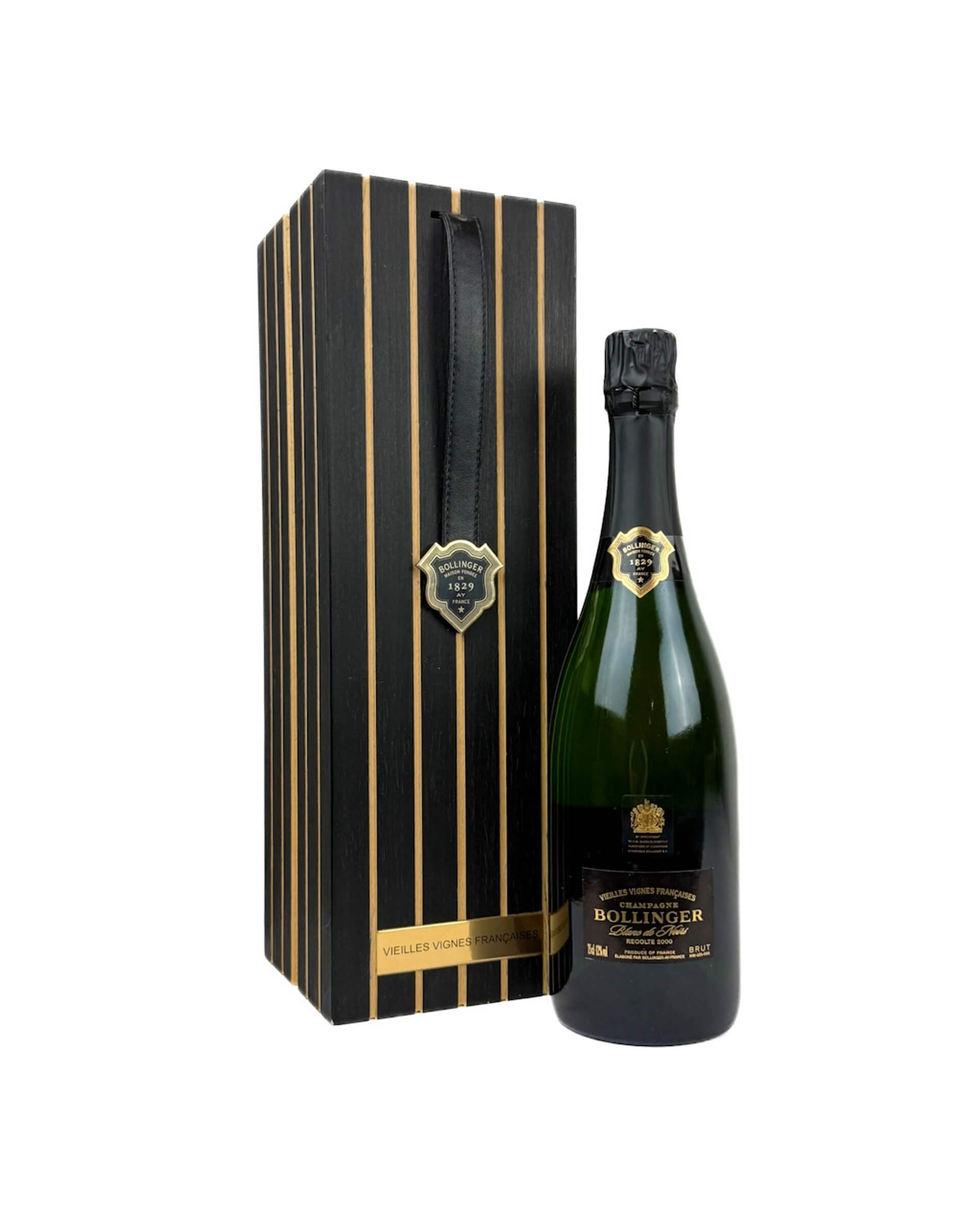
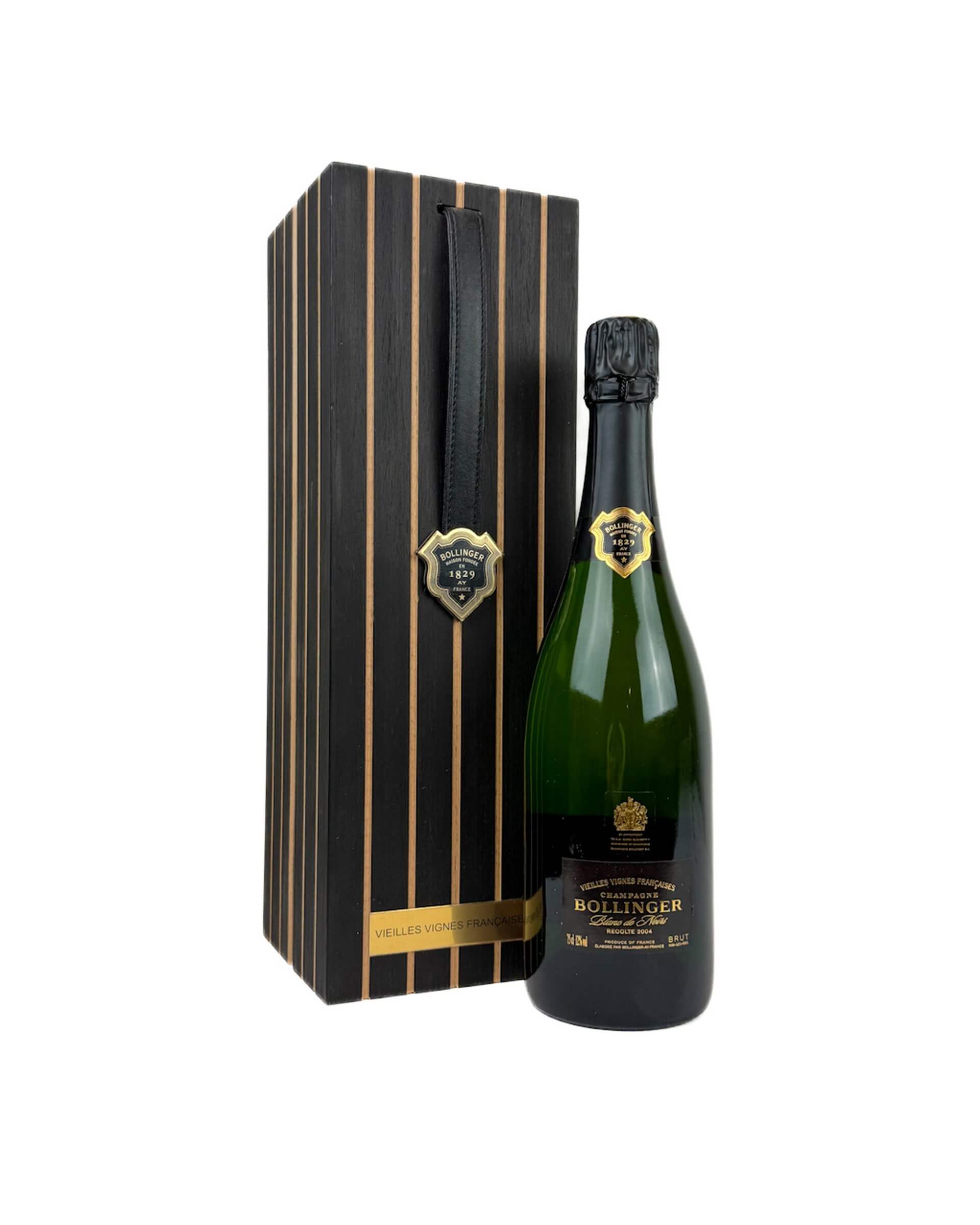
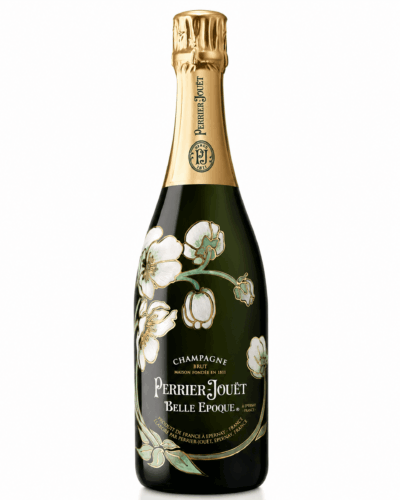
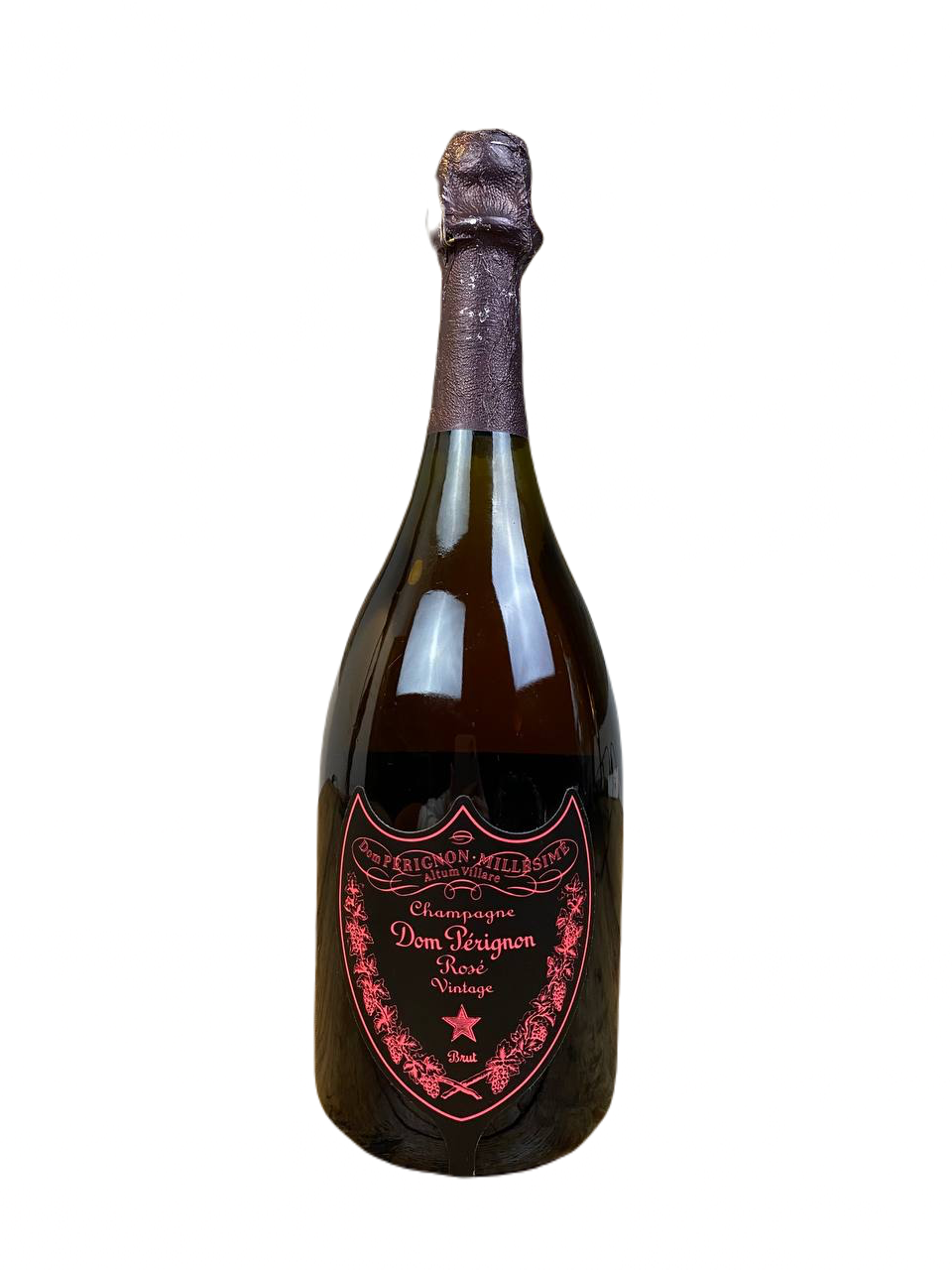
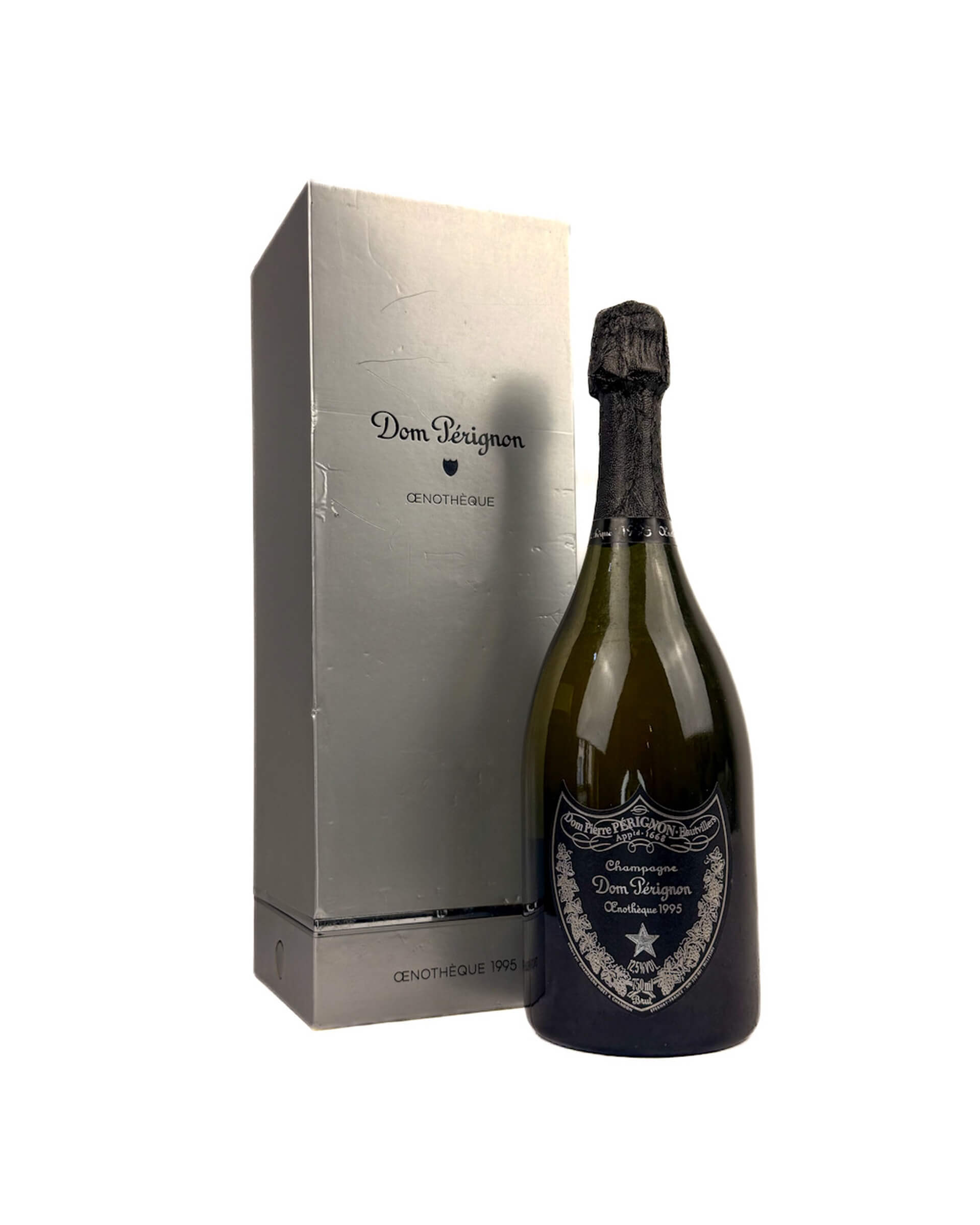
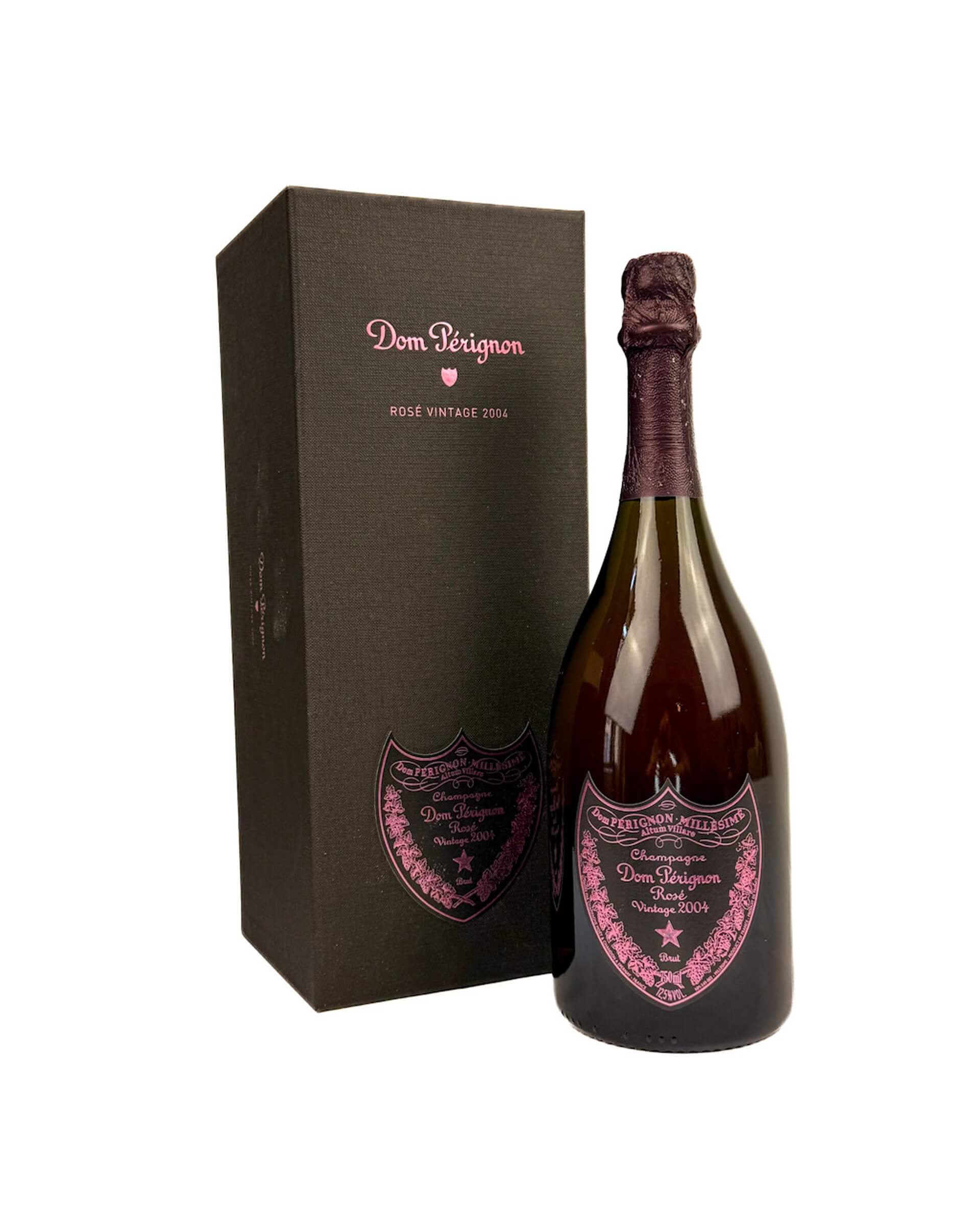
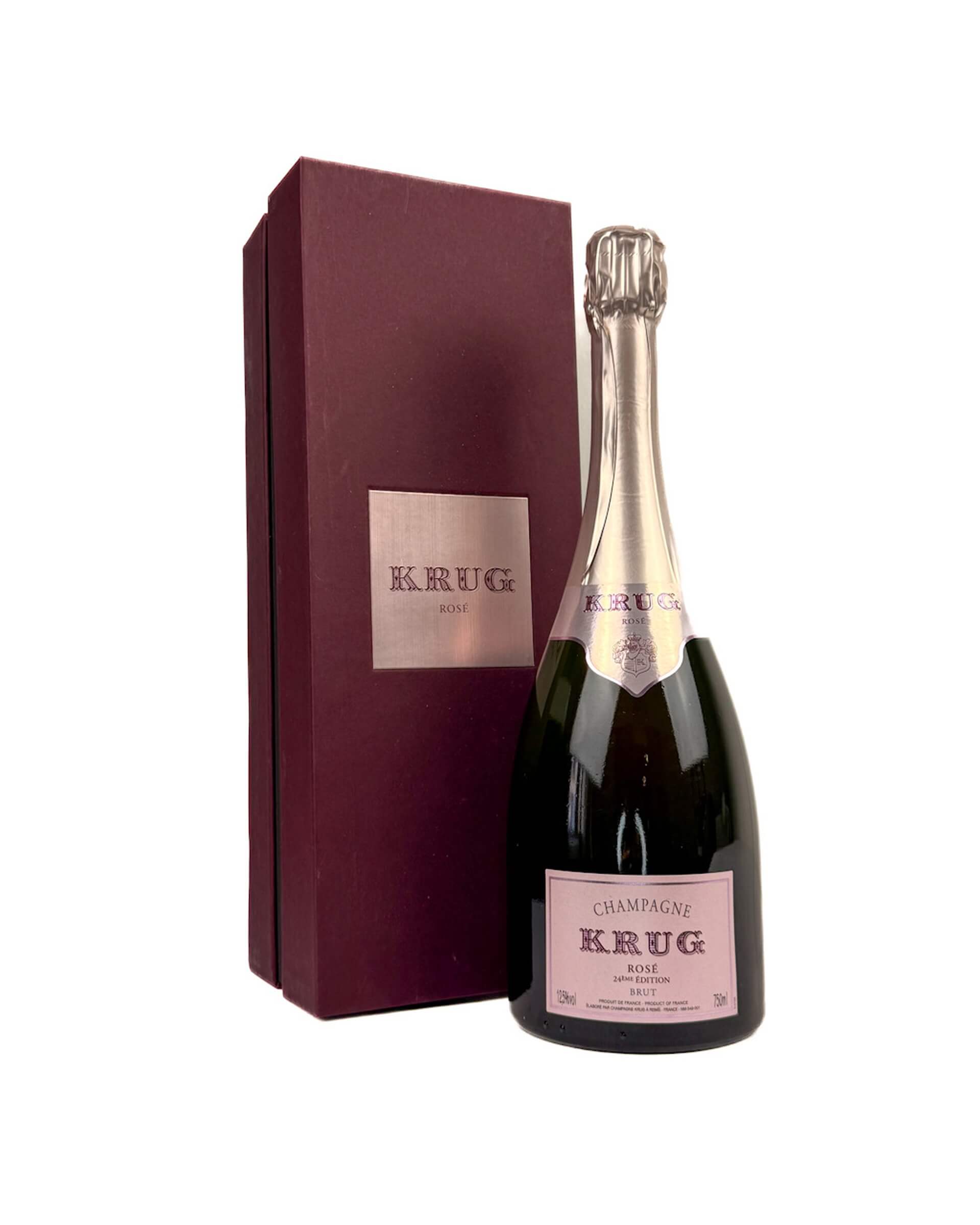
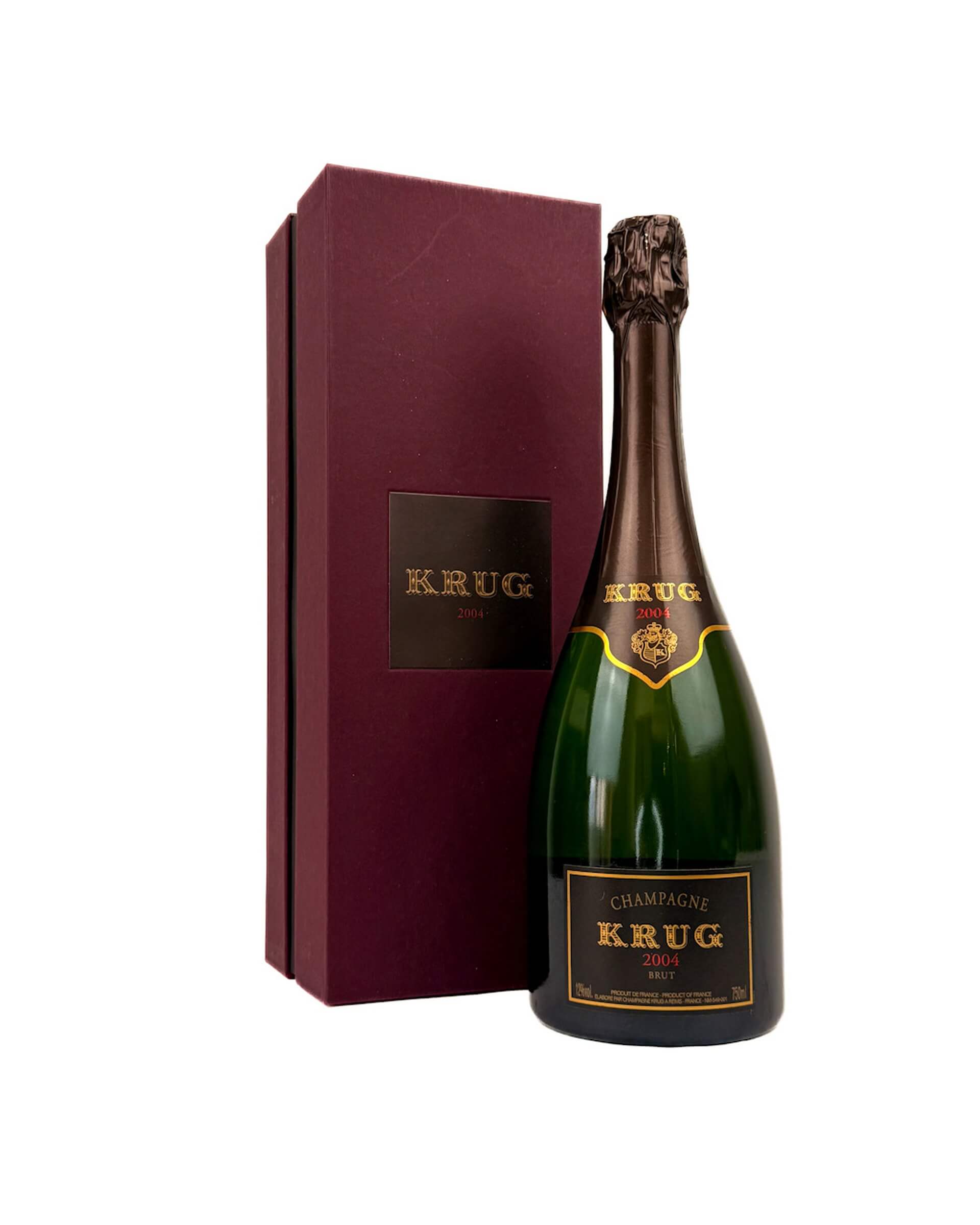
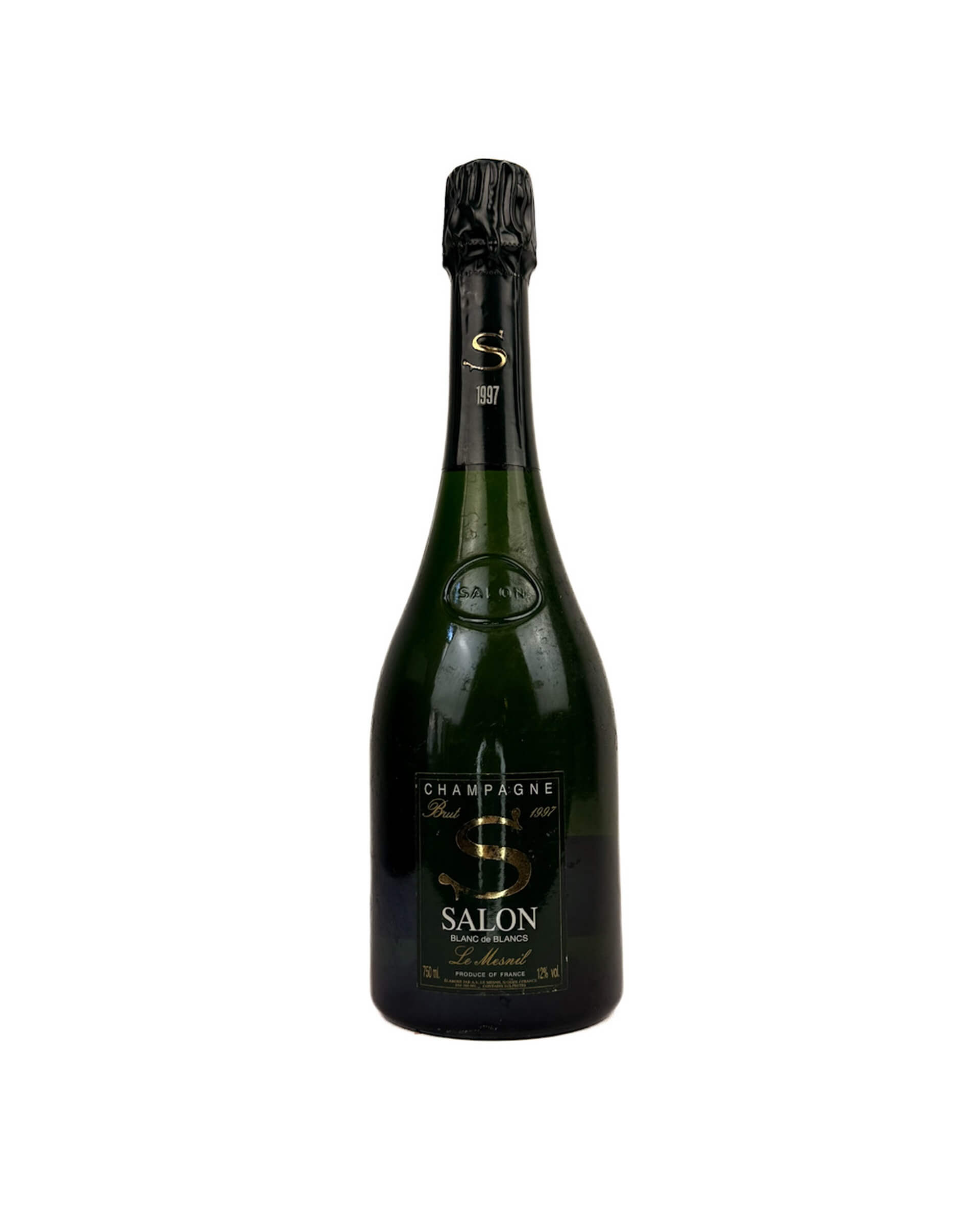
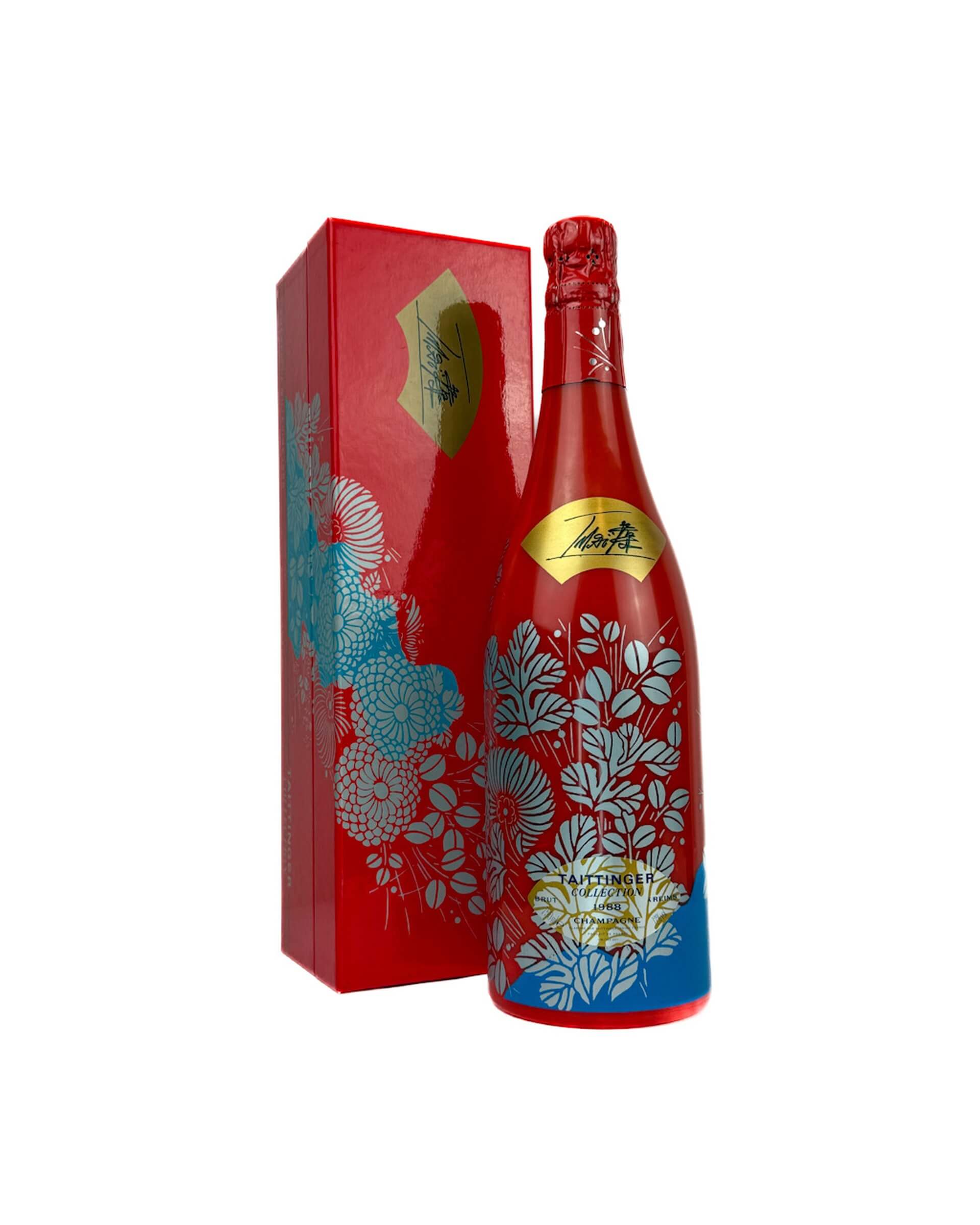
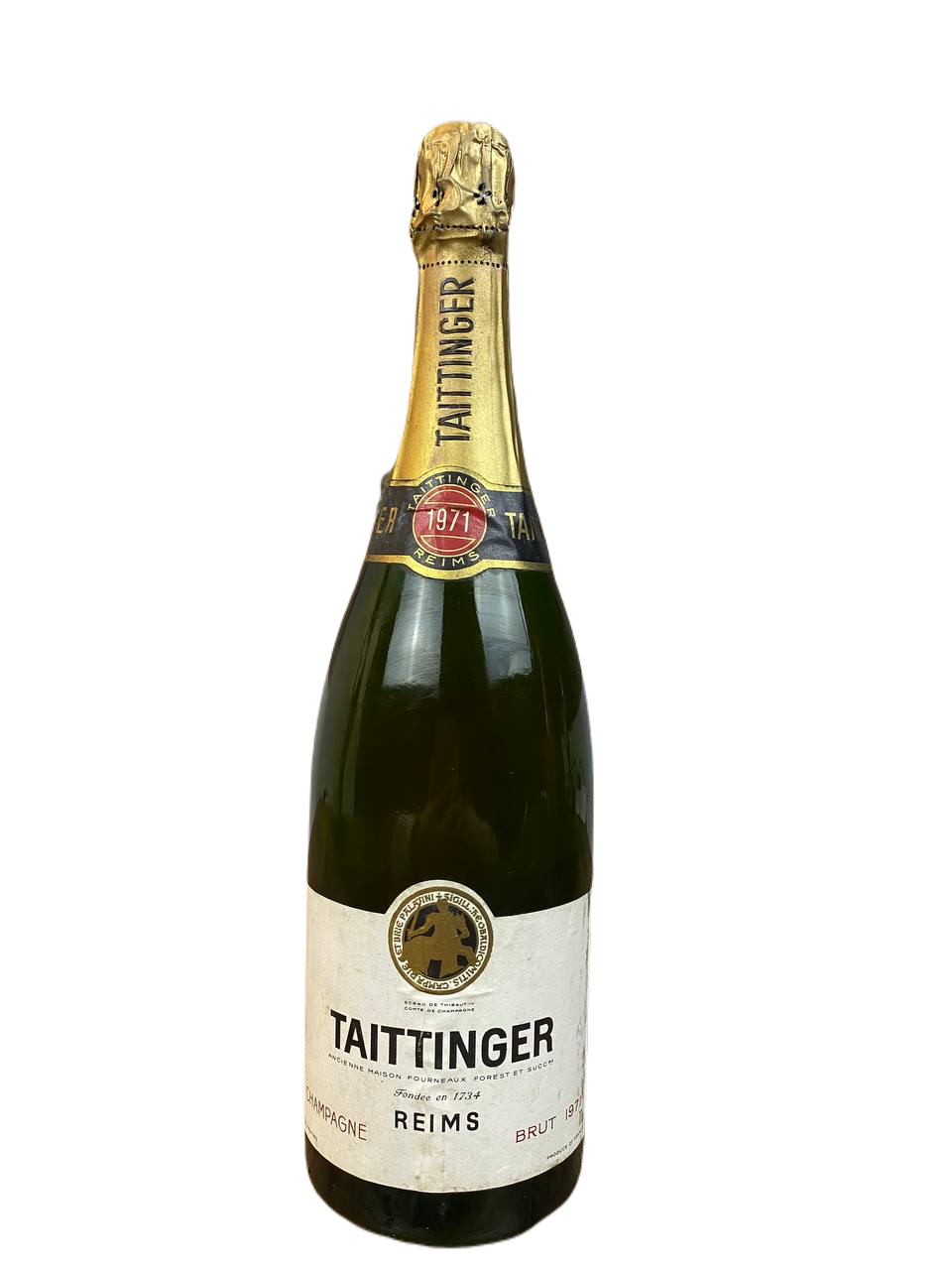
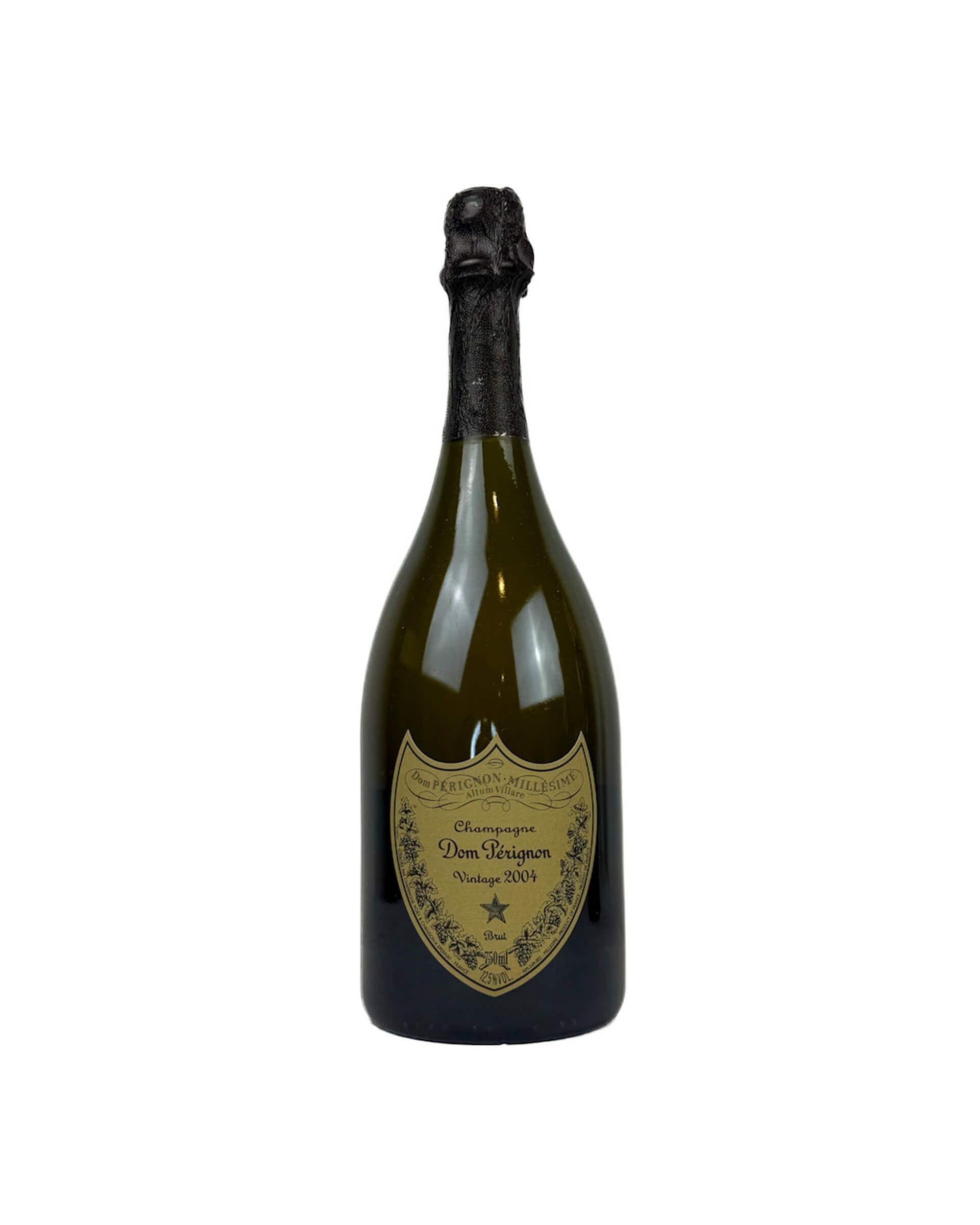
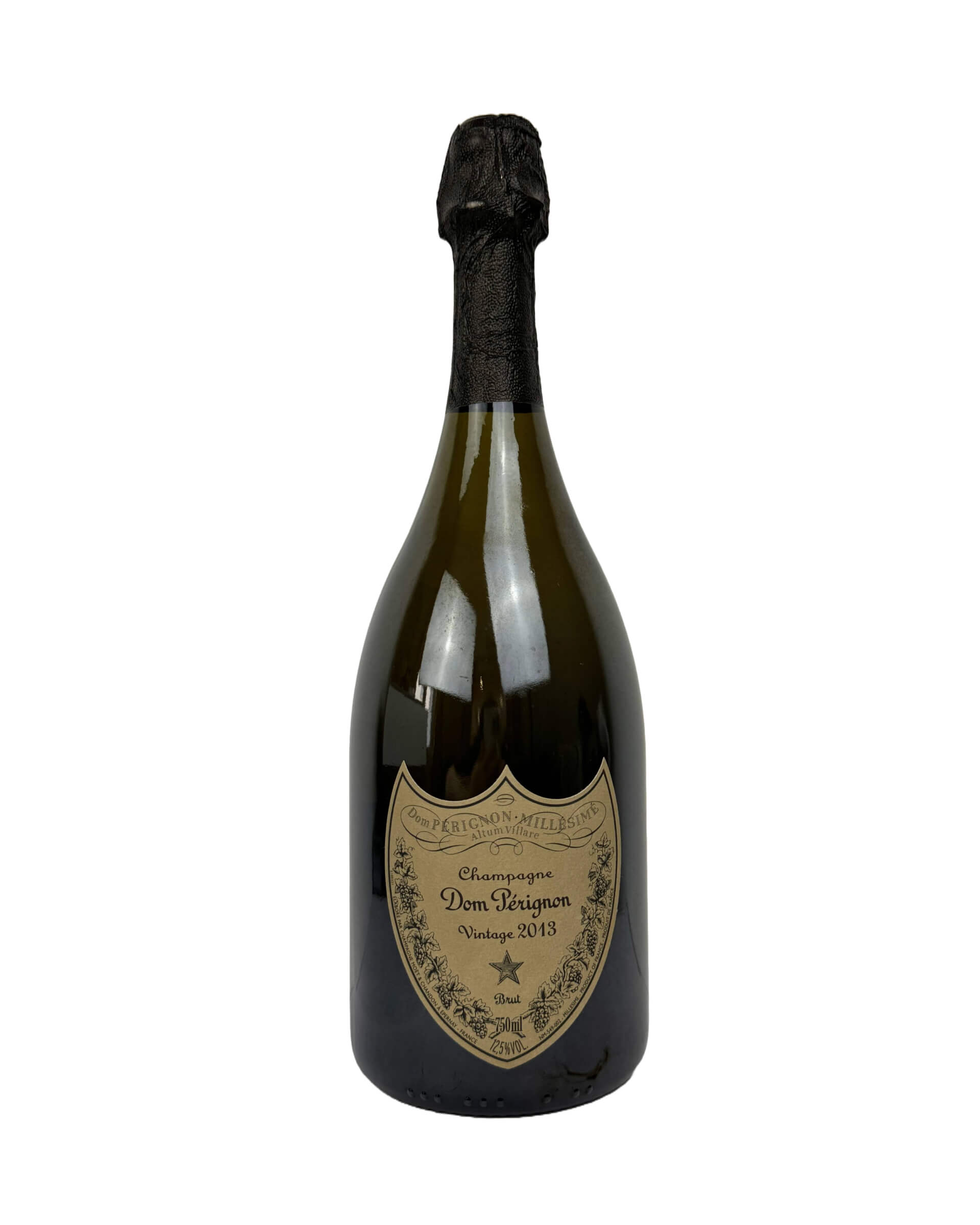
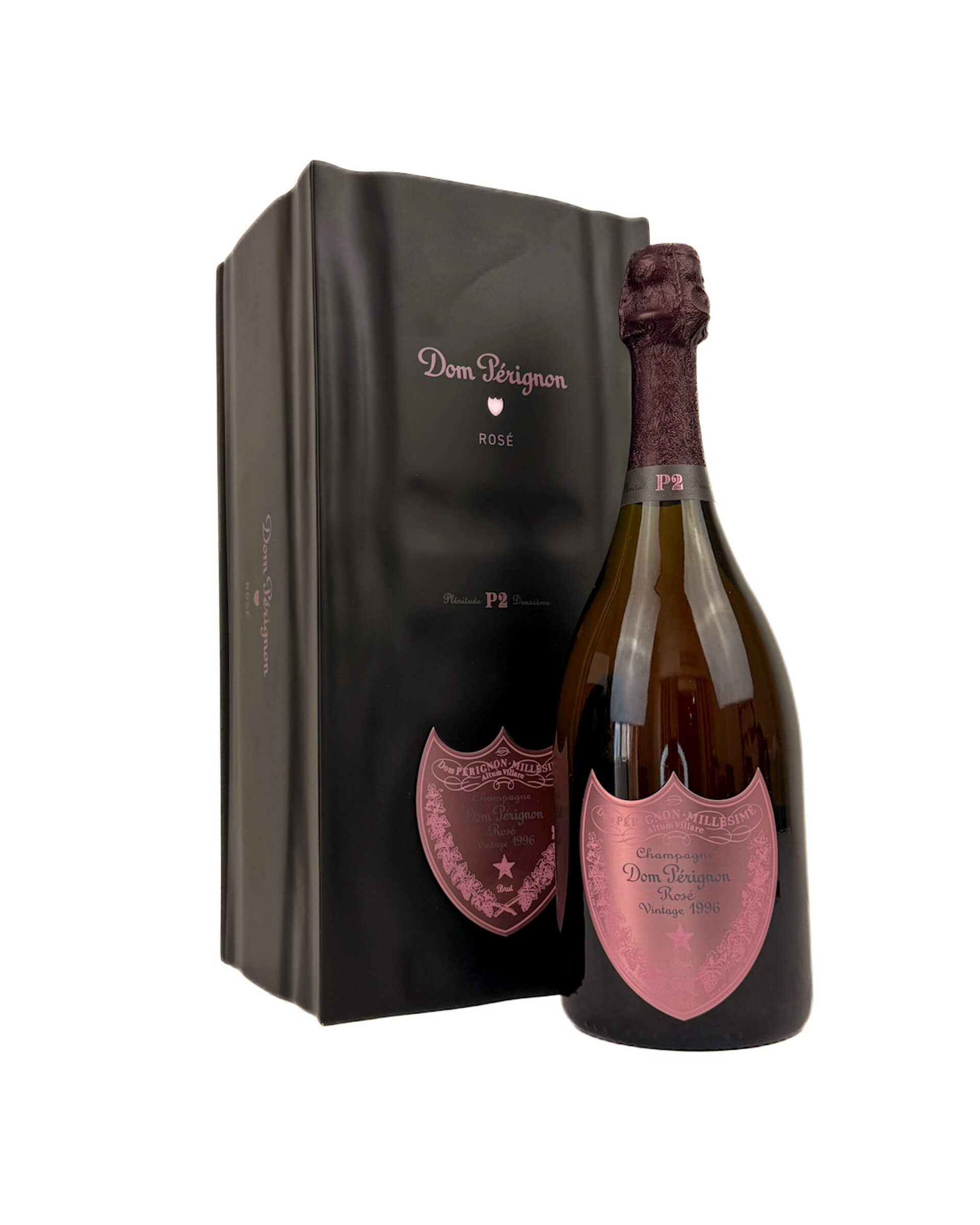
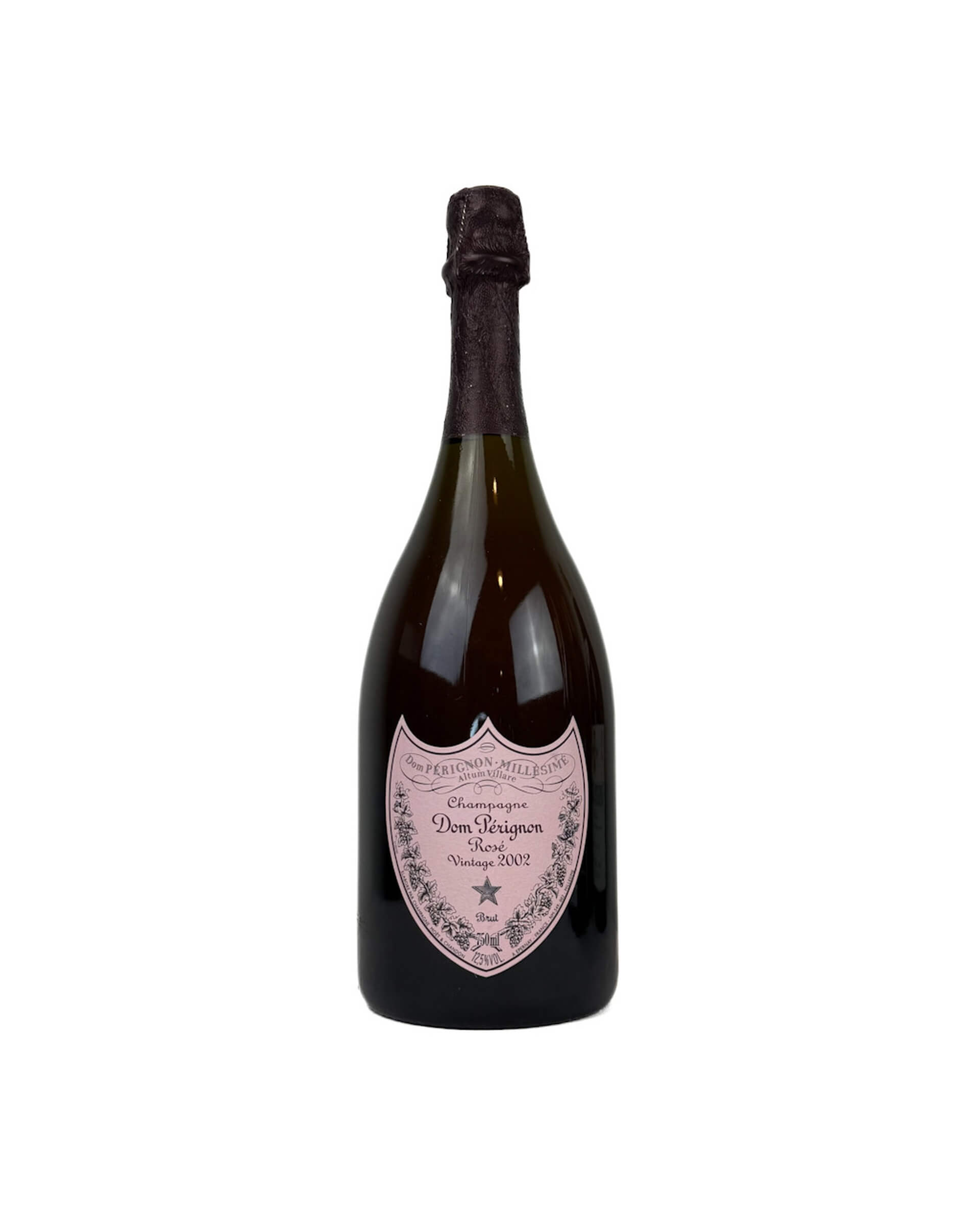
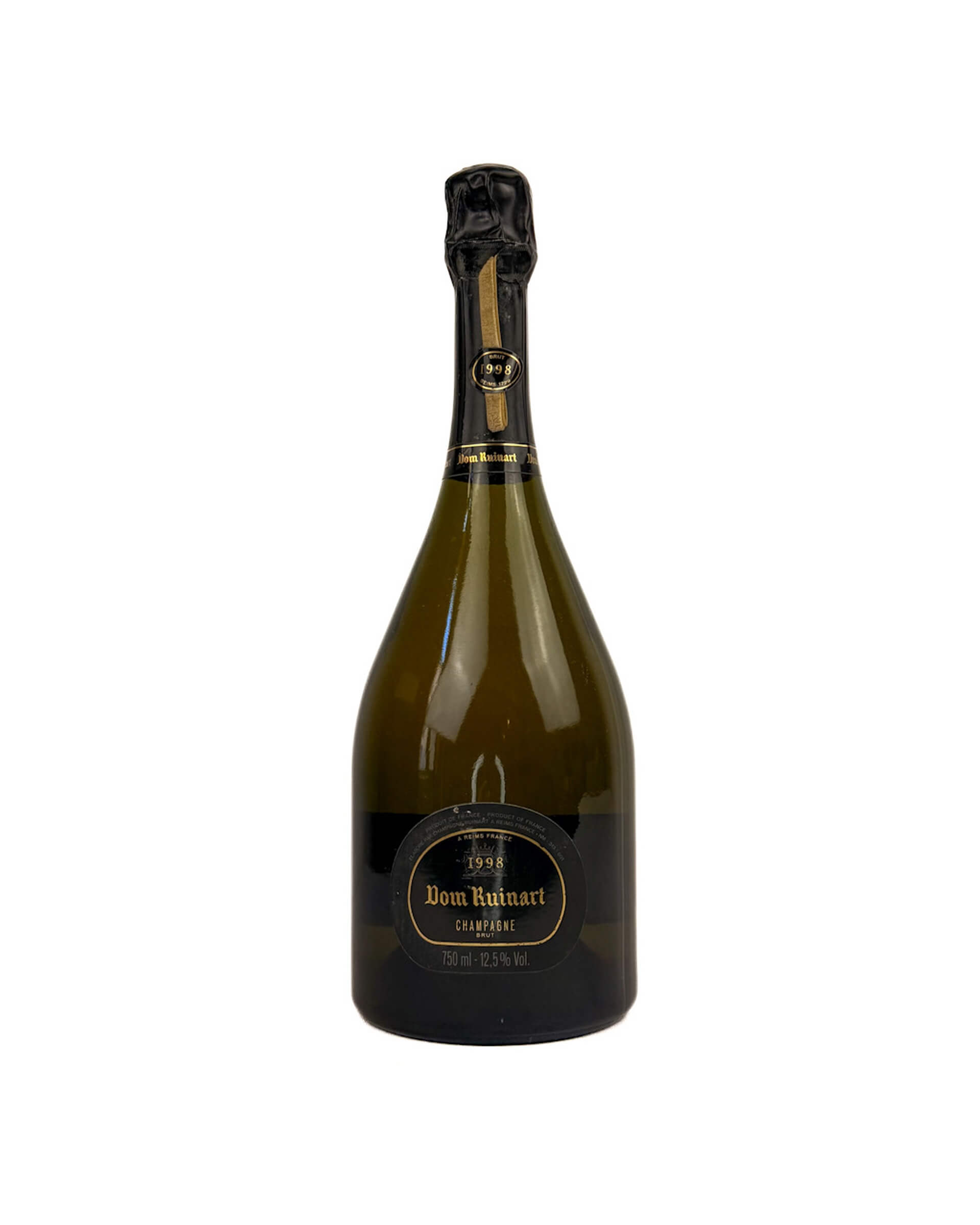

AOC Champagne is the appellation whose name is reserved by EU law for sparkling wine from one delimited zone in north-east France — a legal perimeter that directly affects what you are buying when you choose a bottle from our cellar. At Tour de Wine it anchors a selection of 23 references spanning vintage Blanc de Blancs to prestige house cuvées, priced from €150 to €1,470. Every cuvée in this range is a genuine appellation champagne, made to the strict cahier des charges that governs the name: grapes grown only within the official boundary, the traditional method in the bottle, and minimum ageing on the lees. If you want to buy champagne AOC with complete confidence that you are getting the real thing — not a generic sparkling wine or a crémant from another region — this is where the regulation and the buying guide meet on one page.
As a specialist merchant, we select only wines that come from the delimited area and meet the appellation’s full specification. Our Champagne range runs from vintage and Blanc de Blancs cuvées through to prestige and large-format bottlings, and this page explains exactly what the appellation guarantees before guiding you toward the right bottle for the occasion. Prices in our AOC Champagne selection run from €150 at entry to €1,470 for the rarest pieces in the cellar.
AOC Champagne — Appellation d’Origine Contrôlée at the French level, and AOP (Protected Designation of Origin) under European law — is the legal framework that reserves the name “champagne” for sparkling wine produced under defined conditions in the Champagne region. The appellation was officially recognised in 1936 and is administered by the Comité Champagne (CIVC), the interprofessional body representing growers and houses. The name is legally protected across the entire European Union, which is why no sparkling wine made outside the delimited zone may call itself champagne.
The delimited area covers roughly 34,000 hectares of vineyard across five departments — Marne, Aube, Aisne, Haute-Marne, and Seine-et-Marne — and that boundary is the only permitted source of grapes. What separates a true appellation champagne from an ordinary sparkling wine is the specification itself. The key requirements of the AOC Champagne cahier des charges include:
The appellation authorises seven grape varieties, though three of them account for more than 99% of all plantings. The dominant trio — Chardonnay, Pinot Noir, and Pinot Meunier — shapes nearly every cuvée you will encounter, while four rare heritage varieties survive in tiny parcels and the occasional grower bottling. Understanding the grapes is the quickest route to predicting how a champagne will taste in the glass.
The delimited zone is not uniform. Four principal sub-regions, each with its own soils and dominant grape, give AOC Champagne its remarkable diversity of style — and knowing them helps you read a label before you taste.
A wooded massif south of Reims, home to some of the appellation’s most celebrated Grand Cru villages — Verzenay, Mailly-Champagne, Bouzy, Ambonnay, and Louvois. Pinot Noir dominates here, producing powerful, vinous champagnes with a long finish that come into their own in vintage cuvées and serious blends built for the table.
A chalk-rich band running south of Épernay, with Grand Cru villages such as Cramant, Avize, Le Mesnil-sur-Oger, Oger, and Chouilly. This is the heartland of blanc de blancs: mineral, fine, floral champagnes of striking precision and exceptional cellaring potential, drawing their tension directly from the pure chalk subsoil.
Stretching westward from Épernay toward Paris, this valley is the stronghold of Pinot Meunier. It yields rounded, fruity champagnes that bring accessibility and early drinkability to a blend — the variety that makes so many non-vintage cuvées immediately charming.
In the southern department of the Aube, Kimmeridgian soils — the same Late-Jurassic marl that defines Chablis, roughly 100 km to the south — favour Pinot Noir, which accounts for the large majority of plantings here. Long treated as a source of base wine for the northern houses, the Côte des Bar has become a stronghold of grower-bottled champagne, producing generous, expressive Pinot Noir cuvées that increasingly carry the grower’s own name rather than feeding an anonymous blend.
Unlike Burgundy, where classification applies to individual plots, the Champagne hierarchy is built around whole villages, known as crus. Historically each village was rated on a percentage scale that once governed grape prices, and the highest-rated communes earned the right to the Grand Cru and Premier Cru designations on the label.
A champagne labelled “Grand Cru” or “Premier Cru” must come exclusively from grapes grown in the correspondingly classified villages — a genuine guarantee of terroir within the appellation. You can explore these tiers further through our Champagne classifications, or compare them with the wider Grand Cru wines in our cellar.
Beyond grape and terroir, the most practical way to choose an appellation champagne is by its dosage — the small amount of sugar added after disgorgement, which sets the final sweetness. The official styles run from bone-dry to lusciously sweet:
Rosé: AOC Champagne allows two methods — assemblage (blending in a little still red wine, often from Bouzy or Ambonnay) or saignée (a brief skin maceration). Rosé champagne is the one appellation sparkling wine in Europe for which blending with still red wine is legally permitted, a privilege unique to the region.
Vintage: a vintage is declared only in the finest years, requires at least 36 months ageing on the lees, and expresses the character of a single harvest — in contrast to non-vintage cuvées, which are blended across years for a consistent house style.
Champagne sits at the premium end of fine wine, and our selection reflects that. Using only the real figures from the Tour de Wine catalogue, here is what to expect when you buy champagne AOC from us across three buying scenarios.
For a quality aperitif or everyday celebration: entry into our AOC Champagne range begins at €150, with the first accessible bottles around €170. At this level you will find serious grower-producers (récoltant-manipulant) and quality cooperatives, all conforming to the full appellation specification.
For a dinner, a gift, or your own cellar: the majority of our references cluster near €350, the catalogue median — the threshold at which aromatic complexity, a declared vintage, or Grand Cru terroir typically come into play, from established houses and respected growers alike.
For grand occasions and prestige cuvées: the top of the range reaches €1,350, with the rarest pieces — prestige cuvées from the great houses and micro-cuvées from exceptional growers — climbing to €1,470. Beyond price, refine your choice by dominant grape (Chardonnay for blanc de blancs finesse, Pinot Noir for structure), sub-region (Côte des Blancs for minerality, Montagne de Reims for vinosity), and dosage (brut for versatility, vintage for gastronomy).
Every bottle of AOC Champagne carries a small two-letter code that tells you who actually made the wine. Learning to read it is one of the most useful skills for a champagne buyer:
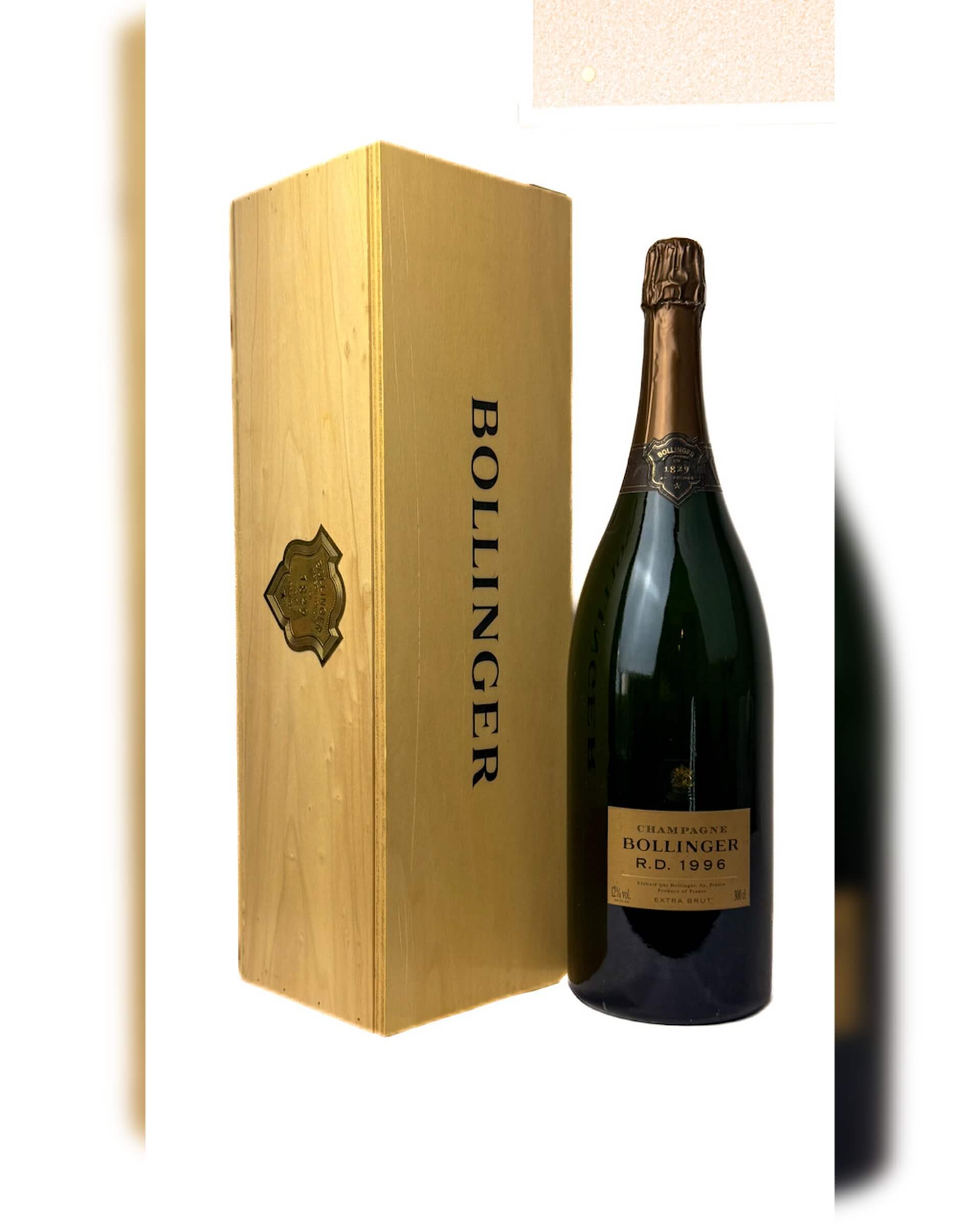
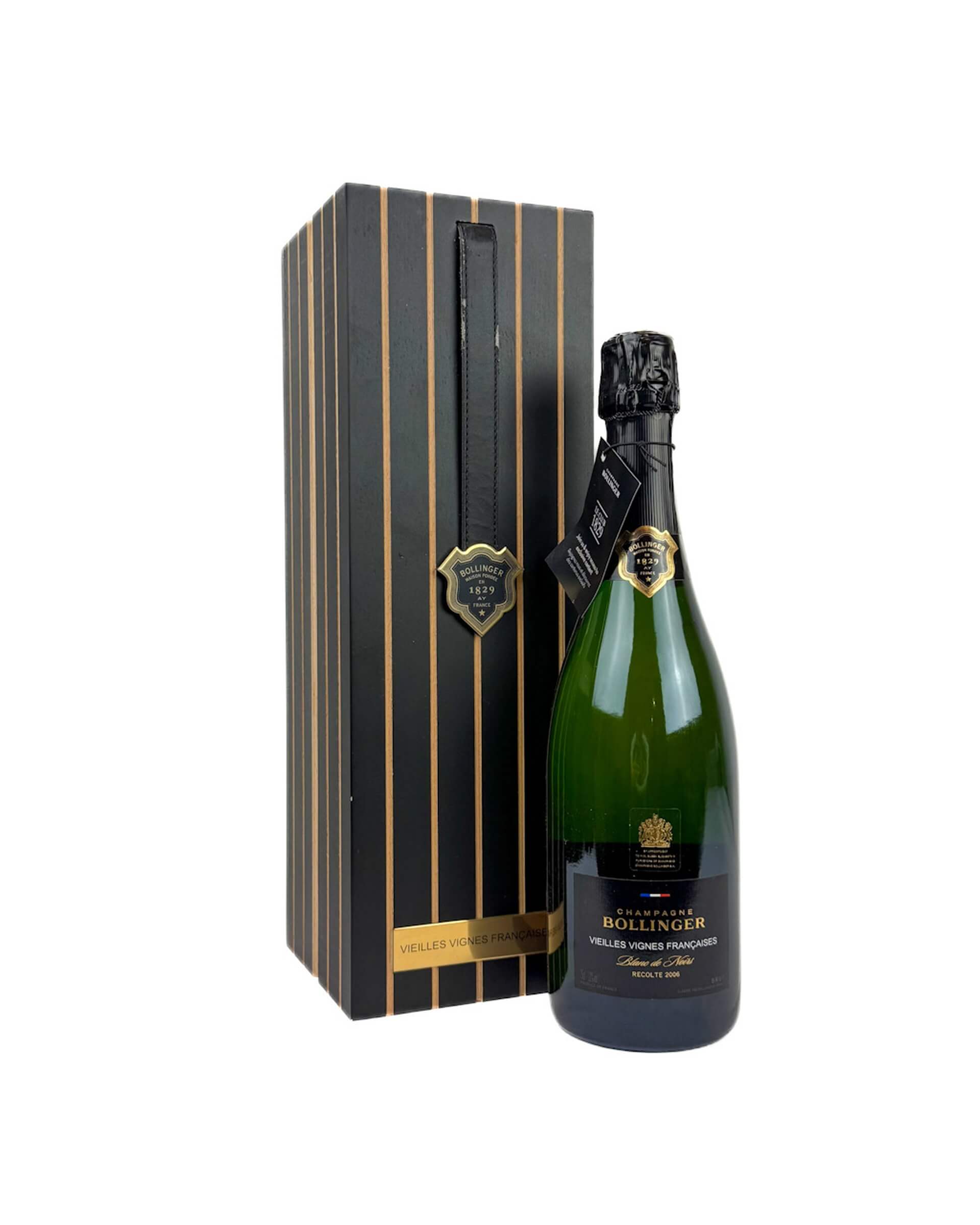
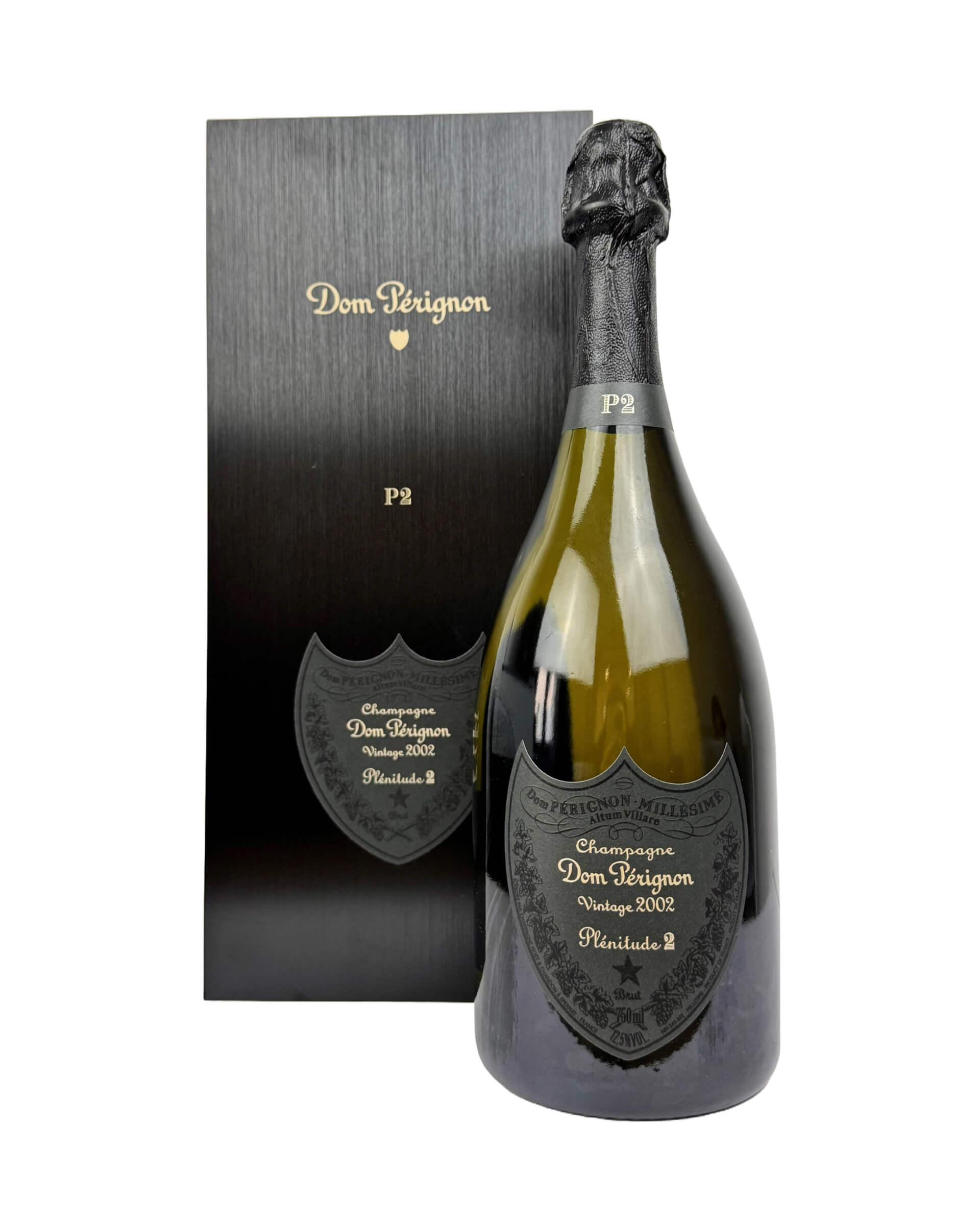
Our AOC Champagne selection is led by NM houses with deep cellar reserves, alongside terroir-driven cuvées. A few examples currently in stock show the range:
When browsing our catalogue, you will find the producer code in each product description, so you can match the style — house consistency or single-village terroir — to the occasion before ordering. For context, you can also browse the broader world of French wines in our cellar.
Yes, with a little care. Keep bottles lying down in a dark, vibration-free spot at a steady 10–13 °C; the kitchen and the top of the fridge are the worst places because of heat and light. Non-vintage brut is built to be enjoyed within a few years of purchase, while vintage cuvées and prestige bottlings — the Salon, Krug and Bollinger vintages in our cellar, for instance — can keep developing for a decade or more. Serve brut and blanc de blancs at 8–10 °C and richer vintage or rosé champagnes a touch warmer, around 10–12 °C, so the aromatics open up.
Not better — different. A vintage (millésime) is declared only in strong years, ages at least 36 months on the lees, and captures the character of a single harvest, so it tends to be more expressive but also more variable from year to year. Non-vintage cuvées are blended across several harvests precisely to deliver a consistent house style every time. Choose vintage when you want gastronomy and singularity; choose non-vintage when you want reliability and immediate charm.
RM (récoltant-manipulant) marks a grower who makes champagne from their own grapes, usually within a single village — so the wine speaks of one terroir rather than a house blend. It matters because it tells you where the fruit came from before you taste: an RM bottling is the most direct way to drink a specific cru, while an NM house cuvée prioritises consistency and depth drawn from many villages. The two-letter code on the label is the fastest way to read that intent.
No. AOC Champagne is strictly delimited: only grapes grown within the official geographic area — principally in the Marne, the Aube, and the Aisne — may produce champagne. A wine made by the same method anywhere else in France can never be called champagne; it will be designated crémant or sparkling wine according to its region of origin.
Written by the Tour de Wine buying team. Last reviewed: June 2026.
This site is restricted to adults. By entering, you confirm that you are of legal drinking age in your country of residence.