
Habanos SA
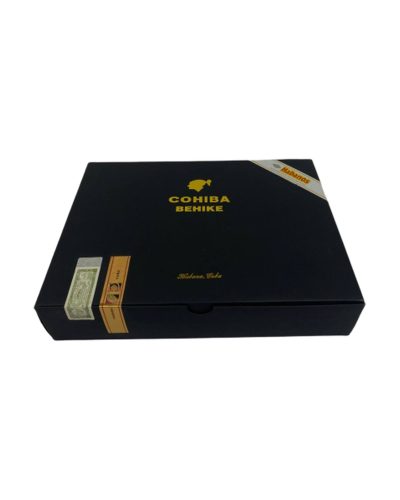
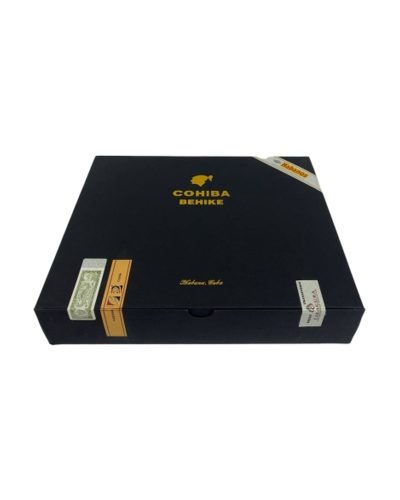
Cohiba Behike 54 — Cuba, box of 10
€ 3 600,00
Wines, producers, regions...
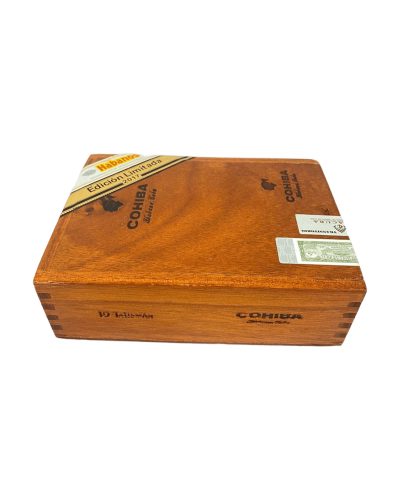
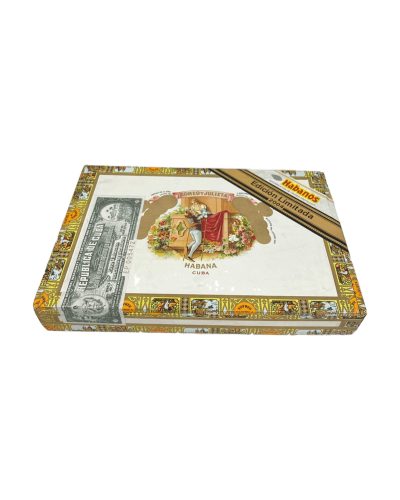
Cuba is the benchmark origin for hand-rolled cigars, and Cuban cigars are what this category is about. They are made for smokers who want a classic, full-flavoured cigar with a long tradition behind it, and for anyone buying a gift for a person who already knows the difference between a robusto and a corona. If you are new to the subject, this page explains how Cuban cigars are made, how to read their sizes, and how to choose one for the occasion.
A Cuban cigar is made entirely by hand from whole tobacco leaves grown on the island. The best-known growing zone is the Vuelta Abajo, in the province of Pinar del Río in the west of the country. Each cigar has three parts: the filler, a bunch of several leaves that carries most of the strength and flavour; the binder, a leaf that holds the filler together; and the wrapper, the outer leaf that gives the cigar its colour, its texture and a good share of its aroma. A long-filler cigar uses whole leaves from end to end, which is what allows a slow, even burn.
The cigars offered here come from Habanos SA, the company that markets Cuban cigars around the world. Buying through a regular wine and spirits merchant means you can add a bottle to the same order, which is convenient when the cigar is part of a gift.
The trade word for the shape and size of a cigar is the vitola. Two measurements describe it. The length is given in inches or centimetres, and the ring gauge is the diameter, measured in sixty-fourths of an inch. A cigar with a ring gauge of 50 is therefore 50/64 of an inch across. Thin, short formats burn in twenty to thirty minutes and suit a quick break. Long, thick formats can last well over an hour and ask for a free afternoon or an evening.
Length and ring gauge are listed for every cigar, so you can compare them before choosing.
Start with the time you have. A cigar rushed is a cigar wasted, and a format that is too long for the evening is a common mistake. Then think about strength. Cuban cigars are generally known for body and depth, so if you are discovering the category, begin with a medium format and move up when you know what you like. The wrapper colour is a hint, though not a rule: darker leaves often point to richer, sweeter notes, lighter ones to a gentler profile.
For a gift, a closed box looks the part and keeps the cigars protected. A single cigar suits a smaller gesture, or a first try. For your own humidor, choose a format you enjoy and buy a few at a time so that they can rest and settle.
A cigar is a living product and dries out quickly if left in the open. A humidor keeps it at a steady humidity, usually around 65 to 70 per cent, and a mild room temperature, in the range of 16 to 20 degrees. Keep it away from direct sunlight and strong smells. A cigar that has had a few weeks to rest in the humidor often tastes rounder than one taken straight from transport.
To smoke, cut the cap cleanly with a straight cutter, a V-cut or a punch, just enough to open the draw. Light the foot evenly, turning the cigar so it catches all around, and draw gently. Do not inhale; cigar smoke is tasted in the mouth. Let the ash fall by itself and avoid smoking too quickly, which heats the tobacco and makes it bitter.
Cuban cigars are often served with an aged spirit. A rum with some age echoes the sweetness of the tobacco, a cognac adds fruit and oak, and an armagnac brings a rustic, slightly drier character. A strong coffee works too, as does a simple glass of water between puffs. The rule is to match intensity: a mild cigar with a delicate spirit, a powerful one with something that has the weight to stand next to it.
To widen your search beyond Cuba, return to the parent section Cigars, where you will find other origins and formats next to the Cuban cigars.
This site is restricted to adults. By entering, you confirm that you are of legal drinking age in your country of residence.