90
0,75
NV
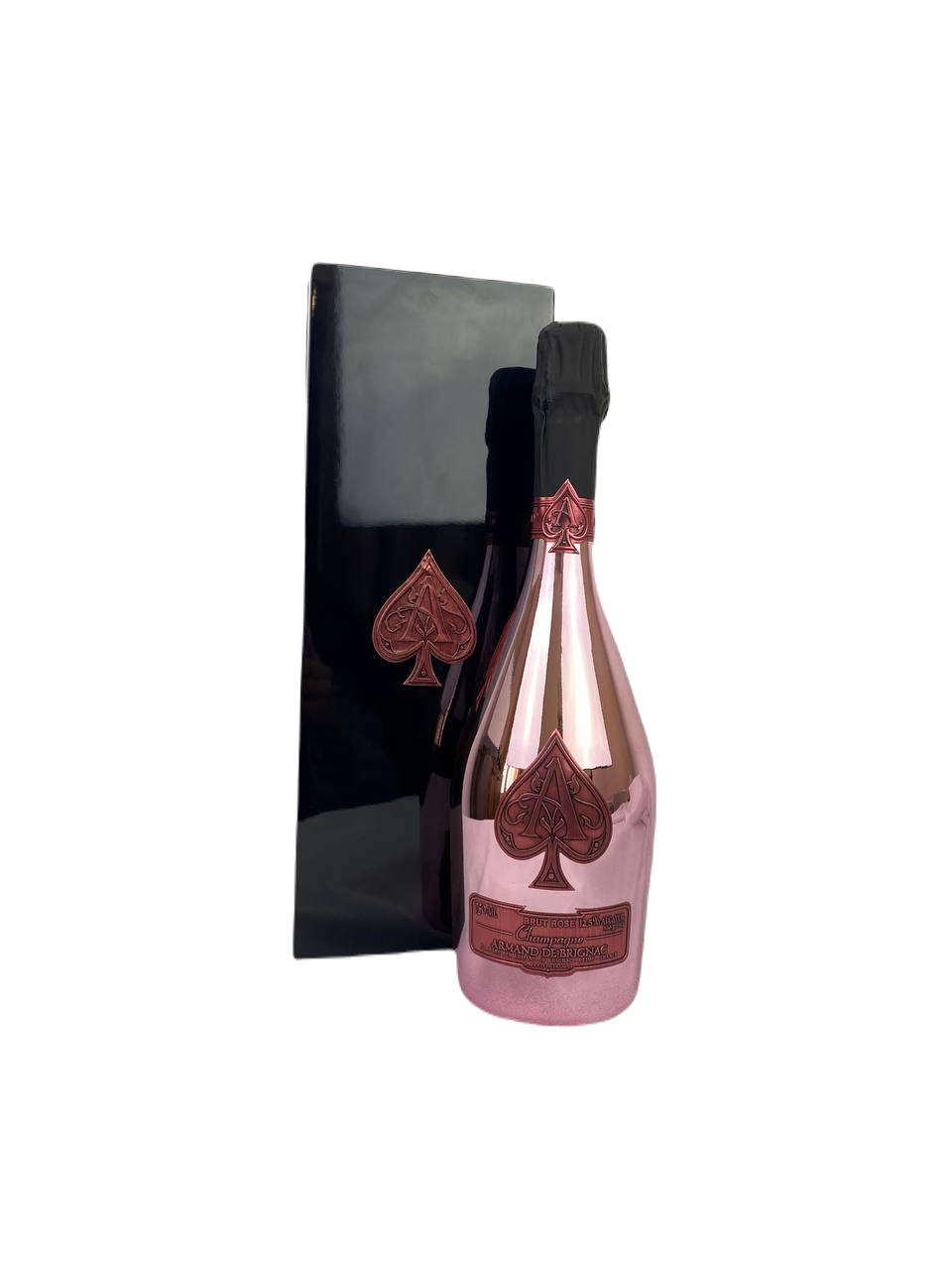
Armand De Brignac
Wines, producers, regions...
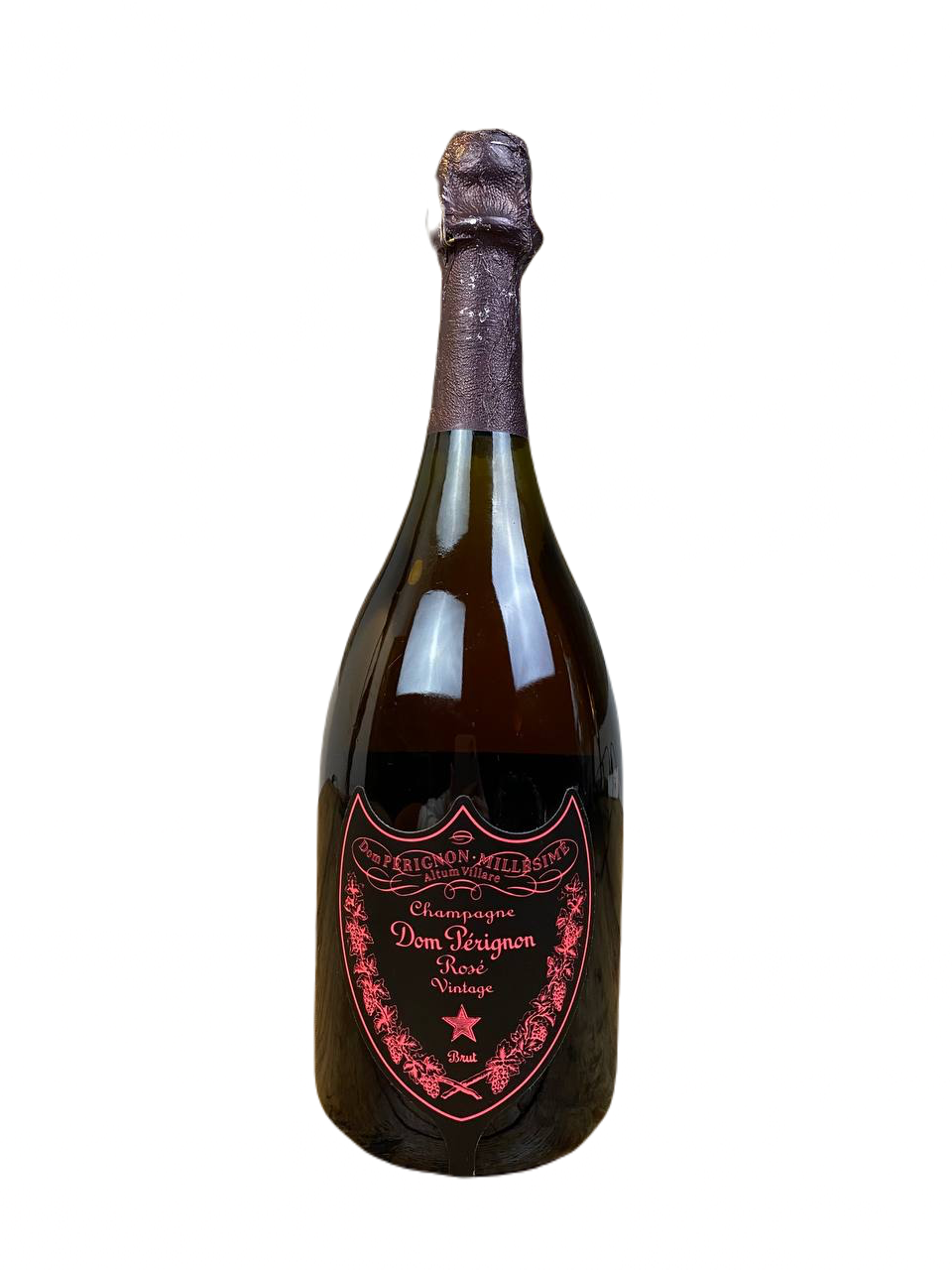
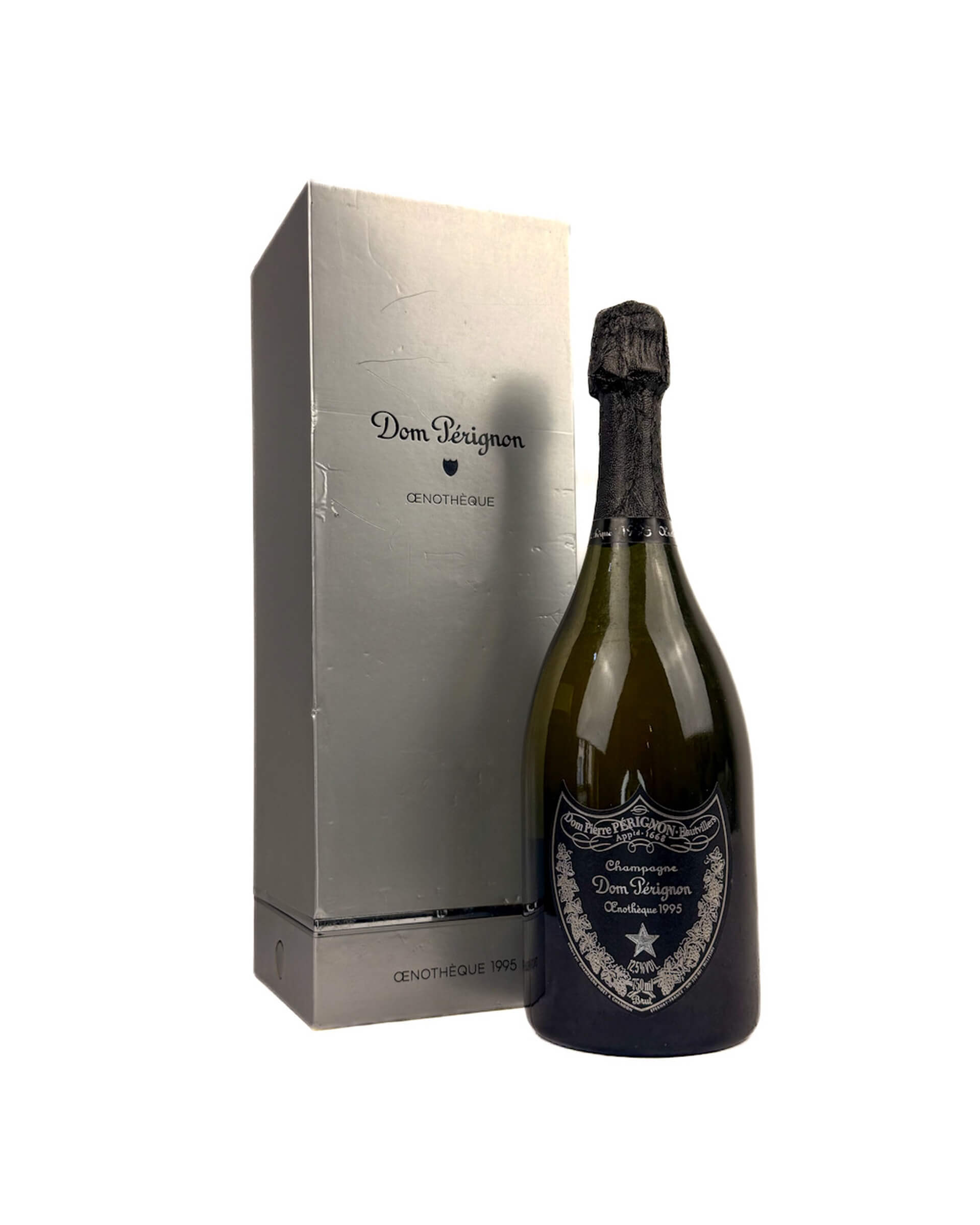
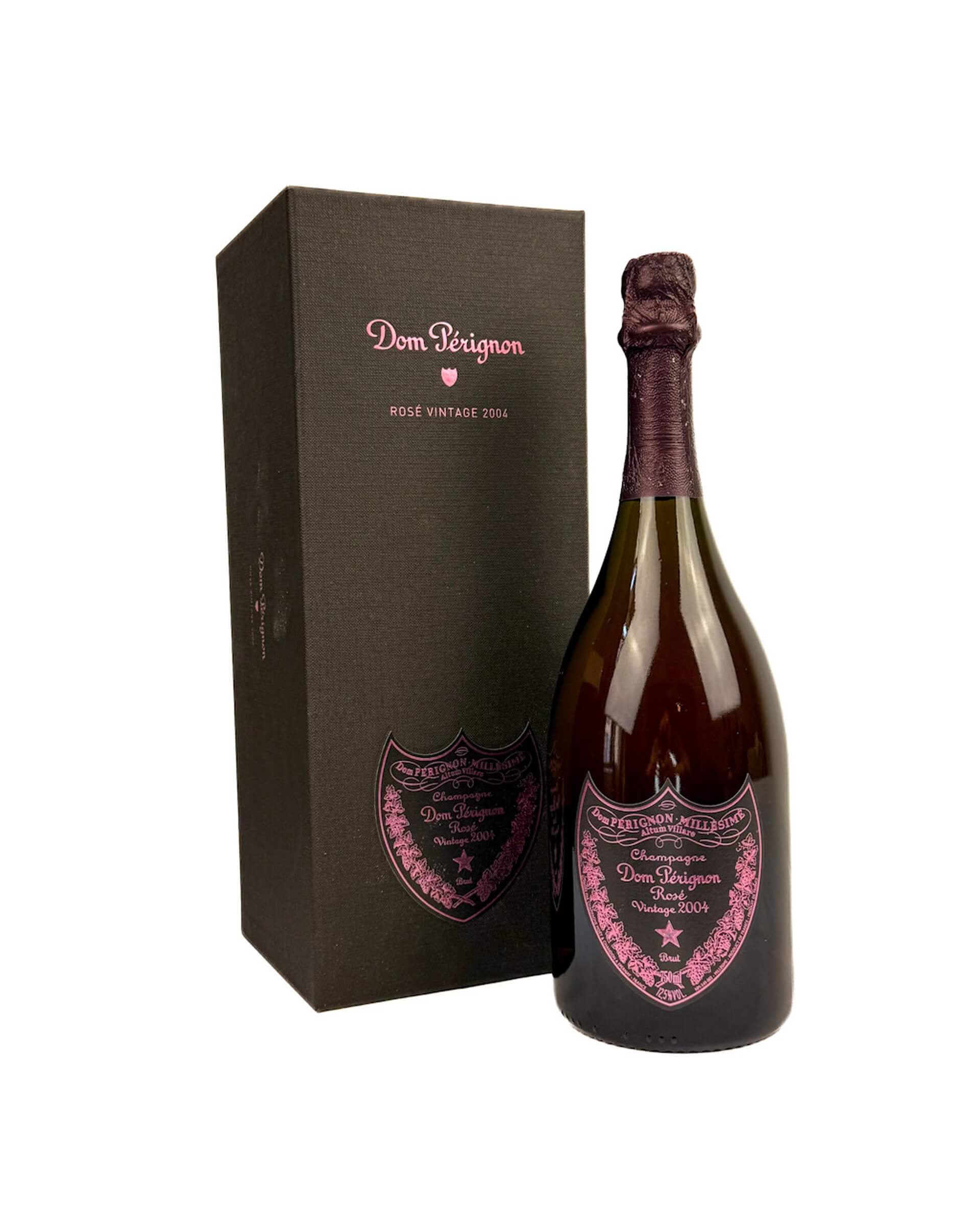
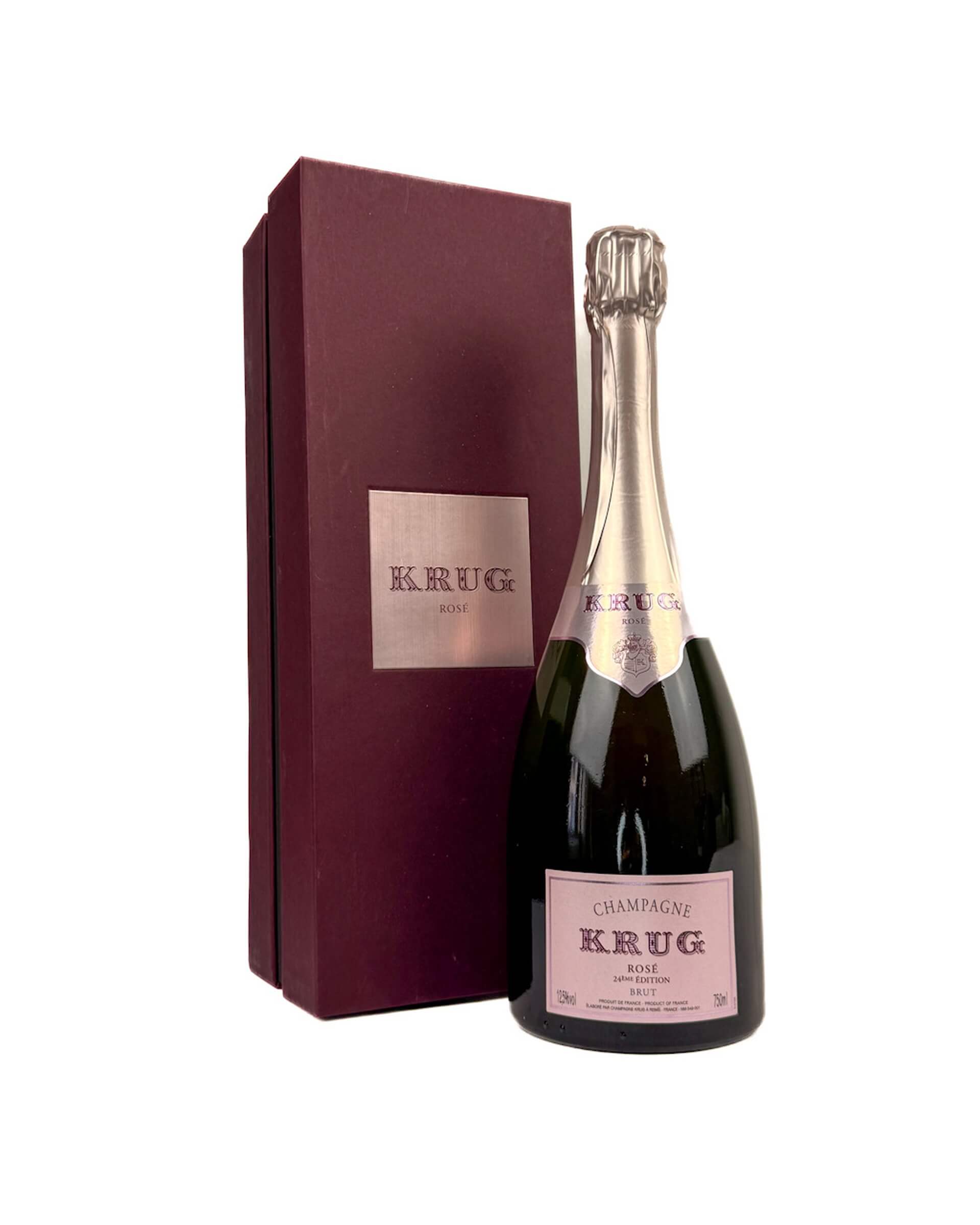
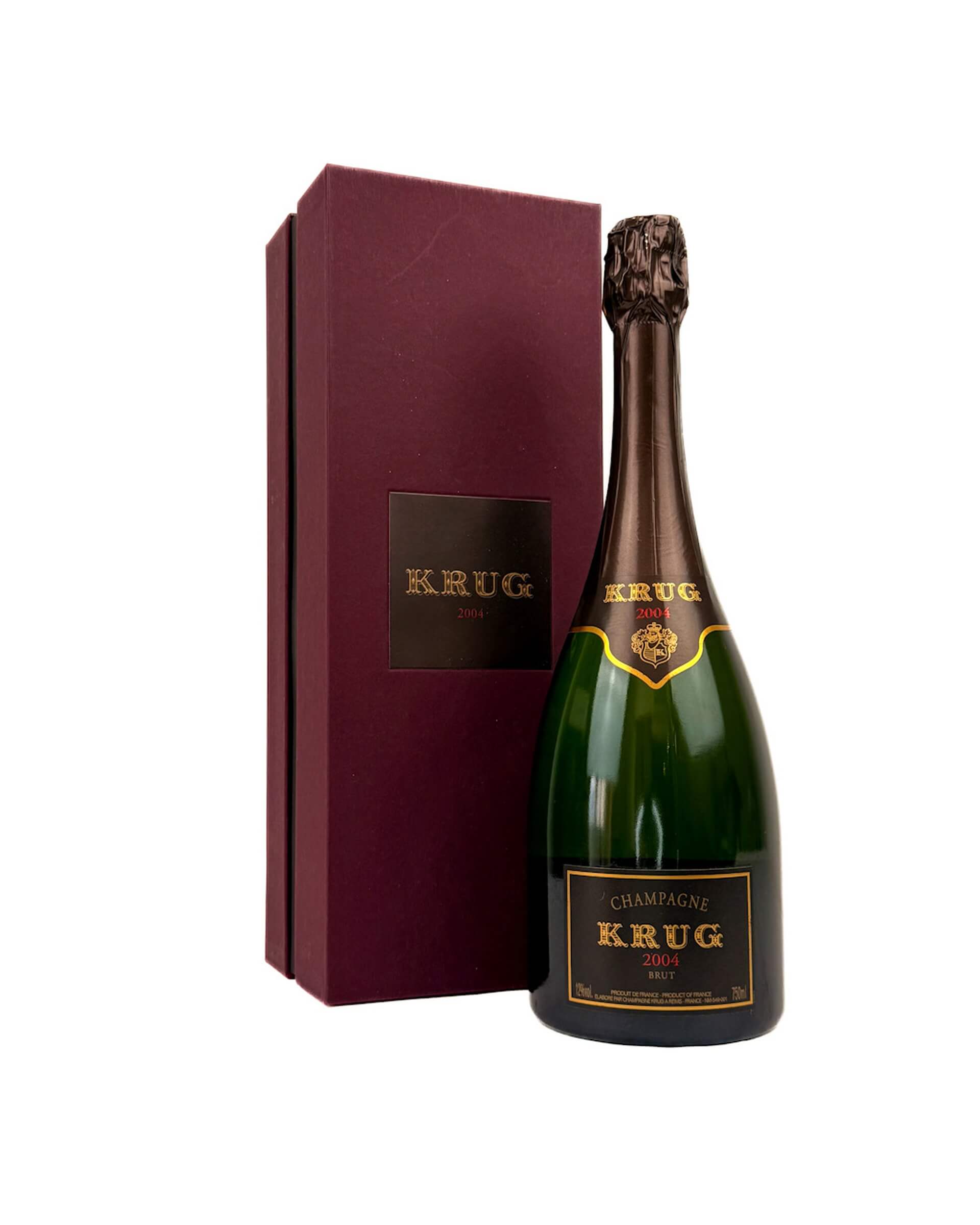
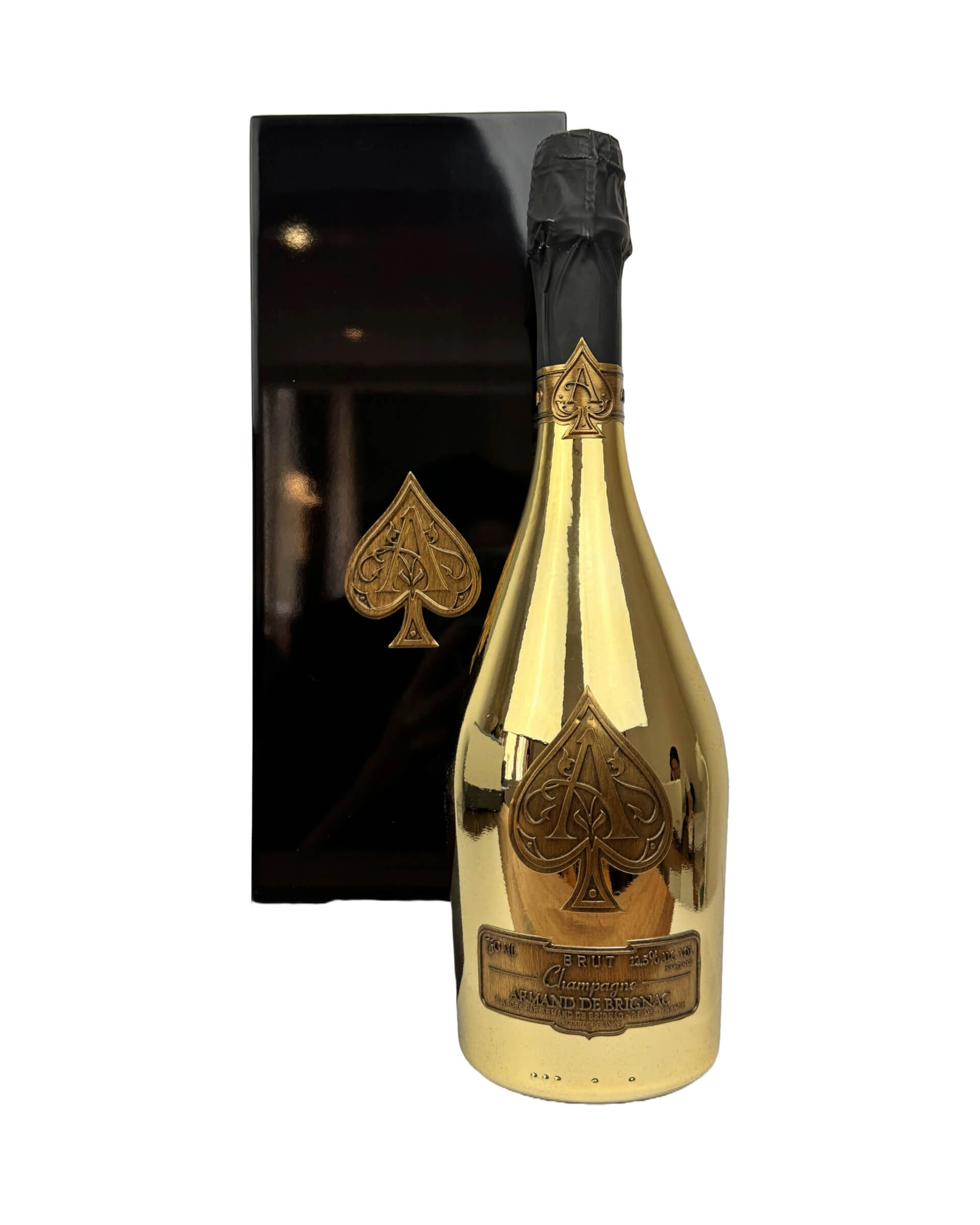
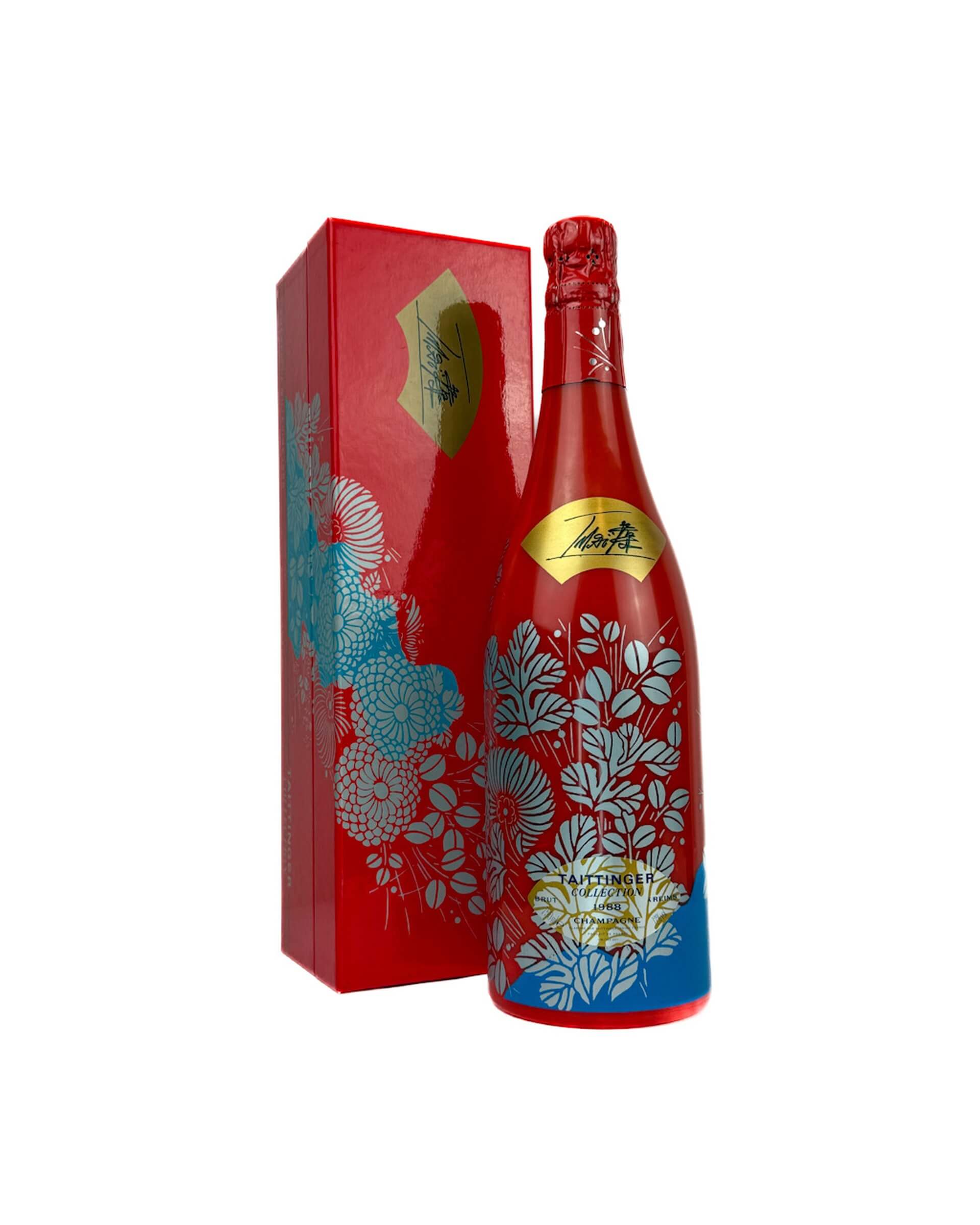
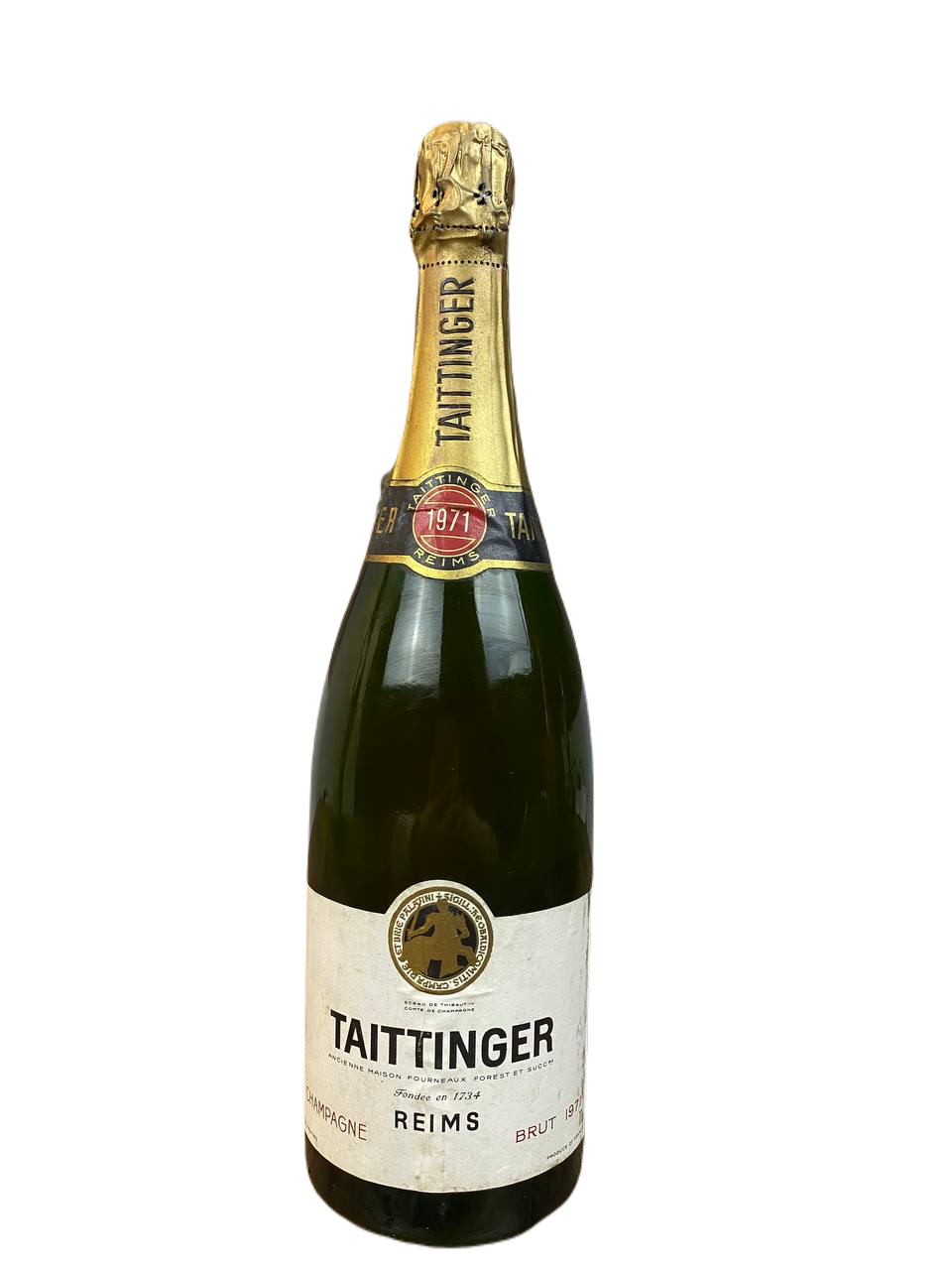
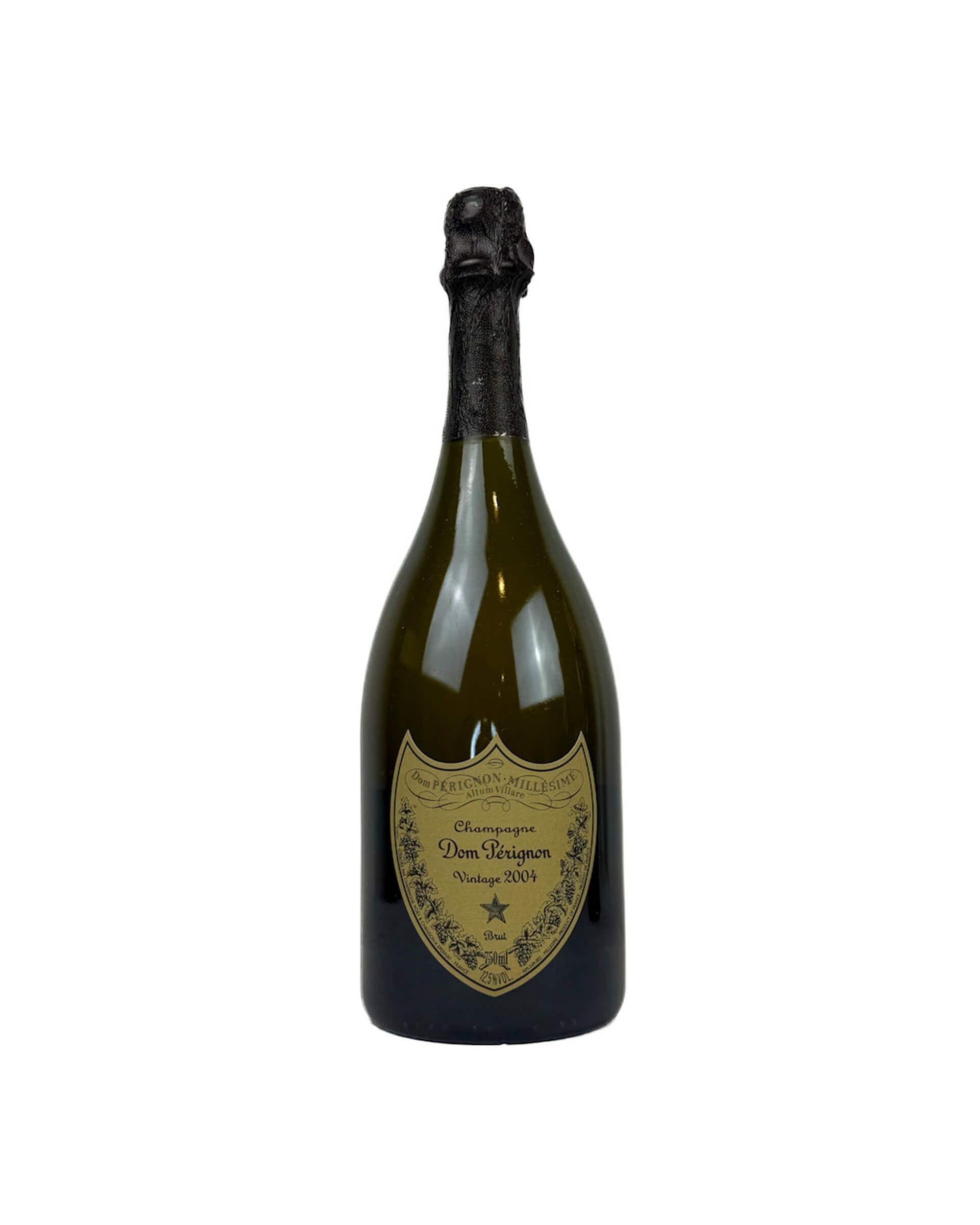
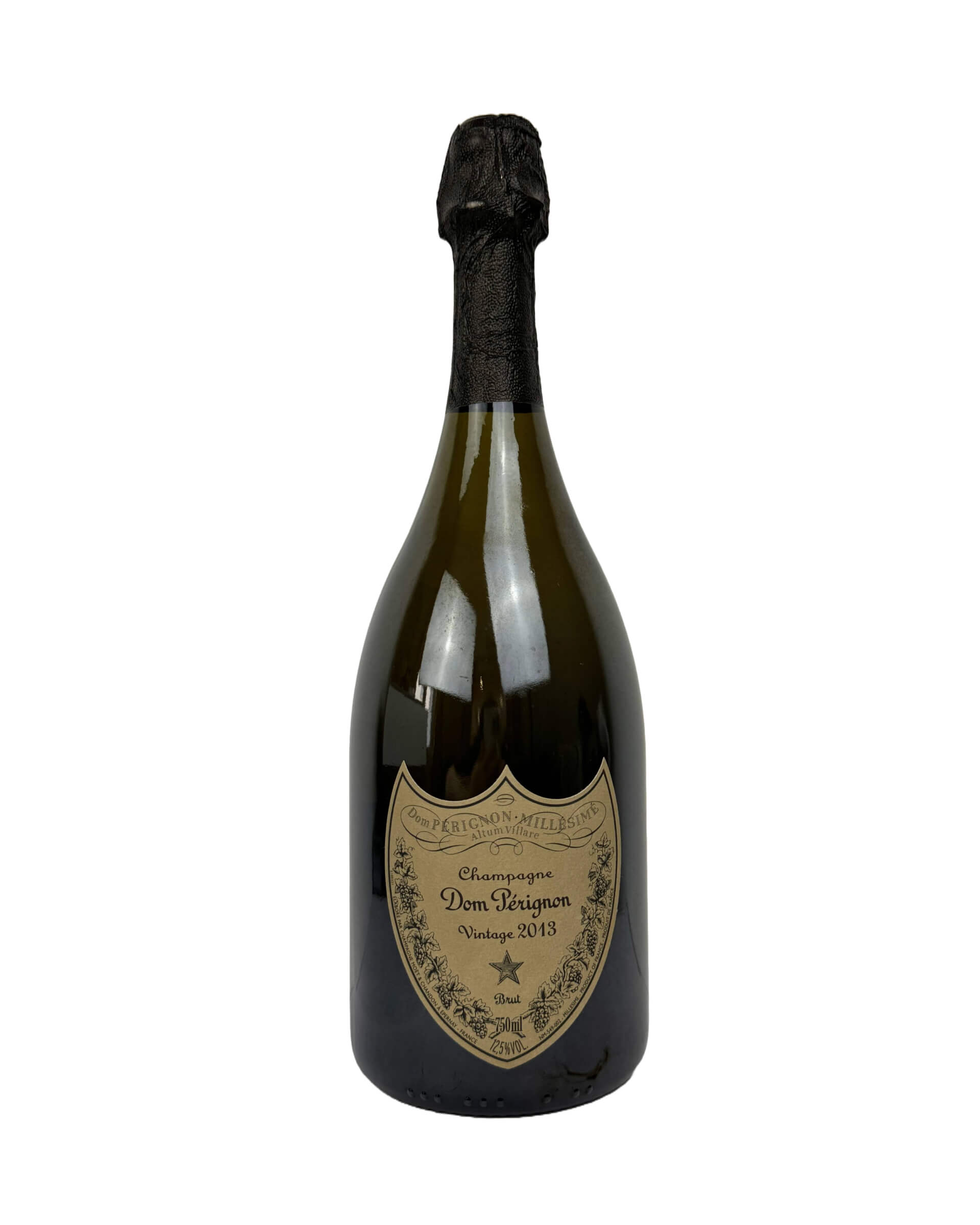
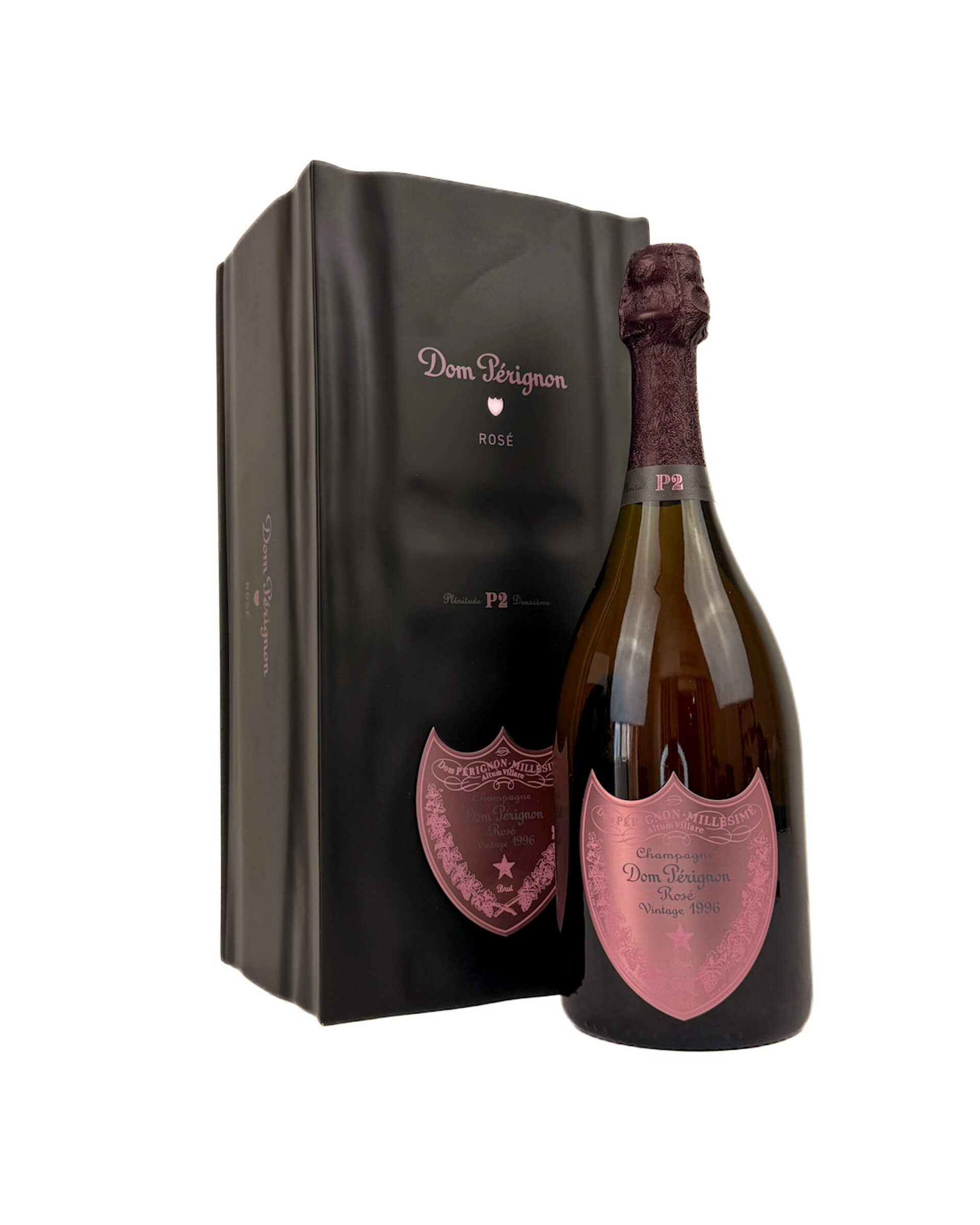
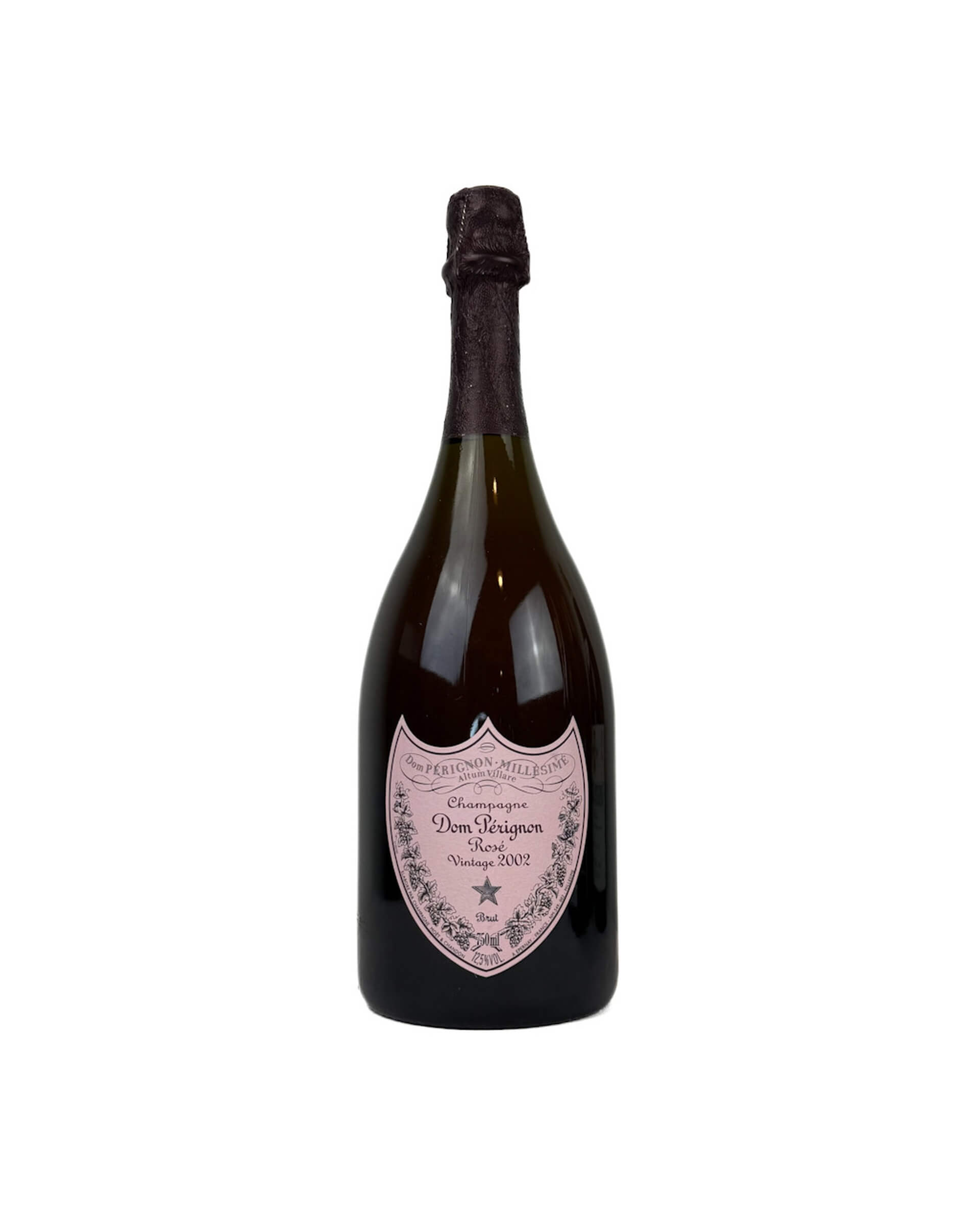
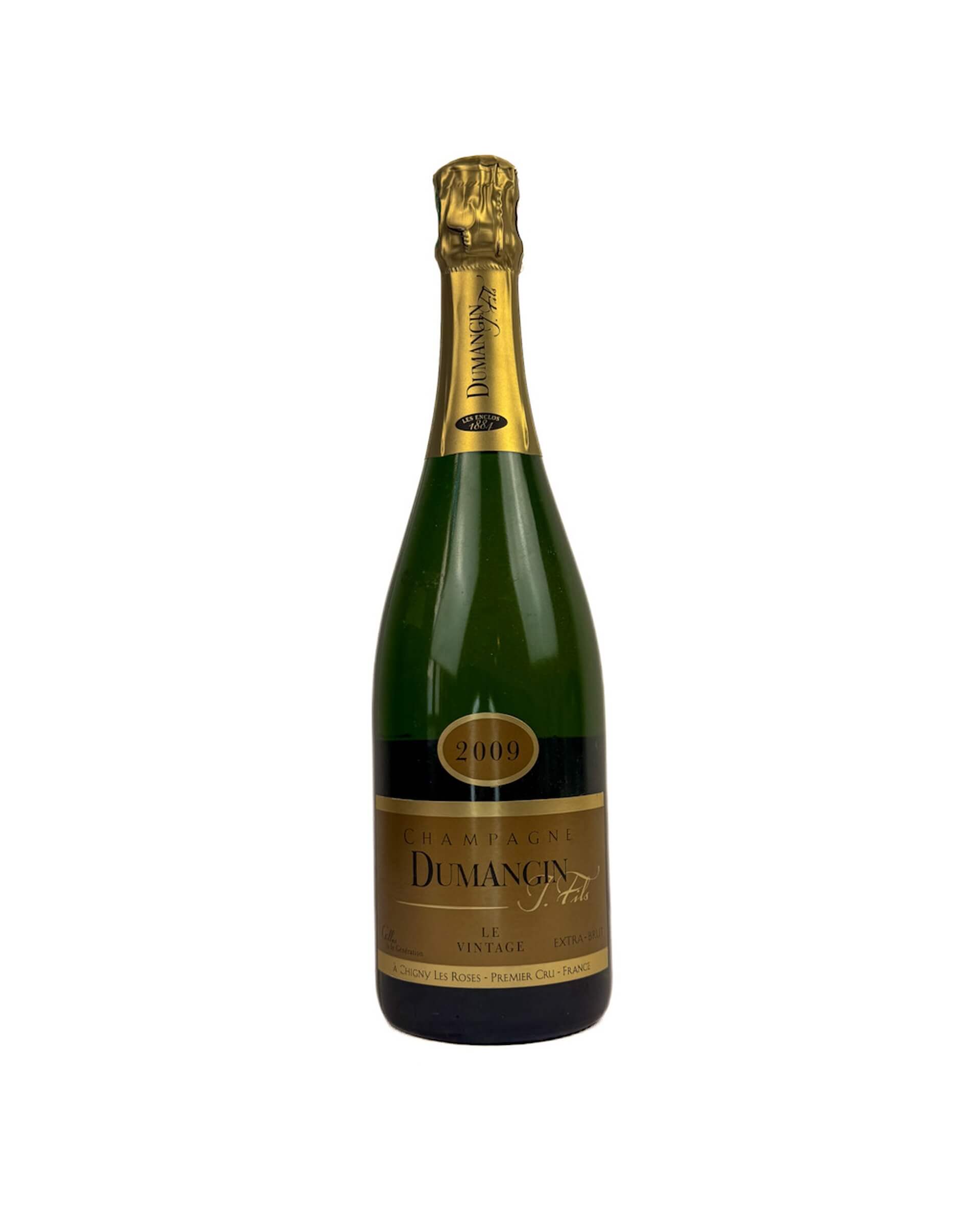
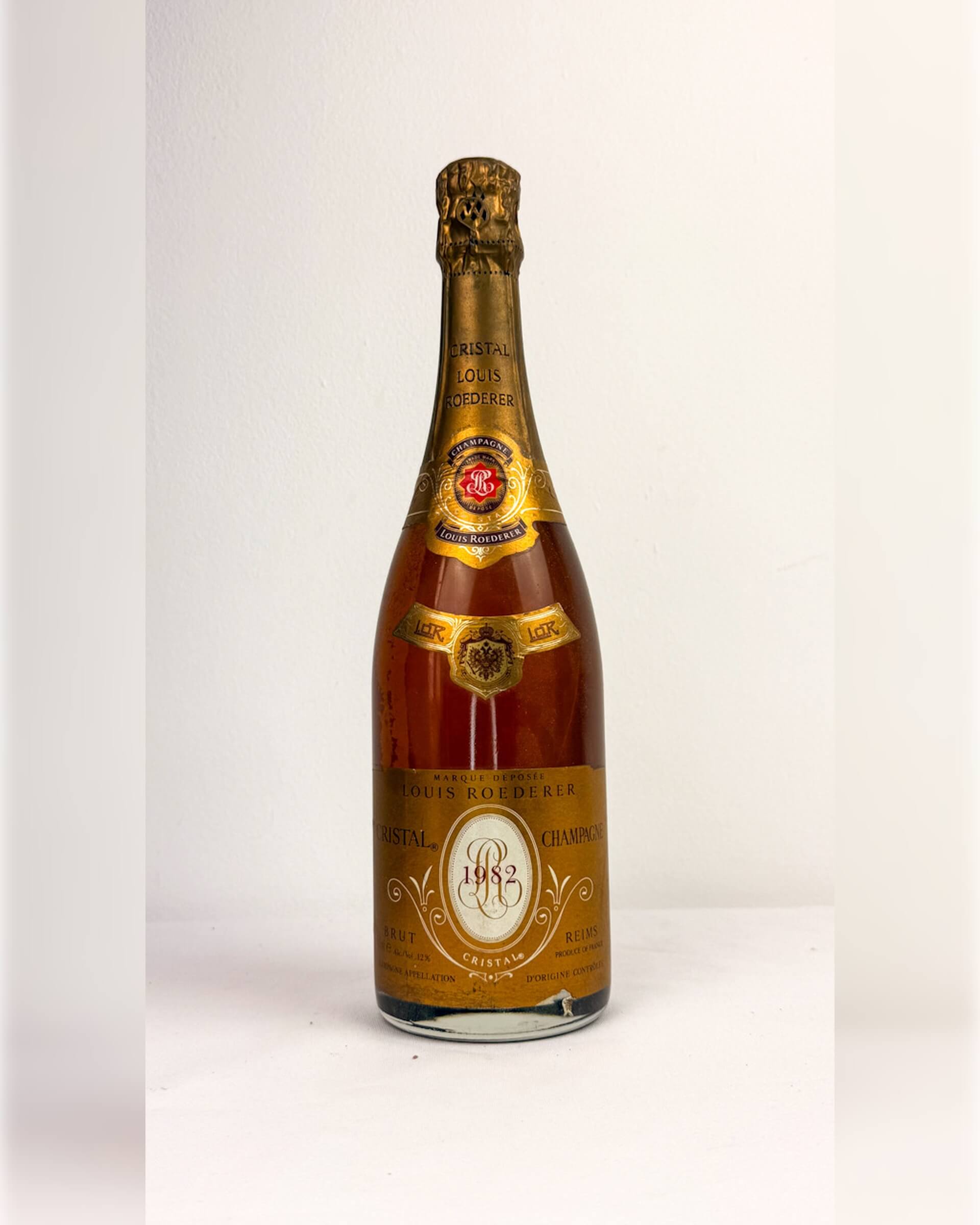
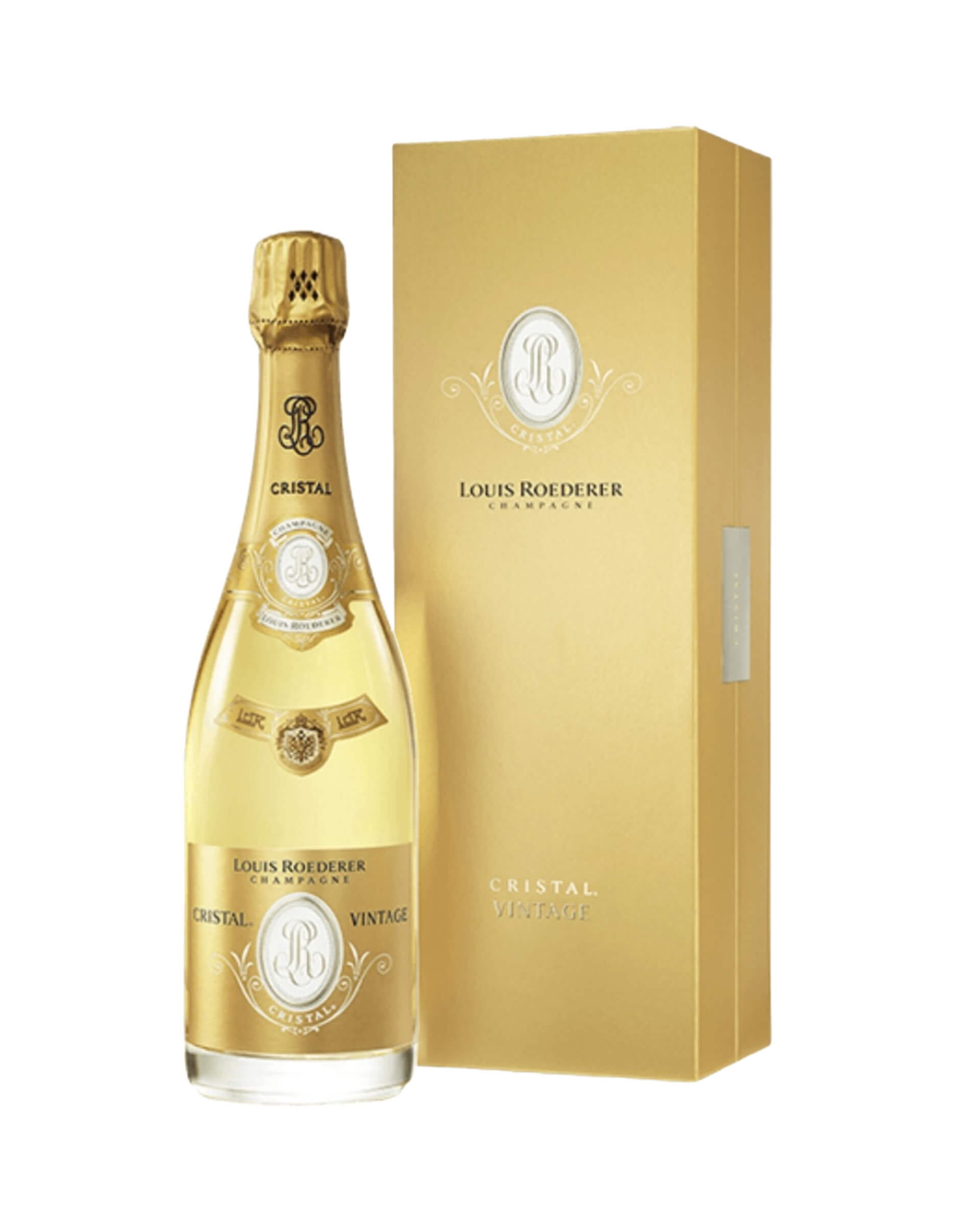
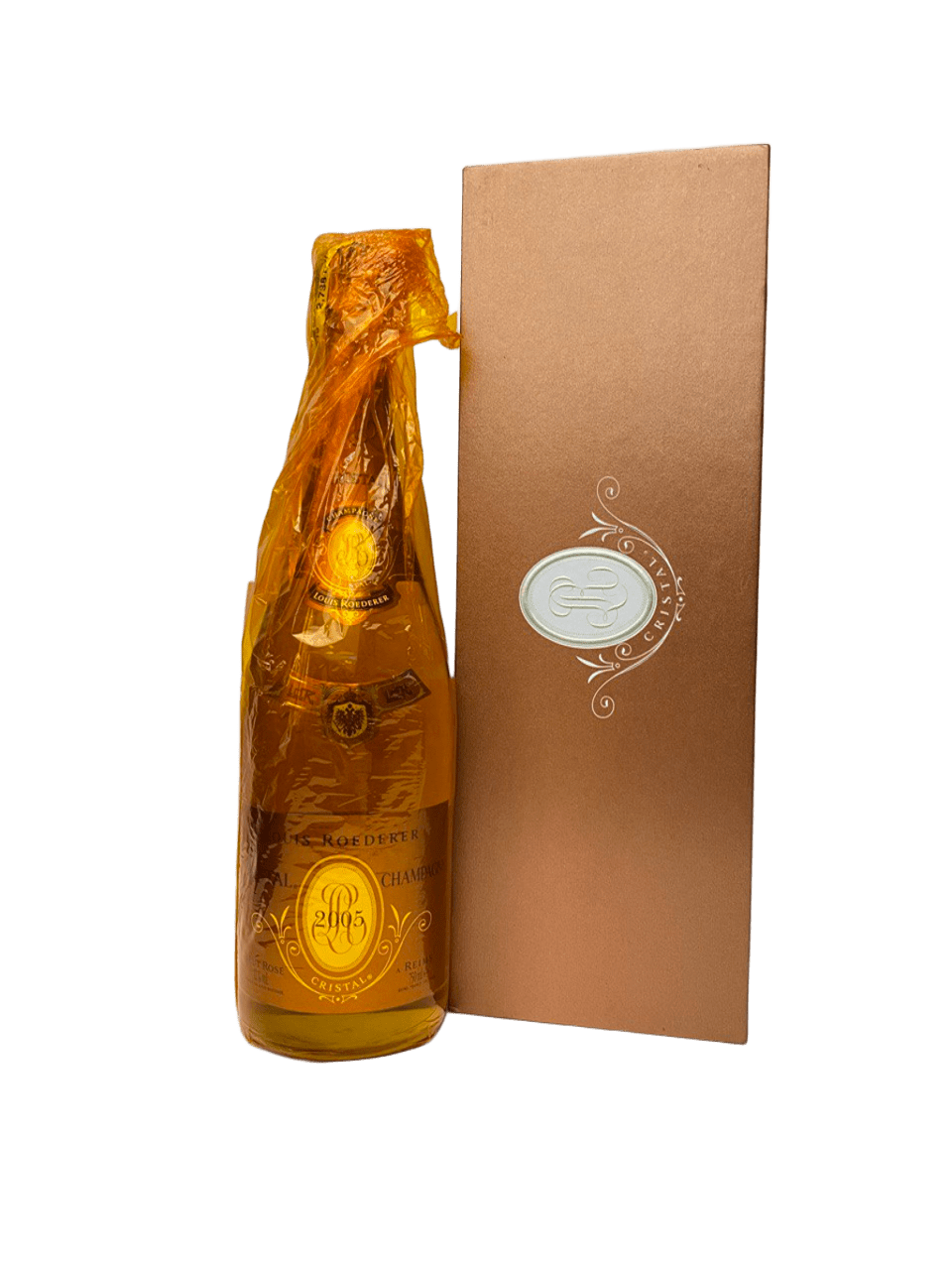
Reims is the historic heart of Champagne country, the ancient city where French kings were crowned for over a thousand years and the largest city of the Champagne region, a historic centre of the champagne trade. When wine lovers speak of Reims champagne, they are pointing to a precise idea: bottles shaped by the Pinot Noir-dominant vineyards that climb south and east from the city onto the chalk slopes of the Montagne de Reims. This is a different style of champagne from the lighter, Chardonnay-led wines made further south.
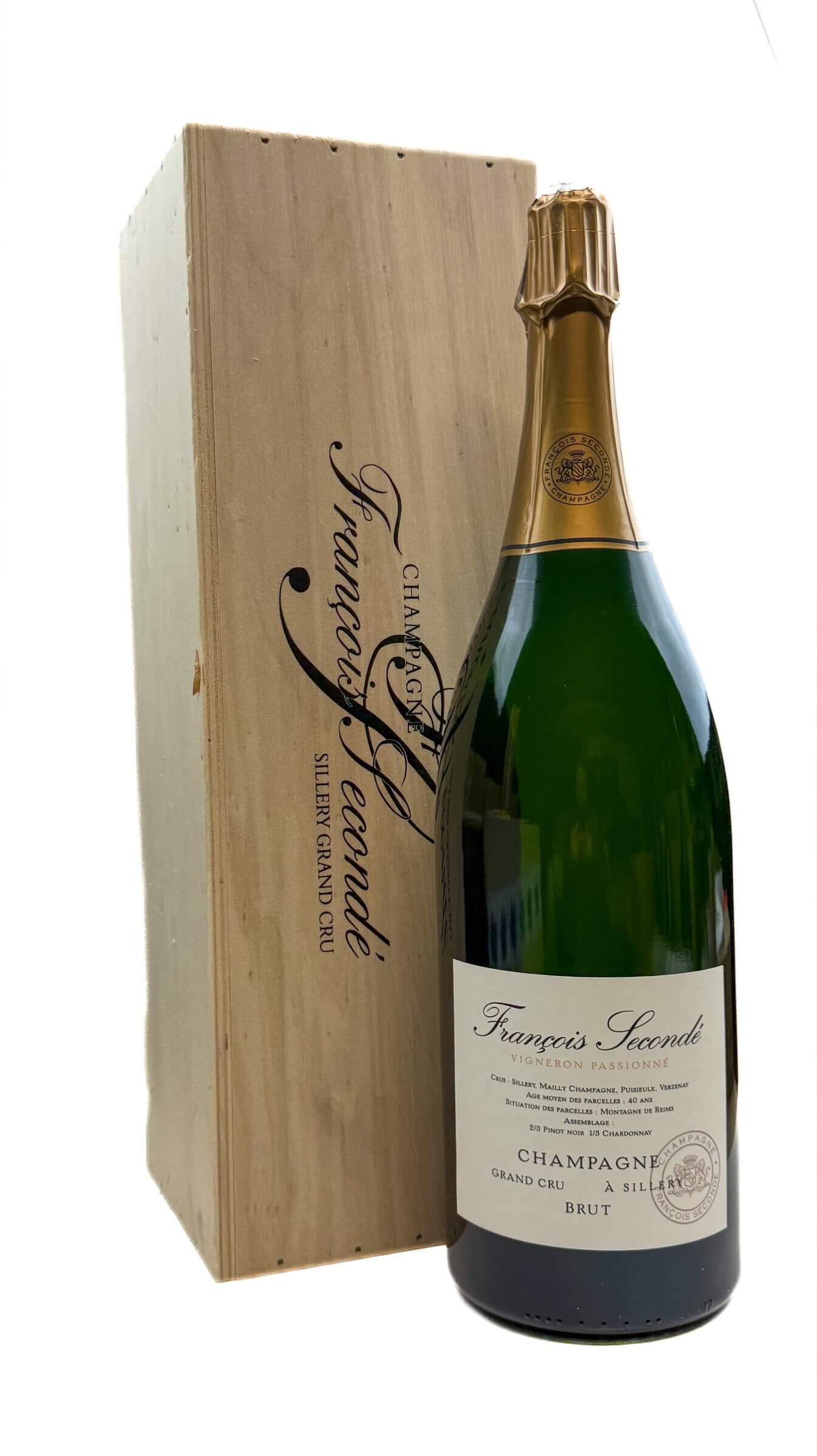
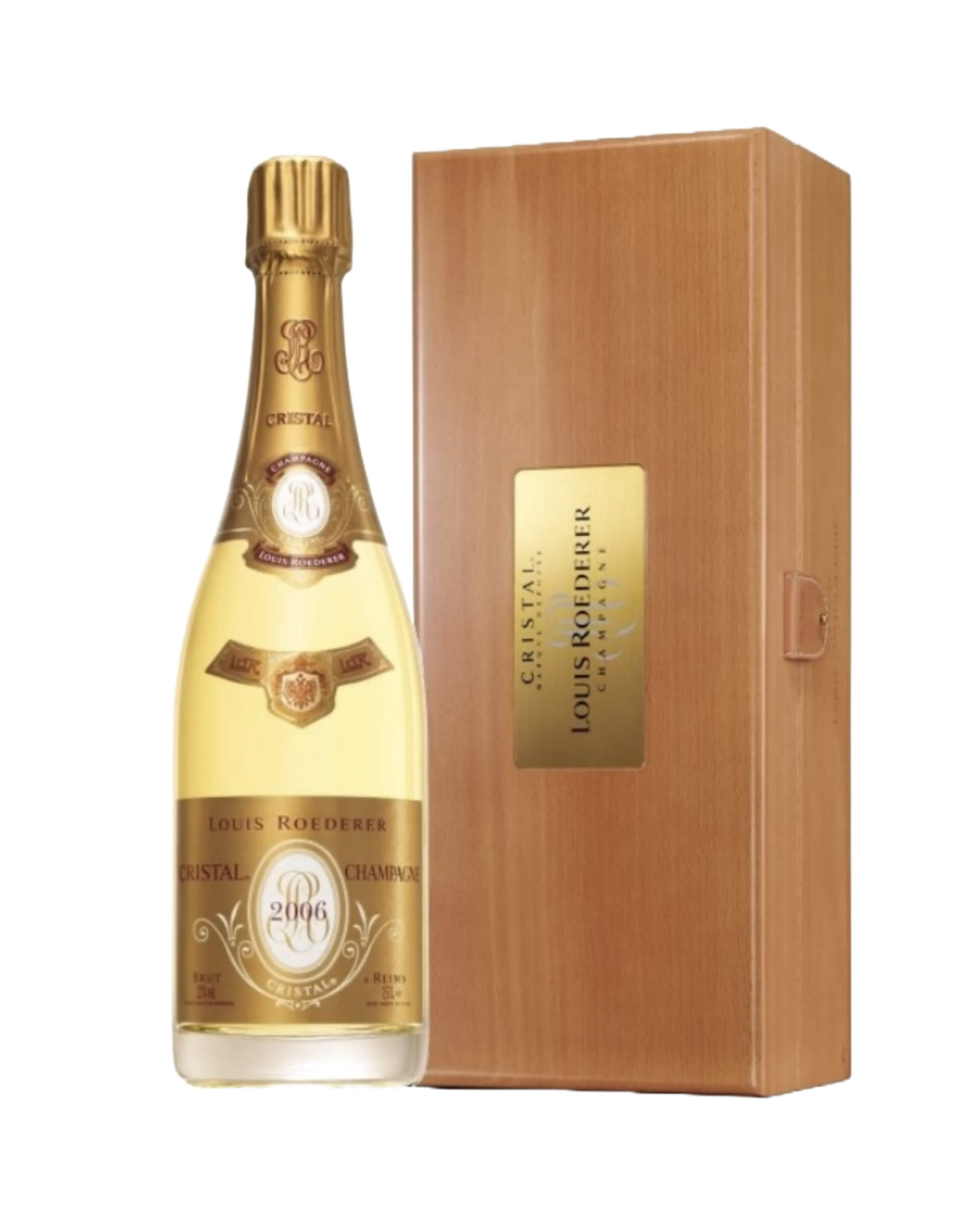
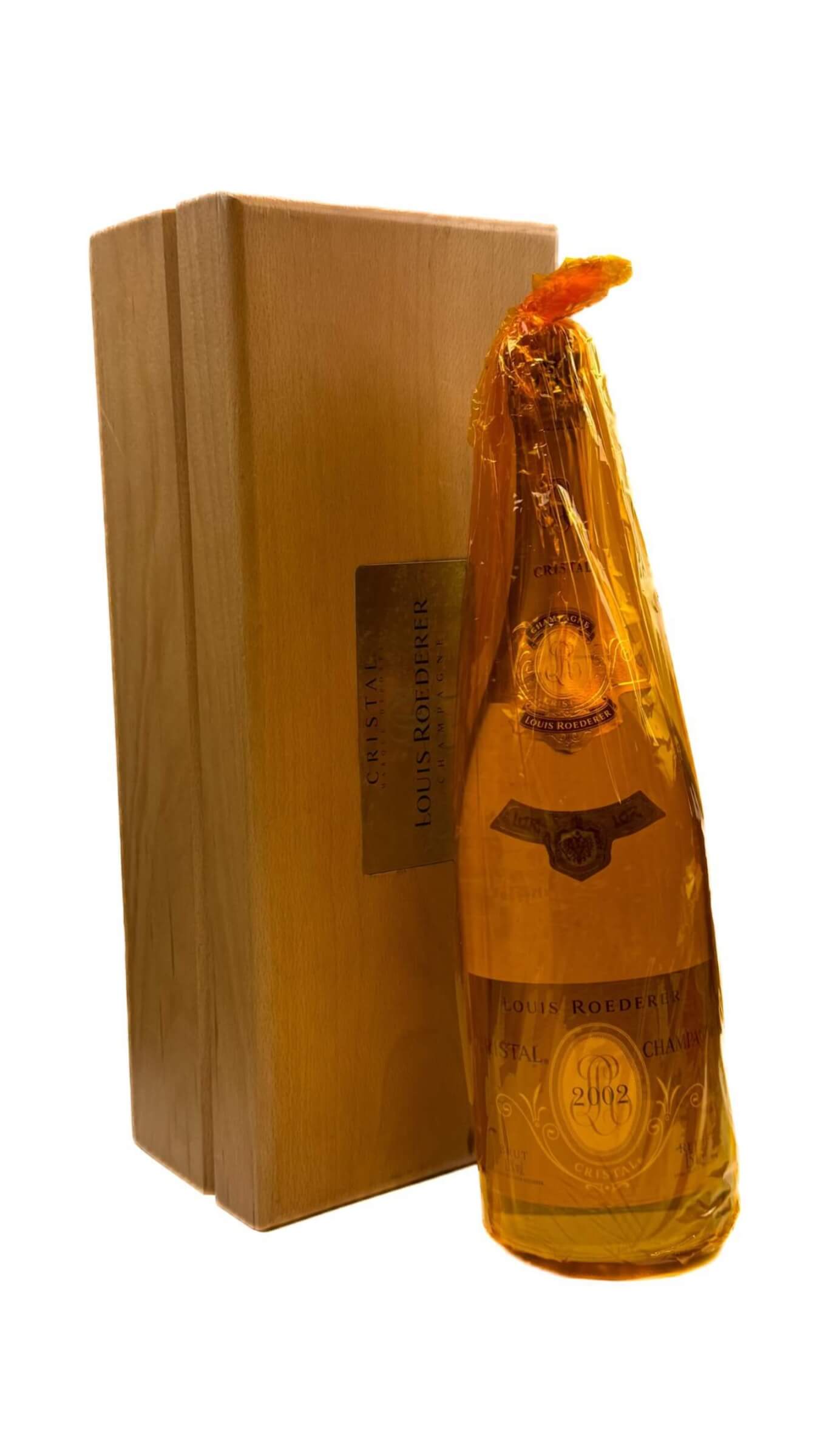
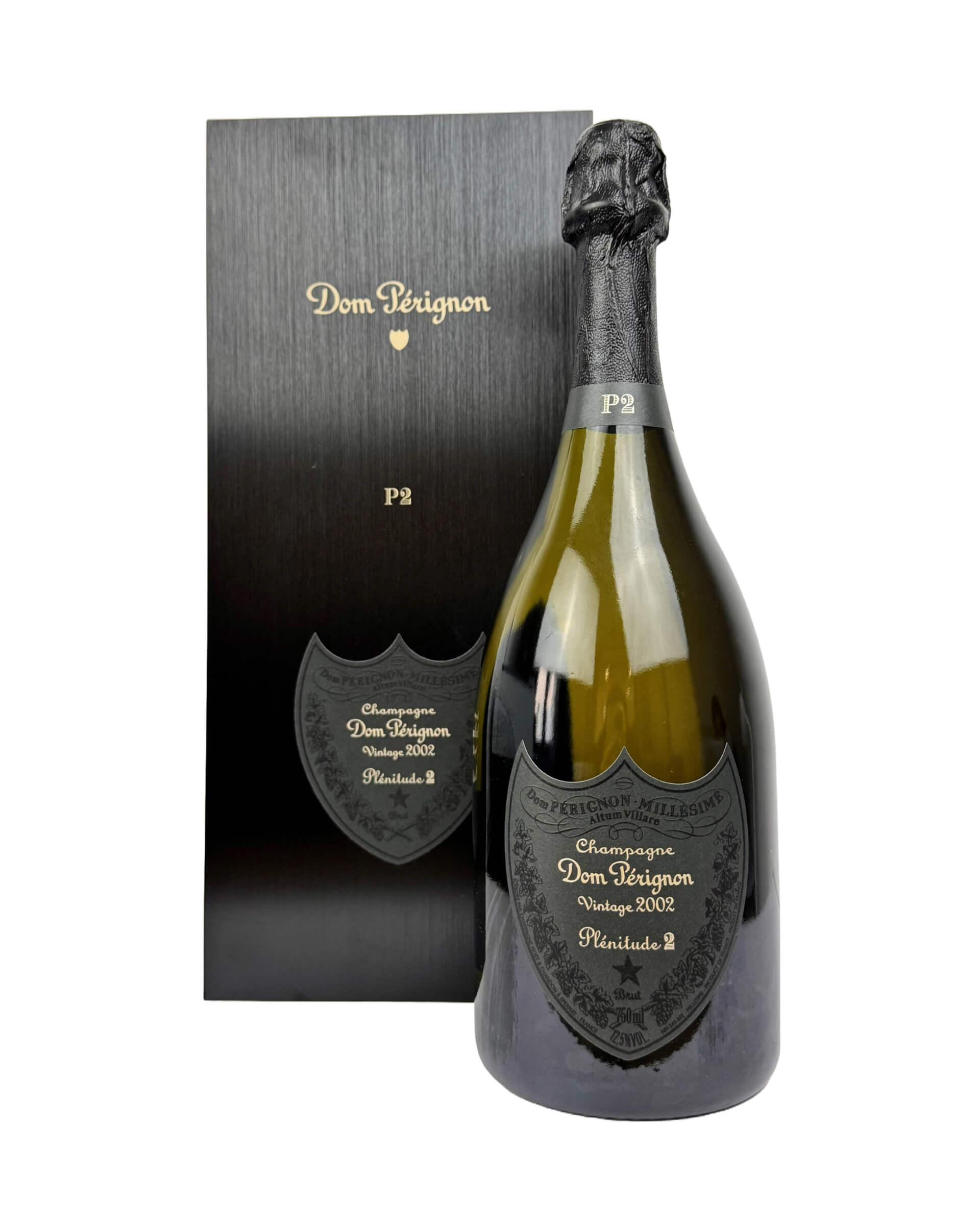
What sets champagne from Reims apart is structure. The cooler exposure, the belemnite chalk beneath the plateau, and the concentration of Grand Cru villages combine to produce wines of depth, red-fruit character, and remarkable ageing potential. Our 23-bottle Reims selection spans famous houses and small grower-producers alike — from Mailly Grand Cru’s blanc de noirs sourced on the plateau to vintage cuvées from Taittinger and Louis Roederer — and this guide will take you from understanding the terroir to choosing the right bottle.
The phrase Reims champagne carries two meanings at once. Reims is the city at the northern edge of the wider Champagne appellation, and it is also the name given to the surrounding sub-zone whose vineyards rise onto the Montagne de Reims, the forested plateau that arcs to the south. Beneath those slopes lies belemnite chalk — a porous, fossil-rich subsoil that drains freely, reflects light, and lends the finished wines their signature minerality and bright, retained acidity.
The growing climate here is continental but buffered by the Forêt de la Montagne de Reims, the woodland that crowns the plateau and moderates temperature swings. These cooler, slower conditions extend ripening and build complexity in Pinot Noir, the grape that defines the district. It is a useful contrast with the Côte des Blancs to the south, where chalk and Chardonnay produce wines of linear elegance. Reims, by comparison, is the realm of body, dark fruit, and power — the structural pole of champagne.
The single most important fact about Reims champagne is this: the Montagne de Reims holds the densest cluster of Grand Cru villages in the entire appellation. Of the 17 villages rated 100% Grand Cru in Champagne, a clear majority sit on or around this plateau. Each has its own fingerprint, and understanding them turns a brand-name purchase into a precision terroir choice.
The north-facing escarpment at Verzenay produces some of the most structured, slow-developing Pinot Noir champagnes in the appellation — a firm backbone, red cherry and kirsch character, and exceptional ageing potential. Verzy, just to the east, shows a similar profile with a slightly earthier note. Both are rated 100% Grand Cru, and leading houses source heavily from these villages for their prestige and vintage cuvées.
Ambonnay and Bouzy sit on the warmer eastern slopes of the Montagne de Reims and rank among the appellation’s 17 Grand Cru villages. Ambonnay delivers power and opulence; Bouzy is celebrated for its rare still red wine, Coteaux Champenois Bouzy Rouge, a marker of how ripe its Pinot Noir can become. Both supply the prestige blends of houses such as Krug, and reward drinkers who want weight and red-fruit depth in the glass.
Mailly-Champagne occupies a plateau position with full southern exposure, producing Pinot Noir of unusual concentration. Its co-operative, Mailly Grand Cru, is one of the very few co-operatives in Champagne to hold Grand Cru status and to bottle single-village cuvées — a useful, accessible entry point for anyone keen to taste the terroir of one place rather than a blend across many.
Pinot Noir is the dominant grape across the Montagne de Reims plateau, typically making up 50 to 80% of the district’s blends. It contributes body, red-fruit flavour, brioche complexity, and the capacity for long ageing. The same grape is the noble red of Burgundy further south, but in the cool chalk of Champagne it is pressed gently to make white wine, retaining cut and freshness instead of tannin. Chardonnay plays a supporting role in many Reims blends, adding citrus lift and mineral tension.
The defining speciality of the district is blanc de noirs — white champagne made exclusively from dark-skinned Pinot Noir grapes. These are wines of uncommon depth and seriousness, and a blanc de noirs from Verzenay tastes fundamentally different from a blanc de blancs made from Chardonnay further south. Orienting yourself on that axis — fruit and structure versus mineral and line — is the most useful single decision a buyer can make.
The city of Reims is home to some of the most famous champagne houses in the world — Taittinger, Ruinart, Veuve Clicquot, Krug and Louis Roederer among them. These are négociant houses, identified by the letters NM on the label, which buy grapes or base wine at scale and blend across the appellation for a consistent house style, while maintaining cherished vineyard holdings on the Montagne de Reims as a prestige source.
Alongside them work the grower-producers, marked RM on the label, who farm their own vines on the plateau and bottle single-terroir cuvées that speak of one village. The négociant route offers consistency and instantly recognisable labels — the reliable choice for a host gift or corporate order where the recipient’s palate is unknown; the grower route offers terroir specificity for the curious palate. Our 23-bottle Reims selection deliberately spans both worlds — Ruinart and Veuve Clicquot alongside Mailly Grand Cru’s single-village Pinot Noir — and you will find the full range in the product grid below.
Because these champagnes carry more body and red fruit than a delicate blanc de blancs, they pair beautifully with savoury, umami-rich dishes that lighter styles cannot match. The table below maps the principal Reims styles to the foods that flatter them.
Serve Reims champagne at 9 to 11°C (48 to 52°F) — slightly warmer than a delicate blanc de blancs — so that the Pinot Noir fruit has room to open. A wider glass, rather than a narrow flute, helps the aromatics unfurl.
Knowing how to buy champagne from this district is mostly a matter of matching budget, producer type, and style to the occasion. The selection of Reims champagne at Tour de Wine rewards a few minutes of orientation, so here is a five-step buying guide.
Two things set it apart. First, the belemnite chalk under the Montagne de Reims plateau holds water and keeps roots cool, locking in the bright acidity that lets these Pinot Noir-dominant wines age for a decade or more without losing freshness. Second, Reims was France’s coronation city for centuries, and that royal prestige drew the great champagne houses to build their cellars in its chalk crayères — a heritage that still shapes the grand house culture and the structured, red-fruited style the district is known for.
Pinot Noir dominates the Montagne de Reims vineyards and is the primary grape in most champagnes from this district, typically making up 50 to 80% of the blend. It delivers red cherry and brioche character, body, and longevity. Blanc de noirs — champagne made entirely from Pinot Noir — is a hallmark speciality of this sub-region.
Reims, on the Montagne de Reims, is Pinot Noir country: richer, more structured wines with dark fruit and bready notes. The Côte des Blancs is Chardonnay country: linear, mineral, high-acid wines built for refinement and long ageing. The two sub-regions represent the opposite poles of champagne style, and most great blends draw from both.
Our Reims selection ranges from around €170 for entry-level, village-sourced non-vintage brut, with the typical bottle near €330. Grand Cru village champagnes from Verzenay or Ambonnay tend to sit in the €330 to €650 range, while the rarest vintage and prestige cuvées reach up to €1,500.
Written by the Tour de Wine buying team. Last reviewed: June 2026.
This site is restricted to adults. By entering, you confirm that you are of legal drinking age in your country of residence.