Type at least 3 characters...

Wines, producers, regions...

White Wines

Filters

Our white wine collection is a tightly curated edit of 36 bottles, priced from €55 to €8,300 and built Burgundy-first around the world’s most celebrated source of dry whites: white Burgundy — Chardonnay from the limestone slopes of the Côte de Beaune and the ancient seabeds of Chablis. Tour de Wine is a French merchant, and our buying team tastes and selects every bottle here rather than carrying a sprawling supermarket assortment. The result is an edit chosen for provenance, ageing potential, and the honesty of a clear price-to-quality story.

Our selection starts from around €55 for an excellent entry-level bottle, with most bottles priced near €320 — the fine wine tier where quality is reliably traceable to named appellations and producers. At the top of the range, rare Grand Cru cuvées from celebrated estates reach up to €8,300. The collection rests on two pillars: French whites, led by white Burgundy, with supporting expressions from the Loire and Alsace, and a small group of fresh, food-friendly Italian whites. If you are looking for the best bottle for cellaring, for a dinner centrepiece, or simply to explore, this page is built to guide rather than merely display.

What Makes a Great White Wine — Grapes, Style, and Structure

A great white wine is the meeting point of grape, place, and winemaking. The grape sets the aromatic frame, the terroir lends structure and minerality, and the cellar decides whether the wine stays crisp or gains texture. Most fine whites are dry — fermentation converts nearly all the grape sugar — but within that frame the range of expression is enormous, from steel-edged Chablis to creamy, oak-kissed Meursault. The table below maps the four core styles you will find across our selection.

  • Crisp and mineral — Chardonnay (Chablis), Sauvignon Blanc (Sancerre, Pouilly-Fumé). Tasting profile: green apple, citrus zest, chalk, oyster shell, high acidity, no oak influence.
  • Rich and textured — Chardonnay (Côte de Beaune: Meursault, Puligny-Montrachet, Chassagne-Montrachet). Tasting profile: hazelnut, cream, white peach, lemon curd, subtle oak, long mineral finish.
  • Aromatic — Riesling (Alsace), Gewurztraminer (Alsace). Tasting profile: stone fruit, rose petal, ginger, high aromatics, ranging from bone-dry to off-dry.
  • Fresh and medium-bodied — Vermentino, Verdicchio, Pinot Grigio (Italy). Tasting profile: almond, white blossom, citrus, clean finish, food-friendly.

White Wine by Region — The French Fine Wine Tradition and Italy

Region is the single most useful lens for choosing French white wine. Each appellation imposes its own grapes, soils, and house style, so understanding the geography is the fastest route to the bottle you actually want. Below are the four regions that shape our white selection, from the heart of Burgundy outward to the Loire, Alsace, and northern Italy.

White Burgundy — Chardonnay at Its Greatest

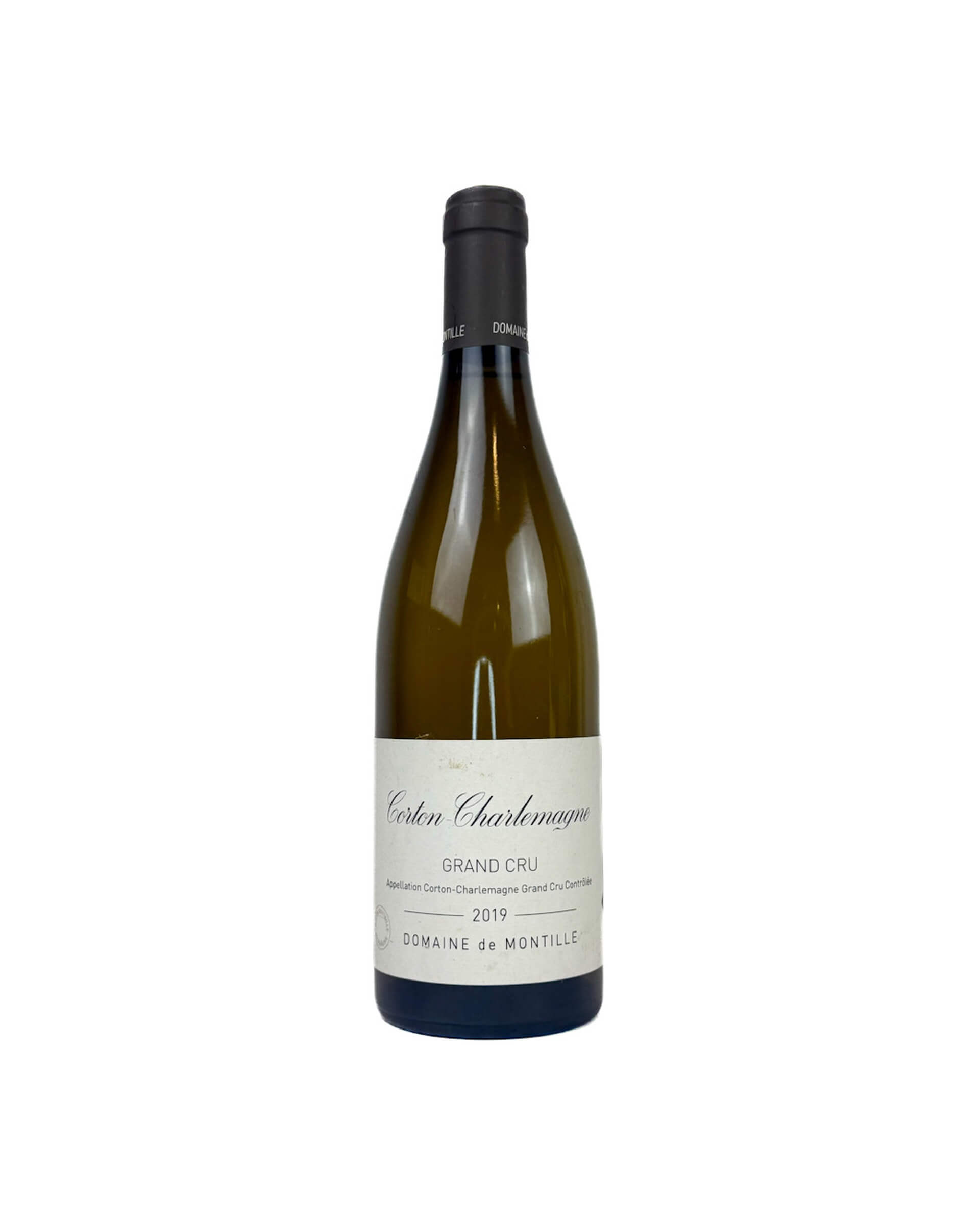
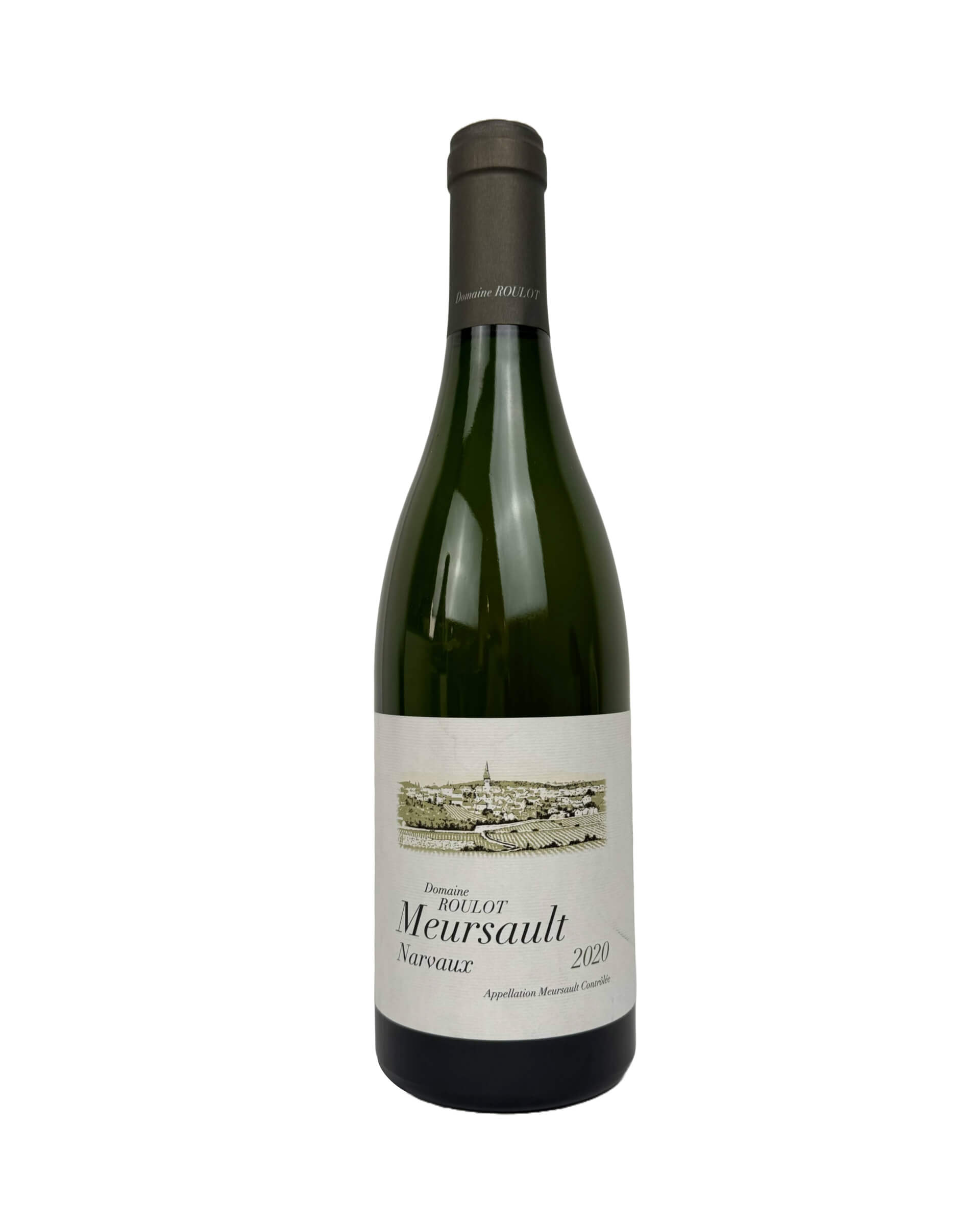
White Burgundy is the core of our white wine catalogue and, for many drinkers, the benchmark against which all other Chardonnay is measured. The Côte de Beaune is its golden heart: Meursault delivers breadth, hazelnut, and cream; Puligny-Montrachet adds tension and floral lift; Chassagne-Montrachet sits between the two with stony precision. Above the village wines sit Premier Cru sites and, at the summit, Grand Crus such as Corton-Charlemagne, where minerality and richness hold each other in remarkable balance. Every wine is an argument for terroir — the same grape, transformed plot by plot.

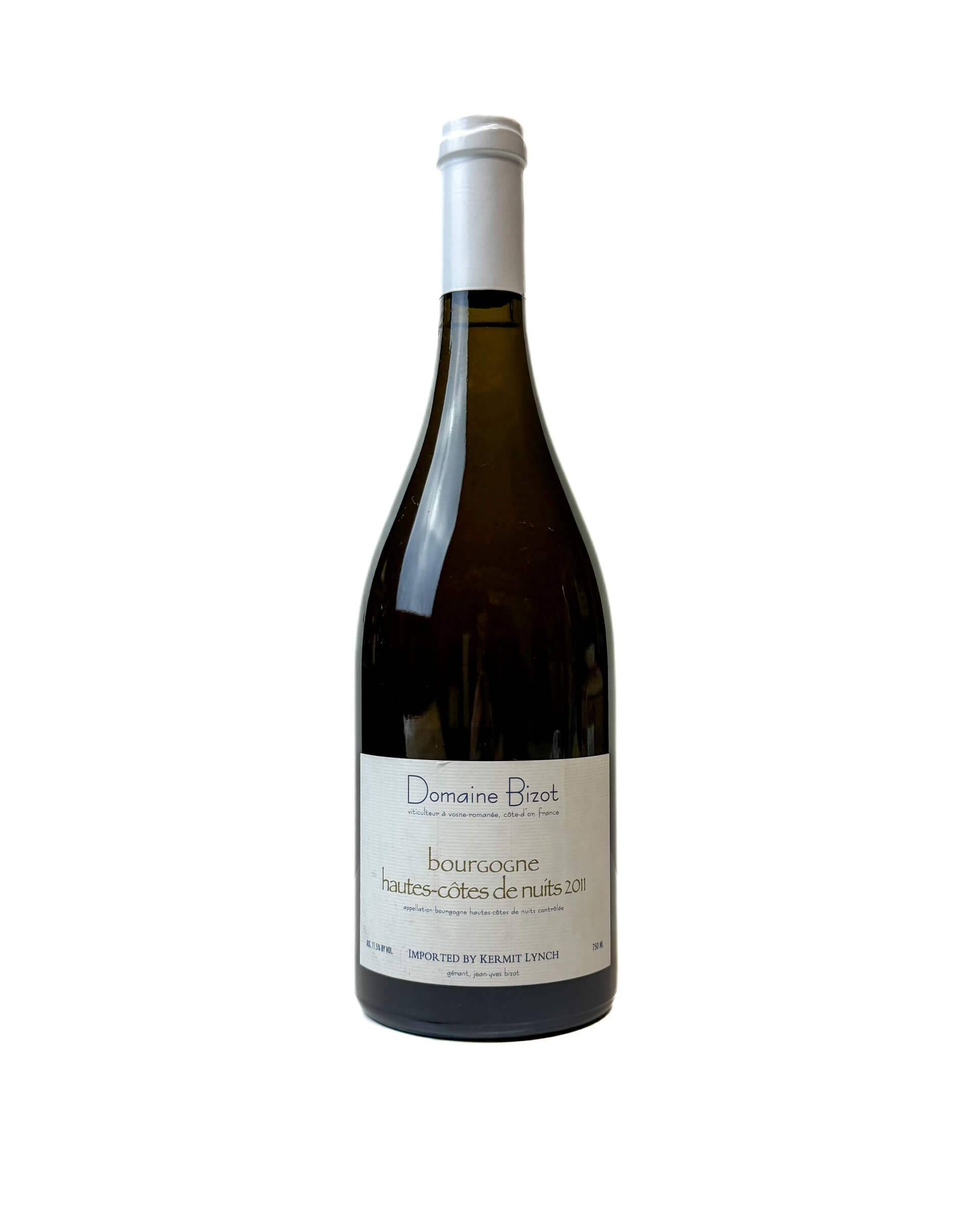
The greatness of these whites lies partly in their patience. Top Côte de Beaune whites develop beautifully for 10 to 20 years, trading youthful citrus for honey, toasted nut, and a deep saline finish. Burgundy is best known for red, but the Côte de Nuits also makes tiny quantities of exceptional white, including Musigny Blanc and Clos Blanc de Vougeot. To begin, explore our white Burgundy selection, or seek out the rarities among the Côte de Nuits whites.

Chablis — The Mineral Edge of White Wine

Chablis is Chardonnay grown on Kimmeridgian limestone — an ancient seabed studded with fossilised oyster shells — and it produces some of the most distinctive dry white wine in France. Where the Côte de Beaune leans rich, Chablis stays lean and electric: green apple, citrus, wet stone, and a saline tension that makes it unmistakable. Most village Chablis is unoaked, preserving that clarity.

The hierarchy matters here. Premier Cru Chablis adds depth and a touch of structure, while Grand Cru Chablis — from sites such as Valmur and Vaudésir — gains real power and softens, deepens, and grows more complex with 5 to 10 years of cellaring. Few wines reward patience so clearly for so little outlay.

Loire Valley and Alsace — Two More Expressions of French White

Beyond Burgundy, two regions broaden the French white wine range for buyers who want something other than Chardonnay. We carry these as a deliberately small selection rather than a comprehensive range — a handful of bottles chosen to sit alongside the Burgundy core. From the Loire we focus on Sancerre and Pouilly-Fumé, the reference points for Sauvignon Blanc — taut, herbaceous, and flinty, with bright citrus and a chalky cut. From Alsace, France’s home of aromatic whites, we look first to bone-dry Riesling of cut-glass precision, with perfumed Gewurztraminer and textured Pinot Gris alongside it. These styles complement the Chardonnay-dominant Burgundy range rather than replacing it; because the selection here is small, the easiest way to see exactly which Loire and Alsace bottles are in stock is to browse all French white wines.

Italian Whites — Freshness and Versatility

A small group of Italian whites rounds out the selection for drinkers wanting a lighter, more versatile style — again, a compact handful rather than a full Italian range. We concentrate on a few classic styles: Vermentino for its sea-breeze salinity and white blossom; Verdicchio, in its Castelli di Jesi heartland, for almond and citrus with a gently bitter, savoury finish; and crisp northern whites from Alto Adige and the Soave hills, including Soave Classico and Pinot Grigio of real character. With their fresh acidity and food-friendly weight, these are natural everyday choices — because the range is small, explore Italian white wines to see the exact bottles we currently stock beside the French selection.

Burgundy’s Classification System — Why It Matters When Buying White Wine

Burgundy ranks its vineyards in a four-tier pyramid, and for white Burgundy that hierarchy is the clearest guide to what you are paying for and how long the wine will keep.

  • Grand Cru — Corton-Charlemagne, Montrachet, Chevalier-Montrachet, Bâtard-Montrachet, and Chablis Grand Cru (Valmur, Vaudésir). Character: maximum complexity, with tension between richness and mineral precision; requires patience. Ageing potential: 10–25+ years.
  • Premier Cru — Meursault Perrières, Puligny-Montrachet Les Combettes, Chablis Montée de Tonnerre. Character: excellent definition, with site-specific personality clearly expressed. Ageing potential: 7–15 years.
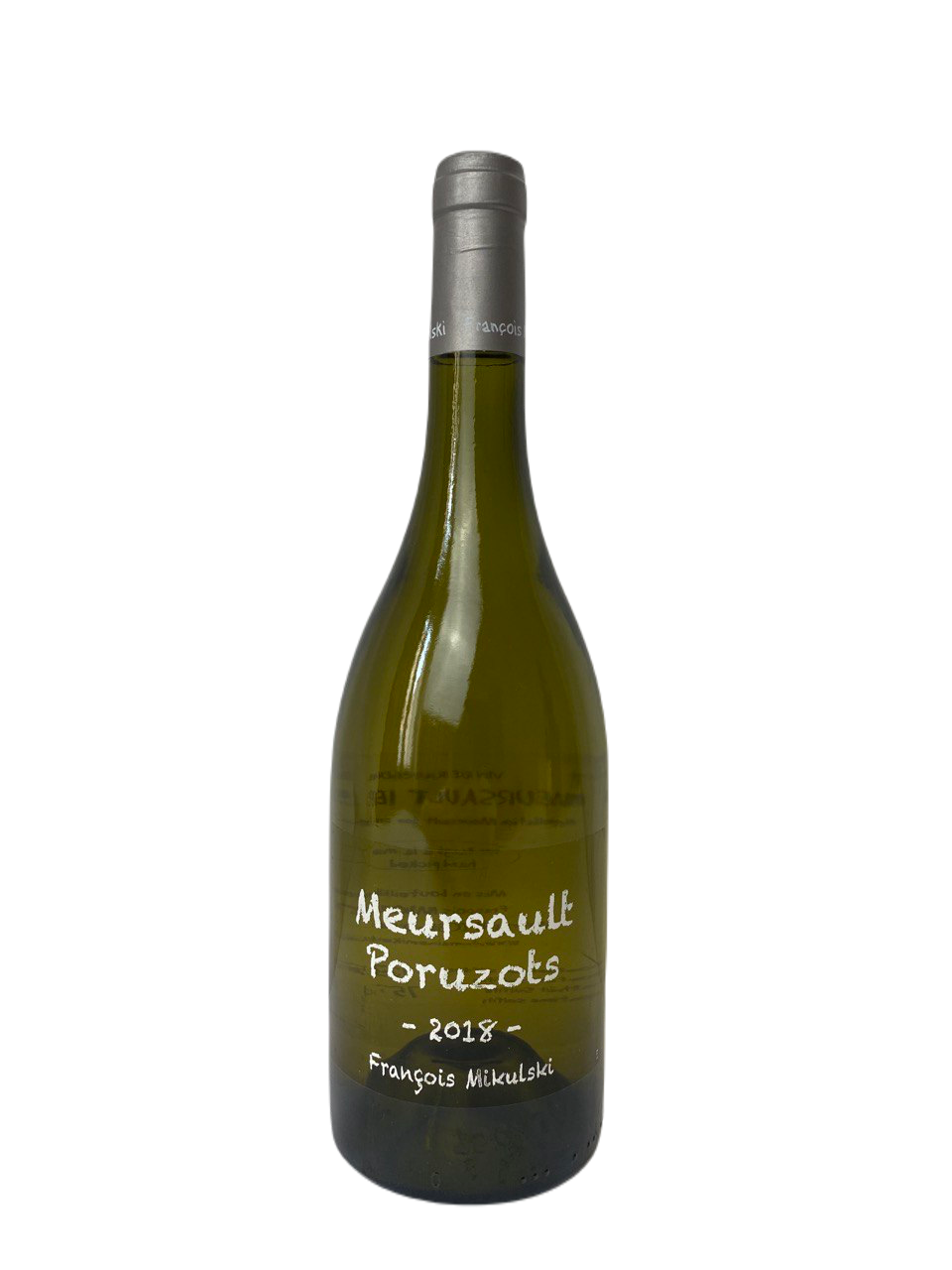
  • Village — Meursault, Puligny-Montrachet, Chassagne-Montrachet (village AOC), and village Chablis. Character: true appellation typicity at a more approachable level. Ageing potential: 4–8 years.
  • Regional AOC — Bourgogne Blanc, Mâcon-Villages, Petit Chablis. Character: accessible, fresh Chardonnay for early drinking. Ageing potential: 2–4 years.

Use the tiers as a buying compass: step up for occasions and cellaring, step down for everyday pleasure. You can shop the top of the pyramid directly via our Grand Cru white wines and our Premier Cru selections.

How to Choose and Buy White Wine — A Buyer’s Guide by Price and Style

To buy white wine well, match the price tier to the occasion rather than chasing a label. The best white wine for a Tuesday dinner is rarely the same bottle you would cellar for a decade, and our catalogue spans both ends honestly. All prices are in euros, drawn from our real selection.

Most bottles in our white wine selection are priced around €320, placing them firmly in the Premier Cru and top village appellation tier — wines with genuine site specificity, ageing potential, and producer pedigree. The three tiers below show how style and price move together across the range, from our entry point of €55 up to a top price of €8,300.

  • Entry fine wine — around €55 to €320. Appellation-level and village white Burgundy (Bourgogne Blanc, village Chablis, village Meursault), Loire Sauvignon Blanc, Alsace Riesling, and Italian whites. Styles: unoaked Chardonnay, Sauvignon Blanc, Riesling, Vermentino. Best for everyday drinking, exploring the French white wine range, and a generous gift bottle.
  • Fine wine — around €320 to €1,830. Premier Cru white Burgundy (Meursault Perrières, Puligny-Montrachet Les Combettes) and Chablis Grand Cru such as Valmur and Vaudésir. Styles: complex, age-worthy Chardonnay. Best for collectors, serious dinners, and cellaring 10–20 years. Most bottles in the catalogue sit at the lower end of this band, with a median around €320.
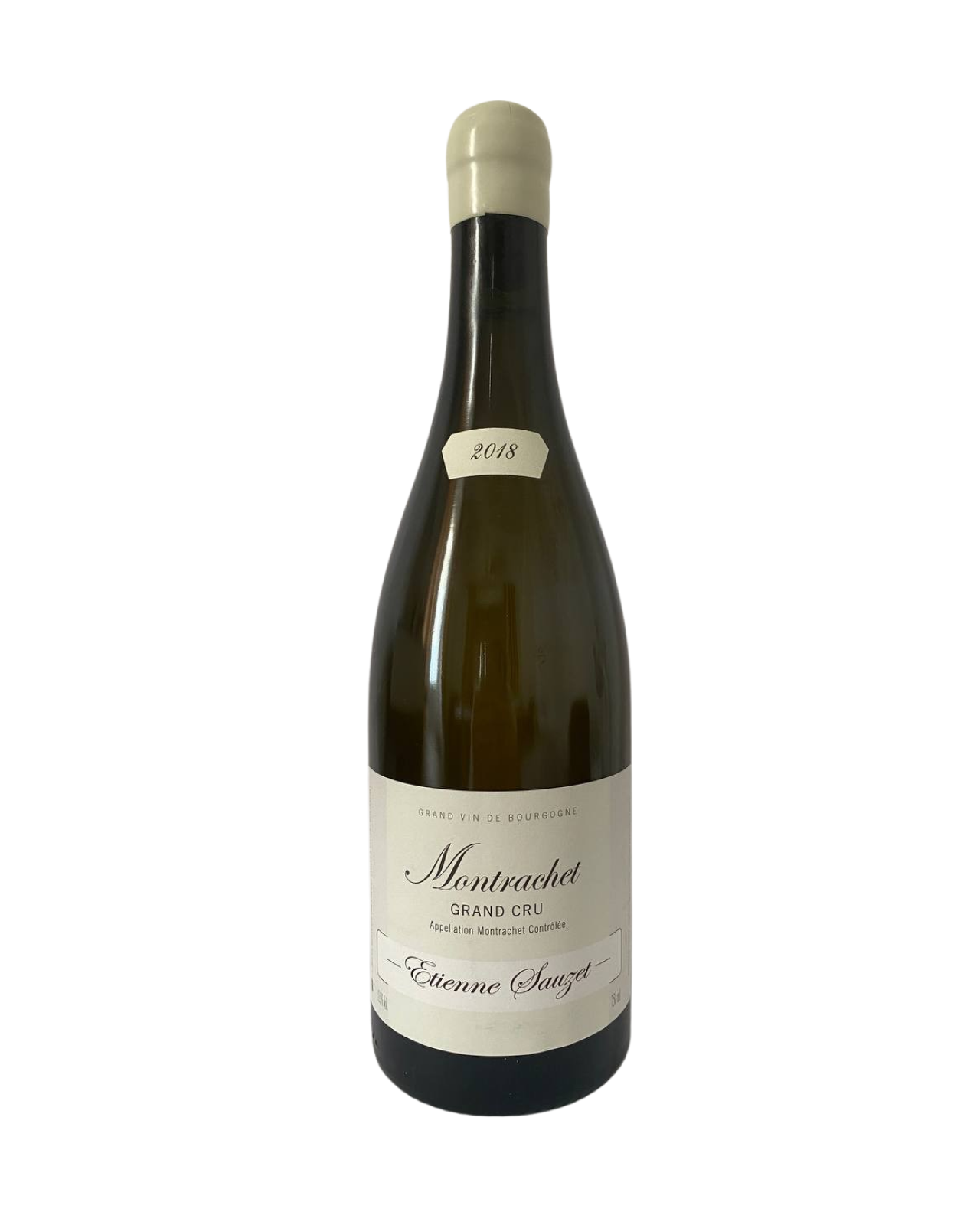
  • Exceptional — above €1,830, reaching up to €8,300. Rare Grand Cru white Burgundy such as Montrachet, Chevalier-Montrachet, and Corton-Charlemagne, plus exceptional vintages from celebrated producers. The catalogue’s top price of €8,300 reflects genuine scarcity and the extraordinary demand for wines like Montrachet from top producers. Best for serious collectors and once-in-a-lifetime bottles.

Serving White Wine — Temperature, Glassware, and When to Decant

White wine rewards a little care at the table, and the right temperature matters as much for a €320 bottle as the right glass. Serve too cold and aromatics vanish; serve too warm and the wine turns flabby. The guidance below is calibrated by style.

  • Crisp and mineral whites (Chablis, Sancerre, Italian whites): serve at 8–10°C in a medium-bowl white wine glass. No decanting needed; drink within 1–3 years of release to enjoy their nervy freshness.
  • Rich, textured whites (Meursault, Puligny-Montrachet, Corton-Charlemagne): serve at 10–12°C — too cold and the wine closes up. Use a wider-bowl glass, similar to a red Burgundy glass, to let the aromatics open; aged white Burgundy of 8+ years can be gently decanted for 15–20 minutes.
  • Aromatic whites (Alsace Riesling, Gewurztraminer): serve at 9–11°C in a narrow Alsace flute, which preserves their perfume. No decanting required.

White Wine and Food — Pairing by Style

Matching by style rather than colour is the fastest route to a great pairing. The four matches below are calibrated to the appellations we stock.

  • Chablis and Premier Cru Chablis: oysters, scallops, sea bass, turbot, and lemon-dressed seafood. The wine’s Kimmeridgian mineral character mirrors the iodine and brine of raw shellfish almost uncannily.
  • Meursault, Puligny-Montrachet and other rich Côte de Beaune whites: roast chicken in cream sauce, veal with butter, lobster thermidor, aged Comté, and fresh truffle dishes. The richness of the wine stands up to fat without competing with flavour.
  • Sancerre and Pouilly-Fumé (Sauvignon Blanc): fresh goat’s cheese — Crottin de Chavignol is the classic match — asparagus, grilled white fish, and light herb-dressed salads where the wine’s cut keeps everything bright.
  • Alsace Riesling and Gewurztraminer: Alsatian choucroute garnie, spiced pork, Thai and Vietnamese dishes, and mild blue cheeses. The wine’s aromatic intensity holds its own against spice and salt.

Frequently Asked Questions About White Wine

What is the difference between Chardonnay and other white wines?

Chardonnay is a relatively neutral grape that expresses the character of its terroir and winemaking rather than an obvious varietal aroma. Grown on Burgundy’s Côte de Beaune limestone, it produces dry white wines of extraordinary depth — from Chablis’s tense minerality to Meursault’s buttery richness. Other white wines such as Sauvignon Blanc (Sancerre) or Riesling (Alsace) carry more assertive, immediately recognisable flavour signatures.

How long can white wine be aged?

Most everyday white wines are best within two to three years of harvest. However, Grand Cru and Premier Cru white Burgundy — particularly from the Côte de Beaune — develops beautifully for 10 to 25 years in proper cellar conditions. Chablis Grand Cru and the finest wines from Meursault and Puligny-Montrachet are among the most age-worthy dry white wines made anywhere in the world.

What is white Burgundy wine?

White Burgundy is Chardonnay grown in the Burgundy region of eastern France. At its finest — in Grand Cru appellations such as Montrachet, Corton-Charlemagne, or Chevalier-Montrachet — it is widely considered the greatest dry white wine in the world. It ranges from lean and mineral (Chablis, made on Kimmeridgian limestone soils) to opulent and textured (Meursault, Puligny-Montrachet) depending on the appellation and producer style.

Is white wine always dry?

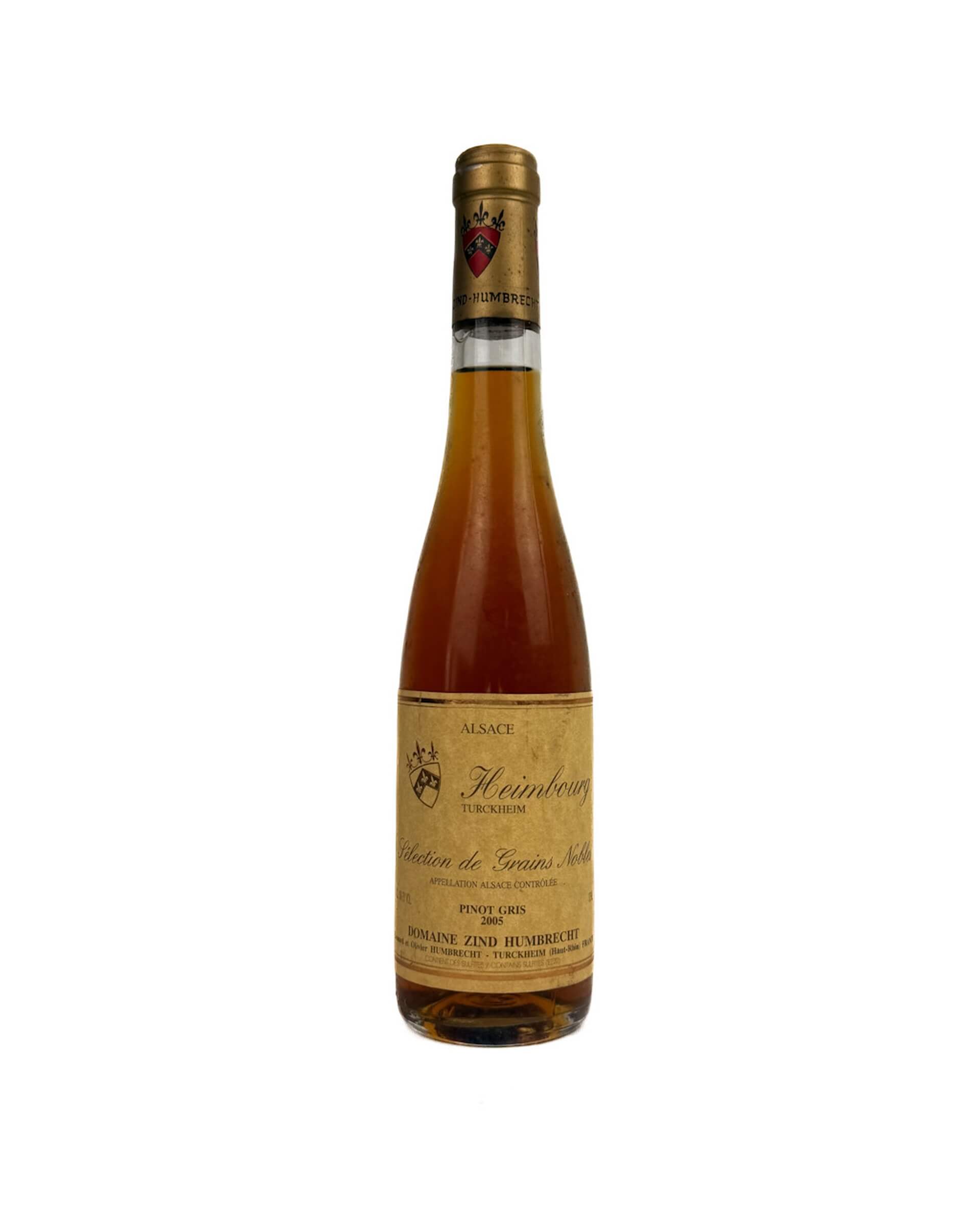
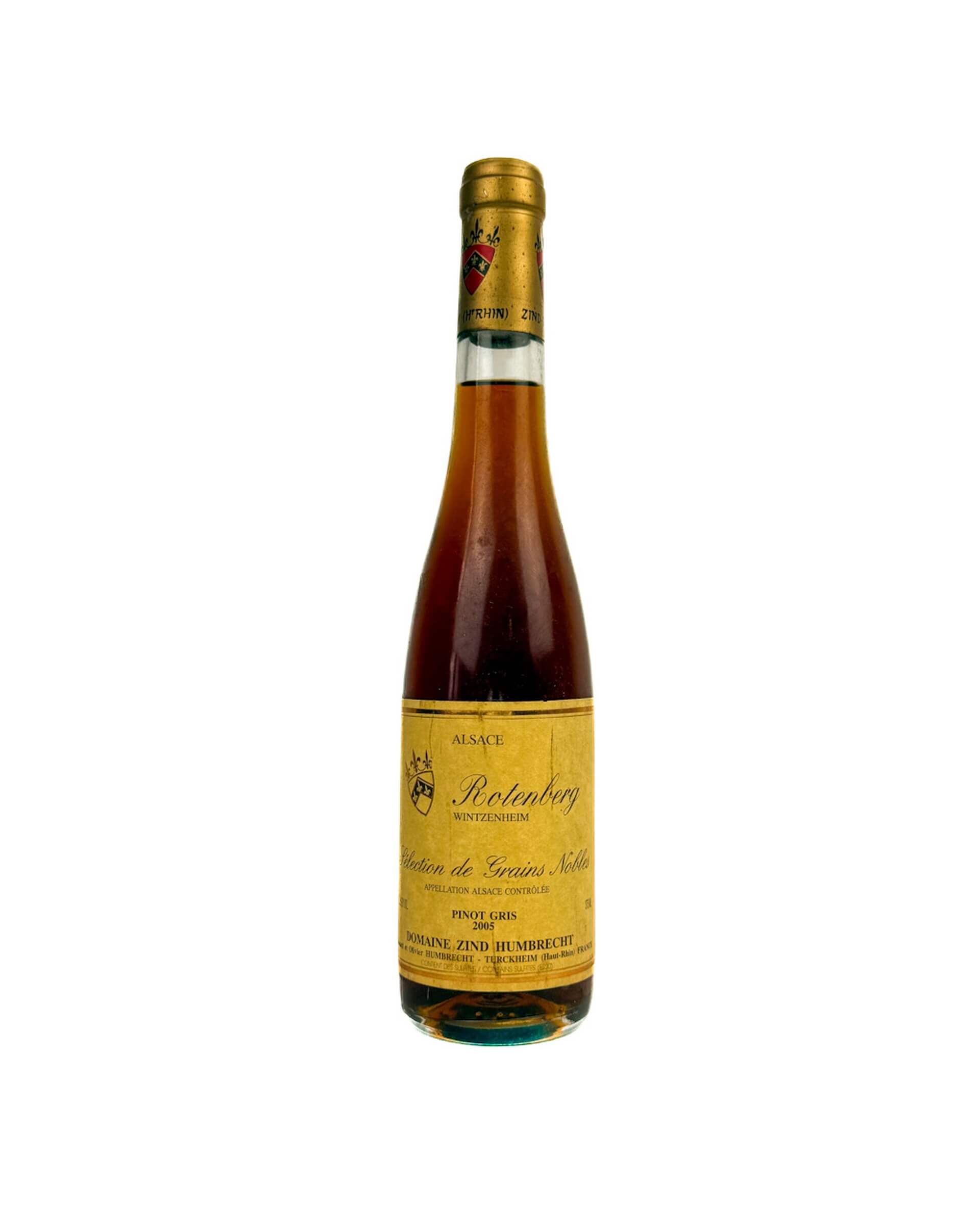
The white wines stocked by Tour de Wine are almost exclusively dry, meaning fermentation converts virtually all of the grape sugar to alcohol. The notable exception is Alsace, where certain Vendange Tardive or Sélection de Grains Nobles bottlings are off-dry to sweet — exceptional, late-harvest wines. For everyday reference, Chablis, Meursault, Sancerre, and Puligny-Montrachet are all bone-dry.

Written by the Tour de Wine buying team. Last reviewed: June 2026.

Ask the sommelier...
Sommelier