

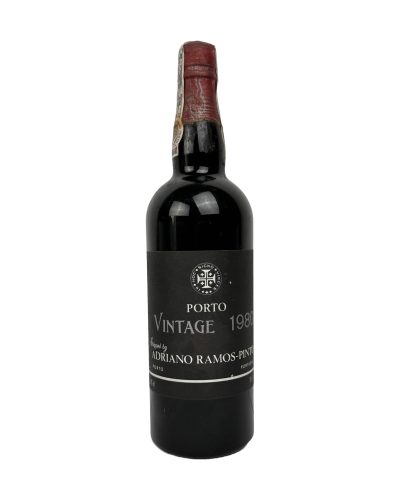
0.75 L
1980
Adriano Ramos-Pinto
Wines, producers, regions...
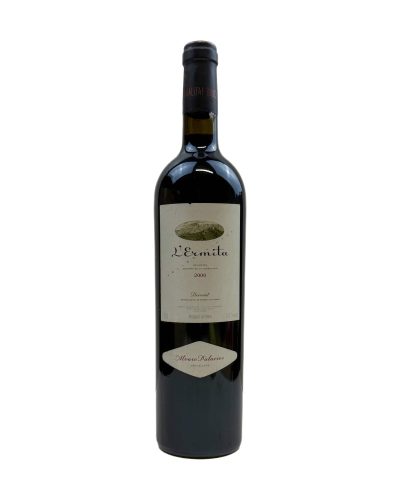
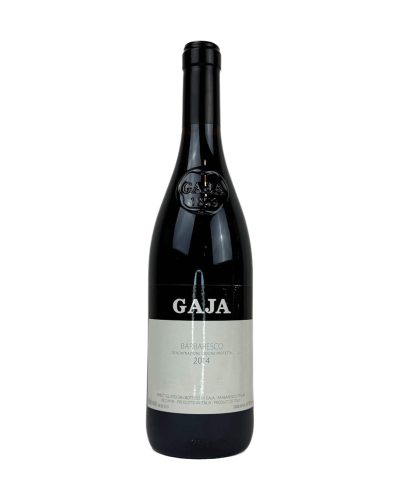
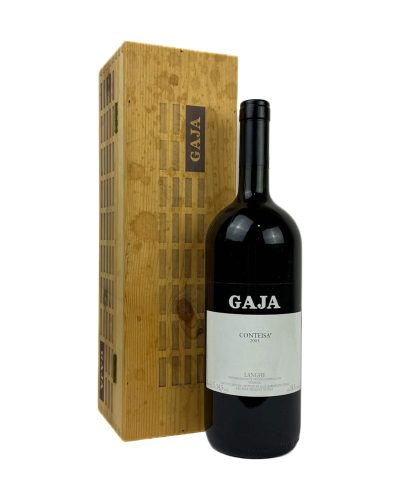
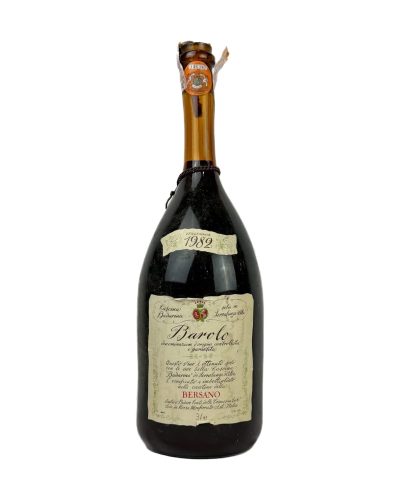
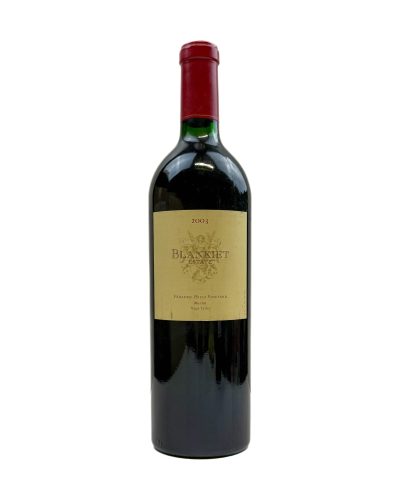
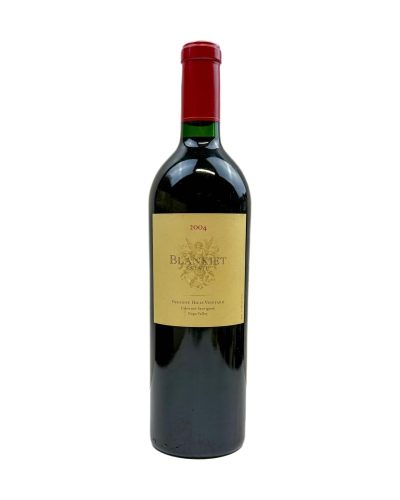
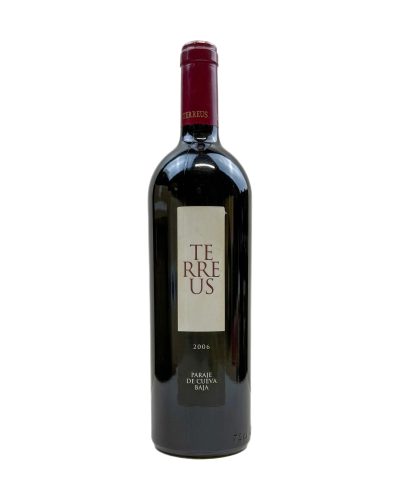
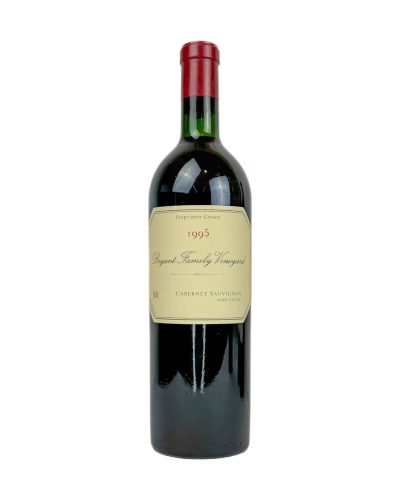
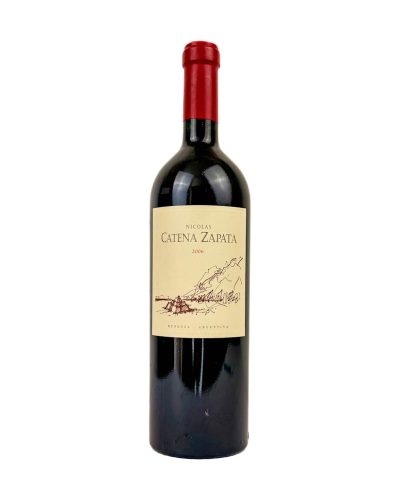
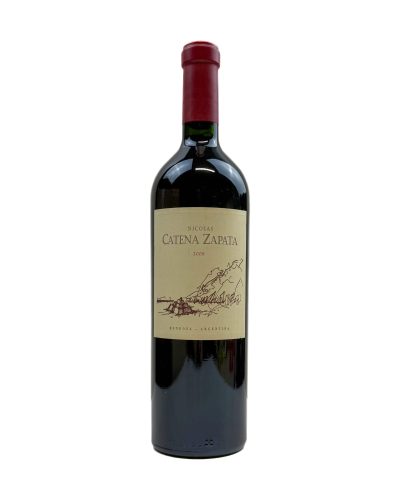
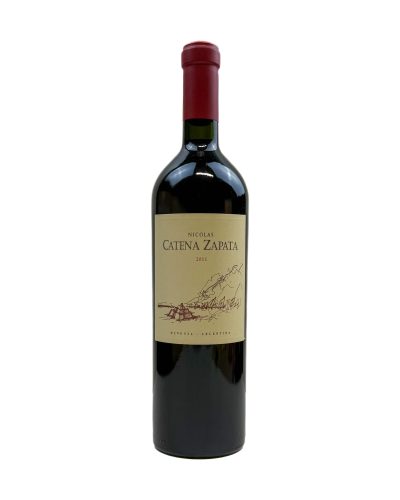
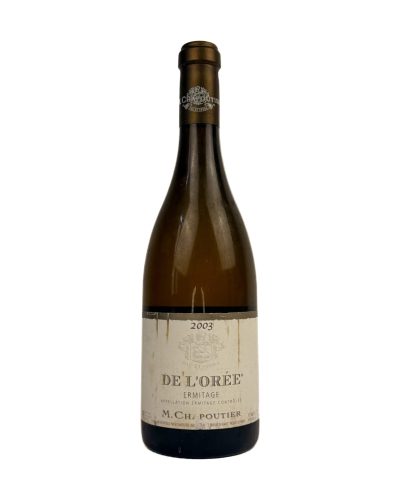
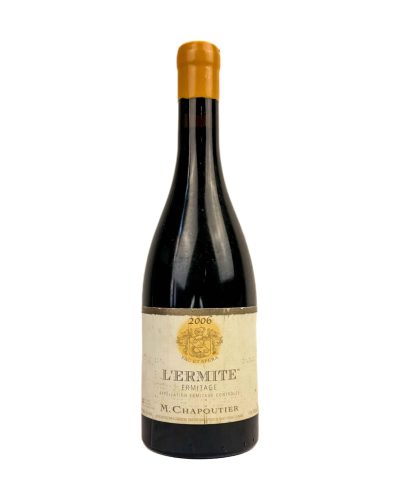
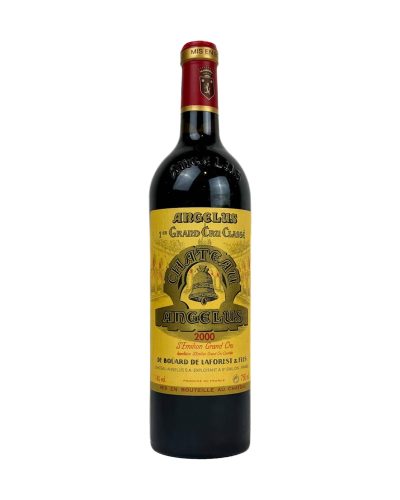
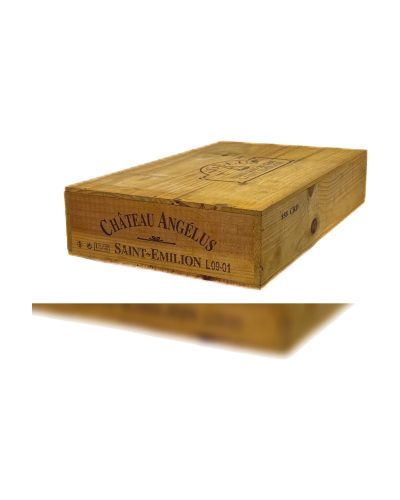
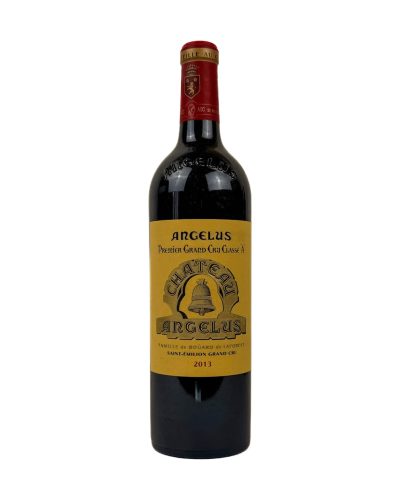
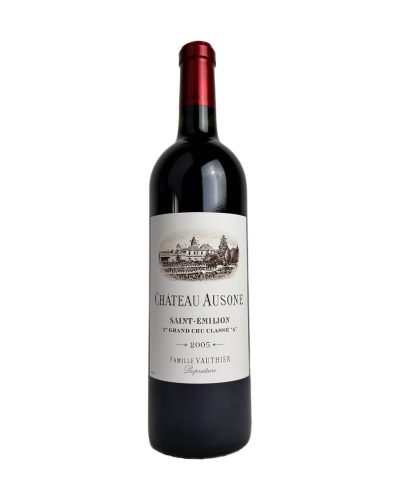
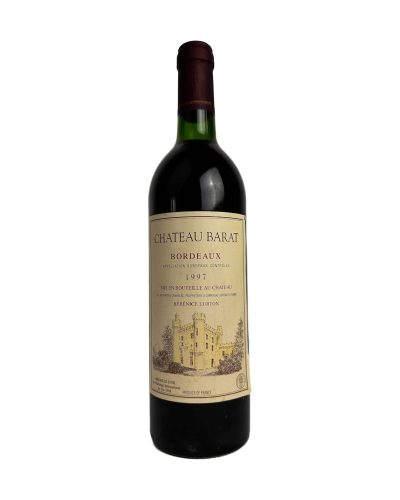
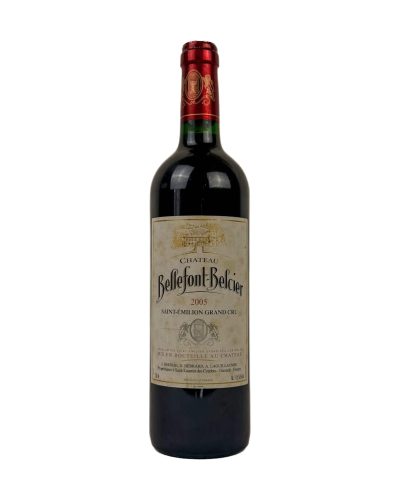
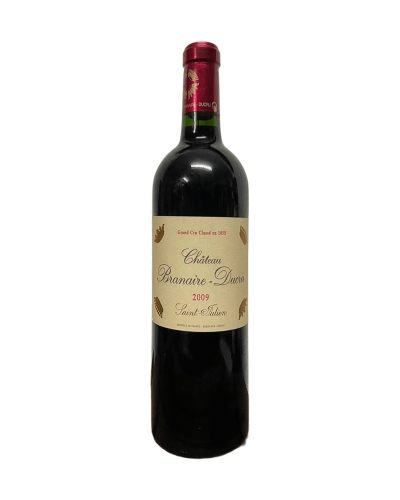
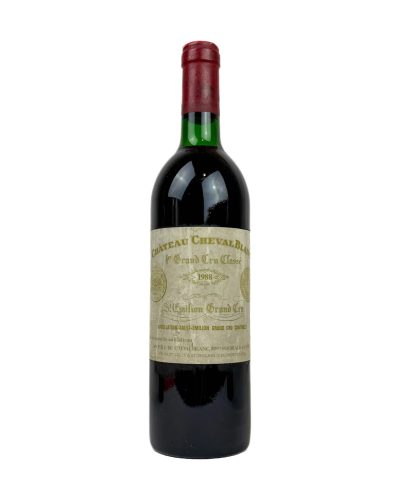
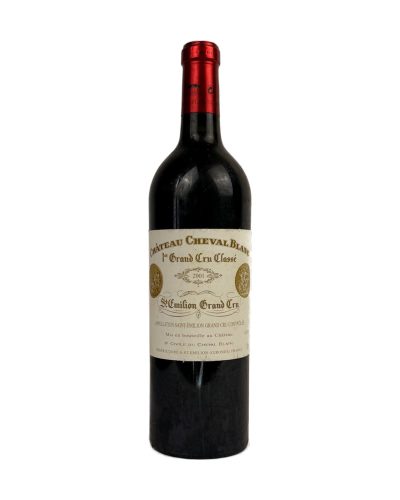
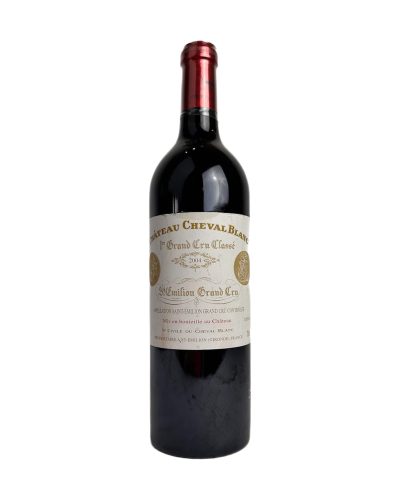
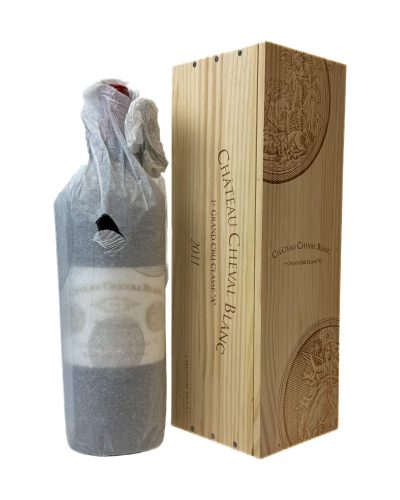
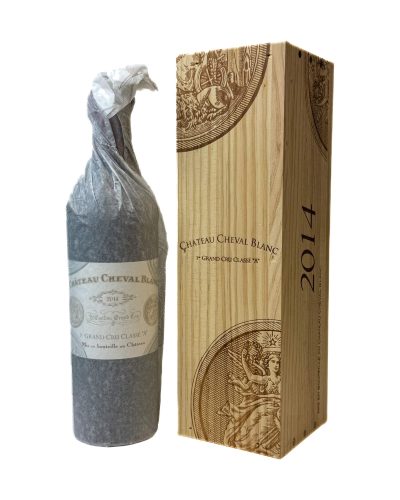
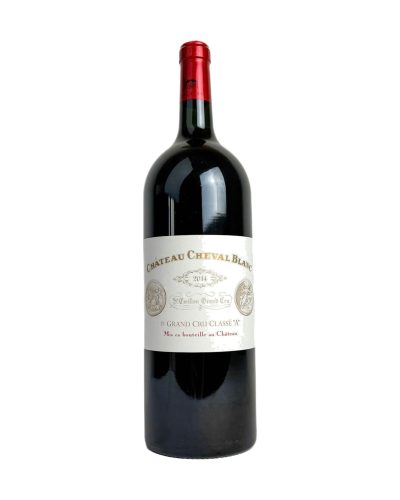
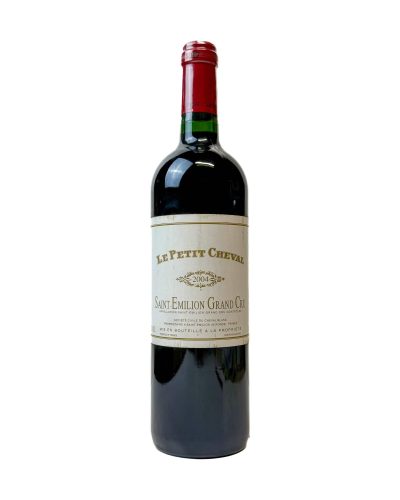
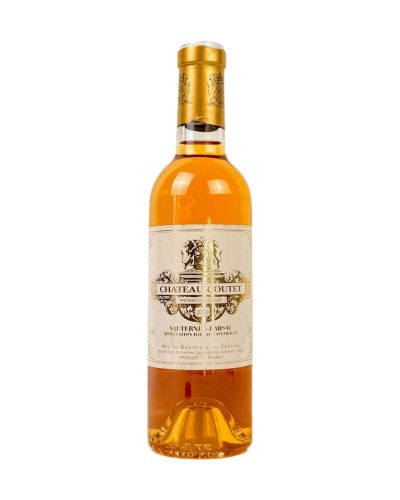
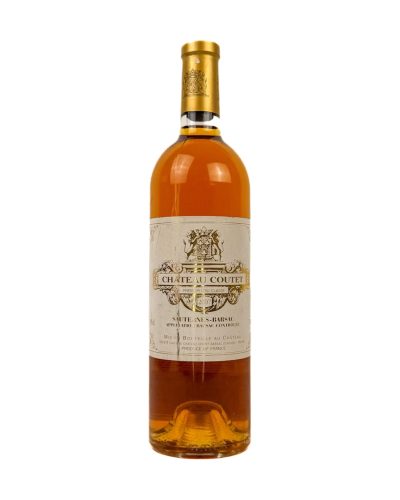
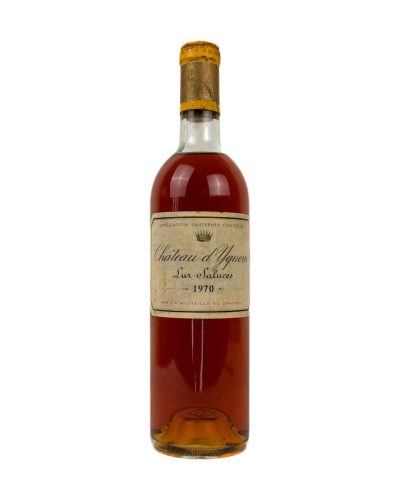
Wine types are the first way to sort a bottle: red, white or rosé. The colour tells you how the wine was made, how it behaves at the table and when it is best opened. This page is for anyone who knows the occasion but not yet the style, and who wants to choose a colour before narrowing down by region, appellation or producer within the wider wine collection.
Colour does not come from the grape variety alone. It comes from what happens to the skins. In red winemaking the crushed grapes ferment together with their skins, which release colour, tannin and structure into the juice. In white winemaking the juice is separated from the skins before fermentation, so the wine is lighter in colour and in texture, and usually higher in freshness. Rosé sits between the two: the juice stays in contact with black grape skins for a short time, just long enough to take on a pink hue.
This is why the same region can give very different bottles. Burgundy, for example, is known for both Pinot Noir reds and Chardonnay whites, and Bordeaux is known for reds as well as for the sweet whites of Sauternes.
The red wines are the broadest part of the range and the natural starting point for the cellar. They are built around Burgundy and Bordeaux. On the Burgundy side the shop works with Domaine de la Romanée-Conti, Domaine Armand Rousseau, Domaine Leroy, Domaine Meo-Camuzet and Domaine du Clos de Tart, from appellations such as Vosne-Romanée, the Côte de Nuits and the Côte de Beaune. On the Bordeaux side you will find Château Pavie, Château Mouton Rothschild, Château Haut-Brion and Château Cheval Blanc, from Pauillac, Saint-Julien, Saint-Émilion and Pessac-Léognan. Vega Sicilia represents Spain and Tenuta dell’Ornellaia represents Italy.
Structured reds with firm tannins reward patience. Many serious bottles are worth keeping several years, and the best are laid down for a decade or more. Lighter reds are more approachable sooner.
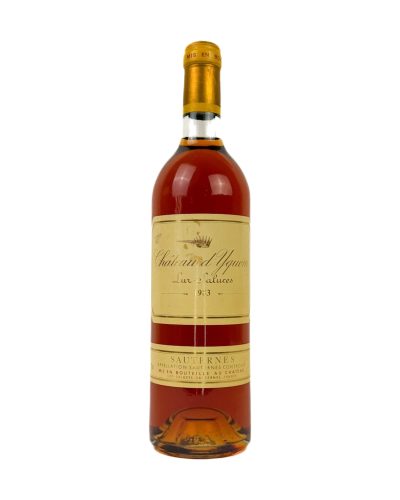
The white wines are a smaller and more focused choice. They include Château d’Yquem, the great sweet wine of Sauternes, which is made from grapes touched by noble rot, next to drier whites from other producers. White wine is the natural partner for shellfish, fish, poultry and soft cheeses, and sweet whites go with foie gras, blue cheese and fruit desserts.
The rosé wines are the shortest of the three sections: a handful of bottles for anyone who wants a wine that is lighter, fresher and easy to share. Rosé suits a summer lunch, a picnic or an aperitif, and it is usually drunk young.
Start from the moment, not the label.
If you already know the grape you like, browse by grape variety. If you think in terms of place, move to France or Italy.
Temperature changes how a wine tastes more than most people expect. As a general guide, serve red wine at about 16 to 18°C, white wine at about 8 to 12°C, and rosé at about 8 to 10°C. A mature red benefits from a short time in a decanter, and a young structured red often shows better after an hour of air.
Store bottles lying down, away from light and vibration, at a steady cool temperature. Once opened, a white or rosé keeps for a few days in the refrigerator, and a red for a day or two in a cool place with the cork back in.
Pick a colour above and use the filters to narrow down by region, appellation or producer. A buyer who knows the style will reach the right bottle in a few clicks, and a buyer who is still unsure can begin with a red or white and explore from there.
This site is restricted to adults. By entering, you confirm that you are of legal drinking age in your country of residence.