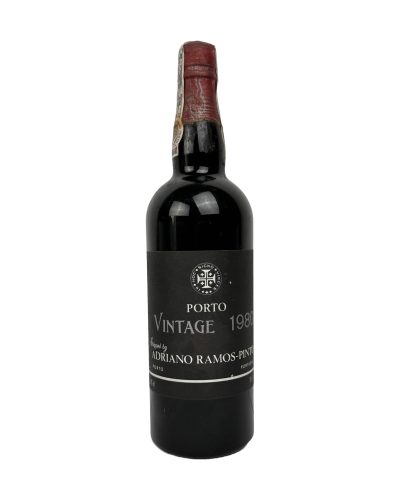
0.75 L
1980
Adriano Ramos-Pinto
Wines, producers, regions...


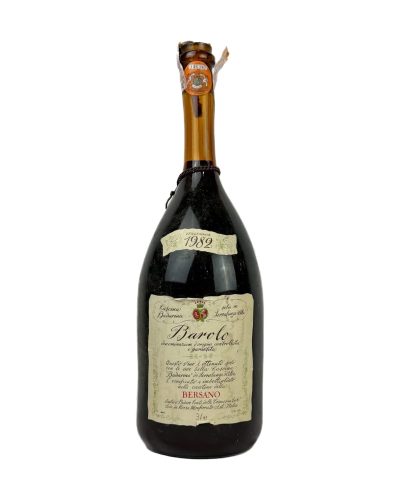
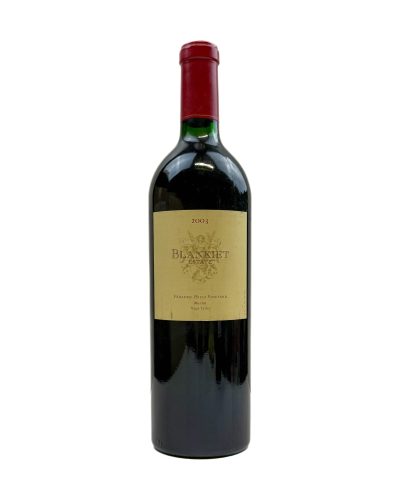
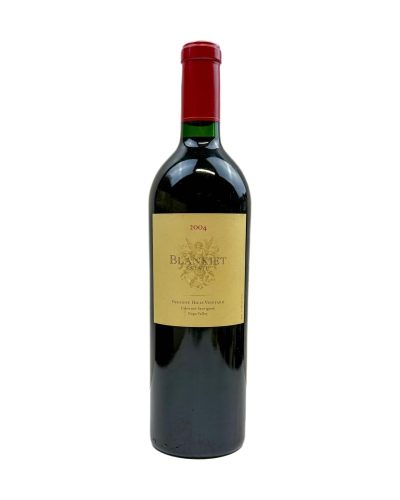
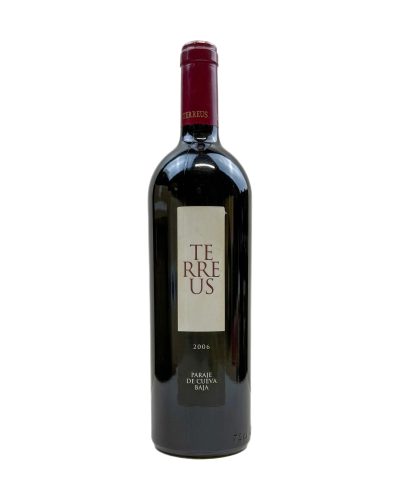
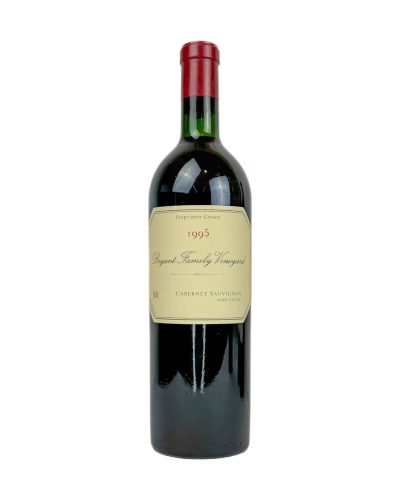
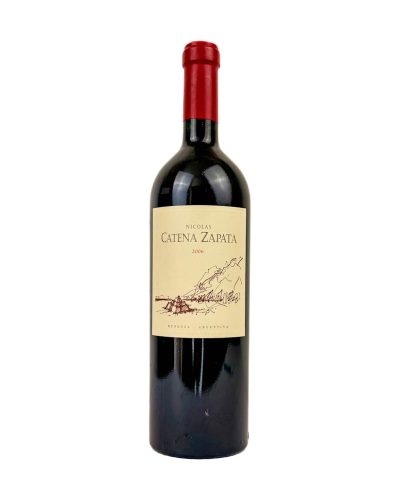
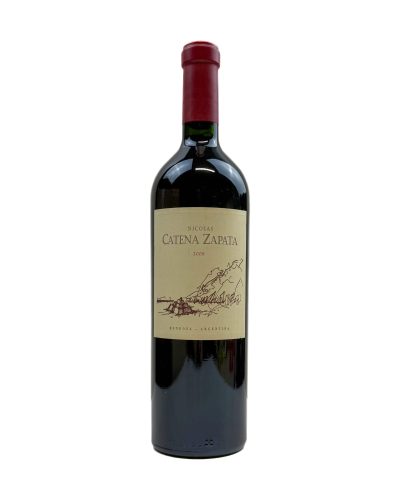
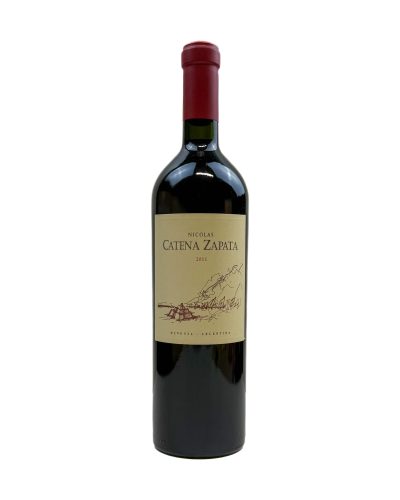
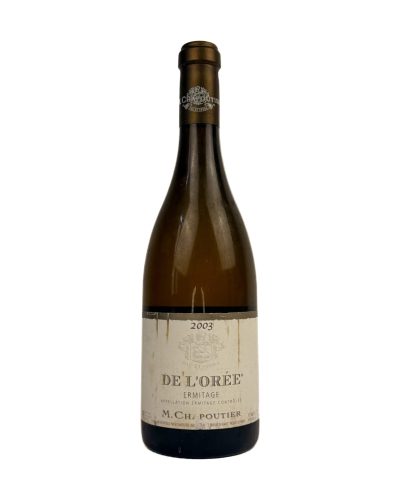
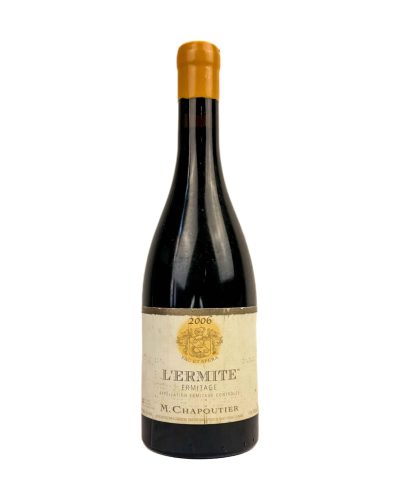
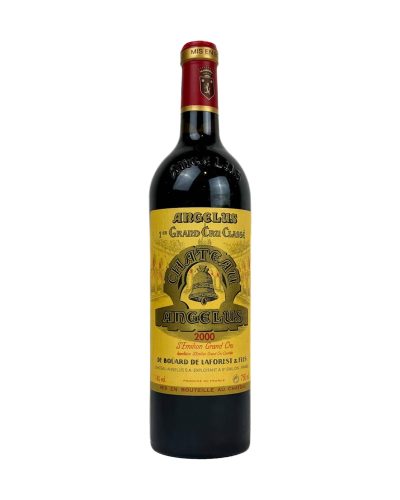
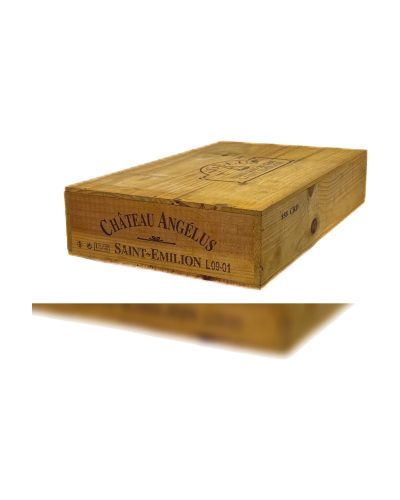
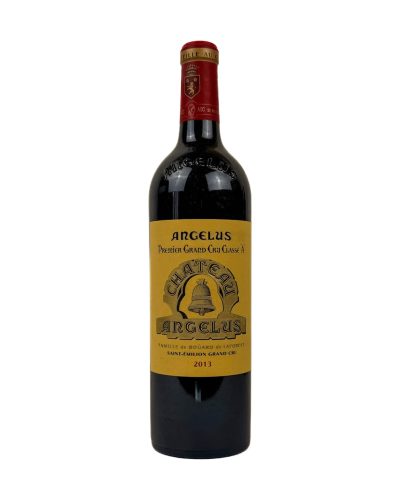
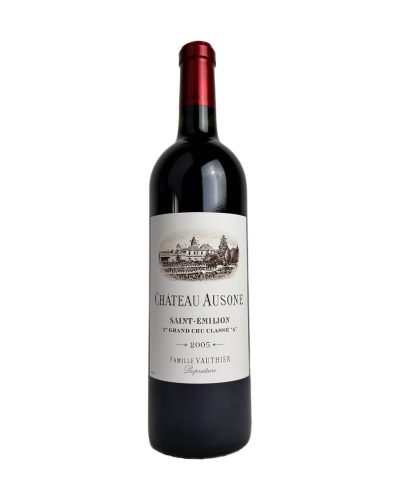
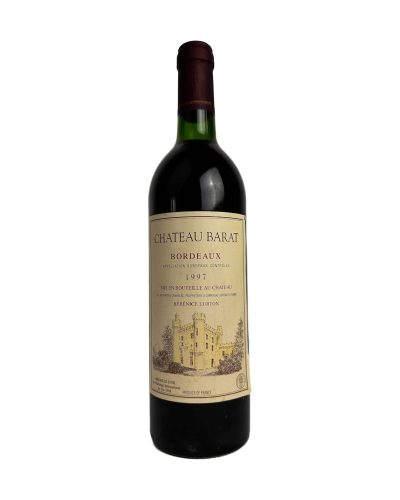
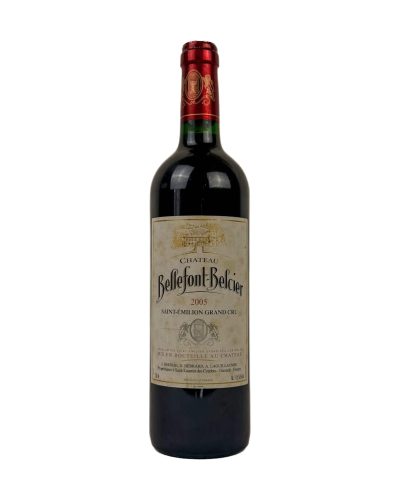
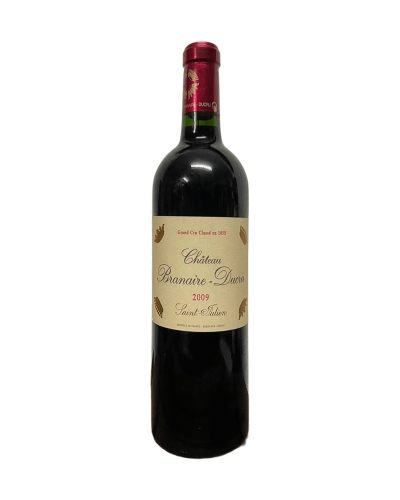
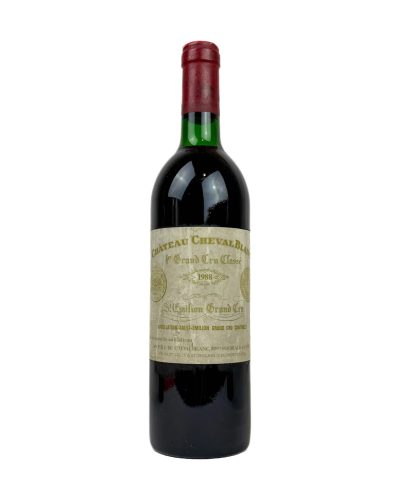
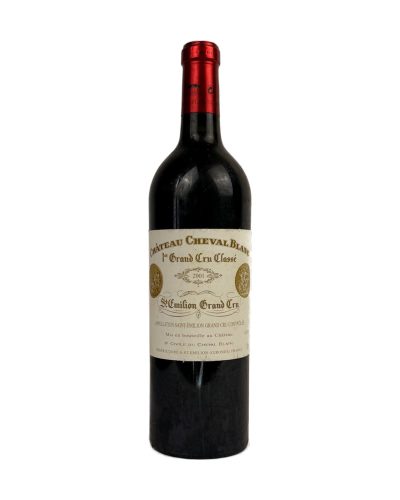
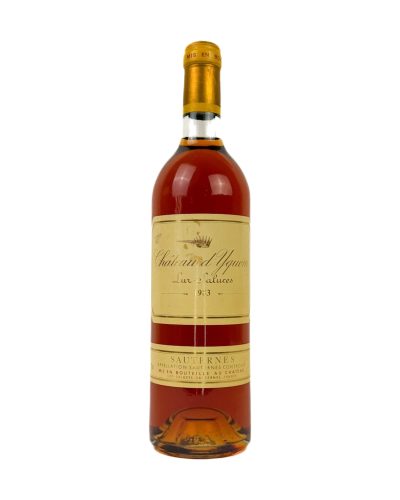
Wine classifications are the official rankings printed on a label: a vineyard rank in Burgundy, an estate rank in Bordeaux, or a quality tier of the appellation system in France and Italy. This category groups bottles by that rank rather than by region, which makes it the right place for a buyer who already knows the level they want, or who wants to understand what a rank actually promises before paying for it.
A classification is a statement about origin and standing, not a guarantee of taste. It tells you where the grapes grew, under which rules the wine was made, and how that vineyard or estate has been ranked by an official or long-established system. Two logics coexist. In Burgundy the rank belongs to the vineyard plot, so any grower who owns a parcel of a Grand Cru may use the name. In Bordeaux the rank belongs to the estate, the château, and follows the property whatever the vintage.
Knowing which logic applies saves a lot of confusion. A Burgundy Grand Cru from a modest grower and one from a famous domaine share the same rank, yet they will not taste alike. A Bordeaux classed growth, on the other hand, carries the same status year after year, while the quality of a given vintage still depends on the weather.
Burgundy ranks its vineyards in a pyramid. At the top sit the Grand Cru vineyards, followed by the 1er Cru plots, then village and regional appellations. The Côte de Nuits and the Côte de Beaune hold most of these vineyards, and names such as Vosne-Romanée, Côte de Nuits and Côte d’Or appear throughout the range. Grand Cru wines are built for the cellar: they are usually structured, concentrated and slow to open, and most reward several years of patience. A 1er Cru is often the smarter choice for drinking sooner, because it can give much of the same vineyard character at an earlier age.
The shop also lists the wines under variants of these ranks, such as Premier Cru and Premier Grand Cru, which are simply other spellings used on labels for the same idea.
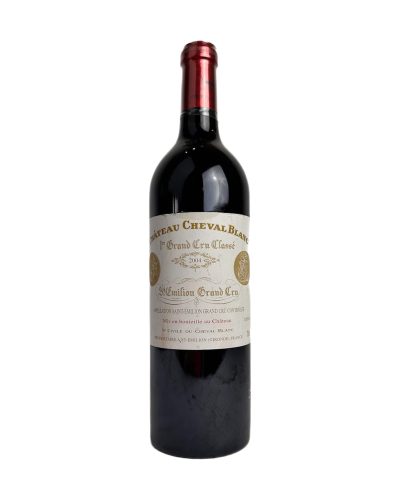
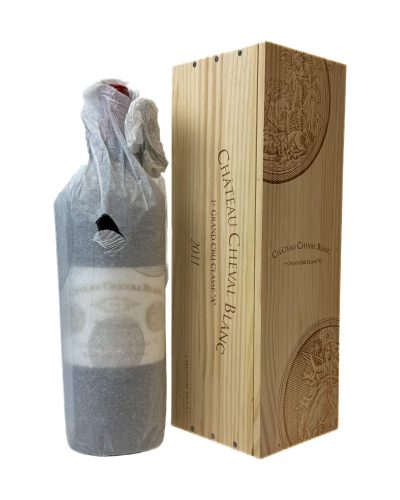
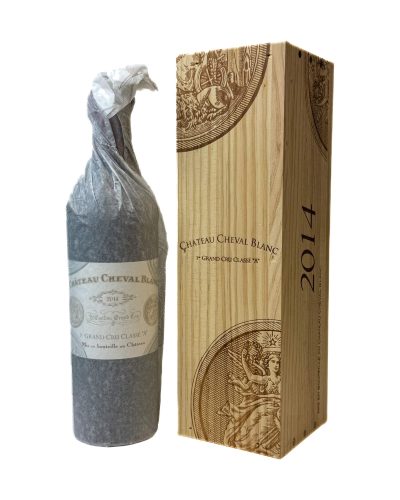
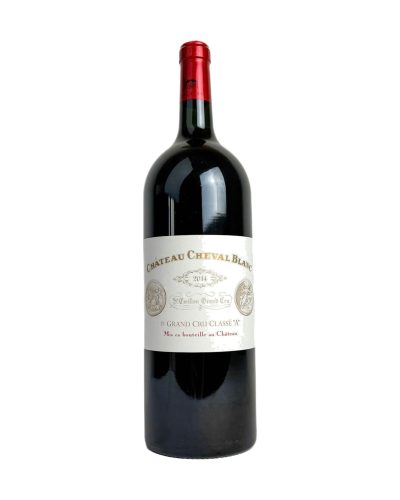
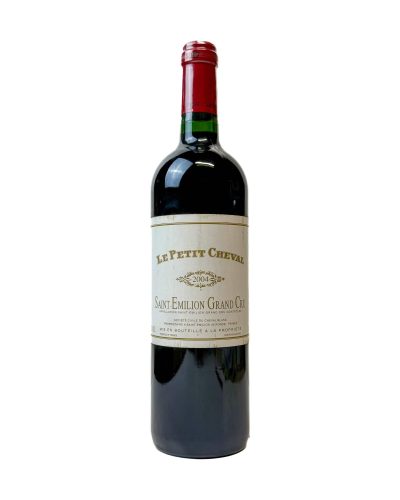
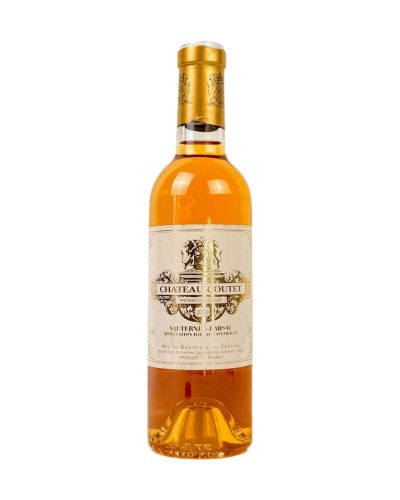
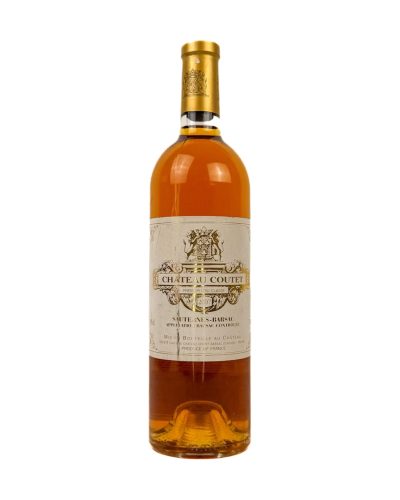
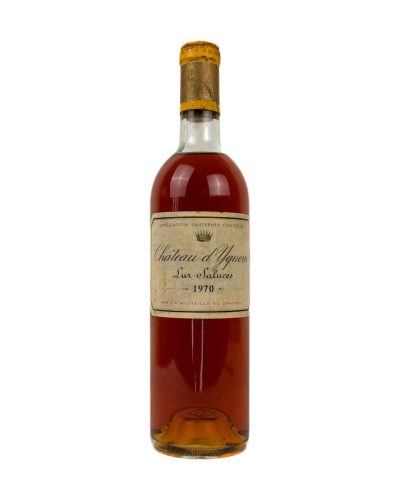
The Médoc and Sauternes classification of 1855 ranks châteaux from first to fifth growth, and the Graves and Saint-Émilion have their own, separate classifications. Saint-Émilion’s is revised from time to time, which is why its classed wines can change rank. You will find these estates under Grand Cru Classé and 1er Grand Cru Classé, with the second and third growths gathered in the matching sub-categories. Appellations such as Pauillac, Saint-Julien, Margaux, Pessac-Léognan, Saint-Émilion and Sauternes are all represented, with names like Château Mouton Rothschild, Château Haut-Brion, Château Pavie, Château Cheval Blanc and Château d’Yquem.
These are wines for patient buyers. Classed Bordeaux reds usually need years in bottle to soften their tannins, while Sauternes, the sweet wine, keeps for a very long time thanks to its acidity and sugar.
Below the vineyard and estate rankings lies the appellation system. AOC is France’s controlled designation of origin: it fixes the area, the grape varieties, the yields and the methods of production. Italy has a comparable ladder. DOCG is the top tier, with stricter rules than DOC and a tasting control before bottling. DOC sits just below it, and IGT is a broader geographical indication that leaves producers more freedom with grape choice and style. That freedom is why some of Italy’s most talked-about bottles carry an IGT label, and why the rank alone should never be read as a verdict on quality. You can also continue by country and browse Italian wines as a whole.
The famous producers here, among them Domaine de la Romanée-Conti, Domaine Armand Rousseau, Domaine Leroy, Domaine Méo-Camuzet, Domaine du Clos de Tart, Tenuta dell’Ornellaia and Vega Sicilia, show that the ranking is a starting point. Within one rank, the producer and the vintage make the real difference.
Store bottles lying down, in the dark, at a steady cool temperature of about 12 to 14 °C, away from vibration and strong smells. Serve red Burgundy at roughly 15 to 16 °C and Bordeaux reds at 16 to 18 °C. Young structured wines gain from decanting an hour or two before the meal, while very old bottles should be opened gently and poured soon after, since fragile wines fade quickly in the glass. Sweet Sauternes is best served chilled, around 8 to 10 °C, with blue cheese, foie gras or fruit desserts.
If you are unsure where to begin, pick the level first, then narrow by appellation. The classification gives you the frame, and the producer gives you the style.
This site is restricted to adults. By entering, you confirm that you are of legal drinking age in your country of residence.