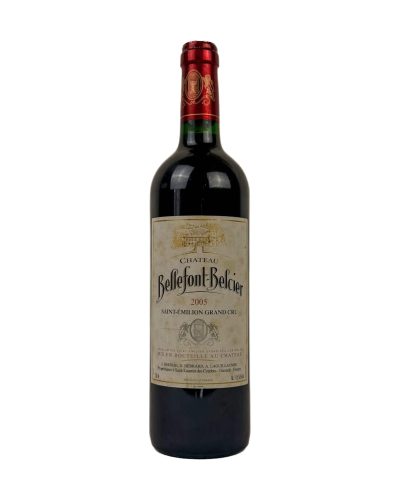
0.75 L
2005
Château Bellefont-Belcier
Wines, producers, regions...
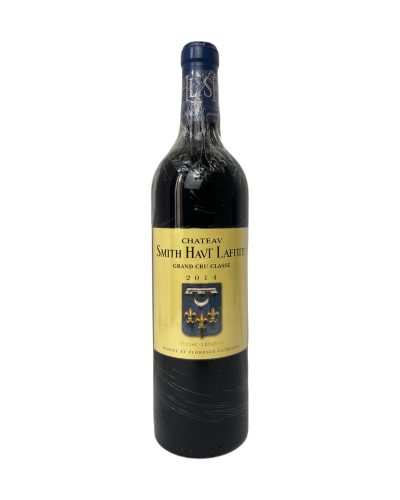
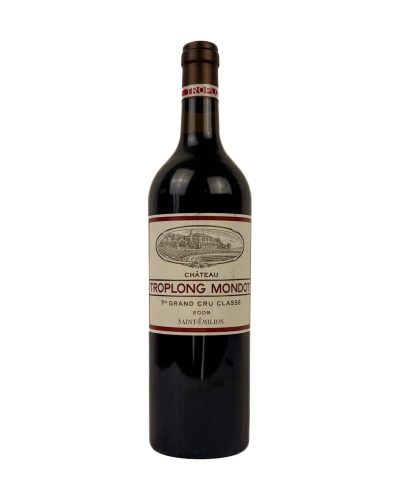
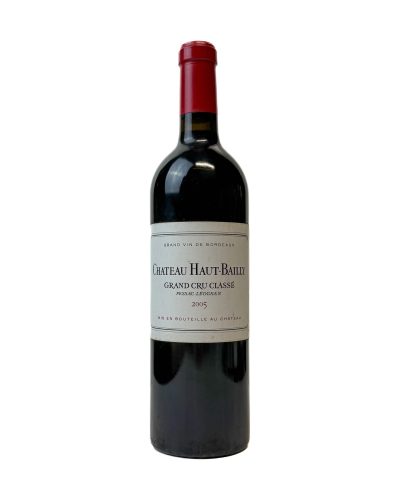
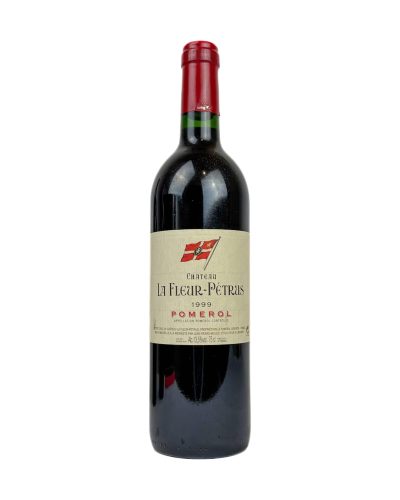
Grand Cru Classé wines are Bordeaux bottles from estates that hold an official place in a quality classification. They are written for the buyer who wants a reference name on the label: a red to lay down for years, a bottle for a milestone dinner, or a gift that a wine lover will recognise at once. The category sits inside Classifications, where the other ranking systems are collected.
The words do not describe one single system. In Saint-Émilion, Grand Cru Classé is a named tier of the appellation’s classification, which was first drawn up in 1955 and is revised periodically after tasting and inspection of the estates. Above it sits Premier Grand Cru Classé, so a Grand Cru Classé is the level that opens the classified ranks.
Elsewhere in Bordeaux the vocabulary changes. The Médoc was ranked in 1855 into five growths, and the Graves has its own classification for its best estates. Both are rankings of properties rather than of single vintages. Pomerol, by contrast, has never had an official classification, so its famous names stand on reputation alone.
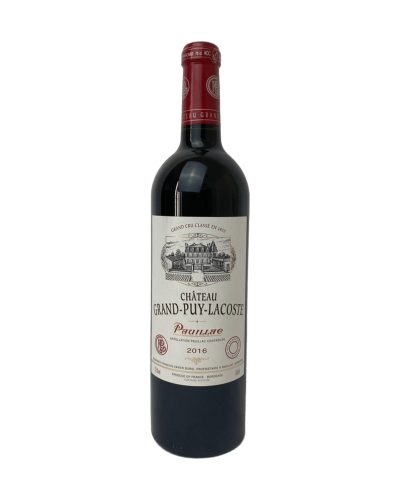
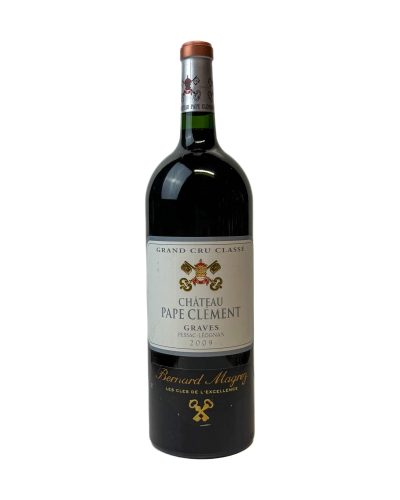
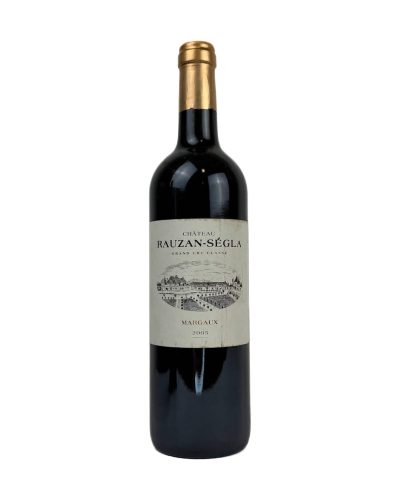
The shop’s bottles come from the left bank and the right bank. From Saint-Émilion you will find Château Troplong Mondot and Château Bellefont-Belcier. Pessac-Léognan is represented by Château Pape-Clément, Haut Bailly and Château Smith Haut Lafitte. Margaux brings Rauzan-Ségla, Pauillac brings Château Grand-Puy-Lacoste, and Pomerol brings Château La Fleur-Pétrus.
Each of these places gives a different style. Saint-Émilion and Pomerol are dominated by Merlot and Cabernet Franc, which means rounder, plush reds. Margaux is known for perfume and finesse, Pauillac for firm structure built on Cabernet Sauvignon, and Pessac-Léognan for a mix of fruit and a smoky, earthy side.
If you want to see how this level compares with its neighbours, move up and down the ladder. The next step up in Saint-Émilion is 1er Grand Cru Classé, and the Médoc rankings are covered under 2ème Grand Cru Classé and 3ème Grand Cru Classé. For the wider notion of a leading site, see Grand Cru, and for a broader classified level, 1er Cru Classé.
Note that the same words appear in Burgundy with a different meaning, because there the ranking belongs to a vineyard plot and not to a château. Always read the label with the region in mind.
A classification is a starting point, not a guarantee. The vintage, the producer’s recent form and the way the bottle was stored matter as much as the rank, so compare a few labels before you decide.
Vintage variation is real in Bordeaux. A cooler, wetter year gives lighter, fresher wines that drink earlier, while a warm, dry one gives denser bottles that reward patience. Ask which style you prefer before you pick a year, and remember that the same estate can taste quite different from one harvest to the next.
Store bottles lying down, in the dark, at a steady cool temperature of about 12 to 14 °C and away from vibration. Serve red Bordeaux at around 16 to 18 °C. A young bottle benefits from decanting an hour or two before the meal, and an old one should be stood upright for a day beforehand and decanted gently to leave the sediment behind.
At the table, these reds suit roast lamb, beef, game and aged hard cheeses. The more structured the wine, the more it enjoys a dish with some fat and a little time to open in the glass.
If you are still exploring what each label means, the wider AOC category explains the appellation system that all of these wines also belong to. Browse the full range and compare estate by estate before you choose your bottle.
This site is restricted to adults. By entering, you confirm that you are of legal drinking age in your country of residence.