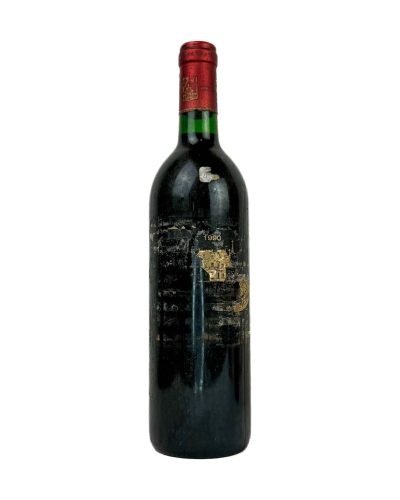
0.75 L
1990
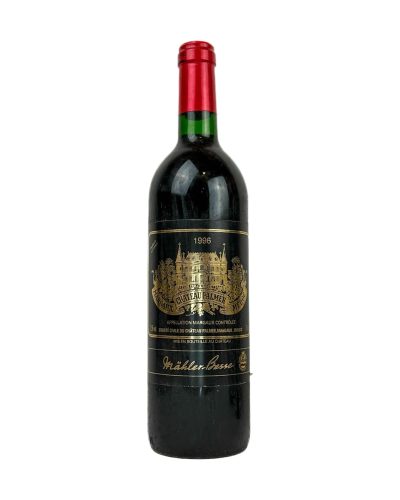
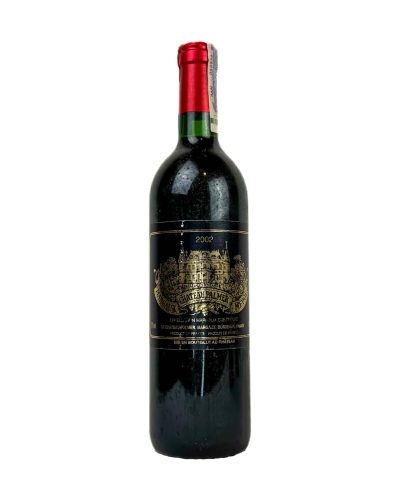
Château Palmer
Wines, producers, regions...
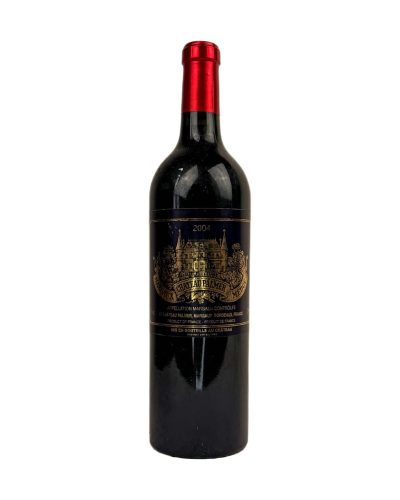
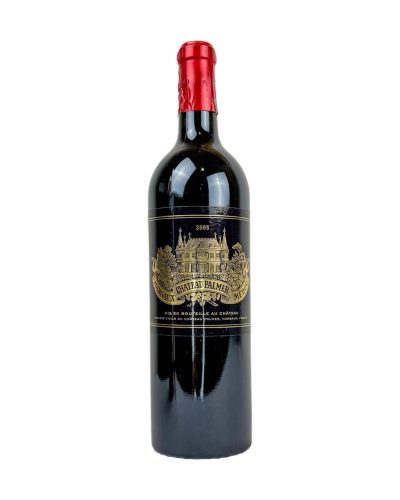
A third growth wine, labelled 3ème Grand Cru Classé, comes from an estate ranked in the third tier of the Bordeaux classification of 1855. This page is for buyers who want classified red Bordeaux with real pedigree and a more approachable place in the hierarchy than the very top names, whether for a dinner, a gift or the cellar. It is one of the rankings grouped under Classifications.
The 1855 classification was drawn up for the Universal Exhibition in Paris and ranked the great châteaux of the Médoc, mainly for their red wines, into five levels, from first to fifth growth. The French word “cru” means a growth, a named estate and its vineyard. “Classé” tells you the property is part of an official ranking. Third growth is therefore the middle rung of five.
One point matters when you read a label: the ranking belongs to the château, not to a single vintage. A third growth is a statement about the property and its long record, while the quality of a given year still depends on the weather and on the work in the vineyard and the cellar. Check the vintage as carefully as the rank, and remember that a well-kept bottle from a modest year can still be a pleasure at the table.
The estate we list here is Château Palmer, a third growth in the Margaux appellation. Margaux has a reputation for elegant, perfumed reds, with Cabernet Sauvignon and Merlot forming the usual base of the blend. The style is more about finesse, floral aromas and silky tannins than about sheer weight, which makes these bottles pleasant to drink earlier than many people expect from a classified Bordeaux, as long as the vintage is ripe and balanced.
Start with the occasion. For a gift, a recognised château and a good vintage on the label usually matter more than a long description of the wine, and a third growth is an easy name for a Bordeaux lover to appreciate. For the cellar, look at older or structured vintages and plan to wait. For a dinner in the coming months, ask which vintages are already drinking well, and choose a recent year only if you are happy to decant it.
If you want to see how the tiers fit together, look at the neighbouring pages. The 2ème Grand Cru Classé sits one step above, and the 1er Grand Cru Classé at the top of the ladder. The broader Grand Cru Classé page covers classified estates more generally, and 1er Cru Classé groups wines using that other wording of rank. For wines defined by their appellation rather than by a château ranking, see AOC.
Different regions and countries use different systems, and the same word can mean different things from one to the next. A Bordeaux classification ranks estates, while a Burgundy classification ranks vineyard sites, so avoid comparing the two directly and read each label on its own terms.
Serve a red from Margaux at around 16 to 18 degrees Celsius, which is a little cooler than a warm room. Open the bottle an hour or so ahead for a young wine, and decant it if you want to separate any sediment in an older bottle. Glasses with a generous bowl help the perfume of Margaux come forward.
At the table, roast lamb, beef, duck and mature hard cheeses suit the structure of classified Bordeaux without hiding its delicacy. Store bottles on their side at a steady, cool temperature, away from light and vibration, and keep the original wooden case if you buy one. The full list of classification pages sits under Classifications, which is a good place to continue.
Before you decide, compare the vintage, the format and the producer before deciding. A magnum ages more slowly than a standard bottle, which many collectors prefer for long keeping, while a standard bottle is simpler for an evening with friends.
This site is restricted to adults. By entering, you confirm that you are of legal drinking age in your country of residence.