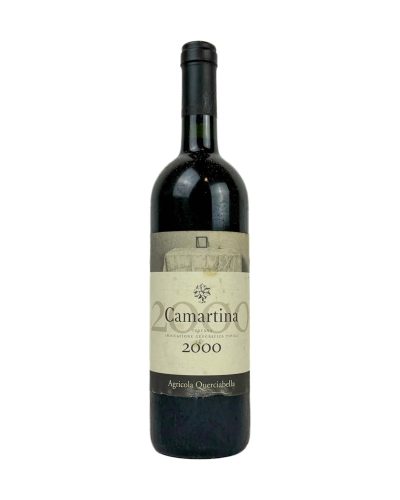
0.75 L
2000
Agricola Querciabella
Wines, producers, regions...
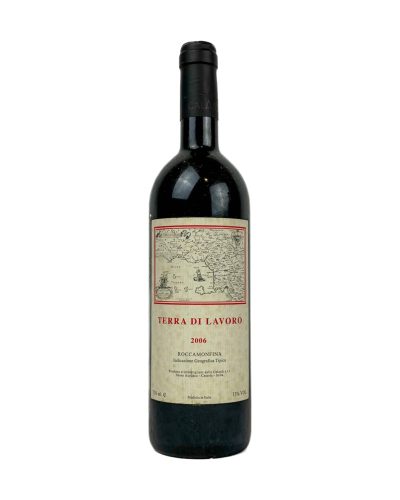
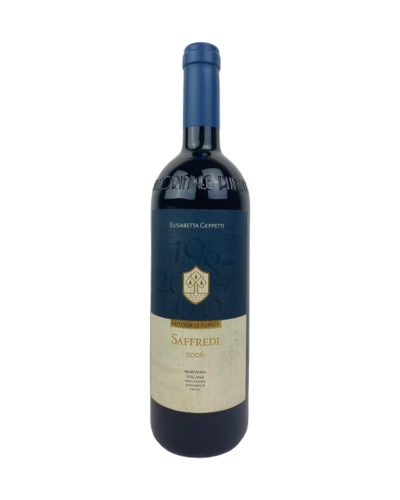
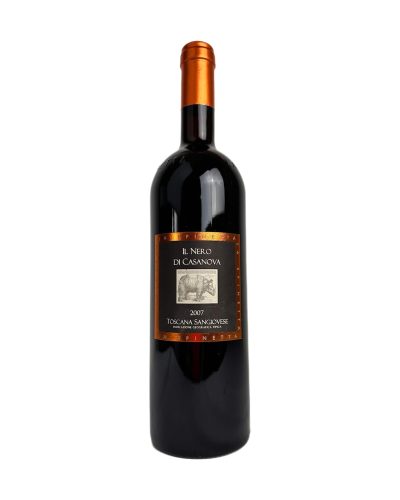
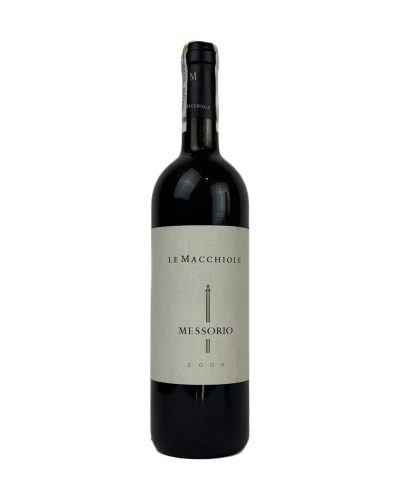
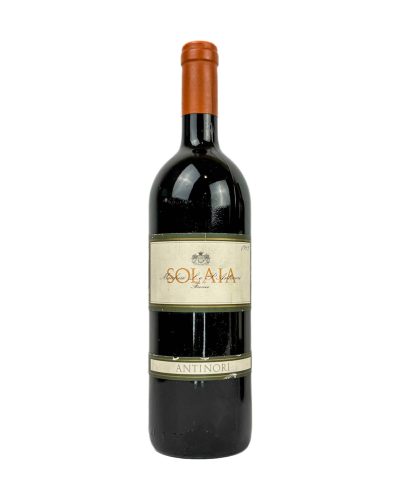
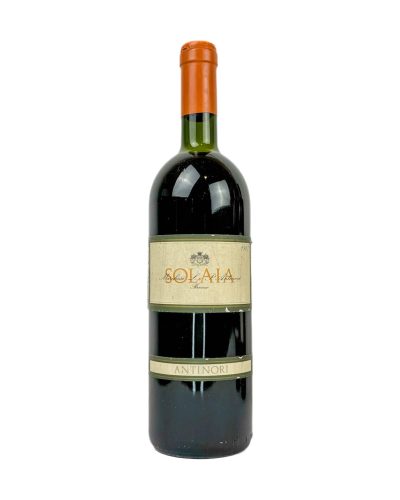
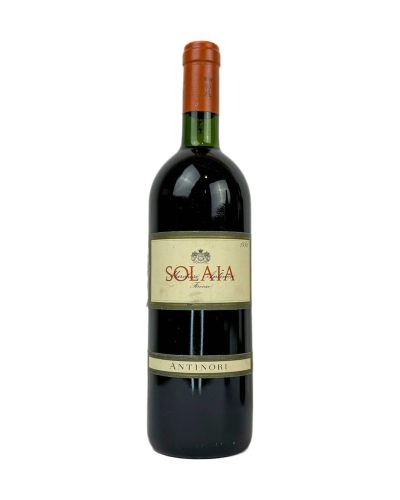
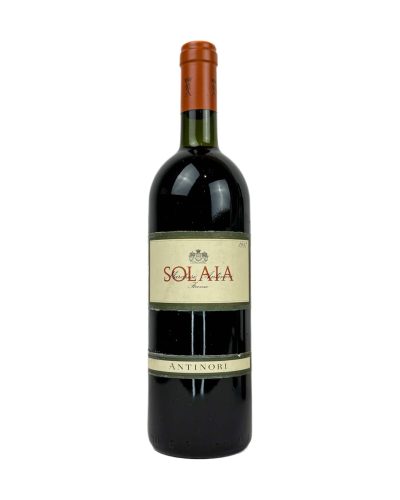
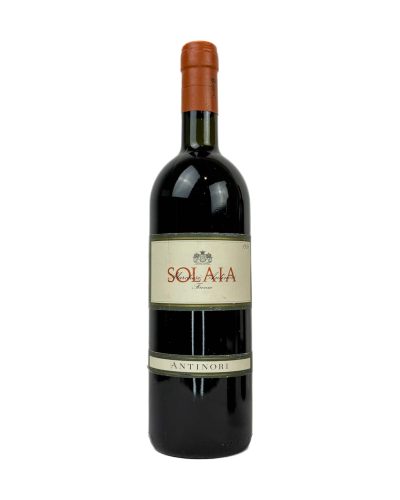
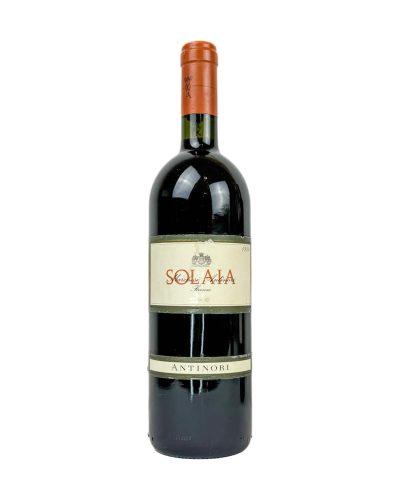
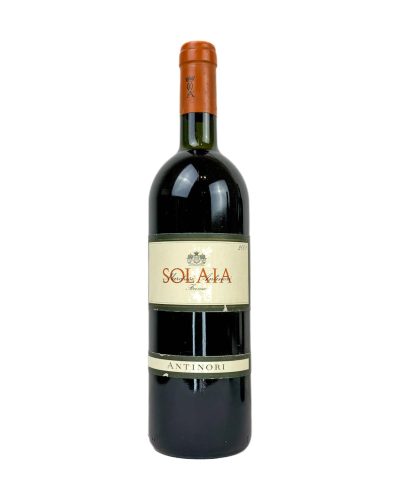
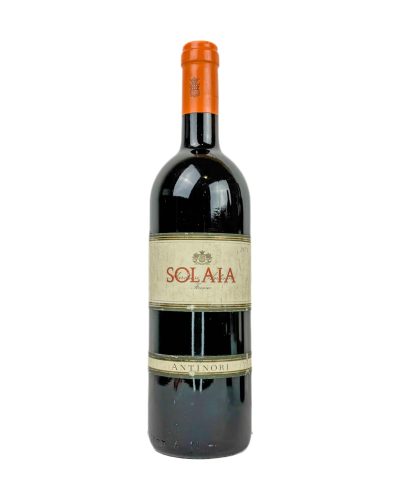
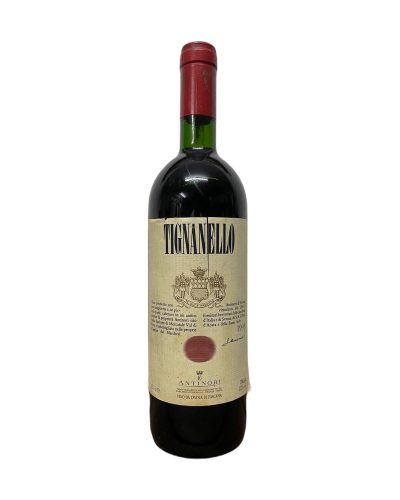
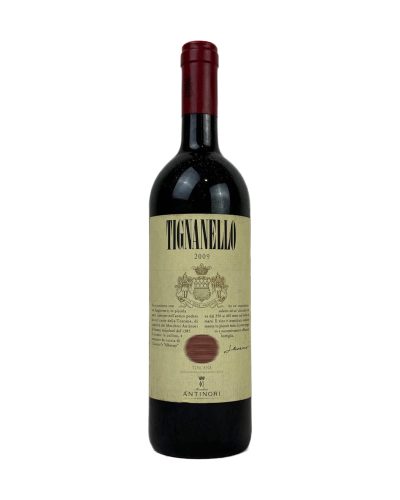
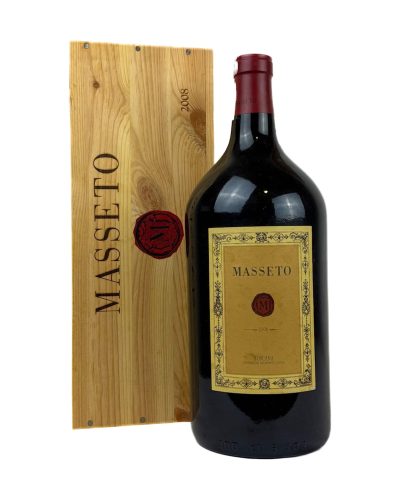
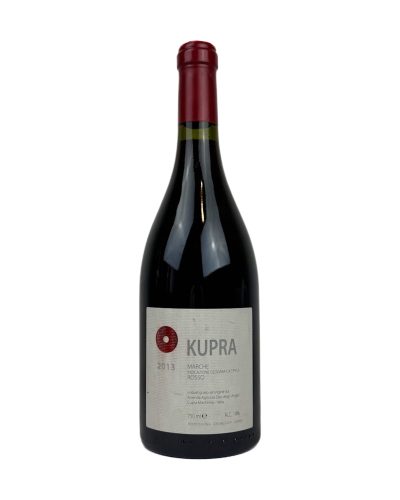
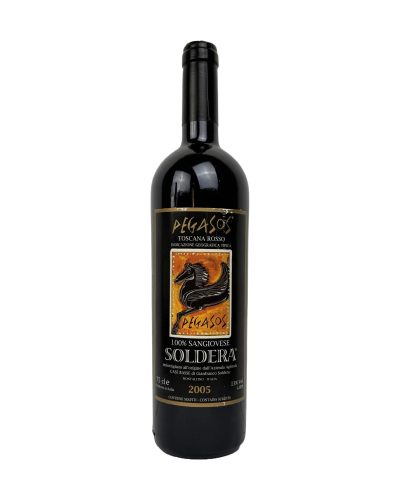
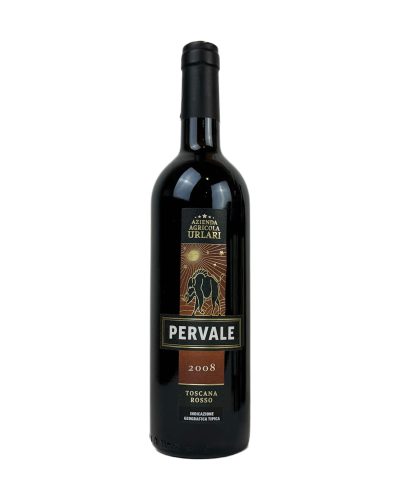
IGT wines carry the Italian label Indicazione Geografica Tipica, which means “typical geographical indication”. The name of a broad area appears on the bottle, and the wine must come from grapes grown there. It is a category for drinkers who want regional character and a freer style than the strict denominations allow, and for collectors who follow the most inventive Italian winemakers.
Italian wine is organised as a pyramid. At the top are DOCG wines, the highest tier, followed by DOC. IGT comes next, above simple table wine. An IGT zone is usually much larger than a DOC zone, such as a whole region or a wide part of one, and the production rules are lighter. The label can still name the grape variety and the vintage, and the wine must be made from fruit grown in the zone shown.
The lighter rules are the point. A DOC or DOCG specification fixes the permitted grapes, the yields and often the ageing. An IGT specification leaves the producer more room, so international varieties, unusual blends and new techniques are all possible. For comparison with the French system, the nearest equivalent is the Vin de Pays tradition, now called IGP, while AOC corresponds to the stricter appellation tier.
A label’s tier does not measure quality. Several Tuscan estates chose to work outside the traditional rules because they wanted to plant Cabernet Sauvignon, Merlot or Cabernet Franc, or to blend Sangiovese with them. Their wines were first sold under the simplest category, and later many moved to IGT. The resulting bottles are often called Super Tuscans, and some of them sit among the most sought-after Italian reds.
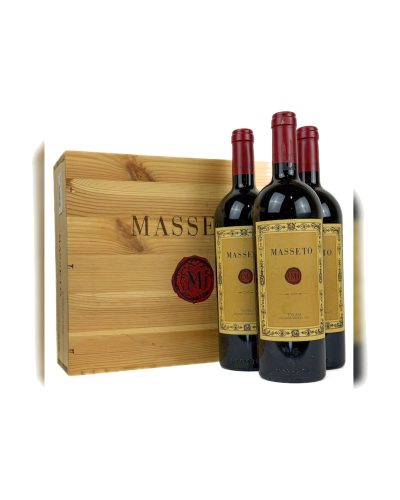
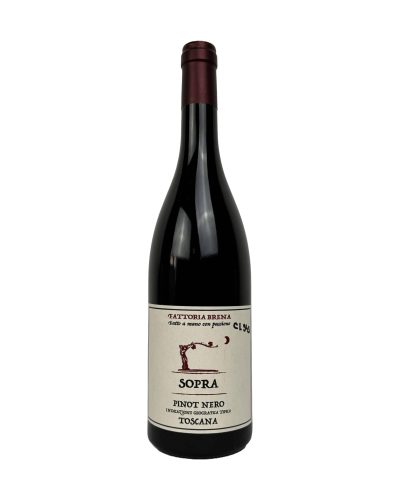
In this category the shop lists wines from producers such as Marchesi Antinori, Masseto, Querciabella, Le Macchiole, La Spinetta, Fattoria Le Pupille, Fattoria Galardi, Oasi degli Angeli, Case Basse and Azienda Agricola Urlari. The origins include Bolgheri, Maremma Toscana, Montalcino, Cortona, the wider Toscana region and Caserta in Campania.
Because the label only names a zone, read the producer and the grapes carefully. The back label and the producer’s own notes usually tell you the grape blend, the type of oak used and the ageing, and these details say more about the wine than the three letters on the front. Two IGT wines from the same region can be very different in weight and ambition.
For a gift, pick a recognised estate and a red with a clear identity. A Tuscan blend from a well-known family is easy to recognise and pleasant to open at a dinner. If the recipient likes Bordeaux, a Cabernet and Merlot blend from the Tuscan coast is a natural bridge to Italy.
For the cellar, look at the more structured reds from established producers. They are built with tannin and concentration, and a few years in bottle softens them. If you want to compare how Italy and France rank their top vineyards, the French Grand Cru Classé and 1er Cru pages show a very different logic, where the classification follows the vineyard or the estate.
To enjoy now, choose lighter Sangiovese blends or whites and rosés from the south. They need no waiting and suit simple food: grilled meat, tomato dishes, hard cheese and cured ham.
Serve structured reds at about 16 to 18 °C, and open the bottle an hour before dinner, or decant a young one. Lighter reds are better slightly cooler. Whites and rosés belong in the fridge for a short time before serving. Store bottles lying down in a cool, dark place with steady temperature; a few degrees of seasonal change are fine, sudden swings are not.
To browse other Italian and French quality tiers, return to the Classifications page, or move up to the Grand Cru list for wines classified by vineyard.
This site is restricted to adults. By entering, you confirm that you are of legal drinking age in your country of residence.