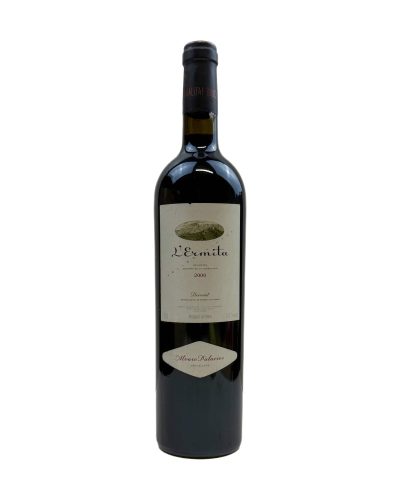
0.75 L
2006
Alvaro Palacios
Wines, producers, regions...
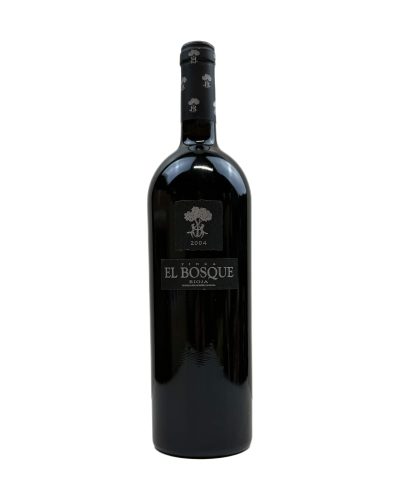
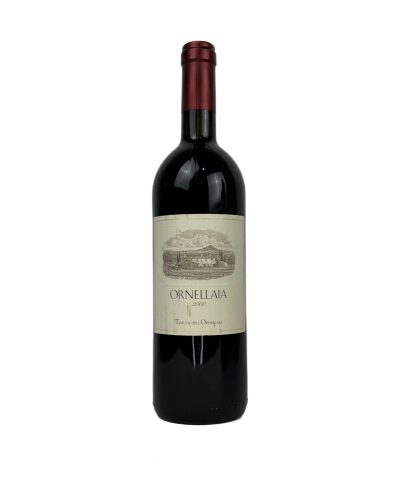
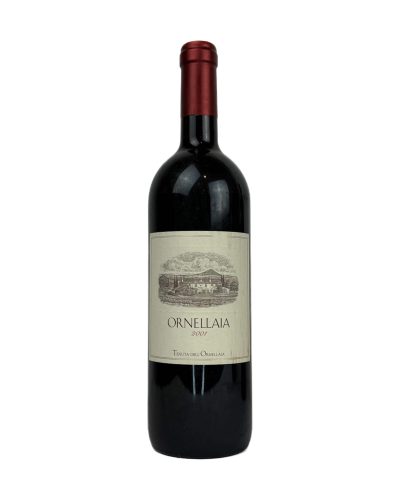
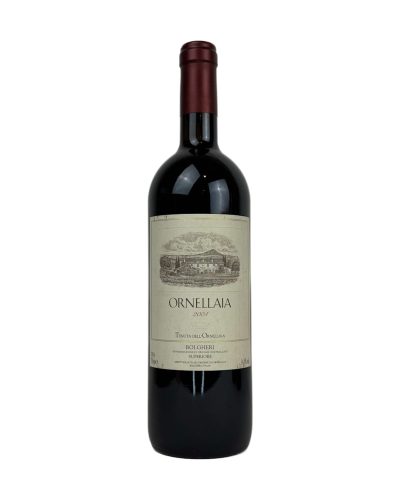
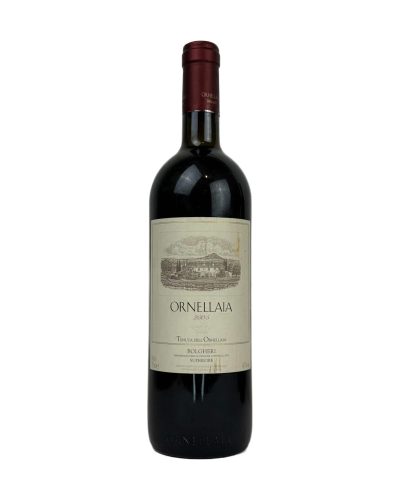
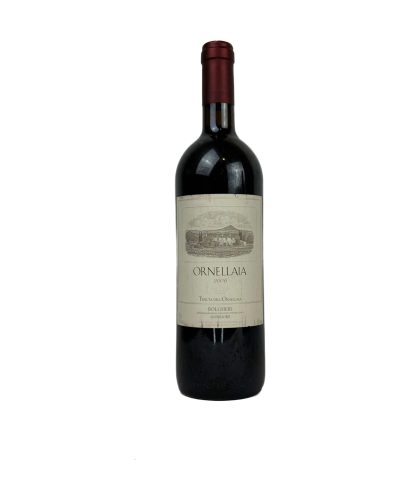
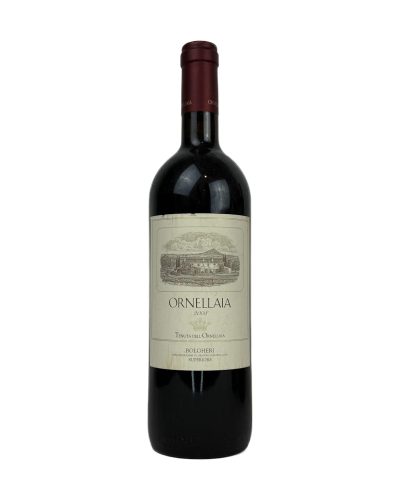
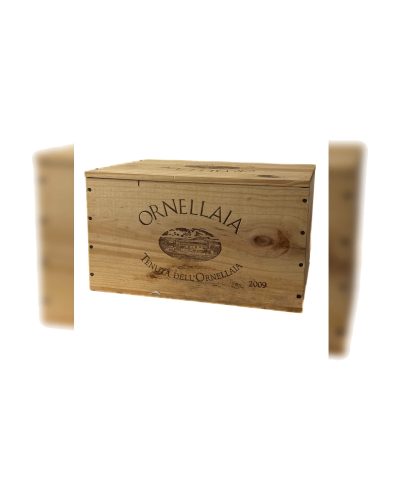
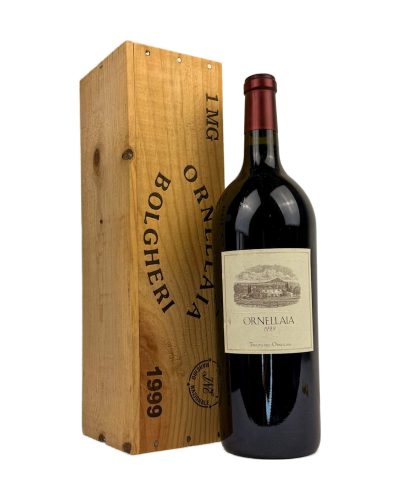
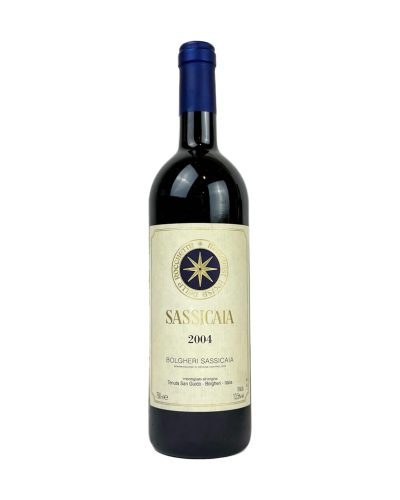
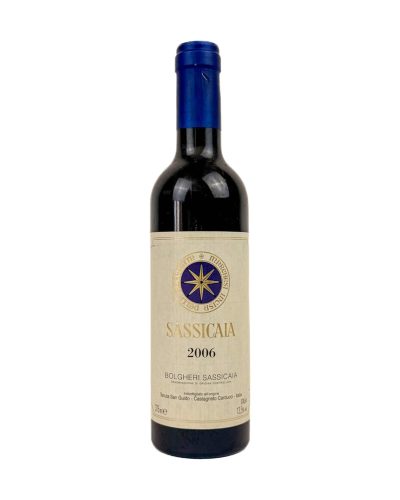
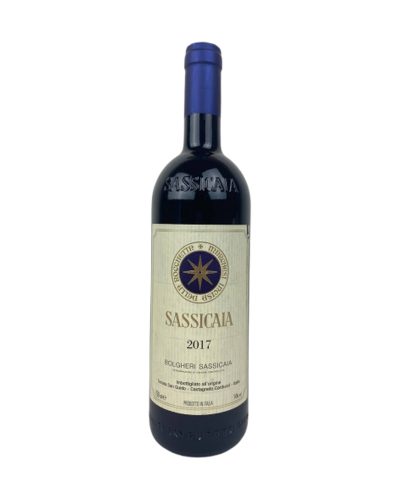
DOC wines carry the Italian designation Denominazione di Origine Controllata, a guarantee that the bottle comes from a defined area and follows the rules set for it: permitted grape varieties, yields, vinification and minimum ageing. This page is for buyers who want to choose by place and by rules rather than by brand alone, whether for a first Italian bottle or for a cellar that already holds several regions.
Each DOC has its own production regulation. It names the zone, the grapes that may be used, the maximum yield per hectare and often the style, such as dry, sweet or sparkling. A wine that passes the controls may print the name of the denomination on its label. The system sits inside the wider European framework of protected origins, and it is the practical way to know what is in the glass before you open it.
DOC is one step in a ladder. Below it, IGT wines allow more freedom in grapes and style. Above it, DOCG wines are Italy’s top tier, with stricter rules and a tasting check before release. France follows the same logic with AOC wines, and our overview of wine classifications lets you compare all these systems side by side.
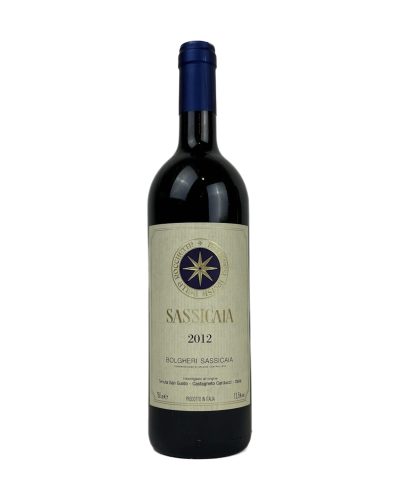
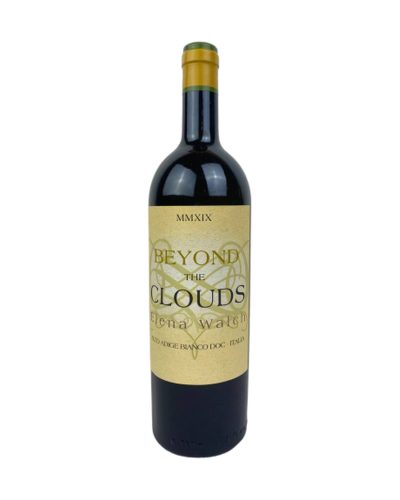
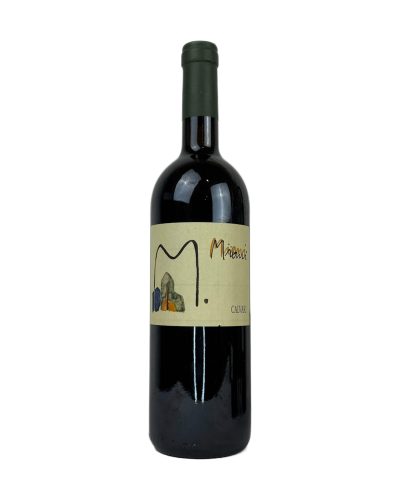
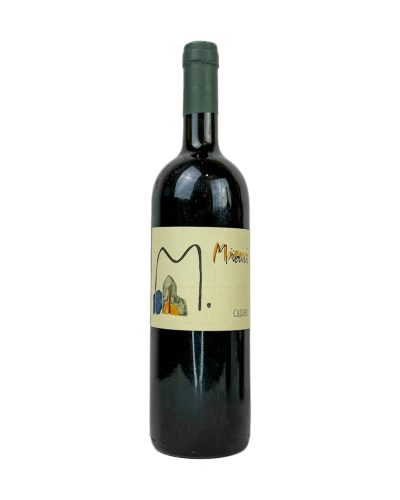
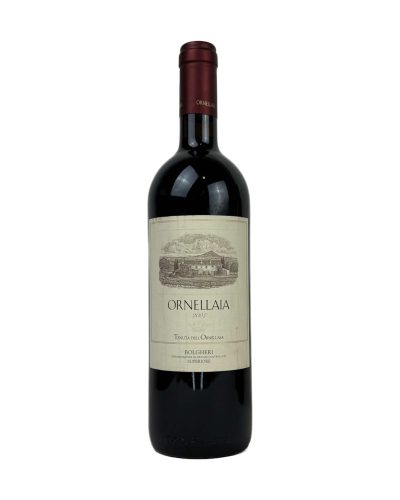
The range is led by Tuscany’s coast. Bolgheri is represented by Tenuta dell’Ornellaia and Tenuta San Guido, and the Bolgheri Sassicaia denomination is the home of the best-known wine of Tenuta San Guido. From the same country come Vin Santo di Montepulciano from Avignonesi, a sweet wine for the end of a meal, and the northern bottles of Piemonte and Alto Adige, with La Spinetta and Elena Walch. Miani adds a small-production, collector-minded signature.
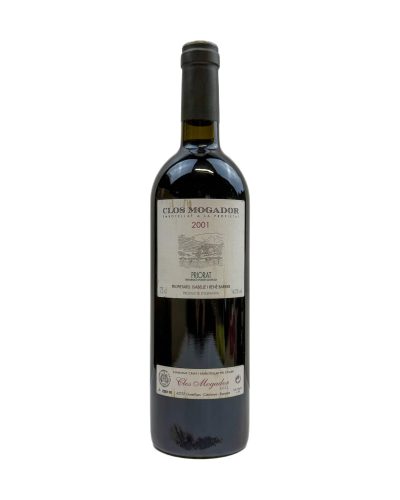
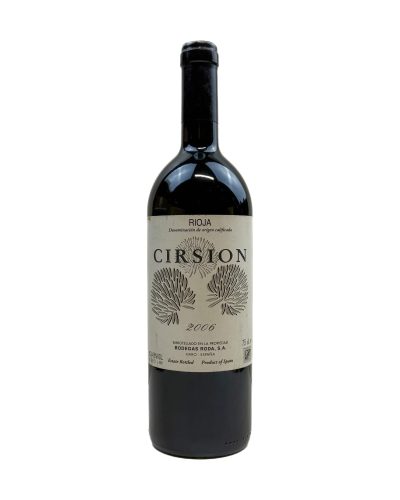
The category also reaches into Spain. Priorat is a Catalan appellation, and its estates Alvaro Palacios, Clos Mogador and Roda sit here together with Bodegas Contador and Sierra Cantabria. The Spanish system is not identical to the Italian one, so read the exact wording on each label, but the principle is the same: a named place and a rulebook behind it.
Start with the place, then the grape, then the occasion.
If you are comparing higher levels of rank, our pages on Grand Cru wines and 1er Cru wines cover the French vineyard hierarchy, which works by site rather than by denomination alone.
Pairing is simple once you know the region. Tuscan coastal reds suit roast lamb, grilled red meat and aged hard cheeses. Piemonte and Alto Adige bottles work with pasta, risotto and white meats. Priorat reds, rich and warm, stand up to stews and game. Keep a lighter bottle for starters and a Vin Santo for the end, and the meal is covered from first course to last.
Serve full-bodied reds from Bolgheri and Priorat at around 16 to 18 °C, and open them an hour ahead or decant them if they are young. Whites from Alto Adige are best cool, around 8 to 10 °C. A Vin Santo is poured in small glasses, lightly chilled, and goes well with almonds, dry biscuits or blue cheese.
Keep bottles lying down in a dark place with a steady temperature, away from vibration and strong smells. Structured reds gain from several years in the cellar, while lighter styles are better drunk within a few years of the vintage.
Check the denomination name, the producer, the vintage and the grape or blend. Two wines from the same DOC can differ widely between estates and years, so use the denomination as a starting point and the producer as the deciding factor. If you are unsure which style suits your meal, our sommelier can help you narrow the choice.
This site is restricted to adults. By entering, you confirm that you are of legal drinking age in your country of residence.