Type at least 3 characters...

Wines, producers, regions...
Red Wines

Filters

Red wine is the core of Tour de Wine’s catalogue: 611 bottles drawn overwhelmingly from France, with deep coverage of Burgundy and Bordeaux, complemented by a focused Italian range and a handful of exceptional wines from beyond. Every bottle is selected and sourced through direct producer and négociant relationships, so what you see is genuine merchant stock — not an aggregator’s scraped index. Bottles are held in a temperature-controlled, humidity-managed warehouse, and provenance is documented from the estate or négociant to your door.

This is a curated home for the best red wine that France and Italy have to offer, whether you are here to buy a single special bottle or to build a cellar. Prices start from around €120 for an excellent entry-level bottle, with most of the catalogue priced near €450 — the sweet spot for fine and premier wine — and rare Grand Cru allocations and trophy vintages reaching above €3,000, and in exceptional cases up to €43,000. As a French merchant with direct allocation access, we can vouch for provenance the way few online retailers can: every order ships with provenance documentation, bottles are inspected before dispatch, and our returns policy covers any wine that arrives faulty or not as described.

What Makes a Great Red Wine — Grapes, Structure, and Style

A great bottle is the meeting of grape variety, place, and the winemaker’s restraint. The grape sets the aromatic template; the soil and climate shape its concentration and acidity; ageing in oak or bottle adds layers. Almost everything in our selection is dry, where fermentation has converted the grape sugar to alcohol, leaving structure rather than sweetness. Understanding the three broad weight categories below is the fastest way to navigate the catalogue with confidence.

  • Light-bodied — defining grapes: Pinot Noir, Gamay. Tasting profile: red cherry, raspberry, earthy, silky tannins. Structure: low tannin, high acid, lower alcohol.
  • Medium-bodied — defining grapes: Merlot, Cabernet Franc, Sangiovese. Tasting profile: plum, dark cherry, herbal notes. Structure: moderate tannin and acid.
  • Full-bodied — defining grapes: Cabernet Sauvignon, Syrah, Nebbiolo. Tasting profile: blackcurrant, cedar, dark fruit, firm tannins. Structure: high tannin, rich texture, long finish.

Red Wine by Region — Where Every Bottle Comes From

Provenance is everything in fine wine, which is why our catalogue is organised around the places that define it. France accounts for the great majority of the selection, led by Burgundy and Bordeaux, with the Rhône Valley and a curated Italian range completing the picture. Each region below links directly to its shoppable category so you can move from reading to choosing in a single click.

Burgundy — The Pinnacle of Pinot Noir

Burgundy is the spiritual home of reds made from a single grape: Pinot Noir. Here, the concept of terroir reaches its most precise expression, with neighbouring parcels — often divided by a low stone wall — producing recognisably different wines. With 313 bottles, Burgundy is the largest selection in our catalogue, spanning village appellations through Premier Cru and Grand Cru, with estates such as Domaine Faiveley and Bouchard Père & Fils represented. Names such as Gevrey-Chambertin and Vosne-Romanée carry an authority that few wine regions on earth can match.

The epicentre of great Burgundy is the Côte de Nuits, the narrow limestone slope that produces the most structured and age-worthy Pinot Noir in the world; we hold 245 bottles from this sub-zone alone, including bottlings from benchmark vintages such as 2015 and 2019 that critics widely rated in the high-90s. To begin, explore our Burgundy selection, or go straight to the heartland and shop Côte de Nuits for the most collectible expressions of the grape.

Bordeaux — Cabernet, Merlot, and the Great Châteaux

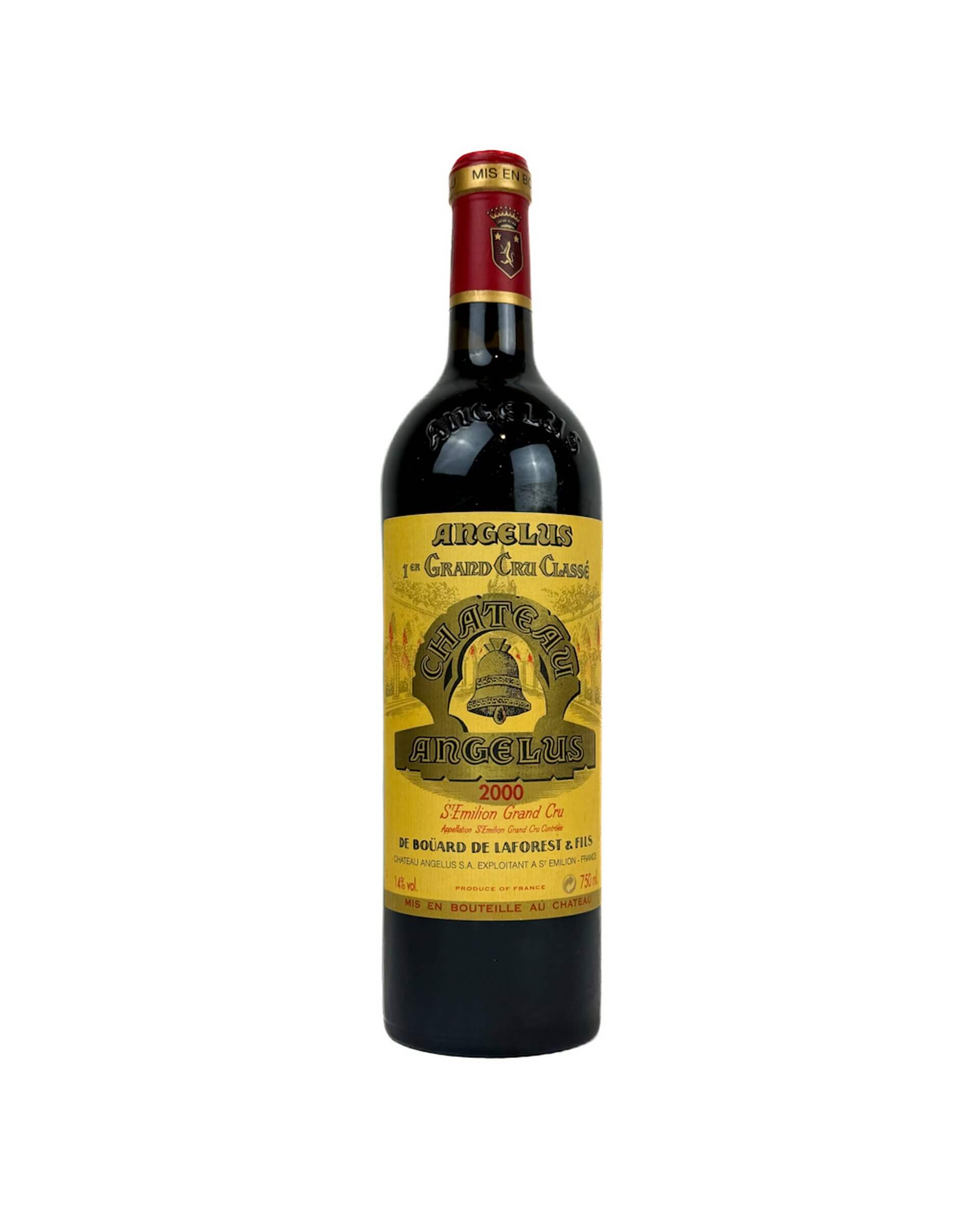
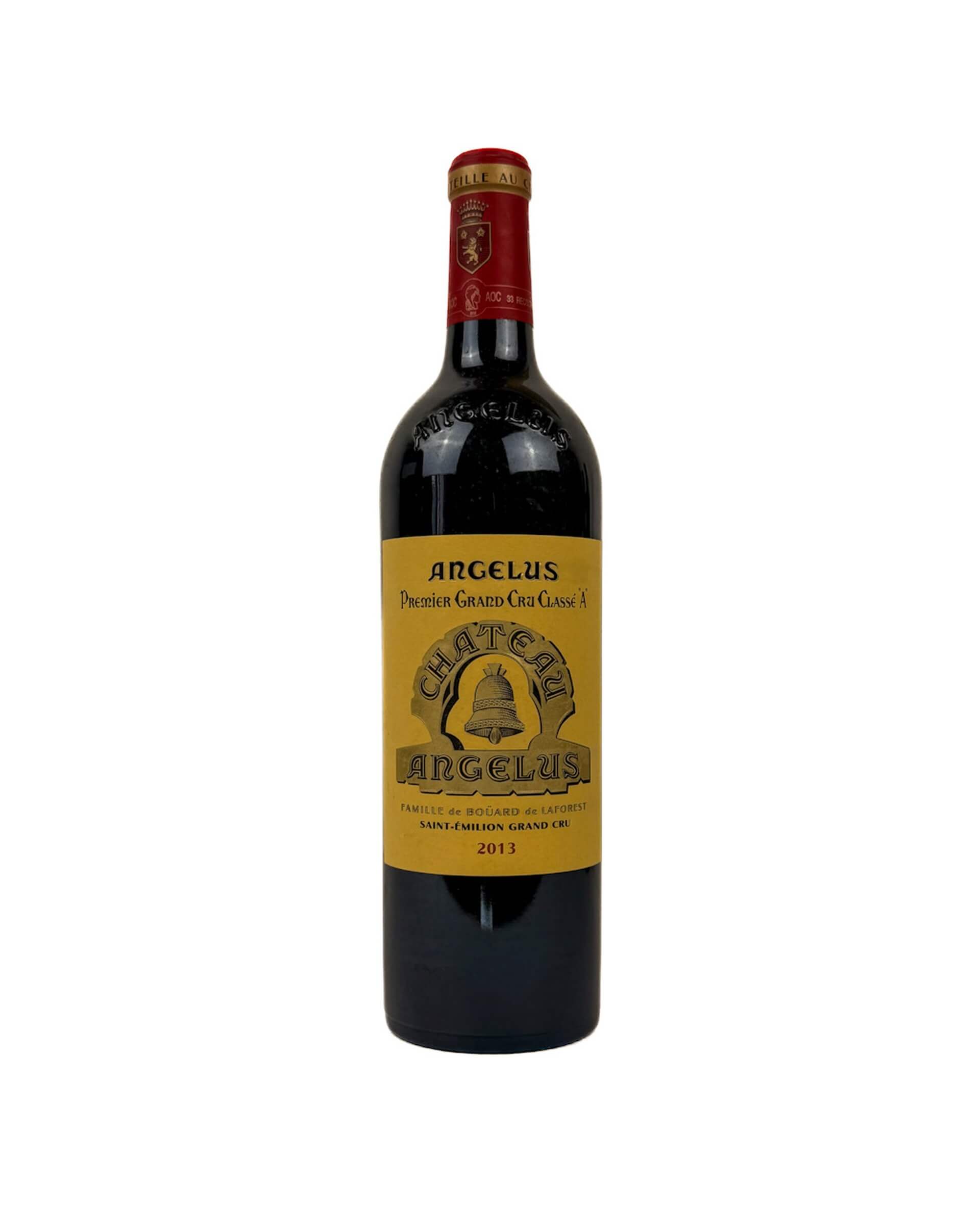
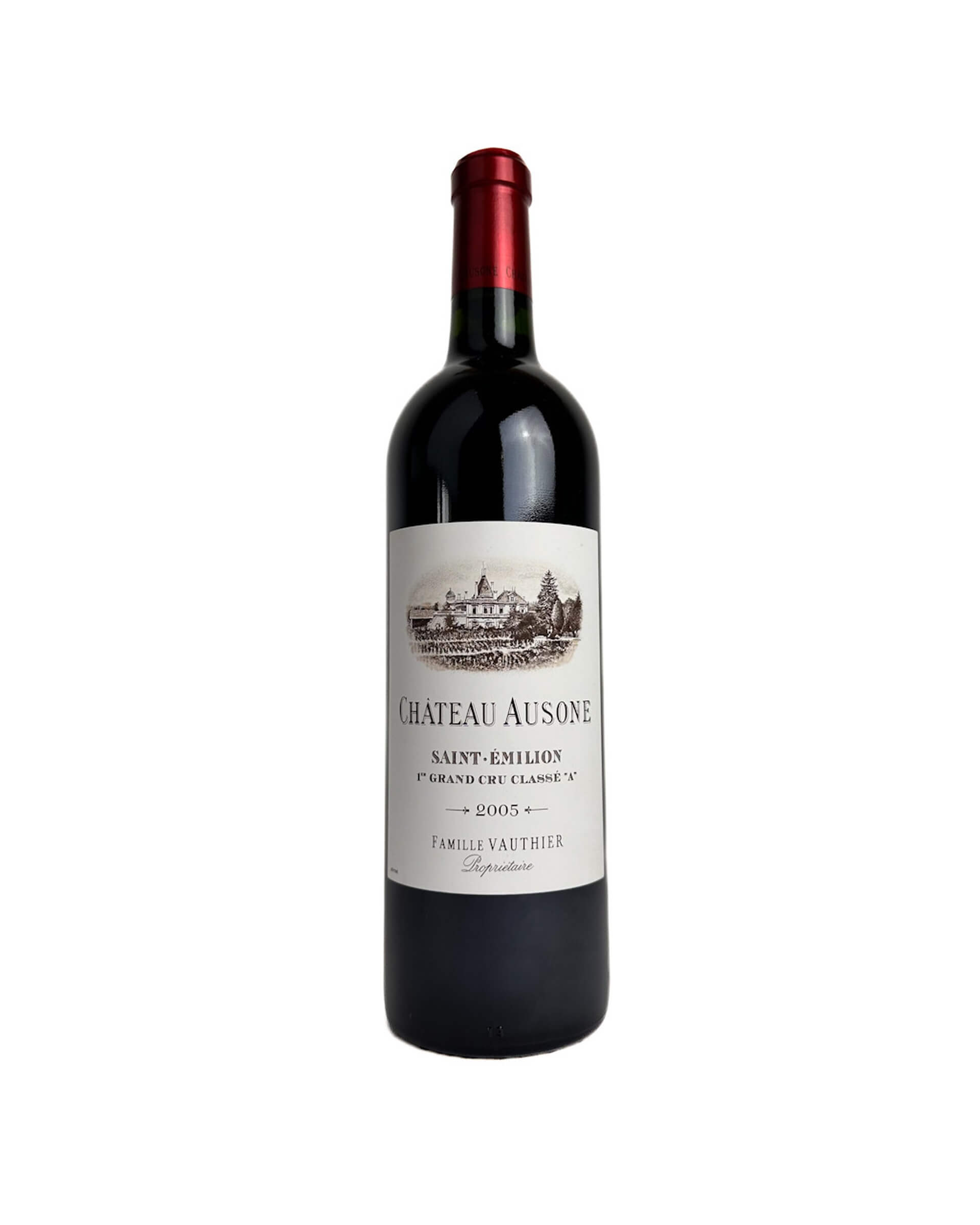
If Burgundy is about purity of a single grape, Bordeaux is the art of the blend. Left Bank appellations such as Pauillac are built around Cabernet Sauvignon, giving structured, tannic, cedar-and-blackcurrant wines built for the long haul; Right Bank communes like Saint-Émilion lean on Merlot and Cabernet Franc for a plusher, earlier-drinking style. These are structured, age-worthy reds underpinned by one of the most well-documented classification systems in wine.

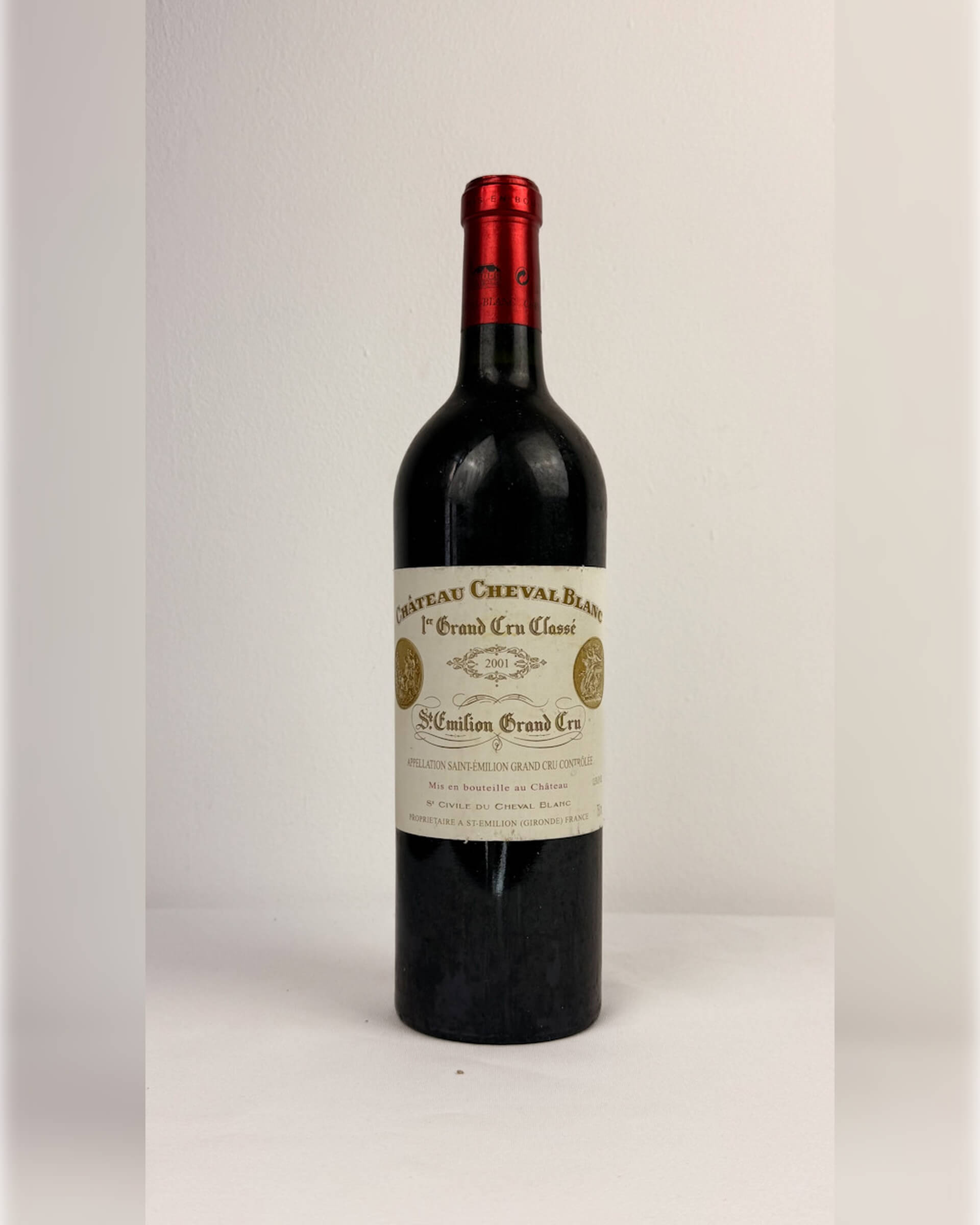
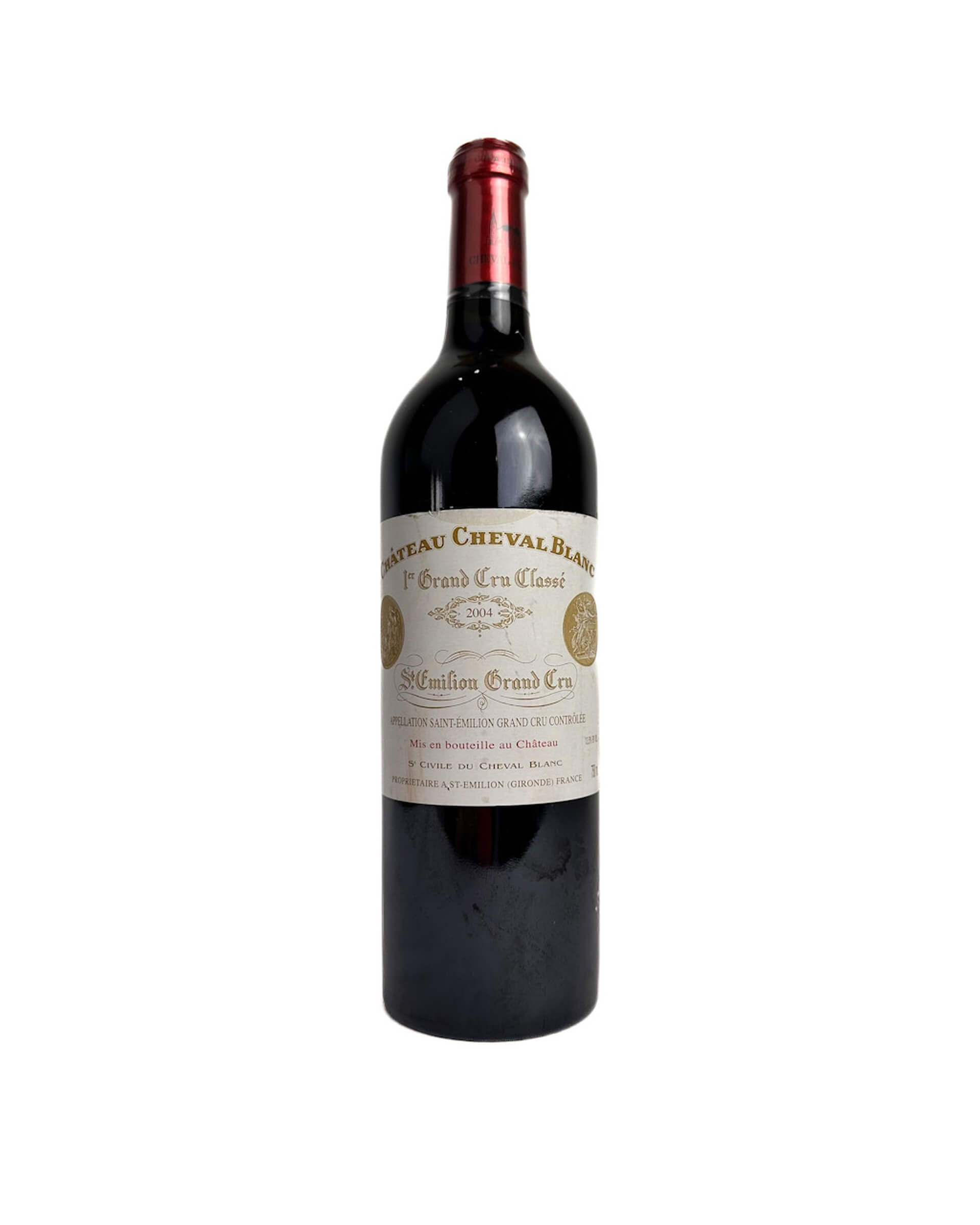
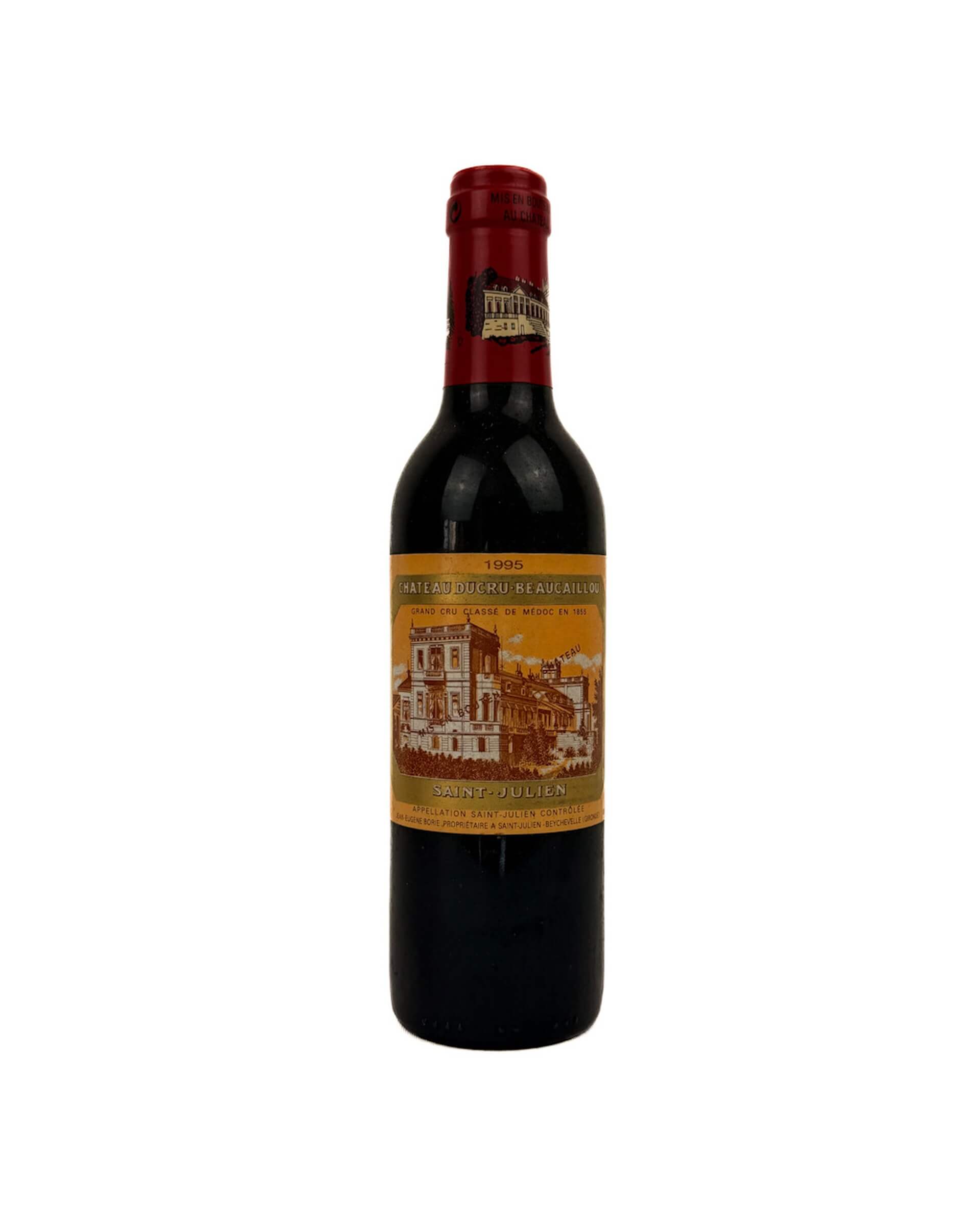
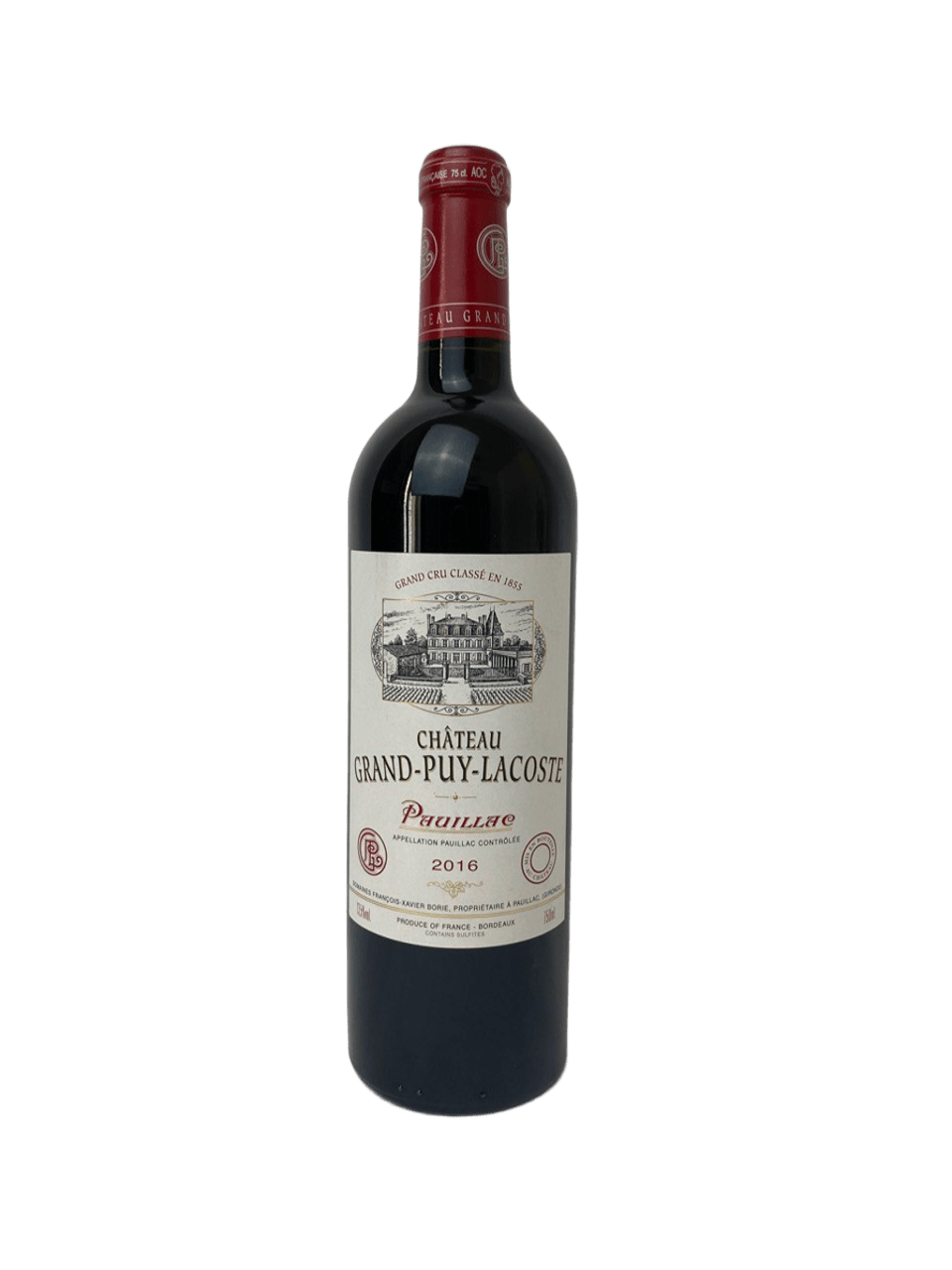
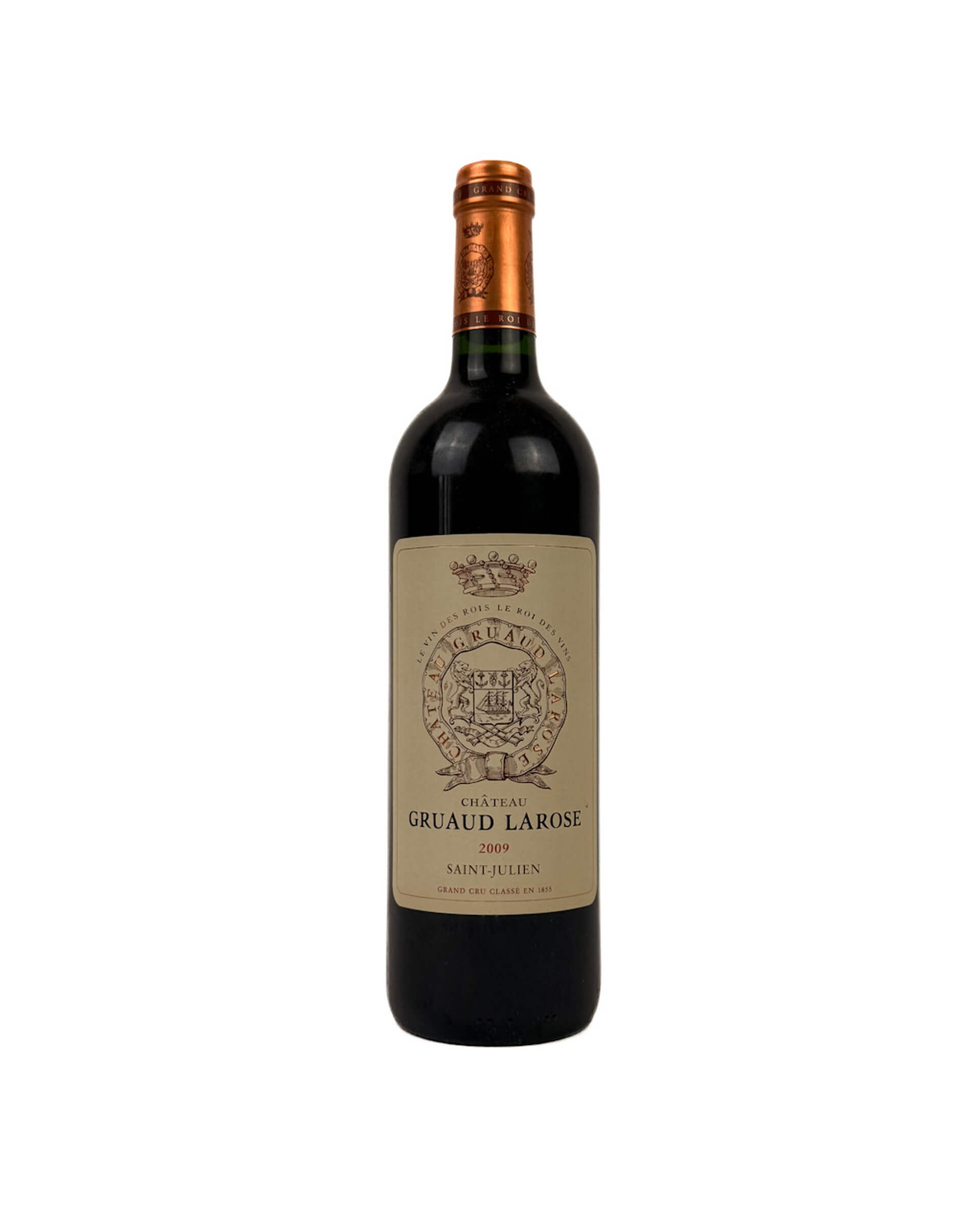
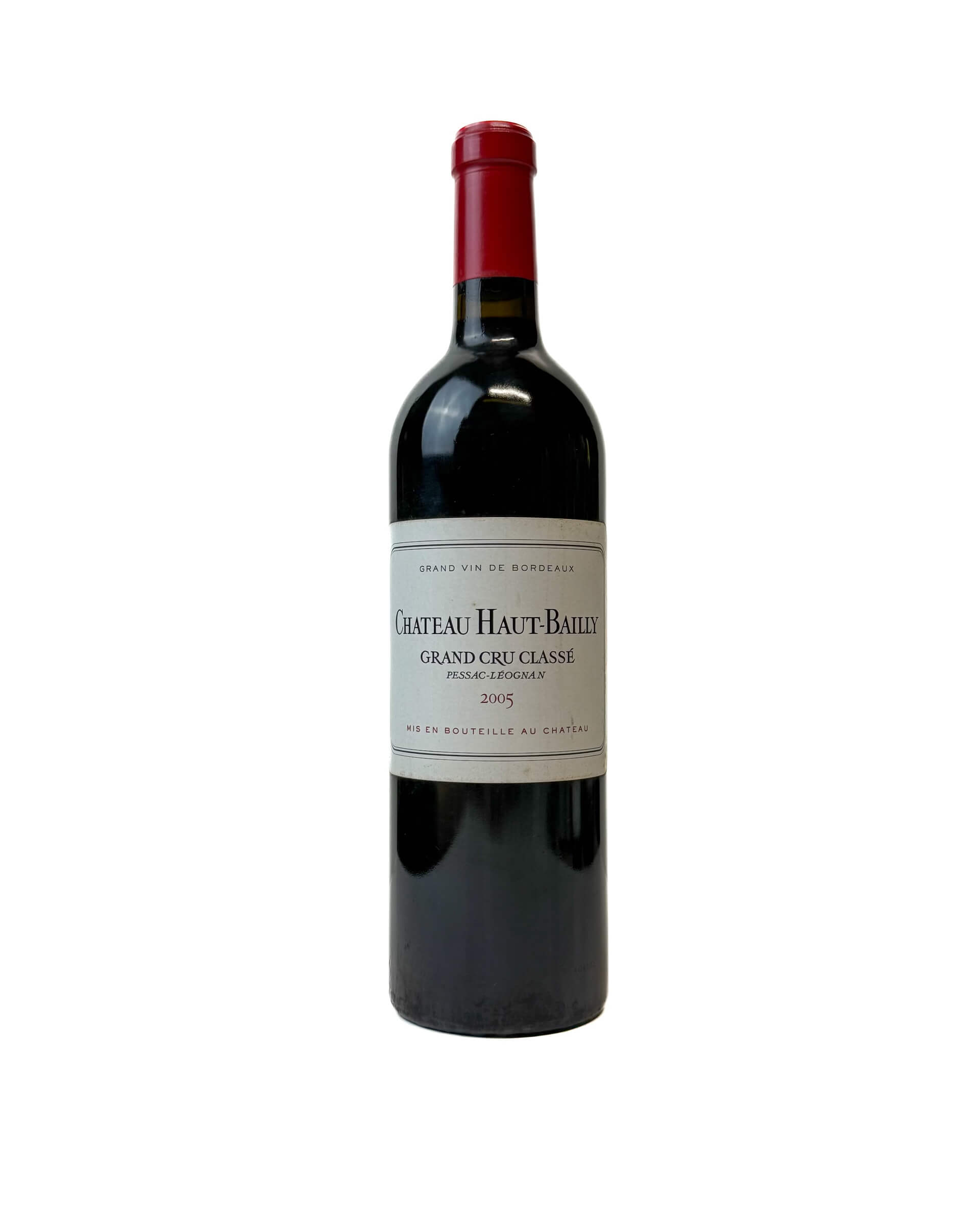
Our Bordeaux range runs to 178 bottles, from approachable AOC and Supérieur wines to Classed Growth châteaux such as Château Pichon Baron and Château Lascombes, in vintages including the celebrated 2010 and 2016. To browse the full breadth of styles, shop Bordeaux and compare Left Bank power against Right Bank generosity.

Rhône Valley and Other French Regions

Beyond Burgundy and Bordeaux, the French catalogue broadens into the Rhône Valley and the south, where Syrah and Grenache dominate. The Northern Rhône delivers savoury, peppery Syrah of real intensity, while appellations such as Gigondas and the wider Côtes du Rhône offer warm, generous, Grenache-led blends that drink beautifully young. This breadth means our French selection covers every weight and budget, from immediate pleasure to serious cellaring — browse all French wines to see the full range.

Italy — Barolo, Brunello, and Beyond

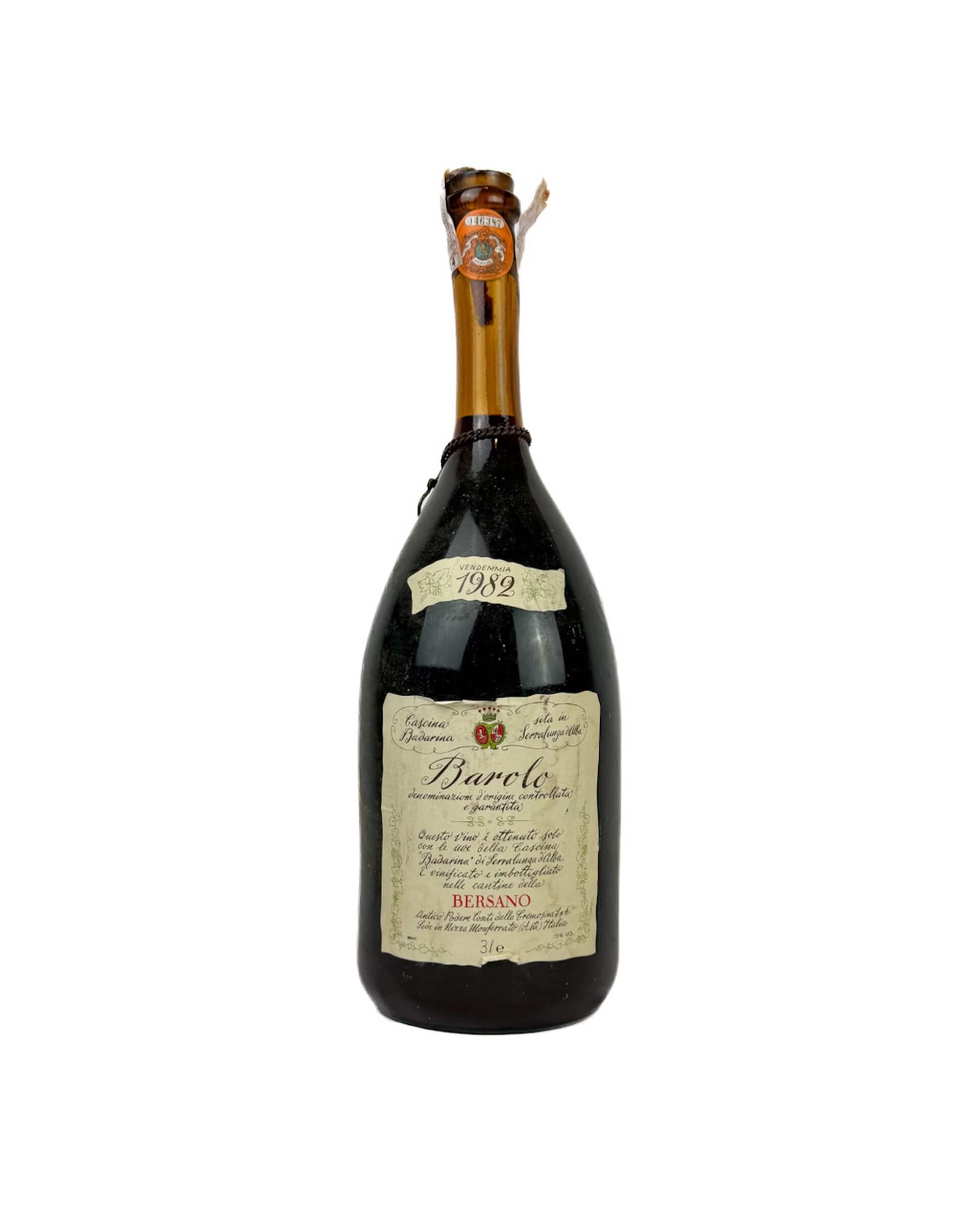
Italy is our most important range outside France, with 67 bottles offering a distinct stylistic tradition for buyers who want structured, age-worthy reds with a different accent. Piedmont gives us Barolo, the tar-and-roses Nebbiolo that rewards patience; Tuscany contributes Brunello di Montalcino and Chianti Classico, both built on Sangiovese; and the Veneto offers the rich, dried-grape intensity of Amarone. We selected these Italian reds specifically for buyers who cellar across styles: Barolo and Brunello sit alongside top Burgundy in terms of ageing potential and critical regard. Explore Italian reds for an essential second perspective.

Red Wine by Grape Variety — Navigate by Style

If you already know which grape you love, navigate the catalogue directly by variety using the linked selections below.

  • Pinot Noir (304 bottles) — light to medium-bodied; red cherry, violet, forest floor, silky texture. The grape of Burgundy.
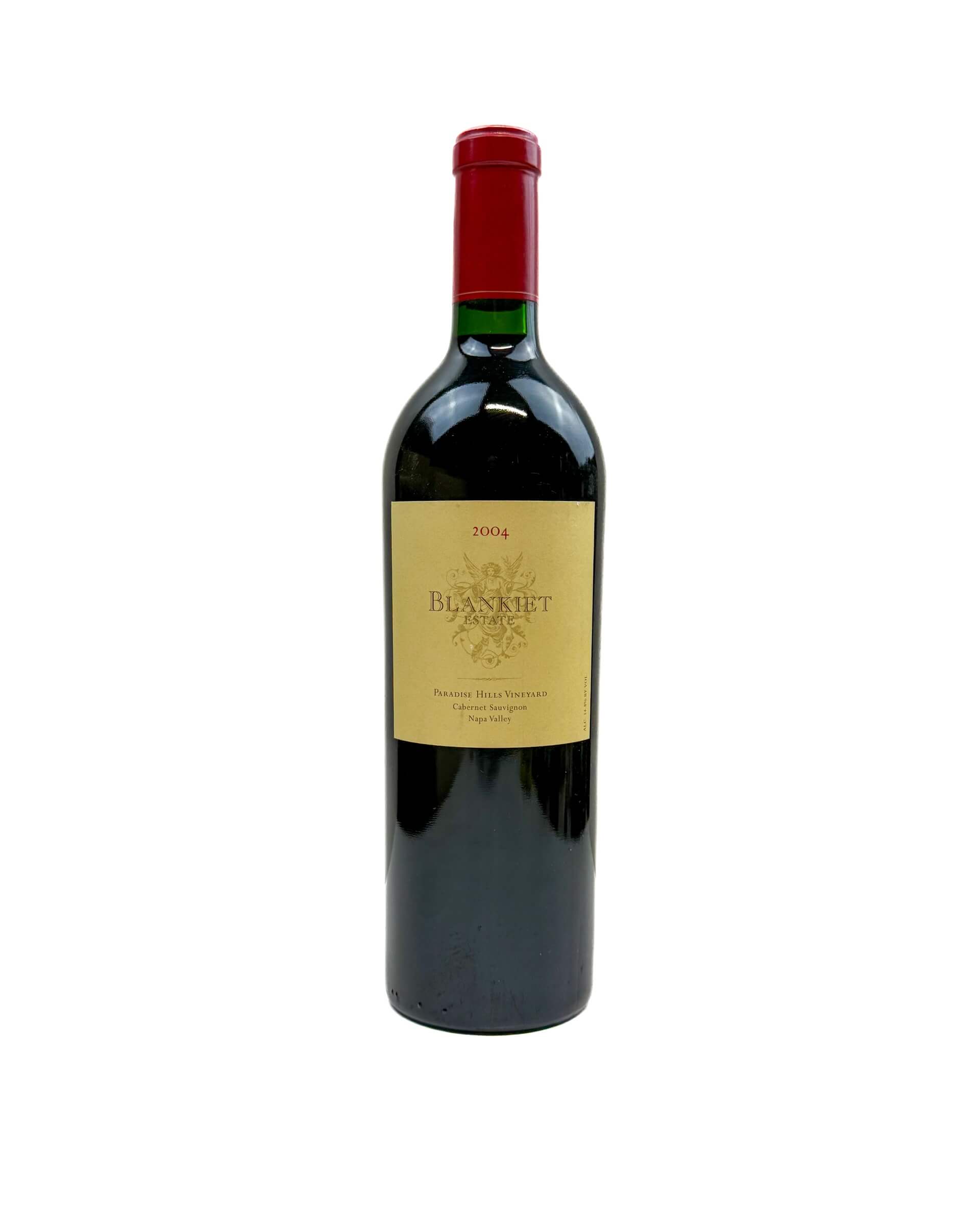
  • Cabernet Sauvignon (203 bottles) — full-bodied; blackcurrant, cedar, graphite, firm tannins. The backbone of the Left Bank.
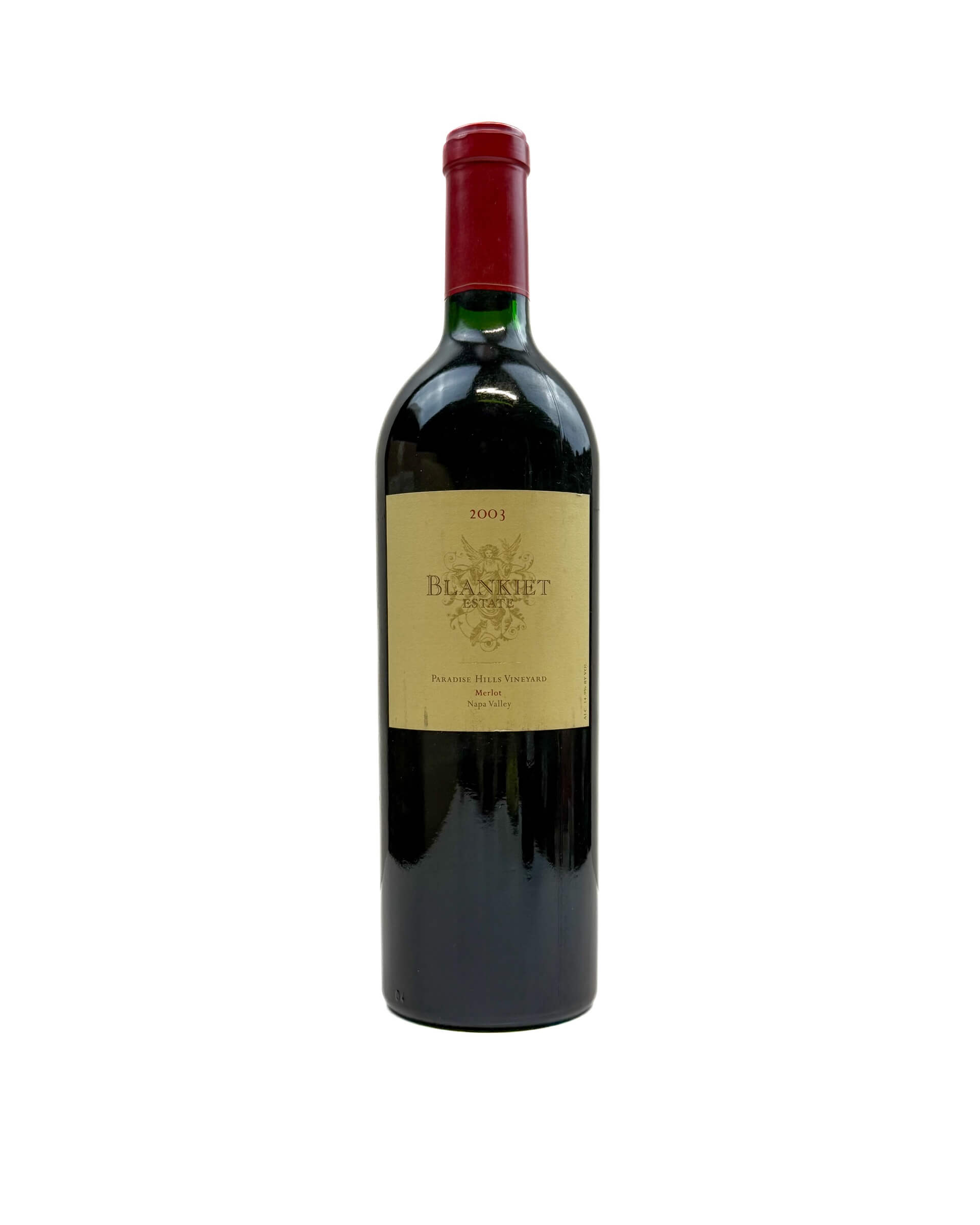
  • Merlot (187 bottles) — medium to full-bodied; plum, dark cherry, chocolate, smooth finish. The heart of Right Bank Bordeaux.
  • Cabernet Franc (165 bottles) — medium-bodied; red fruit, herbs, violet, fresh acidity. A key Bordeaux blending partner that also shines solo.

How to Choose and Buy Red Wine — A Buyer’s Guide by Price and Style

The smartest way to buy is to match your budget to a style and an occasion rather than chase a single famous label. Because we publish honest in-catalogue price data, you can calibrate expectations precisely: the right bottle for your purpose is almost always the one whose price tier aligns with how and when you intend to drink it. Classifications such as Grand Cru and Premier Cru are reliable quality signals — they denote specific, historically demarcated parcels, not marketing language.

The four tiers below map our real EUR price distribution onto practical buying decisions. The majority of bottles sit near the €450 median, the cellar tier where quality is reliably traceable to named appellations, producers, and often specific parcels.

  • Accessible (from €120): regional appellations, village-level Burgundy, Bordeaux AOC and Supérieur, and entry Italian reds — Gamay, Merlot-dominant blends, and lighter Pinot Noir. Ideal for weeknight enjoyment, exploring the range, and gifts.
  • Cellar essentials (around €450, the catalogue median): village-level and Premier Cru Burgundy, Bordeaux Classed Growths, and Barolo from named communes — Pinot Noir, Cabernet Franc, Sangiovese. Built for dinner parties, mid-term cellaring of five to twelve years, and special occasions.
  • Exceptional (up to €3,000, our 90th percentile): Premier and Grand Cru Burgundy, First and Second Growth Bordeaux, and top Barolo and Brunello — full-complexity Pinot Noir and Cabernet Sauvignon. For collectors and cellaring of ten to twenty-five years. Explore our Grand Cru selection here.
  • Collector (up to €43,000): rare vintage Grand Cru allocations, auction-calibre bottles, and trophy vintages reflecting genuine scarcity and collector demand. For serious collectors and investment-grade cellaring. Browse our Premier Cru selections for the tier just below.

Serving Red Wine — Temperature, Decanting, and Glassware

Getting the most from any bottle starts with temperature, decanting, and the right glass — small details that transform a good wine. Serve too warm and alcohol dominates; too cold and aromatics close down. The guidance below works by style.

  • Light-bodied reds (Pinot Noir, Gamay): serve at 14–16°C; young bottles need no decanting, while aged Burgundy benefits from about 30 minutes. Use a wide-bowl Burgundy glass to capture the delicate aromatics of this elegant style.
  • Medium-bodied reds (Merlot, Cabernet Franc, Sangiovese): serve at 16–18°C; decant 30 to 60 minutes to open the fruit. A standard Bordeaux glass works well.
  • Full-bodied reds (Cabernet Sauvignon, Nebbiolo, Syrah): Full-bodied reds should be served at 17–19°C. Decant young vintages one to two hours, but decant older bottles briefly and let them breathe in the glass. Use a large Bordeaux or Cabernet glass.

Red Wine and Food — Matching by Style

Red wine food pairing is simplest when you match weight to weight — a delicate wine with delicate food, a powerful wine with rich food. Used this way, the bottle becomes a partner that lifts the meal rather than overwhelming it. The pairings below follow the same three style bands used throughout this guide.

  • Light-bodied — for informal dinners, charcuterie boards, and apéritif hosting: roast duck, confit de canard, mushroom dishes, and salmon, alongside soft cheeses such as Brie and Camembert.
  • Medium-bodied — for Sunday roasts and relaxed dinner parties: roast lamb, pork tenderloin, and pasta with a rich meat sauce, finished with aged Gouda or a smooth duck liver pâté.
  • Full-bodied — for celebration meals and serious entertaining: dry-aged beef, venison, and rack of lamb, plus hard aged cheeses like Comté, aged Cheddar, and Pecorino — even a square of dark chocolate.
  • Aged Grand Cru and Premier Cru: serve with minimal competition — plainly roasted meat, a simple reduction, or simply on its own; complex aged Burgundy needs no accompaniment to shine.

Frequently Asked Questions

What is the difference between dry red wine and sweet red wine?

Almost all the red wines sold by Tour de Wine are dry, meaning fermentation converts virtually all the grape sugar into alcohol, leaving no residual sweetness. Dry red wines range from light and fresh — Pinot Noir, Gamay — to full-bodied and tannic, such as Cabernet Sauvignon and Nebbiolo. Sweet red wines, such as Port or Banyuls, are a separate, fortified category.

How long can red wine be aged?

It depends heavily on the wine’s origin and structure. A simple regional red is best within three to five years. A Premier Cru Burgundy made from Pinot Noir, or a Bordeaux Classed Growth built on Cabernet Sauvignon, can develop beautifully for fifteen to twenty-five years in proper cellar conditions. Grand Cru Burgundy from great vintages — such as 2005, 2015, or 2019 — can evolve for thirty years or more: 2005 for its classical structure and proven longevity, 2015 for its richness and immediate appeal, and 2019 for its concentration and ageing potential.

What is the best red wine for beginners?

Merlot is often cited for its soft tannins and approachable plum-and-cherry fruit, making it an accessible entry point. Village-level Burgundy from a reliable producer offers complexity without austerity. For buyers new to fine wine, our catalogue’s entry tier starts from around €120 — a level where quality is already meaningfully above supermarket offerings.

Is red wine from Burgundy different from Bordeaux red wine?

Yes, profoundly. Burgundy red wine is made exclusively from Pinot Noir, producing elegant, aromatic wines with red fruit, floral notes, and silky texture. Bordeaux red wine is a blend — Cabernet Sauvignon dominant on the Left Bank in Pauillac and Margaux, Merlot dominant on the Right Bank in Saint-Émilion and Pomerol — producing structured, tannic, dark-fruited wines built for long ageing. Both are essential, and both are central to Tour de Wine’s selection.

Written by the Tour de Wine buying team. Last reviewed: June 2026.

Ask the sommelier...
Sommelier