
N/A
0,75
NV
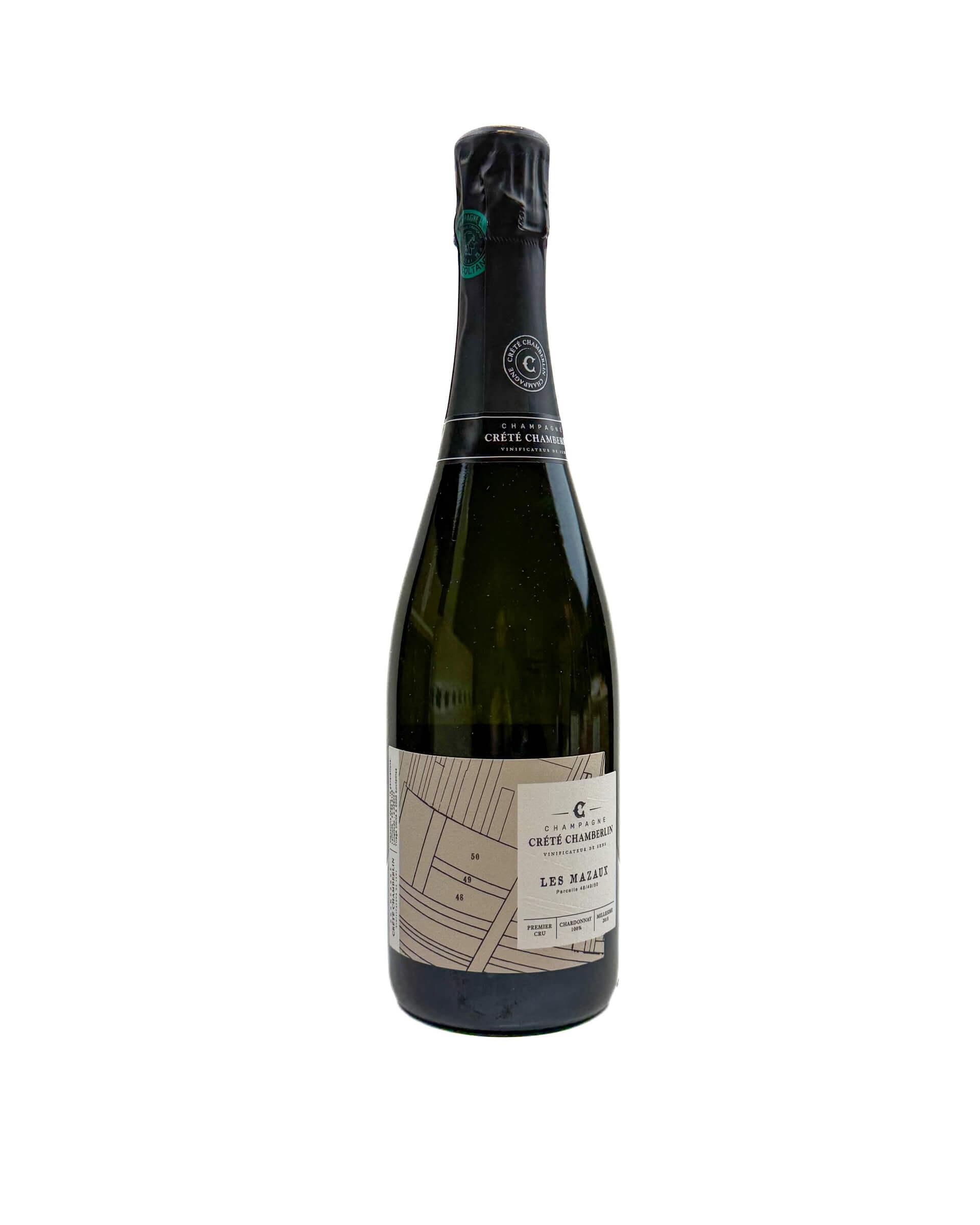
Crete Chamberlin
Wines, producers, regions...
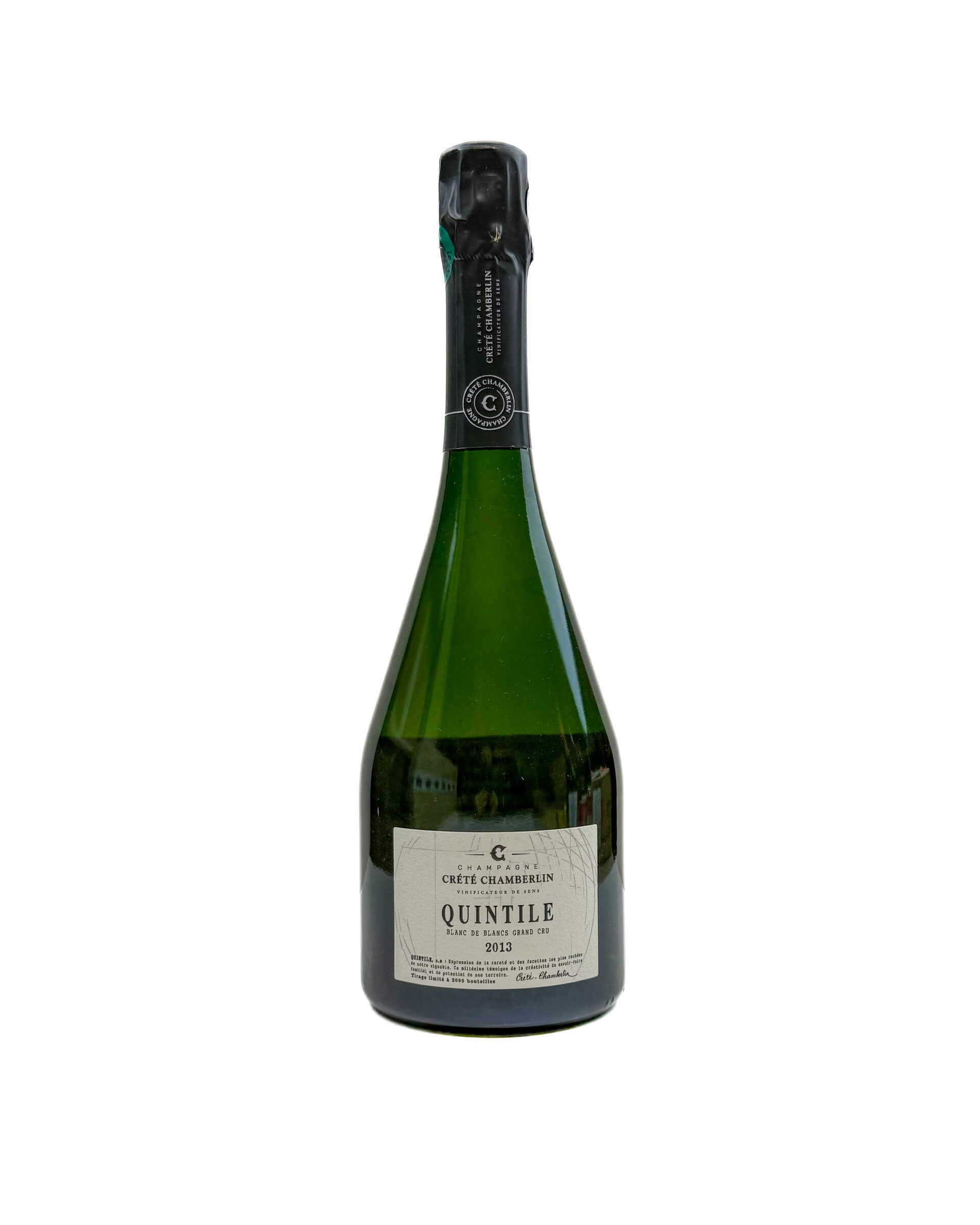
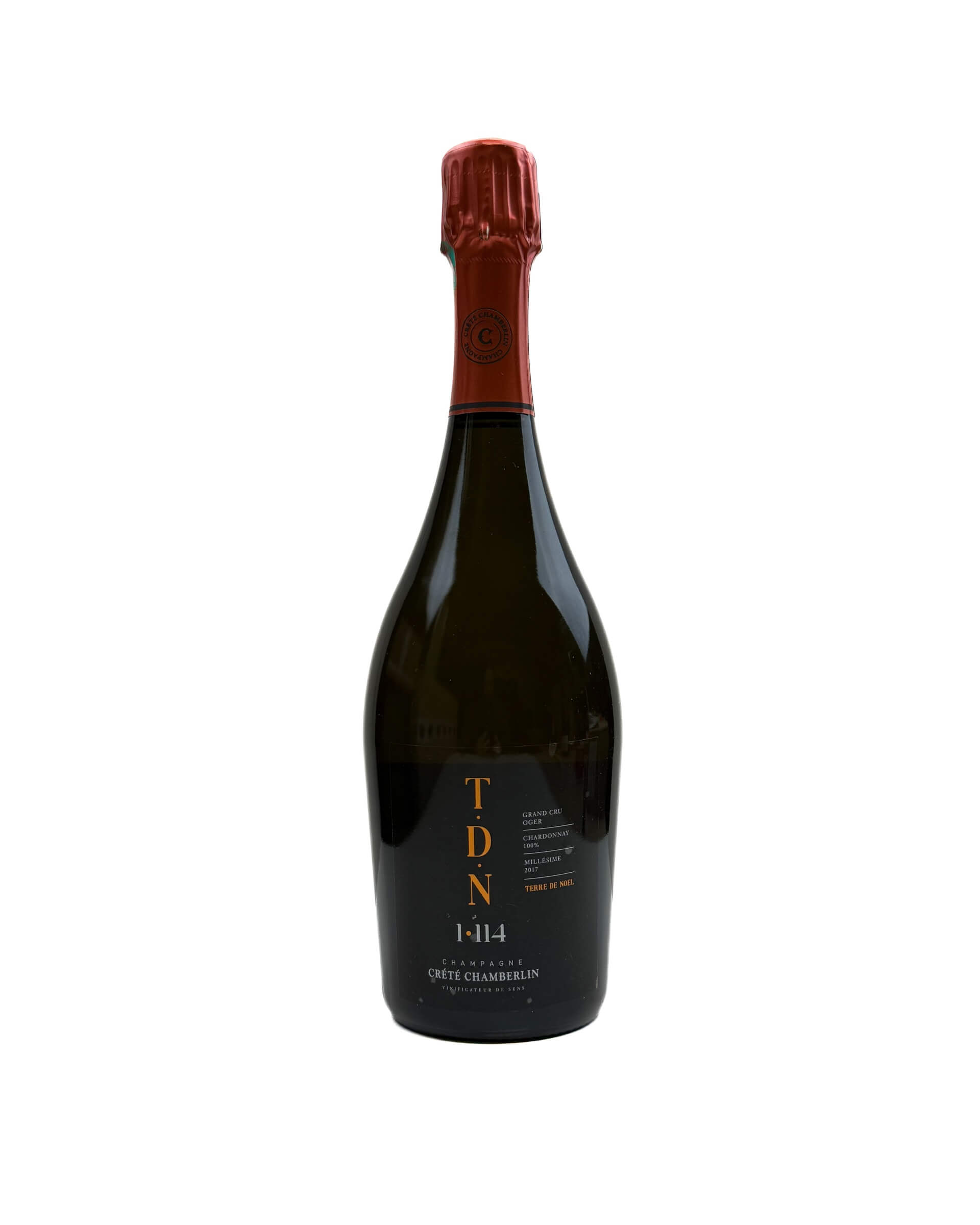
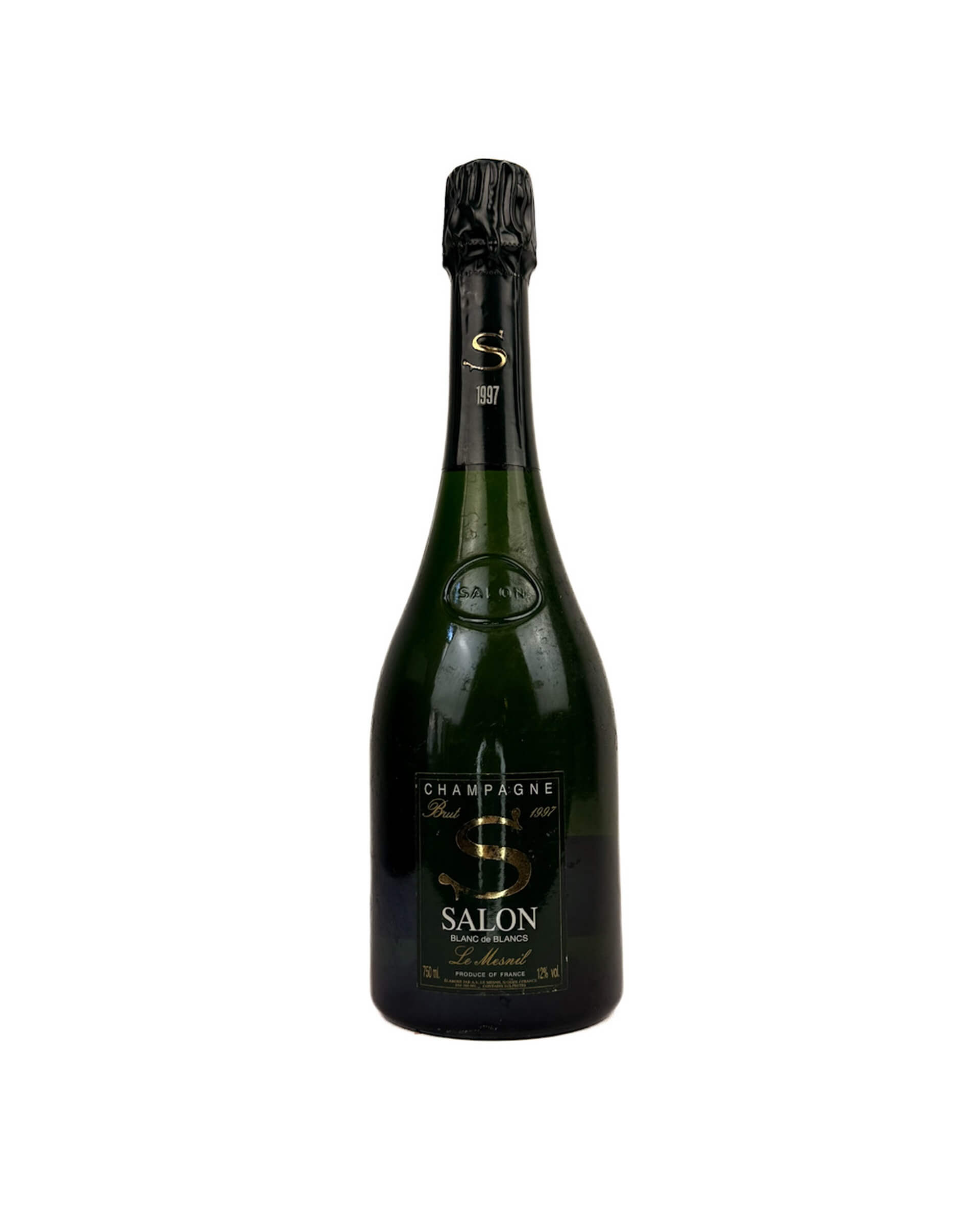

Home to six Grand Cru communes and the source of benchmark wines such as Salon and Krug’s Clos du Mesnil, the Côte des Blancs is the zone that defines the blanc de blancs style — a narrow ribbon of east-facing chalk slopes running south of Épernay, from Chouilly down to Vertus. Almost everything planted here is white grape, and almost everything it produces is built on the same austere, mineral, luminous template. If you have ever read “blanc de blancs” on a label and wondered where the style reaches its purest form, this is the answer. The French appellation has no other zone quite like it.
At Tour de Wine we currently offer a focused, six-bottle selection from the Côte des Blancs, spanning accessible village cuvées to rare prestige releases. This page is designed to take you from understanding to purchase: what the zone is, how its Grand Cru and Premier Cru villages differ, what a blanc de blancs champagne actually tastes like, how to pair and serve it, and how to choose the right bottle for your budget and occasion.
The Côte des Blancs is the southernmost of Champagne’s major sub-regions: a roughly 20-kilometre line of gentle, east-facing slopes that begins at Chouilly in the north and ends around Vertus in the south, sitting just below the town of Épernay. The name translates literally as “slope of the whites”, a direct reference to the overwhelming dominance of white-grape planting — here, that means Chardonnay, grown to the near-exclusion of the region’s two black grapes. East-facing exposure catches the morning sun and protects the fruit from harsher afternoon heat, helping to preserve the bright natural acidity that defines the style. Chouilly anchors the zone’s northern boundary with a quirk worth knowing at the shelf: it is classified Grand Cru for Chardonnay but only Premier Cru for black grapes, so a Chouilly bottling can legitimately carry the Grand Cru designation only when it is a blanc de blancs.
The real signature, though, lies underground. The Côte des Blancs sits on a thick seam of belemnite chalk — soft, porous, brilliant white rock formed from ancient marine fossils. This chalk drains excess rainwater, stores warmth through the growing season, and feeds the vine a steady supply of moisture in dry spells. The result in the glass is unmistakable: chalk dust, wet flint, white flowers, and a taut linear structure. It is the opposite pole to the Pinot Noir heartland of the Montagne de Reims, where the wines lean toward body, red fruit, and structural weight rather than precision and tension. Together, the two zones frame the full range of Champagne style.
This sub-region holds six Grand Cru communes — Avize, Chouilly, Cramant, Le Mesnil-sur-Oger, Oger, and Oiry (Chouilly Grand Cru for Chardonnay only) — and each expresses Chardonnay on chalk in its own recognisable way. Village origin determines both the flavour profile and the realistic cellaring window — here is what each Grand Cru commune delivers.
Cramant is the northern anchor of the Grand Cru villages, producing Chardonnay of unusual generosity — a fuller body, cream and biscuit character alongside the citrus core typical of the zone. It is a benchmark for blanc de blancs that rewards five to ten years of cellaring. Cramant-based growers such as Diebolt-Vallois and Lilbert-Fils build their reputations on this fruit, and the historic “Cramant” bottlings of Mumm long carried the village name on the label.
Avize lies at the heart of the zone and is celebrated for Chardonnay of striking clarity and precision — bright lemon pith, green apple, and a fine saline mineral finish. The village hosts Champagne’s leading viticulture and oenology school and is home to Agrapart, one of the appellation’s most admired grower-producers, whose single-village wines have become a reference for the modern slope.
Le Mesnil-sur-Oger is widely regarded as the most prestigious individual village in all of Champagne. Its blanc de blancs — among them Salon, Krug’s Clos du Mesnil, and the Les Chétillons cuvée from Pierre Péters — are defined by austere mineral tension, tightly wound acidity, and an ageing trajectory measured in decades rather than years. A young Mesnil blanc de blancs can seem almost reluctant on opening; given fifteen to twenty years, it unfurls into extraordinary, deeply saline complexity that few wines anywhere can match. Among recent vintages, 2012 and 2015 are the benchmark years for Mesnil blanc de blancs, while 2008 remains the gold standard for the zone as a whole.
Oger sits immediately south of Le Mesnil-sur-Oger and offers a softer, fuller reading of the slope — more white flower and peach blossom over a riper, rounder mid-palate than its austere neighbour, yet still with a firm chalk spine. Growers such as Pascal Doquet and Henri Mandois are reliable benchmarks for the village. An Oger Grand Cru blanc de blancs typically drinks well from three to four years after release and holds comfortably for eight to twelve.
Oiry lies at the northern end of the slope, tucked between Chouilly and Cramant rather than to the south. Its Chardonnay is the lightest and most immediately approachable of the Grand Cru communes — high-toned citrus and white flower with little of Mesnil’s severity — and it is frequently drawn into prestige non-vintage blends for lift. It is an excellent entry into Grand Cru character, usually at its best within two to six years and rarely needing extended cellaring before it shows well.
Below the five Grand Cru communes, a second tier of Premier Cru villages extends the Côte des Blancs north toward Épernay (Cuis, Grauves) and south toward Vertus (Vertus, Bergères-lès-Vertus, Villeneuve-Renneville, Voipreux). These 1er Cru communes share the chalk geology and Chardonnay character of their Grand Cru neighbours, but typically produce champagne at a more accessible price point — making them a practical, lower-cost entry into the zone’s distinctive style without leaving its terroir behind.
A blanc de blancs champagne is, by definition, champagne made exclusively from white grapes — overwhelmingly Chardonnay in this region — with zero black-grape content. Unlike a Pinot Noir-dominant brut from the Montagne de Reims, a blanc de blancs is the lightest, most linear, and highest-acid expression of champagne. Expect green apple, lemon pith, white flowers, and chalk dust in youth; with age, the wine builds honey, brioche, beeswax, and a deepening saline mineral core. The bubbles tend to be fine and persistent, and the finish stays bright rather than broad.
Knowing when to drink a blanc de blancs from this sub-region is half the pleasure. Non-vintage cuvées from Premier Cru villages are ready on release and usually at their best within three to six years. Grand Cru village blanc de blancs from Cramant or Avize tends to improve over five to fifteen years, gaining weight and complexity. Producers in Le Mesnil-sur-Oger often suggest ten to twenty years for their prestige cuvées, which can seem locked-up and severe when young. This is the same Chardonnay grape that drives white Burgundy, yet on Champagne’s chalk it becomes an entirely different, sparkling expression — proof of how decisively terroir reshapes a grape.
The absence of red-grape tannin and the high tartaric acidity make blanc de blancs exceptionally versatile across delicate seafood, egg-based dishes, and aged hard cheeses: there is no heavy structure to clash with light proteins, and the acidity cuts cleanly through fat. That makes it a natural partner for delicate seafood and clean, fat-rich dishes alike.
Serve this champagne at 8–10°C (46–50°F), and avoid serving above 10°C, where the aromatic tension softens quickly — noticeably cooler than you would pour a full-bodied still white. Reach for a tulip glass rather than a narrow flute; the wider bowl lets the chalk-mineral character open and breathe.
Buying well in this zone is a matter of matching village, style, and budget to the occasion. Use these five steps to navigate the selection with confidence.
The Côte des Blancs is a roughly 20-kilometre strip of east-facing chalk slopes in the southern Champagne appellation, running from Chouilly to Vertus, just south of Épernay. It is planted almost exclusively with Chardonnay and is the defining source region for blanc de blancs champagne — the lightest, most mineral, and longest-ageing style in the entire appellation.
A common misconception is that blanc de blancs is somehow softer or sweeter than a standard brut; in practice it is the opposite — typically drier, leaner, and more austere than most Pinot-based blends, because it carries no red-grape weight to round out the high Chardonnay acidity. That tension is the point: it is a wine of cut and chalk rather than fruit and flesh, which is exactly why it ages so well and why a young example can taste almost severe.
The Côte des Blancs is Chardonnay country: linear, high-acid, mineral, and built for long ageing. The Montagne de Reims is Pinot Noir country: fuller body, red cherry, brioche, and more structural weight. The two sub-regions represent the two poles of champagne style — most great non-vintage blends draw from both, while single-sub-region cuvées show the contrast at its most extreme.
Tour de Wine’s selection starts from around €65, sits near €150 for most bottles, and reaches up to €1,000 for the rarest prestige releases. Grand Cru commands that premium for concrete reasons: the named villages sit on the deepest, purest belemnite chalk, their grapes are bought and sold at the top of Champagne’s price ladder, and prestige cuvées from sites like Le Mesnil-sur-Oger are produced in tiny quantities and held back for years of cellar ageing before release. You are paying for scarcity, single-village provenance, and time, not simply for a fancier label.
Written by the Tour de Wine buying team. Last reviewed: June 2026.
This site is restricted to adults. By entering, you confirm that you are of legal drinking age in your country of residence.