
N/A
0,75
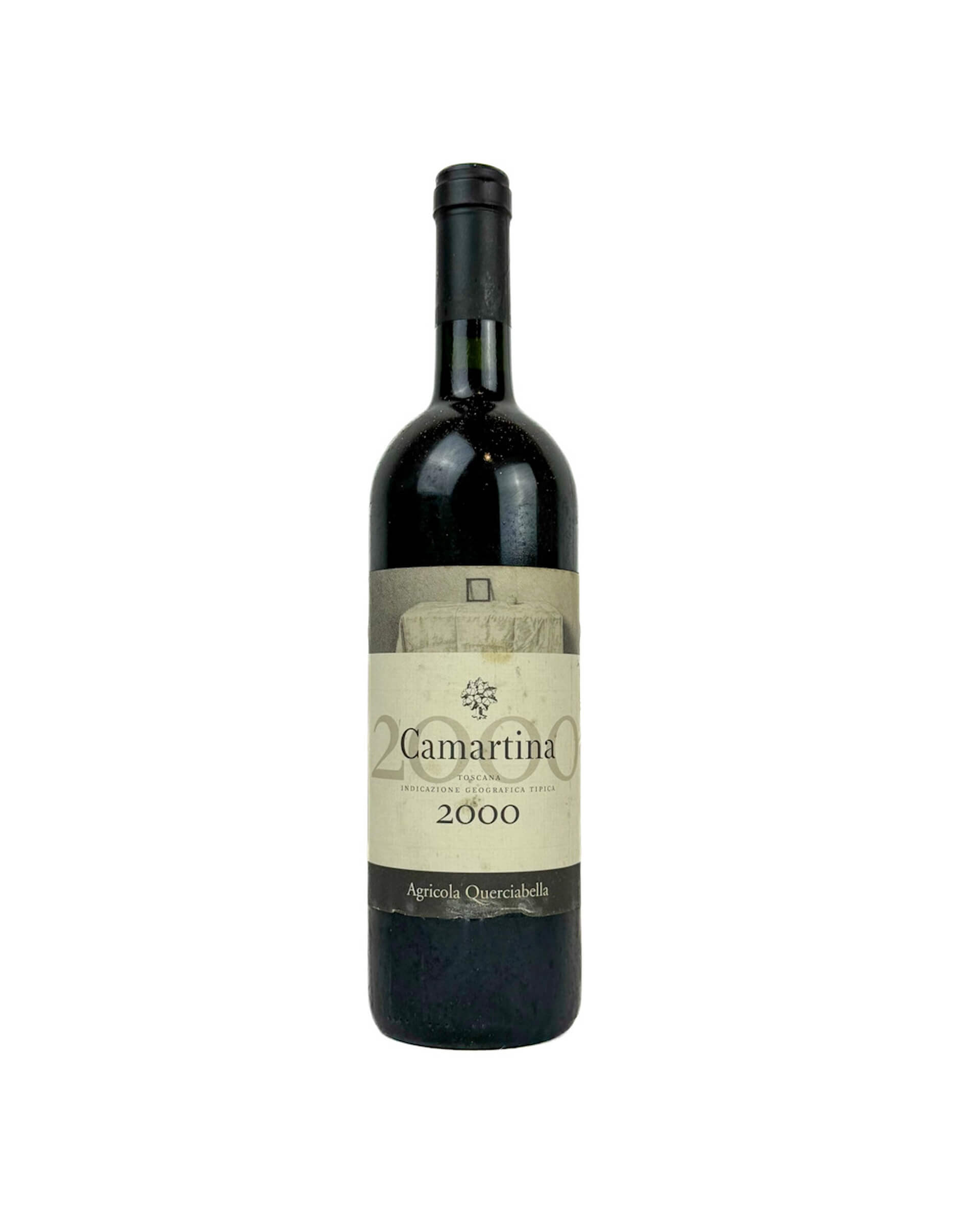
2000
Agricola Querciabella
Wines, producers, regions...
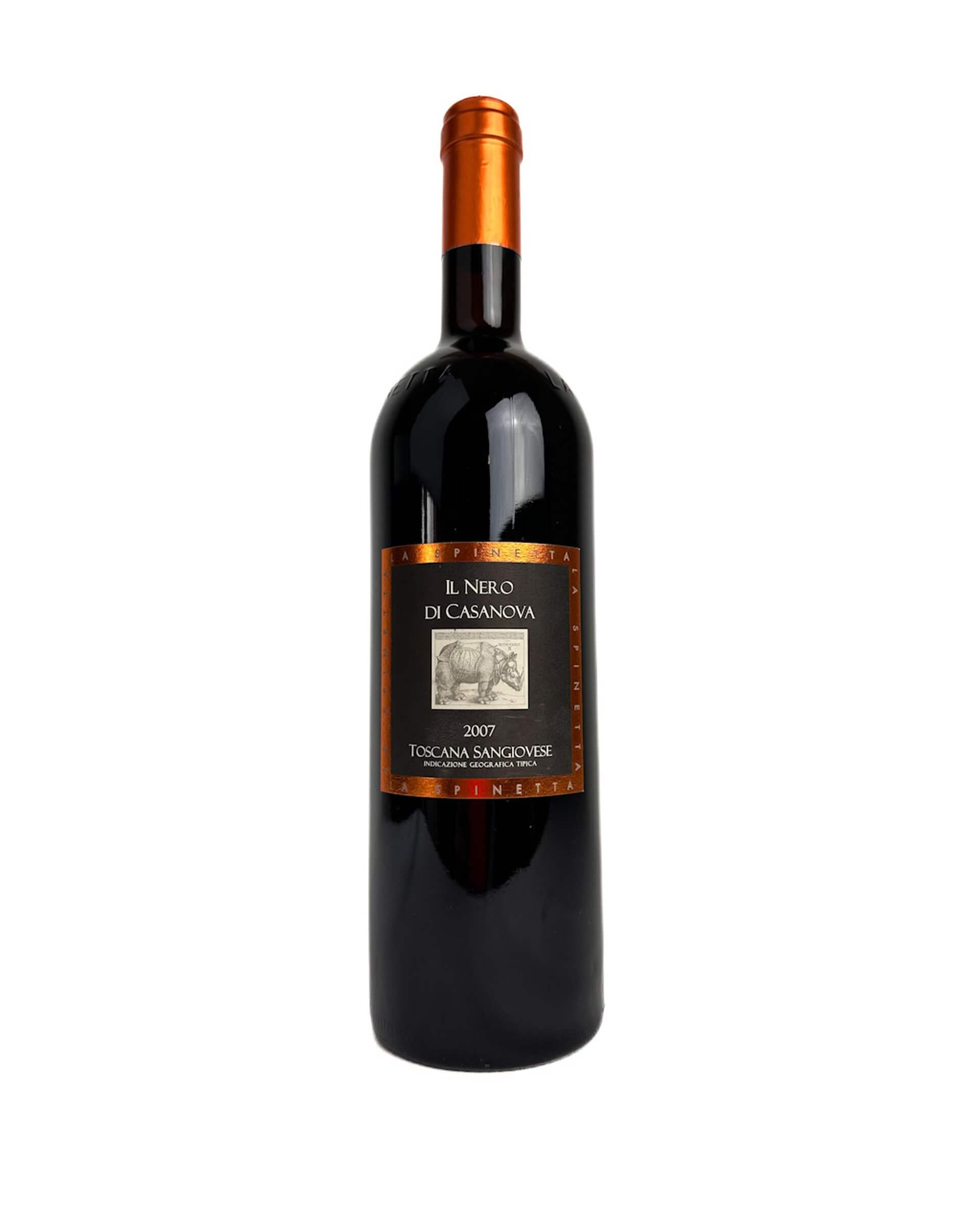
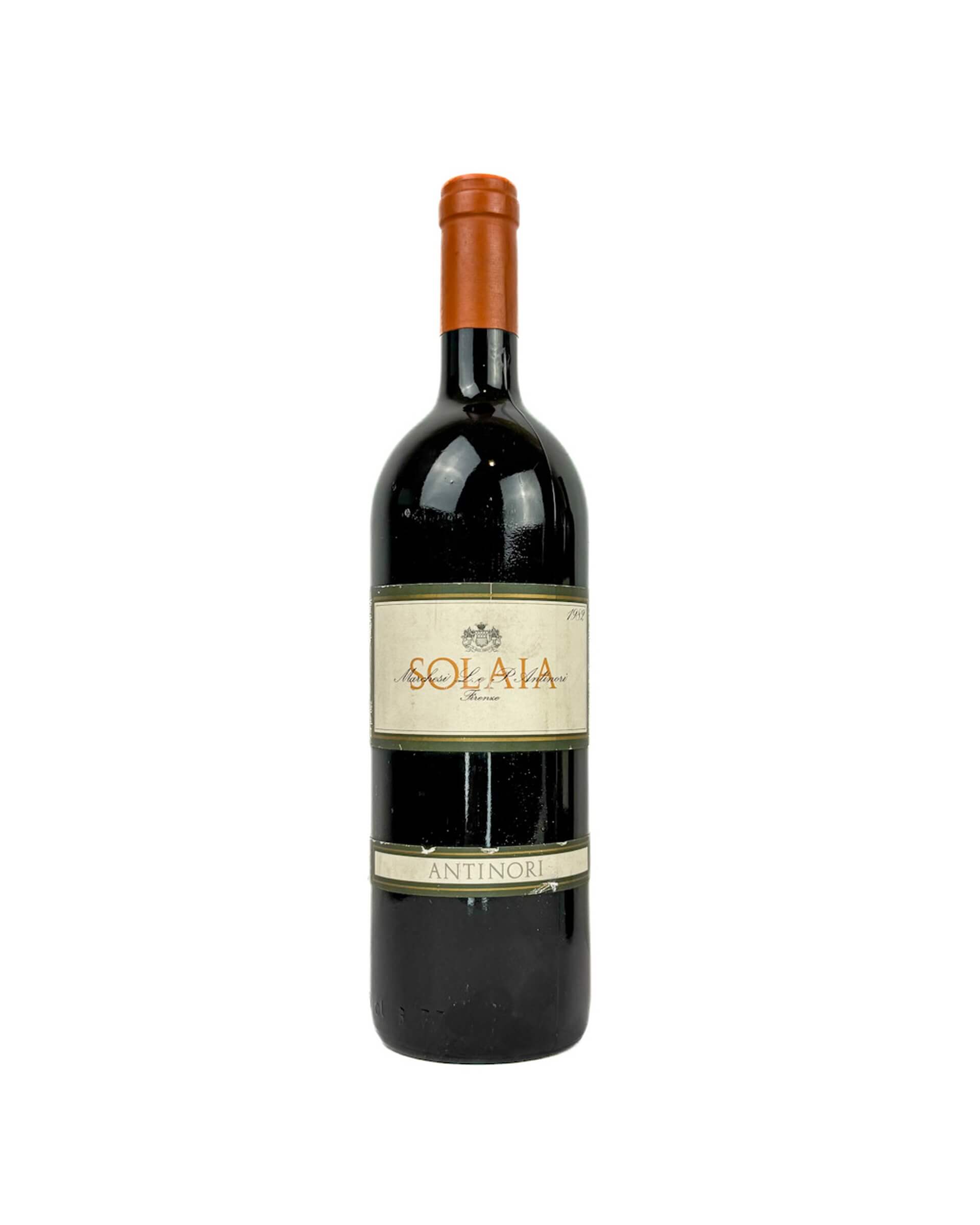
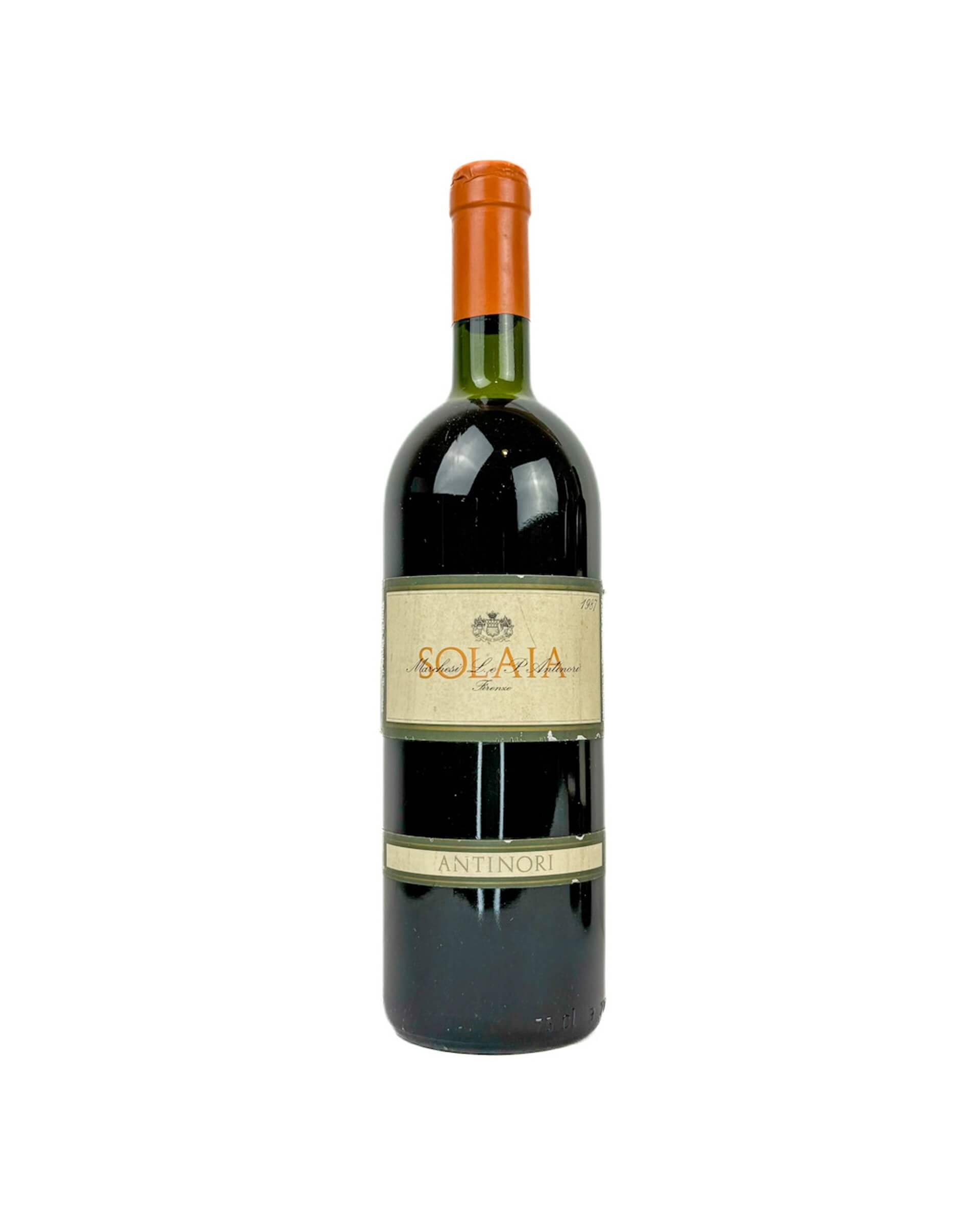
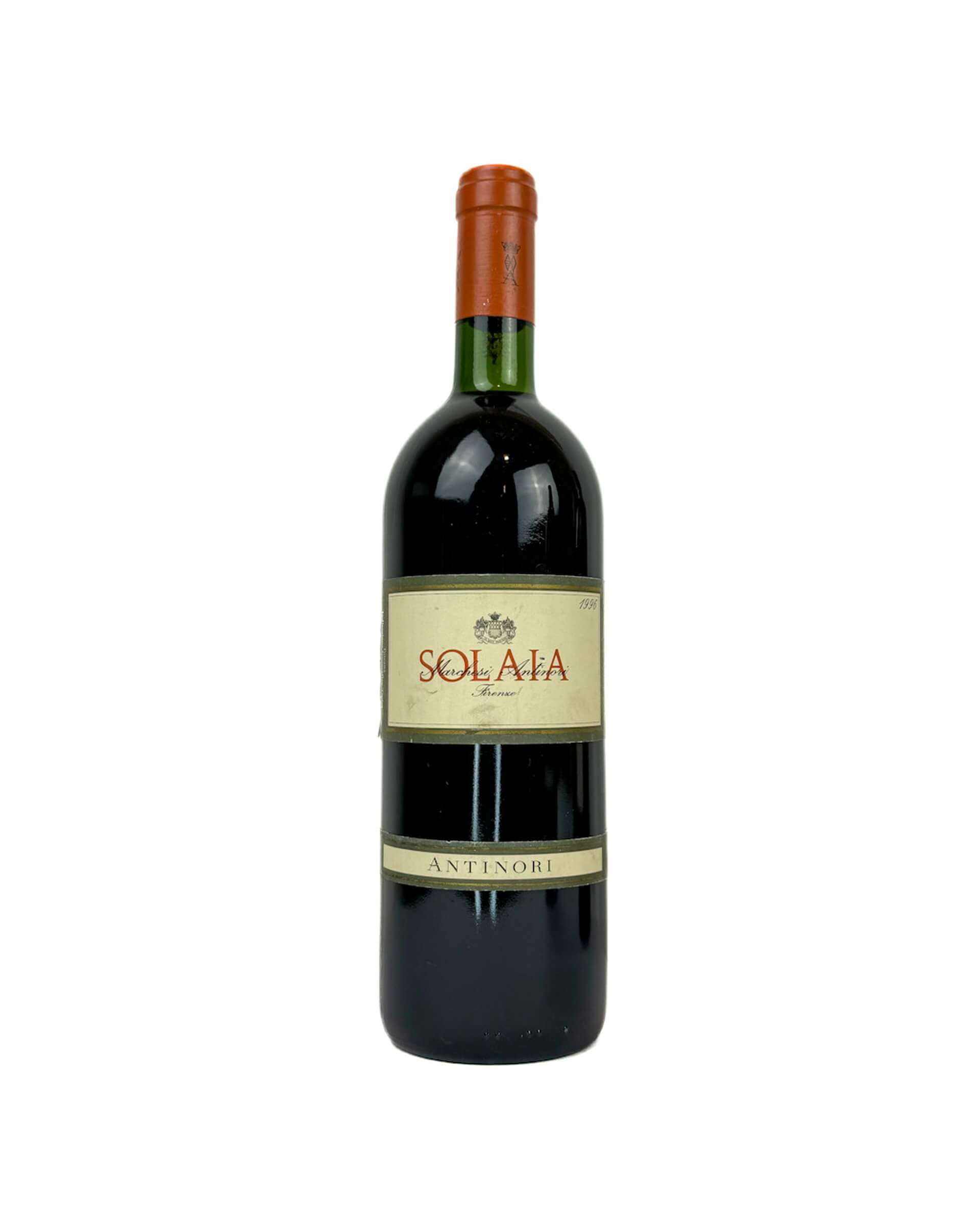
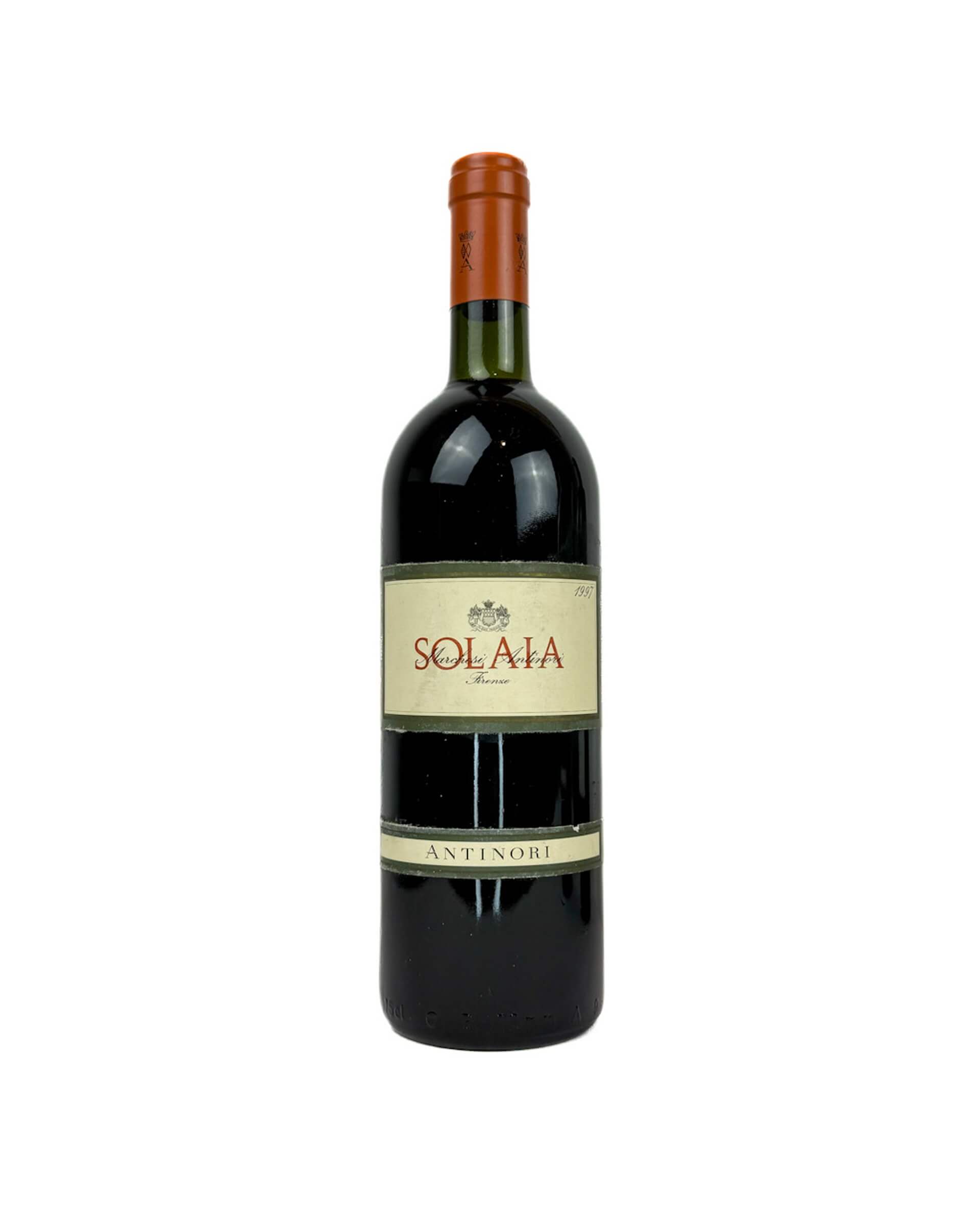
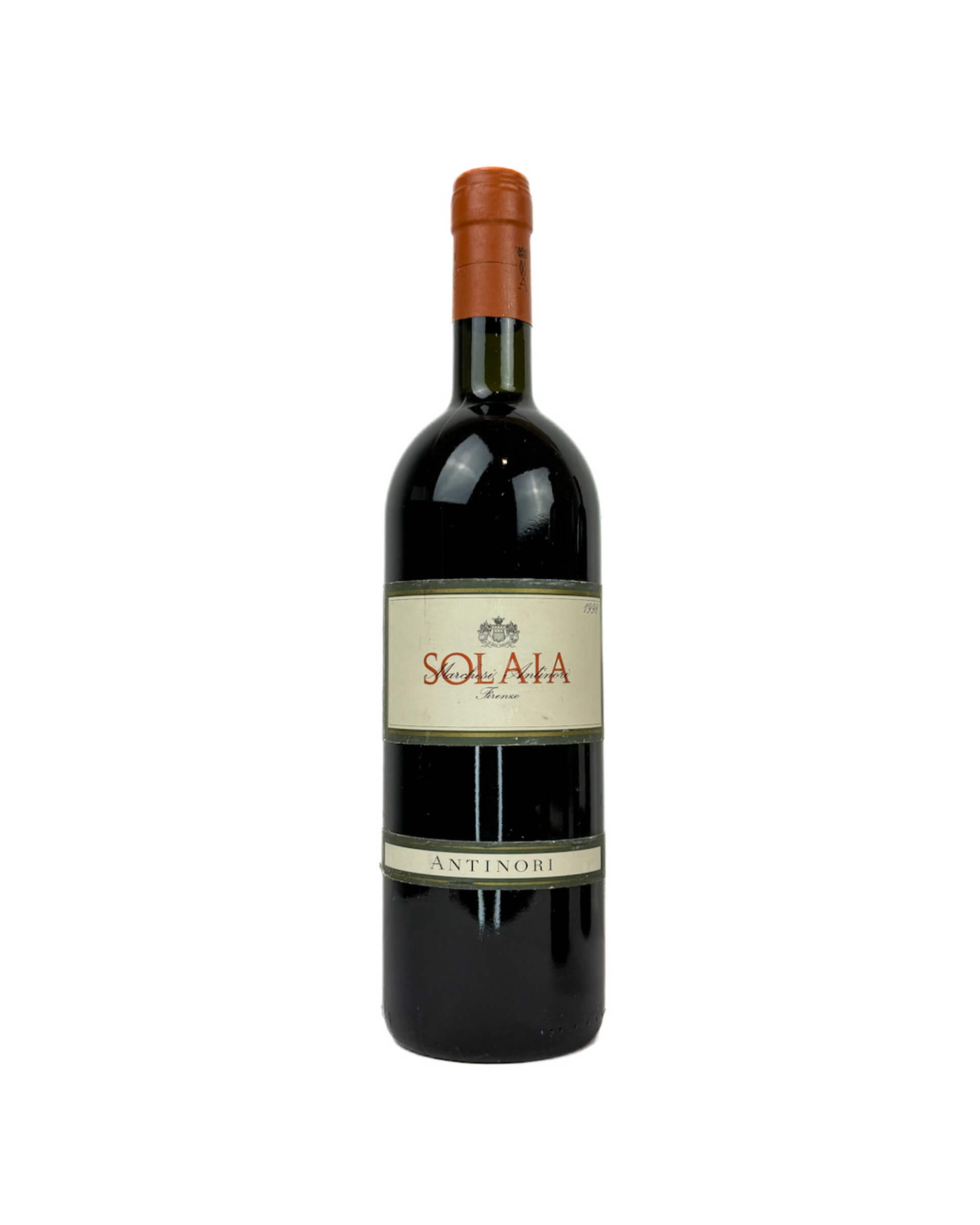
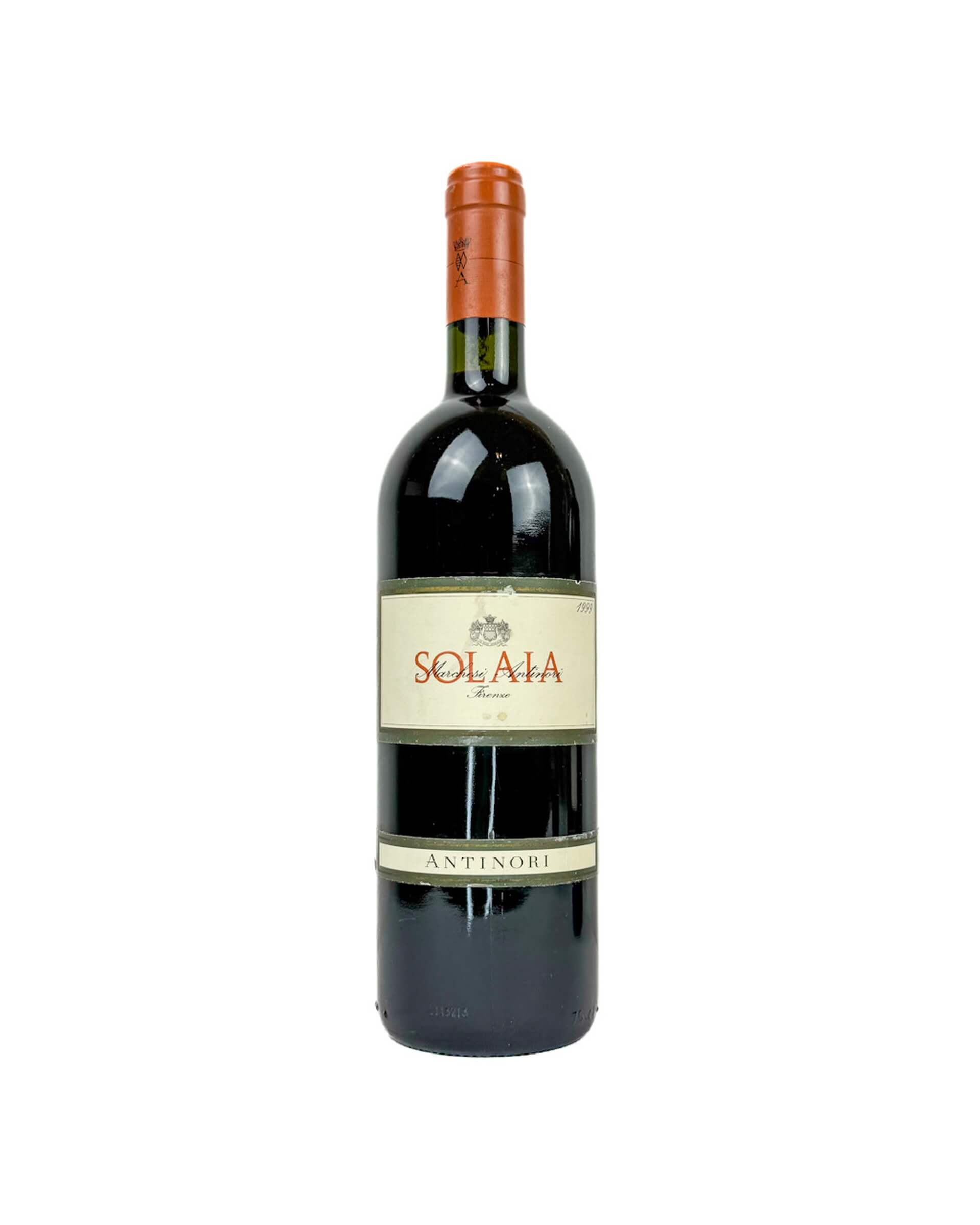
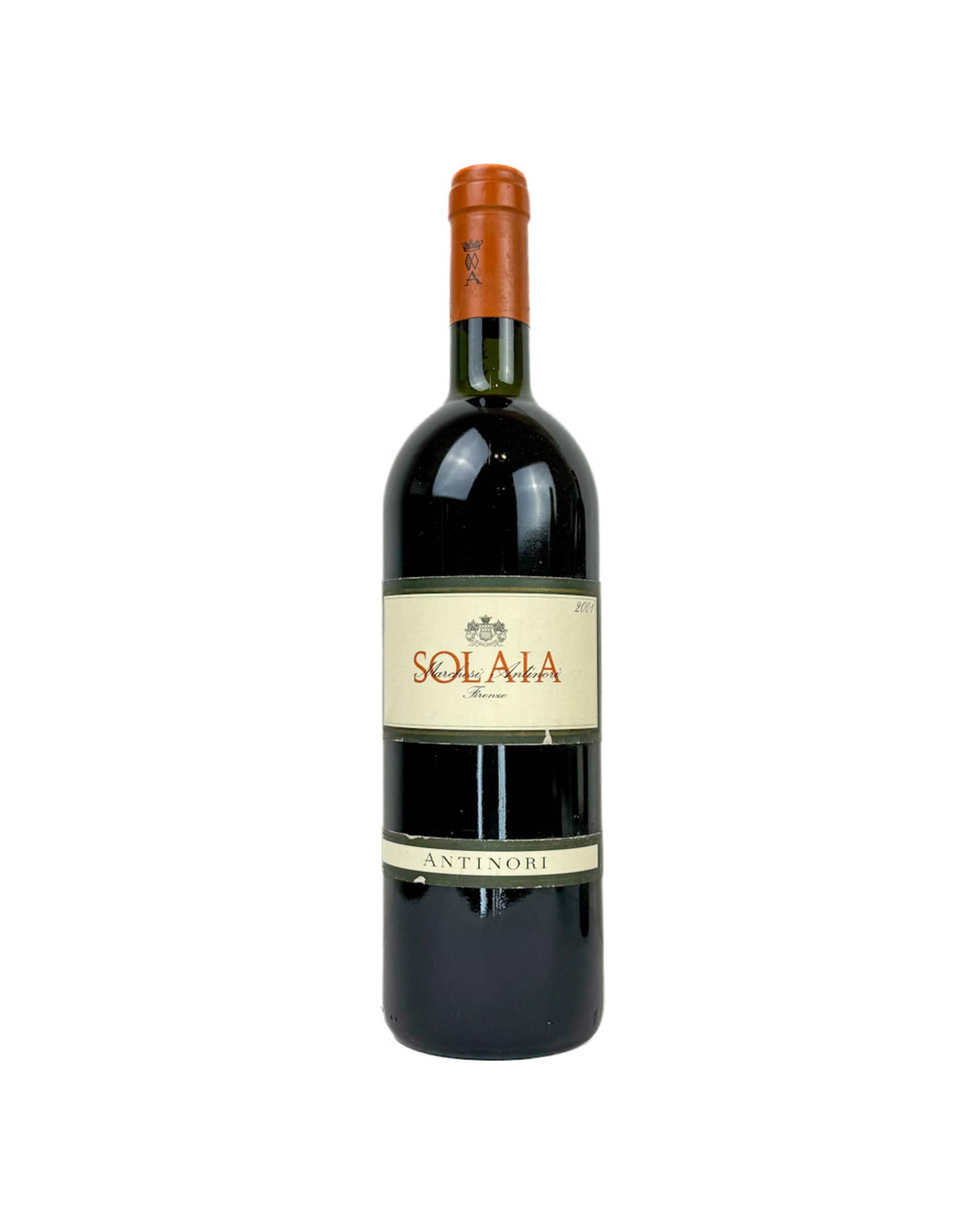
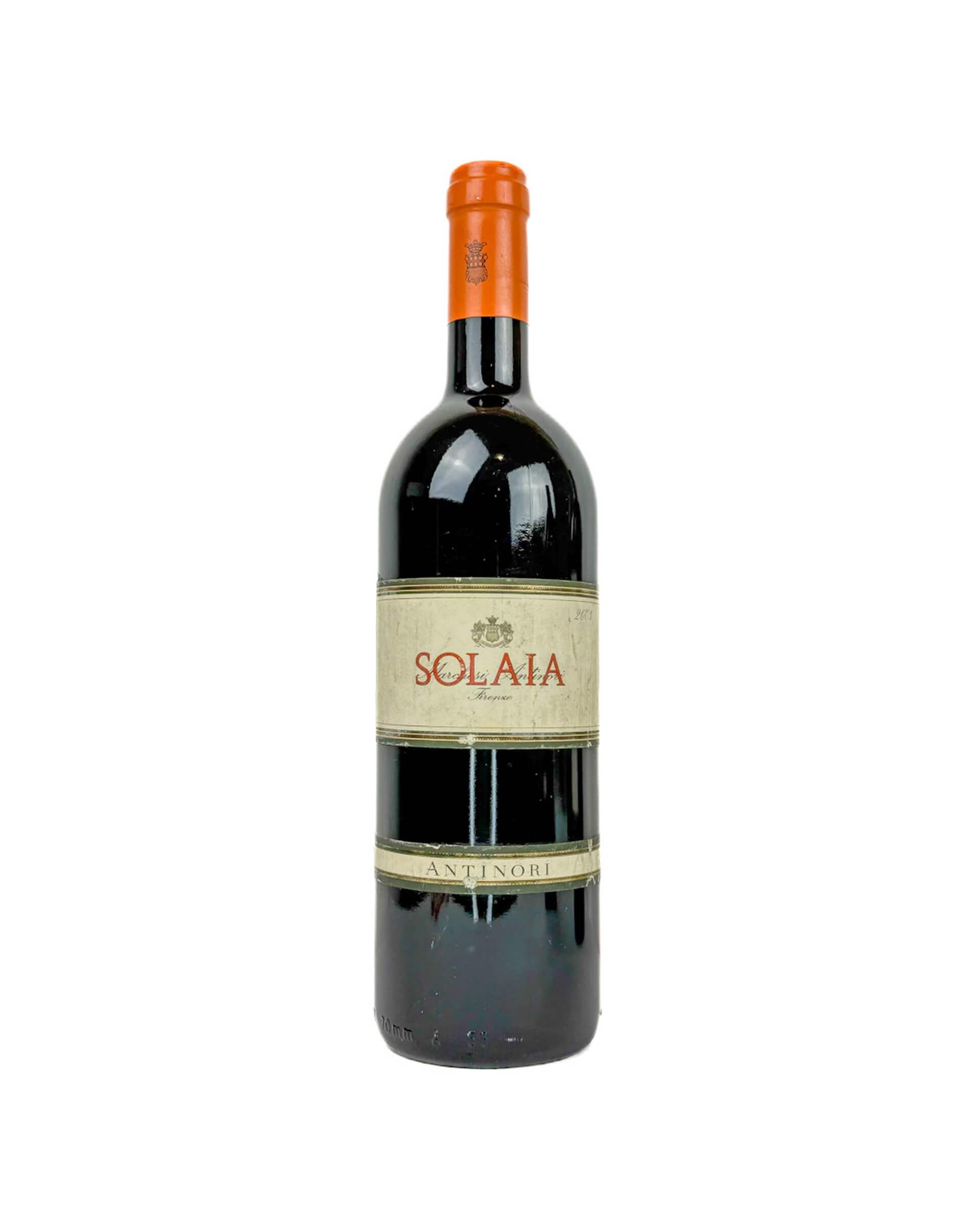
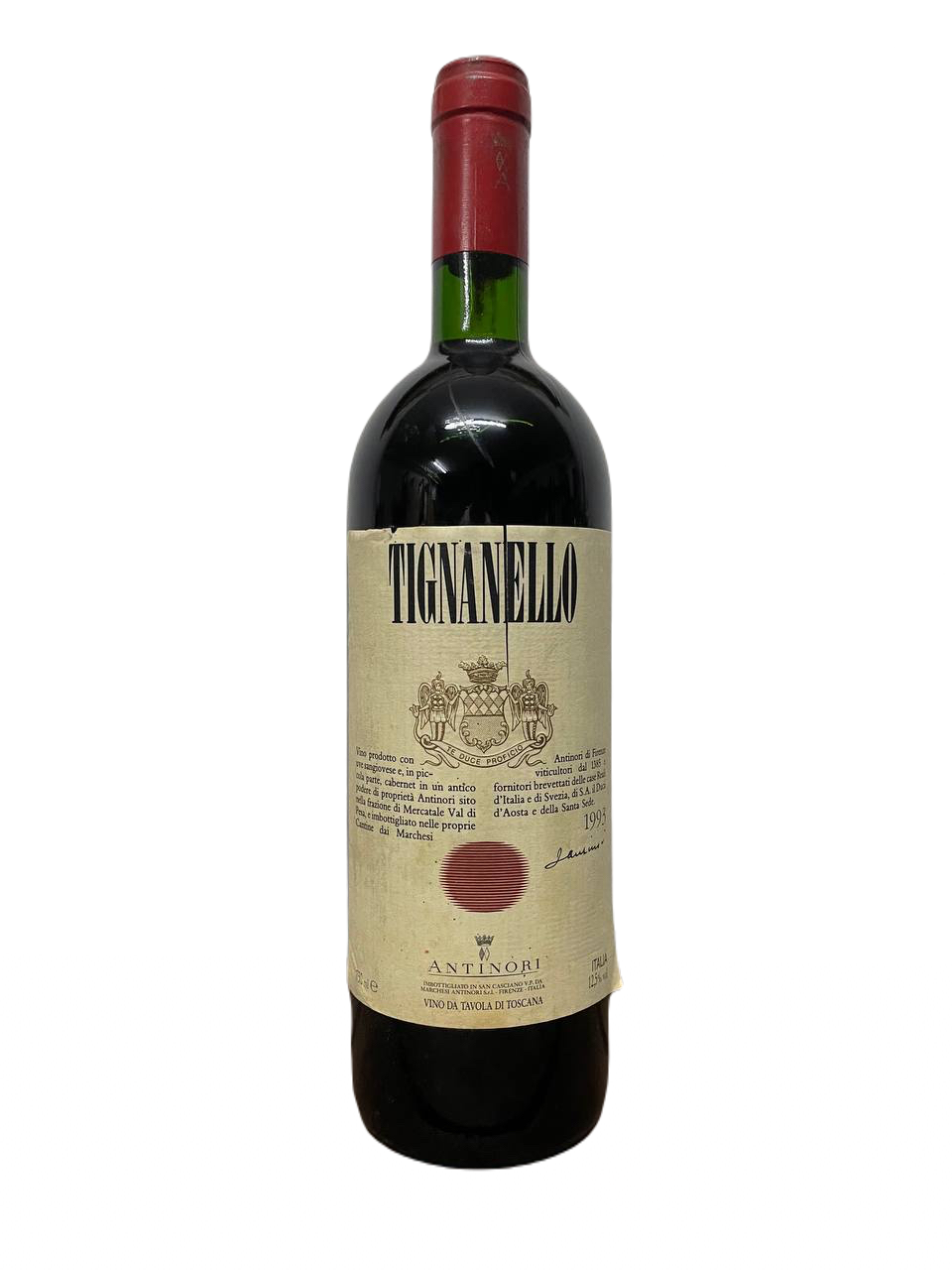
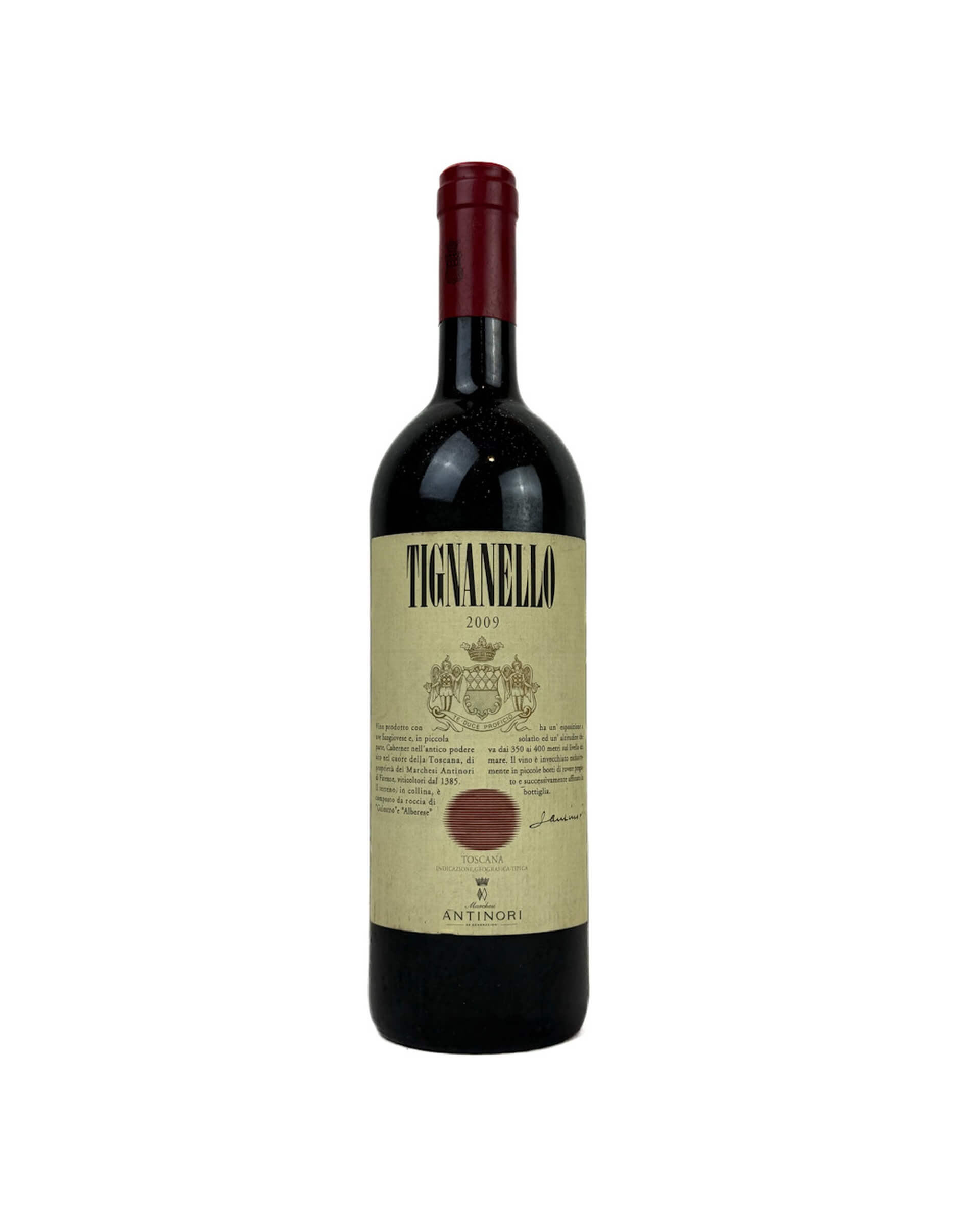
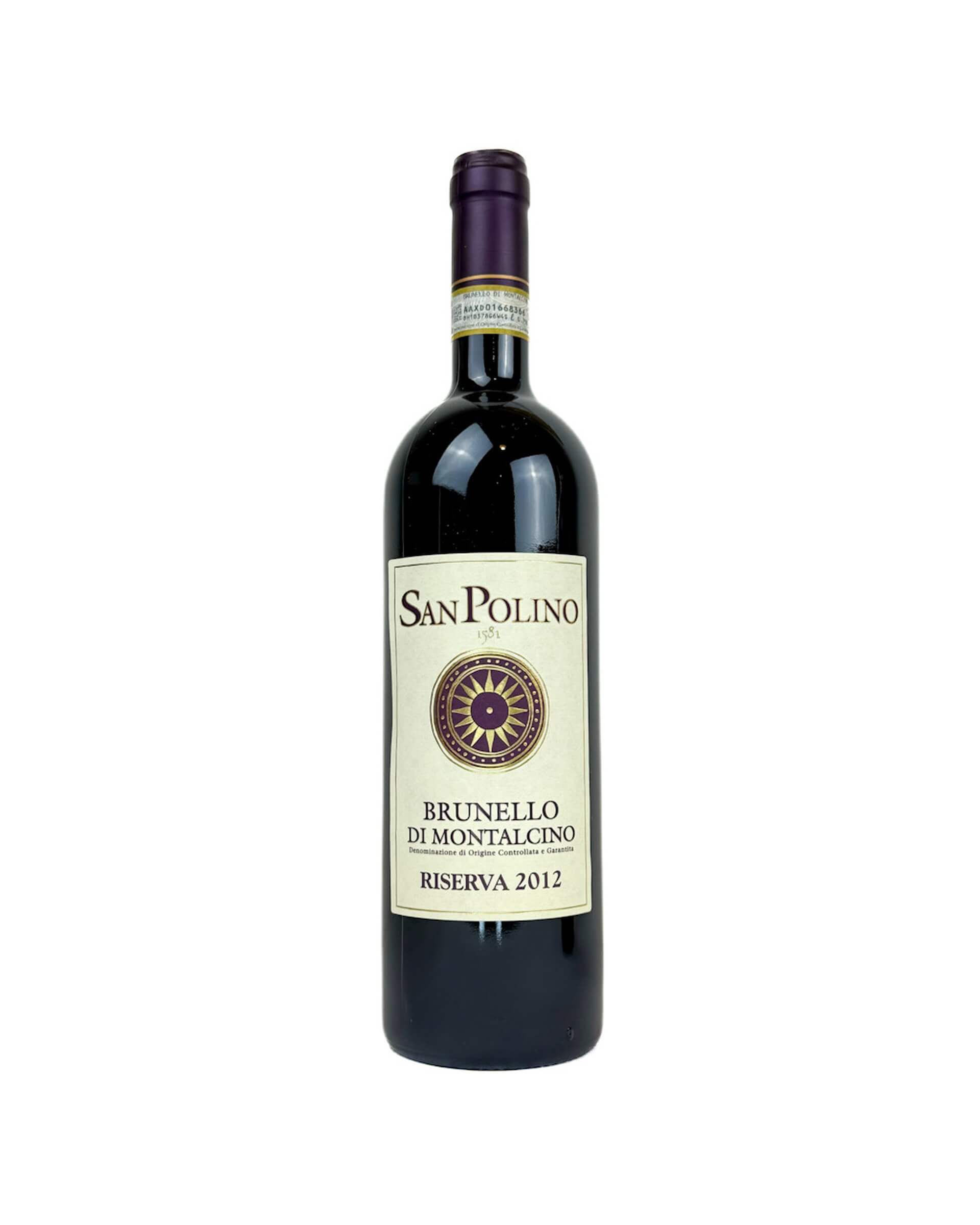
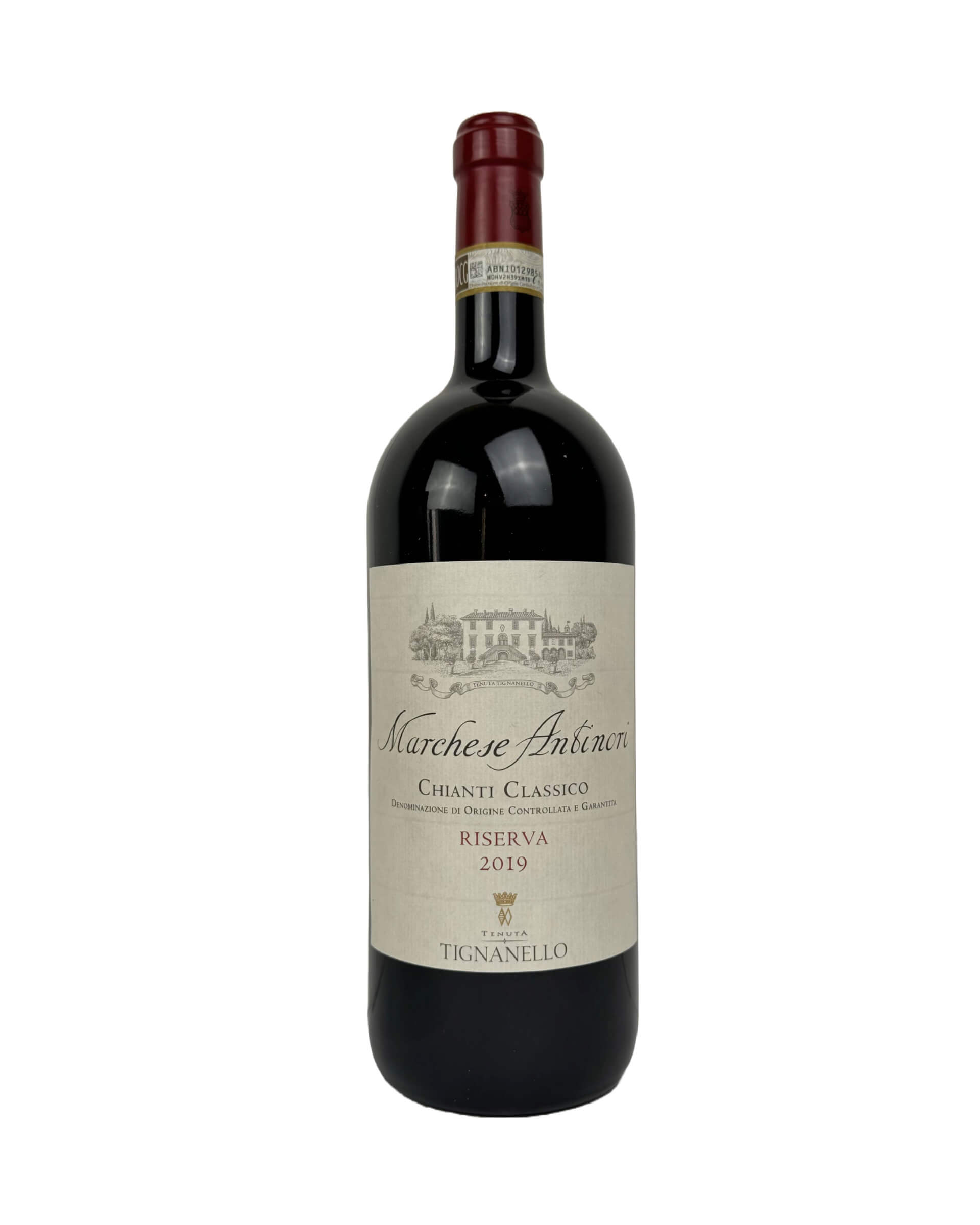
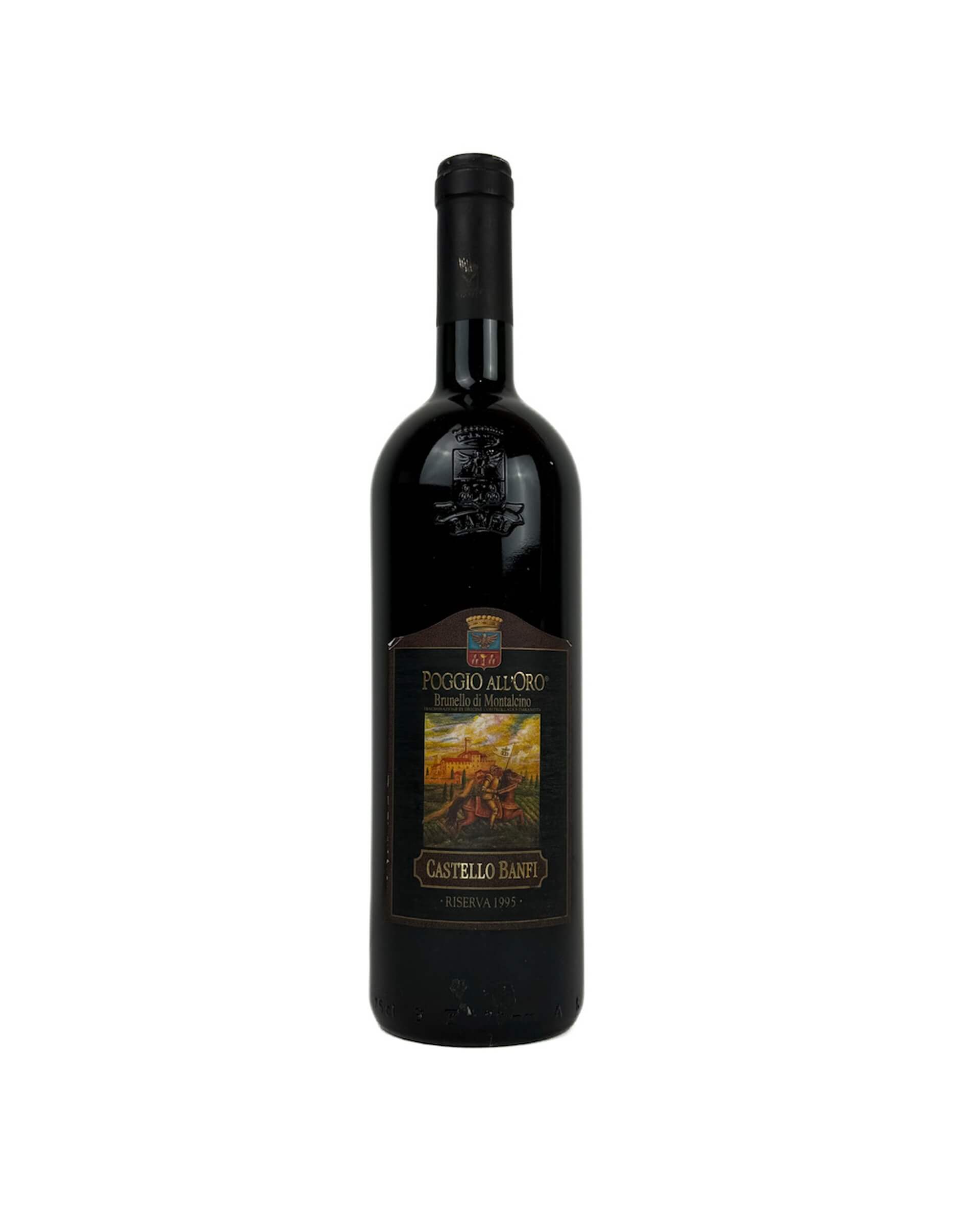
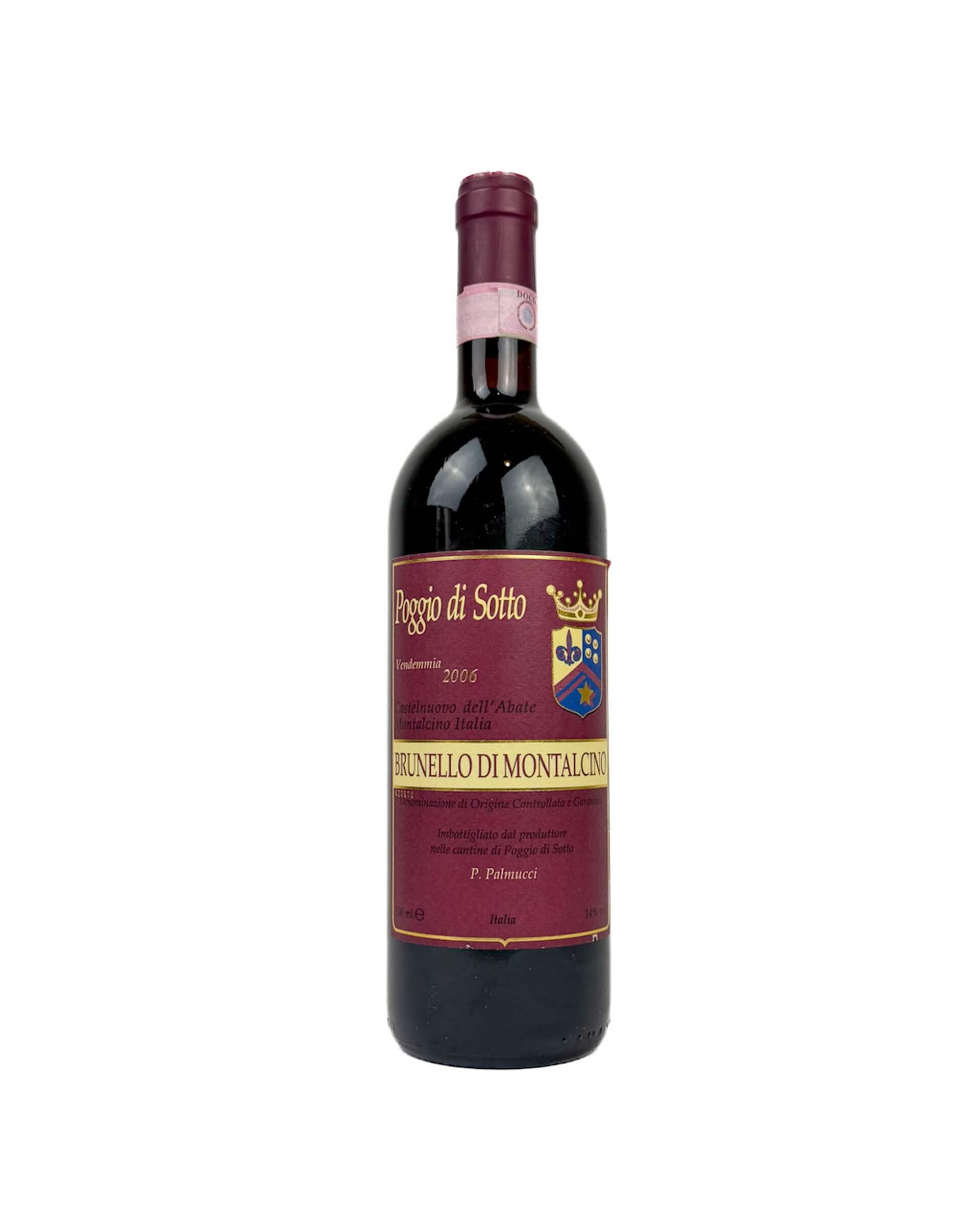
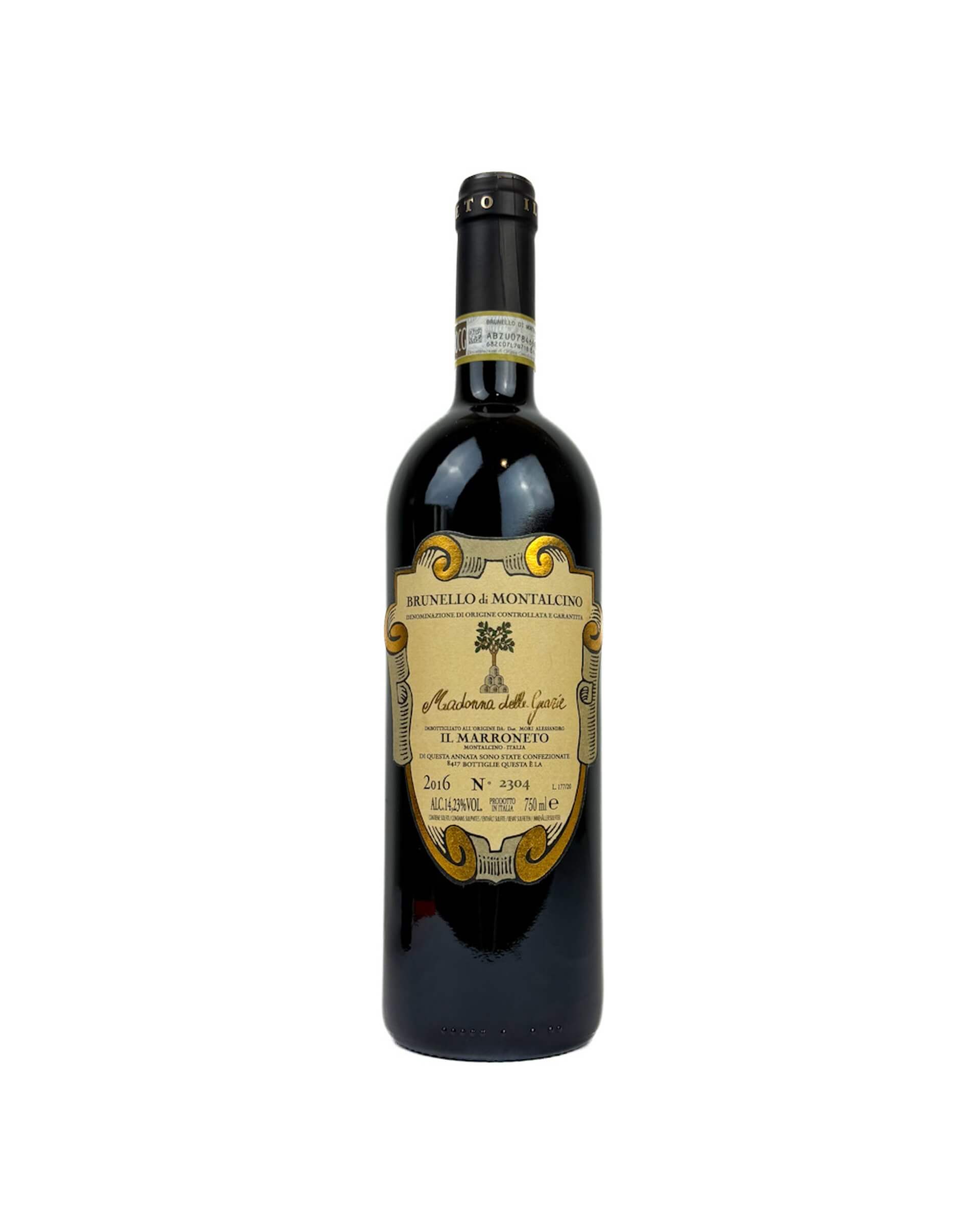
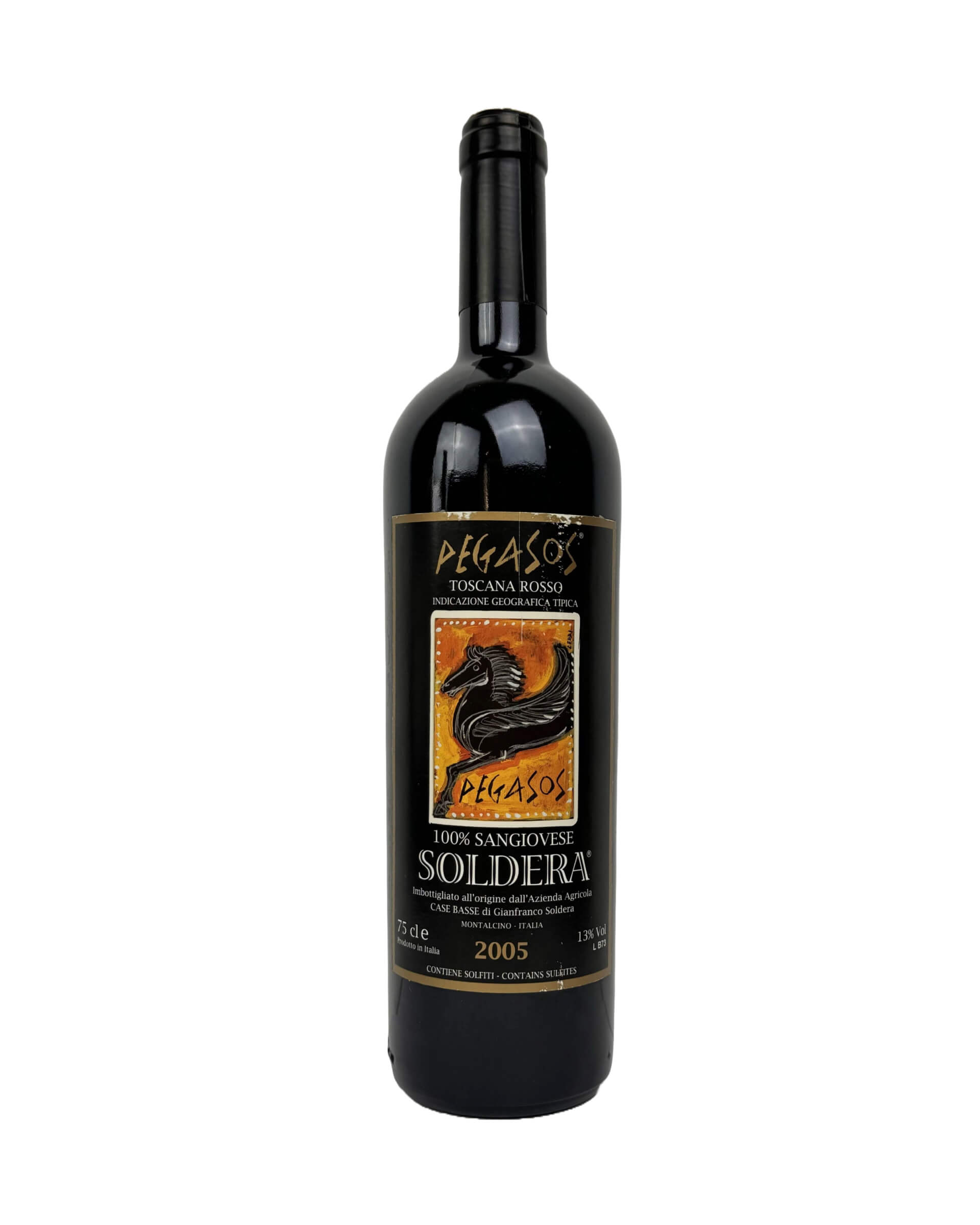
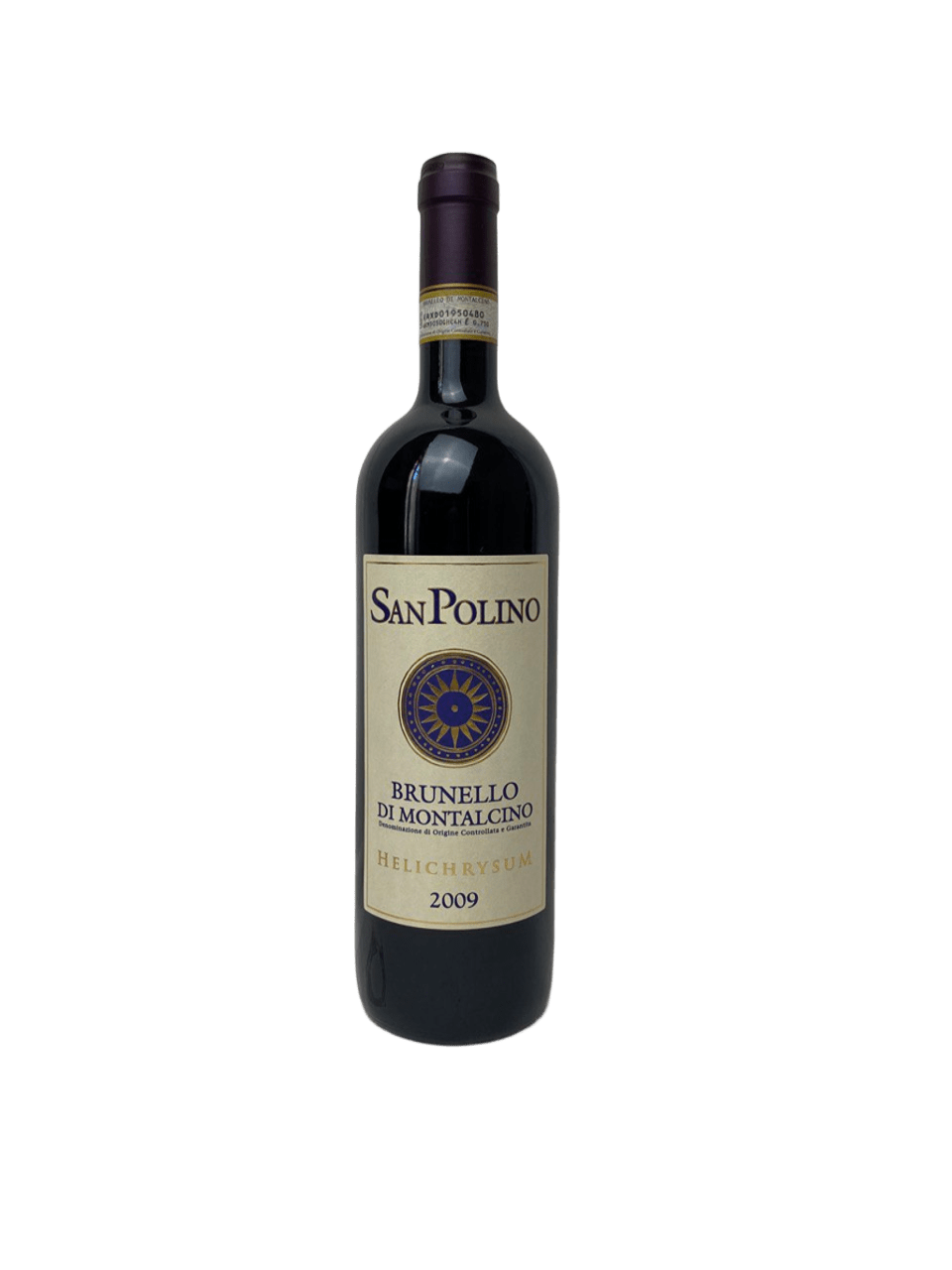
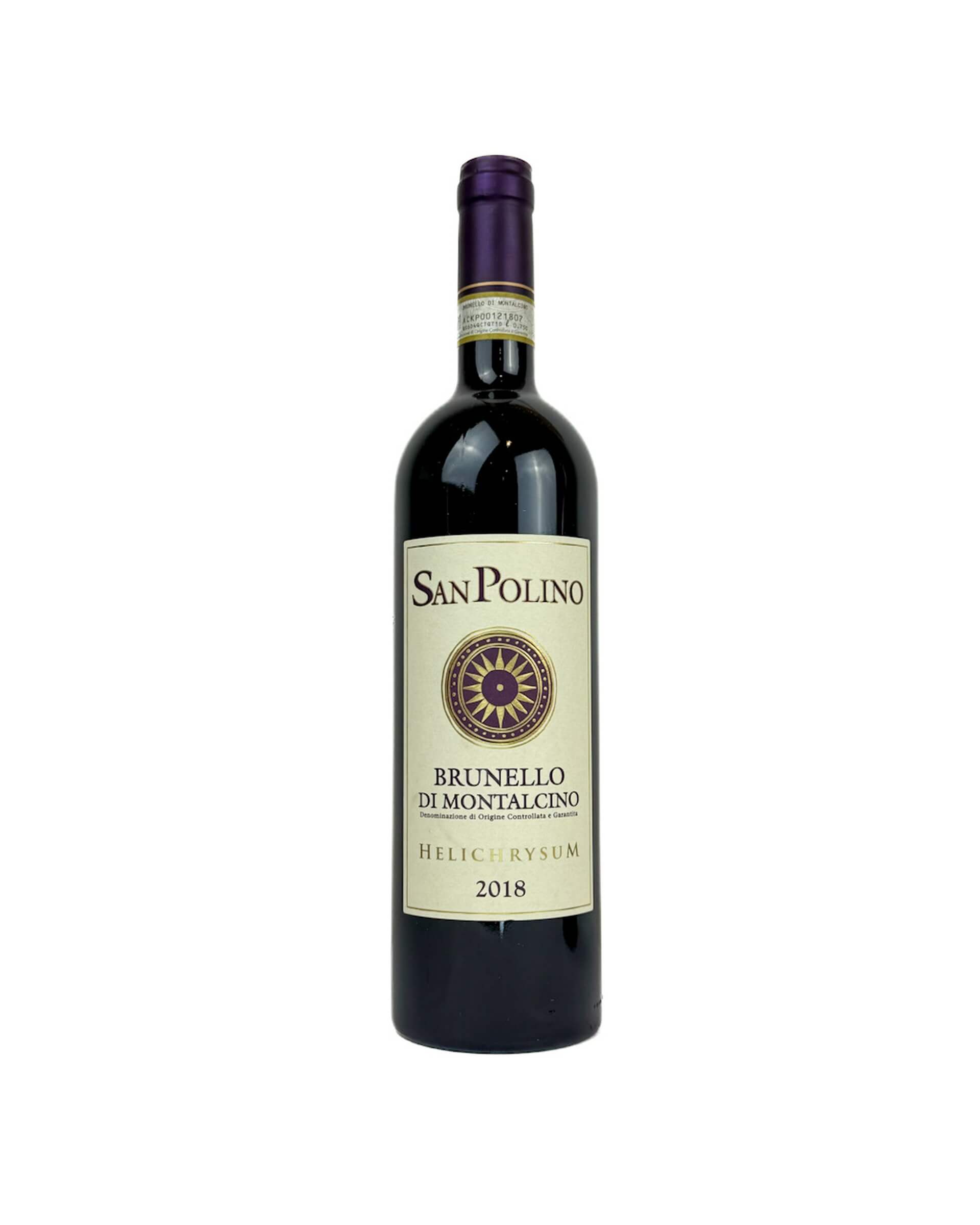
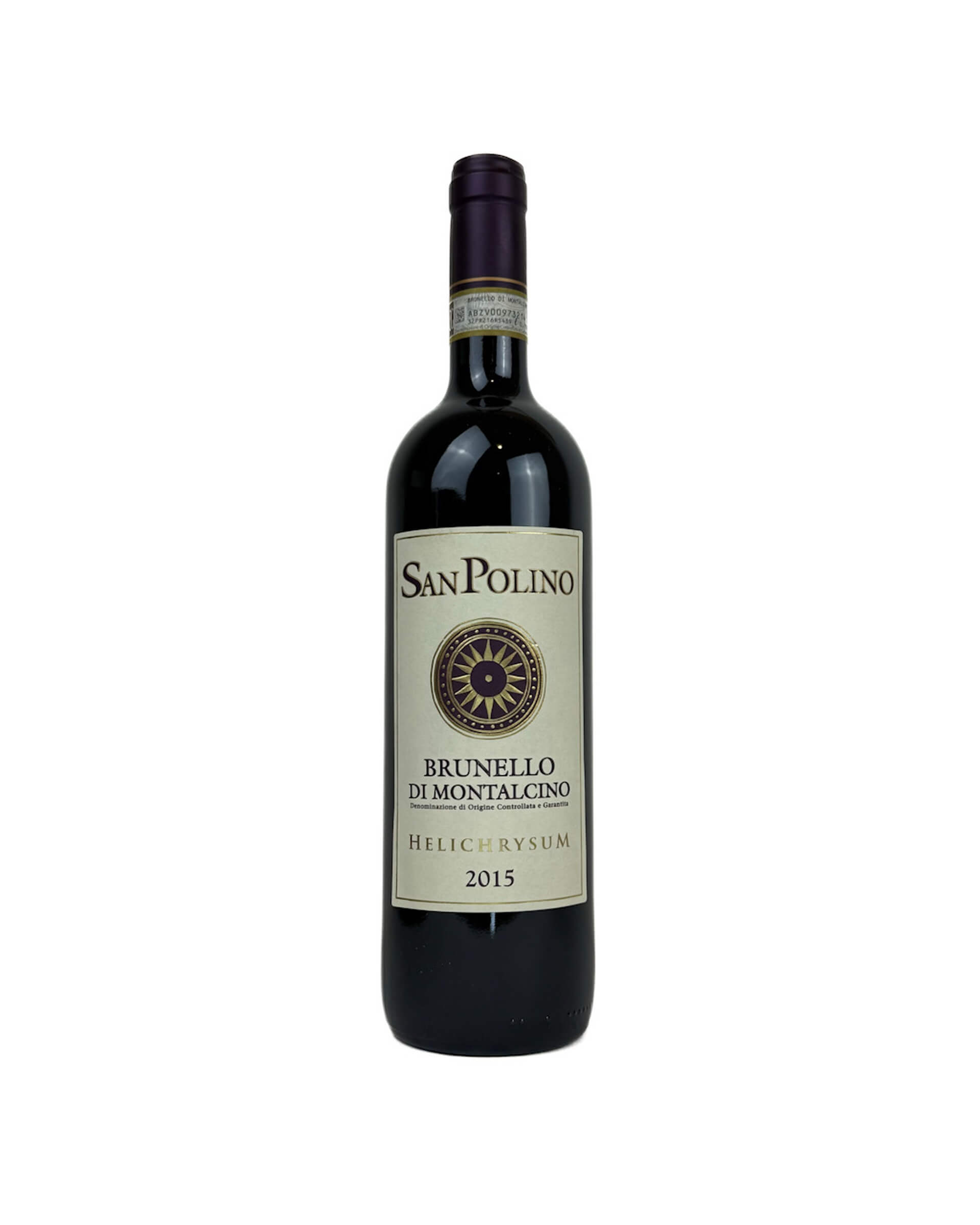
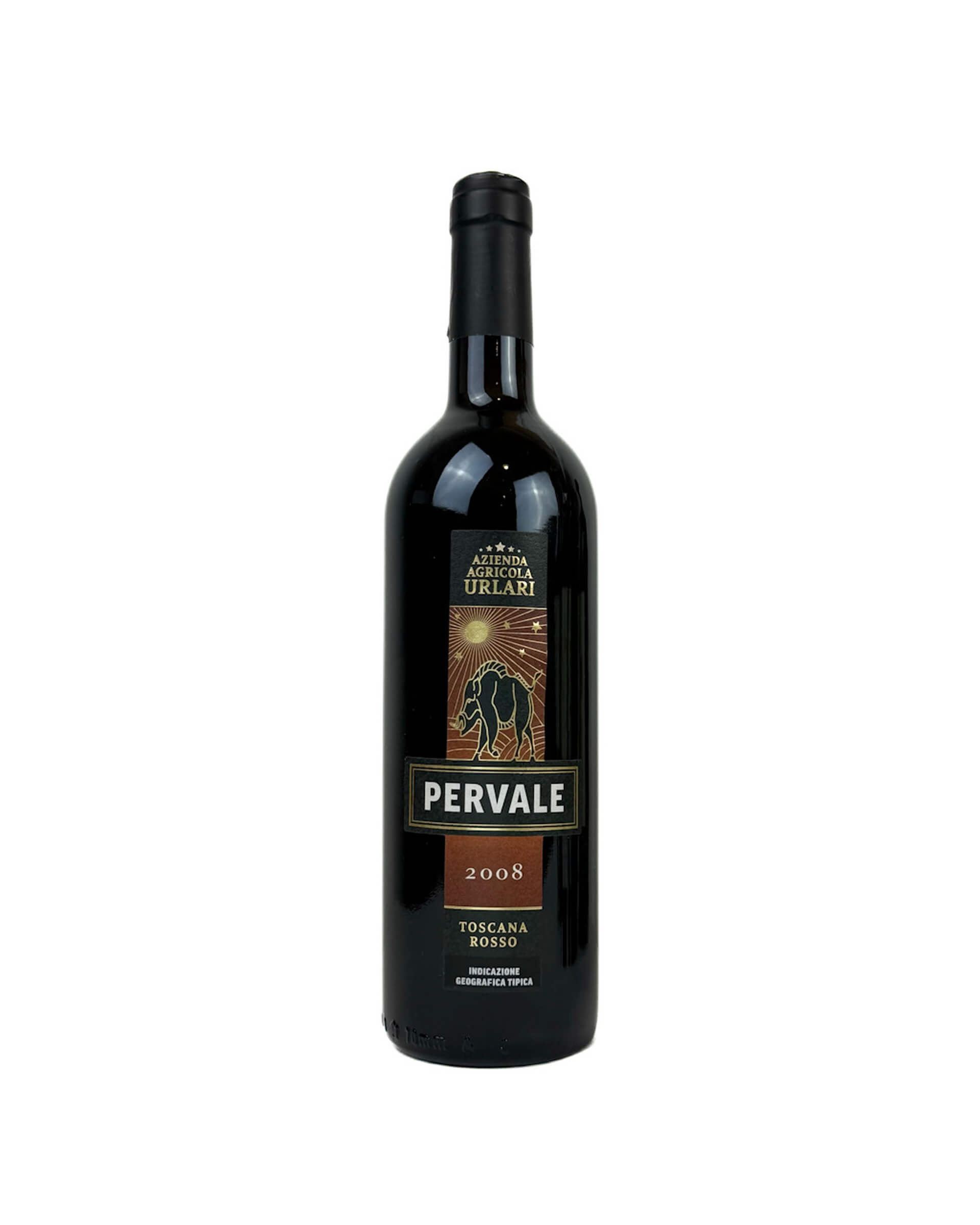
No grape tells the story of Italian wine quite like sangiovese, the variety behind everything from a bright, food-loving Chianti Classico to a brooding Brunello di Montalcino built to age for decades. Pronounced san-jo-VAY-zeh, it is the thread that runs through Tuscany’s most celebrated reds and across much of central Italy, shifting character with every hillside it grows on.
At Tour de Wine we treat sangiovese wine as a single grape with many faces, and our curated European selection of 31 bottles is built to show that range — from approachable, everyday Tuscan reds to allocated Brunello Riserva. Whether you are exploring the grape for the first time or hunting a cellar-worthy vintage, this guide maps the styles, the appellations, and the honest prices behind them.
Sangiovese is Italy’s most widely planted red grape, native to Tuscany and cultivated across central Italy from Emilia-Romagna down to the Maremma coast. It is a thin-skinned, late-ripening variety that is famously sensitive to where it is grown: change the altitude, the soil, or the yield, and the same vine can produce a featherweight everyday red or a profound, age-worthy wine. That site-sensitivity is precisely why sangiovese rewards an appellation-by-appellation approach rather than a single tasting note.
In the glass, the sangiovese grape tends toward a medium-to-full body framed by naturally high acidity and firm, sometimes austere tannins. The classic flavour spectrum runs from tart red cherry and dried plum through dried herbs such as thyme and oregano, into tobacco, leather, balsamic and an iron-like, almost savoury minerality. That high-acid, firm-tannin backbone is the grape’s signature — bracing on its own, but transformed at the table.
One detail trips up many buyers: sangiovese travels under several names. In Montalcino it is called Brunello; in the town of Montepulciano it is Prugnolo Gentile; in coastal Scansano it is Morellino. Same grape, different terroir — and, as we will see, very different price implications. Understanding those aliases is the single most useful key to buying sangiovese red wine with confidence, and it explains why the grape dominates Italy’s fine-wine exports.
The Chianti Classico DOCG occupies the historic heartland between Florence and Siena, requiring a minimum of 80% sangiovese; its top Gran Selezione tier adds single-vineyard sourcing and extended ageing. The zone’s hillside soils of galestro (a flaky clay schist) and alberese (a compact limestone) drive the bright acidity and savoury, mineral lift that define the wines. Expect a medium-to-full body, high acidity, and aromas of tart cherry, dried herb and violet. This is the most accessible expression of serious sangiovese — approachable within three to seven years yet capable of a decade or more in strong vintages. Bottles carry the historic Gallo Nero, or black rooster, seal. In our selection, producers such as Castello di Ama and Fontodi show how single-vineyard galestro sites translate into structured, age-worthy Gran Selezione. Browse the wider context of our Italy wines collection to see where Chianti sits among its neighbours.
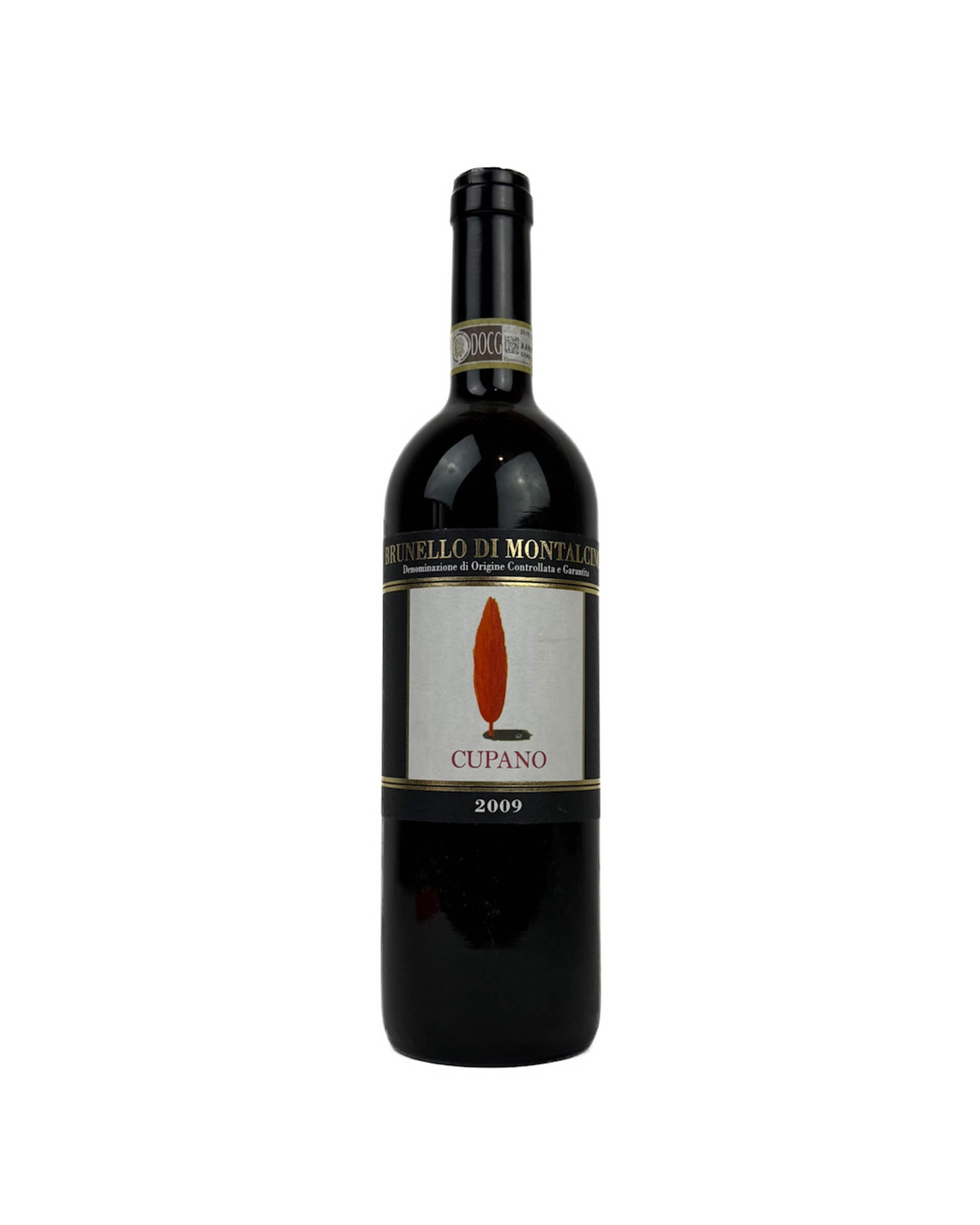
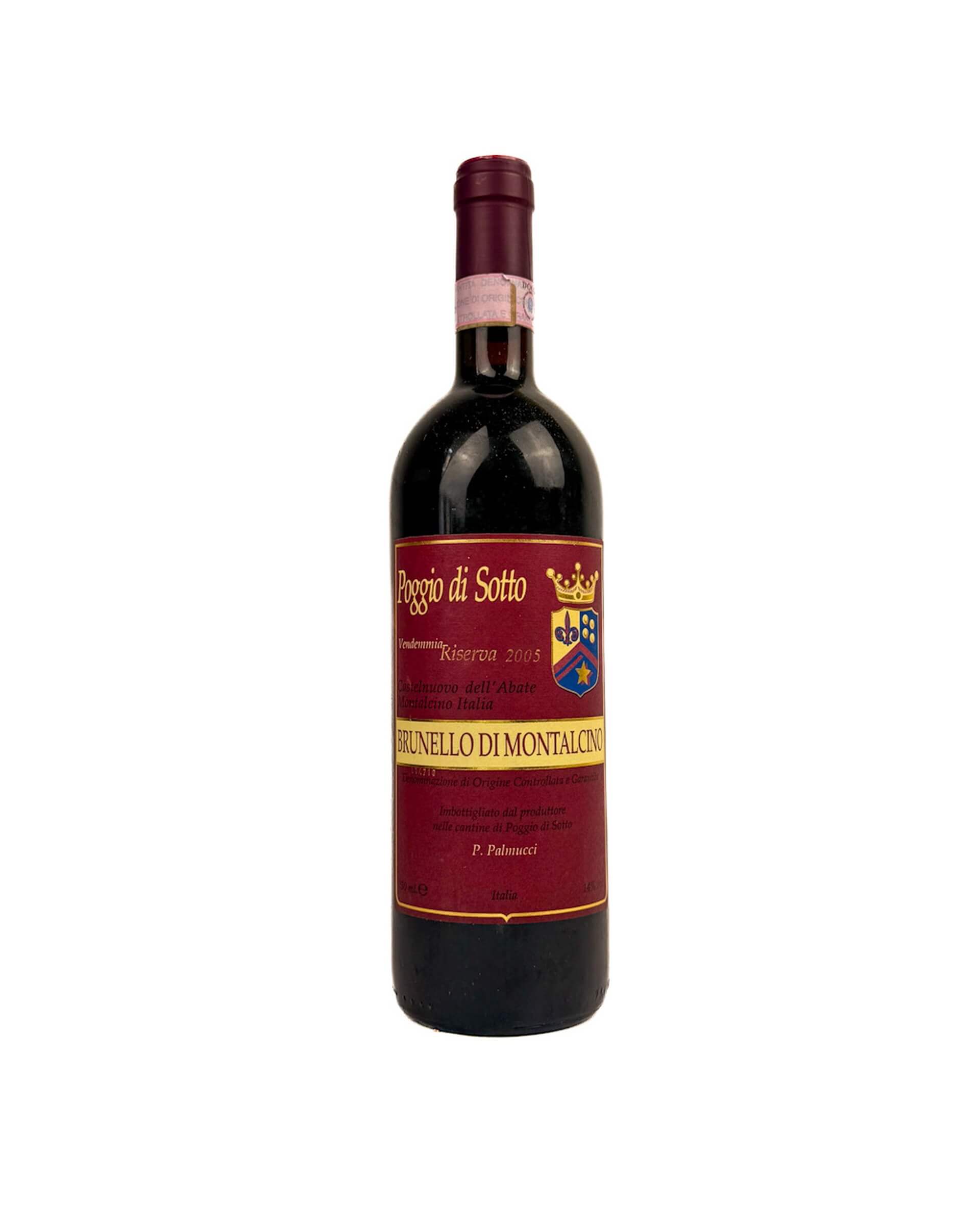
South of Siena, the Brunello di Montalcino DOCG demands 100% Sangiovese Grosso (the local Brunello clone) and lengthy maturation: a standard Brunello is released on 1 January of the fifth year after harvest, a Riserva in the sixth. Montalcino’s warmer, drier climate and its mix of galestro schist on the higher slopes and clay-and-tufa soils lower down build the wine’s depth, power and firm tannic spine. The wines are garnet-ruby, powerful and tannic in youth, evolving over ten to twenty-five years into dried cherry, tobacco, leather, iron and forest floor. Brunello is routinely named alongside Barolo as one of Italy’s two greatest reds. Its higher price is not marketing: legally mandated ageing ties up capital for years, production is limited, and the prestige is hard-won. Estates such as Biondi-Santi and Poggio di Sotto anchor the benchmark, age-worthy end of our prestige and collector tiers. Landmark recent vintages to look for include 2010, 2015 and 2016.
Made from the same Sangiovese Grosso clone, on the same Montalcino terroir, but released after roughly one year of ageing, Rosso di Montalcino is Brunello’s younger, more approachable sibling. It carries the same DNA — high-toned cherry, dried herb, savoury depth — with softer tannins and an earlier drinking window of around five to eight years. For a buyer who loves Brunello but cannot justify the price, or simply does not want to wait, Rosso is the smartest shortcut into Montalcino quality — often from the very same estates, with names such as Poggio di Sotto and Il Poggione appearing in both our Rosso and Brunello listings.
From the hilltop town of Montepulciano comes Vino Nobile, built on Prugnolo Gentile — a local sangiovese clone, and not to be confused with Montepulciano d’Abruzzo, which is an entirely different grape. Stylistically it sits between Chianti Classico and Brunello: medium-full in body, with fine tannins and a more floral, perfumed character than Brunello, typically drinking well from five to ten years. It is one of Tuscany’s most consistently underrated appellations, frequently outperforming its price tier, with houses such as Avignonesi and Boscarelli representing the style in our mid-range selection.
Down on the warm Maremma coastline, sangiovese is known as Morellino. The hotter climate yields a rounder, more supple wine, with darker fruit and gentler acidity than the cooler-climate Chiantis inland. Morellino di Scansano is earlier to drink and carries a strong value-for-quality signal — the appellation for anyone who wants genuine sangiovese character without paying the Chianti Classico premium.
Sangiovese’s high acidity and firm tannins make it one of the most food-friendly red grapes in the world: it is built for the table, not the armchair. The trick is matching the weight of the wine to the weight of the dish, and the two broad tiers below cover most occasions for sangiovese food pairing.
For younger, lighter sangiovese — Chianti Classico and Rosso di Montalcino — reach for:
For aged or full-bodied sangiovese — Brunello di Montalcino and Vino Nobile — match the structure with equally substantial food:
On serving: pour younger sangiovese such as Chianti and Rosso di Montalcino at 15–17 °C, and aged Brunello at 17–18 °C. As a starting point, allow 60–90 minutes’ decanting for bottles under twelve years old, but adjust to the wine: older vintages and naturally made bottles can fade quickly, so taste as you go and decant for less time to protect the aromatics. Never serve Brunello cold — the chill closes down its aromatics and accentuates the tannin.
Because sangiovese spans everyday reds and collector trophies, knowing the real price ladder is the fastest way to buy well. The figures below are drawn directly from our live 31-bottle catalogue, so you can match budget to occasion without guesswork — and the same name-variant map above tells you what each tier actually delivers in the glass. For the best sangiovese wine at any budget, start by deciding how long you intend to keep the bottle.
Entry tier — from around €70. Accessible, food-ready sangiovese: Chianti Classico expressions and well-made regional blends with genuine Tuscan identity. Drink these within three to six years for straightforward, everyday pleasure.
Mid-range tier — most bottles near €200. This is where the heart of the collection sits: serious Chianti Classico Gran Selezione, Rosso di Montalcino and Vino Nobile di Montepulciano. Expect site-specific character and five to twelve years of ageing potential — the natural price point for a special-occasion sangiovese.
Prestige tier — up to €400 at the upper end. Allocated Brunello di Montalcino from recognised producers and benchmark vintages. Cellar these for ten to twenty years, or open them now with extended decanting as a genuine event wine.
Collector tier — up to €950 for the rarest cuvées. Top-domaine Brunello di Montalcino Riserva from exceptional years: investment-grade bottles built for twenty to thirty years of evolution. Across all 31 bottles, our wider Italy wines selection lets you filter by budget and appellation, and you can compare sangiovese’s structure against other great reds in our red wines range or weigh it against the benchmarks of Burgundy.
If you are widening a tasting education, it is worth setting sangiovese beside other classic varieties — the firm tannin of Cabernet Sauvignon or the perfumed lift of Pinot Noir — to understand exactly what makes the Tuscan grape distinctive among Italy’s red grapes.
Sangiovese is pronounced san-jo-VAY-zeh, with a soft “g” as in “Jo” and the stress on the third syllable. The name derives from the Latin sanguis Jovis — “the blood of Jupiter” — a reference that nods to the grape’s deep, ancient roots in central Italy.
They are the same grape. Brunello di Montalcino is sangiovese grown in the Montalcino DOCG zone south of Siena, using a specific clone known as Sangiovese Grosso, or Brunello. The DOCG requires 100% sangiovese and a minimum of five years’ ageing before release, which produces a more concentrated, tannic and long-lived wine than a typical Chianti — and the price reflects those ageing costs and stricter rules. Outside Montalcino, the grape is sold simply as sangiovese or under appellation names such as Chianti, Vino Nobile or Morellino.
It depends on the vintage and how you like your wine. A Brunello released this year — from a recent vintage — is built to age, and most reward five to ten years more in the cellar before they soften and unfold. If you want to open one sooner, choose a landmark, more generous year such as 2010, 2015 or 2016 and give it extended decanting to coax out the aromatics. For drinking in the near term without the wait, a Rosso di Montalcino from the same estate offers much of the character at a fraction of the patience. As a rule of thumb, the higher up our prestige and collector tiers you buy, the longer the wine wants in the cellar.
Begin with a Chianti Classico or a Rosso di Montalcino in the €70 to €200 range: both show the grape’s bright, savoury acidity without the tannic weight of a young Brunello, and the contrast between them is instructive — Chianti Classico leans more towards dried herbs, violet and earth, while Rosso di Montalcino pushes the red-cherry fruit a little riper and rounder. Once that style feels familiar, a Vino Nobile di Montepulciano is an excellent bridge to the fuller Brunello tier. From there, an aged Brunello di Montalcino from a strong vintage such as 2010, 2015 or 2016 is the natural destination.
Written by the Tour de Wine buying team. Last reviewed: June 2026.
This site is restricted to adults. By entering, you confirm that you are of legal drinking age in your country of residence.