0.75 L
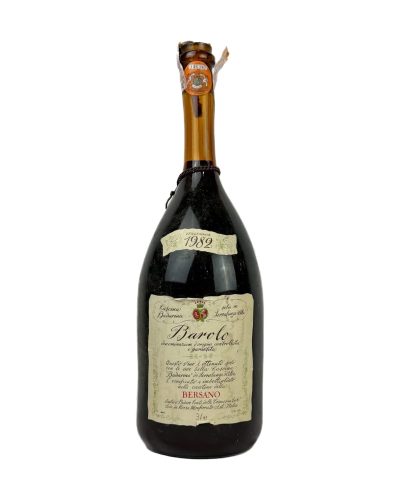
1982
Angelo Gaja
Wines, producers, regions...
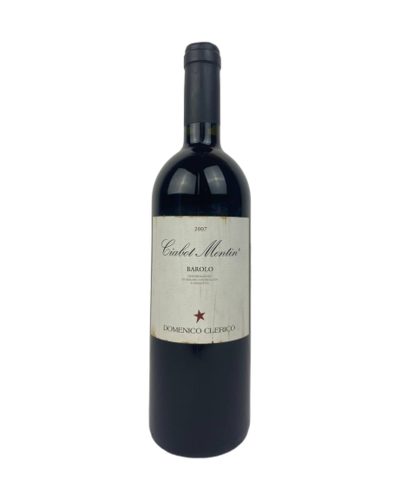
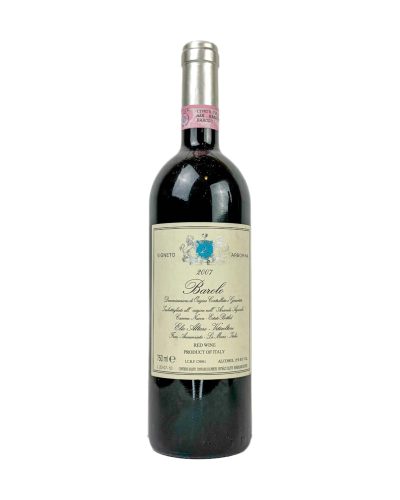
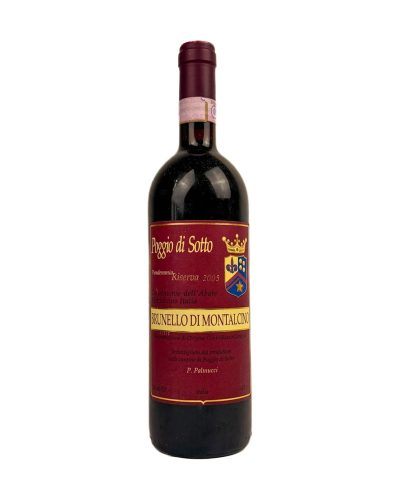
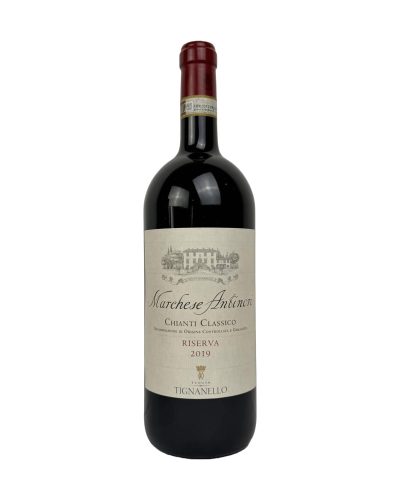
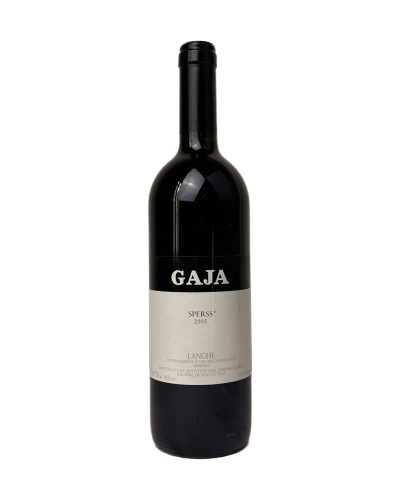
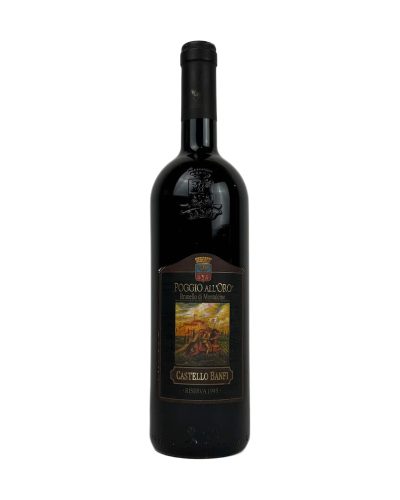
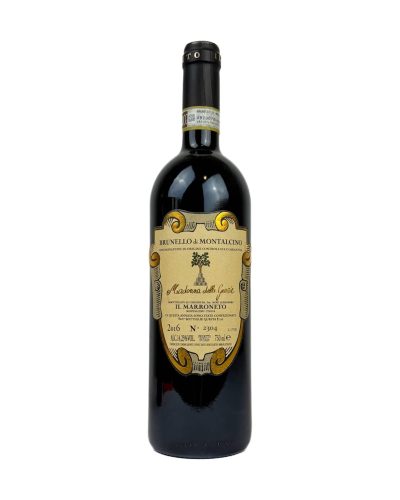
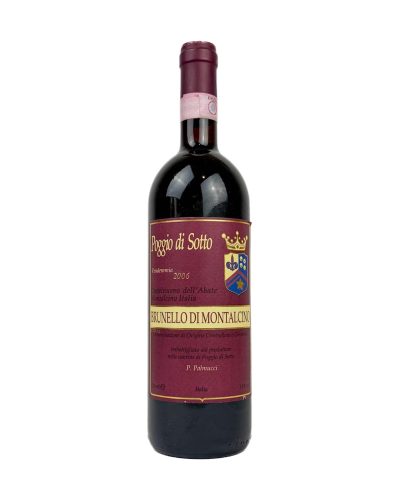
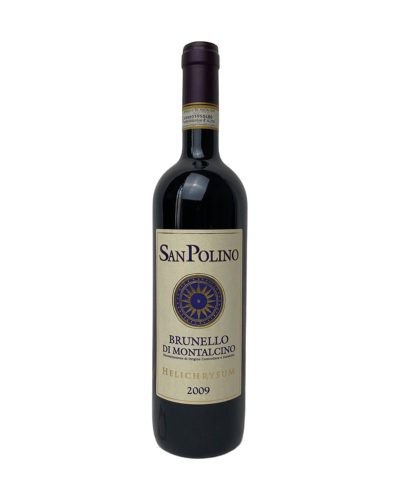
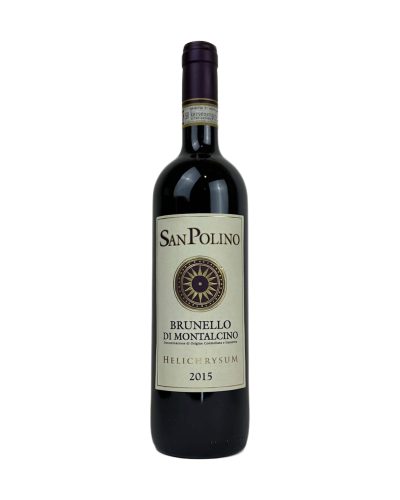
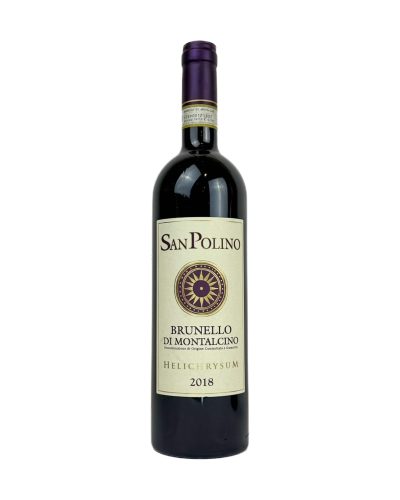
DOCG wines are the top tier of the Italian appellation system: Denominazione di Origine Controllata e Garantita, “controlled and guaranteed designation of origin”. This category is for anyone who wants Italy’s most closely regulated wines in one place, from the collector building a cellar of Barolo and Brunello to the host choosing a dinner-party bottle with a clear pedigree, and the curious drinker learning how Italian quality labels work.
A DOCG wine comes from a precisely delimited zone and follows a detailed production code: permitted grape varieties, maximum yields per hectare, minimum ageing and sometimes the way the wine must be aged in barrel or bottle. The “G” for garantita is what sets it apart from the rest. Before release, each wine is analysed and tasted by an official panel, and the bottle carries a numbered government seal across the neck or capsule. Within the wider classifications of wine, DOCG sits above DOC and IGT.
The Italian pyramid has three steps. At the base is IGT, a regional designation with the widest freedom in grapes and style, which is where many creative blends are found; see our IGT wines. In the middle is DOC, a defined zone with its own rules, covered in the DOC section. DOCG is the top. French readers will recognise the logic of AOC wines, though the Italian system adds that final tasting check. The same spirit of ranking vineyards appears in the French Grand Cru hierarchy, even though the two systems are built differently.
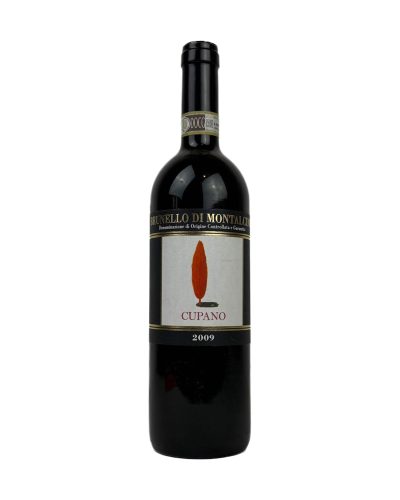
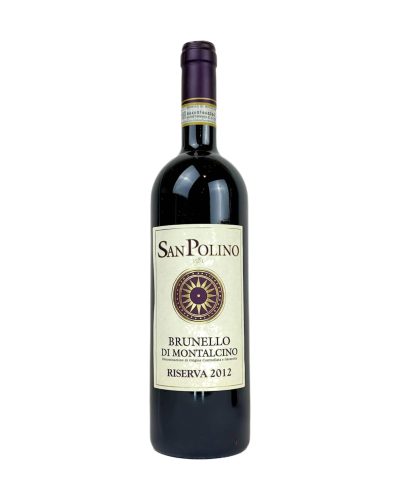
Two regions dominate this category. In Tuscany, Brunello di Montalcino is made from Sangiovese and must age for years before it reaches the shelf, with Riserva bottlings kept longer still. Here you will find producers such as San Polino, Cupano, Fattoria Poggio di Sotto and Castello Banfi. Chianti Classico, also built on Sangiovese, offers a more approachable and food-friendly side of the region, with marchese Antinori among the names to know.
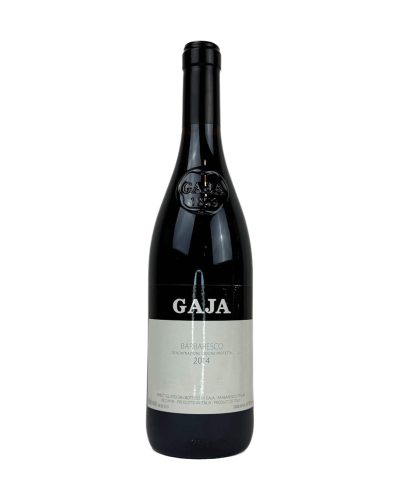
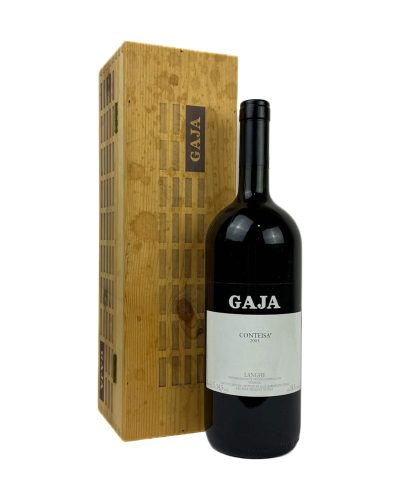
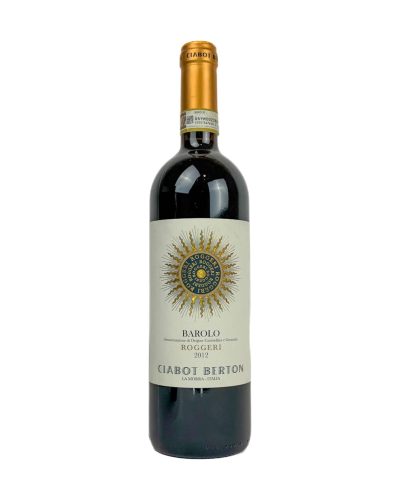
In Piedmont, Nebbiolo is the grape behind Barolo and Barbaresco. Barolo is the more powerful of the two and needs a minimum of 38 months of ageing, at least 18 of them in wood. Barbaresco is usually a little more supple and has shorter minimum ageing requirements. Angelo Gaja, Elio Altare, Domenico Clerico and Ciabot Berton work in these hills, while Bersano offers a broader view of Piedmont, including bottles from the Langhe.
Start with the occasion. For a gift, a Barolo or a Brunello from a recognised estate is easy to explain and rewarding to open, and a Riserva shows that extra time has been spent in the cellar. For your own cellar, favour structured wines from good vintages: Nebbiolo and Sangiovese both have the acidity and tannin to develop for many years, and a Barolo or Brunello often needs a decade or more to show everything it has. For drinking soon, look at Chianti Classico or a younger Barbaresco, which are generally more open early on.
Read the label for the vintage, the producer and any Riserva mention. Two bottles from the same appellation can differ greatly depending on whether the winemaker favours large old casks or small French barriques, and on the exact vineyard. If you like to compare, buy two producers from the same vintage and taste them side by side.
A few practical points help. Vintage matters more in Piedmont and Tuscany than in many warmer regions, because Nebbiolo and Sangiovese ripen late and reflect the weather of each year. Older vintages can be wonderful, but the wine should be bought from a source that has stored it well. If you are unsure where to begin, a Chianti Classico or a Langhe bottle is a relaxed first step before you move on to the more demanding Barolo or Brunello.
The shop’s sommelier is happy to help you choose between producers, vintages and styles. Browse the category, narrow the list by producer or grape, and you will find the DOCG bottle that fits your table or your cellar.
This site is restricted to adults. By entering, you confirm that you are of legal drinking age in your country of residence.