
96
0,75
2006
Alvaro Palacios

Wines, producers, regions...
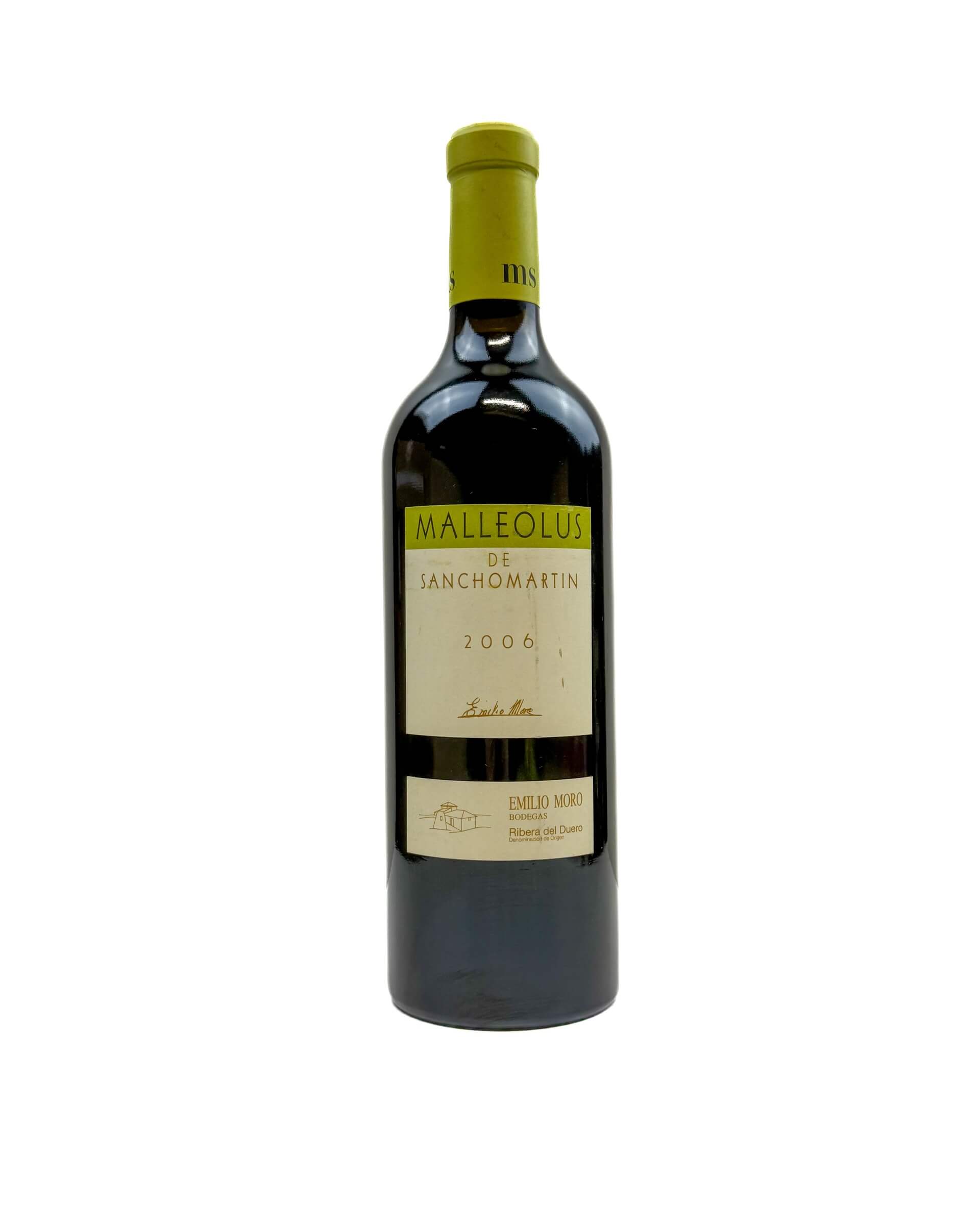
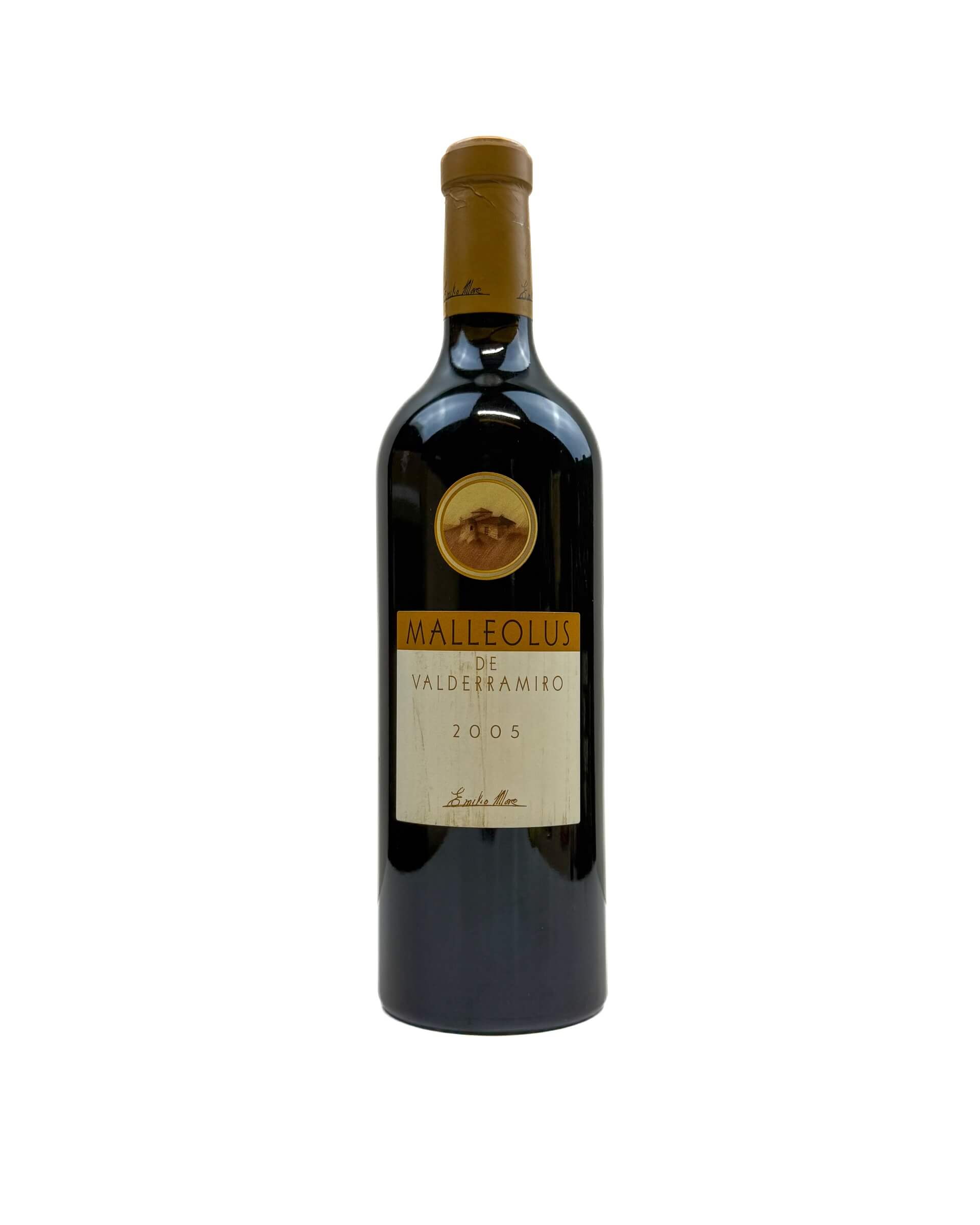
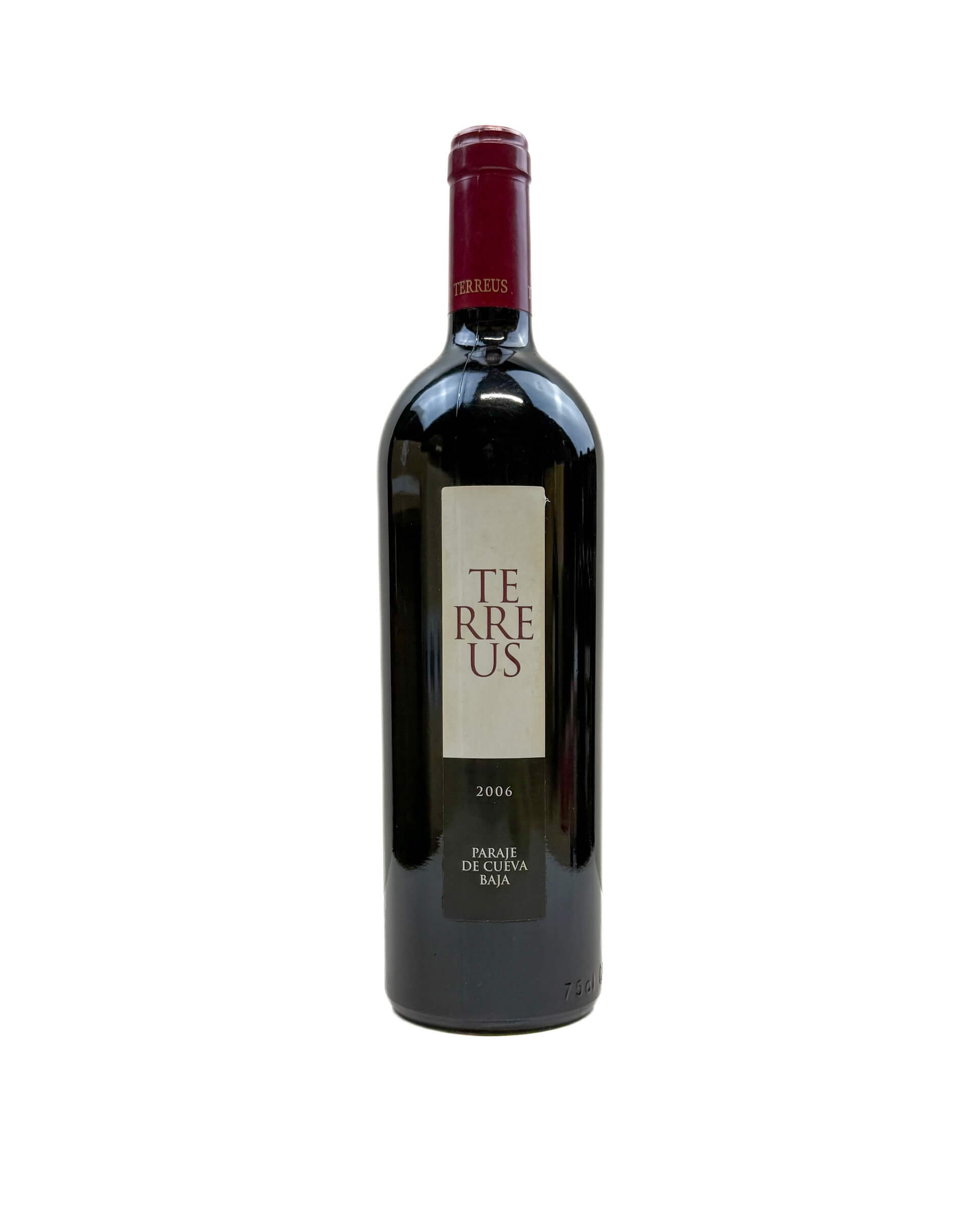
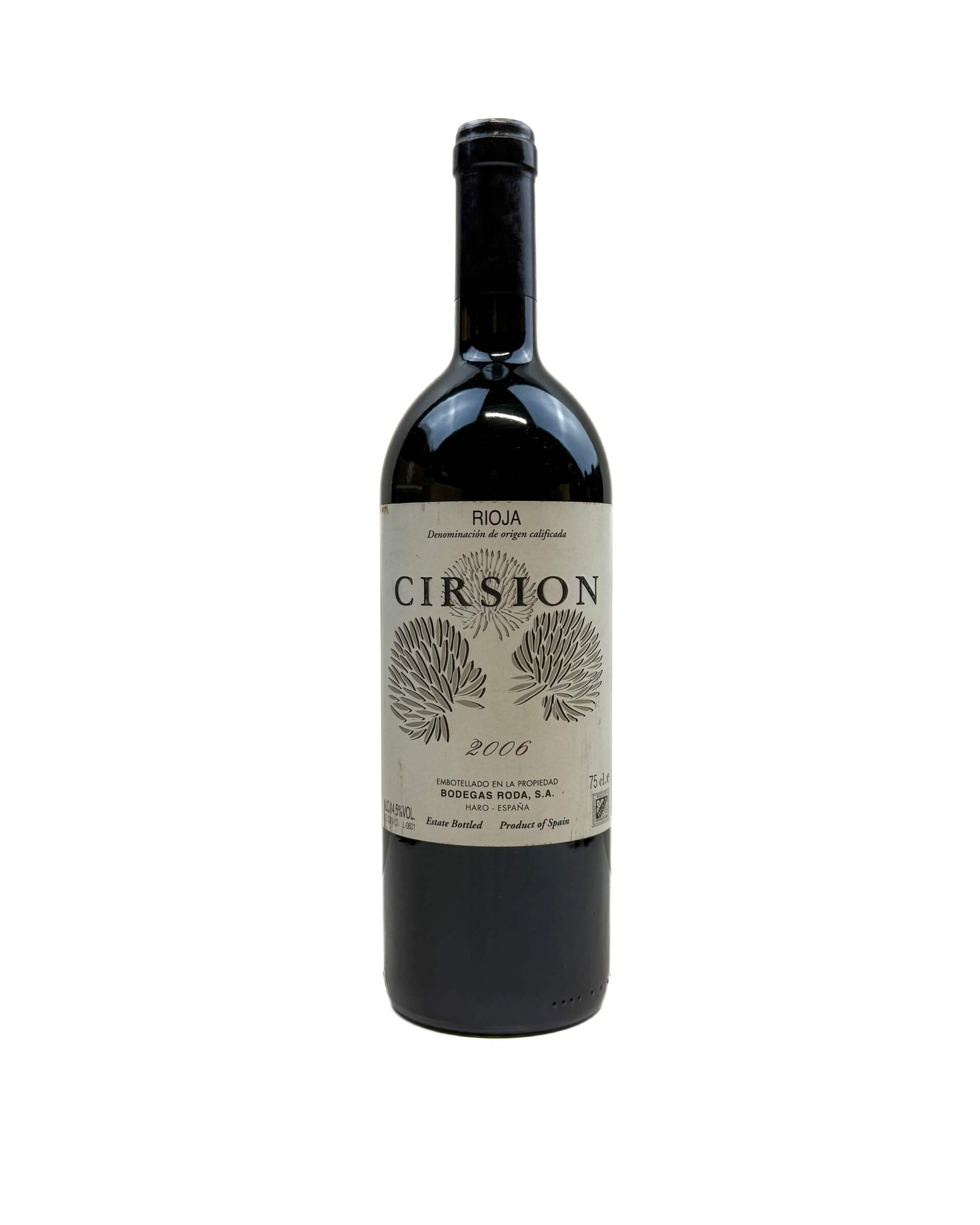
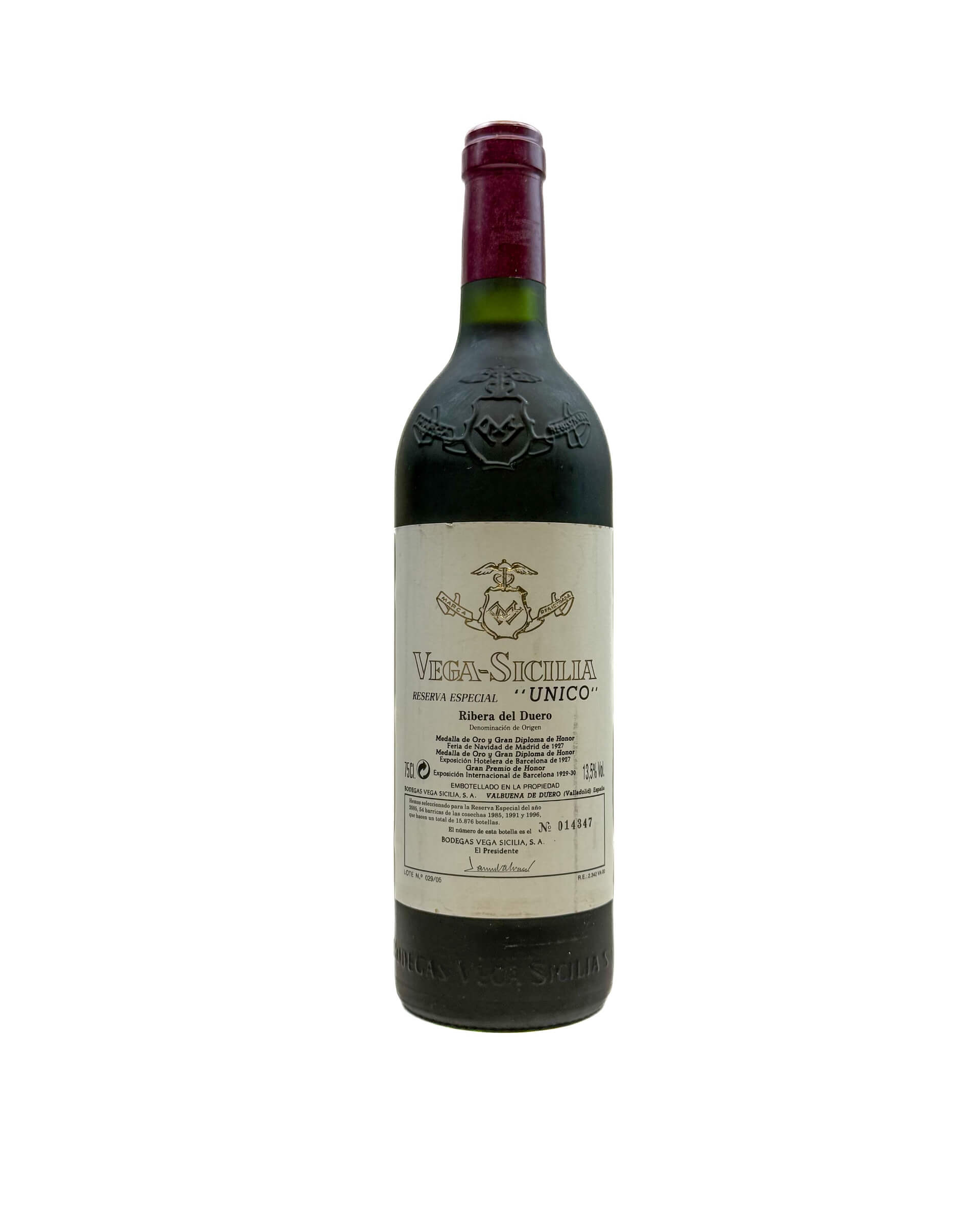
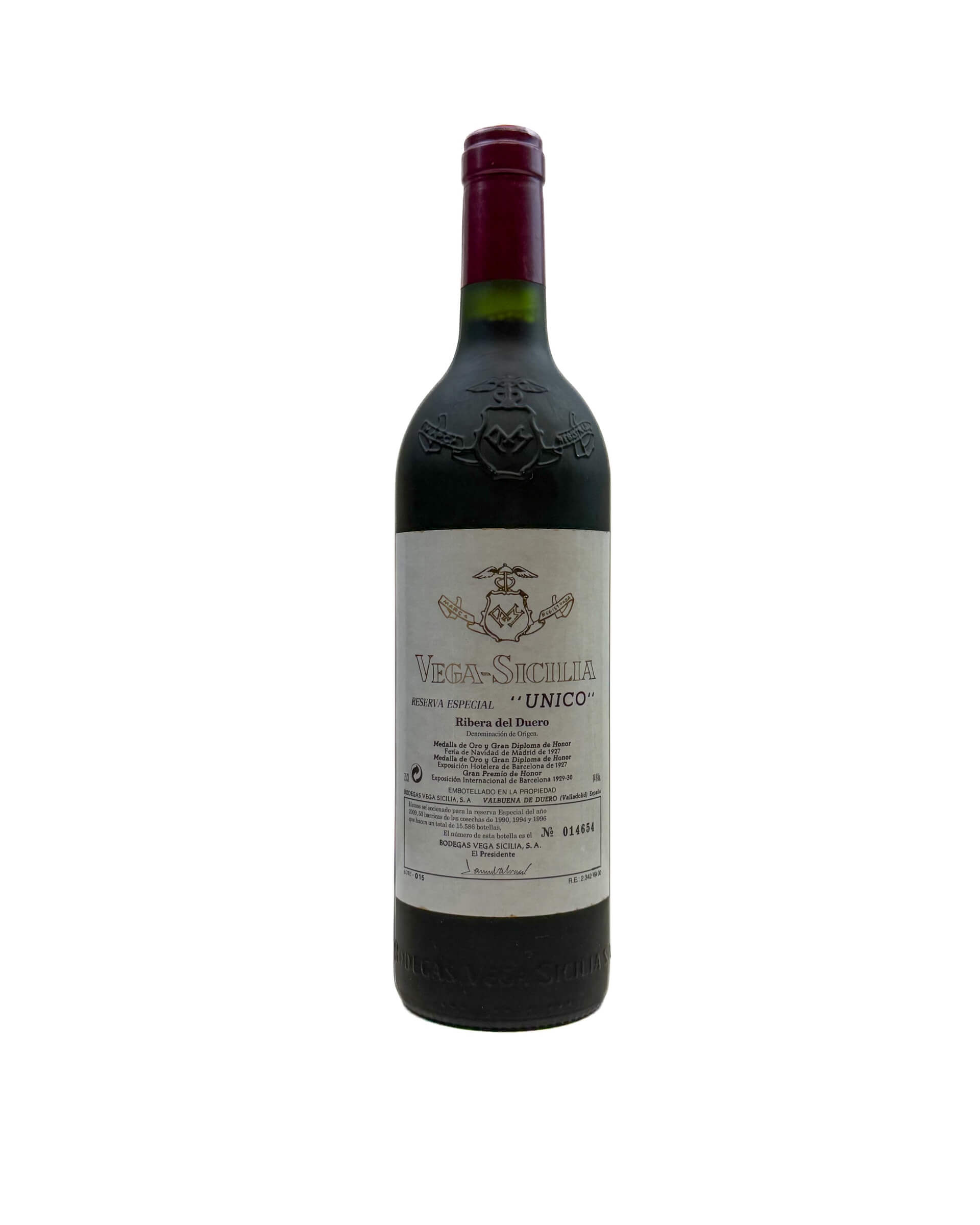
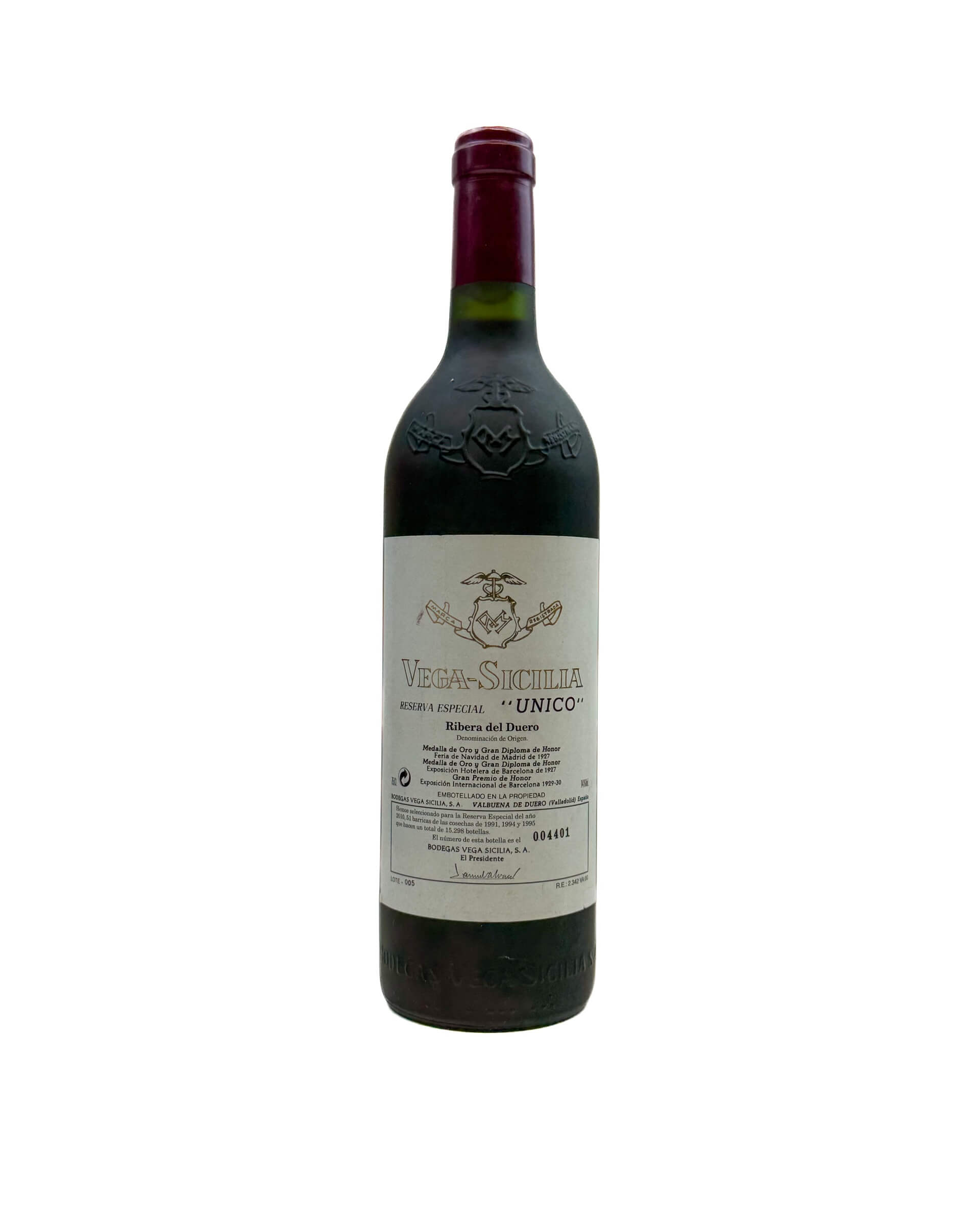
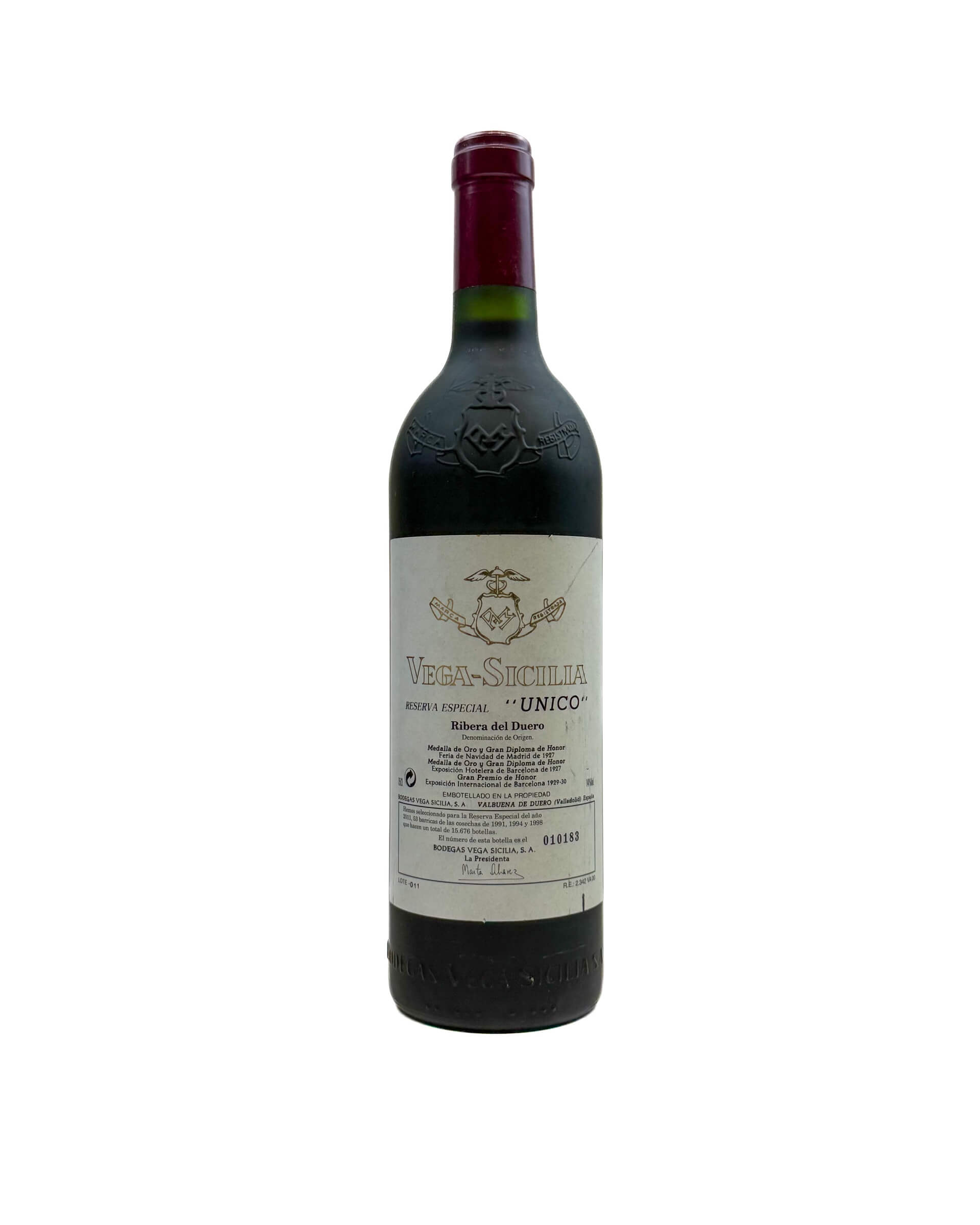

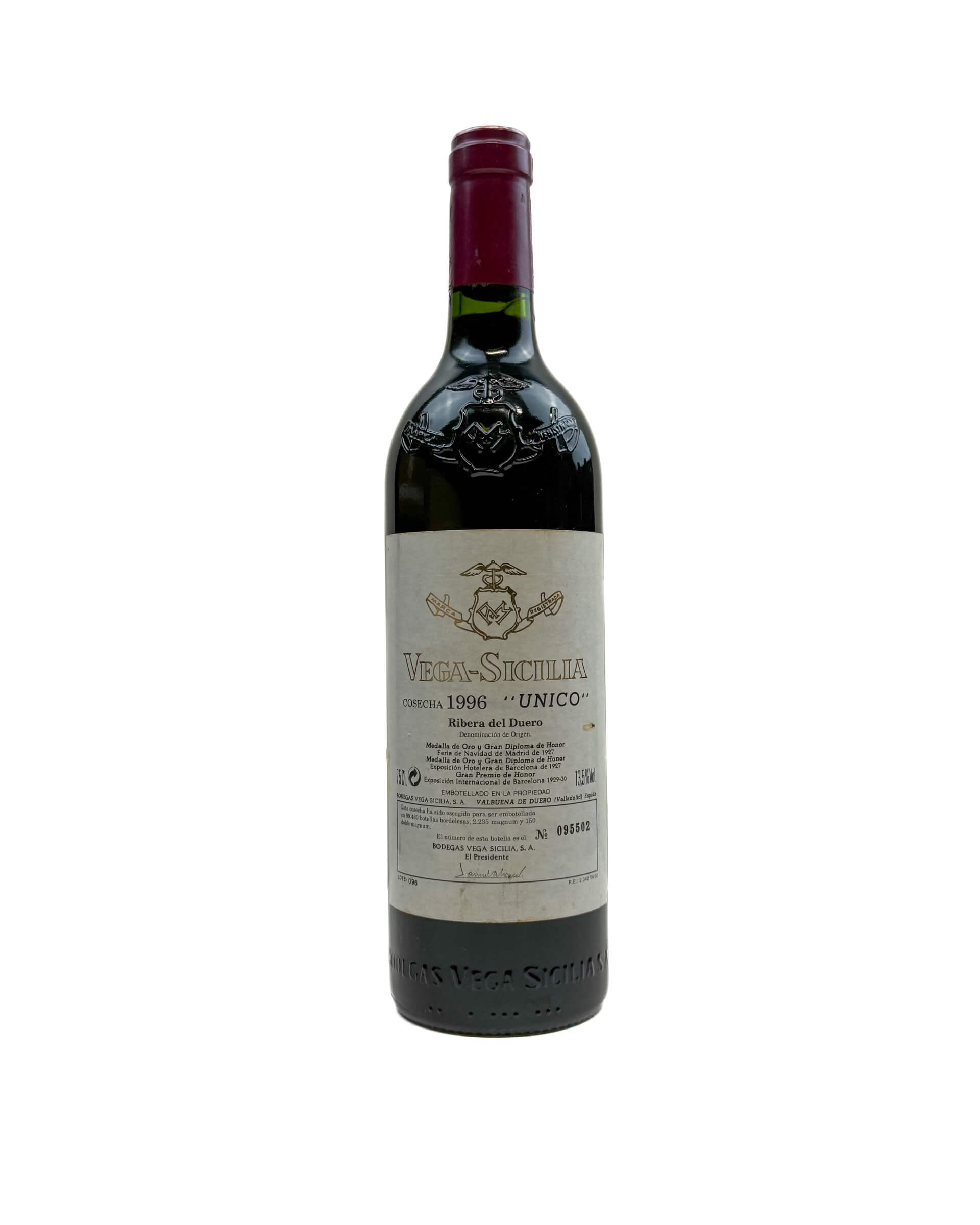
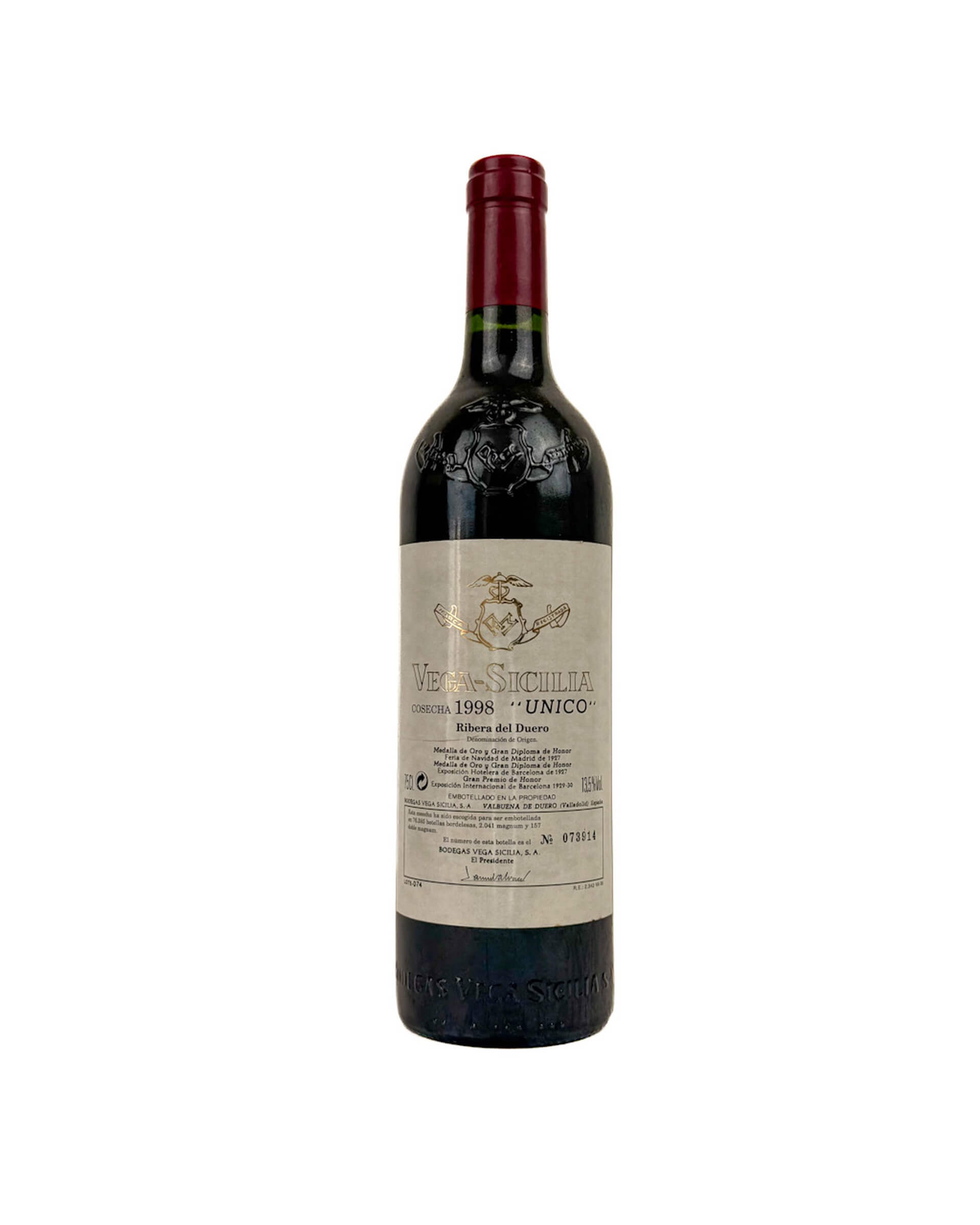
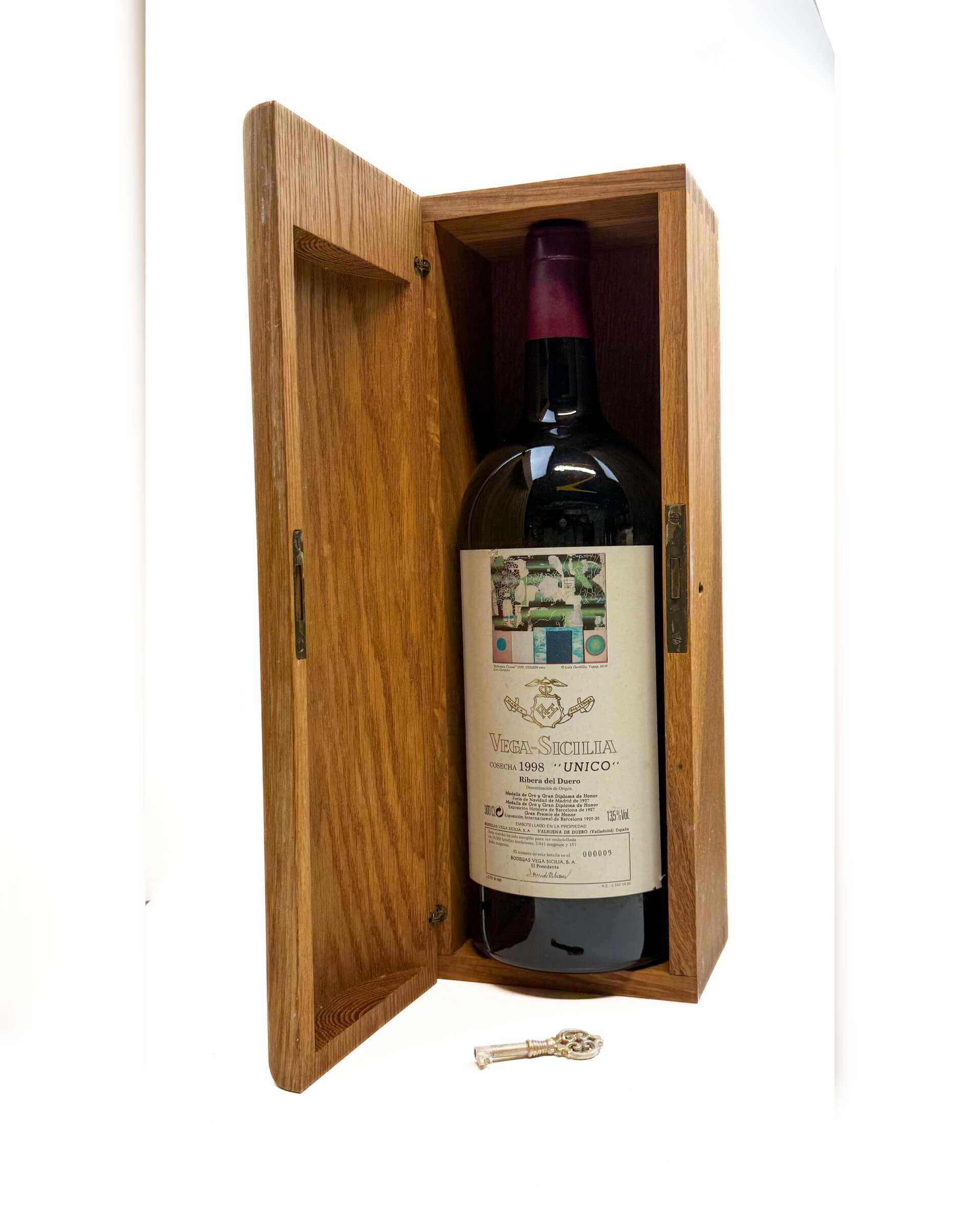
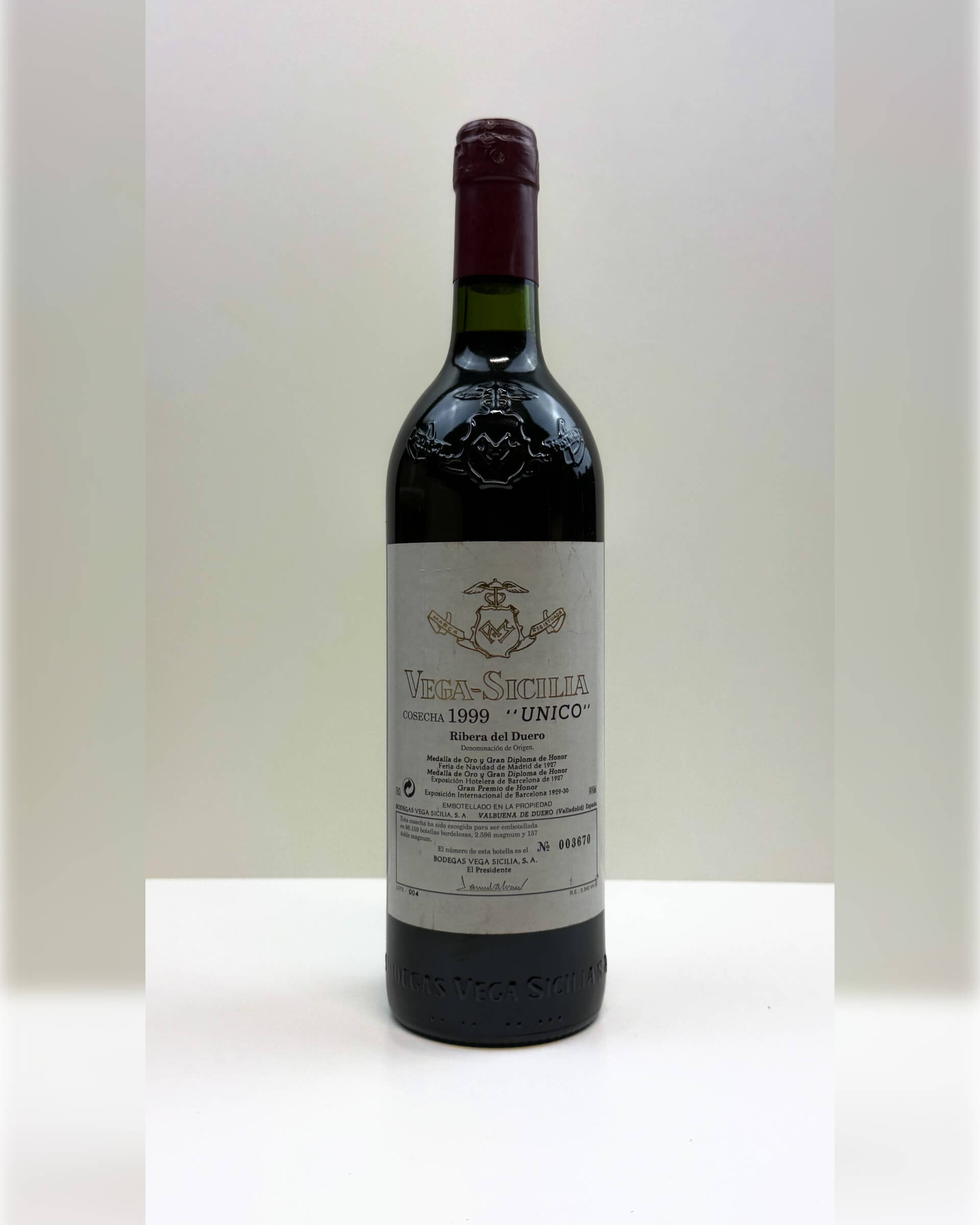
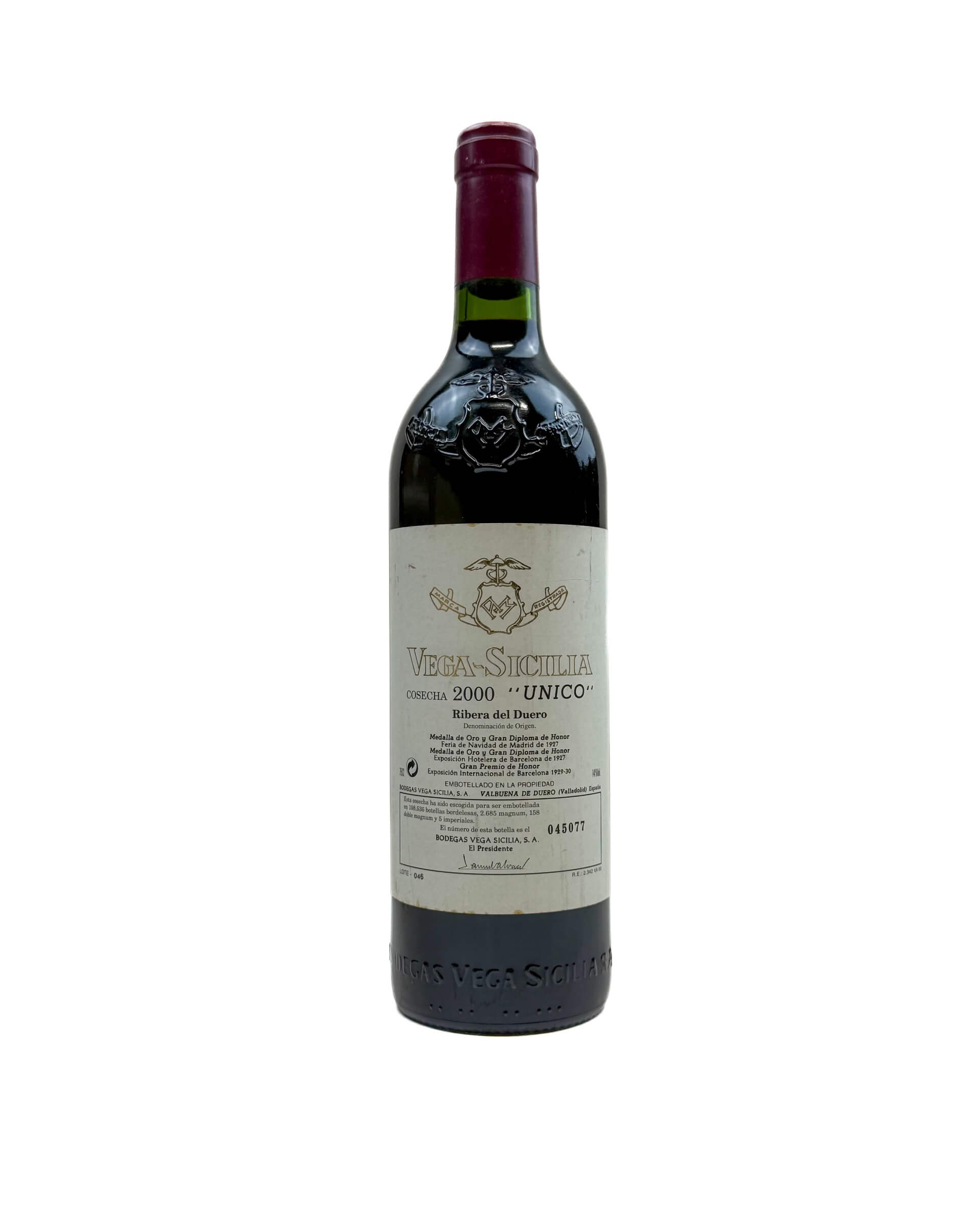
Spain wine holds more land under vine than any other country in the world, yet produces a smaller volume than France — a ratio that concentrates the most rewarding bottles in the estates that reach the export market. Spanish wine spans the high, sun-baked plateau of Castilla y León, the oak-scented cellars of Rioja, and the slate terraces of Catalonia — a single nation holding both Europe’s largest vineyard area and some of its most collectible bottles. At Tour de Wine we have built a focused Spanish wine selection of 20 carefully chosen bottles, sourced from the estates that have made Spain a serious destination for fine wine rather than a source of inexpensive table wine.
If you are looking to buy Spanish wine with confidence, this is a curated specialist’s selection rather than a broad aggregation. The catalogue is weighted toward three of Spain’s most widely collected fine-wine regions — Castilla y León (our largest sub-collection, with 15 bottles centred on Ribera del Duero), Rioja, and Catalonia — and prices begin from around €135 at the entry level, with most bottles sitting near €425. You can also explore our full wine selection to see where Spain sits within our wider European range.
Understanding wine from Spain begins with geography. Spain’s climate runs from the wet, Atlantic-influenced north through the dry continental plateau of Castilla y León to Mediterranean Catalonia, and each of these zones produces a distinct style. The three Spanish wine regions in our selection below each carry their own grapes, classifications, and tasting character — and each links directly to its own child collection.
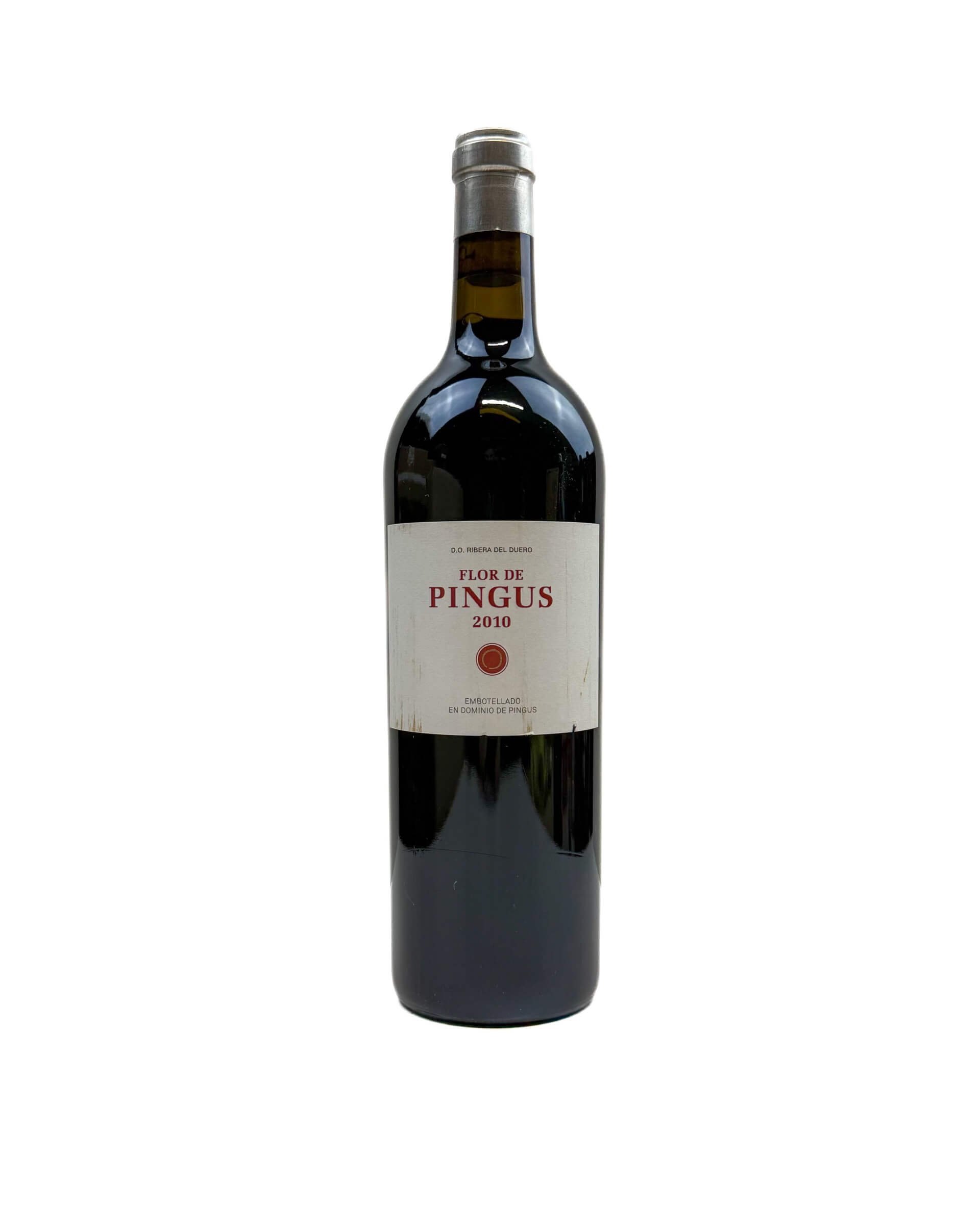
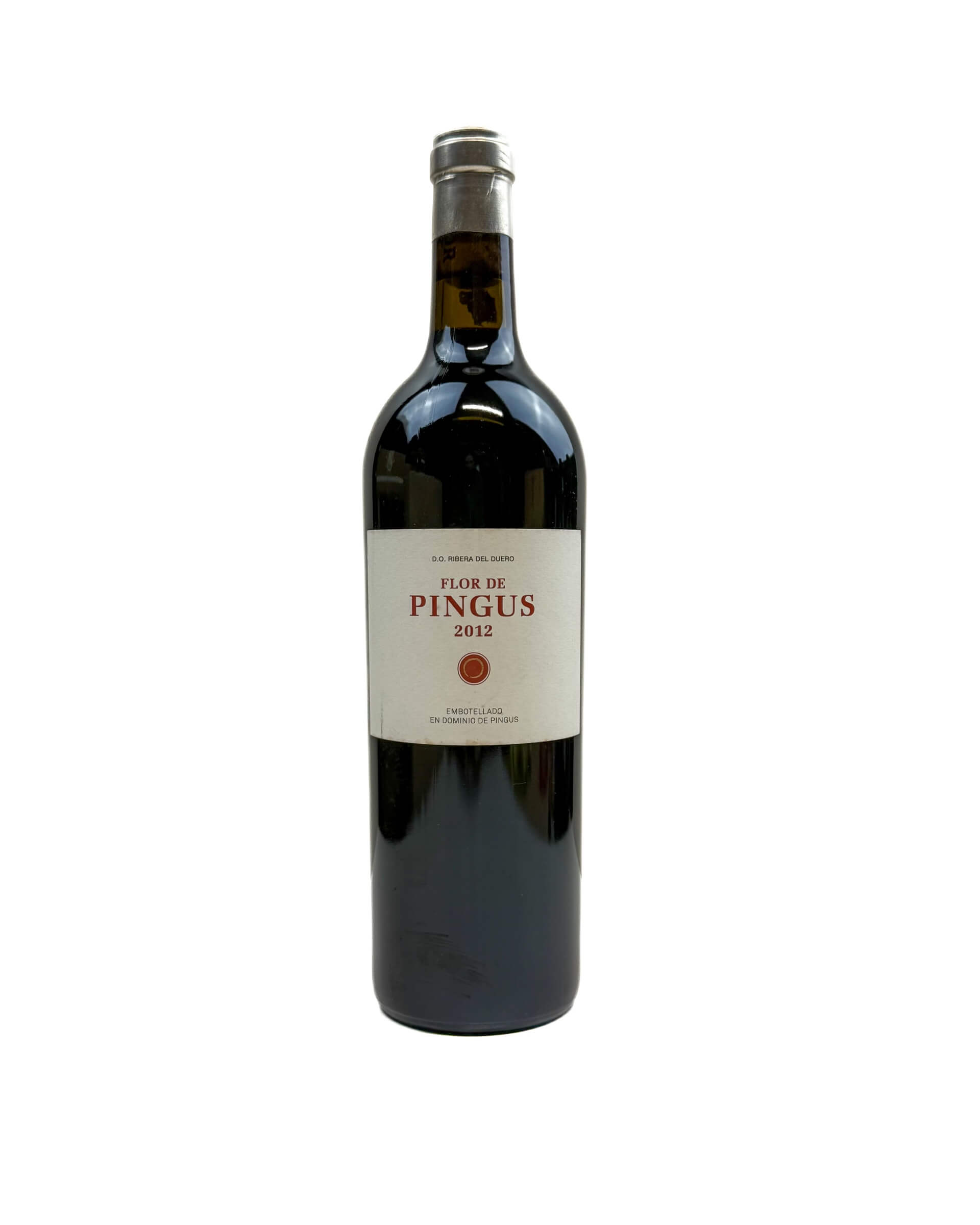
Castilla y León is Spain’s fine wine heartland, and Ribera del Duero DO is its prestige red wine appellation. Here Tempranillo is known locally as Tinto Fino, and it is grown on the high-altitude plateau flanking the Duero river, where vineyards sit between roughly 750 and 900 metres. The extreme temperature swings between hot days and cold nights build colour, tannin, and concentration into the grapes, and estates such as Vega Sicilia, Pingus, and Emilio Moro have made this DO Spain’s structural equivalent of a great Pauillac — wines built for long cellaring. Vega Sicilia’s reputation, and the prices it commands, place it among the wines most consistently rated at the top of Spain’s red-wine hierarchy.
Beyond Ribera del Duero, Castilla y León offers remarkable breadth. Toro DO produces powerful, low-acid Tempranillo from sandy soils at a fraction of Ribera del Duero prices; Bierzo DO grows the Mencía grape on slate and clay soils, yielding aromatic, slate-driven reds that have drawn international attention since the early 2000s for their freshness; and Rueda DO is the source of fresh, citrus-driven, mineral Verdejo, an affordable dry white with a fennel-and-grapefruit bite. We weight our buying toward Castilla y León because, across the back vintages we taste each year, its Ribera del Duero estates show the most consistent altitude-driven structure for the price — which is why 15 of our 20 Spanish bottles come from this region rather than from larger-volume appellations. Because this region is the backbone of our catalogue, you can explore our Castilla y León selection — 15 bottles, the largest in our Spanish range.
Rioja is the name most international buyers know first, and it is more varied than its reputation suggests. The appellation divides into three sub-zones: Rioja Alta and Rioja Alavesa, both cooler and Atlantic-influenced, tend toward elegance, freshness, and finesse; Rioja Oriental (formerly Rioja Baja), warmer and Mediterranean in feel, gives riper, fuller wines. Tempranillo leads the blends, often joined by Garnacha, Mazuelo, and Graciano for structure and lift.
Rioja is also where Spain’s ageing classifications matter most. The familiar tiers of Crianza, Reserva, and Gran Reserva all originate in Rioja practice, and the region’s flavour has shifted markedly since the 1990s as many producers moved from sweet, vanilla-scented American oak toward tighter, more savoury French oak. The turning point came in that decade, when estates such as Artadi and Remírez de Ganuza championed single-vineyard fruit, shorter ageing in new French barriques, and riper, more concentrated grapes. The practical result for a buyer is a palate shift away from the pale, oak-dominated, dried-fruit profile of classic Rioja toward darker fruit, firmer tannin, and a fresher, more Bordeaux-like structure — two parallel styles that now sit side by side under the same appellation. We keep our Rioja list deliberately short — three bottles — because we only stock examples that show this modern, French-oak-influenced structure rather than the softer, vanilla-led classic style; it is the profile our buyers find pairs best across a wider table. Our three-bottle Rioja selection is a deliberately curated entry point; browse our Rioja selection to start there.
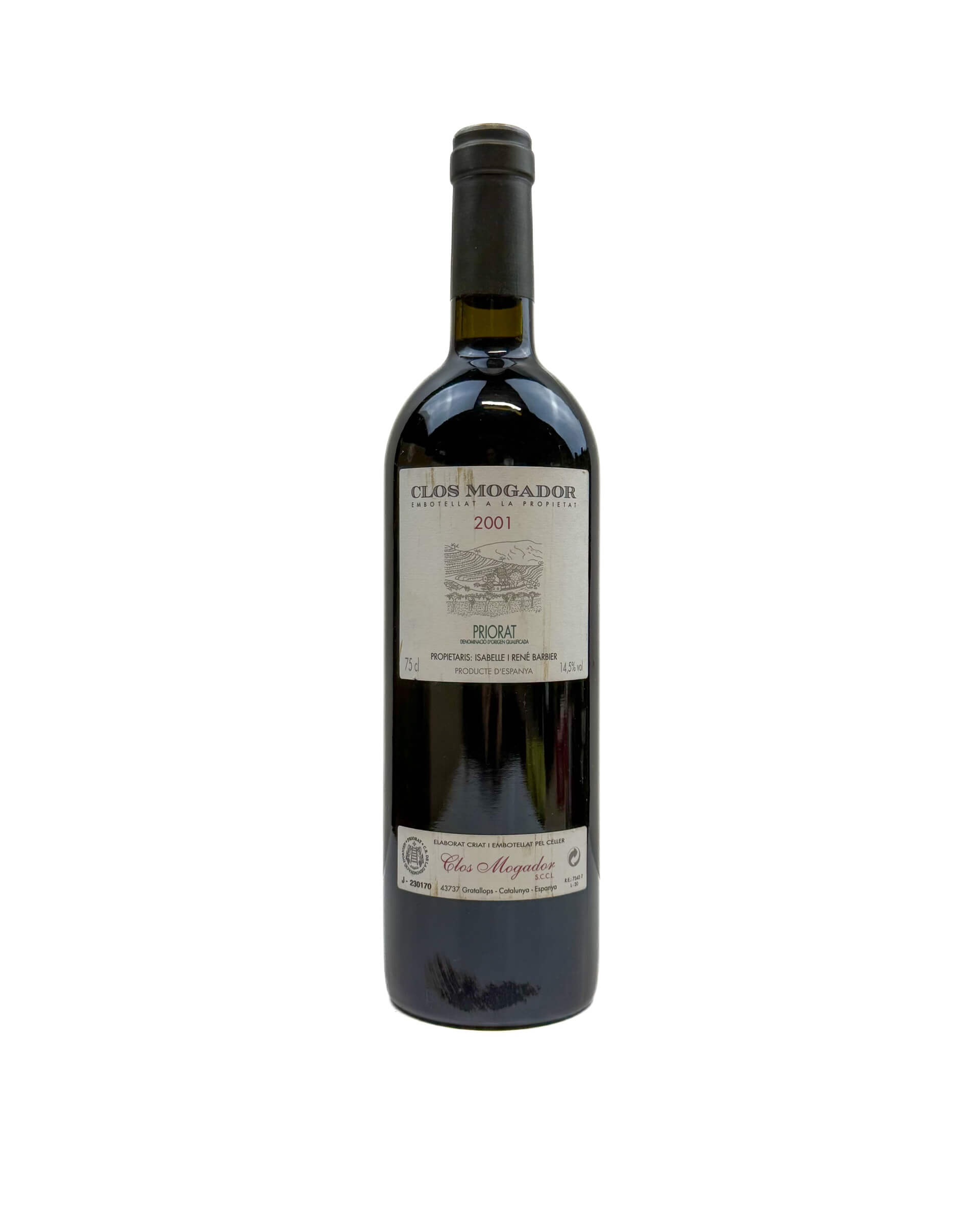
Catalonia holds one of only two regions in Spain to carry the top DOCa classification: Priorat DOCa, alongside Rioja. Priorat’s distinction is its soil — llicorella, a slate-and-quartz mix that forces vines to dig deep for water — planted with old-vine Garnacha and Cariñena on near-vertical terraces. Yields are extremely low, sometimes under a kilogram of fruit per vine, and every grape is hand-harvested. That combination of low yields, hand labour, and mineral concentration is precisely why Priorat produces some of Spain’s most collectible and expensive bottles. Benchmark estates anchor the region: Álvaro Palacios, whose single-vineyard L’Ermita helped redraw Priorat’s reputation in the 1990s and now ranks among Spain’s most expensive wines, and Clos Mogador, the René Barbier estate granted its own Vi de Finca single-estate status for its old-vine Garnacha and Cariñena blends.
The same region also shapes Spanish sparkling wine. Penedès DO and Cava DO use the traditional method with indigenous grapes — Macabeu, Xarel·lo, and Parellada — to make sparkling wine with genuine identity rather than a mere Champagne substitute. The premium Cava de Paraje Calificado tier, introduced in 2017, recognises single-estate Cava of the highest quality. We list Clos Mogador and Álvaro Palacios specifically because they are among the few Priorat estates whose old-vine Garnacha holds its mineral grip across the back vintages we have tasted, which is why our Catalonia list stays tight at two bottles rather than chasing breadth. To reach Priorat and Catalonia’s specialists, see our Catalonia & Priorat selection.
Knowing a handful of Spanish wine grapes is the fastest way to navigate the catalogue. The list below maps each signature variety to its home region and DO or DOCa, with a one-line style note — a structured shortcut for matching grape to taste.
Spain’s ageing classification system is one of the most useful buying tools on any Spanish wine label. Rather than describing quality directly, the terms Joven, Crianza, Reserva, and Gran Reserva tell you how long a wine has been aged — in barrel and in bottle — before release, which in turn signals its style, structure, and cellaring potential. The tiers below reflect the Rioja DOCa rules, the most widely referenced in Spain.
Ageing minimums differ slightly between appellations — Ribera del Duero DO uses similar tiers with marginally different barrel times — but the principle holds across Spain. A DOCa designation, held only by Rioja and Priorat, sits above the standard DO and marks the country’s highest appellation status. Joven and lightly oaked Roble wines make up a large share of the Spanish market but are uncommon in our catalogue, which concentrates on Reserva and Gran Reserva quality.
Spanish cuisine and Spanish wine evolved together — a Rioja Reserva alongside slow-roasted lamb is not a pairing suggestion but a regional tradition. The guide below covers our core styles, from robust reds to crisp Atlantic whites, matching each region’s weight and acidity to the right dish and serving temperature.
If you want to buy Spanish wine — or simply to find the best Spanish wine for an occasion — start with the region that matches your taste, then choose a classification tier that suits how long you intend to keep the bottle. Our selection covers three of Spain’s most widely collected fine-wine regions across 20 carefully chosen bottles, with a deliberate focus on Castilla y León’s finest estates: the 15-bottle Castilla y León sub-collection represents the Ribera del Duero, Toro, and Bierzo DOs at the quality level where Spain competes internationally. For those comparing styles, much of this range sits within our red wine selection. Prices start from around €135 at the entry point, with most bottles priced near €425 — the catalogue median — reflecting a curation weighted toward Reserva and Gran Reserva rather than everyday Crianza.
Most bottles in our Spanish wine catalogue sit near the €425 median, a level aimed firmly at the Reserva-and-above tier. Buyers new to Spanish fine wine are best served by beginning with a Rioja Reserva or a Ribera del Duero estate wine between the entry level and the median, then stepping up toward the exceptional cuvées at the top of the range once their palate is settled.
The best bottle depends on who is buying. For a first-time buyer, we recommend starting with a Rioja Reserva or a Castilla y León estate Crianza near our entry tier of around €135 — enough structure to show why Spain ages well, without the cellaring commitment of a top cuvée. For a collector, the Ribera del Duero Gran Reserva tier from the €425 catalogue median upward is where Spain’s international reputation is made; this is the band that holds the Vega Sicilia and Pingus names. For white wine, our single strongest recommendation is Albariño from Rías Baixas — widely regarded as Spain’s most food-friendly white and the one we reach for with shellfish. If you are buying a gift and unsure of the recipient’s taste, a Ribera del Duero Reserva near the median is the safest crowd-pleaser in the range.
Reserva is an official Spanish ageing classification indicating the wine has spent a minimum of three years in total ageing, including at least one year in oak barrels, before release. It signals a wine the producer selected from a better-than-average vintage, with more structure and complexity than a Crianza. Gran Reserva requires five years of ageing — at least twenty-four months of it in oak — and is reserved for the finest vintages.
Both are Tempranillo-based Spanish red wines but differ in style through climate and terroir. Rioja, grown in the Ebro valley with Atlantic and Mediterranean influences, tends toward elegance, bright cherry fruit, and a strong oak signature of vanilla and spice. Ribera del Duero, grown at altitude on the Castilian plateau with extreme temperature swings, produces denser, darker, more concentrated wines with higher tannin and greater ageing potential.
For value, look outside the prestige appellations. Toro DO produces powerful Tempranillo at a fraction of neighbouring Ribera del Duero prices, while Bierzo’s Mencía and Rueda’s Verdejo both deliver distinctive, terroir-driven wines well below the fine-wine threshold. Within Rioja, a well-made Crianza or younger Reserva often outperforms its price, and across our own Spanish range the entry tier opens at roughly €135 — a level at which Castilla y León estate wines already drink at serious restaurant quality. The genuine collector pricing, rising toward the €425 median and beyond, is concentrated in the Ribera del Duero and Priorat names that command international demand. Buyers comparing styles can also browse our French wine selection alongside Spain.
Written by the Tour de Wine buying team. Last reviewed: June 2026.
This site is restricted to adults. By entering, you confirm that you are of legal drinking age in your country of residence.