
96
0,75
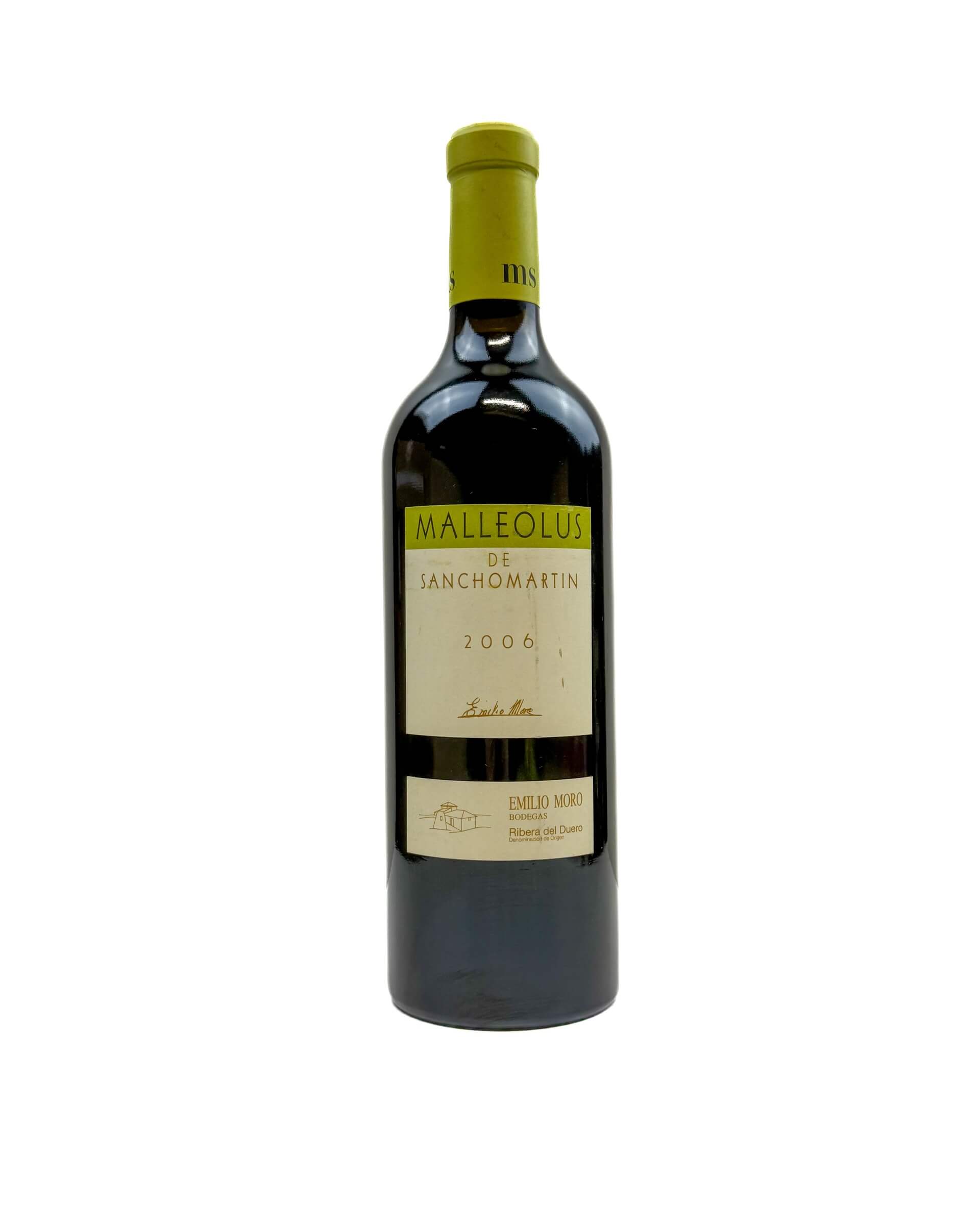
2006
Emilio Moro
Wines, producers, regions...
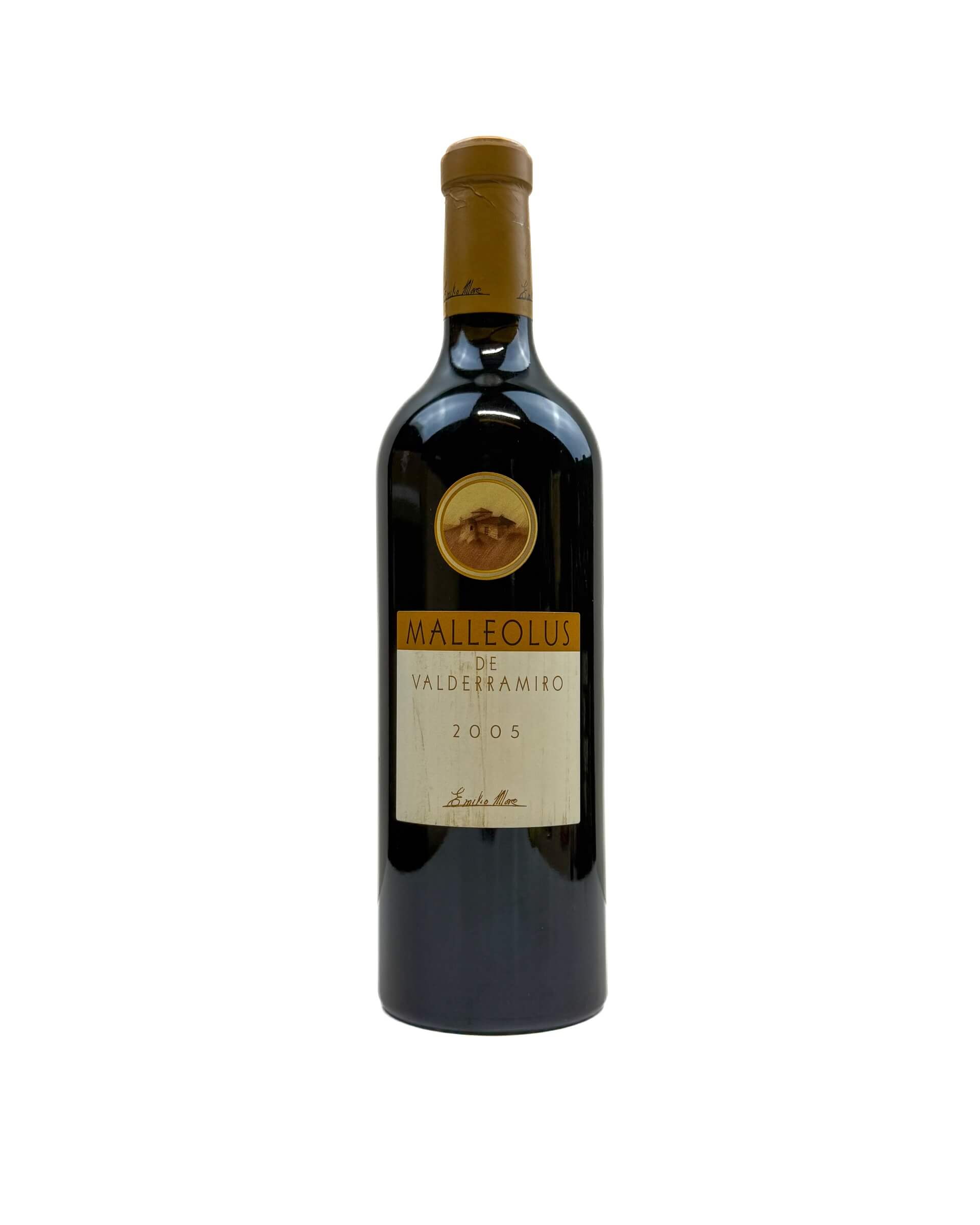
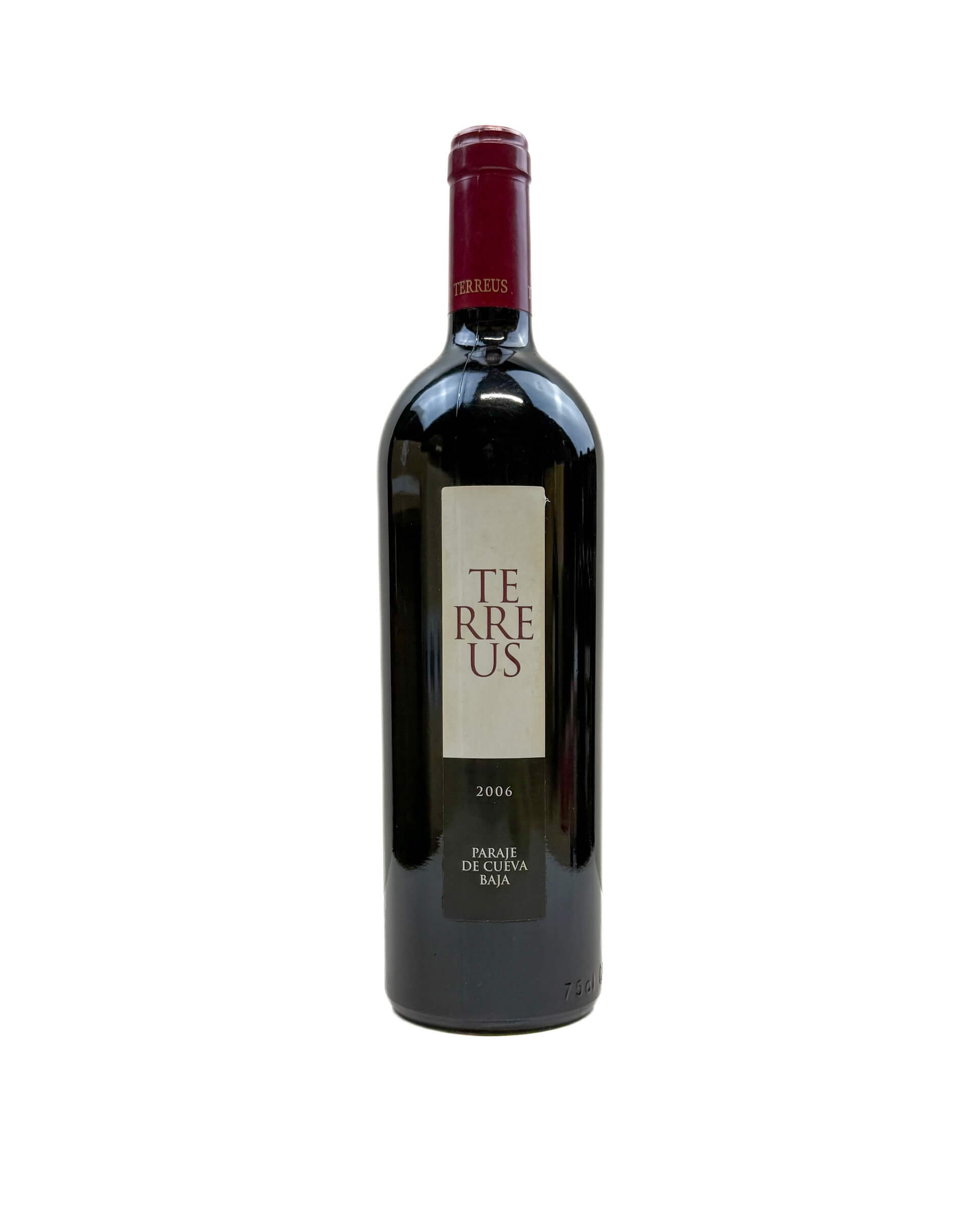
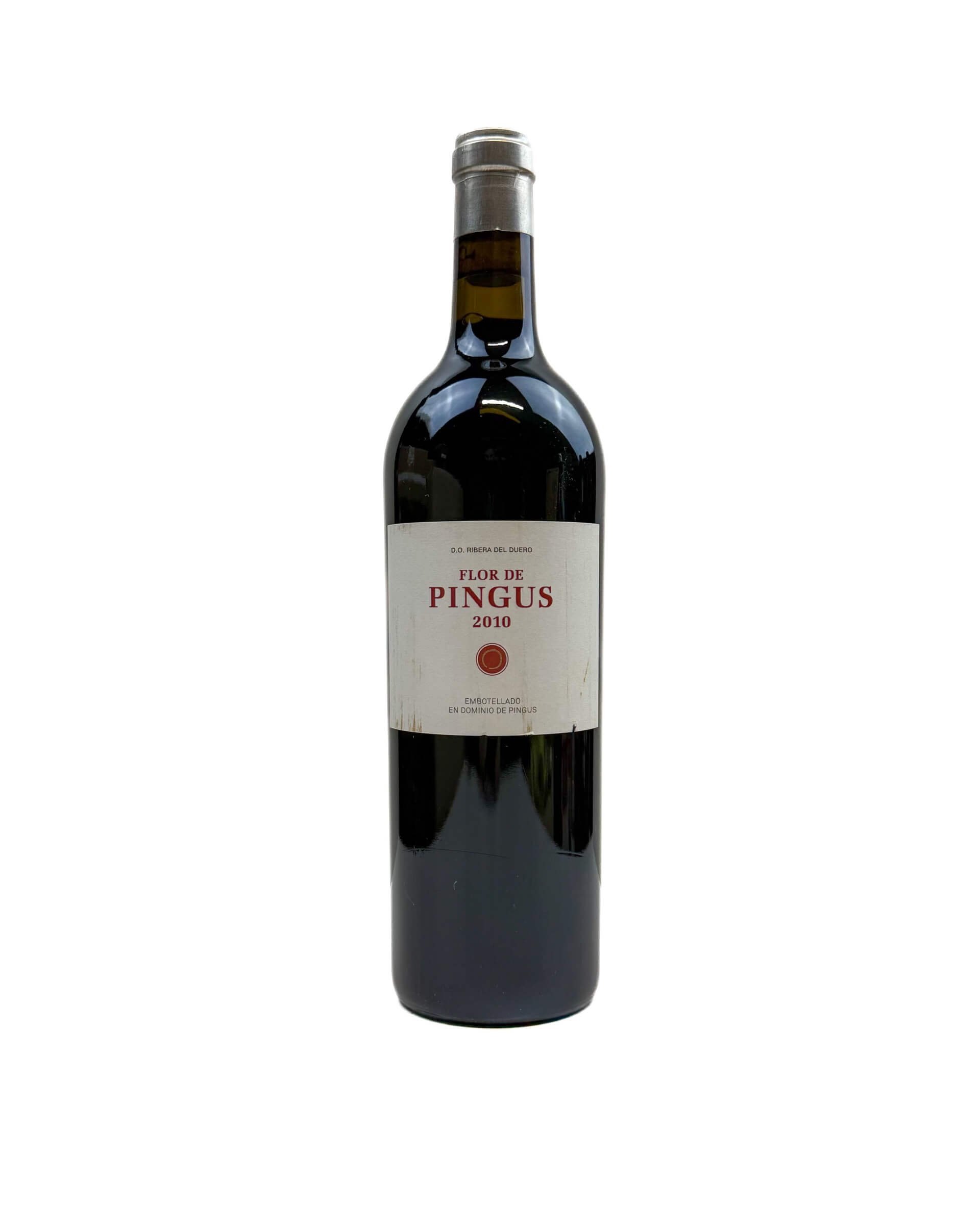
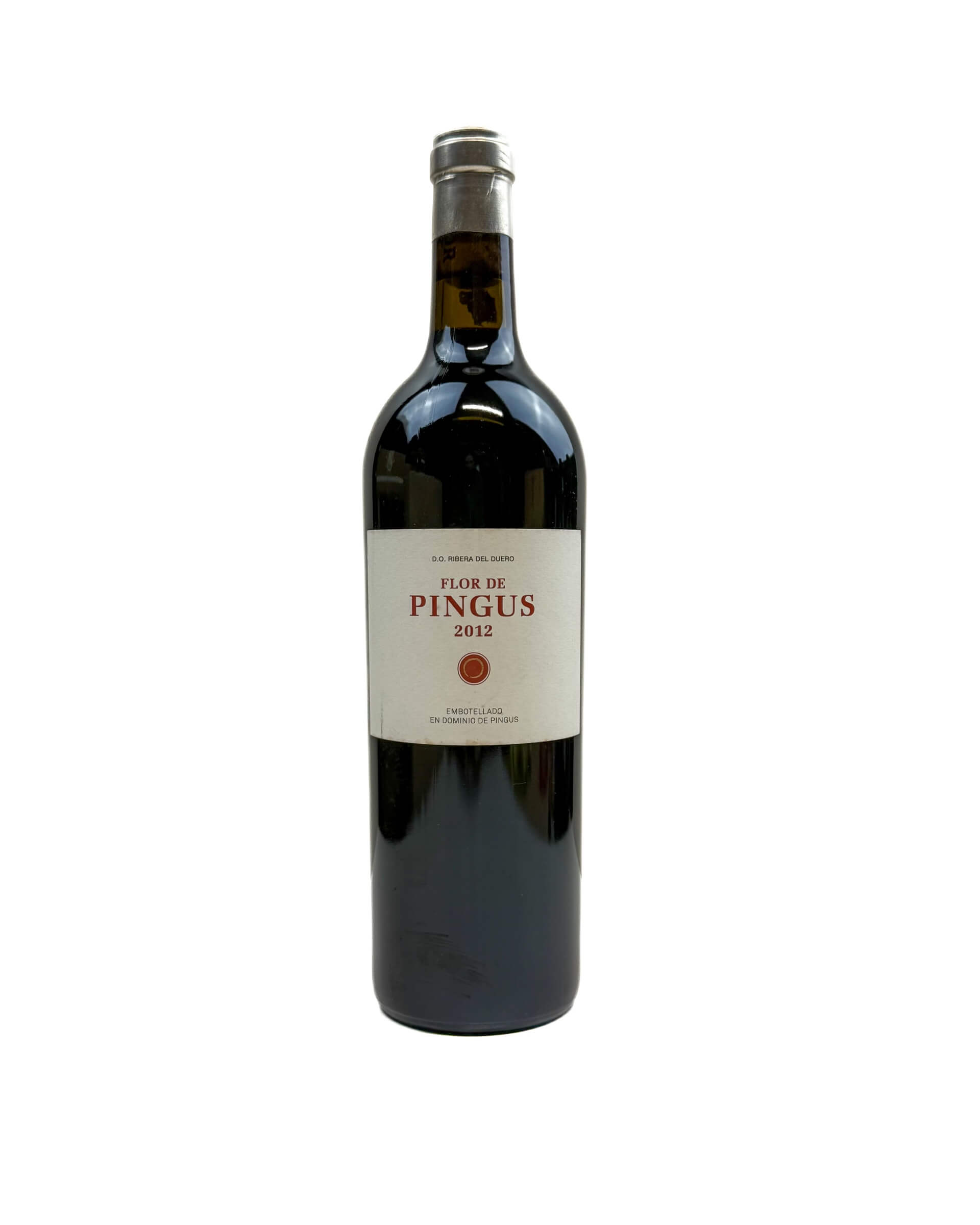
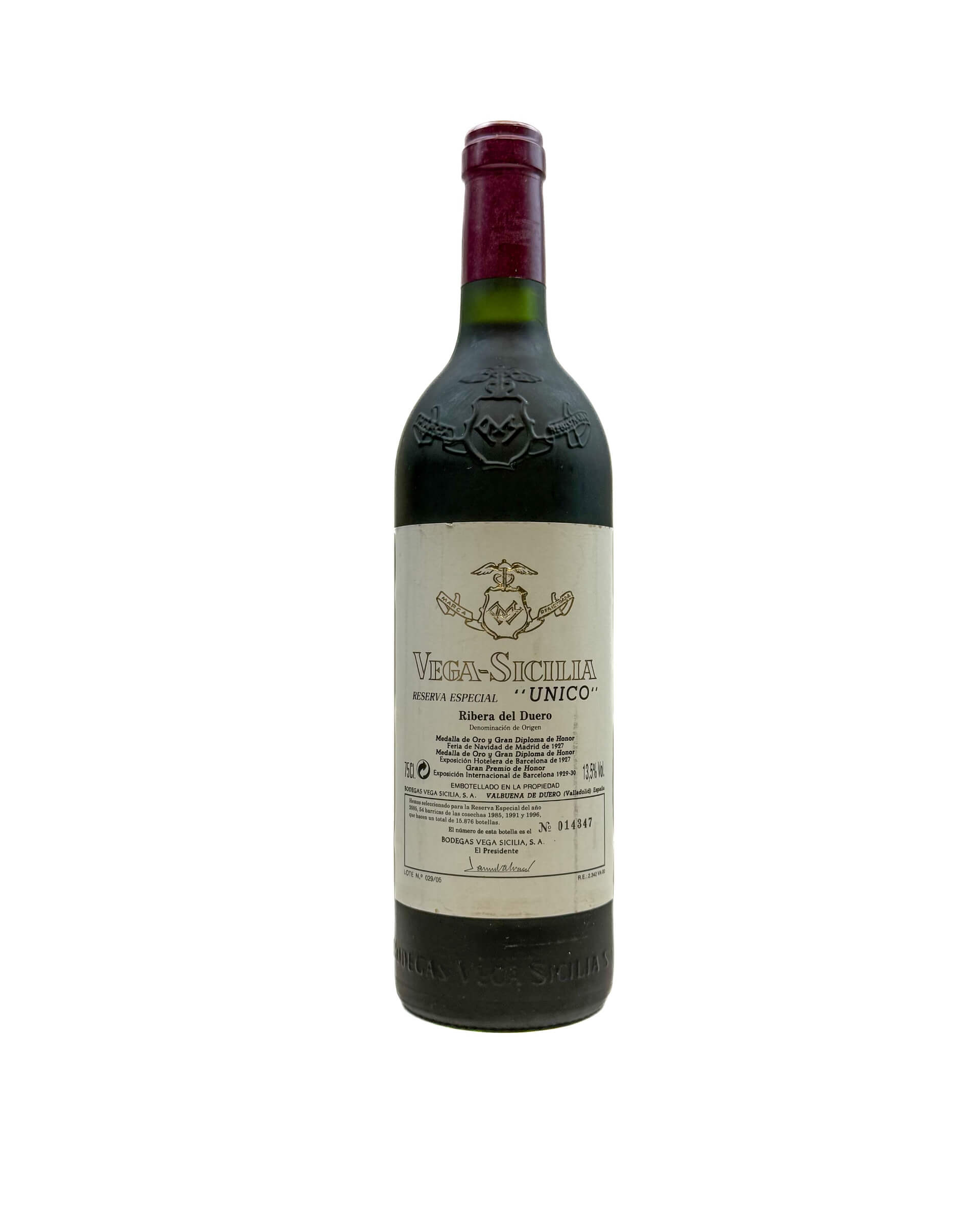
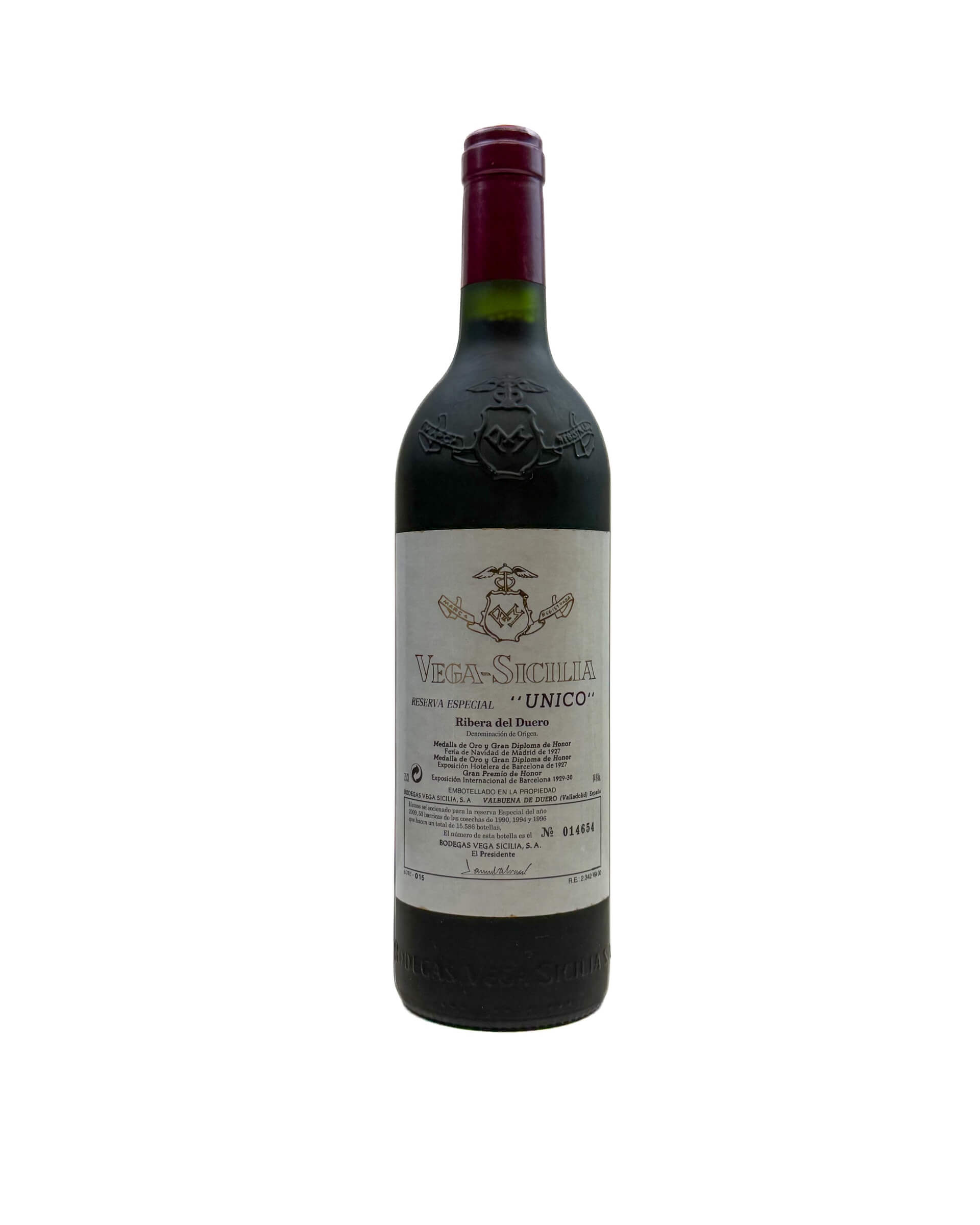
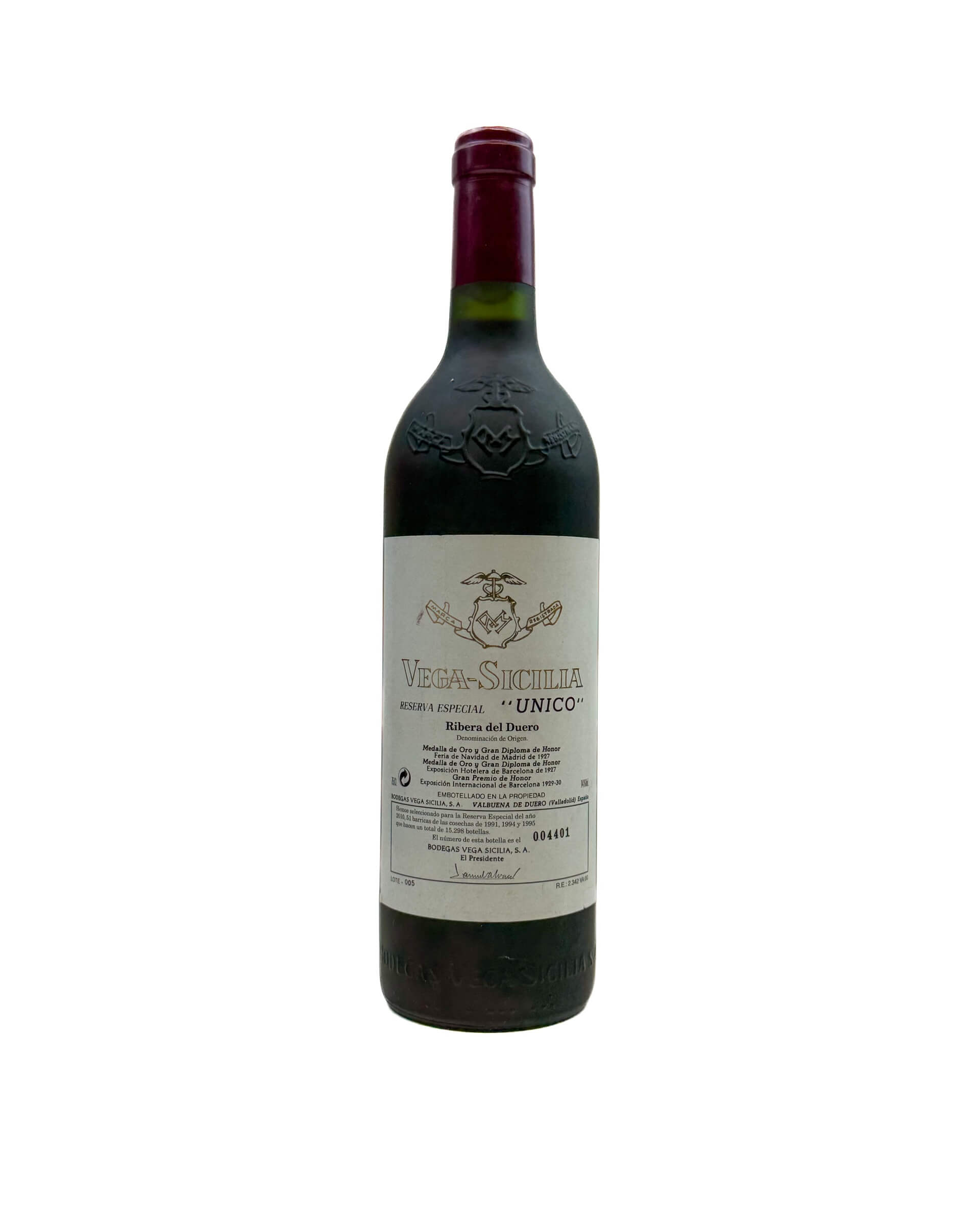
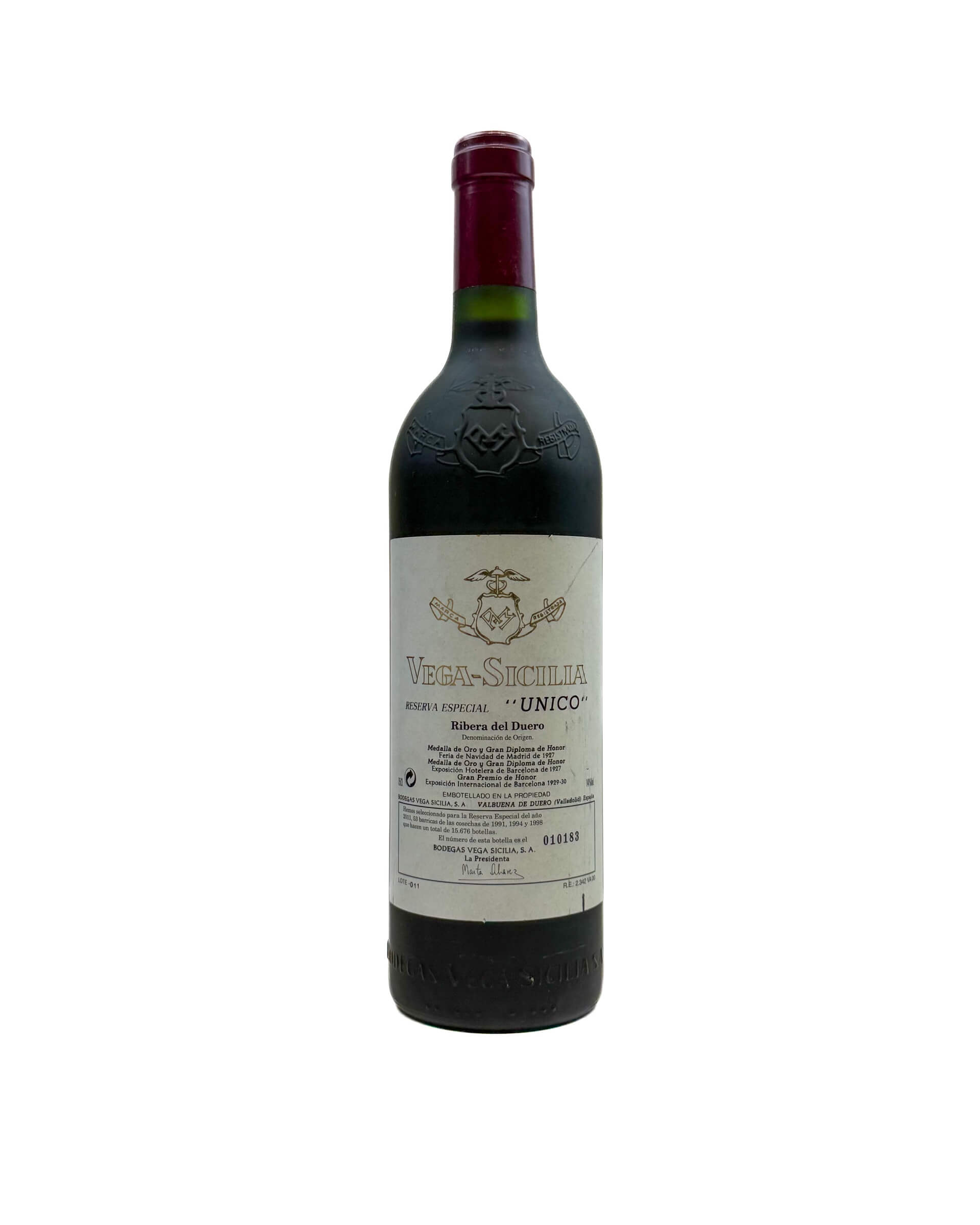
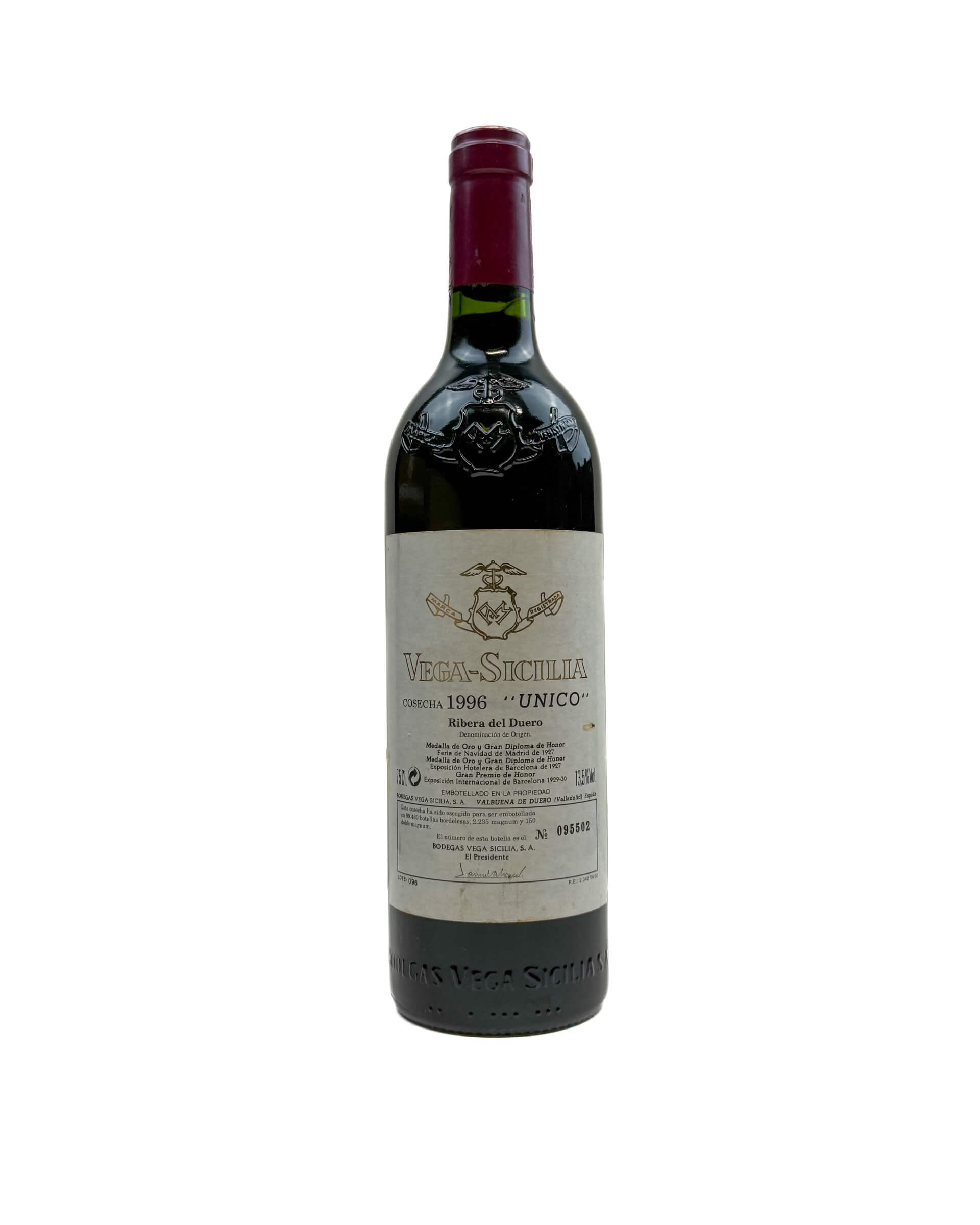
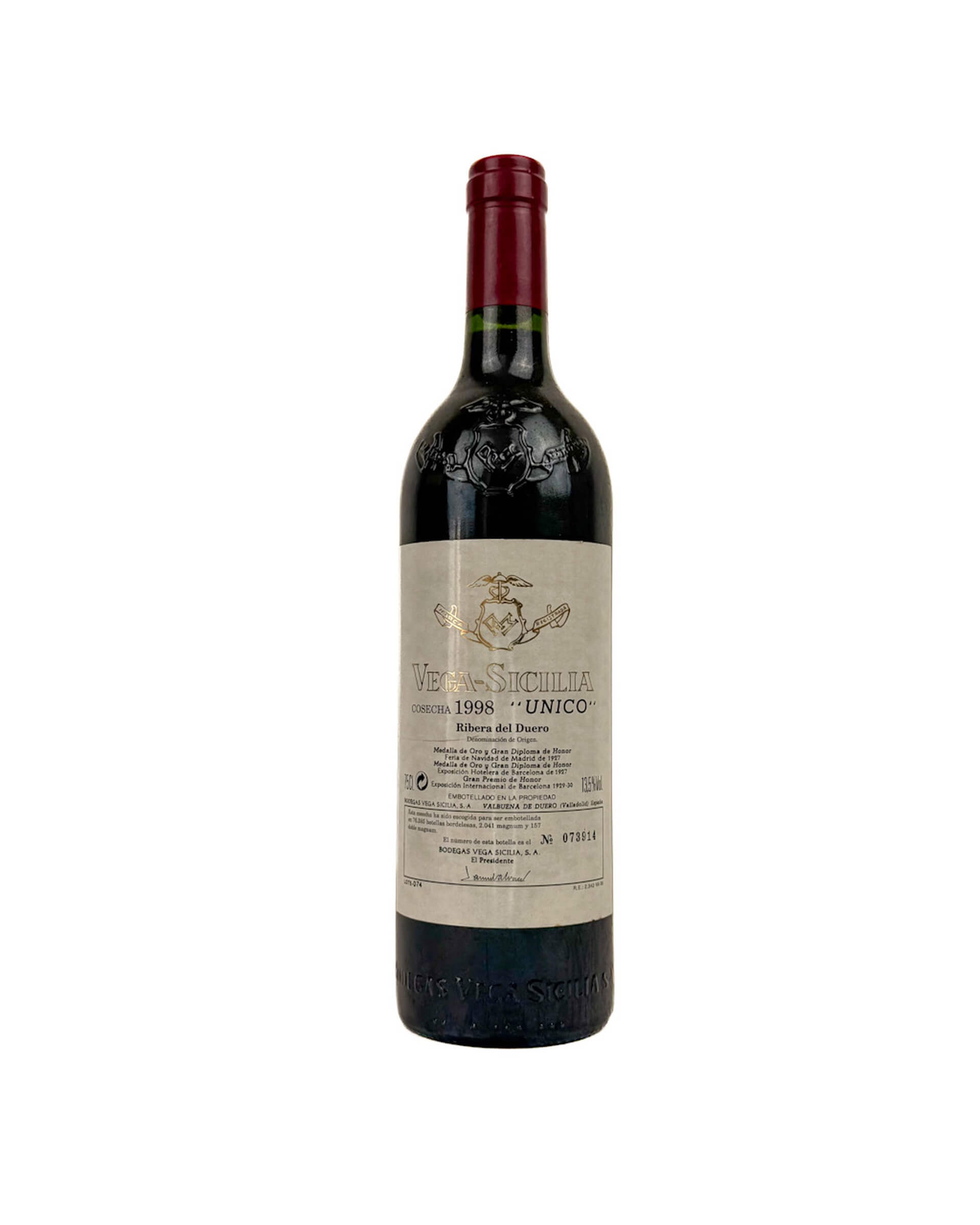
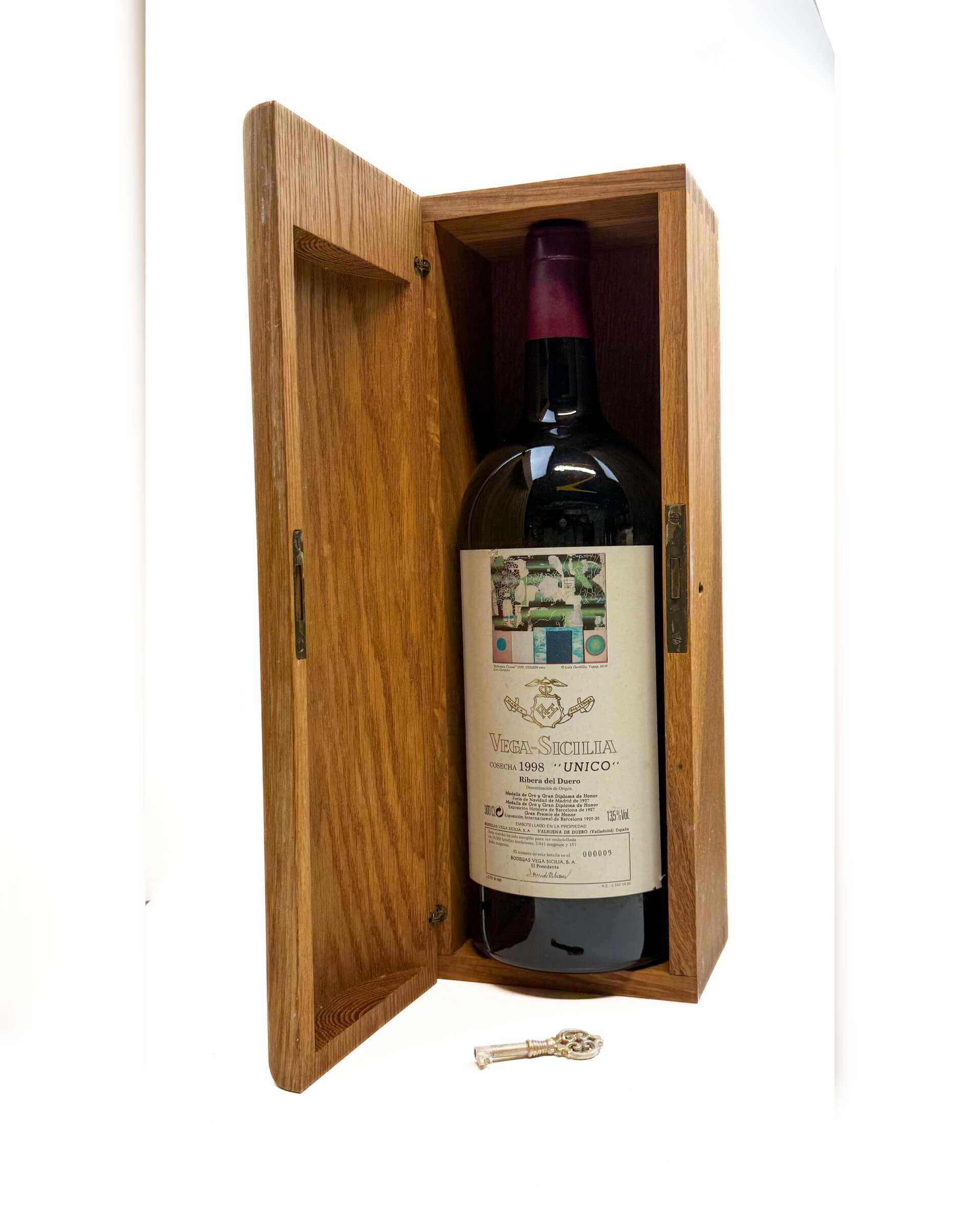
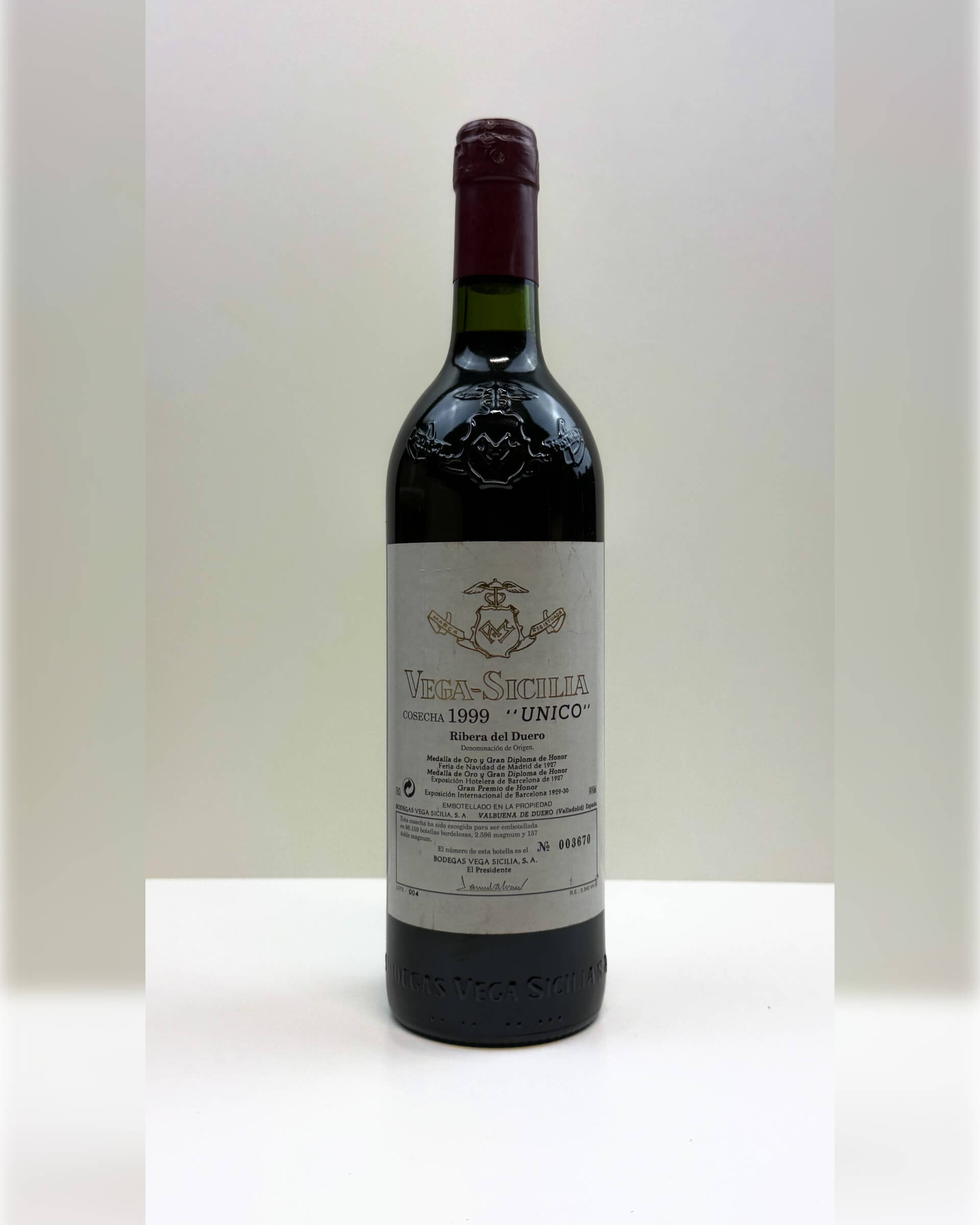
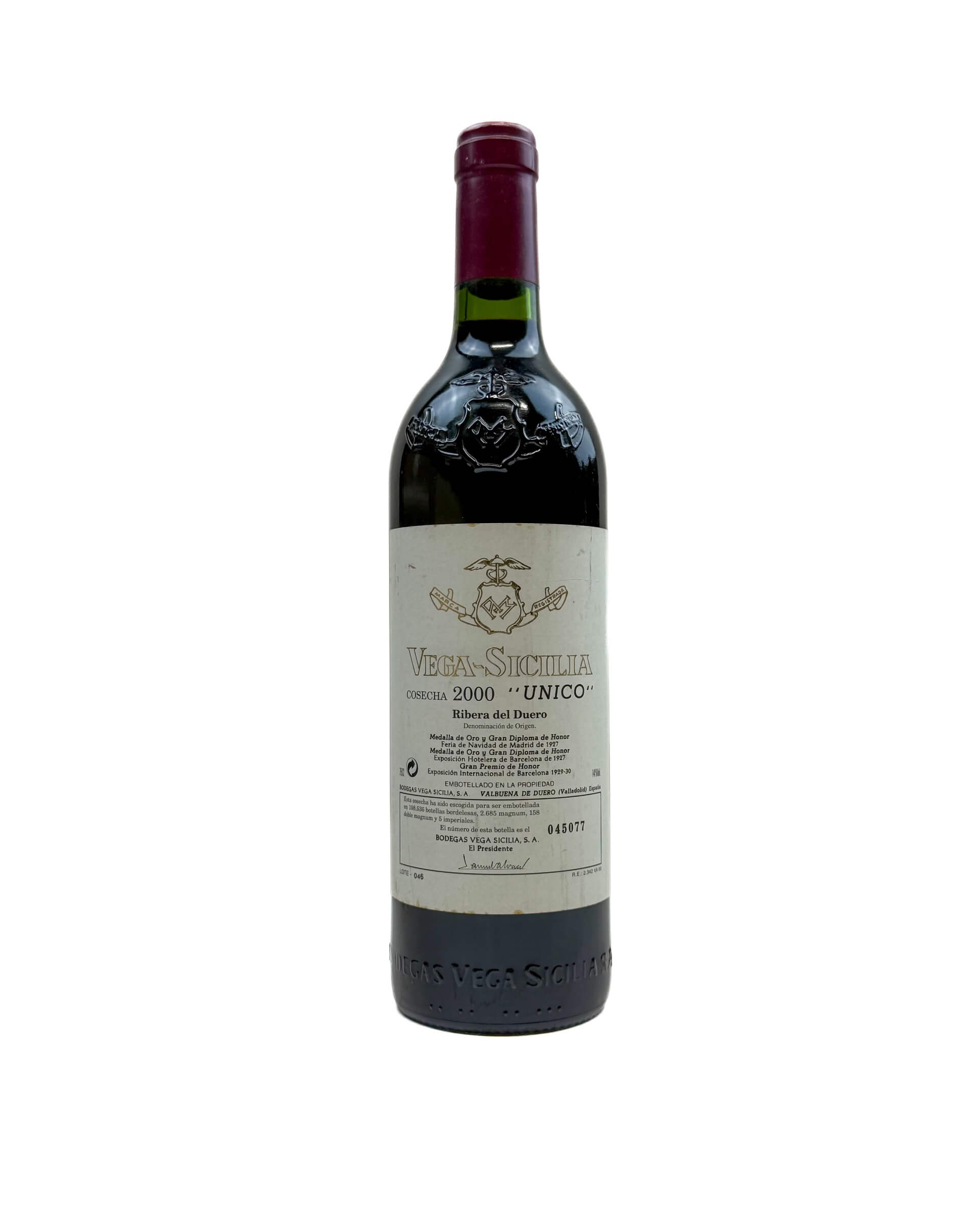
Few regions express the seriousness of Spanish red wine as completely as the high plateau where Castilla y León wine is made. Stretched across the windswept Castilian meseta and threaded by the Duero River, this is the inland heart of Spain‘s fine-wine reputation, where Tempranillo ripens slowly at altitude and becomes bottles that can be drunk young or cellared for decades. Most serious buyers arrive here by way of Ribera del Duero or the legendary Vega Sicilia estate, and then discover a region far deeper than a single appellation.
Tour de Wine has curated this corner of the country selectively rather than exhaustively: a tightly chosen selection of 15 bottles spanning the region’s best designations of origin, from approachable Crianza to museum-piece Gran Reserva. Prices run from around €130 for accessible expressions to €7,500 for the rarest allocated cuvées, so the page covers everything from a confident first purchase to a collector’s centrepiece.
The defining feature of Castilla y León wine is altitude. The principal Ribera del Duero vineyards sit between roughly 750 and 900 metres above sea level, on a plateau with one of the most extreme continental climates in European viticulture: bitterly cold winters, intensely hot summers, and dramatic diurnal swings that can reach 15–20°C between a scorching afternoon and a cold night. That daily temperature drop is the region’s secret. It lets grapes ripen fully while retaining the natural acidity that gives the wines their backbone and remarkable ageing capacity. The Duero River is the organising geographic feature, cutting west across the meseta and lending its name to the flagship DO; further downstream it crosses into Portugal, becomes the Douro, and threads through the terraced vineyards of Port country.
Tempranillo is the anchor red variety almost everywhere in the region — thick-skinned, naturally generous in tannin and colouring anthocyanins, and capable of an extraordinary stylistic range. The same grape produces fresh, fruit-forward joven reds meant for early drinking and dense, structured Gran Reservas that reward 20 years in the cellar. It is no coincidence that Castilla y León consistently produces Spain’s most internationally awarded reds: the combination of old vines, poor soils, and severe high-altitude terroir is a recipe for concentration and longevity that few wine regions on earth can match.
Most competitors treat the region as a single “Tempranillo zone.” In reality it contains several commercially distinct denominations of origin, each with its own grapes, style, and price logic. Understanding the map is the single fastest way to choose well, and it is the part of any Castilla y León wine guide that most merchants leave out entirely.
Stretching along the upper Duero valley at 750–850 metres, Ribera del Duero is home to some of Spain’s most age-worthy and internationally revered red wines, and accounts for 14 of the 15 bottles in this selection. Tempranillo — known locally as Tinto Fino or Tinto del País — is the dominant variety, required at a minimum of 75% in all reds, with small permitted additions of Cabernet Sauvignon and Merlot in some estates. Ageing tiers — Roble, Crianza, Reserva, and Gran Reserva — define quality and price here more than any other factor, with Vega Sicilia’s Único and Pesquera’s Gran Reserva representing opposite poles of producer philosophy within the same DO. For the full grape identity, classification tiers, and producer depth, see the dedicated Ribera del Duero page.
Located east of Valladolid where the Duero broadens and the altitude eases slightly, Tudela de Duero is a single-bottle sub-zone in this selection rather than a deep category. Its sandy alluvial soils, lower and warmer than the rocky limestone terraces of La Horra in the eastern Ribera, give wines that typically soften 12 to 18 months earlier than those higher-altitude bottlings — useful if you want a Castilian profile without the longest wait in the cellar. Treat it as a cross-reference to the main Ribera del Duero listing rather than a separate destination, and browse the single Tudela de Duero bottle alongside it.
Toro DO lies further west along the Duero, where Tinta de Toro — a local Tempranillo clone — grows in sandy, phylloxera-resistant soils that in many plots still carry pre-phylloxera ungrafted vines. The result is wine of extraordinary depth and concentration: deeply coloured, high in natural alcohol, with a dense tannic structure that rivals the most powerful reds of the Ribera. Prestige estates here include Pintia, owned by the Vega Sicilia family, and Numanthia, acquired by LVMH — proof that Toro has earned the attention of the same names that built Castilian fine wine. For anyone exploring the Duero corridor beyond Ribera del Duero, Toro is the essential second chapter.
Bierzo occupies the north-western corner of Castilla y León, bordering Galicia, where Atlantic-influenced valleys and slate soils produce something entirely unlike the Castilian plateau. Mencía is the dominant grape: lighter in body, higher in acidity, fine-grained in tannin, and built around translucent red fruit and an iron-mineral grip. Bierzo is the appellation that proved Mencía’s prestige potential. Raúl Pérez works single-parcel old vines on the slate slopes the Camino de Santiago crosses, and Descendientes de J. Palacios — the Bierzo project of the family behind Priorat’s L’Ermita — farms steep schist terraces; both became international reference points for terroir-driven Spanish red in the 2000s. For a collector who wants a Spanish alternative to a cool-climate red, Bierzo is the answer.
Rueda DO, in the west of the region near Valladolid, is Spain’s leading appellation for Verdejo, the naturally aromatic white variety that wines labelled simply “Rueda Verdejo” must contain at a minimum of 85% under DO rules. Vineyards sit at roughly 700 to 800 metres — higher than most Spanish white-wine zones — and the altitude preserves the acidity that gives Rueda its weight and cut. Styles range from unoaked, stainless-fermented bottlings built on grapefruit and fennel to barrel-fermented and lees-aged wines with more texture; Bodegas Belondrade’s Belondrade y Lurton helped establish that ambitious, age-worthy register, with Naia a widely cited reference for the fresher style. For anyone wanting a white from Castilla y León to sit alongside the region’s powerful reds, Rueda is the natural answer and a reminder that this is not a red-only region.
Tempranillo is Spain’s most planted quality red variety, and it travels through Castilla y León under several names: Tinto Fino or Tinto del País in Ribera del Duero, Tinta de Toro in Toro, and Cencibel further south. The common thread is unmistakable — robust pigmentation that produces deeply coloured wines, a firm tannic frame that integrates beautifully with new oak, naturally moderate acidity lifted by altitude-preserved freshness, and a flavour profile of dark cherry, plum, leather, and cedar that evolves with bottle age into tobacco, graphite, and dried herbs. Tempranillo’s capacity to absorb long oak maturation without losing its fruit core is precisely why the Crianza, Reserva, and Gran Reserva designations carry such strong commercial meaning here.
For a buyer facing the region’s wide price range, the most useful idea is the stylistic arc from joven to Gran Reserva. Joven and Roble wines are fruit-forward, lightly oaked, and made to be enjoyed within a few years. Crianza adds structure and gentle oak. Reserva wines are built to cellar. Gran Reserva expressions, dense and tightly wound on release, are designed for a decade or more of evolution and open dramatically with air. Reading a label for its ageing tier tells you almost everything about when to drink a bottle of Castilla y León wine and what it should cost.
Castilian cooking and Castilian wine grew up together. The region’s signature dishes — cochinillo asado (suckling pig) and lechazo (milk-fed lamb) — are slow-roasted whole in wood-fired clay ovens, producing crisp, caramelised crusts and rich rendered fat that need a wine with firm tannin to cut through. That is precisely the structure altitude and Tempranillo build into these reds. Match the dish to the wine’s style tier and you rarely go wrong.
For serving, pour Crianza and lighter reds at 15–16°C and Reserva and Gran Reserva at 17–18°C. Decant structured young Reserva wines 60–90 minutes ahead; give Gran Reserva from a top vintage at least two hours; and handle very old vintages with care, decanting gently and drinking within three to four hours of opening.
The selection spans a deliberately wide spectrum, and the price stats tell an honest story about where the value and the trophies sit. Use these four tiers to navigate confidently when you buy Castilla y León wine.
To browse the most granular choice, use the site’s price filter and head to the Ribera del Duero child category, which holds 14 of the 15 bottles in this regional hub.
Ribera del Duero’s Vega Sicilia Único is the most celebrated Spanish red wine globally and remains the region’s undisputed benchmark for age-worthiness and prestige. At the Reserva and Gran Reserva tier, wines from Pesquera, Pingus, and a generation of single-vineyard producers consistently earn Spain’s highest critical scores. Buyers seeking something lighter and more mineral should look to Bierzo’s Mencía-based wines, which offer a genuinely different — and equally serious — expression of Castilla y León terroir.
Both appellations are Tempranillo-dominant, but they differ meaningfully in style. Ribera del Duero sits at higher altitude on the Castilian plateau and produces denser, darker, more tannic wines with stronger fruit concentration. Rioja — further north, with Atlantic and Mediterranean influence — tends toward more elegant red-fruit expressions and, in traditional Gran Reserva, softer texture from extended American-oak ageing. Ribera del Duero leads for structural power and dark-fruit intensity; Rioja for finesse and earlier accessibility. The finest wines from both regions sit at comparable price points.
In the Ribera del Duero DO, “Reserva” is a legally defined category requiring a minimum of 12 months in oak cask and 36 months of total ageing before release. “Gran Reserva” requires at least 24 months in oak and 36 months in bottle. These are meaningful guides to style and cellaring potential rather than marketing terms: Reserva wines arrive structured with integrated oak, while Gran Reserva expressions are built for a decade or more of evolution and open significantly with decanting when young.
The spread in this selection — from around €130 to €7,500 — reflects genuine differences in production scale, ageing duration, and international demand. Entry-level Crianza expressions are made in larger quantities and released earlier. Collector-tier bottles such as Vega Sicilia Único, Pingus, and top single-vineyard Ribera del Duero are produced in tiny quantities, sometimes aged for a decade before release, and meet collector demand that structurally outstrips supply. The wide range is not a quirk of one merchant’s list; it reflects the appellation’s real quality spectrum.
Written by the Tour de Wine buying team. Last reviewed: June 2026.
This site is restricted to adults. By entering, you confirm that you are of legal drinking age in your country of residence.