
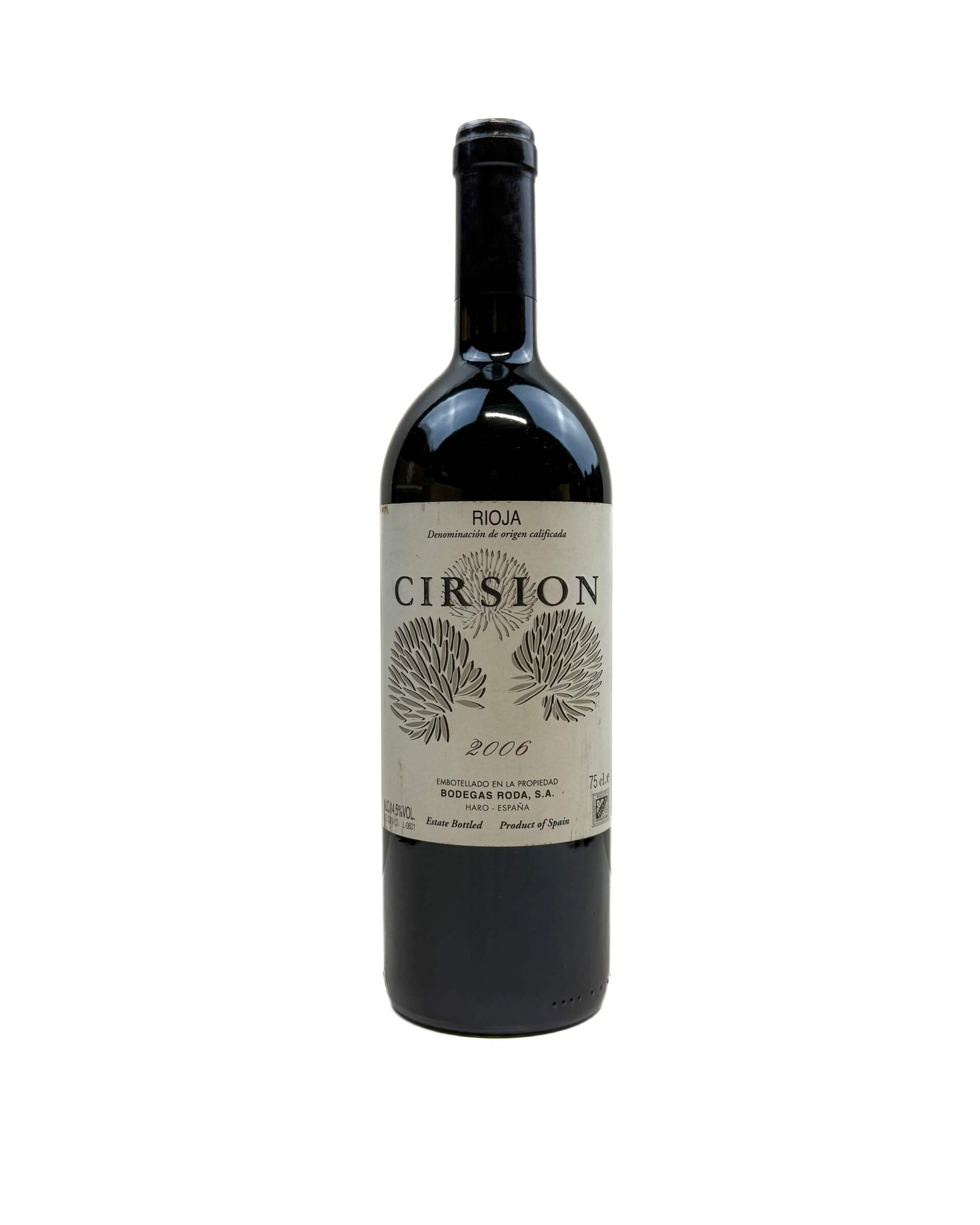
95
0,75
2006
Roda
Wines, producers, regions...

Rioja is Spain’s most internationally celebrated red wine — the country’s first appellation to earn quality-classified status and, for many drinkers, the gateway to fine Spanish wine altogether. Built on Tempranillo and matured in oak, Rioja spans a remarkable range, from approachable, fruit-led Crianza to rare, decades-old Gran Reserva bottlings that rank among the great age-worthy reds of Europe. As Spain’s flagship region within our Spanish wines collection, Rioja is Tour de Wine’s most-requested Spanish appellation, accounting for the majority of our Spanish red sales by value within the wider Wine catalogue.
Our Rioja selection is a premium edit restricted to Reserva and Gran Reserva expressions from Rioja Alta and Rioja Alavesa estates with a sustained track record of critical recognition, rather than a supermarket shelf. Every bottle is priced from around €135, with most near €200 — the classification tiers where Rioja’s identity, structure, and cellaring value are most clearly expressed. This is a tight, specialist selection of three bottles chosen for depth rather than breadth.
Rioja DOCa is a wine appellation straddling the Ebro River valley in northern Spain, spread across the administrative regions of La Rioja, Navarra, and the Basque Country. It earned Spain’s first quality wine designation in 1926 and was elevated to DOCa (Denominación de Origen Calificada) status in 1991 — the country’s highest recognised wine designation, shared with only one other appellation, Priorat DOQ. Understanding Rioja as a rioja wine region means understanding its three sub-zones, because they explain almost every difference in style you will taste from bottle to bottle.
Rioja Alta, in the west, sits at higher altitude — roughly 400 to 700 metres — on clay-limestone and alluvial soils, under a cooler Atlantic influence. It is the heartland of the traditional Rioja style, producing the appellation’s most structured, aromatic, and age-worthy wines: deeper in colour, higher in natural acidity, more complex, and longer-lived than those from other zones. It is the home of historic houses such as López de Heredia, La Rioja Alta S.A., and CVNE.
Rioja Alavesa, the northernmost sub-zone in the Basque province of Álava, shares that Atlantic influence and 400–700 metre altitude band but is defined by calcareous marl soils that lend its wines a characteristic freshness and mineral tension. The results are compact, concentrated, often structured reds, and this is the zone that has pushed hardest into single-vineyard, terroir-expressive winemaking — Artadi being its most celebrated modern name. Rioja Oriental (formerly Rioja Baja), in the warmer, lower-lying east, leans Mediterranean, with Garnacha dominant and a fuller-bodied, higher-alcohol, more immediately approachable profile that suits younger Crianza and fruit-forward blends. Rioja DOCa permits white wine too — Viura (Macabeo) leads, with Garnacha Blanca and Malvasía also allowed — though our selection focuses exclusively on red.
Tempranillo is the structural backbone of all serious Rioja red, typically accounting for 60 to 90 per cent or more of the blend, and sometimes 100 per cent in modern single-variety expressions. The name derives from temprano, Spanish for “early”, a nod to the grape’s relatively early ripening. In Rioja, Tempranillo gives wines of moderate tannin and fresh acidity, with a flavour spectrum that runs from sour cherry, dried plum, tobacco, and earthy cedar in youth toward leather, dried herbs, and graphite with age. It is the variety that makes Rioja recognisably itself, and it anchors much of our wider Red wines range.
The three traditional blending partners each play a distinct role. Garnacha (Grenache) adds body, fruit richness, and warmth, historically essential to Rioja Oriental blends and increasingly prized for character in modern cuvées. Graciano is a rare, high-acidity, low-yield variety that contributes aromatic lift, fine tannin, and longevity — many producers consider it the secret to the greatest Gran Reserva. Mazuelo (known elsewhere as Carignan or Cariñena) brings deep colour, firm tannin, and earthy grip for ageing. Cabernet Sauvignon survives only as an experimental variety grandfathered into a handful of historic estates, and Merlot is not an authorised Rioja grape at all — the appellation’s identity remains firmly built on native Spanish varieties.
More than soil or grape, it is the ageing classification that governs how a Rioja tastes and how long it should be cellared. The four tiers below are legally defined minimums; serious producers routinely exceed them. If you are deciding what to buy and how long to hold it, the tier on the label is the single most useful piece of information on the bottle.
With no oak requirement or only minimal wood contact, Joven wines are released in the vintage year or the following spring. They show pure, vibrant Tempranillo character — bright cherry, strawberry, and floral notes with little secondary complexity. It is the most accessible entry point into Rioja, but not a tier represented in our premium selection. For lighter, younger Spanish reds, see our Spanish wines overview.
Crianza requires a minimum of two years’ total ageing, of which at least one year must be in oak barrels (maximum 225 litres), followed by a further six months in bottle. At this level you begin to see Rioja’s characteristic oak integration — vanilla, toast, and tobacco developing alongside cherry and plum fruit. A Crianza is approachable within three to eight years of vintage: the reliable, everyday serious Rioja.
Reserva demands at least three years’ total ageing, including a minimum of one year in oak, with a further six months in bottle before release. This is where sub-zone terroir and structural complexity become clearly legible: dried fruit, leather, cedar, and the signature American-oak vanilla interplay. Reservas from top Rioja Alta and Rioja Alavesa producers offer serious cellaring value, rewarding eight to fifteen years from vintage while remaining enjoyable now with 30 to 45 minutes of decanting.
Gran Reserva requires a minimum of five years’ total ageing — at least two years in oak and two in bottle — and is produced only in the best vintages by the most serious estates, designed for a decade or more of evolution. At Tour de Wine, Gran Reserva expressions are the heart of the selection, with most bottles priced near €200, reflecting the quality, age, and production scarcity this tier demands. Benchmark Gran Reserva vintages to look for include 2001, 2005, 2010, 2016, and 2019.
The most common source of confusion in the premium Rioja segment is why two bottles both labelled Gran Reserva can taste fundamentally different. The answer is almost always the oak. Traditional Rioja is matured for extended periods in American oak barrels — refreshed every five to ten years — which impart the characteristic vanilla, coconut, dill, and tobacco aromas that most drinkers instinctively recognise as the “Rioja smell”. This style defines the classic houses: López de Heredia (Viña Tondonia), La Rioja Alta S.A. (Viña Ardanza, 904, 890), and CVNE (Imperial Gran Reserva).
Modern or progressive producers favour French oak barriques, often new or only one to two years old, with shorter total ageing. This regime yields darker fruit, more spice and grip, less overt vanilla, and greater structural density — wines closer in character to Ribera del Duero or even a well-built Burgundy. Artadi, Roda, Muga (Prado Enea), and Remírez de Ganuza exemplify this current. Neither approach is superior; they are genuinely different traditions and aesthetic ambitions that appeal to different collectors, and knowing which you prefer is the fastest route to buying Rioja you will love.
Both Rioja and Ribera del Duero are premier Spanish red appellations built on Tempranillo, yet they produce systematically different wines. Rioja, at lower altitude across the DOCa as a whole (roughly 300 to 700 metres, with the western Alta and Alavesa zones occupying the upper 400 to 700 metre band and Oriental sitting lower) and with mixed Atlantic and Mediterranean influence, tends toward aromatic elegance and earlier accessibility, with the vanilla signature of American oak and a red-fruit profile of cherry and raspberry. Ribera del Duero, on an extreme continental plateau at 700 to 900 metres, grows a high-altitude Tempranillo clone known as Tinto Fino, producing darker, firmer, denser wines with concentrated black fruit that generally demand longer cellaring.
The practical rule is straightforward. If you favour aromatic elegance, oak integration, and wines you can enjoy sooner, Rioja is typically the better choice. If you favour structural density, dark-fruit power, and reds built for long cellaring, Ribera del Duero will suit you better. For drinkers who love both, the 2010 and 2016 vintages were excellent across the two appellations and make a useful shared reference point when comparing them side by side — and they help frame what the best rioja wine can offer relative to its neighbour.
Crianza and young Reserva: moderate tannin and gentle vanilla oak make these among the most food-flexible of all reds. The canonical Spanish pairing is roast lamb — especially cordero al chilindrón, lamb stewed with red peppers, onion, and tomato — alongside grilled lamb chops, cured Ibérico ham, Spanish tortilla, and aged Manchego. They are equally at home with pasta bolognese, beef stew, roasted root vegetables, and garlic mushrooms, whose earthiness the American-oak vanilla profile particularly flatters.
Gran Reserva: slow-roasted suckling lamb, rack of lamb, bone-in rib of beef, aged Idiazabal (Basque sheep’s-milk cheese), Ibérico bellota ham, wild-mushroom dishes, and game birds. The fine, fully integrated tannins of a mature Gran Reserva are forgiving enough to pair with more delicate preparations than a young Ribera del Duero would suit.
This selection is built around a single editorial rule: every bottle is a Reserva or Gran Reserva expression from a Rioja Alta or Rioja Alavesa estate with a long record of consistent critical recognition. The result is a tight band of three bottles chosen for specialist depth rather than range.
Entry tier — from around €135: Reserva expressions from serious producers, where the minimum three-year ageing requirement already yields legible complexity — dried cherry, vanilla, and tobacco integration. These wines are approachable now with decanting or suited to three to eight years of further cellaring, and they sit in a category supermarket selections never reach.
Prestige tier — most bottles near €200: Gran Reserva expressions from outstanding vintages, where five years of minimum ageing (two in oak) produces fully integrated structure and secondary complexity — leather, cedar, dried herbs, graphite — with genuine longevity. These can continue to evolve for another ten to twenty-five years in the cellar, depending on producer and storage, or be opened now with 45 to 60 minutes of decanting. At €200, a Gran Reserva from a benchmark vintage represents real fine-wine value relative to what this tier commands at auction. Use the individual product pages for vintage notes and tasting descriptors on each bottle before you buy Rioja wine online.
Rioja is a Spanish DOCa producing the country’s most internationally exported red wines, made predominantly from Tempranillo and classified by oak-ageing tier. The appellation, in northern Spain, produces the country’s most internationally recognised and widely exported reds. The appellation spans the La Rioja, Navarra, and Basque Country regions along the Ebro valley. Rioja reds are based predominantly on Tempranillo, often blended with Garnacha, Graciano, and Mazuelo, and are defined by their oak-ageing regime — the Crianza, Reserva, and Gran Reserva system governs the minimum time each tier spends in barrel and bottle before release. Rioja earned Spain’s first quality wine designation in 1926 and its current DOCa status in 1991, a tier it shares only with Priorat DOQ.
These are Rioja DOCa’s legally defined ageing tiers. A Crianza requires at least two years’ total ageing (minimum one year in oak), giving fresh-fruited wines with early vanilla and tobacco notes — approachable young and best within five to eight years of harvest. A Reserva requires at least three years’ total ageing (one in oak), producing more complex wines with dried fruit, leather, and cedar that reward eight to fifteen years of cellaring. A Gran Reserva requires a minimum of five years’ ageing (two in oak and two in bottle), is made only in the best vintages, and represents the appellation’s finest, most age-worthy wines, capable of developing for ten to twenty-five years or more depending on producer and storage.
Both are premier Spanish red appellations built on Tempranillo, but they taste quite different. Rioja (300–700 m altitude across the whole DOCa, Atlantic-Mediterranean climate) is typically more aromatic and immediately accessible, with characteristic American-oak vanilla and a profile of red cherry, raspberry, and dried herbs. Ribera del Duero (700–900 m, extreme continental climate) grows a high-altitude Tempranillo clone called Tinto Fino, giving darker colour, firmer tannin, denser black fruit, and greater structural density built for longer cellaring. If you prefer aromatic elegance and oak-integrated approachability, choose Rioja; if you prefer structural power and dark-fruit density, Ribera del Duero will suit you better.
Rioja’s most canonical pairing is lamb — particularly cordero al chilindrón (lamb stewed with peppers) or whole roasted rack of lamb. The grape’s moderate tannin and the wine’s American-oak vanilla make it exceptionally versatile: Crianza and Reserva pair just as happily with roast chicken, mushroom dishes, grilled chorizo, cured Ibérico ham, and aged Manchego. Gran Reserva, with its fine integrated tannin and savoury complexity, suits slow-roasted meats, game birds, aged hard cheeses such as Idiazabal, and rich mushroom preparations. The American-oak vanilla in traditional-style reds is considered by many sommeliers to complement the umami character of earthy mushrooms particularly well.
Written by the Tour de Wine buying team. Last reviewed: June 2026.
This site is restricted to adults. By entering, you confirm that you are of legal drinking age in your country of residence.