
93+
0,75
2014
Perrier-Jouët
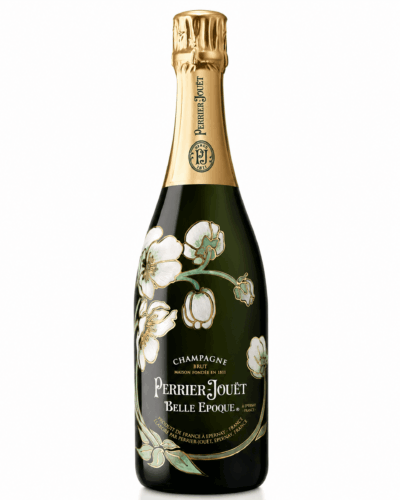
Wines, producers, regions...
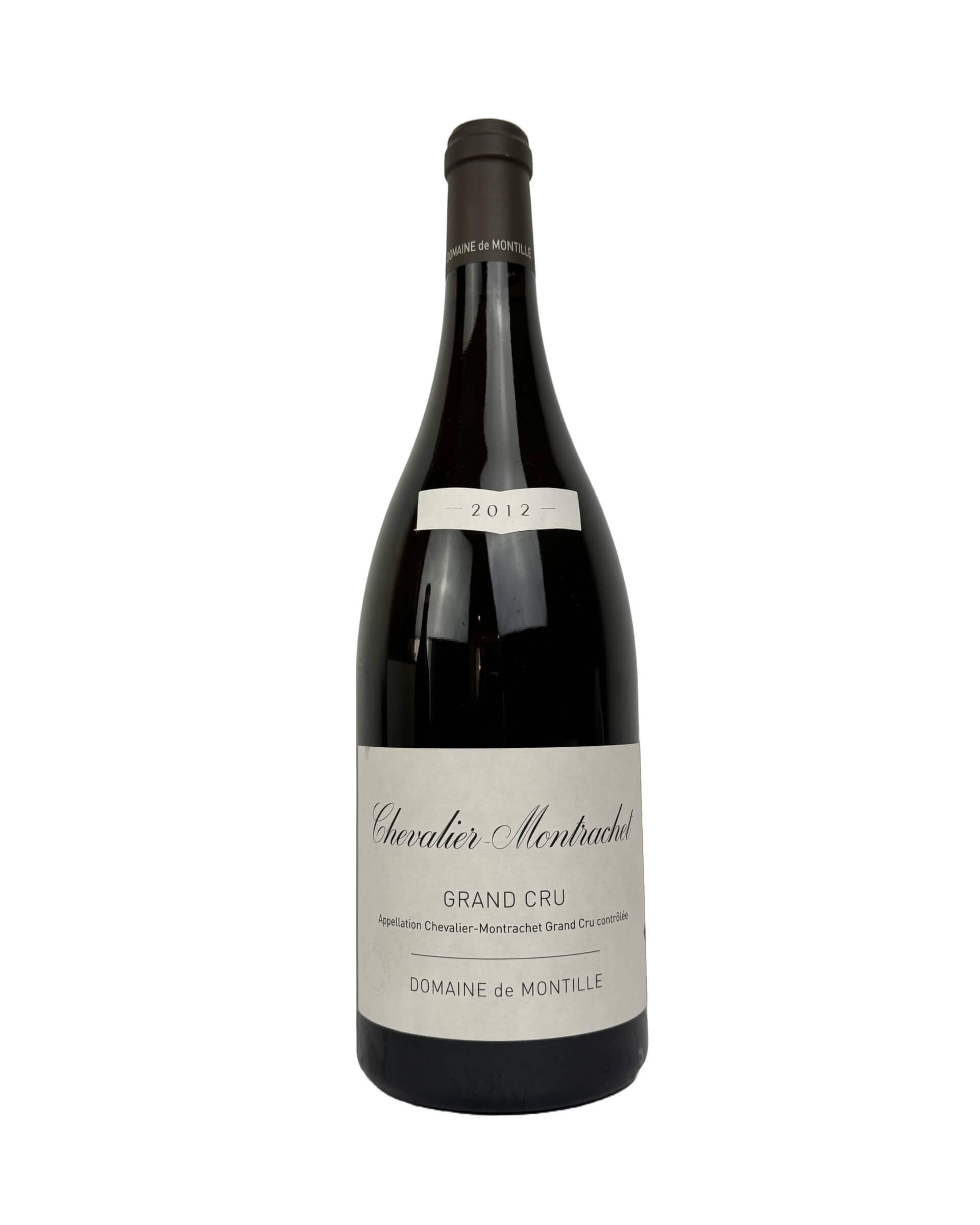
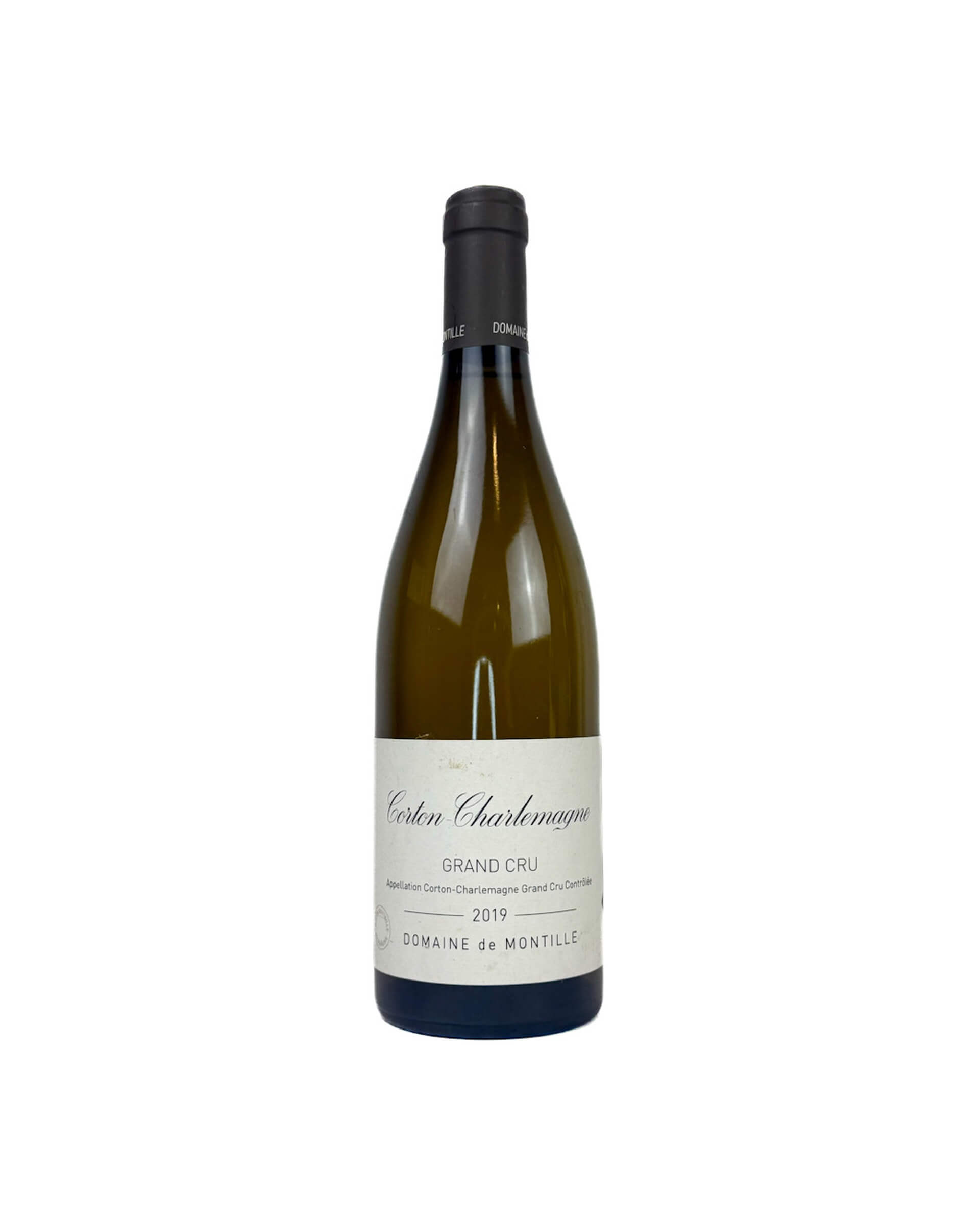
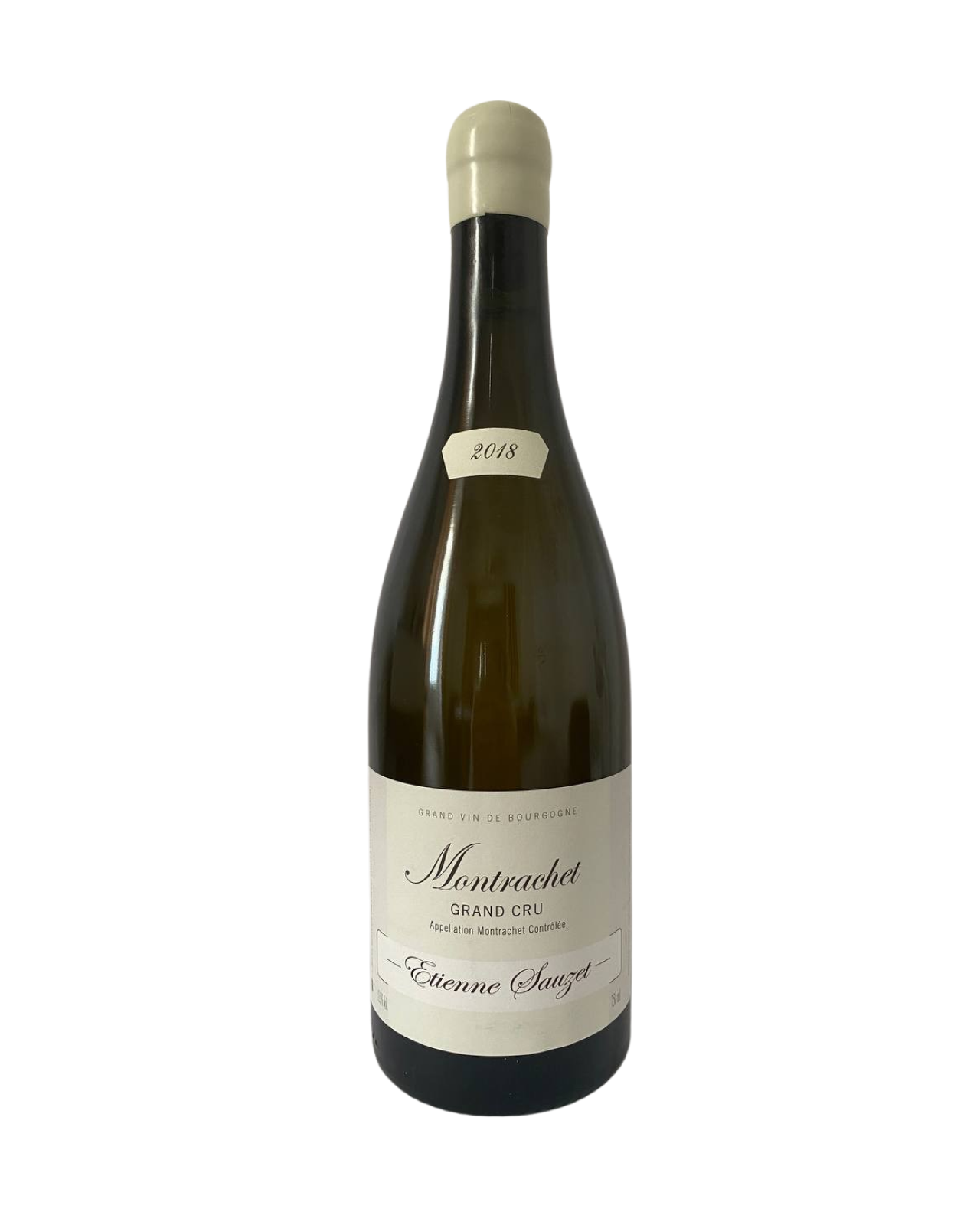
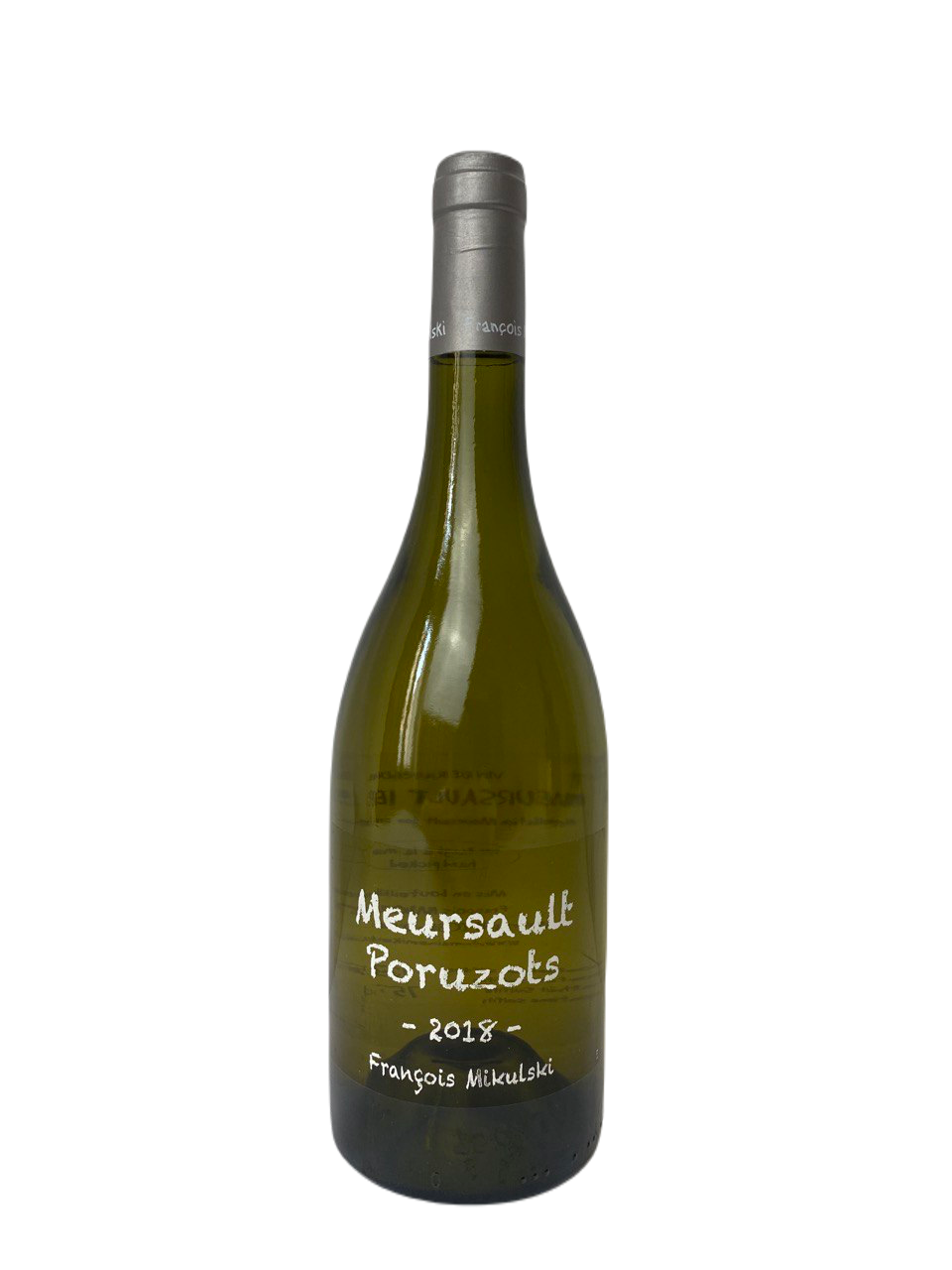
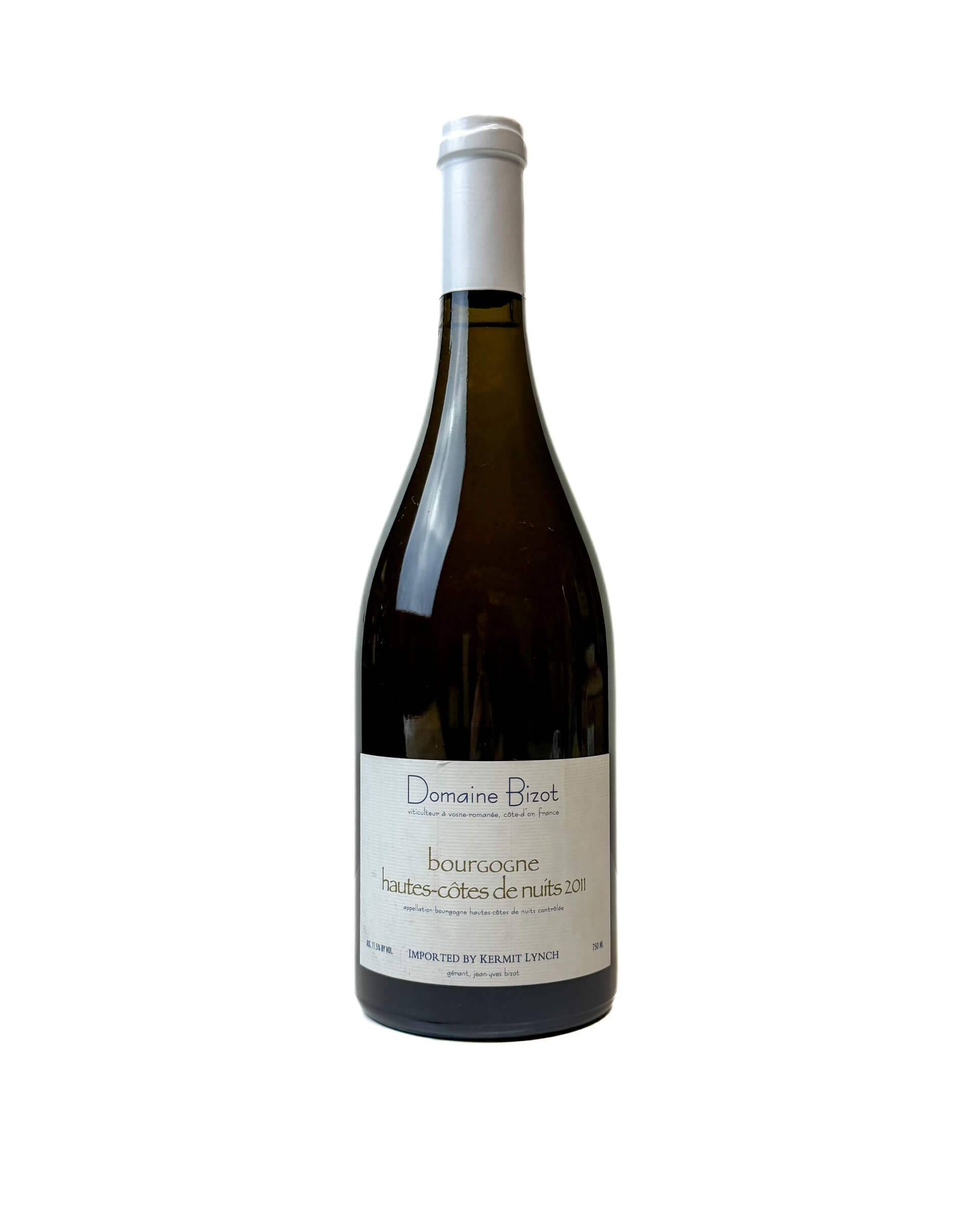
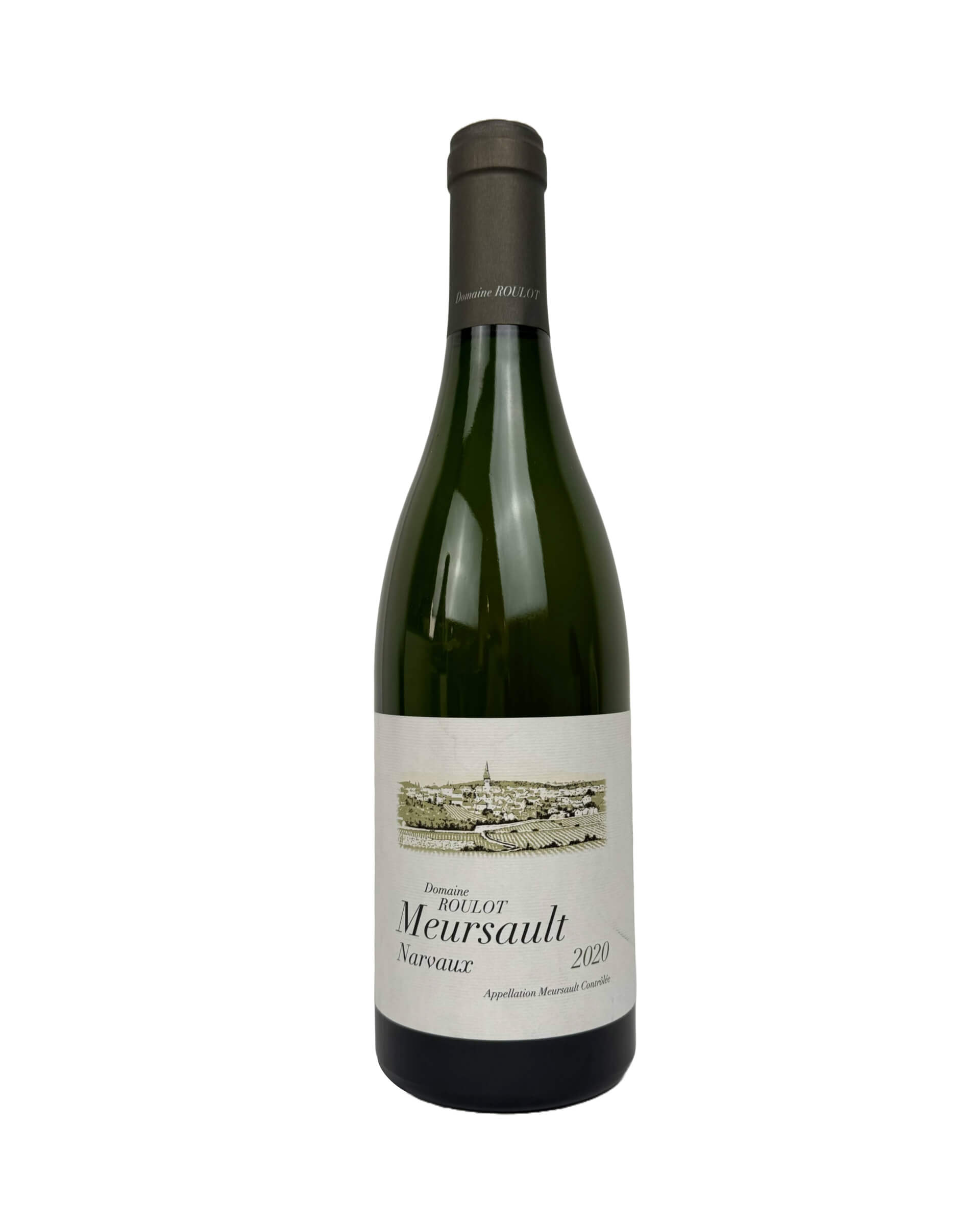
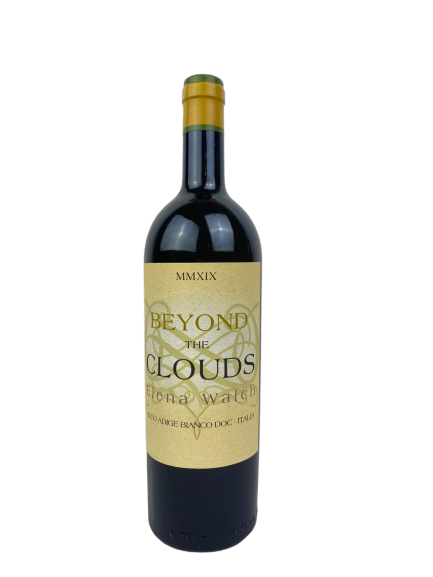
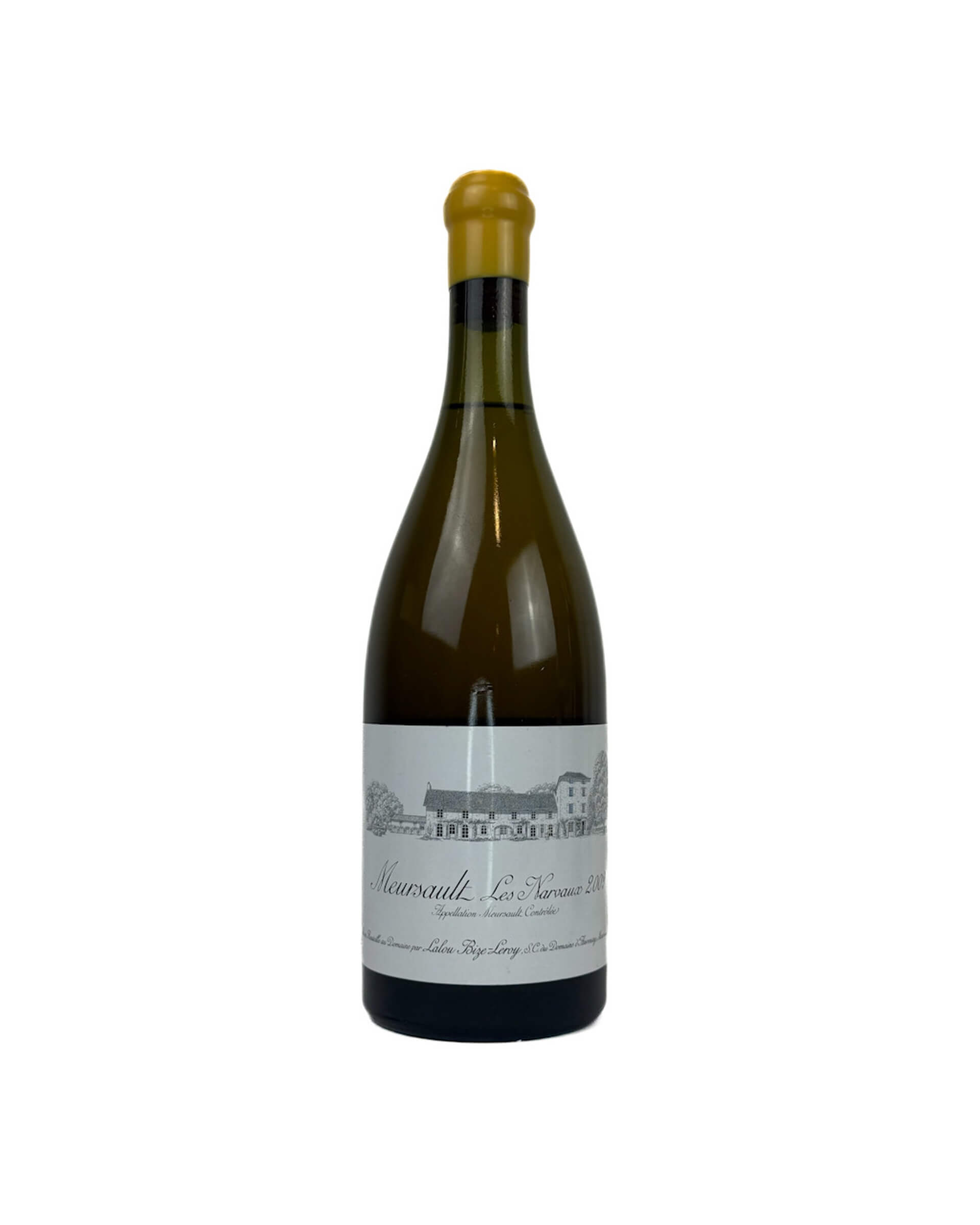
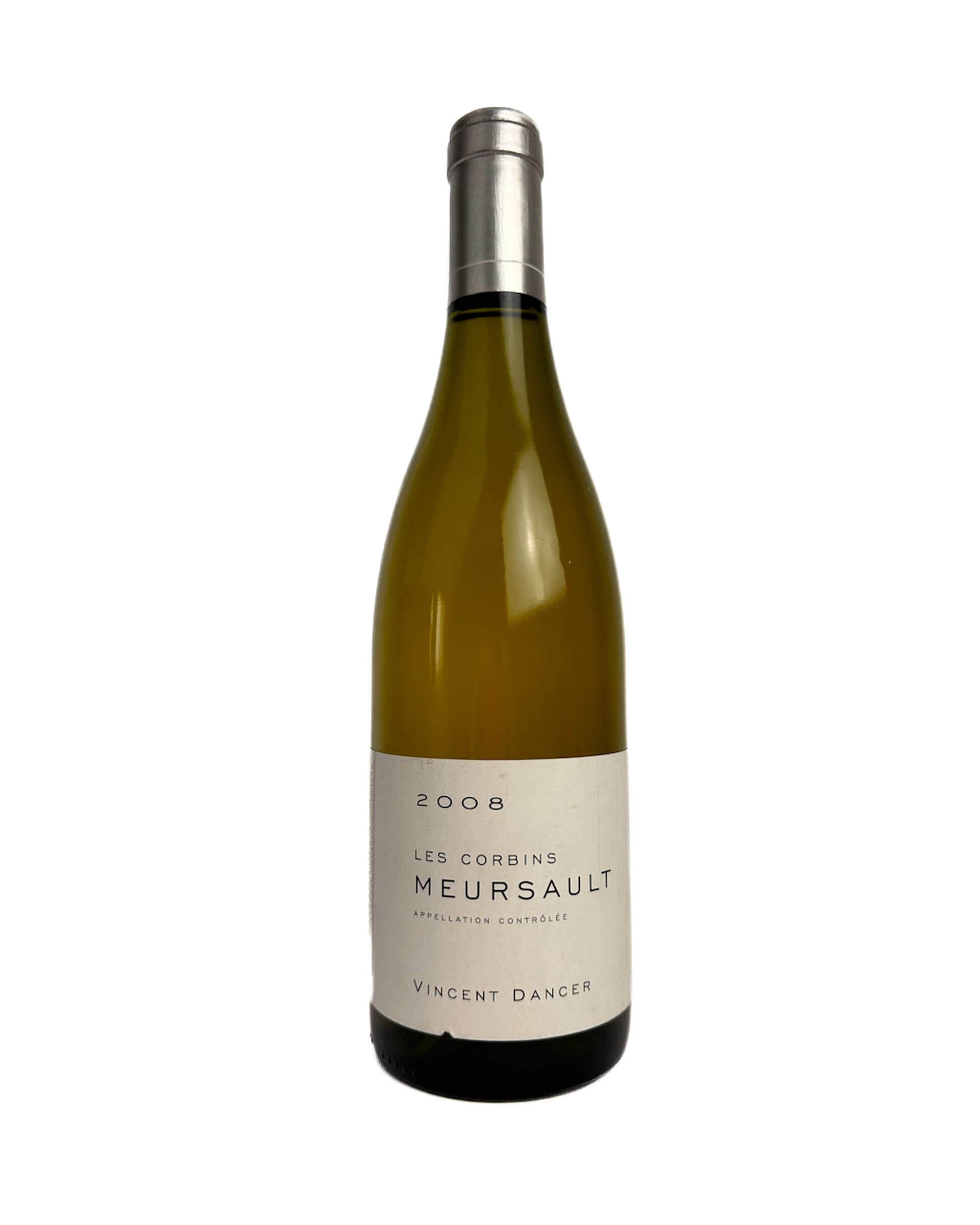
Chardonnay is the world’s most planted noble white grape, and few varieties divide opinion so sharply. At one extreme sit the overcropped, heavily oaked New World bottlings that gave the grape its reputation for buttery excess; at the other stand the dry white wines that command the highest auction prices in the world — Grand Cru white Burgundy drawn from a few hectares of limestone in the Côte de Beaune. Tour de Wine’s chardonnay selection is anchored firmly in that Old World heartland, where the grape stops being a flavour and becomes a mirror of its terroir.
Two regions define the canon. Burgundy gives the grape its still expression, from the cool mineral precision of Chablis to the opulent, hazelnut-rich whites of Meursault and Puligny-Montrachet. Champagne gives it its sparkling form, where Chardonnay alone becomes Blanc de Blancs. The catalogue spans this full arc — entry Chablis through Grand Cru white Burgundy and prestige Blanc de Blancs — with aromatics that move from green apple, lemon curd and oyster shell toward white peach, toasted brioche, hazelnut and beeswax as the wines gain barrel and bottle age.
The selection below covers the styles, regions and price tiers worth knowing before you buy, with guidance on what each step up the ladder actually delivers in the glass.
Chardonnay is a green-skinned, early-budding variety born in eastern France. DNA analysis identifies it as a natural crossing of Pinot Noir and the now-obscure Gouais Blanc — a Burgundian parentage that helps explain why the grape feels so at home on the region’s limestone. In every serious expression it is fermented bone-dry; any sweetness you perceive is the illusion of ripe fruit and oak, not residual sugar.
What makes Chardonnay unique among major white grapes is its near-total lack of strong varietal aroma. It is the most terroir-transparent white in the world — its character comes overwhelmingly from where it grows and how it is made, not from the grape itself. That is why a Chablis and a Meursault, both pure Chardonnay, can taste like different wines entirely.
That last factor — malolactic fermentation, which converts sharp malic acid into softer lactic acid — is near-universal in Burgundy and creates the creamy, dairy-edged texture many associate with white Burgundy. Some Chablis and Champagne producers block or limit it to preserve tension and citrus bite. Compared with Sauvignon Blanc, Chardonnay is fuller, less overtly aromatic in its unoaked form, far more shaped by winemaking, and built for richer food and longer ageing — where Sauvignon leads on instant aromatic freshness, Chardonnay wins on texture and depth at the table.
The single most useful thing to understand about Chardonnay is that oak is a style choice, not a quality ranking. A great unoaked Chablis and a great barrel-fermented Meursault are both reference wines; they simply answer different questions. Knowing which camp a bottle sits in tells you most of what you need to know about how it will taste.
Unoaked Chardonnay — Chablis and most Blanc de Blancs Champagne — is built around mineral tension and citrus precision. Producers use stainless steel or only old, neutral barrels that add texture without flavour, keeping the wine taut, flinty and razor-clean. Oaked Chardonnay — Meursault, Puligny-Montrachet, the serious Côte de Beaune — is fermented and aged in a proportion of new and one-year barrels, which lend body, spice and a toasted-hazelnut complexity. On the finest terroirs the site shines through the oak rather than being masked by it.
The “Anything But Chardonnay” backlash of the 1990s and 2000s was a reaction to over-oaked California bottlings, not to the grape itself. Winemakers worldwide have since course-corrected toward restraint, while Burgundy’s balance of oak and freshness remained the reference standard throughout. Tour de Wine’s selection centres on Old World expressions where oak is a tool, not a flavour — if you want pure fruit and mineral, start with Chablis; if you want richness and breadth, look to the Côte de Beaune.
Chardonnay is planted in almost every wine-producing country on earth, but its greatest expressions cluster in a handful of cool to temperate sites. The reference points are all French, which is why Tour de Wine’s selection of France wines leans so heavily on Burgundy and Champagne. Each region below produces a recognisably different style from the same grape — proof of just how transparent Chardonnay is to its origins.
Chablis is the northernmost outpost of Burgundy, planted on Kimmeridgian limestone studded with fossilised oyster shells. The result is a wine of extraordinary precision — lemon curd, green apple, oyster shell and a flinty mineral cut that no other region replicates.
The limestone hillside running south from Corton through Chassagne-Montrachet is where Chardonnay reaches its most complex, structured and age-worthy form. These are the wines that justify the grape’s place at the summit of white wine. The finest examples come from the Burgundy wines of the Côte d’Or, where village, Premier Cru and Grand Cru parcels sit side by side.
Chardonnay is one of the three principal Champagne grapes alongside Pinot Noir and Pinot Meunier. In Blanc de Blancs — Champagne made exclusively from Chardonnay — the grape yields wines of intense citrus freshness, fine persistent mousse and extraordinary ageing potential; great vintage Blanc de Blancs develops magnificently over twenty to thirty years.
The Côte des Blancs south of Épernay is the heartland, where the Grand Cru villages of Avize, Cramant, Le Mesnil-sur-Oger and Oger sit on pure chalk subsoil that imparts a distinctive white-flower, lemon and chalky-mineral character. Salon, made only in declared vintages from a single Le Mesnil vineyard, is the purist’s benchmark; grower-houses such as Agrapart and Pierre Péters show the same chalk in a more accessible register, while Billecart-Salmon’s Blanc de Blancs is the reliable house style. Blanc de Blancs is one of the highest expressions of Chardonnay and a completely different register from still white Burgundy — a cellar holding both is working at the very top of what this grape can do.
South of the Côte d’Or, the Mâconnais produces approachable, fruit-forward Chardonnay. Pouilly-Fuissé — the region’s premium appellation, now with its own Premier Cru vineyard designations — and Mâcon-Villages offer genuine Burgundian character at far more accessible prices; Domaines Leflaive’s and Guffens-Heynen’s work in Pouilly-Fuissé shows how much Côte d’Or precision the appellation can carry. The Côte Chalonnaise, particularly Rully and Montagny, makes precise, citrus-focused whites with good mineral texture, bridging the gap between the Mâconnais and the Côte de Beaune in both price and complexity.
It is worth knowing the New World benchmarks as reference points for the French wines in the selection. If you are comparing with Margaret River’s most celebrated bottling — Leeuwin Estate Art Series — note that it is built on overt barrel toast and tropical breadth, the opposite of the taut, oyster-shell line that defines Chablis here. Kistler in the Sonoma Coast and Kumeu River in New Zealand show how far the leaner, Burgundian-inflected style has travelled, both made from Dijon clones that trace directly back to the Côte de Beaune. Austria offers the closest stylistic cousin: in Styria (Steiermark), where Chardonnay is bottled under the synonym “Morillon”, growers such as Tement make high-acid, stony whites that sit naturally beside a village Meursault. These comparisons sharpen the case for the French bottles rather than competing with them, because the reference points the New World chases are the same Burgundy parcels Tour de Wine sources directly.
Burgundy’s four-tier hierarchy — Bourgogne Régionale, Village, Premier Cru and Grand Cru — is site-based, not producer-based. It ranks the vineyard, not the name on the label: a single domaine’s village and Grand Cru bottlings from adjacent parcels can taste worlds apart precisely because the land is different. Reading the classification well is the most useful buying skill in white Burgundy, because it maps directly onto price, ageing potential and style.
The smartest value hunting happens within this hierarchy rather than against it: Chassagne-Montrachet for Puligny-quality terroir at a lower price, Auxey-Duresses as a Meursault understudy, and the Mâconnais for honest Burgundian Chardonnay character without the appellation premium. For the precise price each tier commands in the selection, see the buying guide below.
Chardonnay covers more of the table than any other white grape, precisely because its many styles run from briny shellfish to roast poultry and aged cheese. The trick is matching the weight of the wine to the weight of the dish.
One piece of practical cellar knowledge separates serious white Burgundy buyers from the rest: the “dumb phase”. Young Grand Cru often closes down after its initial freshness fades, typically between three and eight years in bottle, going mute and underwhelming before re-emerging with profound complexity. Patience is the only remedy — open these wines too early and they significantly underperform what the label promises.
Tour de Wine’s curated thirteen-bottle Chardonnay selection is built to map cleanly onto how people actually buy: stepping up from everyday wine, exploring Burgundy in depth, or collecting at the Grand Cru summit. The EUR figures below are drawn directly from the live catalogue, so they reflect real bottles rather than vague price language.
Stepping up from everyday Chardonnay. The selection opens from around €55, where genuine appellation character and winemaking intent begin — a meaningful step up from supermarket Chardonnay. These are precise, food-versatile wines that deliver real terroir and a clear gain in complexity over a generic bottle: the right entry point into serious French Chardonnay, typically Chablis and village-level whites.
The enthusiast seeking Burgundy depth. Most bottles in the Chardonnay selection are priced near €195, the band where serious village and Premier Cru white Burgundy lives. Expect appellation-specific character, five to fifteen years of ageing potential, and the layered complexity that rewards a little patience and a good glass.
The collector and Grand Cru seeker. At the ninetieth percentile, around €1,830, you find Grand Cru and top-domaine Premier Cru expressions built for the cellar — wines with fifteen to twenty-five years of development ahead of them. The rarest and most prestigious cuvées in the range extend to €4,500: Grand Cru white Burgundy and iconic Blanc de Blancs Champagne in limited quantities. The minimum in the range is €40, though the most expressive selections begin around €55. All prices are in EUR — Tour de Wine is a French merchant, so they reflect the European market at source.
Chardonnay is a bone-dry, medium-to-full-bodied white whose flavour is shaped more by where it grows and how it is made than by varietal character alone. In unoaked form — Chablis is the reference — expect lemon zest, green apple, oyster shell and a clean flinty minerality. With barrel ageing and malolactic fermentation, as in Meursault or Puligny-Montrachet, the profile shifts toward white peach, butter, toasted hazelnut and vanilla cream over a long mineral finish. The richest expressions — Grand Cru white Burgundy aged ten to fifteen years — develop beeswax, wild honey, roasted almond and a profound savoury depth that bears little resemblance to a young, fruit-driven New World bottle. In the Tour de Wine selection, a Raveneau or Dauvissat Chablis is the clearest illustration of the unoaked mineral pole, while a Roulot or Coche-Dury Meursault shows the oaked, hazelnut-and-butter register at the opposite end.
The two grapes are complementary rather than interchangeable. Chardonnay is fuller-bodied, lower in immediate aromatic intensity in its unoaked form, and profoundly shaped by terroir and winemaking — the most versatile canvas among major white grapes. Sauvignon Blanc is leaner, high in instantly recognisable aromatics of citrus, grass and flint, usually unoaked, and built for crisp freshness and early drinking, with notable exceptions in Sancerre and white Bordeaux. For richness and texture at the table — lobster, roast chicken, aged Comté — Chardonnay tends to win; for precision and aromatic lift with oysters and fresh goat’s cheese, Sauvignon leads. A well-built cellar holds both styles — browse the full France wines range to set a Chardonnay alongside its aromatic counterpoints.
For a first serious white Burgundy, Meursault village or a Chablis Premier Cru offers the most accessible entry point: Meursault for richness, texture and the classic butter-and-hazelnut profile; Chablis Premier Cru for mineral precision and outstanding food versatility at a lower price than the Côte de Beaune. From there, Puligny-Montrachet village or a Chassagne-Montrachet Premier Cru is the logical next step — Chassagne in particular offers exceptional value within the Montrachet geological band.
Most village-level Chardonnay and entry Chablis is best in the first three to six years. Premier Cru white Burgundy rewards eight to fifteen years of careful cellaring. Grand Cru — Montrachet, Corton-Charlemagne, Chevalier-Montrachet — from serious producers can develop over twenty to thirty years, passing through a closed “dumb phase” before opening into its full complexity. The critical discipline is matching classification and producer to the intended drinking window, and resisting the temptation to open Grand Cru too early.
Written by the Tour de Wine buying team. Last reviewed: June 2026.
This site is restricted to adults. By entering, you confirm that you are of legal drinking age in your country of residence.