
N/A
0,75
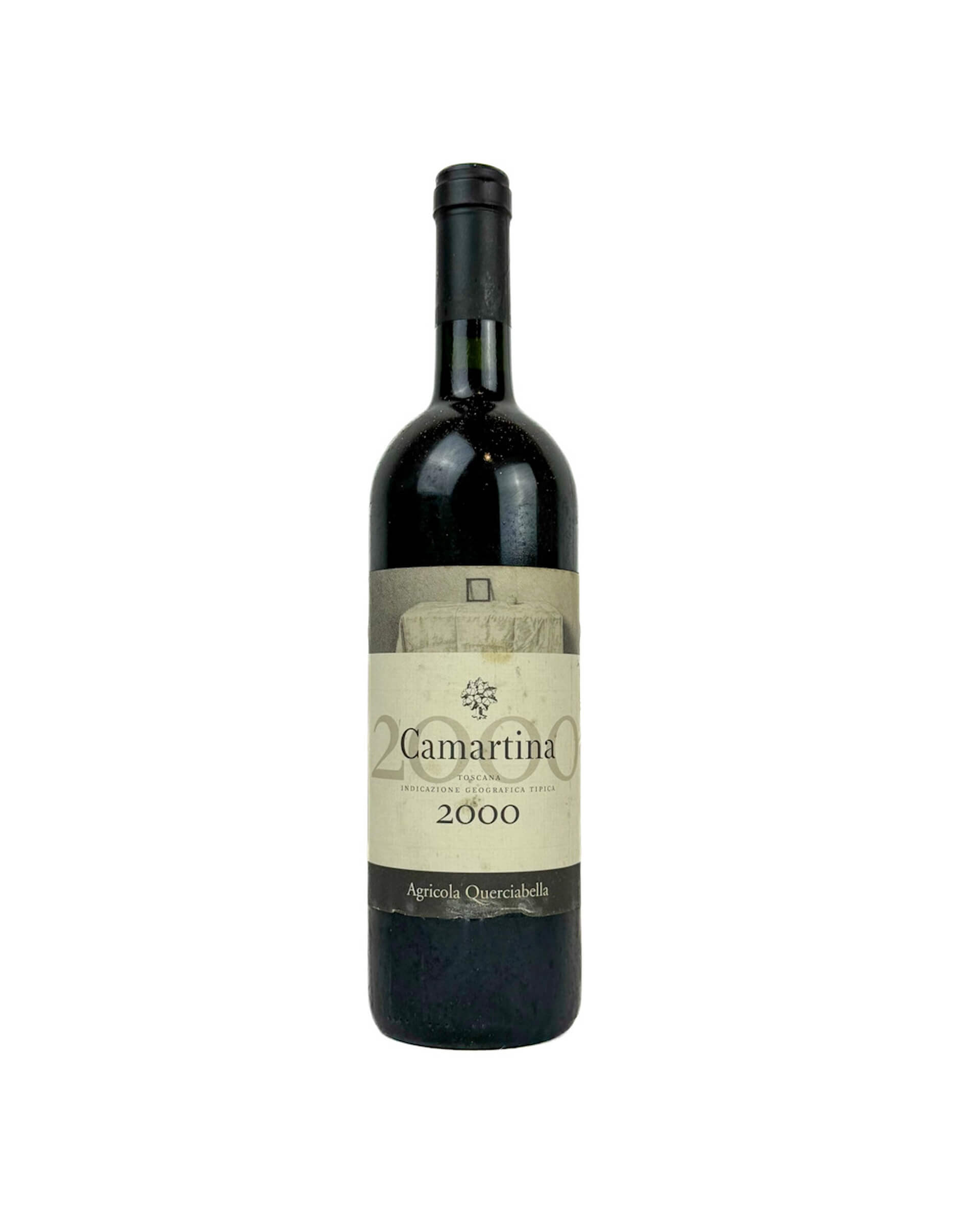
2000
Agricola Querciabella
Wines, producers, regions...
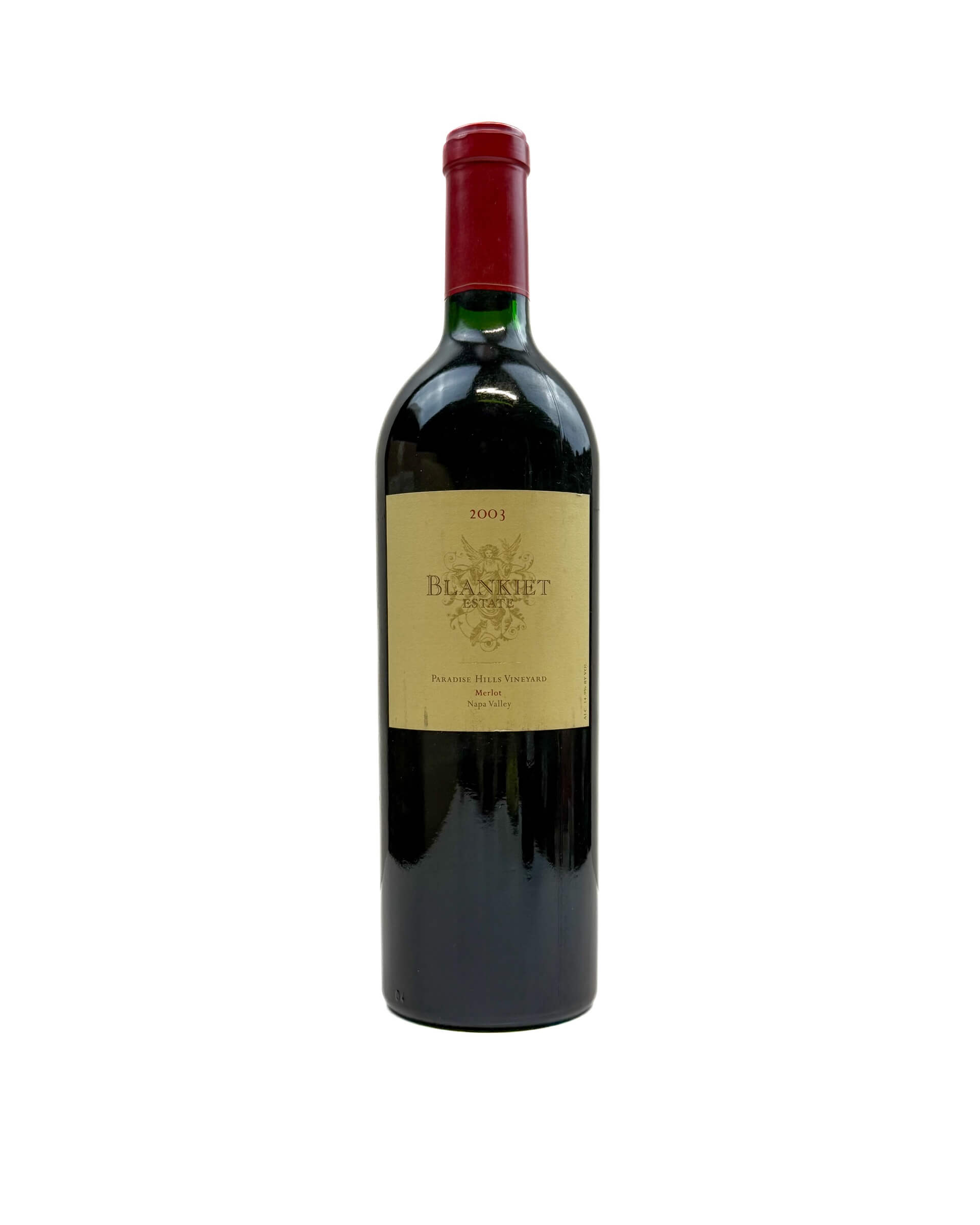
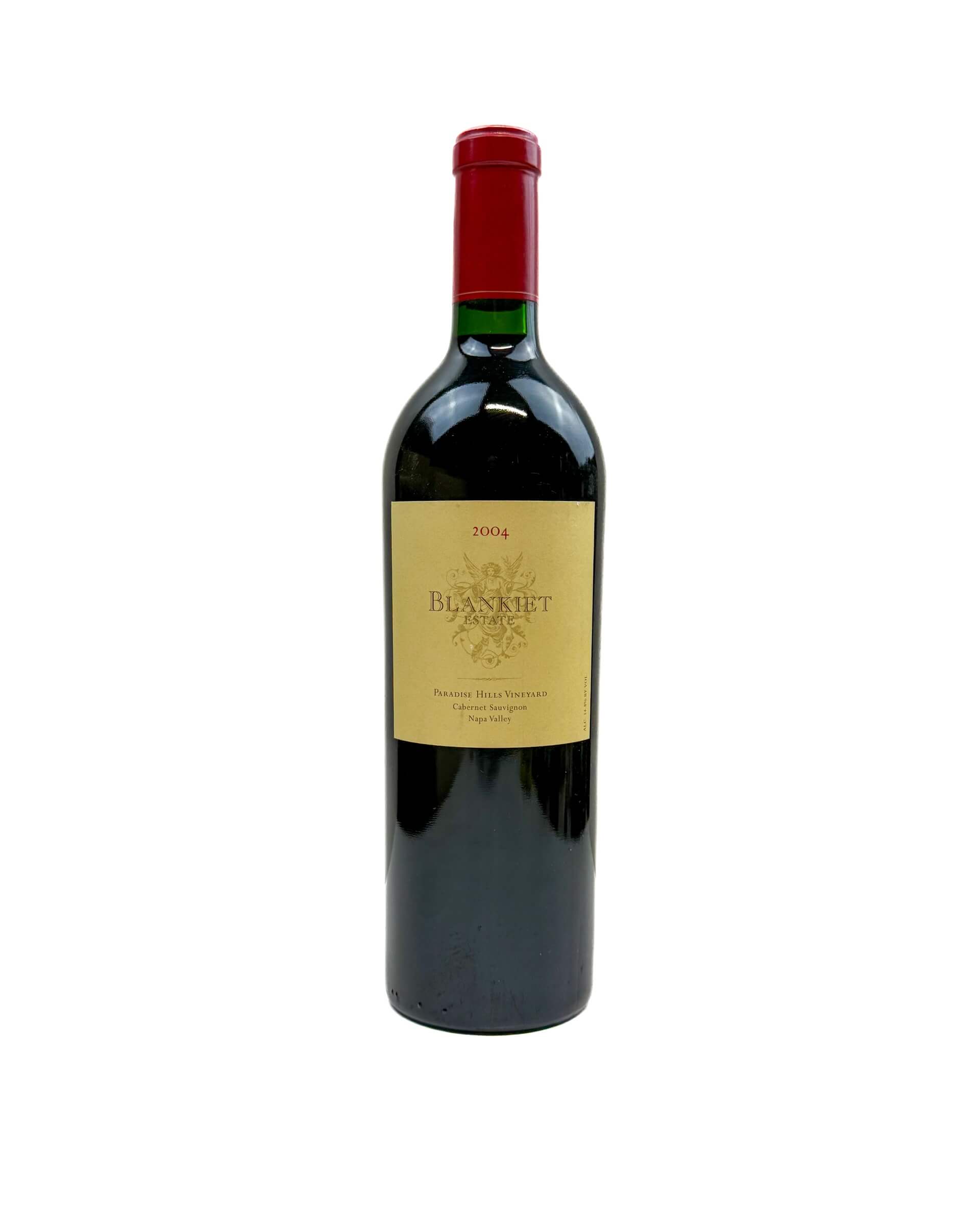
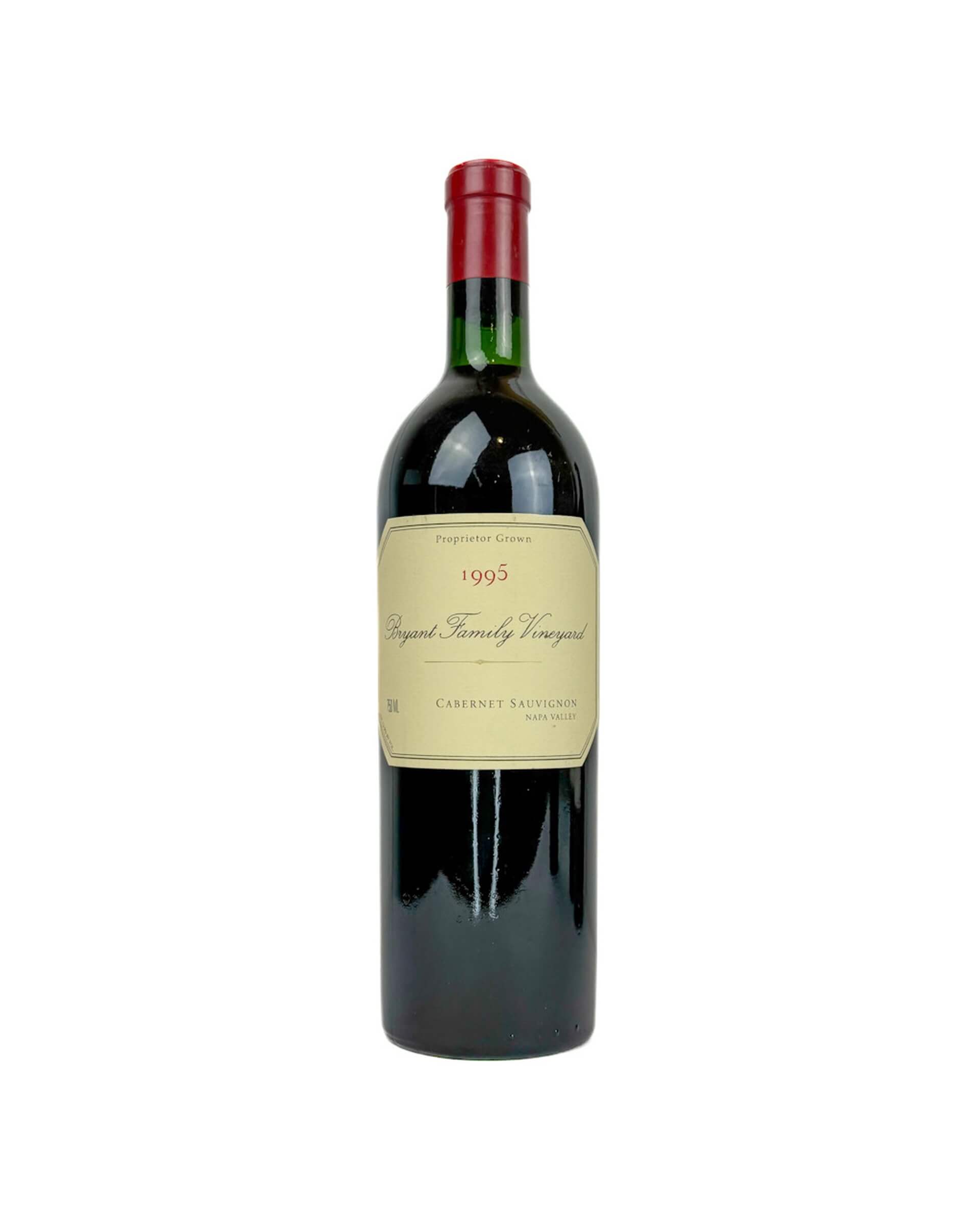
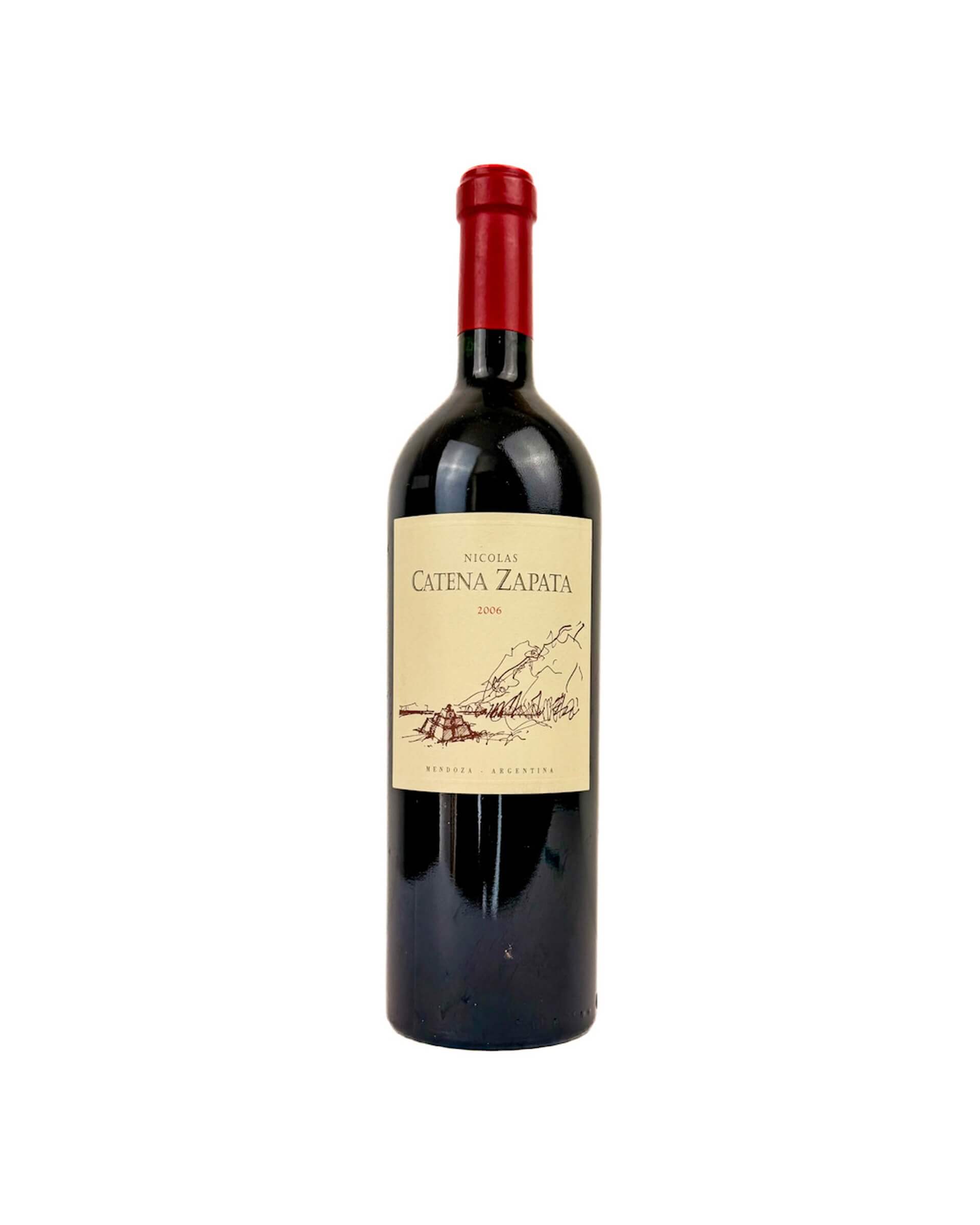
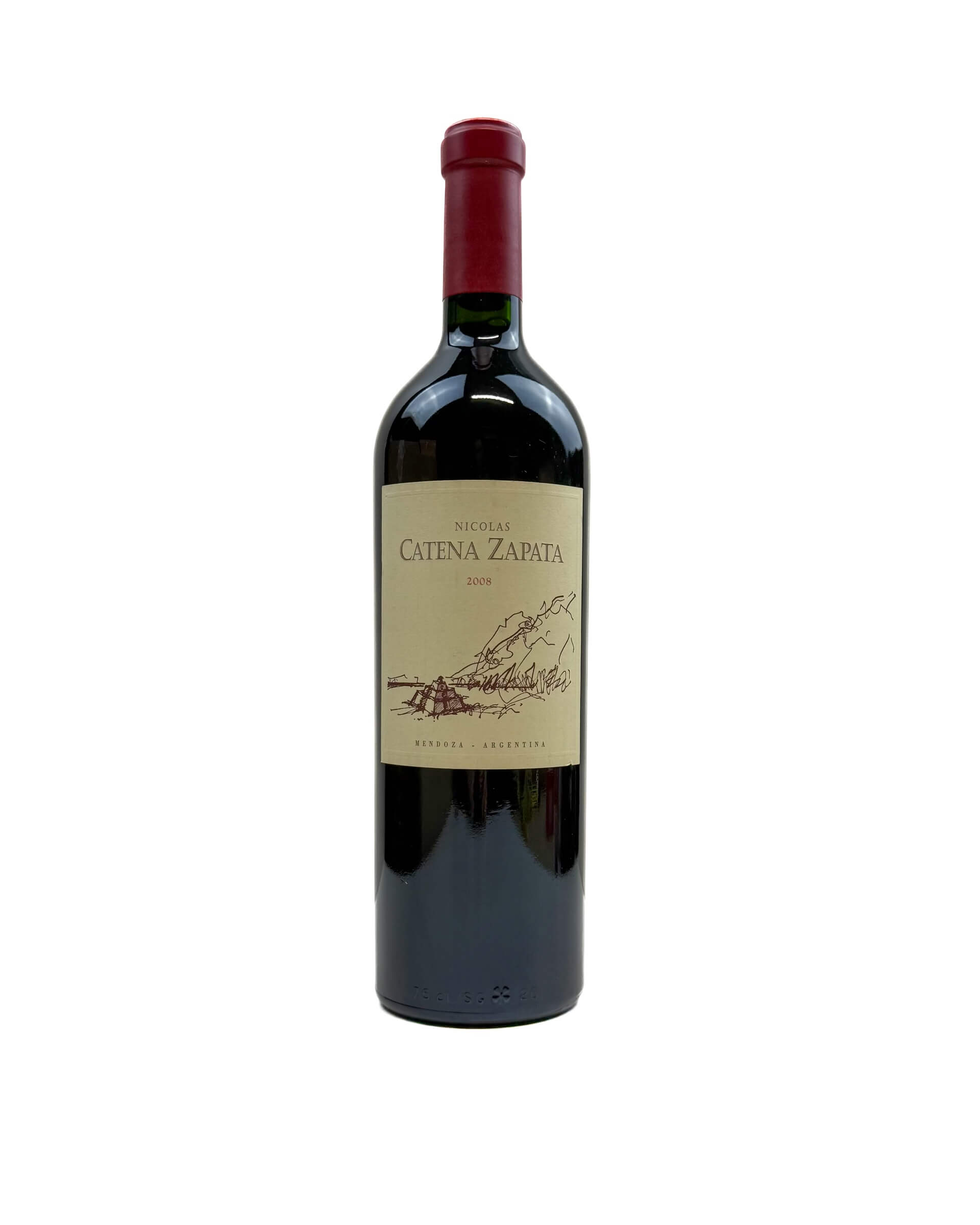
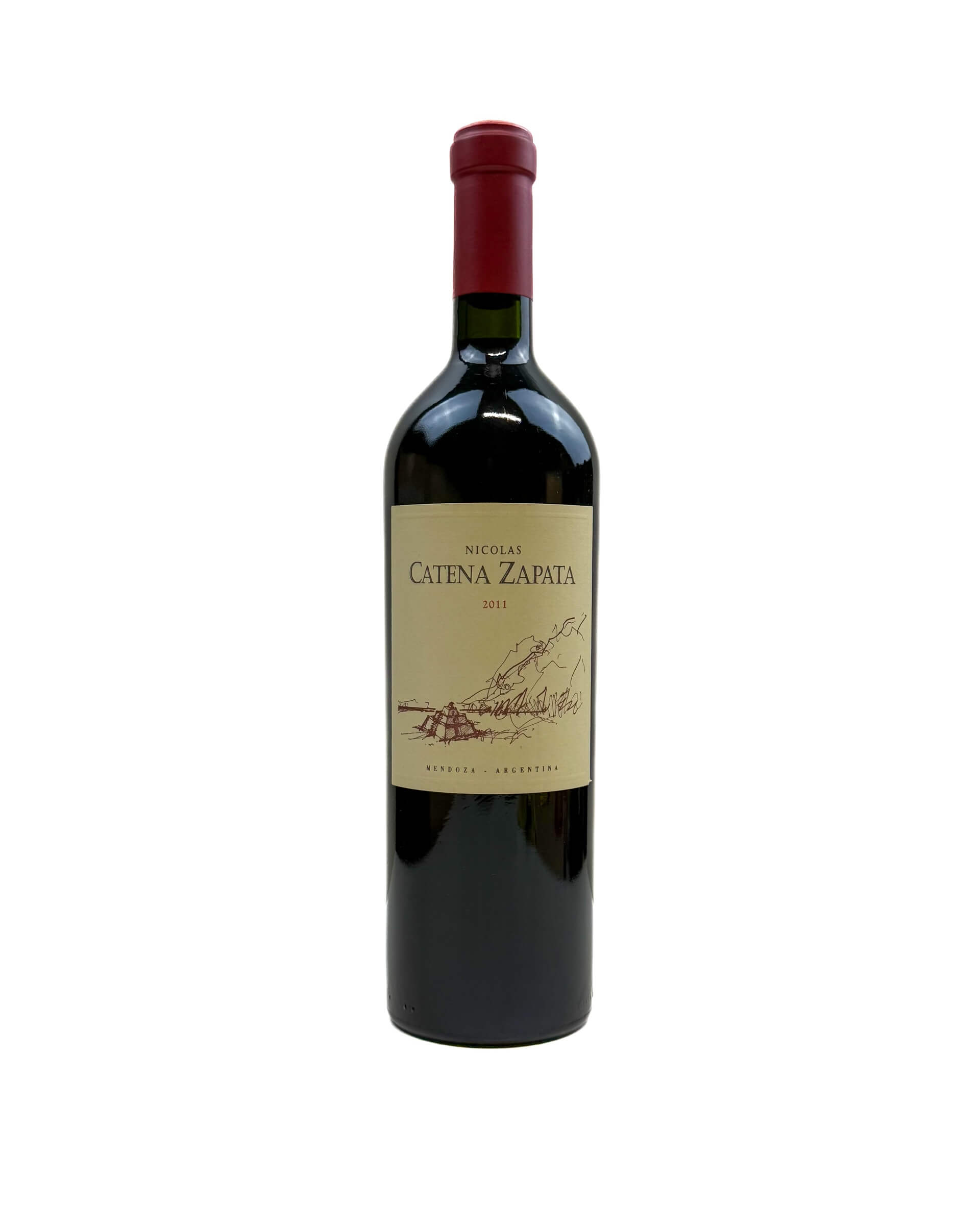
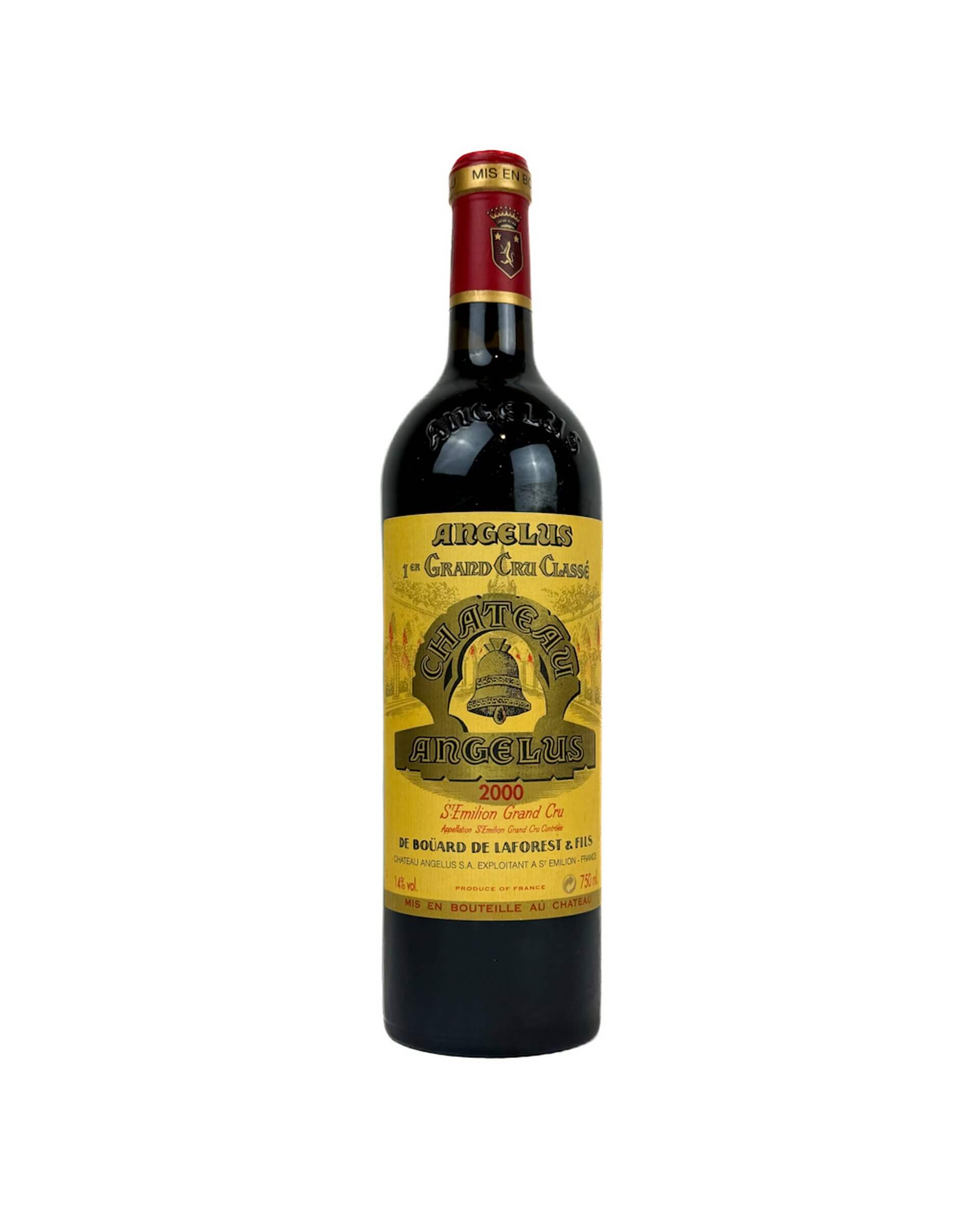
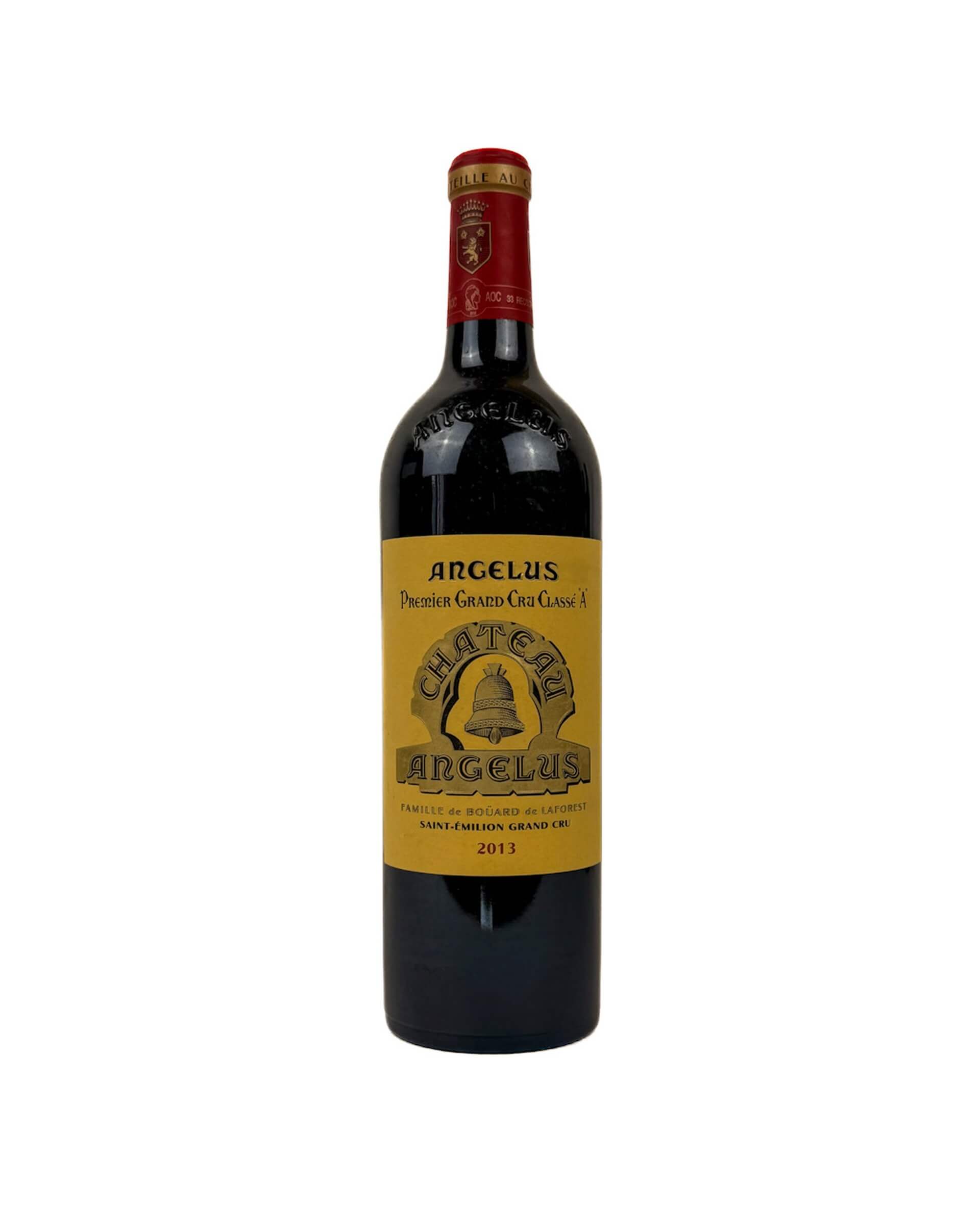
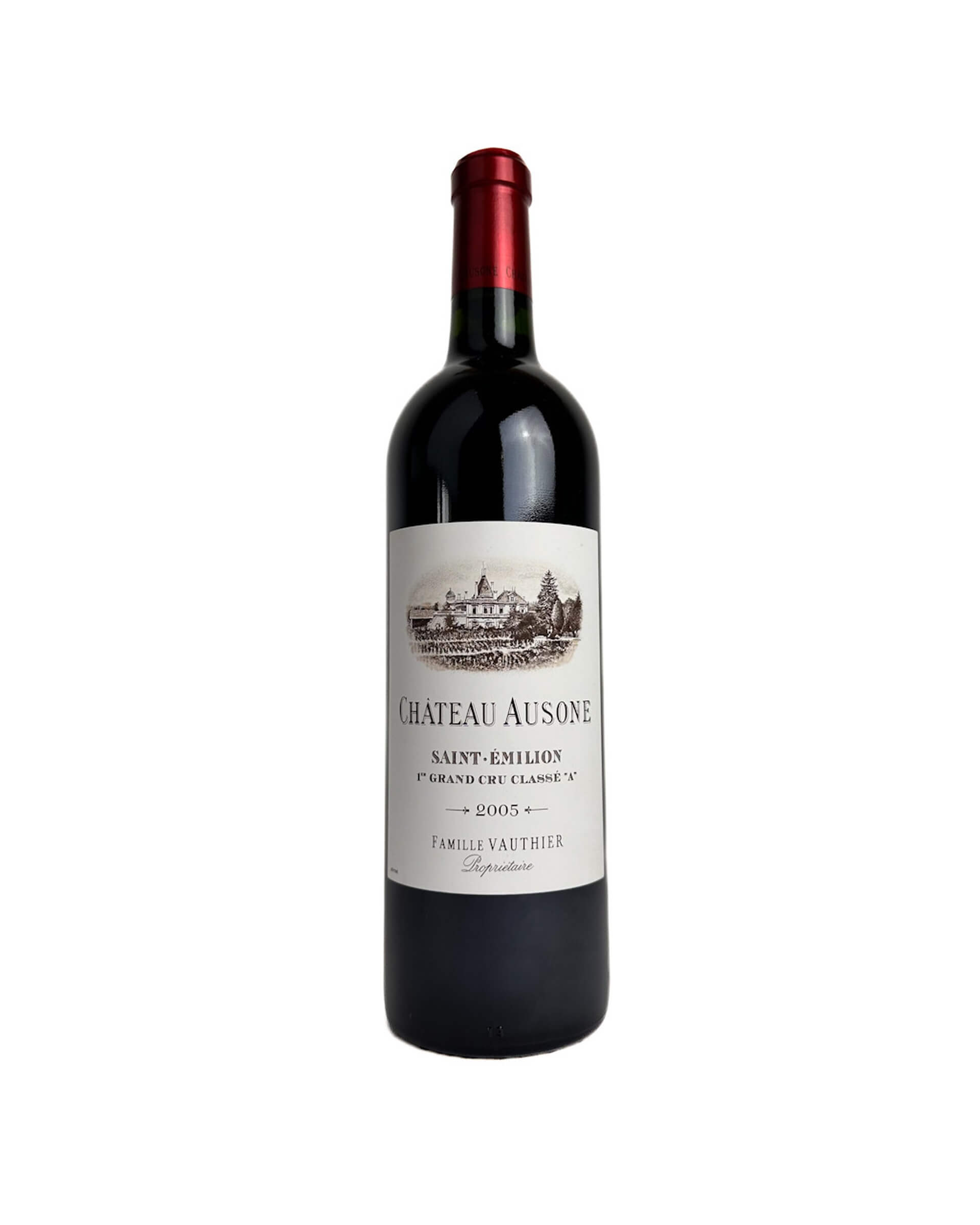
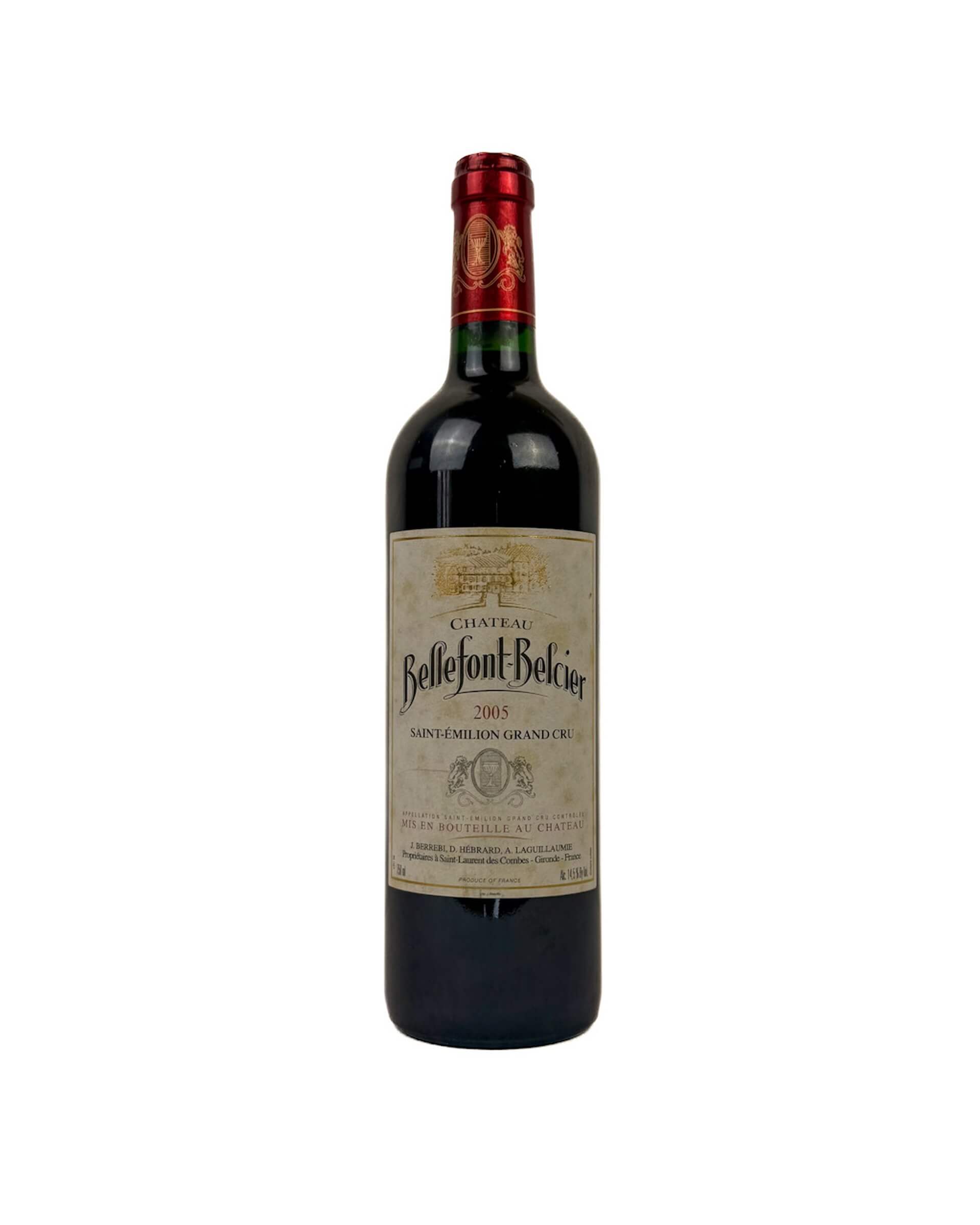
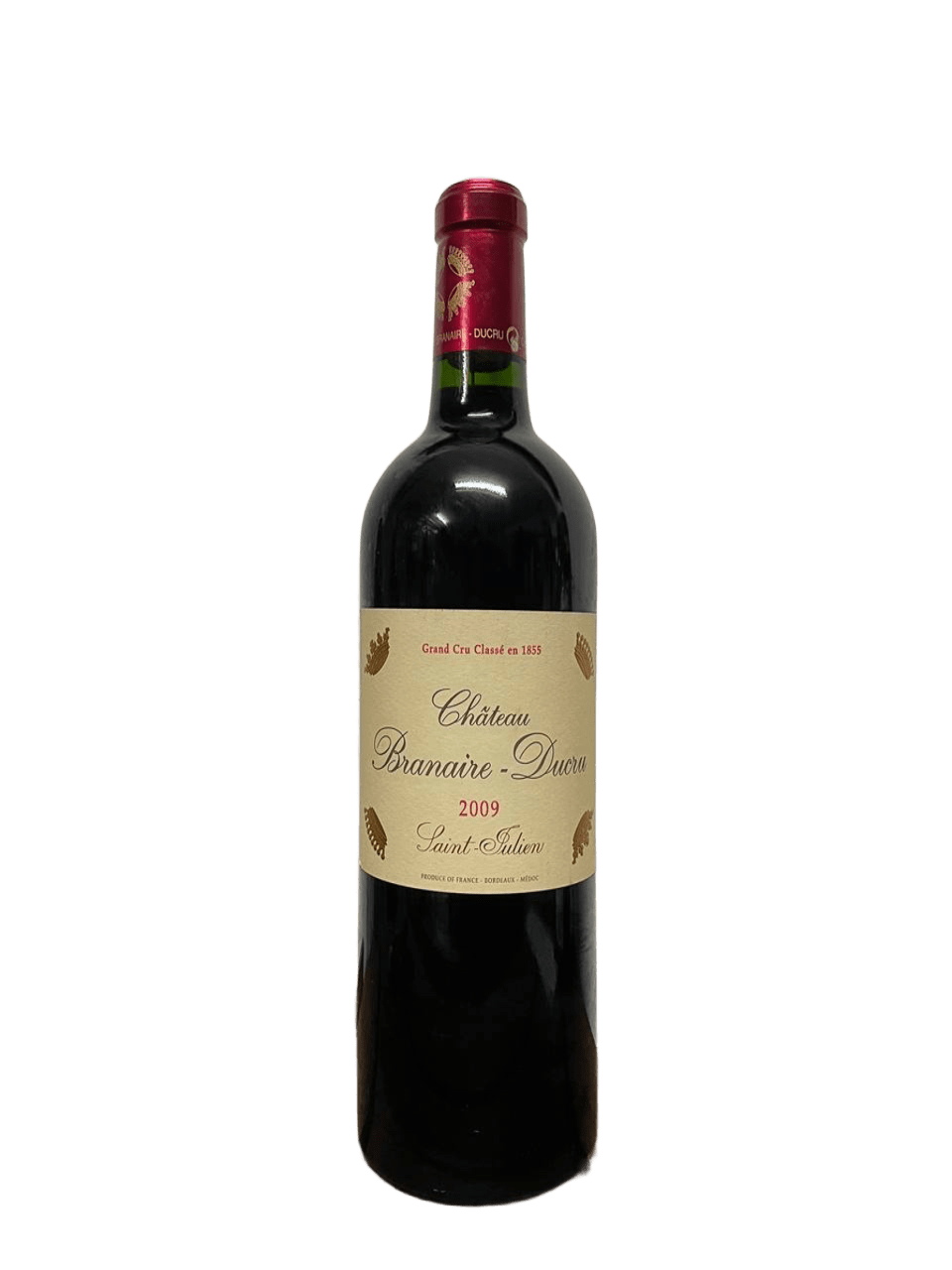
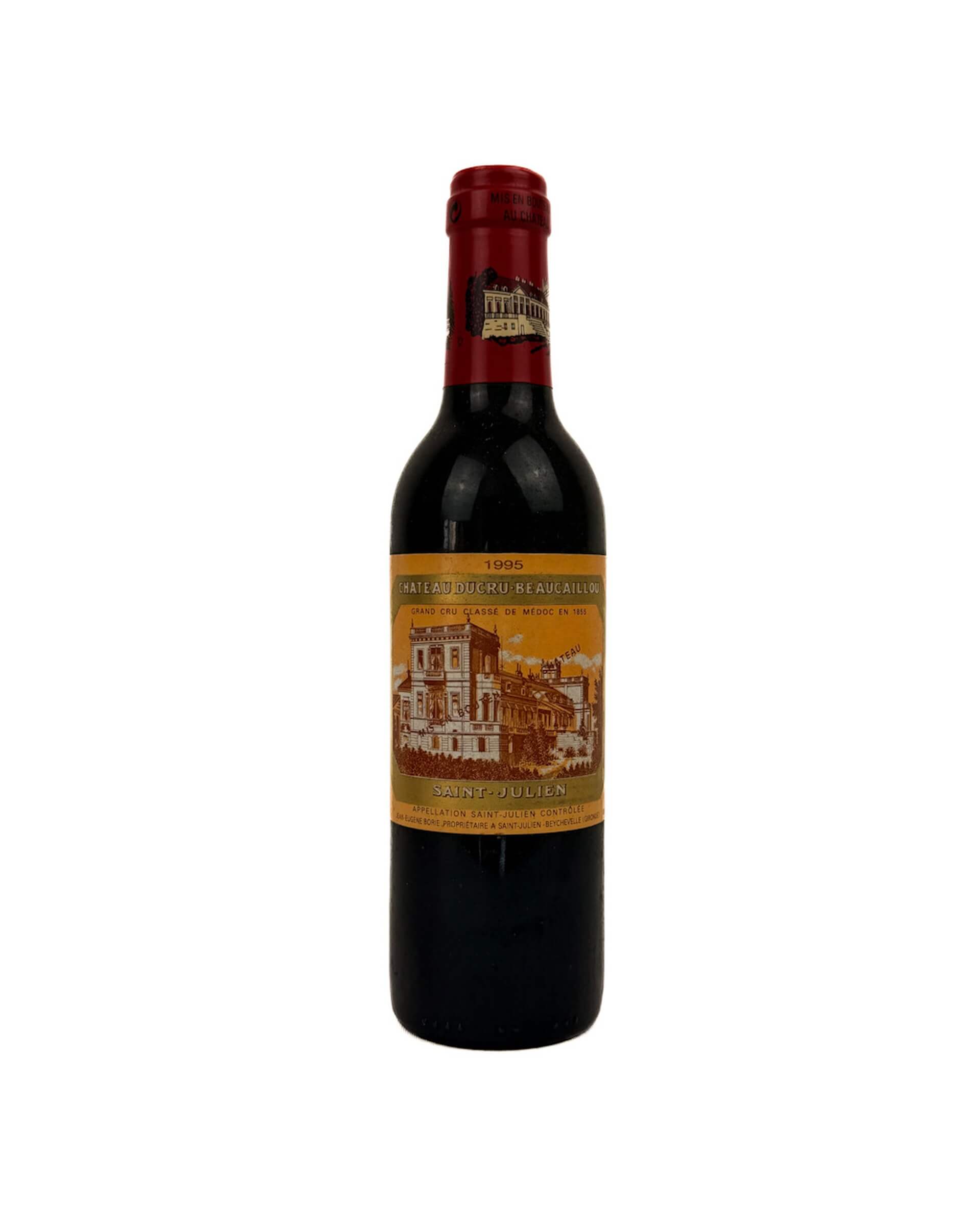
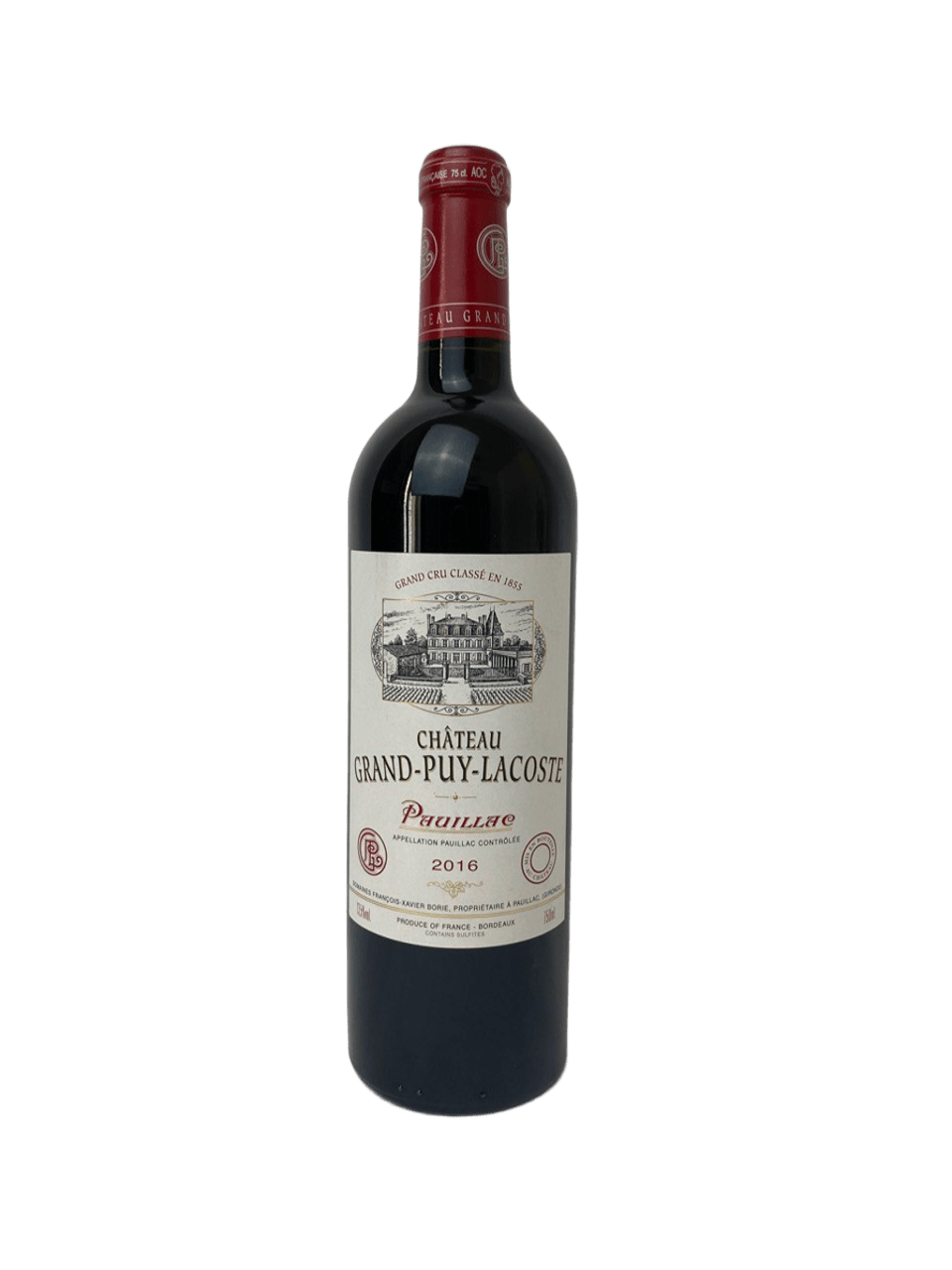
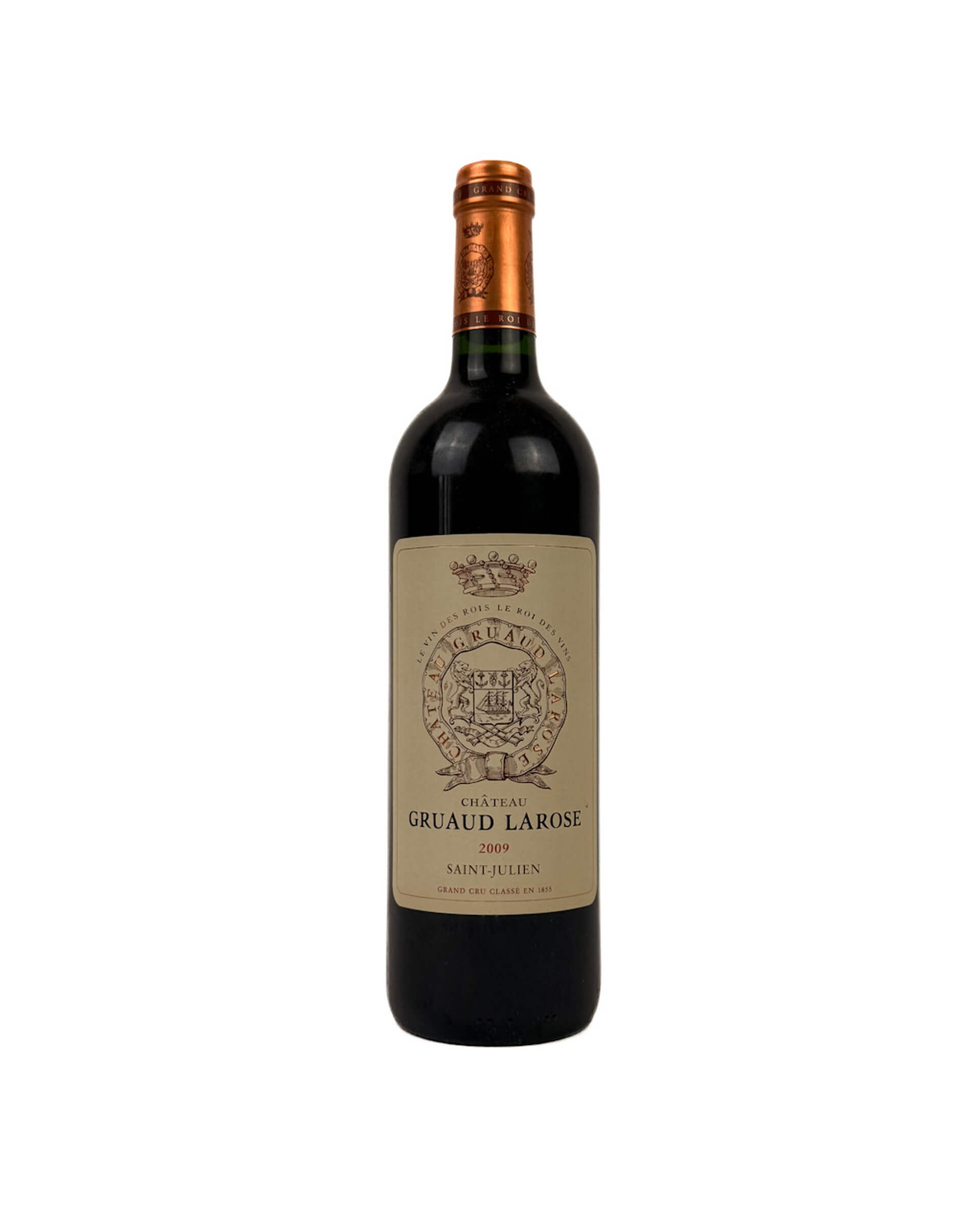
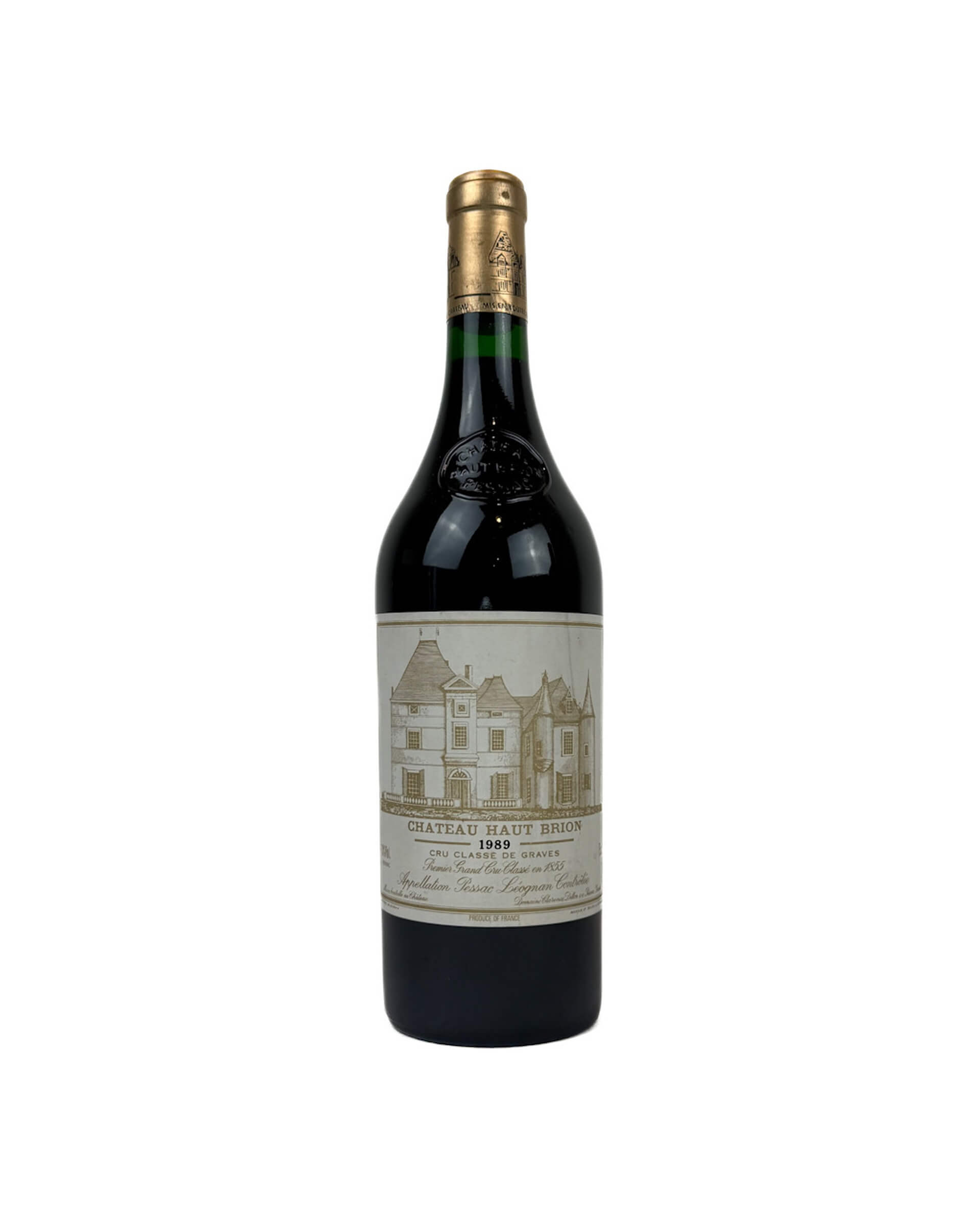
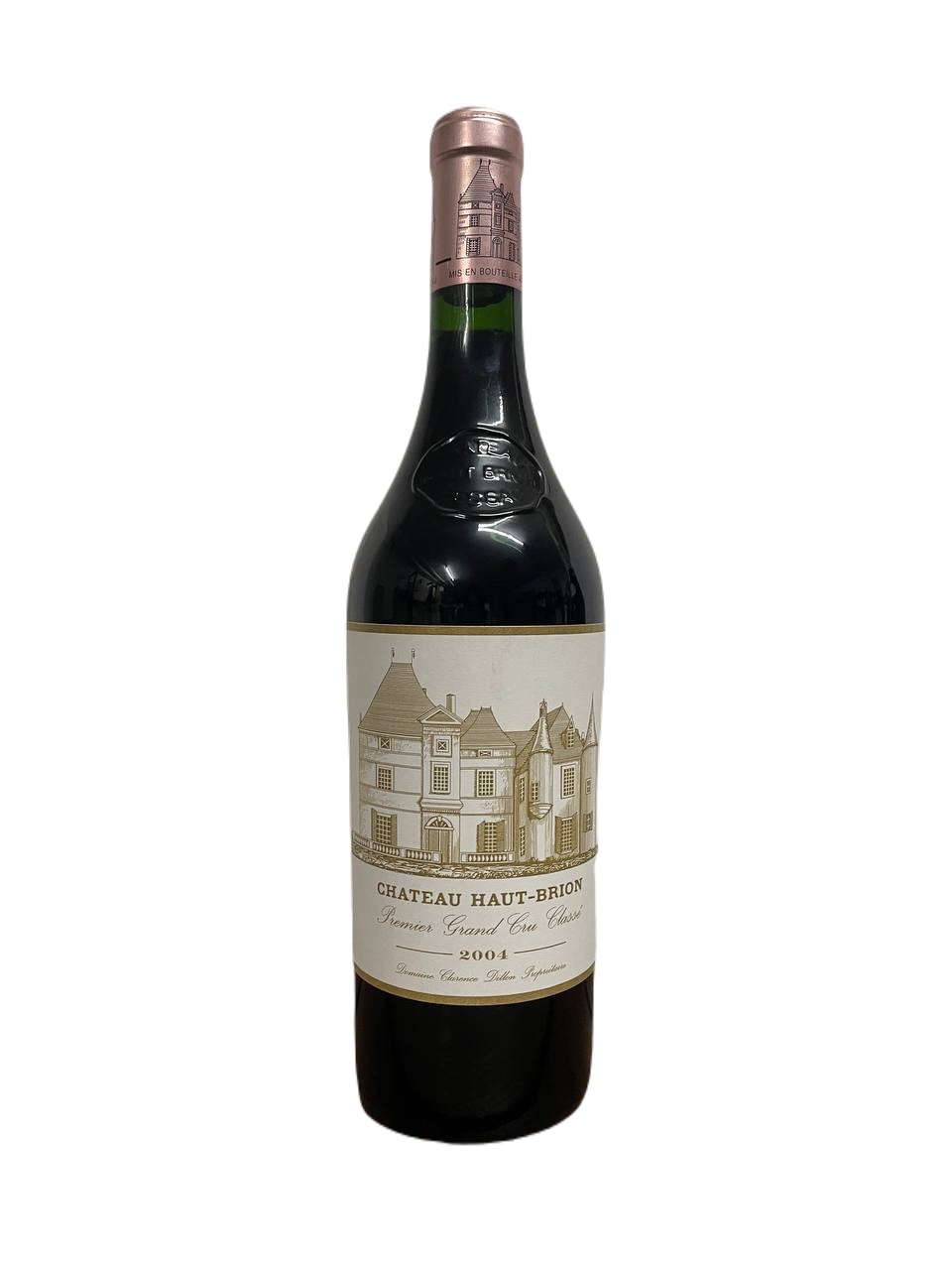
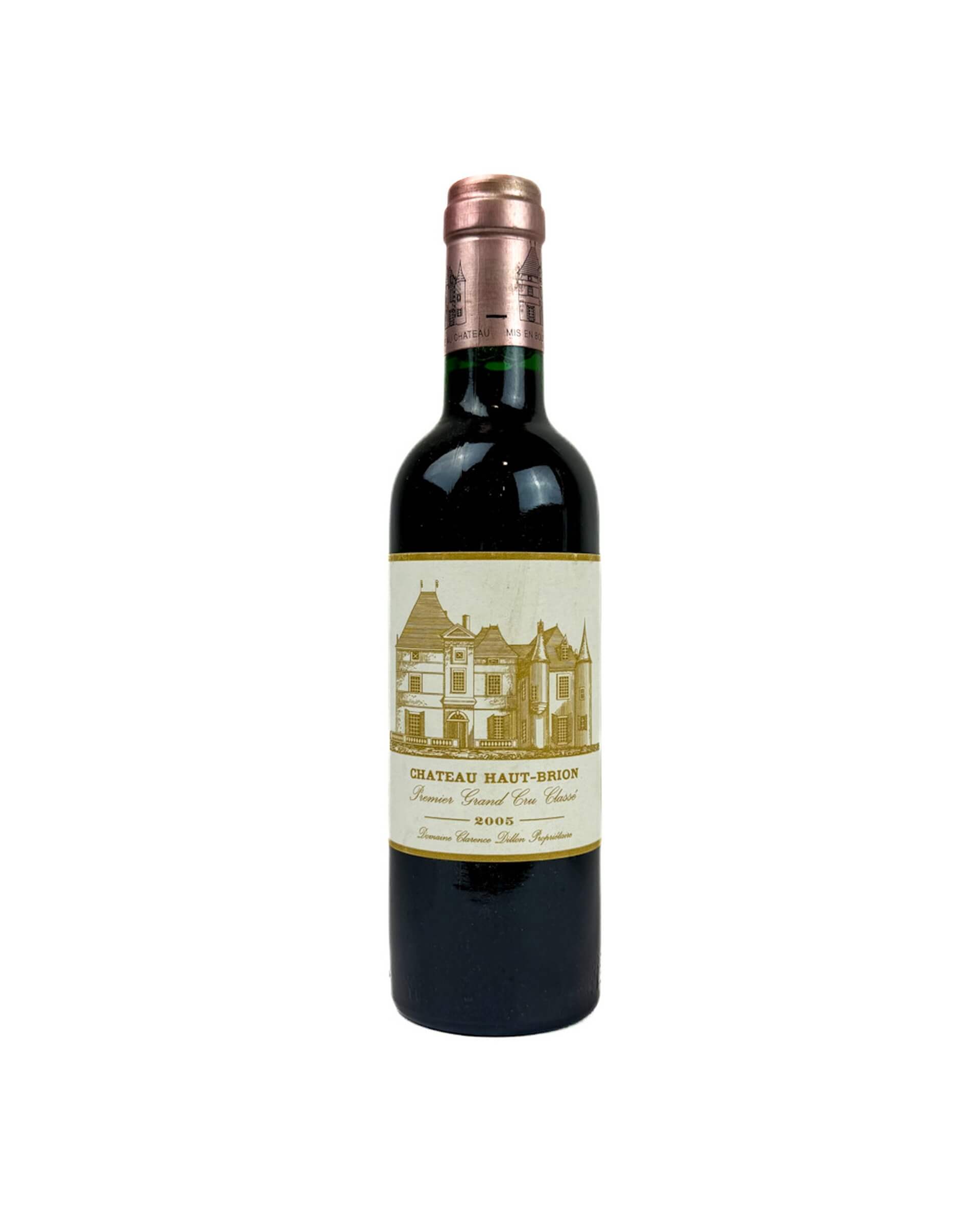
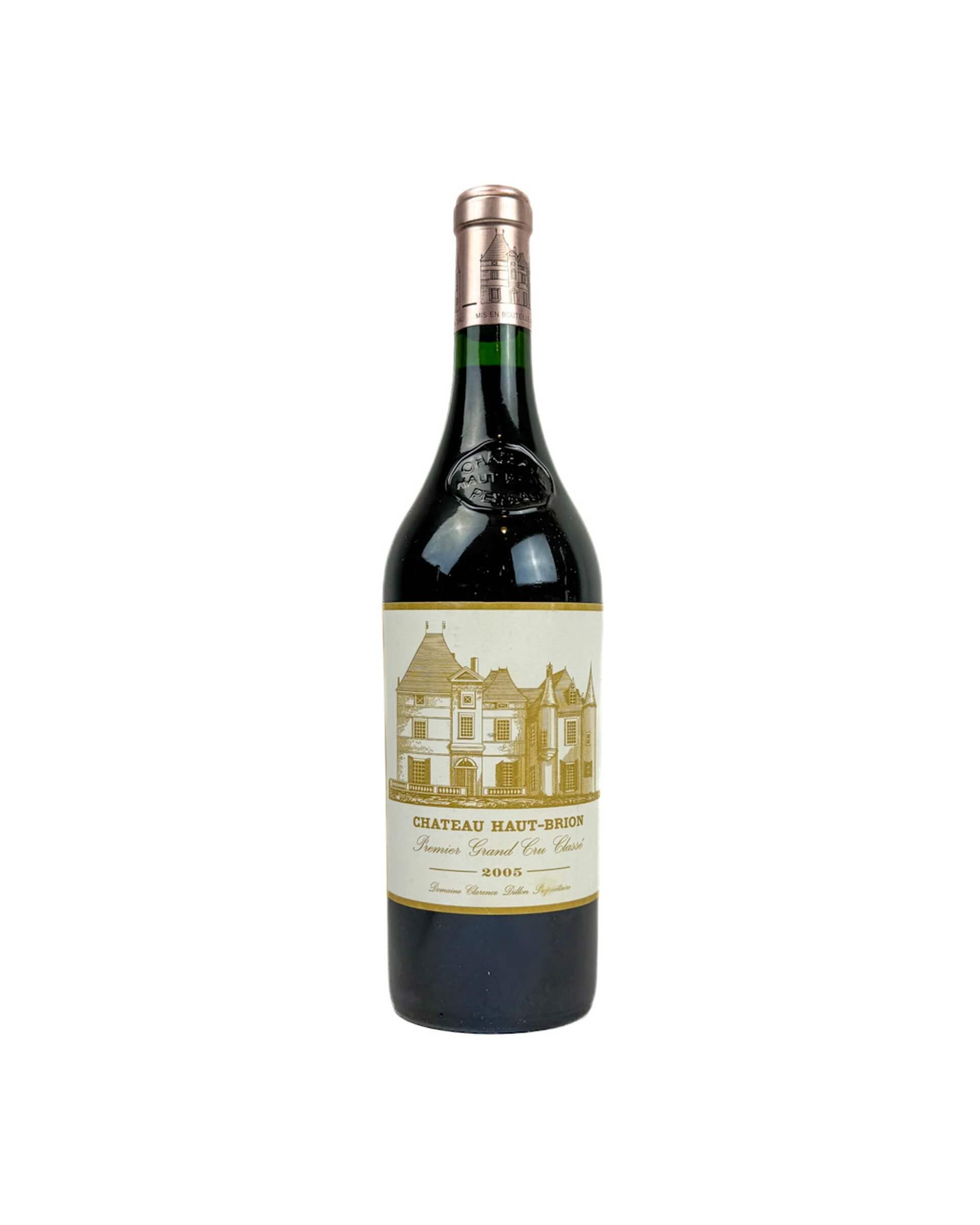
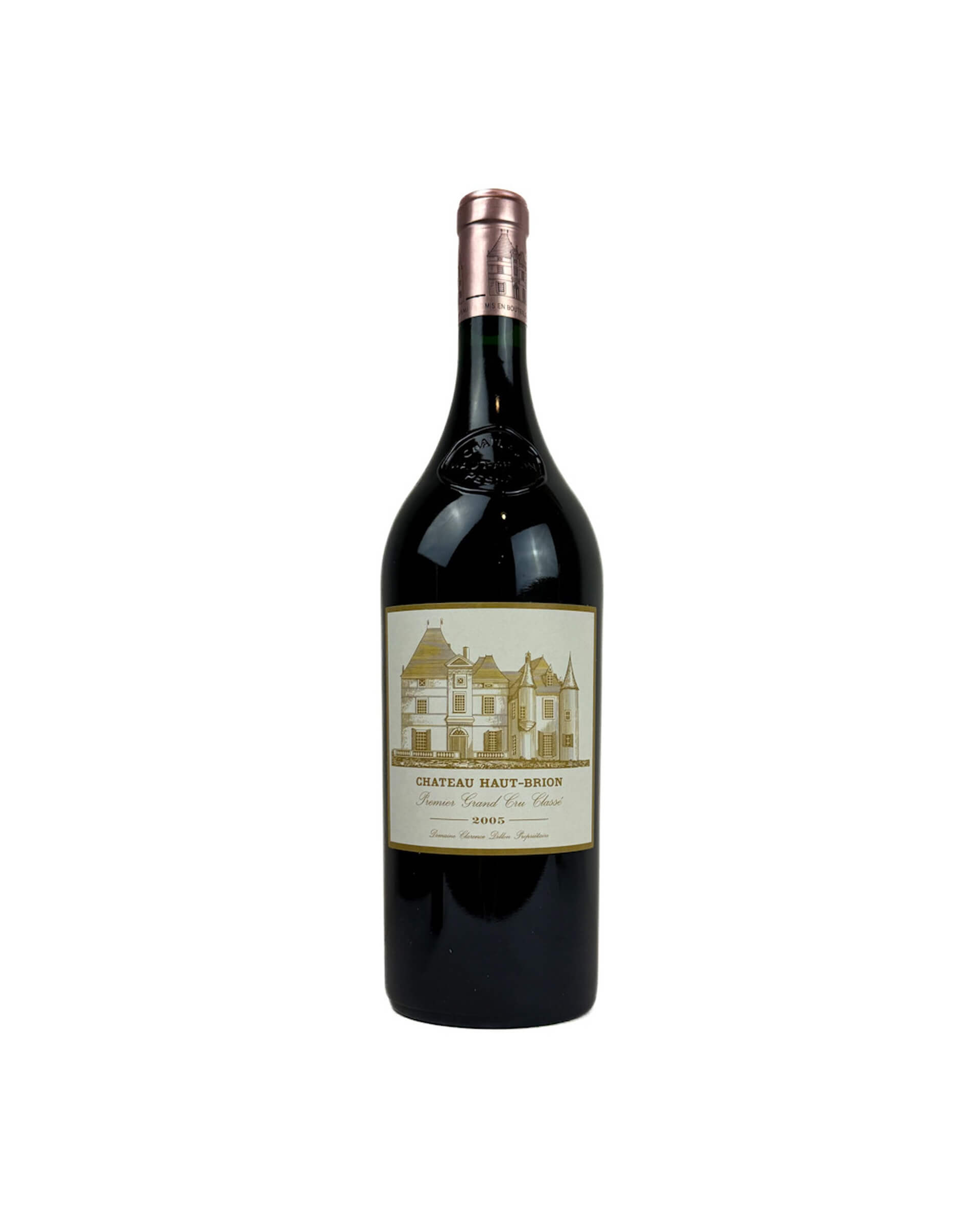
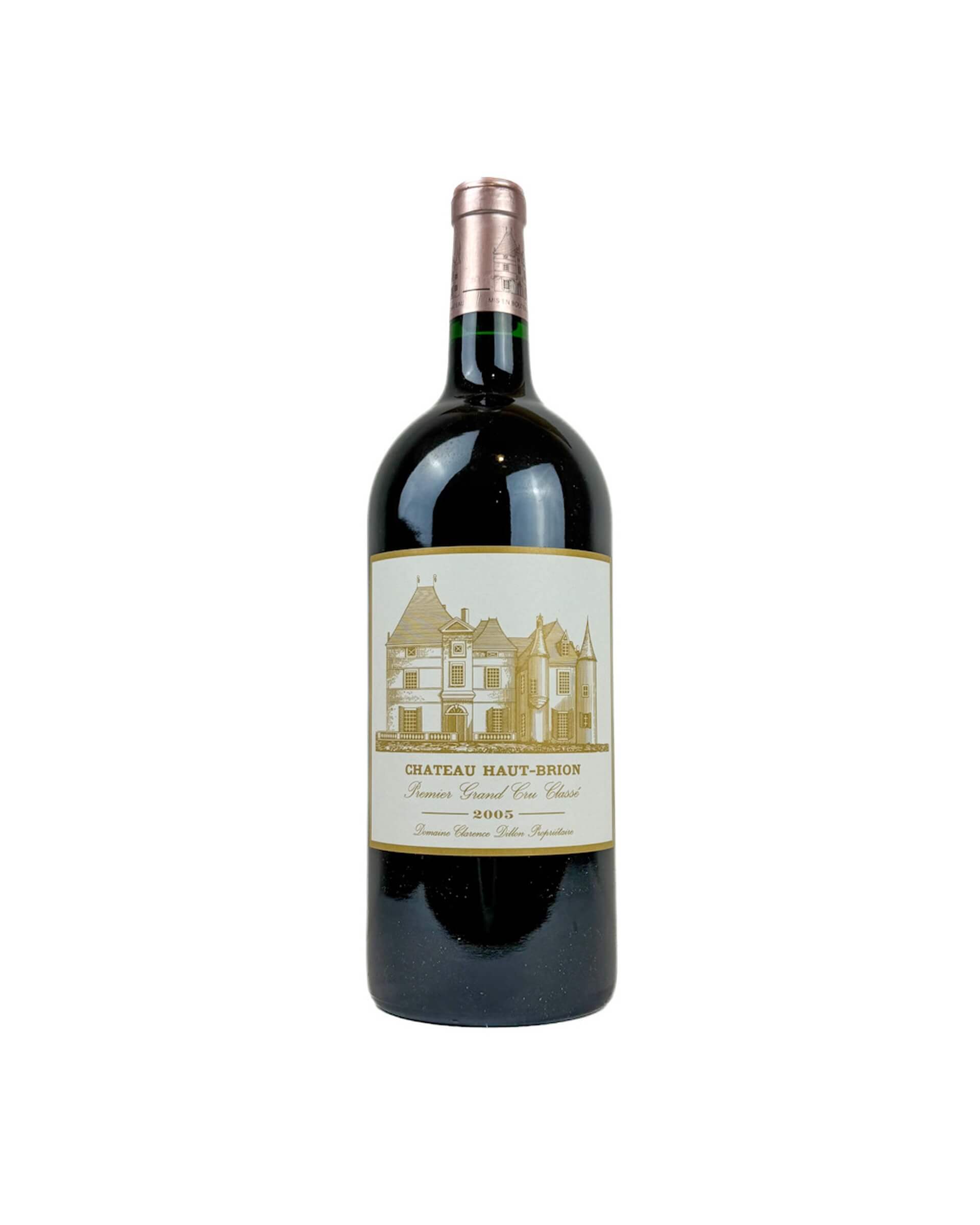
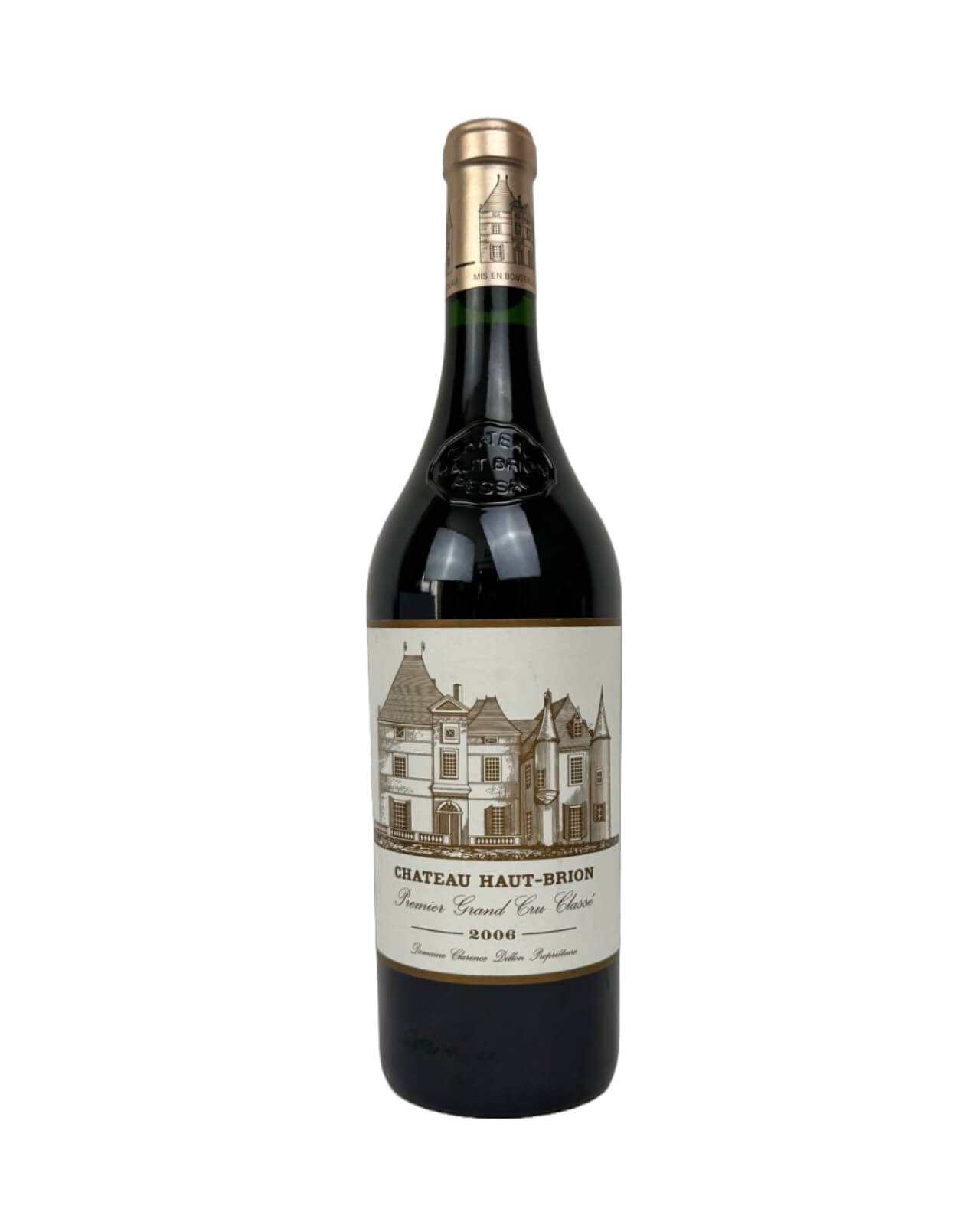
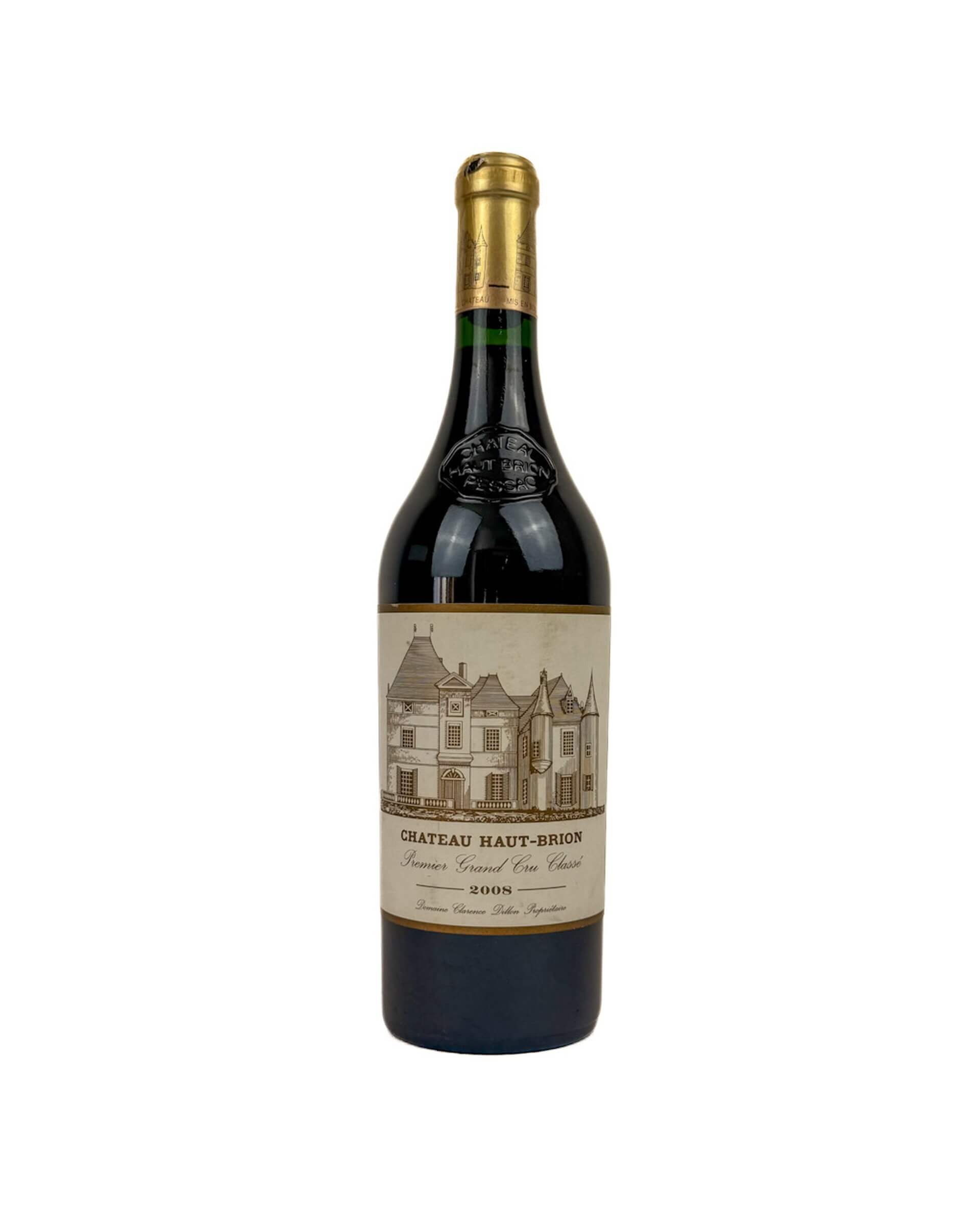
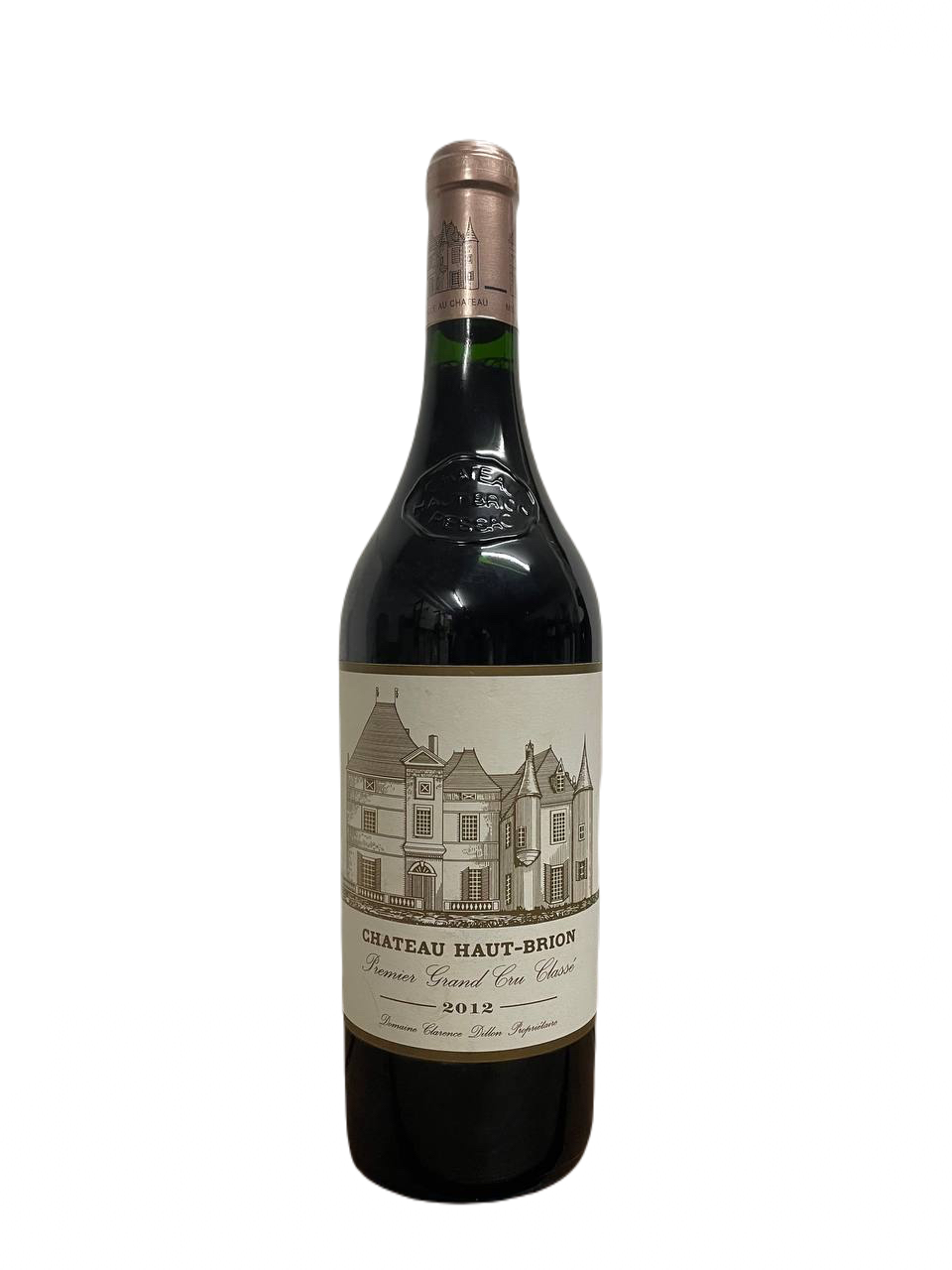
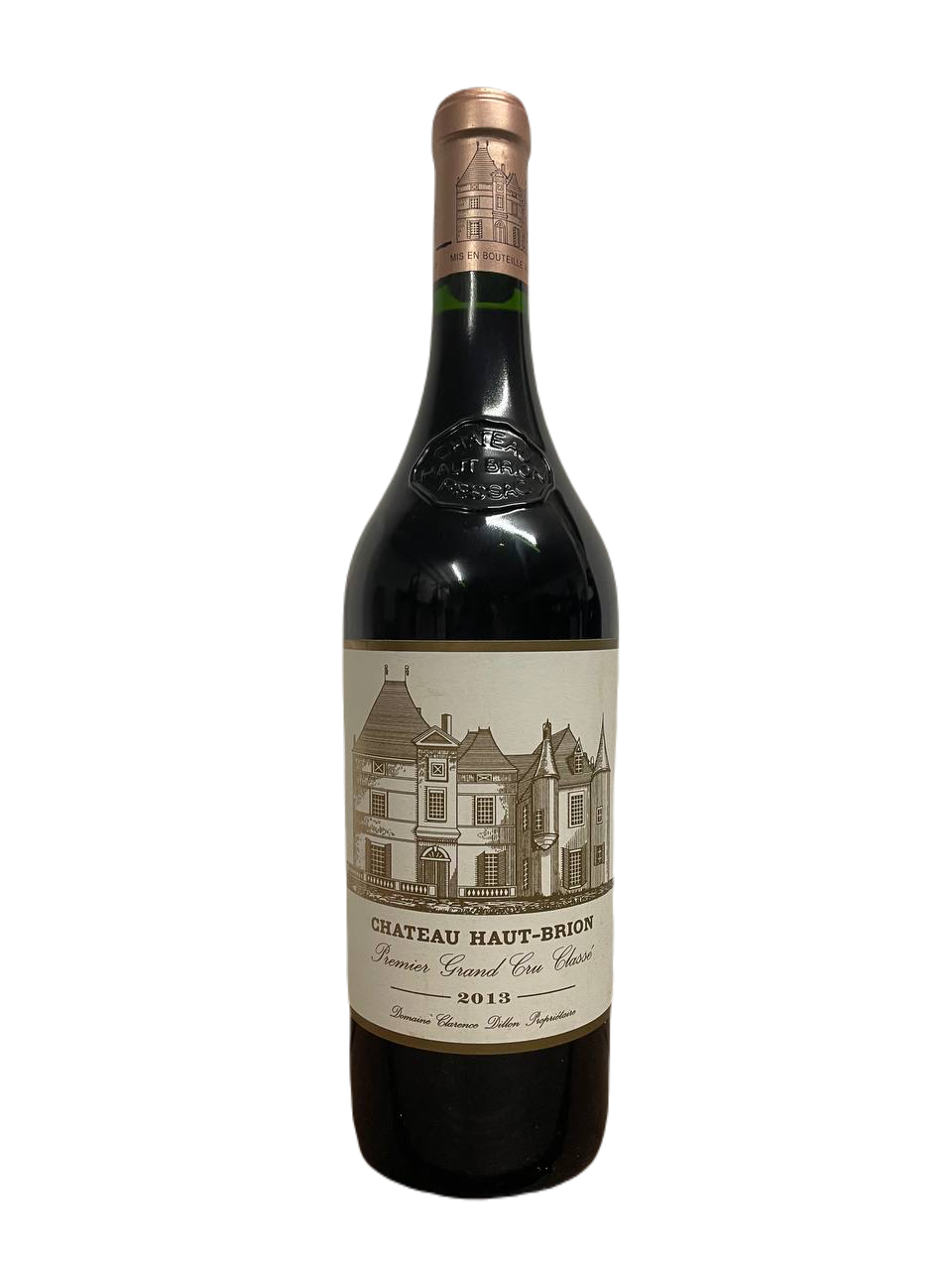
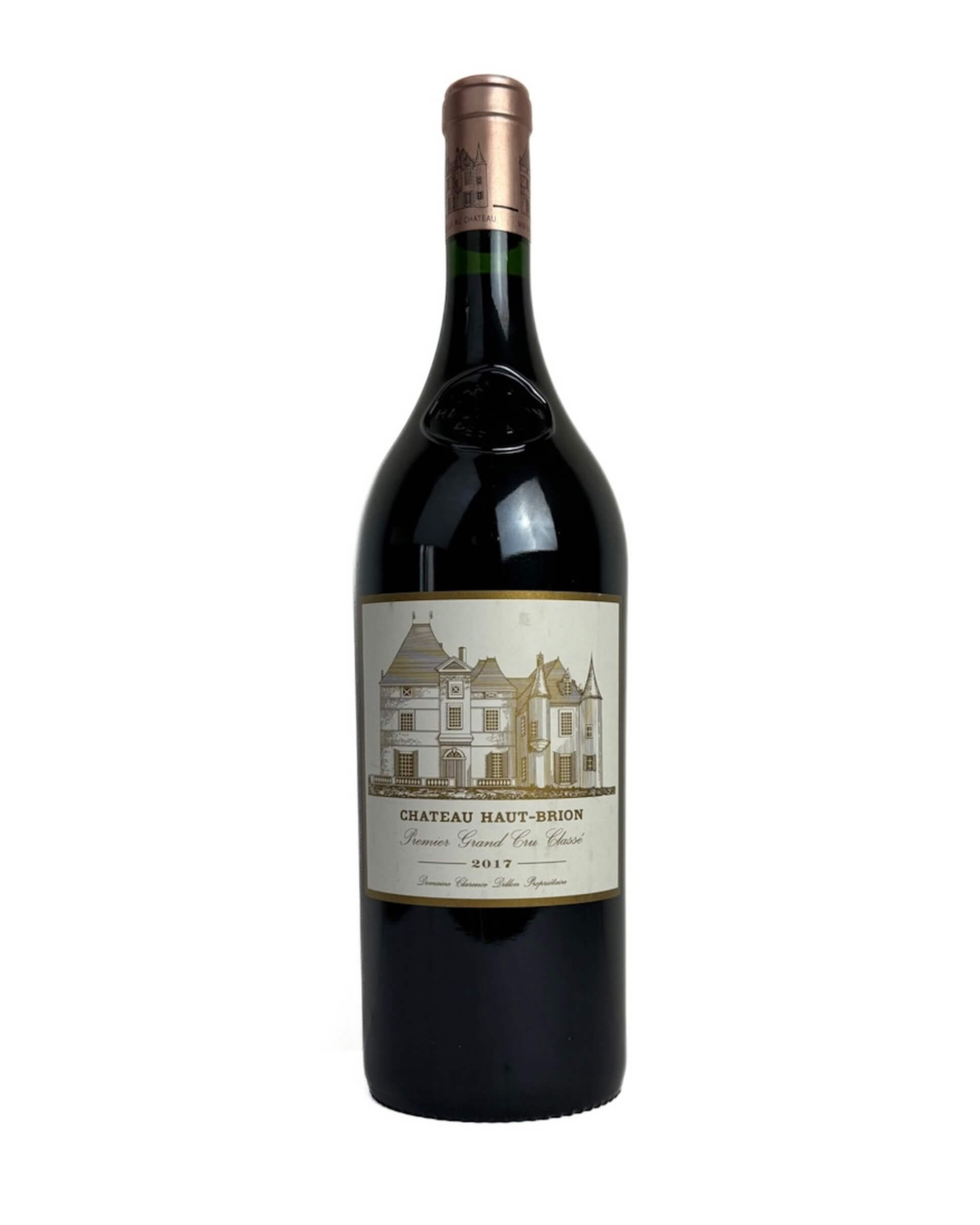
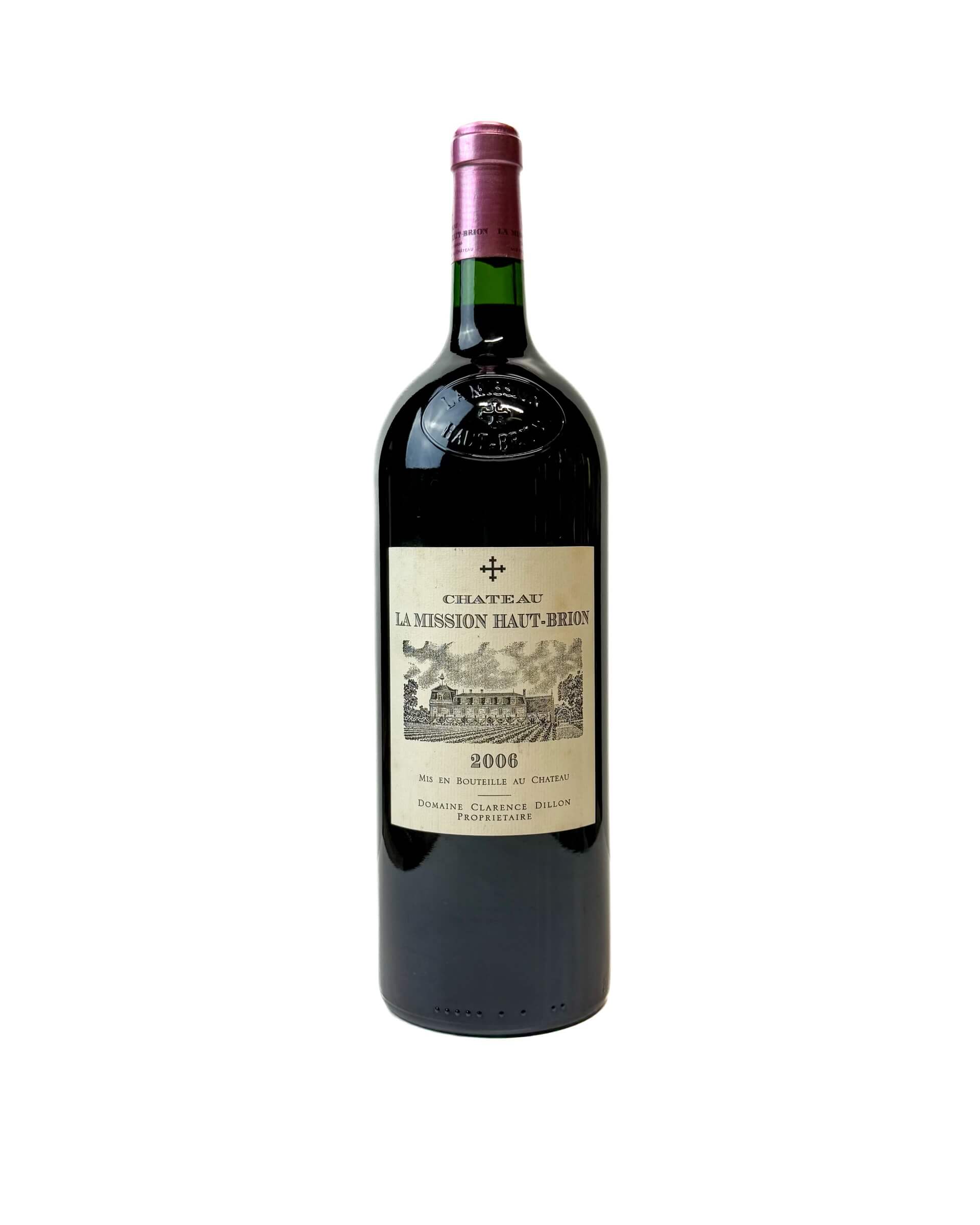
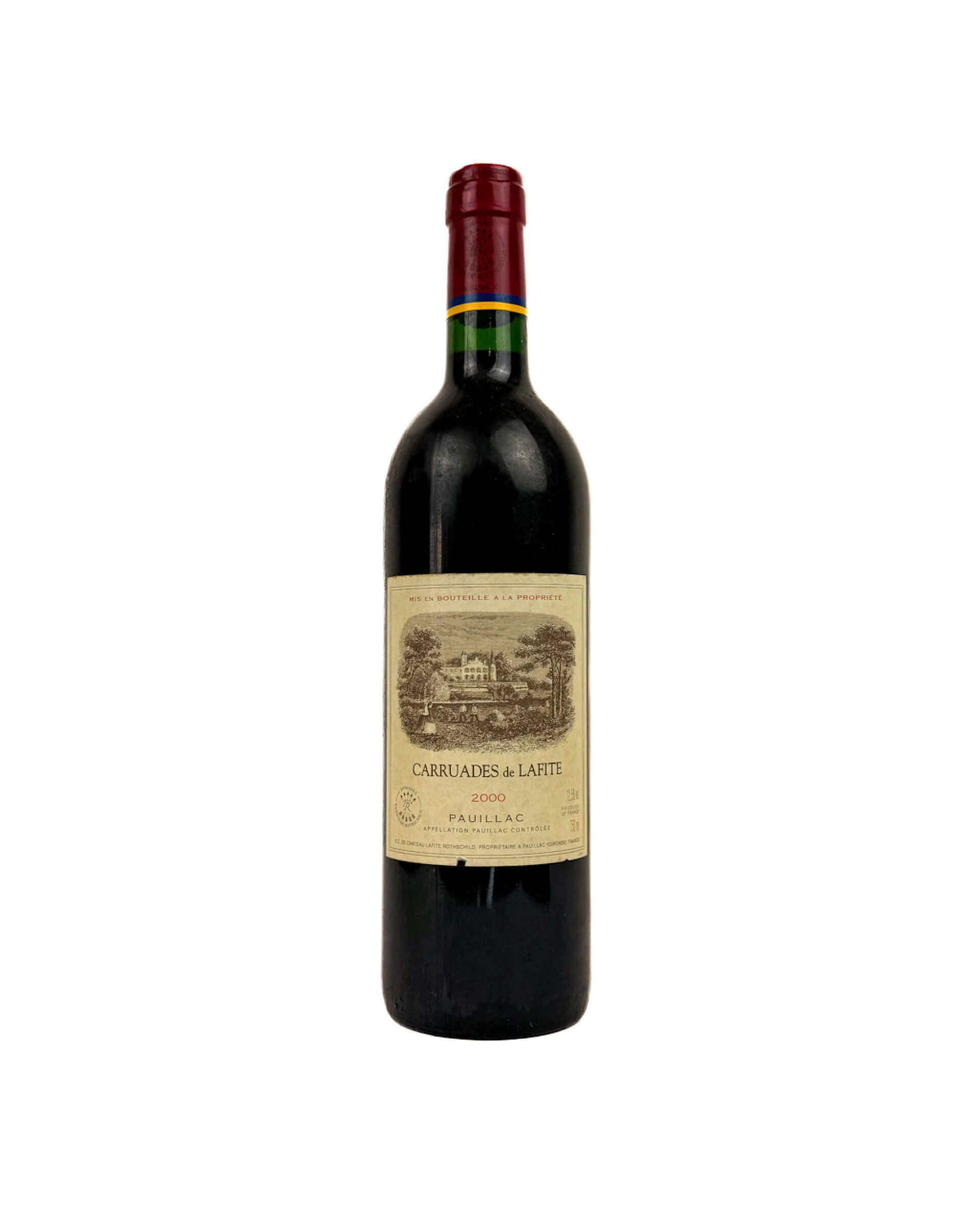
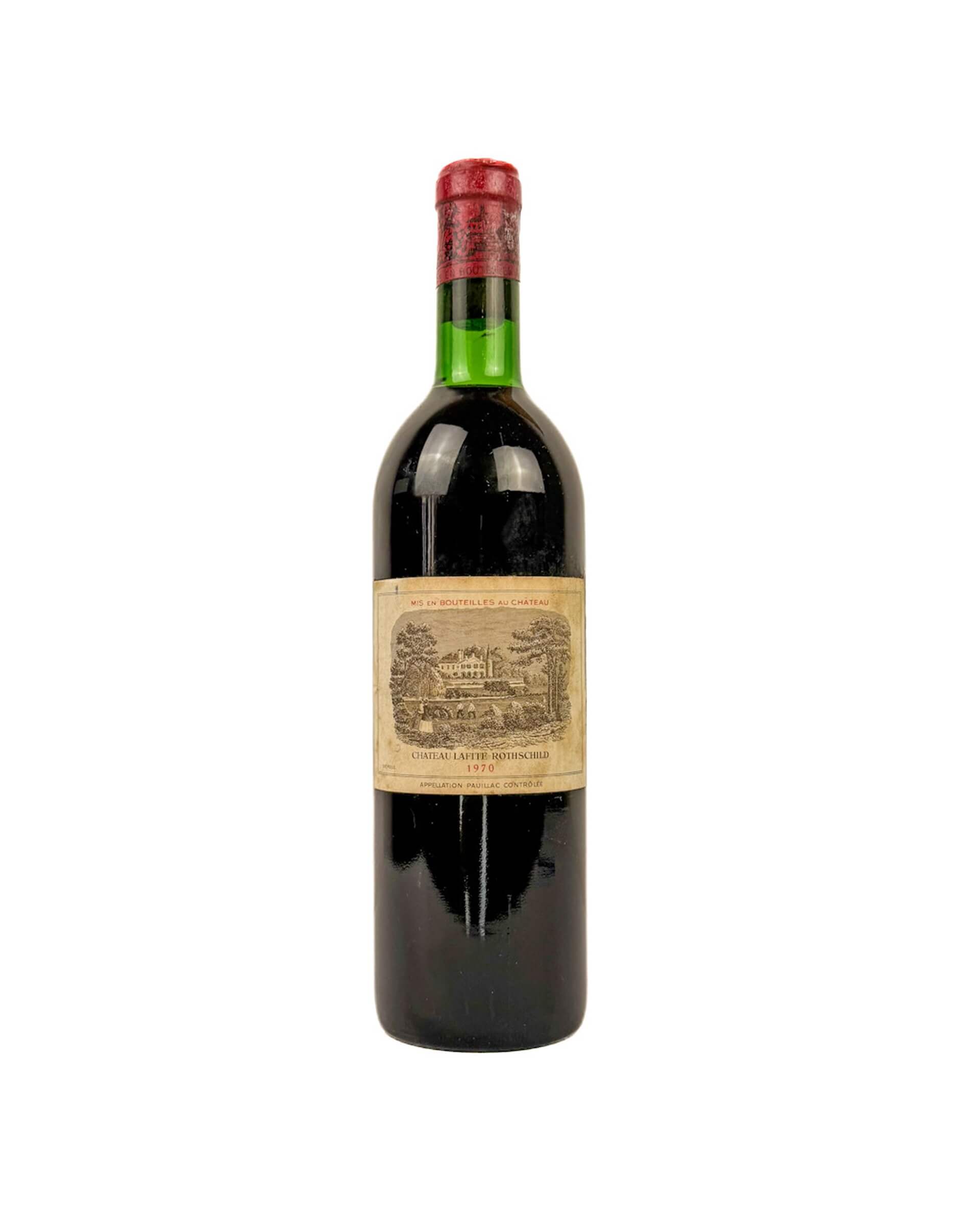
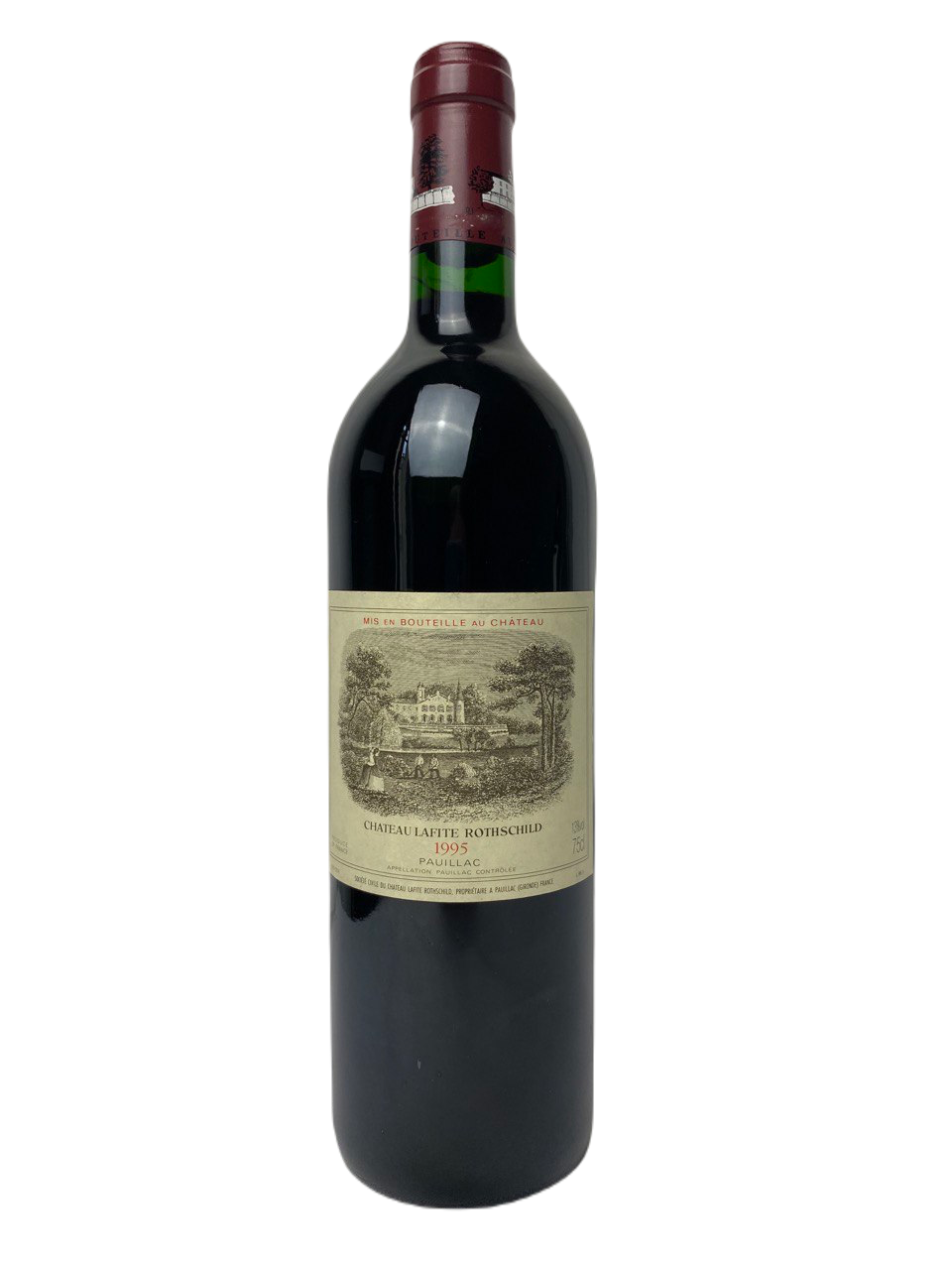
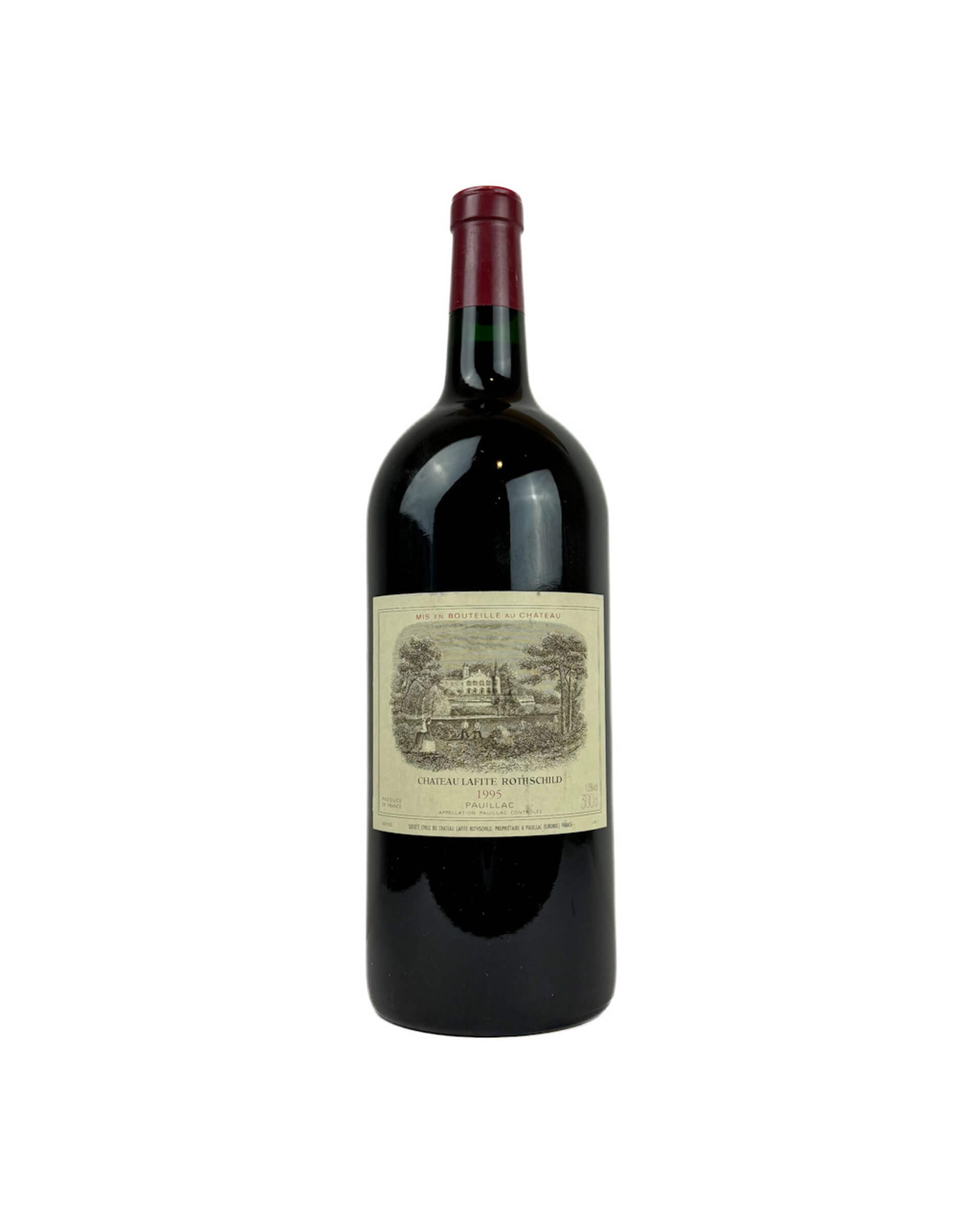
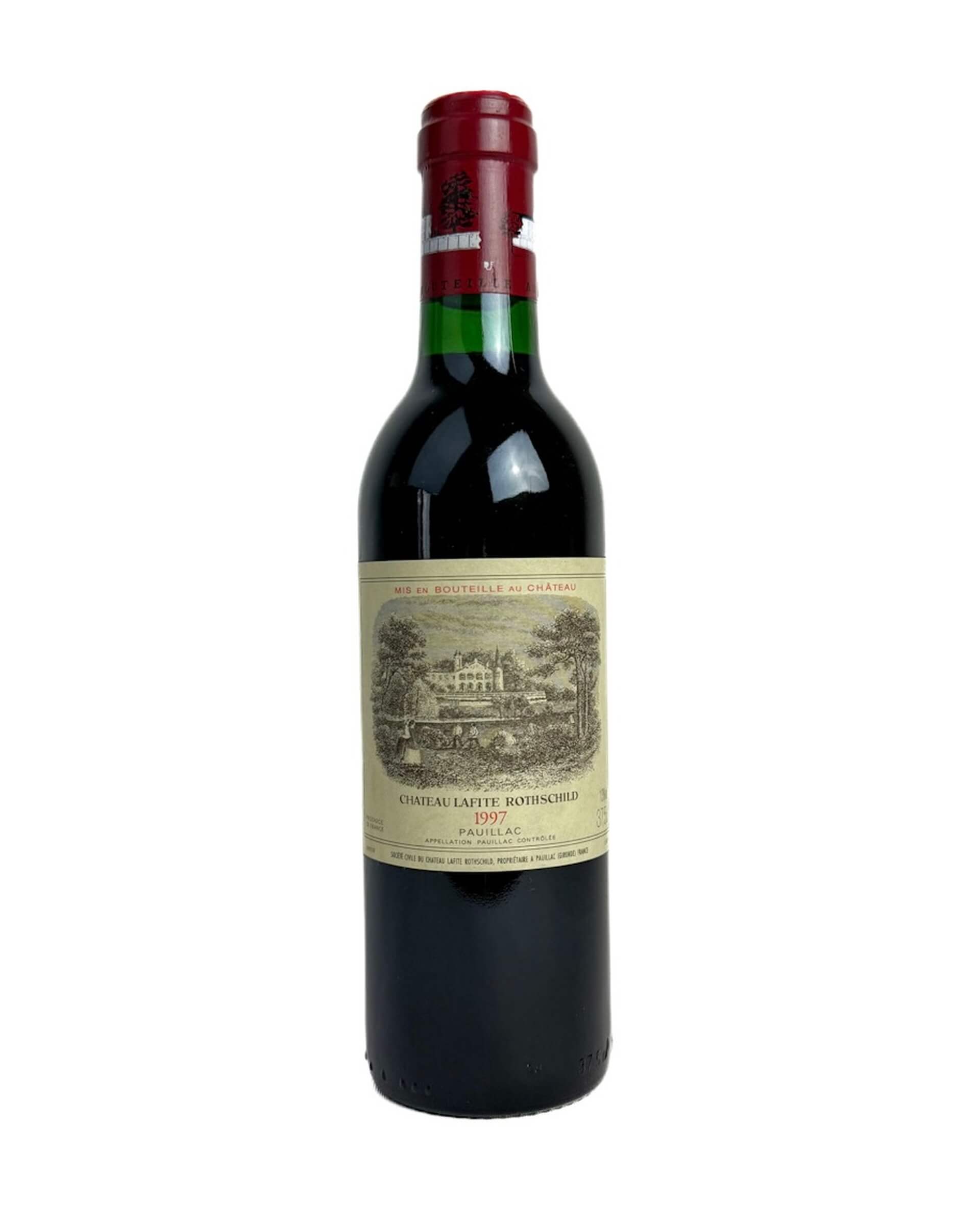
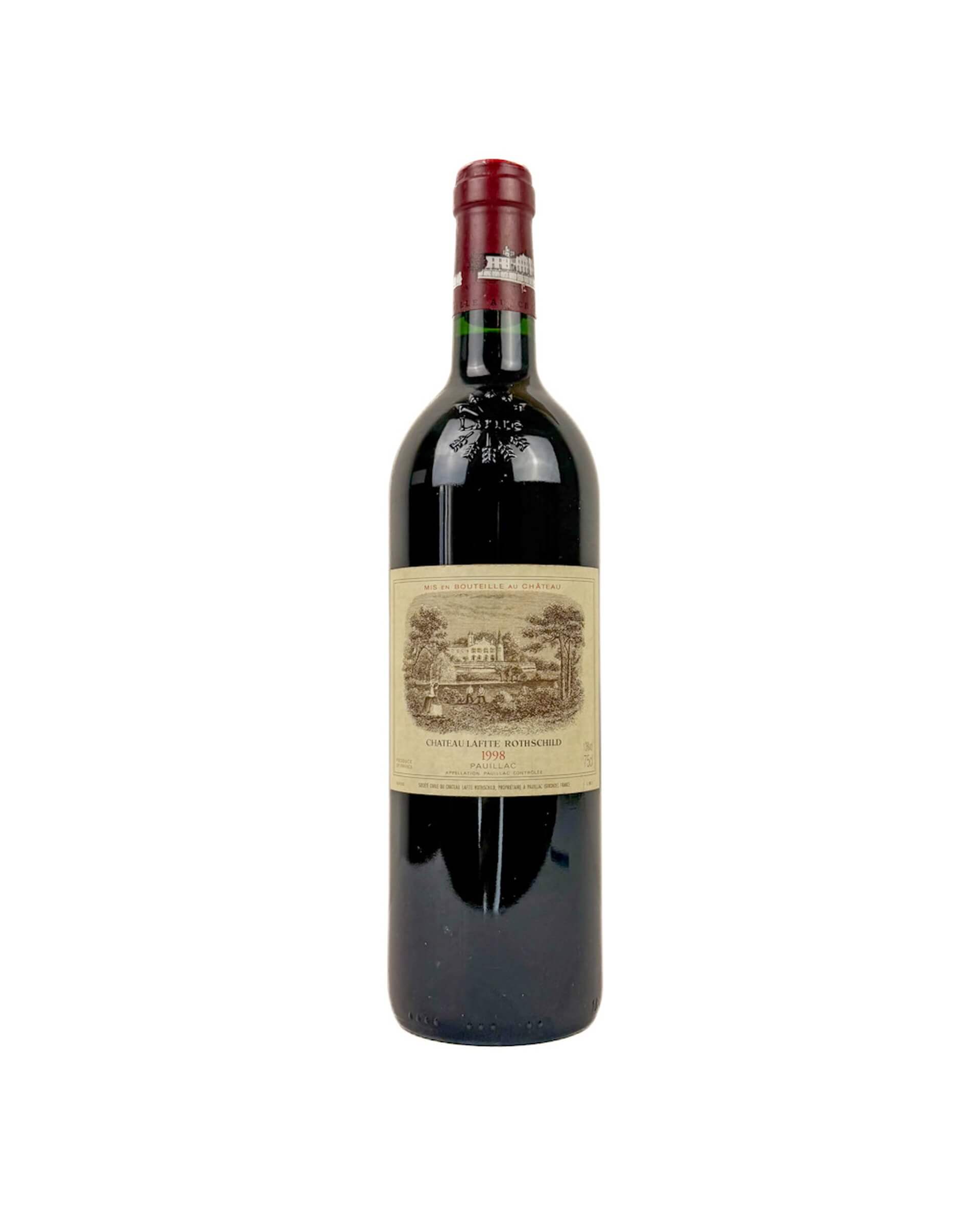
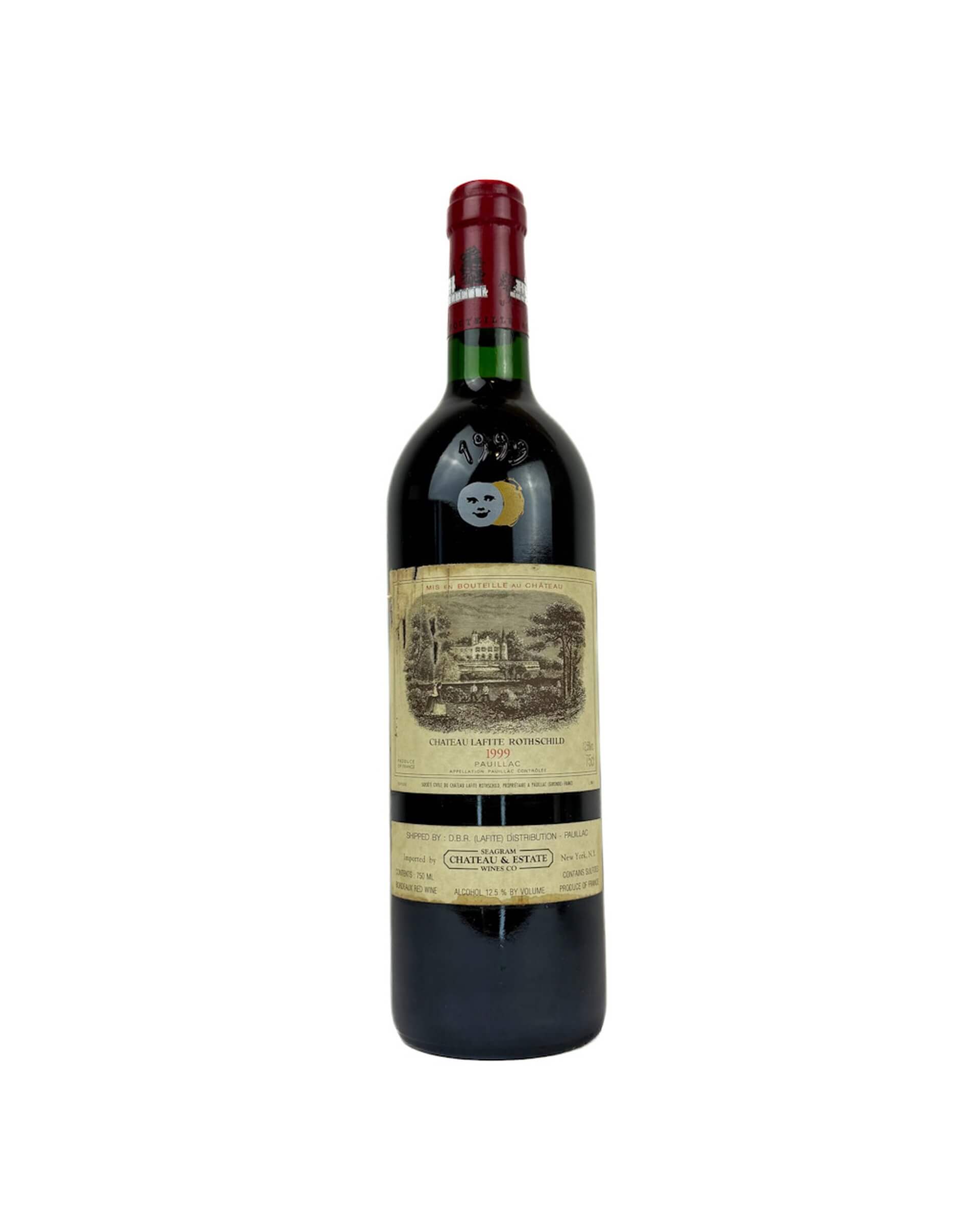
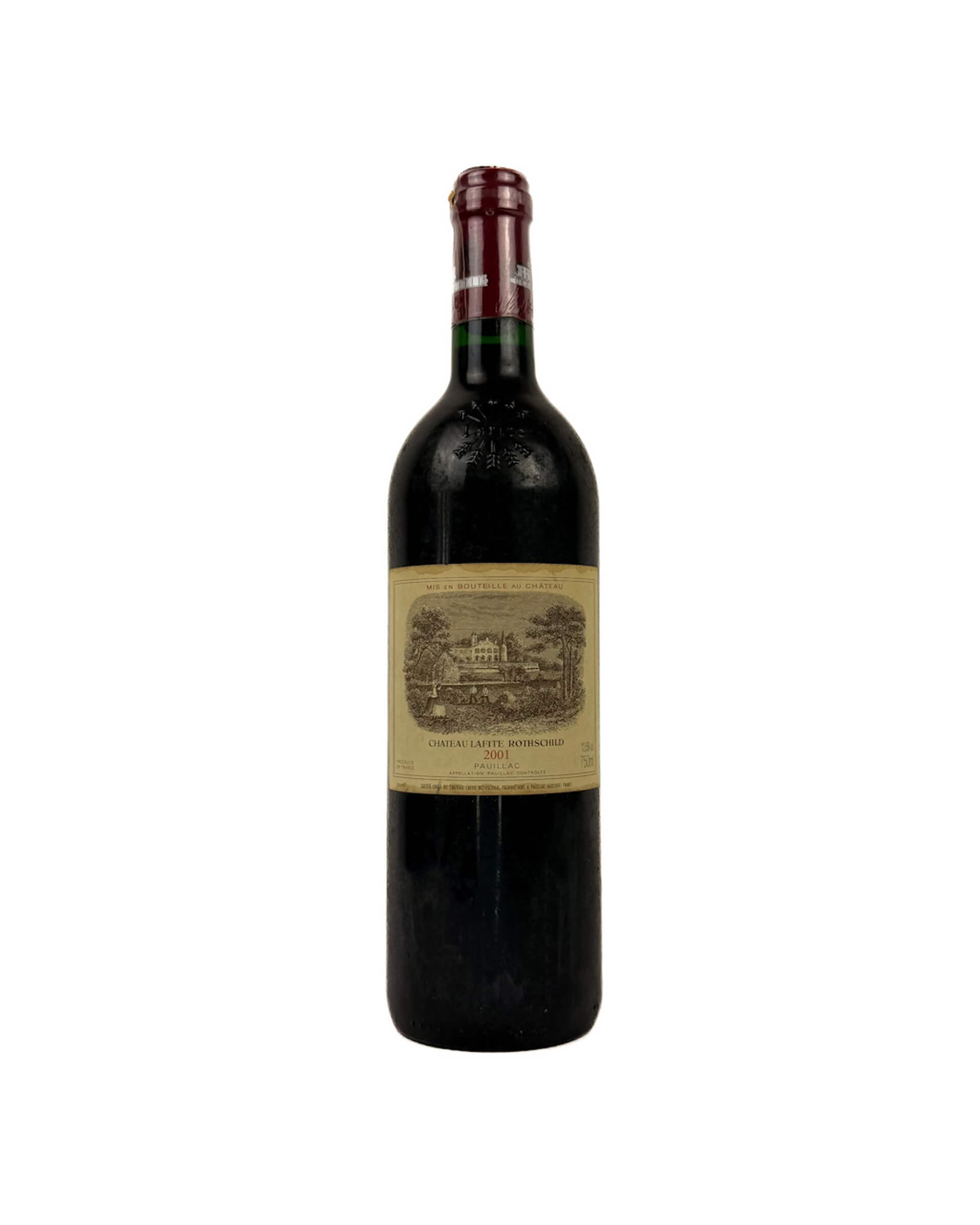
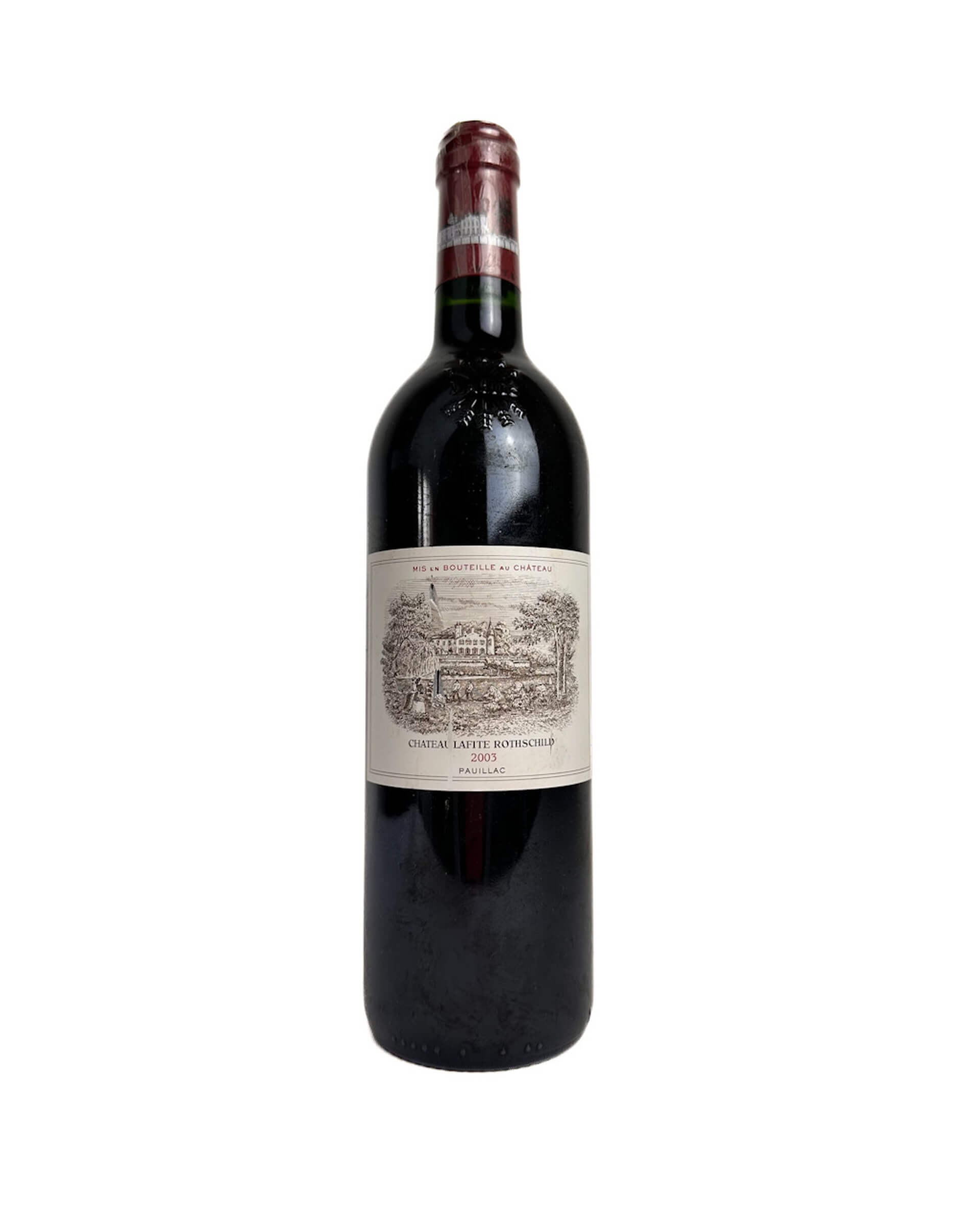
Cabernet Sauvignon is, according to OIV data, the world’s most-planted wine grape variety, covering over 340,000 hectares across six continents — the noble grape behind the great wines of the Médoc, the cult bottlings of Napa Valley, and a global family of structured, age-worthy reds. At Tour de Wine our selection runs to more than 200 bottles, from approachable New World cuvées around €40 to legendary Bordeaux first growths reaching €14,750, with most serious wines sitting near €370. Whether you are choosing your first classed-growth claret or hunting a rare back-vintage, this is a grape built for the cellar and the table alike.
What makes the grape so collectable is its rare combination of power and precision: firm tannins, deep colour, vivid blackcurrant fruit, and a structure that lets the best examples evolve gracefully for decades. Below you will find a sommelier’s guide to the variety’s character, the regions that define it, how to read price tiers honestly, and how to pair and cellar it — followed directly by our shoppable selection.
Cabernet sauvignon is a relatively young grape in historical terms: it arose in the Gironde in south-west France from a spontaneous natural cross between Cabernet Franc and Sauvignon Blanc, a parentage confirmed by DNA analysis in the 1990s. From those two parents it inherited aromatic lift and structural backbone in equal measure, and a small, thick-skinned berry exceptionally rich in colour and tannin-bearing polyphenols.
In the glass, the grape is unmistakable. Its aromatic signature centres on blackcurrant (cassis), with supporting notes of cedar, graphite, tobacco leaf, violet, and a green-pepper edge in cooler sites or less ripe vintages. With bottle age it develops leather, dried herbs, pencil shavings, and a savoury, almost minty complexity. The hallmark traits to expect are:
That thick skin and natural concentration are precisely why the variety thrives in well-drained, sun-warmed soils — and why it is so often blended with softer, earlier-ripening partners to round out its formidable structure. You will find the full range across our red wine collection.
Cabernet sauvignon is genuinely global, but a handful of regions define its benchmarks. Each terroir leaves a distinct fingerprint on the grape — from the graphite-laced restraint of the Médoc to the sun-soaked opulence of California. Here is how the world’s great cabernet regions compare.
The Left Bank of Bordeaux is the grape’s spiritual home. On the gravel-rich soils of the Médoc, cabernet sauvignon ripens fully and dominates the classic Bordeaux blend, typically making up 60–80% of the great wines of Pauillac, Saint-Estèphe, Margaux, and Saint-Julien. Here it is partnered with merlot for flesh, cabernet franc for perfume, and petit verdot for colour and spice. The style is structured and ageworthy: cassis and cedar in youth, graphite and tobacco with maturity. Explore our Bordeaux selection and the wider French collection for the canonical expressions, and see Cabernet Franc for the grape’s aromatic blending partner.
California reinvented the grape for the New World. On Napa’s volcanic and alluvial soils, under reliable sun, cabernet sauvignon yields a richer, riper, more generous style — higher in alcohol, with sweet cassis, dark chocolate, vanilla, and polished, elegant oak. Iconic names such as Opus One, Stag’s Leap, and Caymus built California’s reputation, and the famous 1976 Judgement of Paris tasting first proved Napa cabernet could stand beside the great Bordeaux. These wines are typically more approachable young but still reward 8–20 years of cellaring.
In Tuscany, the grape helped launch a revolution. Bolgheri wines such as Sassicaia and Ornellaia were born outside the traditional DOC rules — initially humble “table wines” that became some of Italy’s most sought-after bottles, with Sassicaia eventually earning its own single-estate Bolgheri Sassicaia DOC. Inland, Tignanello — a Toscana IGT from the Chianti Classico zone — was a parallel pioneer of the Cabernet-blend movement, marrying Sangiovese with cabernet sauvignon and cabernet franc. Here the variety is typically partnered with merlot and cabernet franc in an Italian register: elegant, finely herbal, and spiced, with Mediterranean warmth. Browse our Italian wines for Bolgheri and Super Tuscan expressions.
Beyond the classics, the grape speaks in many accents. Chile (Maipo and Colchagua valleys) offers vibrant, pure cassis fruit and remarkable value. Australia shows two faces: the cool terra rossa soils of Coonawarra give minty, structured wines, while Margaret River produces a fresher, more Bordeaux-like balance. And in Lebanon’s Bekaa Valley, the legendary Château Musar blends cabernet sauvignon with cinsault and carignan into one of the wine world’s most singular and long-lived reds, with a track record stretching back to 1959 — predating most of the Napa icon bottlings that defined the New World.
If you are weighing value across these regions, our buying team’s candid view is that Chile is the standout: within our current catalogue its Maipo and Colchagua bottlings deliver the most structured, cellar-worthy fruit per euro at the €40 entry tier, where Bordeaux and Napa typically demand €110 or more before comparable seriousness begins.
One of the most common questions buyers ask is whether to choose a single-varietal cabernet sauvignon or a blend — and the honest answer is that both have their place. In classic Bordeaux, the grape is almost never bottled alone: it forms the backbone of a blend, while Merlot adds roundness and early-drinking fruit, cabernet franc contributes aromatic freshness, and Petit Verdot lends colour and spice in small doses.
In the New World — California, Chile, Australia — 100% varietal cuvées are far more common, showcasing the grape’s pure power and cassis intensity. As a rule of thumb: a Bordeaux blend offers complexity and balance, while a varietal bottling offers undiluted character. Our concrete advice: if you are buying to cellar for 10+ years, a classic Bordeaux blend will reward patience better than most 100% New World bottlings at the same price; if you want to understand the grape’s pure varietal character, start with a Napa or Maipo 100% cuvée.
The grape’s firm tannins and dark fruit make it one of the great food wines, but it pairs best with rich, savoury, protein-led dishes that soften its structure. Its natural affinity is with red meat and umami-rich cooking.
Serving guidance: serve it at 16–18 °C. Decant young, structured wines for at least an hour to soften the tannins and release aromatics; older bottles need gentler handling and shorter aeration. A Bordeaux-shaped glass with a tall bowl directs the wine to showcase its cassis and cedar perfume.
One advantage of buying from a specialist is honest price guidance grounded in a real selection rather than vague marketing language. Across our range of more than 200 bottles, prices in euros span an enormous spectrum — from everyday New World reds to museum-piece Bordeaux. Here is what each tier genuinely buys you.
Our advice is to buy by intention rather than by price alone. If you are drinking this week, a fruit-driven Chilean or Australian cabernet near €40 delivers genuine pleasure. If you are building a cellar, the wines clustered around €370 offer the best balance of structure, provenance, and value. And if you are investing for the long term, the rare bottles toward €14,750 are the ones that improve over decades. Browse the full cabernet sauvignon collection to filter by region, vintage, and budget.
The grape rewards patience more than almost any other red. A young classed-growth Bordeaux can taste tight and tannic; the same wine after a decade in the cellar becomes silky and complex. A few practical pointers by region:
Cabernet sauvignon is more structured, tannic, and built for long ageing, with blackcurrant and cedar character, while merlot is rounder, plummier, and more approachable young. The two are natural partners — the classic Bordeaux blend uses merlot to soften and flesh out cabernet’s firm tannic backbone. If you prefer power and cellar potential, choose cabernet; for early, supple drinking, choose merlot or a merlot-led blend.
Whether to drink it young or aged depends on the wine. Entry-level cabernets from Chile or Australia can be enjoyed within 2–3 years of the vintage, while classed-growth Bordeaux and top Napa reward 8–15 years or more of cellaring. For younger, structured bottles, decanting for an hour softens the tannins and brings the aromatics forward.
For a first serious Bordeaux we recommend starting around €110, the point where appellation provenance and real structure begin to show. Above that, the €370 tier is where our buying team finds the strongest quality-to-cellar-potential ratio across the selection. Spend below €110 only if you are buying a fruit-forward New World wine to drink soon rather than to keep; reserve the higher tiers for collecting and special occasions.
To judge readiness, weigh the wine’s tier and vintage against the regional guidance above. A fruit-forward New World cabernet near €40 is ready on release; a classed-growth Bordeaux or icon Napa typically needs 8–15 years from the vintage before it softens. In our experience the surest signal is the texture in the glass: if young tannins still grip and dry the finish, the wine wants more time or at least a full hour in a decanter. When the tannins feel resolved and the fruit has turned savoury, it is drinking at or near its peak.
Written by the Tour de Wine buying team. Last reviewed: June 2026.
This site is restricted to adults. By entering, you confirm that you are of legal drinking age in your country of residence.