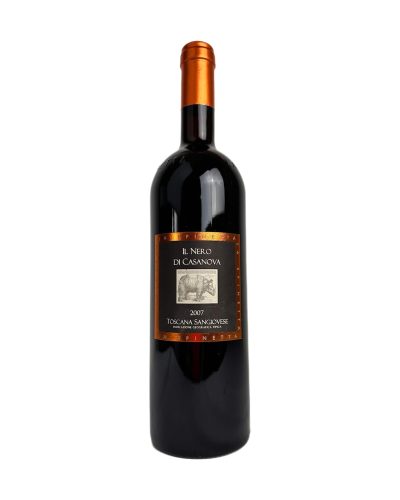
0.75 L
2007
La Spinetta
Wines, producers, regions...
Toscana
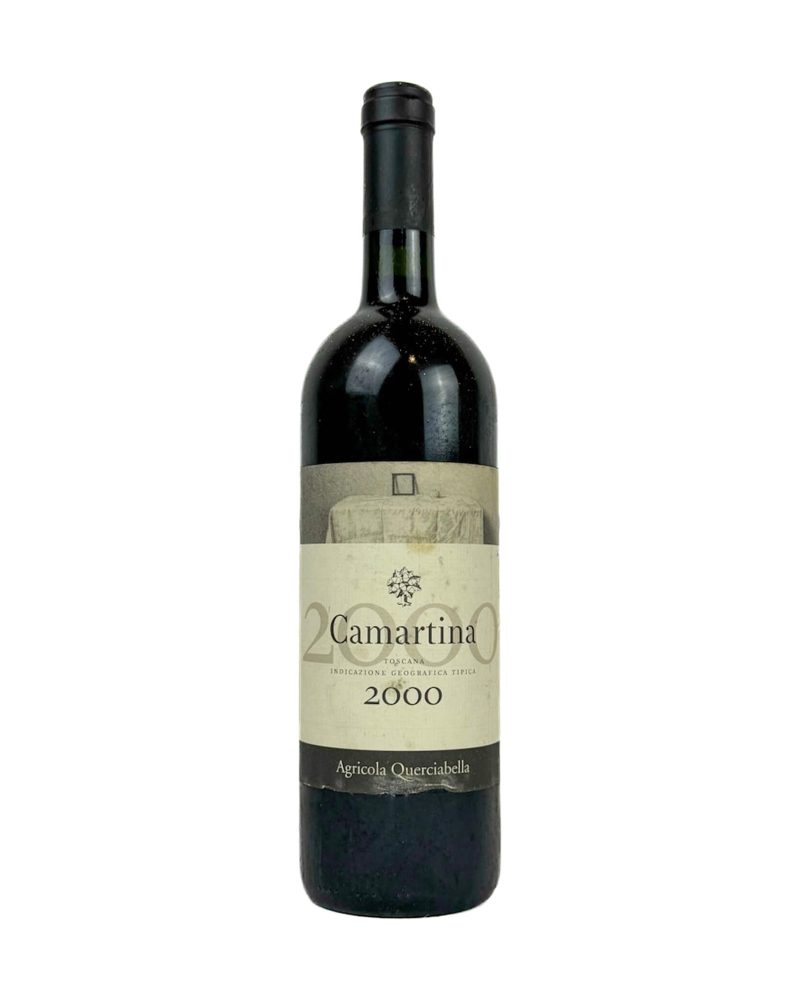
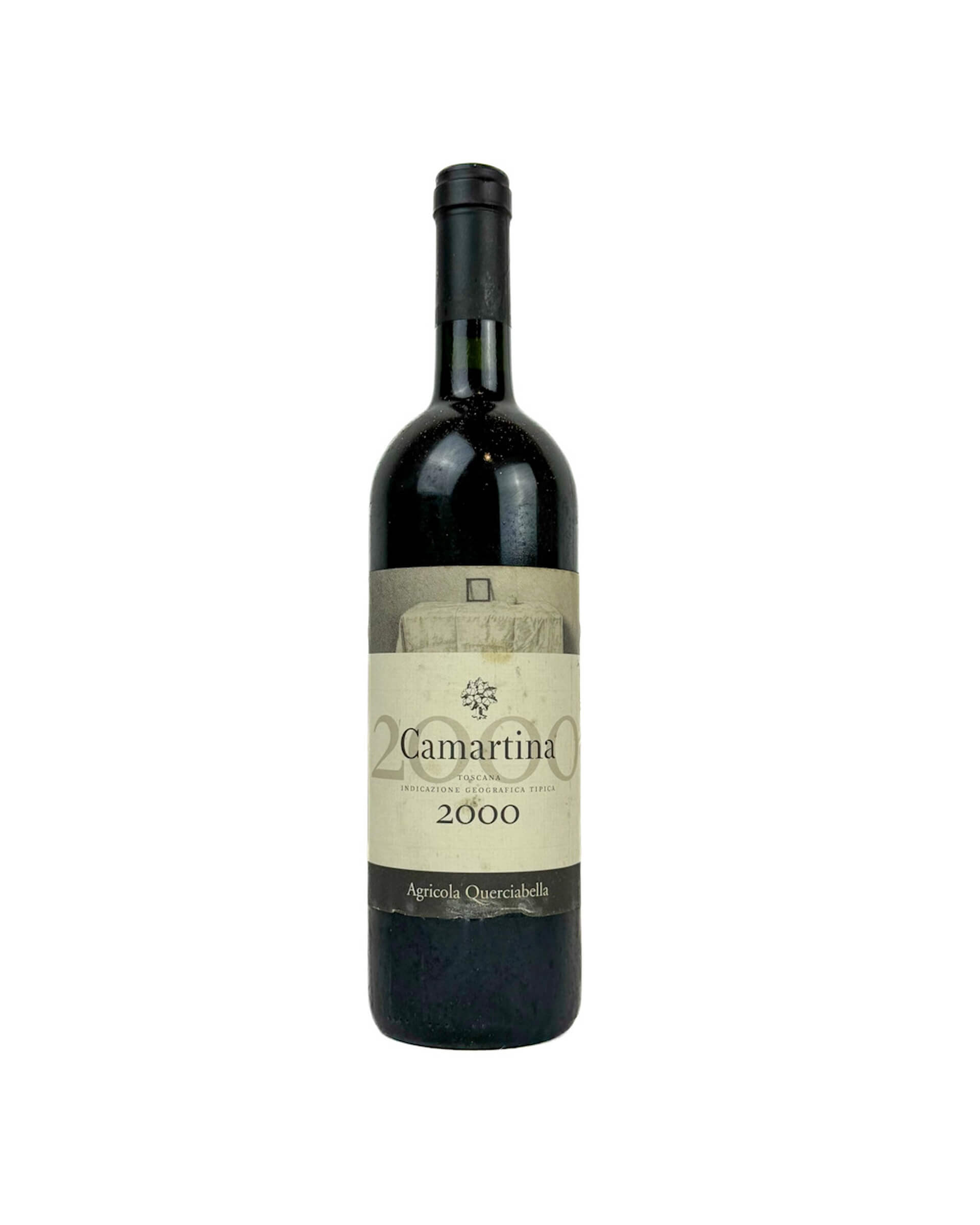
Agricola Querciabella
2000 · 0.75 L · RP N/A
1 in stock
Camartina 2000 by Agricola Querciabella: a 26-year-old dry Toscana IGT red from Cabernet Sauvignon and Sangiovese, from Querciabella's Ruffoli estate.
Secure payment · Visa · Mastercard · Amex · Apple Pay · Google Pay
SKU: TOS-AGRICOLA-QUERCIABELLA-CAMARTINA-2000-075
Category: Toscana, Cabernet Sauvignon, IGT, Italy, Red, Sangiovese, Tuscany, Wine
This Camartina is a dry red from Agricola Querciabella, bottled as Toscana IGT and made from Cabernet Sauvignon and Sangiovese.
Camartina is not a Chianti Classico. The estate sells it outside that appellation, under the regional IGT label, which allows greater flexibility in grape varieties and blends than many DOC or DOCG rules.
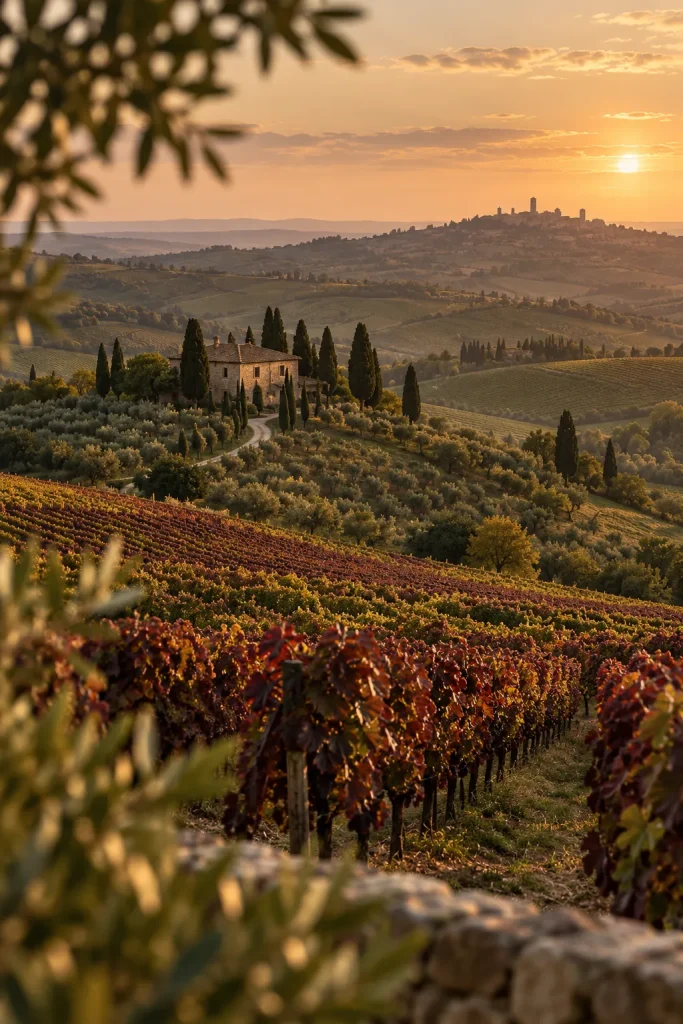
Camartina was first made in 1981. It began as roughly 70% Sangiovese and 30% Cabernet Sauvignon, with a little Merlot, and over the years the proportions moved in favour of Cabernet.
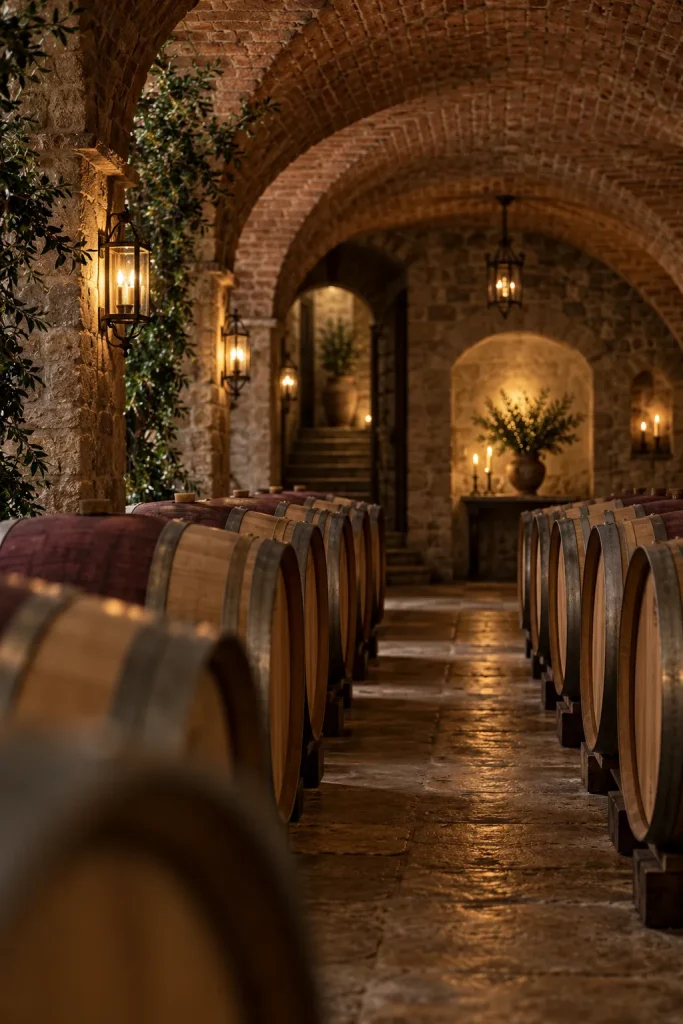
The Camartina vineyards are in Ruffoli, above Greve in Chianti, in Tuscany. They include Casaocci Sud, which faces south on galestro soils, and Poggerino, where the soils are denser and richer in clay. The Sangiovese blocks sit at 350 to 600 metres, facing south to southwest.
The estate ages Camartina 18 months in French oak barriques and releases it no sooner than 30 months after the harvest.
Giuseppe Castiglioni founded Querciabella in 1974. The estate farms vineyards in Chianti Classico, at Greve, Radda and Lamole, and in the Maremma on the coast. The estate converted to organic viticulture in 1988 and adopted biodynamic farming in 2000, the year of this vintage. Since 2010 all its operations have followed plant-based practices. Since July 2024 the owner is Mita Castiglioni, Giuseppe’s eldest daughter.
Camartina 2000 is a dry red made from Cabernet Sauvignon and Sangiovese. The wine began as roughly 70% Sangiovese and 30% Cabernet Sauvignon with a little Merlot, and over the years the proportions moved in favour of Cabernet.
No. Camartina is sold as Toscana IGT rather than Chianti Classico, even though its vineyards lie in Ruffoli, above Greve in Chianti.
Camartina spends 18 months in French oak barriques and is released no sooner than 30 months after the harvest.
Querciabella made its first Camartina in 1981, seven years after Giuseppe Castiglioni founded the estate.
In Ruffoli, above Greve in Chianti, in Tuscany. They include Casaocci Sud, which faces south on galestro soils, and Poggerino, where the soils are denser and richer in clay.
Yes. The estate went organic in 1988 and biodynamic in 2000, and since 2010 all its operations follow plant-based practices.
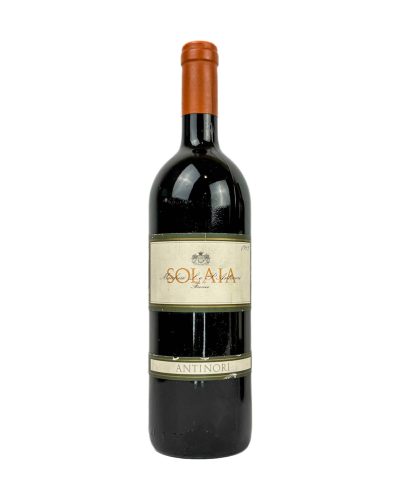
€ 120,00
This site is restricted to adults. By entering, you confirm that you are of legal drinking age in your country of residence.
Reviews
There are no reviews yet.