
N/A
0,75
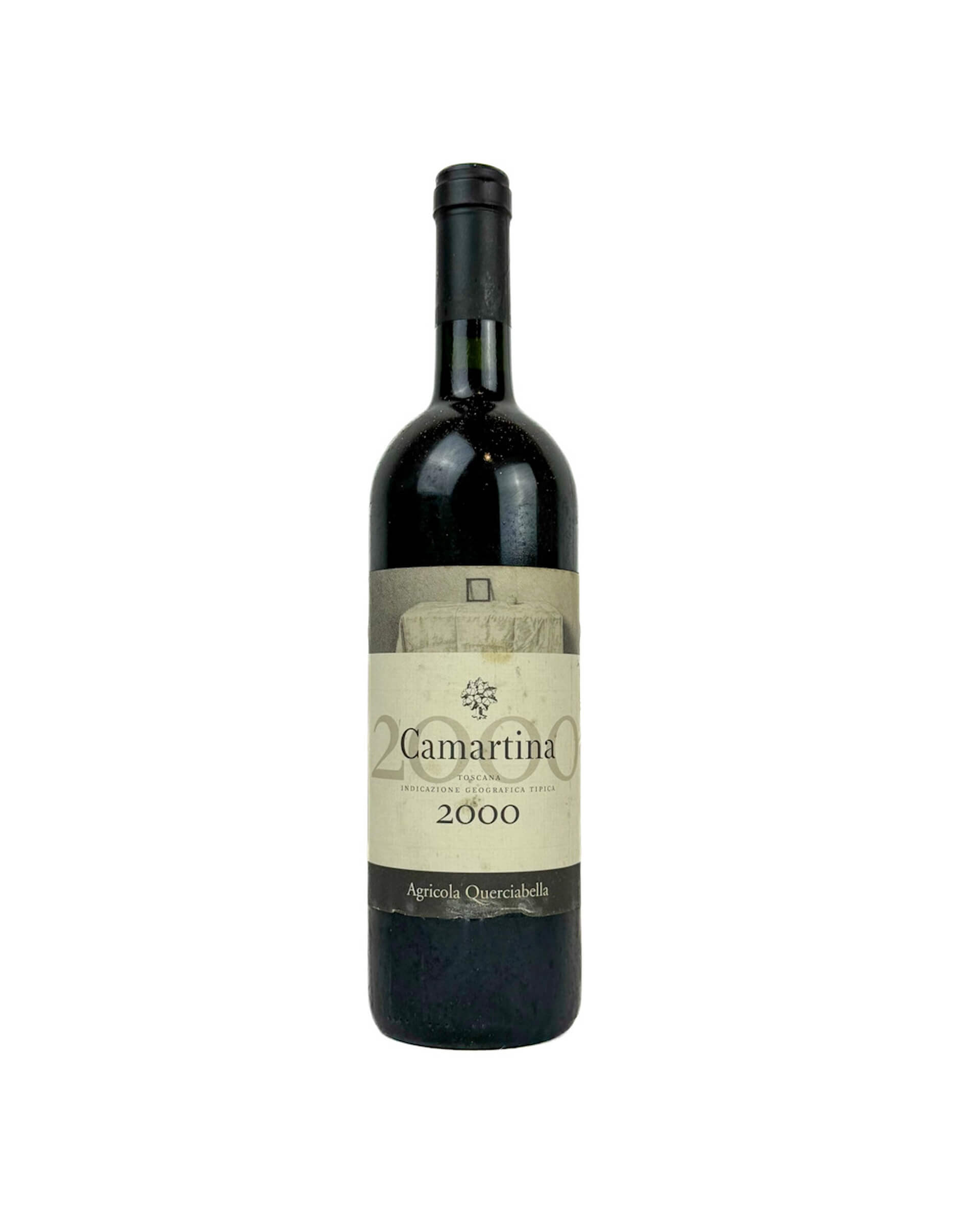
2000
Agricola Querciabella
Wines, producers, regions...
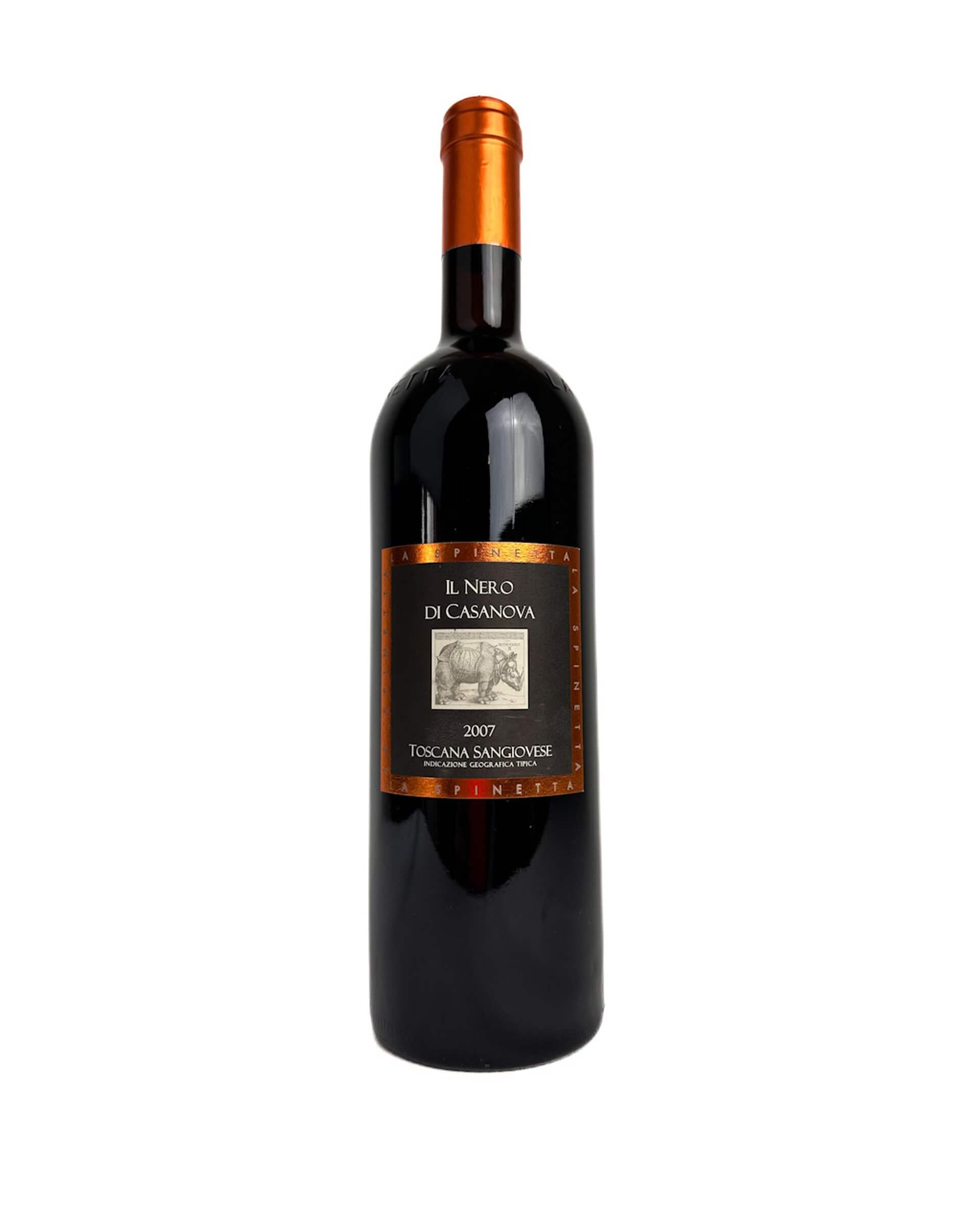
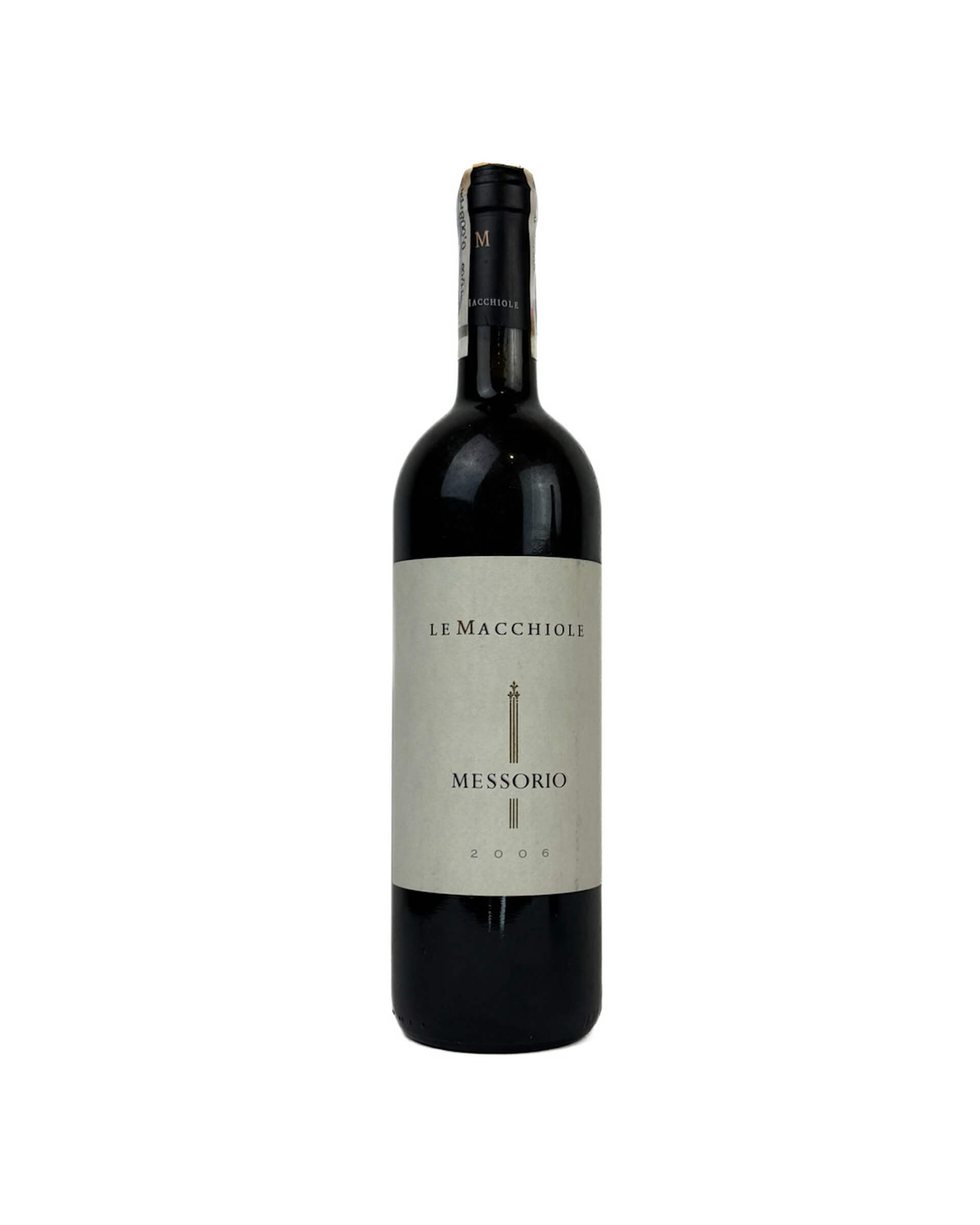
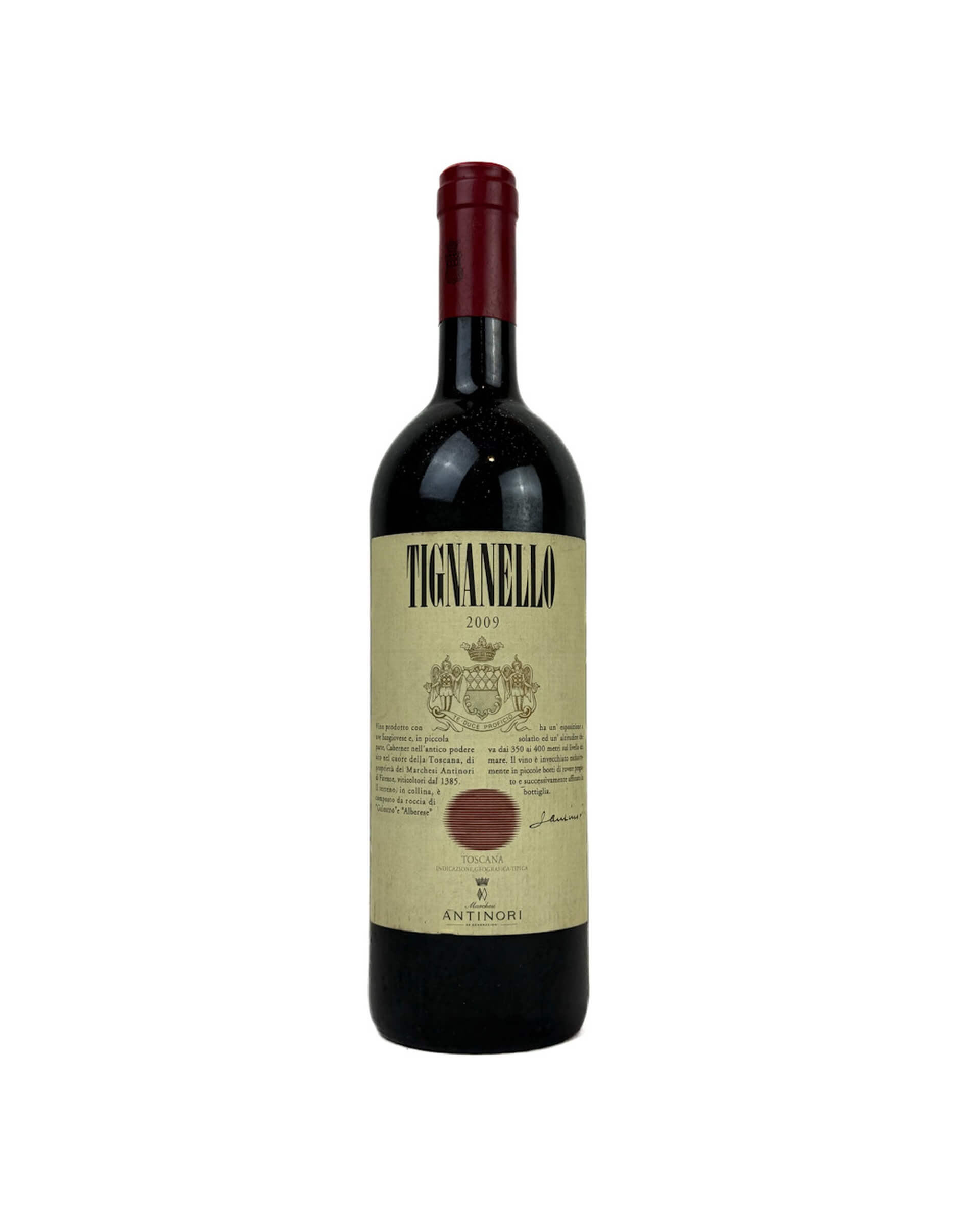
To understand Toscana on a wine label, picture the paradox at the heart of modern Italian wine: a Toscana IGT designation sits below DOC and DOCG in Italy’s official quality pyramid, yet it is the very classification carried by some of the country’s most expensive, most collected and most age-worthy reds. To English-speaking buyers these wines are better known by their nickname — the Super Tuscan. They were born when the most ambitious estates of Tuscany deliberately walked away from the rulebook to make the wines they believed in.
Tour de Wine’s Toscana IGT selection is small and intentionally specialist — four bottles, each chosen to mark a distinct point on the Super Tuscan map rather than to fill a shelf. We start with an approachable, single-varietal Sangiovese: our entry bottle that shows the grape’s bright cherry fruit and savoury, food-friendly acidity without the price of a prestige label — for us the clearest, most honest way into the category. From there the selection steps up to estate-produced Super Tuscans that show the Sangiovese-Cabernet model with real density and grip, and tops out with a structured prestige cuvée built for long cellaring. We chose these four because together they let you taste the whole arc of the category — from everyday table red to collectible — without redundancy. This guide is the reasoning behind those picks, a buying guide to one of Italy‘s most frequently misread red wine categories.
Italian wine law is organised as a quality pyramid. At the apex sits DOCG (Denominazione di Origine Controllata e Garantita), then DOC, then IGT (Indicazione Geografica Tipica), and at the base Vino da Tavola, the simple table-wine category. It is tempting to read that ladder as a straight quality scale, but in Tuscany that reading collapses. IGT is not a mark of inferiority — it is the designation producers chose when their winemaking vision exceeded what the stricter rules allowed.
This happened deliberately, beginning in the 1970s. Estates wanted to blend Cabernet Sauvignon and Merlot alongside Sangiovese, or to bottle single-varietal Sangiovese using techniques the DOC system did not permit. Rather than compromise, they accepted the broader IGT label and let the wine speak for itself. Two bottles defined the movement: Sassicaia, first commercially released with the 1968 vintage in 1971 and originally labelled as humble table wine before earning its own Bolgheri Sassicaia DOC in 1994, and Tignanello from Antinori, whose first vintage was 1971. Their international acclaim did not diminish the IGT designation — it transformed how the wine world reads it.
Because Toscana IGT places almost no restriction on grape variety or blending percentage, it has become an umbrella for several distinct style tracks. Understanding them is the fastest route to choosing well.
The first is the Sangiovese-dominant blend — the Tignanello model: roughly 80% Sangiovese rounded out with Cabernet Sauvignon and Cabernet Franc. These wines keep the Chianti-like backbone of high acidity and savoury cherry fruit, but add deeper colour, richer texture and broader shoulders. The second track is single-varietal Sangiovese bottled outside DOC constraints — pure expressions where the producer chose small French oak or an extended maceration that the appellation rules would forbid; Fontalloro from Felsina and Percarlo from San Giusto a Rentennano are benchmark examples.
The third track is the Cabernet Sauvignon-led blend, descended from Sassicaia’s historic form, where Cabernet dominates and brings cassis, cedar, firm tannic grip and exceptional ageing potential. The fourth is Merlot-dominant, exemplified by Masseto, Ornellaia’s celebrated single vineyard, which yields a plush, velvety texture and earlier approachability than its Cabernet-led peers. Merlot was long sidelined under Chianti and Brunello rules, which is precisely why the IGT designation became a creative necessity for Tuscany’s most inventive winemakers.
Although Toscana IGT can in theory be made anywhere in the region, three informal zones produce the bottles that built the category’s reputation.
The first is the Chianti Classico hinterland, the hills around Panzano and Gaiole in Chianti. Here Antinori’s Tignanello estate, Felsina and San Giusto a Rentennano craft Sangiovese-led blends and single-varietal wines conceived to transcend DOCG restraint — bottles that share their vineyards’ Chianti heritage but answer to a different ambition. The second is the Bolgheri coastal strip, home to Tenuta San Guido (Sassicaia), Ornellaia, Grattamacco and Le Macchiole, where Cabernet and Merlot-led wines carry a distinctive coastal, mineral edge. Note an important technicality: Bolgheri Sassicaia now holds its own dedicated DOC, so Sassicaia itself is no longer labelled Toscana IGT — but it remains the historical origin of the entire phenomenon.
The third zone is the Maremma interior, a warmer, more open landscape where younger estates produce bold Toscana IGT bottles — including generous Cabernet-led blends — at more accessible price points. Buyers drawn to the Cabernet Sauvignon coastal prestige tier should also explore Tour de Wine’s wider Tuscany selection, the natural home of this category.
The buying decision becomes straightforward once you frame it around three questions. The first: do I want a wine to open now or to cellar? Merlot-dominant Toscana IGT is often accessible from three to five years after the vintage. Sangiovese-dominant blends and Cabernet-led wines typically reward seven to fifteen years, and exceptional prestige cuvées from great vintages such as 2015, 2016 and 2019 can evolve for two decades or more. For bottles on the market right now, you will mostly be choosing from 2019 to 2022 releases: 2020 was a cooler, more aromatic year giving fragrant, finer-boned wines; 2021 was warm and concentrated; and 2022 produced some of the most structured Sangiovese blends of the decade, built for patient cellaring.
The second question: what grape character do I want? Sangiovese-led wines deliver dried cherry, an iron-like minerality and bright, food-friendly acidity. Cabernet-led wines deliver cassis, cedar and a firmer tannic grip built for the long haul. The third question is simply budget, and here honest figures help most. Prices in Tour de Wine’s Toscana IGT selection start from around €17 for an accessible, food-friendly entry expression; most of the selection sits near €180 — the level of serious, estate-produced Super Tuscan wines with genuine winemaking ambition — while the most structured prestige cuvées reach €220. This is a small, predominantly premium range rather than a broad budget shelf, and it is curated accordingly.
If your priority is pure Sangiovese at maximum age-worthiness under stricter DOCG discipline, the wider Tuscany range — Brunello di Montalcino among it — offers a different but complementary route into great Tuscan red.
Serve Toscana IGT at 16–18°C, taking the warmer end for heavier Cabernet-led expressions and the cooler end for lighter, Sangiovese-dominant blends. Young, structured Sangiovese or Cabernet blends open up beautifully with 45–75 minutes in a decanter; lighter, earlier-drinking styles need only 20–30 minutes of air to show their best.
For pairing, match the grape to the plate. Sangiovese-led blends are made for bistecca alla fiorentina, wild boar ragù, rosemary-scented lamb and aged Pecorino Toscano, their acidity cutting cleanly through fat and char. Cabernet-led blends prefer braised short rib, lamb shoulder, venison, truffle risotto and aged Parmigiano Reggiano, where their tannic grip and dark fruit have weight to lean against. Across the board these are versatile red wines built for the table rather than the tasting bench.
On the label, Toscana IGT simply tells you the grapes were grown somewhere in Tuscany, with no restriction on variety or blending percentage. The catch — and the reason it confuses buyers — is that this broad, supposedly modest category is where many of Italy’s most acclaimed and expensive reds are bottled. Prestige producers adopted it deliberately from the 1970s when they wanted varieties or techniques the Chianti and Brunello rules forbade, so a Toscana IGT line on a label is no guide to price or quality. Read it as a regulatory address, not a verdict on the wine.
Chianti DOC rules historically required a minimum percentage of Sangiovese and explicitly excluded international varieties such as Cabernet Sauvignon and Merlot. Producers including Antinori (Tignanello) and Tenuta San Guido (Sassicaia) chose to make the wines they believed in and accepted the IGT designation rather than conform to rules they found creatively limiting. Their wines won international acclaim under that label, which elevated the IGT designation rather than diminishing it. “Super Tuscan” is a critics’ nickname for these wines, not a legal classification.
The key practical difference is geography and grape discipline. Chianti Classico DOCG is a defined sub-zone between Florence and Siena that requires Sangiovese as the dominant grape — a minimum of 80% — and imposes specific rules on yields, oak ageing and where the fruit may come from. Toscana IGT lifts those constraints: an estate can blend freely, lean on Cabernet or Merlot, or bottle a single variety in whatever style it chooses. So a Toscana IGT wine may be entirely Sangiovese, entirely Cabernet Sauvignon, or anything between — and it might sell for less than a village Chianti or many times more. The label tells you the rules the wine plays by, not the style or the price.
It depends on the style. Entry-tier blends are approachable within three to five years of the vintage. Structured Sangiovese-dominant or Cabernet Sauvignon-led bottles from strong Tuscan vintages can evolve for twelve to twenty years or more. Exceptional prestige cuvées from the best estates in outstanding years — 2015, 2016 and 2019 were standout Tuscan vintages — reward 20–25 years of cellaring. If in doubt, decant for at least 45 minutes before serving any wine under ten years old.
Written by the Tour de Wine buying team. Last reviewed: June 2026.
This site is restricted to adults. By entering, you confirm that you are of legal drinking age in your country of residence.