
N/A
0,75
2005
Cupano
Wines, producers, regions...
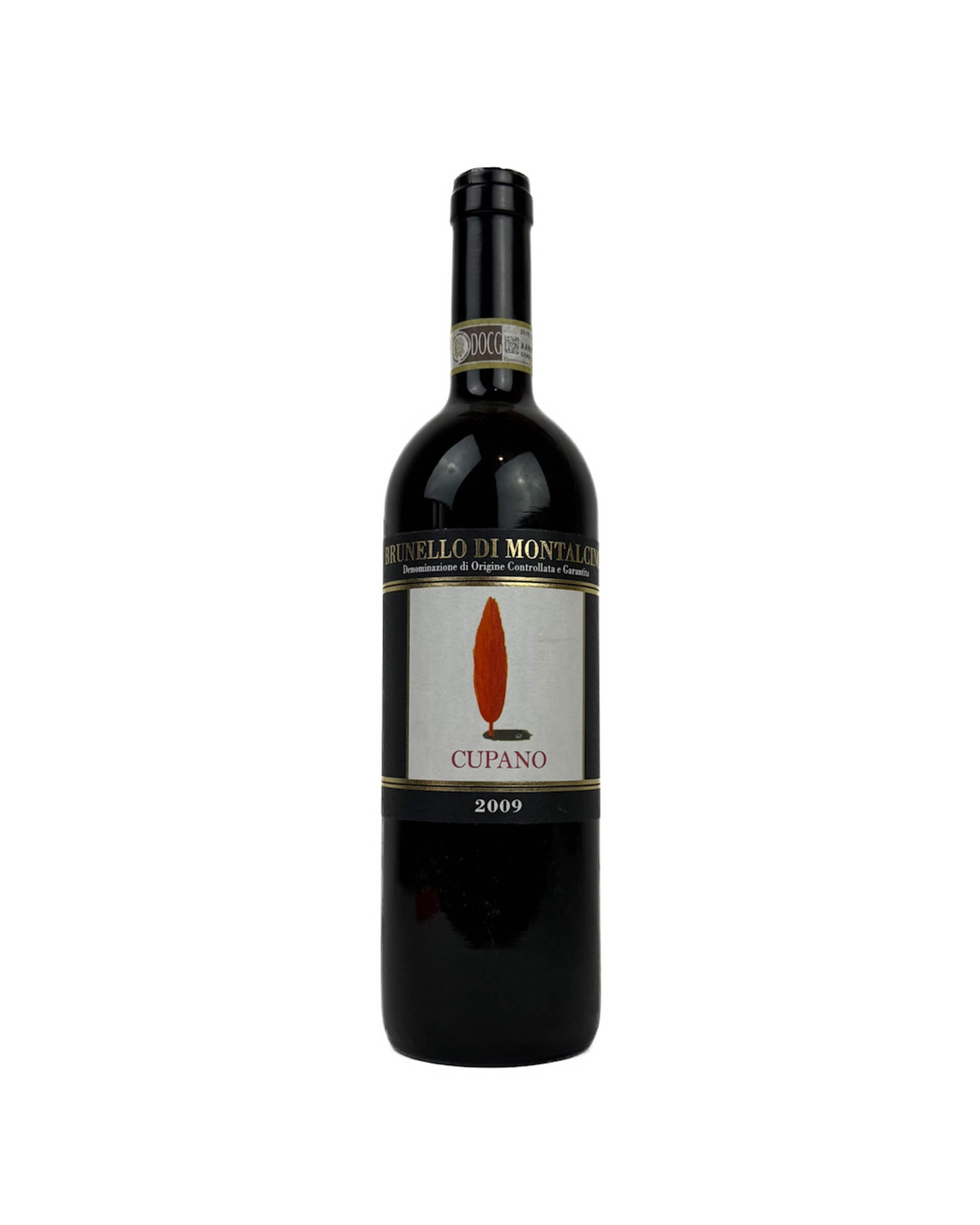
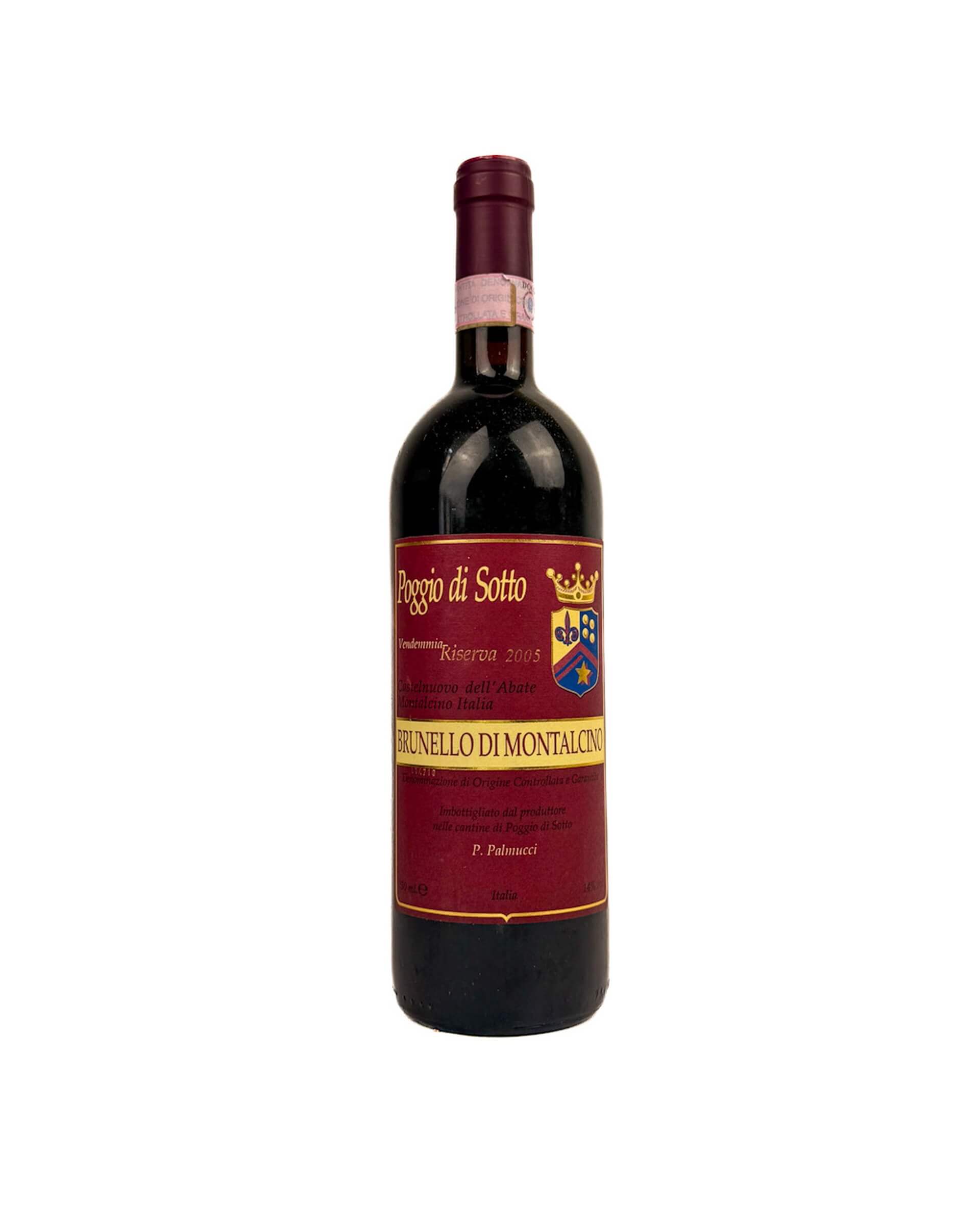
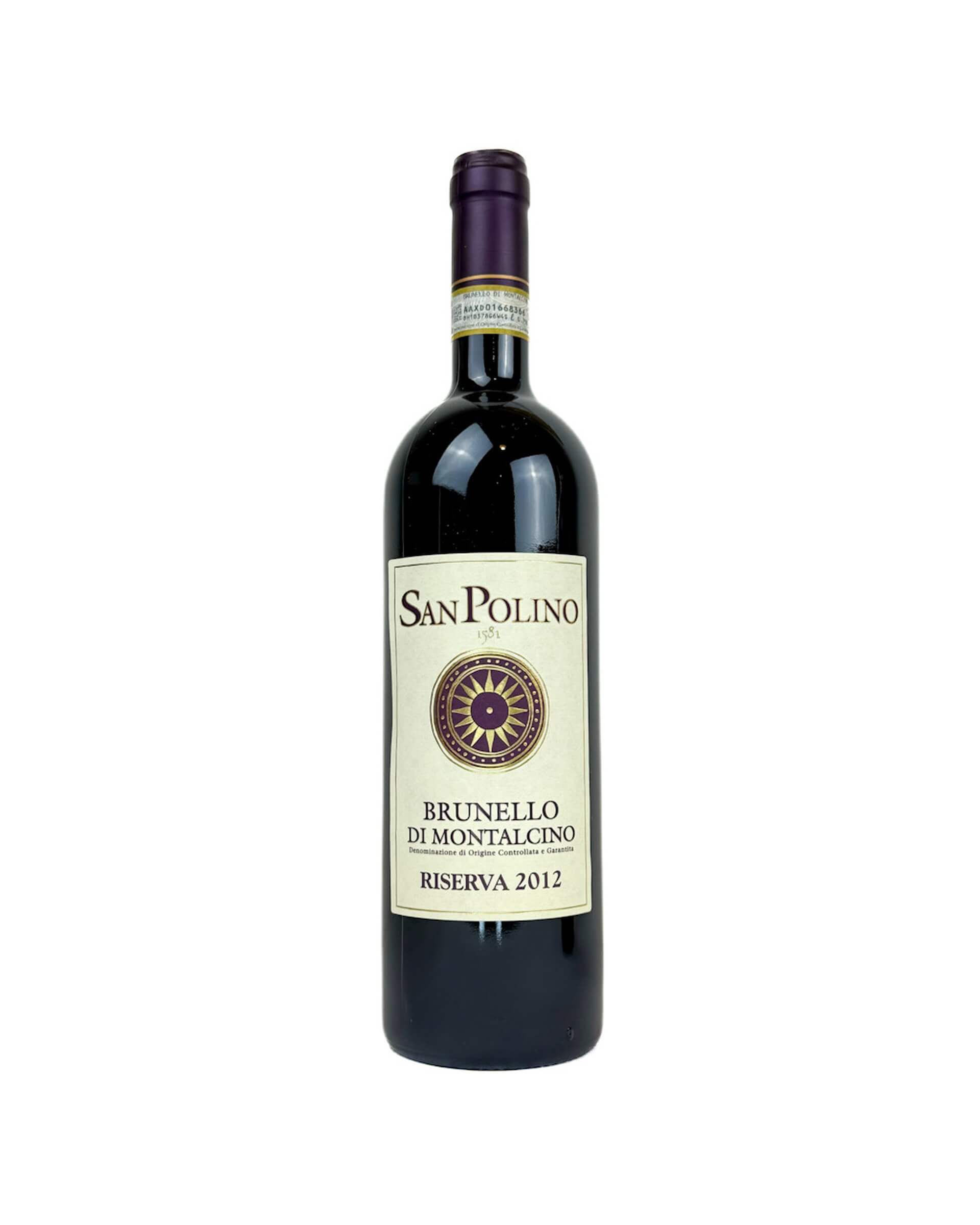
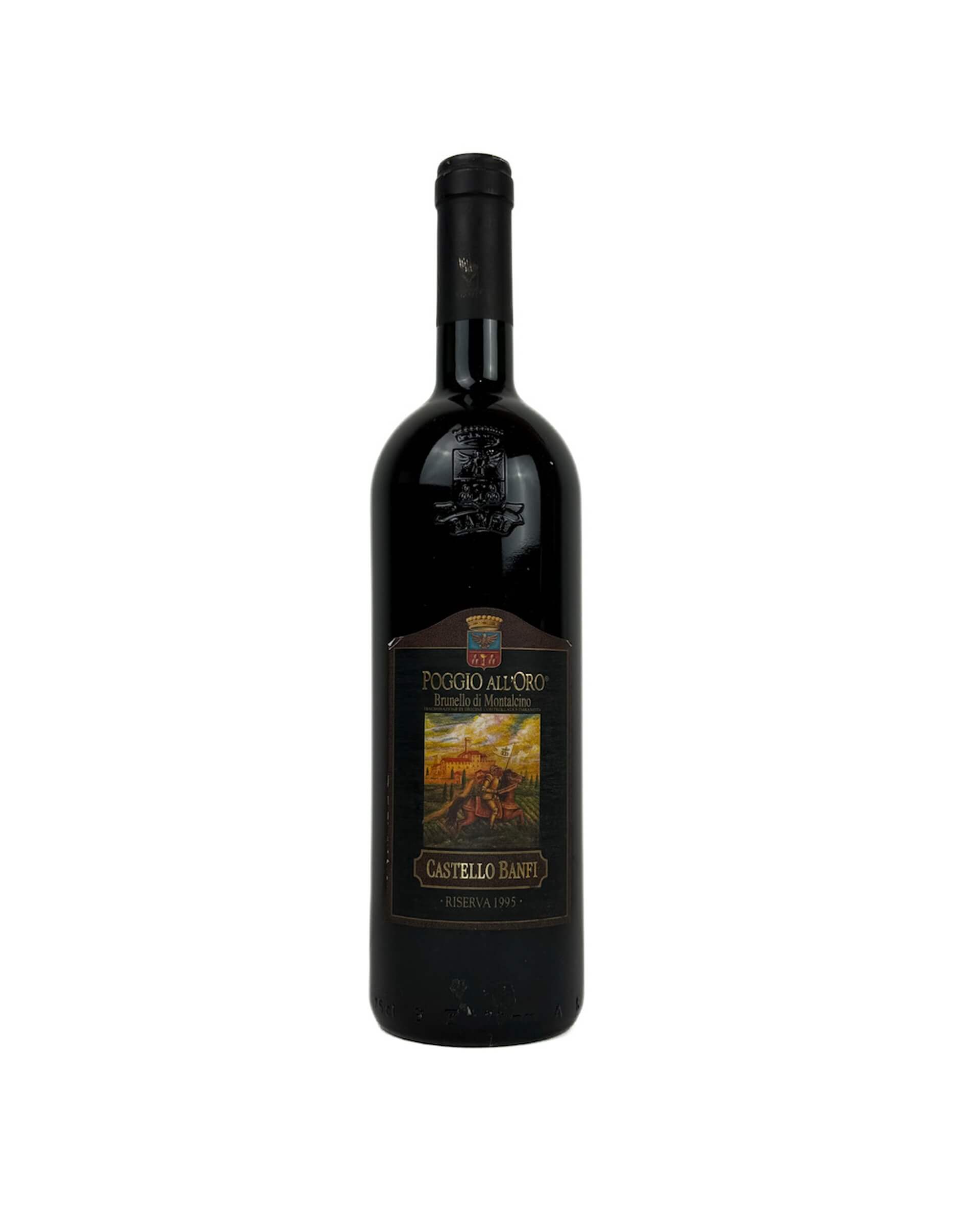
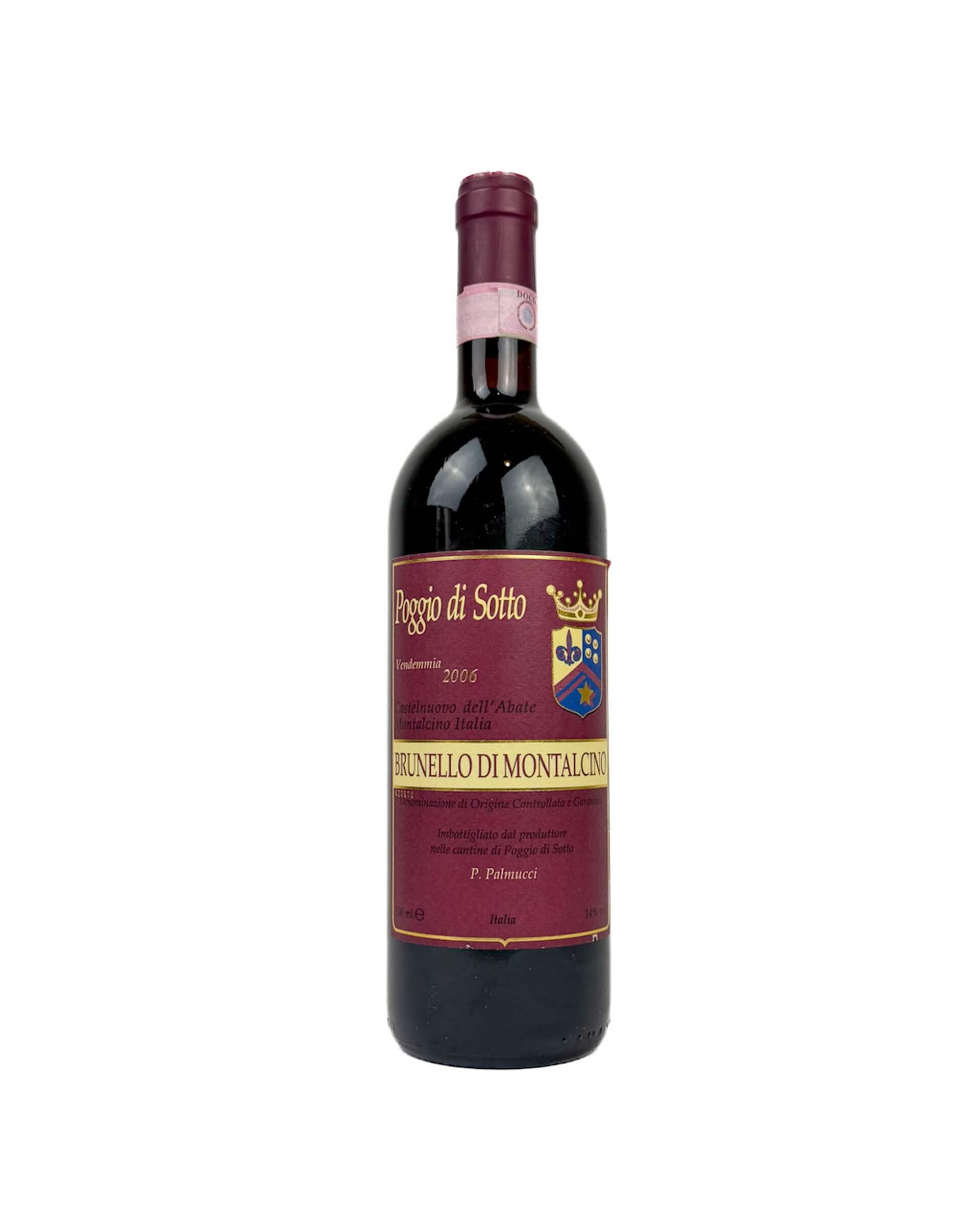
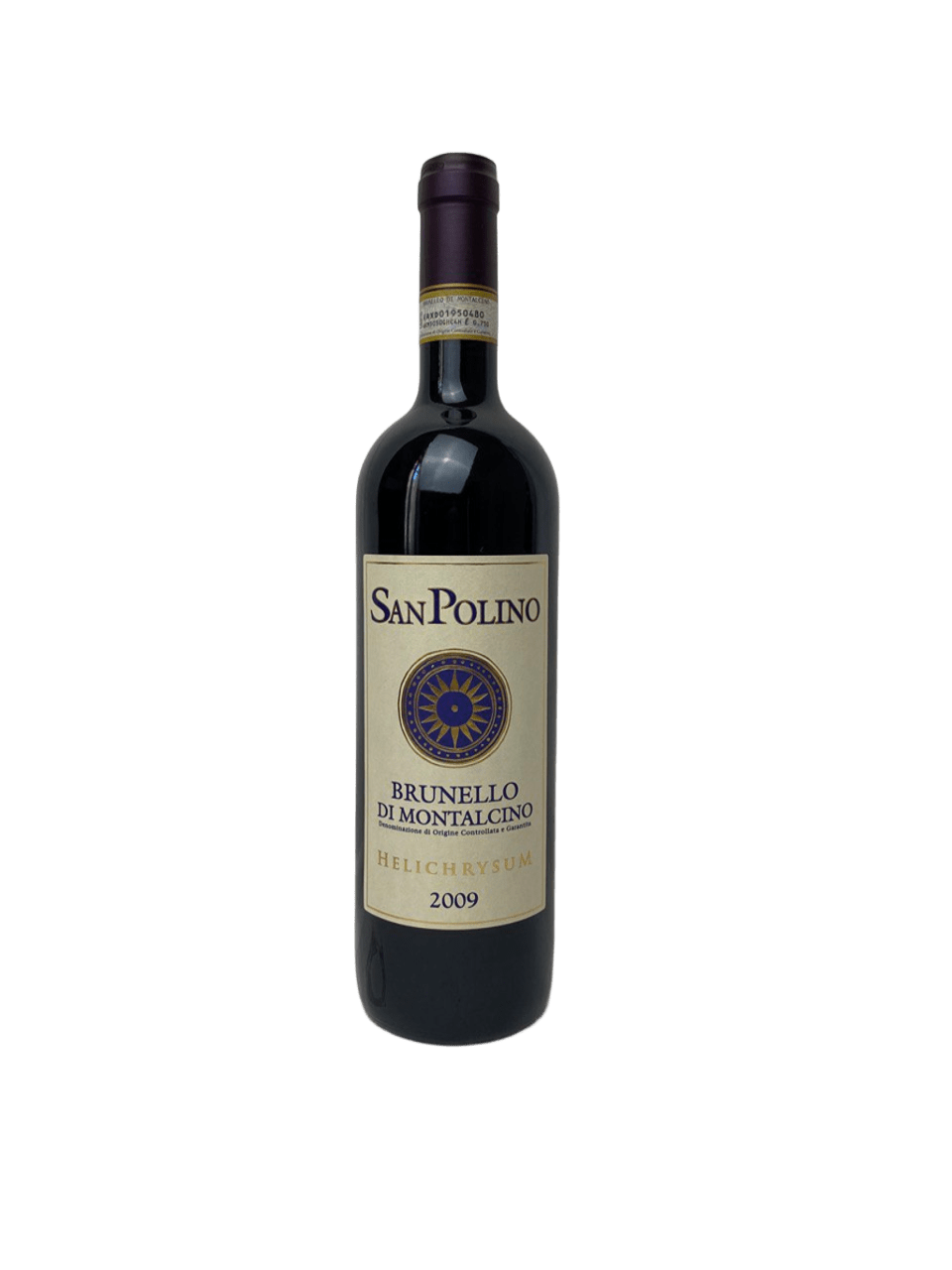
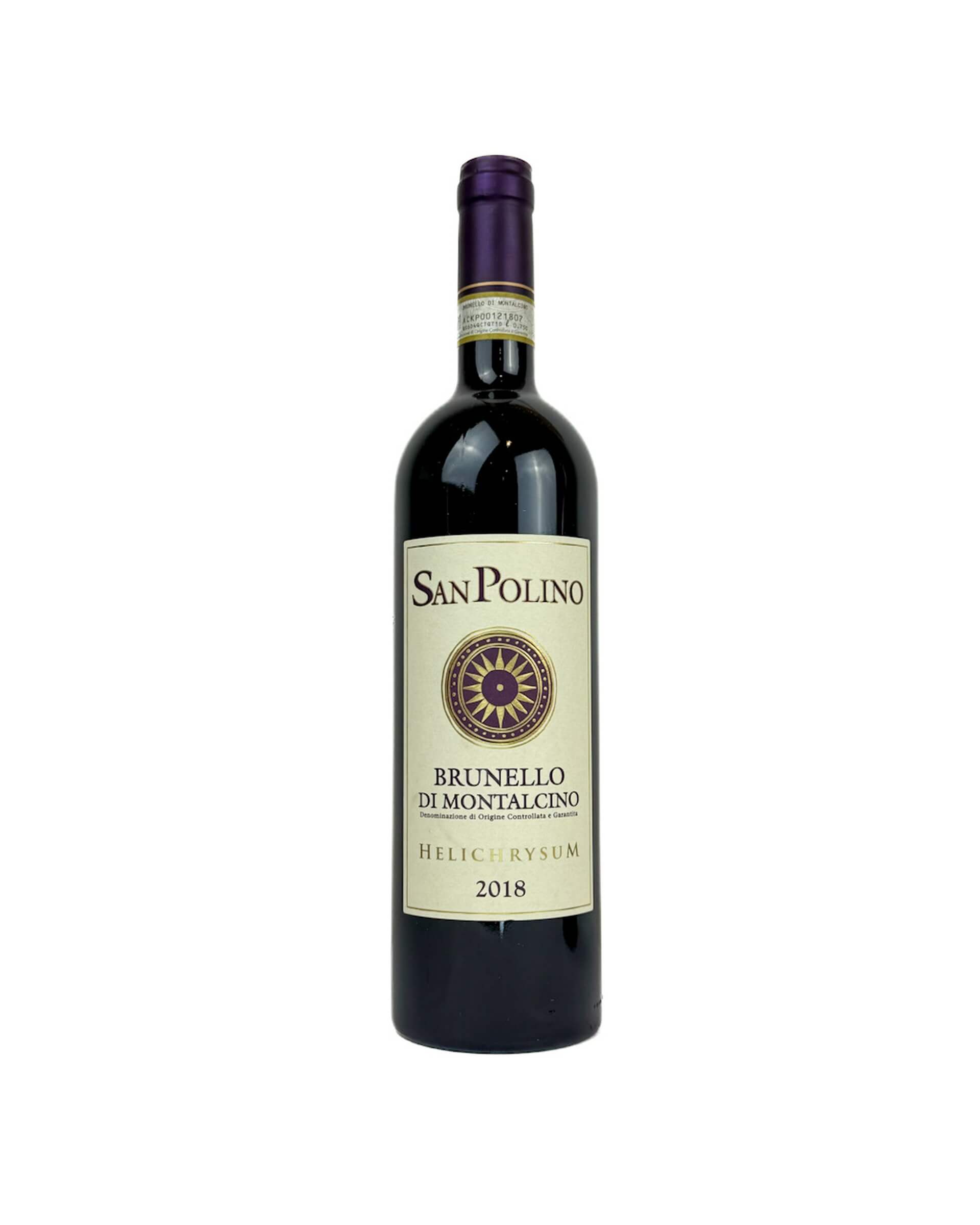
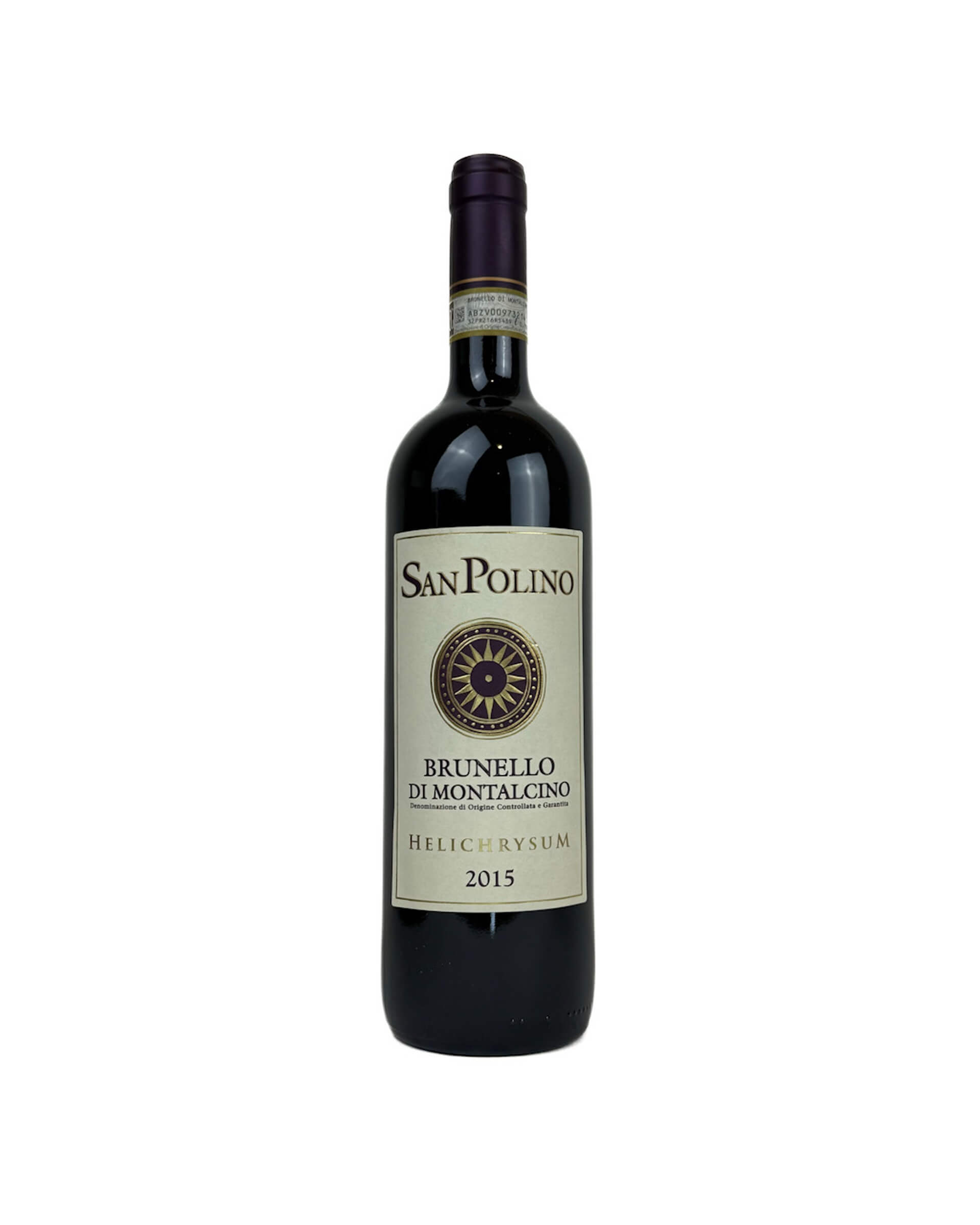
Brunello di Montalcino sits at the very summit of Italy’s fine wine hierarchy: a red wine of singular concentration and longevity built around a single fortified hilltop town in southern Tuscany. In 1980 it became Italy’s first appellation to be granted DOCG status, the country’s highest tier of regulated quality, and it has carried that standing ever since.
Every bottle is made exclusively from Sangiovese Grosso and crafted for long ageing rather than early drinking. The result is a montalcino wine that rewards patience like few others in the world. Tour de Wine’s selection runs to 12 bottles, spanning estate-produced expressions from around €70 to rare Riserva cuvées reaching €400.
Montalcino is a fortified medieval town in the Val d’Orcia, in the province of Siena, in southern Tuscany. Its territory sits noticeably warmer and drier than Chianti Classico to the north: the bulk of Monte Amiata shields the vineyards from cold northern rains, giving the appellation more consistent ripeness across vintages than almost anywhere else in central Italy. The registered Brunello DOCG vineyard area covers roughly 2,100 hectares within the single municipality of Montalcino — part of a total municipal vineyard surface of around 3,500 hectares across all denominations — and its position in the wider story of Italy is foundational: this was the country’s first DOCG, awarded in 1980.
The sole permitted grape for Brunello di Montalcino wine is Sangiovese Grosso, known locally as “Brunello.” This is not generic Sangiovese. It is a specific biotype selected within Montalcino over centuries, yielding thicker skins, greater phenolic concentration, and far higher ageing potential than the Sangiovese clones planted across Chianti. For any buyer who has heard Brunello described simply as “Sangiovese” and wondered why it commands several times the price of a good Chianti Classico, this clone distinction is the single most clarifying fact about the appellation.
The DOCG rulebook is precise. Brunello di Montalcino requires at least 5 years of total ageing from harvest before release — a minimum of 2 years in oak (large Slavonian botti for traditionalists, French barriques for modern-style producers) and at least 4 months in bottle. Brunello Riserva goes further: 6 years total from harvest, with the same minimum of 2 years in oak but at least 6 months in bottle, and is reserved for the finest barrels in the strongest vintages.
This is why Brunello always reaches the shelf at a temporal remove from its vintage. A 2019 Brunello can be released from January 2024 onward; a 2019 Riserva from 2025. For an earlier-drinking entry into the same territory and the same clone, Rosso di Montalcino DOC asks only 1 year of ageing and is released far sooner, at a meaningfully lower price — the ideal bridge for buyers not yet ready for full Brunello patience or outlay.
Producers in the lineage of Biondi-Santi — the estate credited with defining the appellation in the nineteenth century — along with Poggio di Sotto, Canalicchio di Sopra, and Il Marroneto, practise long macerations of 30 to 60 days or more and age exclusively in large Slavonian oak botti of 2,500 to 20,000 litres, imparting minimal new-oak character. These wines are austere and tannic in youth, deeply mineral and earthy, and often need a decade or more after release to fully open. When they do, their capacity for 30-plus years of bottle evolution places them among the longest-lived reds produced in Europe. In their single-grape identity and capacity for long evolution, they invite genuine comparison with the great wines of Burgundy.
A second generation of estates — Casanova di Neri prominent among them — embraced shorter macerations and French oak barriques from the 1990s onwards, producing wines with richer, more immediately expressive dark fruit, a denser mid-palate, and a profile closer to the international fine-red idiom. These remain pure Sangiovese Grosso, but they become accessible earlier, often a pleasure within five to eight years of the vintage with proper decanting. Neither style is superior to the other; the right choice depends entirely on when you plan to open the bottle.
The Consorzio del Vino Brunello di Montalcino has approved a system of additional geographic units — Unità Geografiche Aggiuntive, or UGAs — defining named sub-zones within the appellation, with the 2016 vintage set as the first eligible. The framework has moved through the Consorzio’s internal approval stages, and bottles carrying sub-zone names have begun reaching the market as those eligible vintages are released; full ministerial sign-off and uniform label use across all producers are still being worked through, so coverage on shelves remains partial. Even so, a handful of names are already worth recognising. Montosoli, in the cooler, clay-rich north, produces wines of elegant finesse and high natural acidity. Castelnuovo dell’Abate and the Sesta corridor in the warmer south-east deliver fuller, more structured expressions on galestro and schist soils. Sant’Angelo in Colle in the south offers a riper, more sun-forward character. Where a wine’s terroir position appears on the label, it gives a reliable signal of likely style — particularly useful when comparing bottles at similar price points from different producers.
This is the question buyers ask most and the one most merchant pages ignore. The list below summarises the key recent Brunello di Montalcino vintages as they stand in 2026.
The 2015 and 2016 pair are the benchmark modern vintages: top bottlings from both years drew 95-plus-point reviews across publications such as Wine Advocate, Vinous, and James Suckling, with leading estates also taking Gambero Rosso’s Tre Bicchieri. Buyers who can access bottles from either year are acquiring wines at or approaching their peak. The 2010, already more than 15 years from harvest, has entered its drinking window but has many years of evolution ahead for those willing to wait.
The 2019, now reaching shelves, is an excellent candidate for long-term cellaring given its classical structure and freshness. As ever, the best brunello di montalcino for you depends on your timing — always check the vintage on each product page before buying.
As an exclusively red wine of assertive structure, Brunello demands equally rich, fatty proteins; lighter dishes are simply overwhelmed. The canonical match is bistecca alla Fiorentina — the wine’s high acid and firm tannin cut cleanly through the fat of a thick, charred Florentine steak. Beyond it, reach for braised wild boar (cinghiale), roast rack of lamb, venison with juniper, slow-braised beef short ribs, truffle-based pasta or risotto, and aged hard cheeses such as Parmigiano Reggiano aged 36 months or Pecorino di Pienza. Rosso di Montalcino is more versatile, happy alongside roast chicken with rosemary, pasta with a meat ragù, grilled lamb chops, or a charcuterie board.
Serve Brunello DOCG and Riserva at 17 to 18°C, and Rosso di Montalcino slightly cooler at 15 to 17°C. Decanting is essential for all but the oldest vintages: young Brunello under 10 years benefits from 1 to 2 hours in a decanter, while bottles of 15 years or more should be handled gently and given 30 to 45 minutes at most. For all but the oldest bottles — 20 years and more, where fragile aromatics can fade fast — avoid pouring straight from the bottle without giving the wine time to open in a decanter or large glass.
To buy Brunello di Montalcino online with confidence, it helps to understand where prices sit and why. Tour de Wine’s catalogue spans three honest tiers, with every figure drawn from live catalogue data.
Entry tier — from around €70. Estate-produced Brunello DOCG that has completed its mandatory 5-year minimum ageing. Expect cherry, dried rose, leather, and mineral depth from Sangiovese Grosso, along with the structure to evolve further in your own cellar. This is the first true encounter with what the Montalcino appellation offers.
Classic tier — most bottles near €110. This is the honest centre of gravity of Tour de Wine’s Brunello range: recognised producers, solid vintage track records, and Brunello’s canonical balance of age-worthy structure and present expressiveness. At this level a buyer receives a fully aged, single-appellation DOCG red at a price comparable to a young Barolo from a top Piedmont estate — remarkable value among prestige reds. Decant 60 to 90 minutes.
Prestige and collector tier — up to €225 at the 90th percentile, and up to €400 for the rarest Riserva cuvées. Wines from estates with the longest pedigrees, in vintages such as 2010, 2015, and 2016 recognised as the finest of the modern era — bottles that will keep evolving for 20 years and more. Whether you are buying to cellar alongside your Bordeaux or to open a benchmark Montalcino now, the tasting notes, vintage details, and producer background on each product page guide the decision. Across all 12 bottles, every page carries vintage information, producer notes, and drinking-window guidance.
Both wines come from the Montalcino municipality and from the same grape, Sangiovese Grosso, but they follow different rules and serve different purposes. Brunello di Montalcino DOCG requires at least 5 years of total ageing — oak plus bottle — before release, and is the appellation’s flagship long-lived wine. Rosso di Montalcino DOC needs only 1 year of ageing and is usually released the year after harvest: the same producer’s earlier-drinking, more affordable expression of the identical terroir and grape. Think of Rosso as Brunello’s younger sibling — an honest introduction to Montalcino’s character at a meaningfully lower price, before committing to the patience and outlay that Brunello DOCG asks of you.
The vintages most consistently cited as exceptional in the modern era are 2010, 2015, 2016, and 2019. The 2015 and 2016 pair are both highly rated — top bottlings earned 95-plus-point scores from Wine Advocate and Vinous and Tre Bicchieri awards from Gambero Rosso — but they differ in character: 2015 was the warmer, riper, more immediately generous vintage, while 2016 was cooler and more structured, with brighter acidity and a tighter, more classical frame built for the longer haul. The 2010 has entered its drinking window with further evolution ahead. The 2019, now arriving from producers, has been broadly well reviewed for its classical structure and freshness, and is a strong candidate for long-term cellaring. Always check the vintage year on each Tour de Wine product page before deciding.
Several factors combine. Supply is genuinely limited: the DOCG covers a single municipality, and total production is small relative to global demand from collectors in the US, Europe, and Asia. The mandatory 5-year minimum ageing means producers finance years of cellar stock before a single bottle can legally be sold, and that carrying cost is reflected in the price. Sangiovese Grosso grown at Montalcino’s altitudes and on its particular soils yields naturally low volumes of concentrated fruit, which limits quantity further. Decades of strong independent critical ratings have sustained and increased collector demand. Together these factors set a price floor well above most Italian reds. Tour de Wine’s selection starts from around €70 and reaches €400 for the finest Riserva cuvées, with most bottles near €110.
It depends on the wine and your timing. Traditional-style Brunello from a top producer in a great vintage — 2010, 2015, 2016 — may need 10 to 15 years from release to fully open, and a Riserva can evolve for 25 to 30. Modern-style Brunello is more accessible early, often enjoyable 5 to 8 years after release with proper decanting. If you are buying now and want to drink within 2 to 3 years, look toward the 2012 or earlier vintages, or choose a Rosso di Montalcino for immediate pleasure. If you are buying to cellar, the 2019 vintage has the structural freshness Sangiovese Grosso needs to evolve for 15 years or more.
Written by the Tour de Wine buying team. Last reviewed: June 2026.
This site is restricted to adults. By entering, you confirm that you are of legal drinking age in your country of residence.