
N/A
0,75
1982
Marchese Antinori
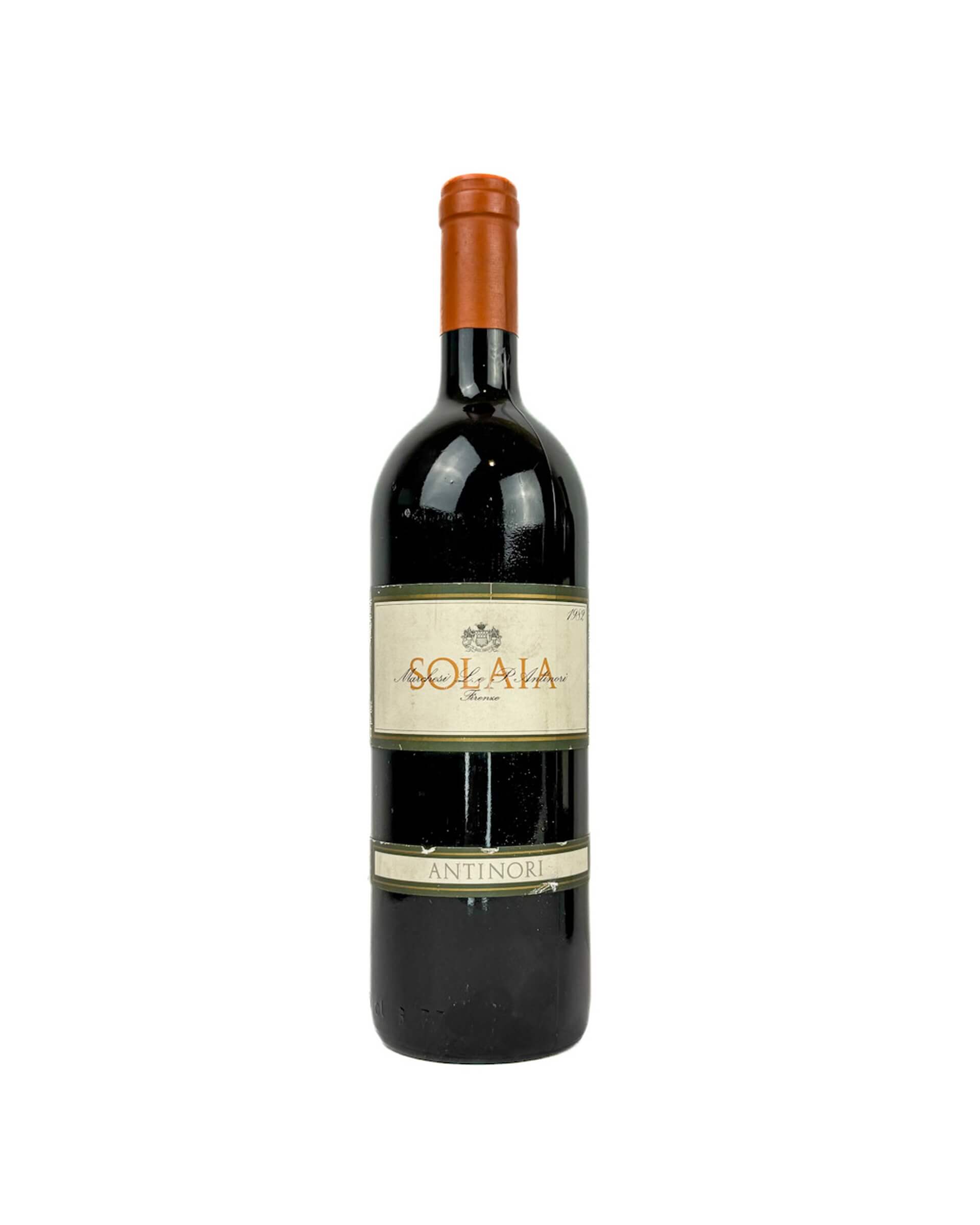
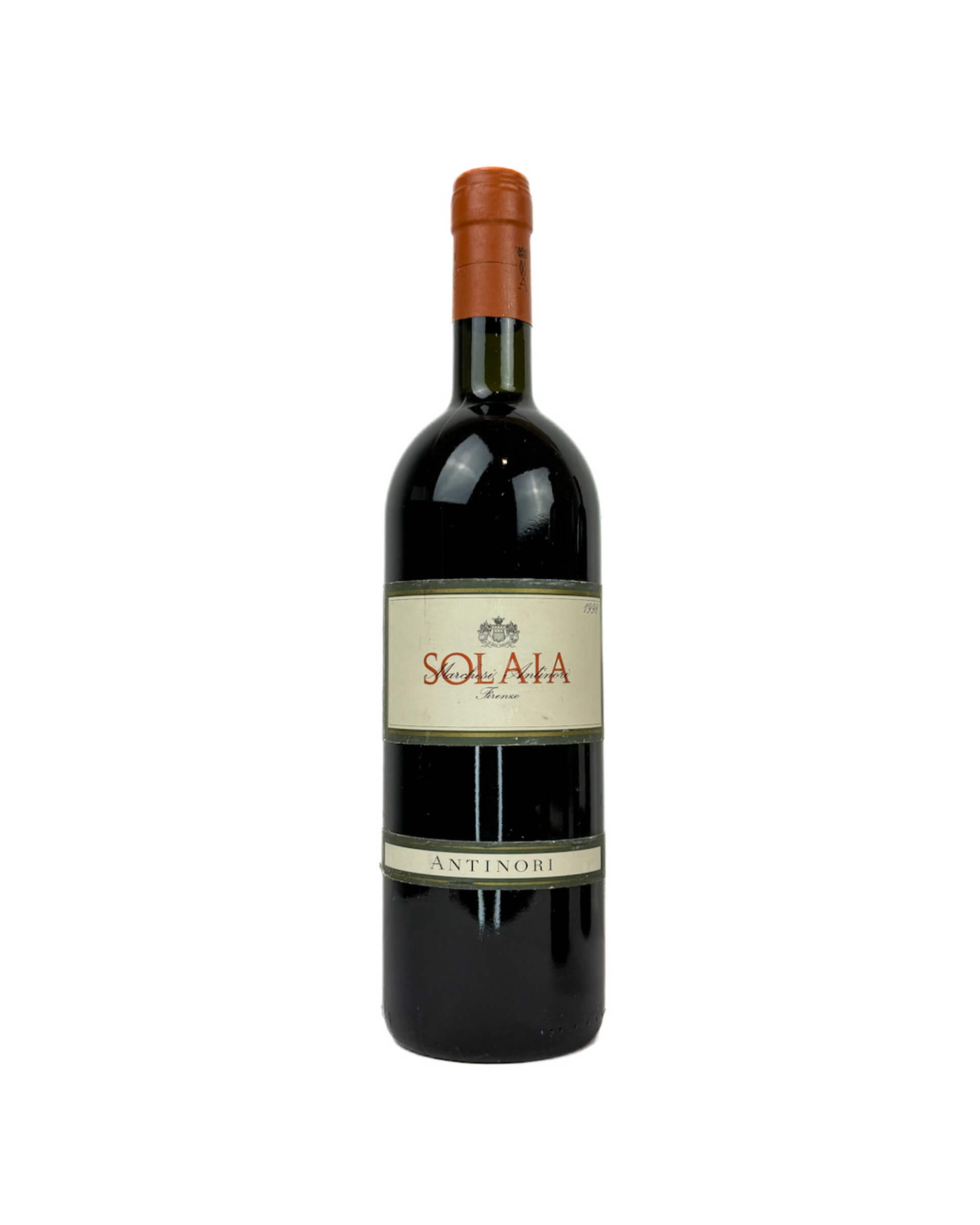
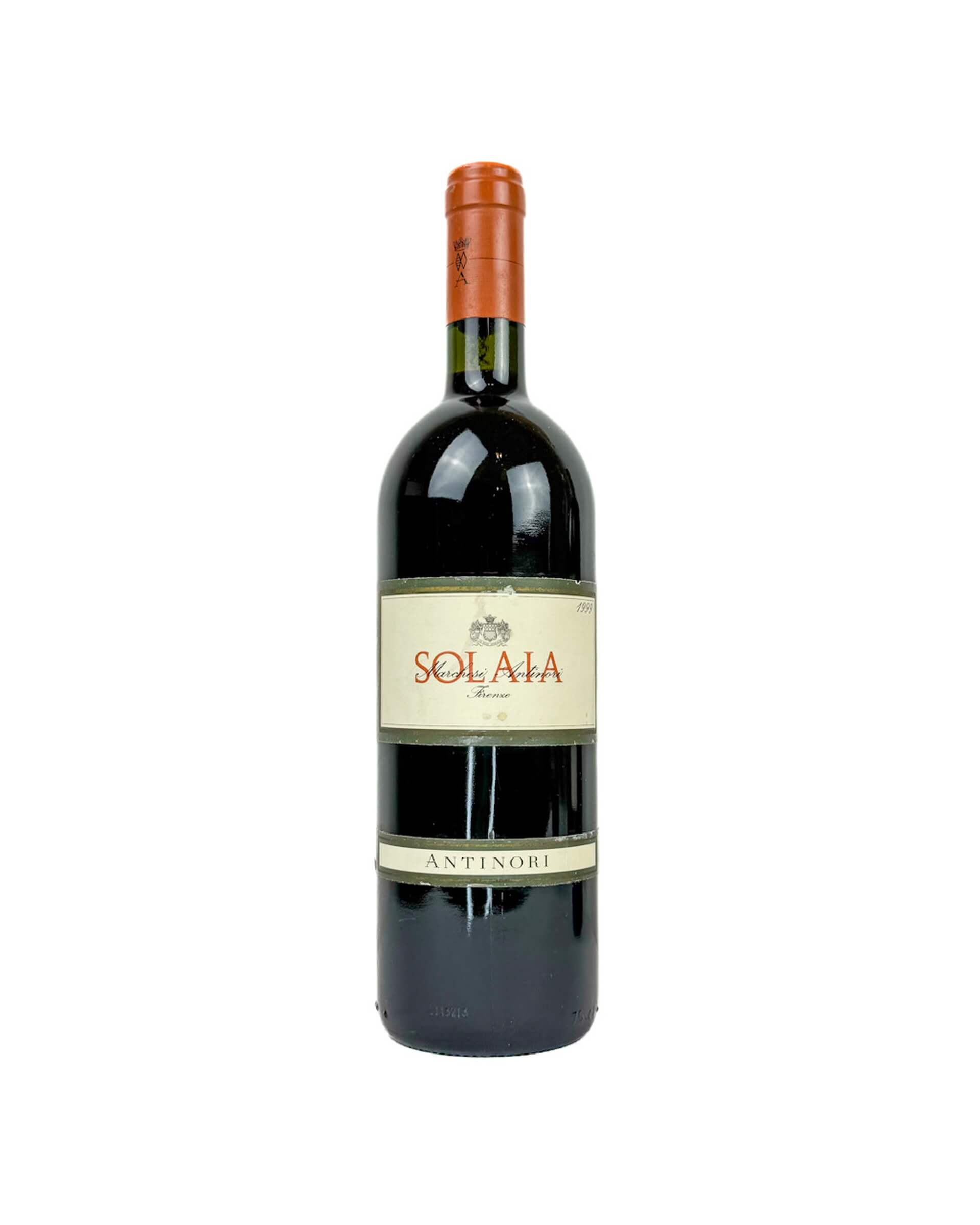
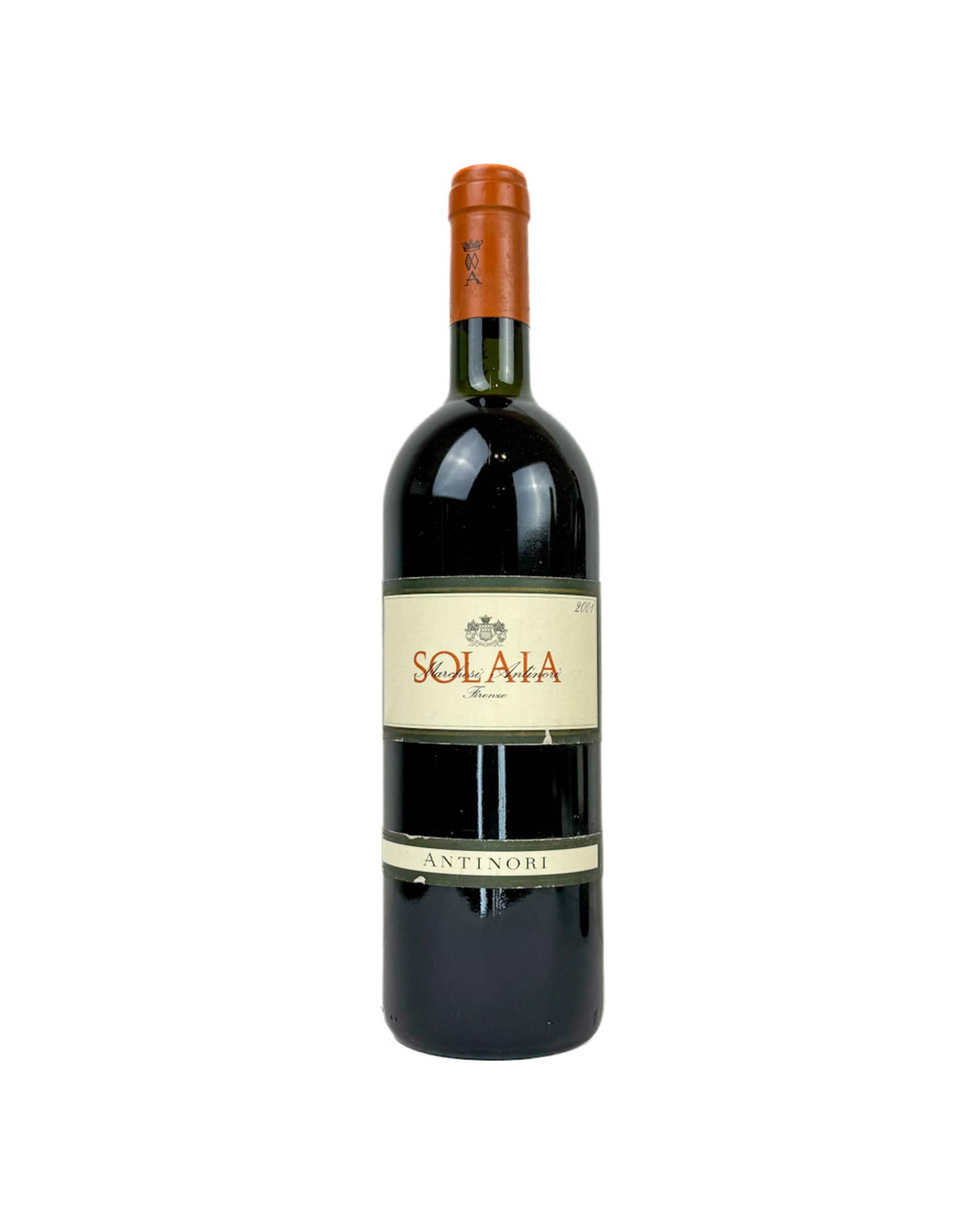
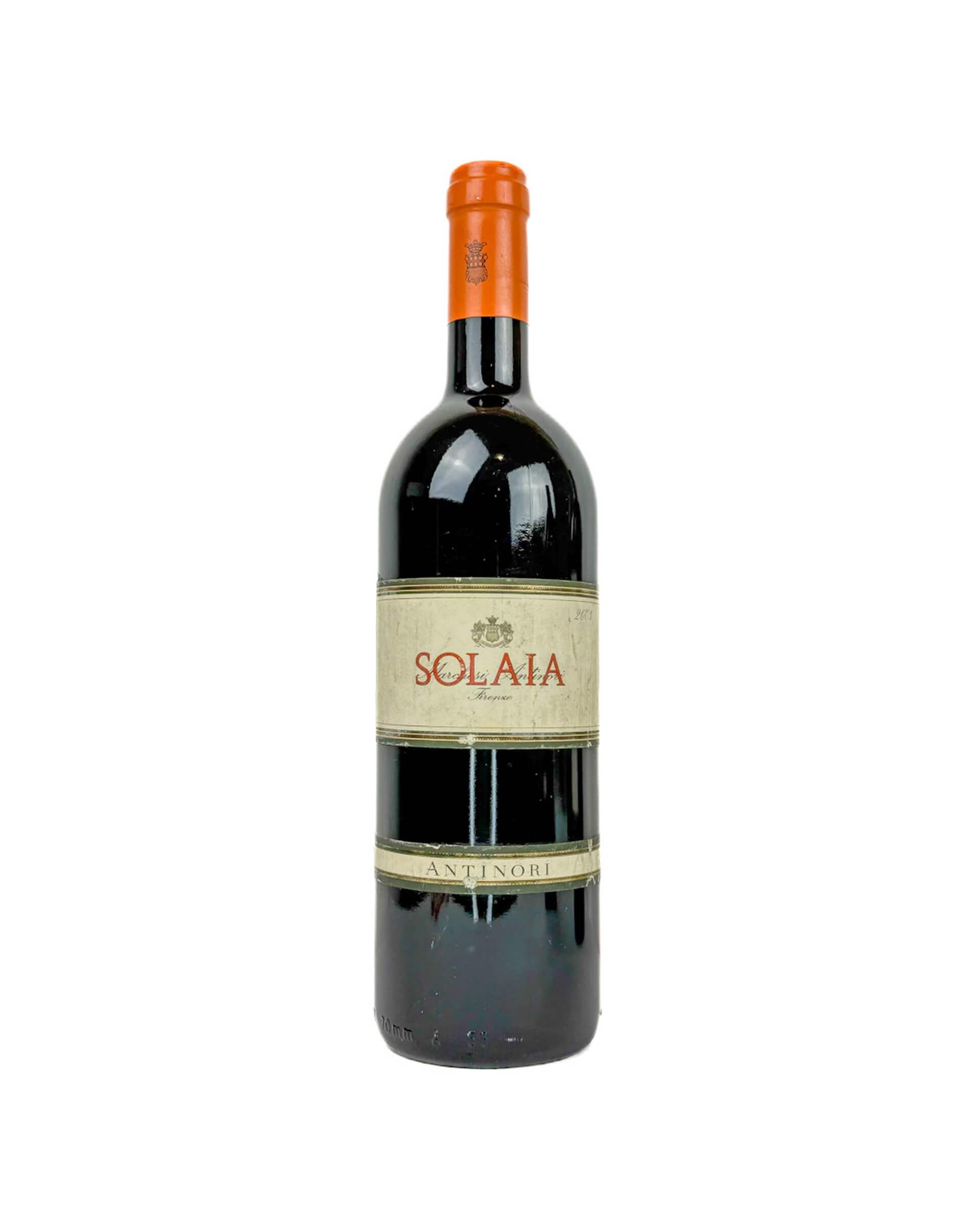
Marchesi Antinori Solaia 1982 0,75L
€ 444,00
Wines, producers, regions...
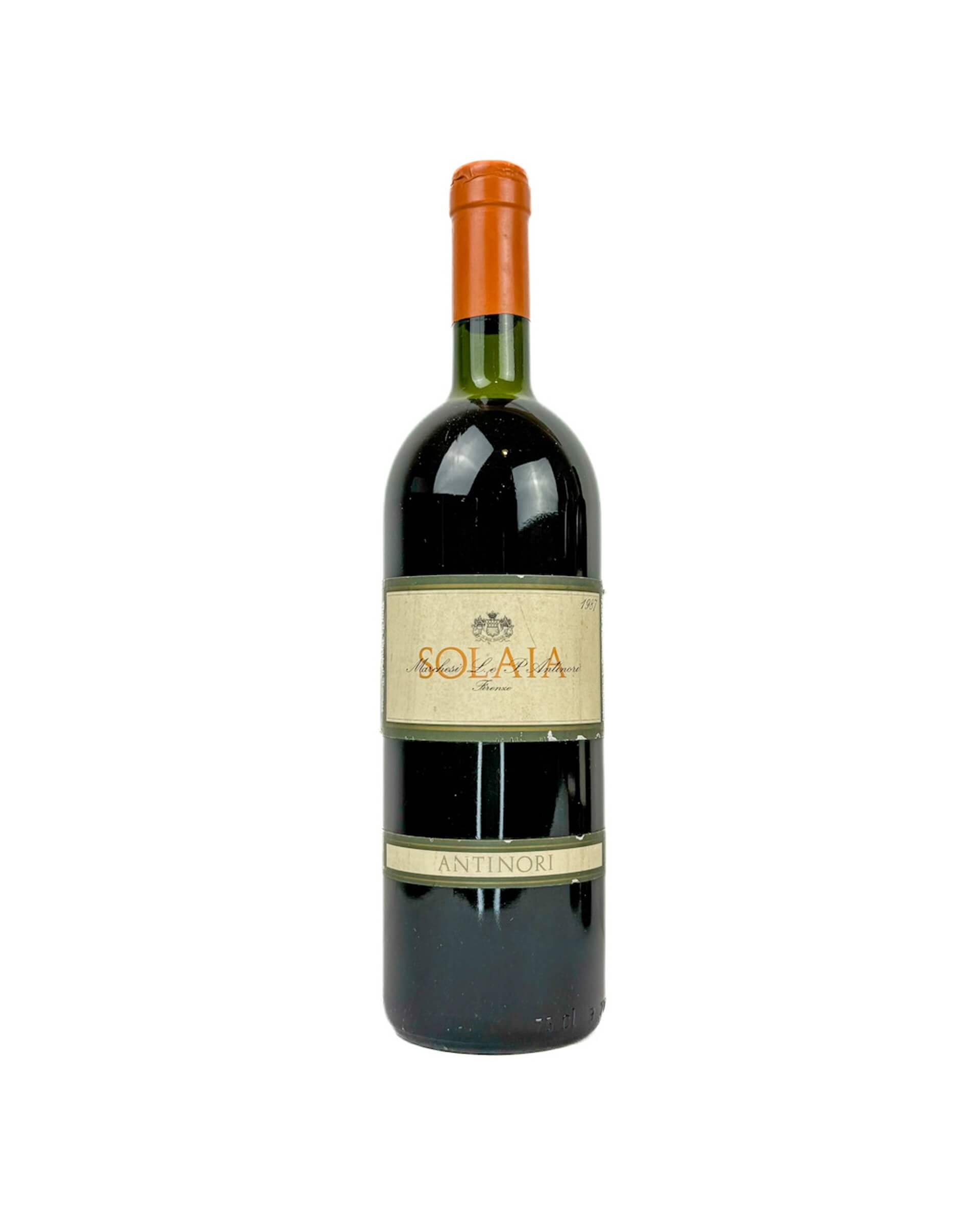
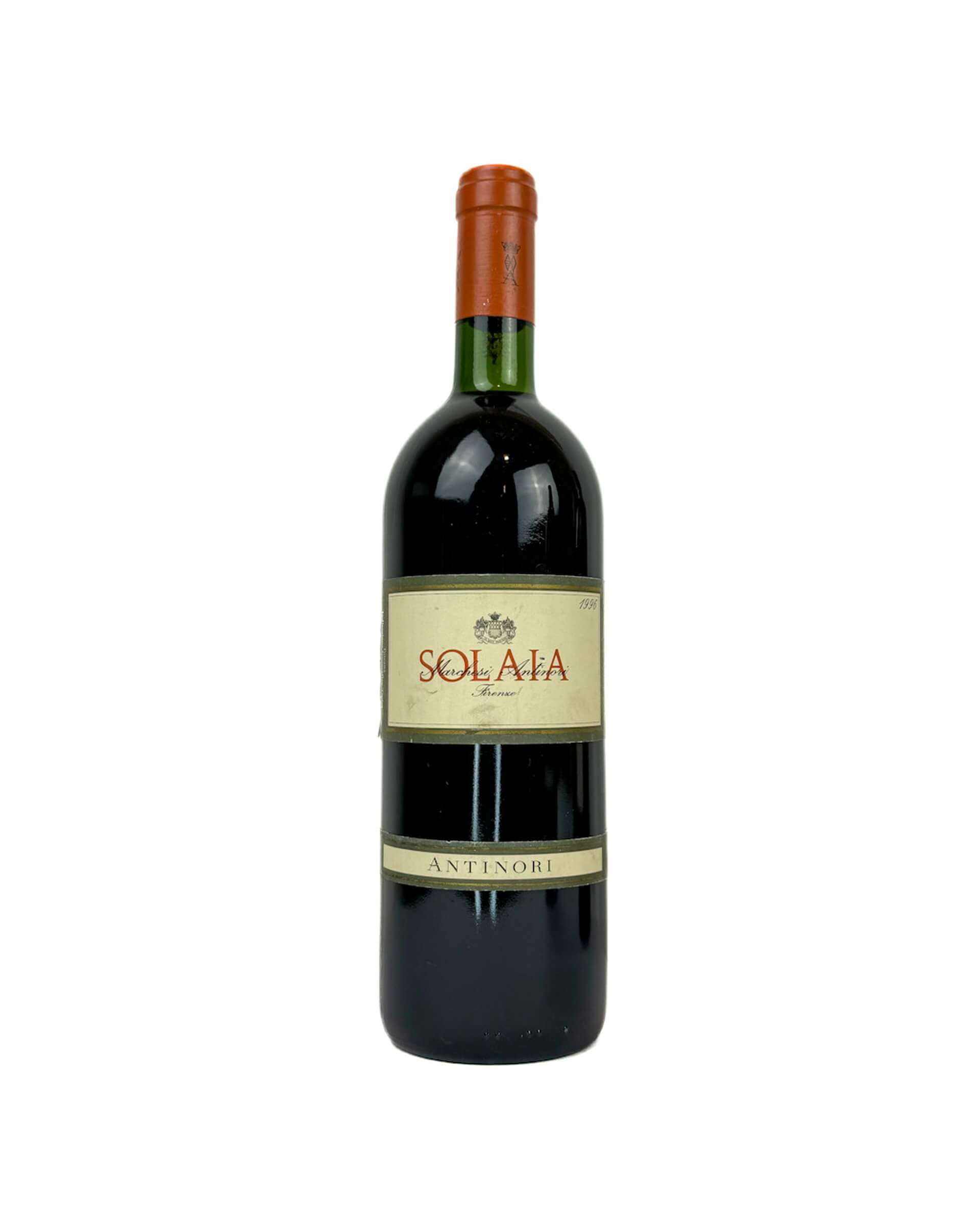
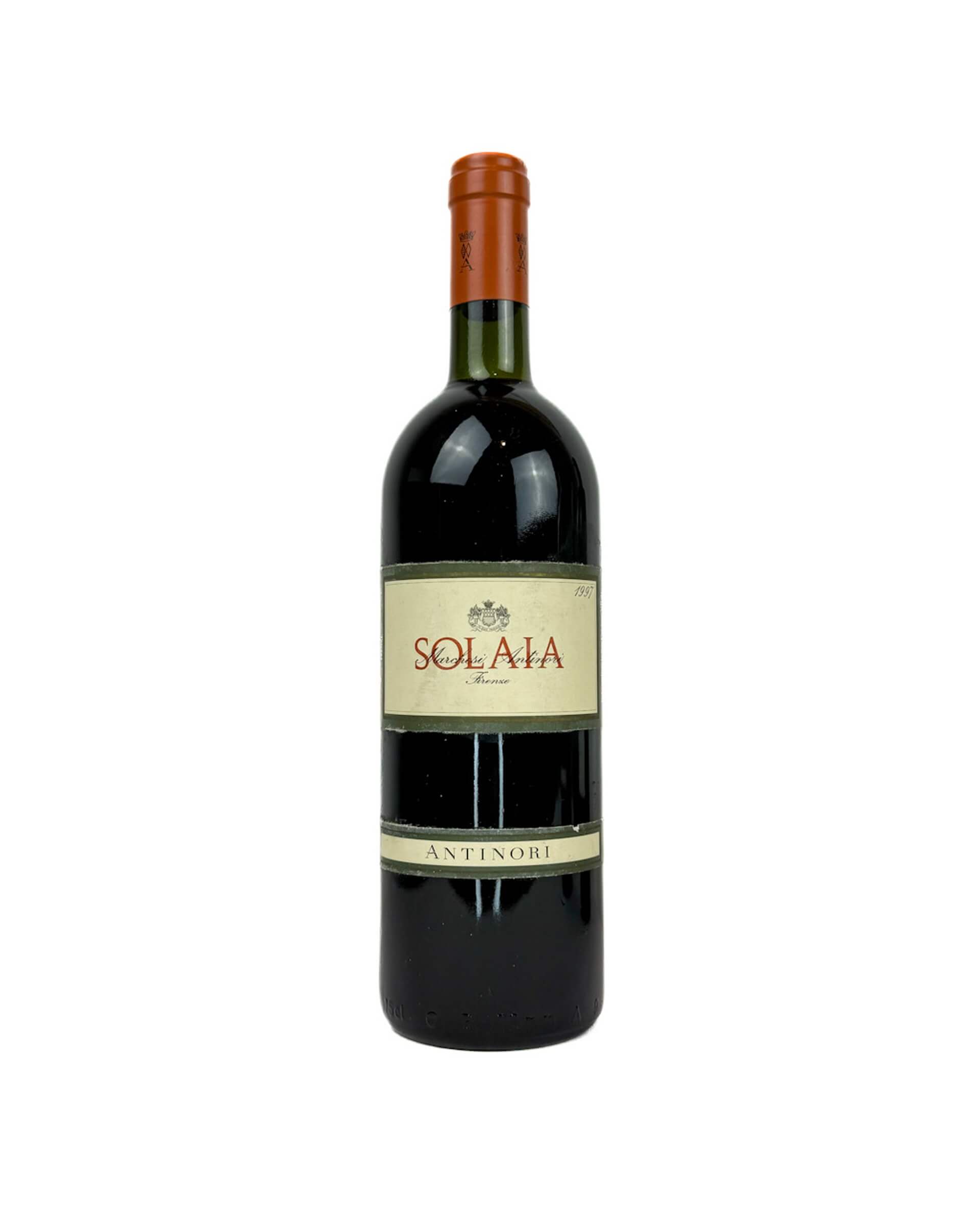
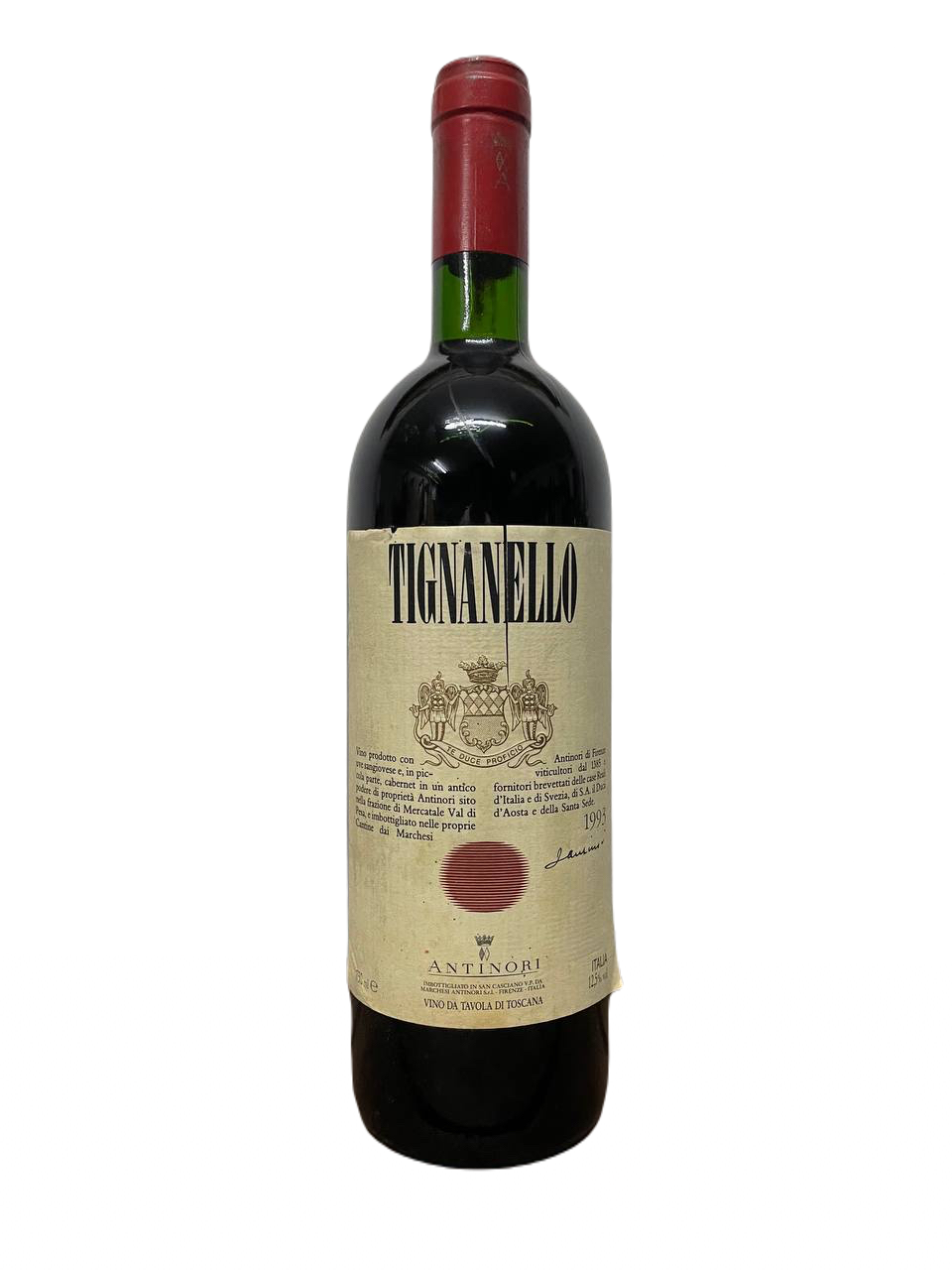
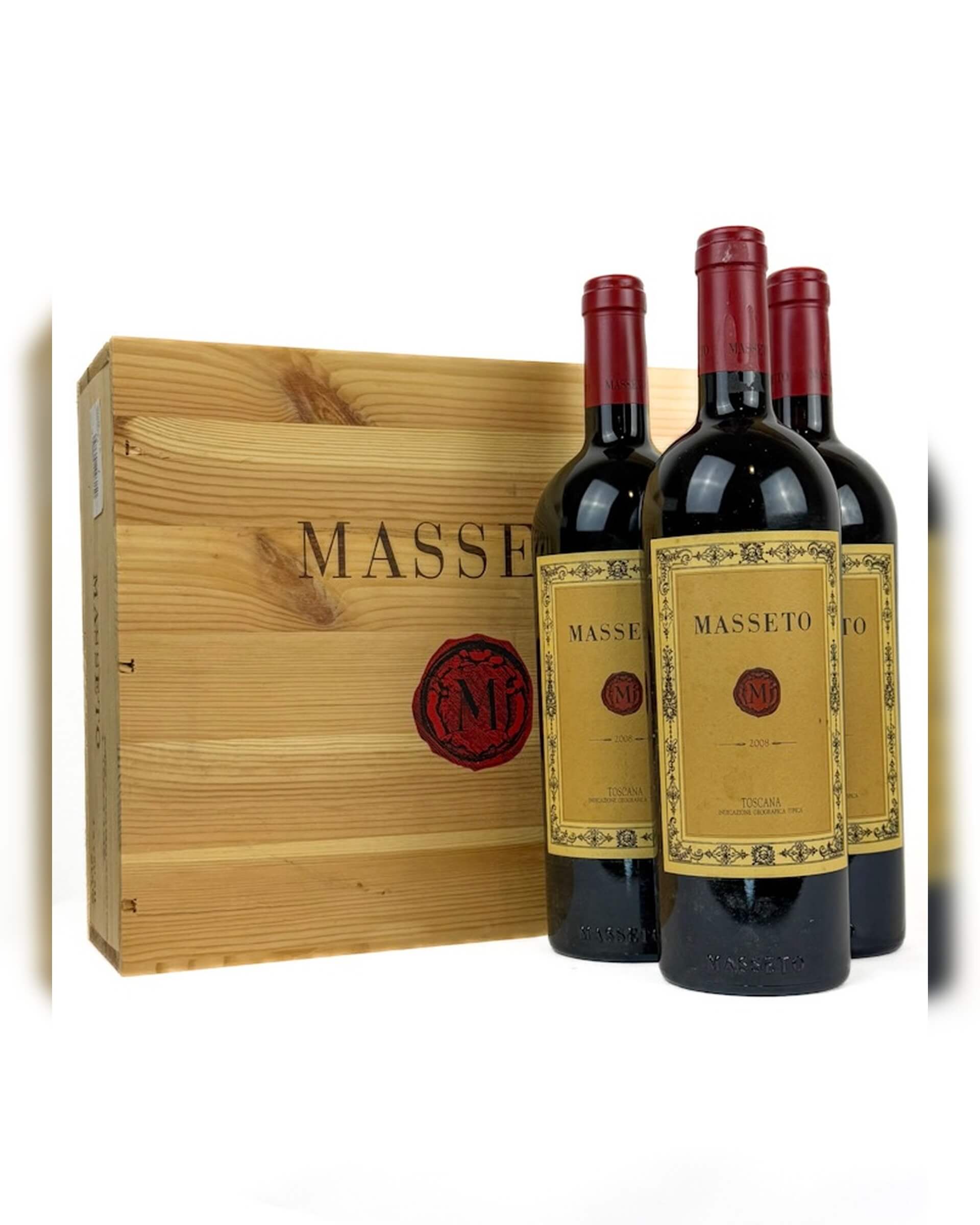
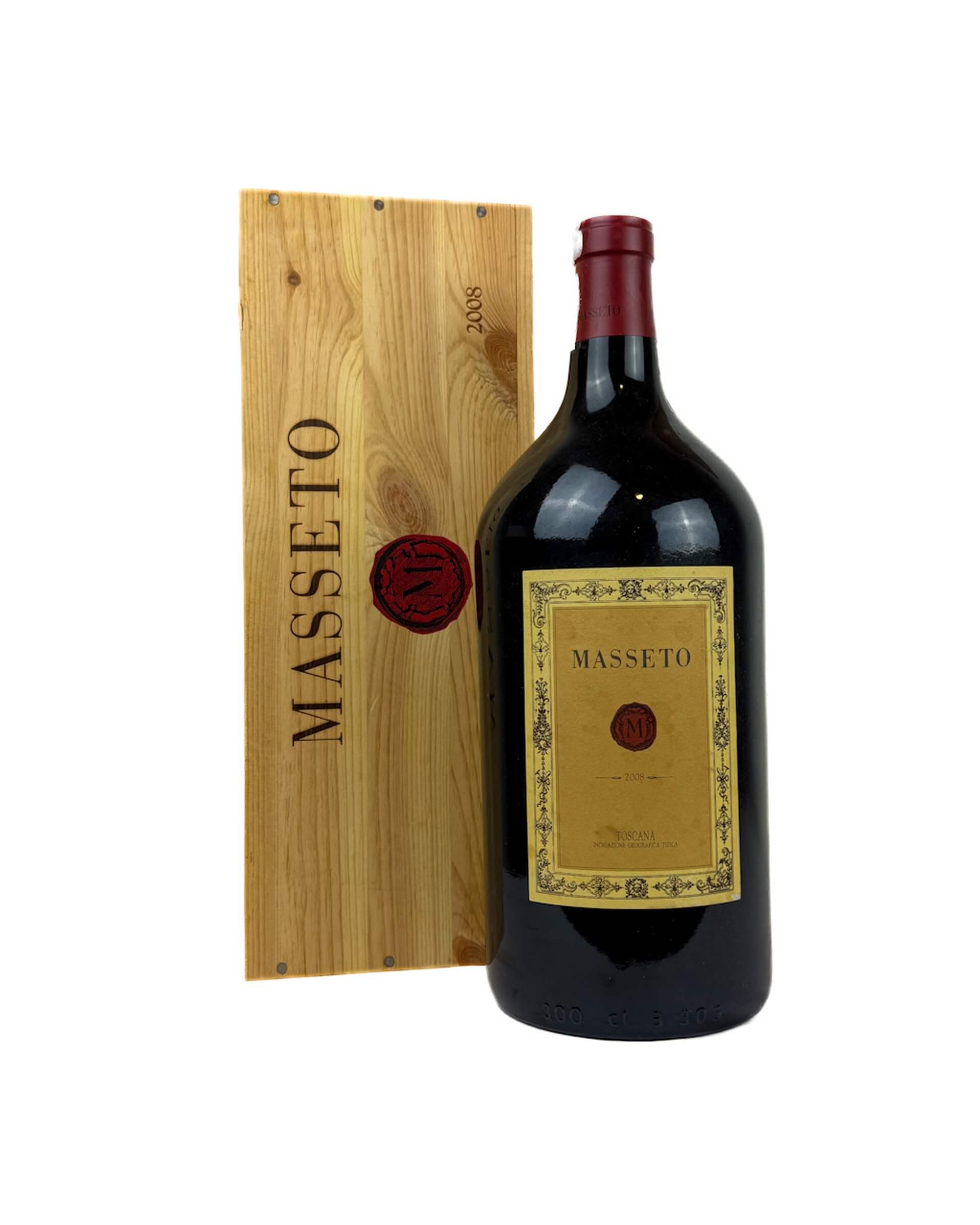

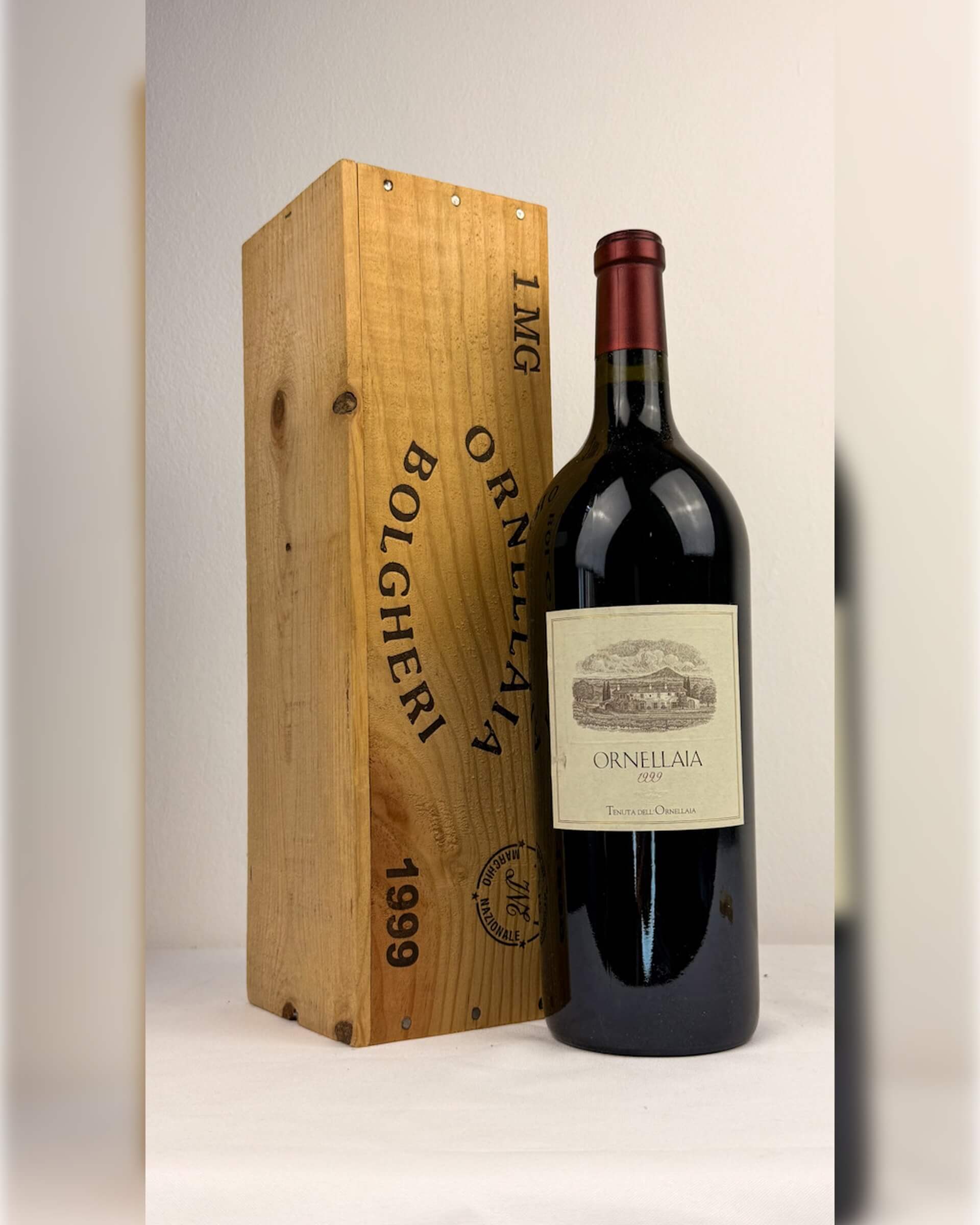
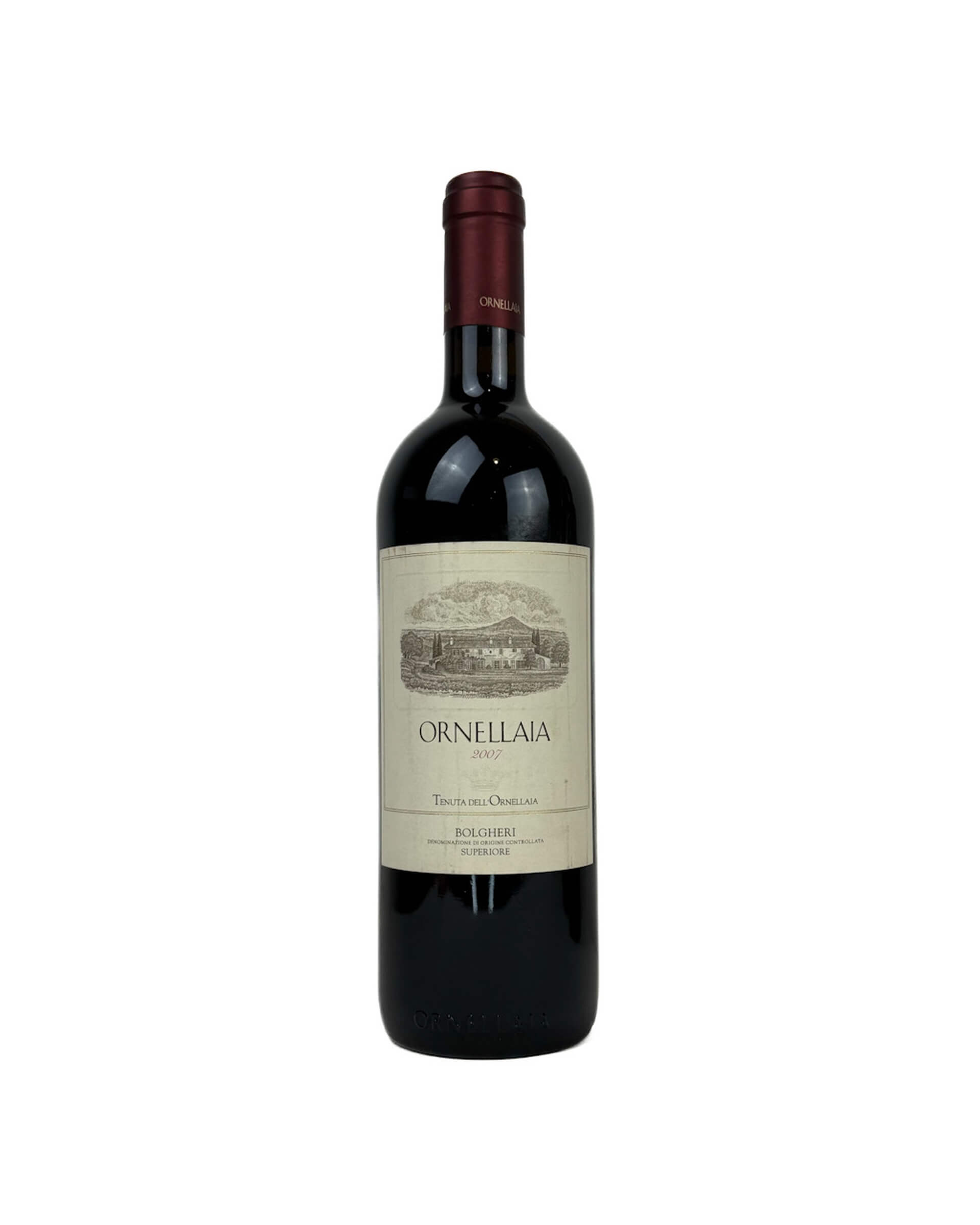
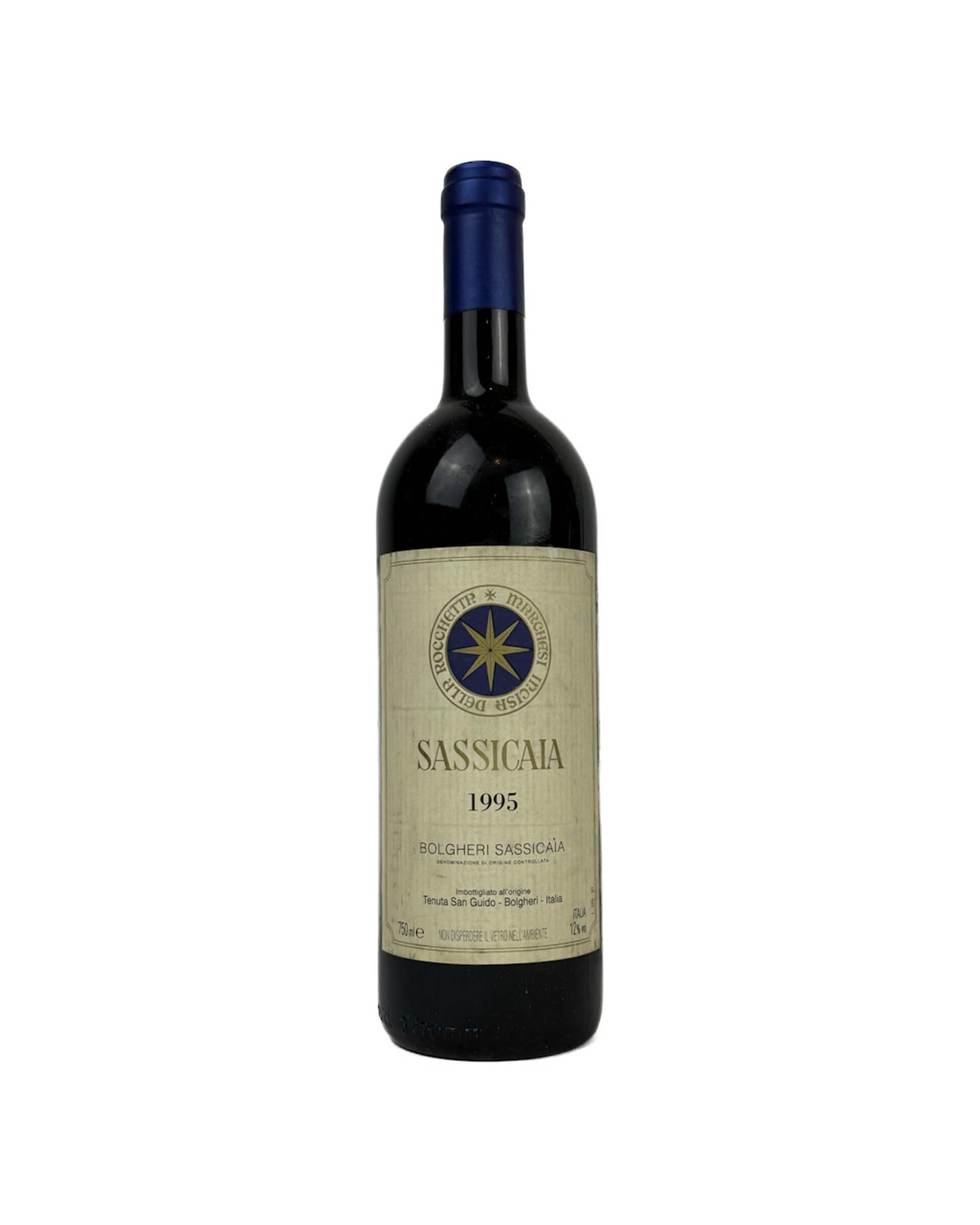
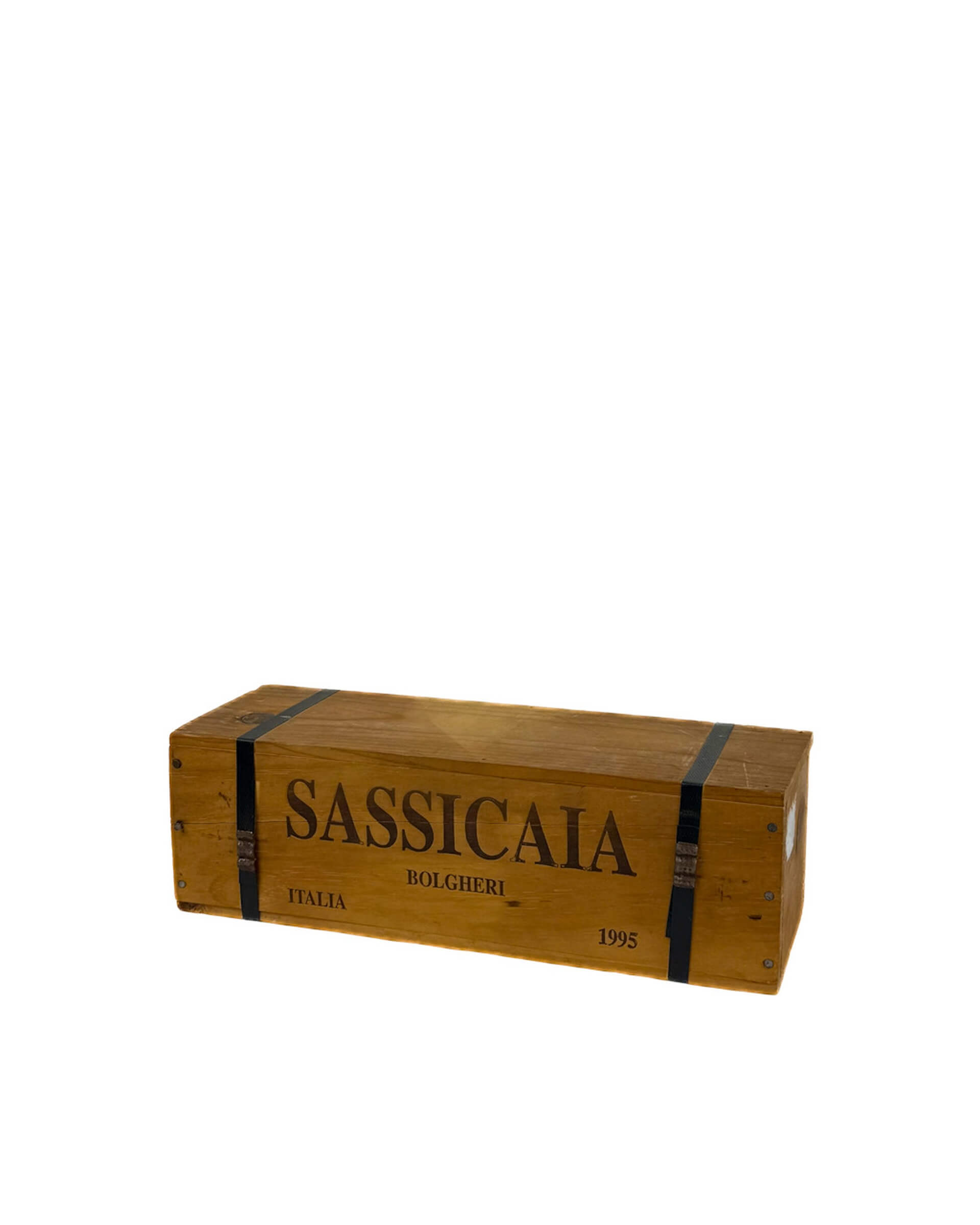
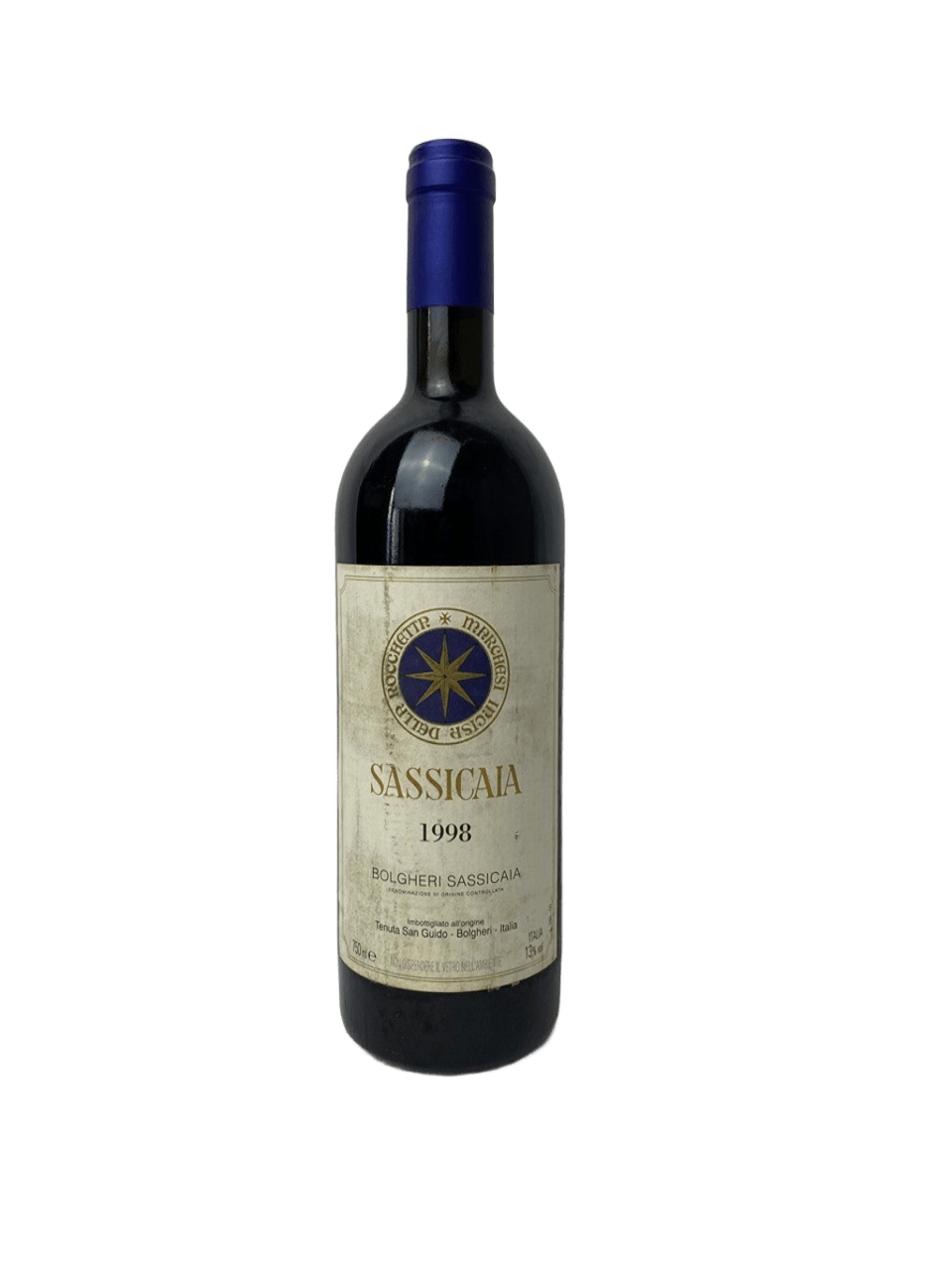
Bolgheri is the small coastal appellation south of Livorno that quietly rewrote the rules of Italian fine wine. On a sun-warmed strip of the Tuscan Maremma, a handful of estates proved that Cabernet Sauvignon and Merlot could rival Bordeaux — and in doing so gave the world the original Super Tuscan. Today Bolgheri wine stands among the most internationally celebrated reds Italy produces, prized for its density, its fine-grained tannic structure, and its remarkable ageing potential.
At Tour de Wine we source our Bolgheri selection directly from the estates that built the appellation’s reputation. Our 26-bottle range spans the full spectrum of the DOC, from approachable estate reds to the prestige cuvées that anchor serious cellars — with prices from around €260 to €3,500. This is a specialist’s selection, framed honestly so you can buy with confidence.
The Bolgheri DOC occupies a narrow coastal band of the Maremma in the province of Livorno, in the western reaches of Tuscany. The landscape is defined by the Via Aurelia and the cypress-lined avenue — the famous Viale dei Cipressi — that runs inland to the medieval village of Bolgheri itself. Proximity to the Tyrrhenian Sea is everything here: maritime breezes moderate summer heat and open up a wide diurnal temperature swing between warm days and cool nights, which preserves acidity and aromatic freshness through the long ripening season — something you rarely find in inland Tuscany.
The soils are varied — gravelly, free-draining stretches near the coast give way to clay-rich plots inland and sandier patches washed down from the Apennine foothills — and it is the marine sediment in these soils, as much as the sea breeze, that lends the wines their characteristic saline, mineral edge. That patchwork gives estates real scope to match grape to plot. The appellation was formally established as a DOC in 1983, covering Bianco, Rosato, and Rosso, with a Superiore tier later added for the most structured and ambitious reds. That regulatory framework codified what makes the region distinct.
The decisive point for any buyer is varietal: the appellation is built on the international Bordeaux grapes — Cabernet Sauvignon, Merlot, Cabernet Franc, and Petit Verdot — not on Sangiovese. This is precisely what separates it from Chianti Classico, Brunello di Montalcino, and the rest of the Tuscan canon, and why these reds taste nothing like their inland neighbours.
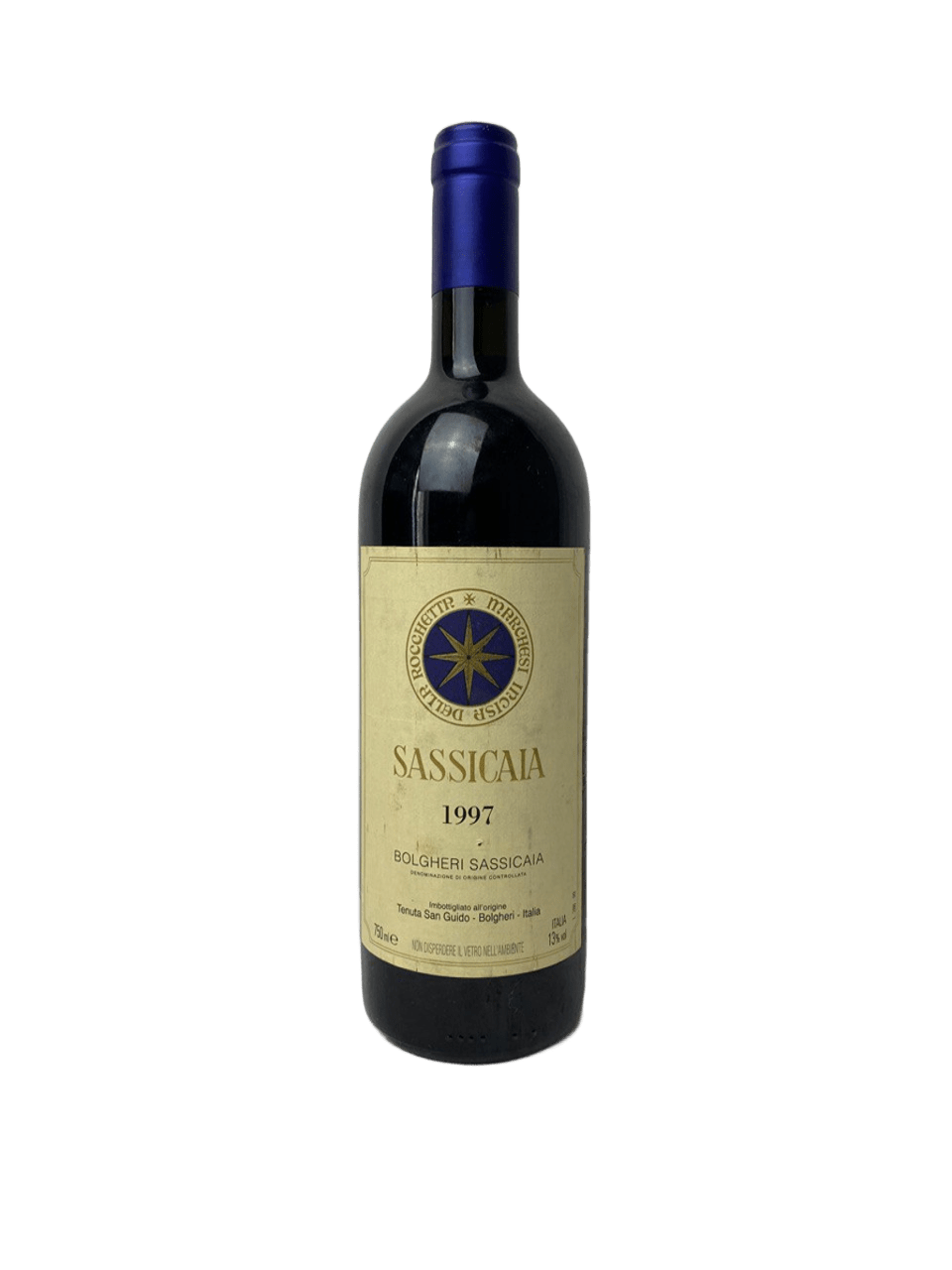
Within the appellation sits one of the most unusual classifications in the wine world. Bolgheri Sassicaia DOC, established in 1994, is a dedicated sub-appellation reserved exclusively for the Sassicaia wine of the Tenuta San Guido estate. It is the only single-estate DOC in Italy — an entire appellation written for one wine, a measure of how completely Sassicaia changed the conversation about Italian quality.
The origin story is now part of wine folklore. In the 1940s, Marchese Mario Incisa della Rocchetta planted Cabernet Sauvignon cuttings — linked in family accounts to Chateau Lafite, though sources differ on the exact origin — on his coastal estate, making the wine for family consumption long before its first commercial release in 1968. Because it used non-permitted Bordeaux varieties, Sassicaia could carry no prestigious Italian appellation and was bottled humbly as Vino da Tavola, ordinary table wine. International acclaim, particularly for vintages of the 1980s, forced Italy to rewrite its rules around the wine rather than against it. At Tour de Wine, Sassicaia sits at the most prestigious end of our selection.
The appellation’s reputation rests on a tight constellation of estates, each with a distinct house style. Understanding how they differ — by dominant grape, by texture, by price tier — is the fastest way to choose the right bottle.
The estate that invented the category. Sassicaia is a Cabernet Sauvignon-dominant blend, typically rounded out with Cabernet Franc, and is famously structured, mineral, and austere in its youth. From the finest vintages it rewards two to three decades of patience. As the only wine in Italy to hold its own dedicated DOC, it remains the benchmark against which the whole appellation is measured.
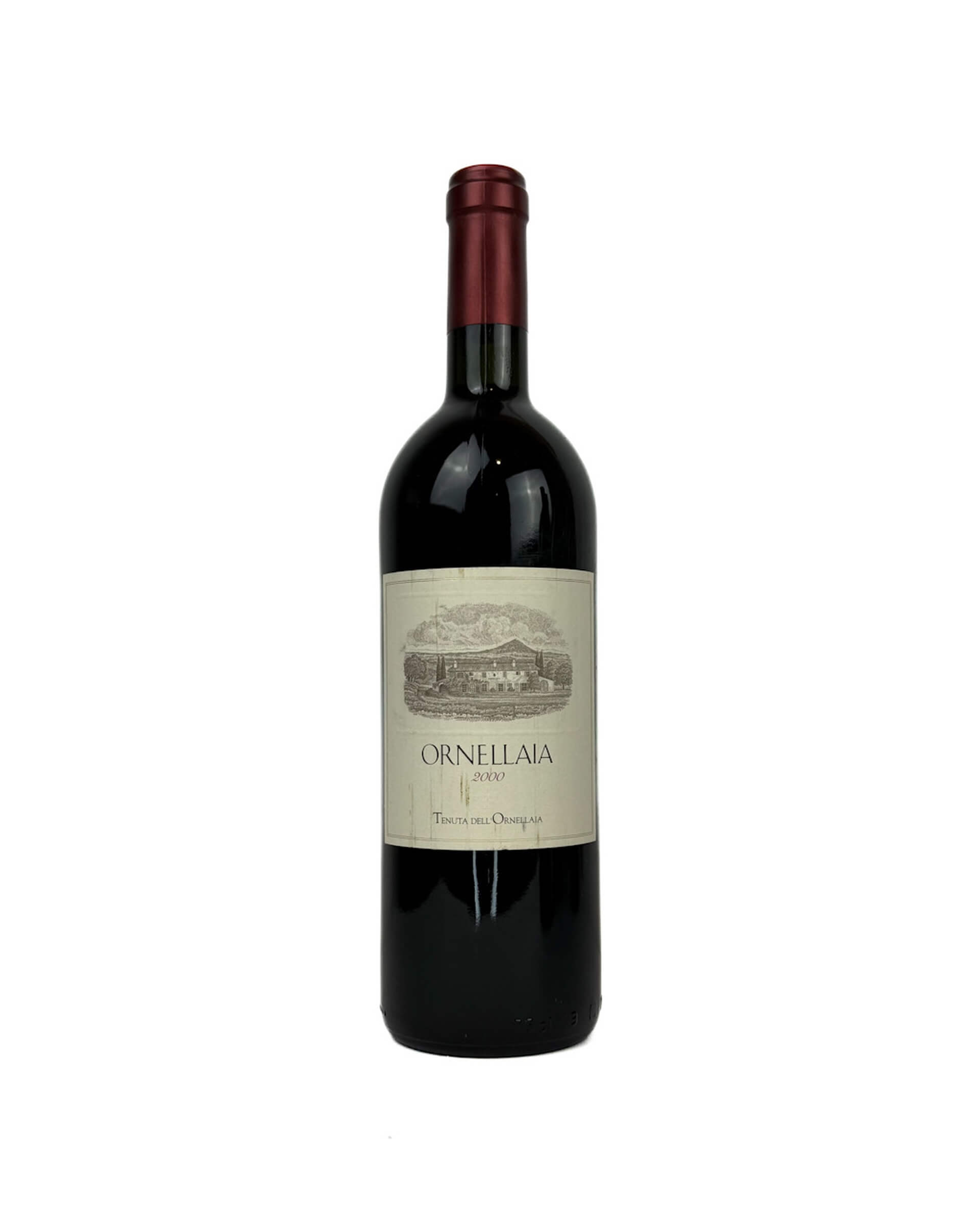
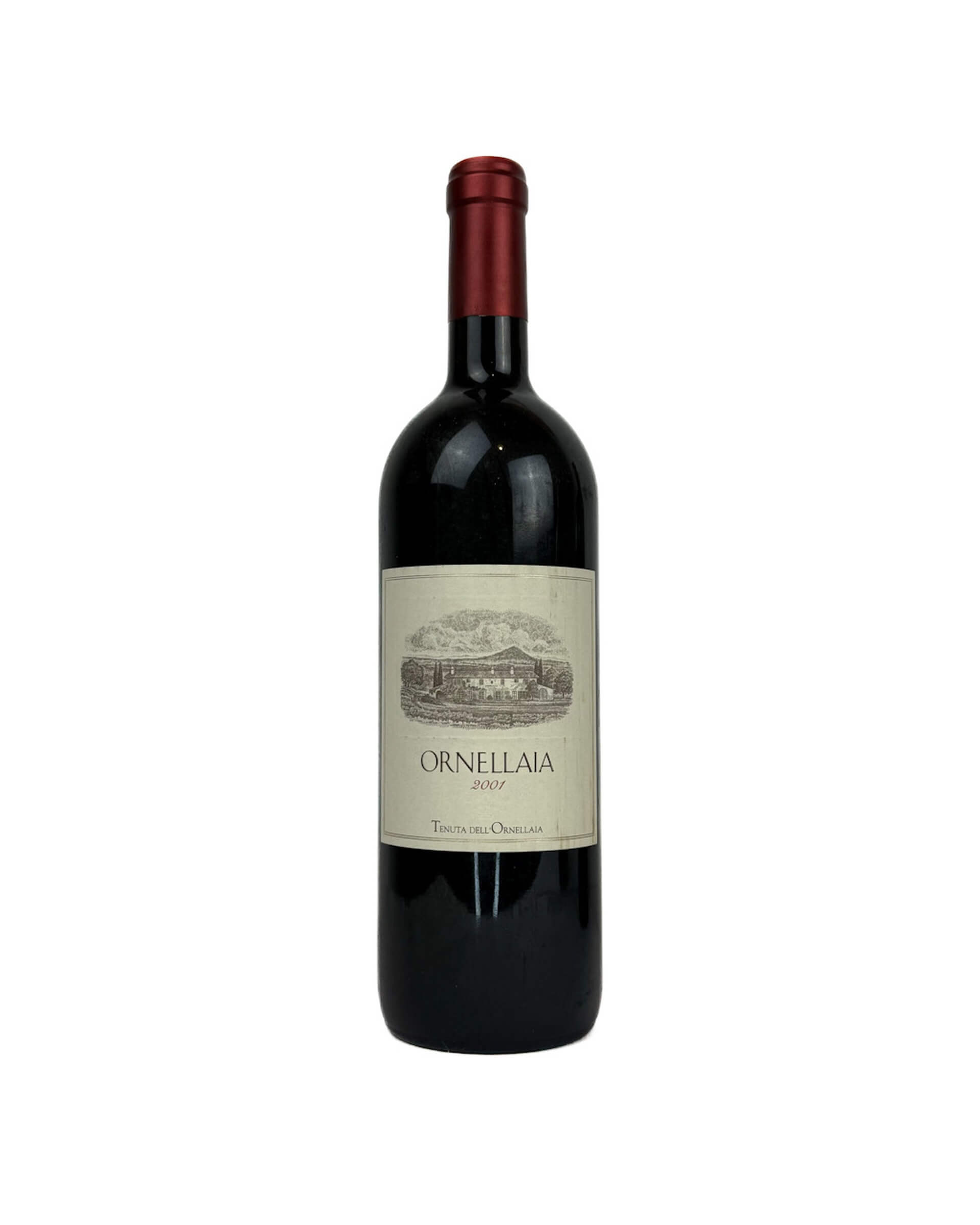
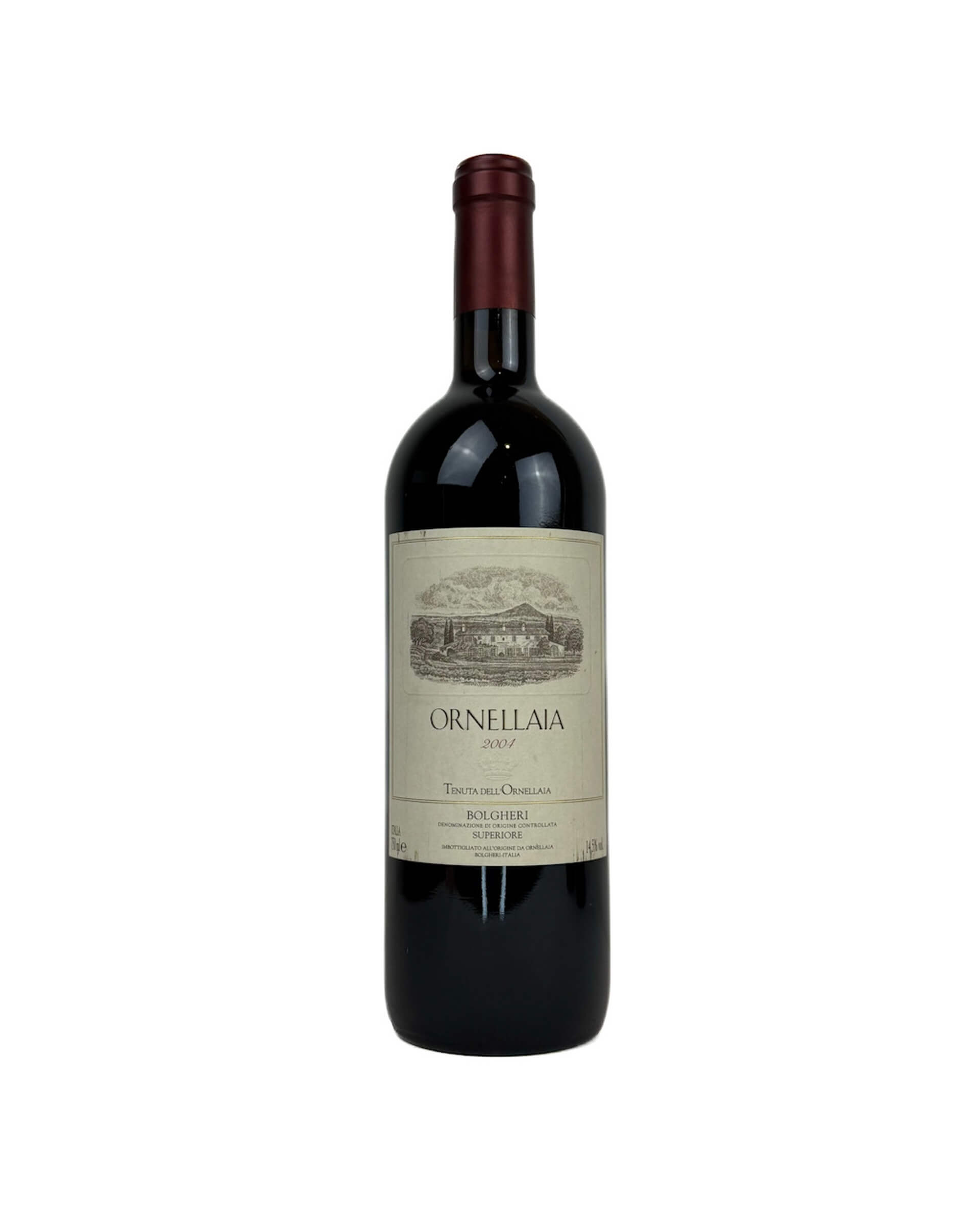
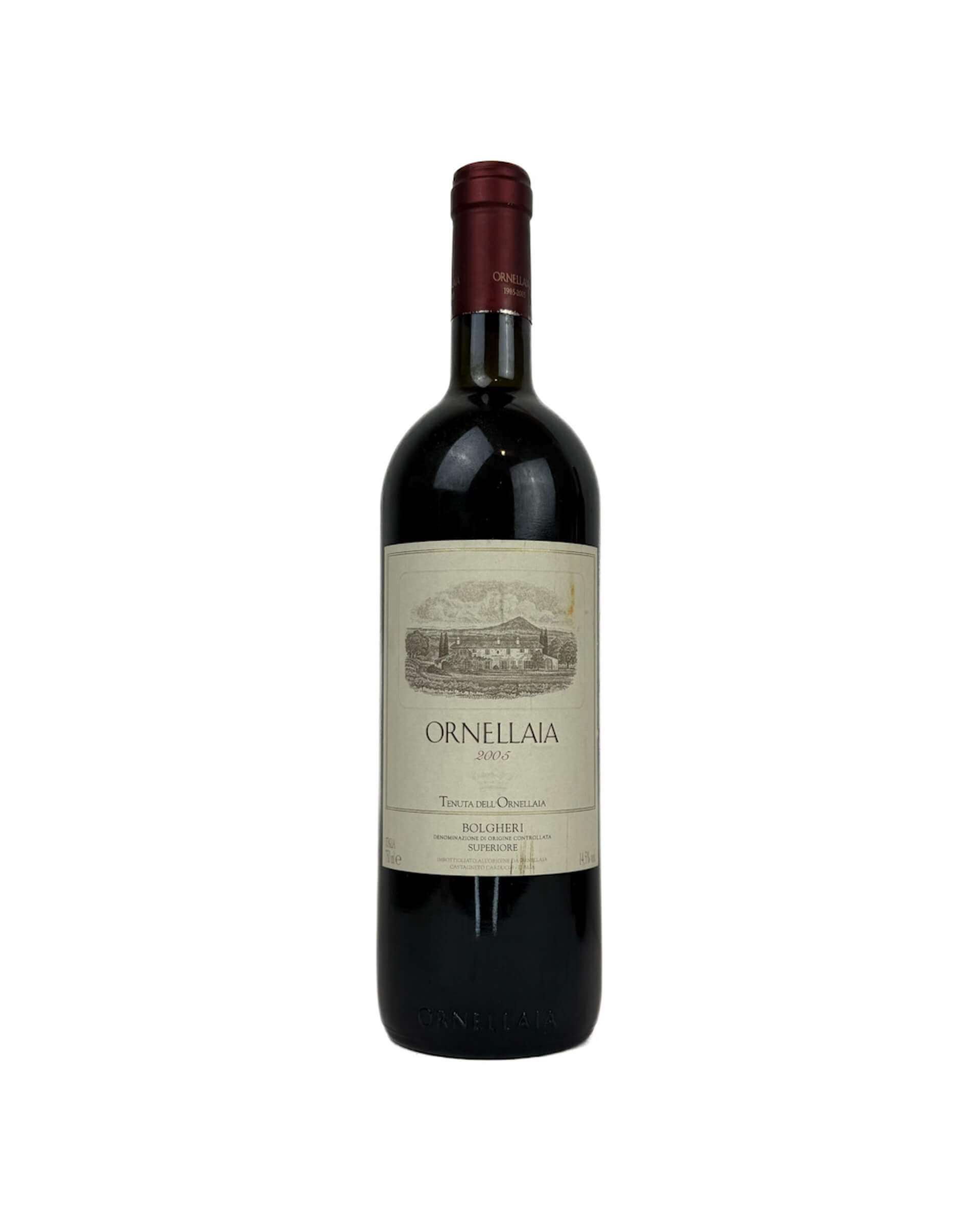
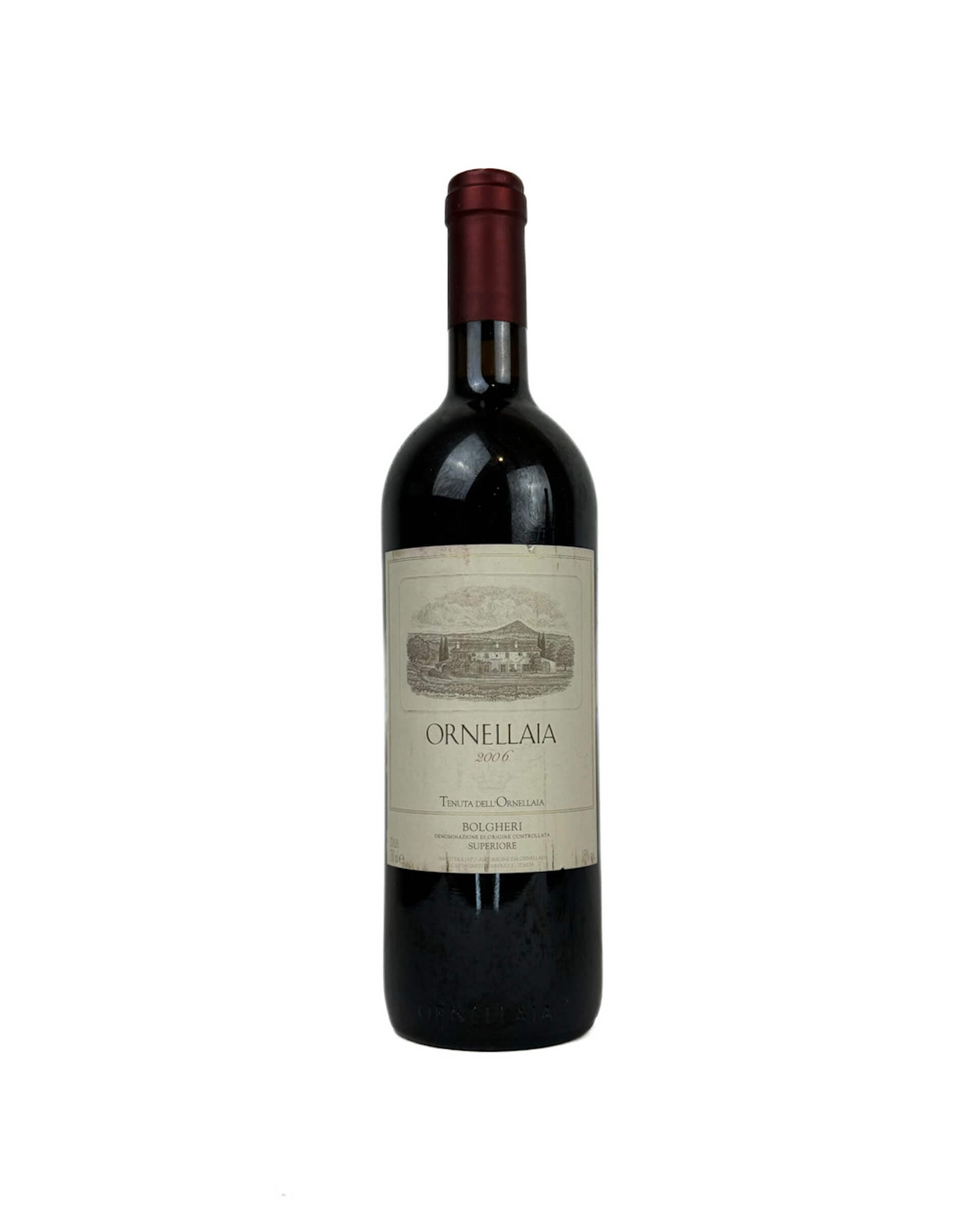
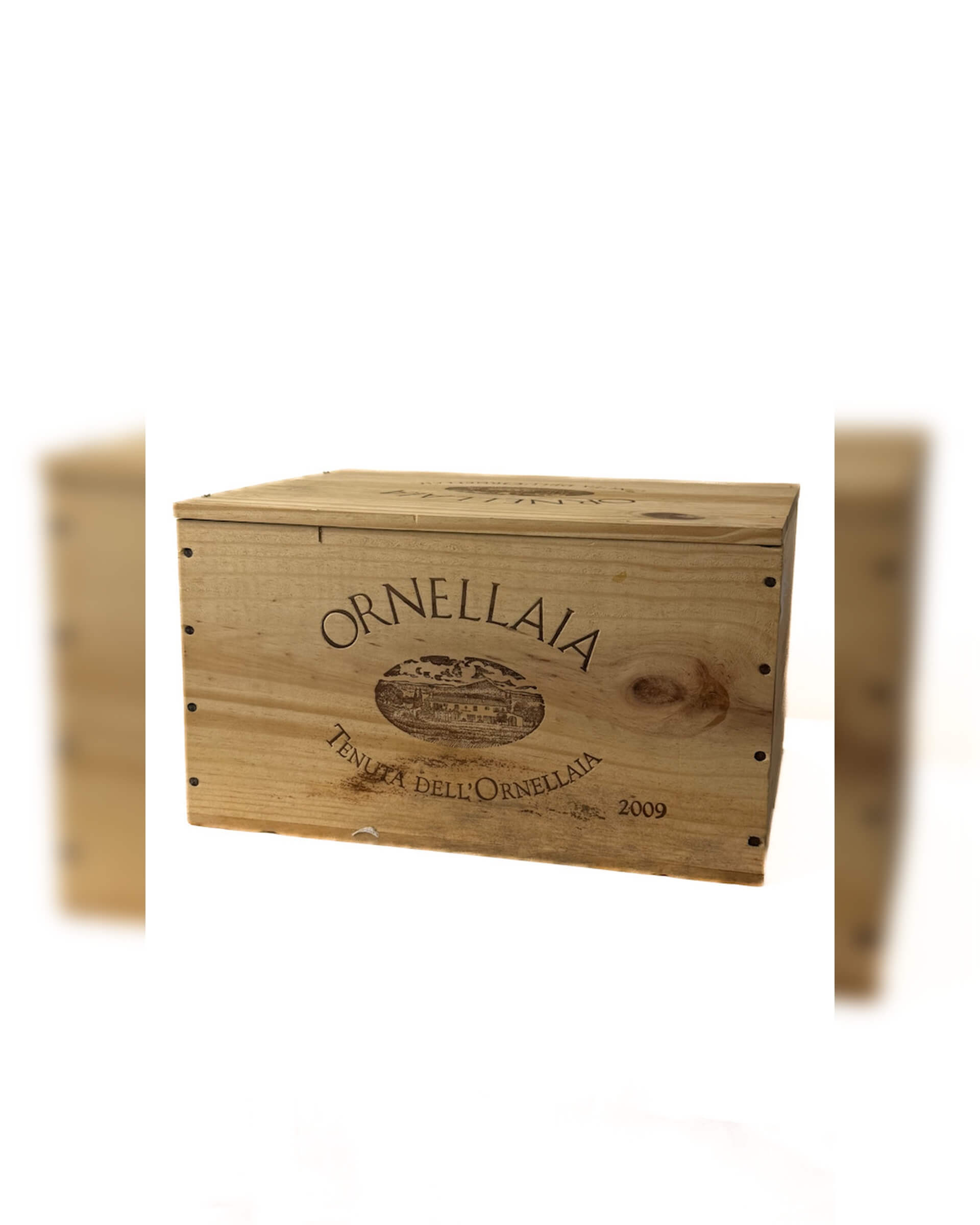
Founded in 1981 and now part of the Frescobaldi portfolio, Ornellaia is a Bordeaux-style blend of Cabernet Sauvignon, Merlot, Cabernet Franc, and Petit Verdot — generally more opulent and immediately expressive than Sassicaia. The estate’s second wine, Le Serre Nuove dell’Ornellaia, offers an accessible route into the house style, while the Vendemmia d’Artista programme — which since 2009 has commissioned a different international artist to interpret each vintage, with editions designed by the likes of William Kentridge and Not Vital — adds a genuine collector dimension.
A single-vineyard, 100% Merlot grown on a celebrated clay slope and now run as a fully separate entity, Masseto is Italy’s answer to the great right-bank wines of Pomerol. It is extraordinarily concentrated, rich, and velvety, and ranks among the most sought-after and expensive bottles the country produces — firmly at the top of the appellation’s pricing tier.
The Antinori family’s Bolgheri estate produces Guado al Tasso, a Bolgheri Superiore that blends Cabernet Sauvignon and Merlot with a measure of Syrah. That Syrah component lends an unusually Mediterranean, spice-edged character, and the wine offers a more approachable price point than Sassicaia or Masseto without surrendering the appellation’s structural ambition.
Our 26-bottle range deliberately reaches past the four estates above, because the appellation’s depth lies in its second tier of serious producers. We stock Le Macchiole, whose pure-varietal cuvées Paleo (Cabernet Franc), Messorio (Merlot), and Scrio (Syrah) are among the most respected single-grape reds on the coast; Ca’ Marcanda, Angelo Gaja’s Bolgheri estate, which brought a Piedmontese precision to the region; and Grattamacco, one of the earliest estates here and a consistently graceful, terroir-driven benchmark. The selection extends further to Michele Satta, the producer who has done most to champion native varieties alongside the Bordeaux grapes, and to Argentiera, whose powerful, modern reds from the higher hillside vineyards round out the range. We chose these houses because each one demonstrates a different, defensible answer to the same coastal terroir — together they let a buyer taste the full stylistic argument of the DOC rather than only its most famous labels.
The permitted red varieties read like a Bordeaux roll-call: Cabernet Sauvignon dominates most Superiore wines and Sassicaia; Merlot is the heart of Masseto and a major component of Ornellaia; Cabernet Franc contributes aromatic lift and structure; while Syrah and Petit Verdot play supporting roles. Sangiovese is technically permitted in small amounts but is rarely seen — the appellation’s identity is firmly rooted in the international tradition it shares with Bordeaux.
The two main tiers express the terroir differently. A Rosso tends to show its fruit forward — blackcurrant, plum, and black cherry, with supple tannins and an early-drinking charm. A Superiore digs deeper into graphite minerality, cedar, and bay leaf, with the fine-grained, slow-building tannins of careful extraction and a structure that demands time. Both are full-bodied and built for the cellar, typically less aromatically open in youth than their Bordeaux counterparts but every bit as serious. For buyers who shop by variety, these grape pages are a useful way to explore wines of similar character beyond this corner of Tuscany.
The power and tannic grip of these wines call for equally generous food. The match should meet the wine’s intensity rather than try to tame it.
The appellation rewards a clear sense of which tier suits your occasion and your cellar. Tour de Wine’s 26 bottles span its full breadth, and the catalogue’s real pricing makes the structure easy to read.
Entry tier — from around €260. This is the home of Rosso and approachable DOC expressions from established estates. These wines drink beautifully within five to eight years of the vintage and offer a genuine introduction to the region’s structure and coastal character without the long cellaring commitment of the Superiore wines.
Classic tier — most bottles near €320. The heart of our selection sits here, where serious Superiore wines and estate second wines are found. Le Serre Nuove dell’Ornellaia is the clearest case for this band: it gives you the Ornellaia house style — the same fruit, the same cellar hand — with roughly five fewer years of cellaring required and at a fraction of the grand vin’s price, which is why it earns its place against both the entry and the prestige tiers. Cellar these wines for eight to fifteen years, or drink them now after decanting as described above.
Prestige and collector tier — up to €2,250 at the upper end of the range, and as high as €3,500 for the rarest cuvées. This is the territory of Sassicaia from acclaimed vintages, Ornellaia in its finest years, and Masseto — investment-grade bottles with two to three decades of evolution ahead. Use the site’s price filter to shop by budget, and explore our wider Italy range for context. Availability of specific labels and vintages varies; detailed tasting notes and vintage information appear on each product page.
Most Tuscan wines — Chianti Classico, Brunello di Montalcino, Vino Nobile di Montepulciano — are built on Sangiovese, the region’s indigenous red grape. This small coastal DOC south of Livorno is the exception, producing wines predominantly from Cabernet Sauvignon, Merlot, and Cabernet Franc, the same varieties that define Bordeaux. The result is a stylistically distinct category: richer, more densely fruited, and structured differently from Sangiovese-based reds. It is where the Super Tuscan category was born, and it remains the address of Italy’s most internationally recognised and most expensive fine wines.
Bolgheri is the broader DOC appellation, covering many estates and several styles — Rosso, Rosato, Bianco, and Superiore. Bolgheri Sassicaia is a separate, dedicated sub-appellation within it, created in 1994 exclusively for the Tenuta San Guido estate’s Sassicaia wine, and it is the only single-estate DOC in Italy. Every bottle of Sassicaia is geographically “from Bolgheri,” but it carries its own distinct classification. When a label reads simply “Bolgheri DOC” without the word Sassicaia, you are looking at a different wine from a different estate.
It depends on the tier. Rosso and lighter DOC expressions are usually at their best within five to ten years of the vintage. Superiore wines from established estates — much of the mid-range of our selection — are designed for ten to twenty years of cellaring and improve markedly with time. Sassicaia and comparable prestige cuvées from top vintages can evolve for twenty-five to thirty years or more. Match your decanting to the bottle’s age, following the tier-by-tier guidance in the serving section above.
For anyone who loves Bordeaux-style reds, Bolgheri offers a legitimate — and often more age-worthy — alternative with a distinctly coastal Italian character. Its reputation was built by independent international critics rather than by marketing, and strong secondary-market prices for top vintages of Sassicaia and Ornellaia confirm genuine collector demand. At Tour de Wine, prices in our selection start from around €260, signalling serious estate-produced wine rather than an everyday quaffer, with most bottles near €320. The prestige end reaches up to €3,500 for the rarest and most sought-after cuvées. You can browse the full range of red wine across our cellar to compare.
Written by the Tour de Wine buying team. Last reviewed: June 2026.
This site is restricted to adults. By entering, you confirm that you are of legal drinking age in your country of residence.