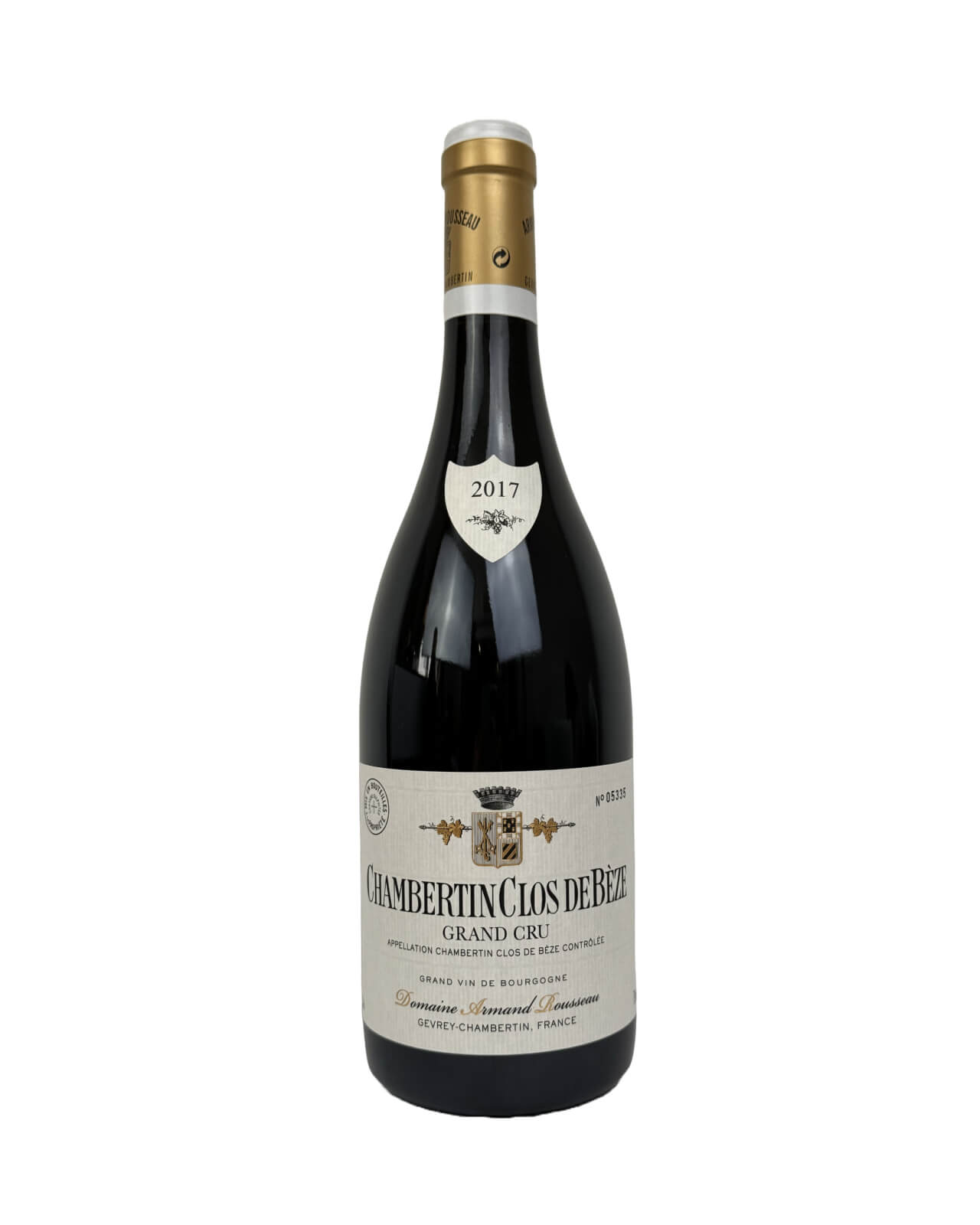
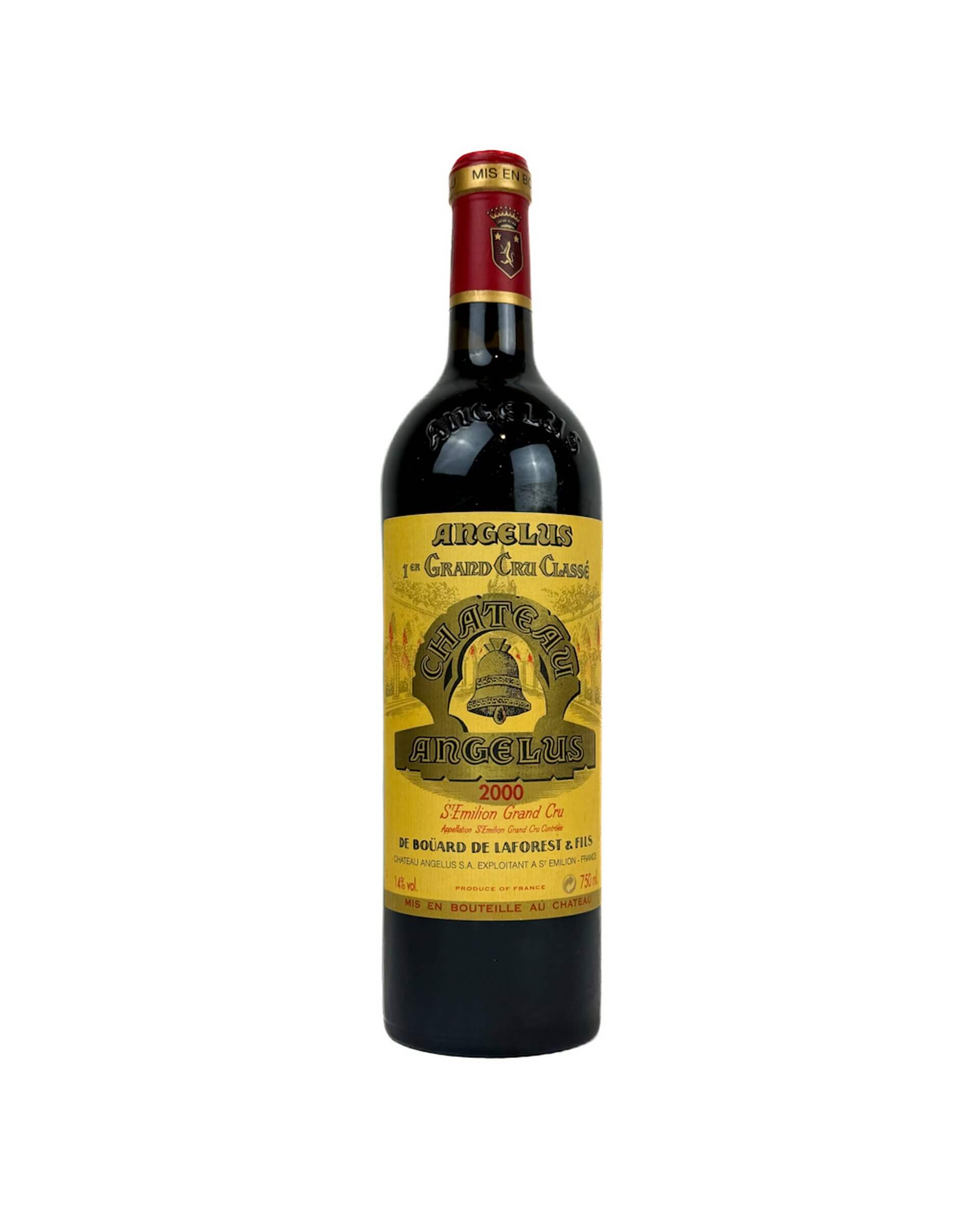
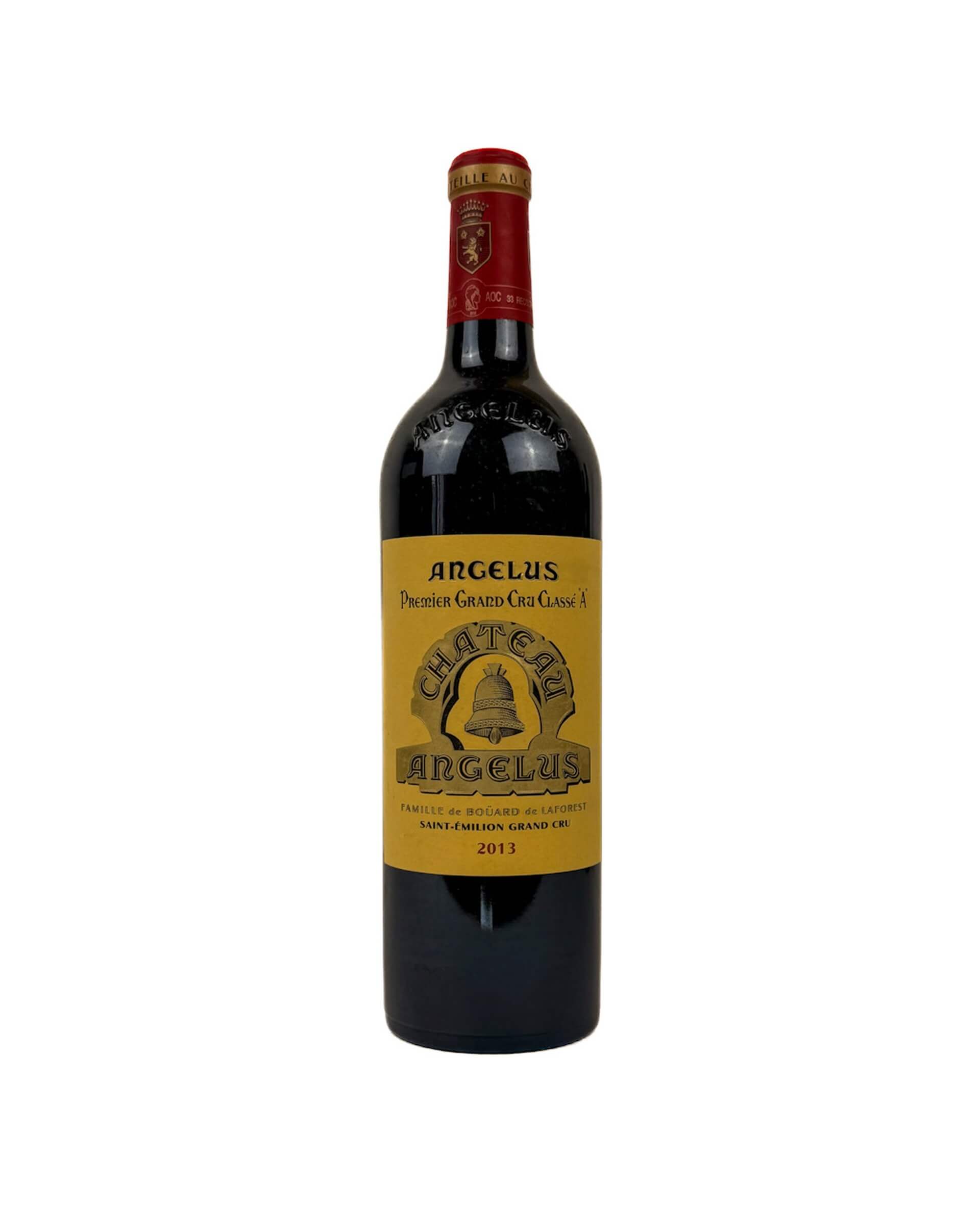
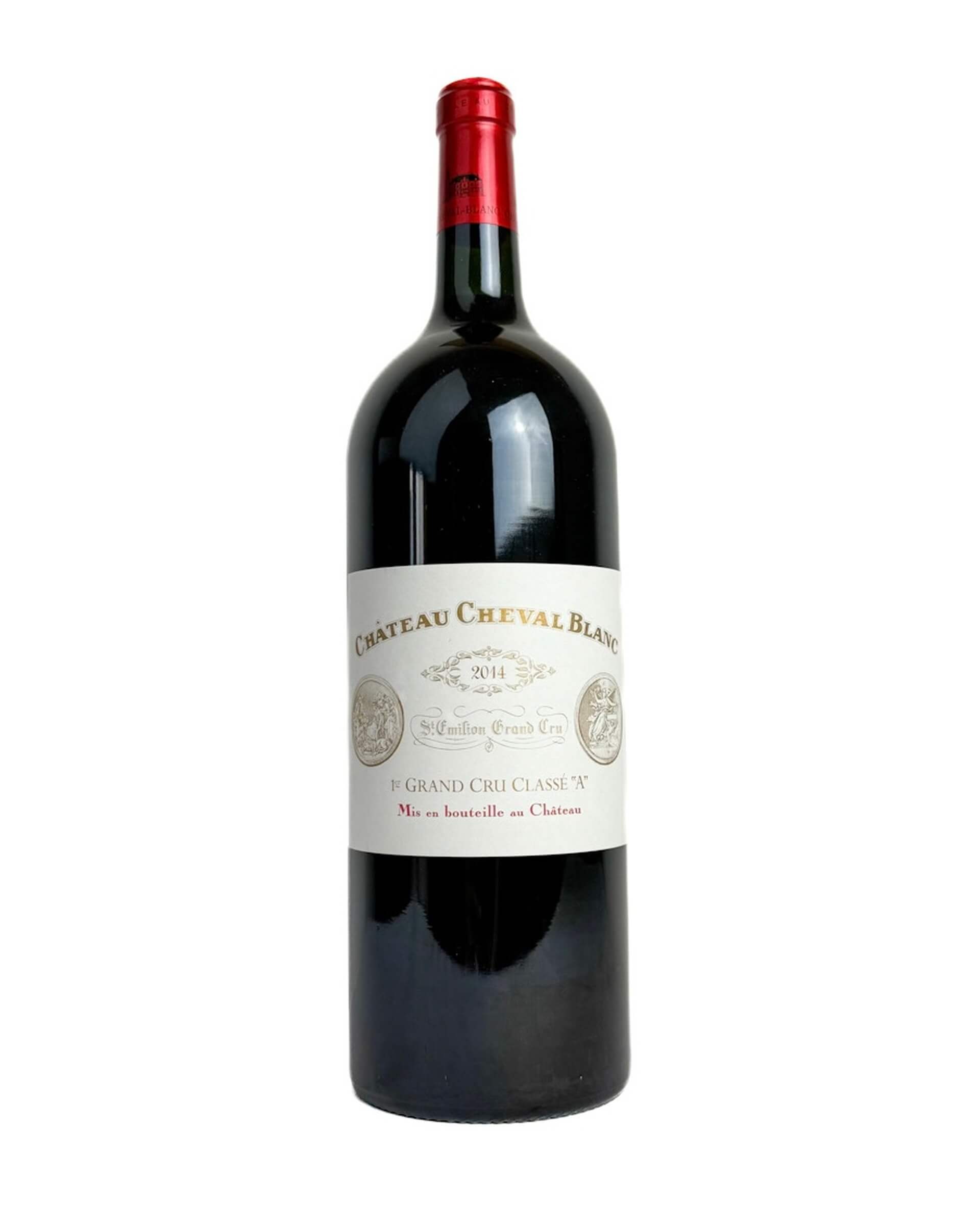
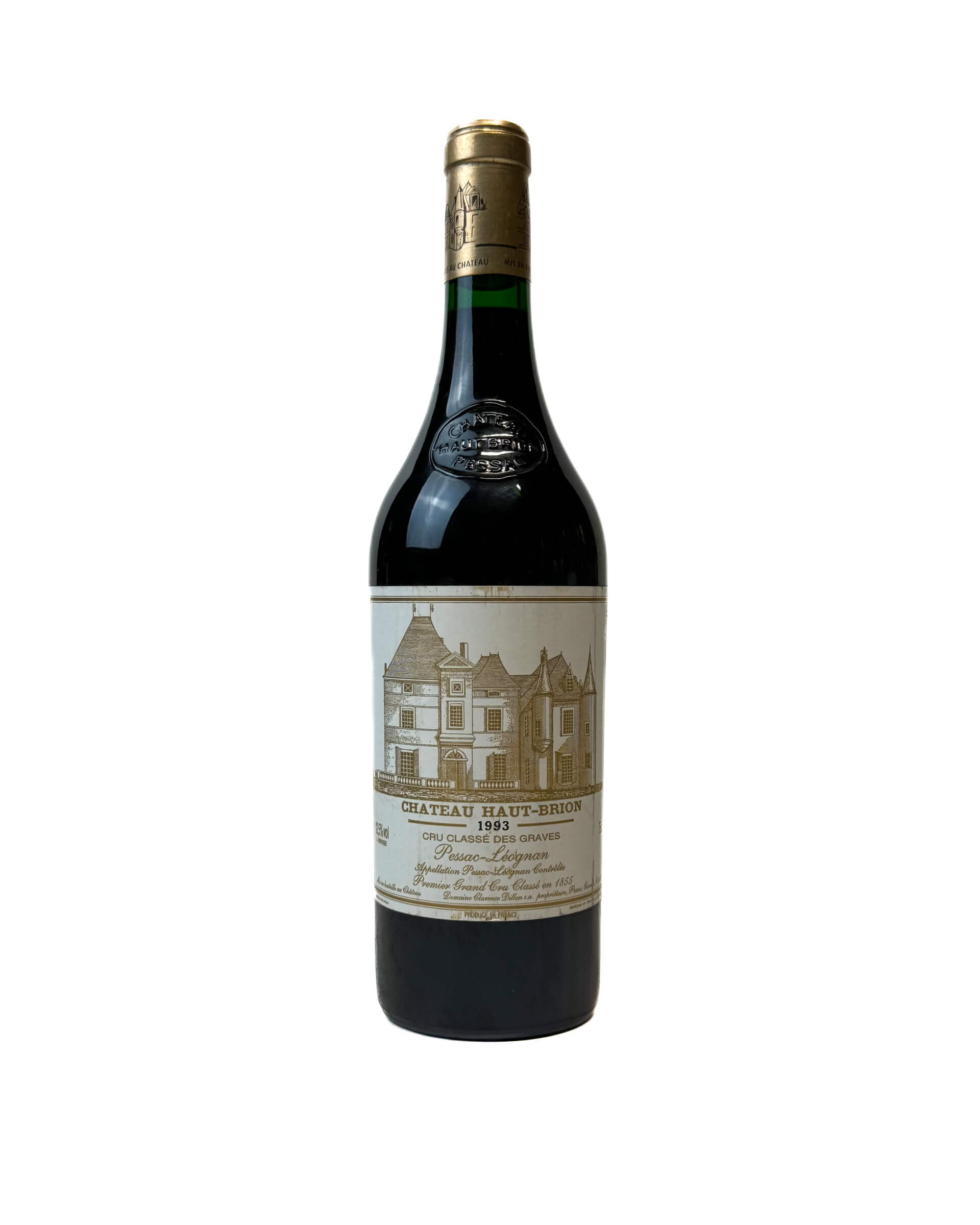
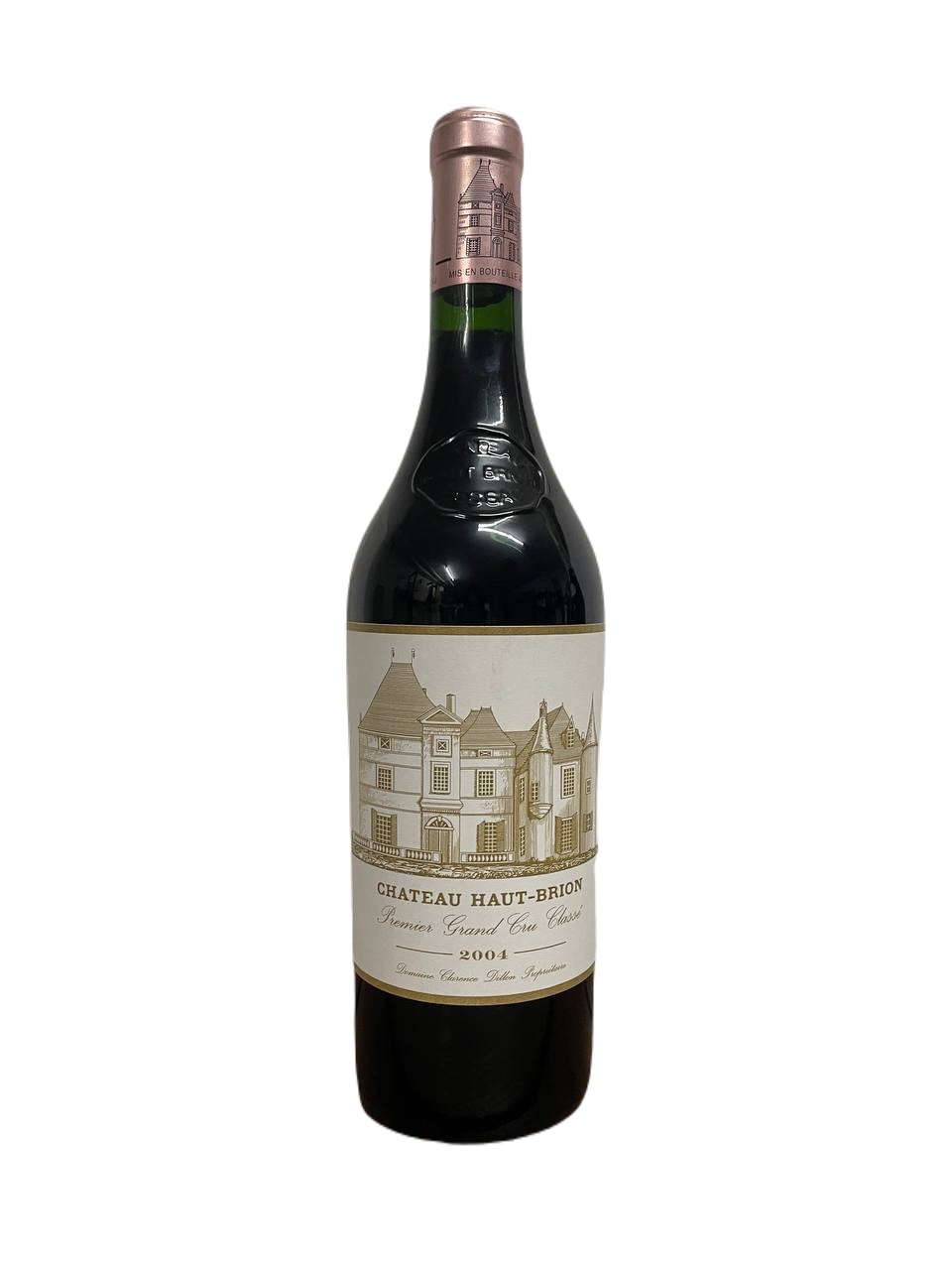
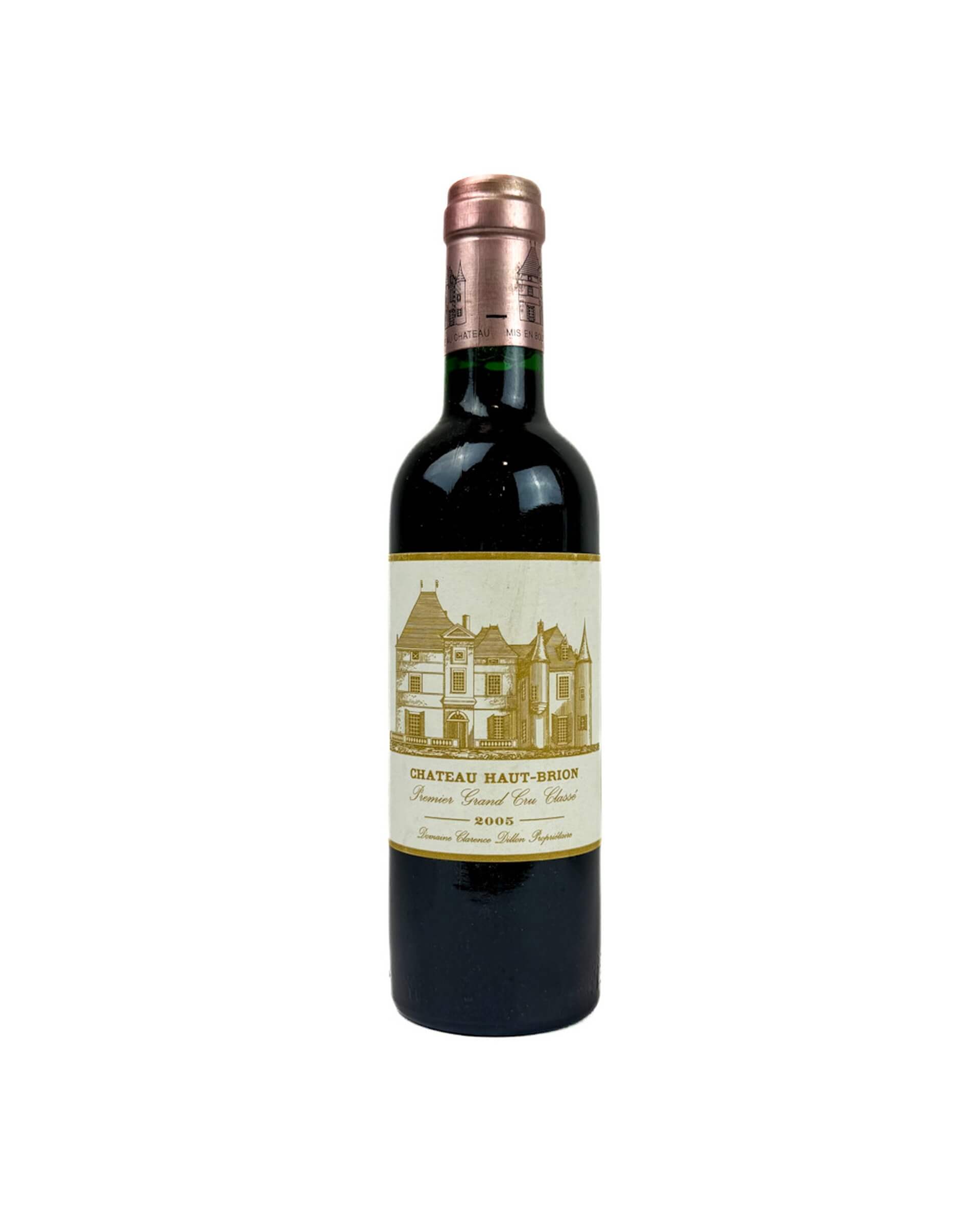
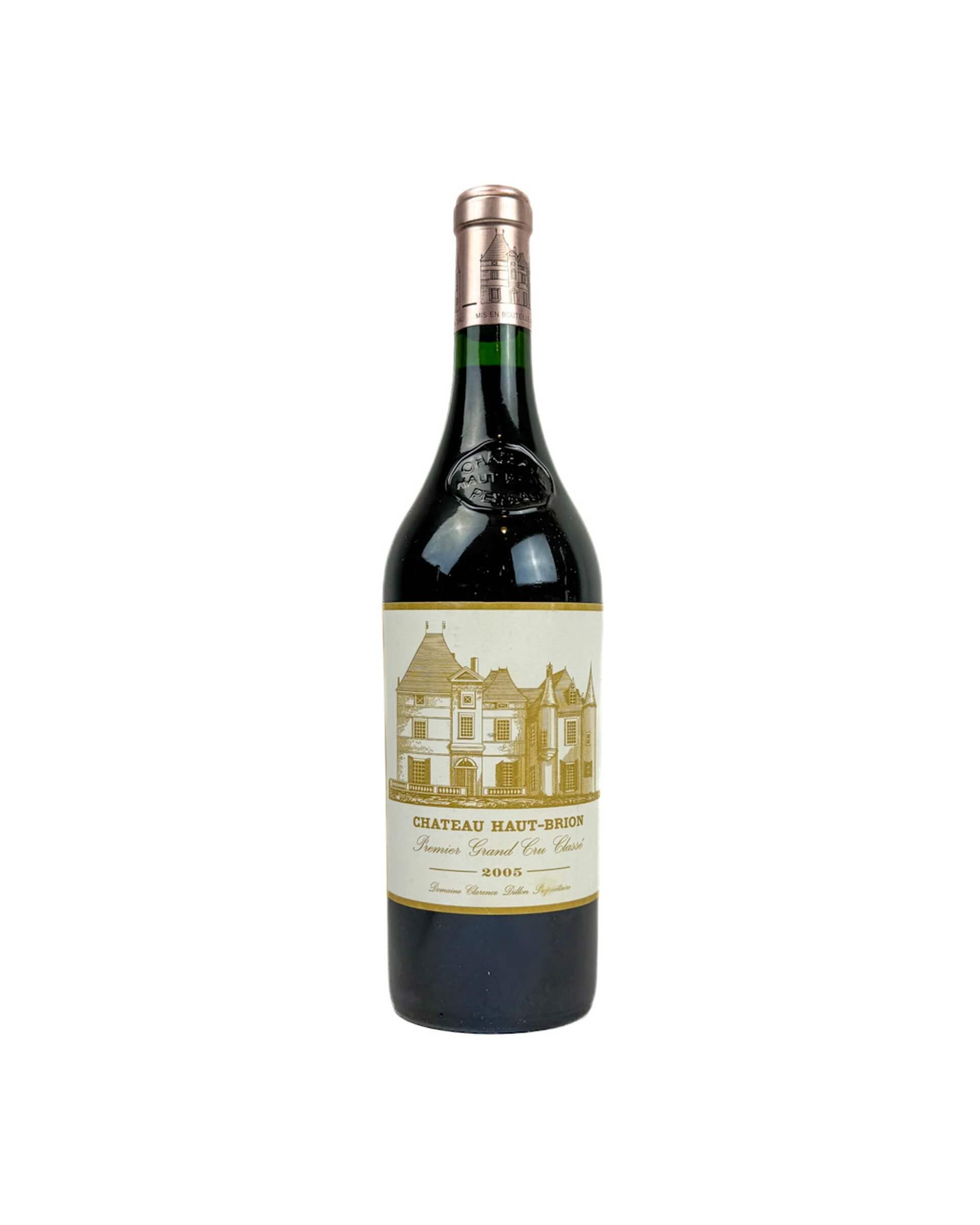
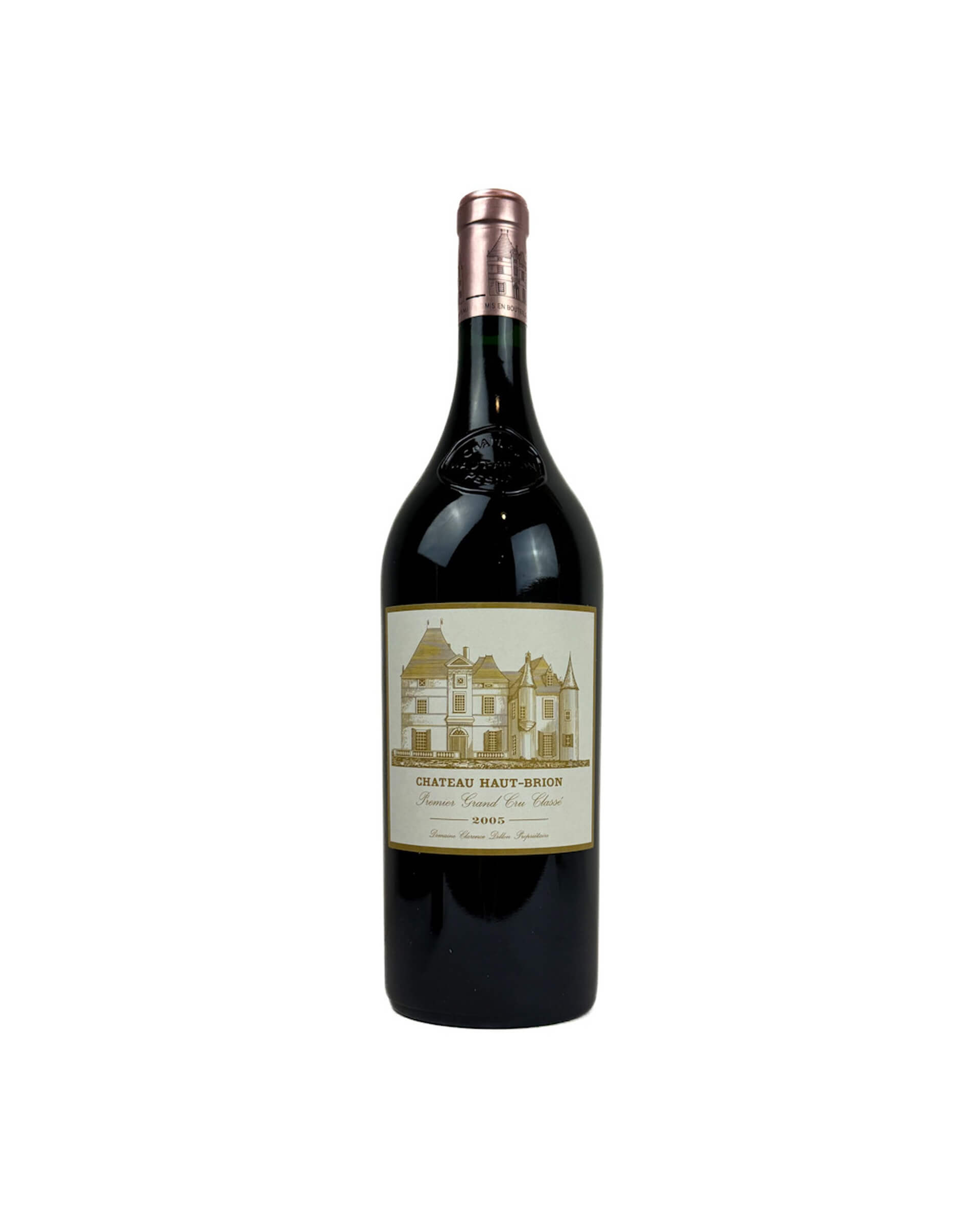
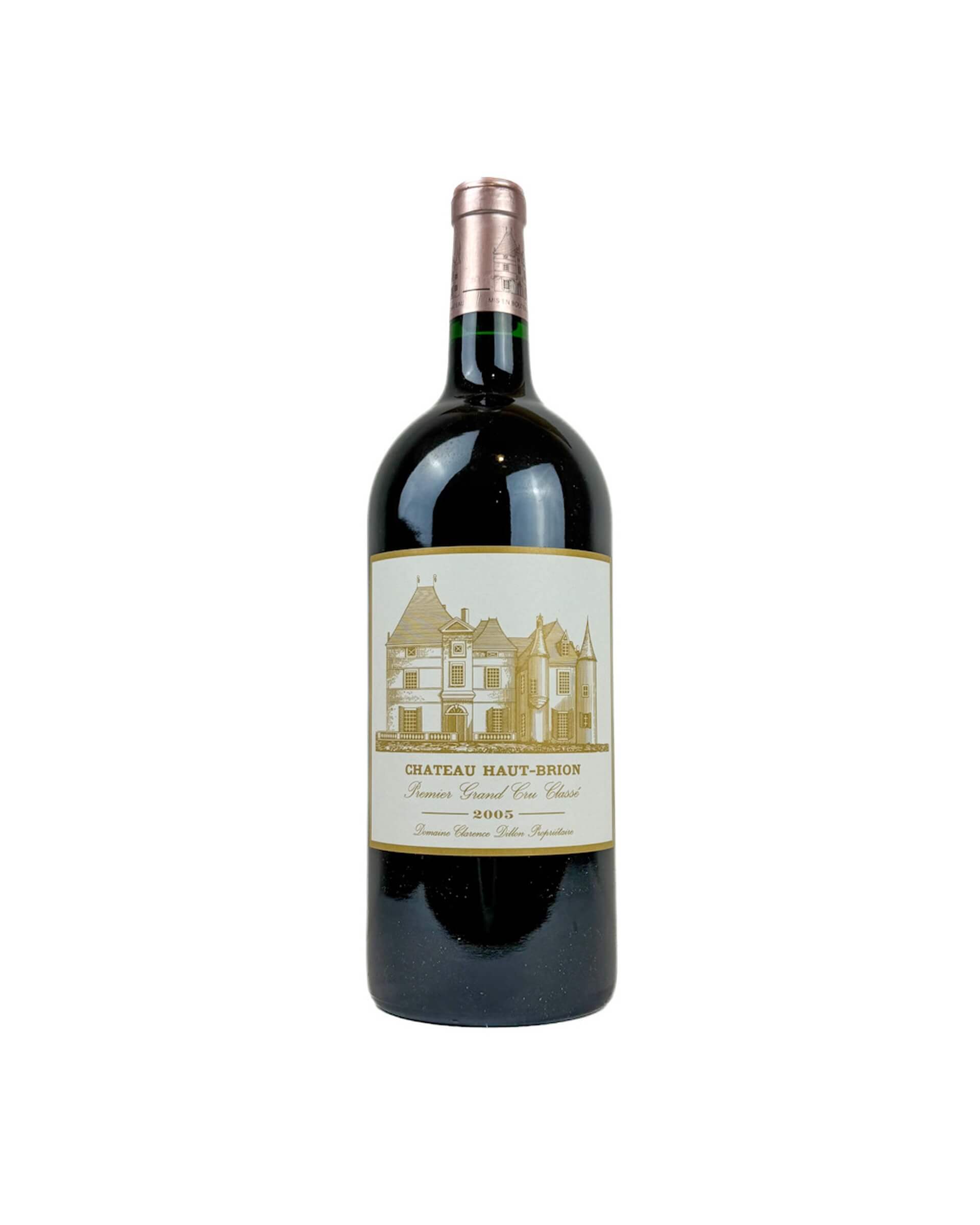
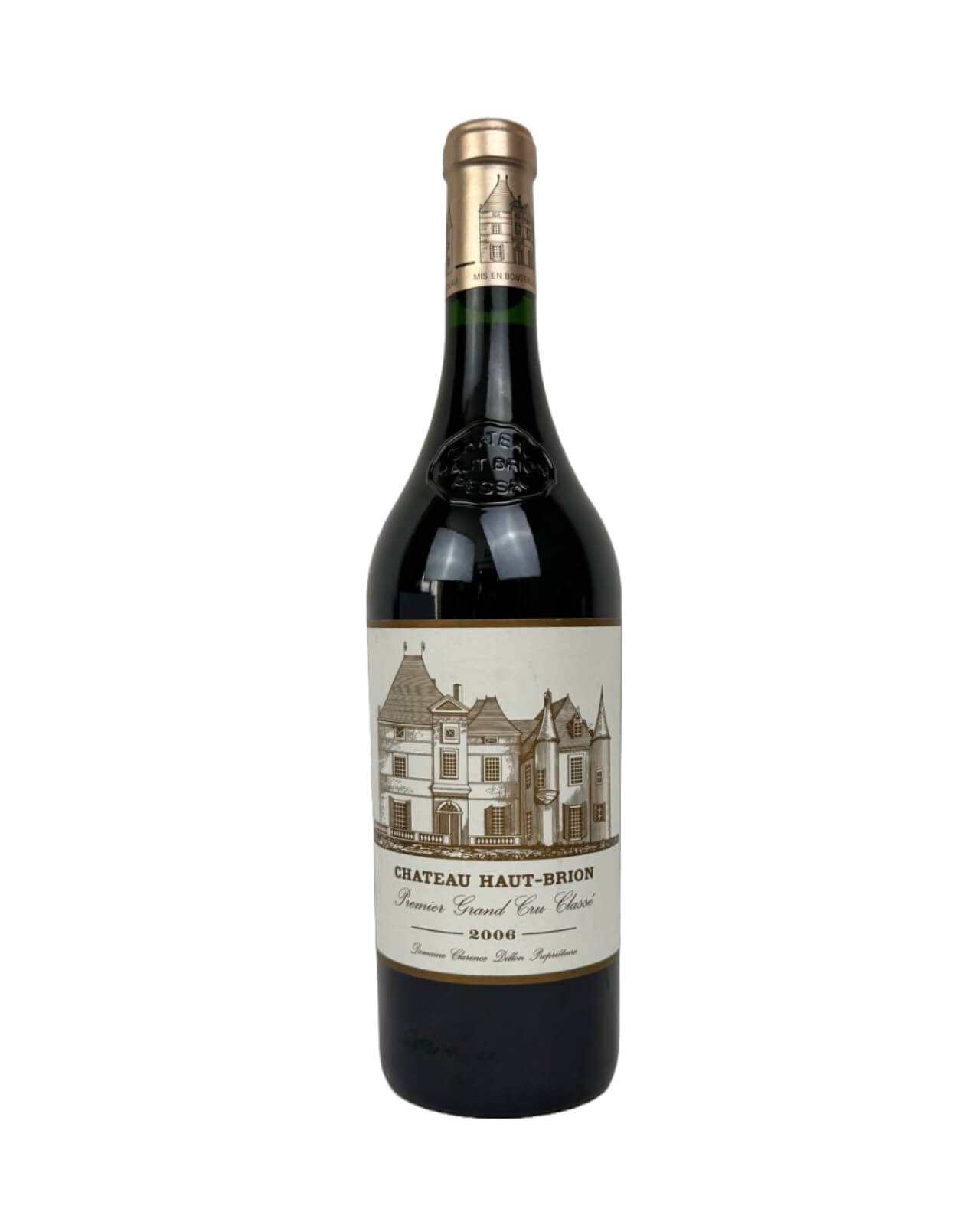
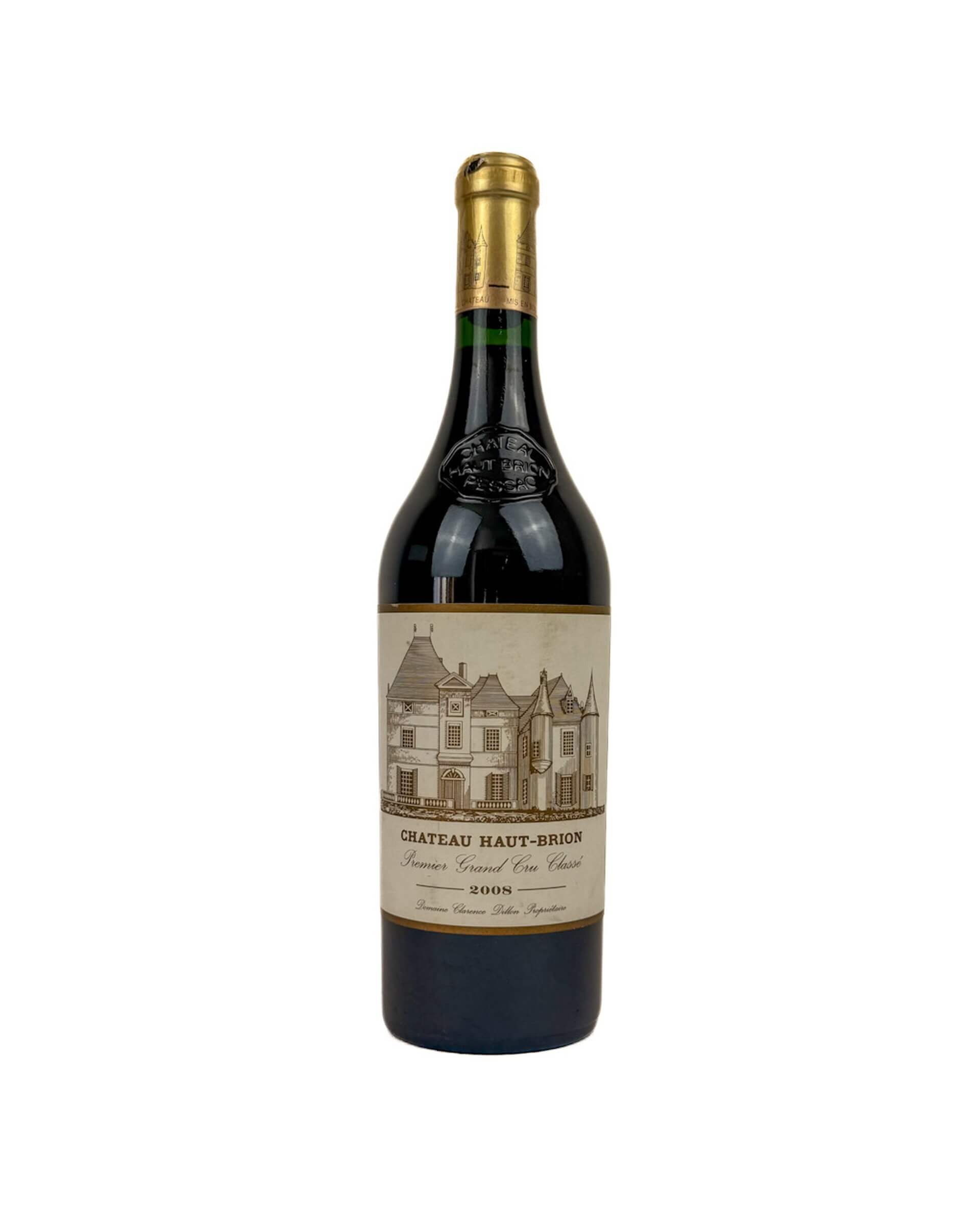
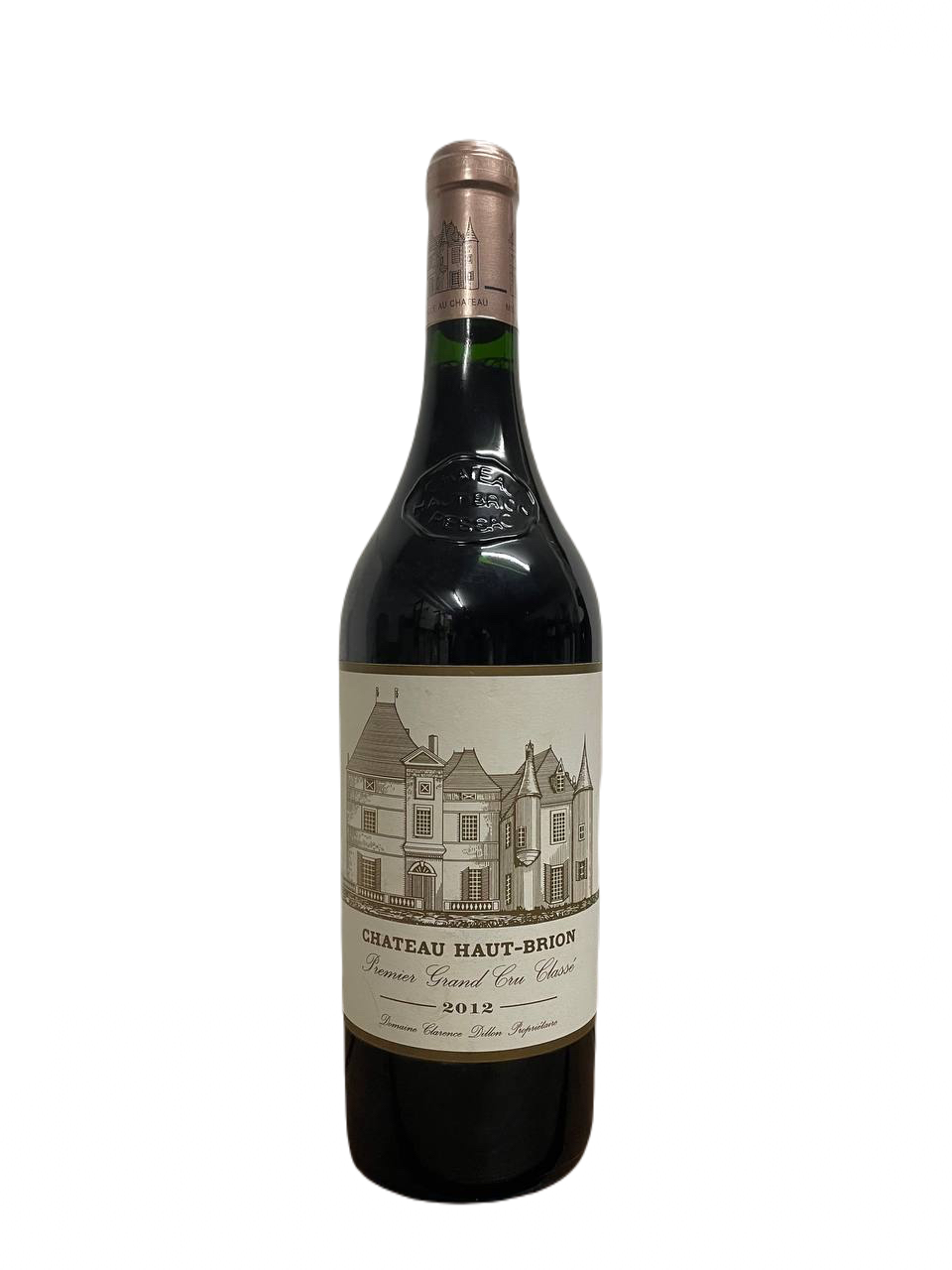
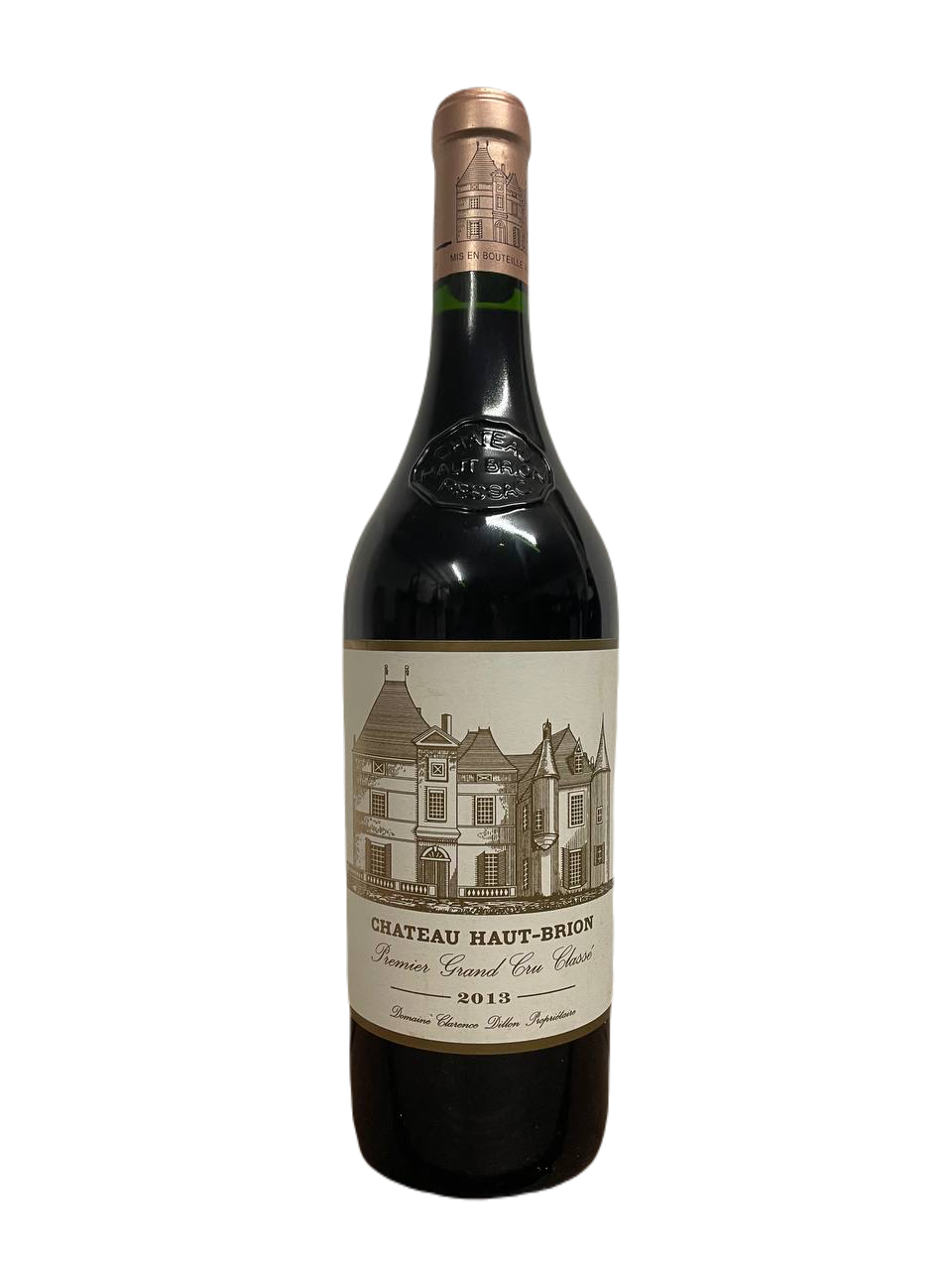
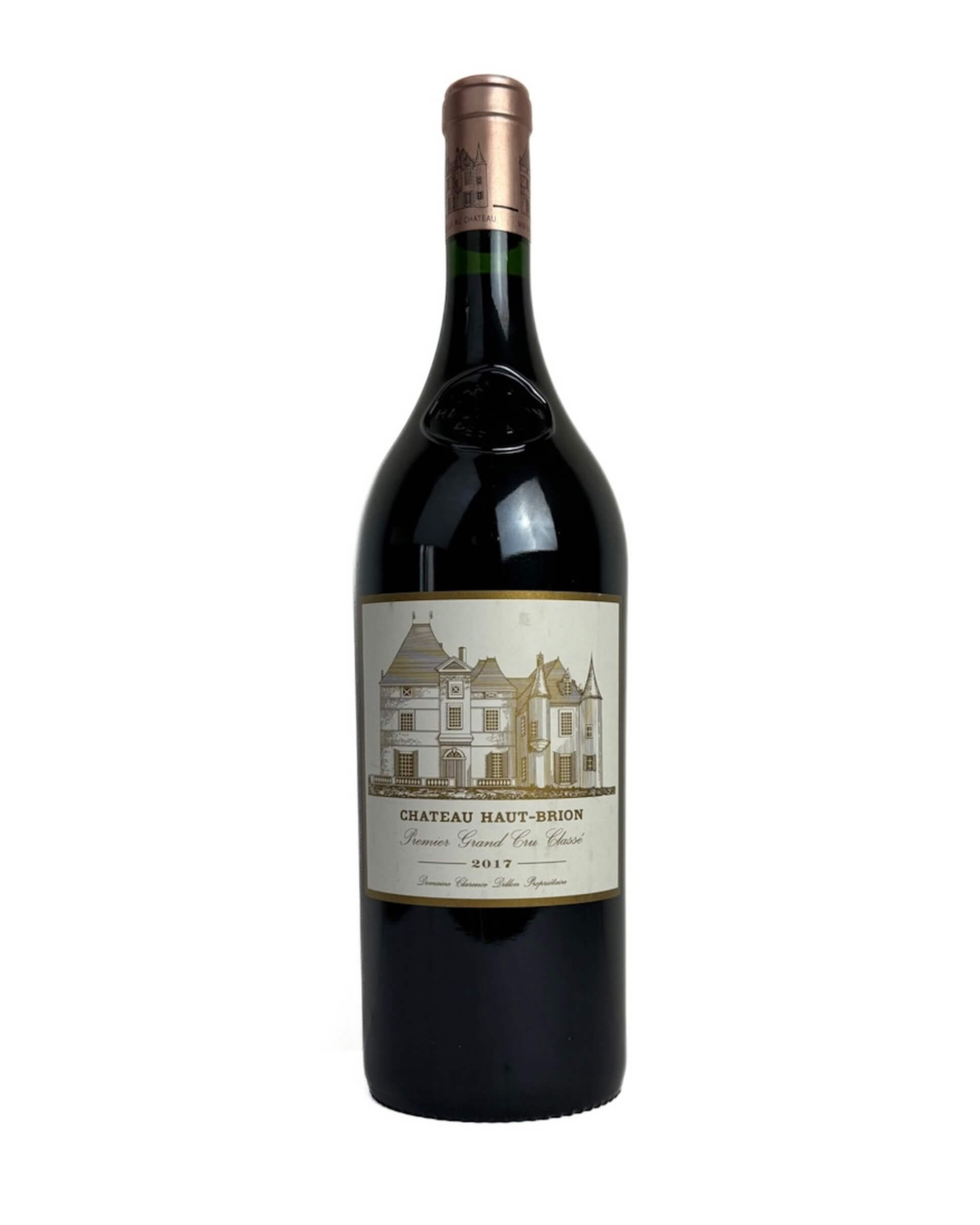
French wine from France is the most diverse and revered fine-wine category in the world, and our collection brings together 507 bottles drawn directly from the cellars and domaines of six historic regions: Burgundy, Bordeaux, the Rhône Valley, Alsace, the Loire Valley, and Beaujolais. Whether you are new to wine from France or building a serious cellar, this page is your starting point — an orientation to the regions, grapes, and classifications that define French wine, with a direct path to each appellation we stock.
The breadth here is deliberate. You can buy French wine from us from around €135 at the more accessible end of the catalogue up to the rarest allocated cuvées. Below, we walk you through where to begin, what each region tastes like, and how to choose with confidence — the full price architecture is set out in the buyer’s guide further down this page.
France’s Major Wine Regions — Where to Start
France’s wine map can feel daunting, but a simple decision guides most buyers. Burgundy is the choice for elegance and graceful ageing, whereas Bordeaux trades that finesse for structure and prestige. If you want peppery richness, the Rhône Valley delivers, while Alsace remains unrivalled for aromatic precision. Below, each of the French wine regions we stock is profiled with its signature grapes, tasting character, and a direct link to that child category.
Burgundy — Pinot Noir and Chardonnay at Their Most Refined
Burgundy is the original benchmark for single-vineyard Pinot Noir and Chardonnay, and it is the heart of our catalogue with 313 bottles — by far our largest and most carefully curated selection. Nowhere else is terroir expressed with such precision: a single hillside in the Côte de Nuits or Côte de Beaune can carry a Grand Cru appellation while the plot beside it does not. Reds offer silky red-cherry fruit, forest-floor earthiness, and a long, ethereal finish; whites range from steely Chablis to opulent Meursault. Estates such as Domaine Armand Rousseau and Domaine Leflaive set the global standard here. From village-level wines to the rarest climats, explore our Burgundy selection, including the celebrated Côte de Nuits producers.
Bordeaux — Cabernet Sauvignon and Merlot on the Gironde
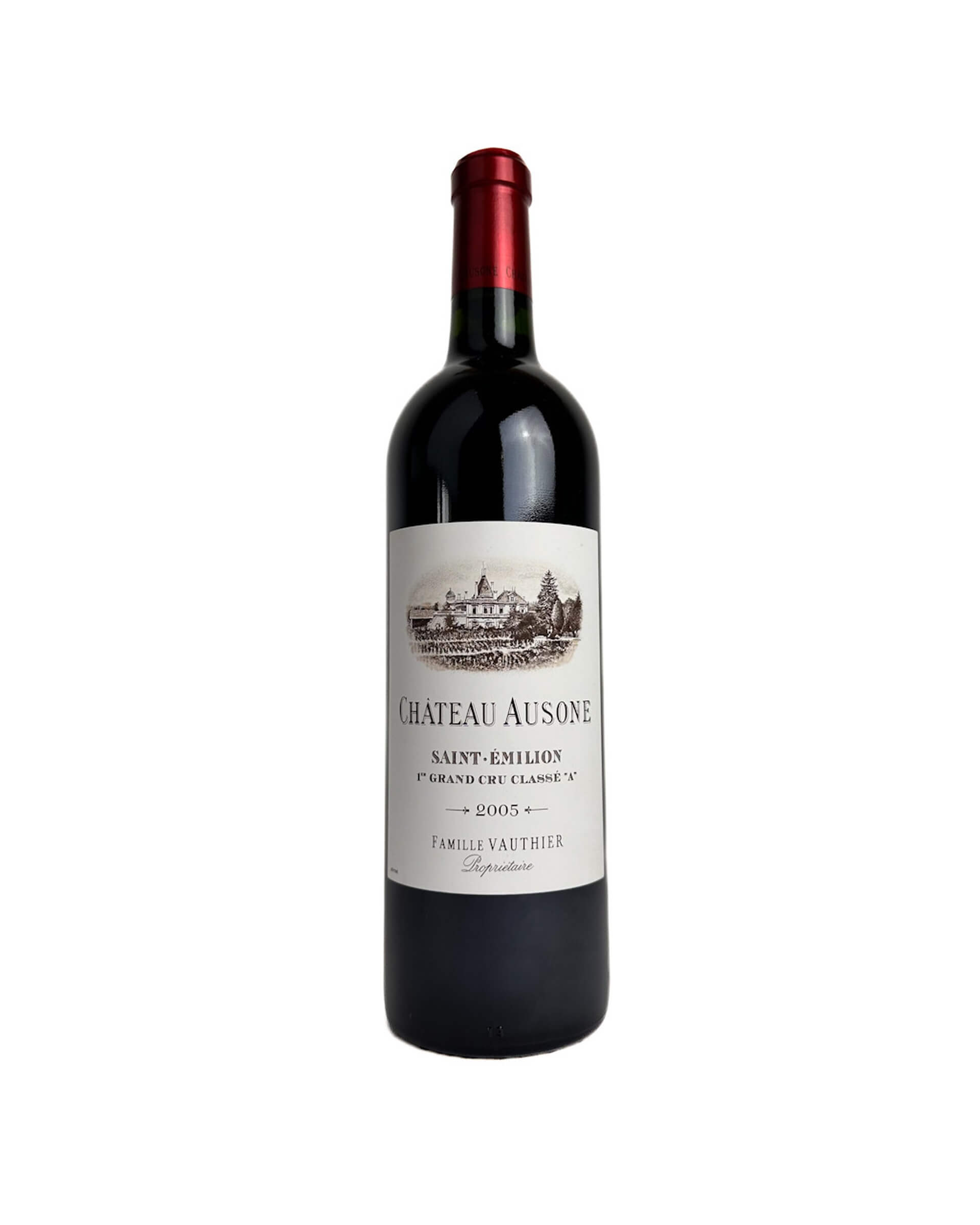
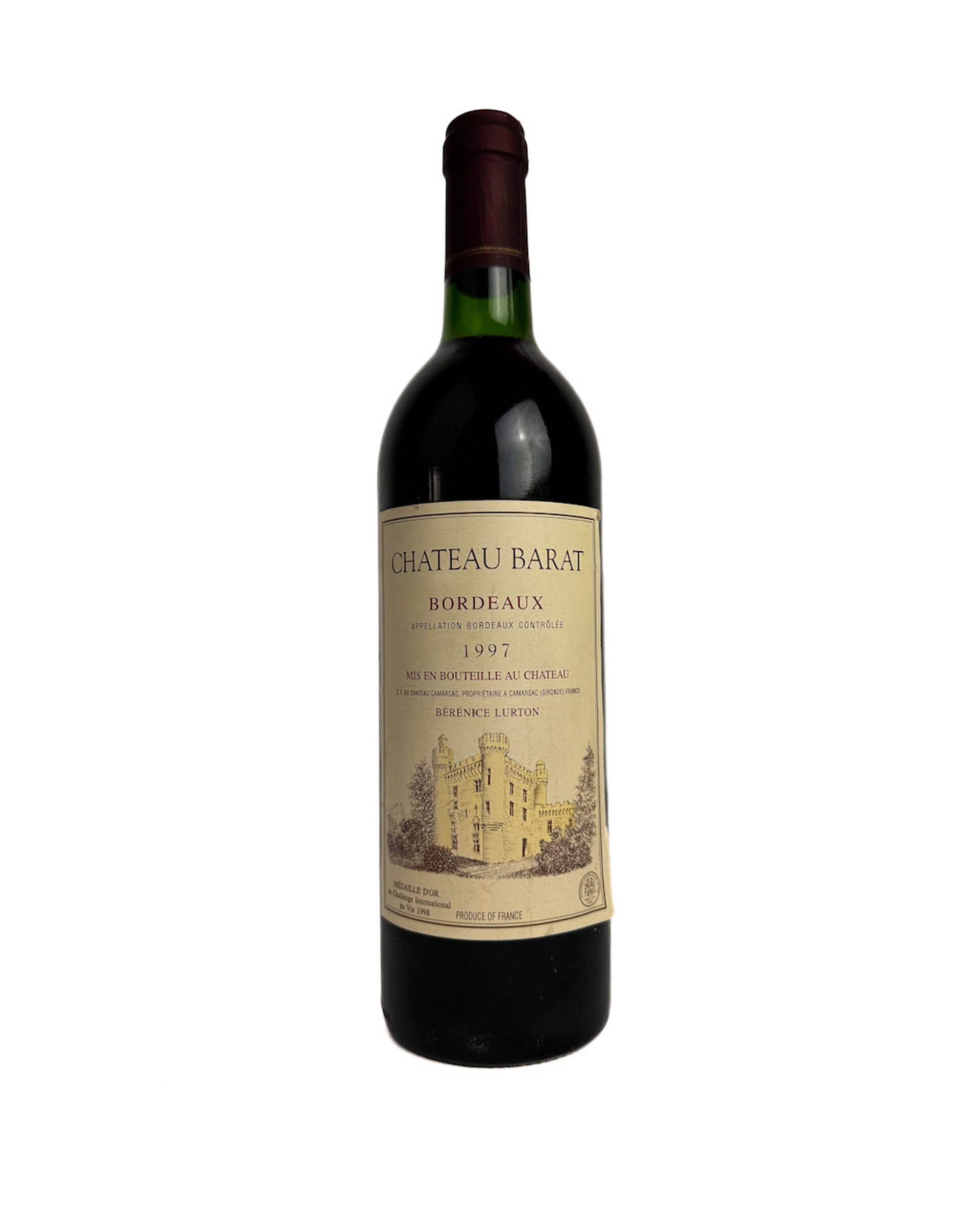
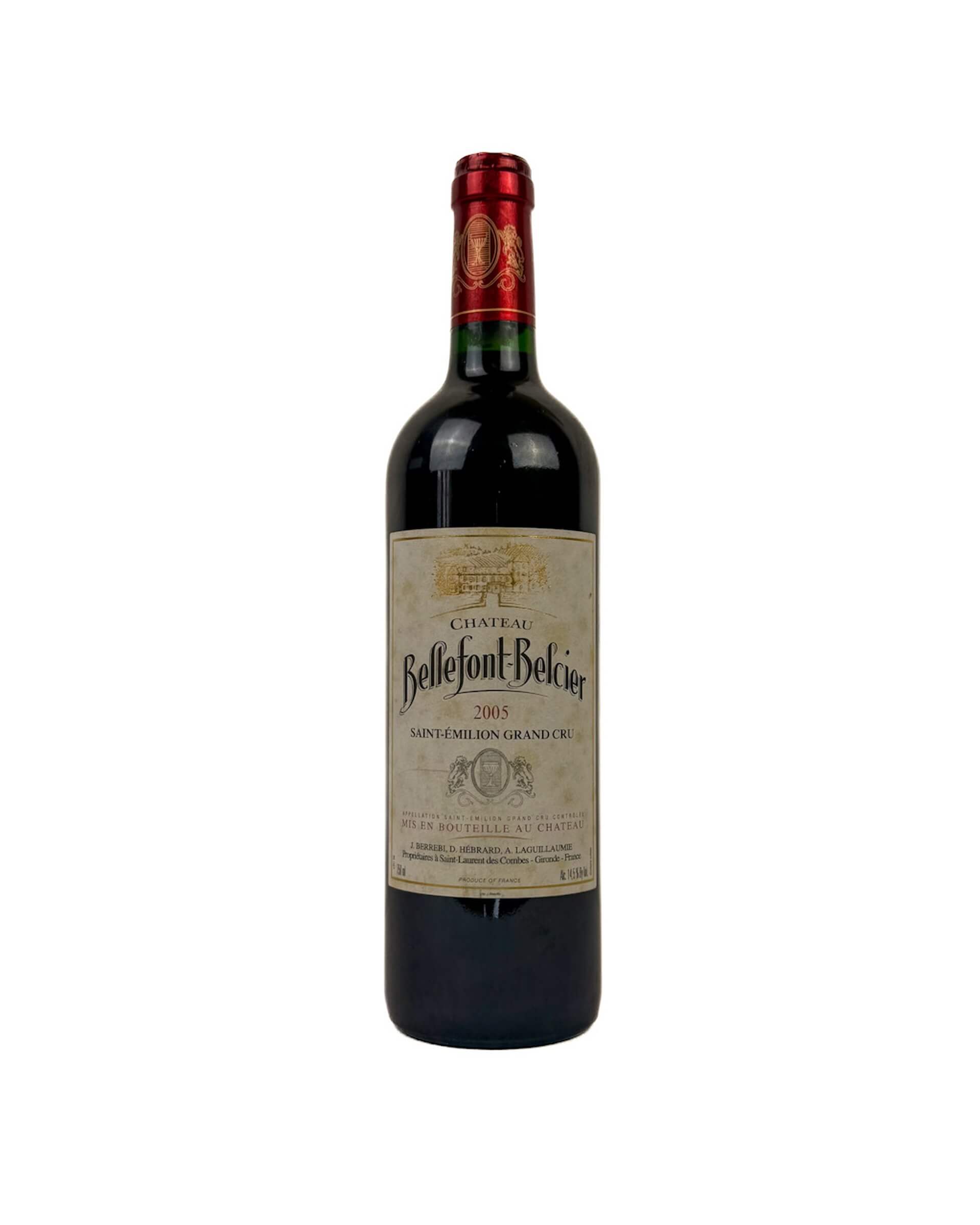
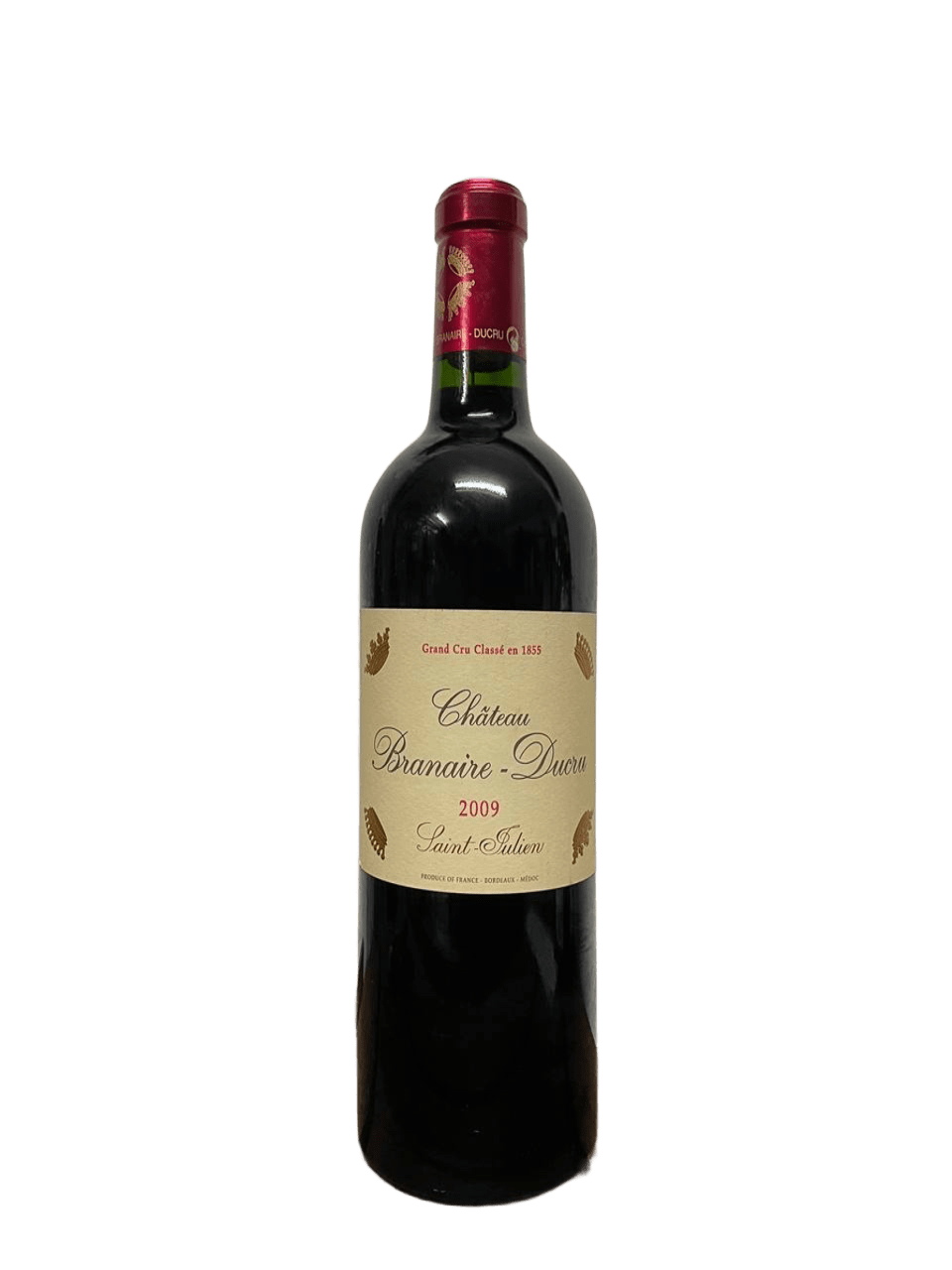
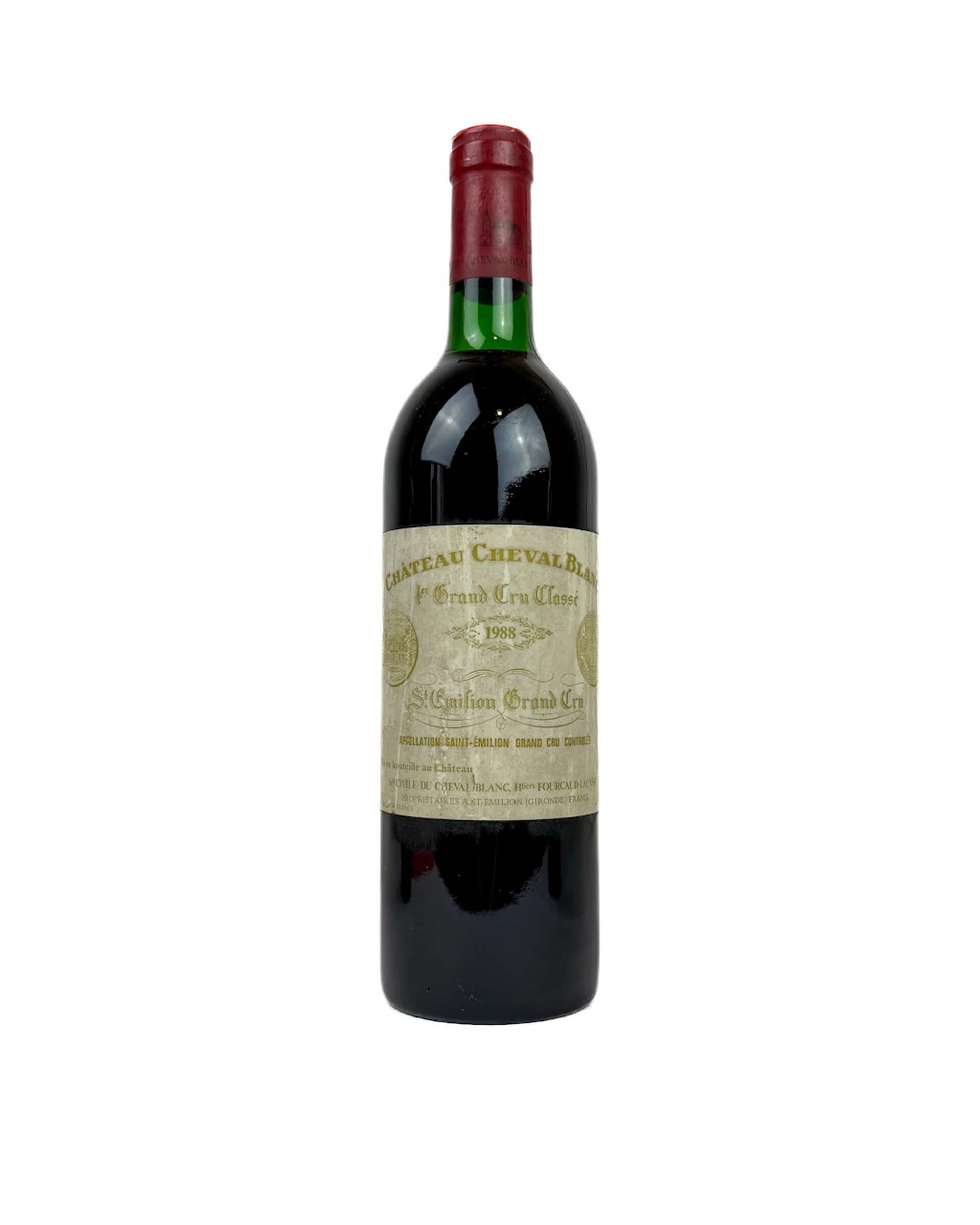
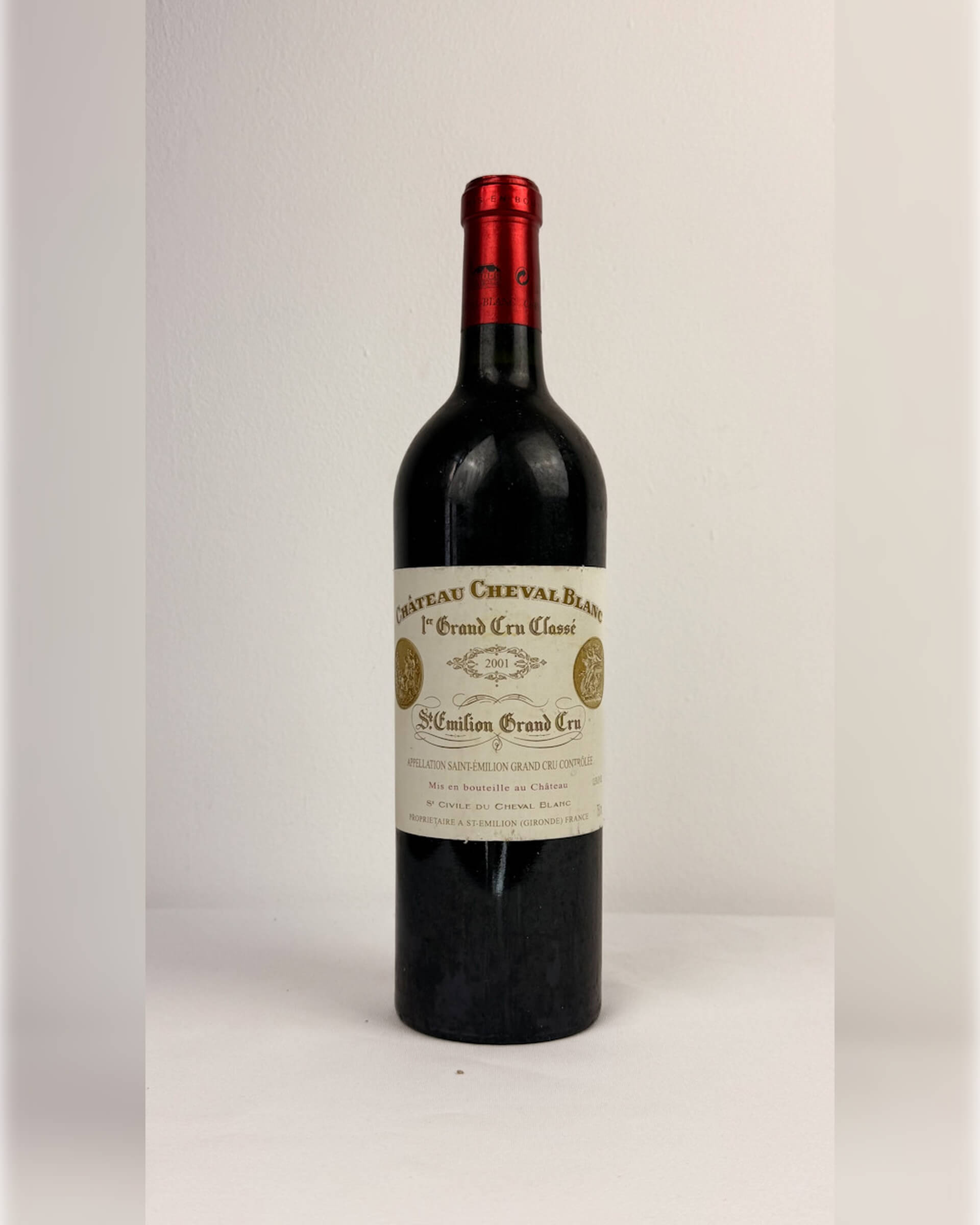
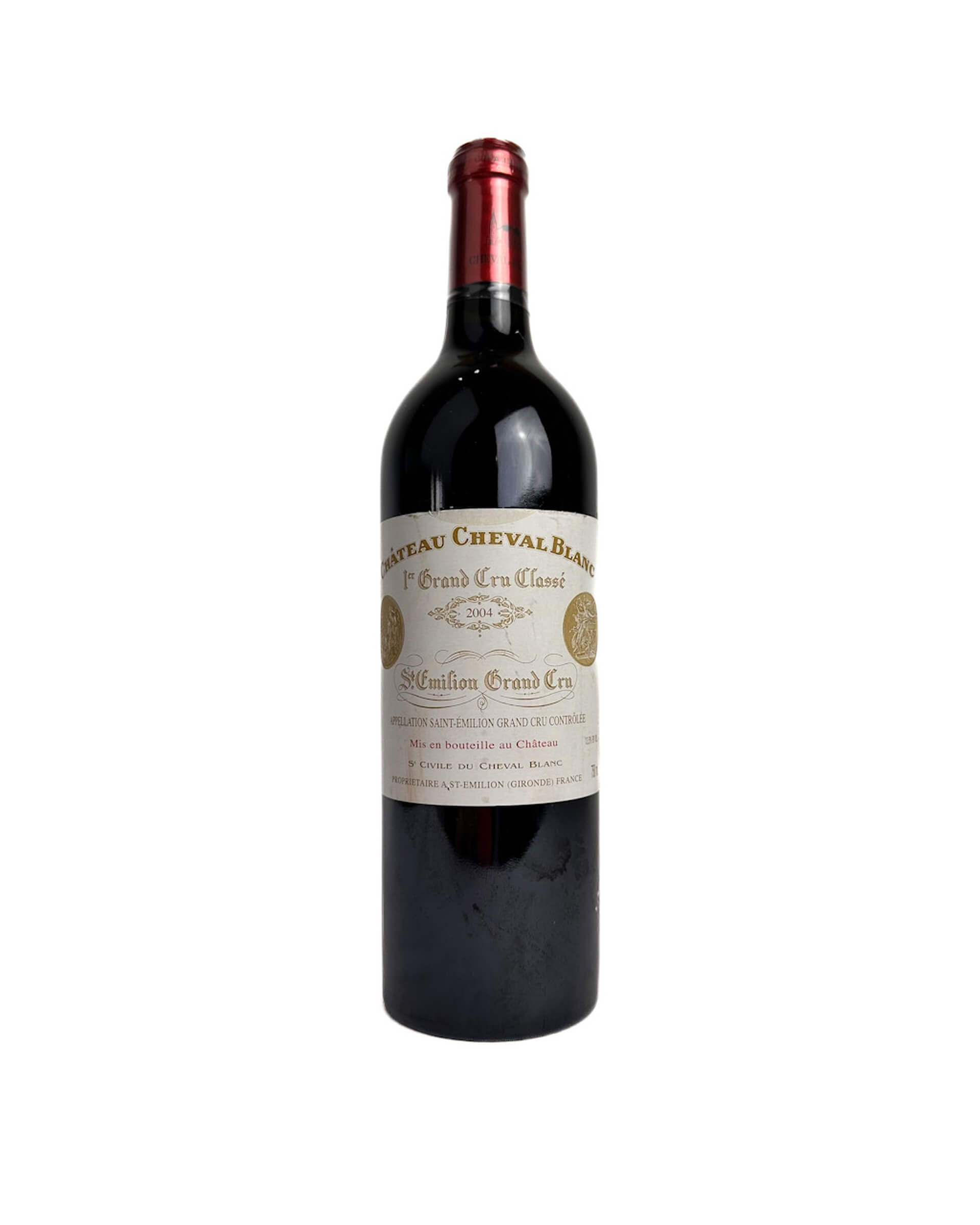
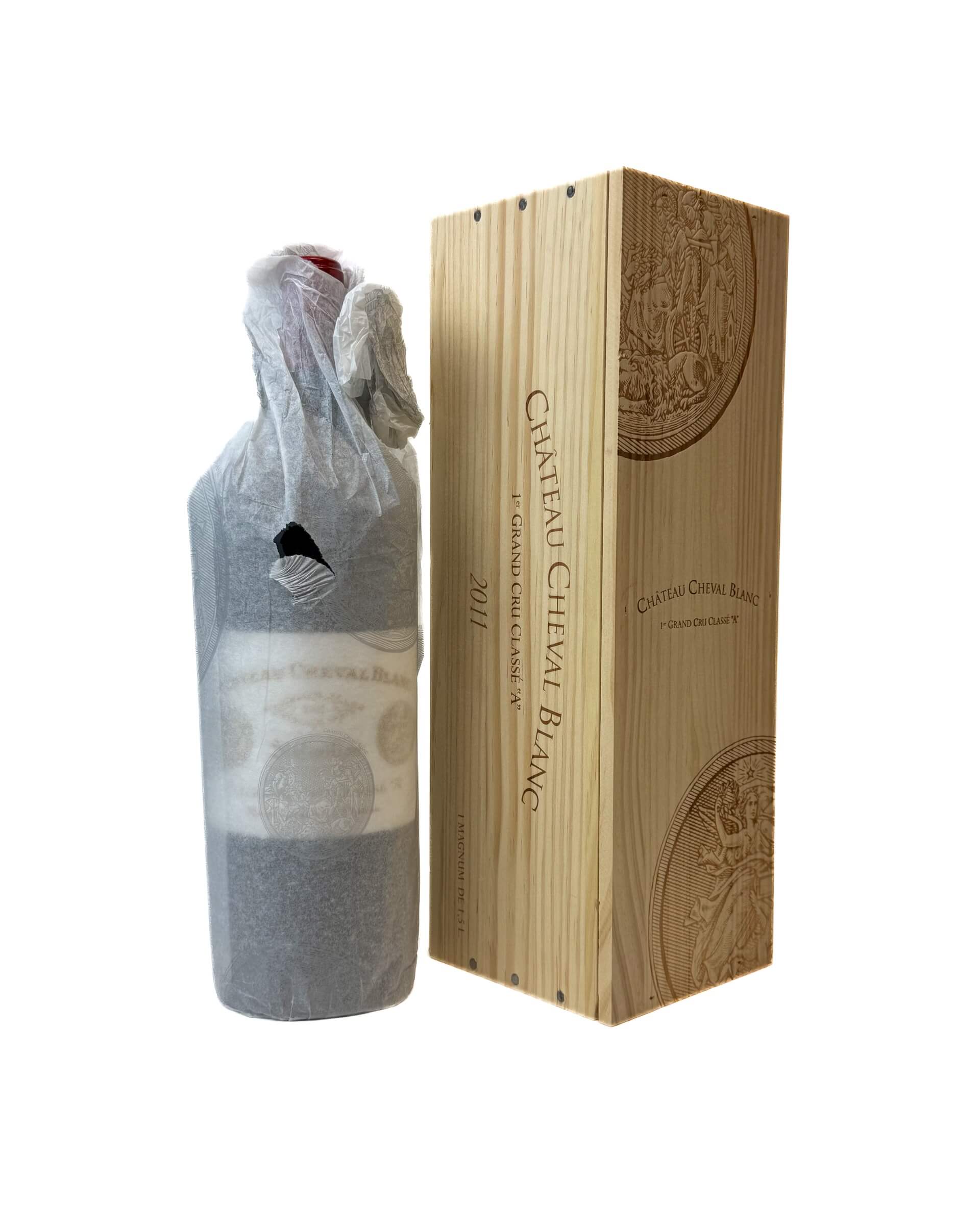
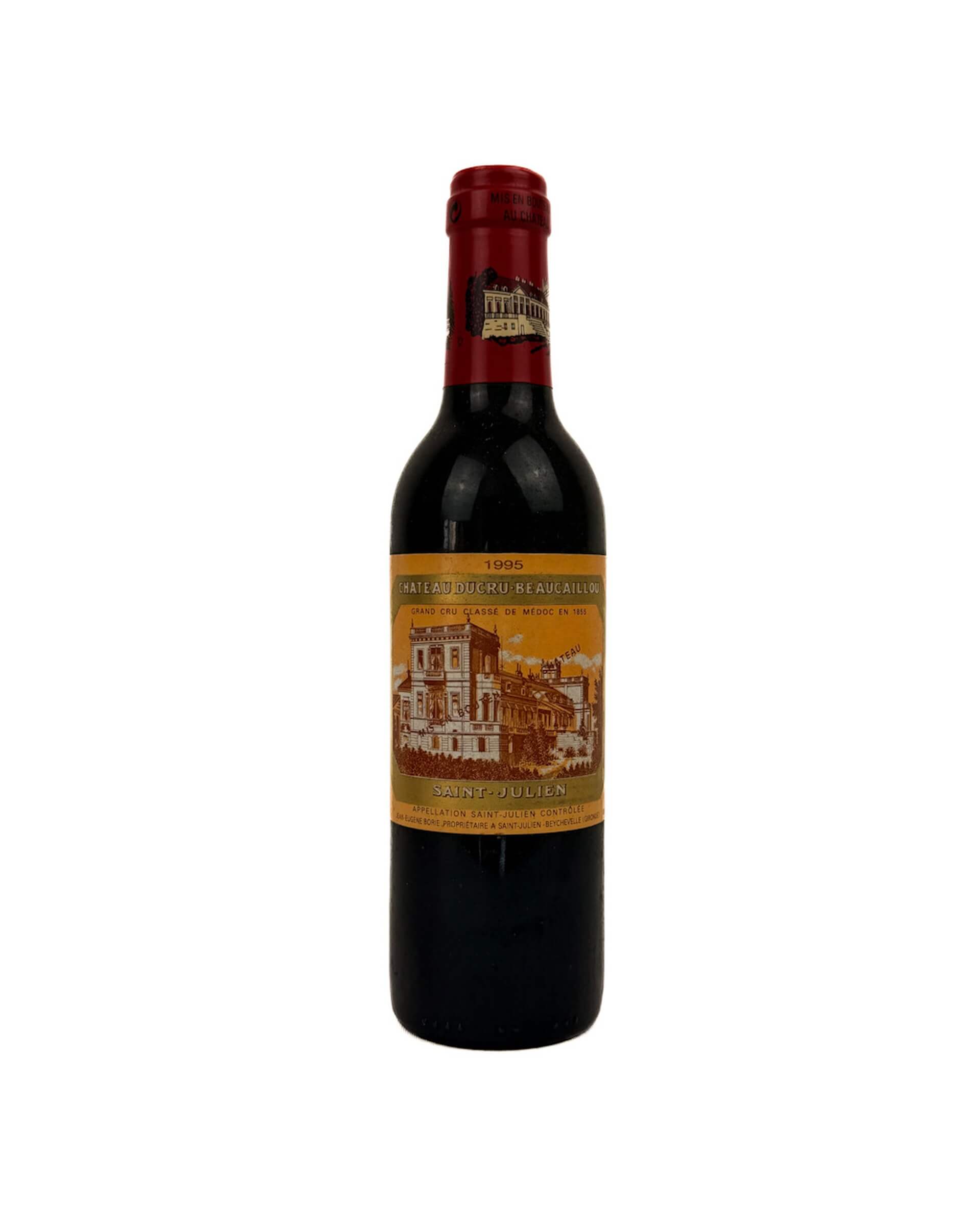
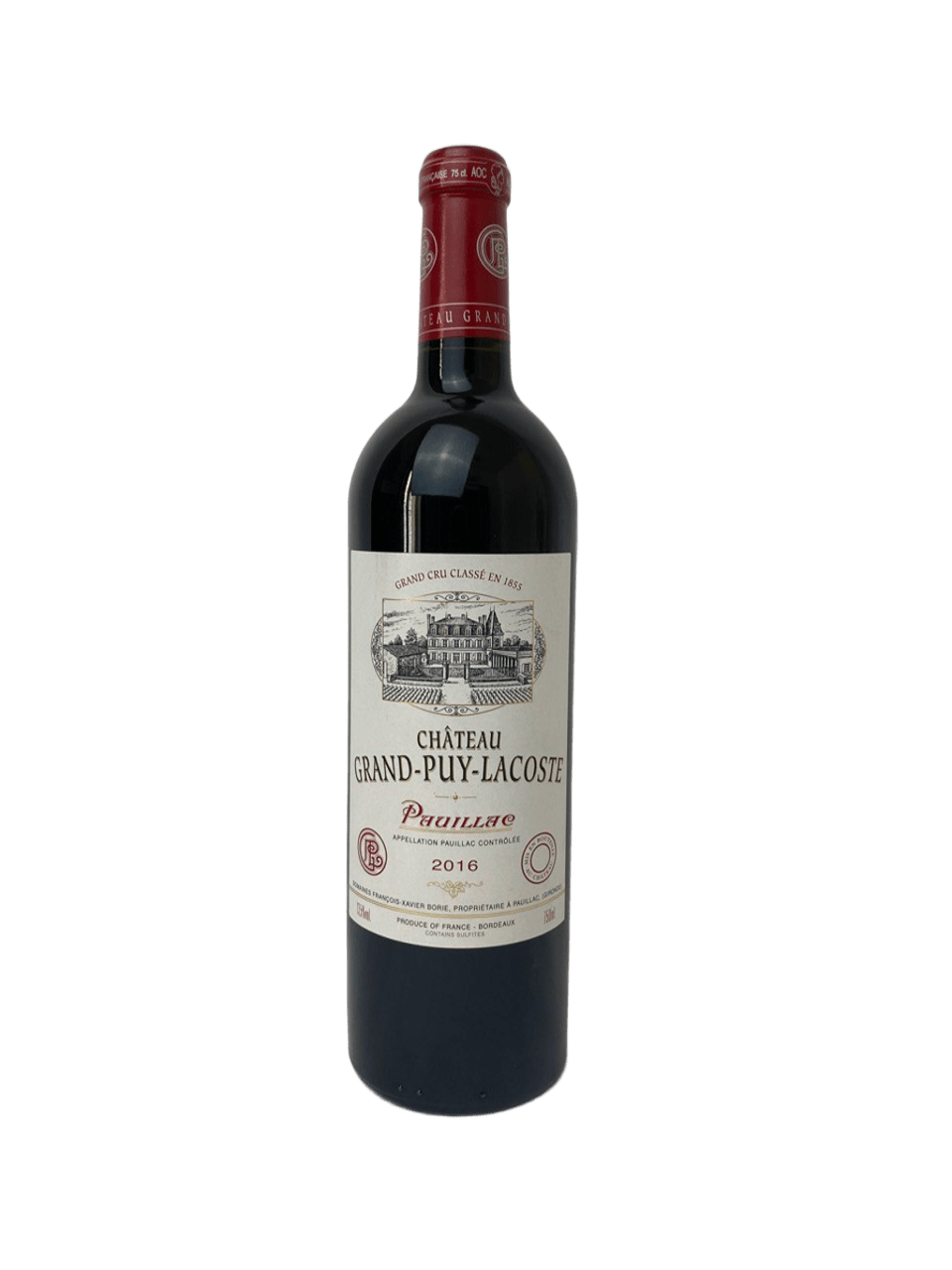
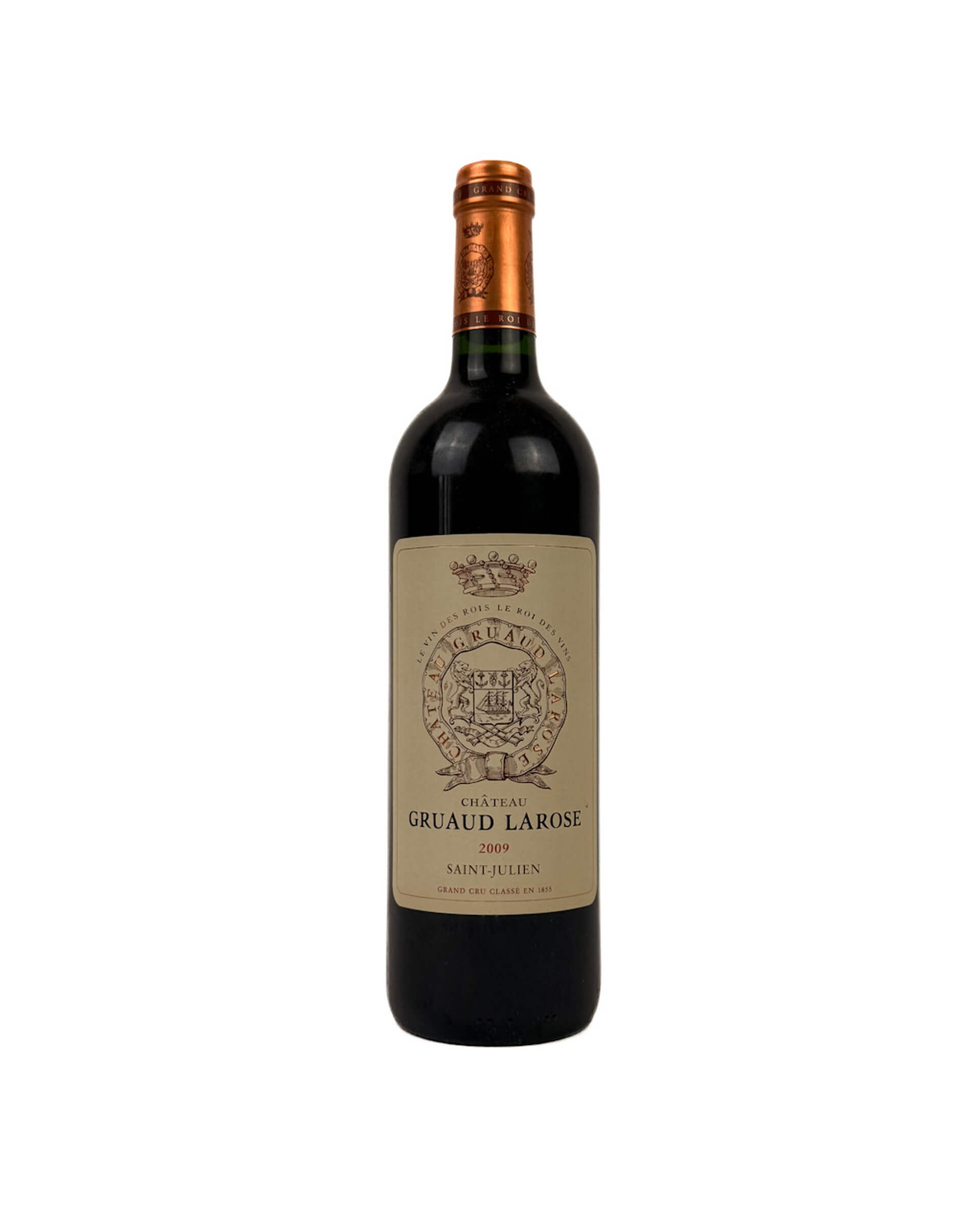
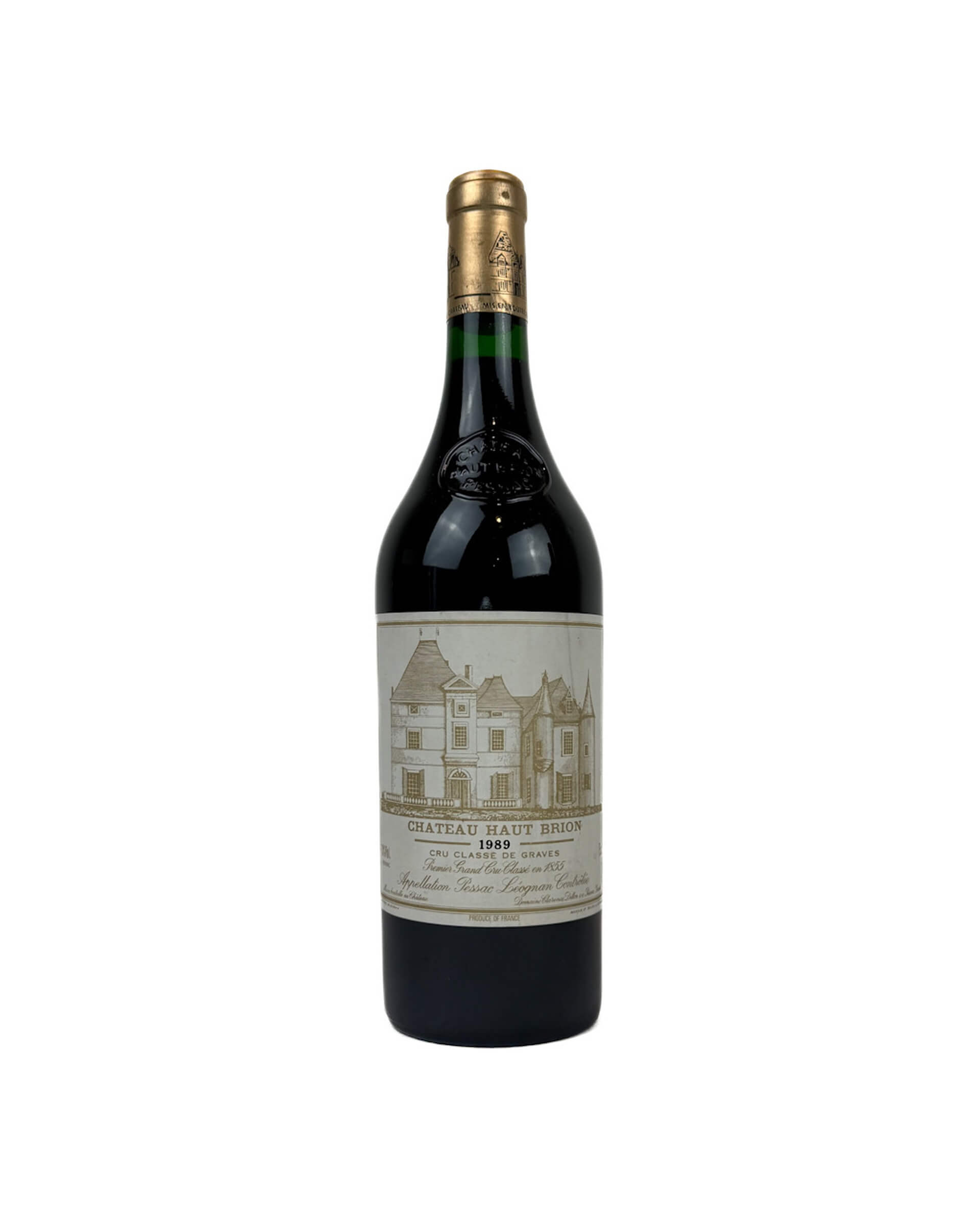
Bordeaux is the world’s benchmark for age-worthy blended reds, and our 178-bottle selection spans both banks of the Gironde. On the Left Bank — Médoc, Pauillac, Saint-Julien, Margaux — Cabernet Sauvignon leads, giving structured, cedar-scented wines built on firm tannins and dark fruit. On the Right Bank — Saint-Émilion and Pomerol — Merlot dominates, producing plusher, plum-and-chocolate wines that drink well younger, with names such as Château Pavie and Pomerol’s Pétrus among the most sought-after. The 1855 Classed Growth hierarchy still shapes how the region’s châteaux are valued. Bordeaux is rich enough to merit its own dedicated page, so for deeper appellation coverage, browse our Bordeaux collection.
Rhône Valley — Syrah, Grenache, and Two Distinct Styles
The Rhône Valley is really two regions in one, and the distinction matters when you buy. The Northern Rhône is Syrah country, home to the powerful, age-worthy reds of Hermitage and Côte-Rôtie — peppery, perfumed with dark olive and smoked meat, and capable of decades in the cellar, with benchmark estates such as Jean-Louis Chave and Guigal. The Southern Rhône is Grenache-led, where warm, spiced, red-fruited blends culminate in Châteauneuf-du-Pape. Our 11-bottle Rhône selection focuses on serious Northern Rhône producers. To compare both styles, shop Rhône wines.
Alsace — Aromatic Whites at France’s Eastern Frontier
Alsace is among the most underrated regions in France. Sheltered by the Vosges mountains on France’s eastern frontier, it grows grape varieties shared with Germany — Riesling, Gewurztraminer, and Pinot Gris — but bottles them in a distinctly French idiom that is dry or gently off-dry, never sweetly Germanic. Producers such as Trimbach and Zind-Humbrecht make what many experts consider France’s finest dry Riesling: razor-sharp, mineral, scented with apricot and citrus, and superb with the cuisine of the region. Its Grand Cru vineyards are strictly delimited. For aromatic whites unlike anything else in France, discover Alsace wines.
Loire Valley — Sauvignon Blanc, Chenin Blanc, and Elegant Reds
Stretching from the Atlantic coast inland along France’s longest river, the Loire Valley spans more distinct white-wine appellations than almost any other French region, from Muscadet at the coast to Sancerre nearly 400 km inland. Sauvignon Blanc reaches its flinty, citrus-driven peak in Sancerre and Pouilly-Fumé — where growers such as Didier Dagueneau redefined the style — while Muscadet offers saline, oyster-friendly freshness near the coast. Chenin Blanc gives the honeyed, long-lived whites of Vouvray. The Loire also makes elegant, gently herbal reds from Cabernet Franc in Chinon and Bourgueil. It is the ideal region for anyone searching for French white wine with vivid acidity. Explore Loire Valley bottlings that rarely reach mainstream retail.
Beaujolais — Gamay and France’s Most Approachable Reds
Beaujolais is the most accessible entry into French red wine. Made from Gamay, it ranges from joyful, fruit-forward Beaujolais Nouveau to the structured cru wines of Morgon, Moulin-à-Vent, and Fleurie — the cru bottlings of growers such as Marcel Lapierre can age and rival lighter Burgundy. Bright, juicy, and food-friendly, it is the perfect entry-level French wine for anyone intimidated by Burgundy and Bordeaux pricing. Shop Beaujolais to begin.
French Wine by Grape Variety — A Buyer’s Shortcut
Many buyers now shop by grape rather than region. This shortcut maps France’s signature varieties to their home appellations and the style each delivers, giving you a fast way to find the French wine that suits your palate.
- Pinot Noir (Burgundy, Alsace, Loire) — silky, red cherry, earthy; Burgundy Grand Cru is the global benchmark.
- Chardonnay (Burgundy, Champagne) — from lean Chablis to rich Meursault; the world’s reference white grape.
- Cabernet Sauvignon (Bordeaux Left Bank) — structured, dark fruit, cedar; built for long ageing.
- Merlot (Bordeaux Right Bank) — plum, chocolate, rounder tannins; more approachable young.
- Syrah (Northern Rhône) — pepper, dark olive, smoked meat; powerful and age-worthy.
- Grenache (Southern Rhône) — red fruit, warmth, spice; the backbone of Châteauneuf-du-Pape.
- Riesling (Alsace) — apricot, citrus, razor acidity; dry or off-dry, always precise.
- Sauvignon Blanc (Loire — Sancerre, Pouilly-Fumé) — citrus, fresh-cut grass, flinty minerality; France’s freshest white.
French Wine Classifications — What the Label Tells You
French wine labels speak a language of place and quality. Once you can read the three classification systems below, the label tells you where a wine comes from, how strictly it was made, and how prestigious its vineyard is. Together with the appellation name, these are the most reliable signals of style and ageing potential a buyer can rely on, and the reason French wine commands the trust it does worldwide.
- AOC / AOP — France’s quality backbone. An appellation name on the label guarantees the wine was produced within a defined zone to approved methods. Most wines in our France selection carry an AOC/AOP designation.
- Grand Cru Classé (Bordeaux) — refers to the 1855 classification of Médoc châteaux into five growth tiers, plus the parallel Saint-Émilion ranking. It is a buying signal for prestige and age-worthiness.
- Grand Cru (Burgundy & Alsace) — denotes the finest individual vineyard sites, strictly regulated and tiny in production. Burgundy Grand Cru Pinot Noir and Chardonnay represent the apex of those varieties. Browse Grand Cru wines across regions.
Food and Serving Guide for French Wine
Pairing French wine with food is half its pleasure, and serving temperature matters as much as the match. Use this regional guide as a starting point for the table.
- Burgundy (red) — roast duck, beef bourguignon, wild-mushroom risotto, aged Comté; serve at 16–18°C.
- Burgundy (white) — lobster, scallops, roast chicken, soft-rind cheeses; serve at 12–14°C.
- Bordeaux — rack of lamb, aged rib-eye, roast pigeon, hard cheeses; serve at 17–19°C.
- Rhône (red) — côte de boeuf, lamb daube, tapenade, grilled sausages; serve at 16–18°C.
- Alsace (white) — choucroute, onion tart, Munster cheese, smoked salmon; serve at 8–10°C.
- Loire (white) — goat’s cheese such as Crottin de Chavignol, oysters, asparagus; serve at 8–10°C.
- Beaujolais — charcuterie, grilled chicken, light pasta, picnic fare; serve lightly chilled at 13–15°C.
How to Choose and Buy French Wine — A Buyer’s Guide
Our French wine catalogue spans all six regions across 507 bottles, and its full price architecture is worth understanding before you buy. The most accessible AOC bottles start at €15, the tenth percentile sits at €135, and the catalogue median is €500 — a figure that reflects our deliberate focus on domaine wines at premier and grand cru quality. The top tenth of the range climbs past €3,100, and the ceiling of €43,000 belongs to a handful of exceptional allocated rarities. To find the best French wine for your occasion, work outward from the four practical tiers below.
- Entry (€15–€135) — regional AOC wines, village-level Burgundy from growers such as Domaine Faiveley, Bordeaux AOC, and cru Beaujolais. Best for everyday drinking, discovering a region, and confident casual gifts.
- Core (€135–€500) — Premier Cru Burgundy, Classed Growth Bordeaux, estate Rhône, and Alsace Grand Cru from houses like Trimbach. Best for dinner parties, serious gifts, and five-to-ten-year cellaring.
- Fine wine (€500–€3,100) — Grand Cru Burgundy from estates such as Domaine Armand Rousseau, First and Second Growth Bordeaux, and top Rhône domaines like Chave. Best for collectors, special occasions, and ten-to-twenty-five-year cellaring.
- Exceptional (€3,100–€43,000) — rare allocated cuvées, exceptional vintages, and iconic domaines for serious collectors and investment cellars.
Because the median bottle sits at €500, our catalogue leans deliberately toward quality estates rather than volume. If you are new to French fine wine, you are well served starting between €135 and €500 with a village or Premier Cru-level bottle, then trading up as your palate develops.
Frequently Asked Questions
What are the main wine regions of France?
France’s six most commercially significant wine regions are Burgundy, Bordeaux, the Rhône Valley, Alsace, the Loire Valley, and Beaujolais. Champagne is a seventh, famous exclusively for its sparkling wine. Each produces distinct styles shaped by climate, soil, and tradition. Burgundy and Bordeaux carry the greatest global prestige, while the Loire and Alsace offer some of France’s most exciting and often better-value bottles.
What is the difference between Burgundy and Bordeaux?
Burgundy produces single-varietal wines — Pinot Noir for reds and Chardonnay for whites — from individual vineyard sites and classified crus in the Côte d’Or. Bordeaux produces blended wines, chiefly Cabernet Sauvignon with Merlot on the Left Bank and Merlot with Cabernet Franc on the Right Bank, from estate châteaux organised by classification. Both age for decades; Burgundy tends toward elegance, Bordeaux toward structure.
How should I choose a French wine as a gift?
For a bottle around €135 to €500, a village-level Burgundy such as a Gevrey-Chambertin from Domaine Faiveley, or a Classed Growth Bordeaux from Saint-Julien or Margaux, makes a confident, impressive gift. Above €500, a Premier Cru Burgundy or a Grand Cru from the Côte de Nuits — Domaine Armand Rousseau, for example — communicates real connoisseurship. For something unusual, an Alsace Grand Cru Riesling from Trimbach or a Northern Rhône Hermitage from Chave is rarely found in mainstream retail.
Which French wine vintages should I prioritise?
Vintage matters most for age-worthy reds. In Burgundy, 2015, 2019, and 2020 produced concentrated, structured wines built for the cellar, while 2017 and 2021 are more delicate and approachable sooner. In Bordeaux, 2015, 2016, and 2019 are widely regarded as outstanding across both banks, and 2018 offers ripe, generous reds. For the Northern Rhône, 2015 and 2019 are benchmark Syrah years. When a vintage is exceptional, the wine drinks well for longer and ages with more grace; in lighter years, choose top producers, whose skill narrows the gap. Each bottle on the relevant region page lists its vintage so you can match it to your drinking window.
Are French wines priced in euros on Tour de Wine?
Yes, all prices on Tour de Wine are in euros (EUR). We are a French merchant and our bottles ship from France, reflecting the same pricing structure as buying from a French cave or négociant. The full price range — from the most accessible bottles to rare allocated cuvées — is set out in our buyer’s guide above.
Written by the Tour de Wine buying team. Last reviewed: June 2026.