The côte de nuits is the beating heart of red Burgundy — a narrow ribbon of limestone slopes that is home to 24 of Burgundy’s 33 Grands Crus and the source of the most age-worthy Pinot Noir on earth, wines that have set the highest auction records for the grape. Our selection gathers 245 wines from this storied corridor, from accessible village bottlings to legendary Grands Crus, with prices that start from around €250 and reach up to €43,000 for the rarest cuvées. Whether you are buying your first serious Burgundy or adding a benchmark wine to your cellar, this guide explains the appellations, the classification, the vintages and the prices so you can choose with confidence.
What Is the Côte de Nuits?
The côte de nuits is the northern half of the Côte d’Or, the golden escarpment that runs through eastern France south of Dijon. It stretches roughly 20 kilometres from Marsannay and Chenôve in the north down to Corgoloin, a thin band of east- and southeast-facing vineyards rarely more than a few hundred metres wide. Beneath the vines lies a complex layering of Jurassic limestone and clay-marl, fractured by erosion so that aspect, altitude and drainage shift from one parcel to the next. It is precisely this geological mosaic — combined with cool continental temperatures and morning sun on the mid-slope — that gives the region’s reds their concentration, mineral tension and extraordinary longevity. The principal town is Nuits-Saint-Georges, which lends the sub-region its name. Most strikingly, 24 of Burgundy’s 33 Grands Crus lie within this single corridor, making it the densest concentration of top-tier burgundy grand cru vineyards anywhere. These are wines built almost entirely on pinot noir, and they set the global standard for the grape. You can explore the wider region through our Burgundy wines collection.
The Appellations
This corridor is best understood village by village, moving from north to south. Each commune-level appellation expresses Pinot Noir through a distinct lens of soil, exposure and tradition. Learning these differences is the surest way to find the style that suits your palate.
Marsannay and Fixin
The northernmost appellations offer some of the region’s best value. Marsannay is unusual in producing all three colours — red, white and a respected rosé — while neighbouring Fixin makes structured, slow-maturing reds with firm tannin and dark-cherry depth. Both reward patience and serve as an intelligent introduction to the regional style without Grand Cru pricing.
Gevrey-Chambertin
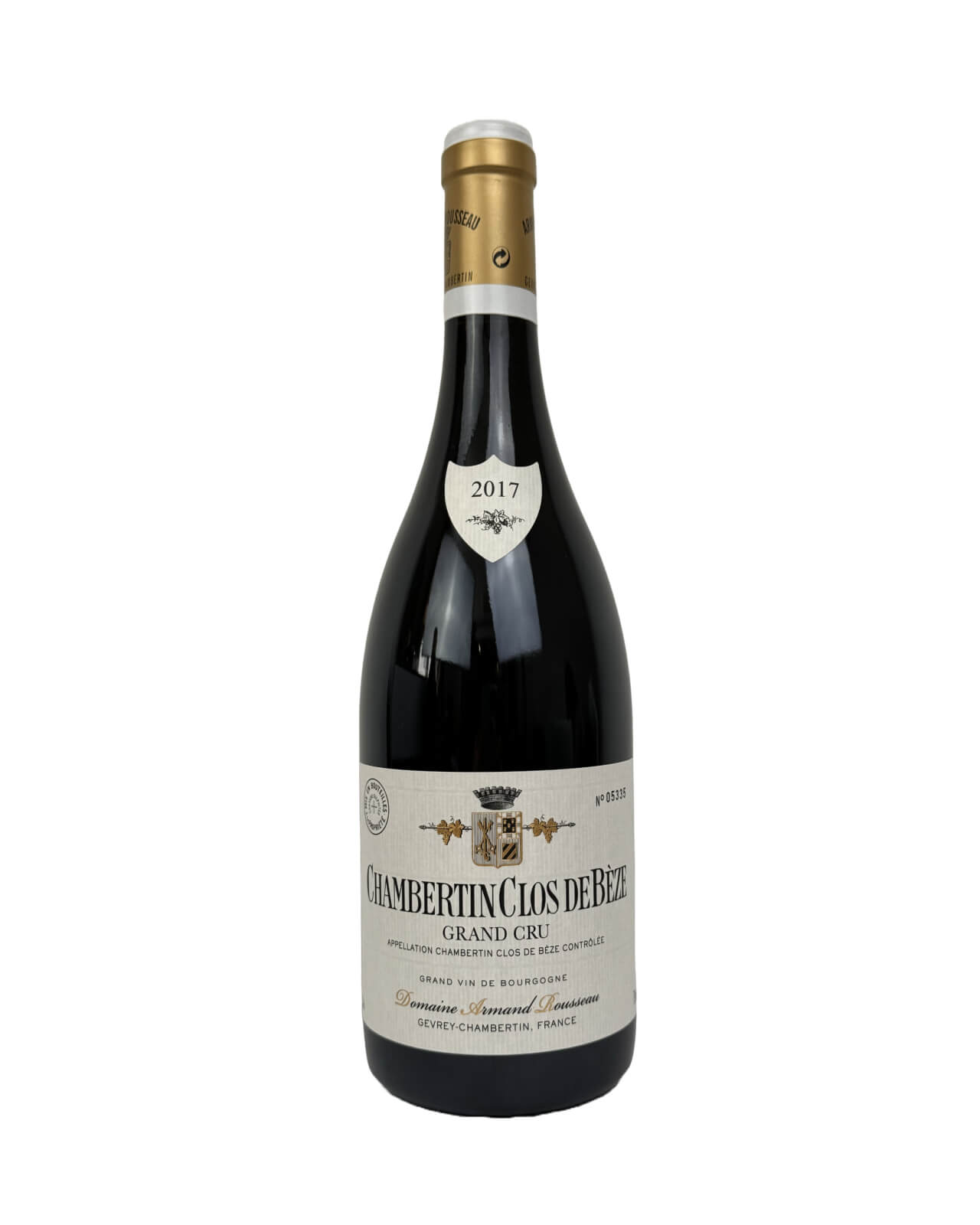
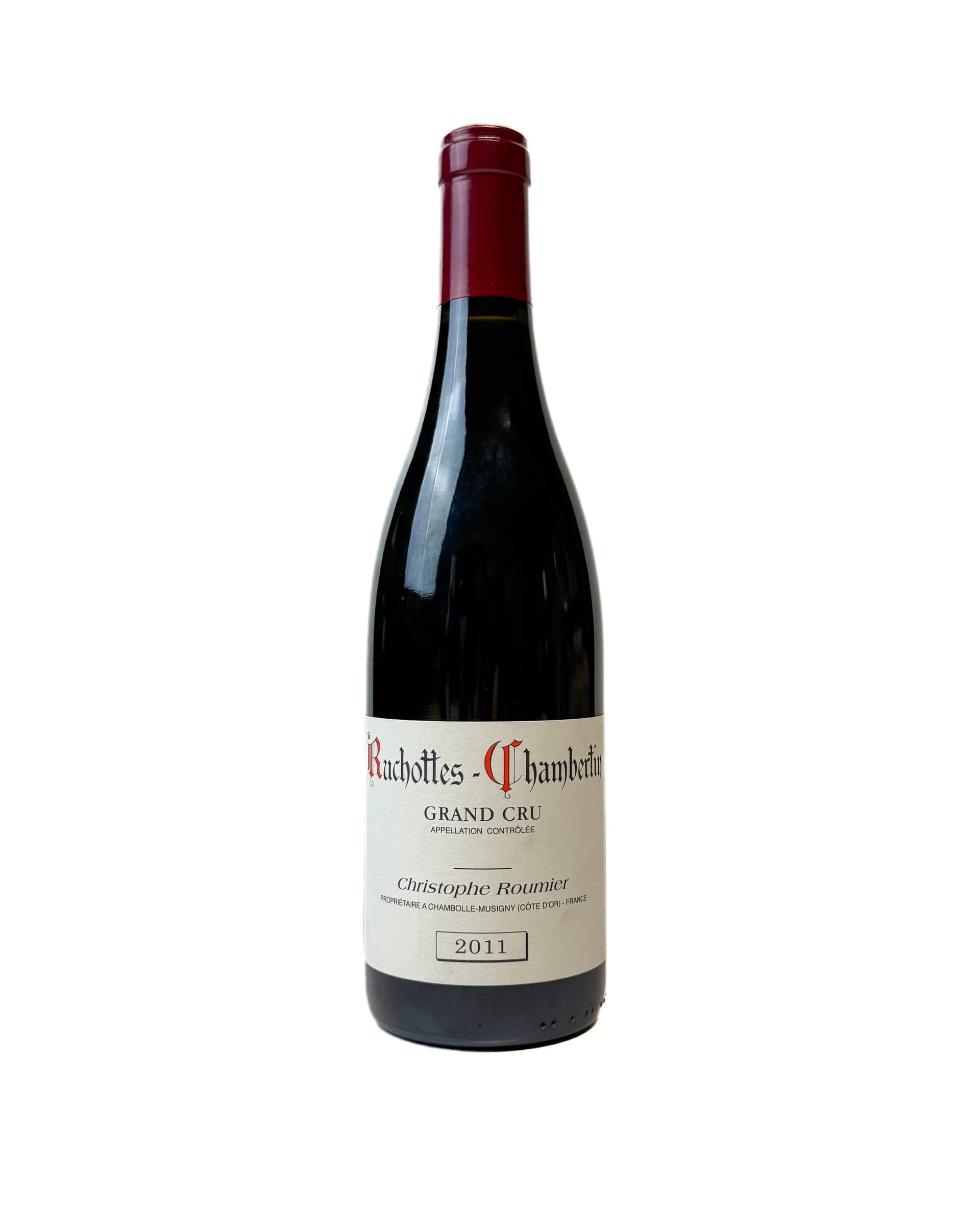
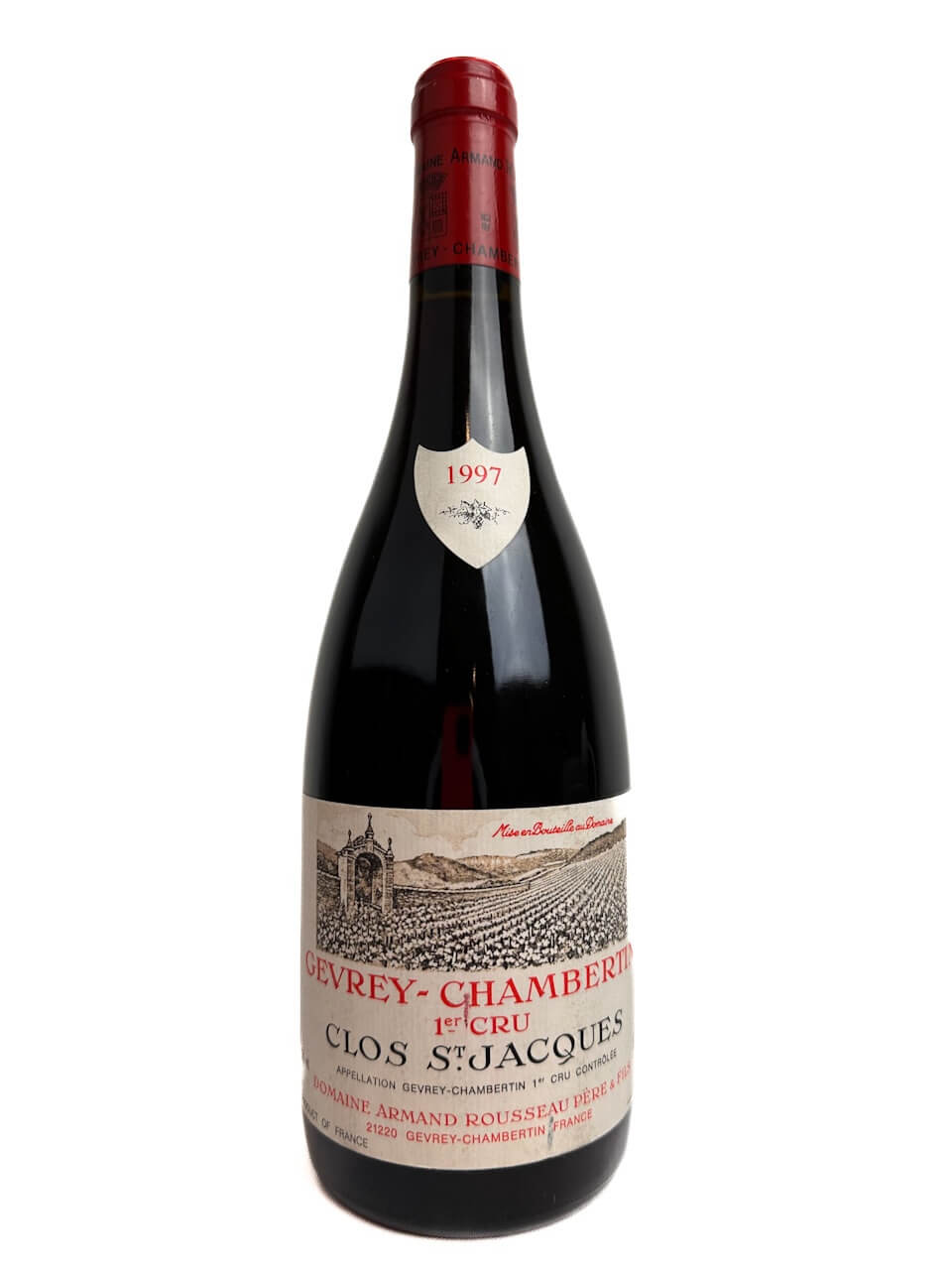
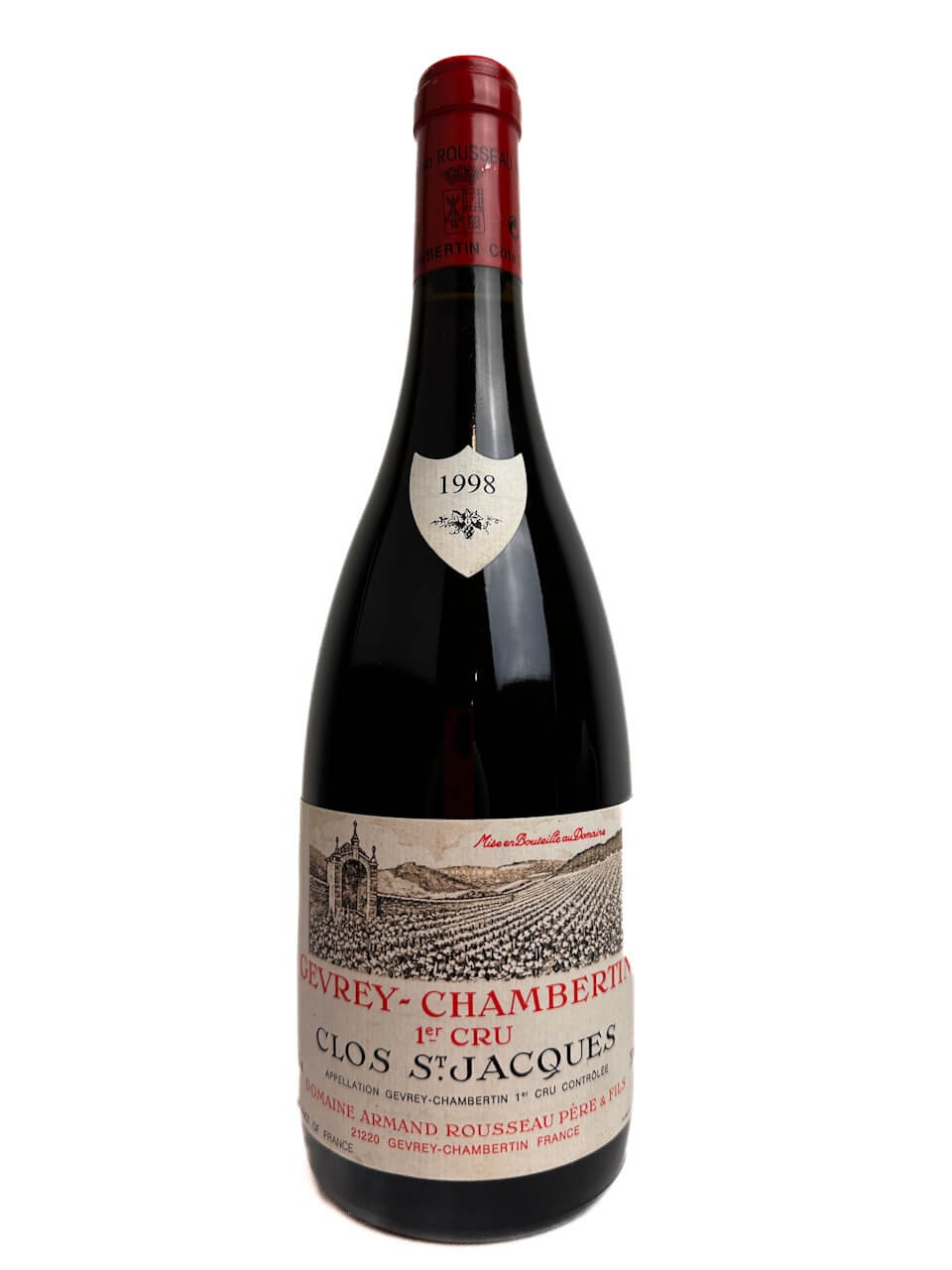
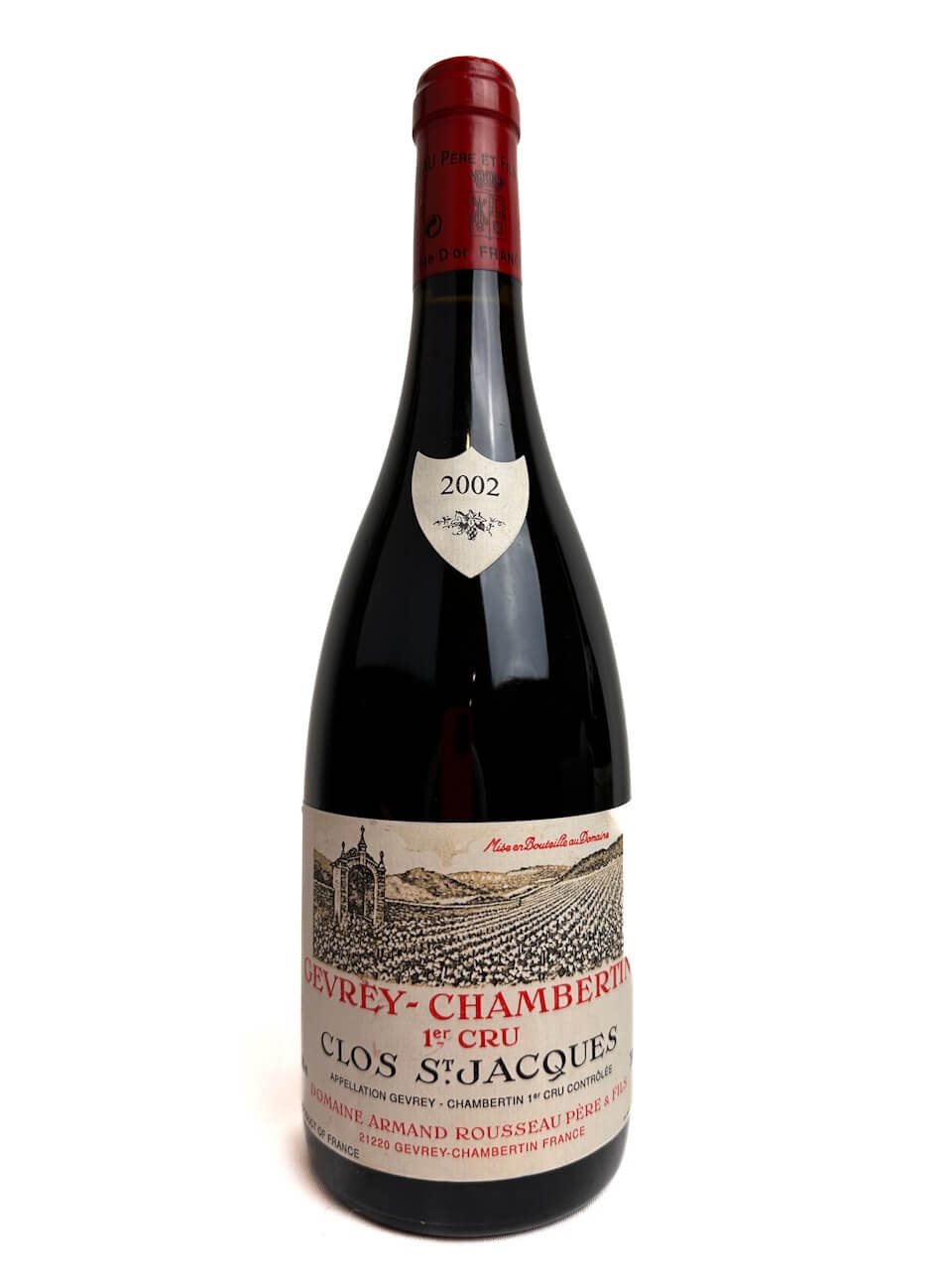
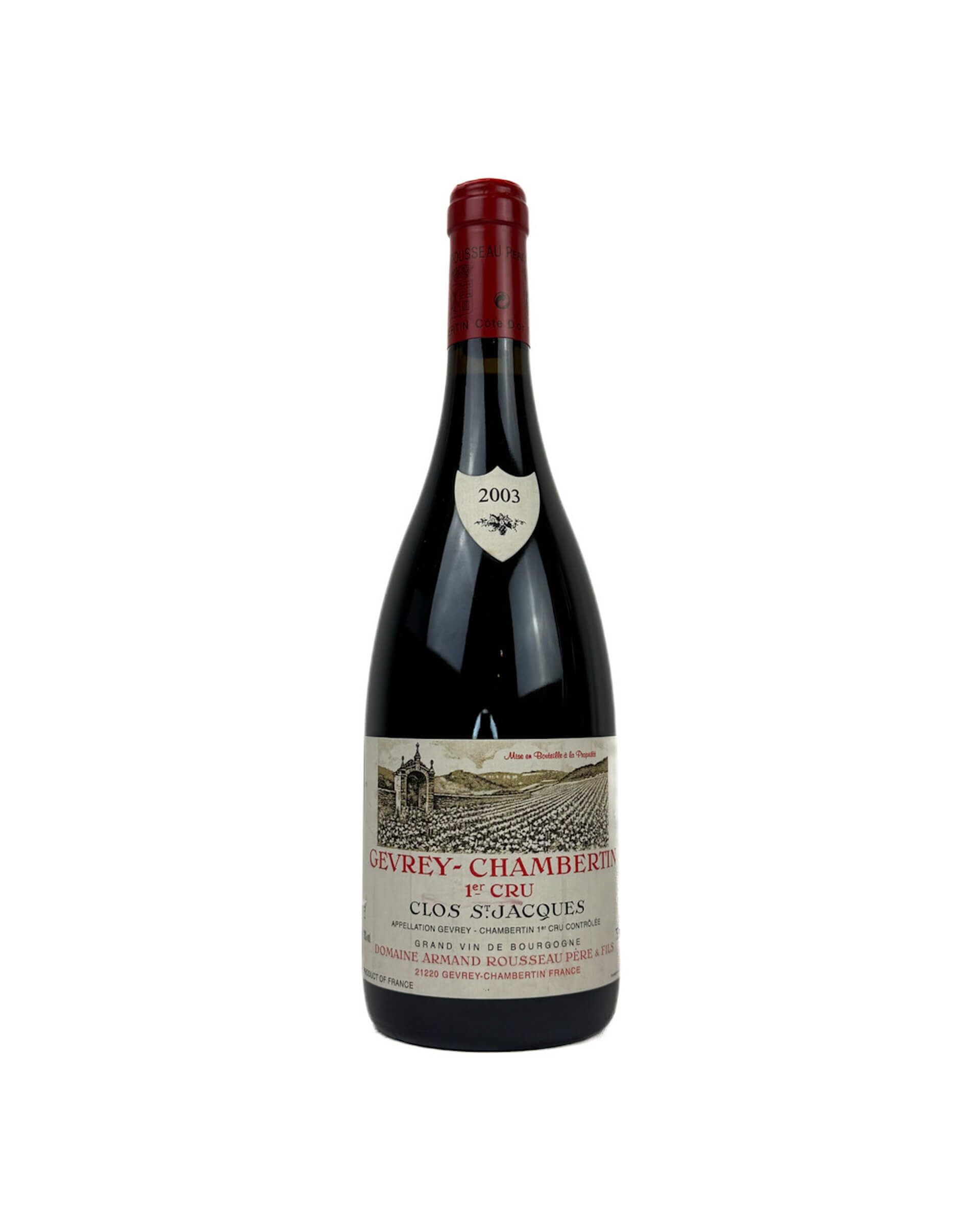
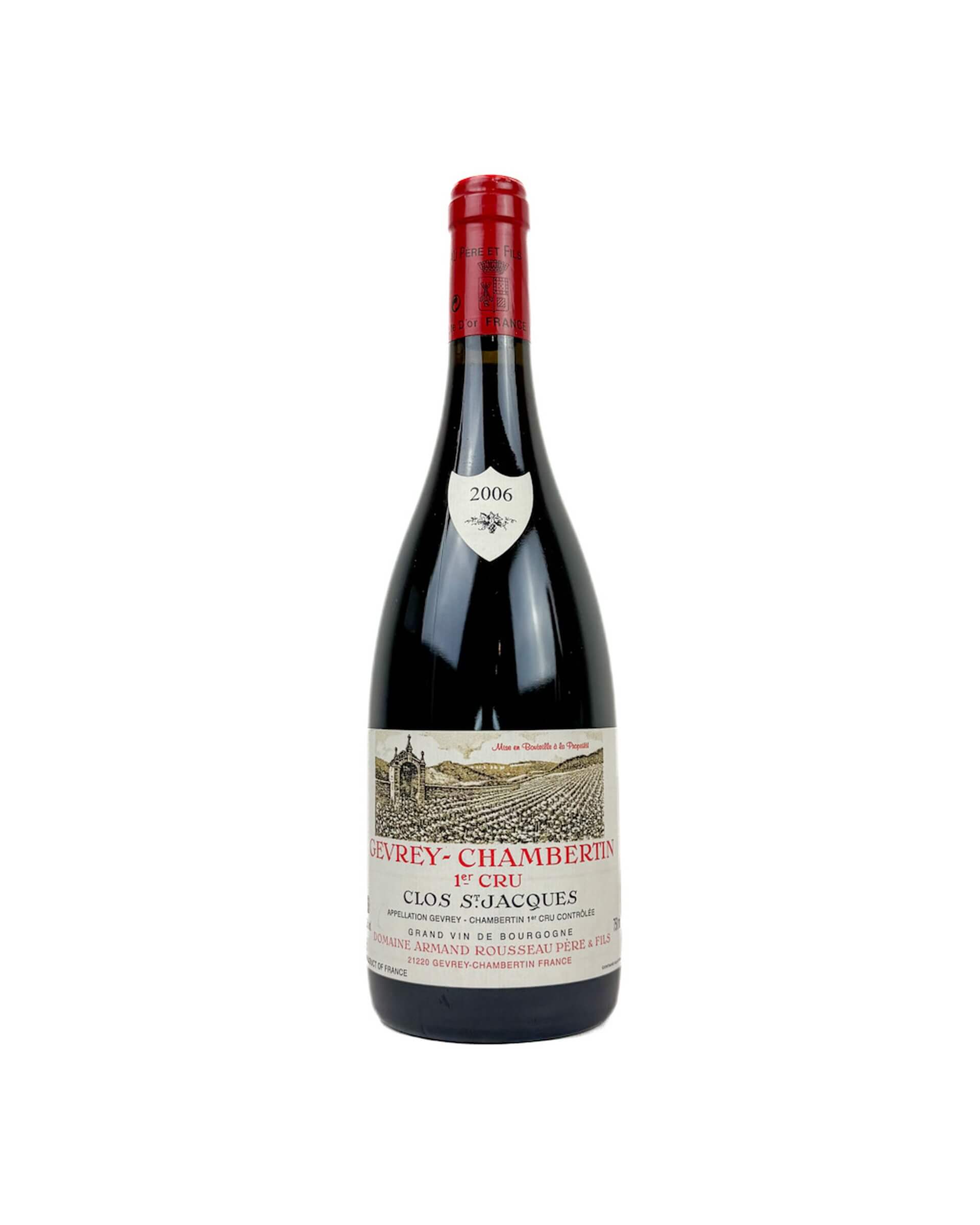
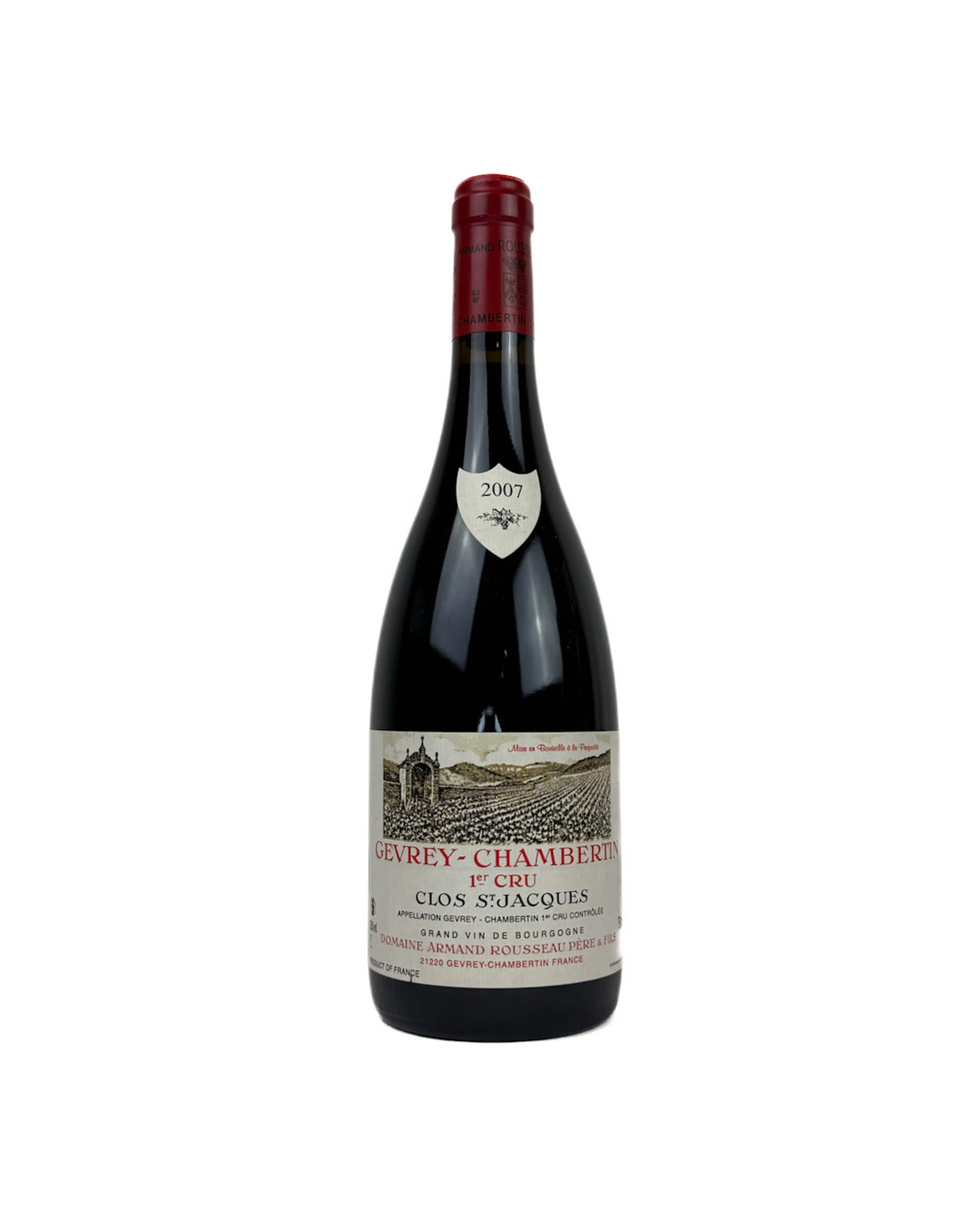
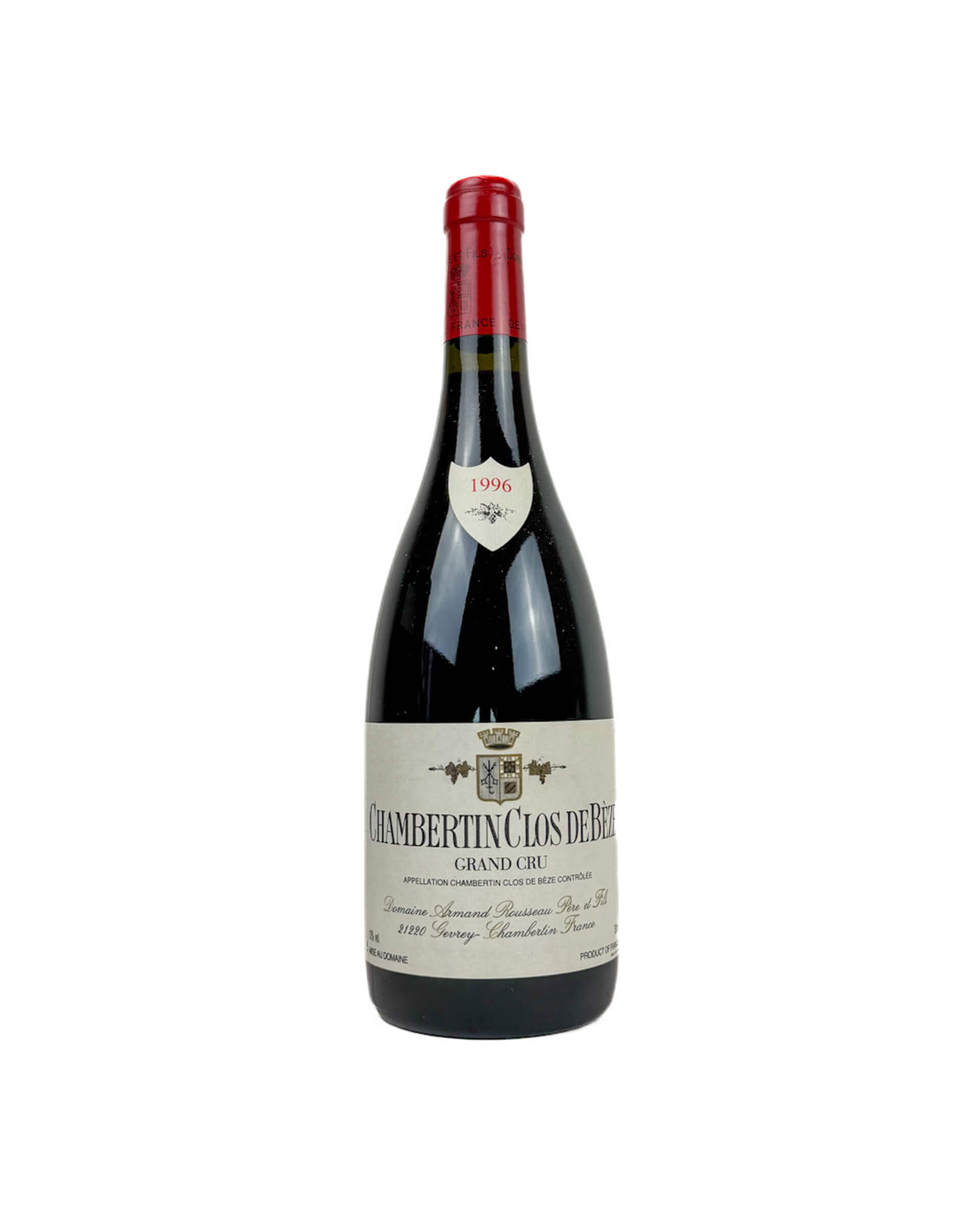
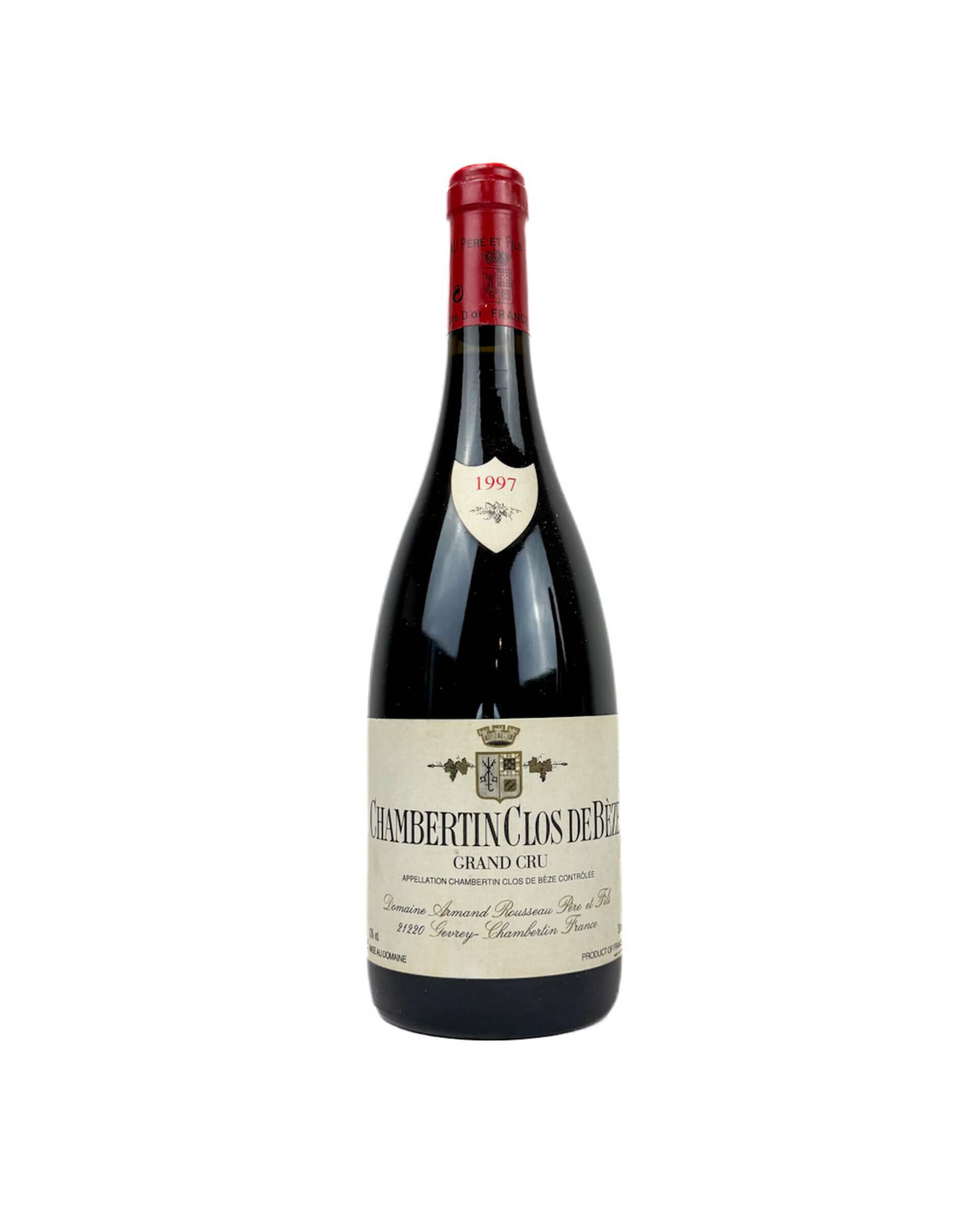
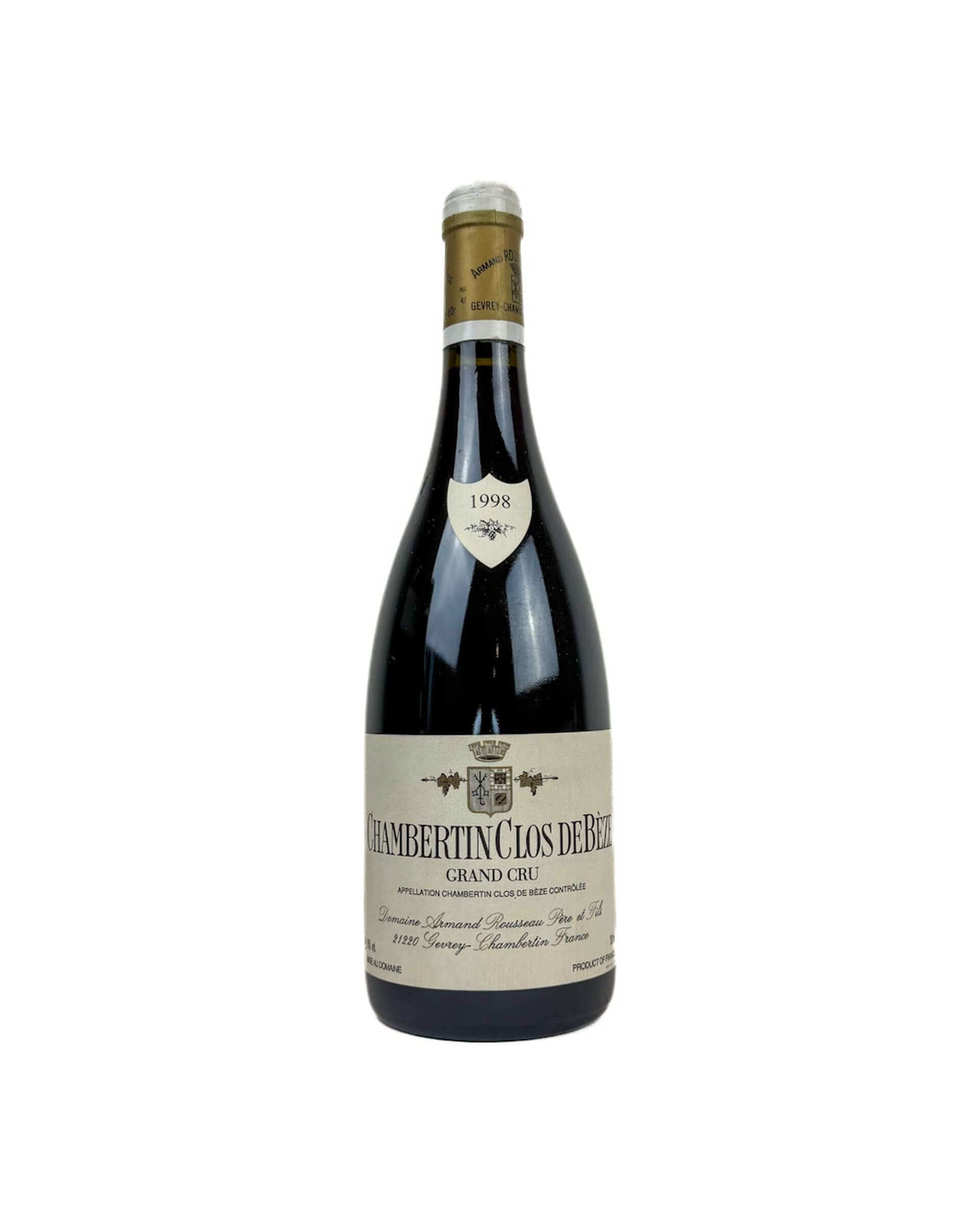
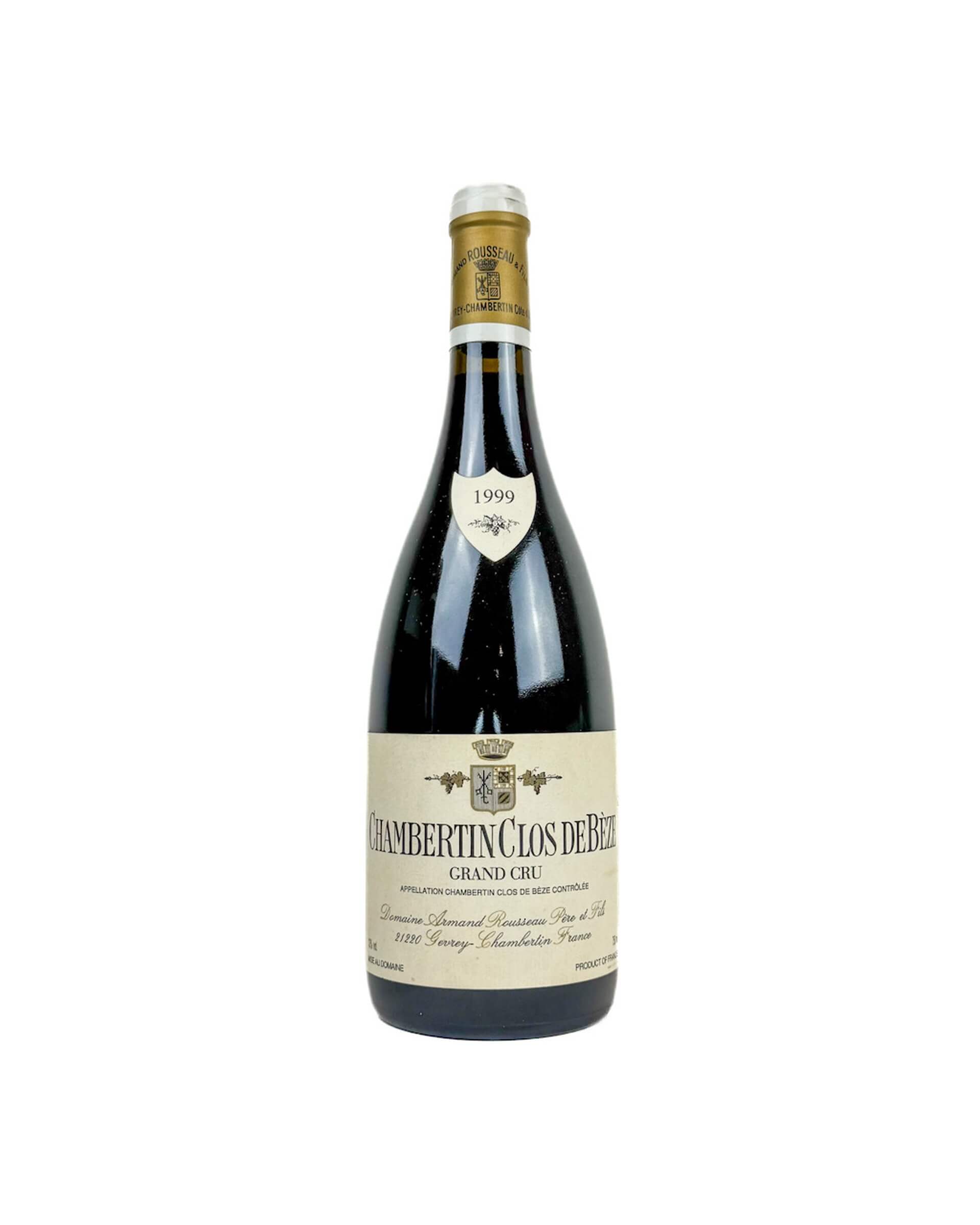
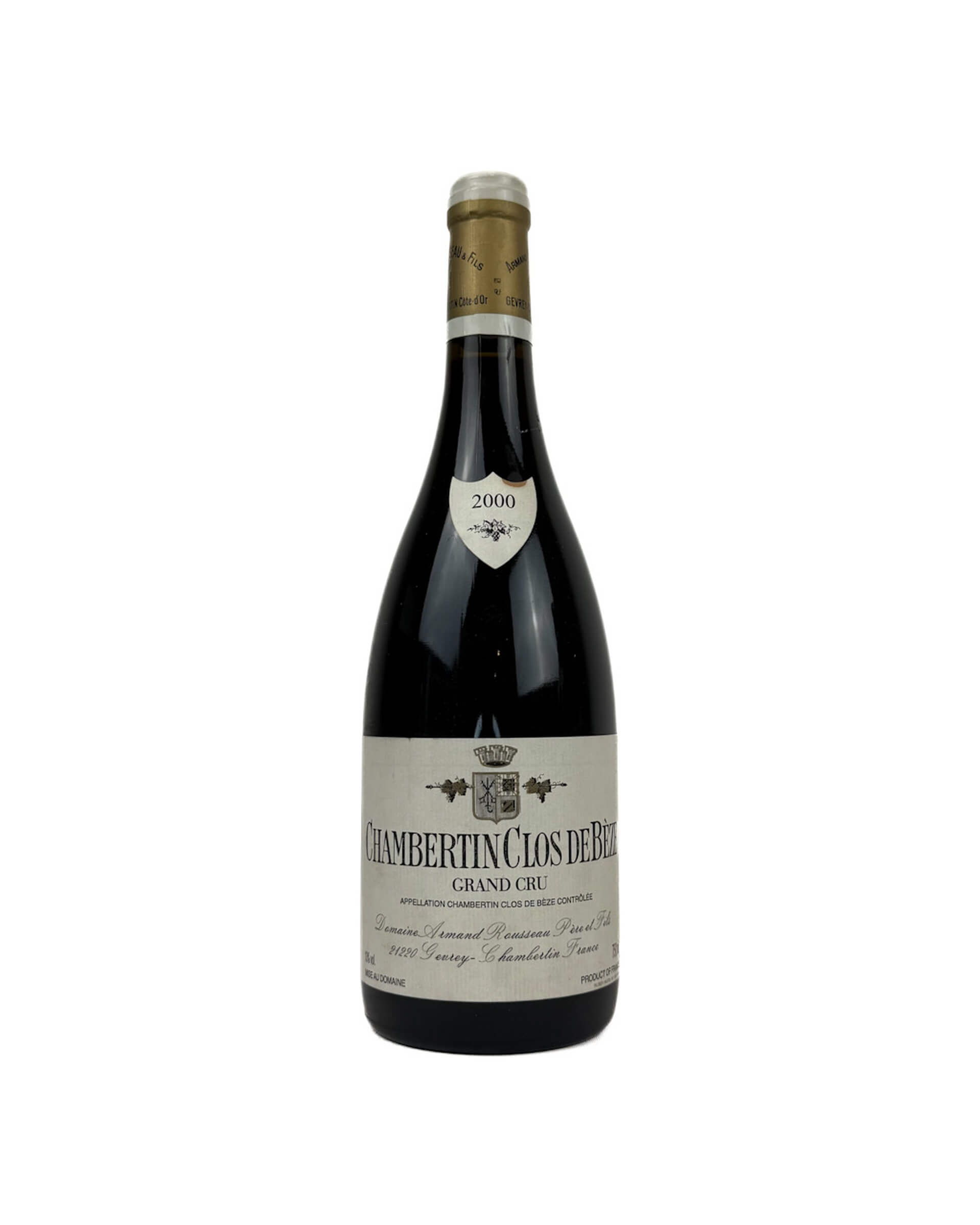
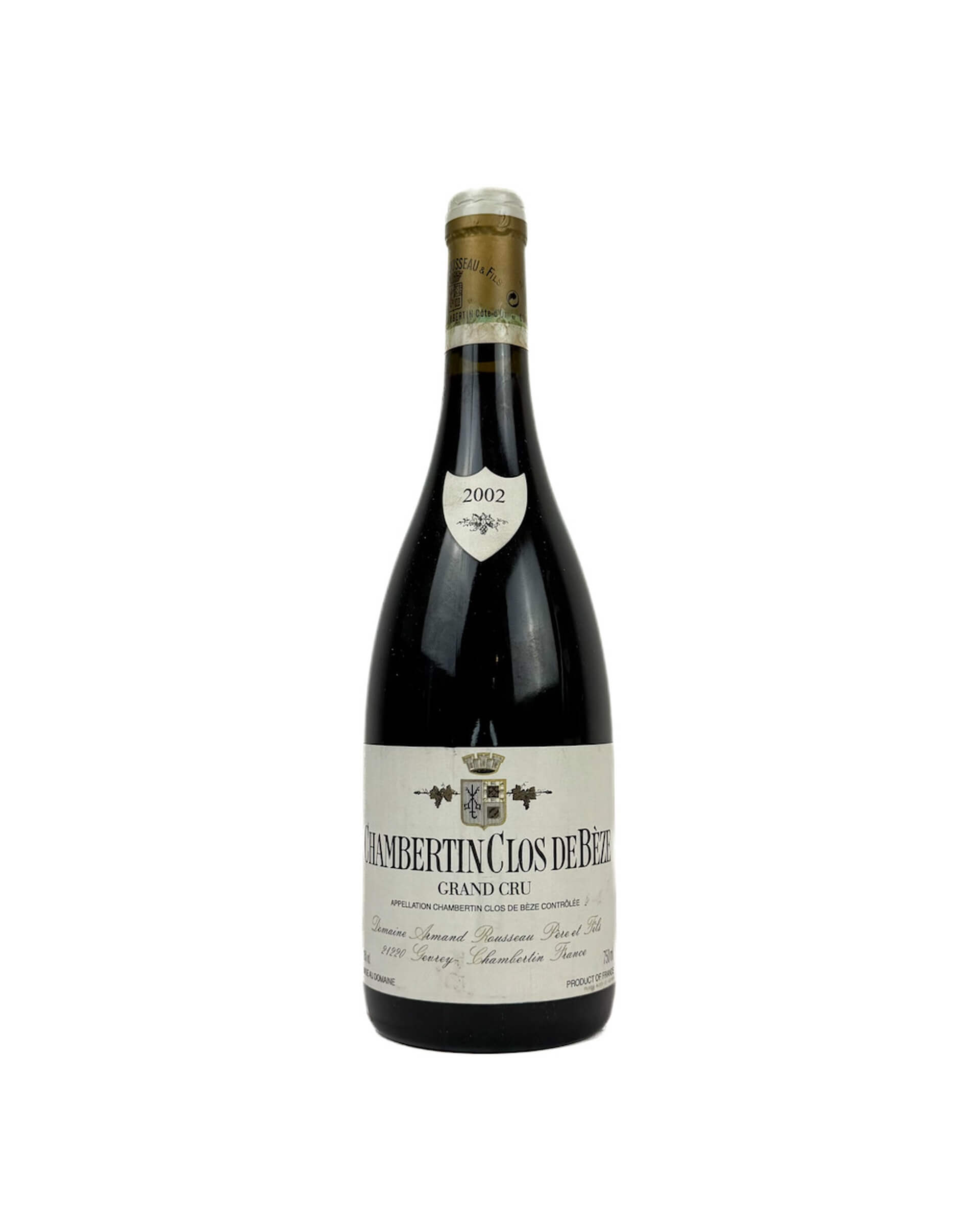
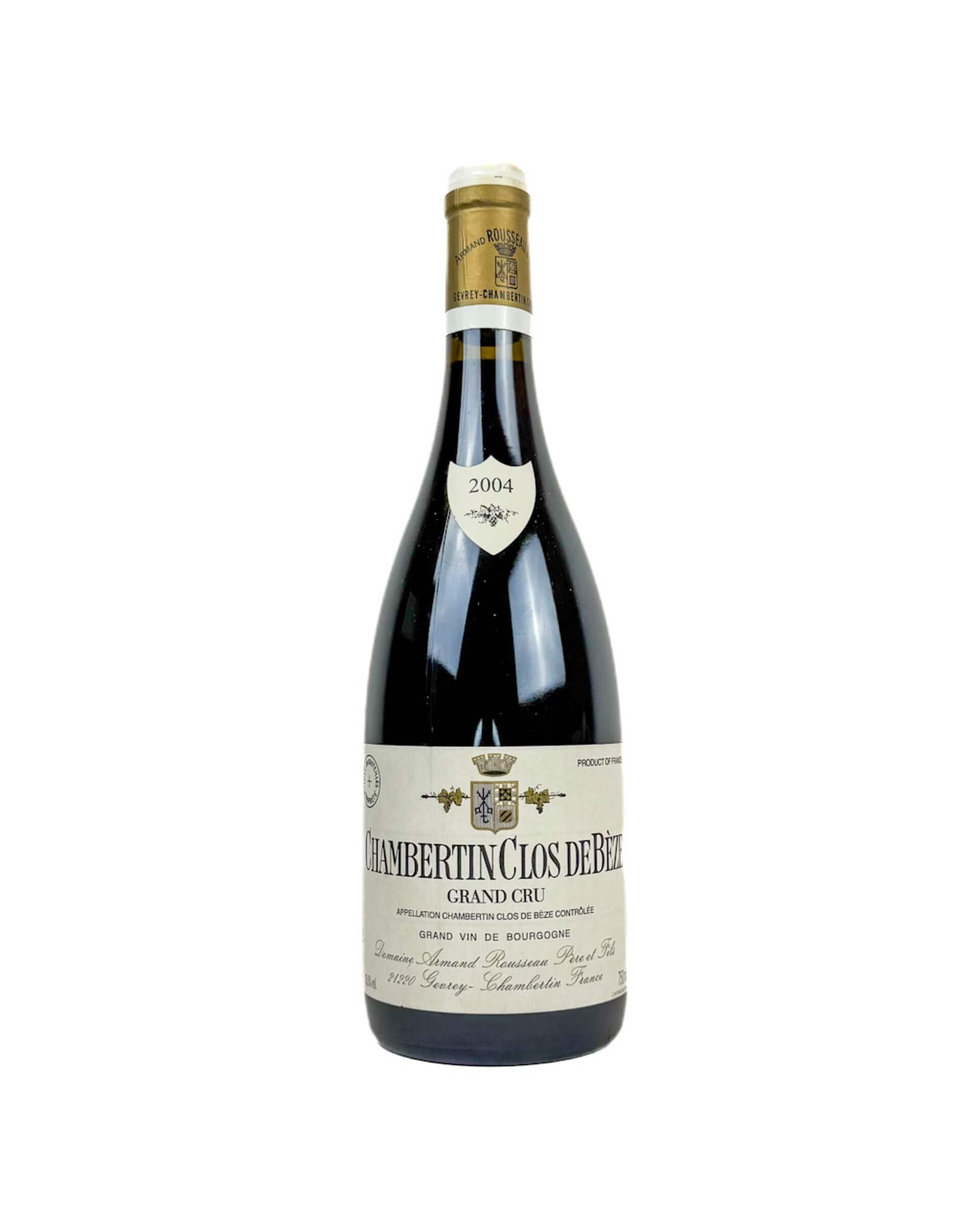
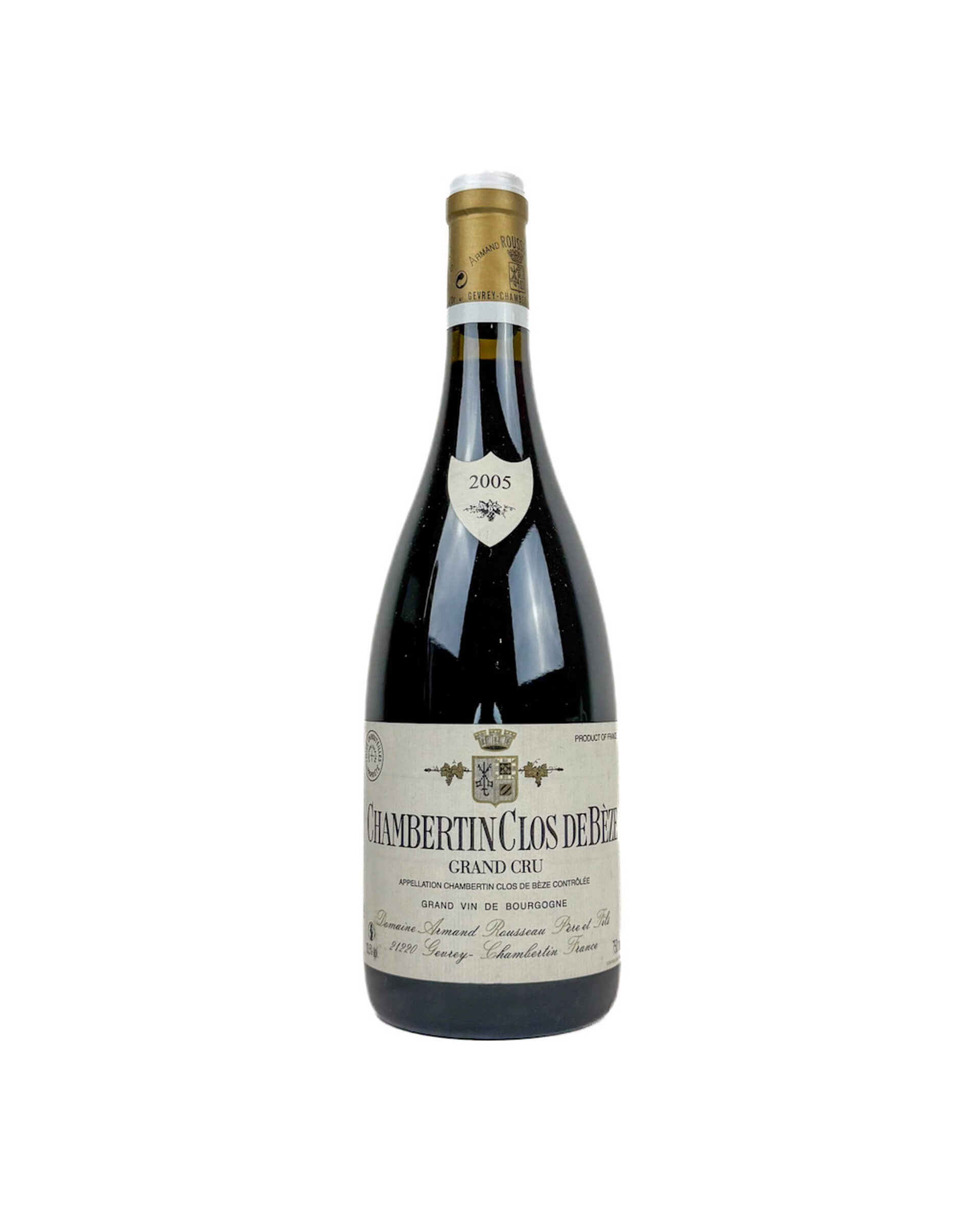
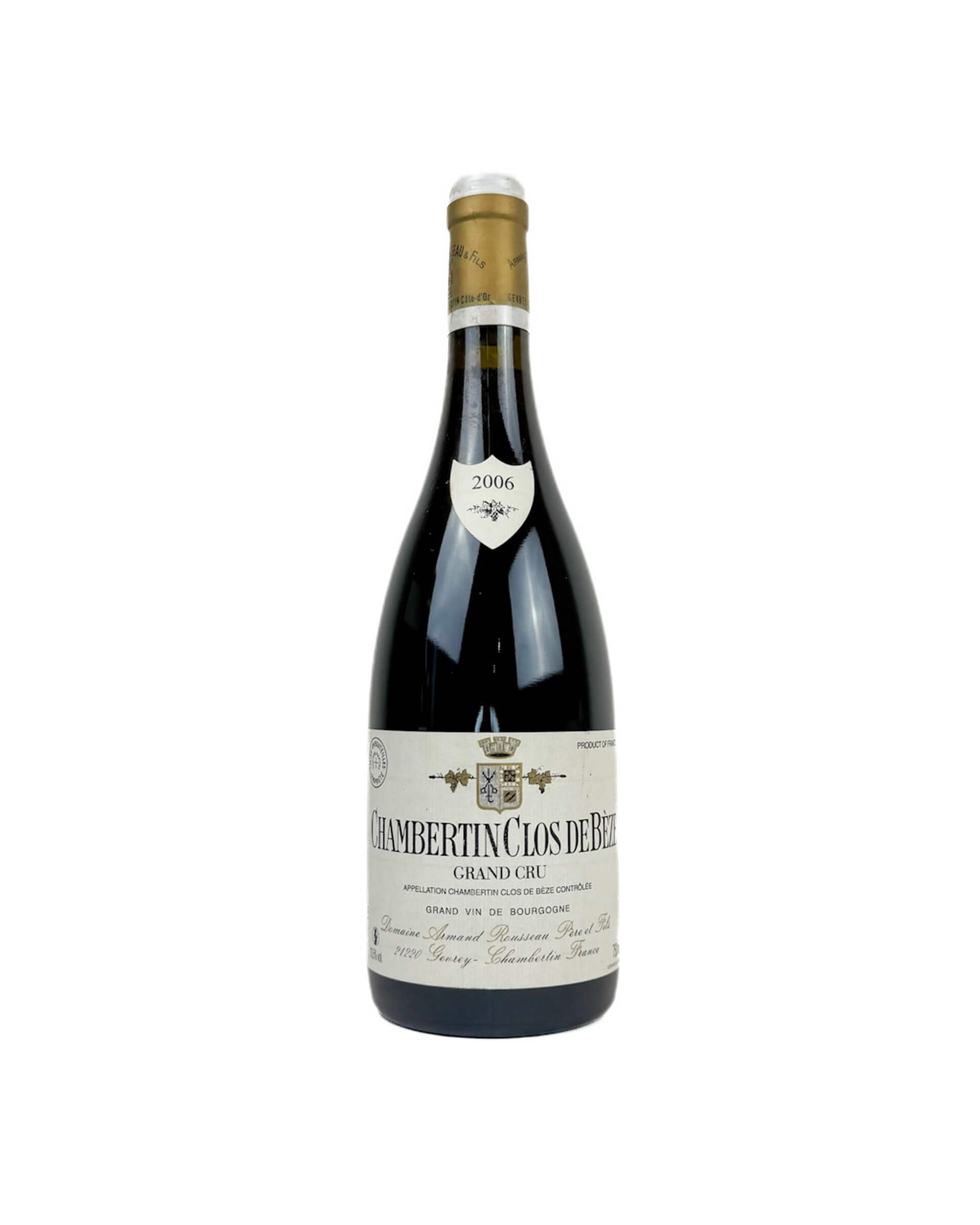
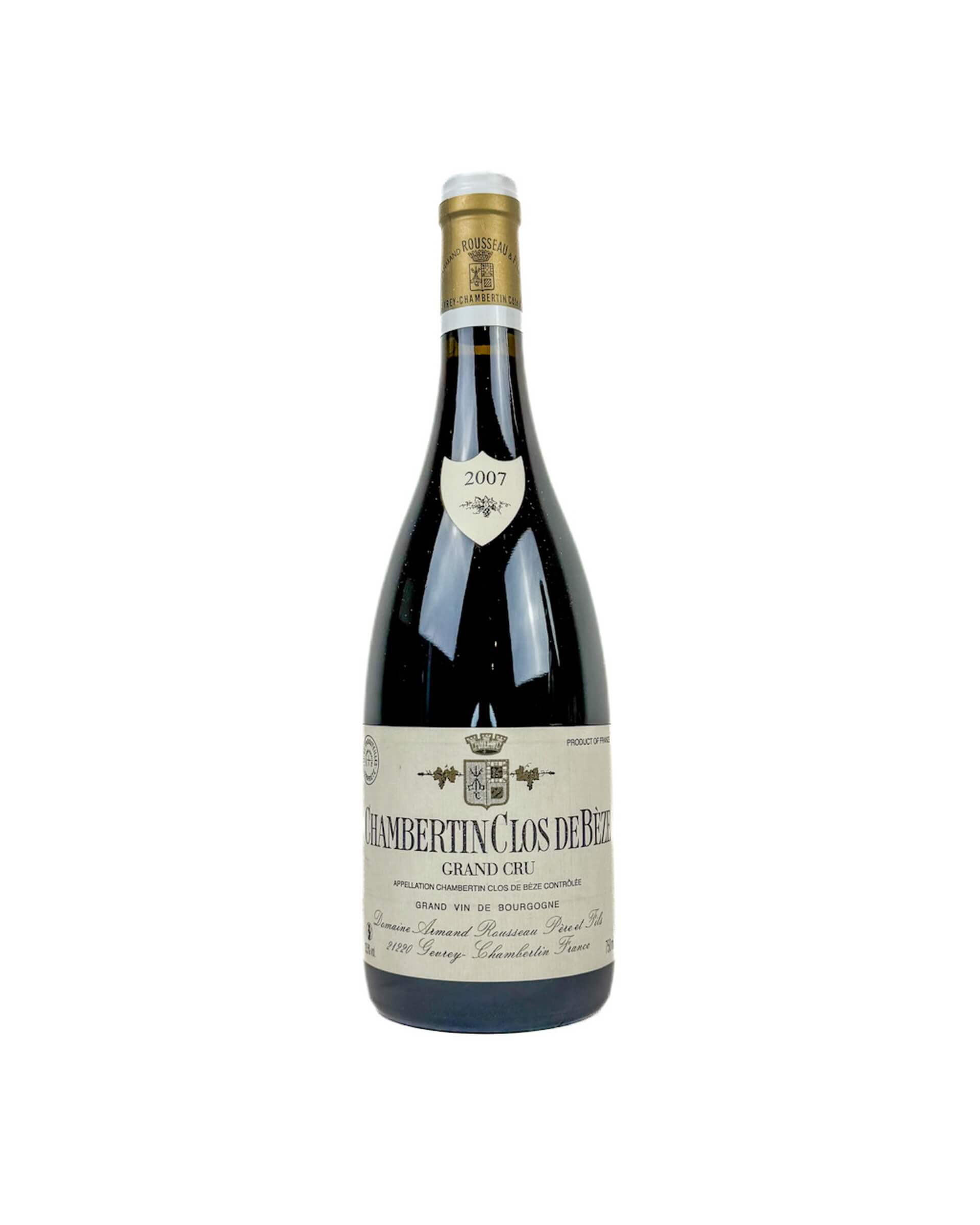
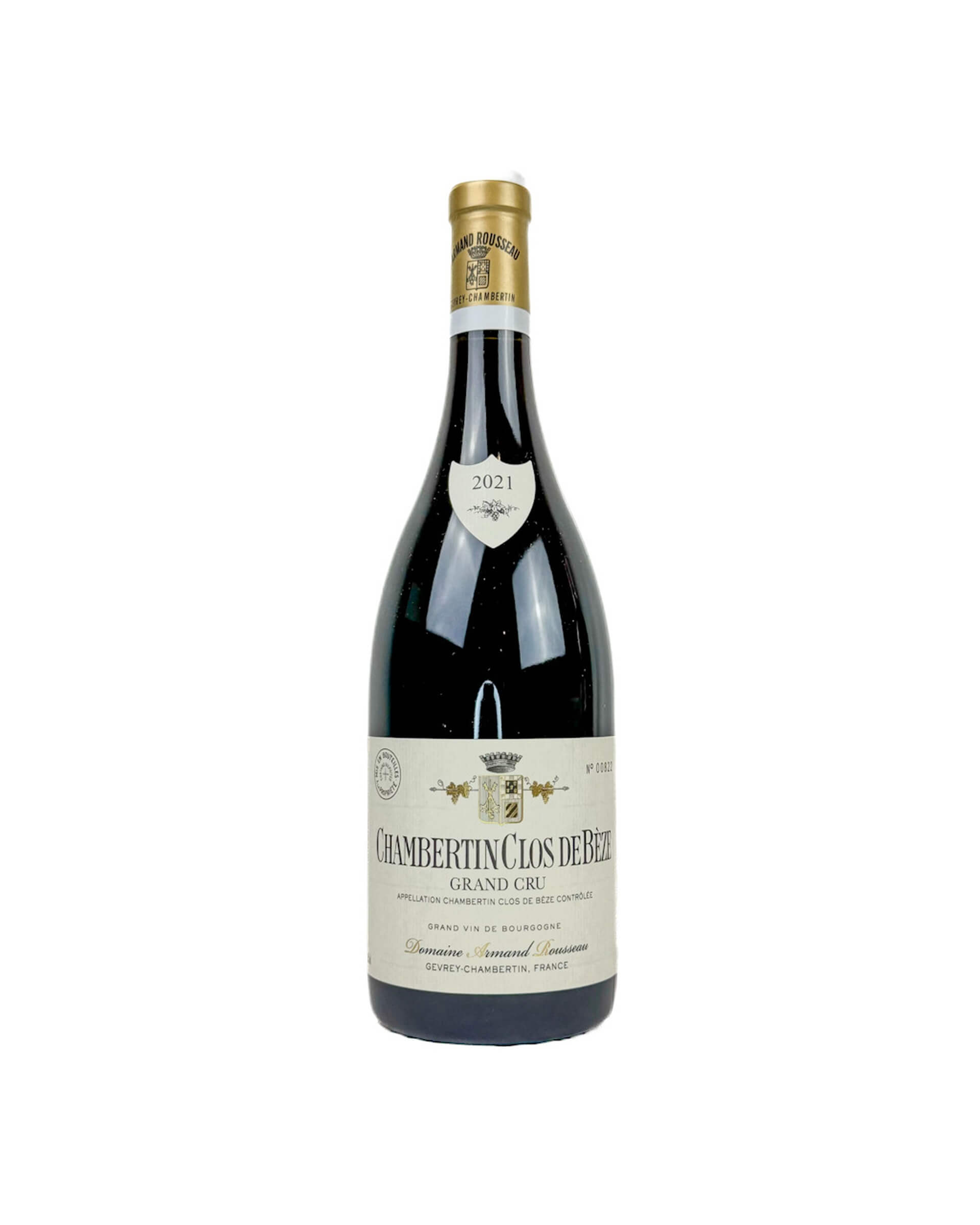
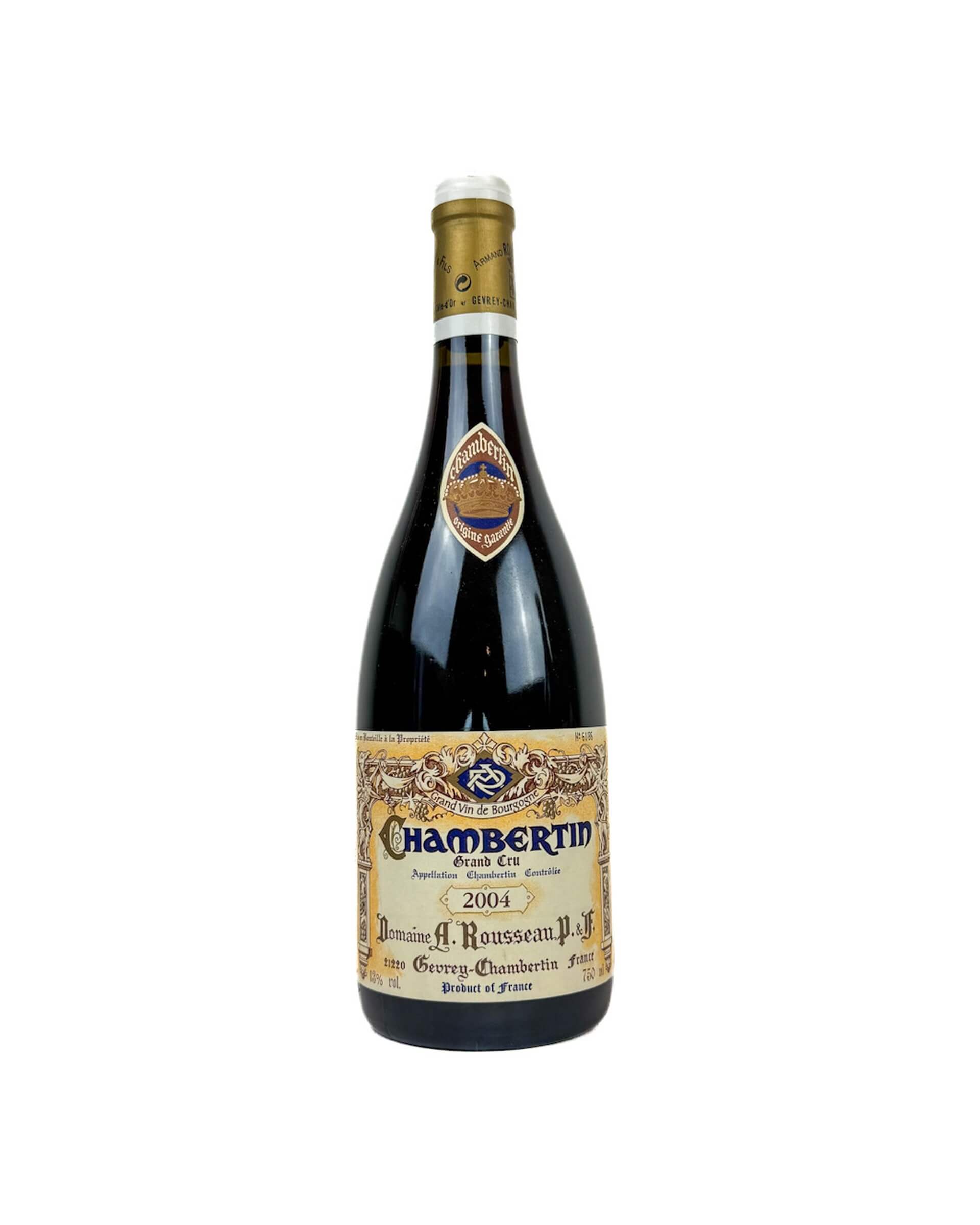
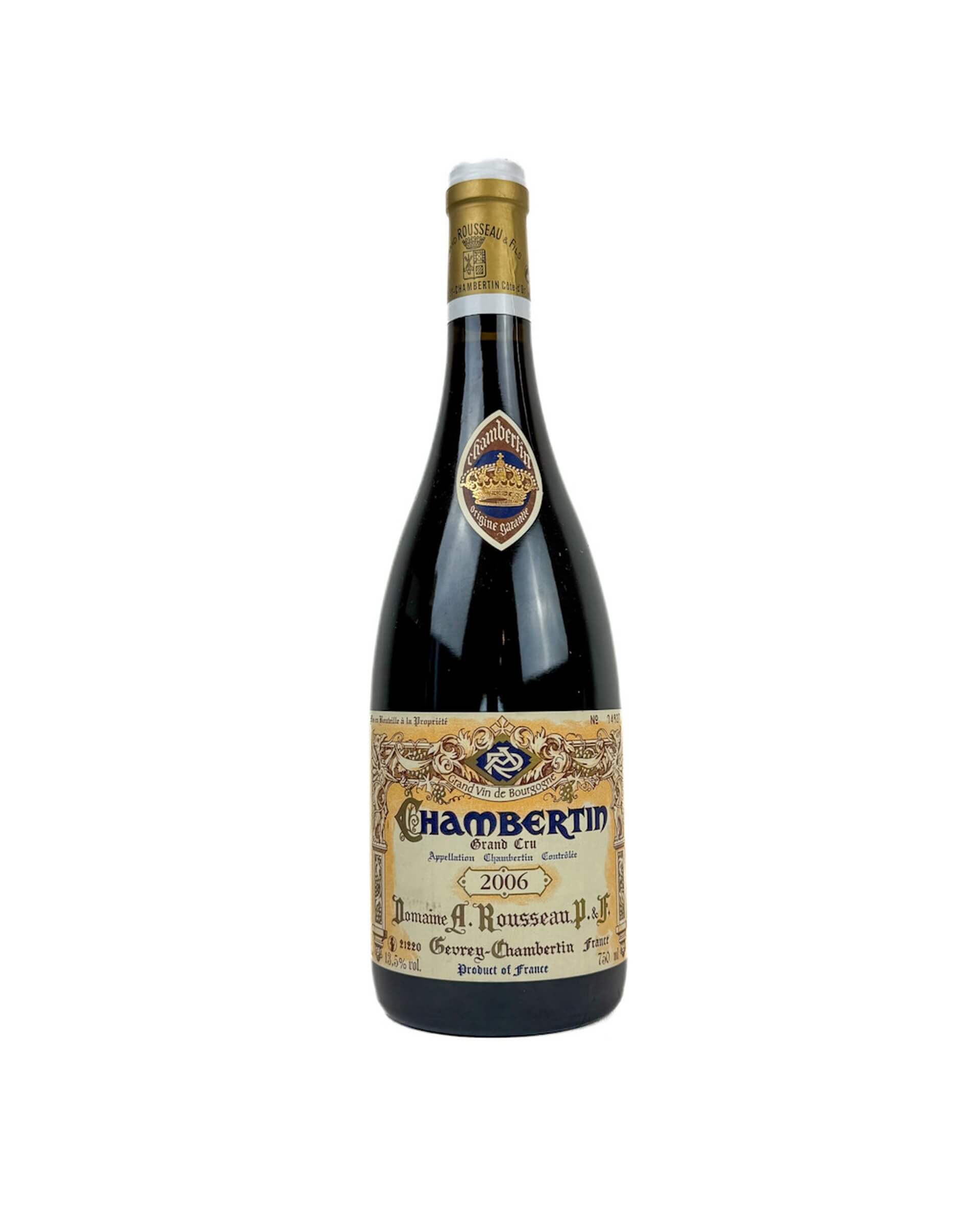
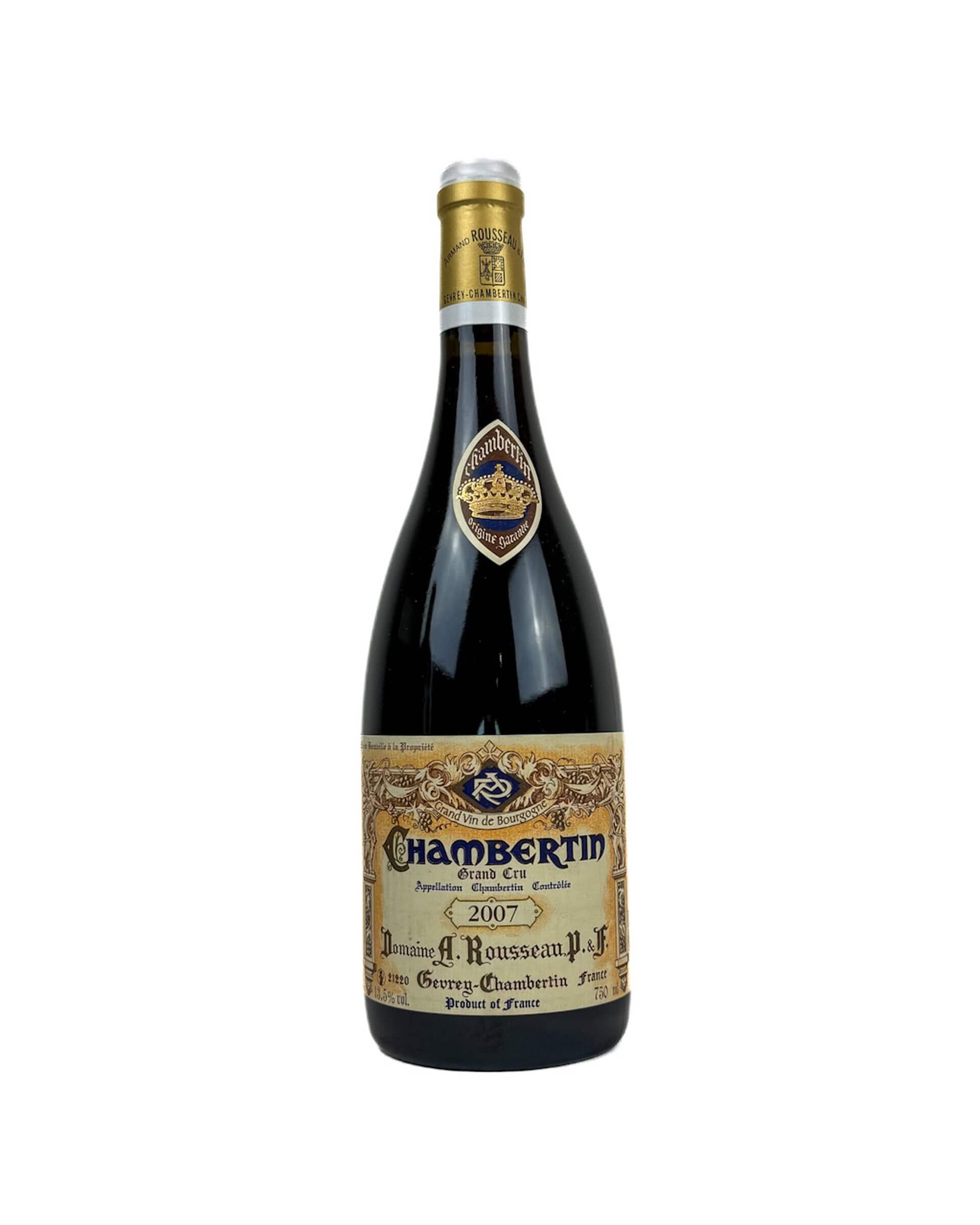
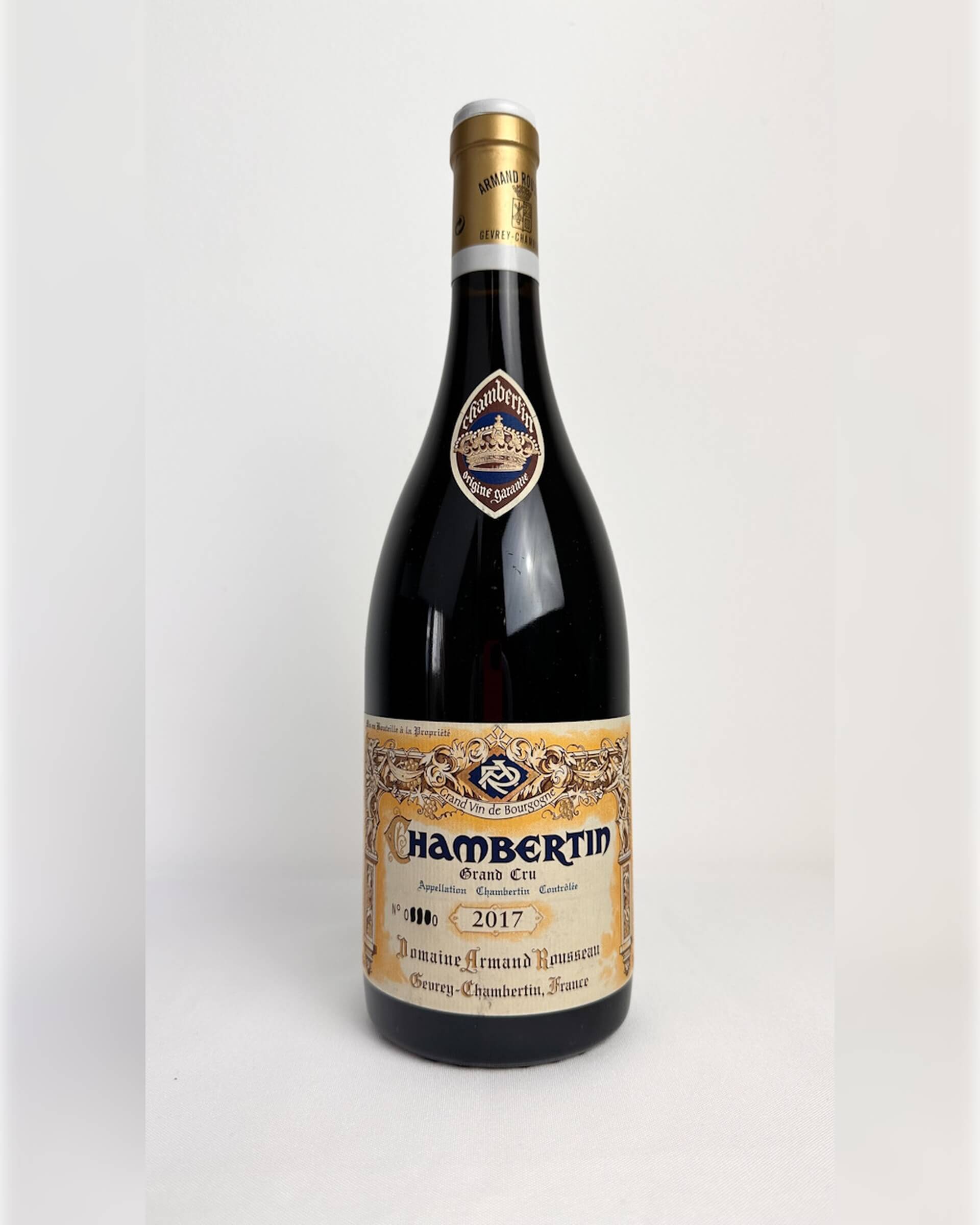
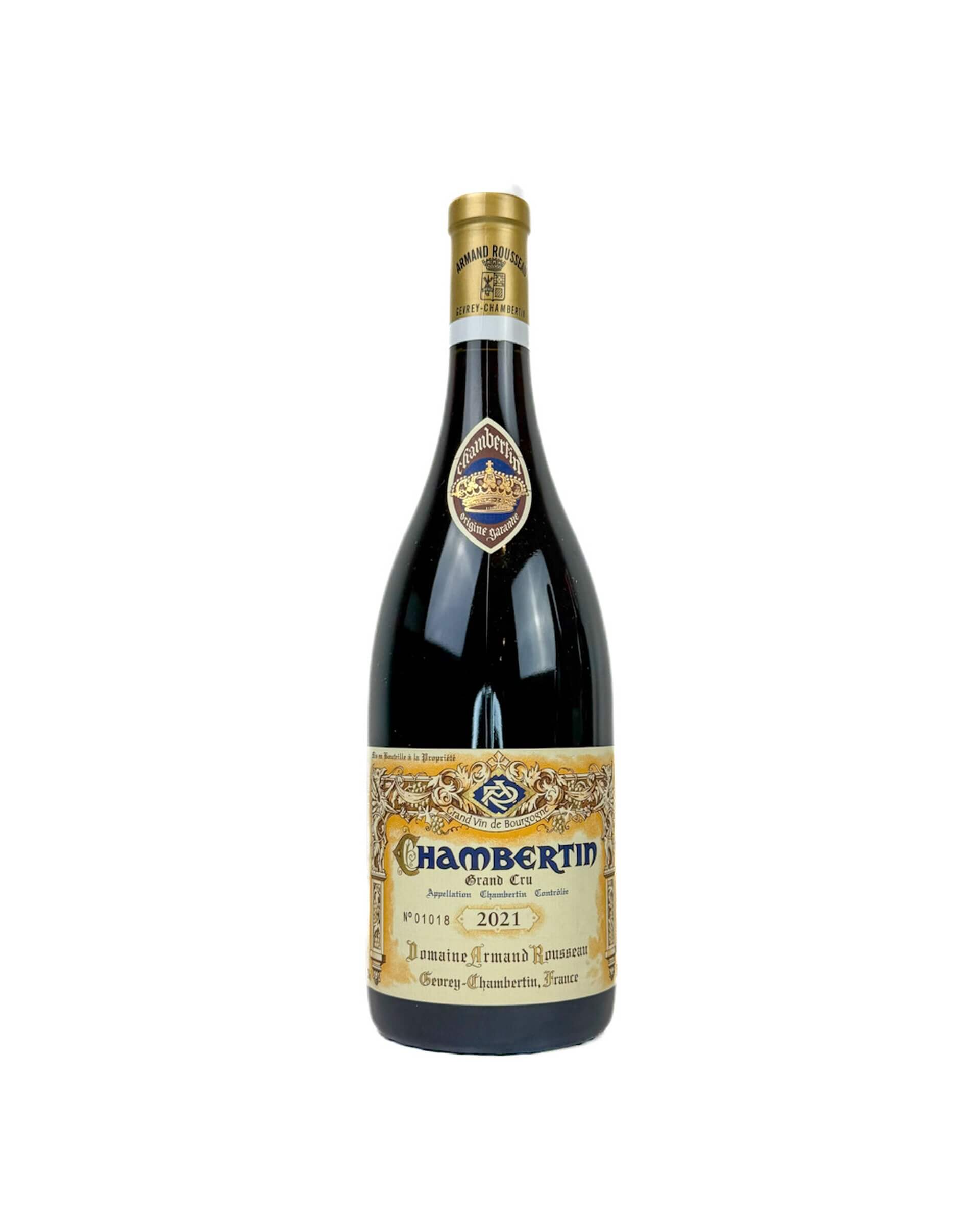
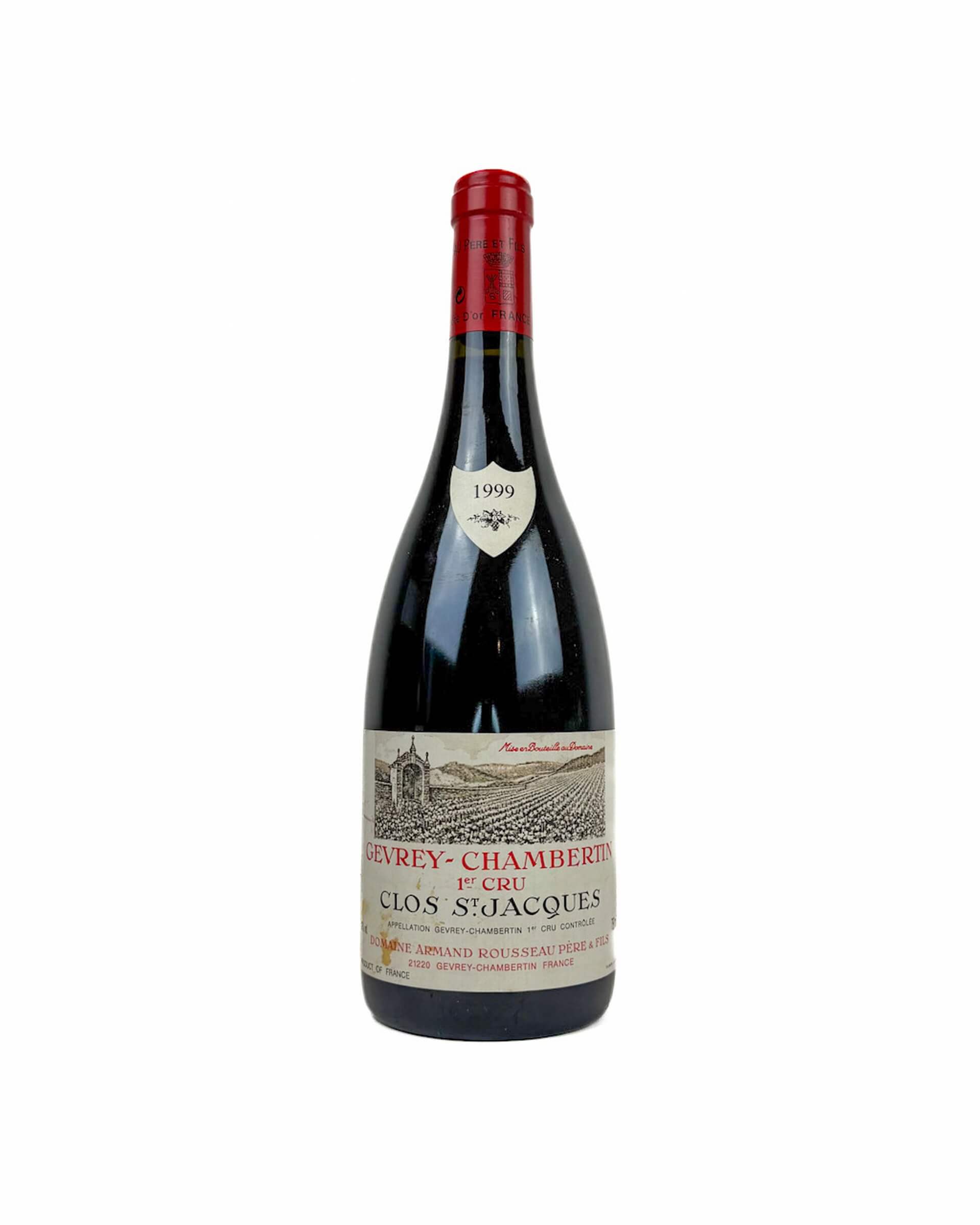
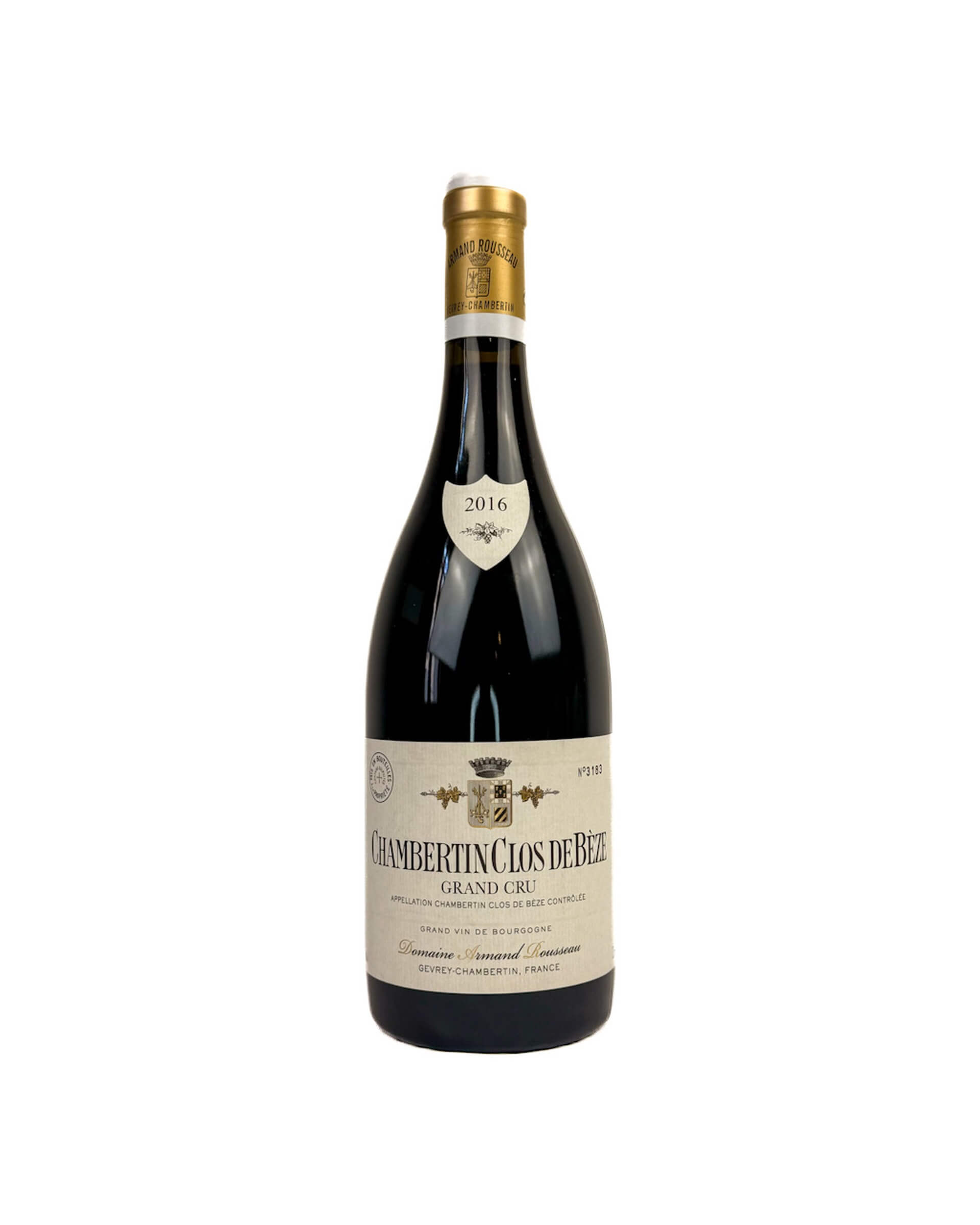
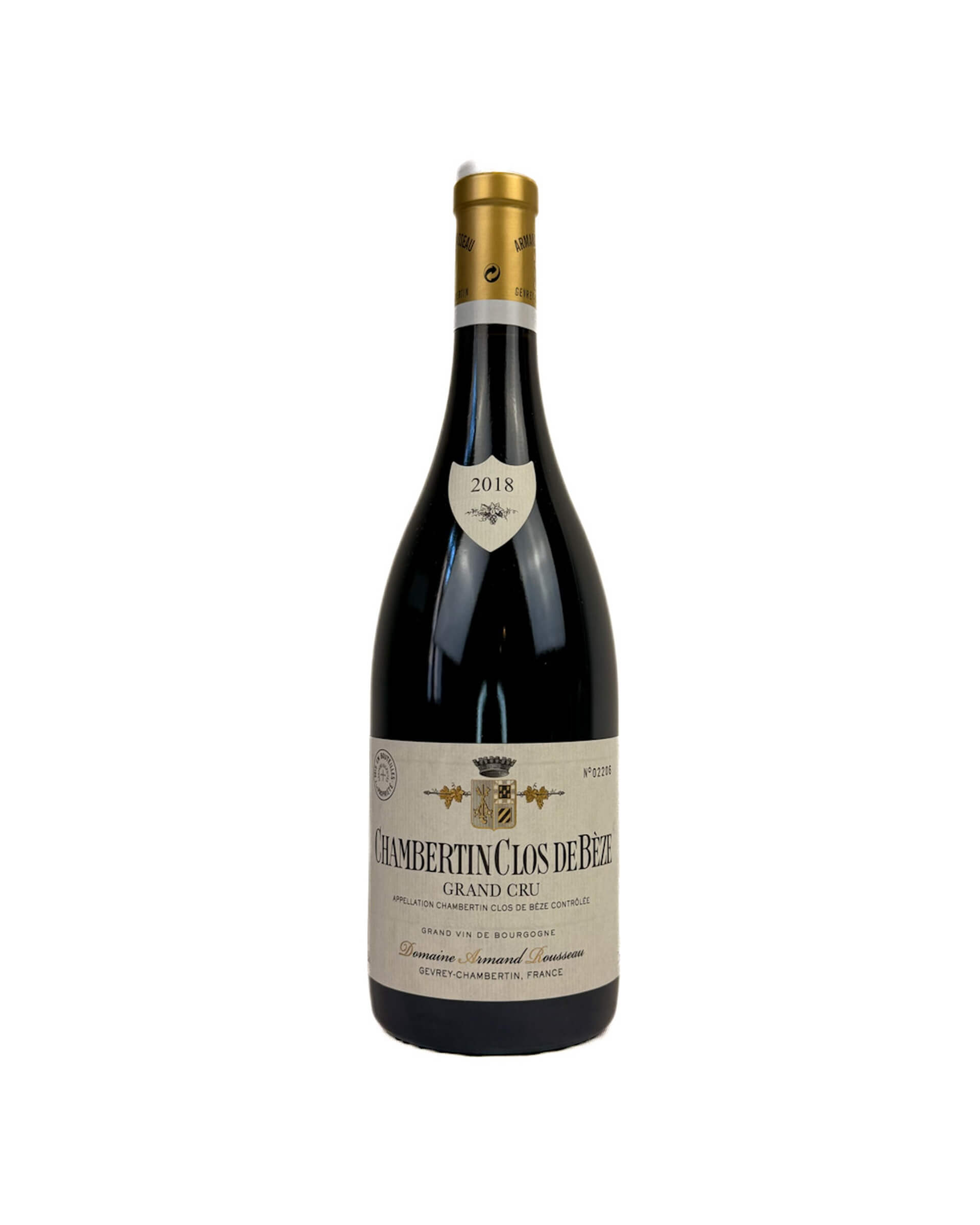
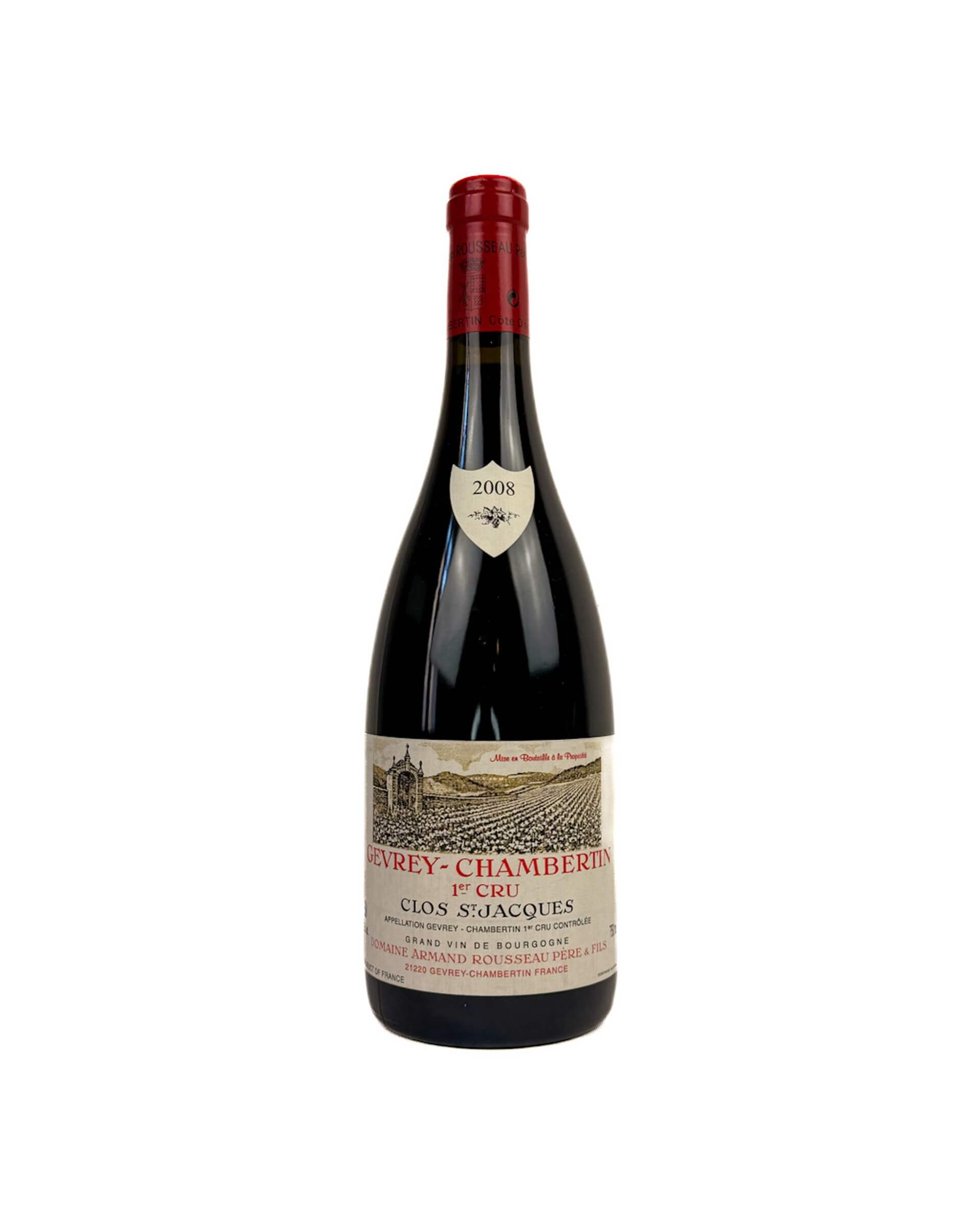
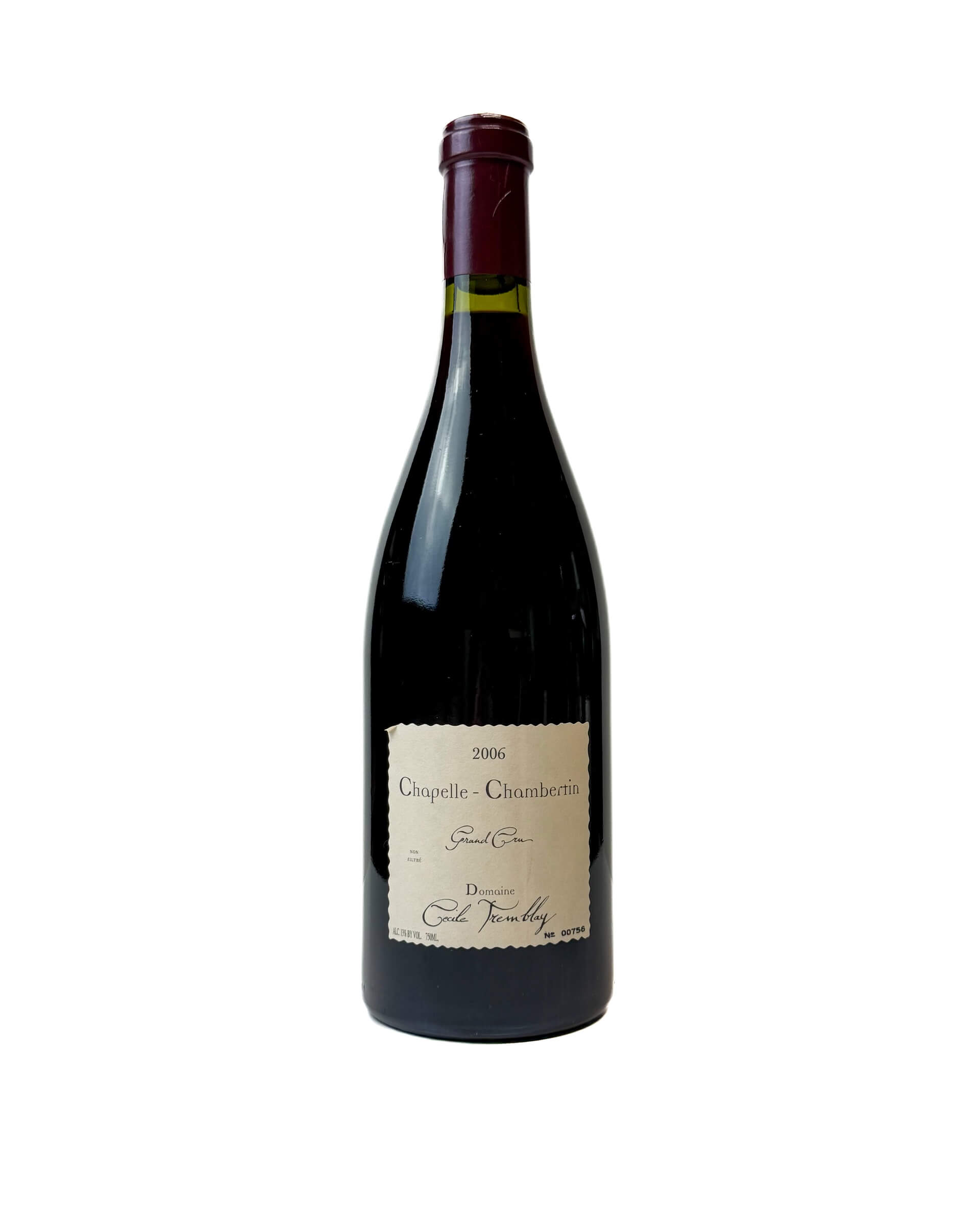
Gevrey-Chambertin is the most prolific Grand Cru commune of all, home to nine Grands Crus including Chambertin, Chambertin Clos de Bèze, Latricières, Mazis, Charmes, Chapelle, Griotte and Ruchottes-Chambertin. The signature here is power married to minerality: deep, brooding, full-bodied reds with firm structure that routinely age 10 to 20 years and beyond. If you want the most muscular expression of pinot noir in Burgundy, this is the address.
Morey-Saint-Denis
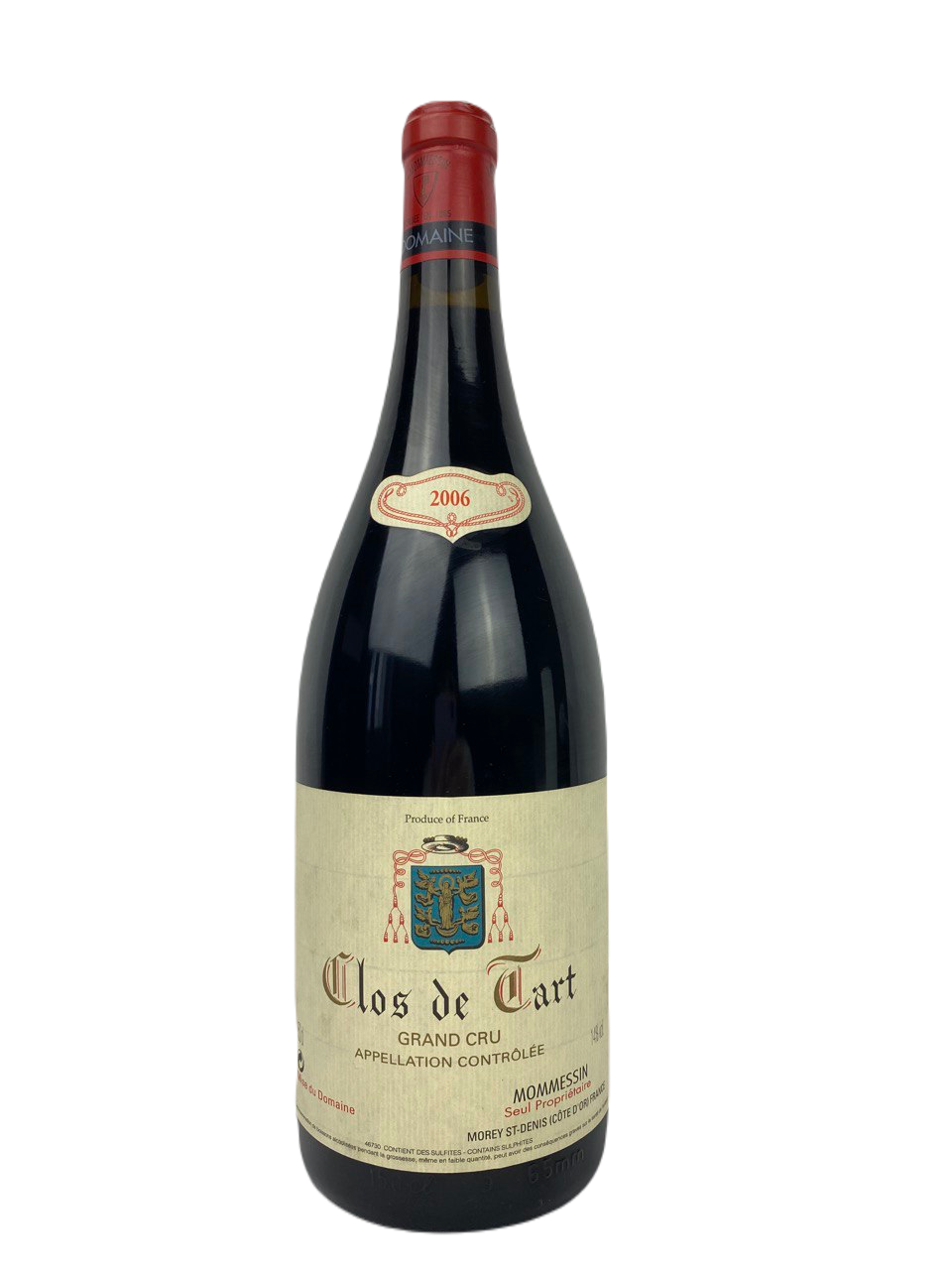
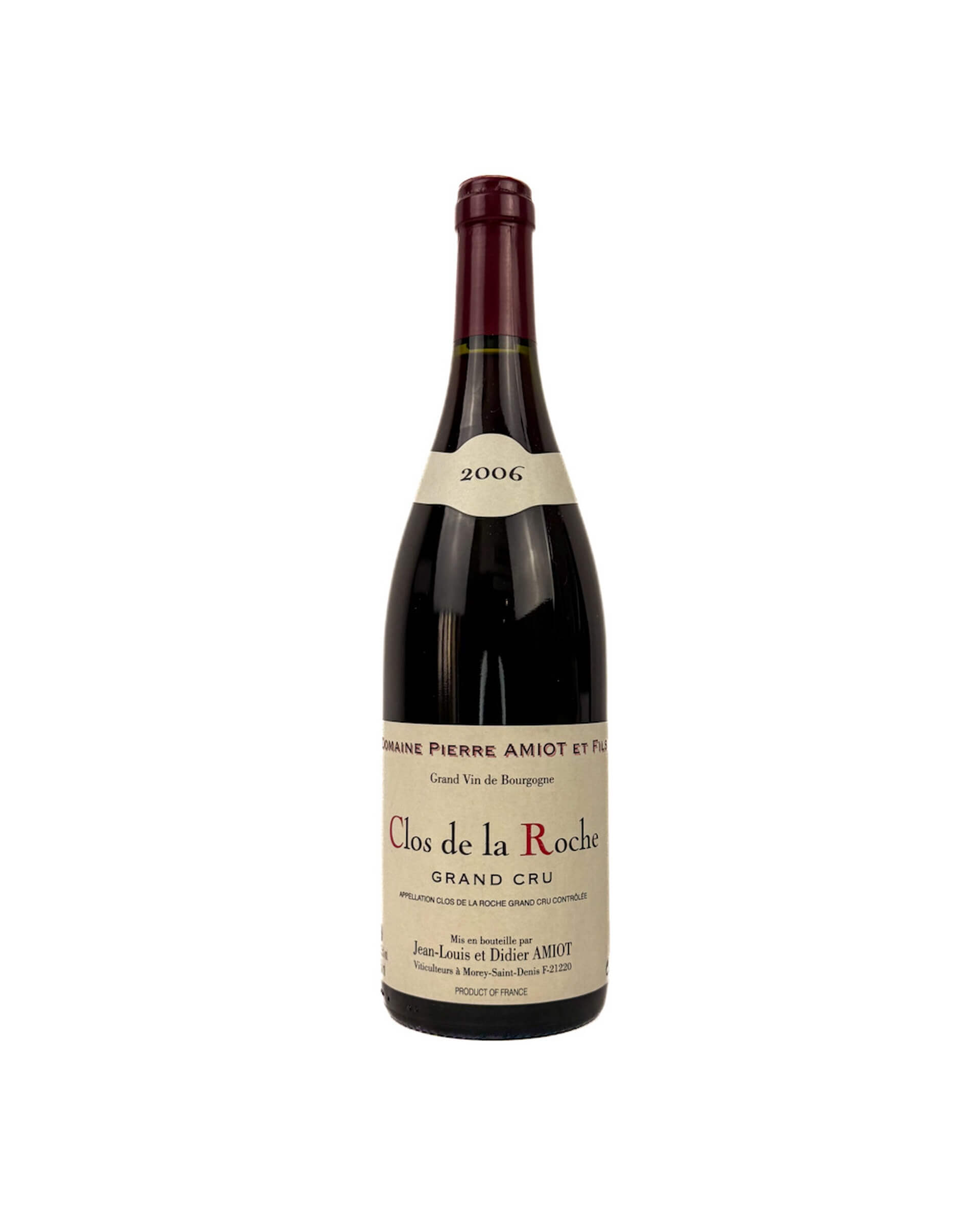
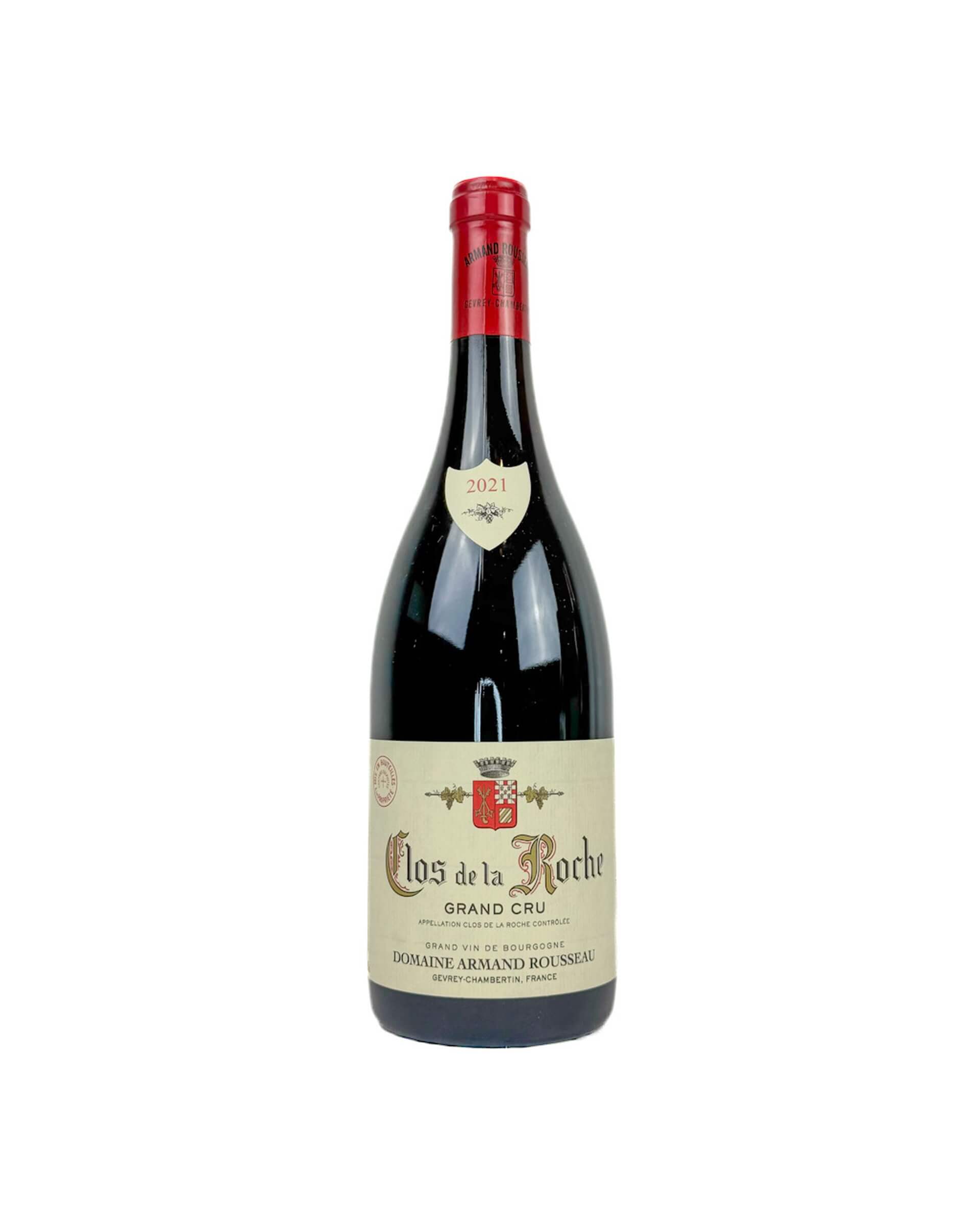
Often overlooked between its famous neighbours, Morey-Saint-Denis holds five Grands Crus — Clos Saint-Denis, Clos de la Roche, Clos des Lambrays, Clos de Tart and a share of Bonnes-Mares. Clos de Tart is notably the only full monopole among them, its entire 7.5 hectares owned by a single estate. Stylistically the village sits in between: more austere and structured than Chambolle, more refined and perfumed than Gevrey. These are wines of quiet sophistication that collectors prize for their balance.
Chambolle-Musigny
Chambolle-Musigny is the most ethereal and aromatic expression on the slope, crowned by the Grand Cru Musigny and a portion of Bonnes-Mares. Think florals, silky texture and red-fruit lift rather than power — finesse over force. Its Premier Cru Les Amoureuses is among the most sought-after wines in all of Burgundy on the secondary market, where it commands prices that rival entry Grands Crus from neighbouring villages. For lovers of elegance, no village rewards more.
Vougeot
Vougeot is dominated by the Clos de Vougeot, a 50-hectare walled Grand Cru with more than 80 separate owners. Because parcels span the top, middle and lower slope and pass through dozens of hands, quality varies dramatically. Here, the producer matters far more than the appellation on the label.
Vosne-Romanée and Flagey-Échézeaux
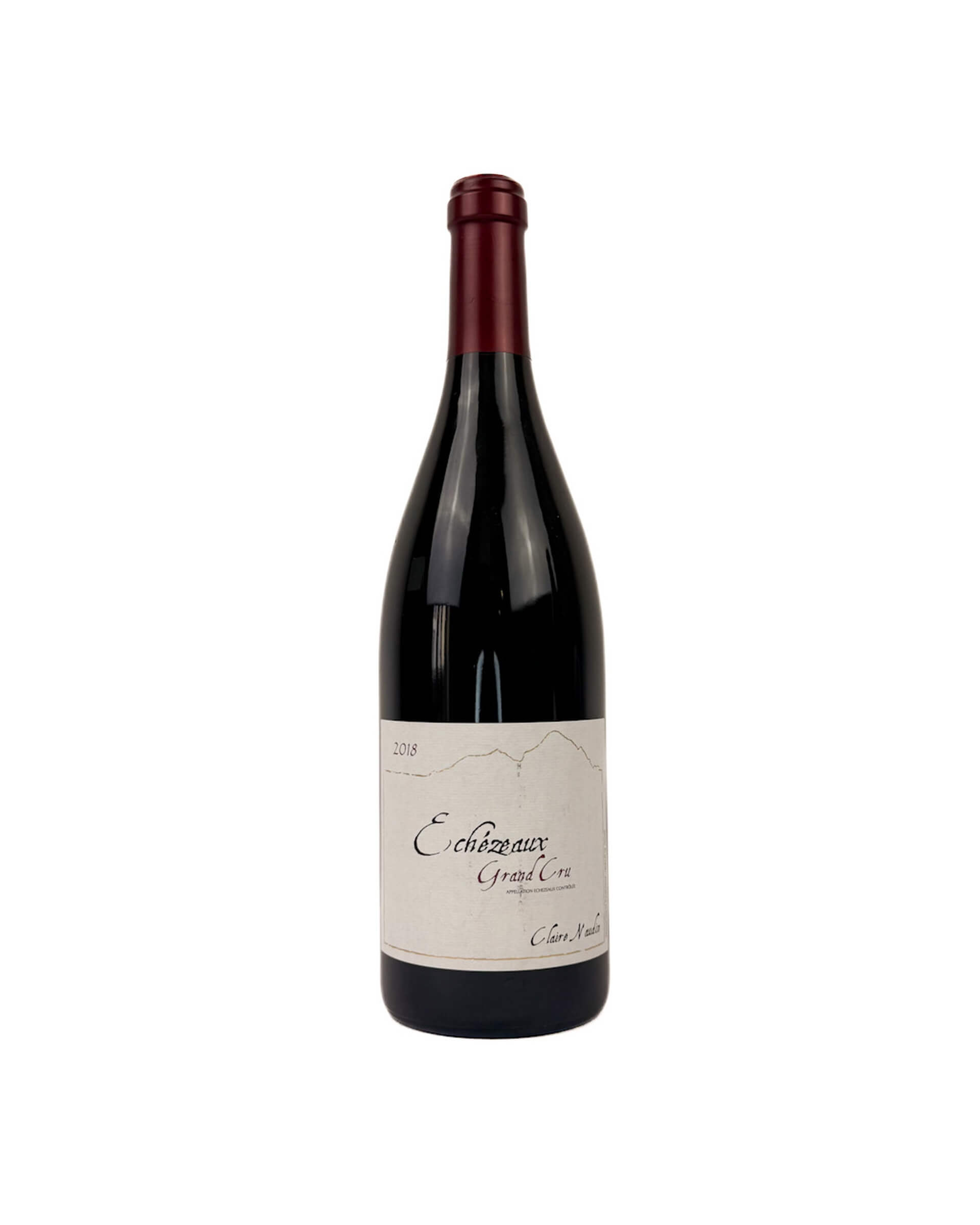
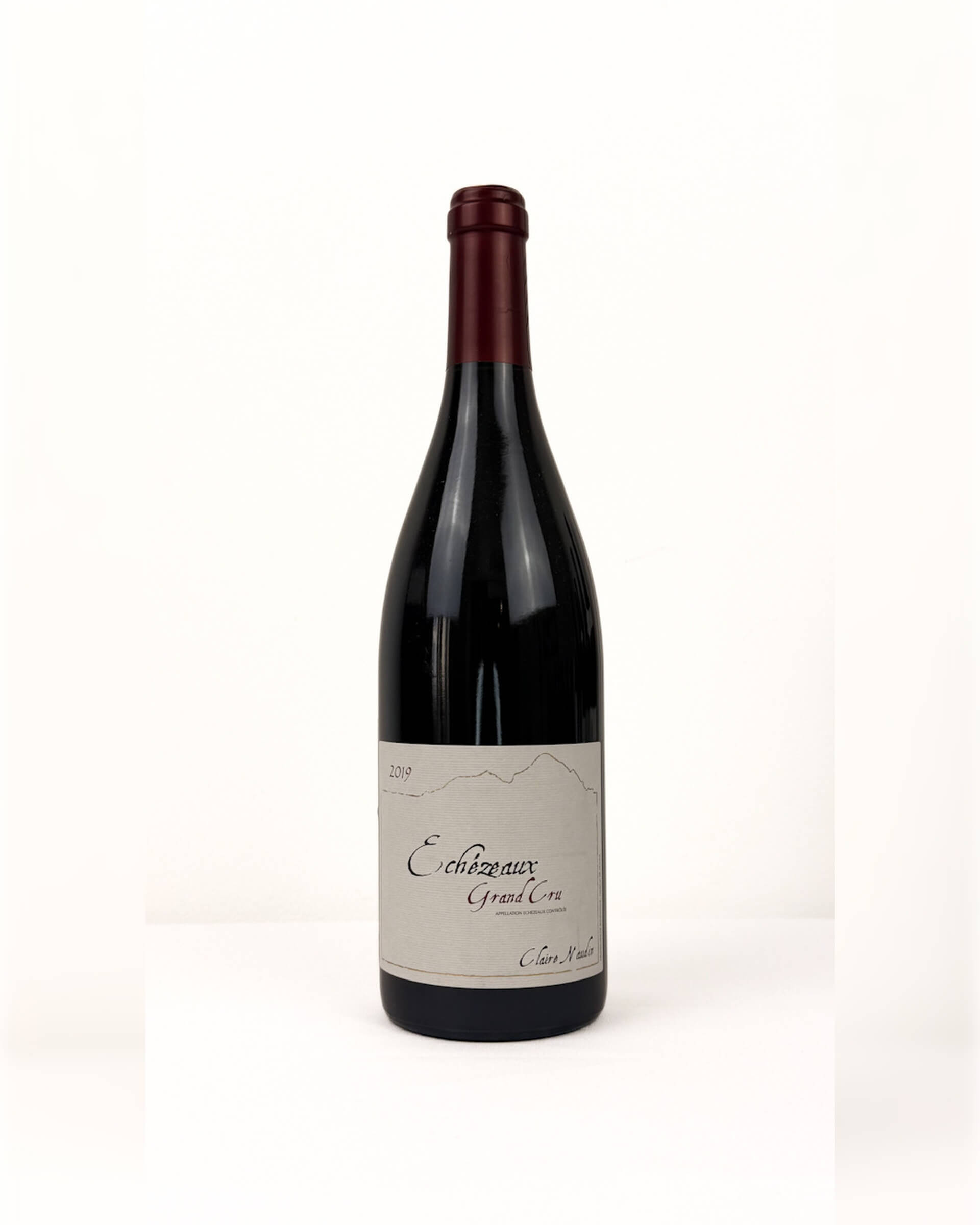
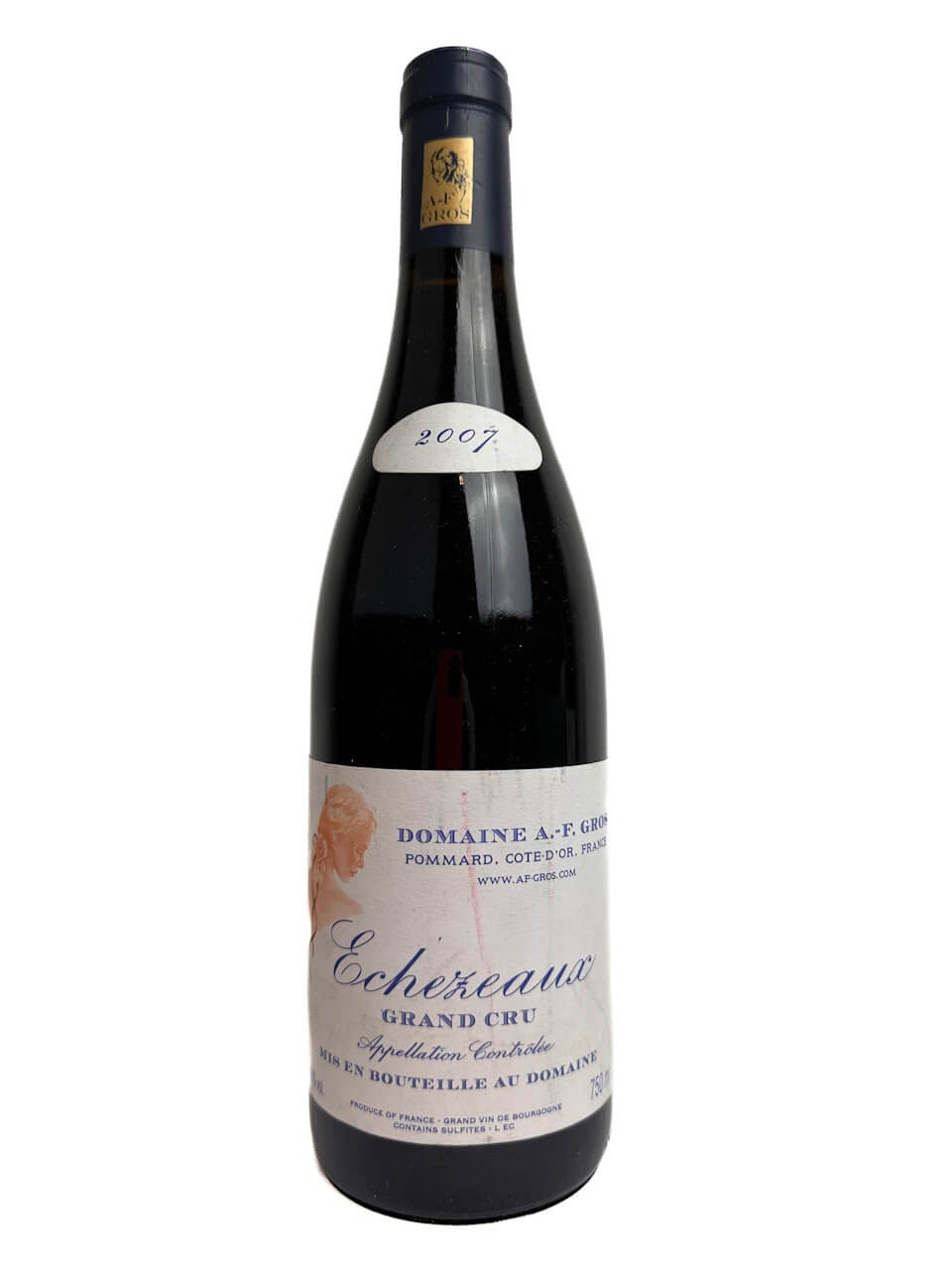
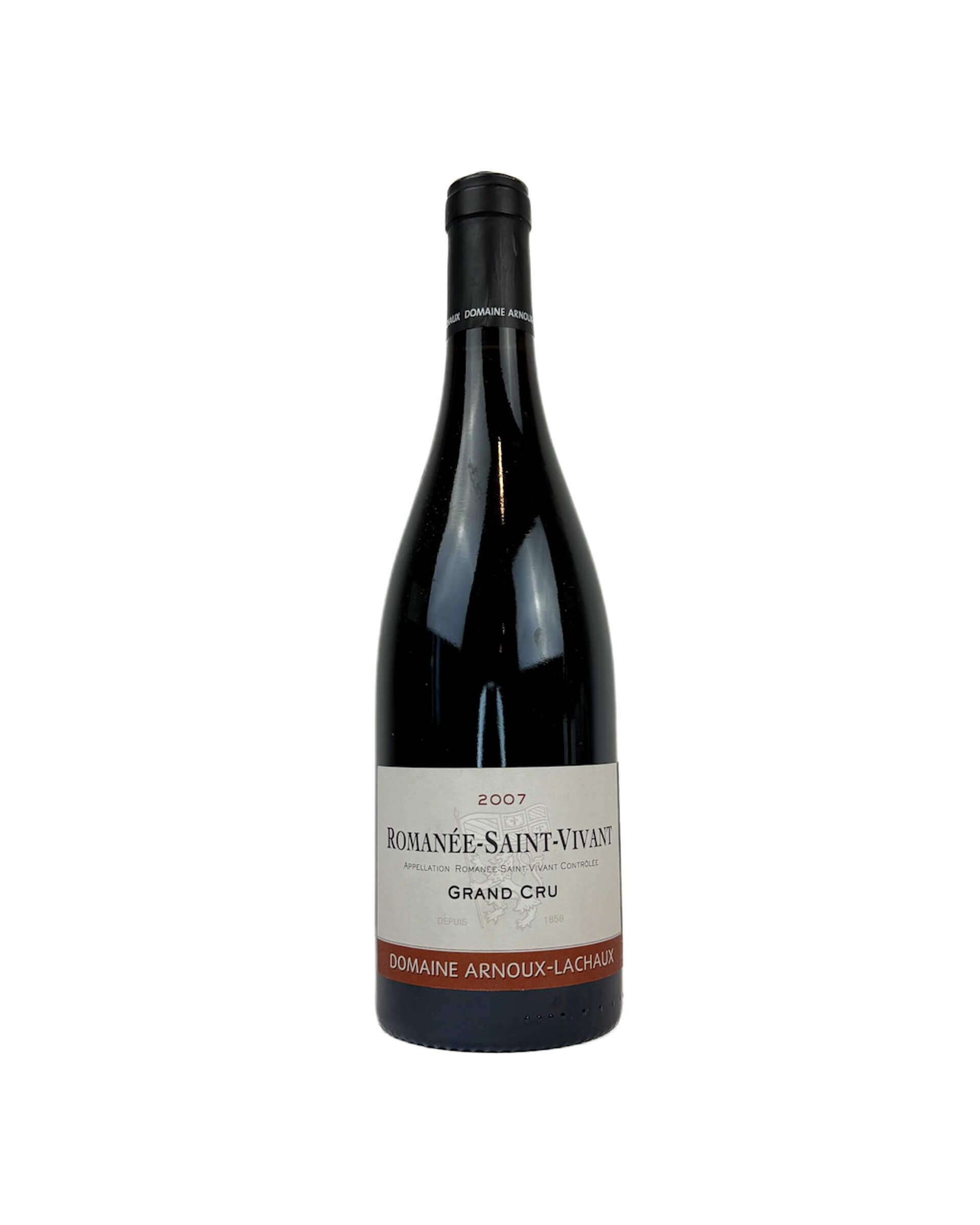
Vosne-Romanée and the adjoining Flagey-Échézeaux hold six Grands Crus within a few hundred metres — Romanée-Conti, La Tâche, Richebourg, Romanée-Saint-Vivant, Grands Échézeaux and Échézeaux — names that need no introduction. The wines combine dark fruit, rose petal, exotic spice and seamless texture with longevity measured in decades. They represent the absolute summit of pinot noir and command prices to match. When our buying team last tasted a 2019 Échézeaux from a long-standing grower partner here, the wine showed the floral lift and tannic poise that make us recommend cellaring this commune’s bottlings for a decade before opening.
Nuits-Saint-Georges
Despite lending its name to the entire sub-region, Nuits-Saint-Georges has no Grand Cru — but it boasts over 40 Premier Crus. The style is robust, earthy and structured, with notes of black fruit and game. For buyers seeking serious regional character at a more reliable price, it is one of the most dependable value tiers in the area.
Côte de Nuits Villages
The Côte de Nuits Villages appellation gathers the fringe communes at the northern and southern ends of the slope — Brochon, Prissey, Comblanchien and Corgoloin. It offers lighter, earlier-drinking reds that share the region’s Pinot Noir DNA, and it is the natural entry point for anyone discovering the slope. Many of these wines fall toward the more accessible end of our French wines range.
Pinot Noir: The Grape Behind Every Great Bottle
Almost every red wine in the côte de nuits is made from a single grape: Pinot Noir. Its thin skin, early ripening and remarkable aromatic transparency make it uniquely sensitive to terroir — which is exactly why it thrives on these limestone-clay slopes better than anywhere else on earth. Where a thicker-skinned variety would flatten the subtle differences between one parcel and the next, Pinot Noir translates them faithfully into the glass, giving each village and each vineyard its own voice. White wine is a rare cameo here, confined to a handful of curiosities such as Musigny Blanc and the Clos Blanc de Vougeot, both made from Chardonnay. For the broader story of the grape across France, browse our dedicated Pinot Noir wines selection, which spans more than 300 references. To understand these vineyards is, in the end, to understand Pinot Noir at its most expressive.
Understanding the Classification: From Village to Grand Cru
Burgundy ranks its wines by vineyard, not by producer, in a four-tier pyramid that every buyer should know. At the base is Régionale (such as Bourgogne Rouge and Côte de Nuits Villages): approachable, fruit-forward wines for early drinking, and the most accessible way in. Above it sits Village, naming a single commune such as Gevrey-Chambertin or Vosne-Romanée — more complexity, more structure, genuine sense of place. Next is Premier Cru (1er Cru), which names a specific superior vineyard within a village and delivers a clear step up in depth and ageability. At the summit is Grand Cru, the finest individual vineyards, each a standalone appellation — the most concentrated, complex and long-lived wines Burgundy produces.
In our selection this hierarchy maps cleanly onto price. The range starts from around €250 for solid village-level bottles; most wines sit near €1,000, reflecting Premier Cru and entry Grand Cru quality; the prestige tier reaches €3,300 for celebrated Premier Crus and single-vineyard Grands Crus from renowned domaines. So when does paying Grand Cru prices make sense? When you want a wine for a milestone occasion or long cellaring, and when you are buying from a producer whose track record justifies it — because at the top, the name on the label matters as much as the appellation. As for the perennial côte de nuits vs côte de beaune question: the Côte de Nuits is red-dominant and built for power and longevity, while the Côte de Beaune to its south is more balanced between red and white. Compare benchmarks via our Grand Cru Burgundy and Premier Cru wines pages.
Vintages Worth Knowing
Vintage character matters more in Burgundy than almost anywhere, because the cool climate makes each growing season distinct. Three recent vintages stand out. 2019 produced rich, generous wines with ripe fruit and supple tannin — already approachable yet built to keep, a crowd-pleasing year of real charm. 2020 is concentrated and precise, with vivid fruit and bright acidity that promises a long, rewarding cellar life; the best examples deserve patience. 2021 was a cooler, lower-yield year producing leaner, more tensile wines that suit buyers who prefer precision over richness. 2022 is very promising, combining ripeness with freshness — flexible wines that drink well young but will also cellar handsomely. For buyers at the collector tier, where outlay can run from €3,300 to €43,000 and vintage depth becomes a purchase factor, the structured, classically proportioned 2016 and the powerful, ripe 2015 remain two of the most reliable recent vintages for long cellaring. Across all of them, village wines offer earlier pleasure while Premier and Grand Cru bottles repay several more years in the cellar.
Food Pairing and Serving
Village-level wines are wonderfully versatile at the table. Pair them with duck confit, roast chicken or a mushroom risotto, and serve at 15–17 °C after a 20–30 minute decant to let the fruit open. Premier Cru wines deserve a more considered match: venison, a rack of lamb, or aged hard cheeses such as Comté and a ripe Époisses. Serve at 16–17 °C with 30–60 minutes of decanting. Grand Cru wines are best framed by simple, luxurious preparations that never compete — roast squab, fresh truffle or slow-braised oxtail. Serve at around 17 °C and decant one to two hours ahead to coax out their layered perfume. Whatever the tier, avoid heavy cream sauces, acidic tomato dishes and aggressive blue cheeses, all of which flatten Pinot Noir’s delicate aromatics.
How to Choose and Buy
Buying well in the côte de nuits comes down to three questions: your occasion and budget, your style preference, and your cellar horizon. Decide first whether you lean toward power (Gevrey-Chambertin, Nuits-Saint-Georges) or elegance (Chambolle-Musigny, Vosne-Romanée), then whether you intend to drink now or invest for the long term. On budget, our selection runs from around €250 at the accessible end, through a typical bottle near €1,000, up to €3,300 for prestige cuvées — and as high as €43,000 for the rarest collector wines such as Romanée-Conti, La Tâche and Chambertin from iconic producers. Remember that at Grand Cru level, particularly in fragmented vineyards like Clos de Vougeot, the producer matters more than the village; a careful grower can outshine a famous name farmed indifferently.
Buying tip: if your budget is under €250, Côte de Nuits Villages and Nuits-Saint-Georges Premier Cru offer the best quality-to-price ratio in the appellation, while for Vosne-Romanée and Chambolle-Musigny you should plan to spend at least the median range to access wines that genuinely express village typicity — these communes reward investment. When you are ready, browse the full 245-reference selection, including our broader range of red wines, and order with confidence.
Frequently Asked Questions
What is the difference between Côte de Nuits and Côte de Beaune?
The Côte de Nuits is red-dominant, built almost entirely on Pinot Noir, and prized for power, structure and longevity — it holds the highest concentration of Grands Crus in Burgundy. The Côte de Beaune, immediately to the south, is more balanced between red and white, is the home of Burgundy’s greatest Chardonnay at Premier and Grand Cru level, and tends to drink earlier.
Which village in the Côte de Nuits produces the most powerful wines?
Gevrey-Chambertin. As the largest commune and home to the most Grands Crus in the region, it is known for firm tannin, dark fruit and exceptional ageing potential — the most muscular and long-lived expression of Côte de Nuits Pinot Noir.
What is Côte de Nuits Villages?
It is a regional appellation covering the fringe communes on the edges of the main slope, such as Brochon, Prissey, Comblanchien and Corgoloin. It produces lighter, earlier-drinking reds that share the same Pinot Noir DNA as the famous villages but at a more accessible price point. Côte de Nuits Villages wines typically sit at the entry end of the spectrum; our broader Côte de Nuits selection opens from around €250 at village level and climbs from there.
How long should Côte de Nuits wines be cellared?
It depends on the tier. Village-level wines typically drink best at 5–10 years, Premier Crus at 10–20 years, and Grands Crus at 15–30 years or more, depending on producer and vintage. The very greatest wines — Chambertin Clos de Bèze, La Tâche — can evolve gracefully for up to 50 years.
Written by the Tour de Wine buying team. Last reviewed: June 2026.