
90
1,5
2012
Domaine de Montille
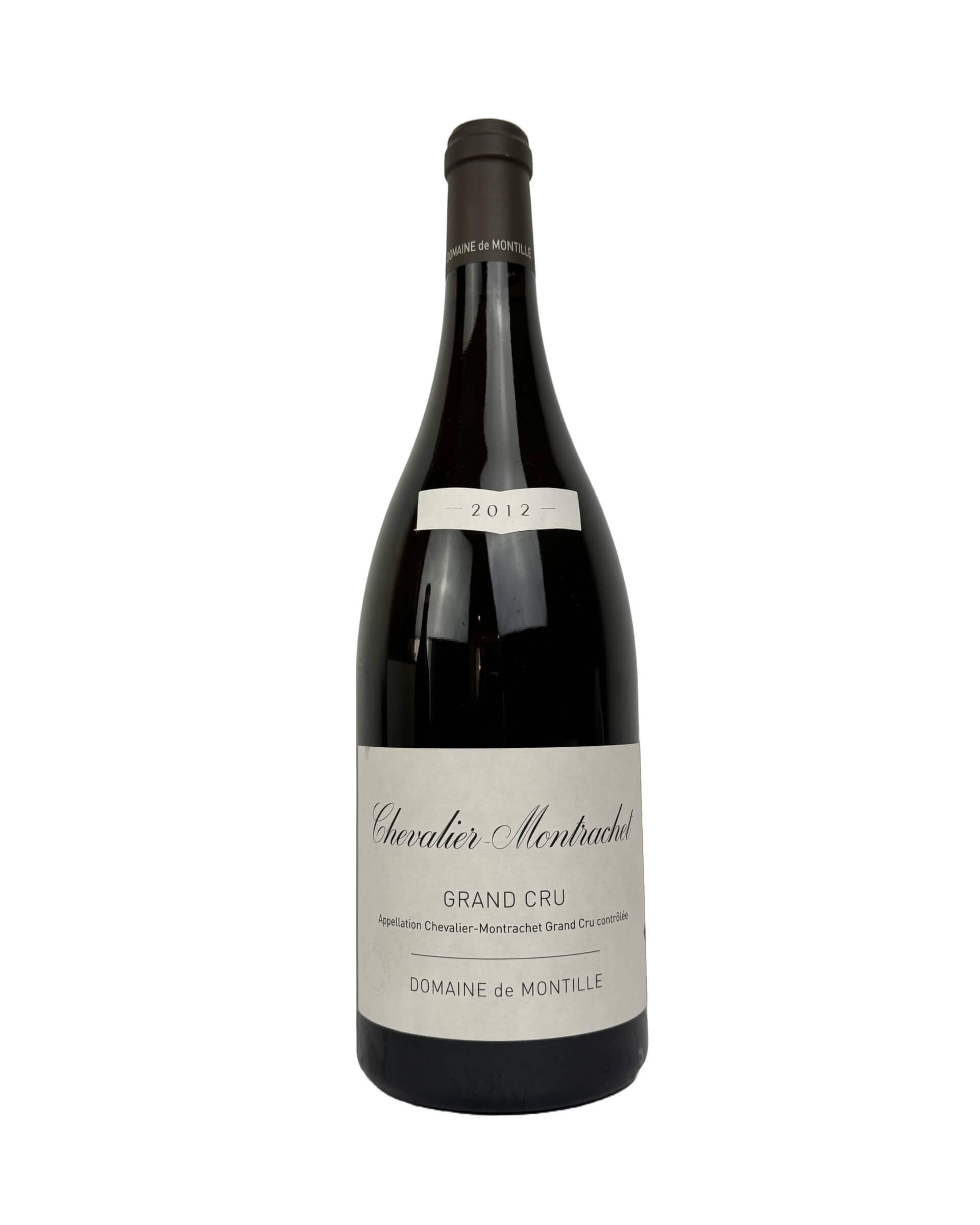
Chevalier-Montrachet Grand Cru 2012 1,5L
€ 1 080,00
Wines, producers, regions...
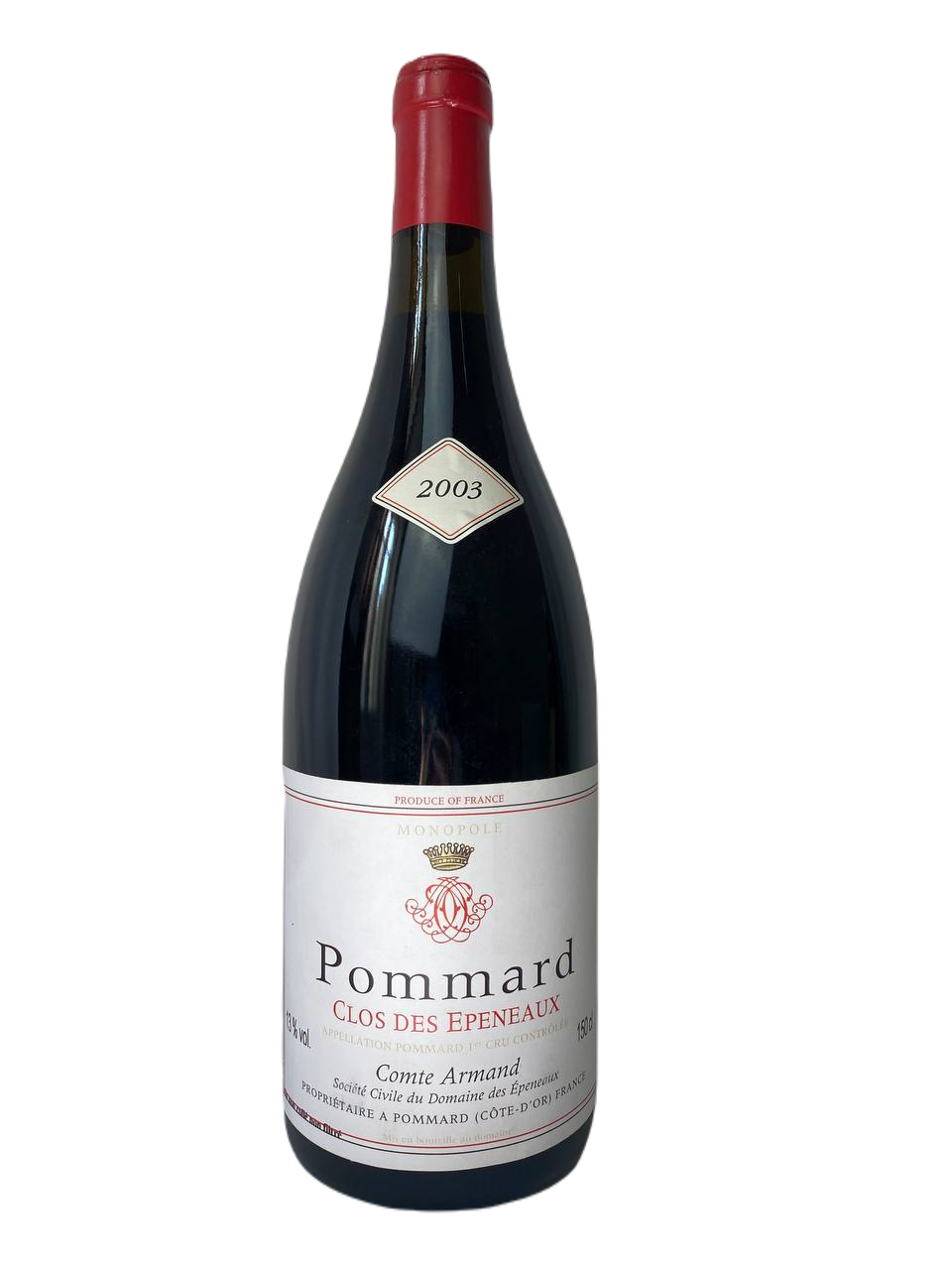
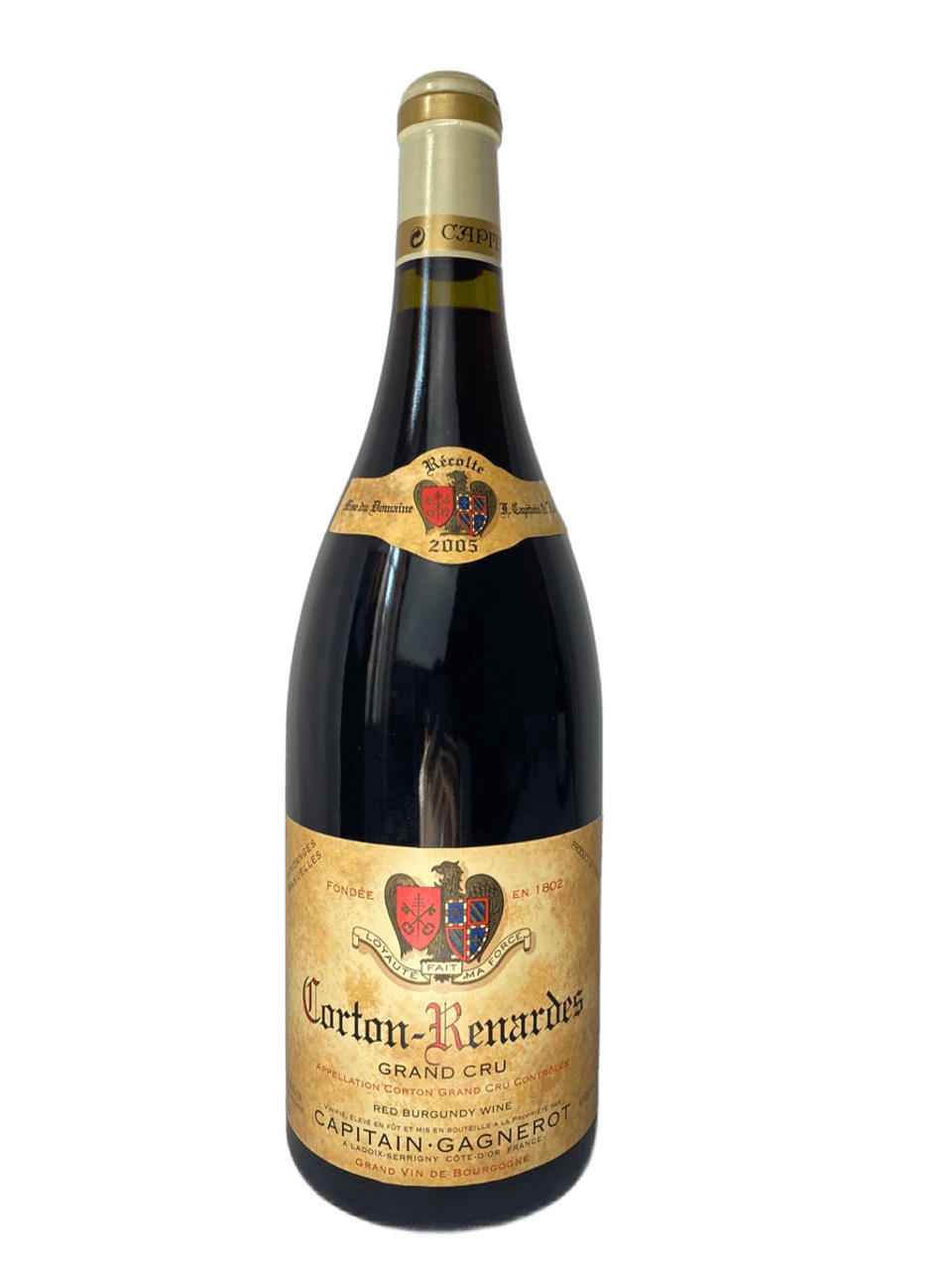
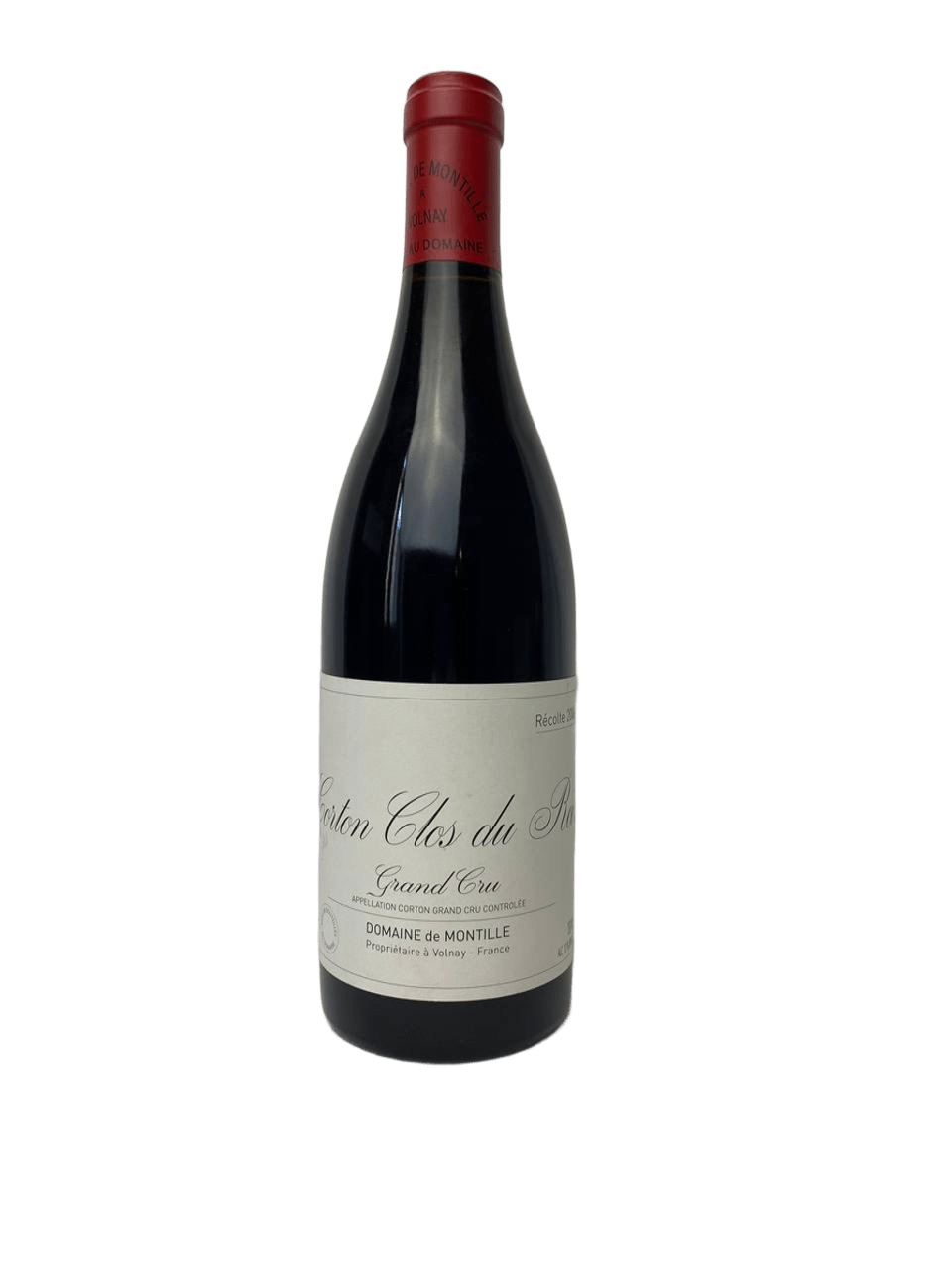
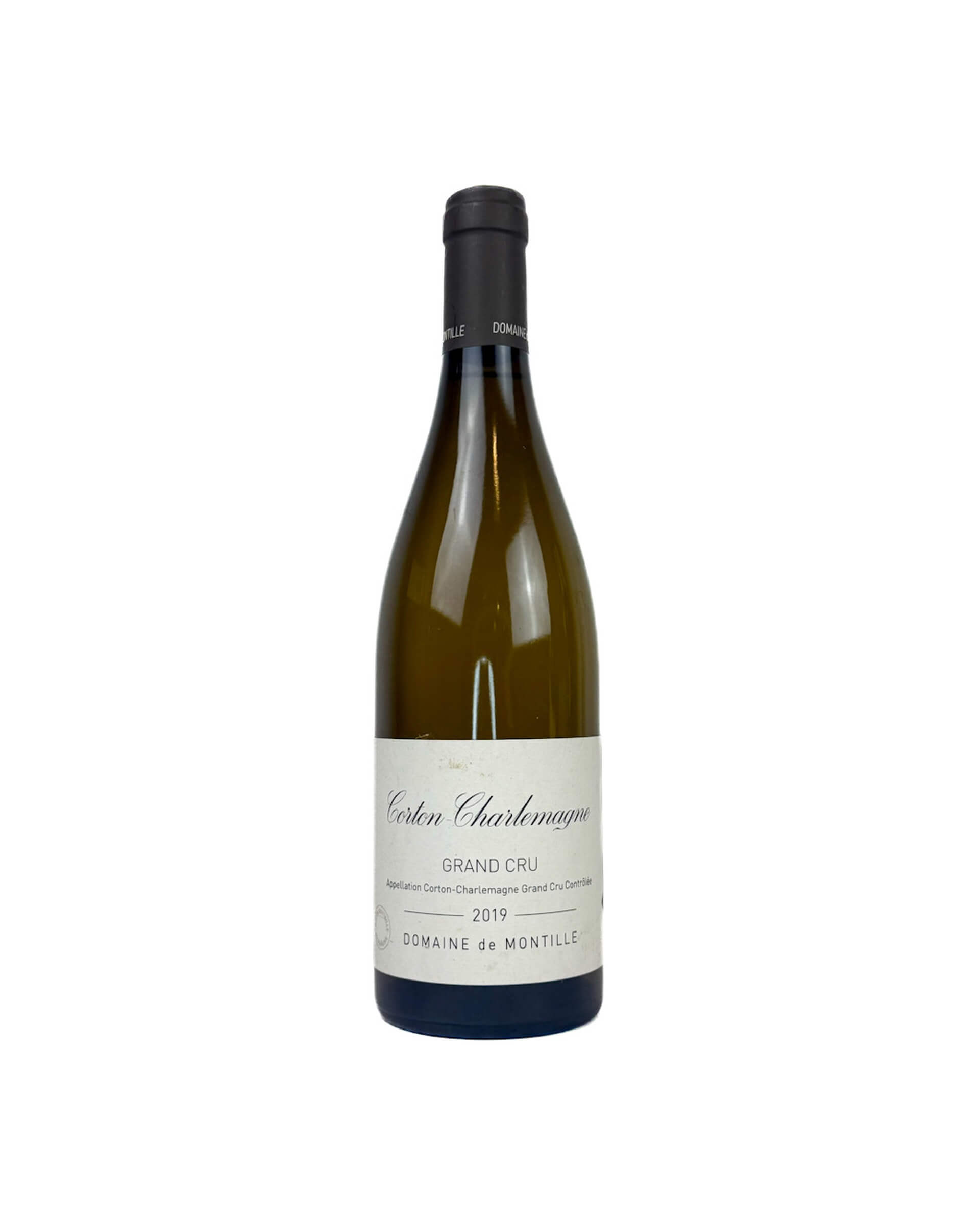
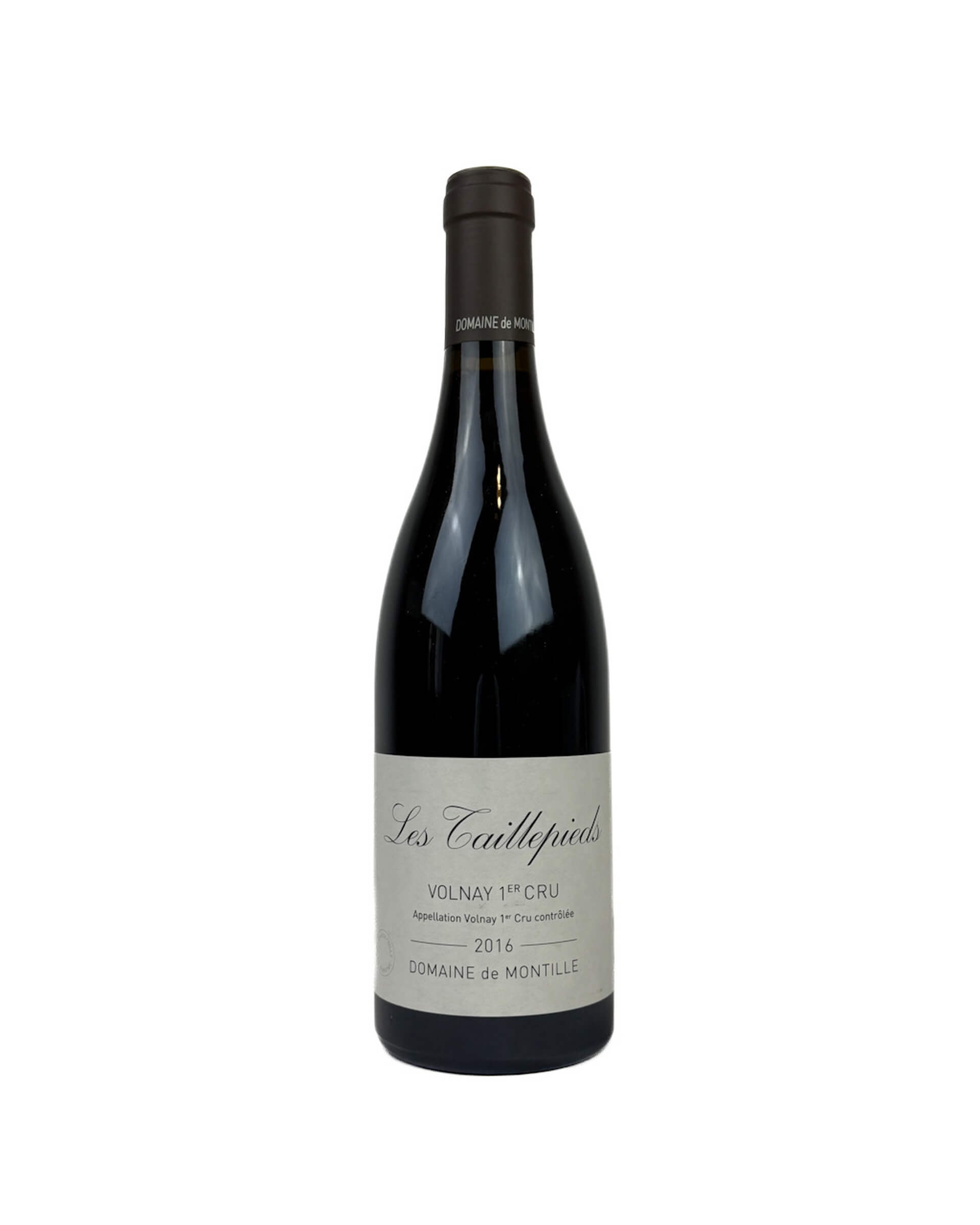
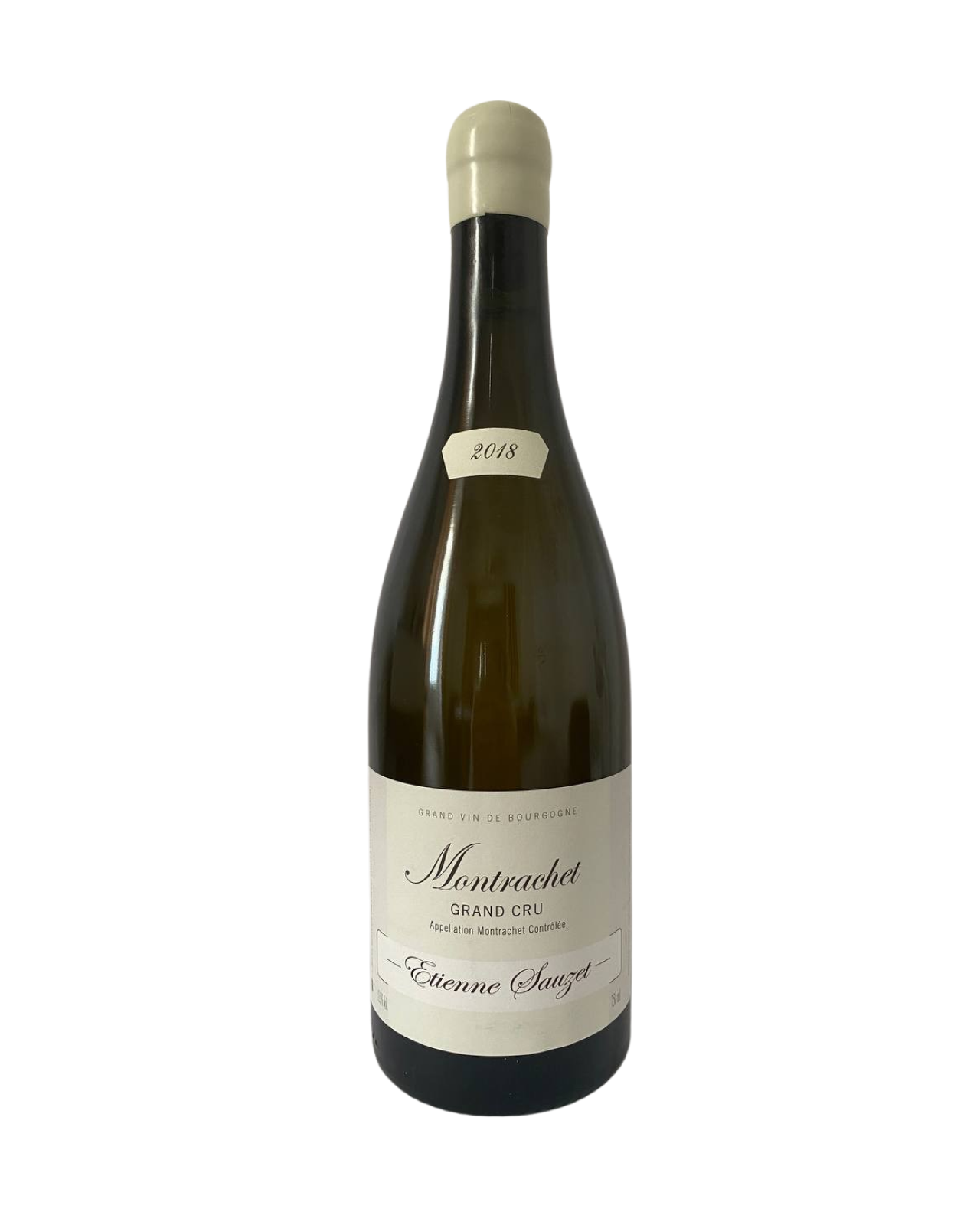
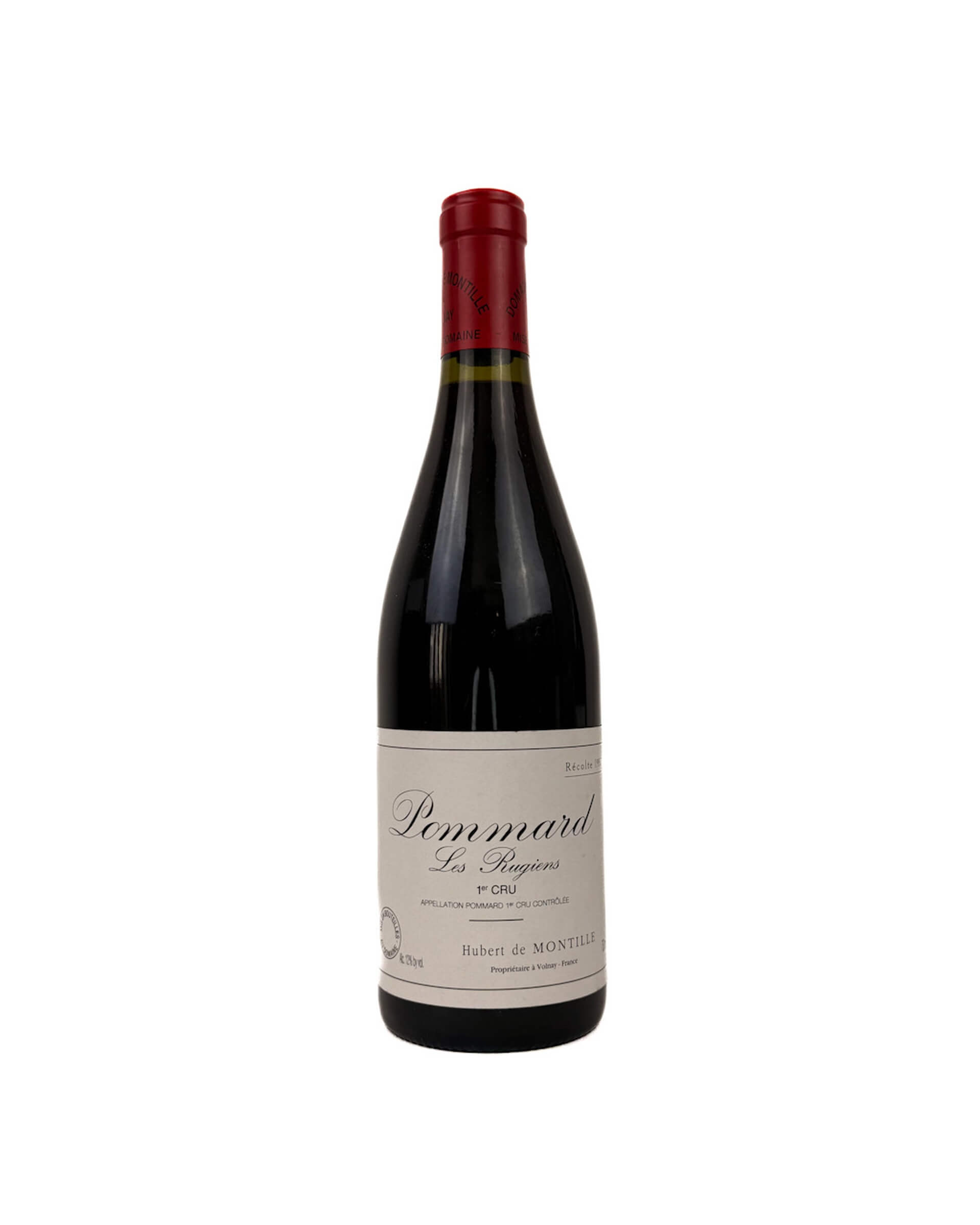
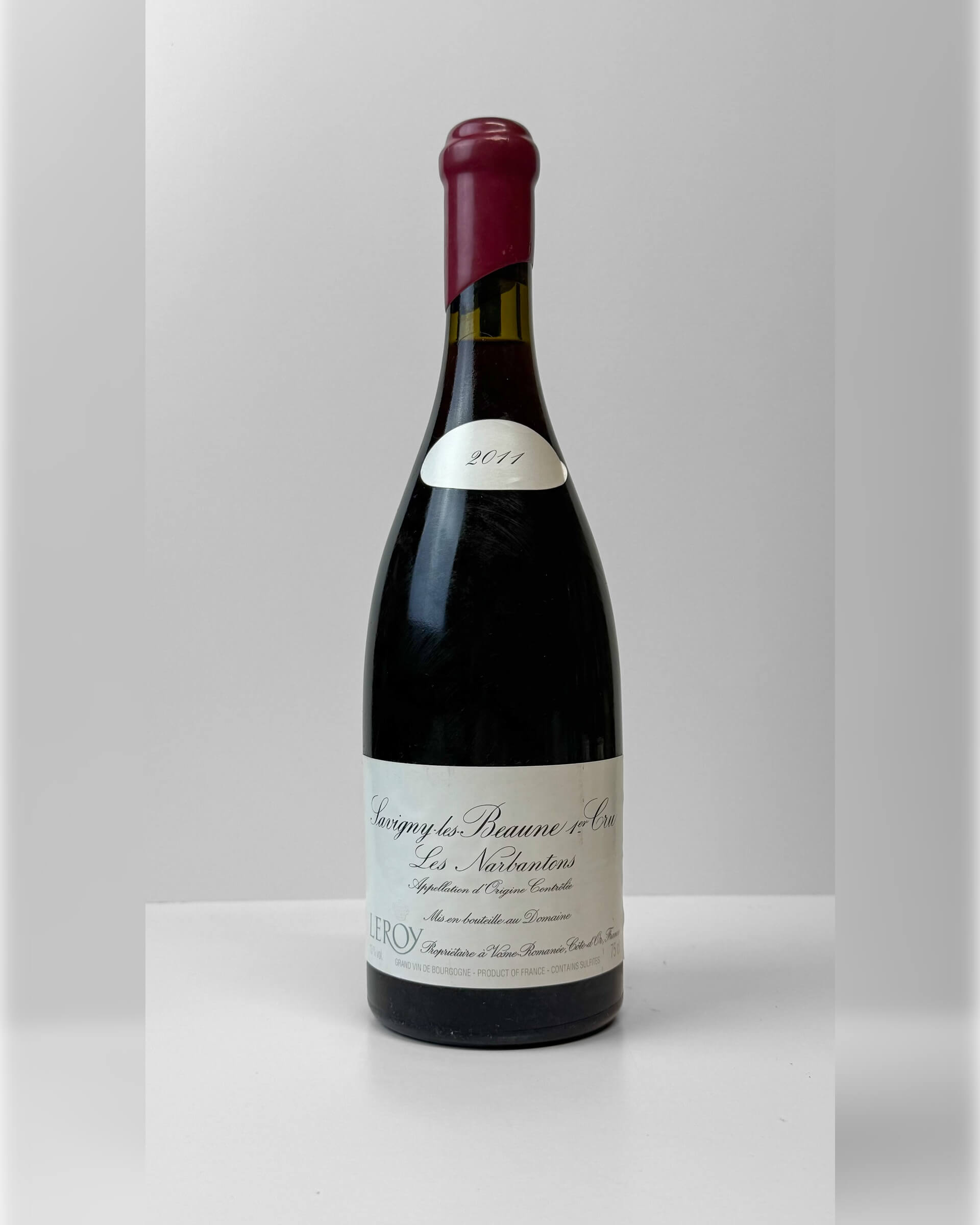
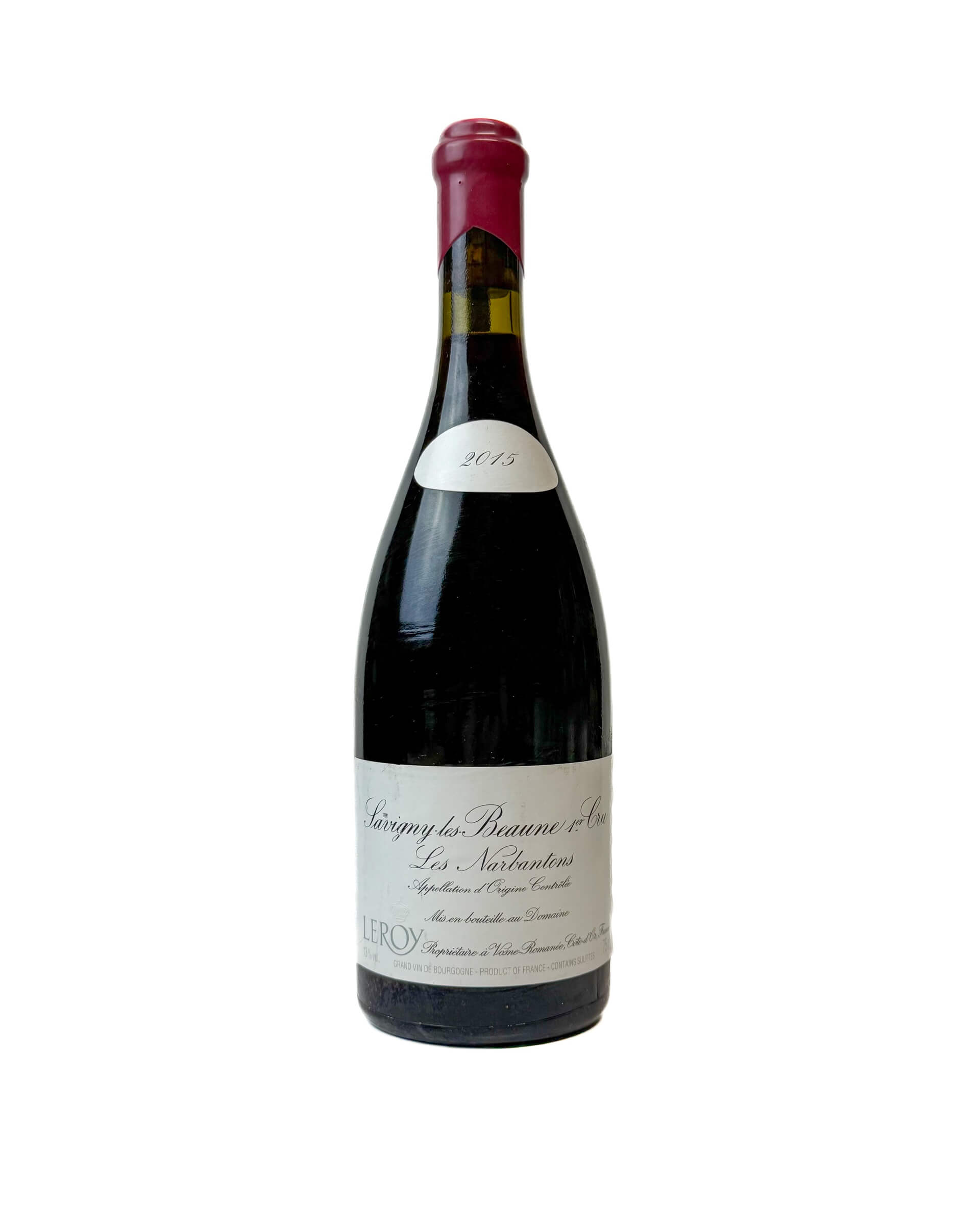
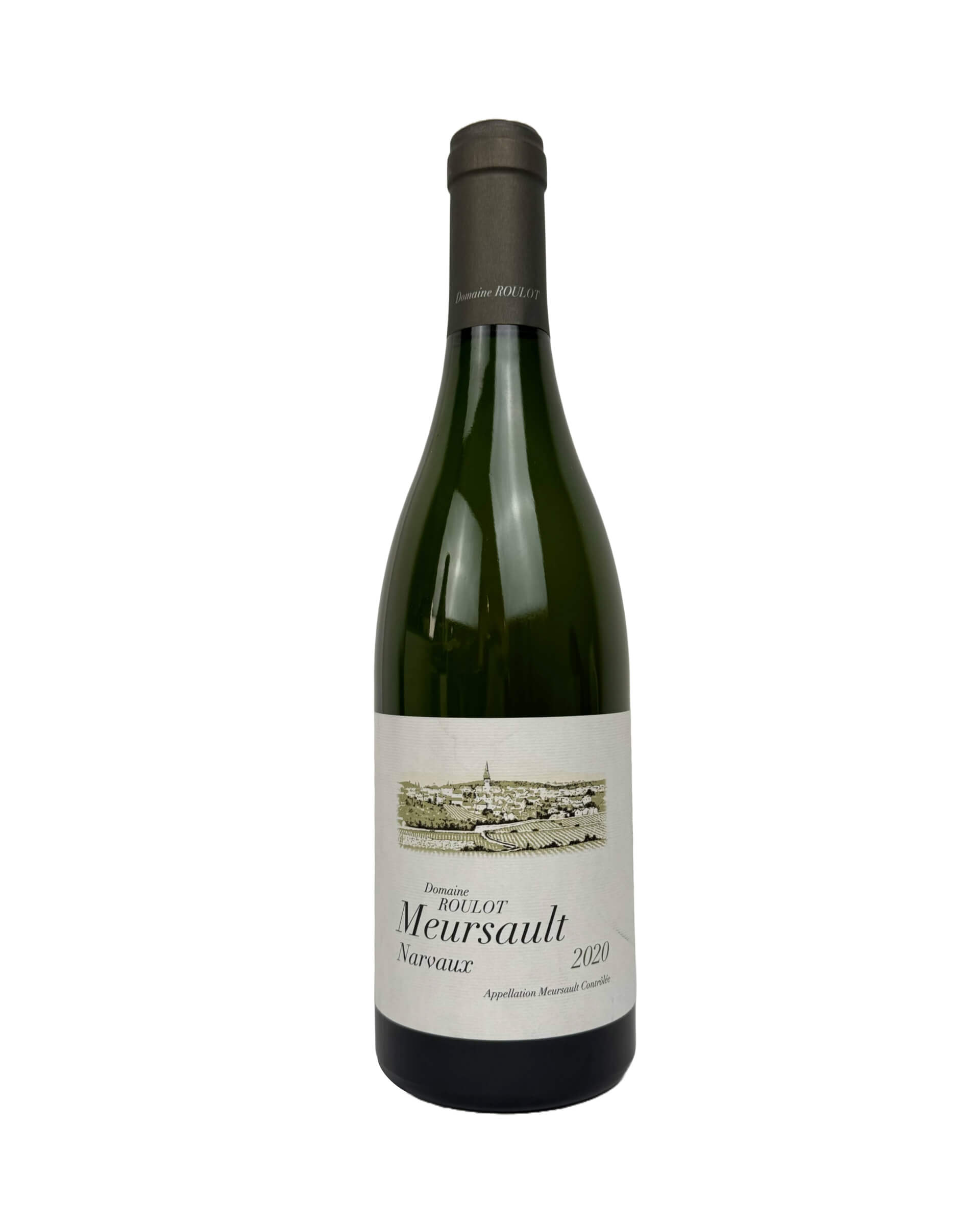
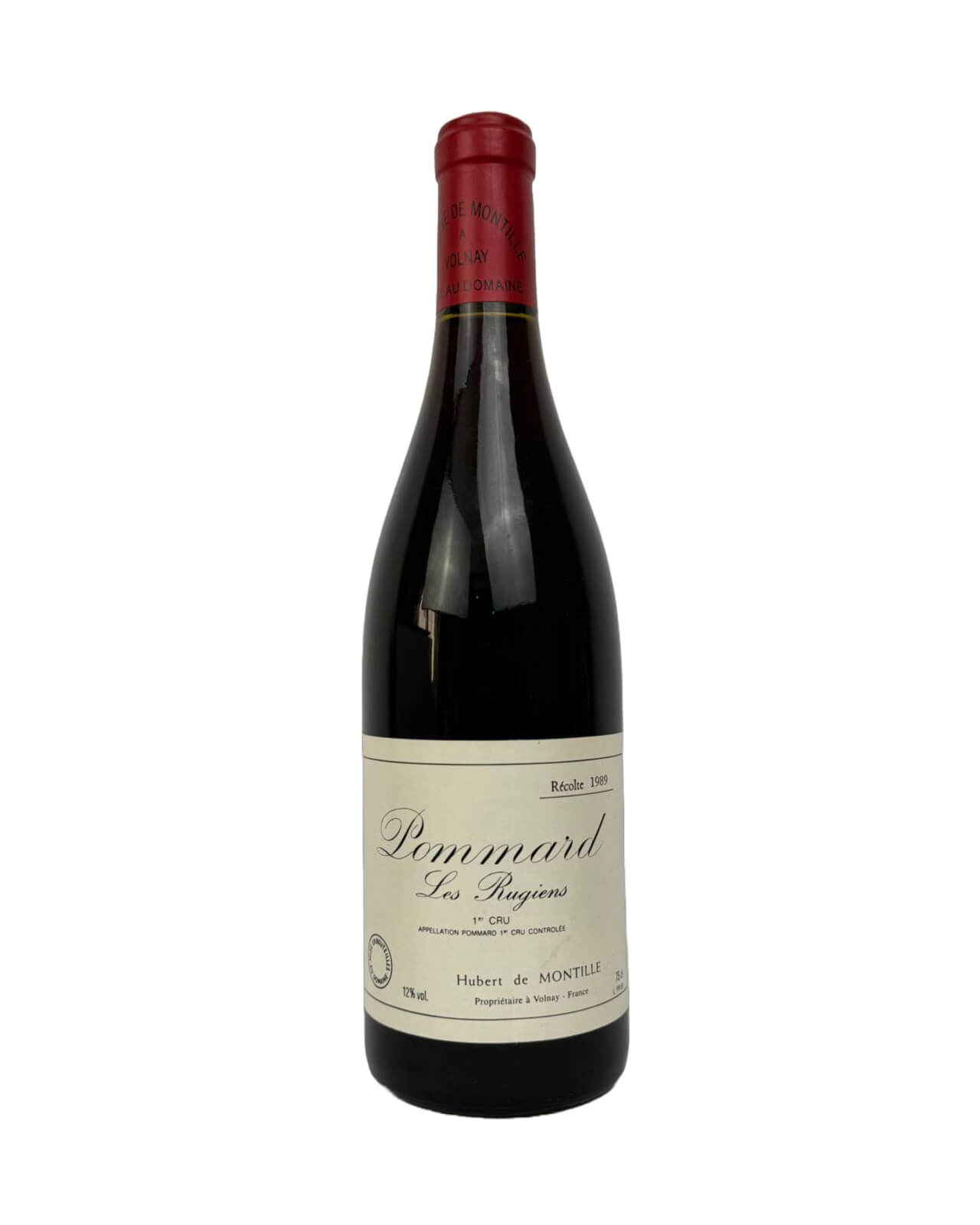
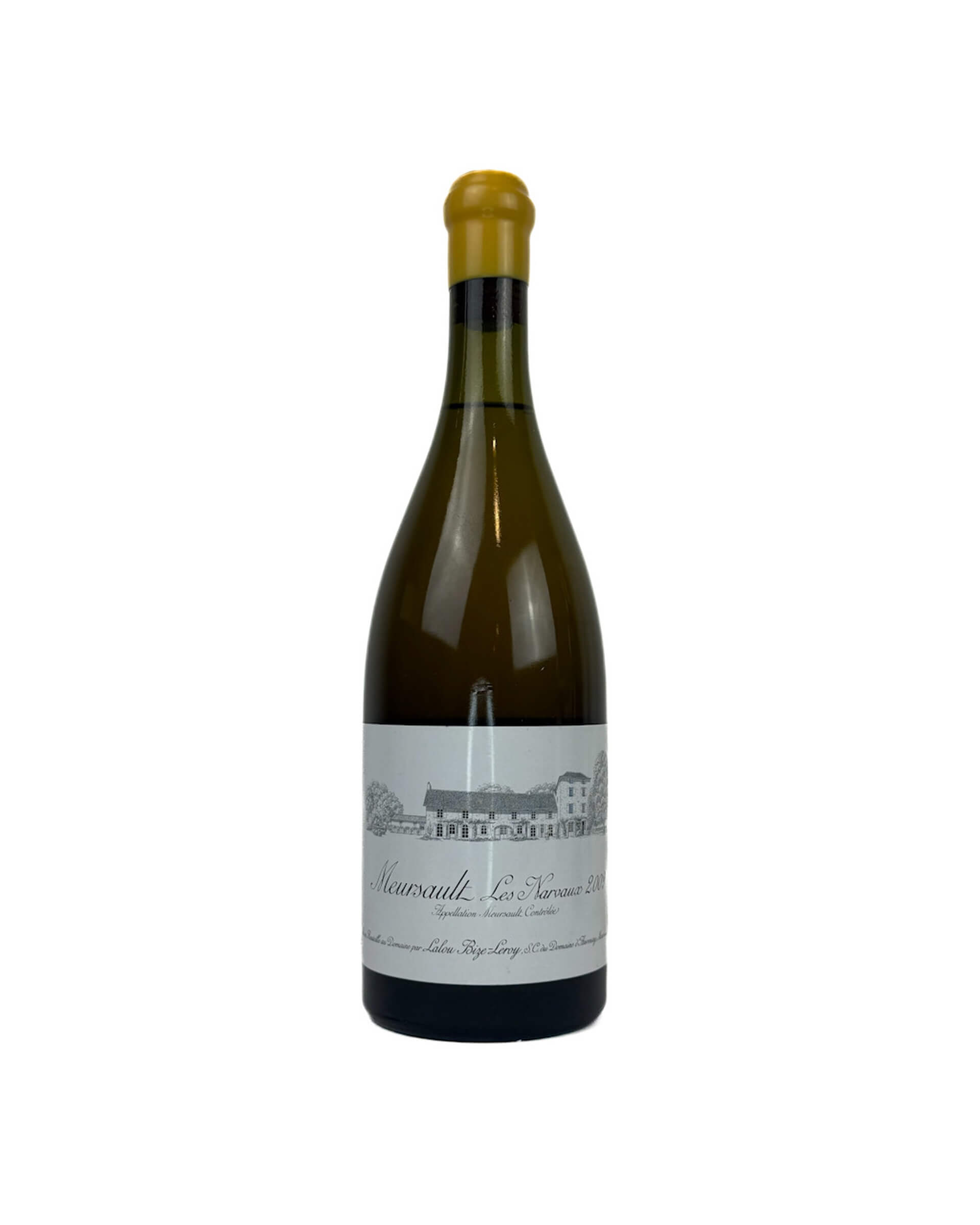
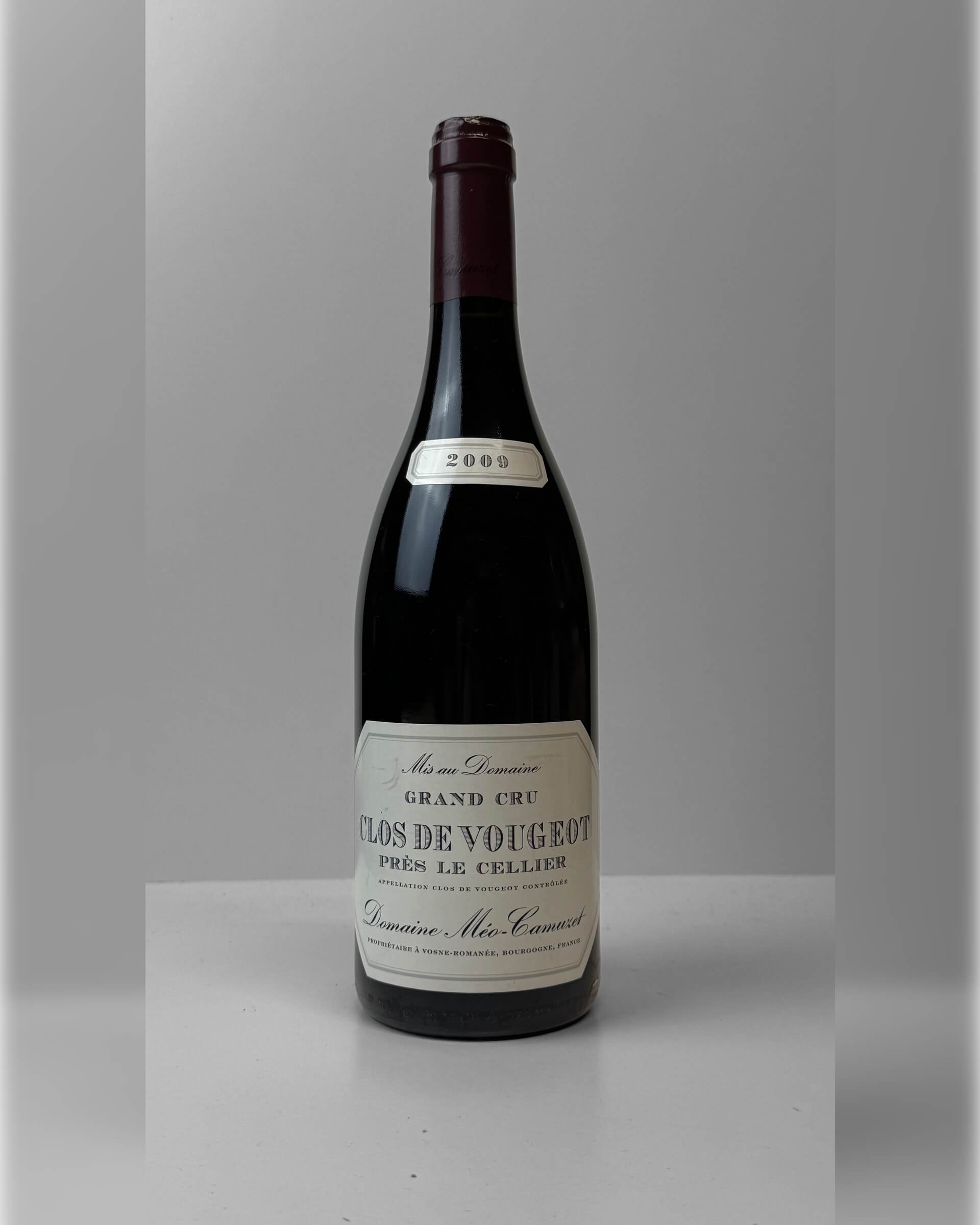
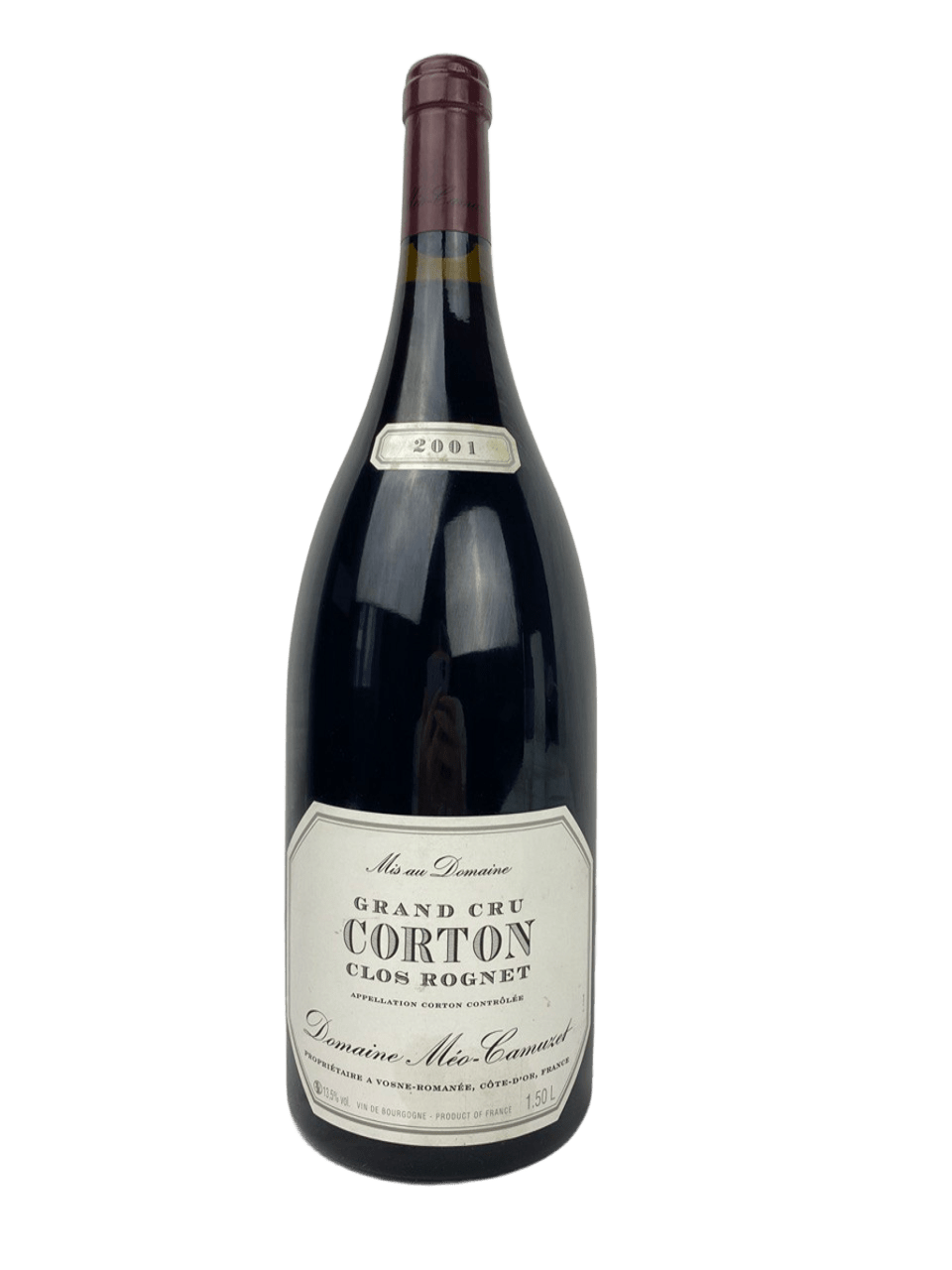
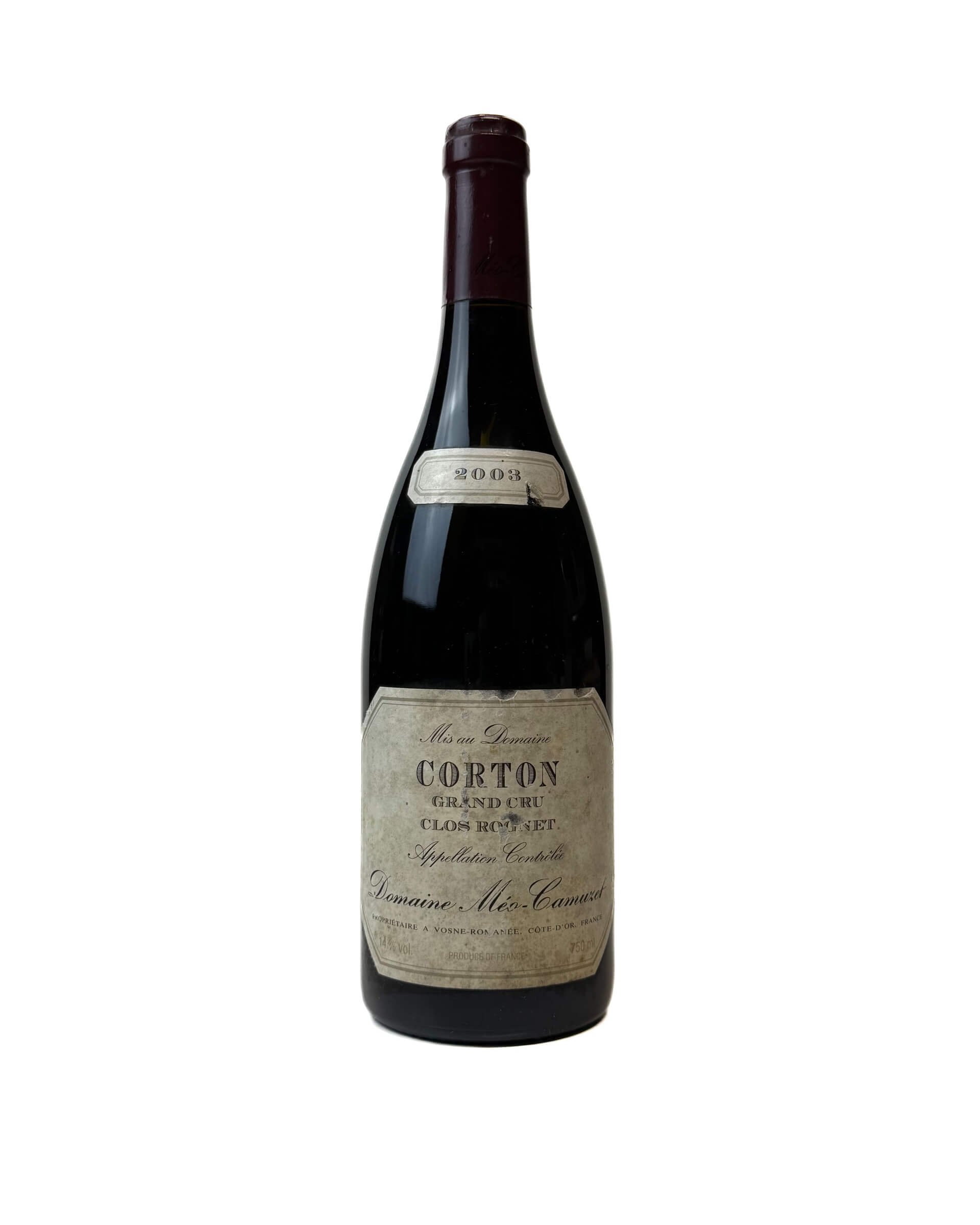
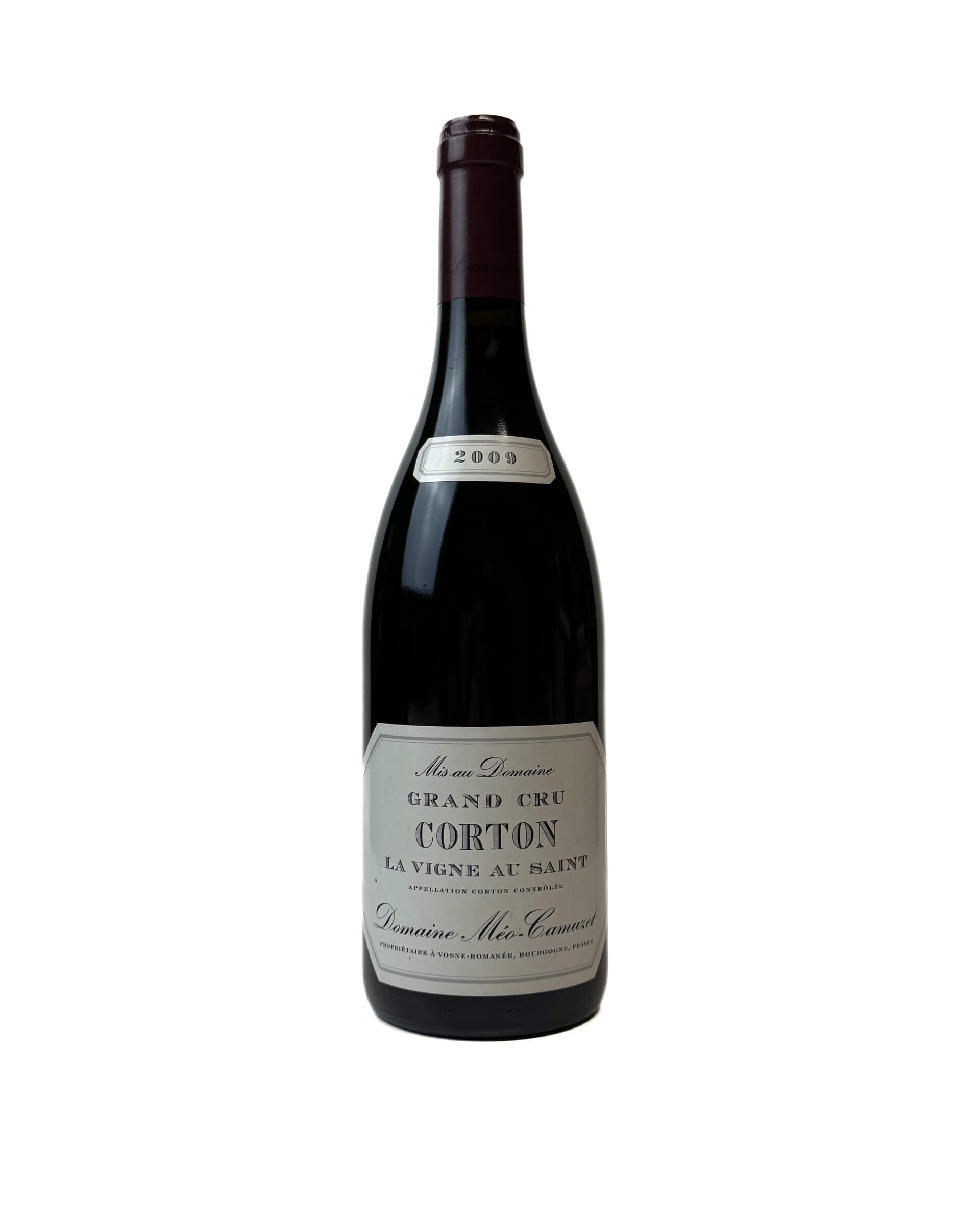
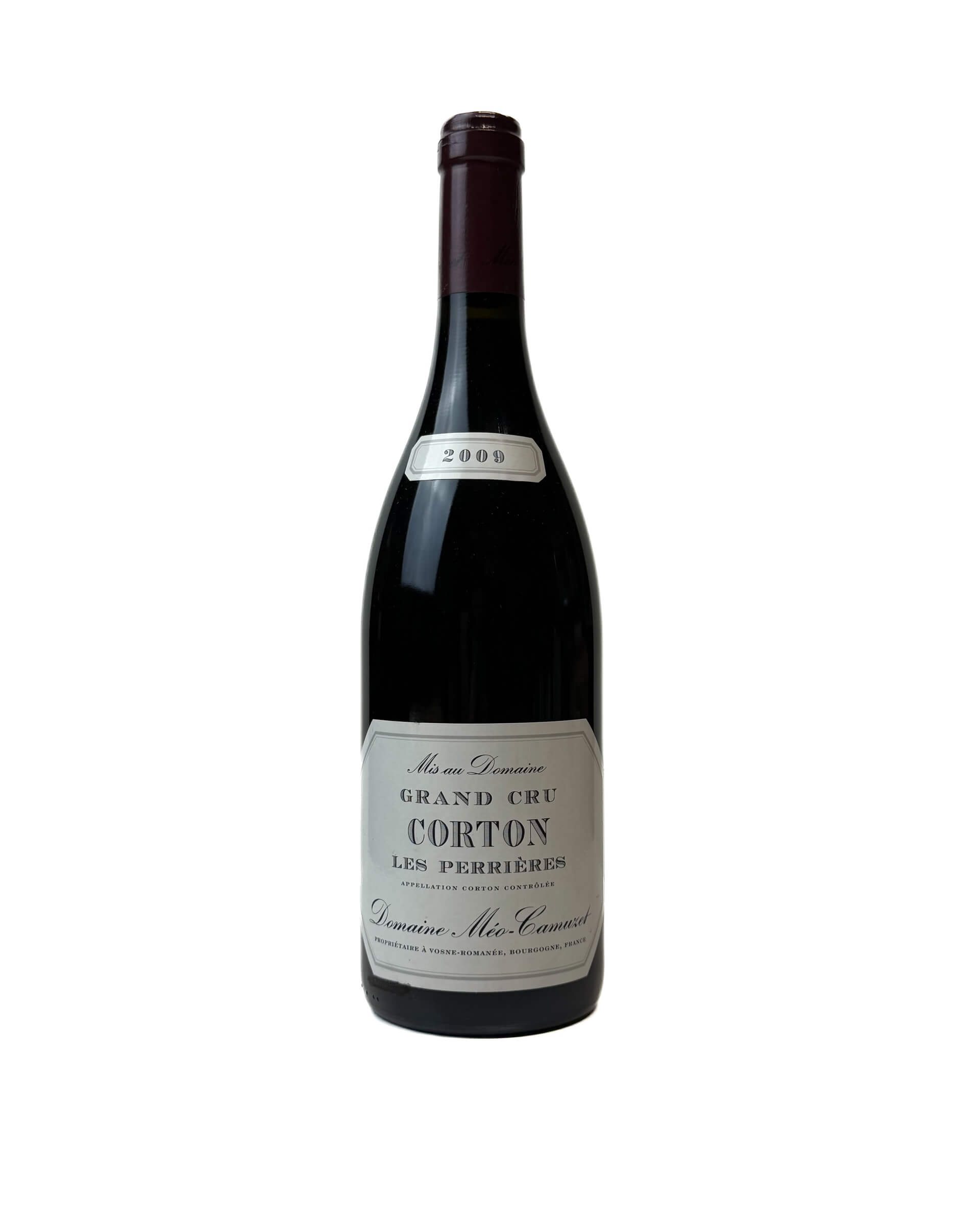
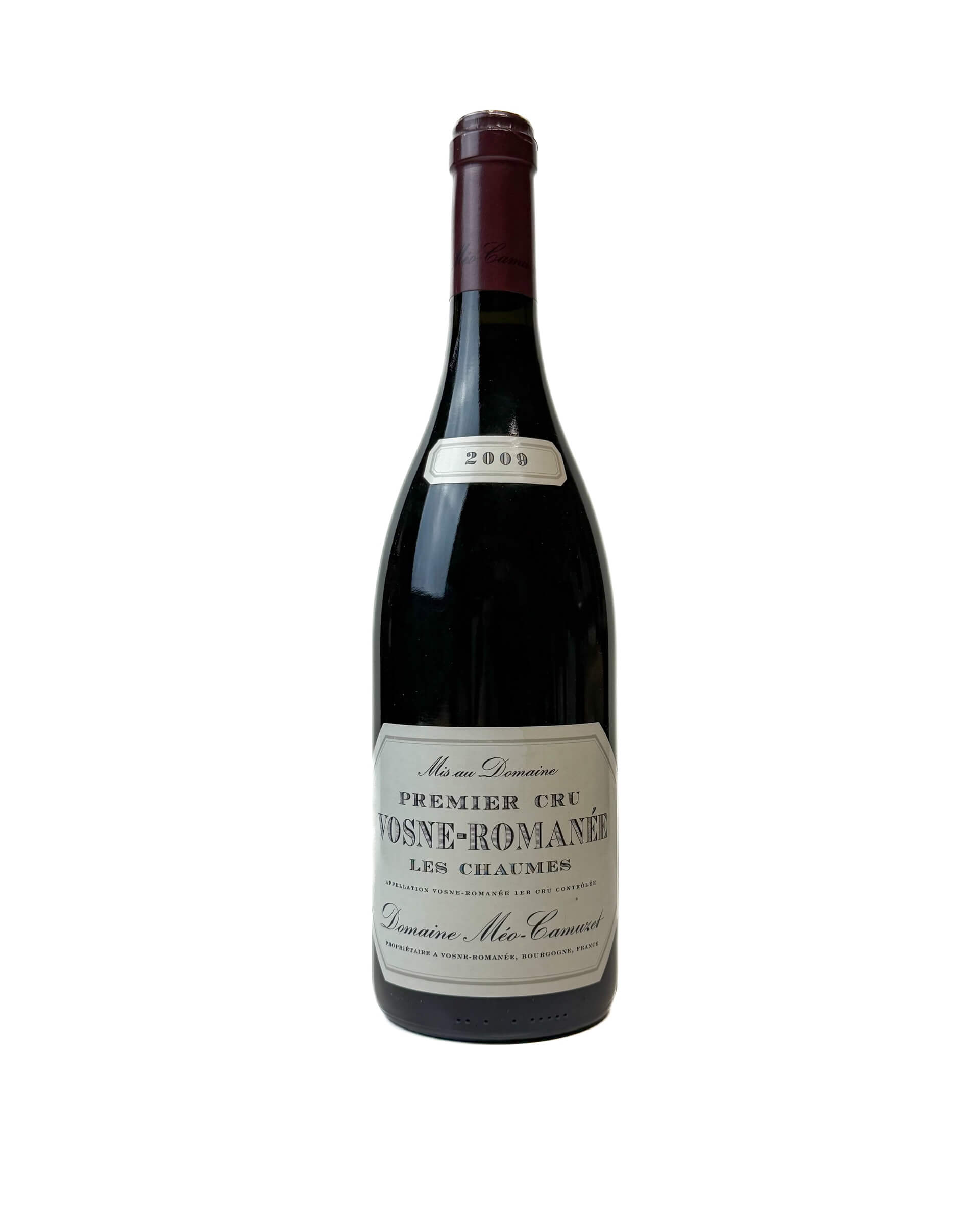
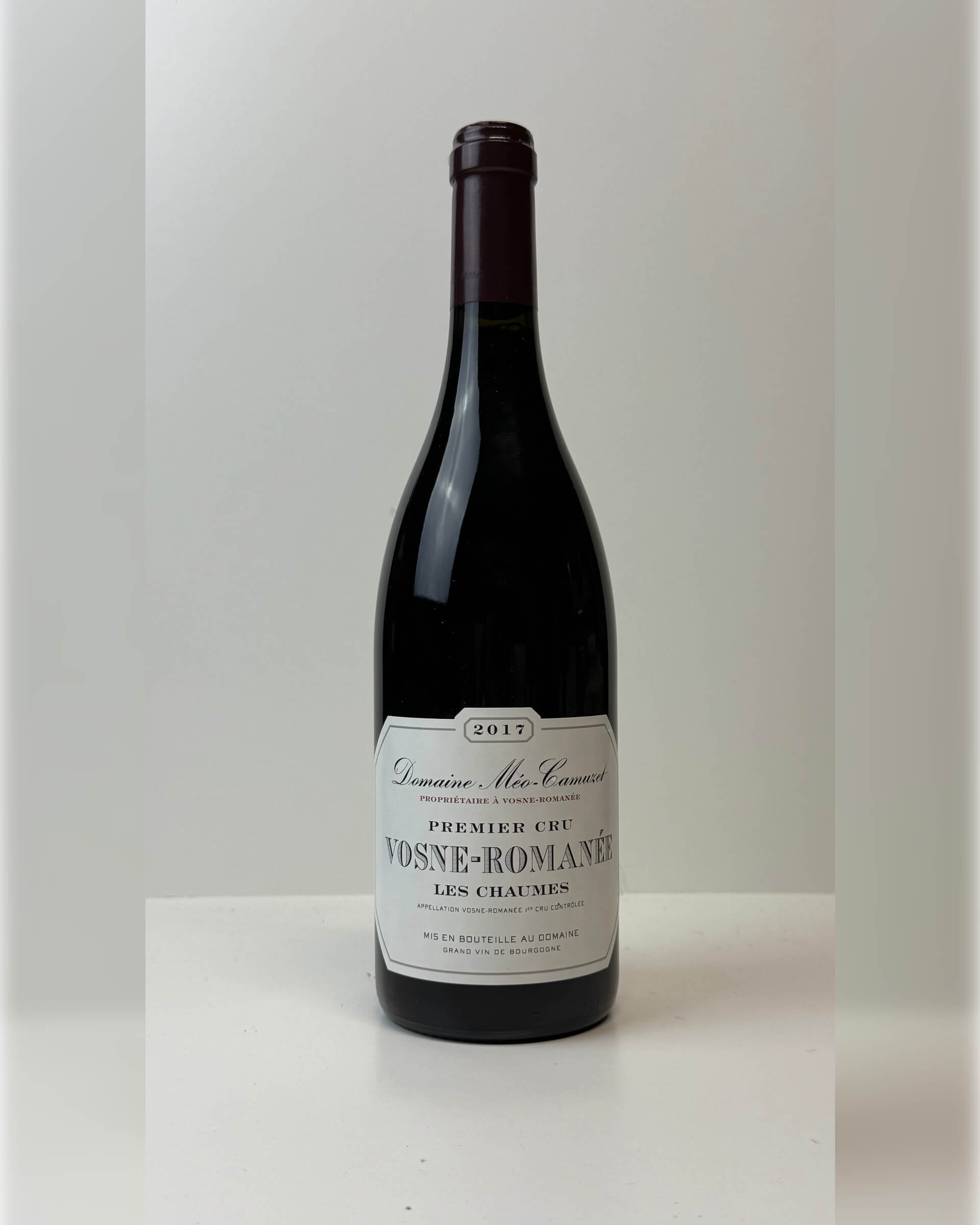
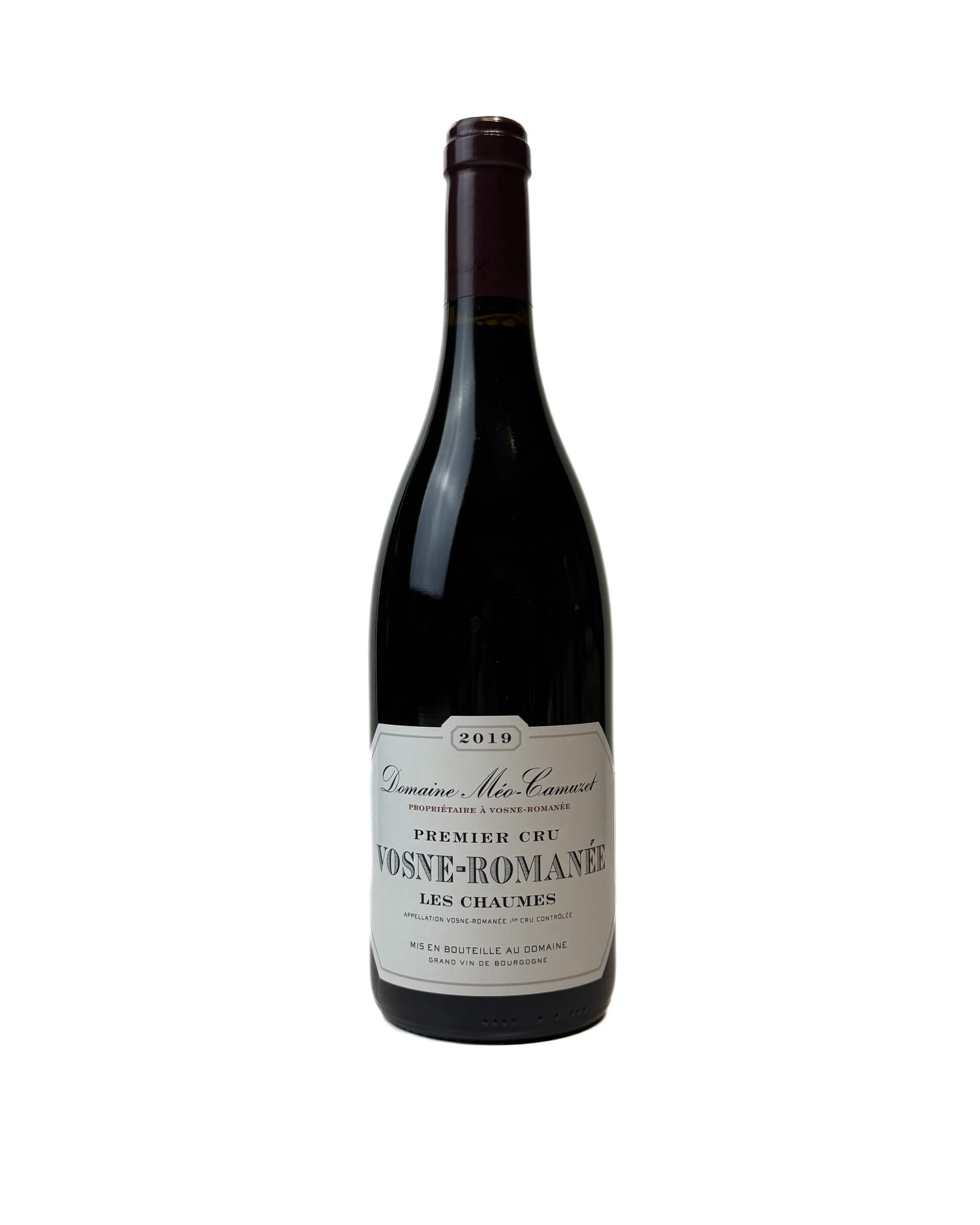
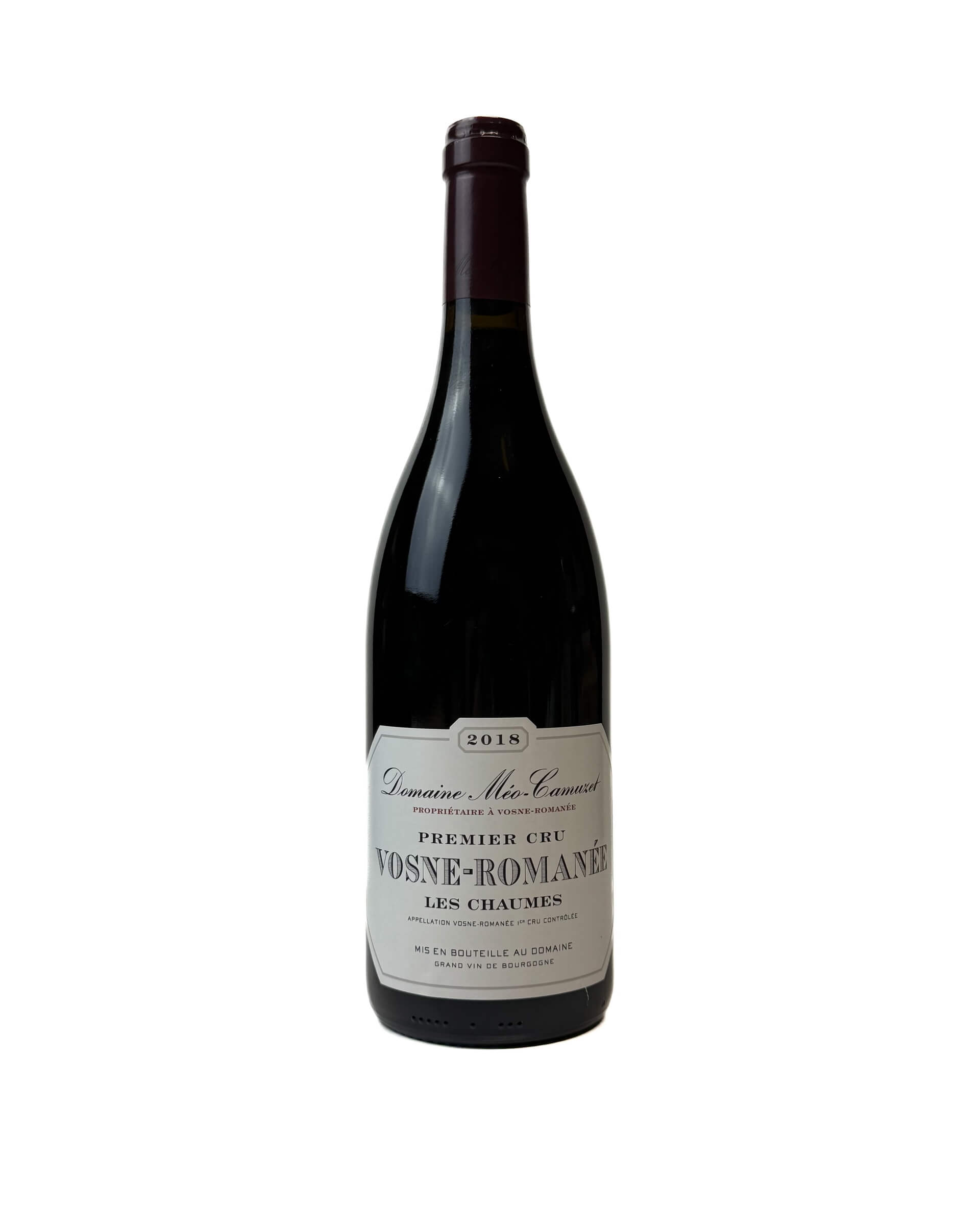
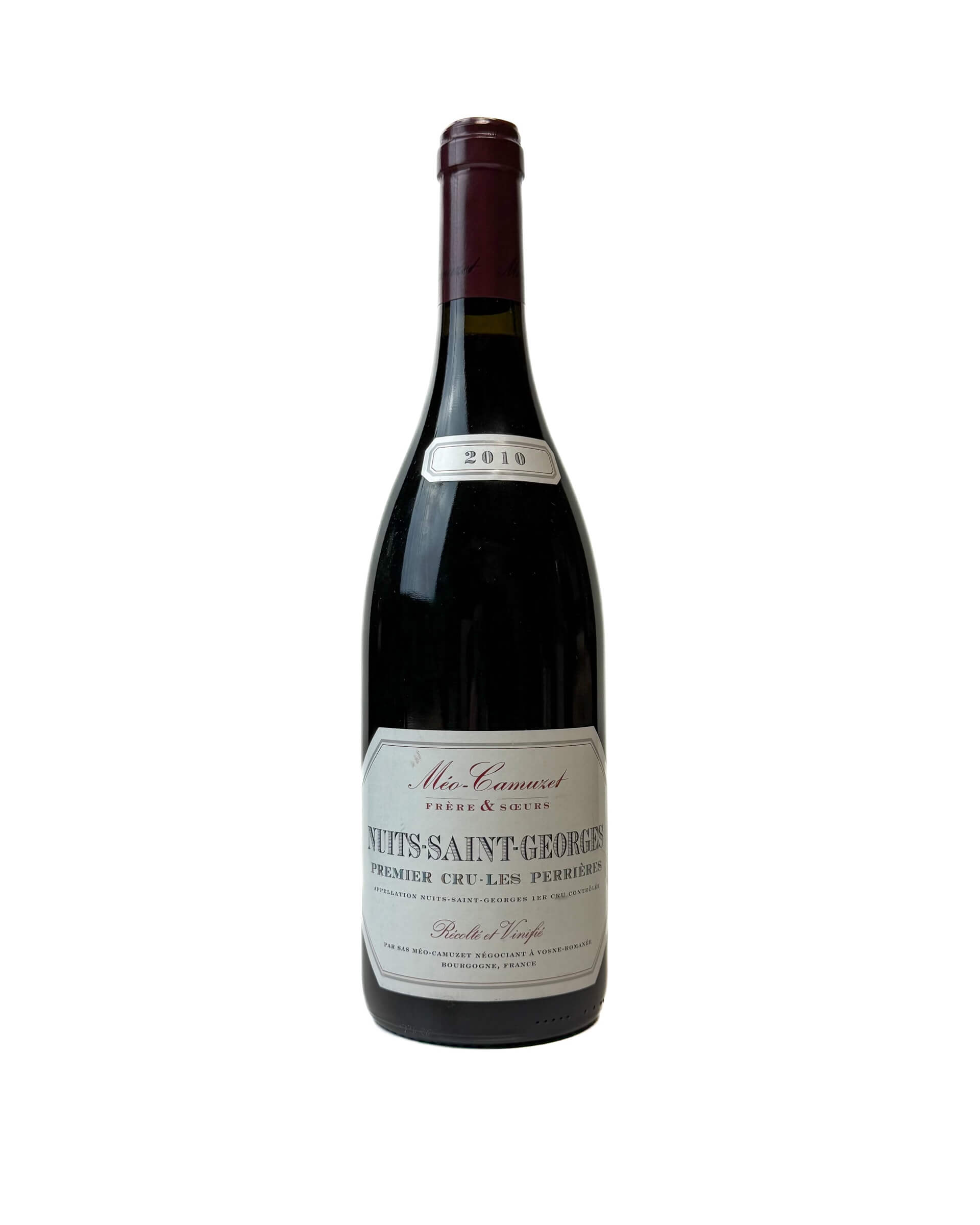
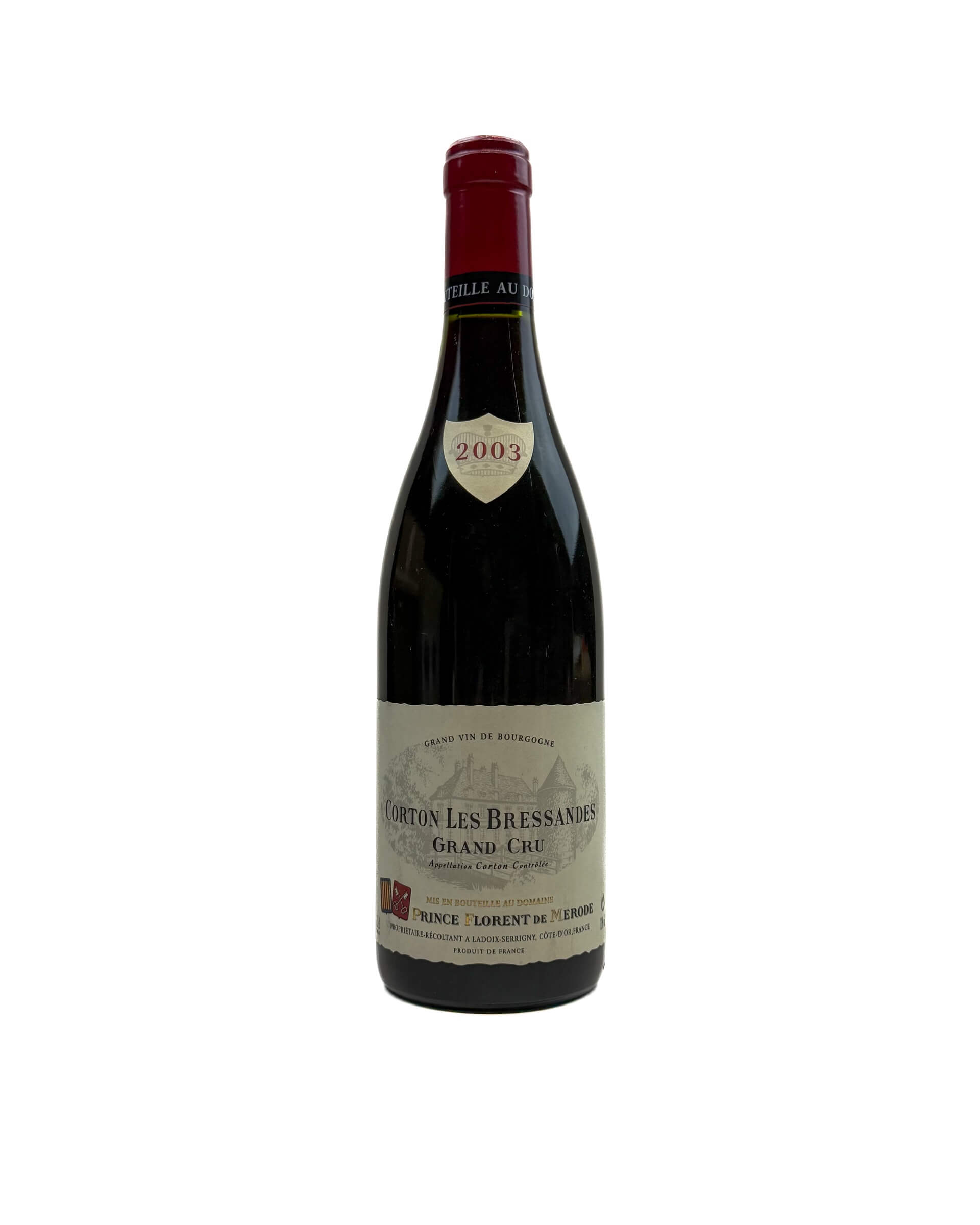
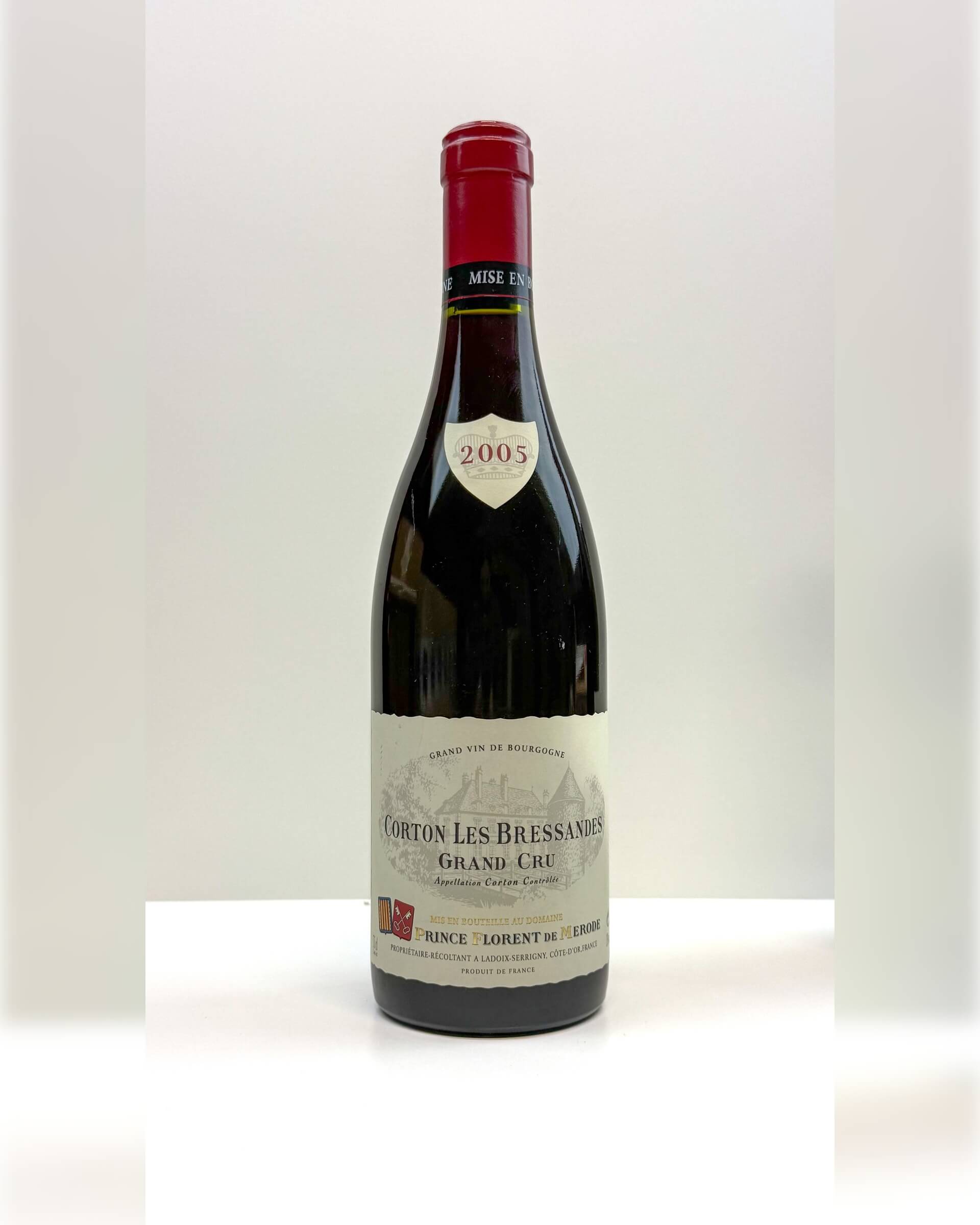
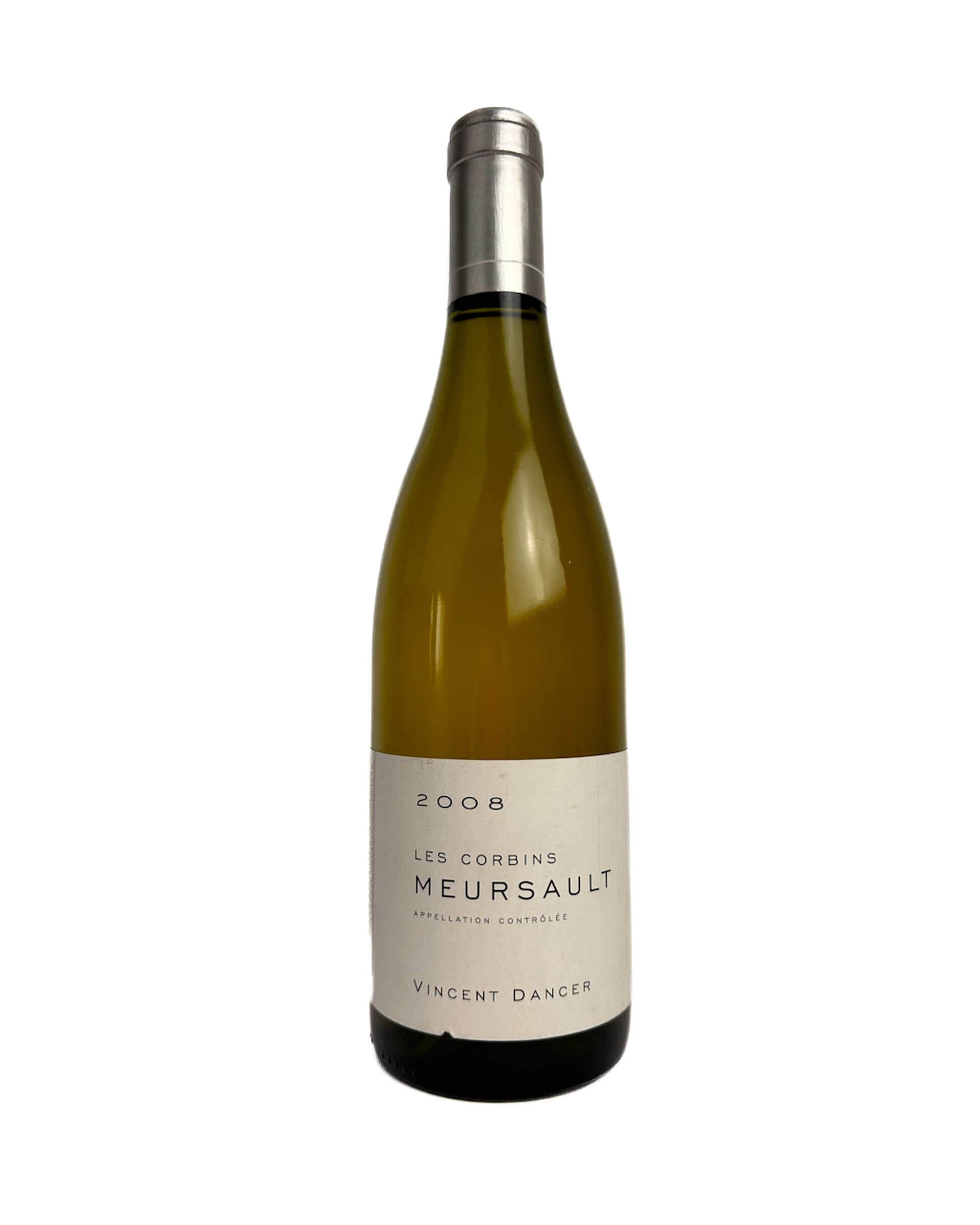
The Côte de Beaune (pronounced “kote duh bone”) is the southern half of Burgundy’s Côte d’Or, and it is widely regarded as the source of the greatest dry white wine on earth. While the neighbouring Côte de Nuits builds its reputation on red Pinot Noir, Côte de Beaune wines are defined above all by Chardonnay grown on a ribbon of limestone-rich slopes — the home of Le Montrachet, where Domaine de la Romanée-Conti holds part of the monopole and bottles routinely change hands at auction for four-figure sums. Our Tour de Wine selection gathers 30 bottles from the region, with honest pricing in euros — beginning from around €95 and concentrated near €290 — so you can navigate village, Premier Cru and Grand Cru with confidence rather than guesswork.
The Côte de Beaune wine region occupies the southern stretch of the Côte d’Or, running roughly 30 kilometres from Ladoix-Serrigny in the north down to Santenay and Maranges in the south. Its heart is the historic town of Beaune itself, the commercial capital of Burgundy and home to many of the area’s most important négociant houses. The landscape is a mosaic of limestone and clay marl, with east- and south-east-facing slopes that catch the morning sun.
It is altitude and aspect, as much as soil, that separate one classification from another. The finest Grand Cru and Premier Cru parcels sit on the mid-slope, where drainage is sharp and sunlight even; the village-level vineyards spread above and below. This is why two bottles from neighbouring rows can express such different ambition.
Although the region is celebrated for white wine, the reality is more balanced than the cliché suggests: white Chardonnay dominates the slope’s prestige, yet red Pinot Noir remains a major part of overall production, particularly in the southern communes. What is beyond dispute is the concentration of white prestige — seven of Burgundy’s eight white Grands Crus lie within these slopes, a density found nowhere else in the world for the variety.
The region is a string of Côte de Beaune villages, each with its own personality. Understanding what each commune does best is the single most useful piece of orientation a buyer can have. Above the main slope sits the Hautes-Côtes de Beaune, a higher-altitude entry zone offering fresher, earlier-drinking wines at gentler prices.
The great hill of Corton straddles Aloxe-Corton, Pernand-Vergelesses and Ladoix-Serrigny. It is unique here for producing the region’s only red Grand Cru (Corton) alongside white Corton-Charlemagne, whose iron-rich, reddish upper band of marl gives the wine its trademark structure and saline grip. The reds are firm and slow to open; the whites are powerful, mineral and built for the long haul.
Beaune itself has no Grands Crus but an exceptional spread of Premier Cru vineyards, producing supple, perfumed reds and increasingly fine whites. Neighbouring Savigny-lès-Beaune and Pernand-Vergelesses offer earlier-drinking, fragrant Pinot Noir and crisp Chardonnay that represent some of the region’s most reliable value.
These two adjoining villages are the red-wine glory of the region. Pommard makes dark, firm, tannic Pinot Noir that rewards patience, with Les Rugiens and Les Épenots its most celebrated Premier Cru climats. Volnay, by contrast, trades power for perfume: from sites such as Clos des Chênes, Champans and Taillepieds it offers a fingerprint of violet, red rose and kirsch over fine-grained tannin — the work of growers like Domaine de Montille has long defined the style. Both are red-only appellations with no white wine of note.
Meursault is the largest of the great white villages and the most generous in style: broad, golden, redolent of hazelnut, butter and roasted nuts, with oak woven seamlessly through the fruit. It carries no Grand Cru, yet its Premier Crus are clearly ranked — Les Perrières sits above Genevrières and Charmes, was formally proposed for Grand Cru elevation in the 1930s, and is treated by many critics as a de facto Grand Cru in price and longevity. Producers such as Coche-Dury and Domaine des Comtes Lafon are the reference points. For many drinkers, Meursault is the friendliest gateway to serious white Burgundy.
These twin villages share the Montrachet vineyard and its satellites — Chevalier-Montrachet, Bâtard-Montrachet and Bienvenues-Bâtard. Puligny-Montrachet is the more precise and mineral of the pair, taut, citrus-driven and chiselled, with Domaine Leflaive’s Clavoillon a long-standing standard-bearer for Premier Cru precision. Chassagne-Montrachet is broader and more stone-fruited; its Morgeot and Caillerets climats yield serious reds, while La Romanée is a benchmark white, and Domaine Ramonet remains its defining name. Between them they hold the densest cluster of white Grands Crus on the planet.
Tucked behind the Montrachet hill, Saint-Aubin produces taut, mineral whites that often deliver Puligny-like cut at a fraction of the price — its top climats, En Remilly and Les Murgers des Dents de Chien, border the Puligny Grand Crus directly and rank among the smartest buys in white Burgundy. Santenay, at the southern end, leans red, with sturdy, earthy Pinot Noir and a smaller amount of honest white.
Burgundy organises its vineyards into a four-tier pyramid, and the region showcases every rung. At the base sit the Régionale appellations (Bourgogne, Hautes-Côtes de Beaune). Above them, Village wines carry a commune name such as Meursault or Pommard. Higher still, Premier Cru wines name a specific, classified vineyard within a village. At the summit, Grand Cru wines — Montrachet, Corton-Charlemagne, Corton — stand on their own as named parcels with their own appellation.
One point regularly confuses buyers: “Côte de Beaune-Villages” is a distinct blended appellation for red wines drawn from several lesser-known communes, and is not the same as a Village-level wine carrying a single commune name. The latter is almost always the more specific and ambitious choice. To explore the top of the pyramid, browse our Grand Cru Burgundy and Premier Cru wines collections, where the climb in concentration, length and ageing potential becomes tangible bottle by bottle.
Chardonnay is the soul of the region. On these limestone soils it achieves a balance of richness and tension found nowhere else, with flavours that range from green apple and citrus in cooler sites to hazelnut, white peach and toasted oak in the grander cuvées. It is the variety behind every one of the region’s celebrated white Grands Crus.
Pinot Noir is the red grape, producing wines of finesse rather than power — red cherry, rose, undergrowth and silken tannins, especially in Volnay and Beaune. Compare it with our wider Pinot Noir from Burgundy range to see how these slopes express the variety. A handful of permitted minor grapes — Pinot Blanc, Pinot Gris and Aligoté — appear in regional appellations but play only a supporting role.
The first decision when you buy Côte de Beaune wine is how far up the classification ladder to climb. Village-level bottles are made for relatively early pleasure and represent the bulk of sensible everyday drinking; Premier and Grand Cru wines reward cellaring and reveal their depth over years. If you are buying to drink soon, a fine Village Meursault or a sharp Saint-Aubin offers enormous satisfaction without the Grand Cru outlay.
On Côte de Beaune wine price, we believe in transparency. Our selection starts from around €95, with the majority of bottles priced near €290 — representing Village and Premier Cru quality from established growers. Grands Crus and sought-after single-vineyard cuvées range from around €1,100 up to €4,500 for the rarest bottlings. A small number of Régionale and Hautes-Côtes wines open the range at €40, an honest entry point rather than a headline.
Vintage matters more in Burgundy than almost anywhere, affecting both price and availability; older and more acclaimed years command a premium and sell quickly. When you spend at Premier and Grand Cru level, ask about provenance and storage history — proper cellaring is what protects the investment. Browse our full Burgundy selection to compare the region against its neighbours before committing.
For gifting or a first serious purchase, Village-level whites from Meursault or value reds from Savigny and Santenay are intelligent choices: recognisably fine, ready to enjoy, and far from the speculative top of the market.
White wine from the region is best served at 12 to 14°C — not fridge-cold, which mutes its aromatics. Most Village-level whites drink beautifully on release, while Premier and Grand Cru bottlings gain complexity with two to five years in the cellar, and the greatest can age for decades. Classic pairings play to the wine’s richness: roasted turbot, lobster in butter sauce, veal blanquette, creamy risotto and a wedge of aged Comté.
The reds call for a slightly warmer 15 to 17°C and rarely needs heavy decanting. Volnay can be opened young and enjoyed for its perfume; structured Pommard repays five years or more in bottle. Reach for these reds with duck breast, roasted guinea fowl, earthy mushroom dishes and mild charcuterie. To see the broader spectrum, explore our red wines across regions and grapes.
The two halves of the Côte d’Or are easily distinguished once the difference clicks. The Côte de Nuits, to the north, is red-wine country, producing the most powerful and long-lived Pinot Noir in the world — Gevrey-Chambertin, Vosne-Romanée, Chambolle-Musigny. The southern half, by contrast, is the white-wine engine of Burgundy, even though it also makes superb reds in Pommard and Volnay.
For a buyer, the rule of thumb is simple: turn south for benchmark Chardonnay and elegant, approachable Pinot Noir, and to the Côte de Nuits for the most concentrated, age-worthy reds. Discover the contrast in our Côte de Nuits wines collection.
It is pronounced “kote duh bone.” The trailing “e” on both “Côte” and “Beaune” is silent, and “Beaune” carries a soft, nasal “n” — closer to “bone” than “born.” Getting it right is the surest sign you know your white Burgundy.
Both. The region holds seven white Grands Crus (including Montrachet and Corton-Charlemagne) against just one red — Corton — which makes Corton the only red Grand Cru in the southern Côte d’Or. White Chardonnay therefore dominates prestige, but red Pinot Noir from villages such as Pommard and Volnay is significant and can be world-class, so the region rewards drinkers of both colours.
Côte de Beaune-Villages is a blended red appellation drawn from a defined list of lesser-known communes — among them Auxey-Duresses, Chorey-lès-Beaune and Ladoix — which may be combined or sold under the umbrella name. By contrast, an individual village name such as Meursault, Pommard or Volnay is a single-commune designation and, as a rule, indicates a more specific and characterful wine.
It depends on colour and tier. Village whites typically last 3 to 8 years and Premier Cru whites 8 to 15, while Grands Crus such as Montrachet and Corton-Charlemagne can age 15 to 30 years or more. Village reds drink well over 5 to 10 years; Premier Cru Volnay and Pommard reward 10 to 20.
For whites, recent benchmark vintages include 2014, 2017 and 2020 for their balance of ripeness and acidity, while 2010 and 2008 remain prized for ageing. Among reds, 2015, 2019 and 2020 are warm, structured years built for the cellar. Because allocations from leading growers are small and prices rise as a vintage sells through, the practical advice is to buy on release for the wines you intend to cellar, and to source older, library vintages only with documented provenance and storage history.
Written by the Tour de Wine buying team. Last reviewed: June 2026.
This site is restricted to adults. By entering, you confirm that you are of legal drinking age in your country of residence.