
97
0,75
2003
Romanee Conti
Wines, producers, regions...
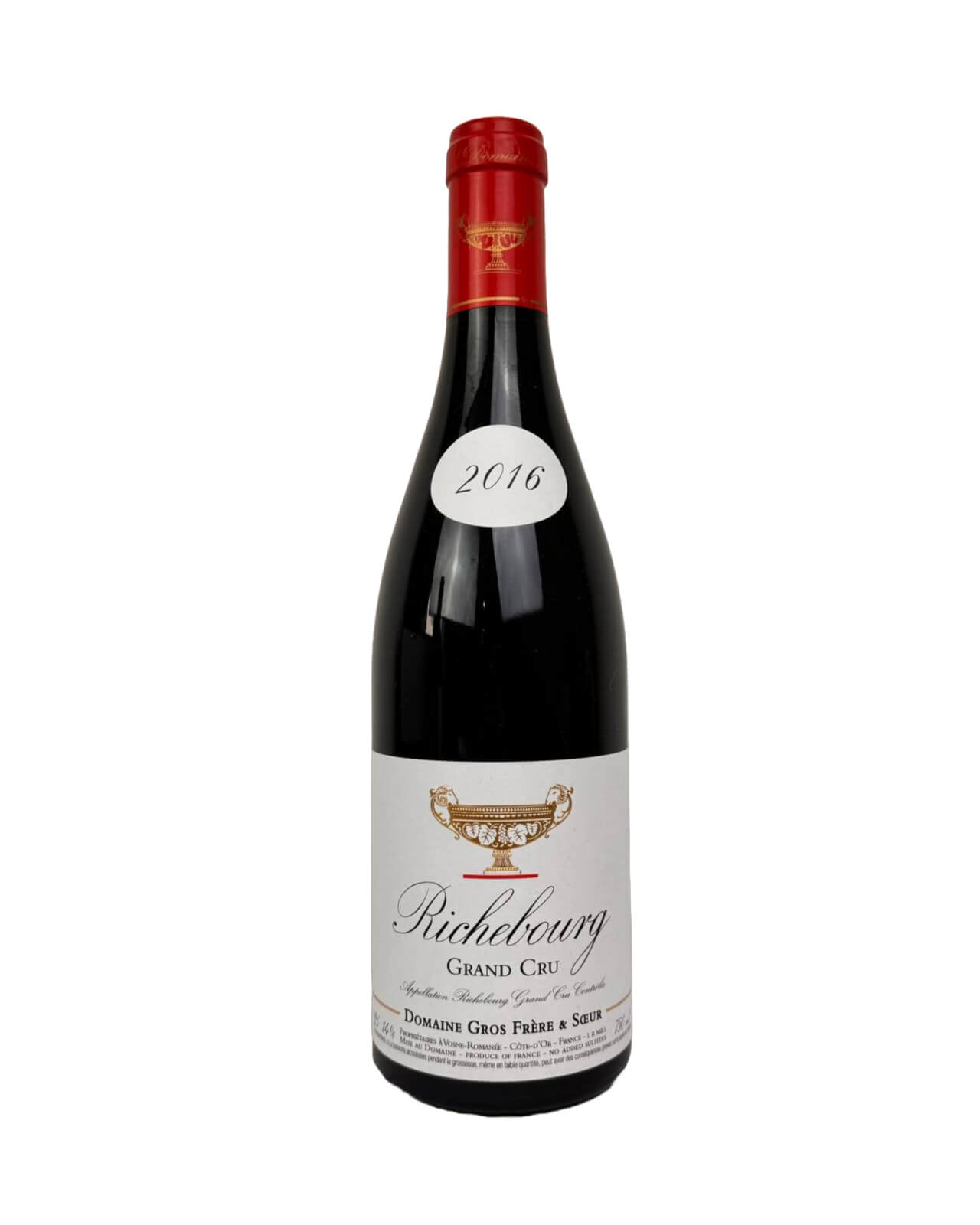
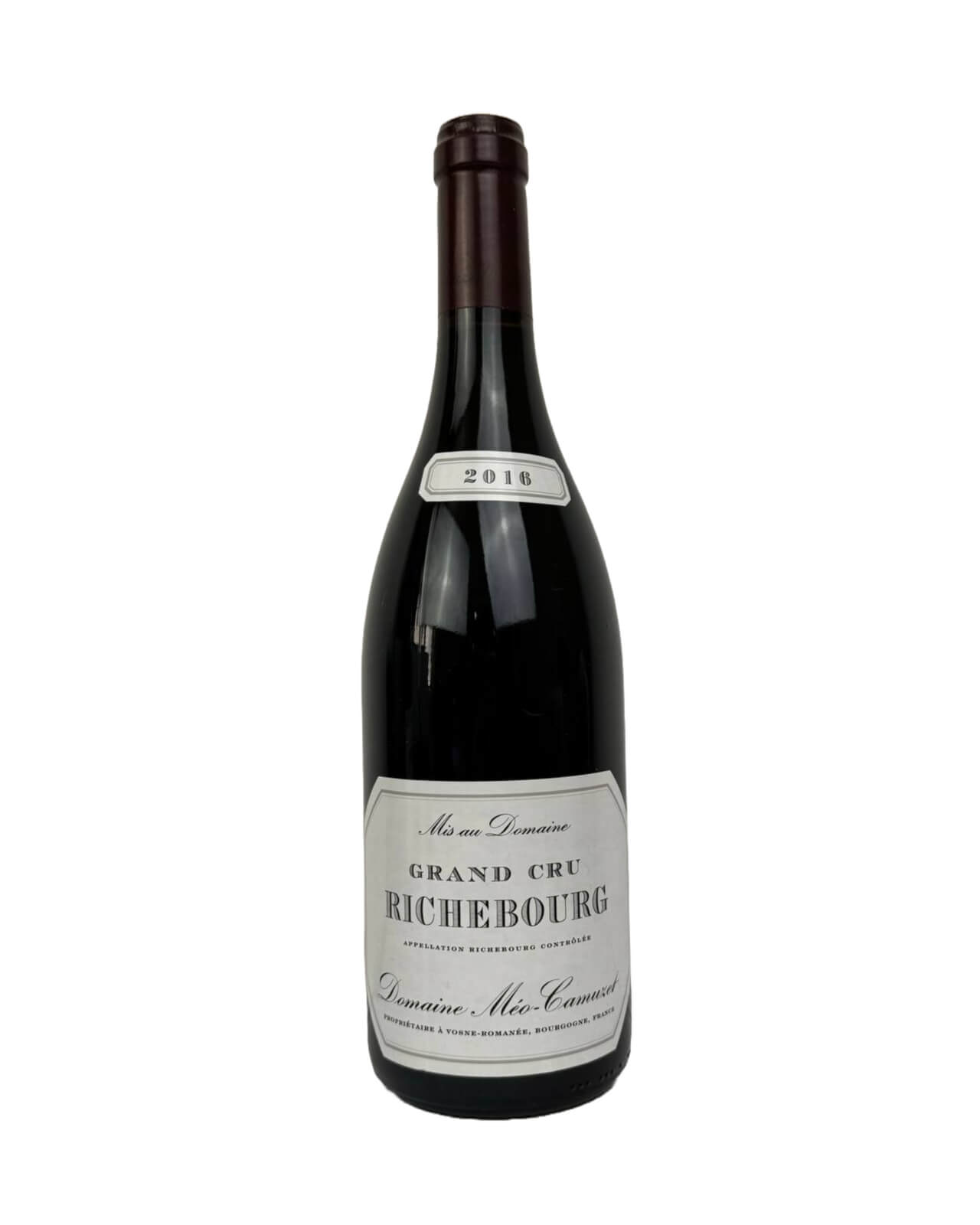
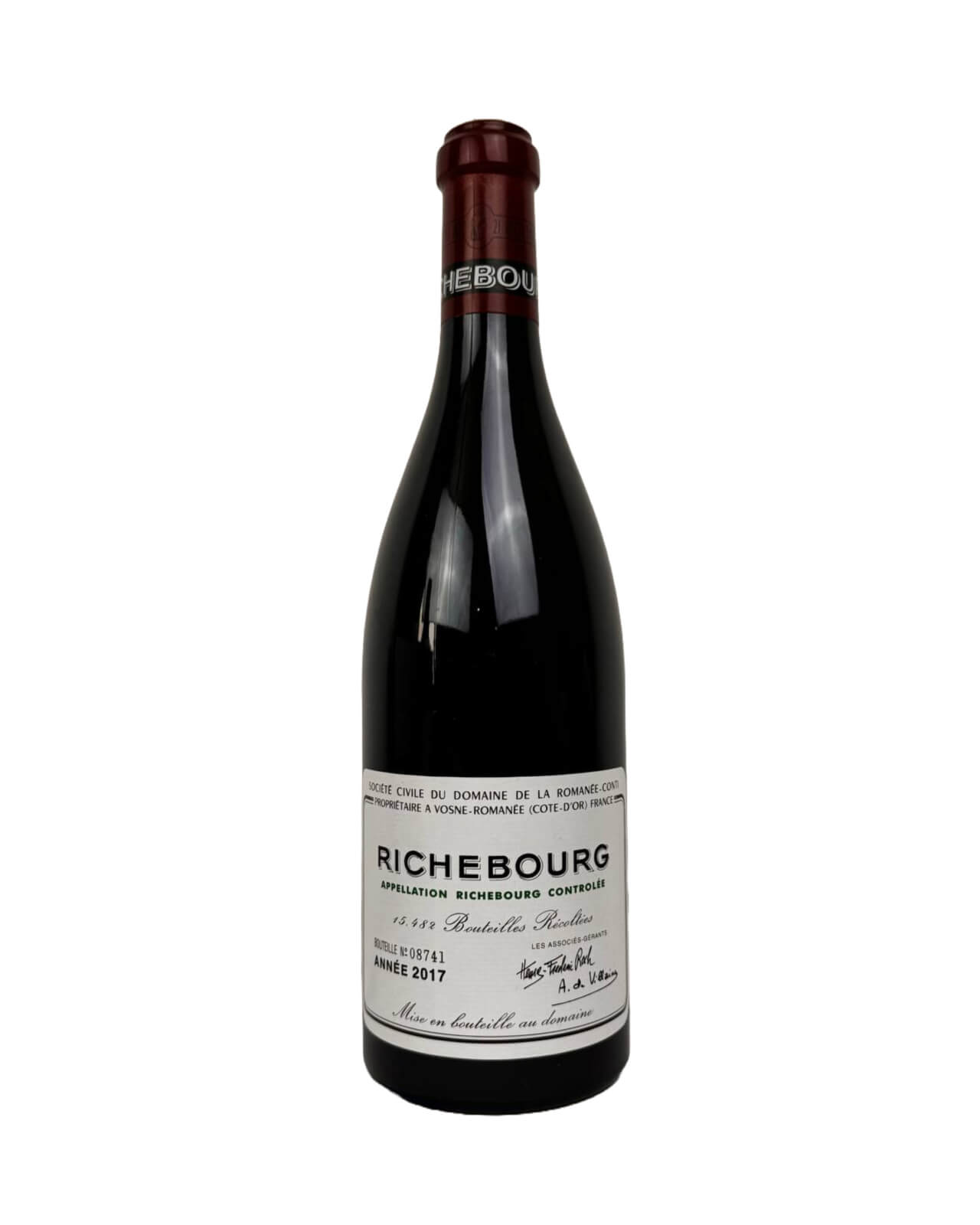
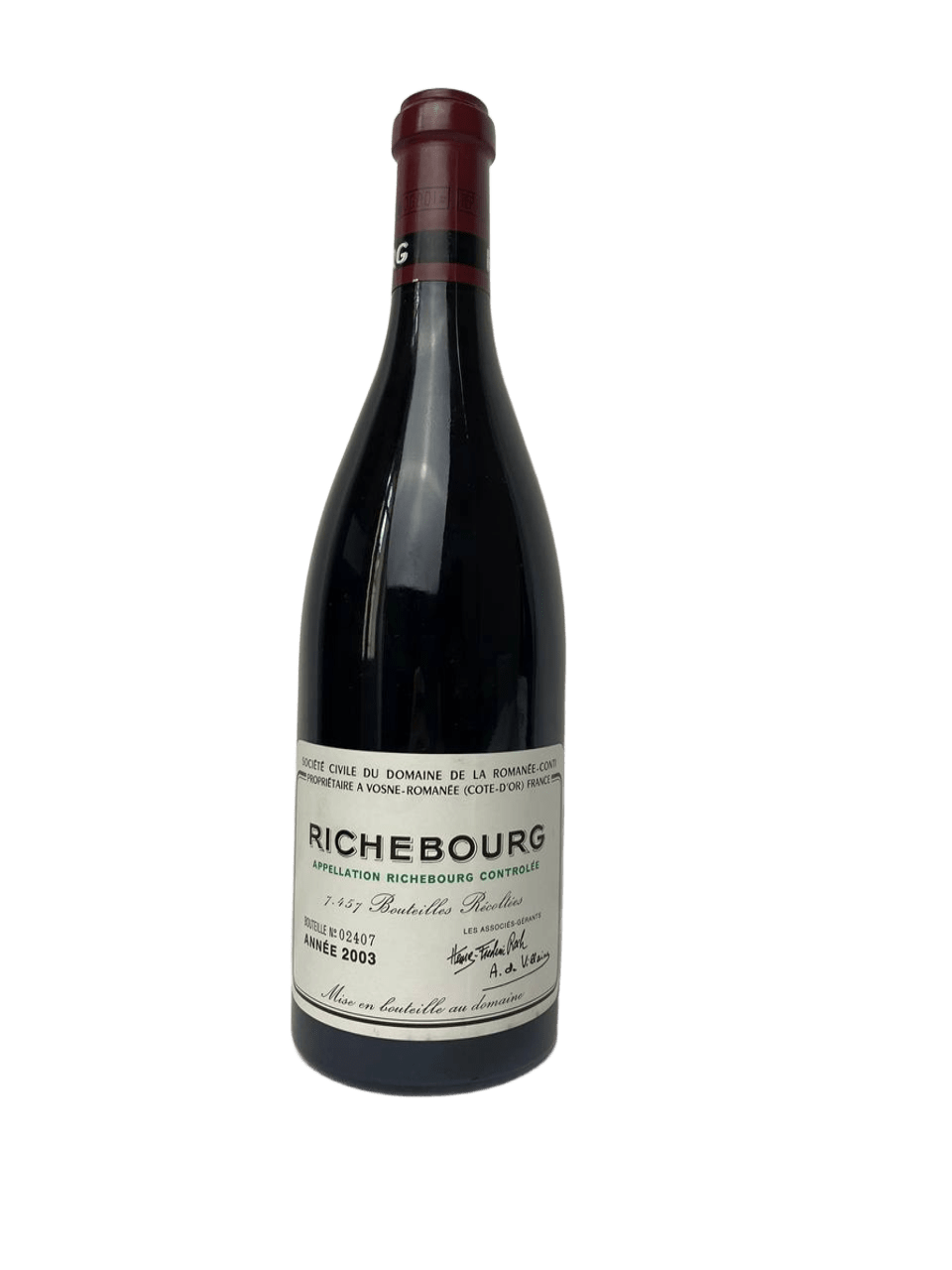
Richebourg, Cote de Nuits is a Vosne-Romanée grand cru covering just 7.99 hectares — one of the smallest top-tier red appellations in Burgundy, which is why its Pinot Noir is so scarce and so sought after. Set on the eastern slope of Vosne-Romanée, just north of the village, the appellation adjoins Romanée-Saint-Vivant to the south and lies a short step from La Romanée-Conti to the west. Owned in its largest share by the Domaine de la Romanée-Conti, Richebourg wine is the embodiment of power married to silk: deep, broad-shouldered, and structured for the long haul. At Tour de Wine we curate 4 references from this micro-appellation, chosen to represent the breadth of styles a Côte de Nuits grand cru of this calibre can offer.
Richebourg Grand Cru is one of the smallest and most precious appellations in all of France. A few defining facts frame why Richebourg burgundy commands such reverence:
Crucially for collectors, the appellation is composed of two constituent lieux-dits. The upper section, “Richebourg” proper, rests on lighter brown limestone soils and tends toward a more precise, floral expression. The lower section, “Les Richebourgs,” sits on deeper clay and gives wines that are fuller, rounder, and more voluminous in the glass. Some négociant cuvées blend the two lieux-dits, while most grower domaines keep them separate or blend by winemaking choice rather than convention; either way, the distinction explains the appellation’s signature combination of lift and flesh.
Bajocian oolitic limestone overlaid with a clay-loam topsoil gives Richebourg its celebrated depth and its silken, almost weightless texture. That alliance of mineral backbone and clay generosity is the structural source of the wine’s character. The semi-continental climate of the Côte de Nuits — warm, dry summers and early autumns — allows phenolic ripeness to complete reliably, while the modest altitude tempers any excess of heat, preserving freshness and perfume.
To help you arbitrate between neighbouring grands crus, a brief comparison is useful. Romanée-Saint-Vivant, contiguous to the south, is more floral and lighter in body, with a more piercing, mineral finish. La Tâche, the monopole of the Domaine de la Romanée-Conti, is denser and more austere in youth, dominated by dark fruit. Richebourg occupies the middle ground — a deep garnet robe, rose petal and liquorice on the nose, and a velvety, expansive palate that is simultaneously powerful and refined. The parcel origin shows in the glass: wines drawing more from the upper lieu-dit lean floral and precise, while those with a greater Les Richebourgs component add volume and dark-fruit density to the same silken frame. This profile is why the finest cuvées from DRC or Leroy in the greatest vintages can develop over 20 to 35 years, while more accessible vintages reward drinking at 10 to 15 years.
Because the appellation is so small, only a handful of growers hold parcels here, and the differences in their styles are pronounced. The names below are the references that define Richebourg on the world market:
Our current Burgundy Grand Cru selection rotates with availability; the producer and vintage filters in the shop show exactly which domaines are in stock today. We never present an unavailable domaine as in stock — what you see in the grid is what we can deliver.
At this price level, knowing whether to cellar or to open is as important as choosing the producer. The following notes summarise the recent vintages most relevant to buyers, each with an indicative drinking window:
We list only the vintages currently in our catalogue. Two commercially available years are absent by design rather than oversight: 2021 was severely cut by April frosts and summer hail across the Côte de Nuits and we carry no stock; 2018, a warm and generous vintage now drinking well, was not secured in sufficient volume to list.
As a service rule, open a Richebourg two hours in advance or decant it, and serve at 15–16 °C in a wide Burgundy glass to let the aromatics unfurl.
A bottle of this stature deserves a considered table. These pairings are chosen to flatter, not fight, the wine’s velvet power:
Avoid delicate fish and acidic or vinegar-dressed dishes, which overwhelm the wine’s perfume. Skip dark chocolate too: its bitterness and residual sweetness clash with Pinot Noir’s tannin, stripping the wine of its mid-palate fruit.
Pricing for a wine this rare is opaque on most merchant sites, which lean on vague auction figures. Below is honest, real-catalogue guidance from our own selection of this Burgundy grand cru, built on Pinot Noir at its most exalted.
Richebourg is, by its nature, a rare appellation: only a handful of producers hold parcels. Tour de Wine offers 4 curated references drawn from the appellation’s most representative domaines. Use the vintage and producer filters directly in the shop to find the bottle that suits your occasion and your cellar.
If you are still weighing the appellation against its peers, our broader red wine range and Premier Cru Burgundy selection offer well-priced routes into the same Vosne-Romanée pedigree.
Richebourg is one of the four most coveted grands crus of Vosne-Romanée, alongside La Tâche, Romanée-Conti and Romanée-Saint-Vivant. It distinguishes itself through power and textural amplitude — fuller, rounder and more voluminous in the mouth than the more ethereal Romanée-Conti. It is neither superior nor inferior, simply stylistically distinct. Collectors who prize density and longevity over sheer filigree finesse often rank Richebourg among the very greatest red Burgundies.
Three structural factors drive the price. The total appellation is under eight hectares, so worldwide production stays inherently limited across all growers combined; and the dominant owners — DRC, Leroy, Anne Gros — apply extremely low yields and rigorous selection. International demand, concentrated on a few vintages from a handful of domaines, structurally outstrips supply every single year. In our selection this translates to bottles from around €550 up to €3,750.
A Richebourg from a top domaine such as DRC or Leroy in a great vintage (2019, 2022, 2015) will develop over 20 to 35 years in ideal cellar conditions. More accessible vintages such as 2017 or 2020 reward drinking at ten to fifteen years. A stable cellar — 12–14 °C, free of vibration, in total darkness — is non-negotiable for a wine at this level.
Vosne-Romanée is the village appellation covering the entire commune; a bottle simply labelled “Vosne-Romanée” may come from any qualifying parcel in the village. “Richebourg Grand Cru” can only come from the precisely delimited 7.99-hectare parcel — a far narrower definition that represents one of the very highest rungs in Burgundy’s appellation hierarchy.
Written by the Tour de Wine buying team. Last reviewed: June 2026.
This site is restricted to adults. By entering, you confirm that you are of legal drinking age in your country of residence.